Free Printable Sentence Mapping Worksheets for Year 10
Access free Year 10 sentence mapping worksheets and printables from Wayground to help students master visual sentence structure analysis through engaging practice problems with comprehensive answer keys.
Explore printable Sentence Mapping worksheets for Year 10
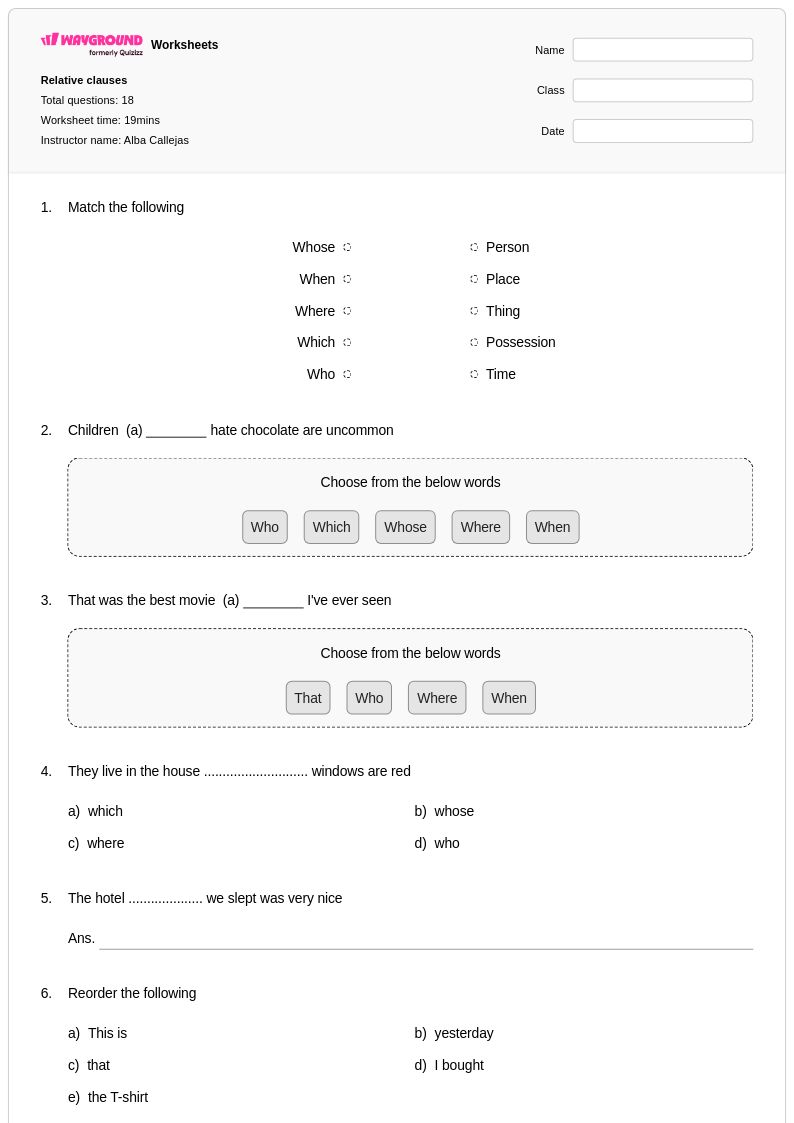
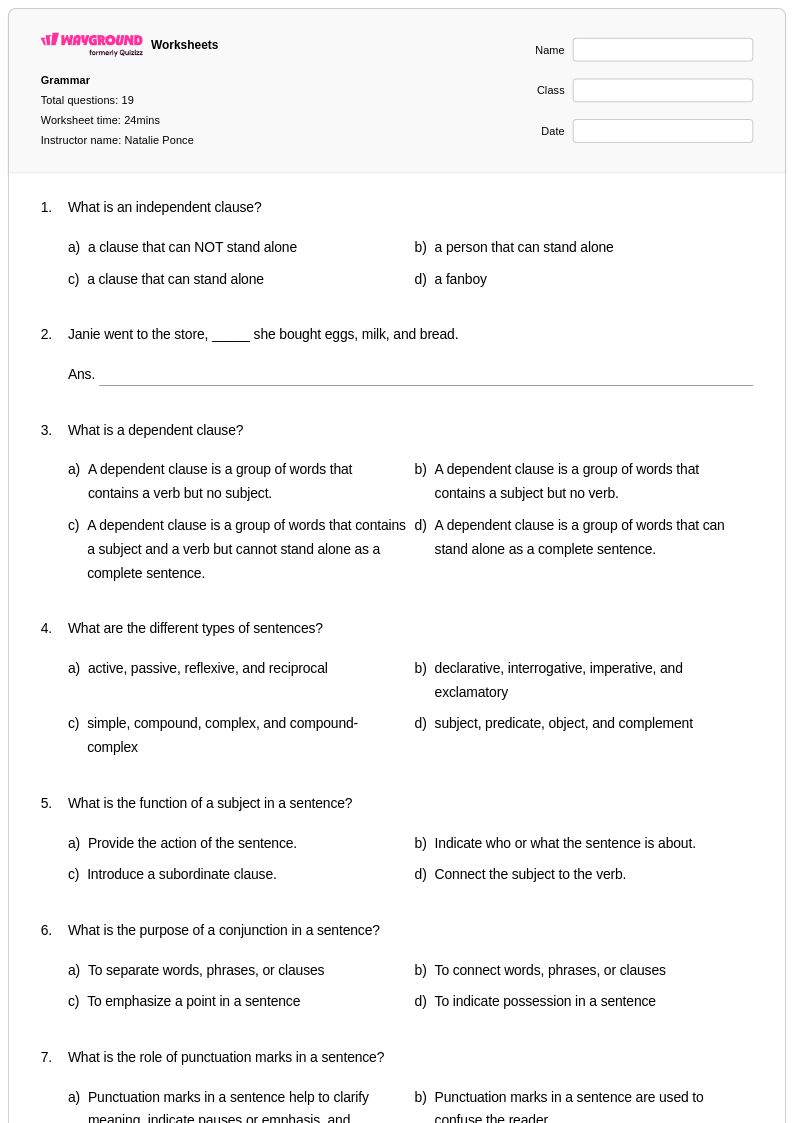
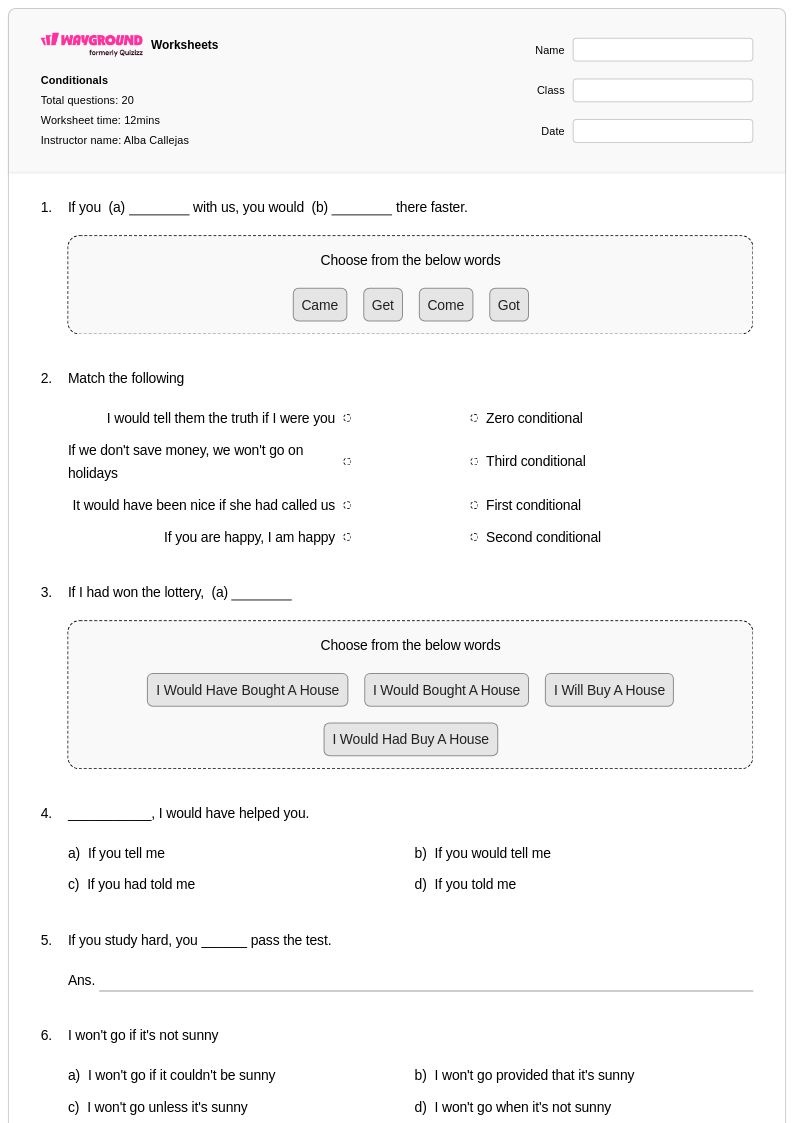
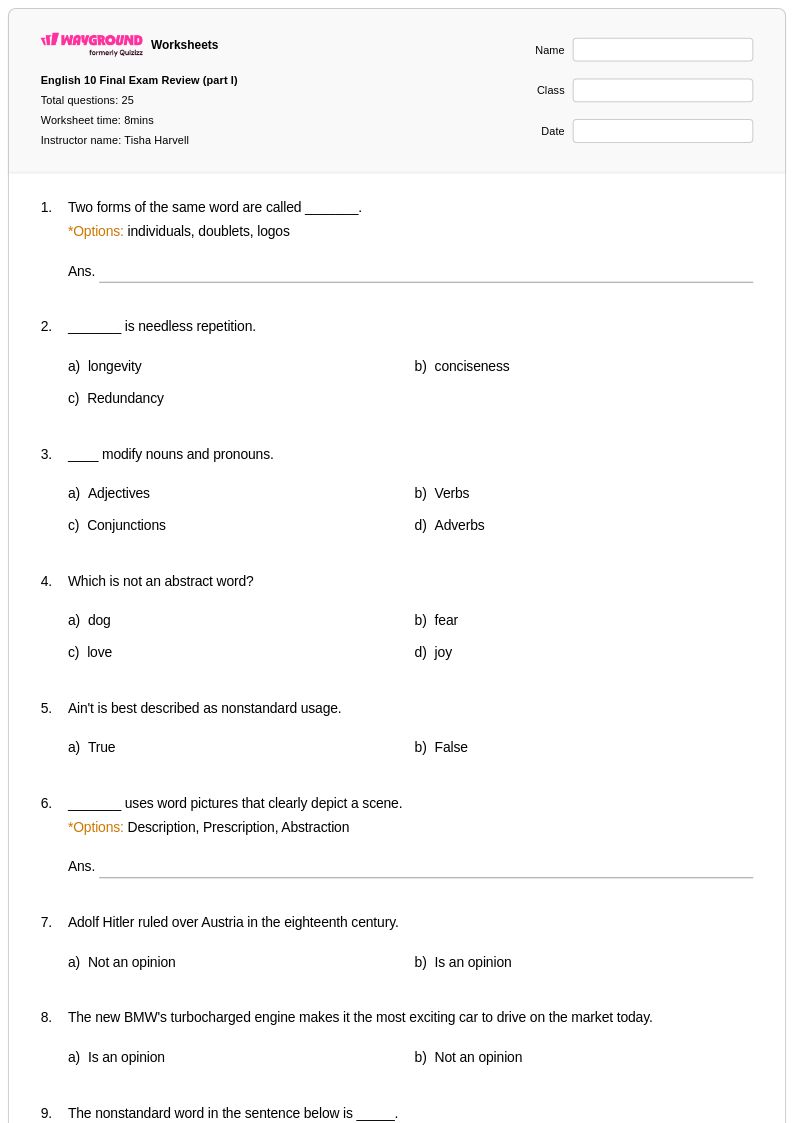
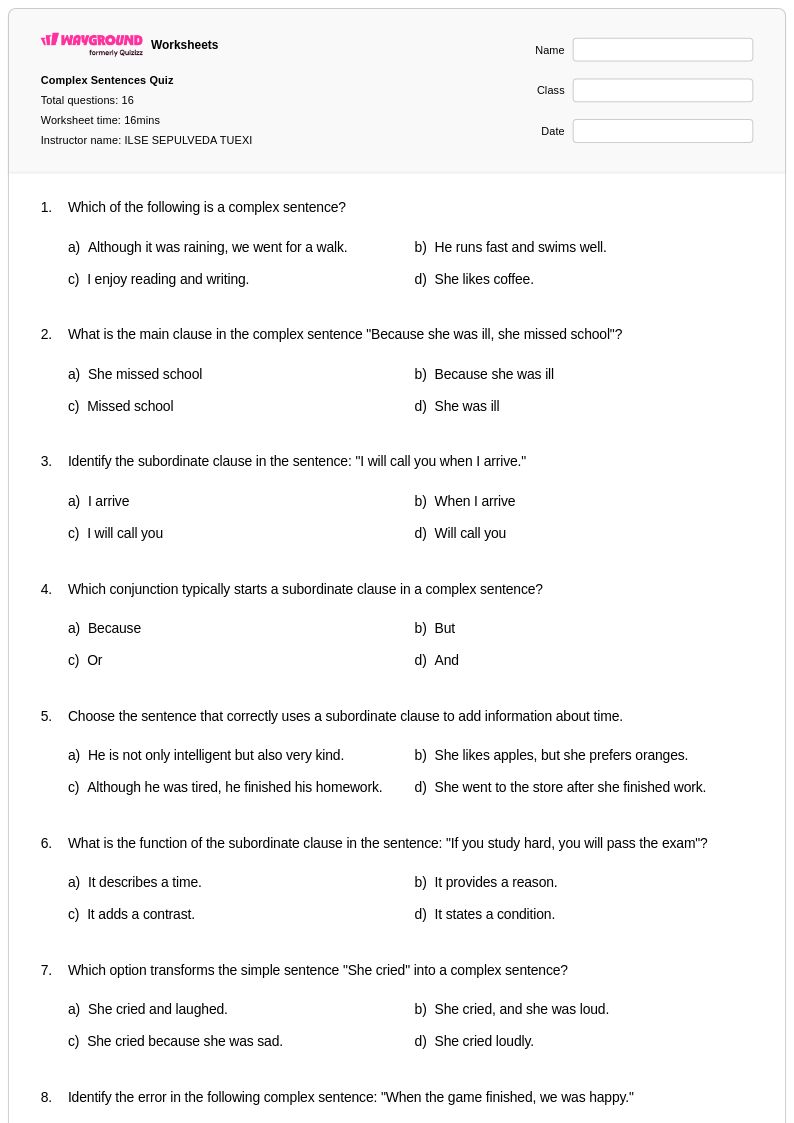
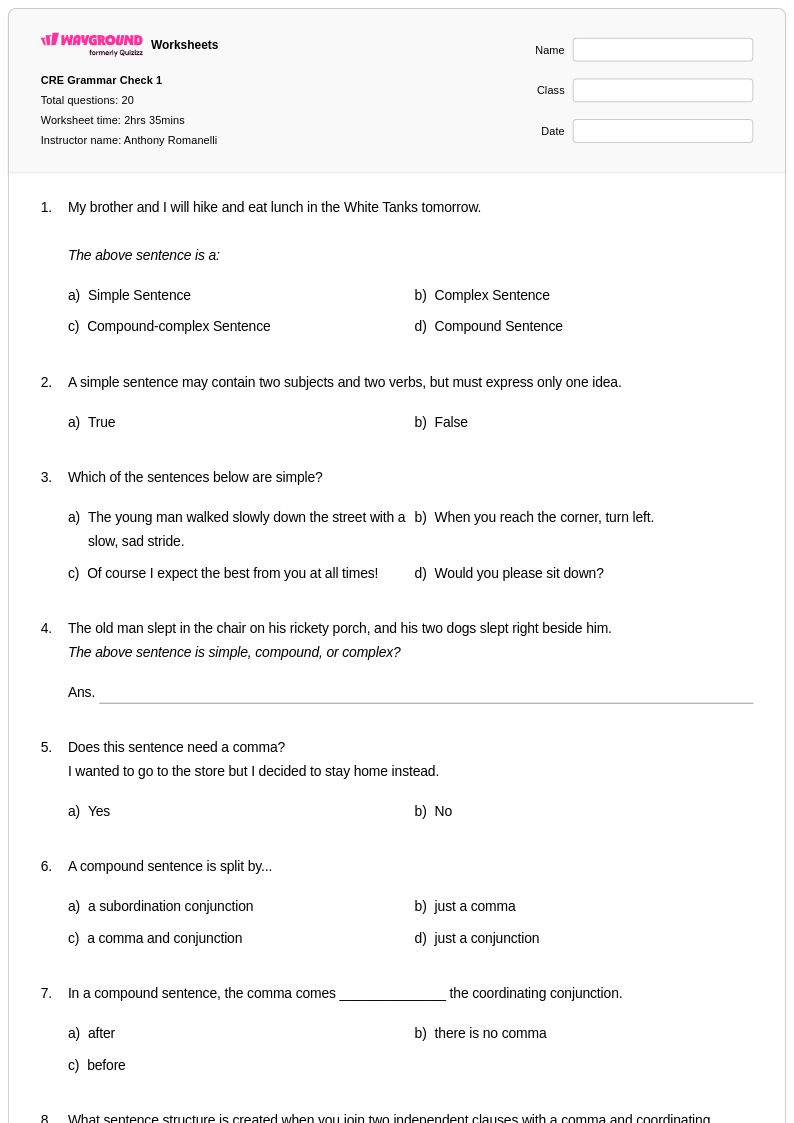
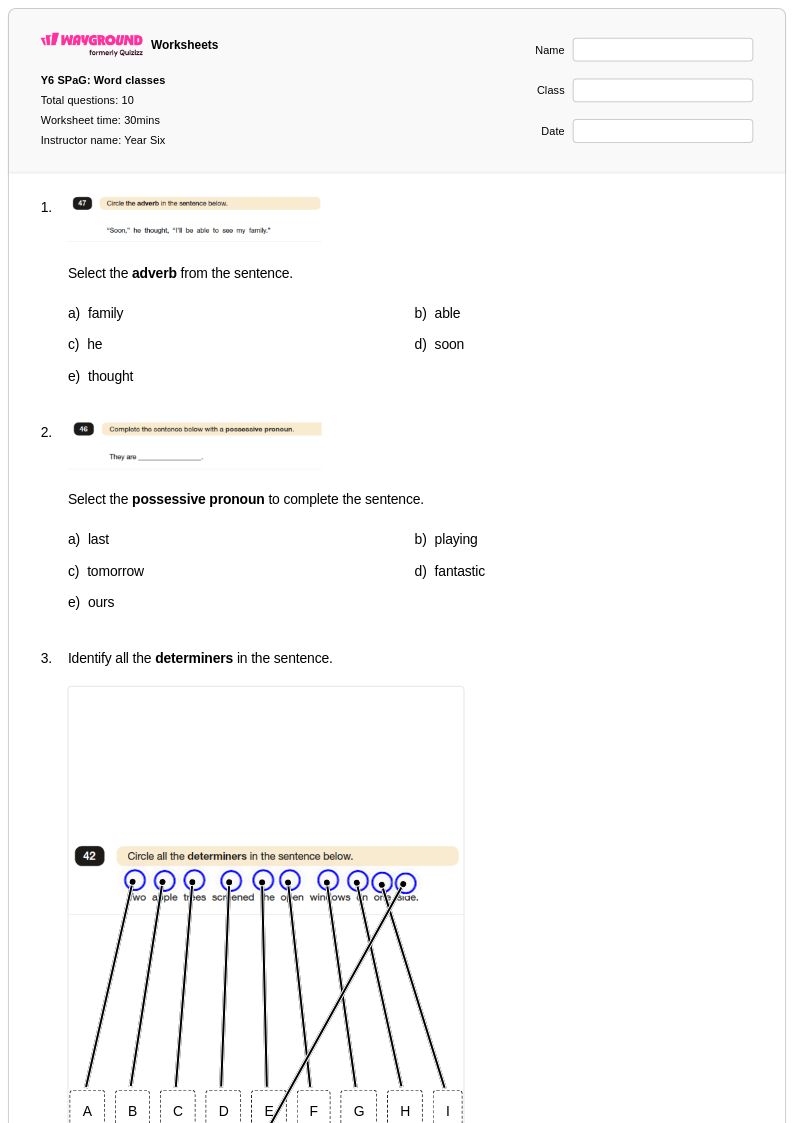
Sentence mapping worksheets for Year 10 students available through Wayground (formerly Quizizz) provide comprehensive practice in visually analyzing and diagramming complex sentence structures. These educational resources strengthen students' ability to identify and map the relationships between subjects, predicates, modifiers, and subordinate clauses within sophisticated sentences typical of advanced high school literature and academic writing. The worksheets feature practice problems that guide students through the systematic breakdown of compound-complex sentences, helping them understand how dependent and independent clauses work together to create meaning. Each printable resource includes detailed answer keys that demonstrate proper mapping techniques, while the free pdf formats ensure accessibility for both classroom instruction and independent study sessions.
Wayground (formerly Quizizz) supports educators with an extensive collection of teacher-created sentence mapping resources specifically designed for Year 10 English instruction. The platform's robust search and filtering capabilities allow teachers to locate worksheets that align with specific curriculum standards and target particular aspects of sentence analysis, from basic clause identification to advanced syntactic parsing. These differentiation tools enable instructors to customize materials for varied skill levels within their classrooms, whether providing remediation for students struggling with complex sentence structures or offering enrichment activities for advanced learners. The flexible digital and printable formats facilitate seamless integration into lesson planning, making it simple for teachers to incorporate sentence mapping practice into grammar instruction, writing workshops, or literature analysis units while tracking student progress through systematic skill development.
FAQs
How do I teach sentence mapping to students?
Sentence mapping is most effectively taught by starting with simple subject-predicate structures before introducing modifiers, clauses, and phrases. Begin with mentor sentences from texts students are already reading so they can connect the analysis to familiar language. Modeling the mapping process aloud, using visual diagrams that show grammatical relationships spatially, helps students internalize the structure before working independently. Gradually increase sentence complexity as students demonstrate confidence with foundational components.
What is sentence mapping and why does it matter for grammar instruction?
Sentence mapping is a structured analytical method in which students visually deconstruct a sentence by identifying and labeling its grammatical components, including subjects, predicates, phrases, and clauses, and showing how these parts relate to one another. It matters because it builds syntactic awareness, which directly supports both reading comprehension and writing quality. Students who can map sentences understand not just what a sentence says, but how its structure creates meaning, giving them transferable tools for analyzing complex texts and constructing their own.
What exercises help students practice sentence mapping effectively?
Effective sentence mapping practice moves from identification tasks to full structural analysis. Start with exercises where students simply underline subjects and predicates, then progress to labeling phrases, subordinate clauses, and modifiers within increasingly complex sentences. Color-coding components by grammatical role is a high-utility activity because it makes structural patterns visible at a glance. Sentence mapping worksheets that include a variety of sentence types, from simple to compound-complex, ensure students build flexibility rather than pattern-matching on a single structure.
What mistakes do students commonly make when learning sentence mapping?
The most common error is misidentifying the subject, particularly in sentences with prepositional phrases before the main clause, where students often label the object of a preposition as the subject. Students also frequently confuse phrases with clauses, failing to recognize that a clause must contain both a subject and a verb. Another persistent misconception is treating compound predicates as two separate sentences, which undermines their understanding of sentence boundaries and punctuation. Targeted practice with sentences that deliberately include these structures helps students recognize and correct these patterns.
How can sentence mapping worksheets support struggling readers and writers?
Sentence mapping gives struggling readers a concrete, visual entry point into sentences that feel overwhelming as undivided text. By breaking a sentence into labeled components, students can process grammatical relationships step by step rather than trying to hold the entire structure in working memory at once. For struggling writers, analyzing well-constructed sentences through mapping builds a repertoire of structural patterns they can replicate. On Wayground, teachers can enable Read Aloud so students hear questions and sentence content while they work, and Reduced Answer Choices can be applied individually to lower cognitive load without signaling differences to the rest of the class.
How do I use Wayground's sentence mapping worksheets in my classroom?
Wayground's sentence mapping worksheets are available as printable PDFs, making them easy to distribute for independent practice, homework, or small-group work in a traditional classroom setting. They are also available in digital formats, which allows students to complete them on devices with immediate feedback, supporting self-paced and technology-integrated learning environments. Teachers can also host the worksheets as a quiz directly on Wayground, giving them visibility into student responses in real time. All worksheets include complete answer keys, so teachers can use them for instruction, formative check-ins, or assessment without additional preparation.