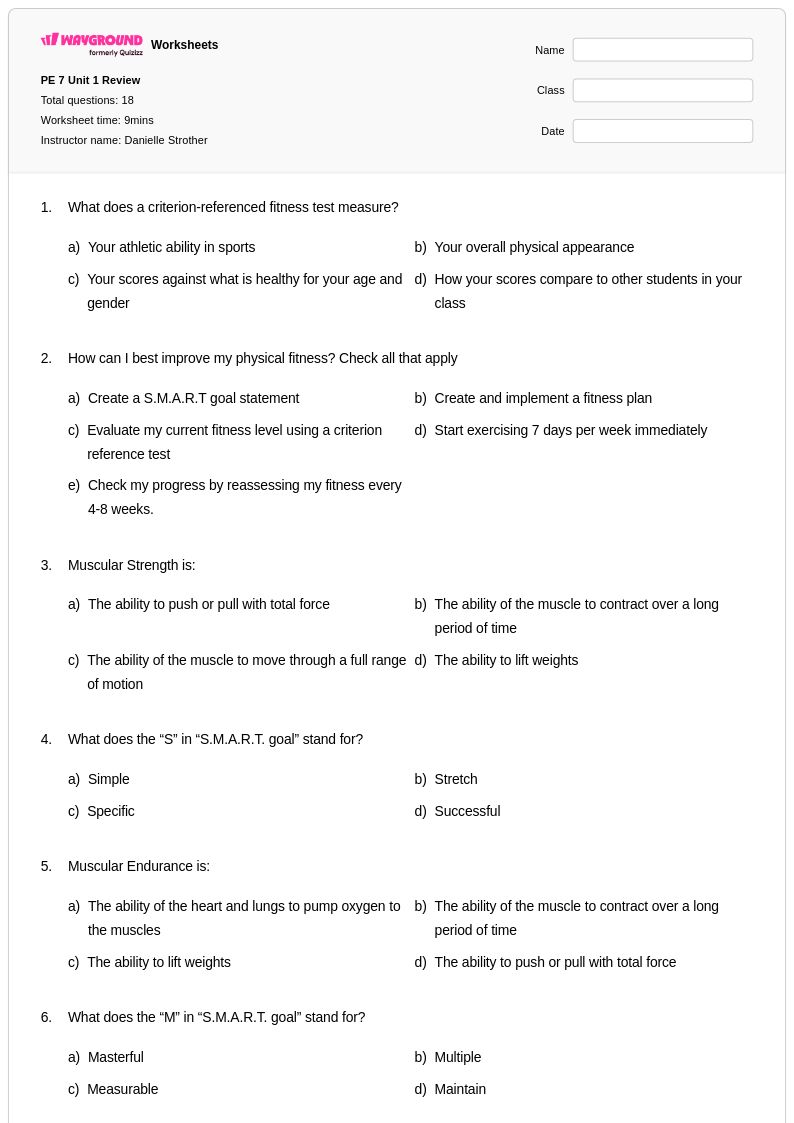
Free Printable Shoulder Stretch Worksheets for Year 9
Year 9 shoulder stretch worksheets from Wayground provide comprehensive printables and practice problems to help students master proper stretching techniques, complete with answer keys and free PDF resources for effective physical education learning.
Explore printable Shoulder Stretch worksheets for Year 9
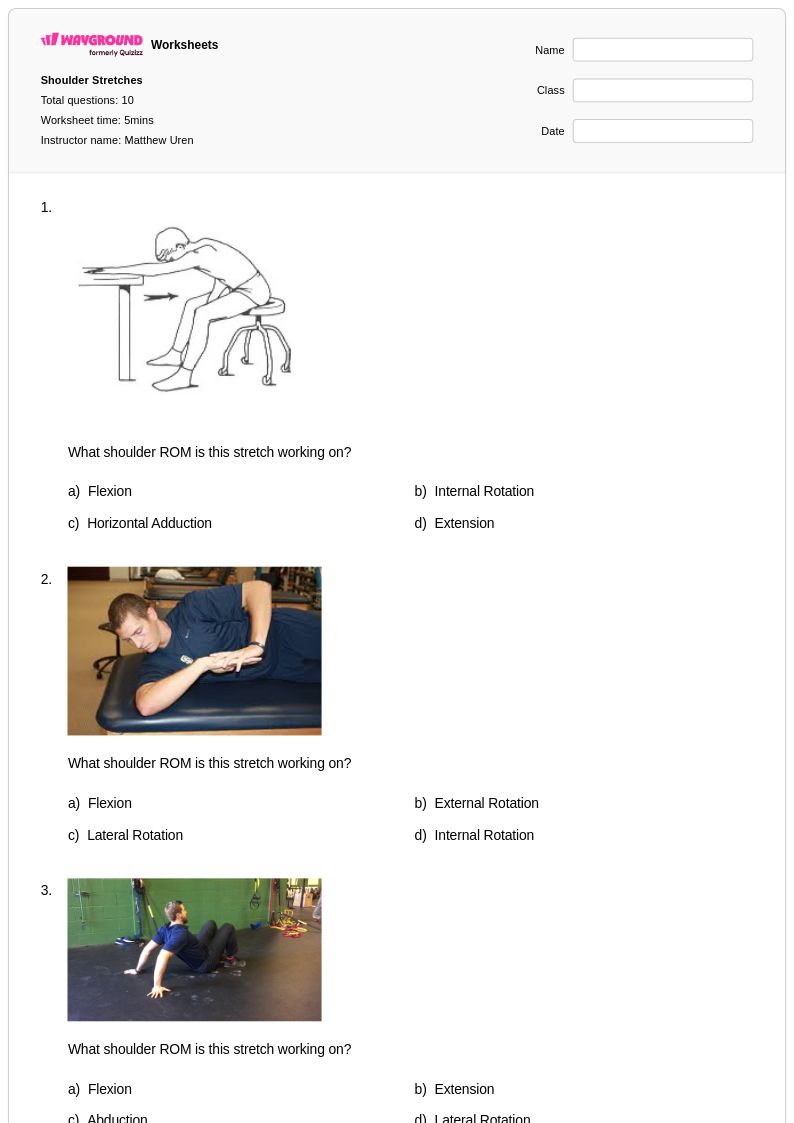
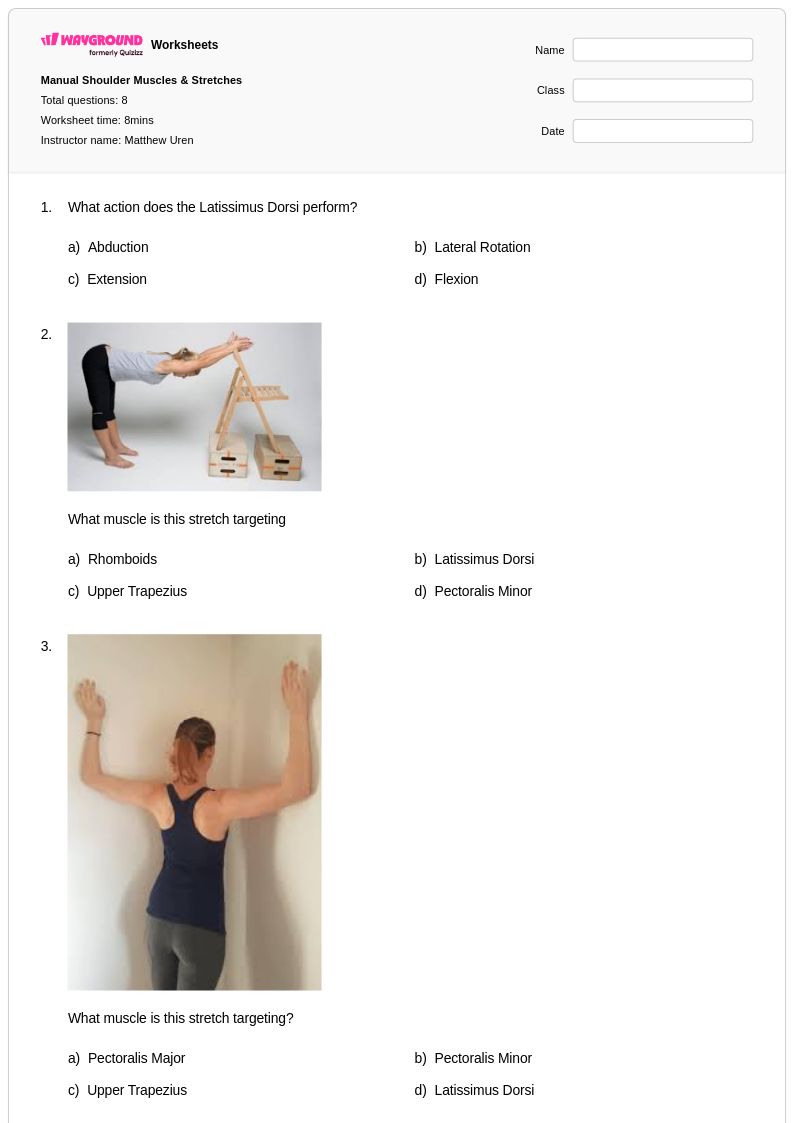
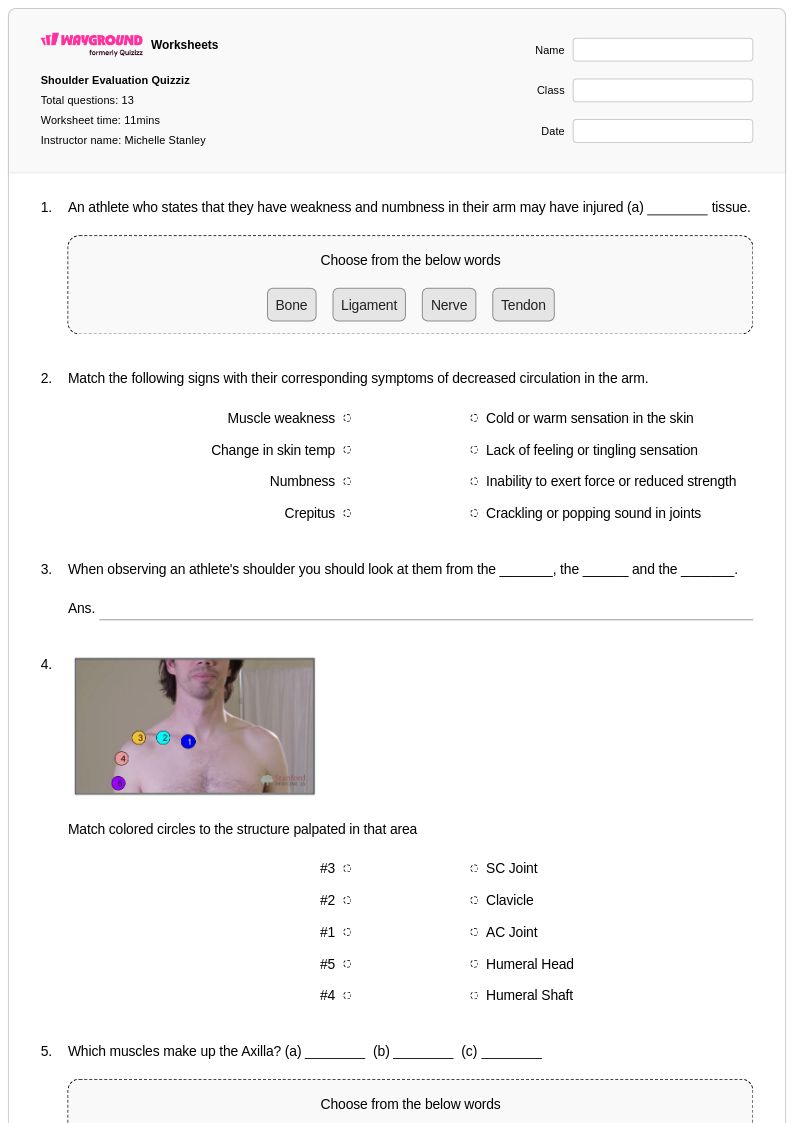
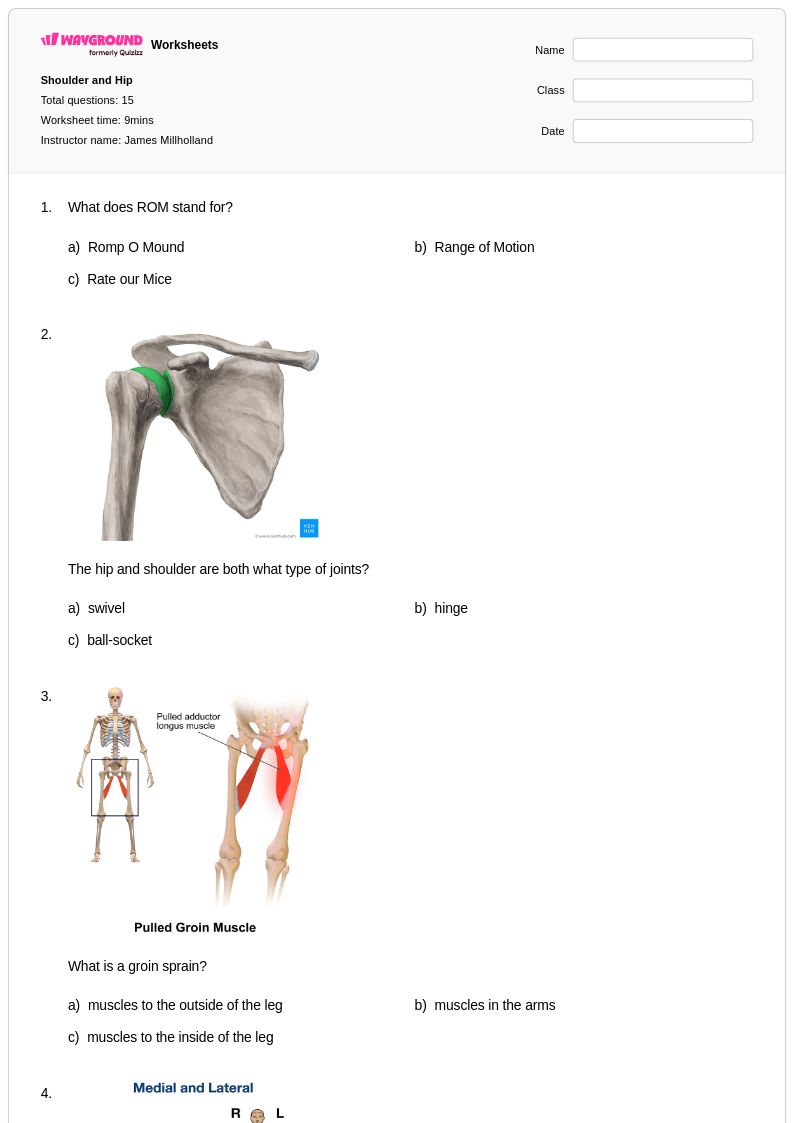
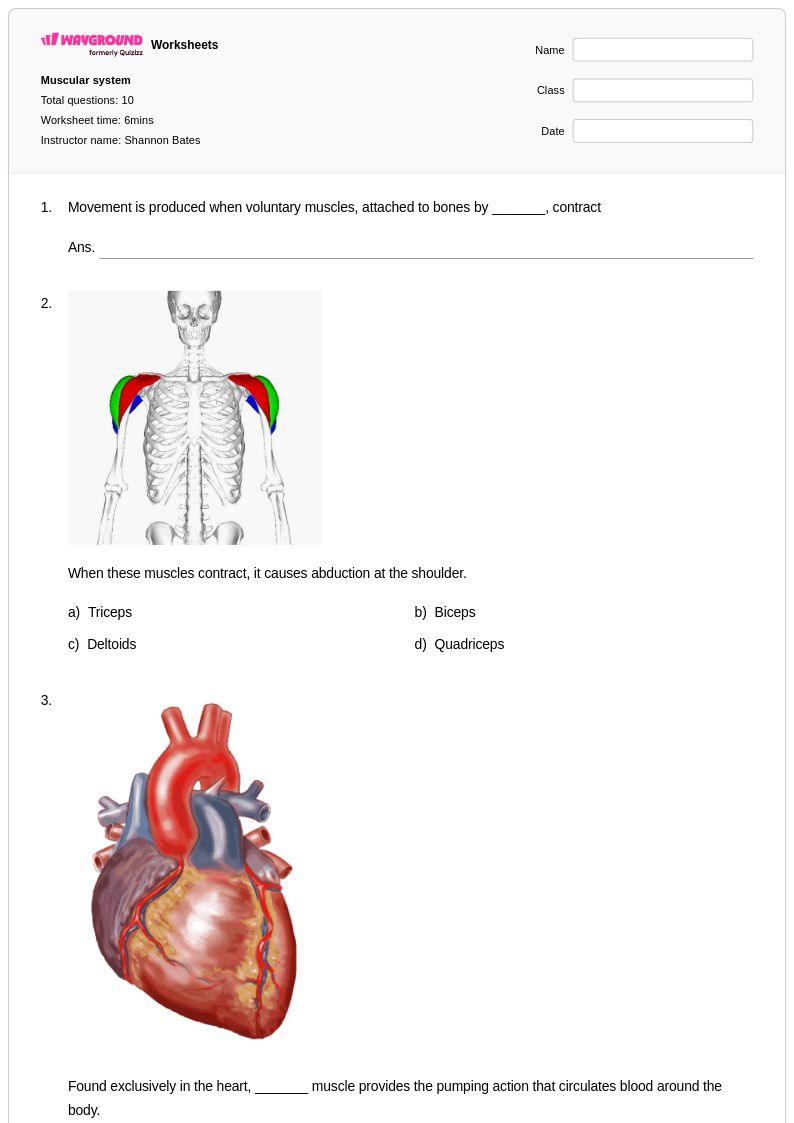
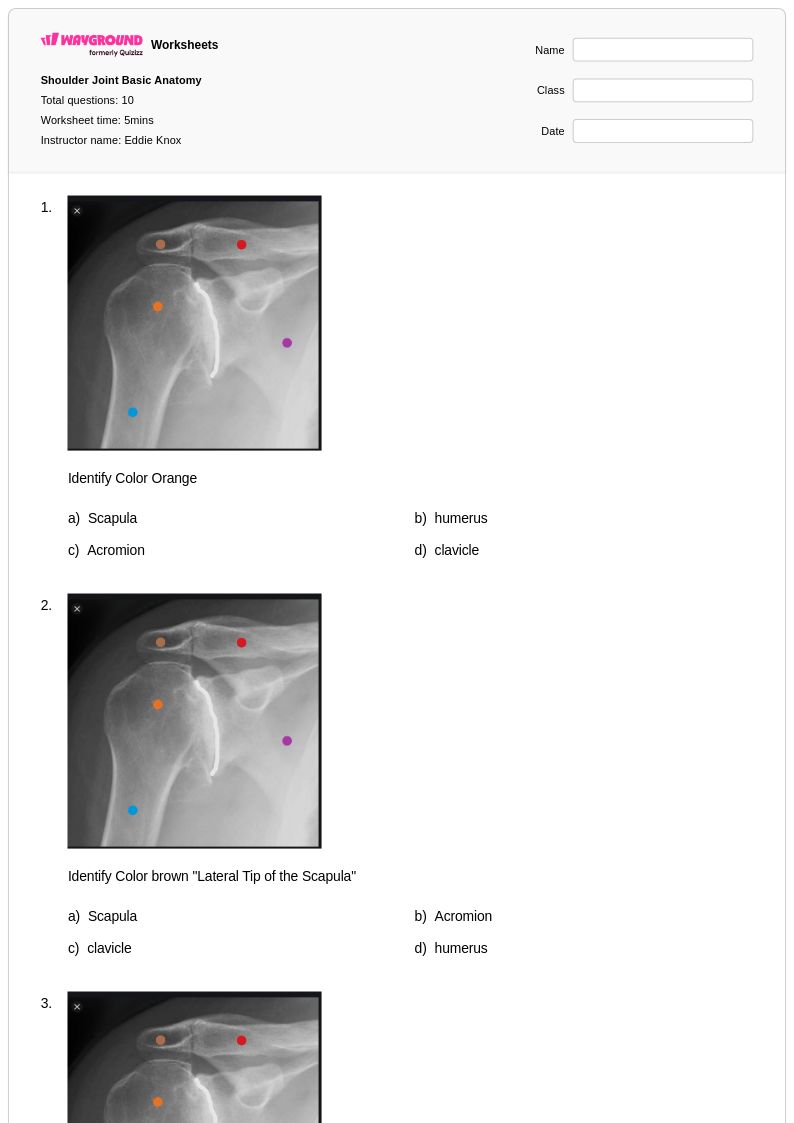
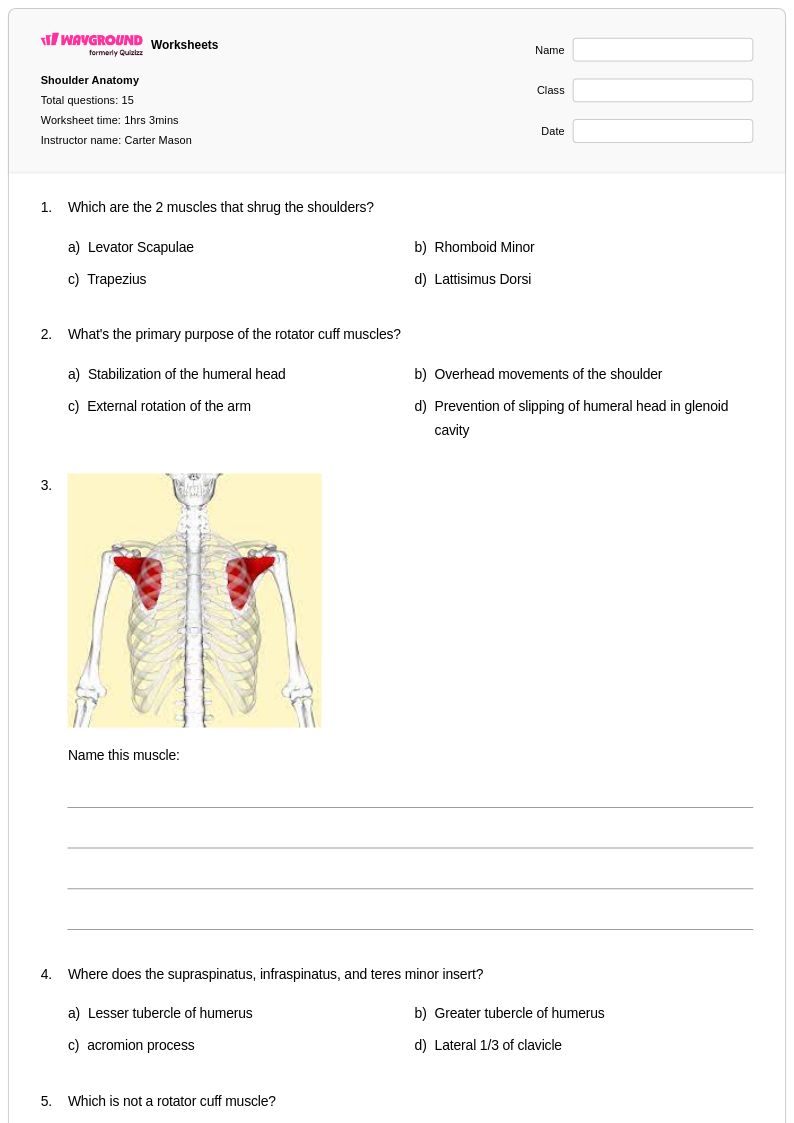
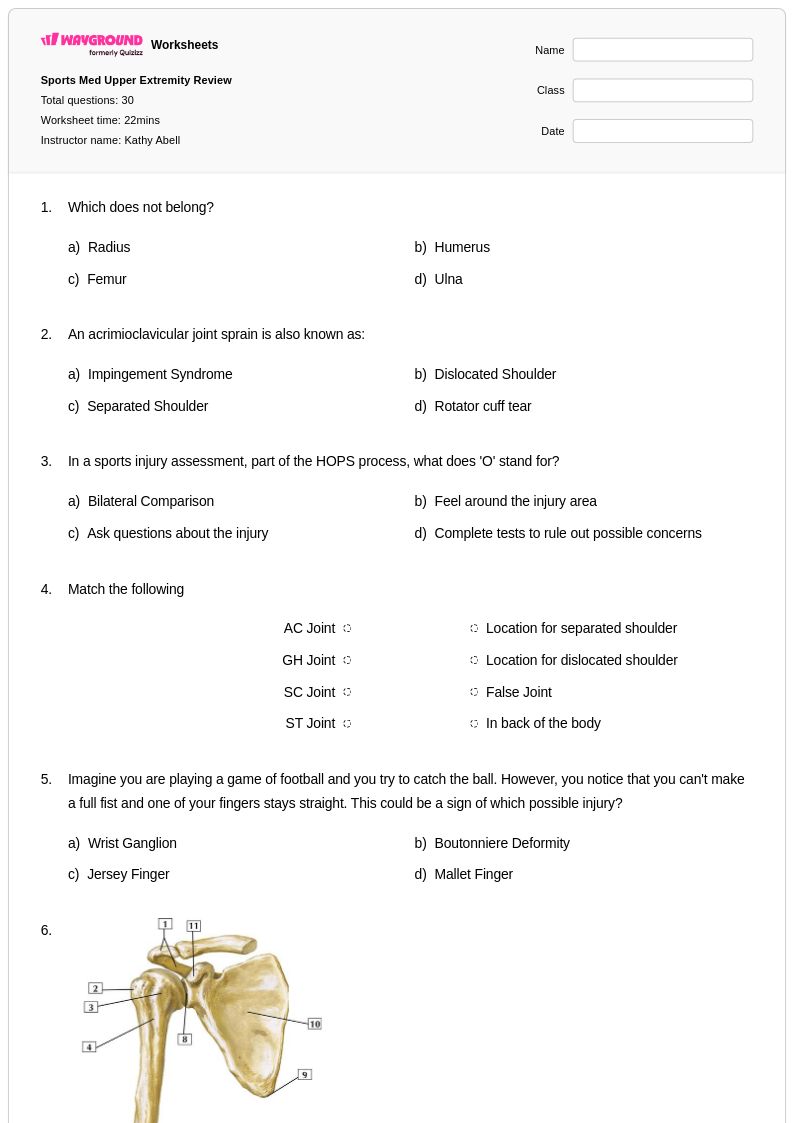
Shoulder stretch worksheets for Year 9 students through Wayground (formerly Quizizz) provide comprehensive resources that guide high school physical education students through proper upper body flexibility techniques and injury prevention strategies. These expertly designed materials focus on teaching students the anatomical principles behind effective shoulder stretching, including detailed instructions for static and dynamic stretches that target the deltoids, rotator cuff muscles, and surrounding connective tissues. The worksheets strengthen students' understanding of proper form, breathing techniques, and safety protocols while building their ability to assess flexibility levels and create personalized stretching routines. Each printable resource includes clear visual demonstrations, step-by-step instructions, and practice problems that reinforce key concepts, with comprehensive answer keys that allow students to verify their understanding of muscle groups, stretch duration, and proper technique execution.
Wayground (formerly Quizizz) empowers physical education teachers with millions of teacher-created shoulder stretch resources that can be easily searched, filtered, and customized to meet diverse Year 9 classroom needs. The platform's extensive collection includes materials aligned with physical education standards, offering both printable pdf formats for hands-on learning and digital versions for interactive instruction. Teachers can efficiently differentiate instruction by selecting worksheets that match varying skill levels and learning styles, while the flexible customization tools allow educators to modify content for specific lesson objectives, remediation activities, or enrichment opportunities. These comprehensive resources streamline lesson planning by providing ready-to-use materials that support skill practice, assessment preparation, and the development of lifelong fitness habits, ensuring that students receive consistent, high-quality instruction in proper shoulder stretching techniques and injury prevention strategies.
FAQs
How do I teach proper shoulder stretching technique to students in PE class?
Effective shoulder stretch instruction begins with anatomical awareness — helping students identify the deltoids, rotator cuff, and surrounding muscle groups before any movement begins. Teach the two foundational stretches first: the cross-body shoulder stretch and the overhead triceps and shoulder stretch, emphasizing slow, controlled movement and steady breathing throughout. Reinforce that stretches should be held for 15 to 30 seconds without bouncing, and that mild tension is normal while sharp pain is a signal to stop.
What are the most common mistakes students make when performing shoulder stretches?
The most frequent error is applying too much force too quickly, which pulls the joint rather than lengthening the muscle and increases injury risk. Students also tend to hold their breath, shrug their shoulders, or twist their torso to compensate for limited range of motion, all of which reduce the stretch's effectiveness and compromise alignment. Teaching students to consciously relax the shoulder down and back before initiating any stretch corrects the majority of these form errors.
What exercises help students practice shoulder flexibility and safe stretching habits?
Structured repetition of named stretches paired with form-check prompts is the most effective practice format for shoulder flexibility. Worksheets that ask students to identify correct versus incorrect form, label muscle groups, and sequence a warm-up routine build both physical skill and conceptual understanding. Including breathing cues and alignment checkpoints in practice activities reinforces the safety habits students need to stretch independently and correctly over time.
How do I support students with different flexibility levels during shoulder stretch activities?
Differentiation in shoulder stretch instruction means offering modified versions of each stretch alongside the standard form so that students with limited mobility can participate safely and progress at their own pace. For students who need additional support, Wayground's digital worksheets allow teachers to apply accommodations such as read aloud for verbal instruction reinforcement and reduced answer choices to lower cognitive load during form-identification tasks. These settings can be assigned individually so that students who need modifications receive them without drawing attention from their peers.
How can I use Wayground's shoulder stretch worksheets in my physical education class?
Wayground's shoulder stretch worksheets are available as printable PDFs for traditional classroom and gymnasium use, as well as in digital formats that can be assigned as interactive activities or hosted as a quiz directly on the Wayground platform. Teachers can use them as pre-activity knowledge checks, guided practice during cool-down segments, or take-home reinforcement for students building independent stretching routines. Answer keys are included with each worksheet, making self-assessment and teacher grading straightforward.
Why is shoulder flexibility instruction important in a physical education curriculum?
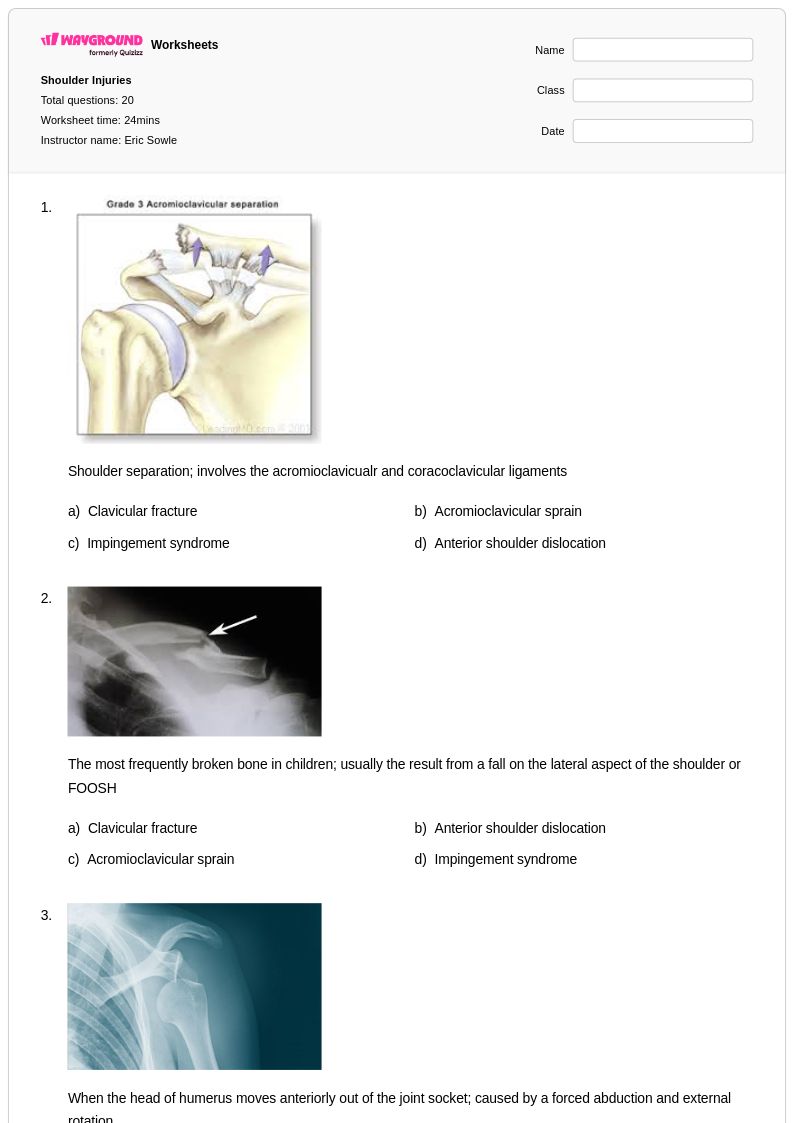
The shoulder is one of the most mobile and injury-prone joints in the body, making proper flexibility training essential for both athletic performance and everyday movement safety. Teaching students correct stretching technique during PE builds lifelong habits that reduce the risk of rotator cuff injuries, postural imbalances, and overuse strain as they age. Embedding shoulder stretch instruction into a structured curriculum ensures students understand not just how to stretch, but why proper form and consistency matter for long-term physical wellness.