Year 12 physics simulation worksheets from Wayground offer comprehensive printables and practice problems that help students master complex physics concepts through interactive modeling, complete with detailed answer keys and free PDF downloads.
Explore printable Simulations worksheets for Year 12
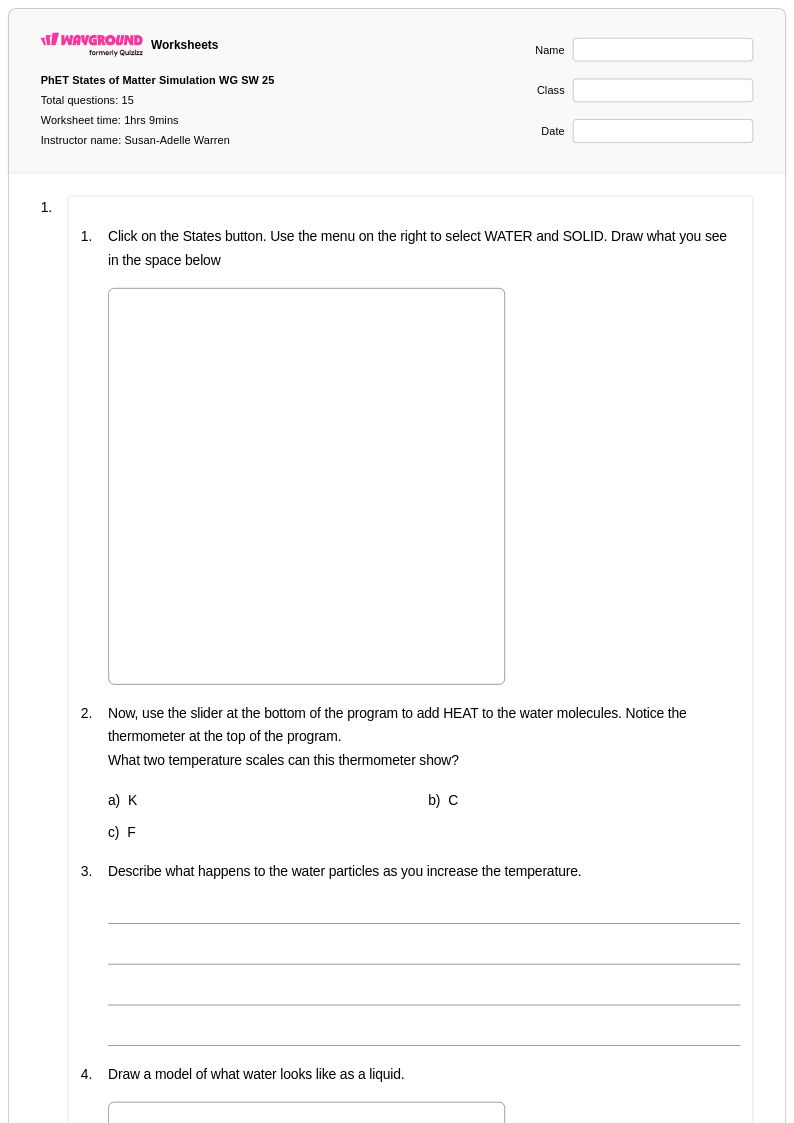
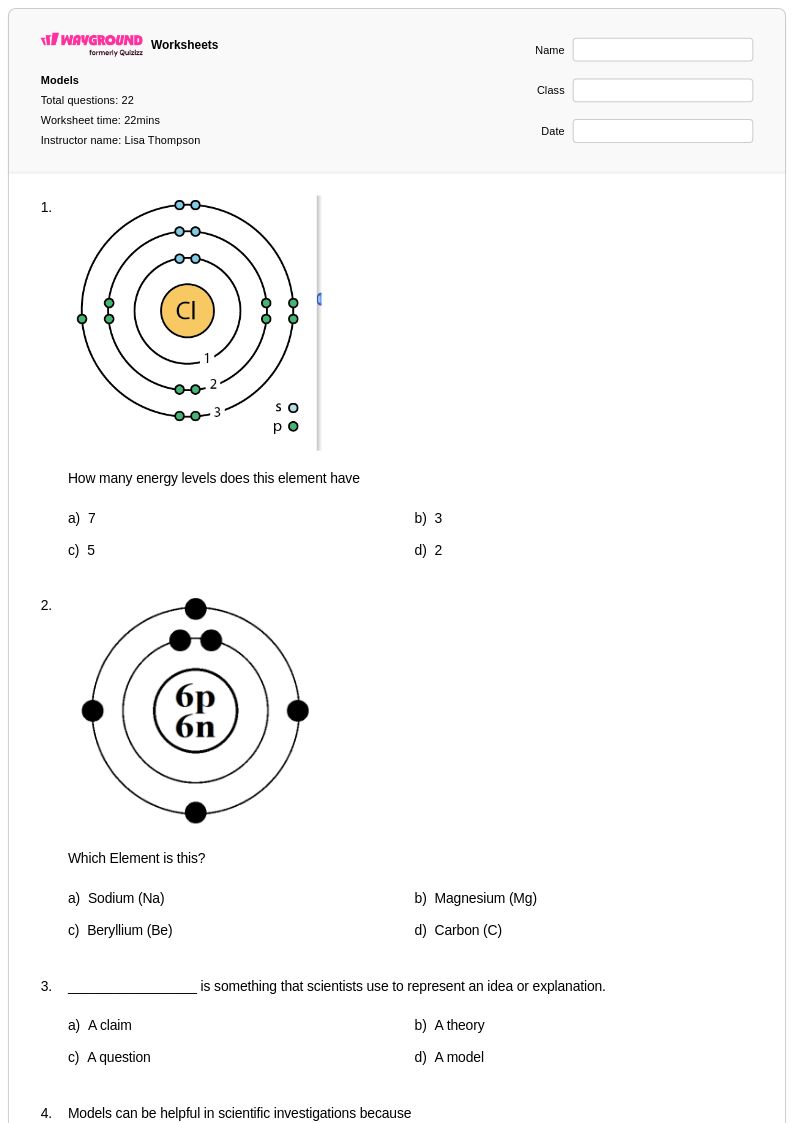
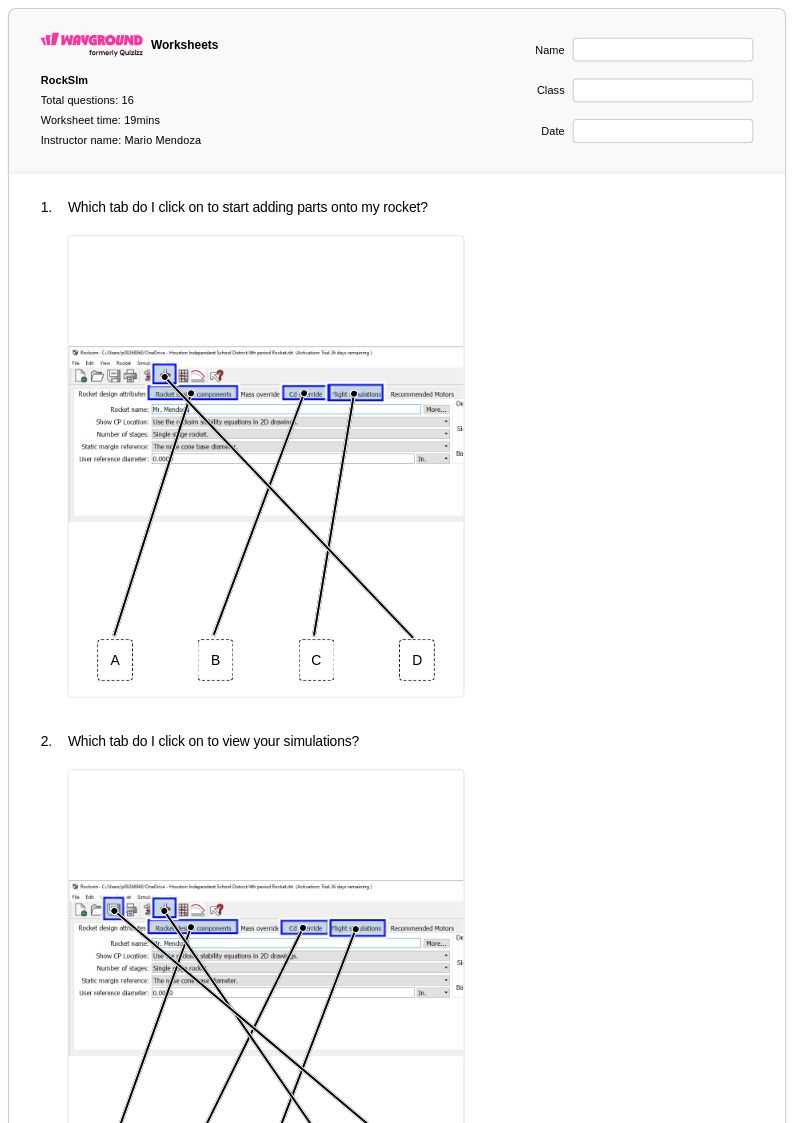
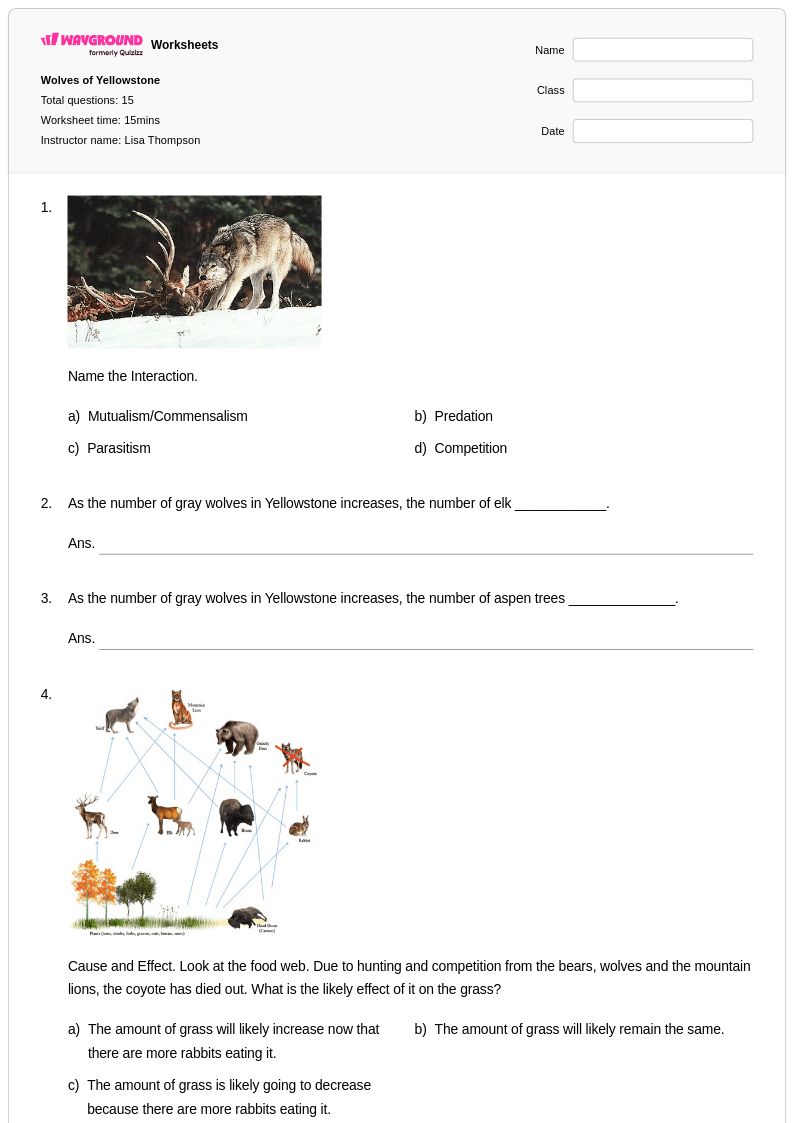
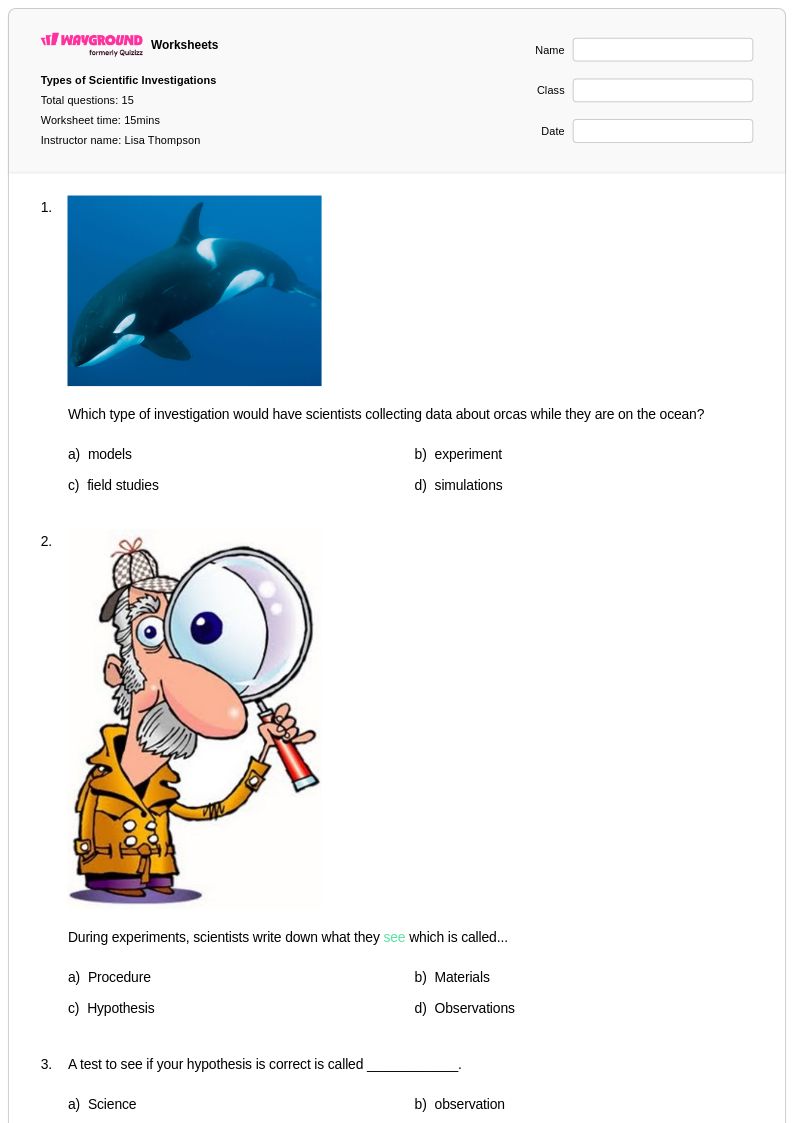
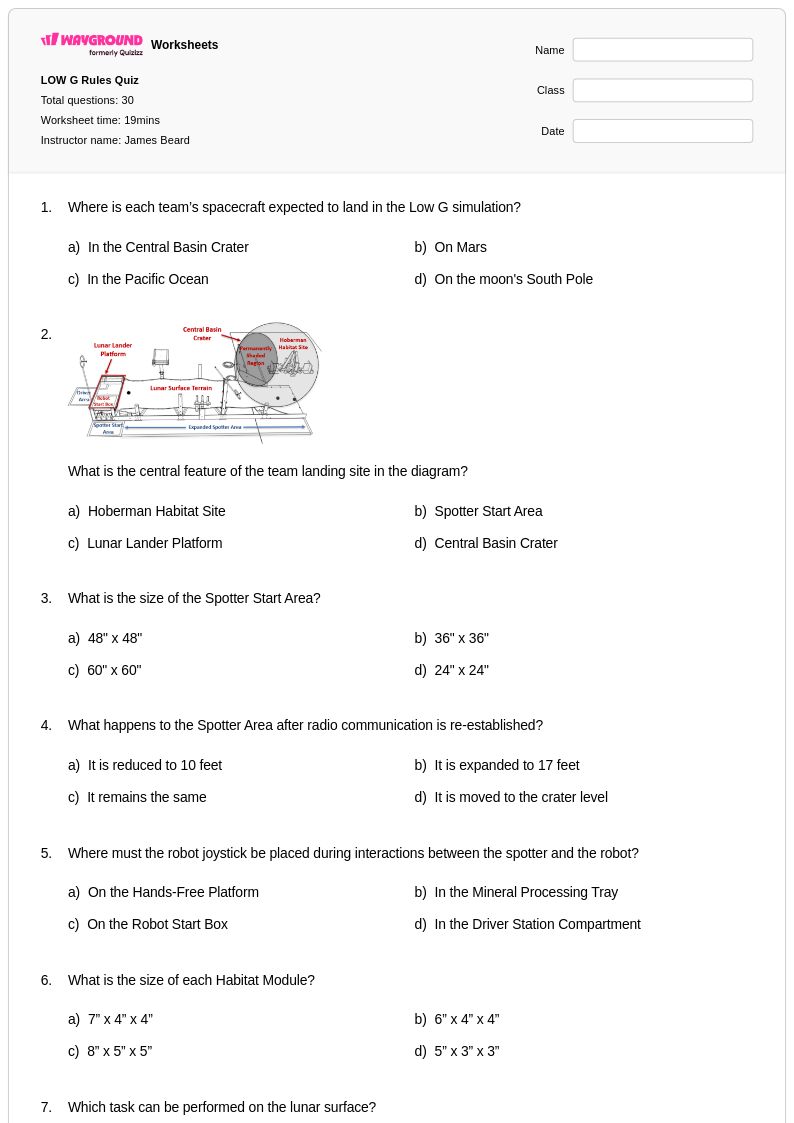
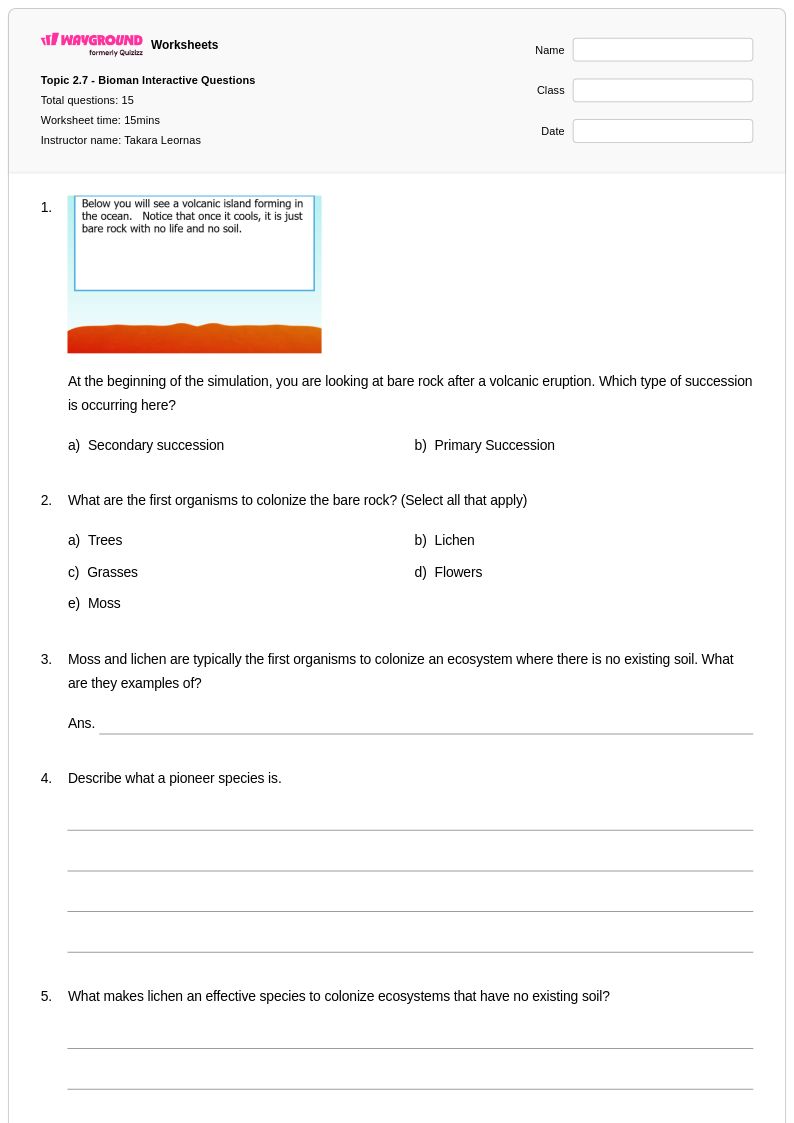
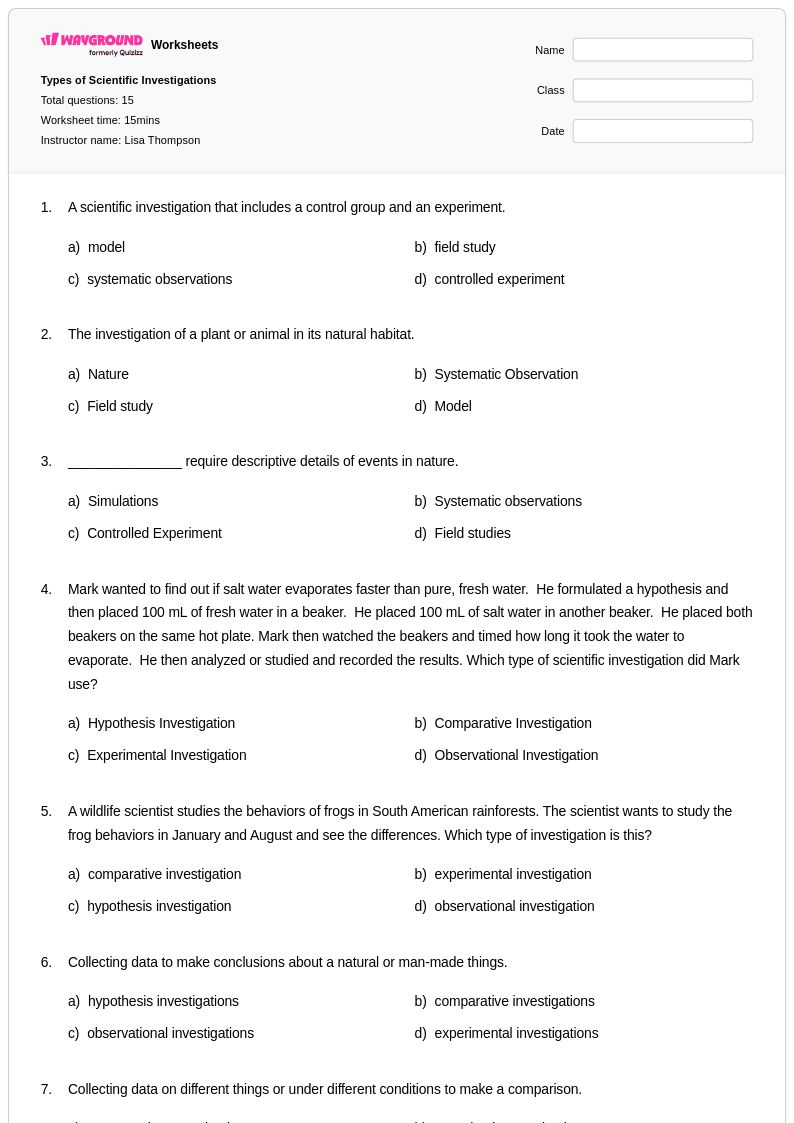
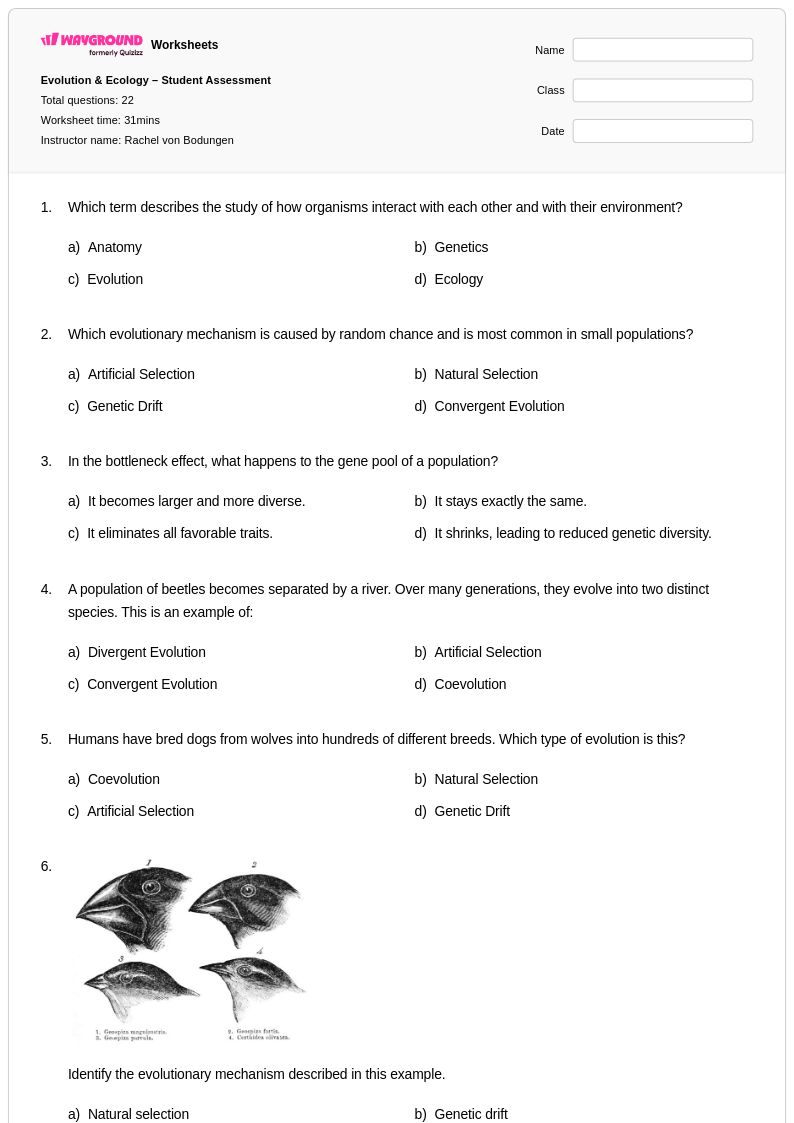
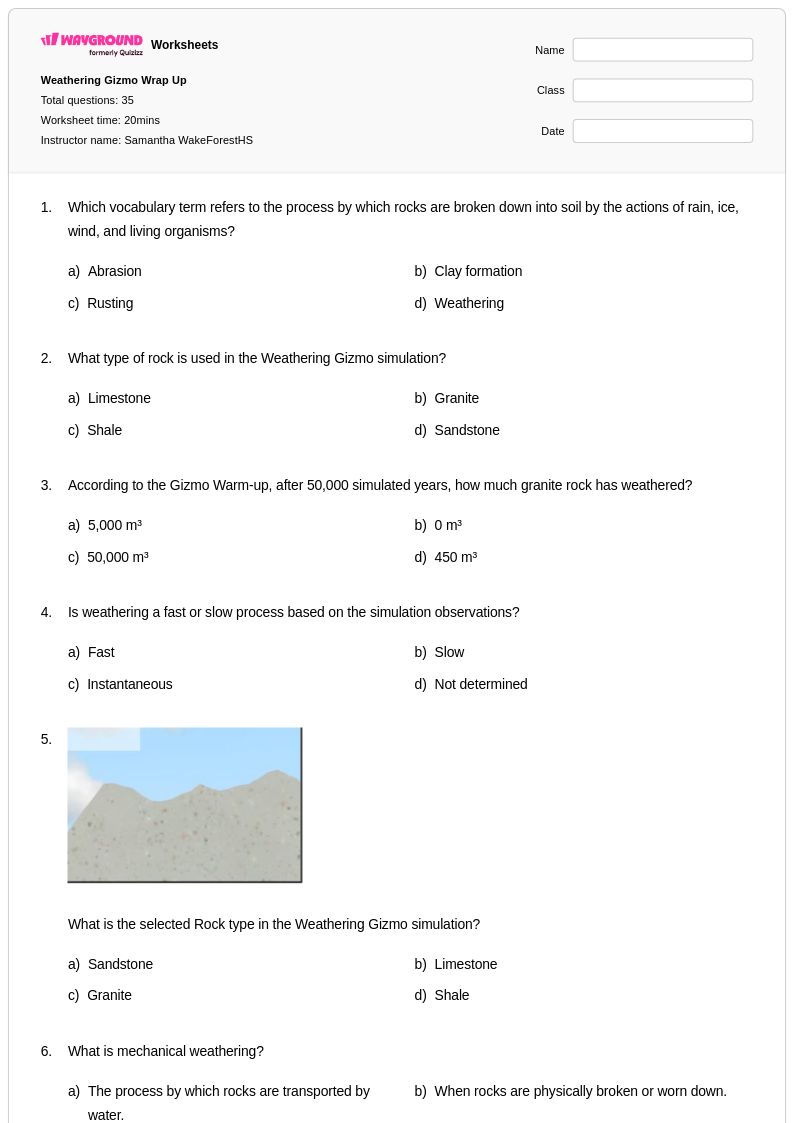
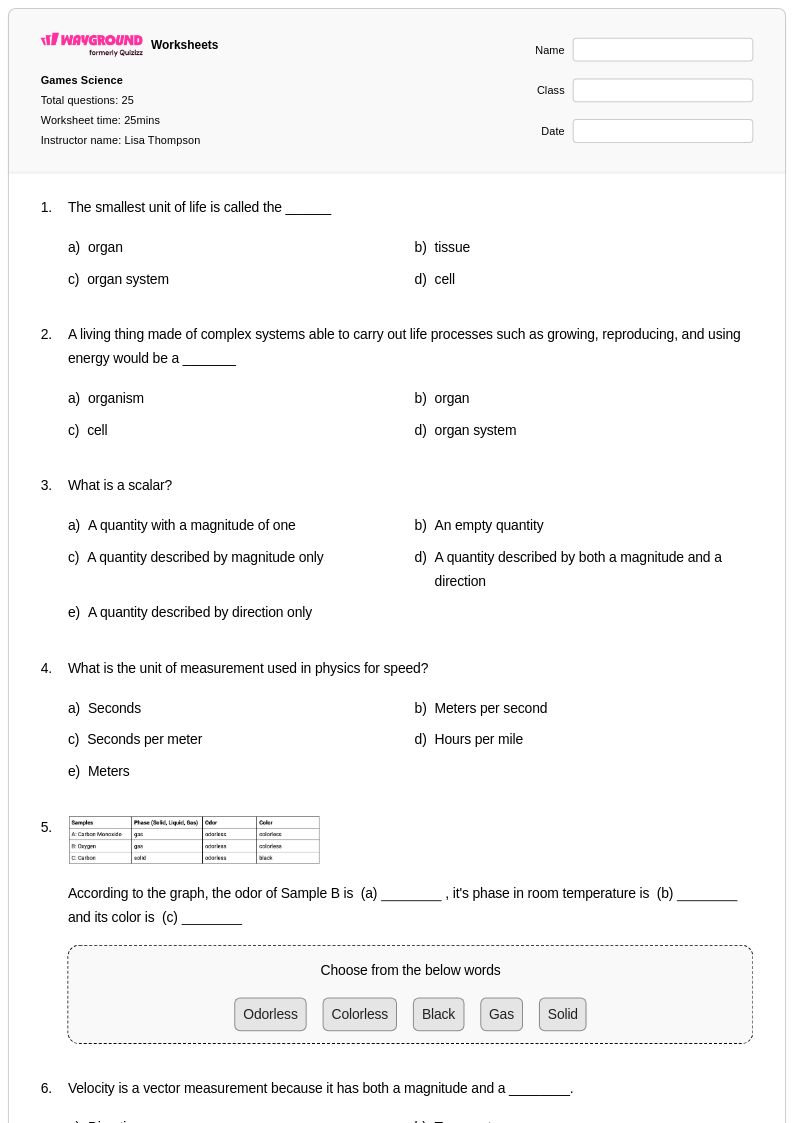
Year 12 physics simulations worksheets available through Wayground (formerly Quizizz) provide advanced students with sophisticated computational modeling exercises that bridge theoretical concepts with practical applications. These comprehensive worksheets guide students through virtual experiments involving complex phenomena such as electromagnetic wave propagation, quantum mechanical systems, thermodynamic processes, and relativistic motion that would be impossible or impractical to demonstrate in traditional laboratory settings. Each worksheet includes detailed practice problems that require students to analyze simulation data, interpret graphical outputs, and draw conclusions about physical relationships, while answer keys ensure accurate self-assessment and independent learning. The printable pdf format allows students to work through simulations systematically, developing critical thinking skills in computational physics and strengthening their ability to connect mathematical models with real-world phenomena through free, accessible resources.
Wayground (formerly Quizizz) empowers physics educators with millions of teacher-created simulation worksheets that support diverse instructional needs across Year 12 curricula. The platform's robust search and filtering capabilities enable teachers to locate simulation exercises aligned with specific physics standards, whether focusing on classical mechanics, modern physics, or advanced electromagnetic theory. Teachers can customize existing worksheets to match their students' skill levels, utilizing differentiation tools to provide appropriate challenges for both remediation and enrichment purposes. Available in both printable and digital pdf formats, these simulation-based resources facilitate flexible lesson planning while offering students multiple opportunities to practice interpreting computational models, analyzing virtual experimental data, and developing proficiency with the technological tools increasingly essential in contemporary physics education and research.
FAQs
How do I teach physics concepts using simulations in the classroom?
Teaching with physics simulations works best when students manipulate one variable at a time while observing how changes affect outcomes like wave frequency, electromagnetic field strength, or thermodynamic equilibrium. Start by framing a guiding question, let students run the simulation independently, and then debrief as a class to connect virtual results back to theoretical models. This approach builds conceptual understanding before introducing formal equations, which research consistently shows improves retention.
What kinds of practice problems work well with physics simulation worksheets?
Effective simulation practice problems ask students to predict an outcome before running the simulation, then reconcile any difference between their prediction and the virtual result. Problems that require students to compare theoretical calculations with simulation data, or explain why an idealized model diverges from a virtual one, develop both quantitative reasoning and conceptual depth. These problem types are especially useful for topics like wave behavior, mechanical systems, and electromagnetic fields where visualization accelerates understanding.
What common mistakes do students make when interpreting simulation results?
A frequent error is treating simulation output as equivalent to real experimental data, which leads students to overlook the assumptions and simplifications built into virtual models. Students also commonly confuse correlation with causation when manipulating variables, changing multiple parameters at once and drawing incorrect conclusions about which variable produced the observed effect. Worksheets that explicitly ask students to identify model limitations and compare simulation outcomes with real-world applications help correct both misconceptions.
How can I differentiate simulation worksheets for students at different skill levels?
For students who need additional support, scaffolded prompts that break the simulation task into smaller observational steps reduce cognitive load and keep focus on one concept at a time. More advanced students benefit from open-ended extensions that ask them to design their own variable tests or derive equations from the patterns they observe in simulation data. On Wayground, teachers can also enable accommodations such as read aloud, reduced answer choices, and extended time on a per-student basis, so differentiation happens behind the scenes without disrupting the class.
How do I use Wayground's physics simulation worksheets in my class?
Wayground's simulation worksheets are available as printable PDFs for traditional classroom use and in digital formats for technology-integrated environments, giving teachers flexibility for in-class instruction, homework, or independent study. Teachers can also host the worksheets as a live quiz directly on Wayground, which enables real-time tracking of student responses. The included answer keys support both self-paced student review and teacher-led whole-class discussion of simulation results.
How do physics simulations help students who struggle with abstract concepts?
Simulations make abstract physics phenomena concrete by allowing students to see and interact with processes like wave interference or thermodynamic heat transfer that cannot be directly observed in a standard classroom. When students can change a variable and immediately see the effect, they build an intuitive mental model that precedes and reinforces formal instruction. This is particularly valuable for students who struggle with purely symbolic or mathematical representations of physical principles.