Explore free Year 8 biology worksheets and printables focused on skin color, helping students understand genetics, melanin production, and human variation through engaging practice problems and comprehensive answer keys.
Explore printable Skin Color worksheets for Year 8
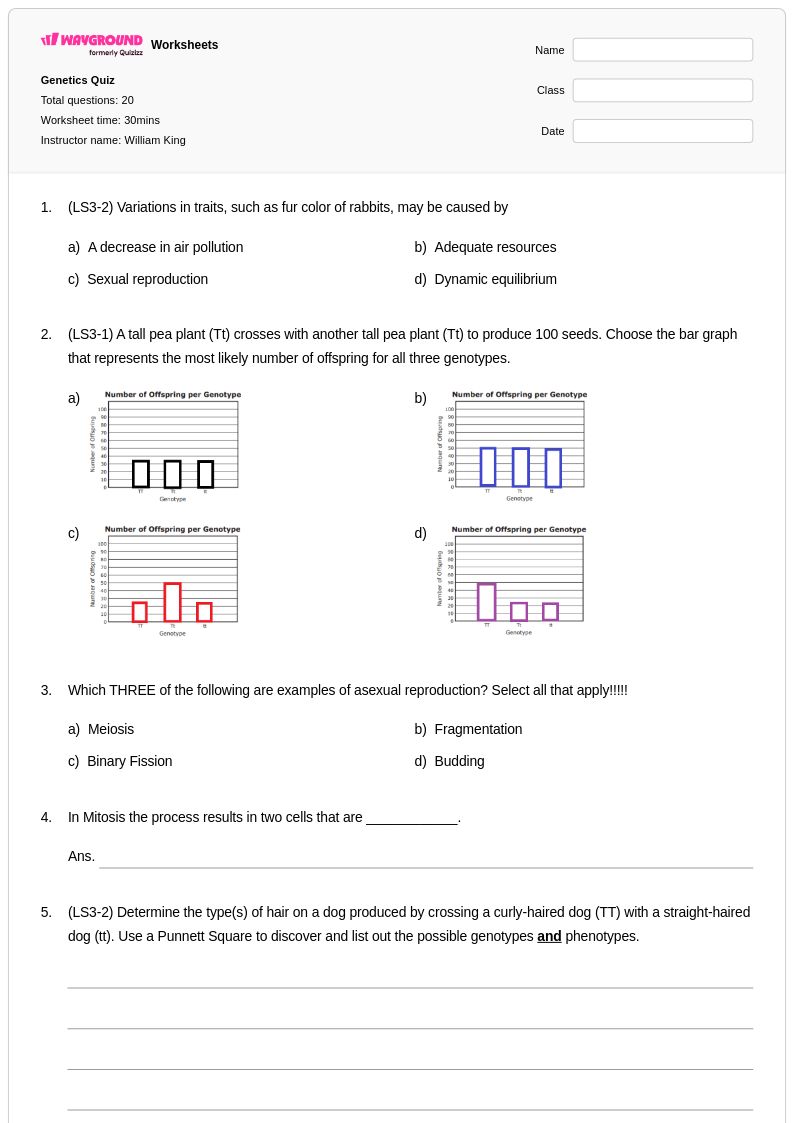
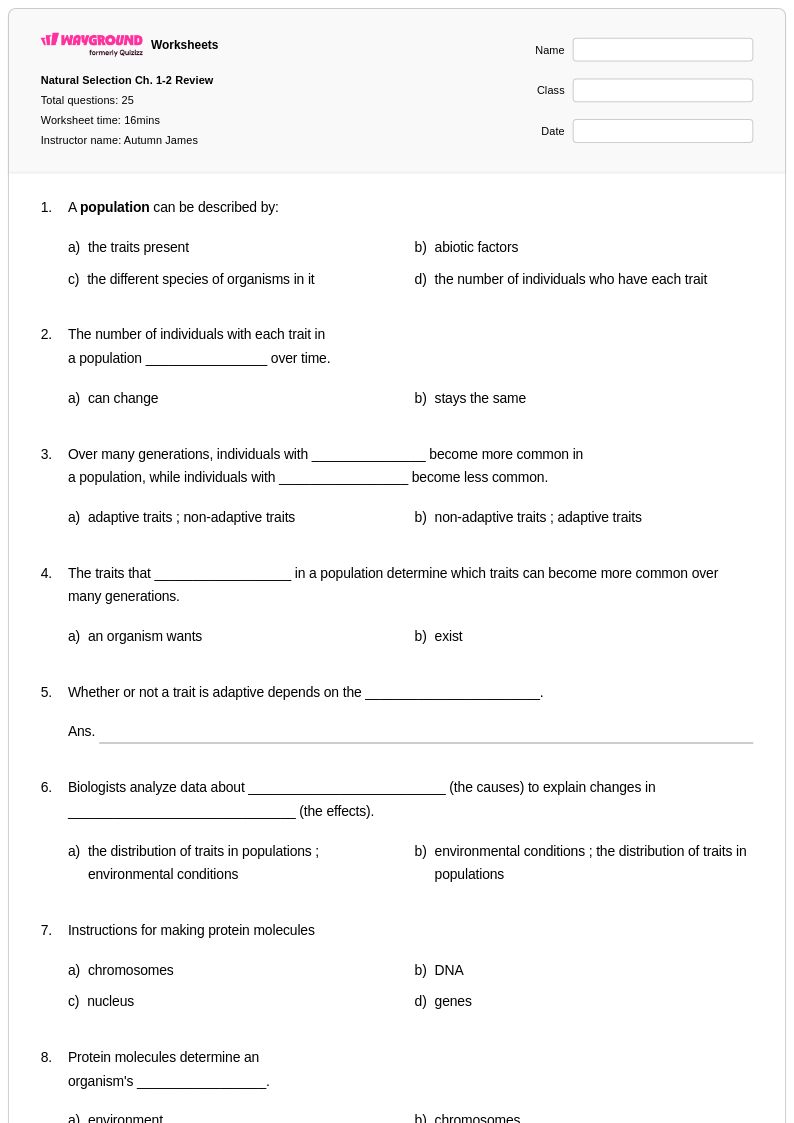
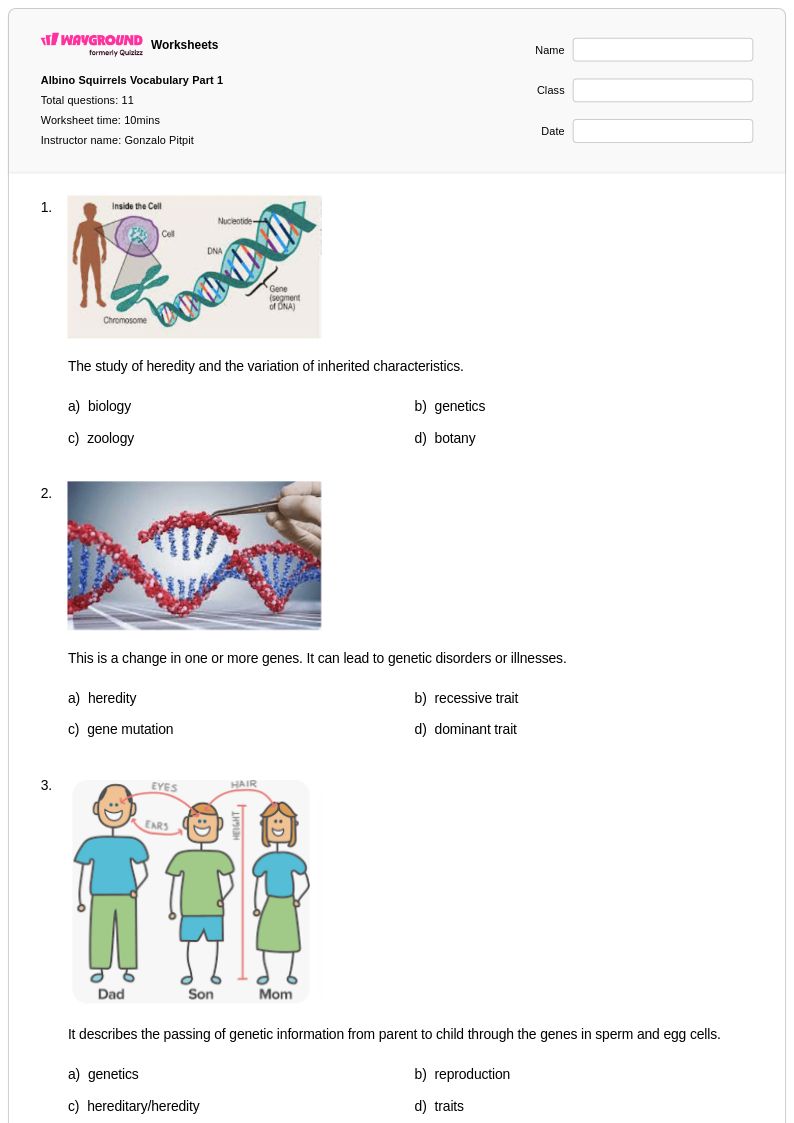
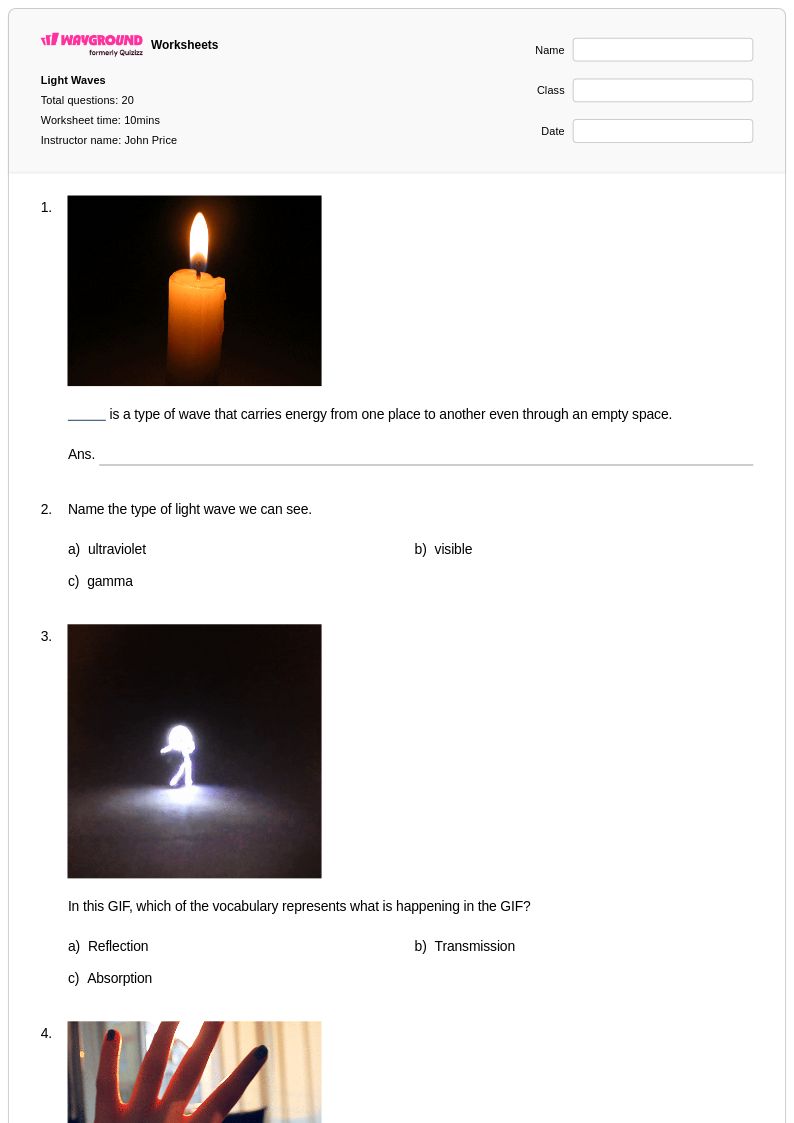
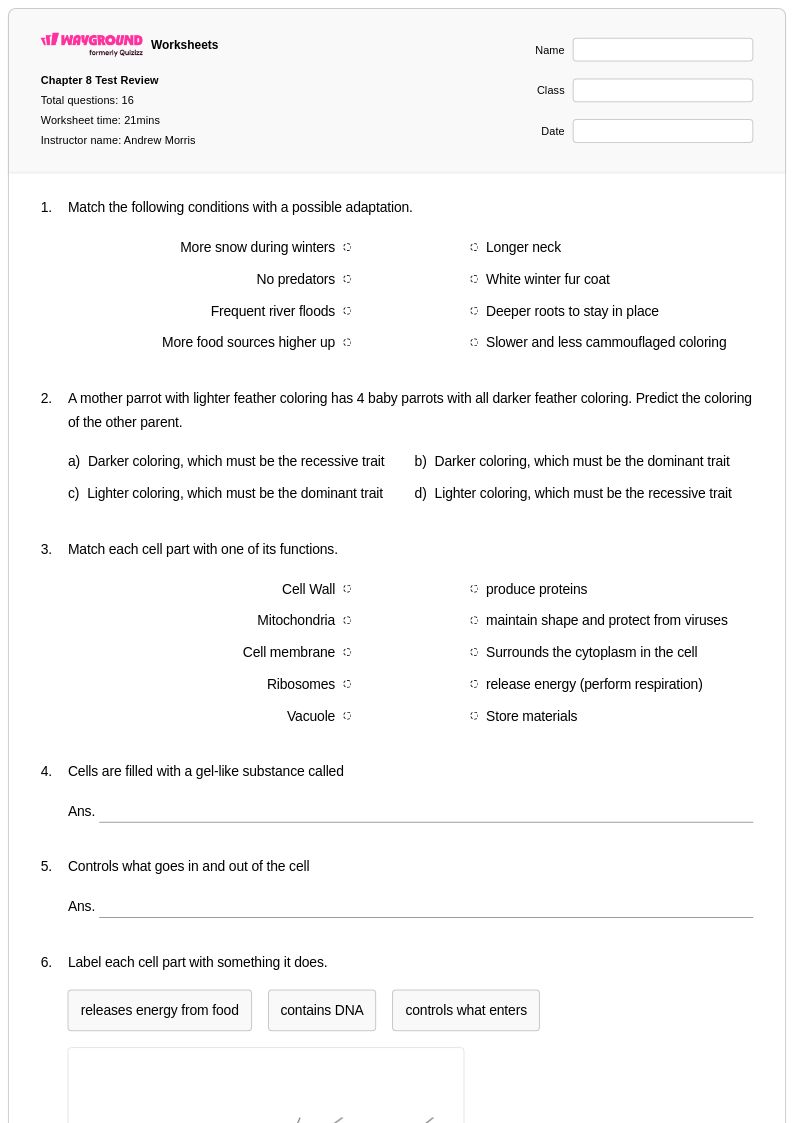
Skin color worksheets for Year 8 students available through Wayground provide comprehensive exploration of the biological mechanisms that determine human pigmentation. These educational resources guide students through the complex interplay of genetics, melanin production, and environmental factors that contribute to skin color variation across human populations. Students engage with practice problems that examine dominant and recessive alleles, analyze Punnett squares for melanin-related genes, and investigate how ultraviolet radiation exposure influences pigment cell activity. Each worksheet includes detailed answer keys that help students verify their understanding of concepts such as eumelanin and pheomelanin distribution, genetic inheritance patterns, and adaptive advantages of different skin pigmentation levels. These free printables systematically build scientific literacy while addressing common misconceptions about race and human genetic diversity through evidence-based biological principles.
Wayground's extensive collection of skin color biology worksheets draws from millions of teacher-created resources that have been carefully curated and organized for maximum educational impact. The platform's robust search and filtering capabilities enable educators to quickly locate materials that align with specific curriculum standards and match their students' diverse learning needs. Teachers can customize these worksheets to support differentiated instruction, whether providing additional scaffolding for students requiring extra support or offering enrichment activities for advanced learners ready to explore more complex genetic concepts. Available in both printable pdf format and interactive digital versions, these resources seamlessly integrate into lesson planning for remediation sessions, homework assignments, or assessment preparation. The platform's alignment tools help ensure that skin color biology content meets state science standards while providing flexible options for skill practice that accommodate various classroom management approaches and learning preferences.
FAQs
How do I teach skin color genetics in a biology class?
Skin color is determined by polygenic inheritance, meaning multiple genes interact to produce a continuous range of phenotypes rather than distinct categories. Teaching this topic effectively involves connecting melanin biology to genetics by explaining how melanocytes produce eumelanin and pheomelanin in varying ratios. Pairing direct instruction with practice problems that trace allele combinations across generations helps students visualize why skin tone distribution follows a bell curve across populations. Emphasizing the role of UV radiation as an evolutionary pressure also gives students a meaningful ecological context for why pigmentation varies geographically.
What exercises help students practice understanding melanin production and skin pigmentation?
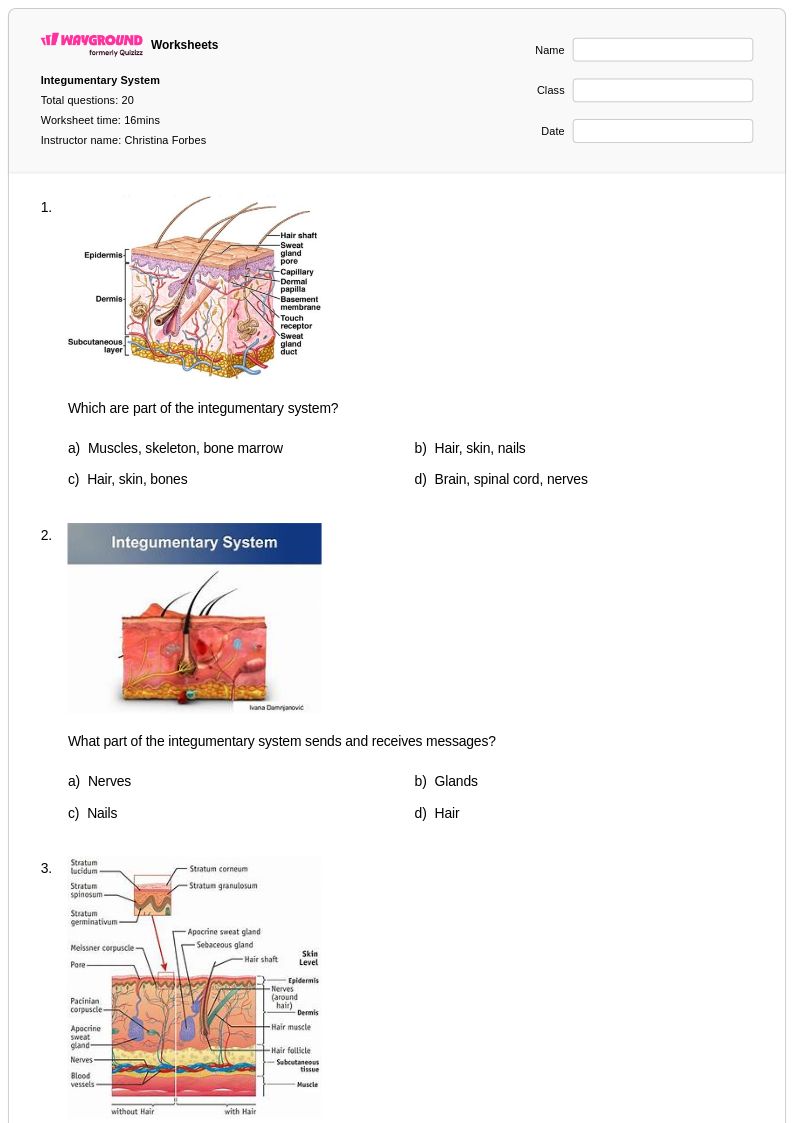
Practice problems that walk students through the pathway from UV exposure to melanin synthesis reinforce the cellular biology of pigmentation, including the role of melanocytes and the signaling cascade that triggers melanin production. Genetics exercises that ask students to predict skin tone distributions using polygenic inheritance models are especially effective because they connect cell biology to heredity. Diagram-labeling activities showing melanocyte structure and melanin transfer to keratinocytes help students internalize the underlying mechanisms rather than memorizing isolated facts.
What misconceptions do students commonly have about skin color and genetics?
A persistent misconception is that skin color follows simple dominant-recessive inheritance, leading students to expect only a few discrete phenotypes rather than a continuous spectrum. Students also frequently confuse the number of melanocytes, which is roughly equal across all humans, with the amount and type of melanin produced, which actually accounts for differences in skin tone. Another common error is treating skin color as a racial category with a biological basis, so it is important to explicitly address that skin pigmentation is a polygenic, environmentally influenced trait that does not map onto discrete population groups.
How can I use skin color worksheets to support students with different learning needs?
Skin color biology worksheets on Wayground are available as printable PDFs for traditional classroom use and in digital formats for technology-integrated environments, including the option to host them as a quiz on Wayground. In digital mode, teachers can apply individual accommodations such as extended time, read-aloud support for complex scientific terminology, and reduced answer choices to lower cognitive load for students who need it. These settings can be assigned to specific students without affecting the rest of the class, making differentiation seamless during a single session.
How does skin color connect to evolutionary biology, and how can I make that connection clear for students?
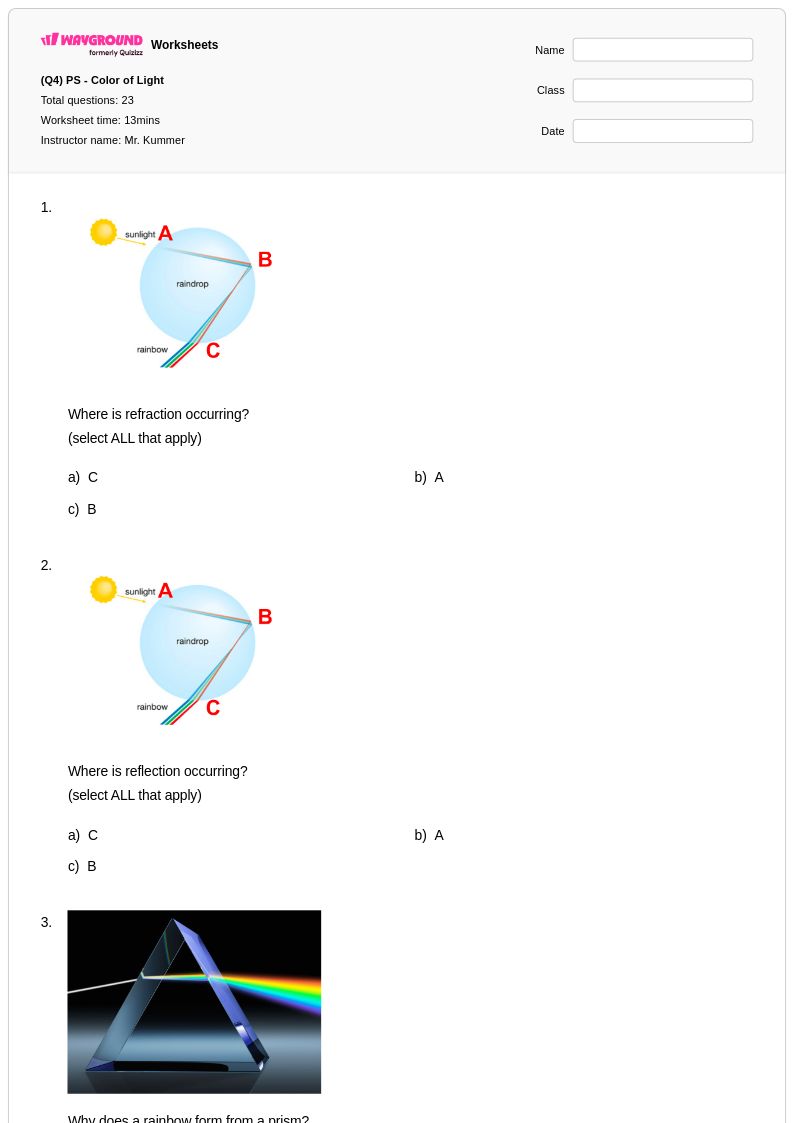
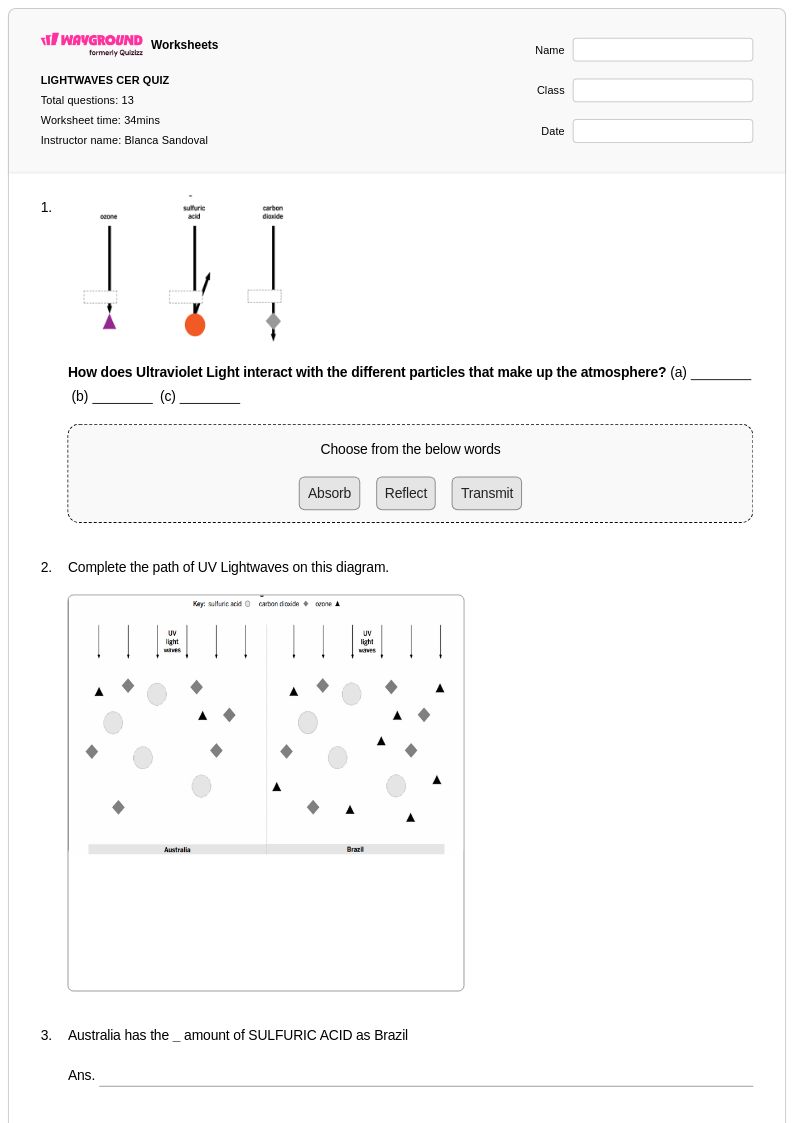
Skin pigmentation is one of the clearest examples of natural selection acting on a human trait, making it a high-value topic for teaching evolutionary principles. Students can analyze data showing that populations in high-UV regions trend toward higher melanin production, which protects against UV-induced DNA damage, while populations in low-UV regions trend toward lighter pigmentation to allow sufficient vitamin D synthesis. Asking students to evaluate this trade-off using real geographic and UV-index data transforms an abstract evolutionary concept into an evidence-based analysis, which builds both content knowledge and scientific reasoning skills.
At what grade level is skin color biology typically taught, and what prior knowledge do students need?
Skin color as a genetics and biology topic is most commonly introduced in high school biology courses covering genetics, cell biology, and evolution, though simplified versions appear in middle school life science. Students benefit most from prior familiarity with basic Mendelian genetics, cell structure, and an introductory understanding of natural selection before tackling polygenic inheritance and melanin biosynthesis. Without that foundation, students often struggle to connect the molecular mechanisms of melanin production to the broader patterns of inheritance and evolutionary adaptation.