
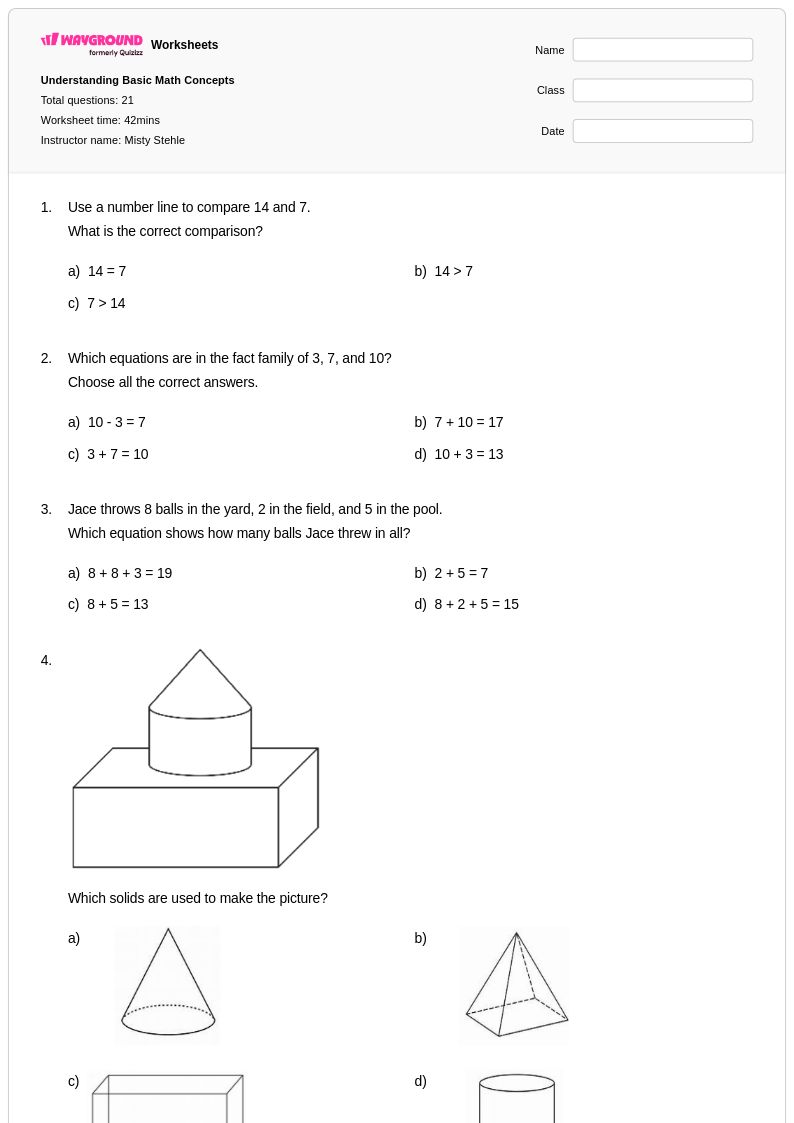
21 Q
1st
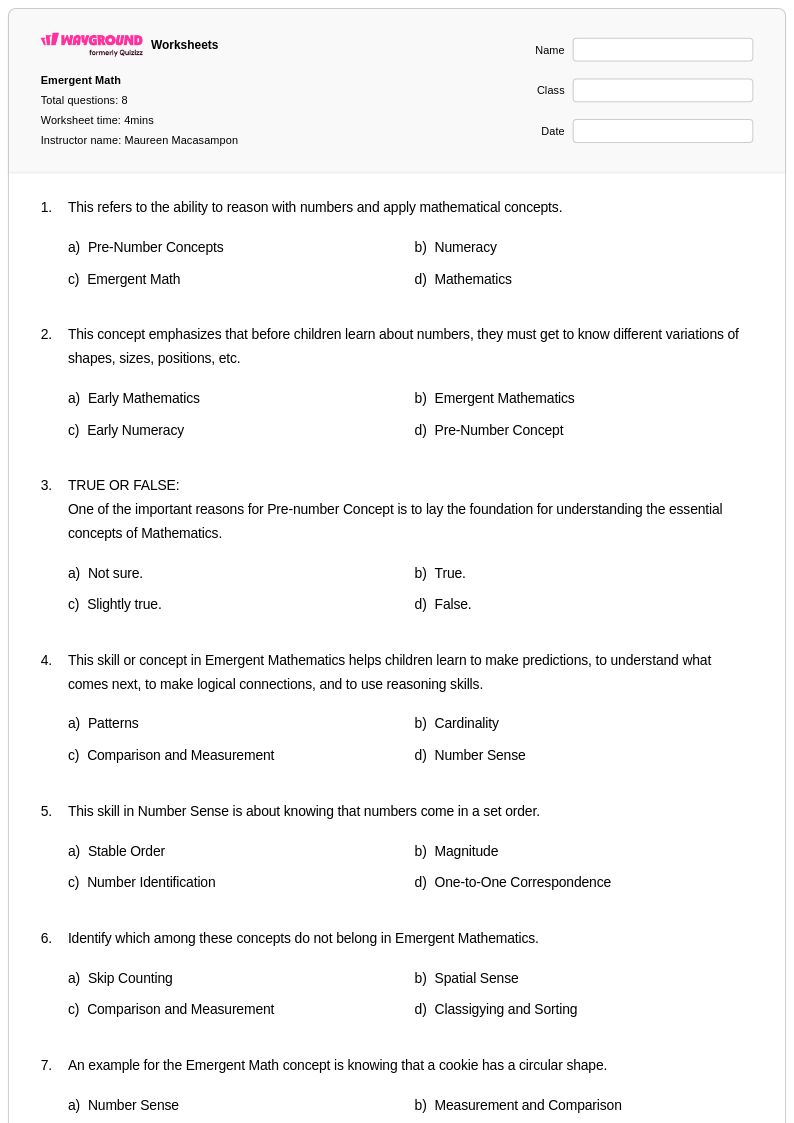
8 Q
KG - 1st
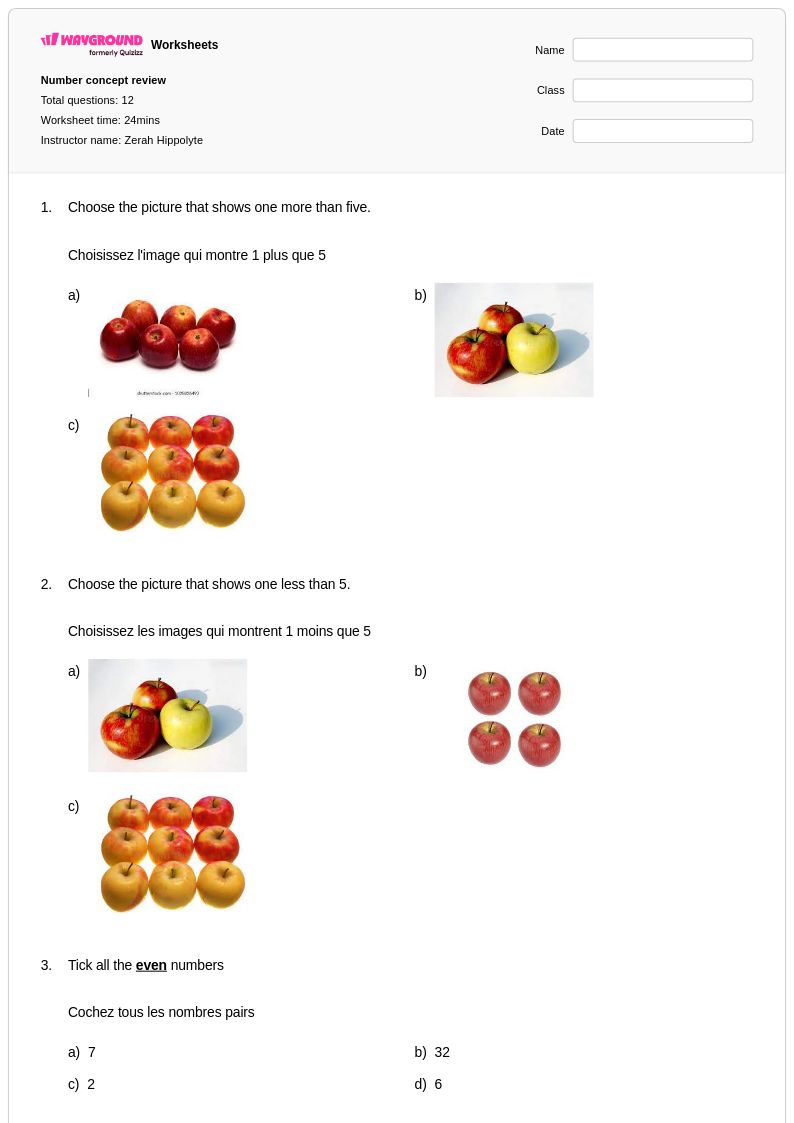
12 Q
1st
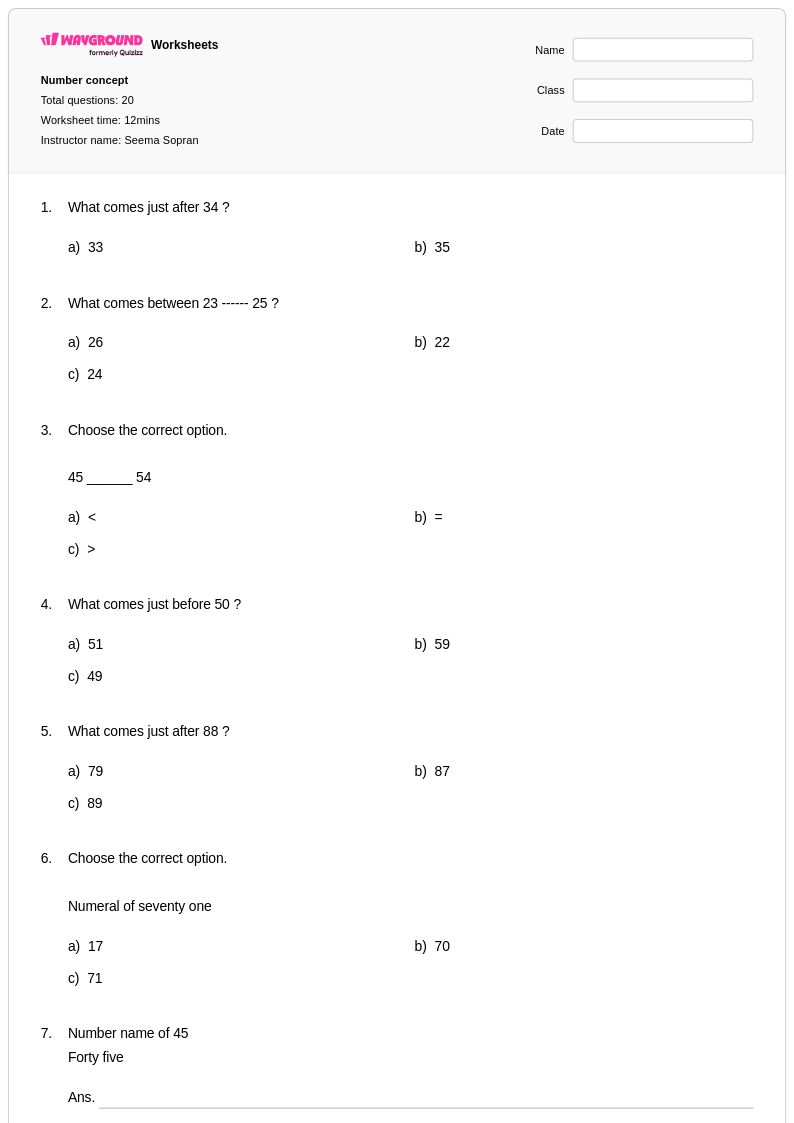
20 Q
1st
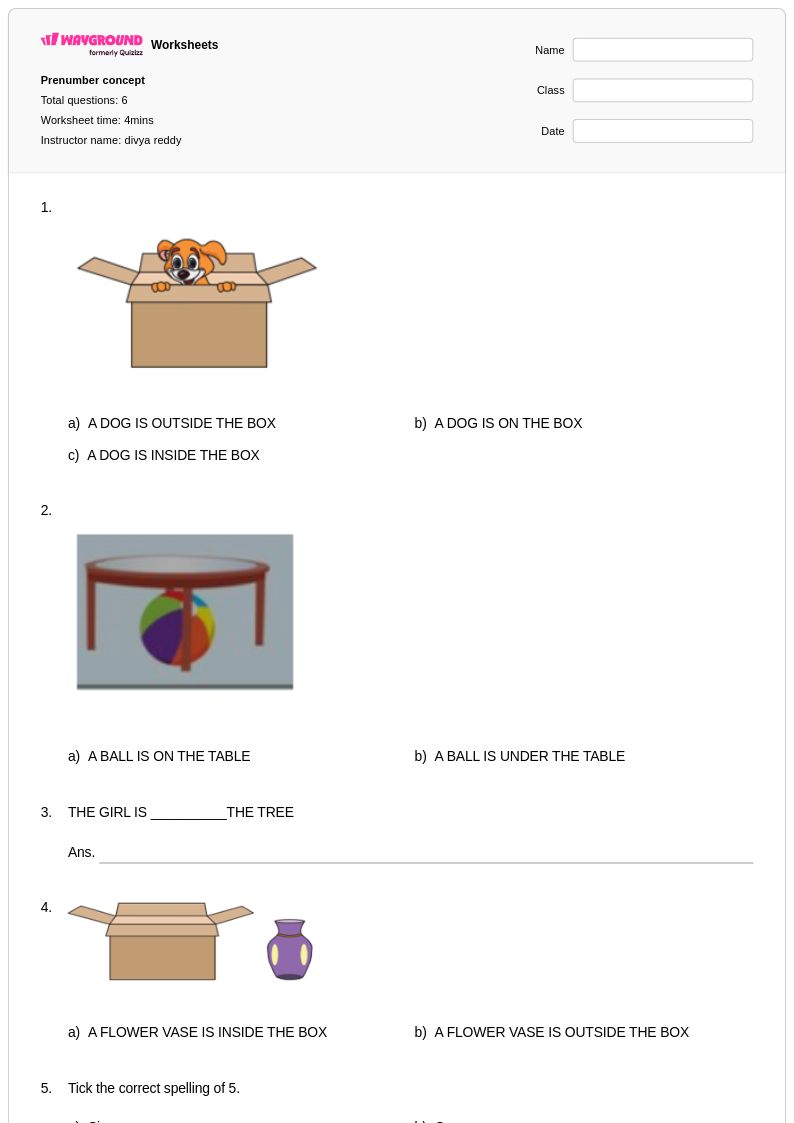
6 Q
1st

11 Q
1st
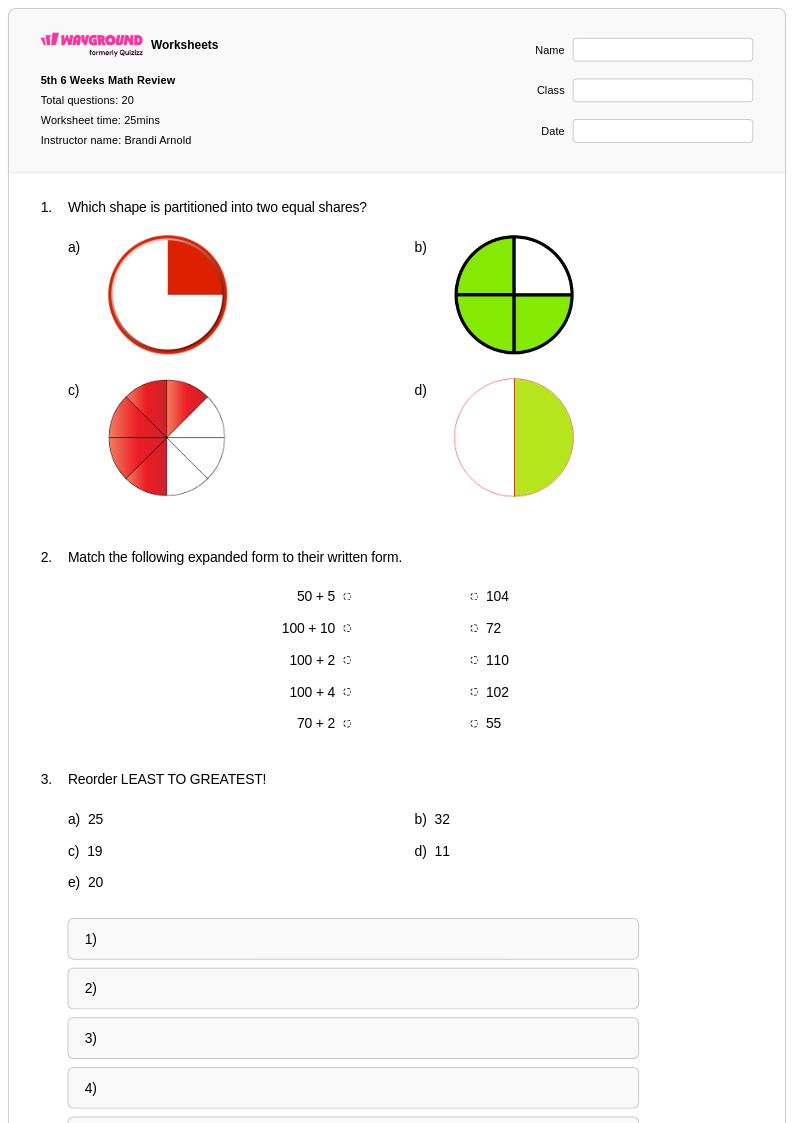
20 Q
1st
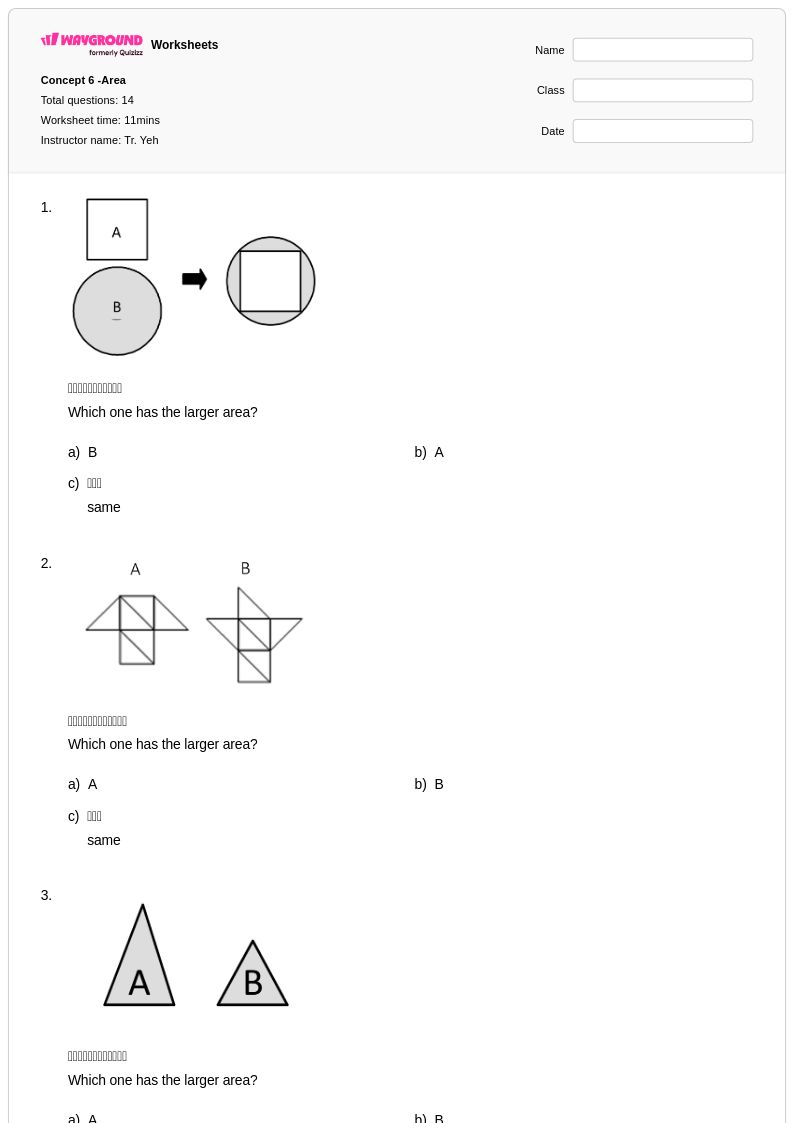
14 Q
1st - 5th
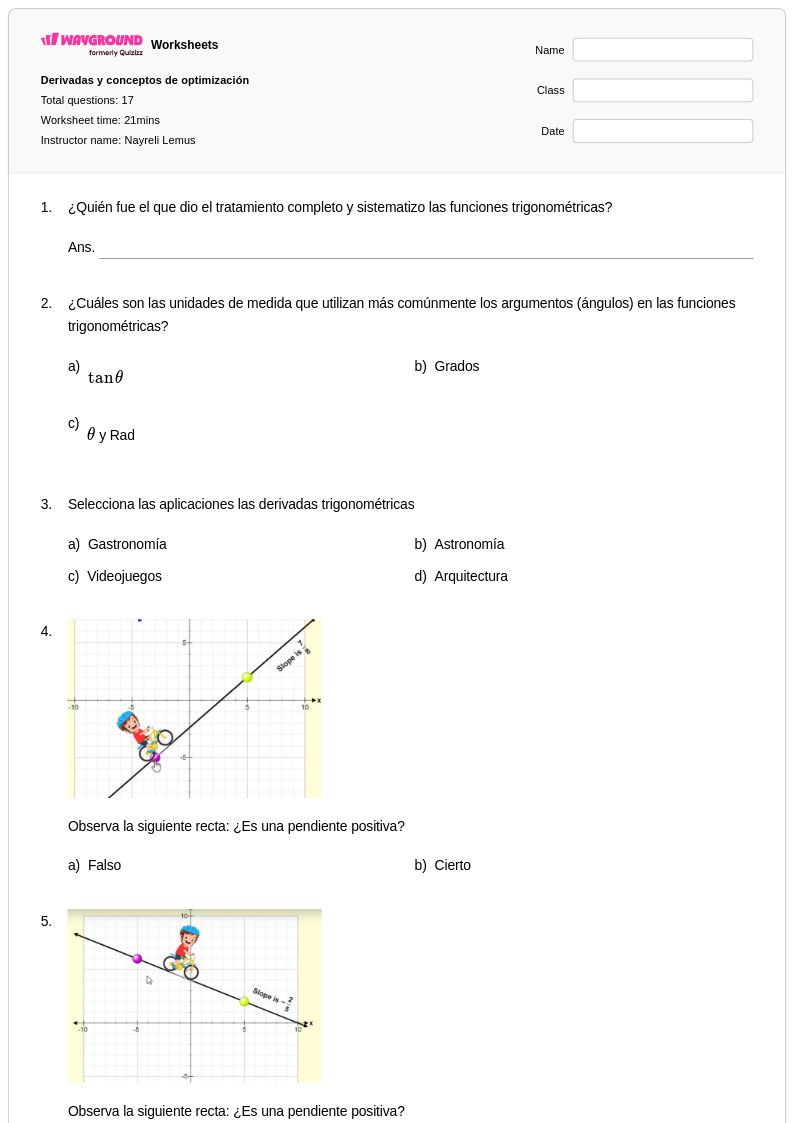
17 Q
1st
21 Q
KG - 1st
10 Q
1st - 6th
11 Q
1st - 5th
11 Q
1st
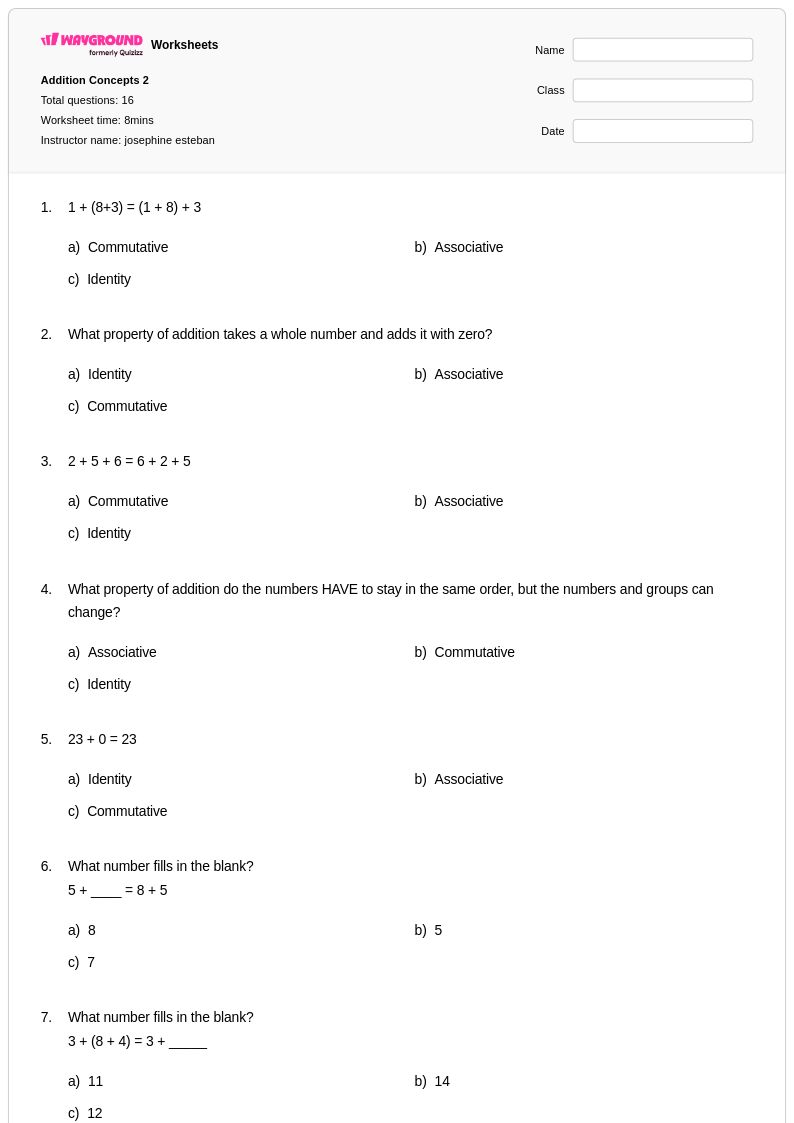
16 Q
1st
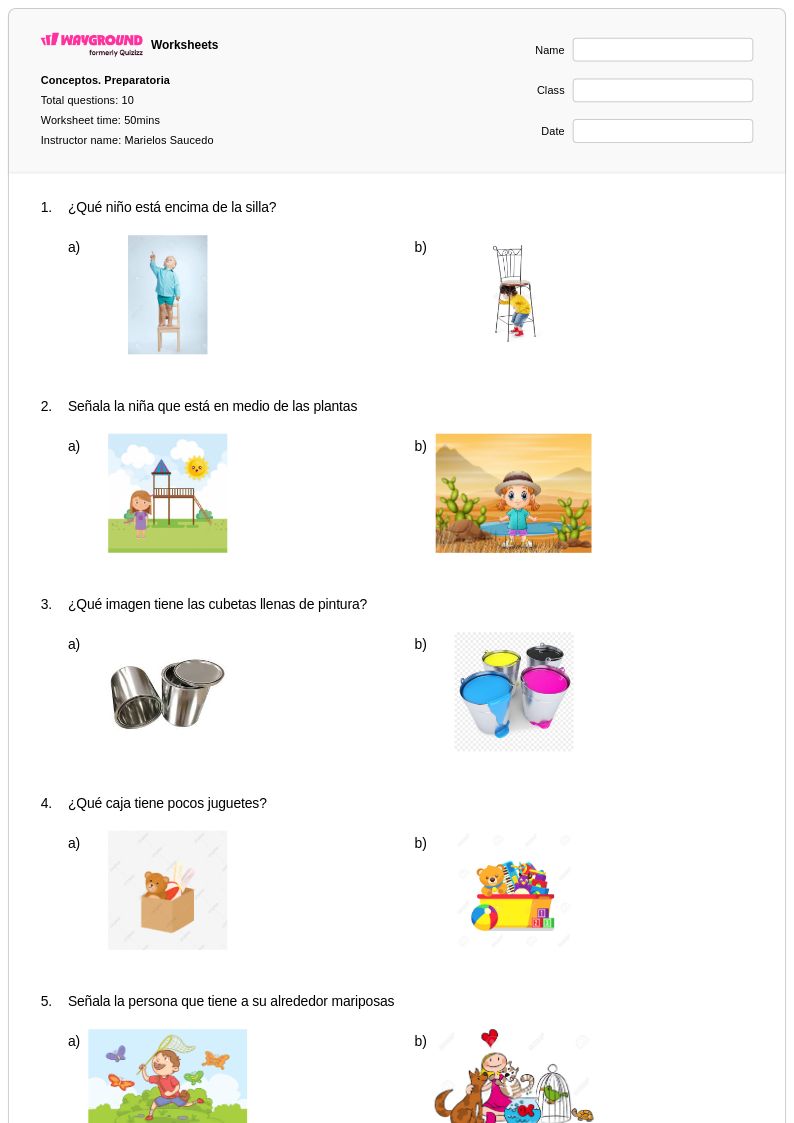
10 Q
1st
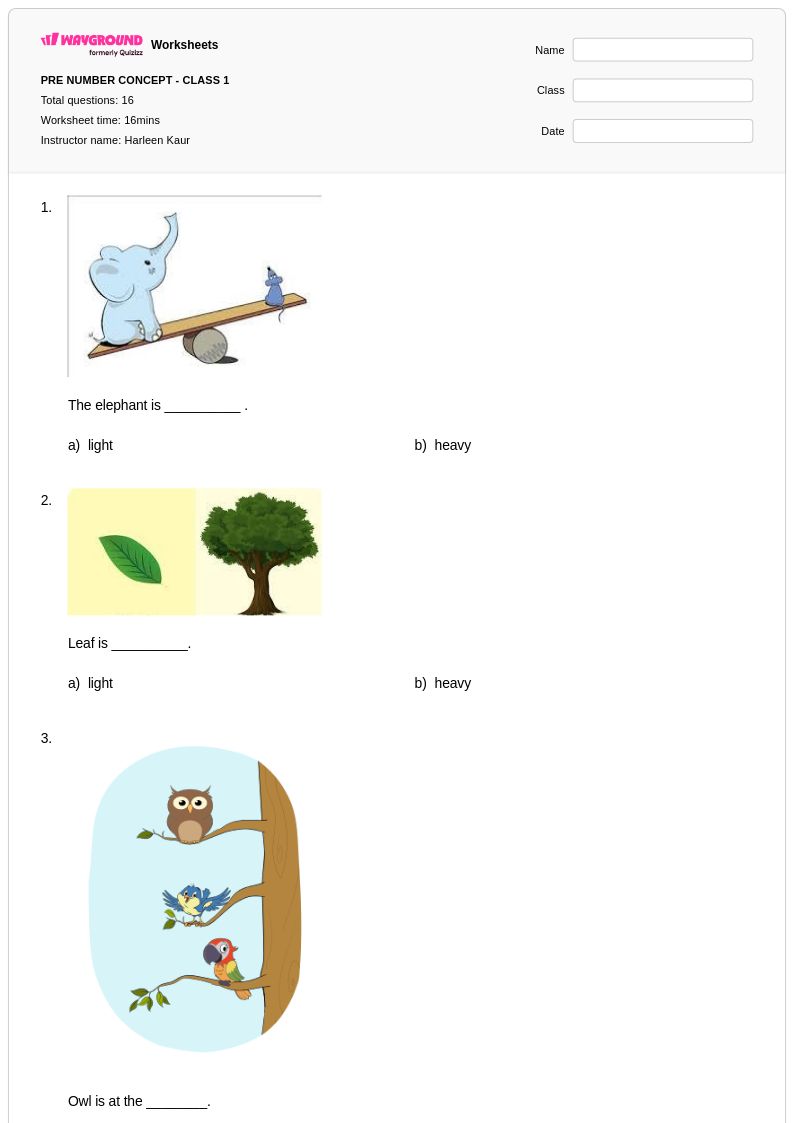
16 Q
1st
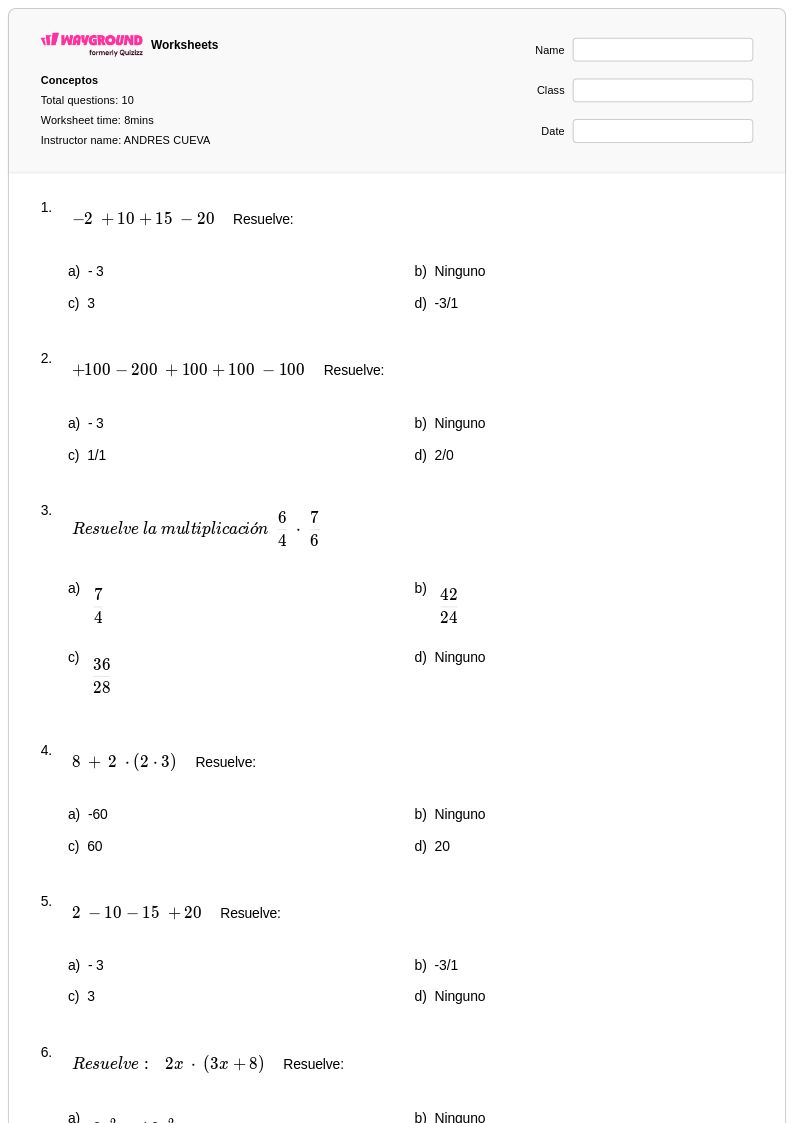
10 Q
1st - 5th
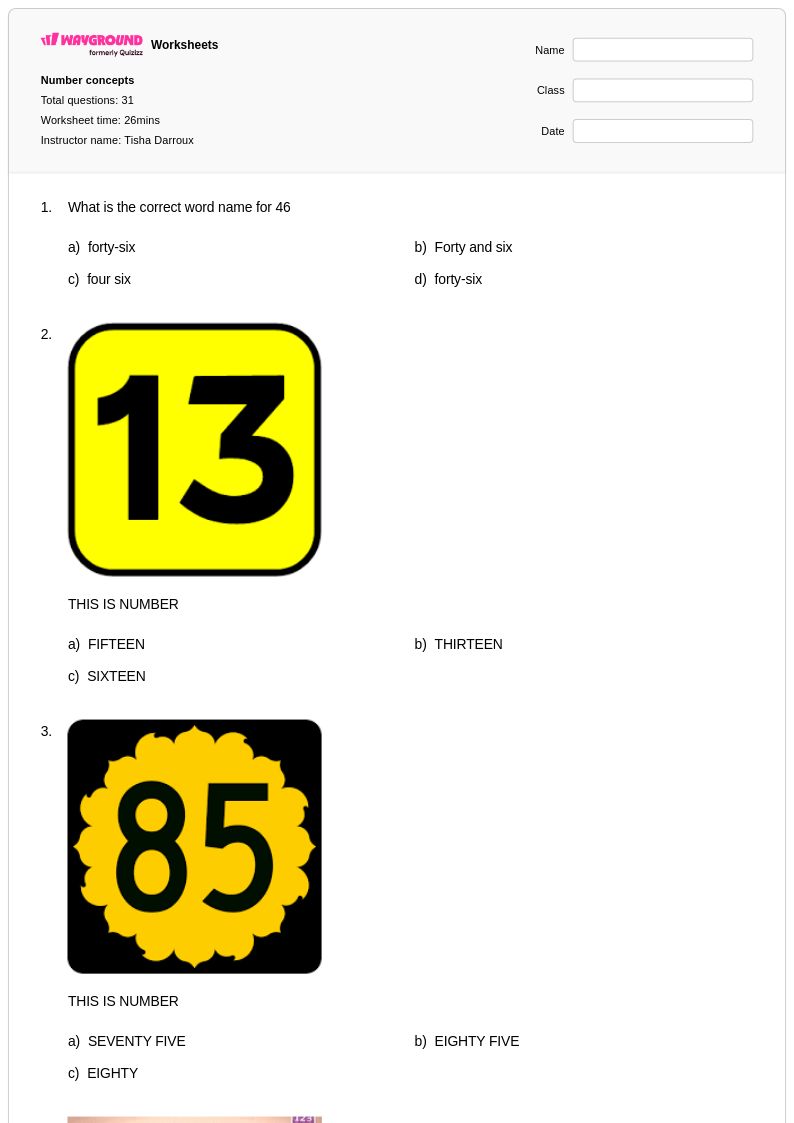
31 Q
1st - 2nd
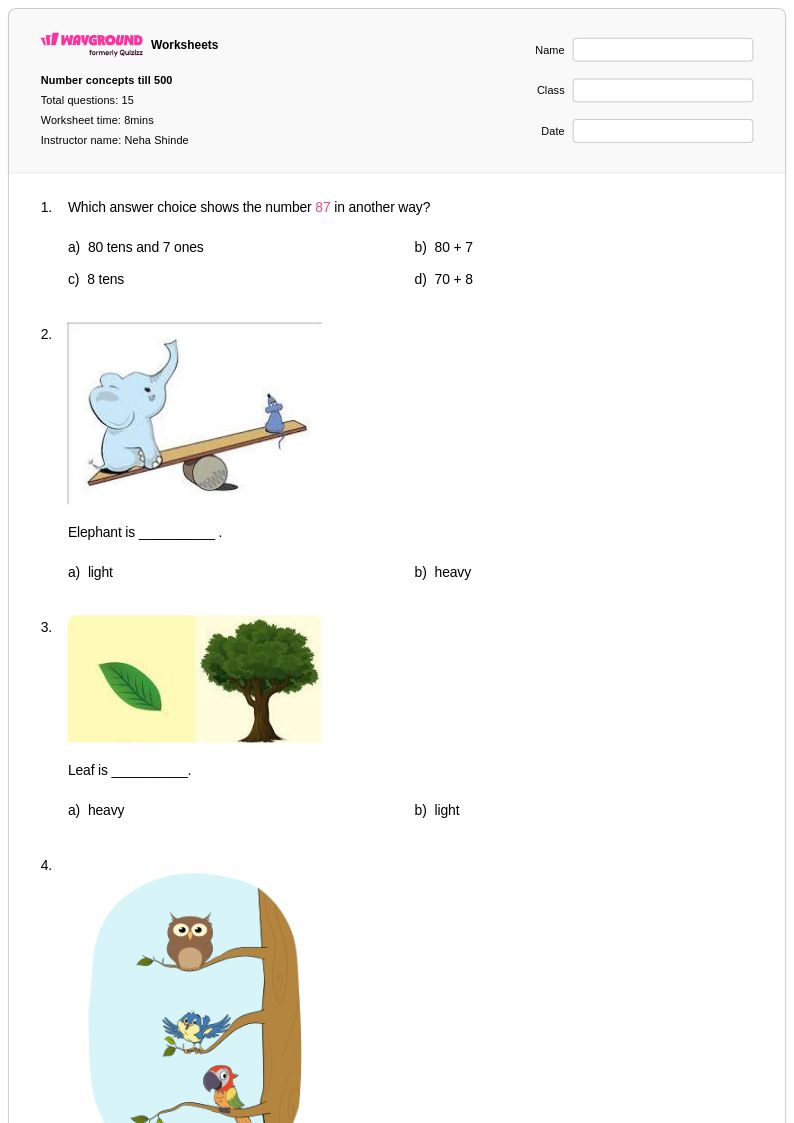
15 Q
1st
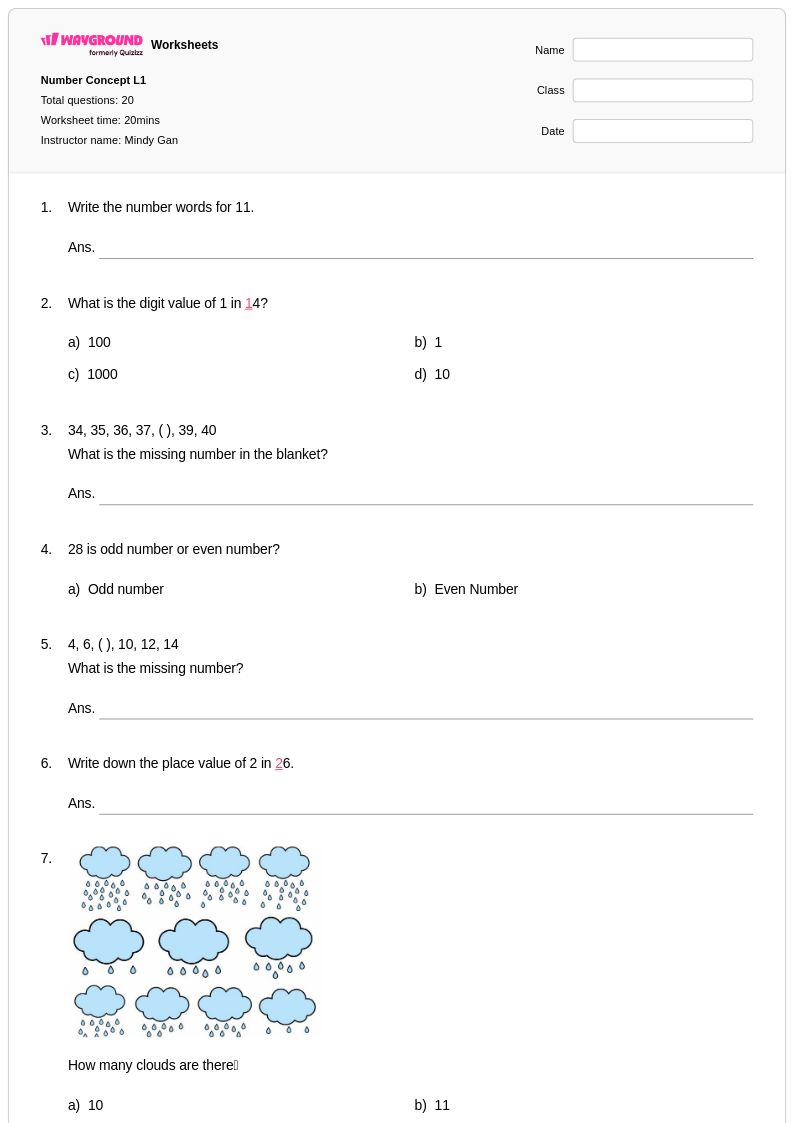
20 Q
1st
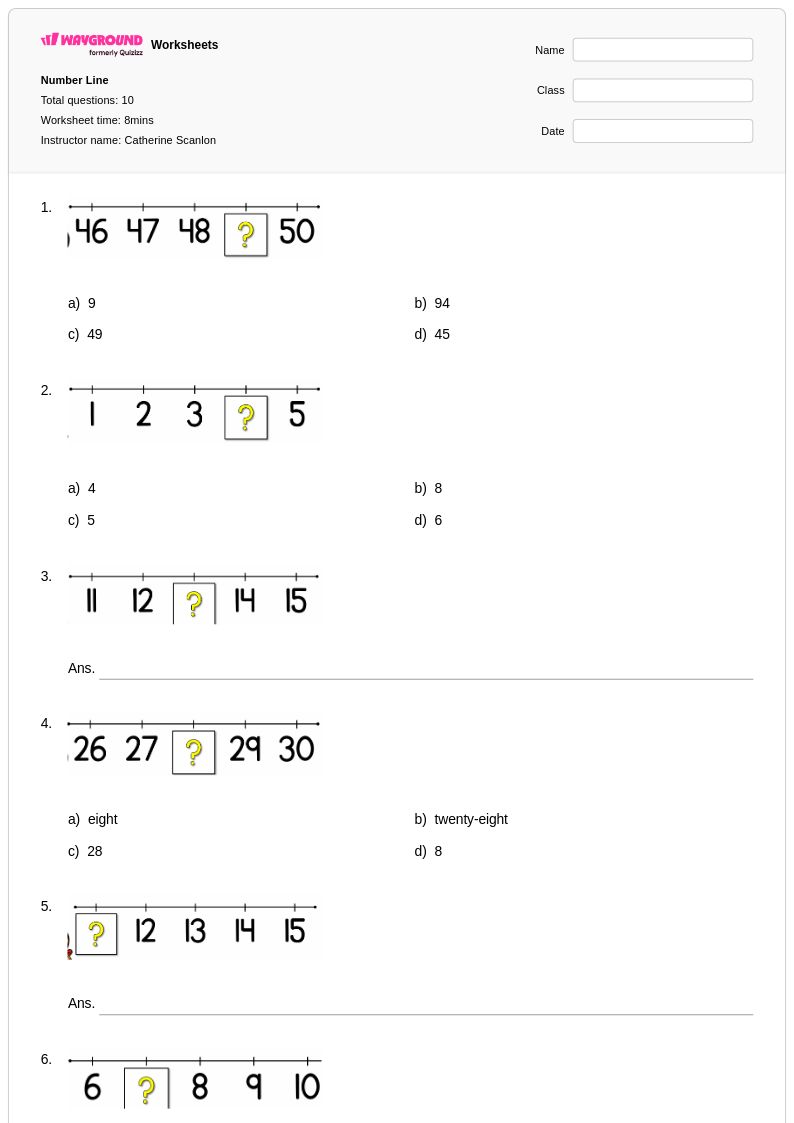
10 Q
1st
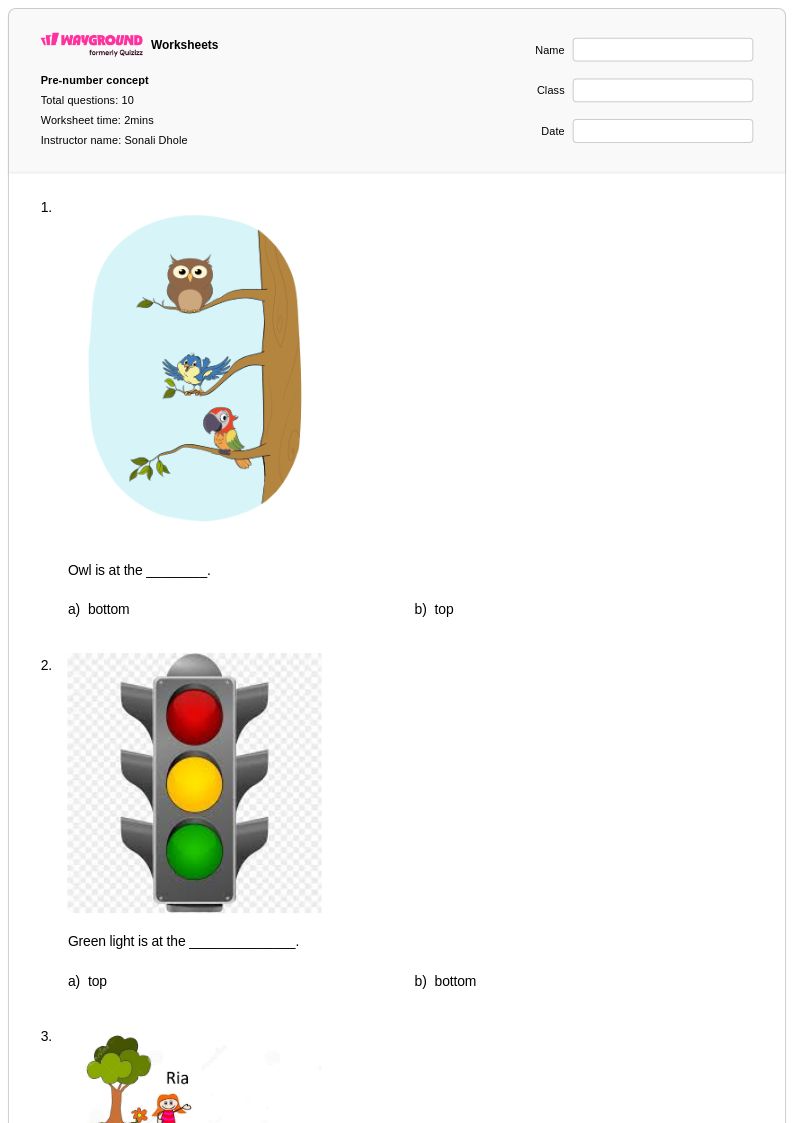
10 Q
1st
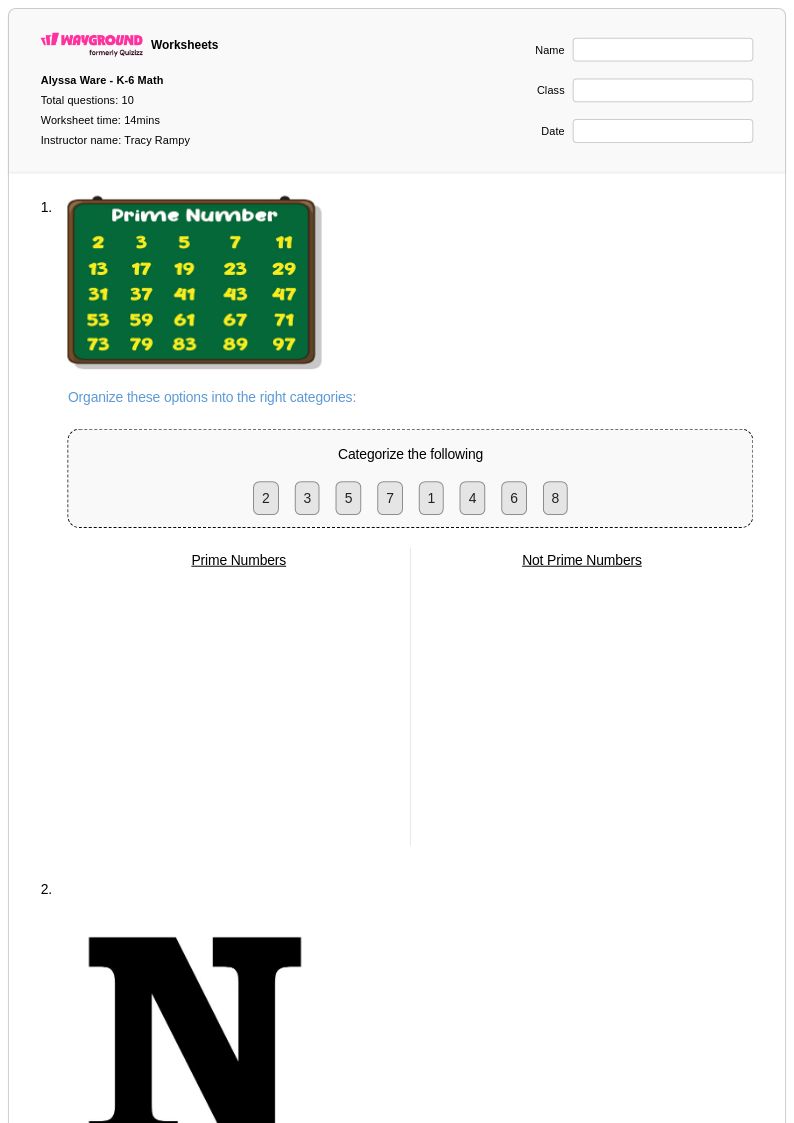
10 Q
1st - 5th
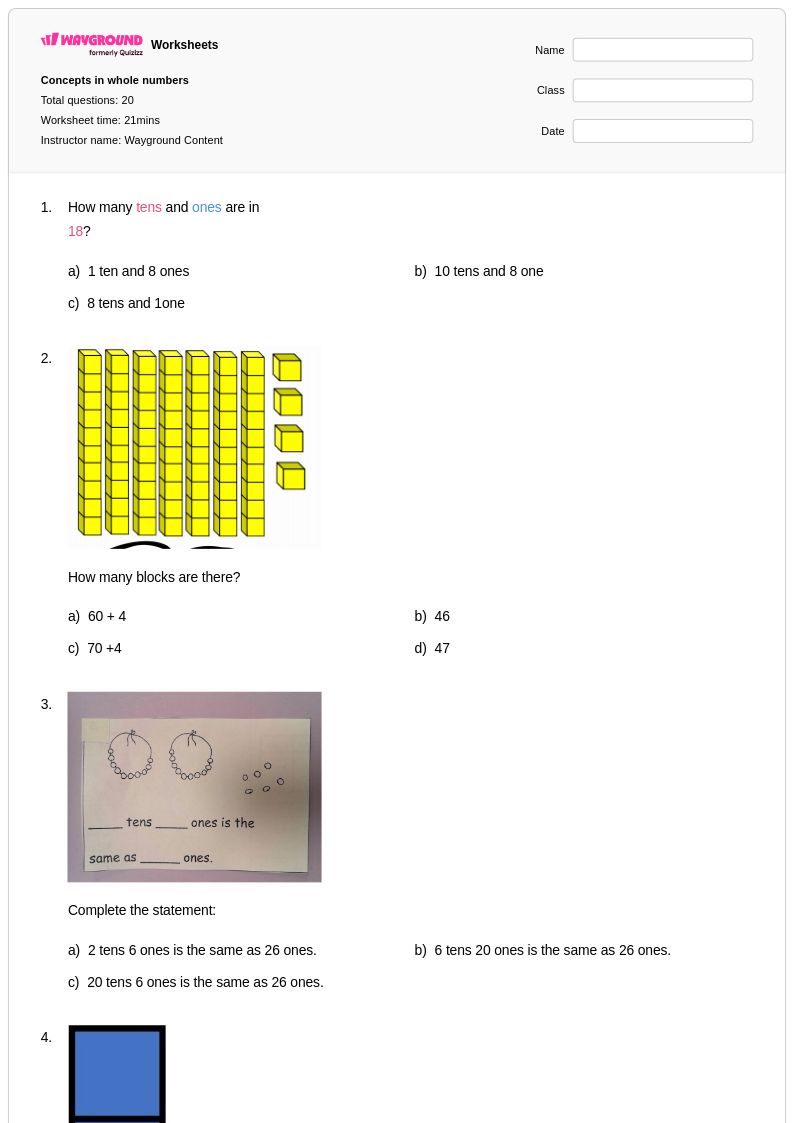
20 Q
1st
Explore Spatial Concepts Worksheets by Grades
Explore Other Subject Worksheets for year 1
Explore printable Spatial Concepts worksheets for Year 1
Spatial concepts worksheets for Year 1 from Wayground (formerly Quizizz) provide young learners with essential foundational practice in understanding positional relationships, directional vocabulary, and basic geometric orientation skills. These comprehensive printables focus on developing students' ability to recognize and describe spatial relationships using terms like above, below, beside, in front of, behind, left, and right, while also introducing concepts of near and far, inside and outside, and top and bottom. Each worksheet collection includes structured practice problems that progress systematically from simple identification tasks to more complex spatial reasoning activities, complete with answer keys that enable teachers to efficiently assess student understanding. The free pdf resources emphasize hands-on learning experiences that help first-grade students build the spatial awareness necessary for future geometry success.
Wayground's extensive library contains millions of teacher-created spatial concepts resources specifically designed for Year 1 mathematics instruction, offering educators unprecedented access to differentiated materials that align with elementary geometry standards. The platform's robust search and filtering capabilities allow teachers to quickly locate worksheets targeting specific spatial vocabulary terms or skill levels, while customization tools enable educators to modify existing content or create personalized practice sets that meet individual student needs. These versatile resources are available in both printable and digital formats, making them ideal for classroom instruction, homework assignments, remediation sessions, and enrichment activities that strengthen spatial reasoning abilities. Teachers can seamlessly integrate these materials into lesson planning workflows, using the comprehensive collection to provide targeted skill practice that supports diverse learning styles and academic requirements.
FAQs
What new spatial concepts are introduced in Grade 1?
What are some effective strategies for teaching 'left' and 'right' in first grade?
What kind of practice is best for first graders learning spatial concepts?
My first graders are still struggling with positional words. What should I look for?
How can I use these Grade 1 spatial concepts worksheets?
How does this topic connect to the first-grade math curriculum?