
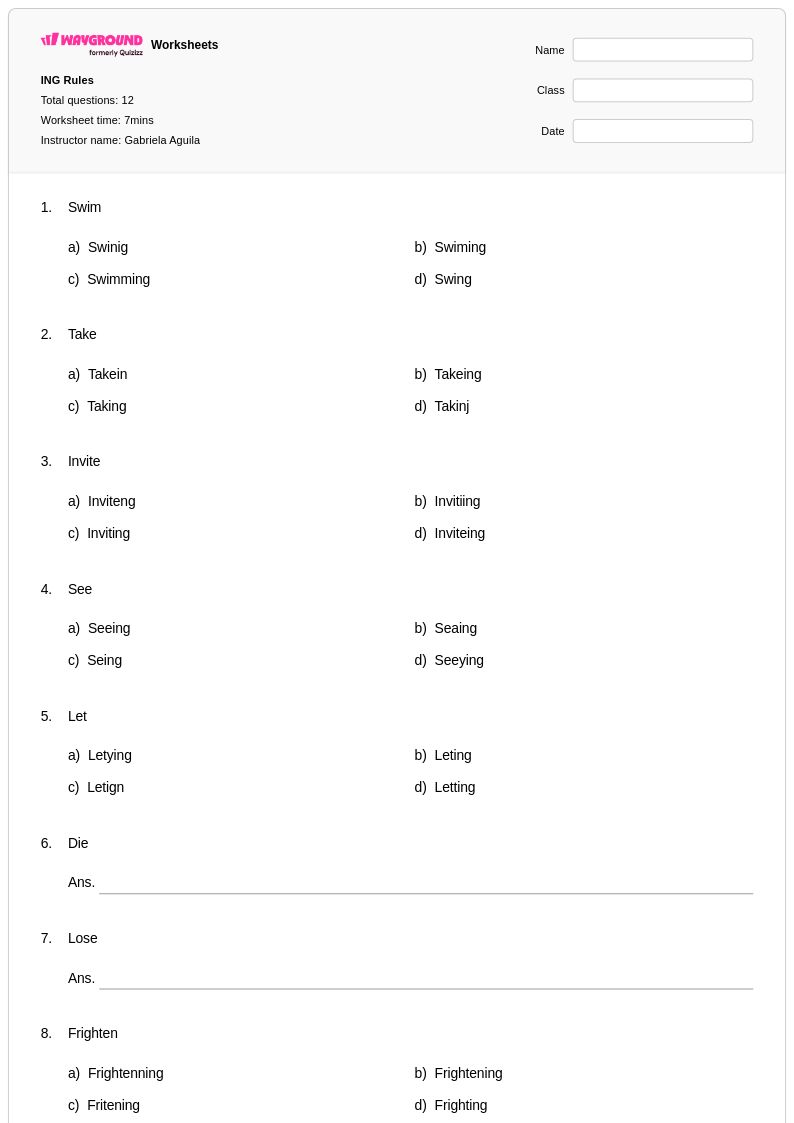
12 Q
6th - 8th
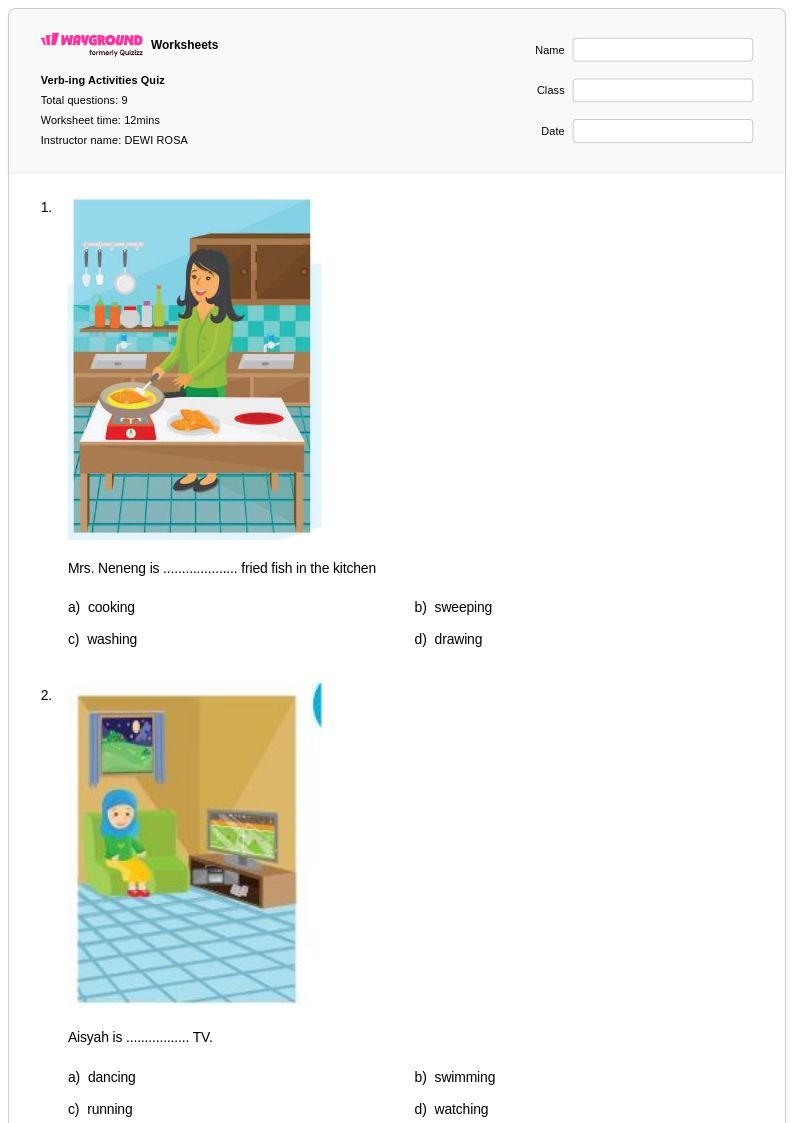
9 Q
4th - Uni
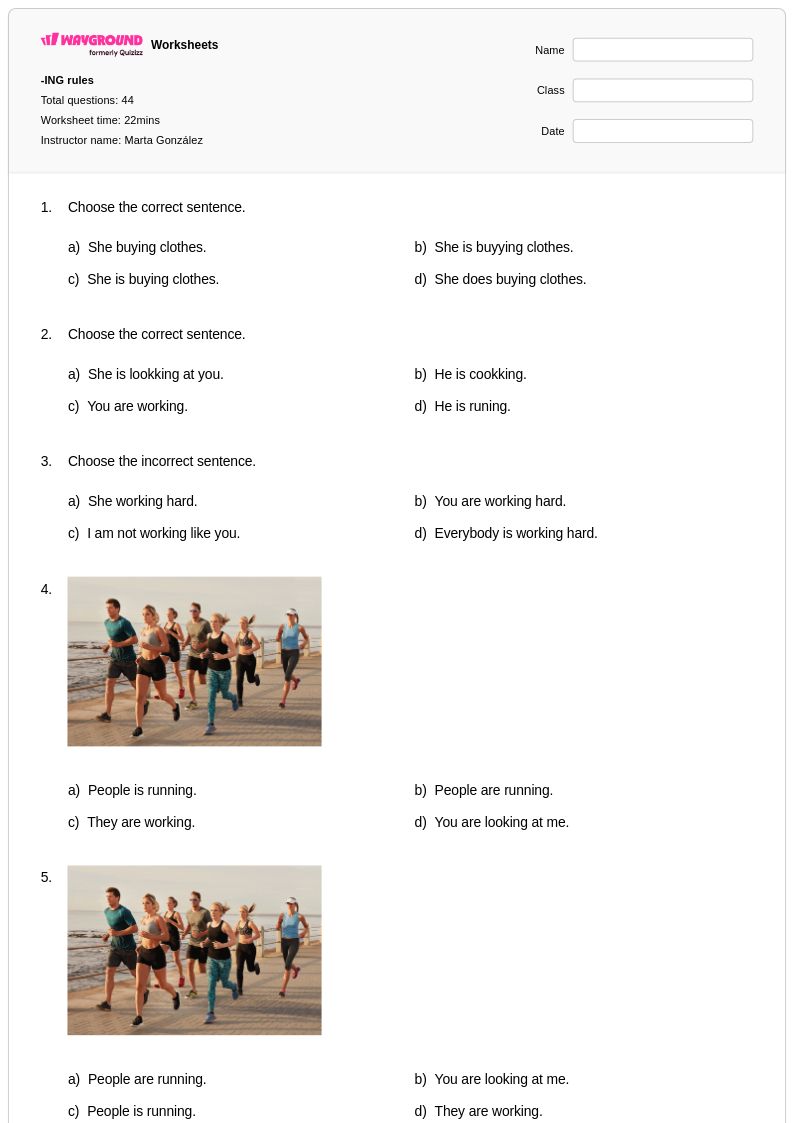
44 Q
6th
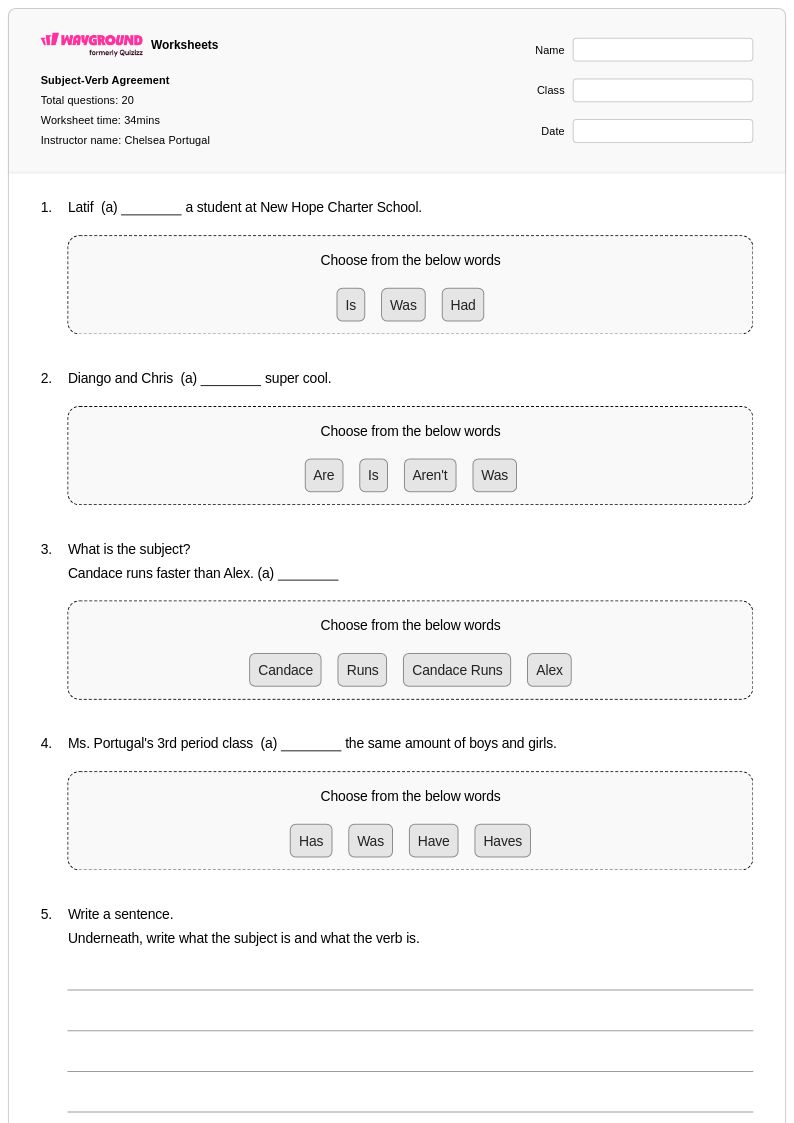
20 Q
6th - 8th
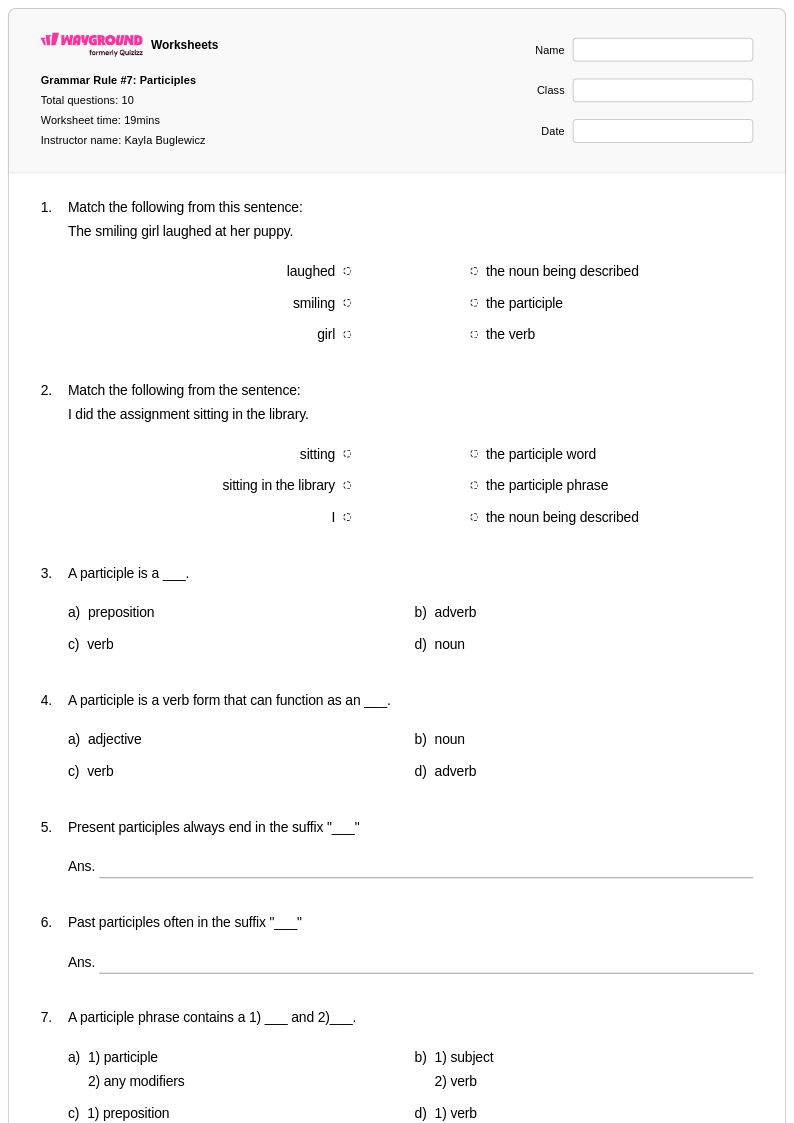
10 Q
6th - 10th
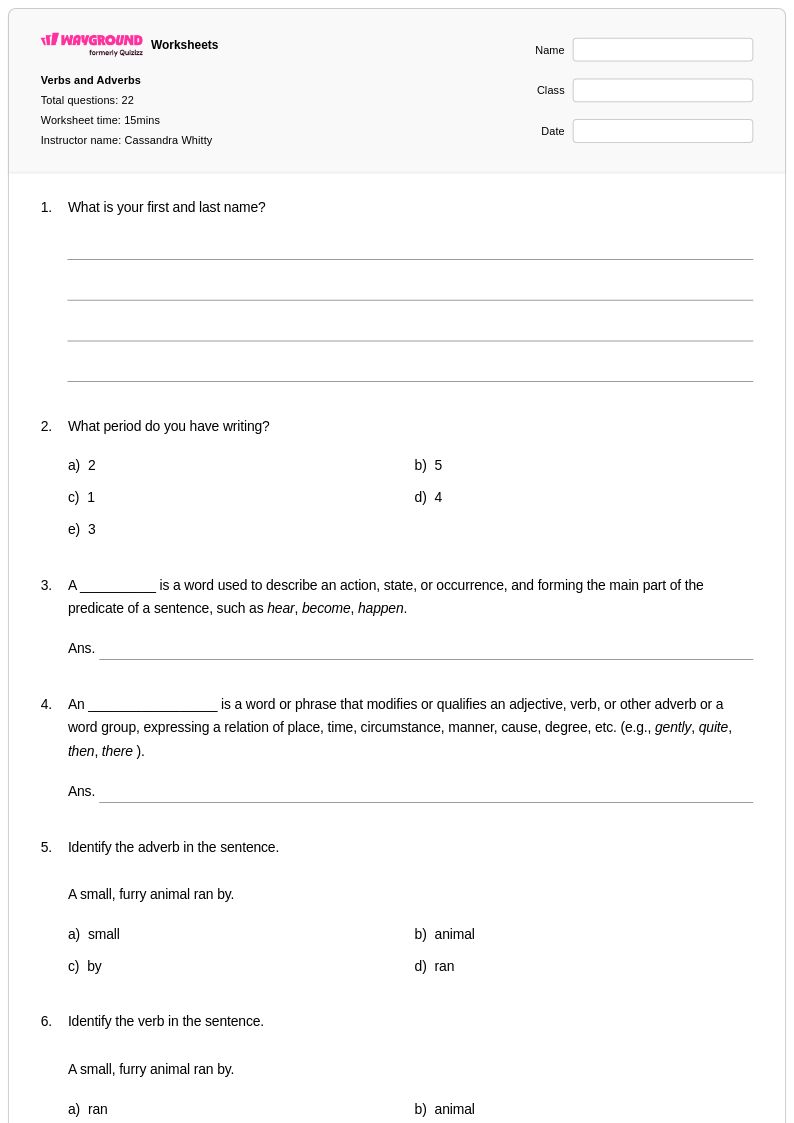
22 Q
6th
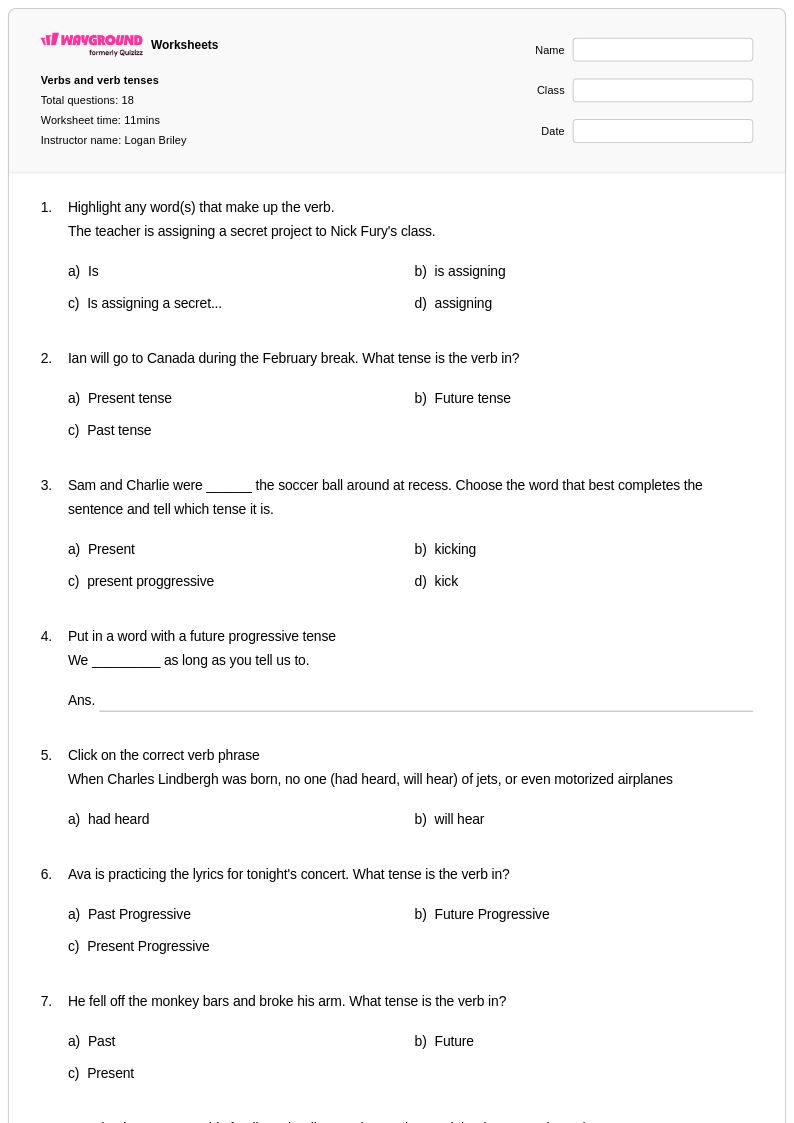
18 Q
5th - 6th
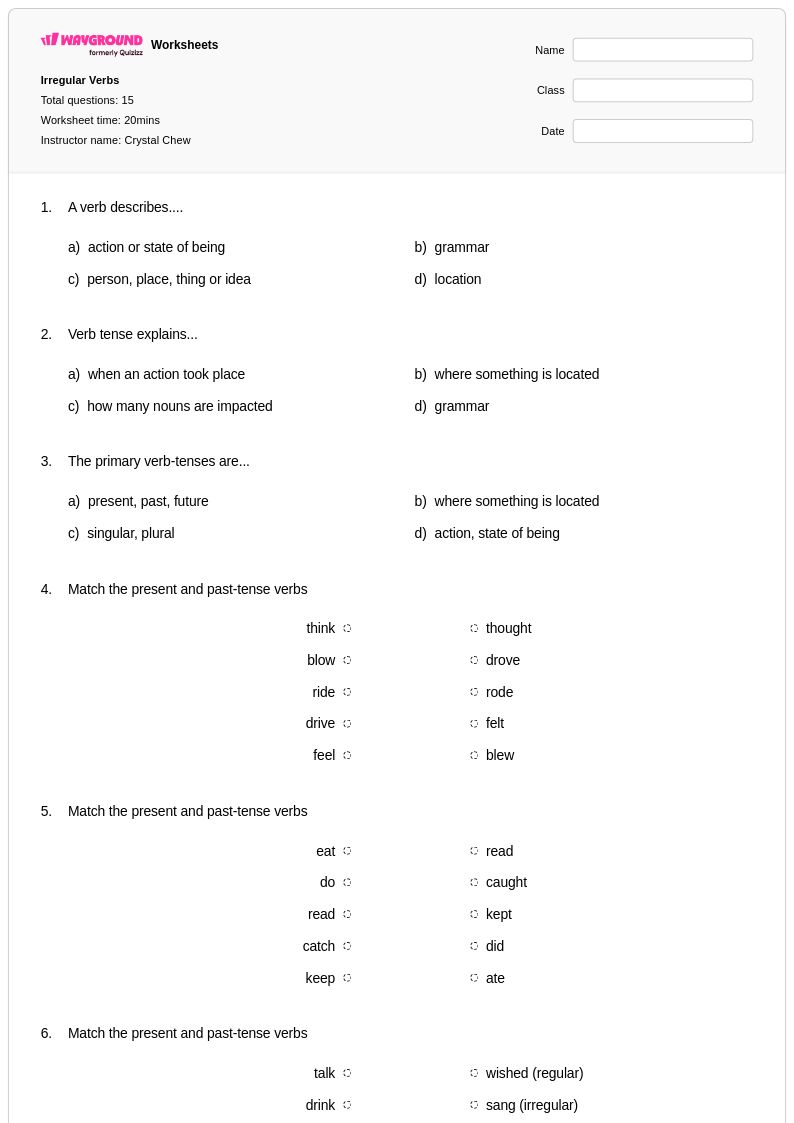
15 Q
6th
12 Q
6th
10 Q
6th
20 Q
6th - 8th
11 Q
5th - 6th
20 Q
4th - 6th

20 Q
6th - 8th
15 Q
6th
13 Q
6th
20 Q
6th - 8th
21 Q
6th
25 Q
5th - Uni
15 Q
6th - 8th
15 Q
6th - 8th
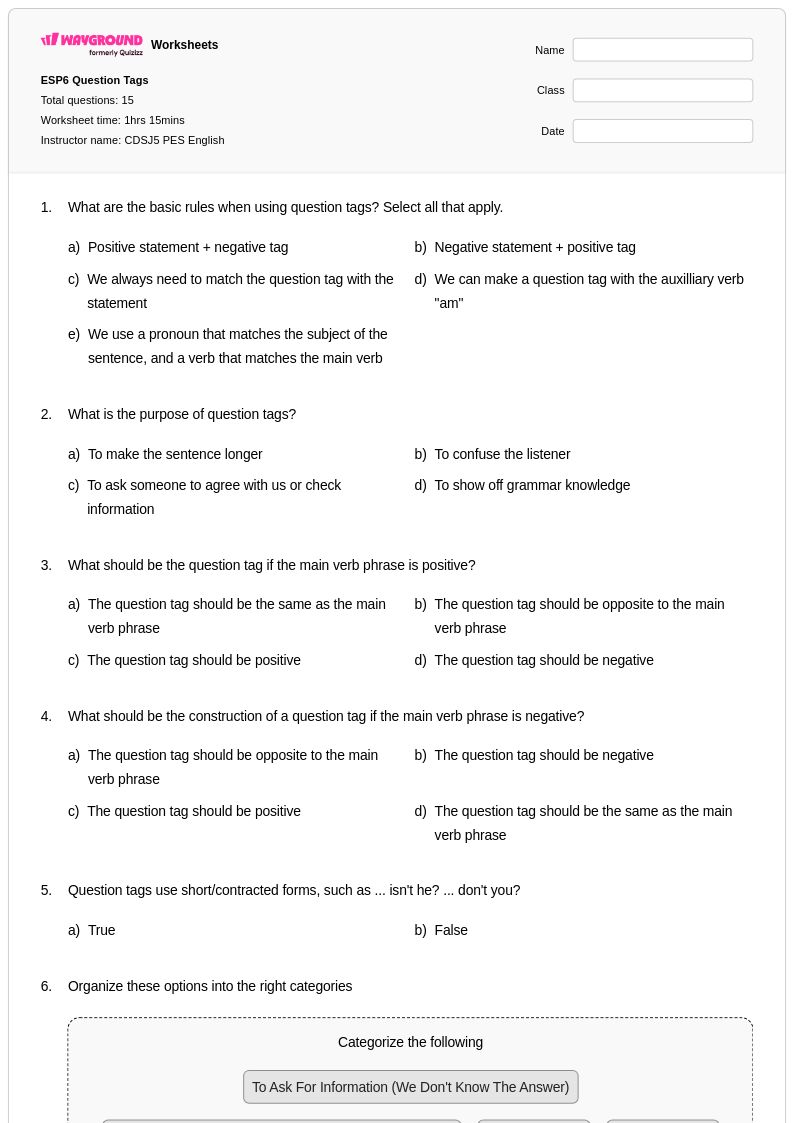
15 Q
6th
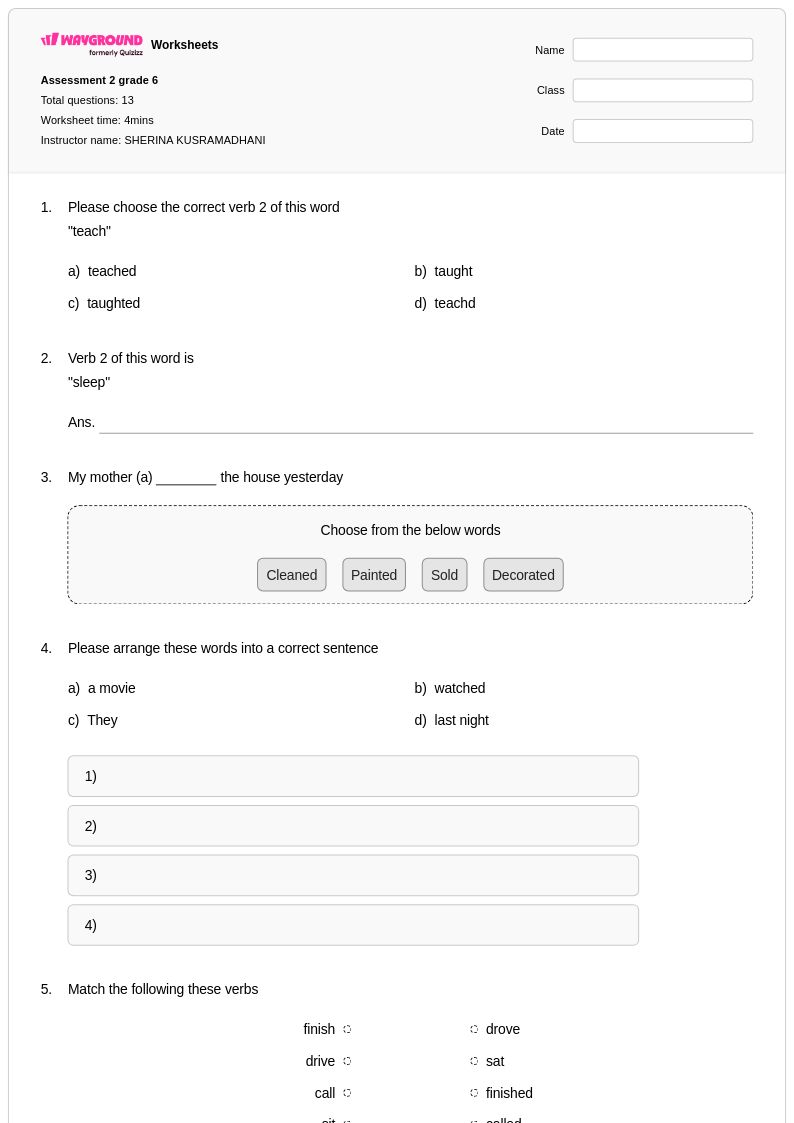
13 Q
6th
Explore Other Subject Worksheets for year 6
Explore printable Verb -Ing Rules worksheets for Year 6
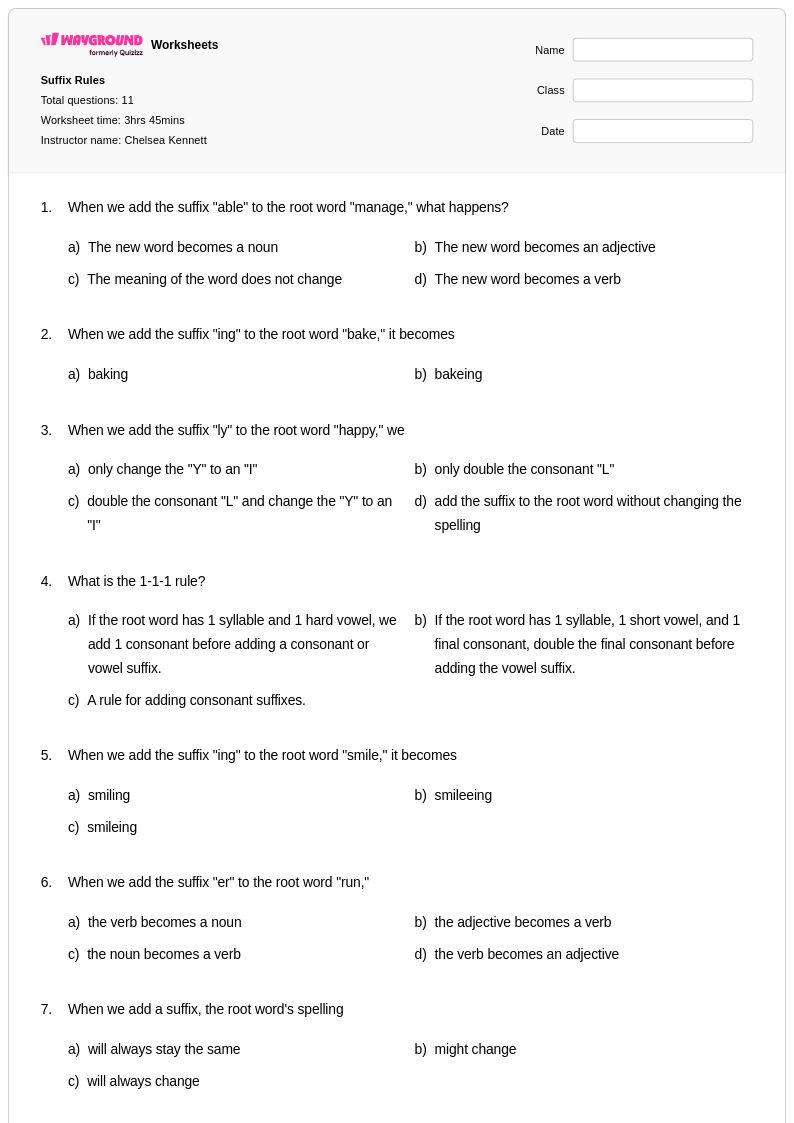
Verb -ing rules worksheets for Year 6 students available through Wayground (formerly Quizizz) provide comprehensive practice with one of the most essential spelling patterns in English grammar and mechanics. These carefully crafted educational resources help sixth-grade learners master the complex rules governing when to simply add -ing to a base verb, when to double the final consonant before adding -ing, and when to drop the silent e before the suffix. Students work through systematic practice problems that cover regular verbs like "walking" and "talking," consonant-doubling patterns such as "running" and "swimming," and silent e patterns like "dancing" and "writing." Each worksheet collection includes detailed answer keys and is available as free printables in PDF format, allowing teachers to seamlessly integrate targeted spelling and grammar instruction into their curriculum while helping students build confidence with these fundamental language mechanics.
Wayground (formerly Quizizz) empowers educators with millions of teacher-created verb -ing rules worksheets that streamline instruction and support diverse learning needs in Year 6 classrooms. The platform's robust search and filtering capabilities enable teachers to quickly locate resources aligned with specific language arts standards, while differentiation tools allow for customized practice that meets individual student requirements. These worksheet collections are available in both printable PDF formats for traditional paper-and-pencil practice and digital formats for interactive learning experiences. Teachers can efficiently plan lessons, provide targeted remediation for struggling learners, offer enrichment opportunities for advanced students, and deliver consistent skill practice through these professionally designed resources. The platform's flexible customization options allow educators to modify worksheets to match their specific curriculum pacing and assessment needs, making it an invaluable tool for comprehensive grammar and mechanics instruction.
FAQs
How do I teach verb -ing spelling rules to students?
What exercises help students practice adding -ing to verbs correctly?
What mistakes do students commonly make when adding -ing to verbs?
How do I differentiate verb -ing rules instruction for struggling learners?
How do I use Wayground's verb -ing rules worksheets in my classroom?