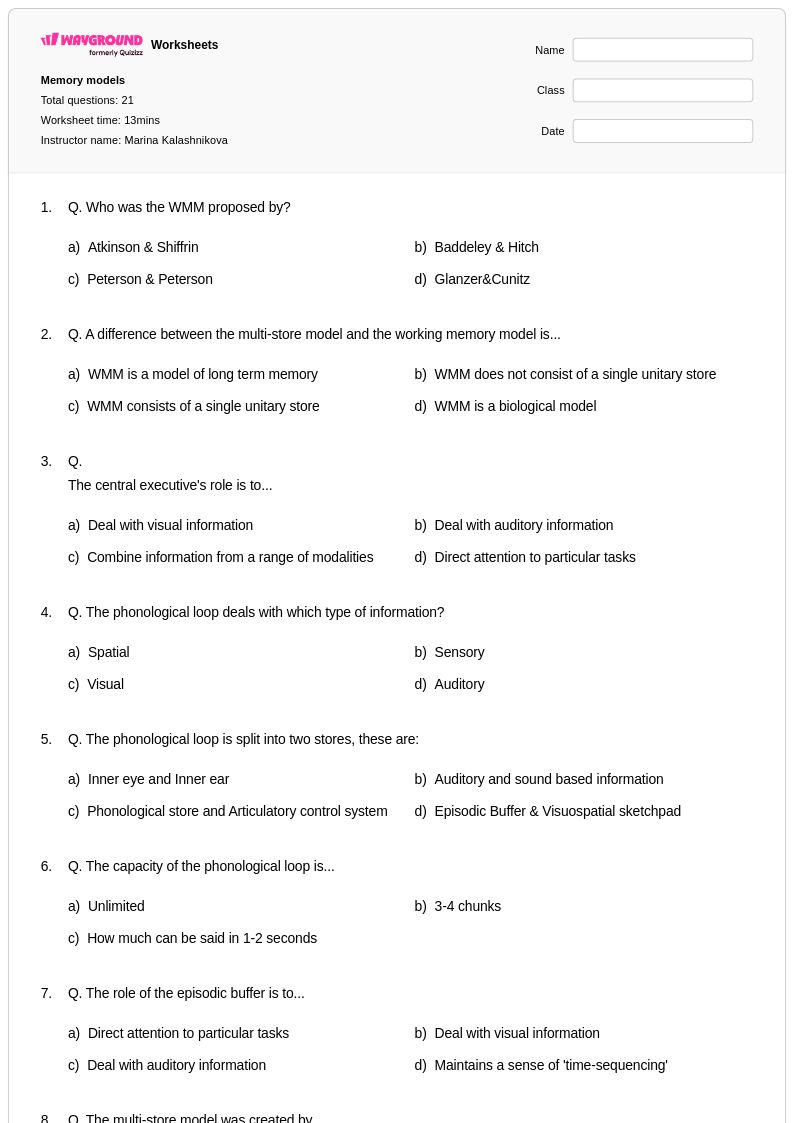
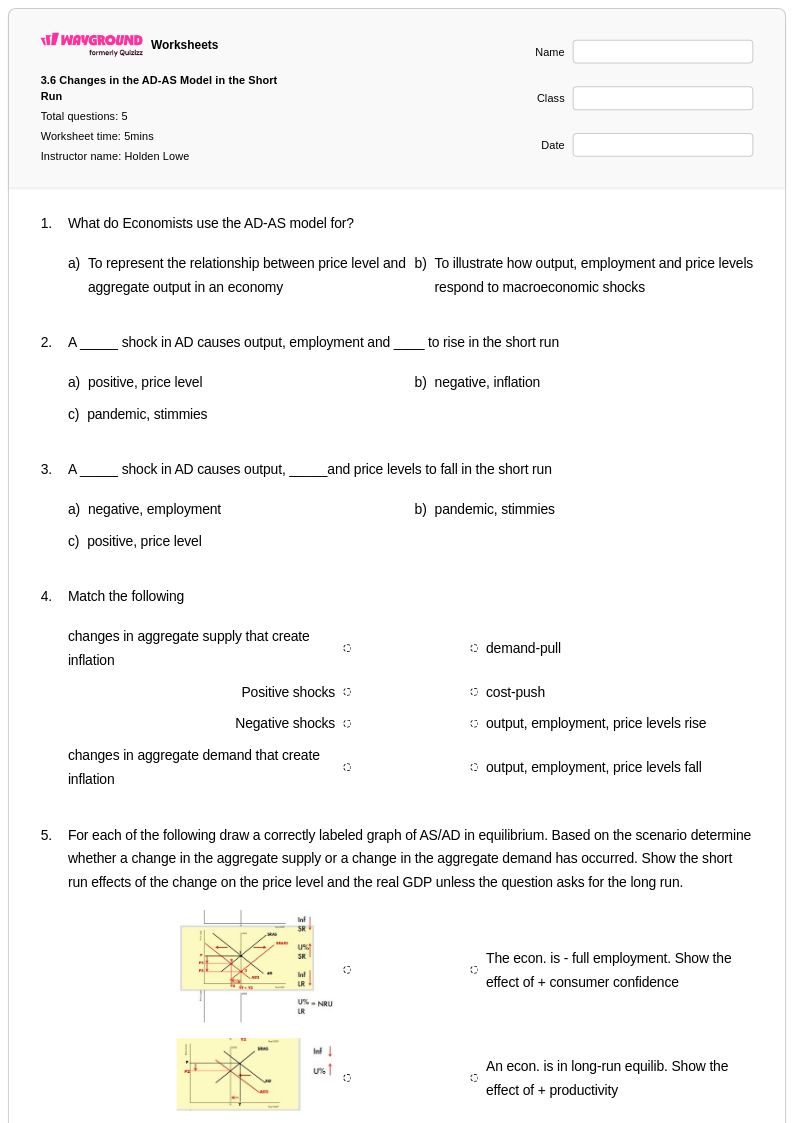
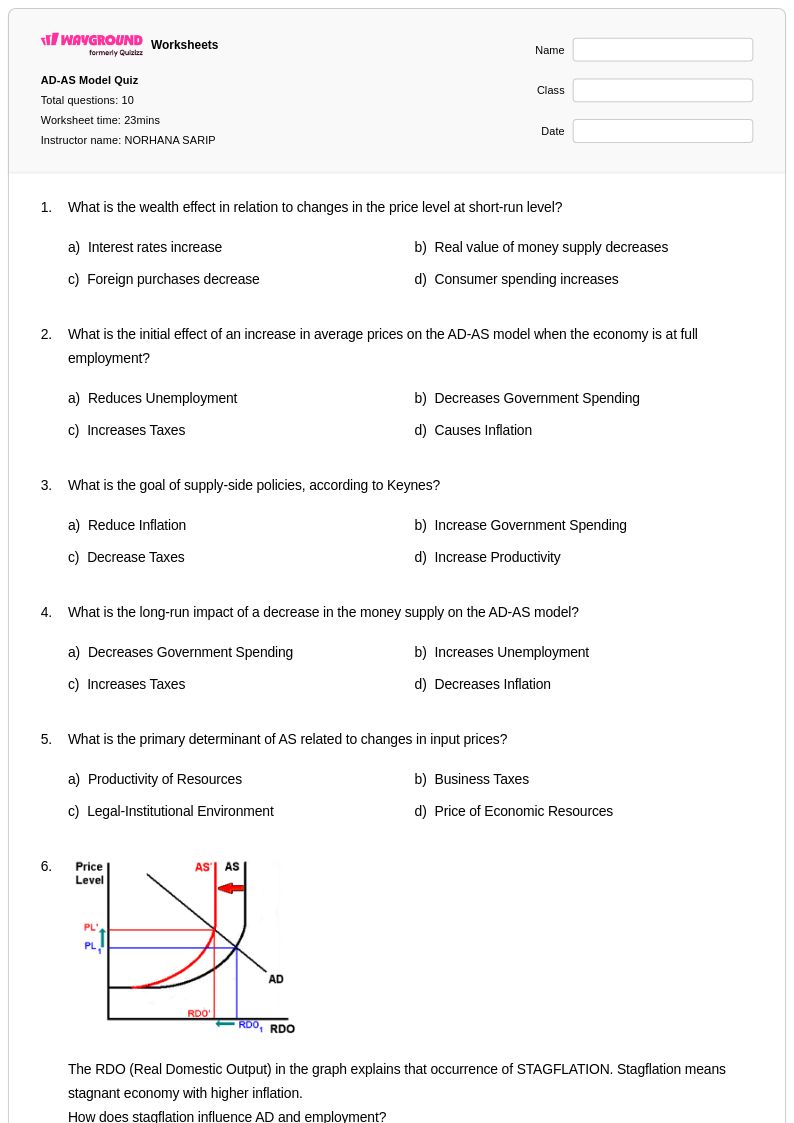
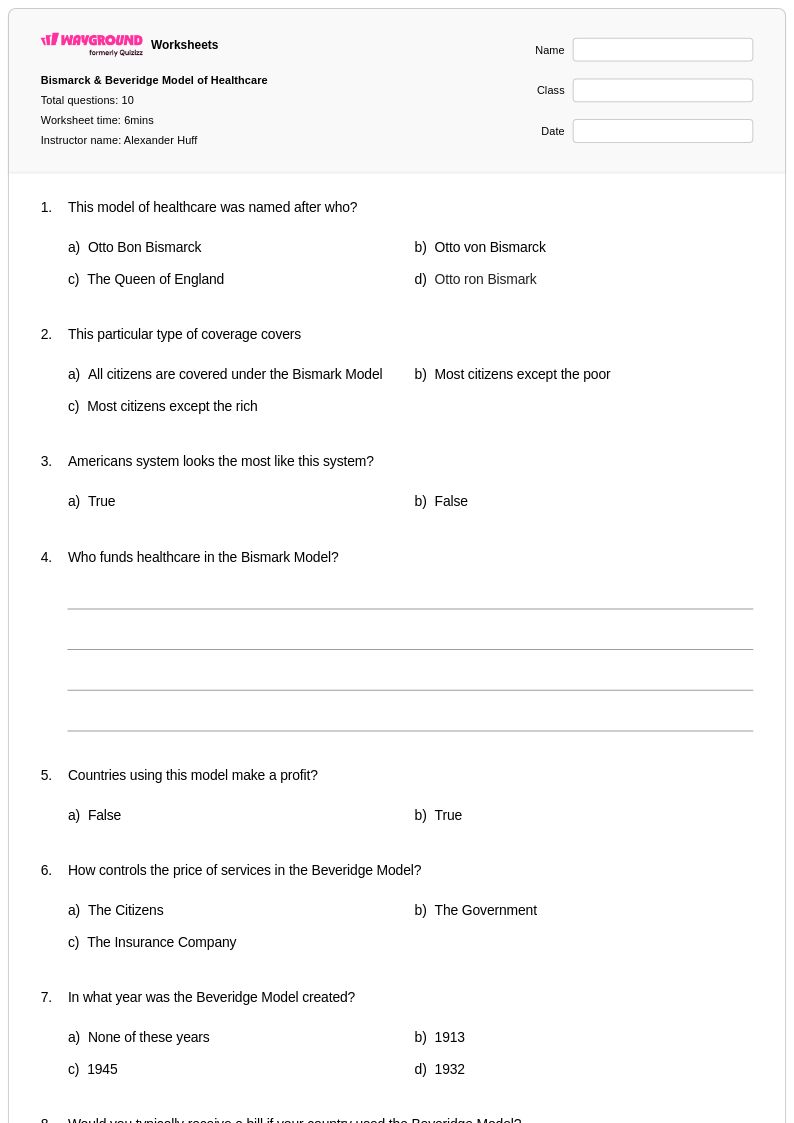
Class 12 ABC Model worksheets from Wayground help students master cognitive behavioral techniques through engaging printables, practice problems, and comprehensive answer keys for effective social skills development.
Explore printable ABC Model worksheets for Class 12
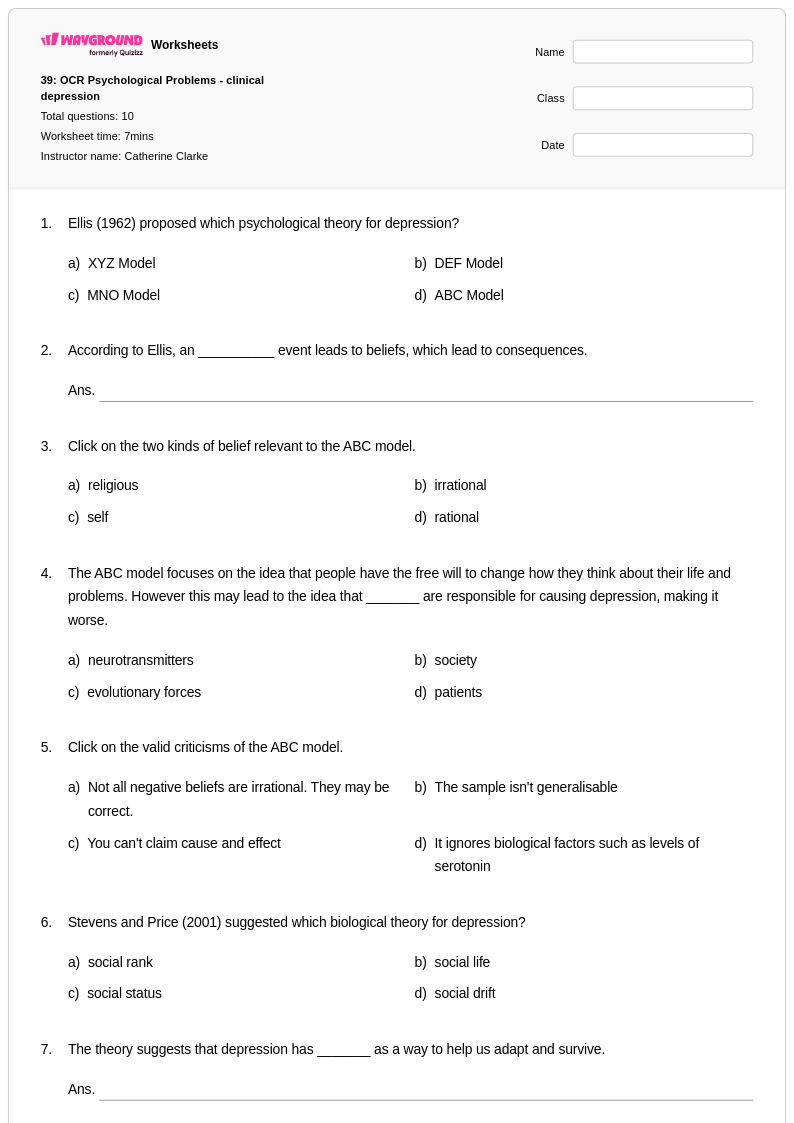
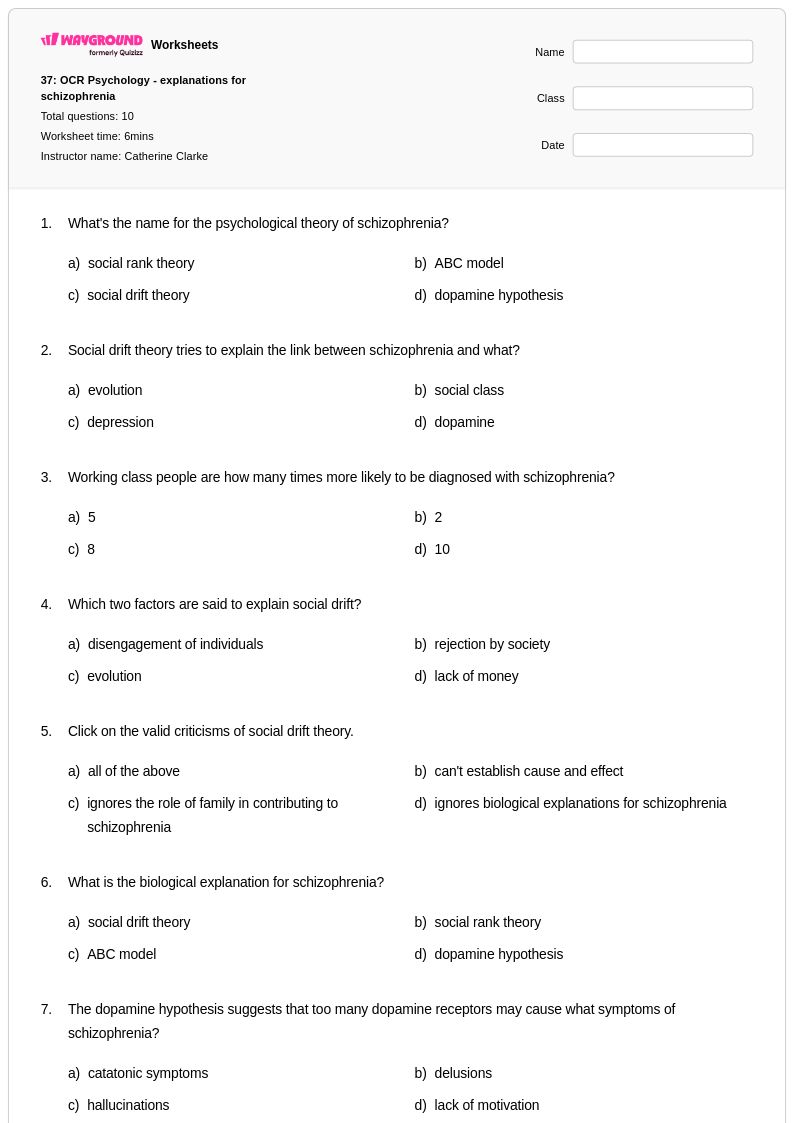
ABC Model worksheets for Class 12 social studies provide comprehensive practice materials that help students master this essential cognitive-behavioral framework for understanding how thoughts, feelings, and behaviors interconnect in social situations. These educational resources guide twelfth-grade learners through analyzing real-world scenarios using the Antecedent-Belief-Consequence model, strengthening their ability to identify triggering events, examine underlying beliefs and assumptions, and predict behavioral outcomes in complex social interactions. The worksheets include structured practice problems that challenge students to apply ABC analysis to workplace conflicts, relationship dynamics, and community issues, with detailed answer keys that support independent learning and self-assessment. Available as free printables in convenient PDF format, these resources help students develop critical thinking skills essential for post-secondary success and adult social competency.
Wayground, formerly Quizizz, supports educators with an extensive collection of teacher-created ABC Model resources specifically designed for Class 12 social studies instruction. The platform's millions of educational materials include worksheets that align with social studies standards while offering robust search and filtering capabilities that allow teachers to quickly locate resources matching their specific curriculum needs and student ability levels. These differentiation tools enable instructors to customize content for diverse learners, whether providing remediation for students struggling with abstract thinking concepts or enrichment activities for advanced learners ready to tackle complex case studies. Available in both printable PDF and interactive digital formats, these worksheet collections streamline lesson planning while providing flexible options for in-class practice, homework assignments, and skill reinforcement activities that prepare students for real-world application of social-emotional learning principles.
FAQs
How do I teach the ABC Model to students?
Teaching the ABC Model begins with breaking down each component explicitly: Antecedent (the trigger or situation before a behavior), Behavior (the observable action or response), and Consequence (the outcome that follows). Start with familiar, low-stakes scenarios — like a student getting frustrated during a game — so learners can identify each component before applying the framework to more complex social situations. Gradually release responsibility by moving from teacher-modeled examples to guided practice and then independent application. Consistent use of structured scenarios helps students internalize the framework as a habitual thinking tool.
What kinds of exercises help students practice the ABC Model?
Structured scenario-based worksheets are the most effective practice format for the ABC Model because they give students a realistic context in which to identify triggers, label behaviors, and predict or evaluate consequences. Exercises that present incomplete ABC chains — where students must fill in a missing component — build analytical thinking rather than rote labeling. Role-play debriefs and journaling prompts that ask students to apply the model to their own experiences extend practice beyond worksheets into authentic self-reflection.
What mistakes do students commonly make when learning the ABC Model?
The most common error is confusing the Antecedent with the Behavior — students often describe what they felt (an internal state) rather than the external trigger that preceded the behavior. Another frequent mistake is treating Consequences as exclusively negative, when they can be neutral or positive reinforcers that explain why a behavior persists. Students also tend to conflate thoughts and emotions with behaviors; reinforcing that behaviors must be observable actions helps correct this. Worksheets that present ambiguous scenarios and ask students to justify their labeling decisions are particularly effective at surfacing and correcting these misconceptions.
How do I use ABC Model worksheets in my classroom?
ABC Model worksheets on Wayground are available as printable PDFs for traditional classroom use and in digital formats for technology-integrated or blended learning environments, and they can also be hosted as a quiz directly on Wayground. Use printed versions for small-group guided practice or individual reflection exercises, and assign digital versions for independent work, homework, or remote learning. Each worksheet includes a complete answer key, allowing for immediate self-assessment or efficient teacher review. For students who need additional support, Wayground's accommodation tools — including Read Aloud and reduced answer choices — can be applied at the individual level without disrupting the rest of the class.
How can I differentiate ABC Model instruction for students with different learning needs?
Differentiation for the ABC Model can include scaffolding worksheet prompts with sentence starters, providing visual anchor charts that define each component, or using simplified scenarios with fewer variables for students who struggle with abstract reasoning. On Wayground, teachers can enable individual accommodations such as Read Aloud for students who need text-to-speech support, reduced answer choices to lower cognitive load, or extended time for students who need more processing time. These settings can be assigned per student and carry over to future sessions, making ongoing differentiation manageable without requiring repeated setup.
At what grade level is the ABC Model typically taught?
The ABC Model is not tied to a single grade level — it appears in school counseling, social-emotional learning (SEL) curricula, and behavioral intervention contexts across elementary through high school, depending on the depth of application. Younger students typically work with simple, concrete scenarios and teacher-supported analysis, while older students apply the framework independently to complex social conflicts and self-regulation challenges. It is also widely used in special education settings and behavior support plans across grade levels.