Free Printable Risk Assessment Worksheets for Class 12
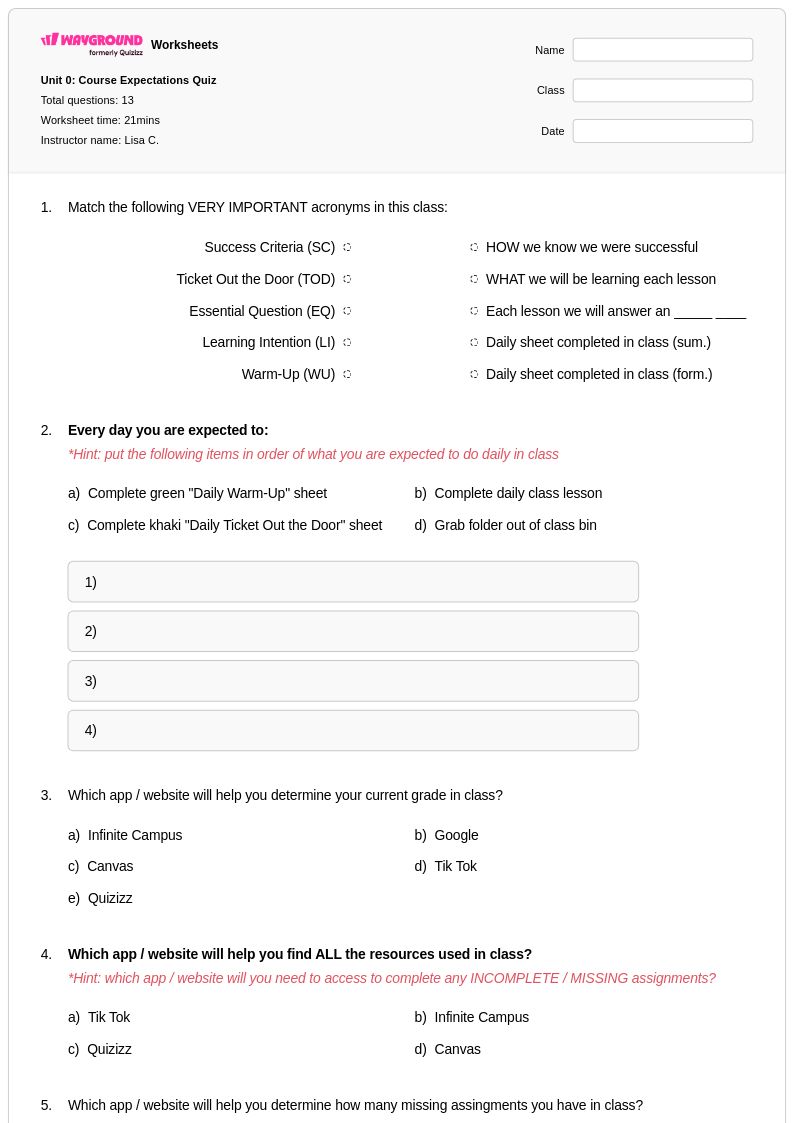
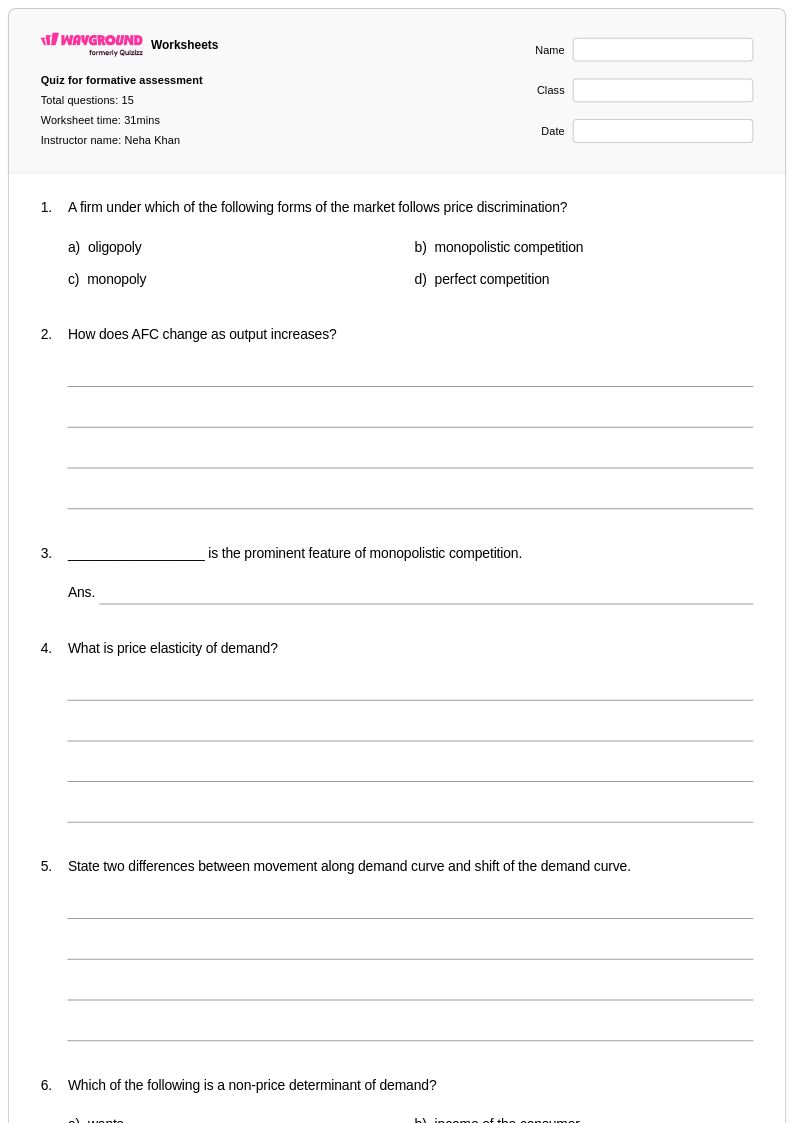
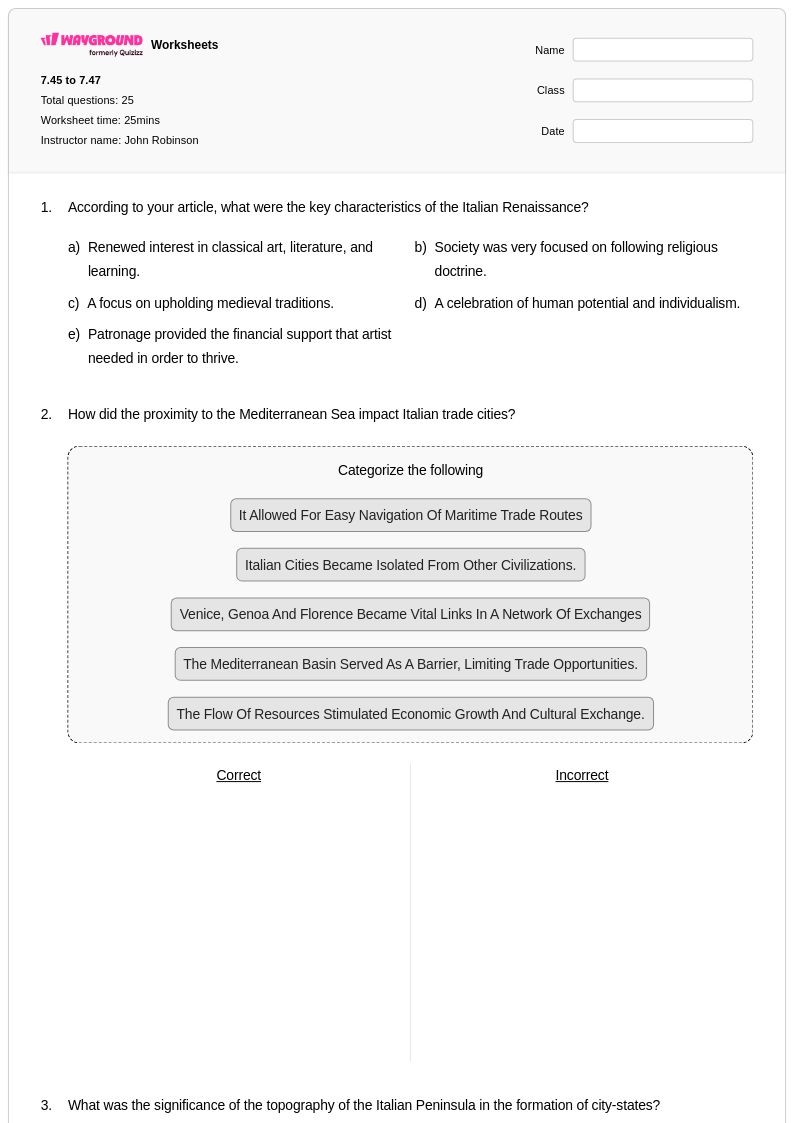
Class 12 risk assessment worksheets help students develop critical decision-making skills through printable PDF activities, free practice problems, and comprehensive answer keys for mastering social awareness and safety evaluation techniques.
Explore printable Risk Assessment worksheets for Class 12
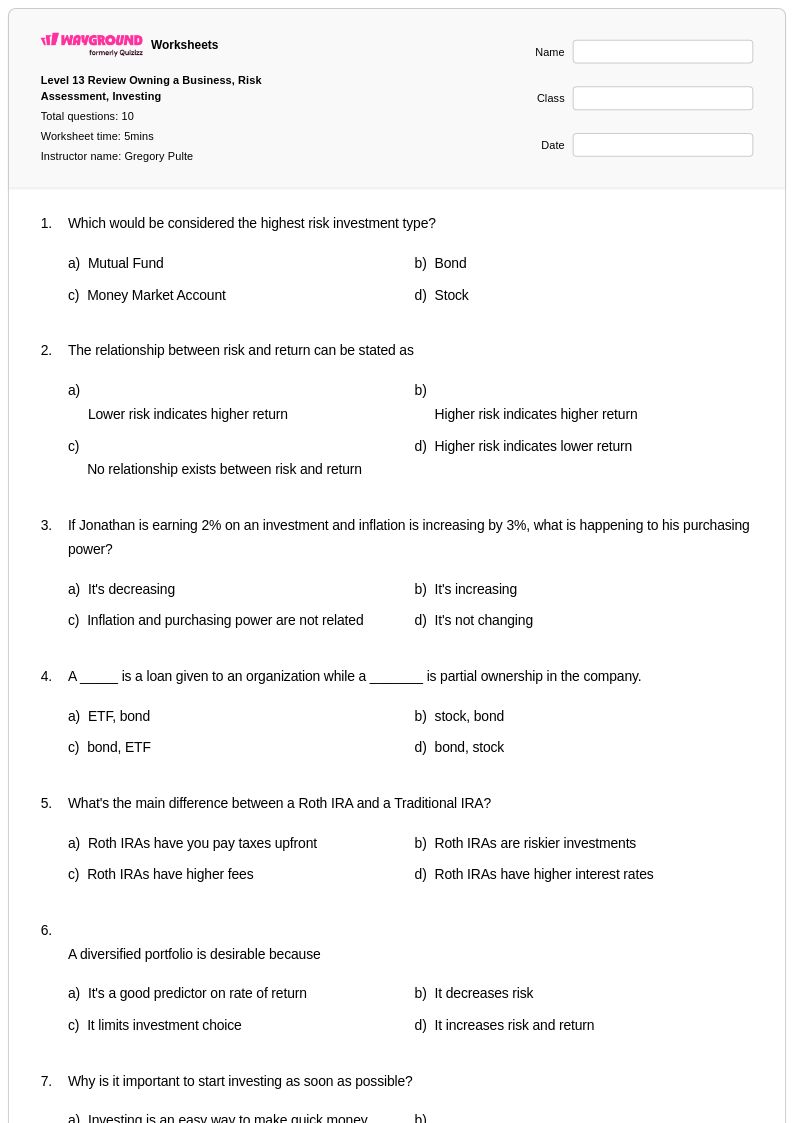
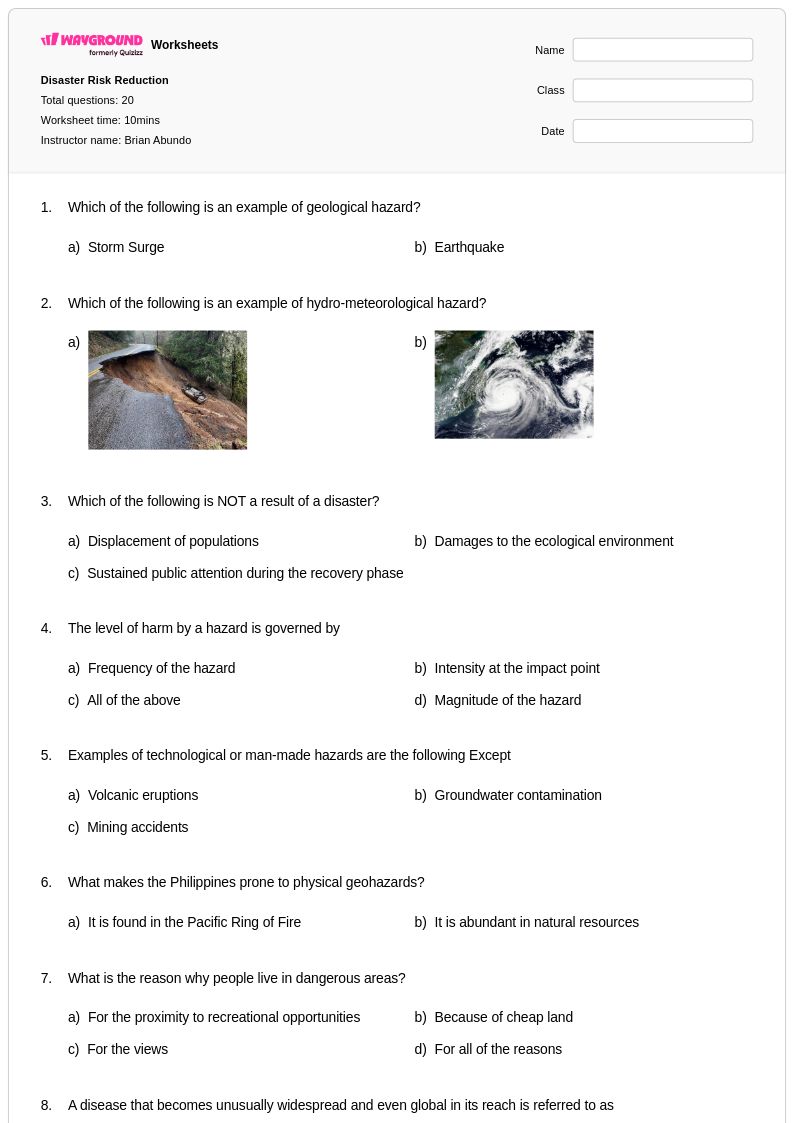
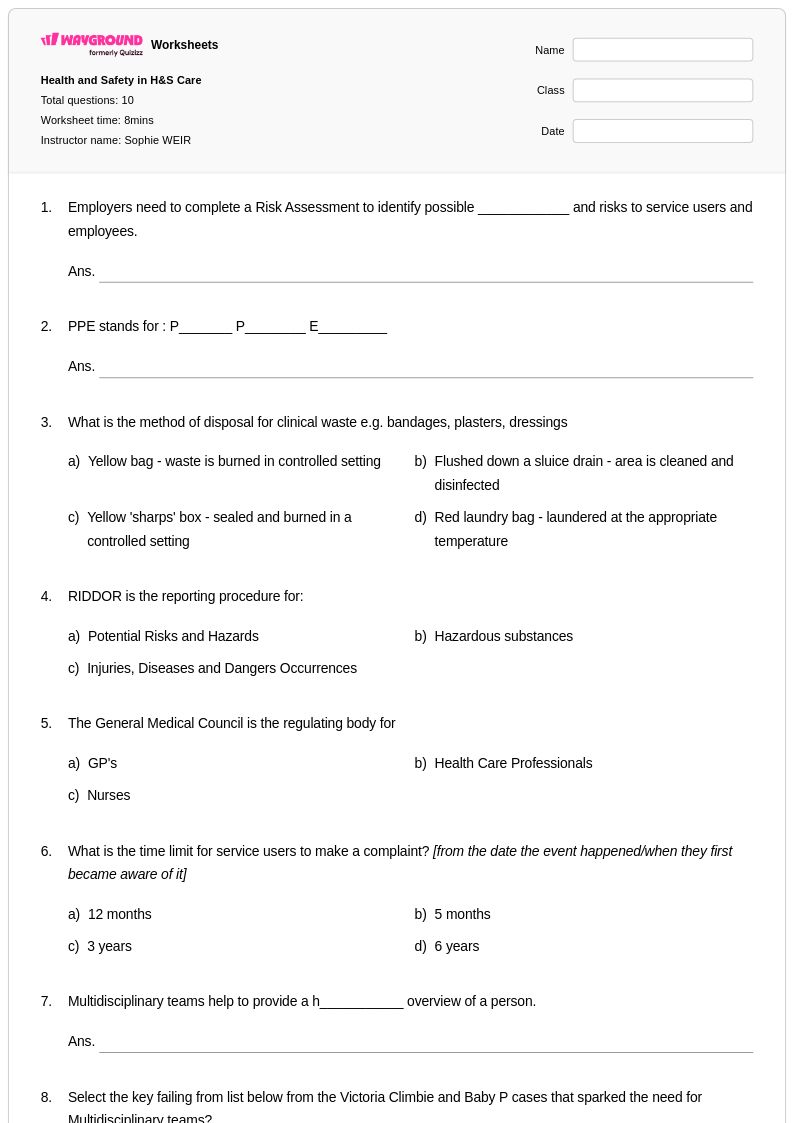
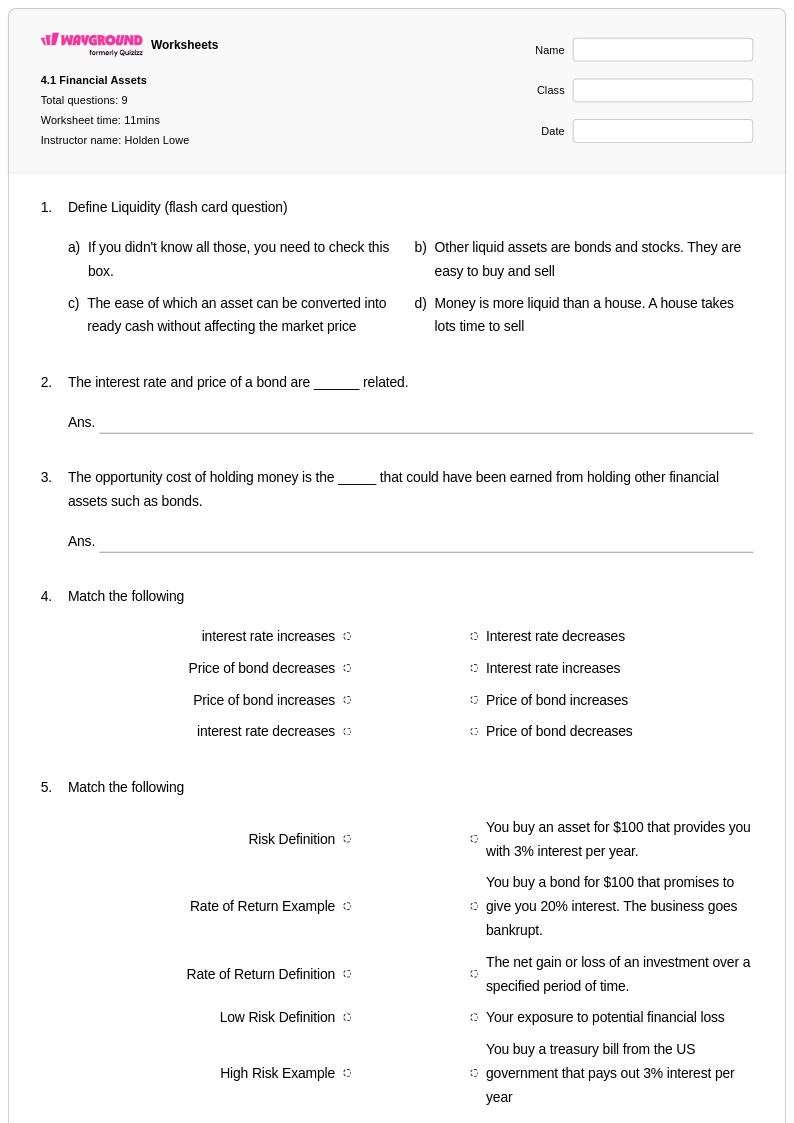
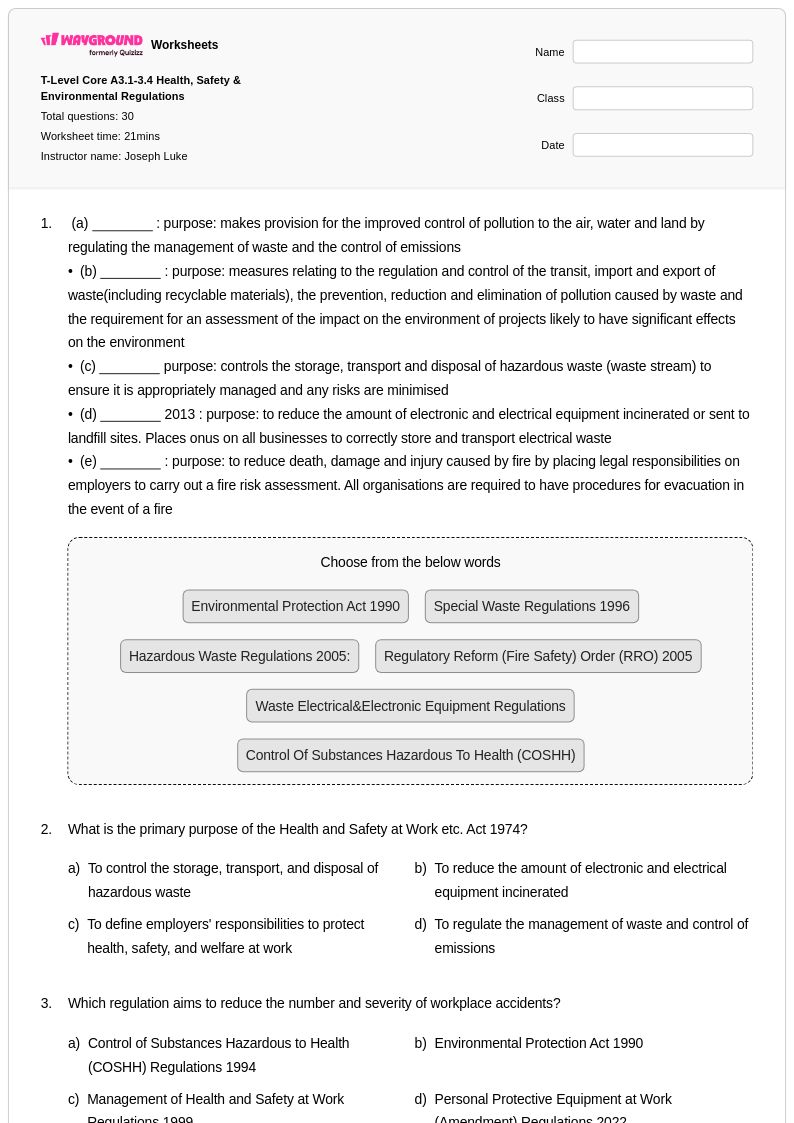
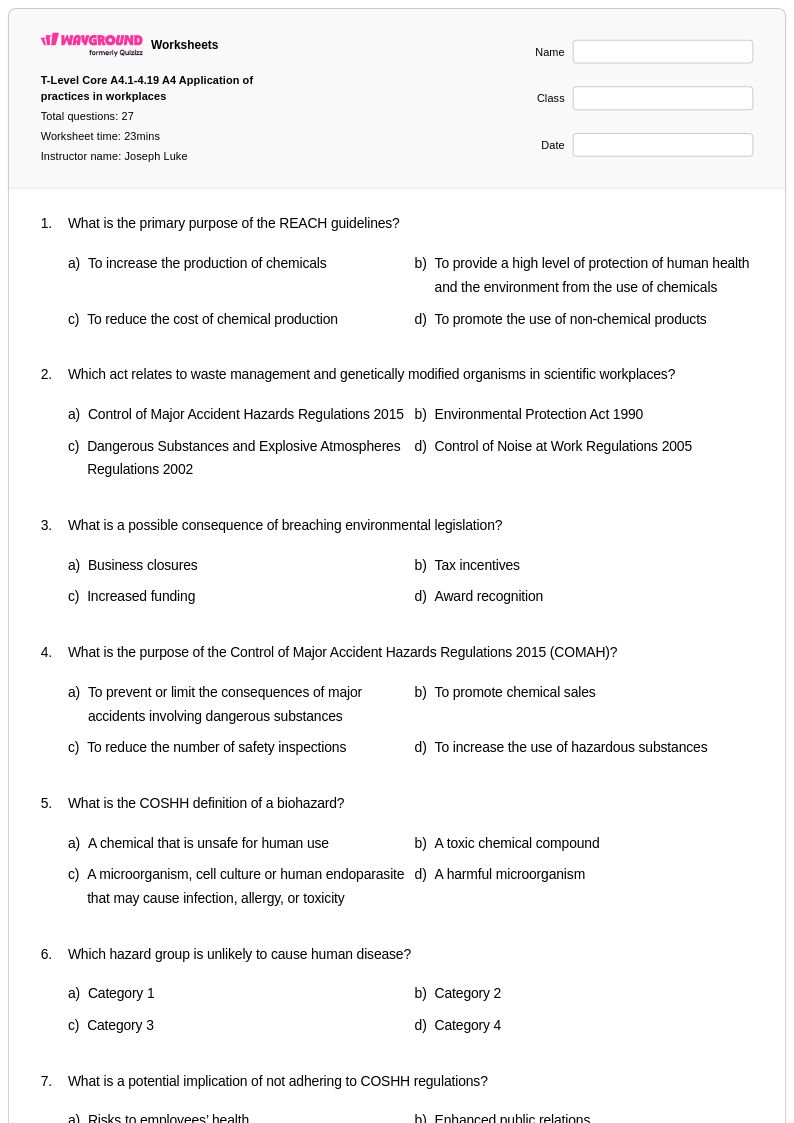
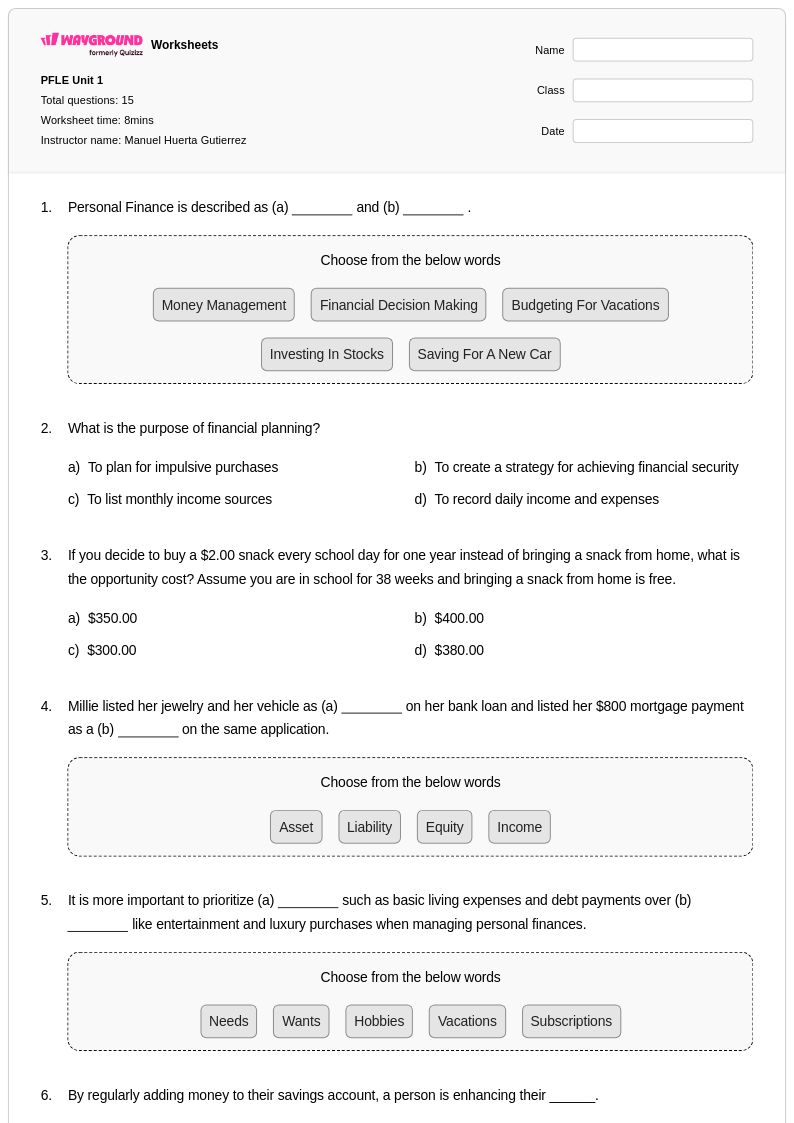
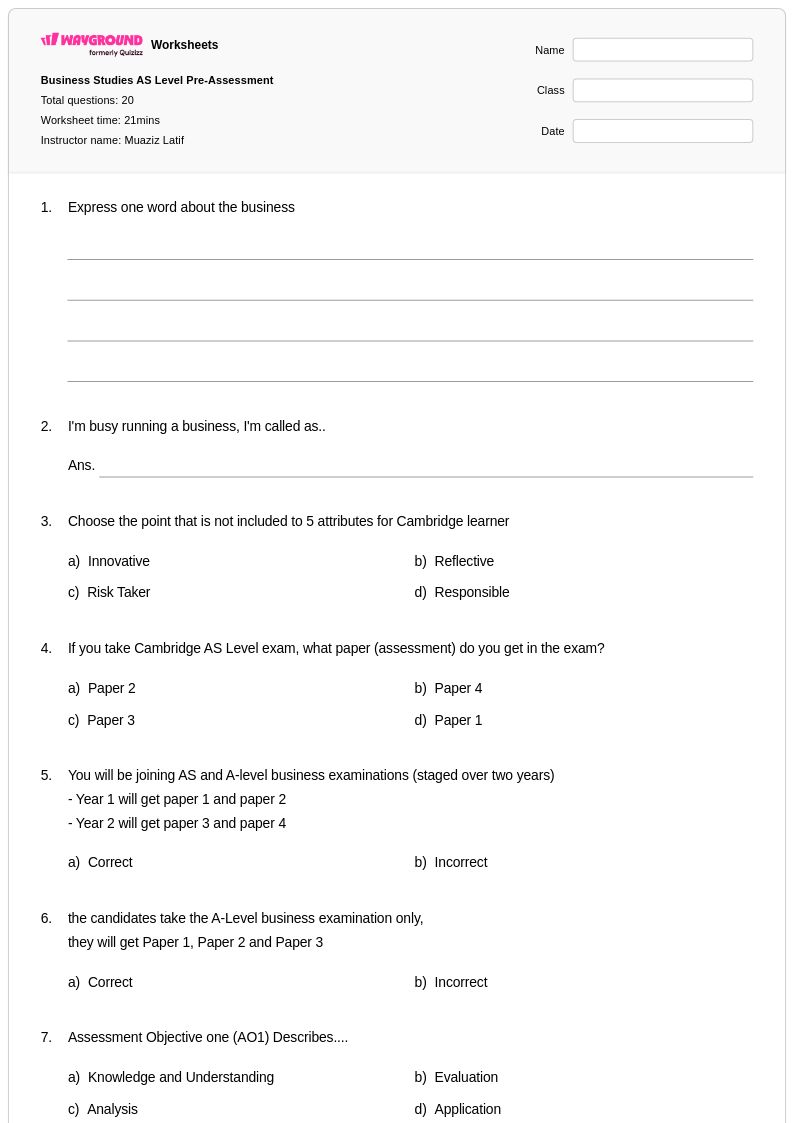
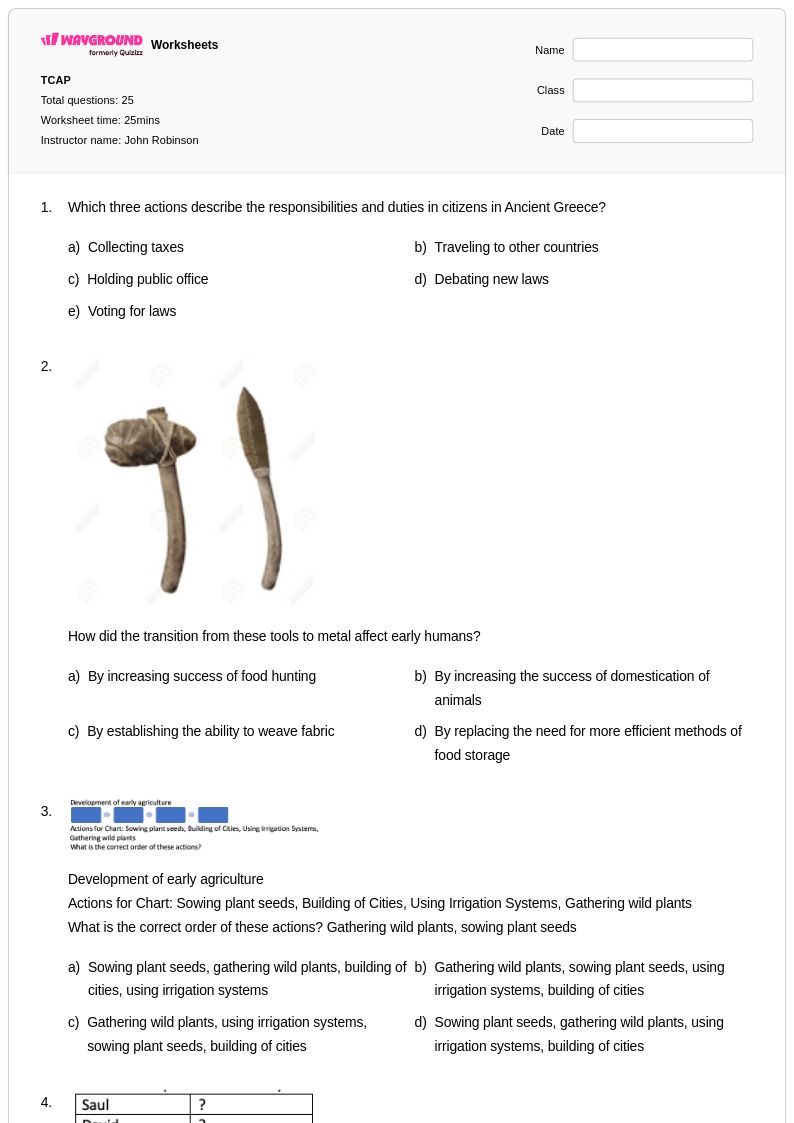
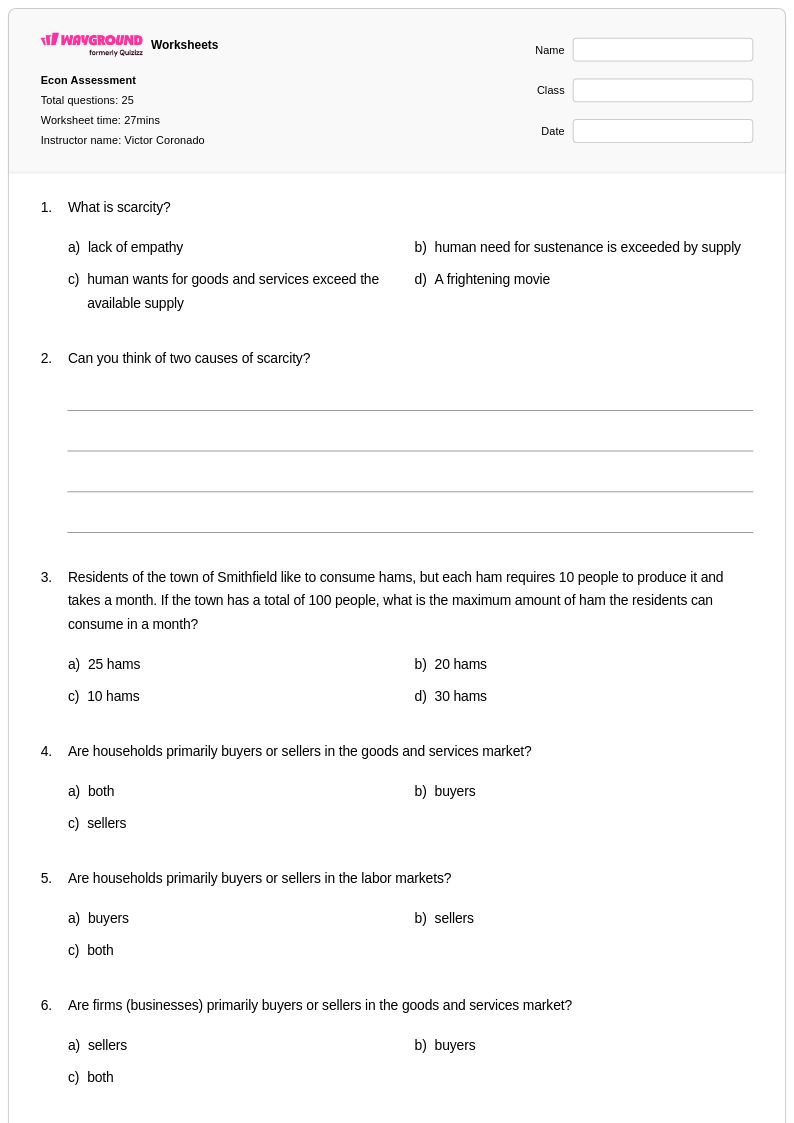
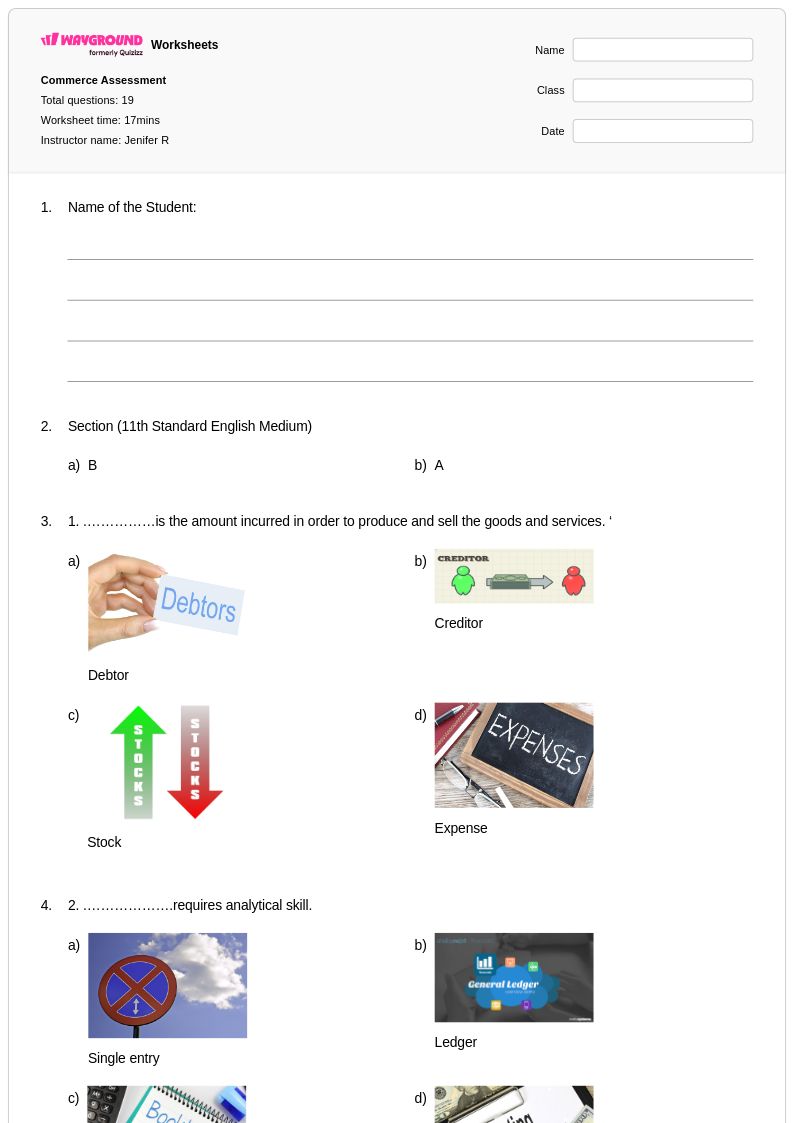
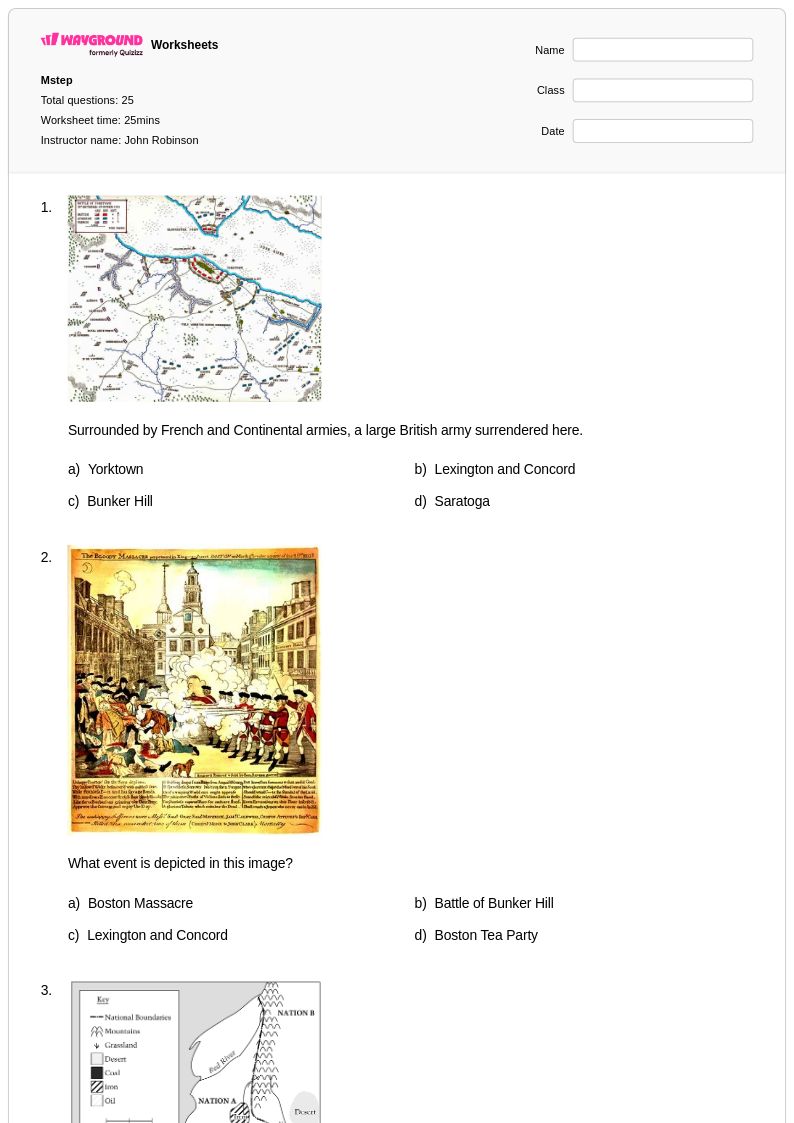
Risk assessment worksheets for Class 12 social studies provide students with essential tools to evaluate potential hazards, analyze decision-making scenarios, and develop critical thinking skills necessary for real-world problem solving. These comprehensive printables guide high school seniors through systematic approaches to identifying risks, weighing consequences, and making informed choices in personal, academic, and future professional contexts. Students engage with practice problems that simulate authentic situations requiring thoughtful evaluation of safety concerns, ethical dilemmas, and strategic planning challenges. Each worksheet includes detailed answer keys that support independent learning and self-assessment, while free pdf formats ensure accessibility for both classroom instruction and home study. These educational resources strengthen analytical reasoning, evidence-based thinking, and responsible decision-making capabilities that are fundamental to successful adult citizenship and career readiness.
Wayground (formerly Quizizz) empowers educators with an extensive collection of millions of teacher-created risk assessment worksheets specifically designed for Class 12 social studies curricula. The platform's robust search and filtering capabilities enable teachers to quickly locate materials aligned with academic standards and differentiated for diverse learning needs within their classrooms. Educators can seamlessly customize existing worksheets or create original assessments using flexible digital tools, then distribute resources in both printable and interactive pdf formats to accommodate various instructional preferences. These comprehensive features support effective lesson planning by providing ready-to-use materials for skill practice, targeted remediation for struggling students, and enrichment opportunities for advanced learners. Teachers benefit from streamlined access to high-quality educational content that enhances their ability to develop students' risk assessment competencies through engaging, standards-based instruction that prepares graduates for informed participation in democratic society.
FAQs
How do I teach risk assessment to students?
Teaching risk assessment effectively starts with grounding students in real-world scenarios they can relate to, such as personal safety decisions, peer pressure situations, or community planning challenges. Walk students through a structured process: identify the potential hazard, evaluate the likelihood and severity of consequences, consider alternatives, and make an informed decision. Using concrete examples before moving to abstract scenarios helps students internalize the framework rather than just memorize steps.
What exercises help students practice risk assessment skills?
Scenario-based exercises are the most effective way to build risk assessment skills because they require students to apply judgment rather than recall facts. Worksheets that present social situations with competing risks and benefits push students to weigh multiple perspectives and articulate their reasoning. Structured practice problems that escalate in complexity, from personal safety decisions to broader community scenarios, help students develop consistent analytical habits.
What common mistakes do students make when learning risk assessment?
One of the most frequent errors is treating risk assessment as binary, assuming a situation is either safe or dangerous without accounting for degrees of likelihood and consequence. Students also tend to evaluate risk from a single perspective, overlooking how different people or groups might perceive the same situation differently. Encouraging students to explicitly list both benefits and potential dangers before reaching a conclusion helps counteract these tendencies.
How can I differentiate risk assessment instruction for students with varying skill levels?
For students who struggle with complex social scenarios, reducing the number of variables in a given situation makes the decision-making process more manageable. On Wayground, teachers can apply accommodations such as reduced answer choices for individual students to lower cognitive load, or enable Read Aloud so that scenario text is read to students who have reading difficulties. These settings can be assigned per student without affecting the rest of the class, allowing seamless differentiation within a single assignment.
How do I use Wayground's risk assessment worksheets in my classroom?
Wayground's risk assessment worksheets are available as printable PDFs for traditional classroom use and in digital formats for technology-integrated environments, making them adaptable to in-person, remote, or hybrid instruction. Teachers can also host the worksheets as a live quiz on Wayground, turning individual practice into an interactive class activity. Each worksheet includes an answer key, supporting both independent student work and direct teacher-led instruction.
How does risk assessment connect to social studies curriculum?
Risk assessment is a core component of social studies because it develops the analytical and civic reasoning skills students need to evaluate real-world decisions, from personal safety to community and policy-level challenges. By working through scenarios involving social dynamics, resource allocation, and consequence evaluation, students build the kind of informed judgment that underpins active citizenship. This makes risk assessment worksheets a natural fit within units on decision-making, community planning, and social responsibility.