Free Printable Apple Parts Worksheets for Kindergarten
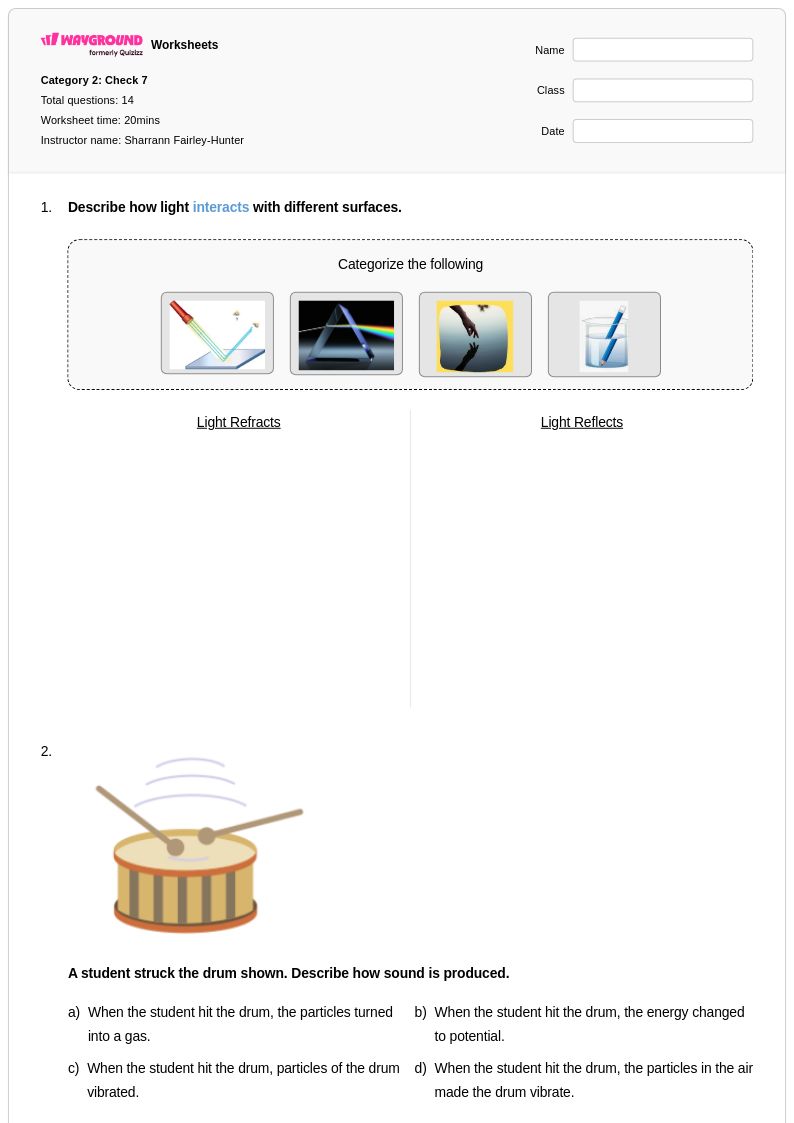
Explore Wayground's free kindergarten apple parts worksheets and printables that help young students identify and label different sections of apples through engaging practice problems with answer keys included.
Explore printable Apple Parts worksheets for Kindergarten
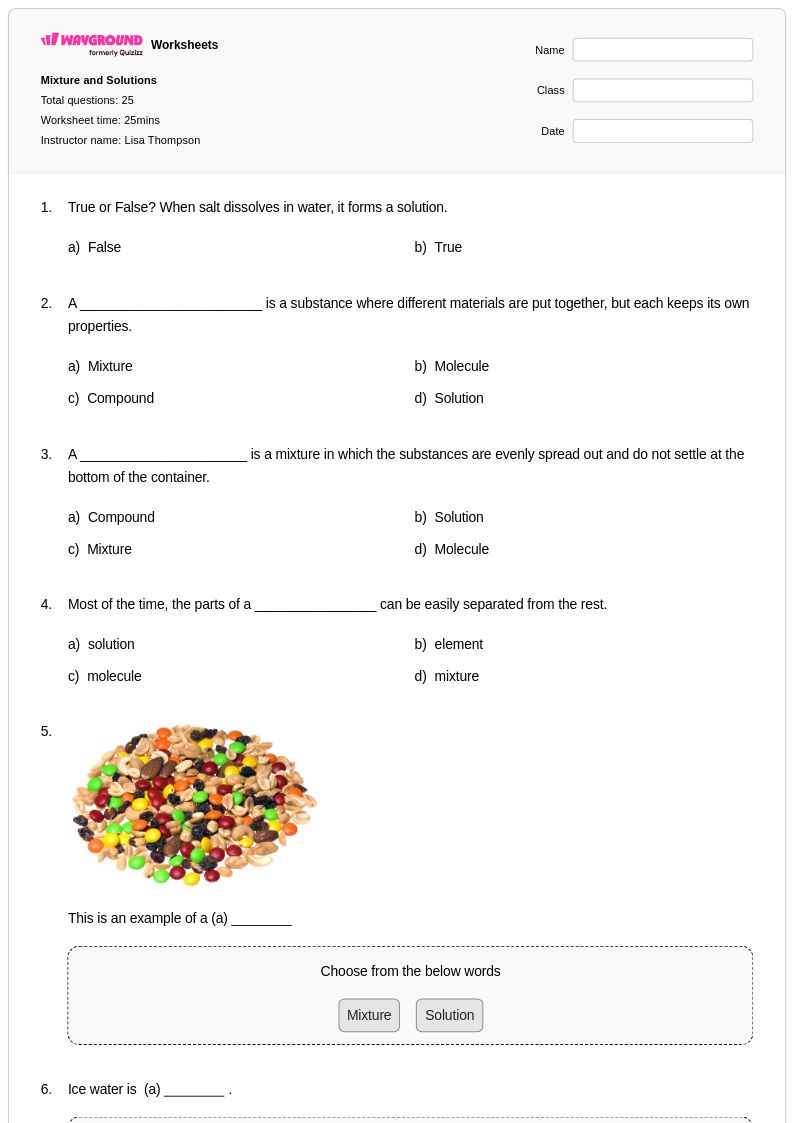
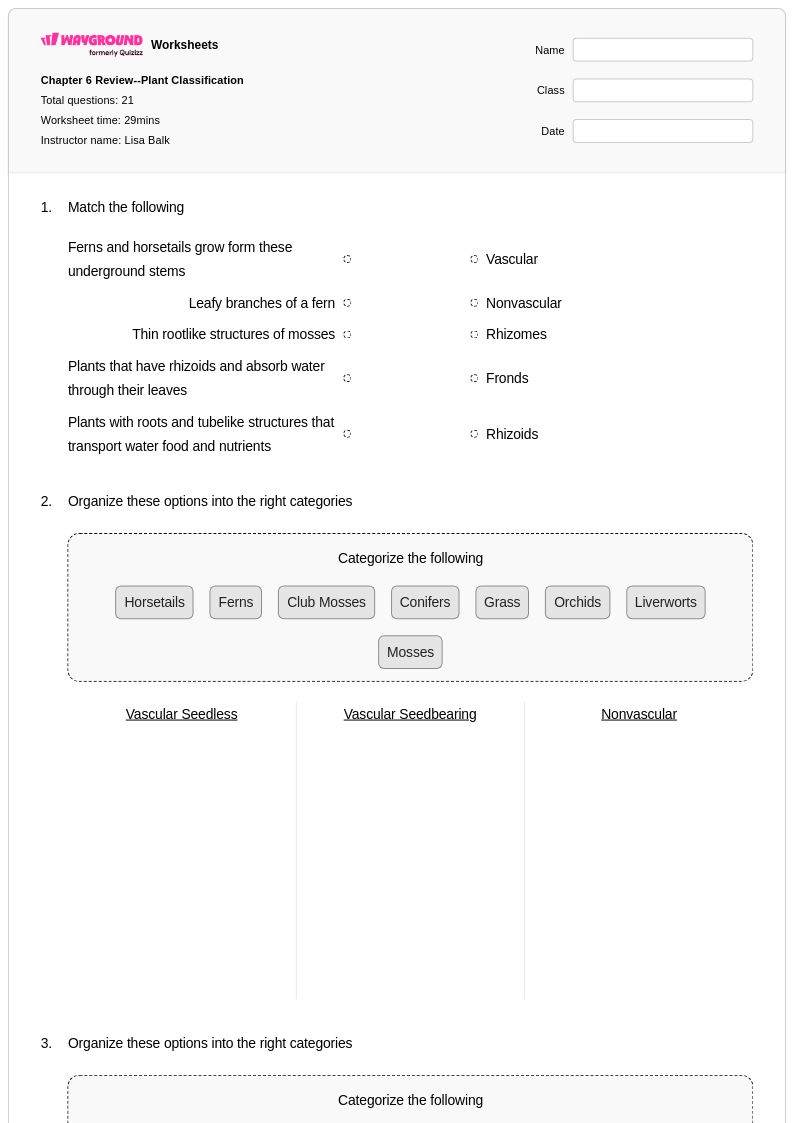
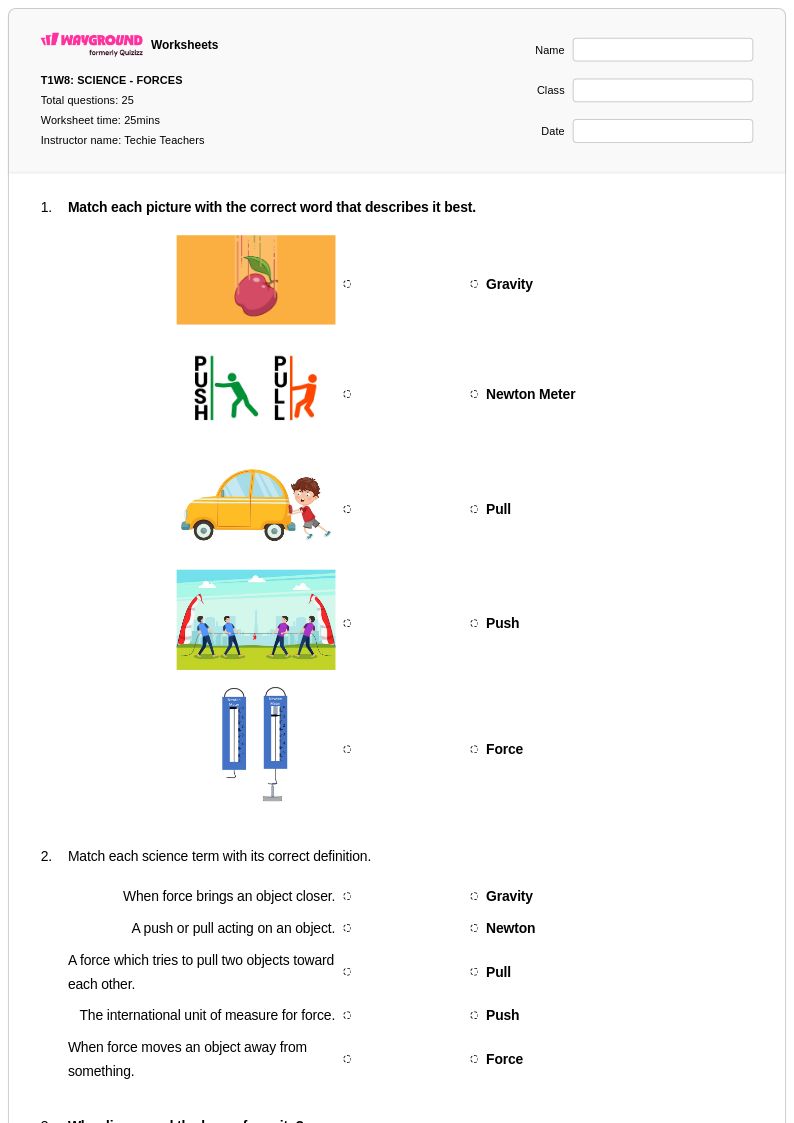
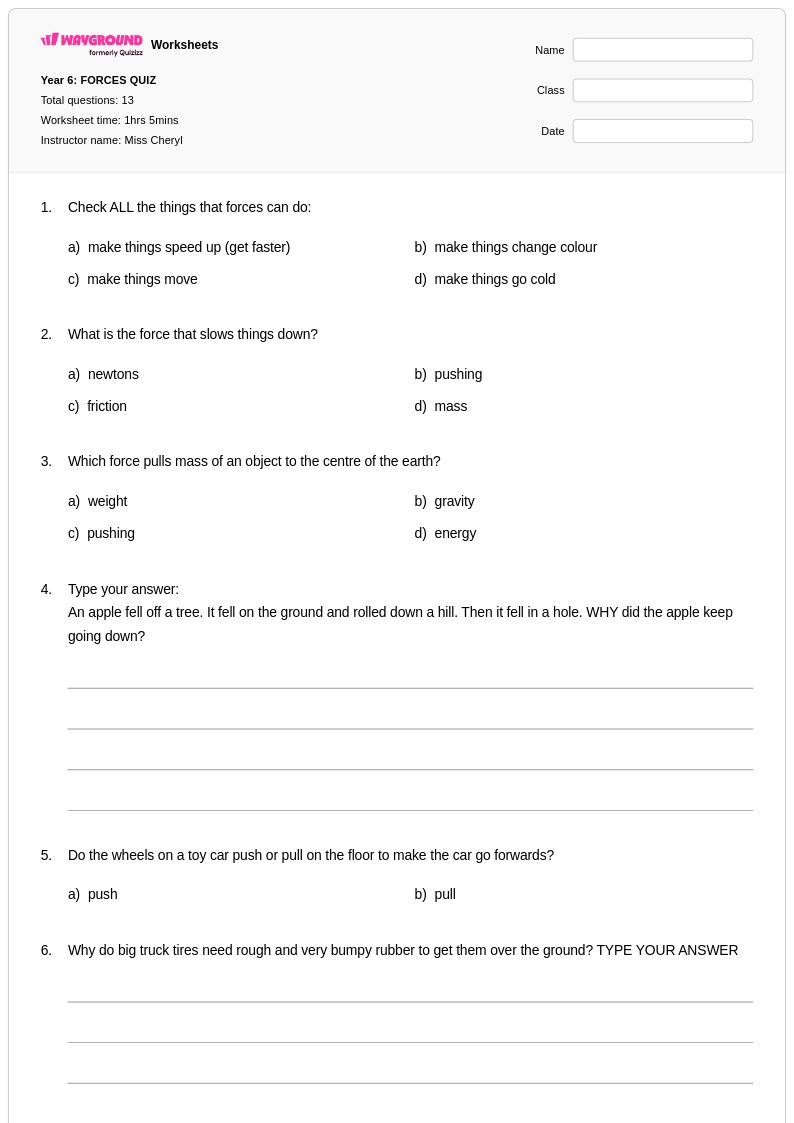
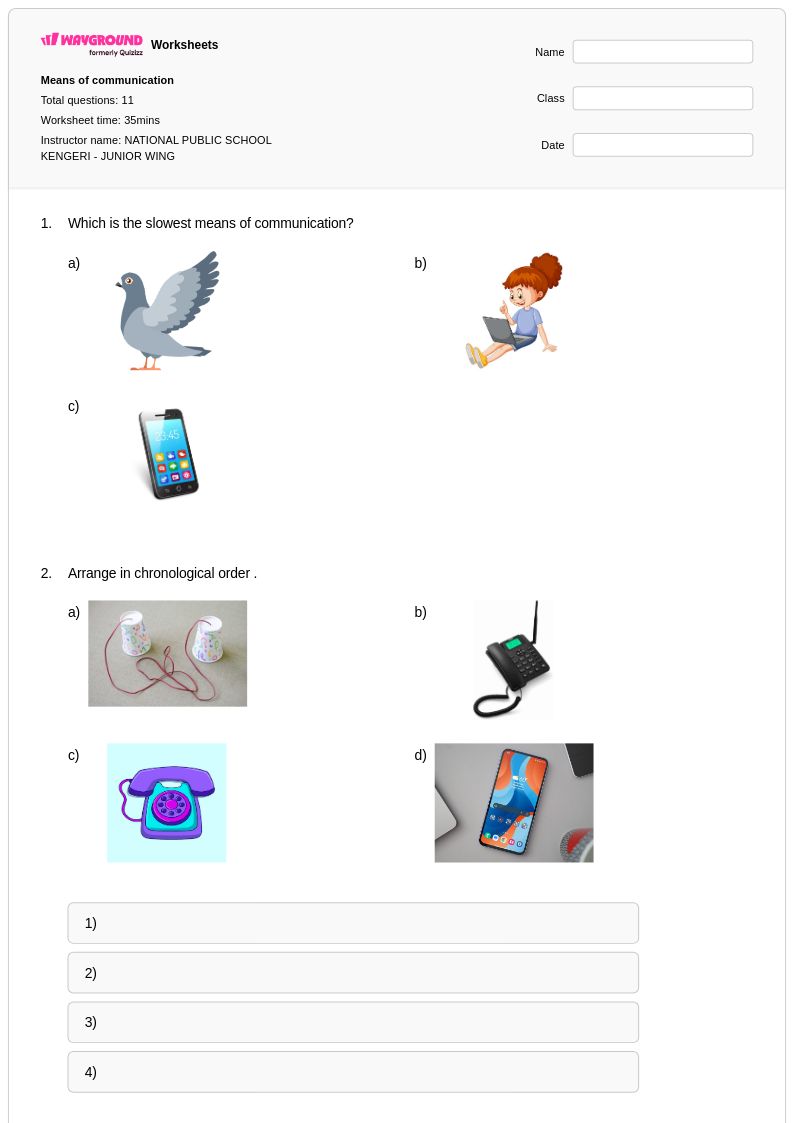
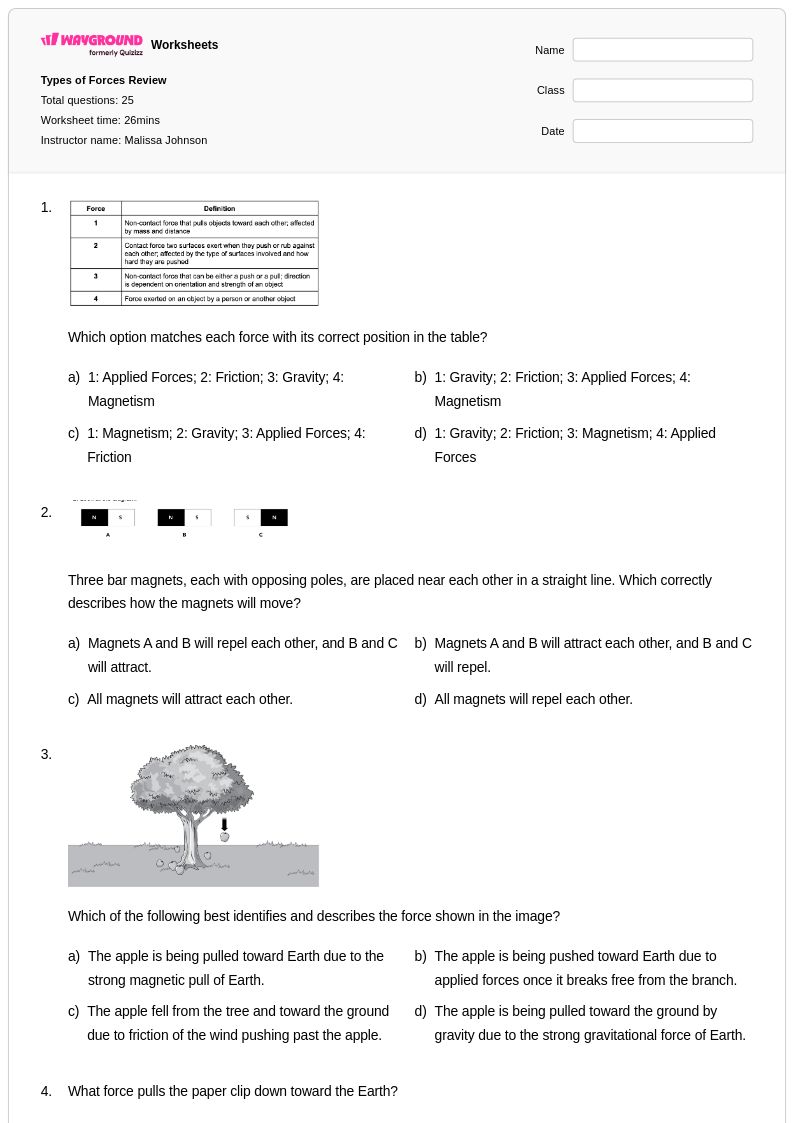
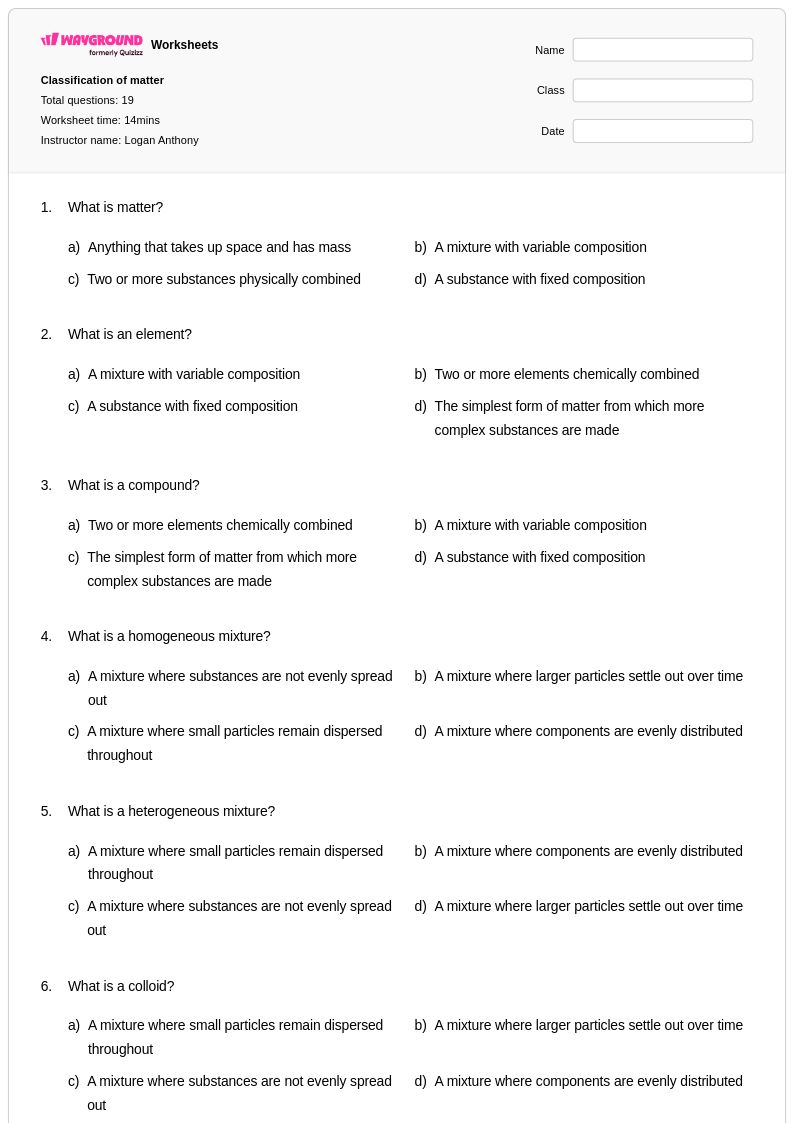
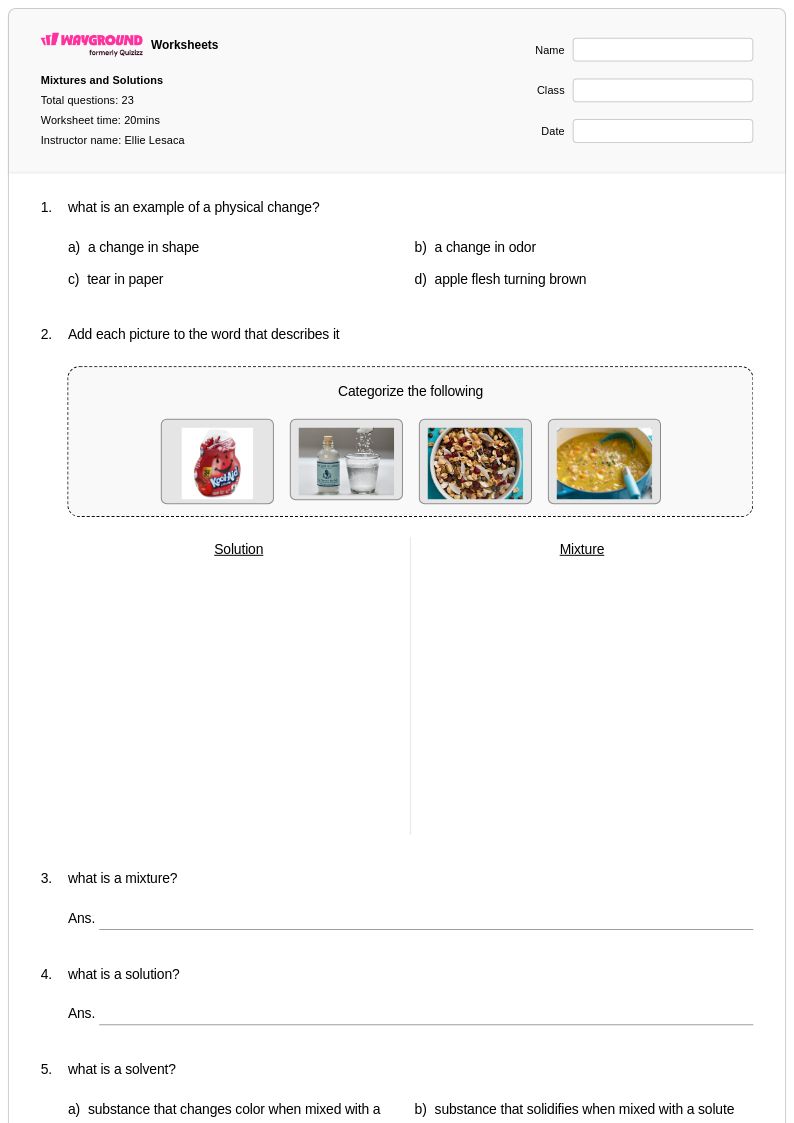
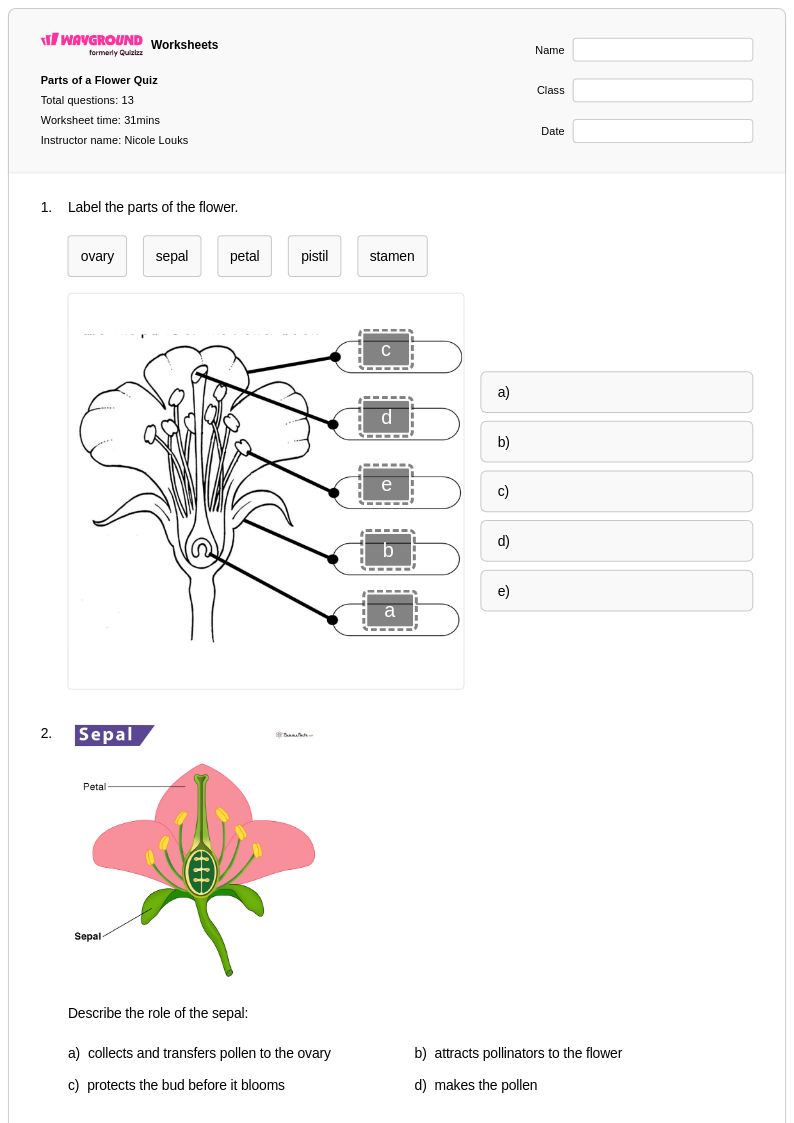
Apple parts worksheets for kindergarten students through Wayground (formerly Quizizz) introduce young learners to fundamental botanical concepts through hands-on exploration of this familiar fruit. These science worksheets help kindergarteners identify and label essential apple components including the stem, skin, flesh, core, and seeds while developing crucial observation and vocabulary skills. The collection features engaging printables that combine visual learning with basic scientific inquiry, allowing students to practice recognizing different apple parts through colorful diagrams, tracing exercises, and simple matching activities. Each worksheet includes a comprehensive answer key to support accurate assessment, and the free pdf format makes these resources easily accessible for both classroom instruction and home practice problems that reinforce botanical terminology.
Wayground (formerly Quizizz) empowers educators with an extensive library of millions of teacher-created apple parts worksheets specifically designed for kindergarten science instruction. The platform's robust search and filtering capabilities allow teachers to quickly locate age-appropriate materials that align with early childhood science standards, while differentiation tools enable customization based on individual student needs and learning levels. These versatile resources are available in both printable and digital pdf formats, providing flexibility for various teaching environments and learning preferences. Teachers can seamlessly integrate these worksheets into lesson planning for initial concept introduction, targeted remediation for struggling learners, enrichment activities for advanced students, or regular skill practice that builds foundational understanding of plant structure and basic biology concepts.
FAQs
How do I teach apple parts to young students?
Start by bringing a real apple into the classroom and guiding students through a hands-on observation before any labeling activity. Point out the stem, skin, flesh, core, seeds, and sepals in sequence, connecting each part to its biological function — for example, the skin protects the fruit while the core houses the seeds for reproduction. Pairing physical observation with a diagram-labeling worksheet reinforces both scientific vocabulary and visual identification skills.
What worksheets help students practice identifying apple parts?
Diagram-labeling worksheets are the most effective format for practicing apple part identification, as they require students to recall and place vocabulary terms in the correct anatomical positions. Worksheets that ask students to describe the function of each part — not just name it — build deeper understanding of plant biology. Comparison activities that contrast different apple varieties can also extend student thinking beyond basic identification.
What mistakes do students commonly make when identifying apple parts?
Students frequently confuse the sepal with the stem, as both are small and located at opposite ends of the fruit. Another common error is labeling the entire interior as the 'core' rather than distinguishing between the flesh and the seed-containing core. Reinforcing the distinct function of each part — not just its location — helps students build more accurate and lasting understanding.
How do I use apple parts worksheets in my classroom?
Apple parts worksheets on Wayground are available as printable PDFs for traditional classroom use and in digital formats for technology-integrated learning environments, so you can choose the format that fits your lesson setup. Teachers can also host the worksheet as a quiz directly on Wayground, making it easy to track student responses and review results. Each worksheet includes a complete answer key, supporting both whole-class instruction and independent student practice.
How do apple parts worksheets support scientific vocabulary development?
Apple parts worksheets introduce students to botanical terminology — stem, skin, flesh, core, seeds, and sepals — in a context that is familiar and concrete, which lowers the barrier to scientific vocabulary acquisition. When students label diagrams and answer function-based questions, they encounter and apply each term multiple times within a single activity, strengthening retention. This approach builds the scientific literacy foundation students need for broader plant biology study.