
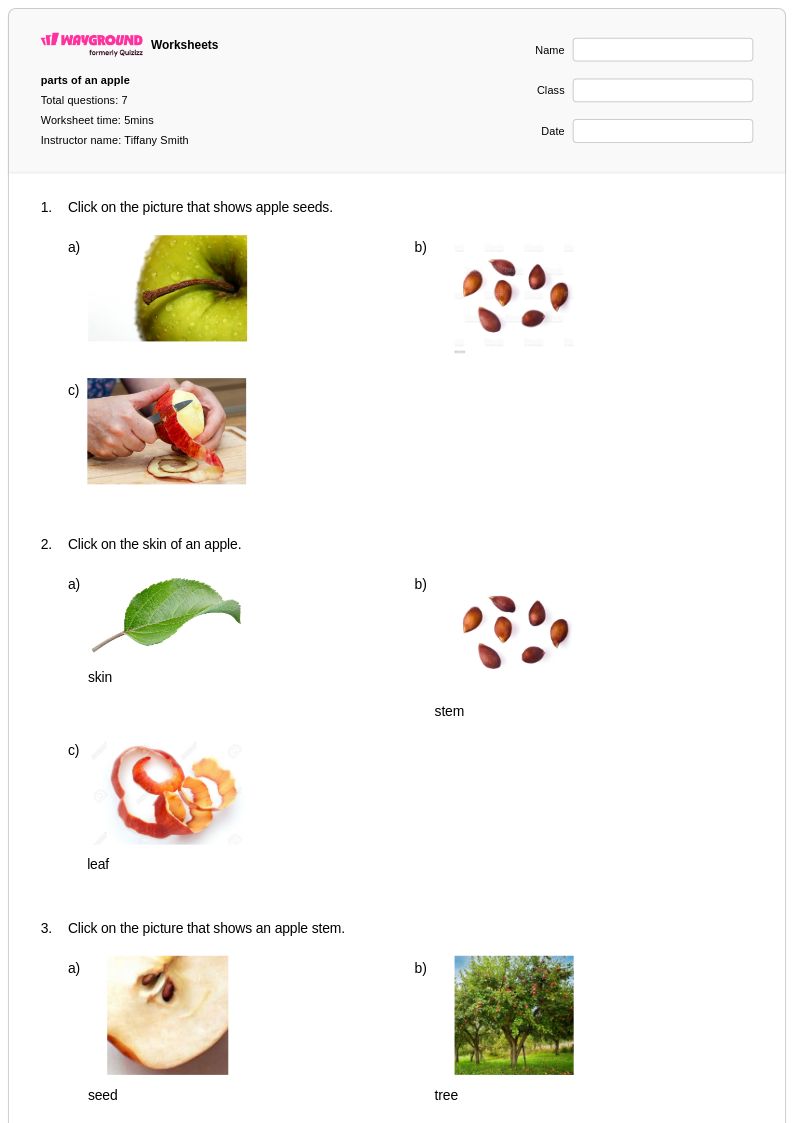
7 คิว
KG
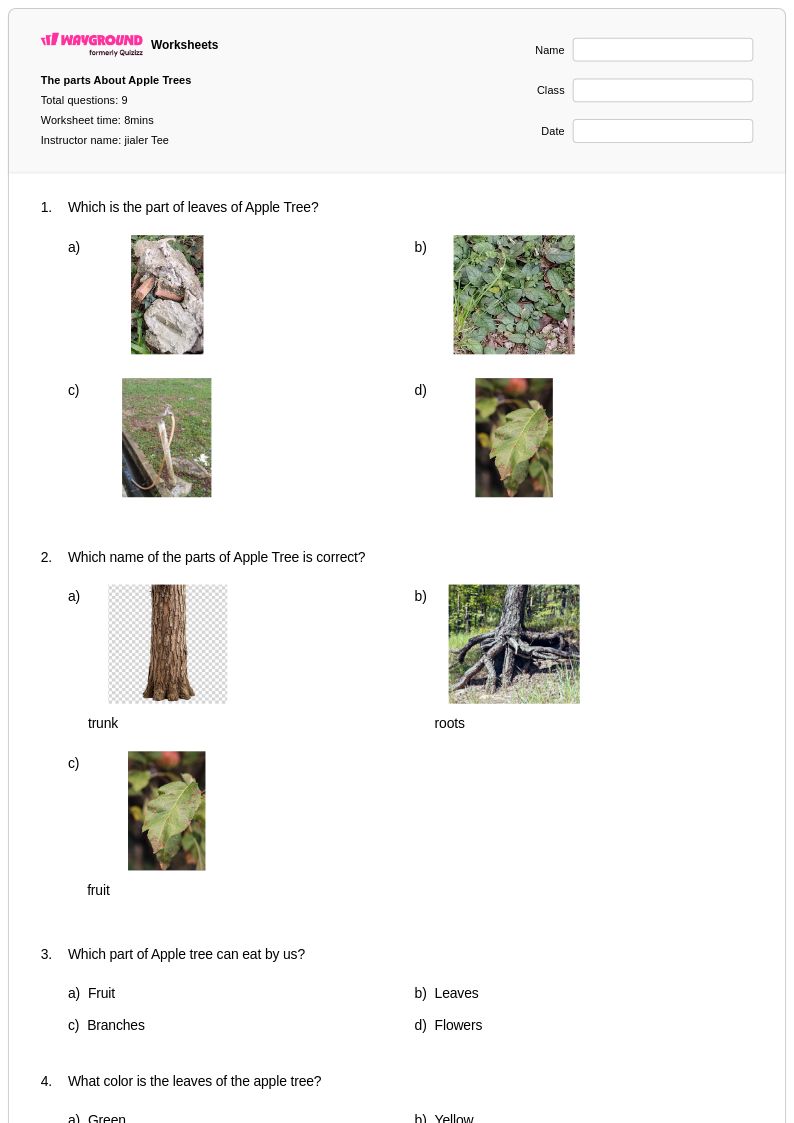
9 คิว
KG - Uni
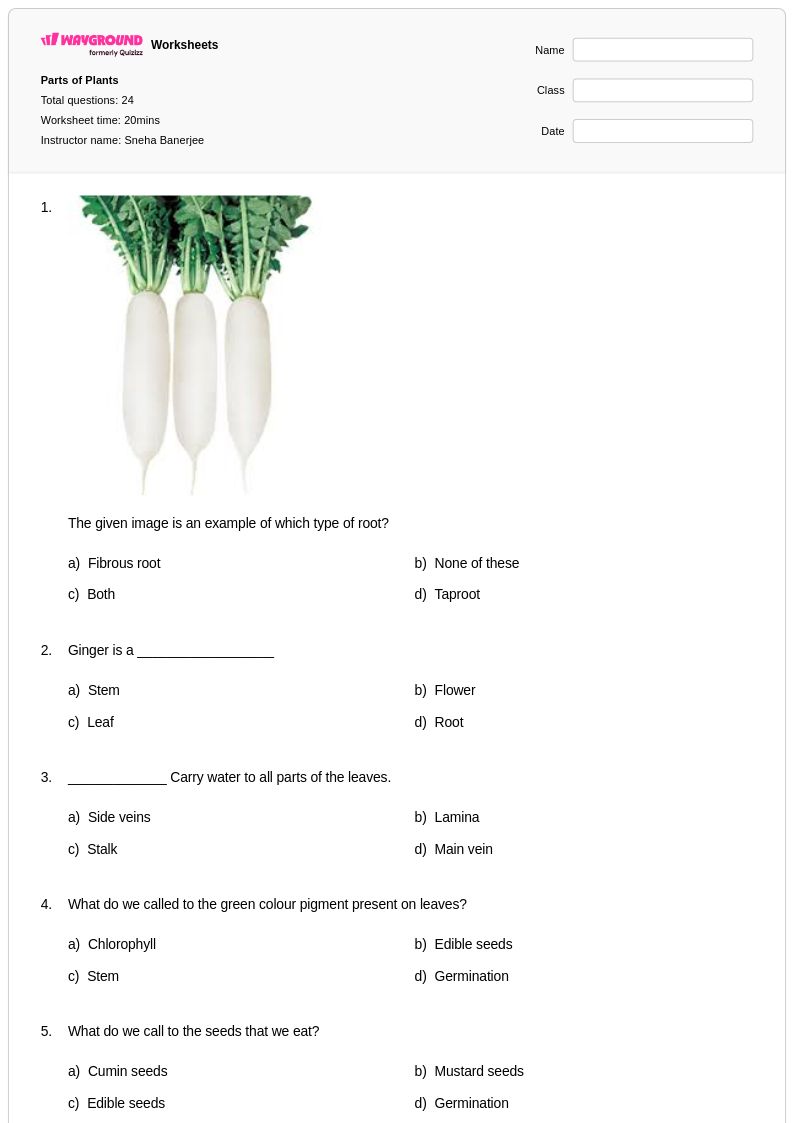
24 คิว
3rd
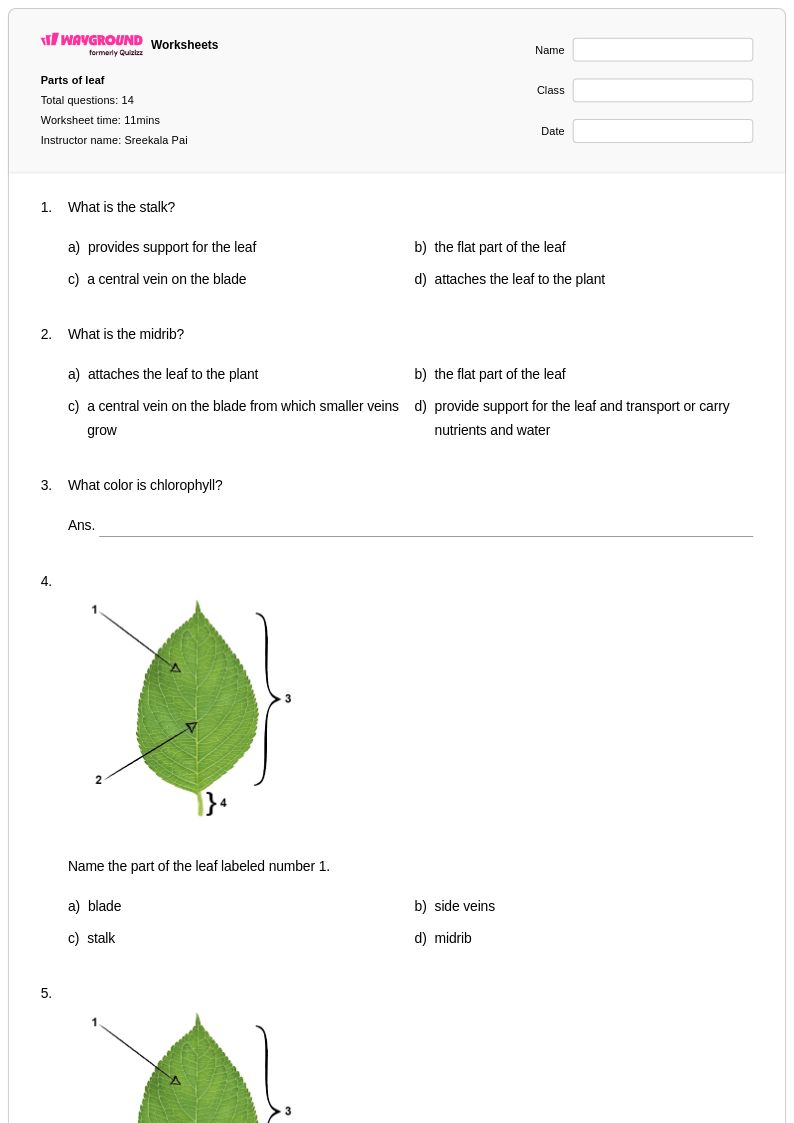
14 คิว
4th
10 คิว
3rd
15 คิว
5th
7 คิว
3rd
14 คิว
5th
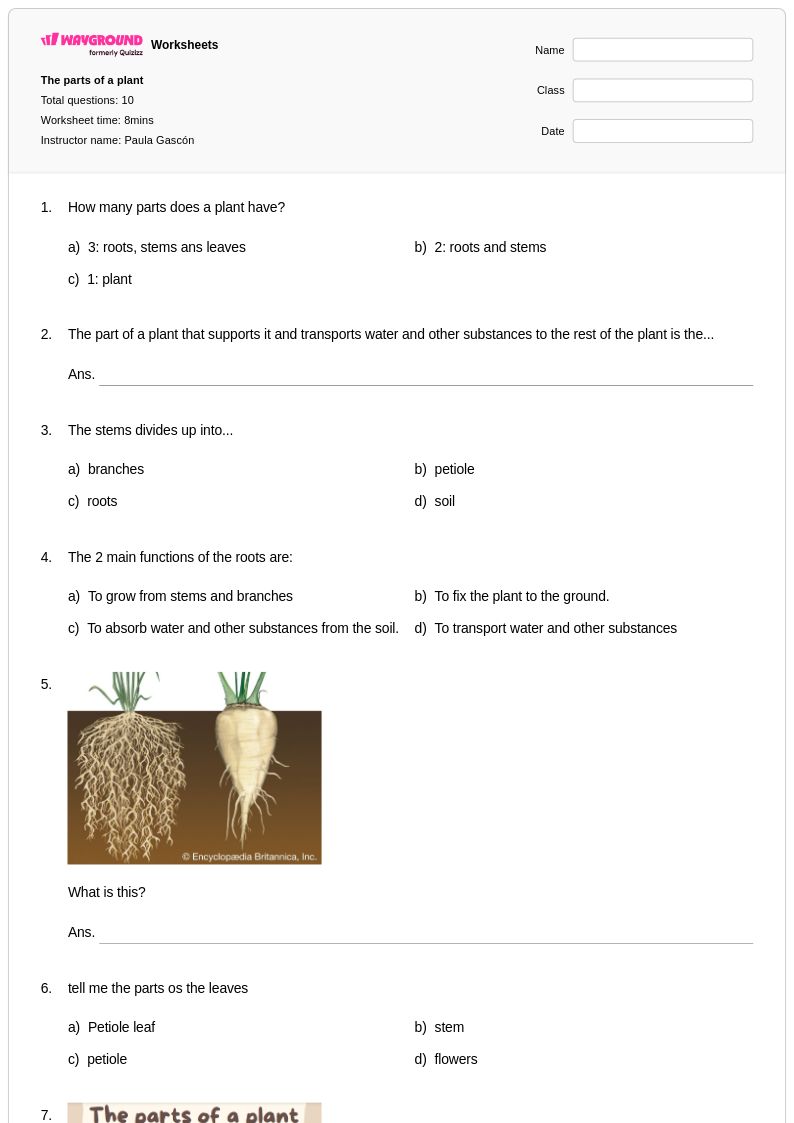
10 คิว
4th
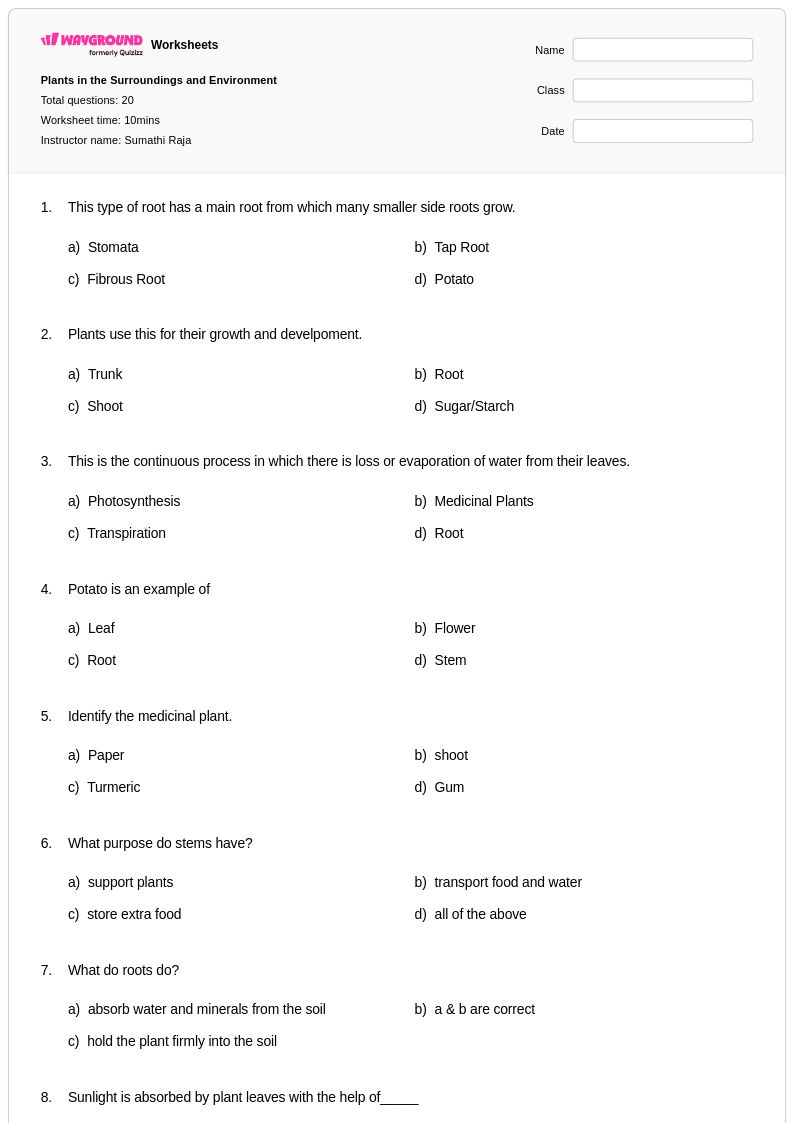
20 คิว
4th
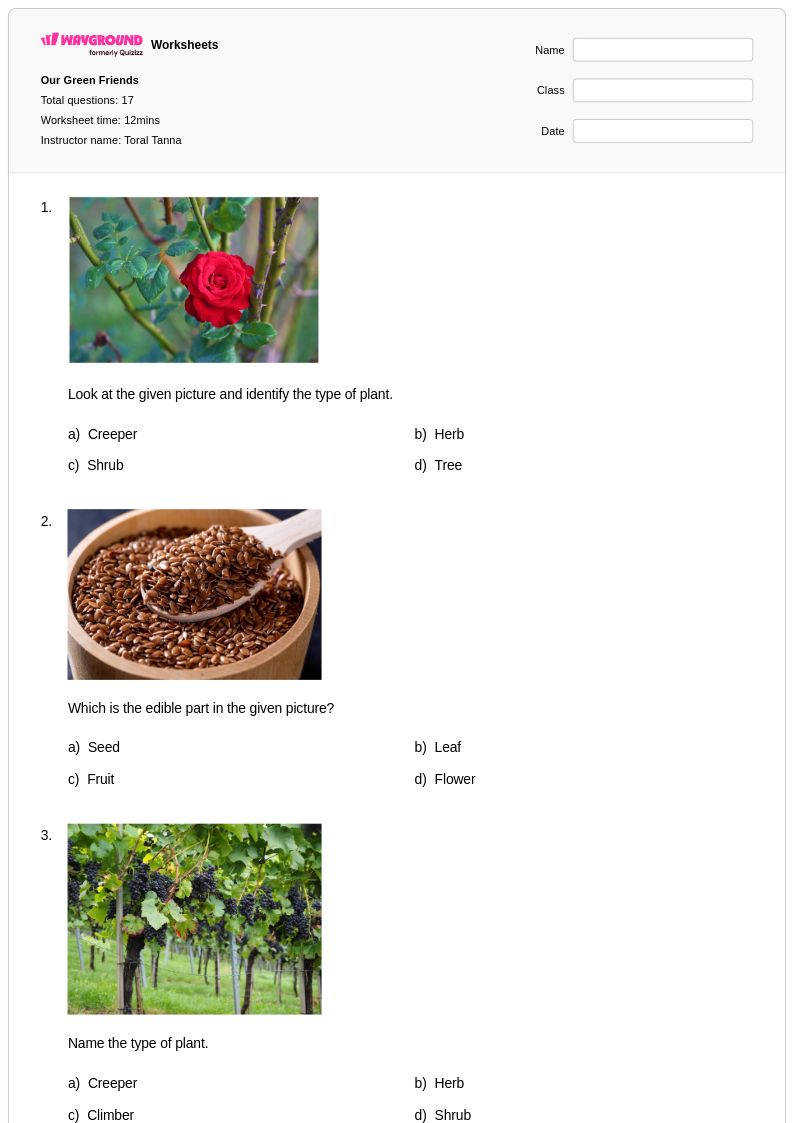
17 คิว
1st
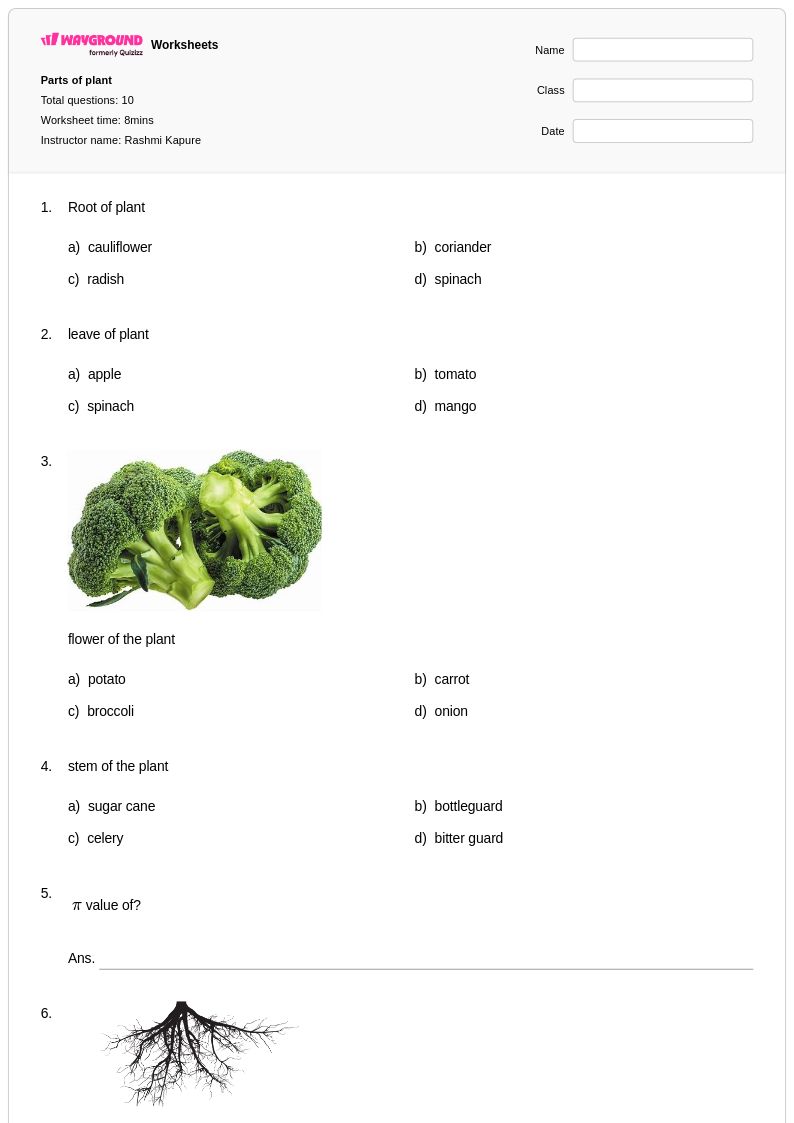
10 คิว
1st - 3rd
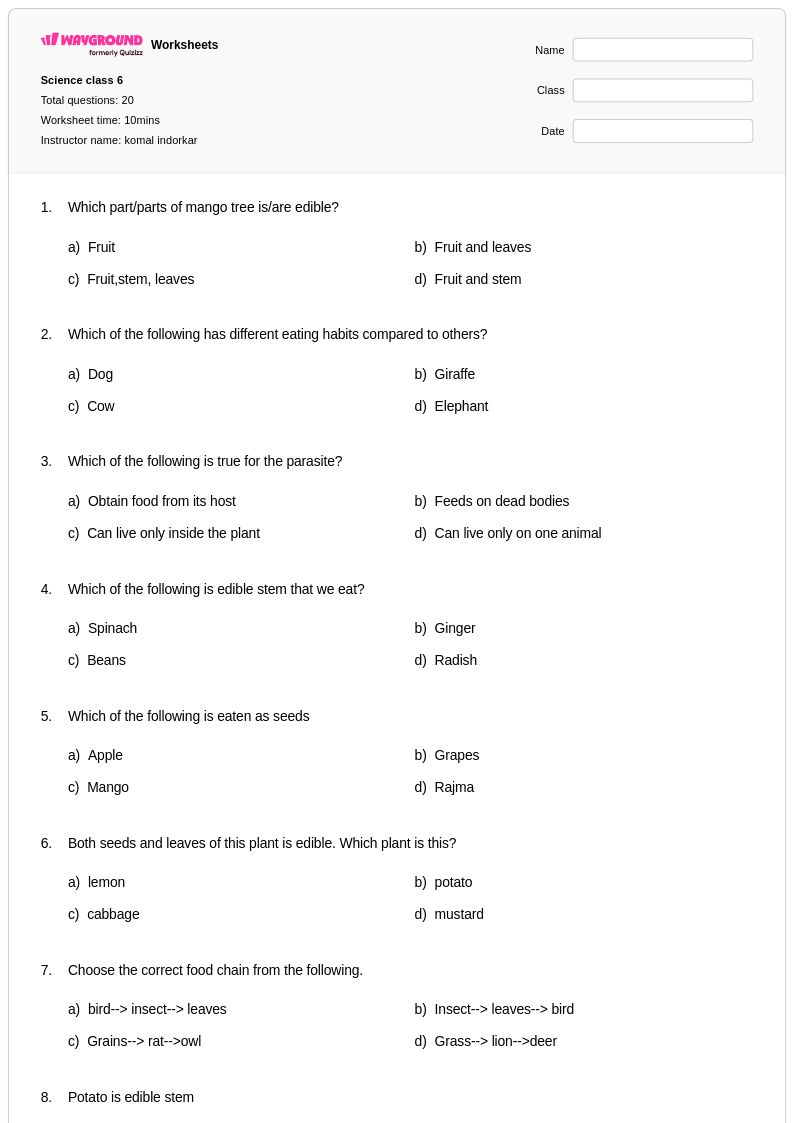
20 คิว
6th
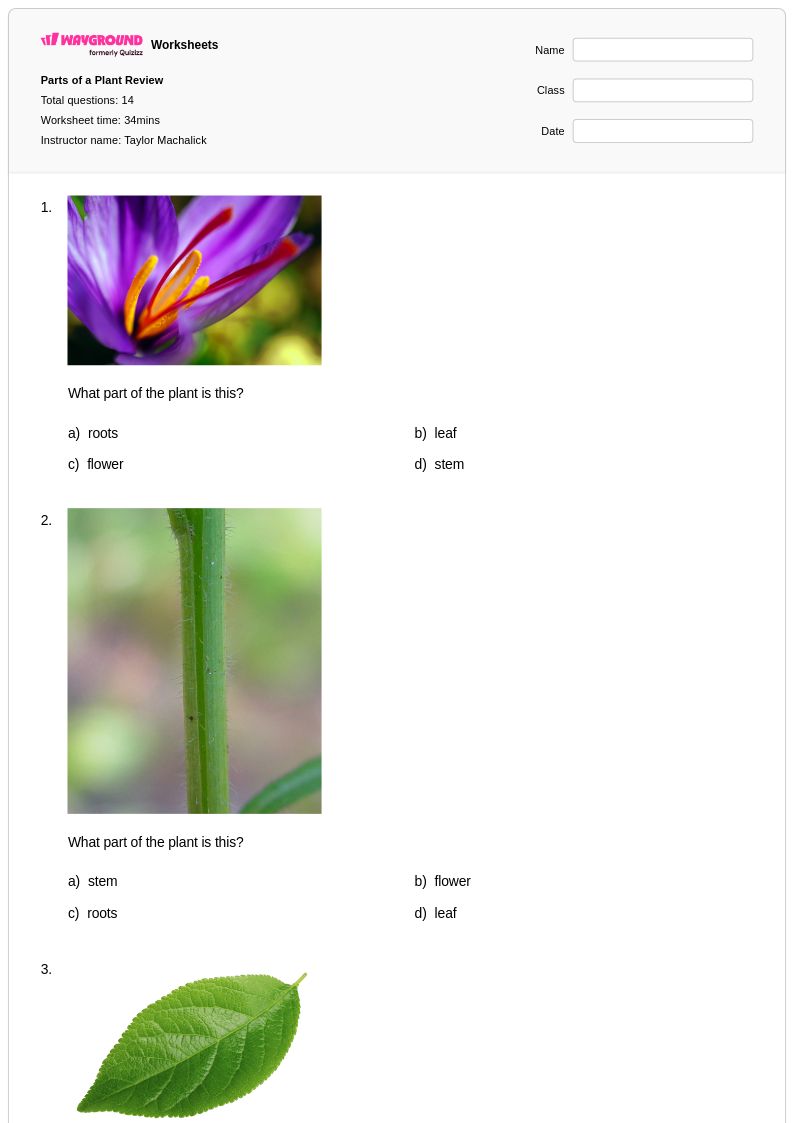
14 คิว
3rd
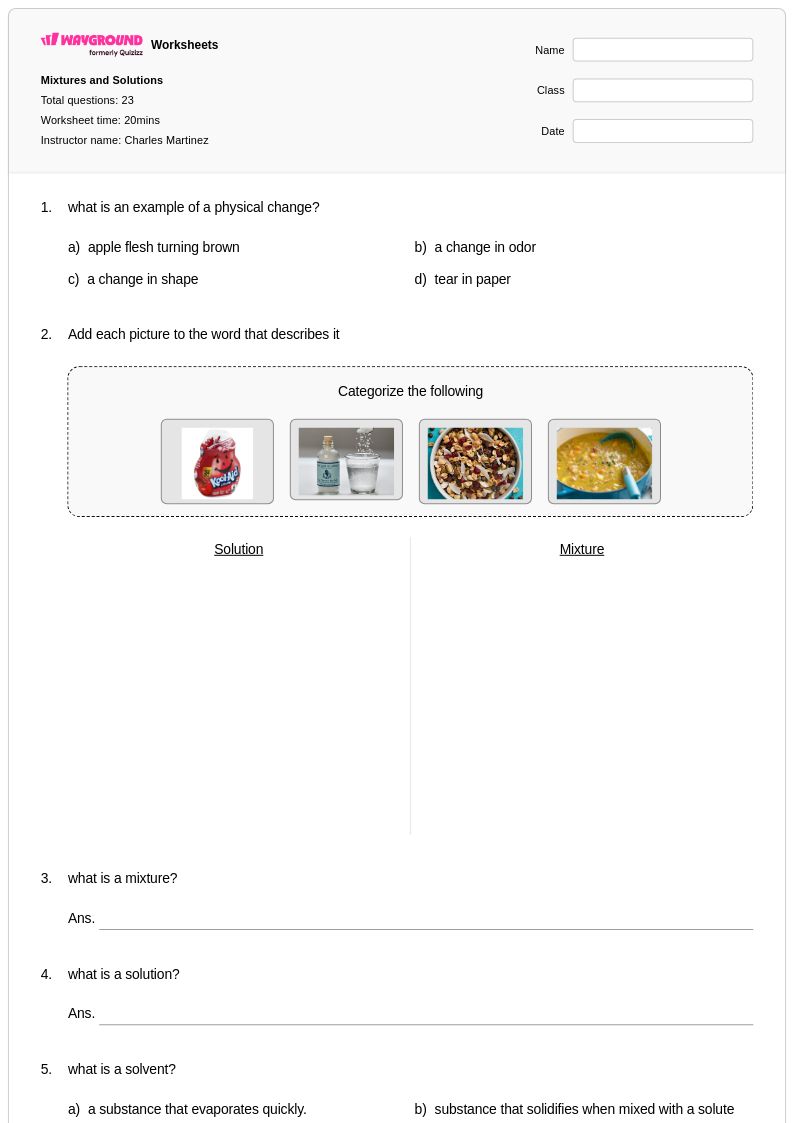
23 คิว
8th
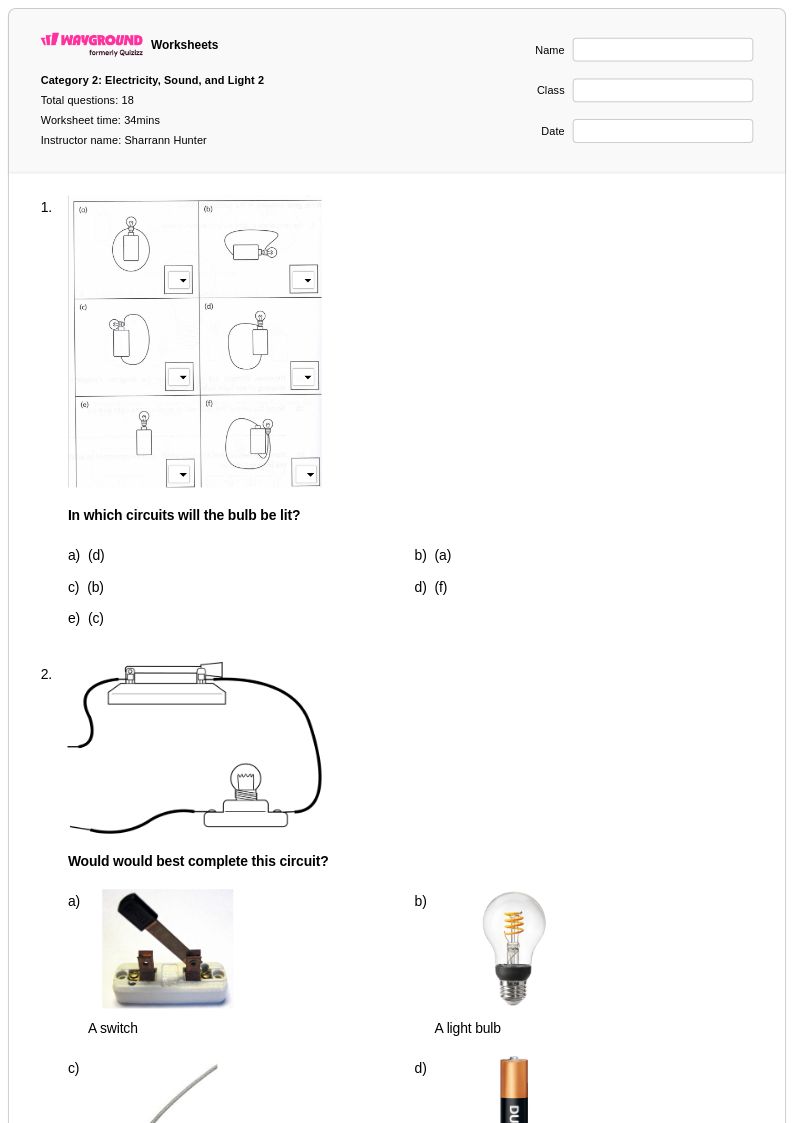
18 คิว
5th

90 คิว
4th
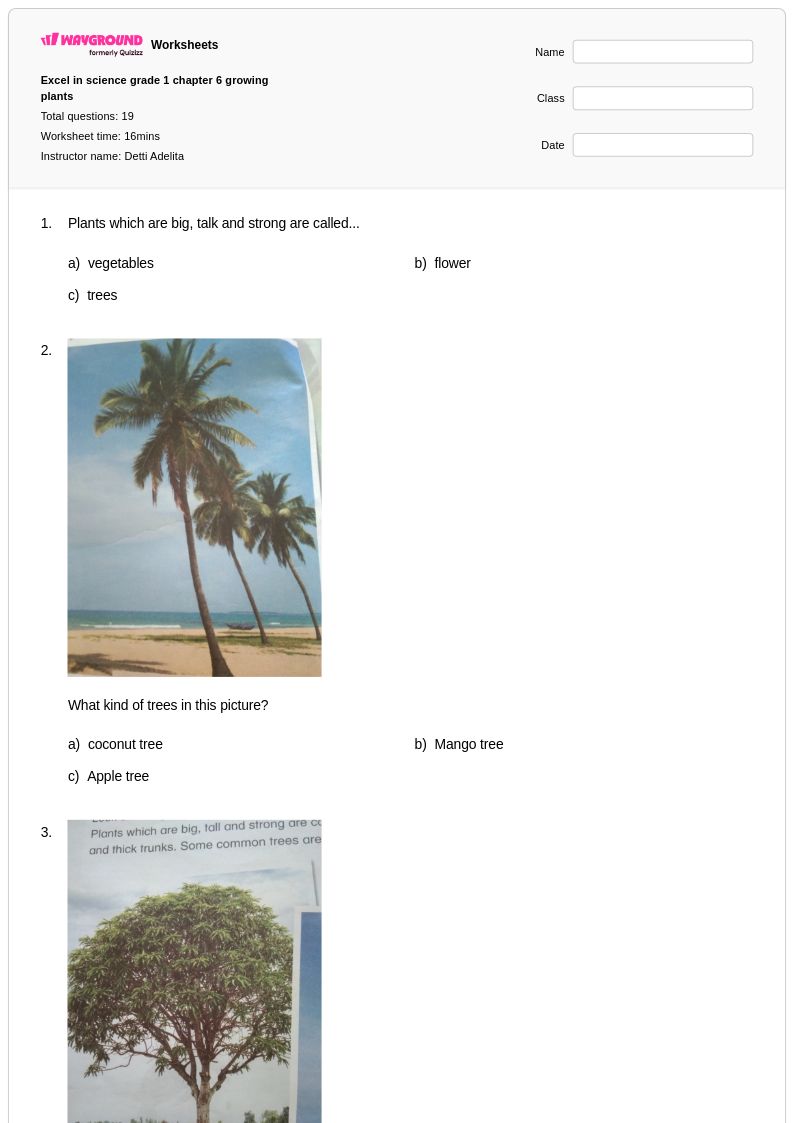
19 คิว
1st
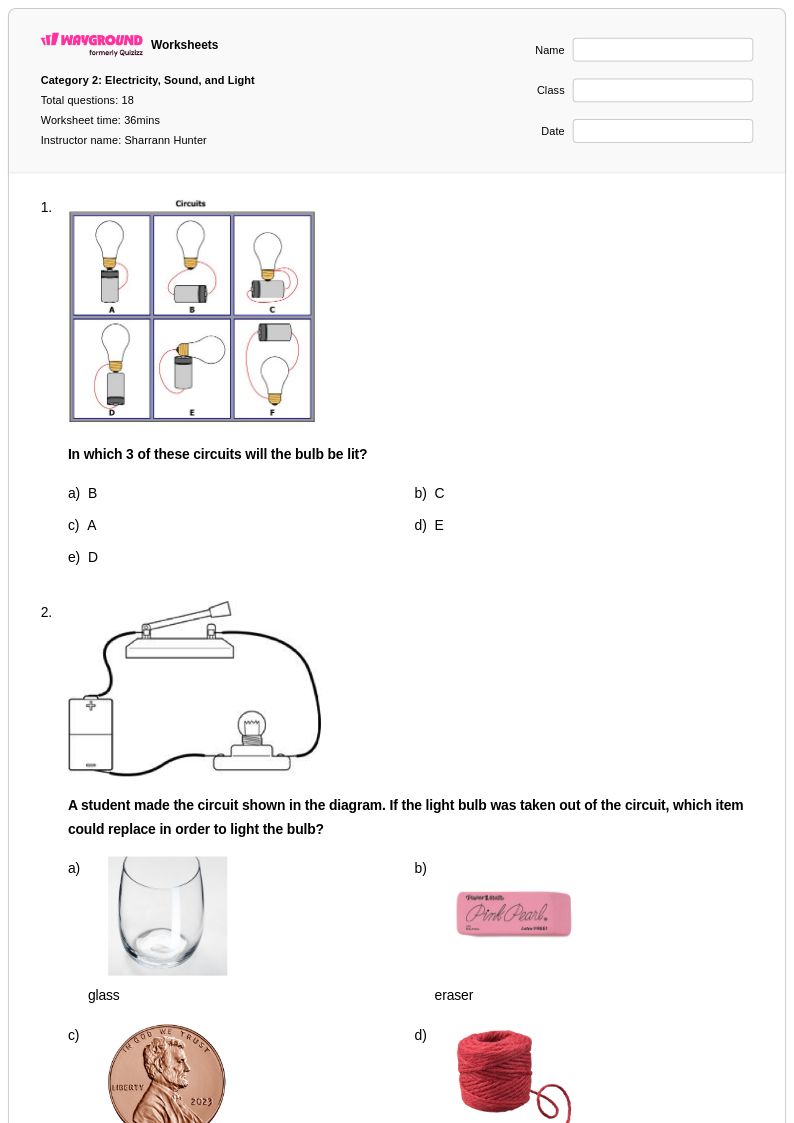
18 คิว
5th
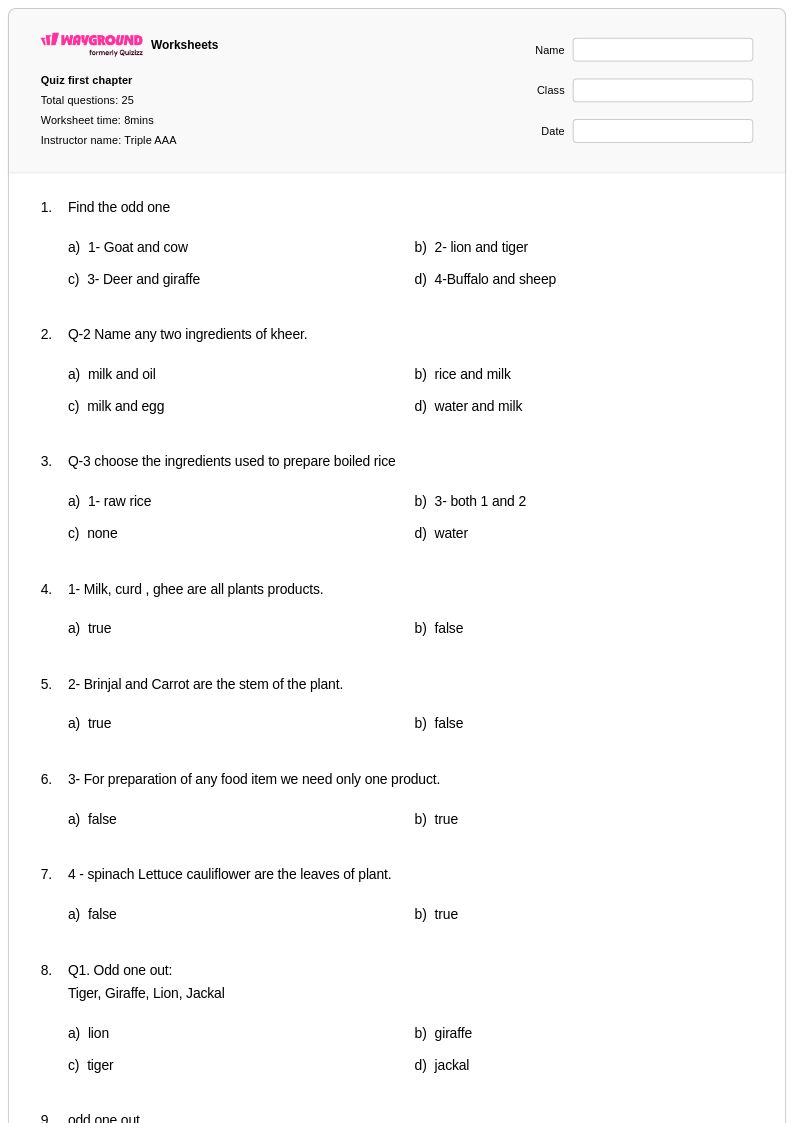
25 คิว
6th
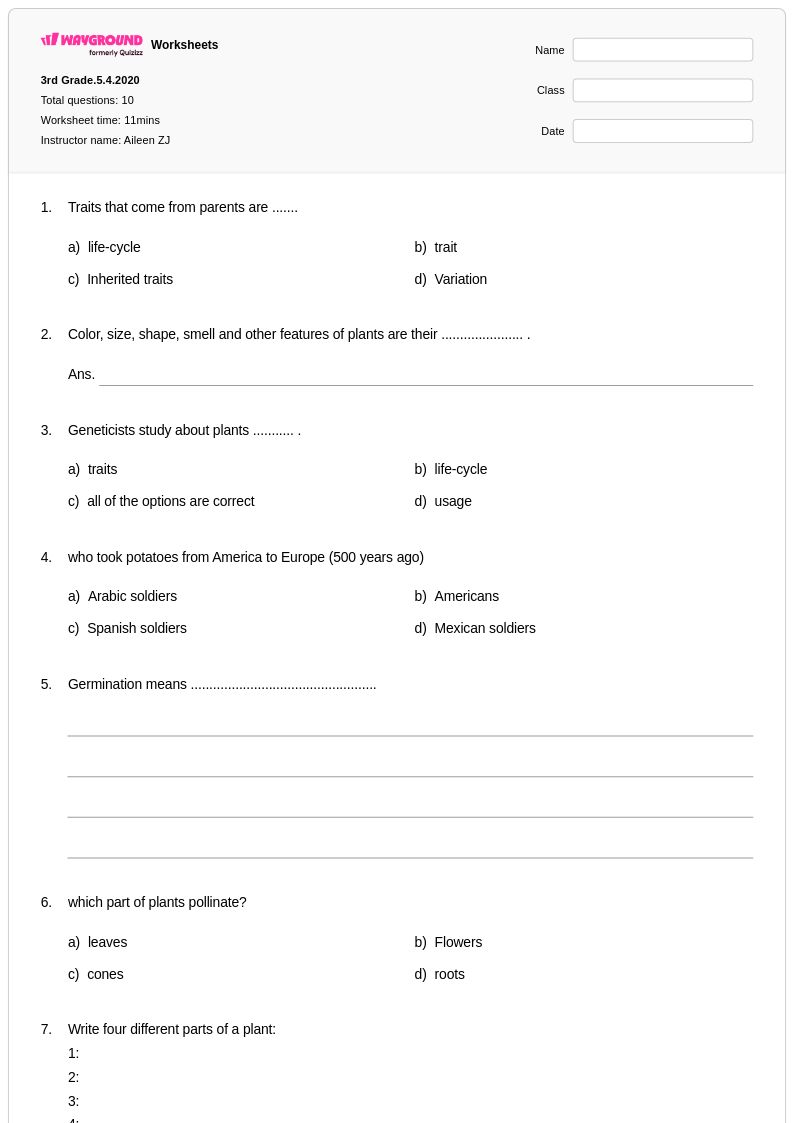
10 คิว
3rd
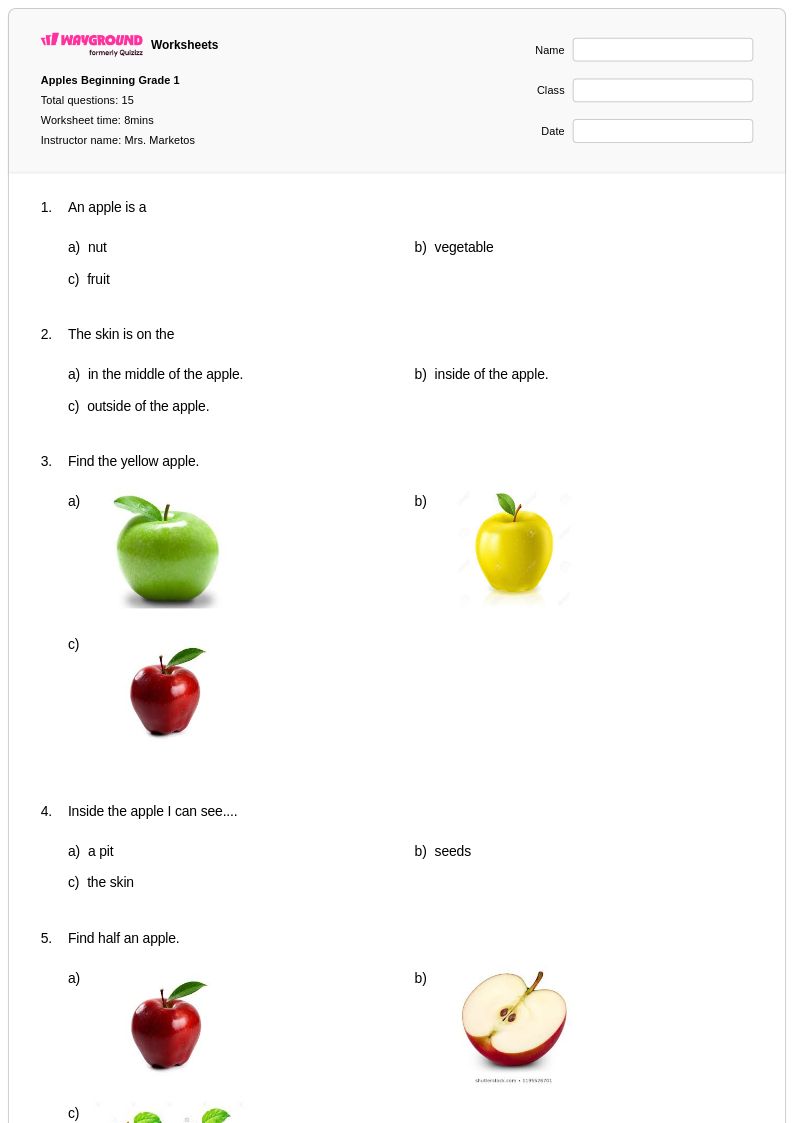
15 คิว
1st
21 คิว
10th
12 คิว
6th - Uni
สำรวจแผ่นงานตามเกรด
สำรวจแผ่นงานตามหัวเรื่อง
Explore printable Apple Parts worksheets
Apple parts worksheets available through Wayground (formerly Quizizz) provide students with comprehensive opportunities to explore and understand the anatomical structure of one of nature's most familiar fruits. These educational resources guide learners through identifying key components such as the stem, skin, flesh, core, seeds, and sepals, while developing essential scientific observation and vocabulary skills. The practice problems within these printables challenge students to label diagrams, compare different apple varieties, and understand the biological functions of each part, from the protective outer skin to the seed-containing core. Each worksheet includes detailed answer keys that support both independent study and classroom instruction, with free pdf formats making these valuable resources easily accessible for educators seeking to strengthen their students' botanical knowledge and scientific literacy.
Wayground (formerly Quizizz) empowers teachers with an extensive collection of millions of teacher-created apple parts worksheets that streamline lesson planning and enhance student engagement. The platform's robust search and filtering capabilities allow educators to quickly locate age-appropriate materials that align with science standards and support differentiated instruction across diverse learning needs. Teachers can customize these resources to match their specific curriculum requirements, selecting from printable pdf versions for traditional classroom use or digital formats for interactive learning experiences. These versatile tools prove invaluable for initial concept introduction, targeted remediation for struggling learners, enrichment activities for advanced students, and ongoing skill practice that reinforces understanding of plant anatomy and botanical science concepts throughout the academic year.
FAQs
How do I teach apple parts to young students?
What worksheets help students practice identifying apple parts?
What mistakes do students commonly make when identifying apple parts?
How do I use apple parts worksheets in my classroom?
How do apple parts worksheets support scientific vocabulary development?