
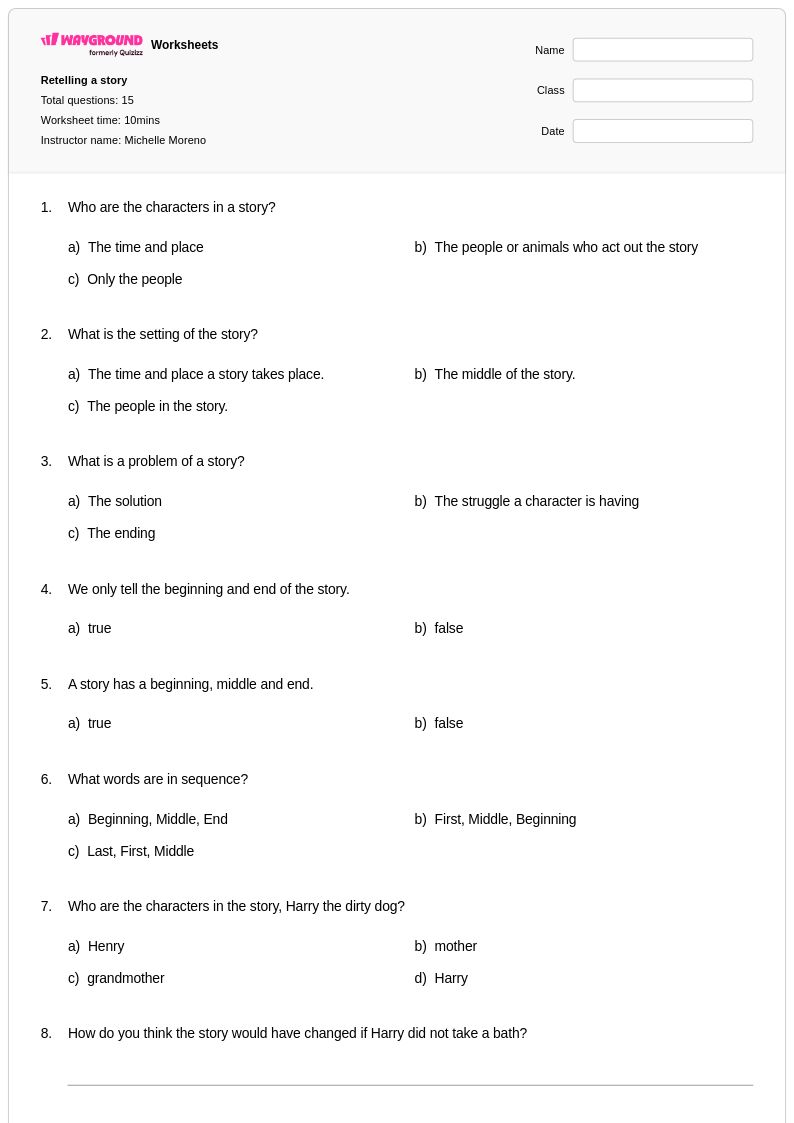
15 Q
1st
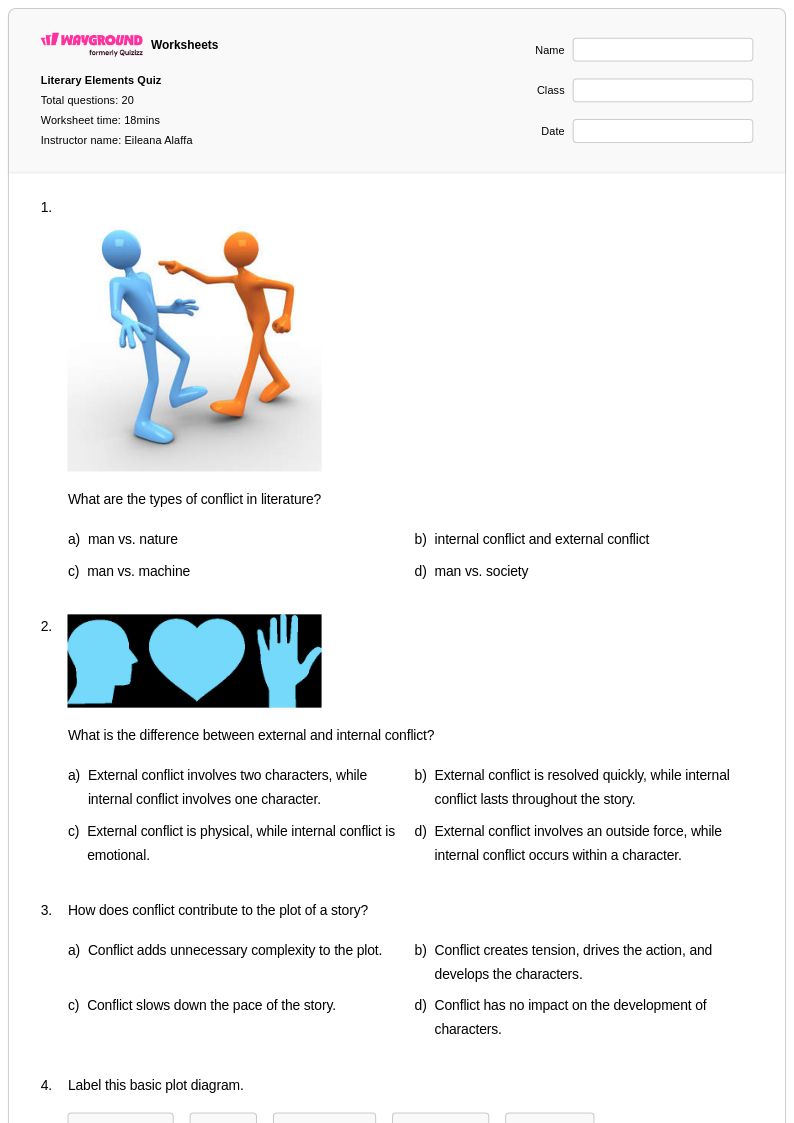
20 Q
6th
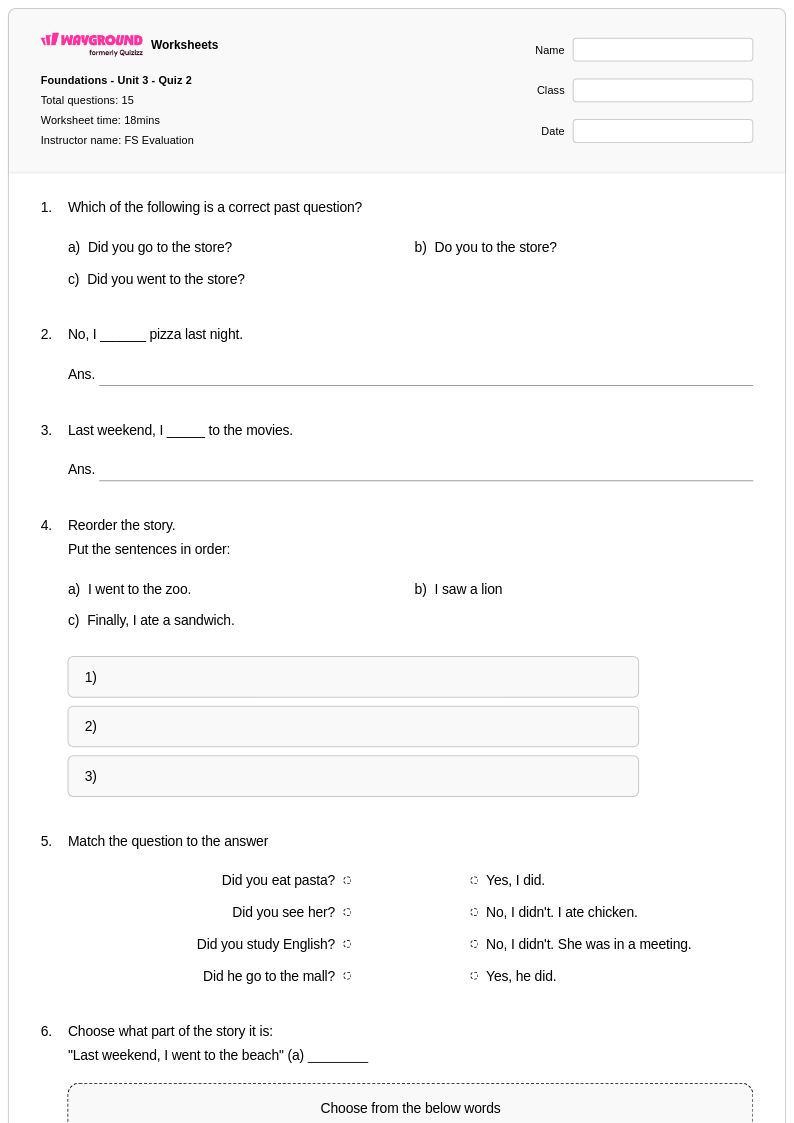
18 Q
6th - 8th
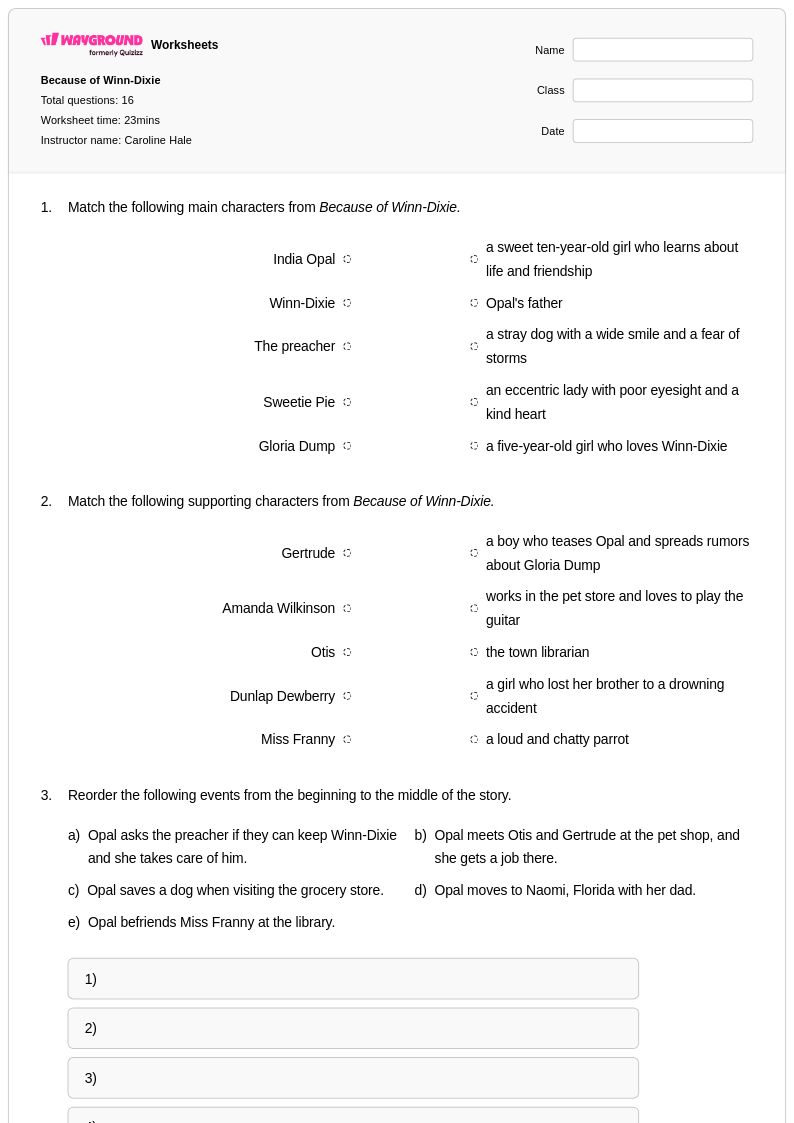
16 Q
3rd
10 Q
7th
15 Q
6th - 8th
20 Q
5th
20 Q
5th
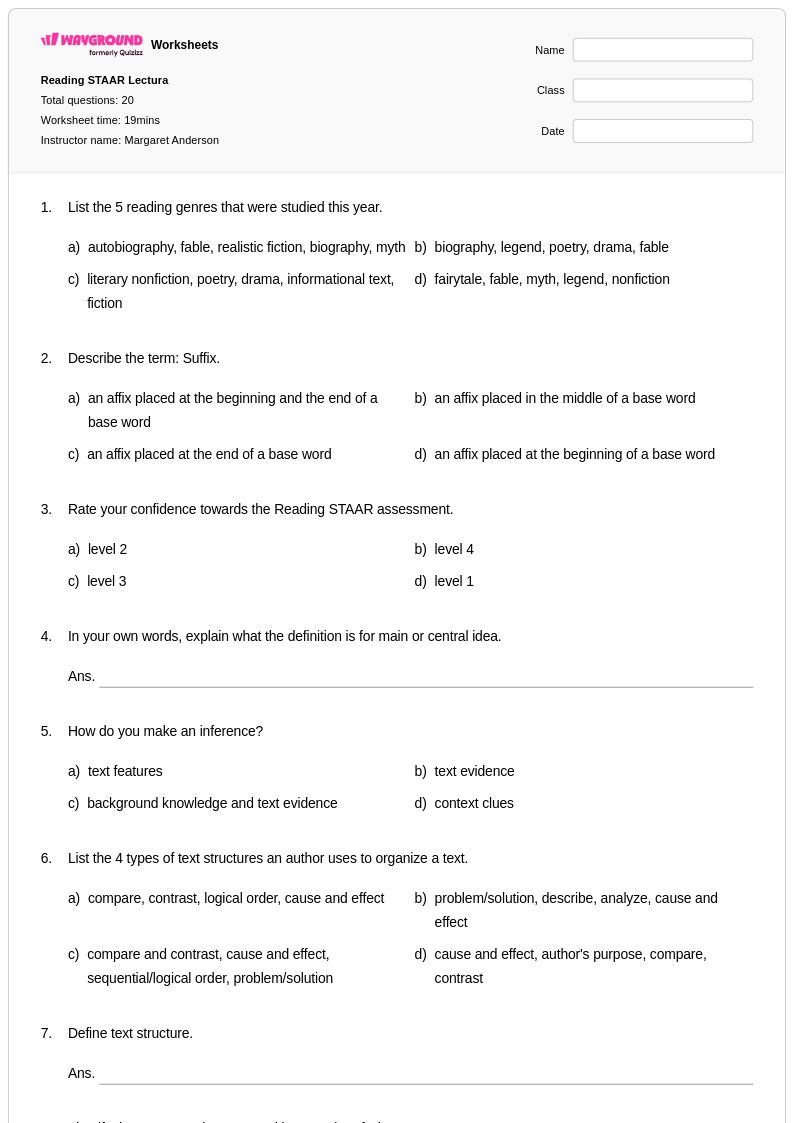
20 Q
5th
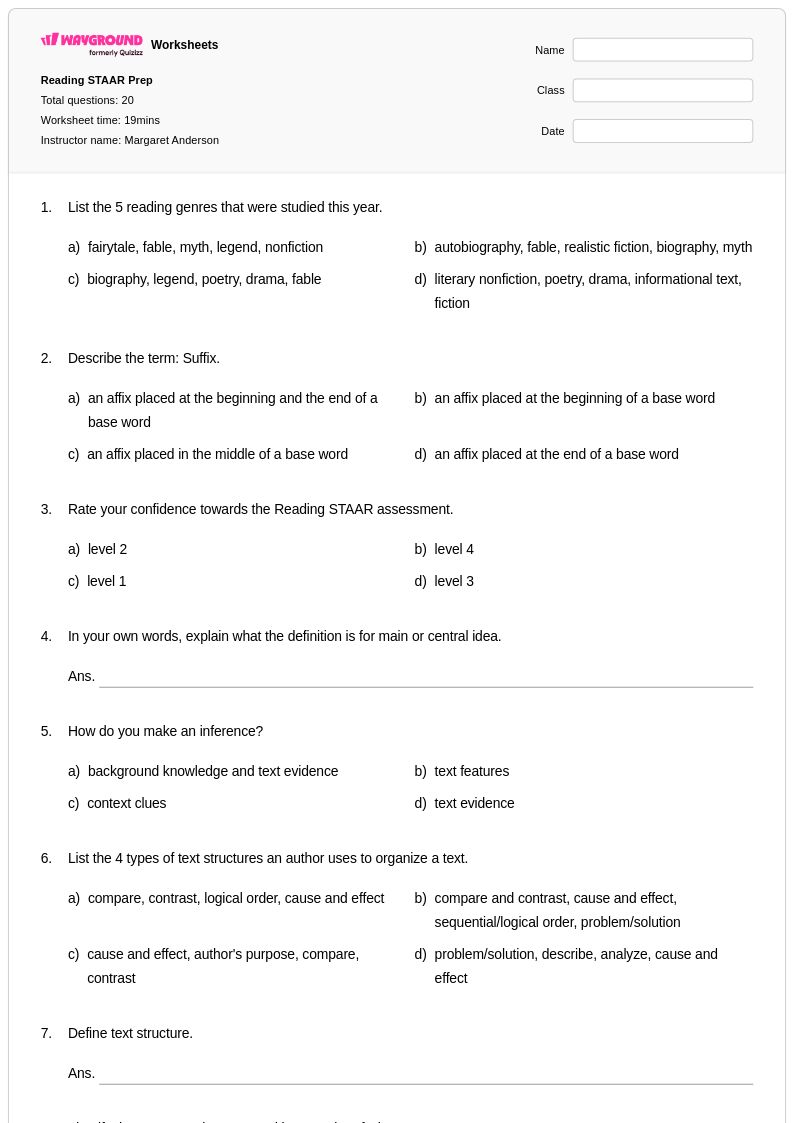
20 Q
5th
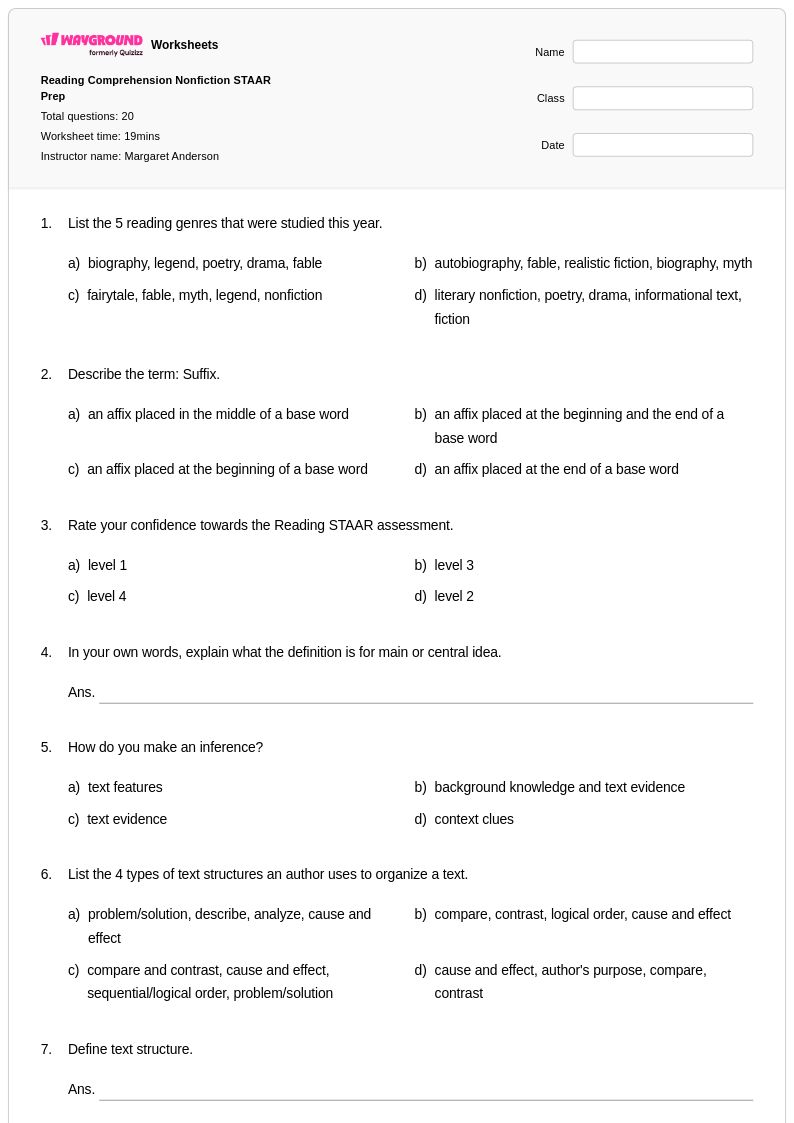
20 Q
5th
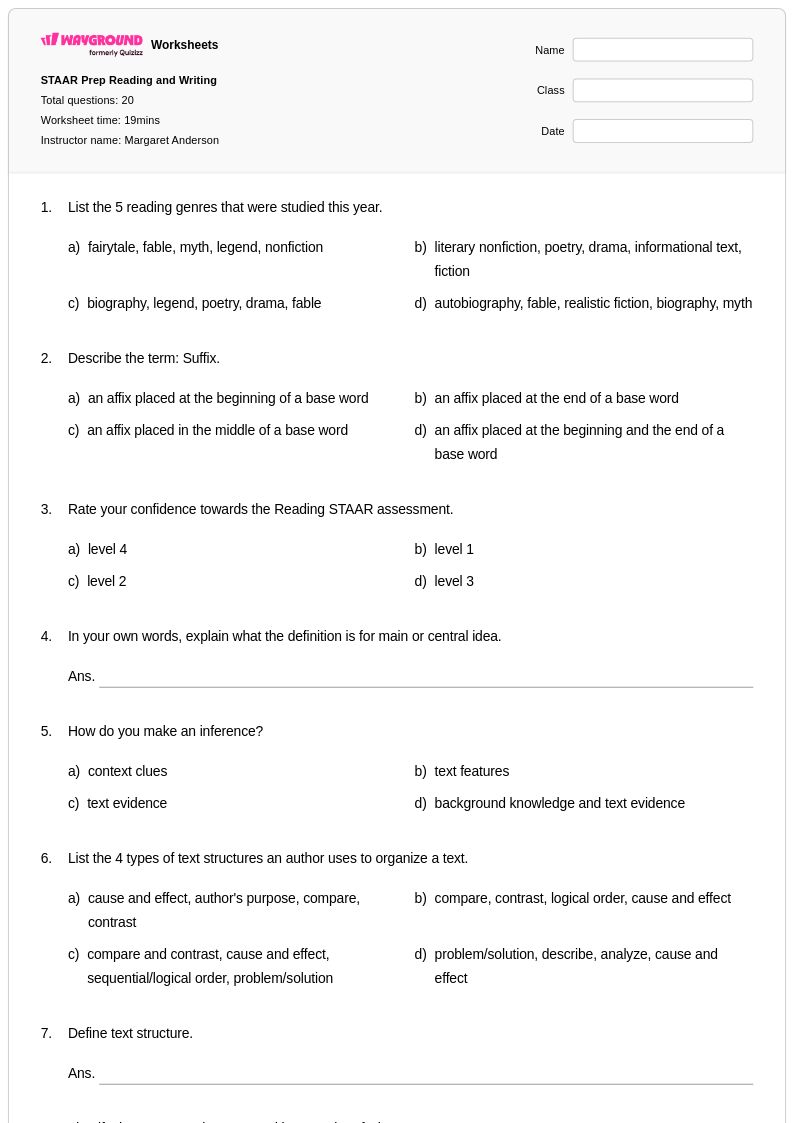
20 Q
5th
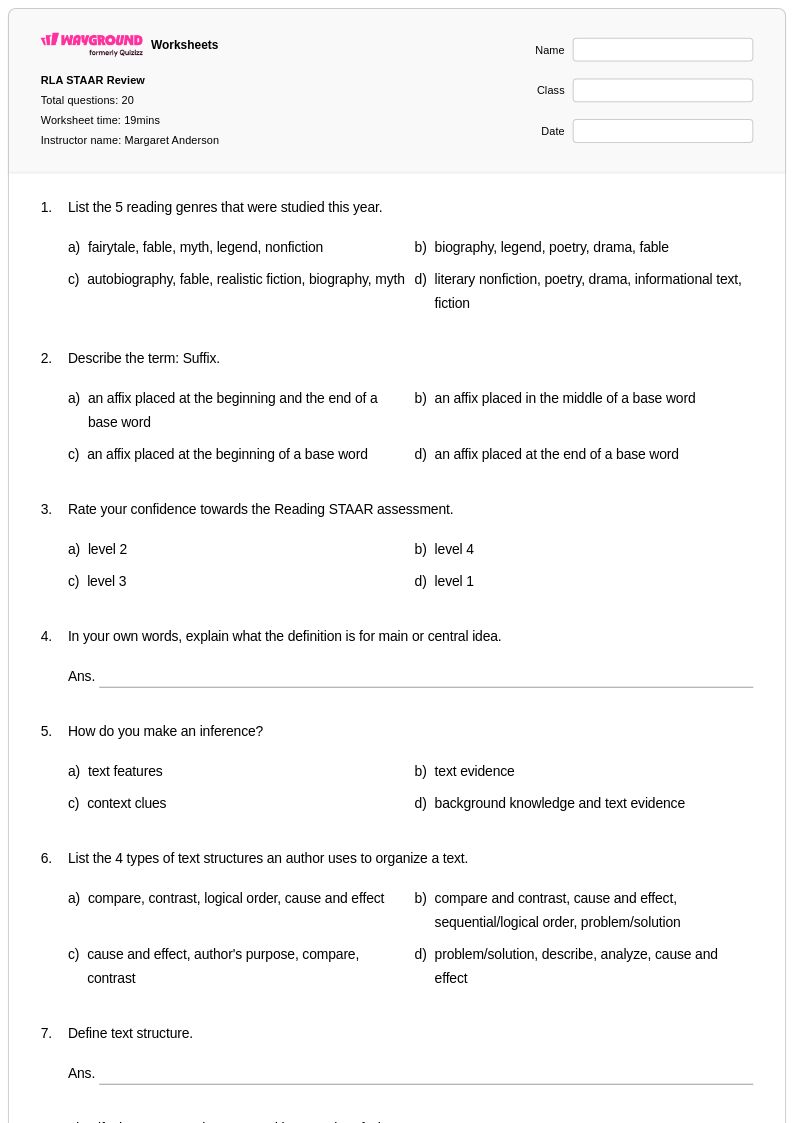
20 Q
5th
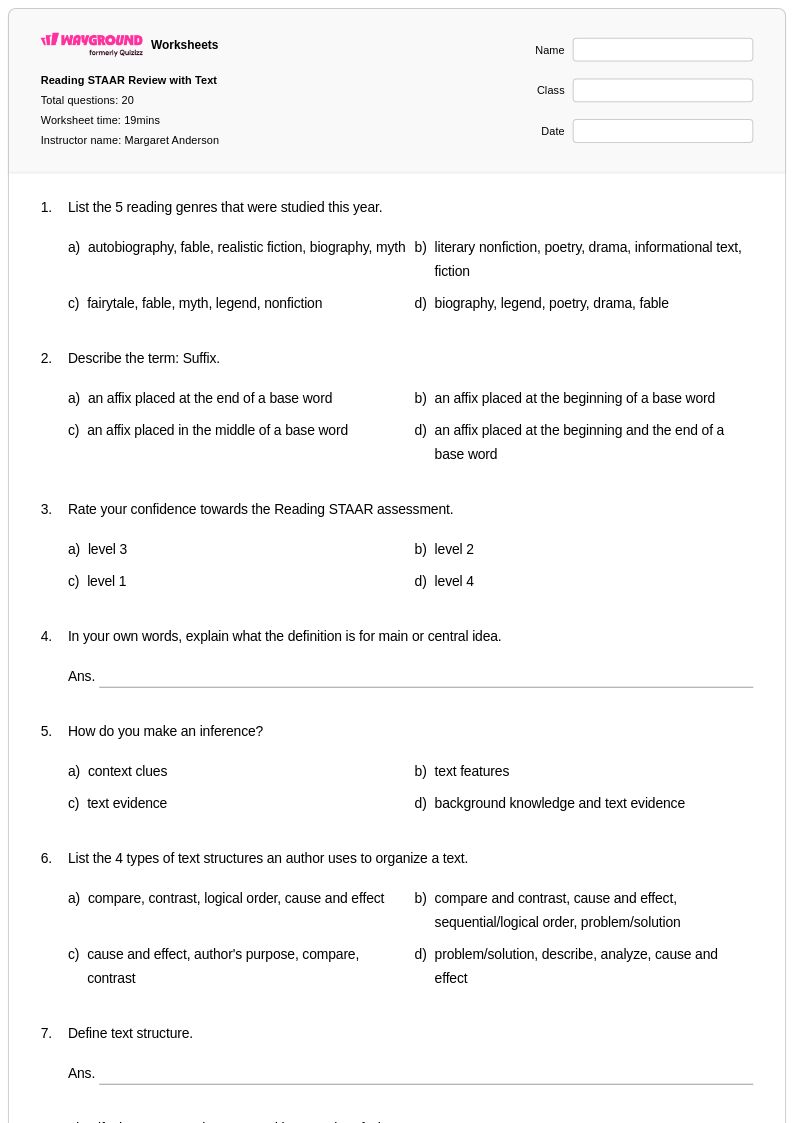
20 Q
5th
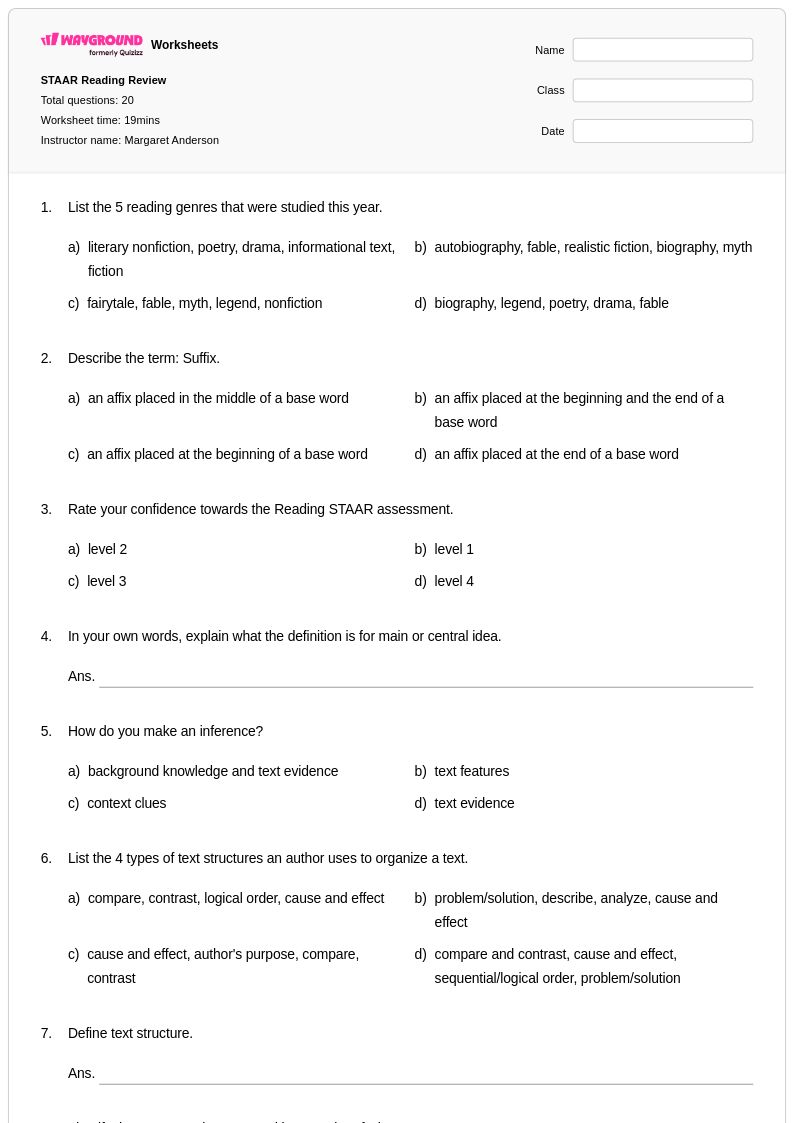
20 Q
5th
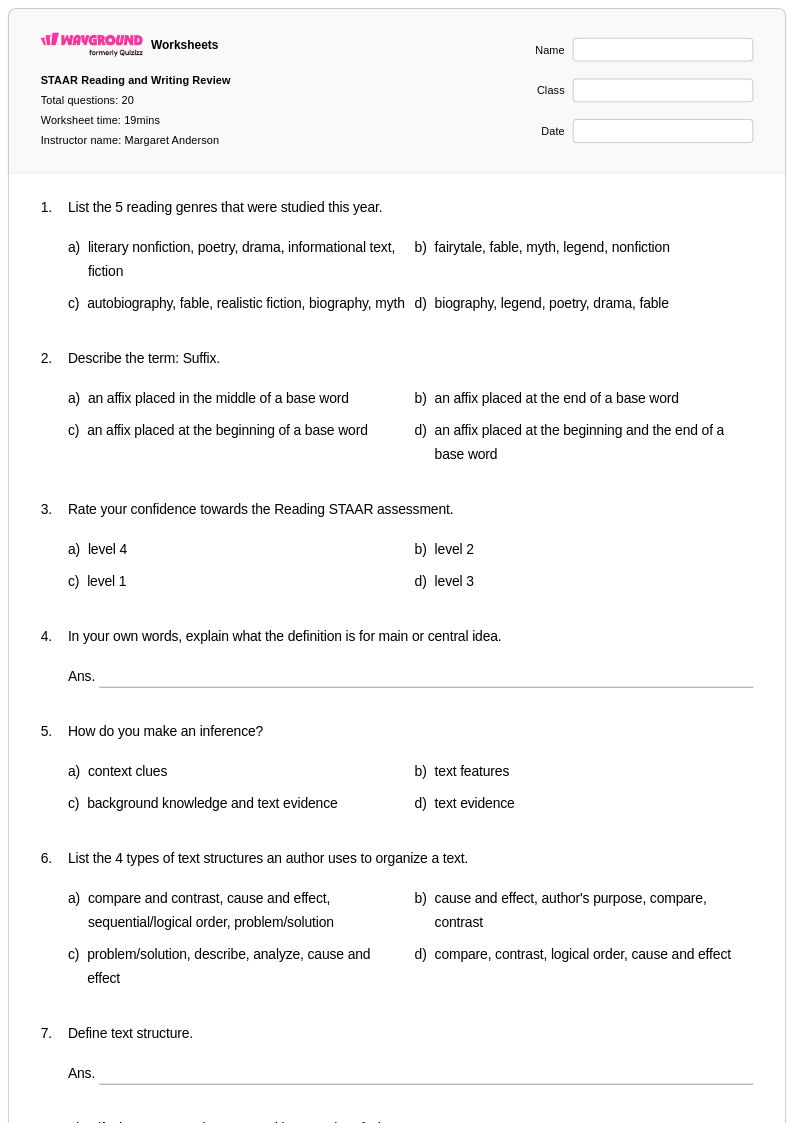
20 Q
5th
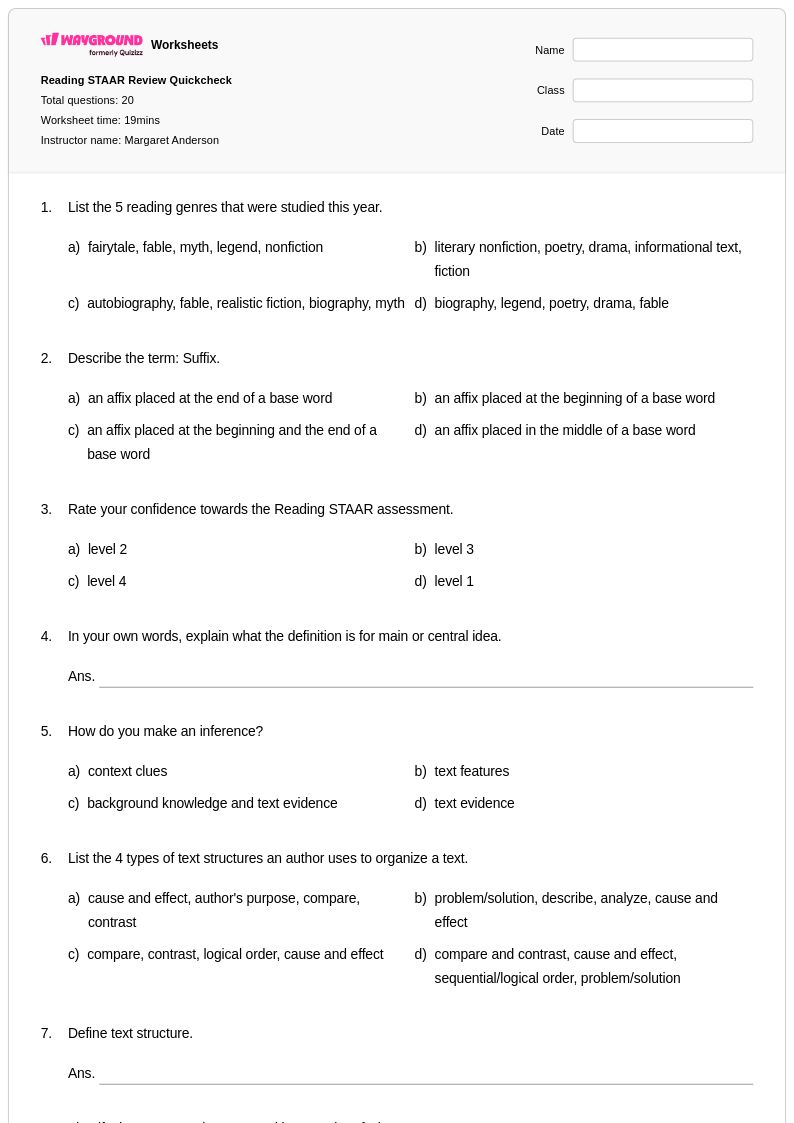
20 Q
5th
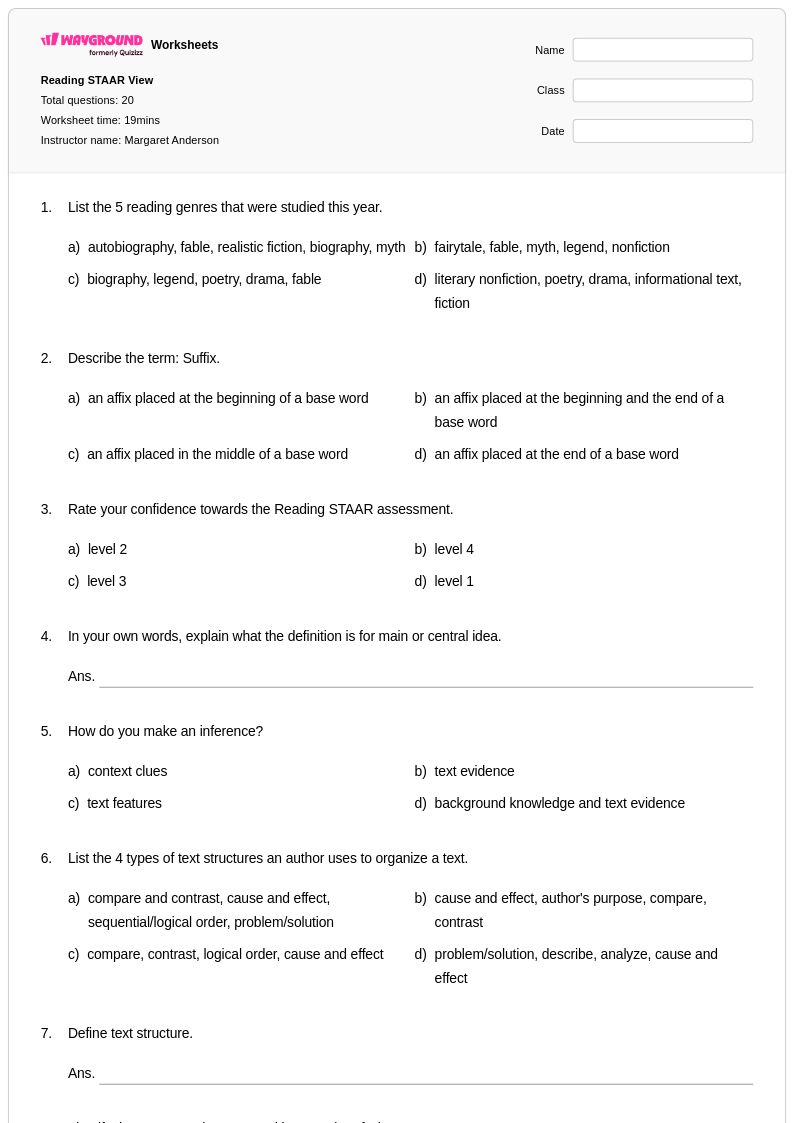
20 Q
5th
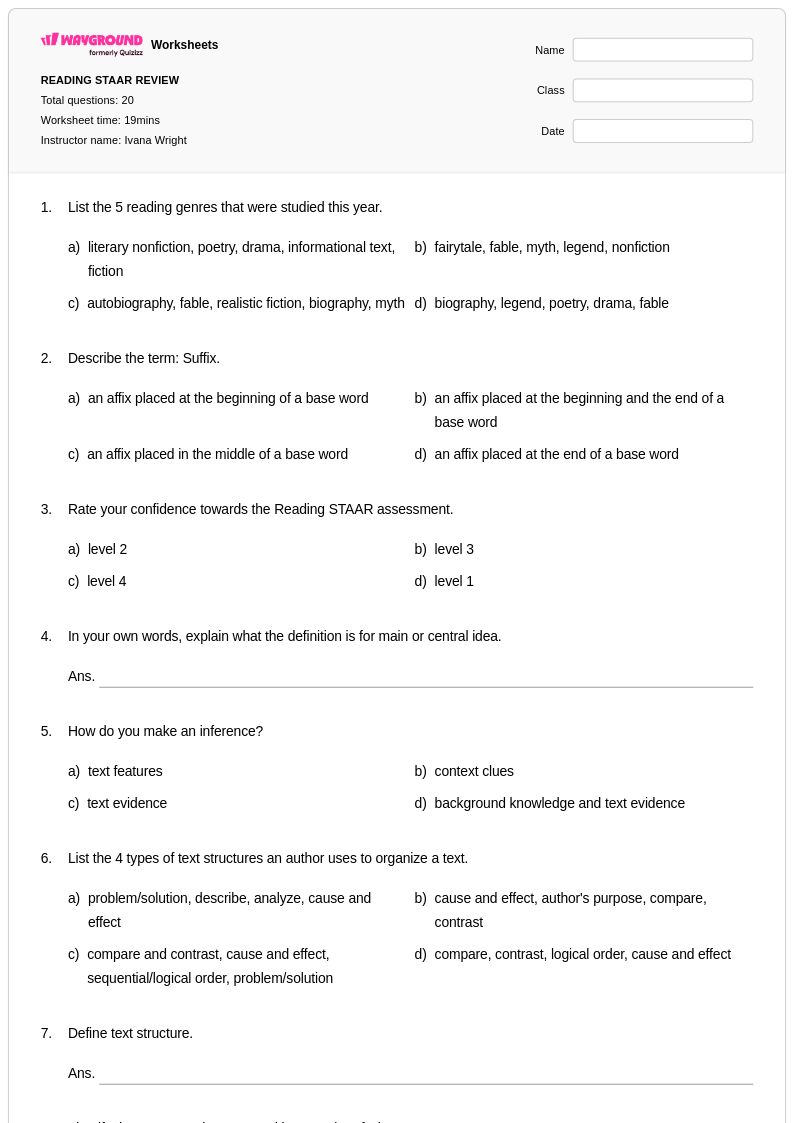
20 Q
5th
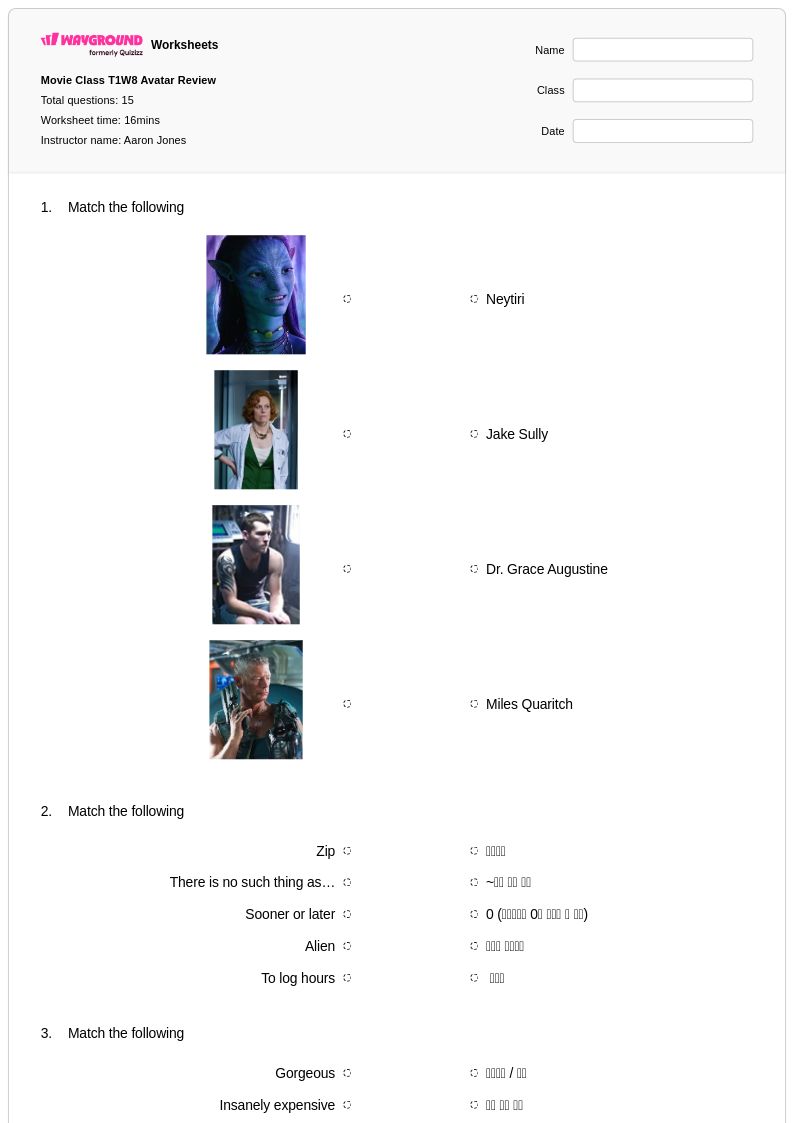
15 Q
PD
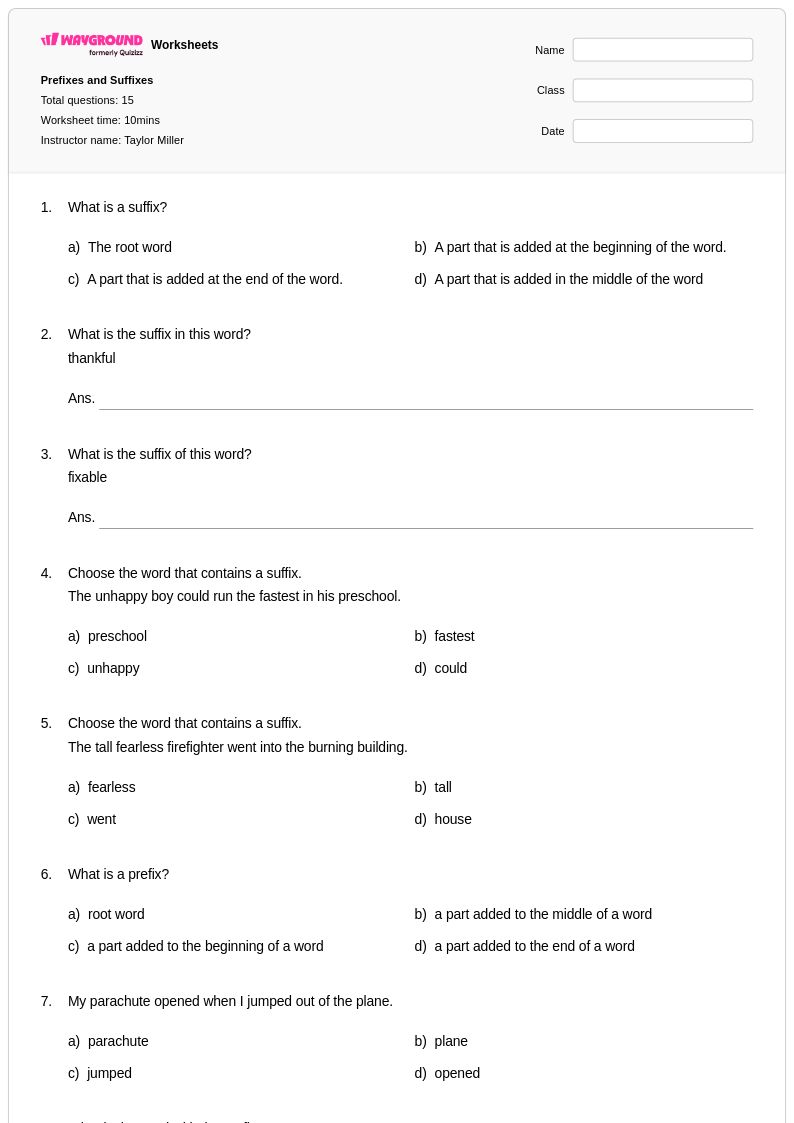
15 Q
3rd
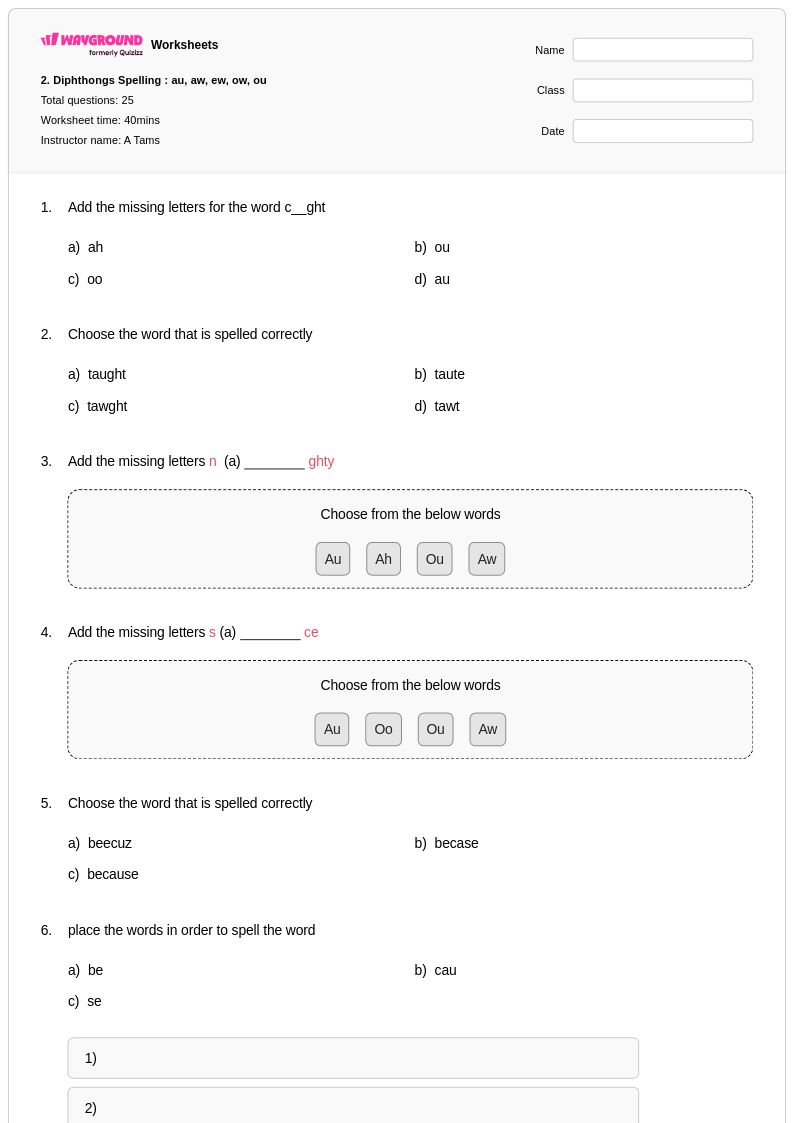
25 Q
3rd
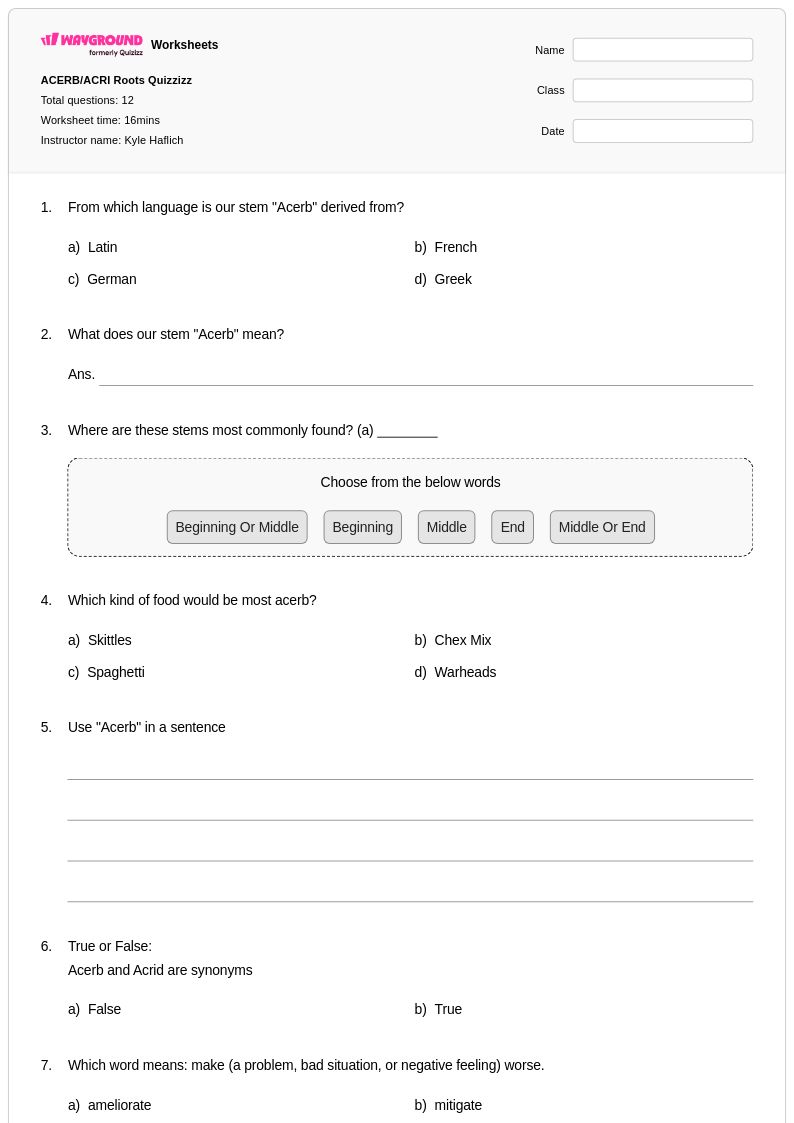
12 Q
9th
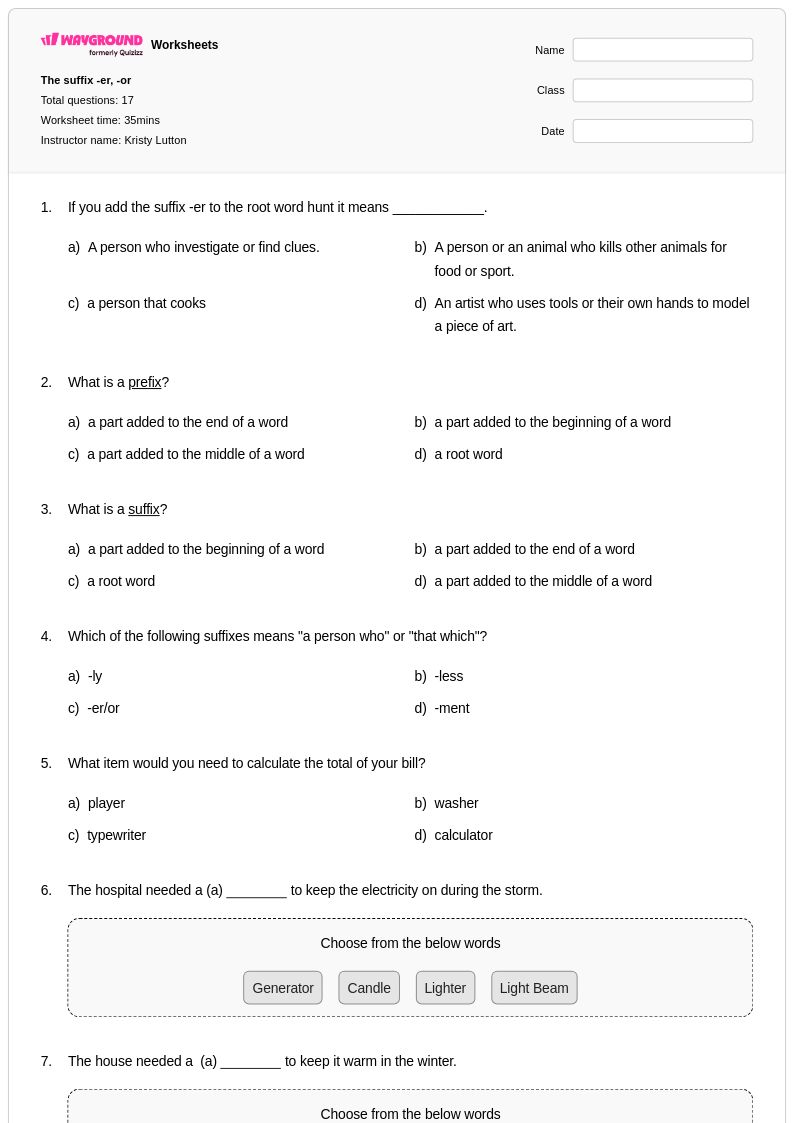
17 Q
9th - 12th
Explore Worksheets by Subjects
Explore printable Beginning, Middle, and End worksheets
Beginning, middle, and end worksheets available through Wayground (formerly Quizizz) provide students with essential practice in identifying and analyzing the fundamental three-part structure that forms the foundation of narrative storytelling. These comprehensive resources strengthen critical reading comprehension skills by teaching students to recognize exposition and character introduction in story beginnings, identify rising action and conflict development in the middle sections, and understand how resolution and conclusion elements function in story endings. The practice problems guide students through systematic analysis of various narrative forms, from classic fairy tales to contemporary short stories, while answer keys support both independent study and classroom instruction. Teachers can access these free printables in convenient PDF format, making it easy to distribute structured activities that build students' ability to deconstruct narratives and understand how authors craft cohesive, engaging stories through deliberate structural choices.
Wayground (formerly Quizizz) empowers educators with millions of teacher-created beginning, middle, and end worksheets that streamline lesson planning and provide targeted skill practice for narrative structure analysis. The platform's robust search and filtering capabilities allow teachers to quickly locate age-appropriate materials that align with reading standards and support differentiated instruction across diverse learning needs. These flexible resources are available in both printable and digital formats, including downloadable PDFs, enabling seamless integration into traditional classroom settings or remote learning environments. Teachers can customize worksheet collections to address specific remediation goals, provide enrichment opportunities for advanced readers, or create comprehensive practice sets that systematically build students' understanding of story architecture, ensuring every learner develops the analytical skills necessary to comprehend and appreciate narrative literature effectively.
FAQs
How do I teach beginning, middle, and end to early readers?
What exercises help students practice identifying beginning, middle, and end?
What mistakes do students commonly make when identifying beginning, middle, and end?
How can I use beginning, middle, and end worksheets to support struggling readers?
How do I use Wayground's beginning, middle, and end worksheets in my classroom?