
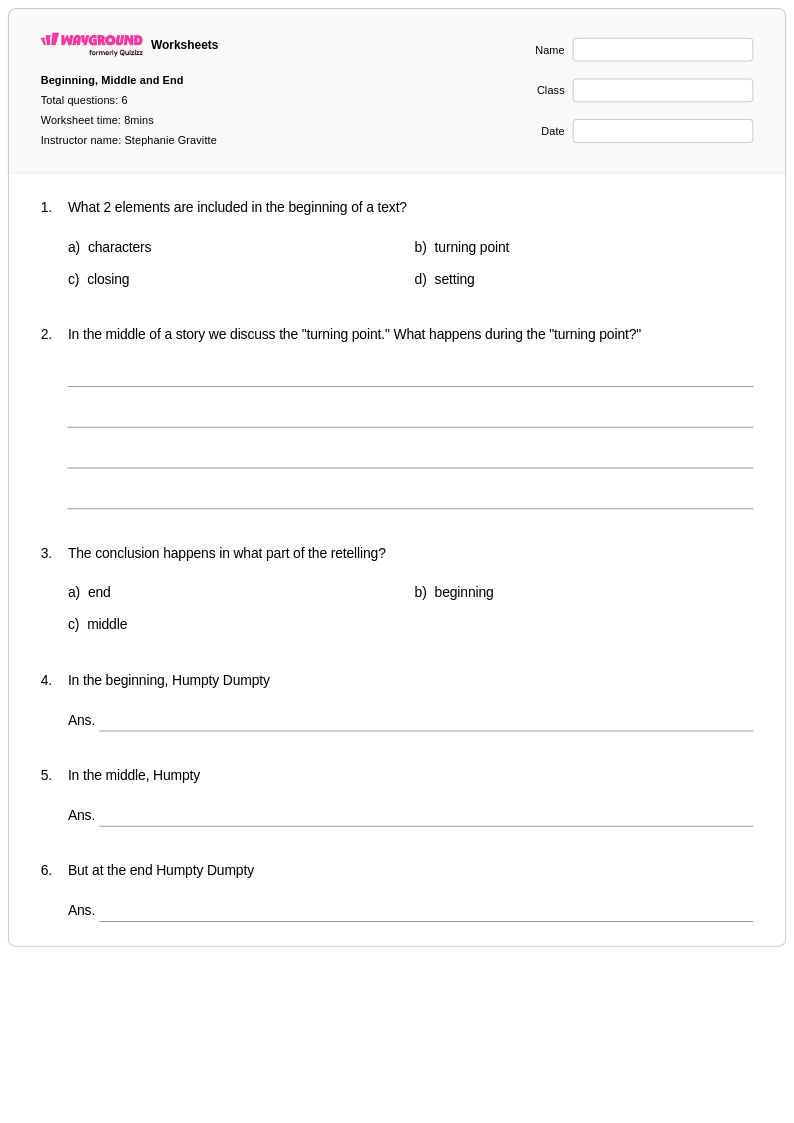
6 Q
3rd
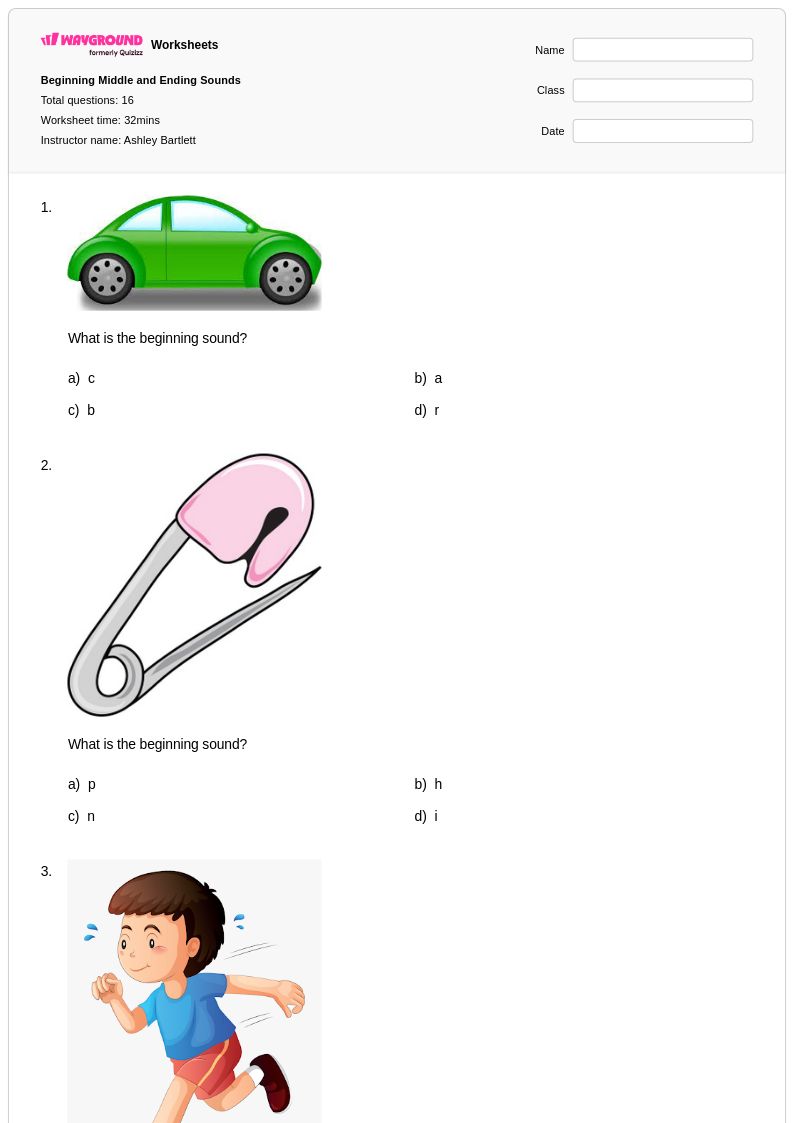
16 Q
1st - 3rd
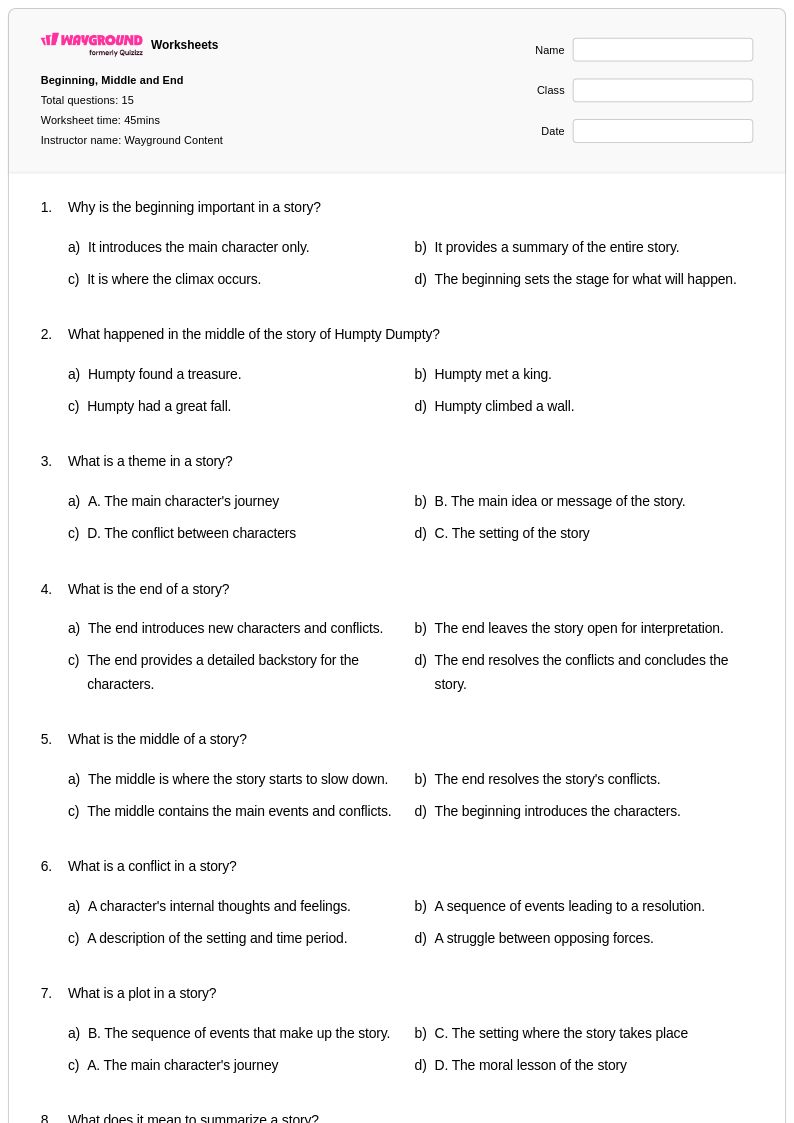
15 Q
3rd
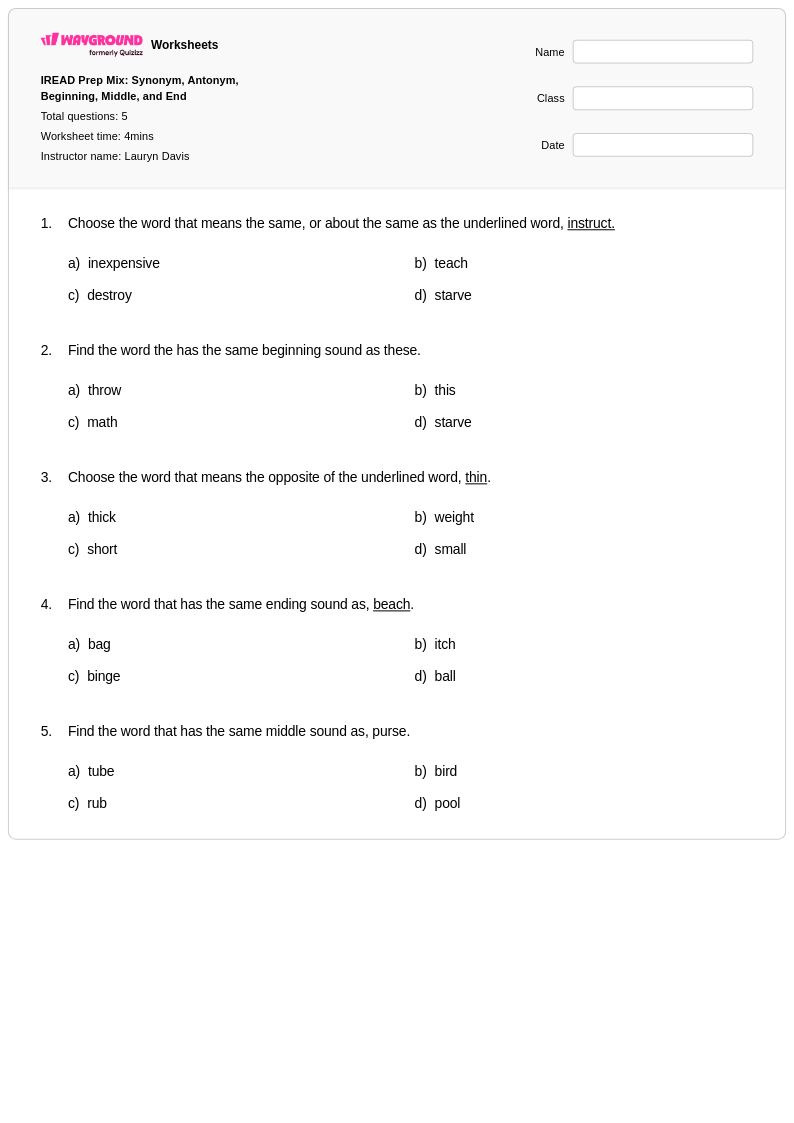
5 Q
3rd
21 Q
2nd - 3rd
20 Q
3rd
25 Q
3rd - Uni
15 Q
2nd - Uni
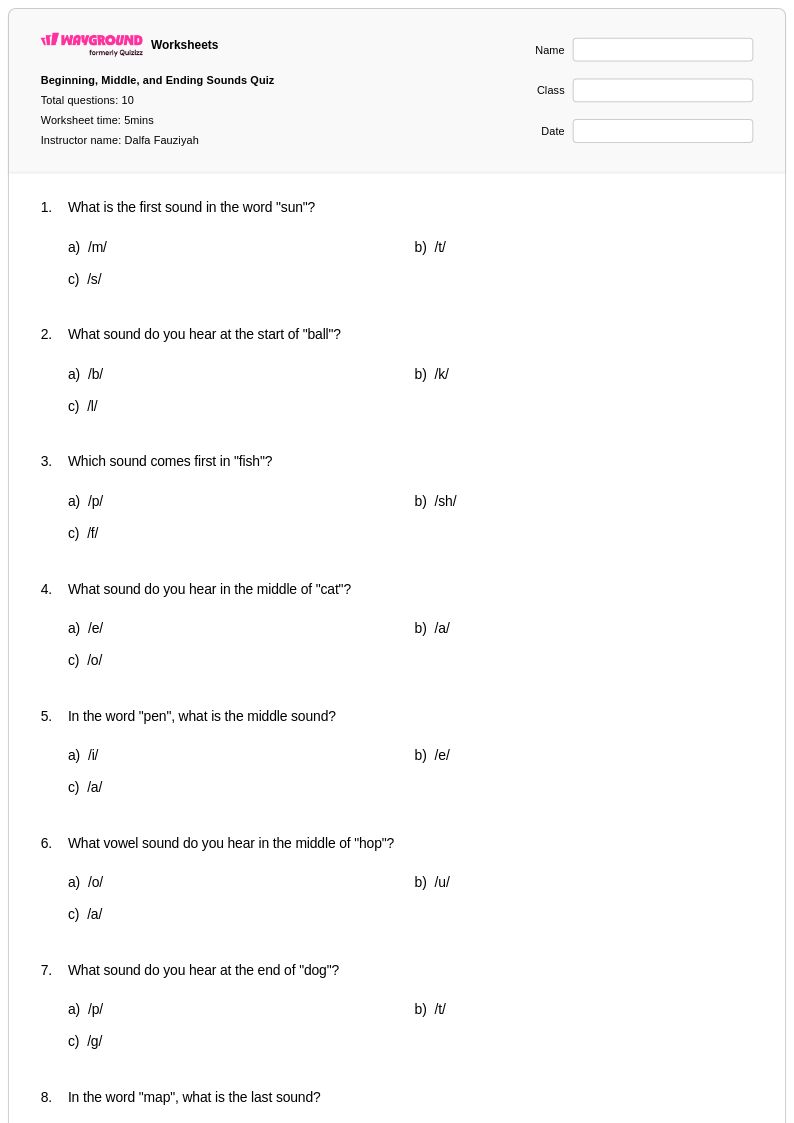
10 Q
1st - 5th
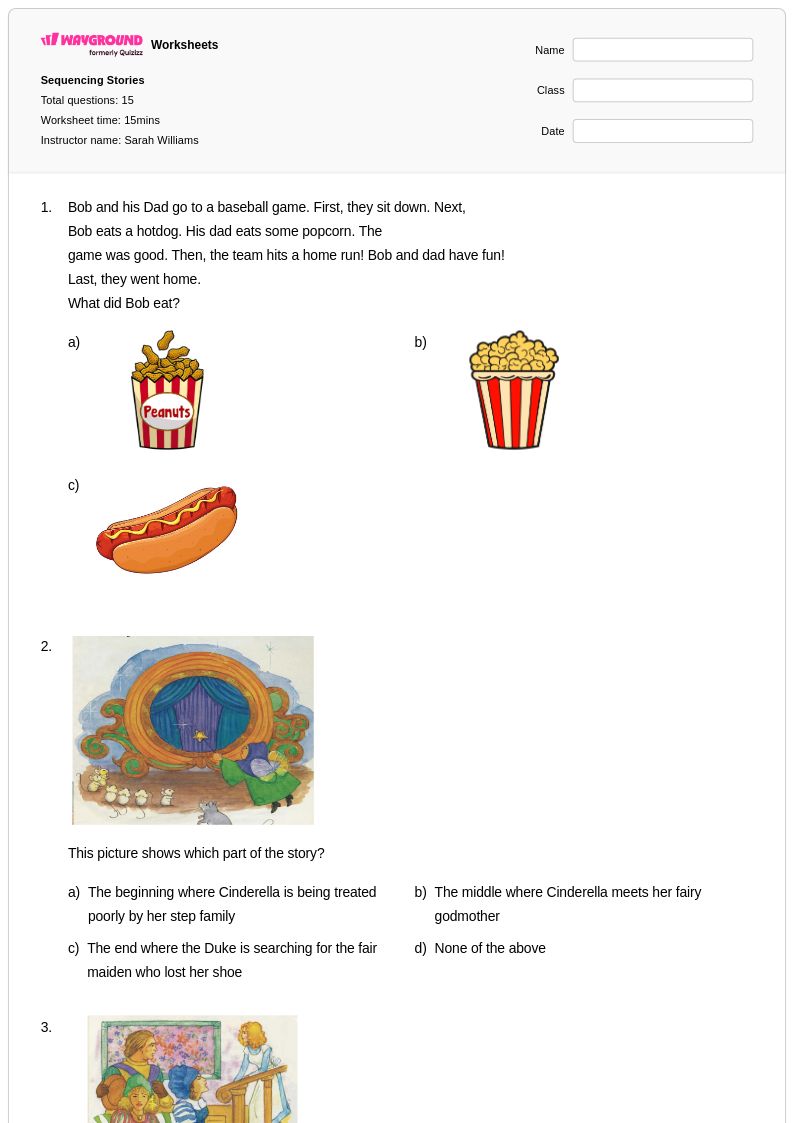
15 Q
2nd - Uni
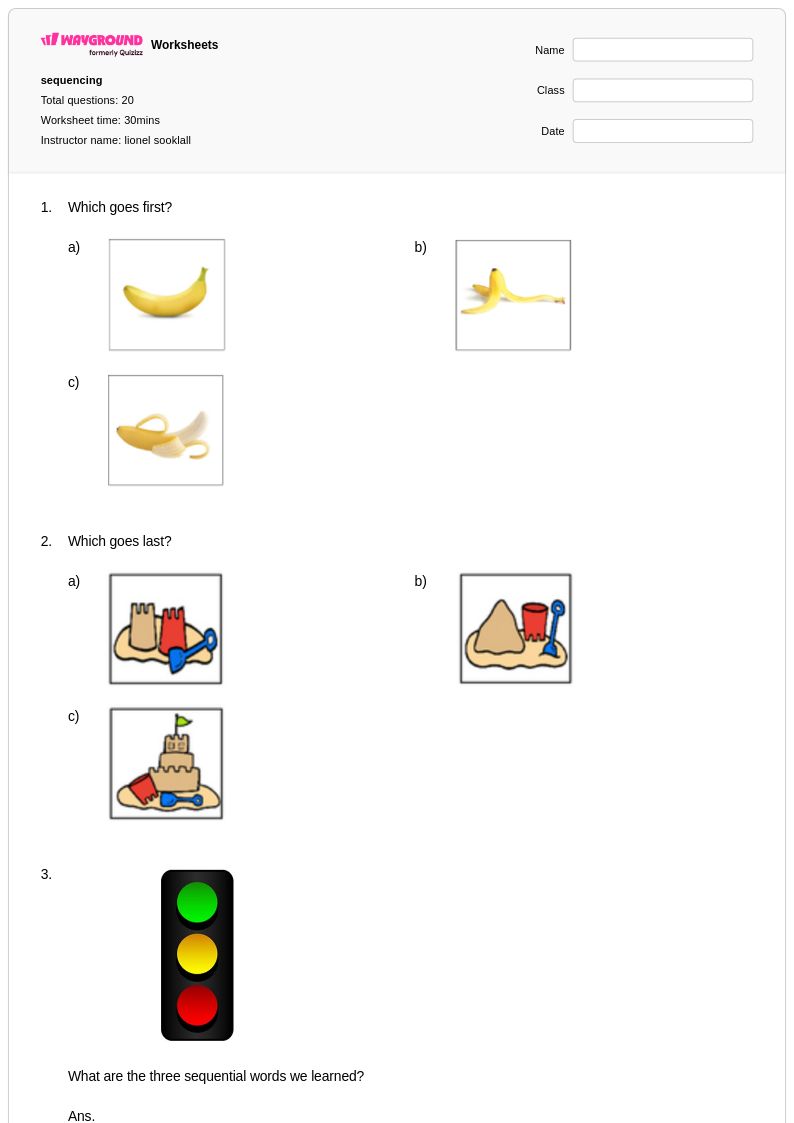
20 Q
3rd
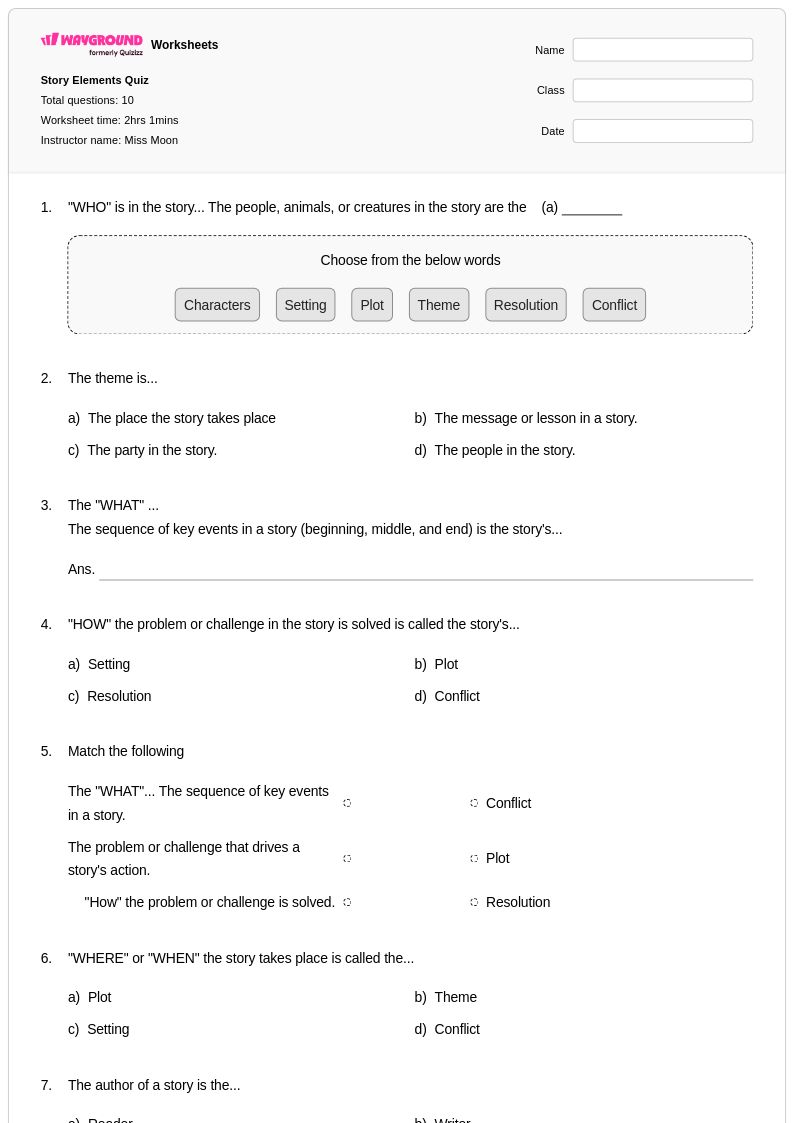
10 Q
3rd
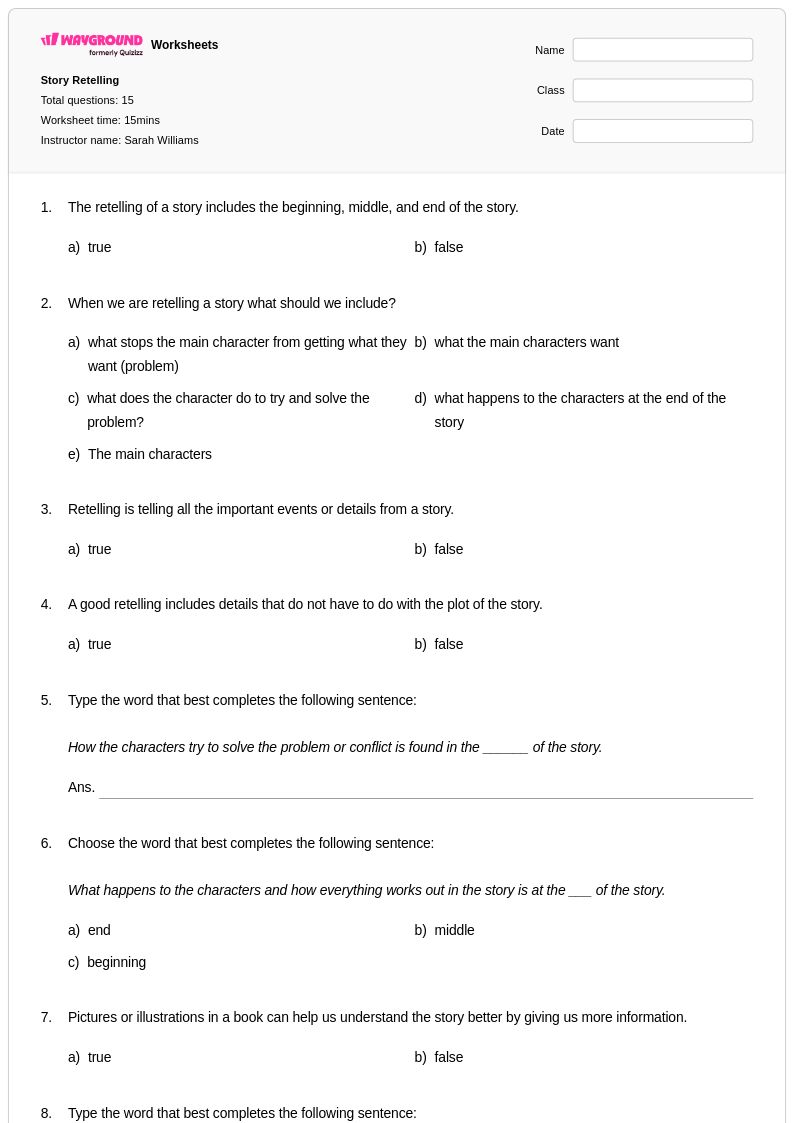
15 Q
3rd - Uni
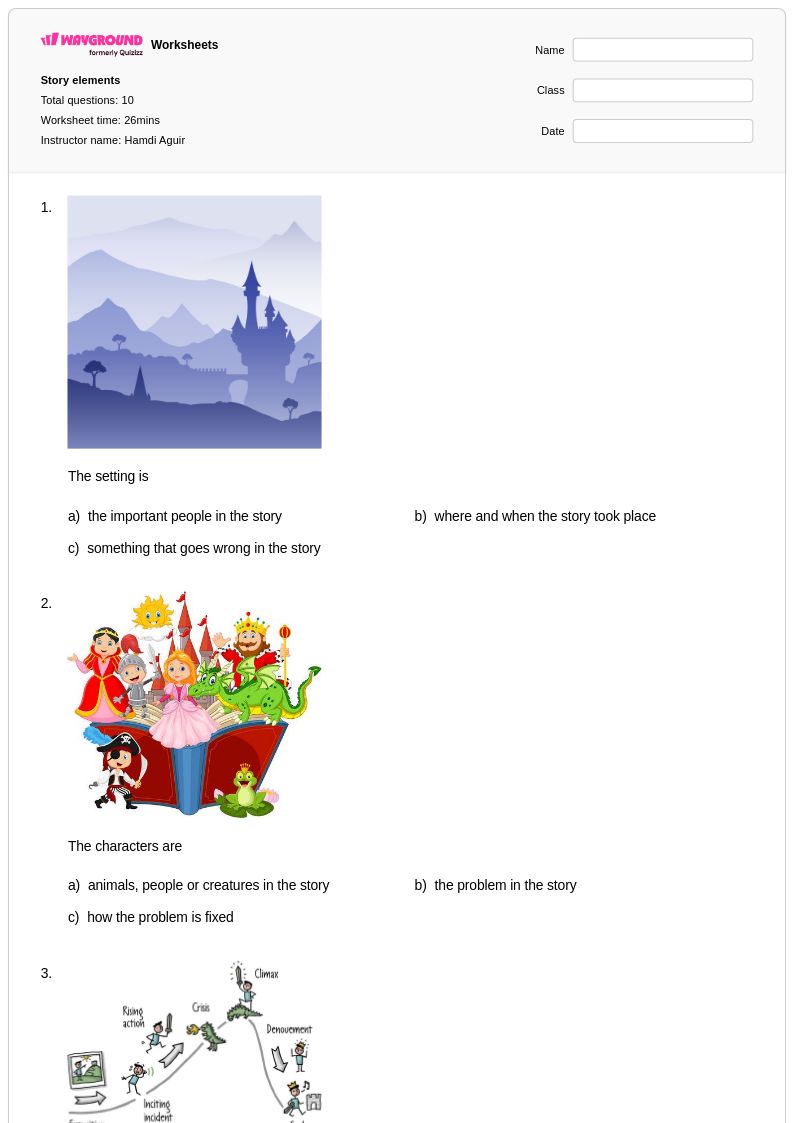
10 Q
3rd
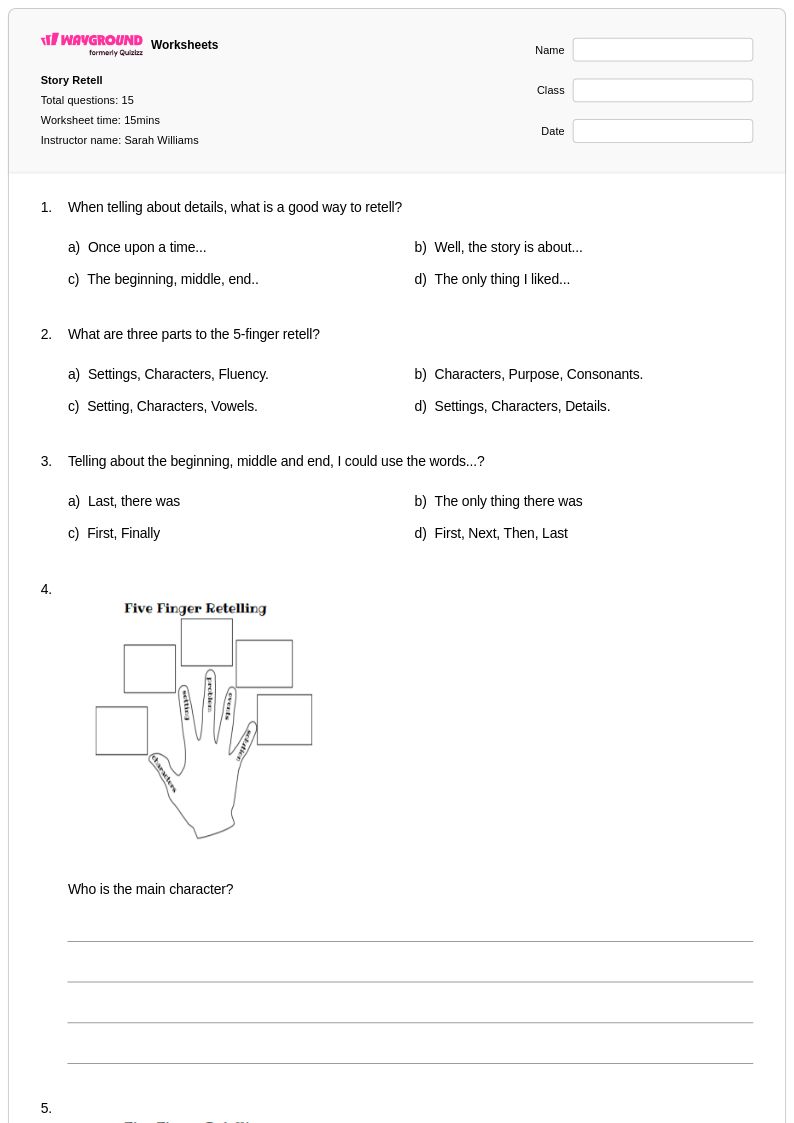
15 Q
3rd - Uni

25 Q
3rd - Uni
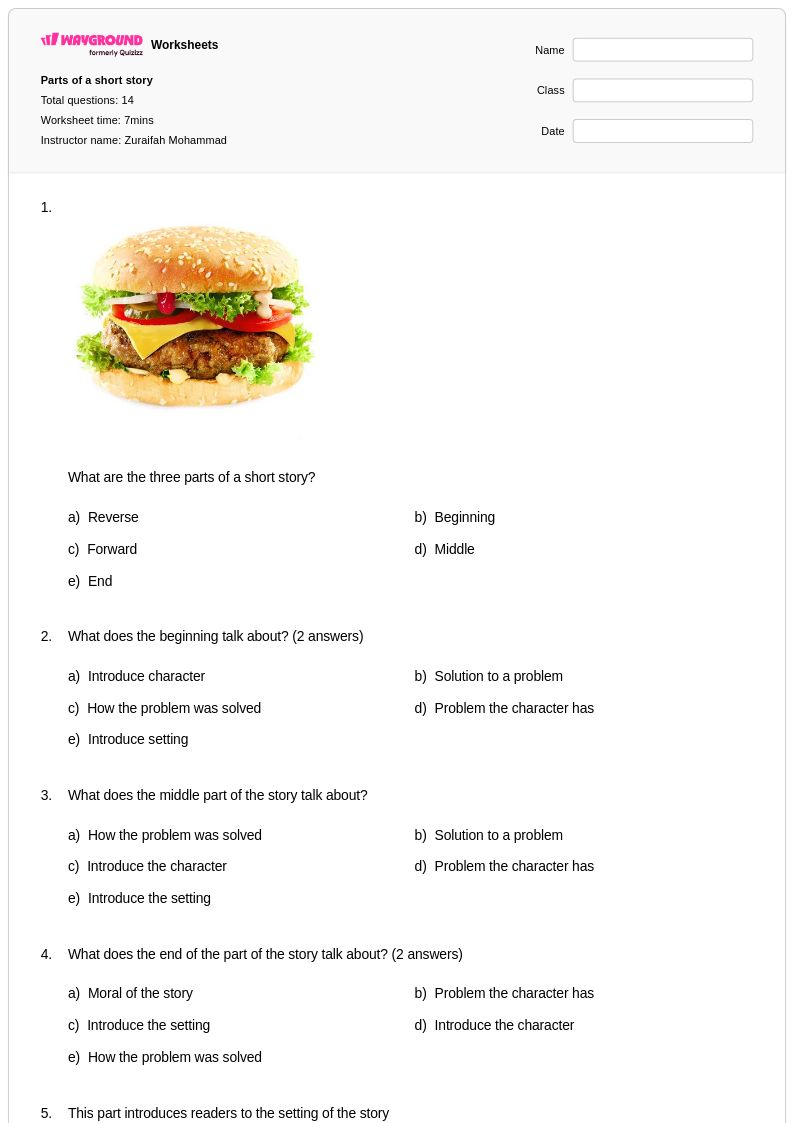
14 Q
3rd
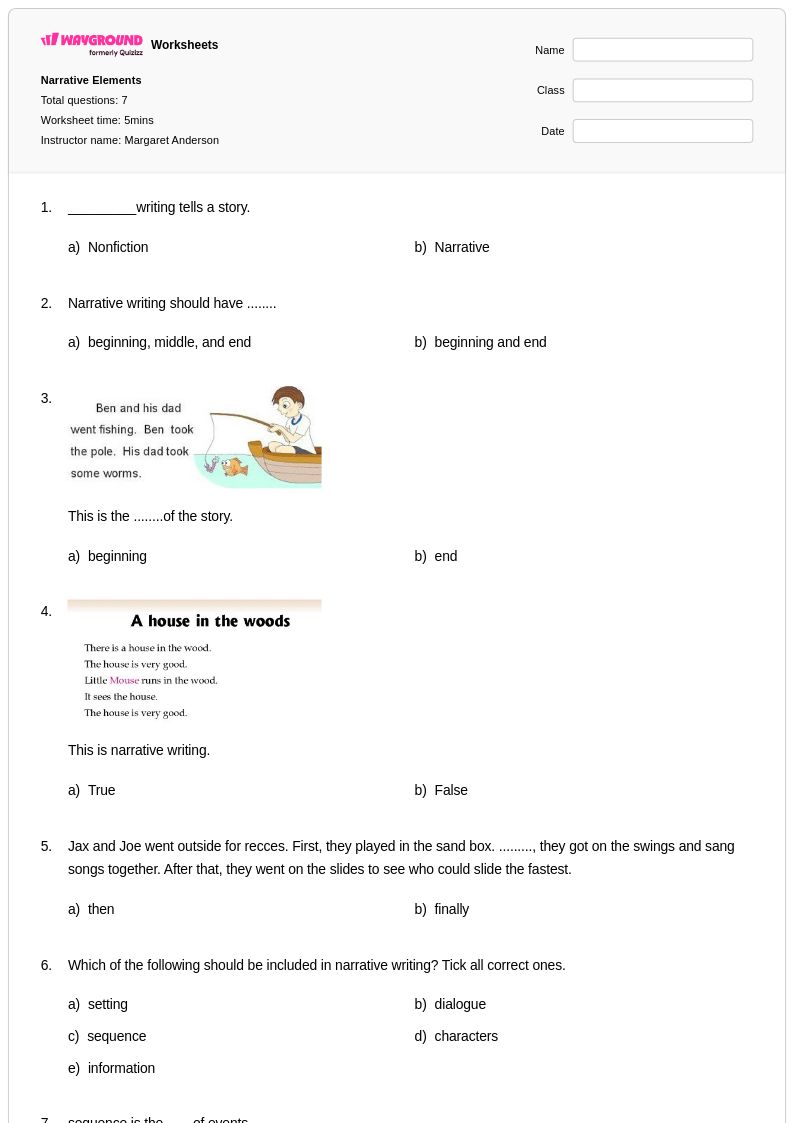
7 Q
2nd - 3rd
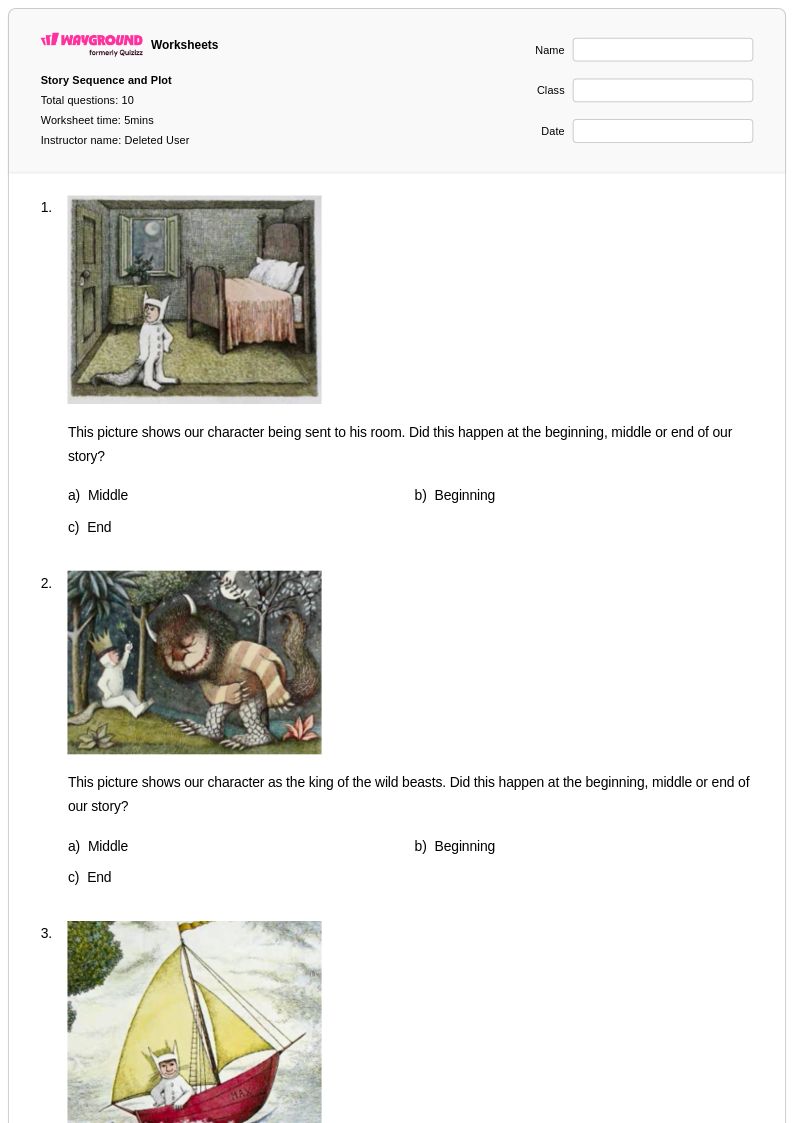
10 Q
1st - 3rd
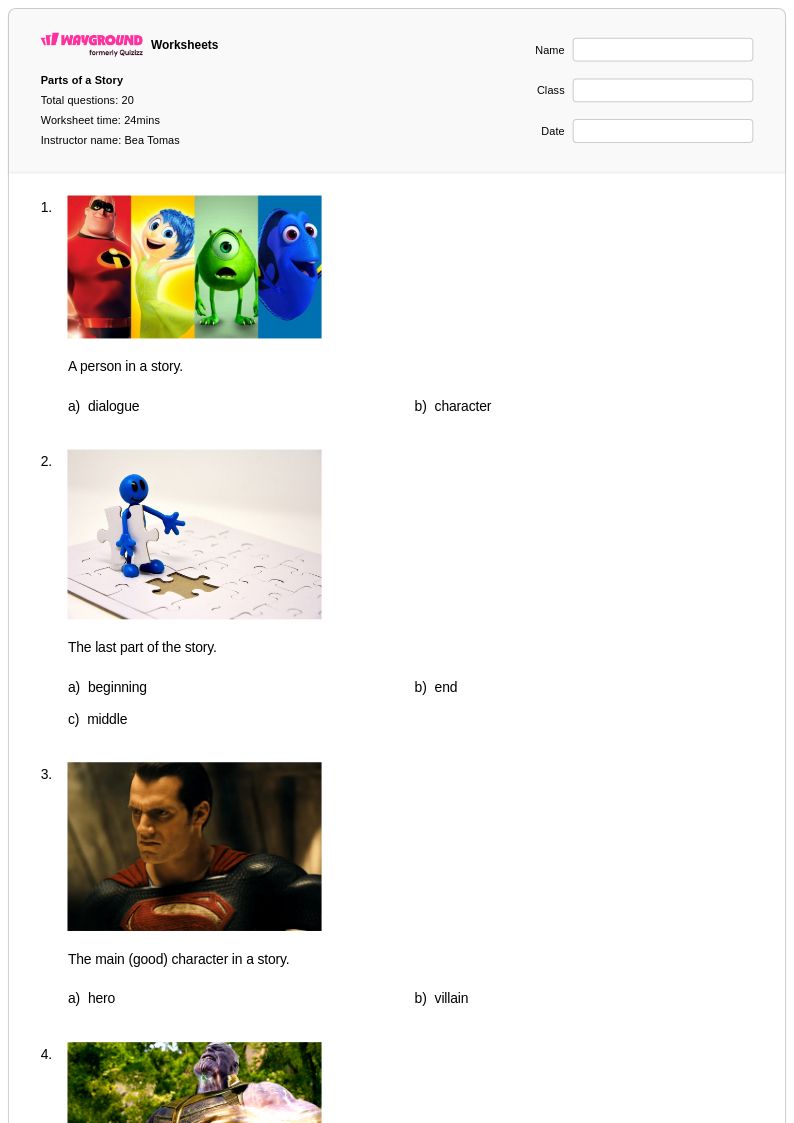
20 Q
2nd - 4th
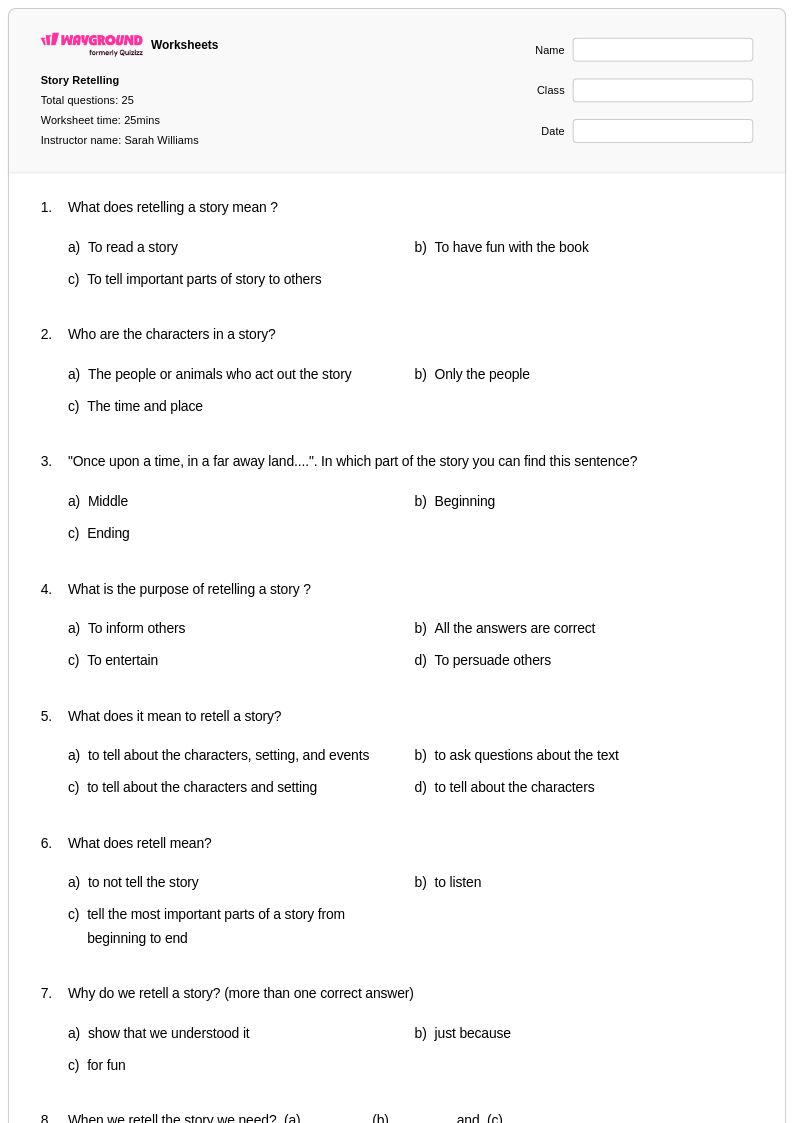
25 Q
3rd - Uni
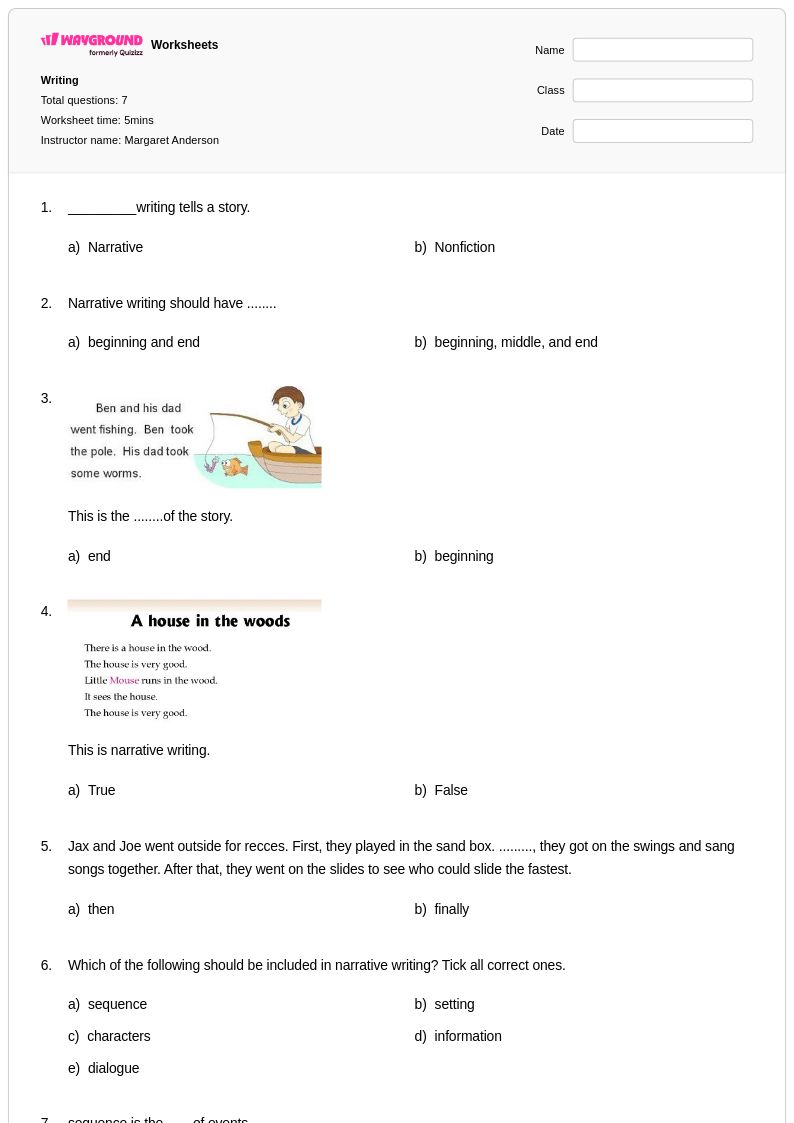
7 Q
2nd - 3rd
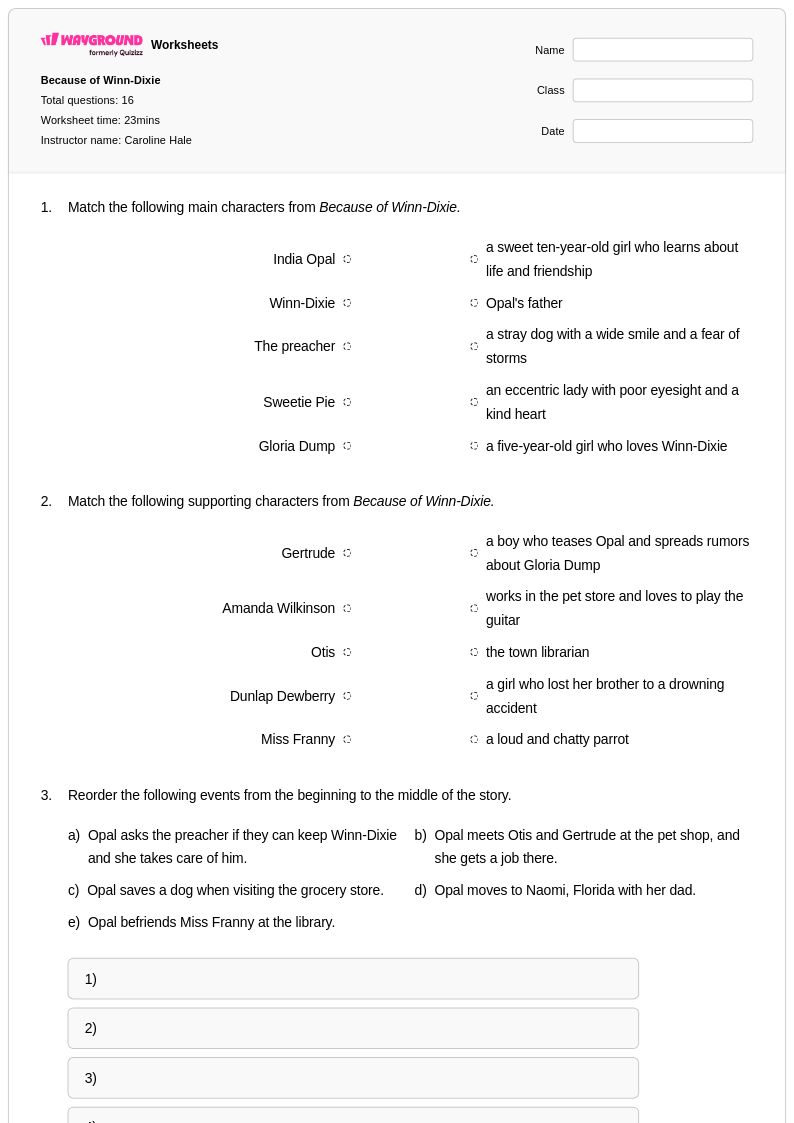
16 Q
3rd
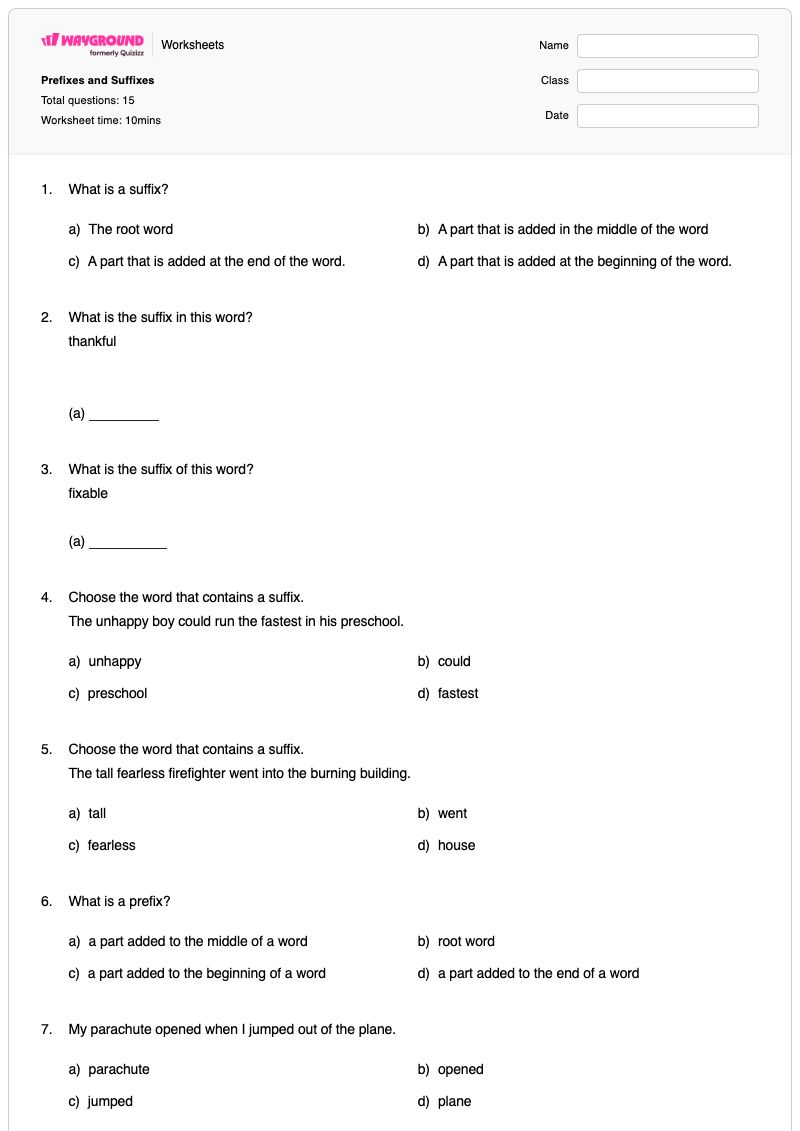
15 Q
3rd
Explore Beginning, Middle, and End Worksheets by Grades
Explore Other Subject Worksheets for class 3
Explore printable Beginning, Middle, and End worksheets for Class 3
Beginning, middle, and end worksheets for Class 3 students through Wayground (formerly Quizizz) provide essential practice in identifying and analyzing the fundamental structure that underlies all narrative texts. These carefully crafted educational resources help young learners develop critical reading comprehension skills by teaching them to recognize how stories are organized into distinct sections that serve specific purposes. Students work through engaging practice problems that guide them to identify story beginnings that introduce characters and settings, middles that present the main problem or conflict, and endings that provide resolution. Each worksheet includes comprehensive answer keys that support both independent learning and teacher-guided instruction, with free printable pdf formats making these valuable resources easily accessible for classroom use and home practice.
Wayground's extensive collection of beginning, middle, and end worksheets draws from millions of teacher-created resources, offering educators powerful search and filtering capabilities to locate materials perfectly suited to their Class 3 students' specific learning needs. The platform's robust standards alignment ensures these story structure worksheets support curriculum objectives while providing differentiation tools that allow teachers to customize content for varying skill levels within their classrooms. Teachers can seamlessly transition between printable pdf versions for traditional paper-and-pencil activities and digital formats for technology-integrated lessons, making lesson planning more flexible and efficient. These comprehensive worksheet collections serve multiple instructional purposes, from initial skill introduction and daily practice to targeted remediation for struggling readers and enrichment opportunities for advanced students ready to explore more complex narrative structures.
FAQs
How do I teach beginning, middle, and end to early readers?
What exercises help students practice identifying beginning, middle, and end?
What mistakes do students commonly make when identifying beginning, middle, and end?
How can I use beginning, middle, and end worksheets to support struggling readers?
How do I use Wayground's beginning, middle, and end worksheets in my classroom?