
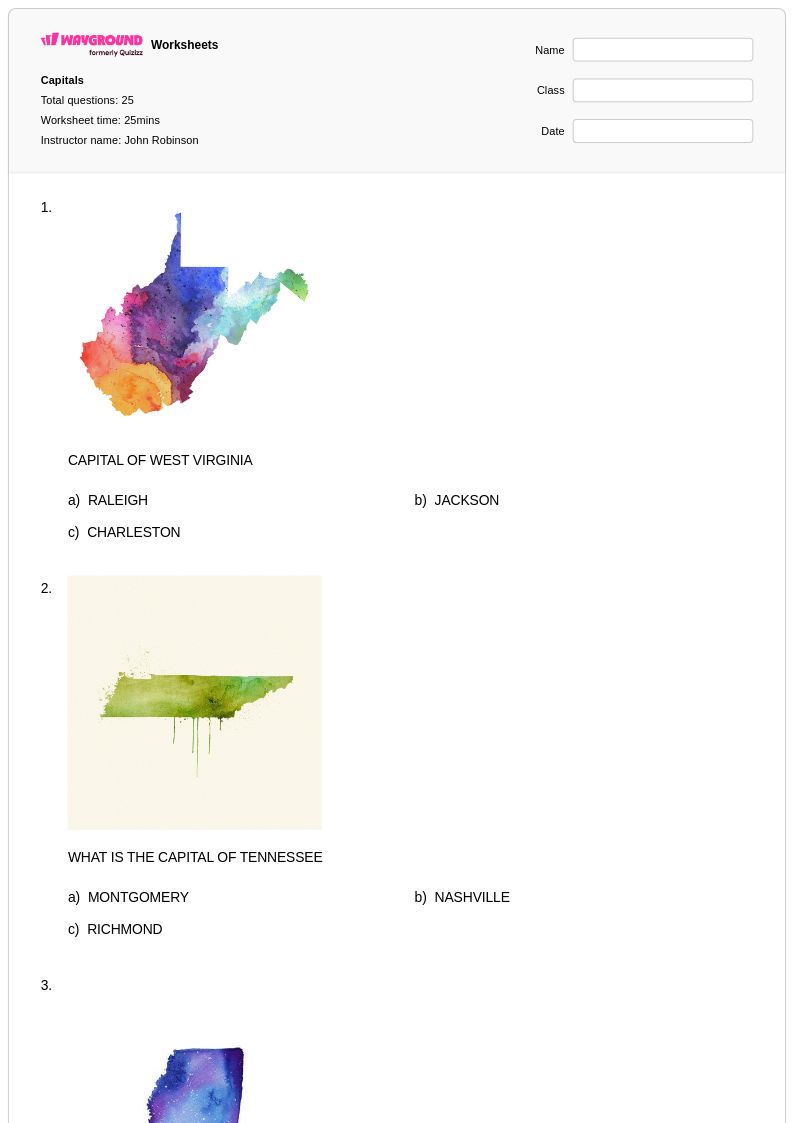
25 Q
5th - Uni
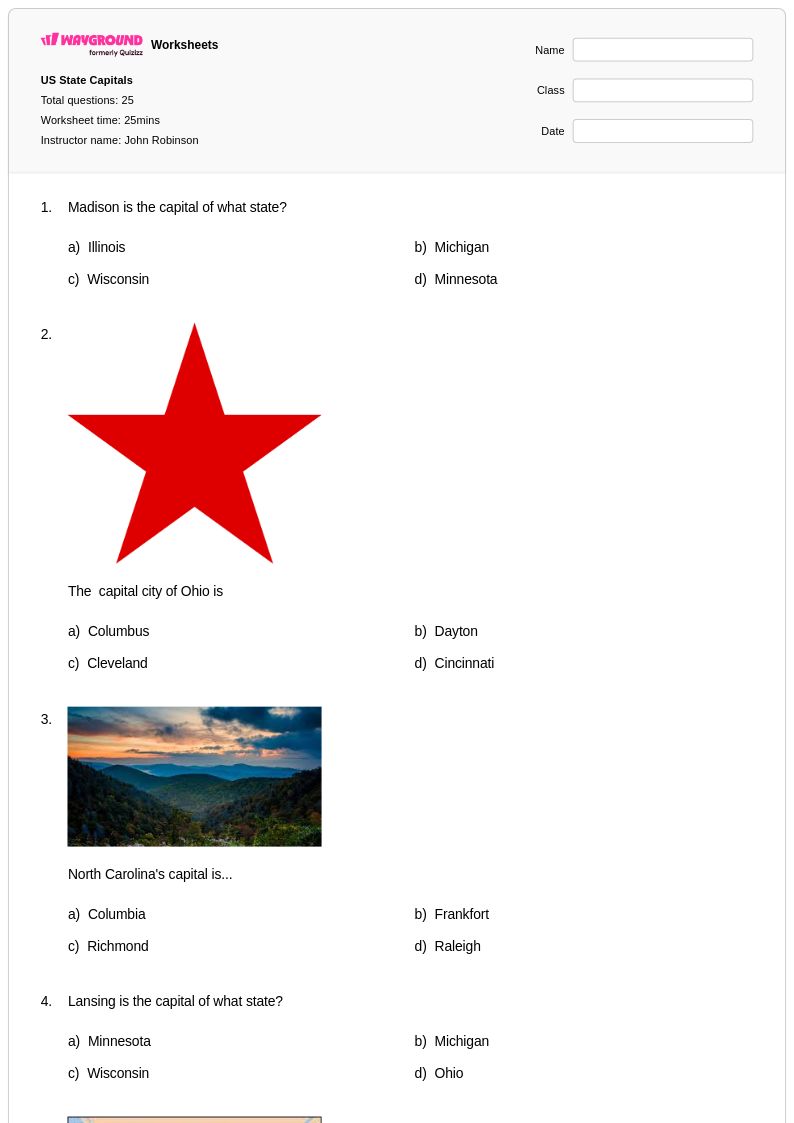
25 Q
5th - Uni
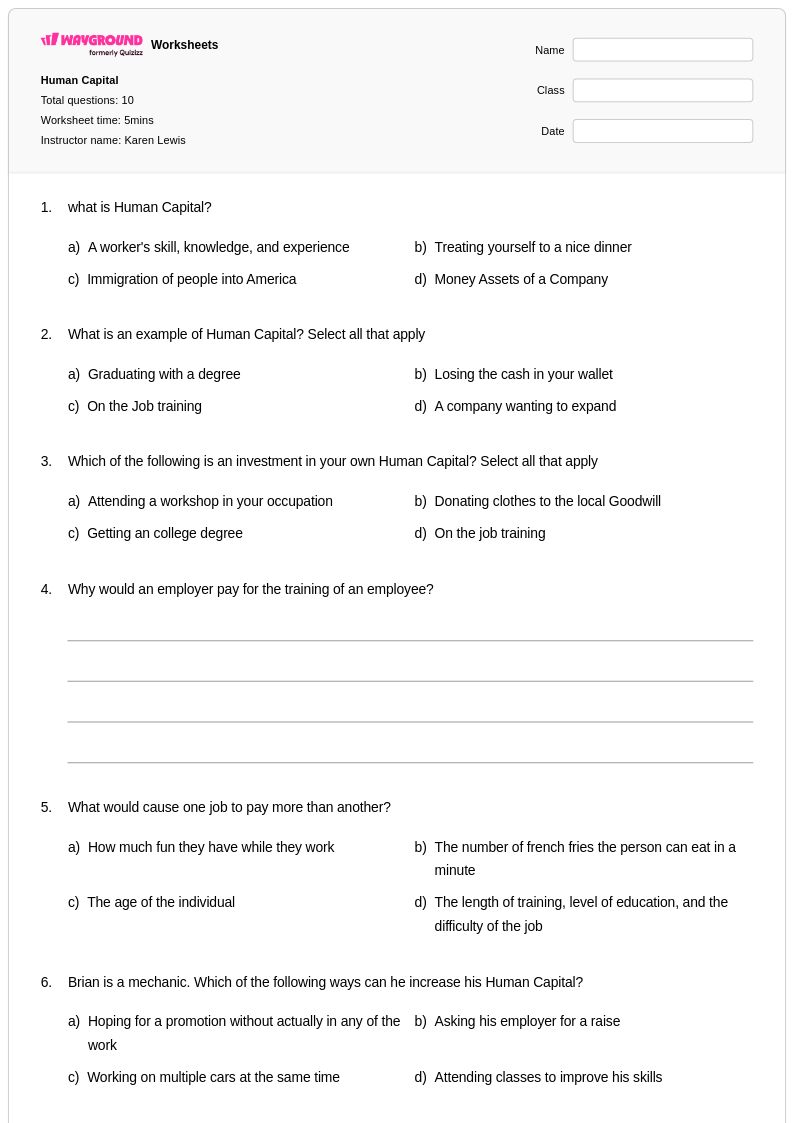
10 Q
9th - Uni
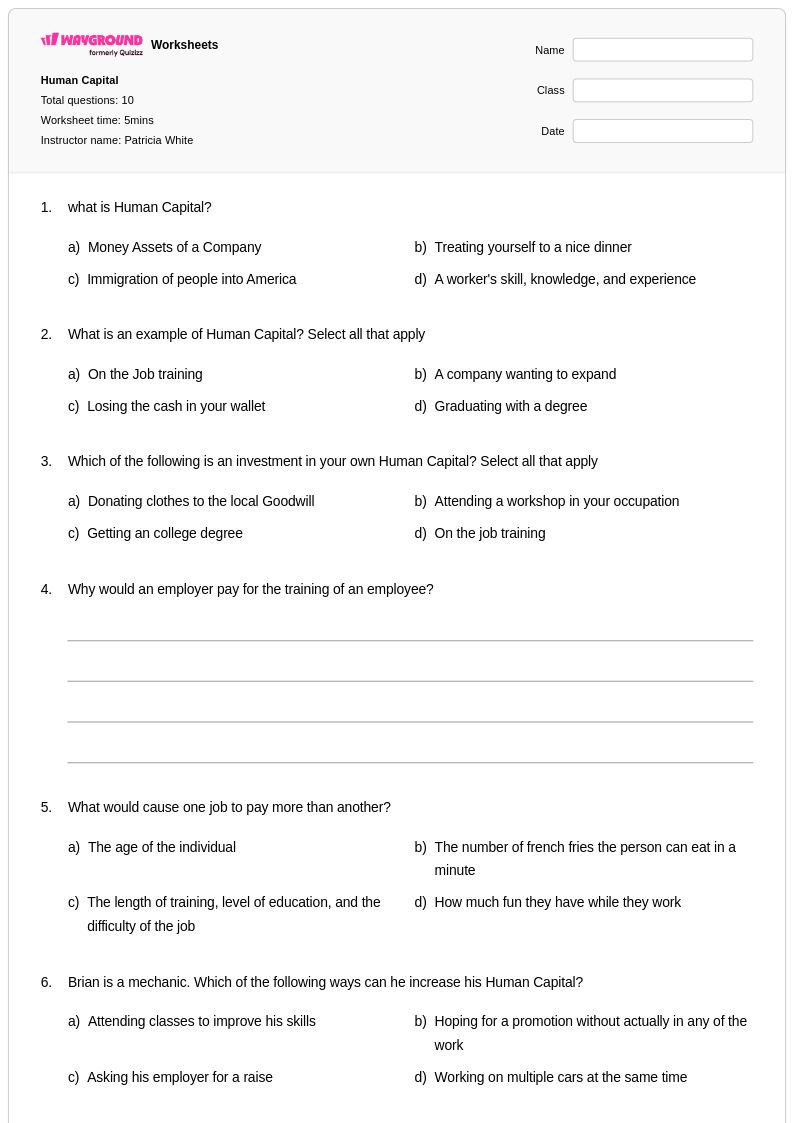
10 Q
9th - Uni
10 Q
5th - Uni
25 Q
5th - Uni
25 Q
10th - Uni
8 Q
9th - 12th
15 Q
5th - Uni
15 Q
5th - Uni
13 Q
11th - Uni
15 Q
8th - Uni
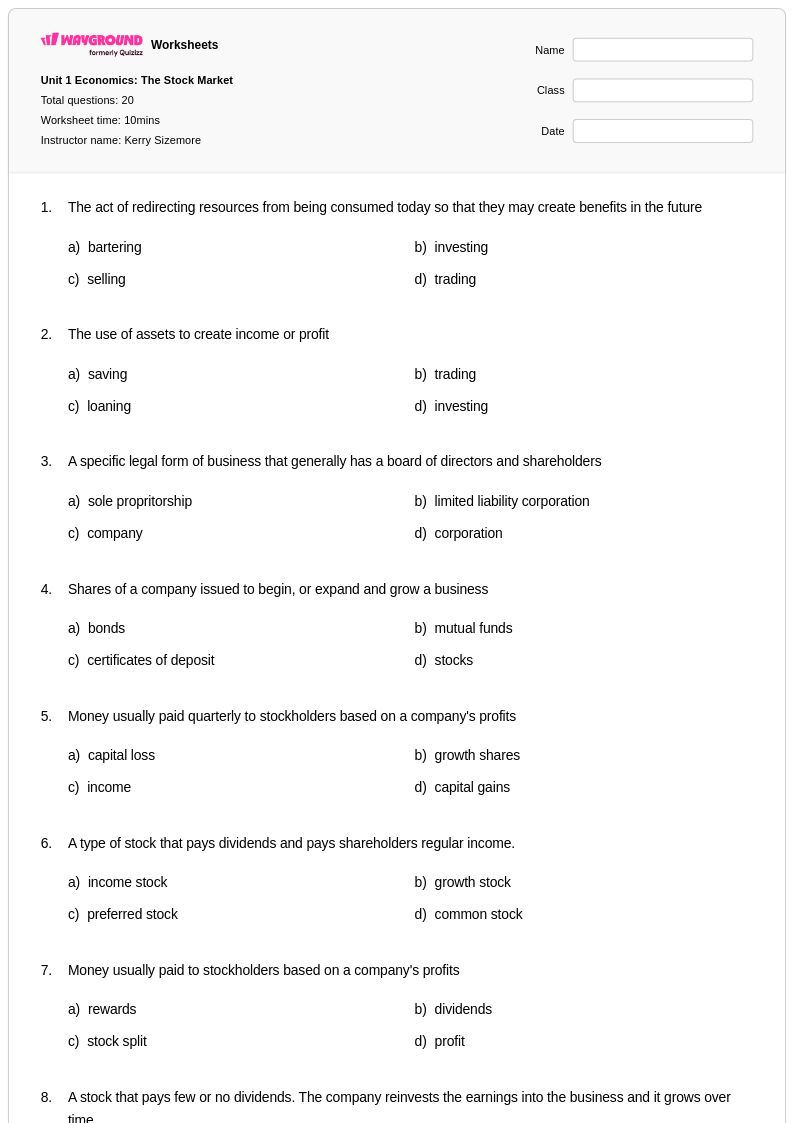
20 Q
8th - 12th
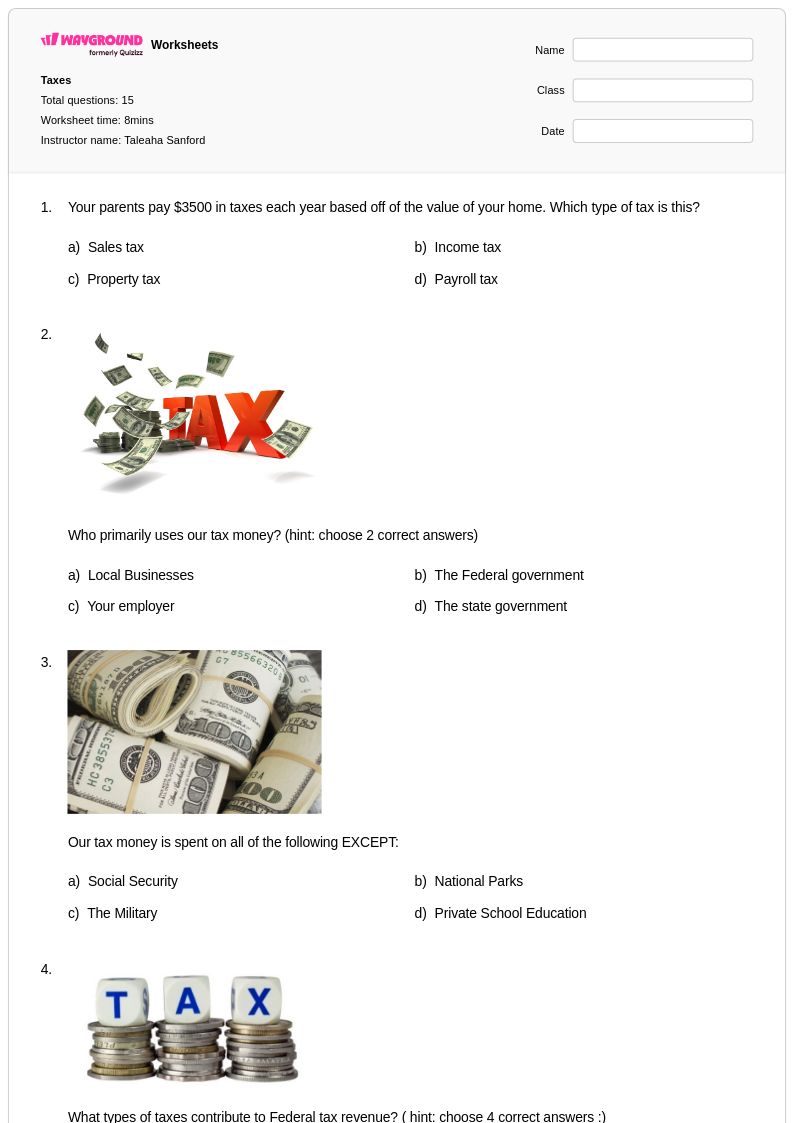
15 Q
11th
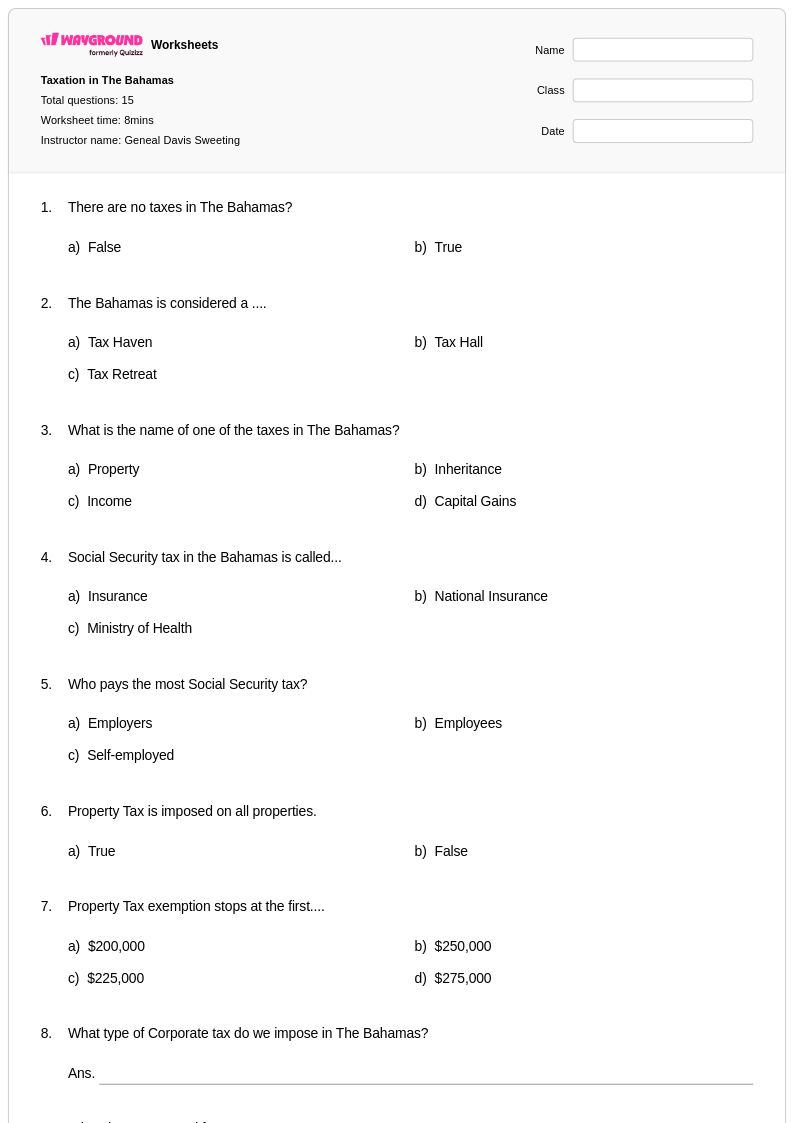
15 Q
9th - 11th
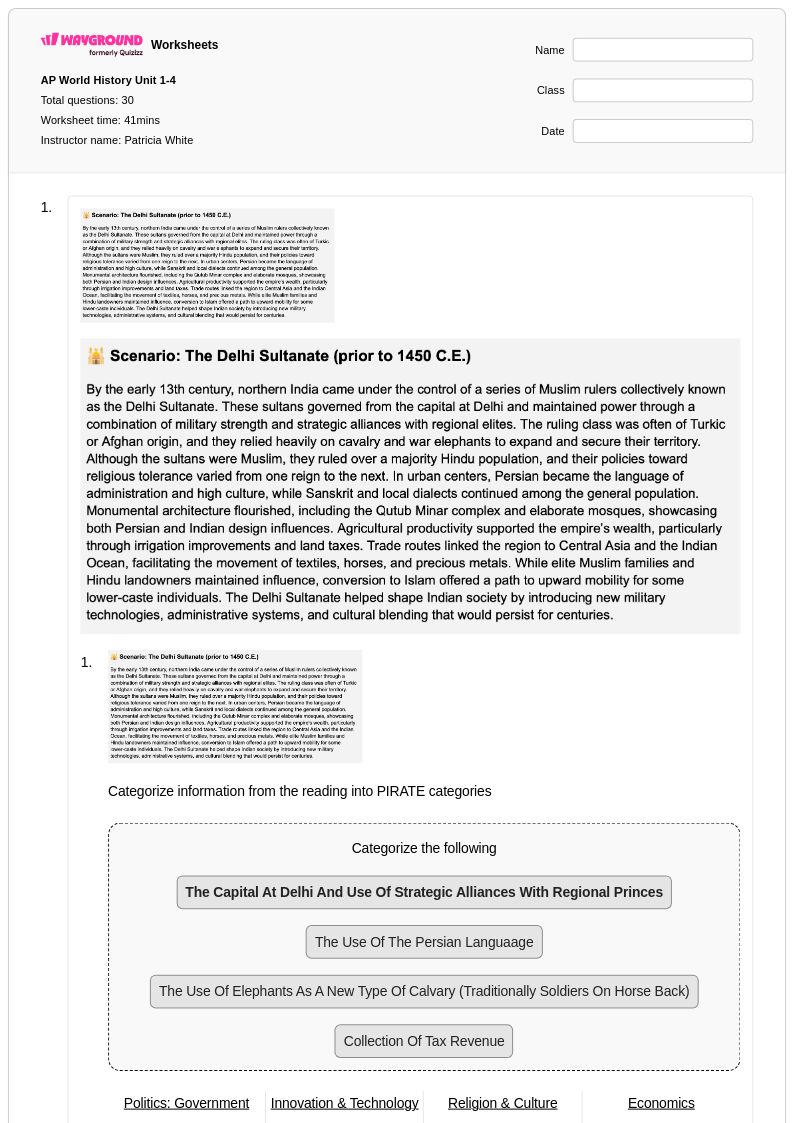
31 Q
11th - Uni
20 Q
10th - 12th
11 Q
9th - 12th
15 Q
7th - Uni
15 Q
11th
15 Q
11th - Uni
15 Q
11th
15 Q
4th - Uni
15 Q
11th - Uni
Explore Other Subject Worksheets for class 11
Explore printable Capital Gains worksheets for Class 11
Capital gains worksheets for Class 11 students through Wayground (formerly Quizizz) provide comprehensive coverage of this essential economics concept, helping students master the calculation, taxation, and economic implications of investment profits. These educational resources strengthen critical analytical skills by guiding students through real-world scenarios involving stock transactions, property sales, and other asset disposals, while teaching them to distinguish between short-term and long-term capital gains and their respective tax treatments. The collection includes detailed practice problems that challenge students to compute capital gains using various methods, analyze market scenarios, and understand the role of capital gains in personal finance and broader economic policy. Each worksheet comes with a complete answer key and is available as a free printable pdf, making it easy for educators to incorporate these materials into their curriculum and provide students with immediate feedback on their understanding of this complex topic.
Wayground (formerly Quizizz) supports educators with an extensive library of millions of teacher-created capital gains worksheets specifically designed for Class 11 economics instruction, all accessible through intuitive search and filtering tools that help locate materials aligned with specific learning standards and objectives. Teachers can easily differentiate instruction by selecting worksheets that match varying skill levels within their classrooms, and the platform's flexible customization features allow educators to modify existing resources or create targeted supplementary materials for remediation and enrichment activities. These comprehensive worksheet collections are available in both printable pdf format for traditional classroom use and digital formats for online learning environments, enabling seamless integration into lesson planning whether teachers need quick skill practice exercises, comprehensive unit assessments, or specialized materials for students requiring additional support in understanding capital gains concepts and calculations.
FAQs
How do I teach capital gains to high school economics students?
What practice problems work best for helping students understand capital gains calculations?
What mistakes do students commonly make when learning about capital gains?
How do capital gains fit into a broader personal finance or economics curriculum?
How do I use Wayground's capital gains worksheets in my classroom?
How can I differentiate capital gains instruction for students at different skill levels?