
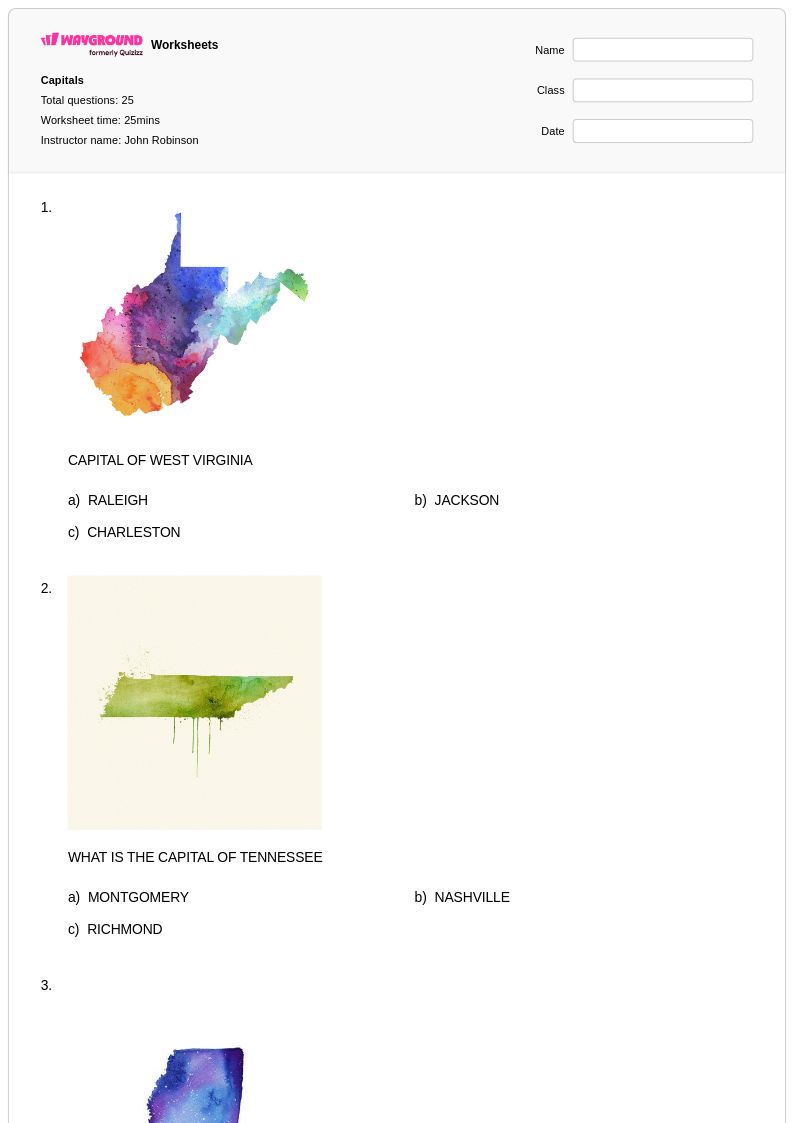
25 Q
5th - Uni
5 Q
10th
10 Q
9th - 10th
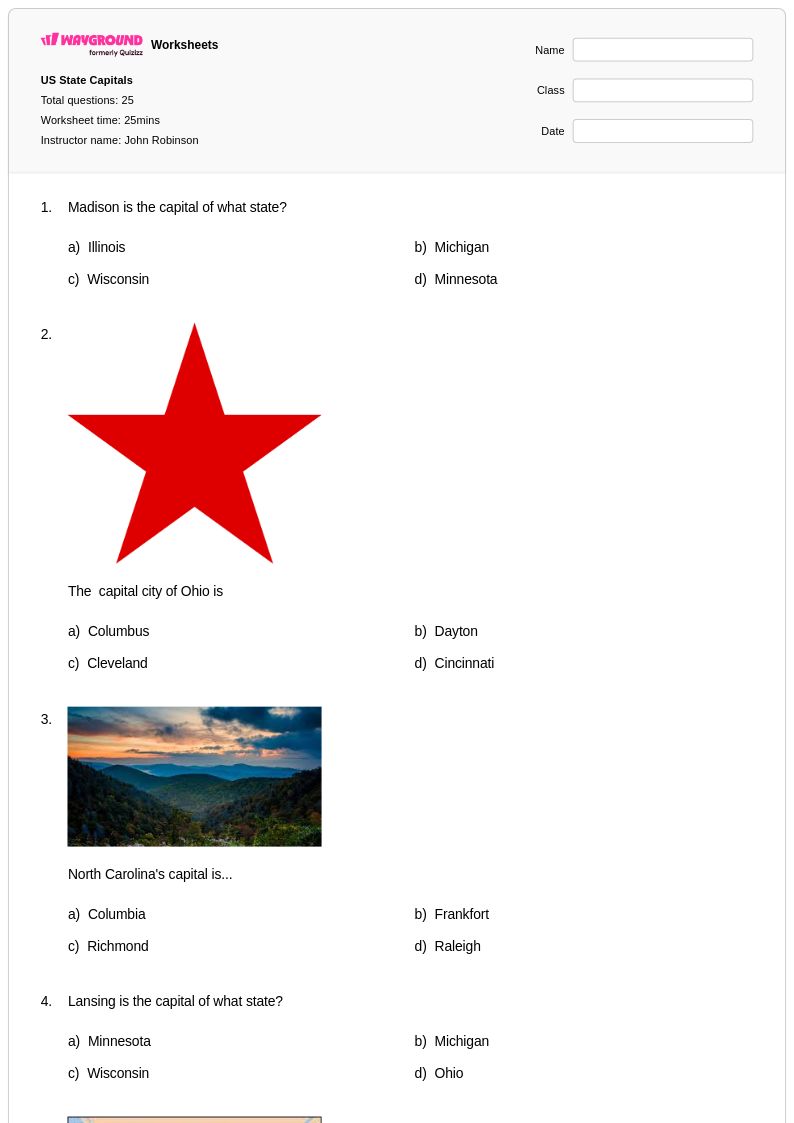
25 Q
5th - Uni
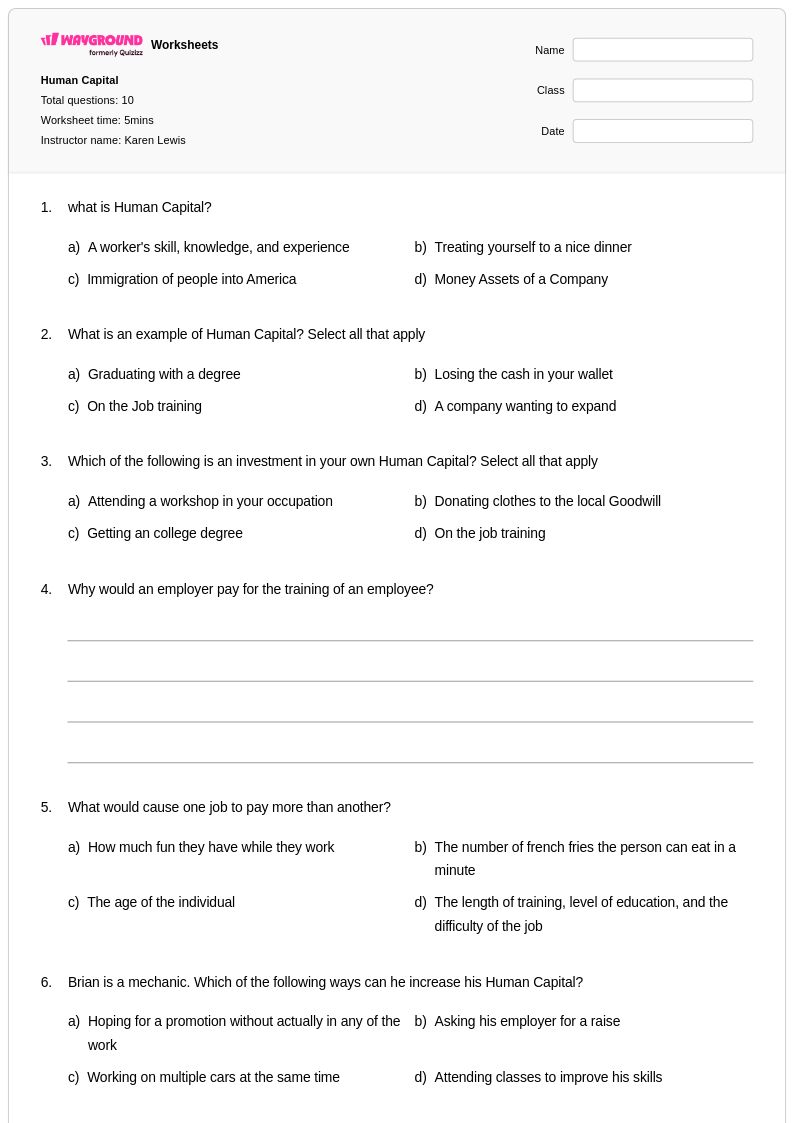
10 Q
9th - Uni
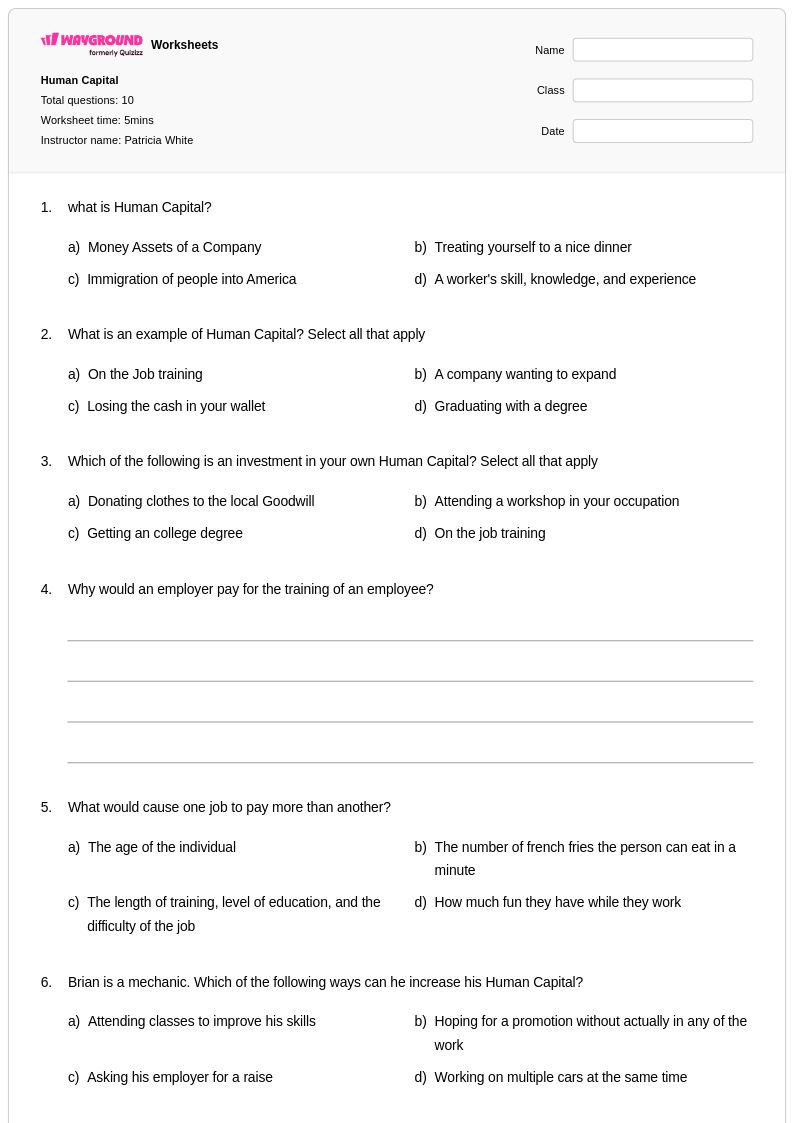
10 Q
9th - Uni
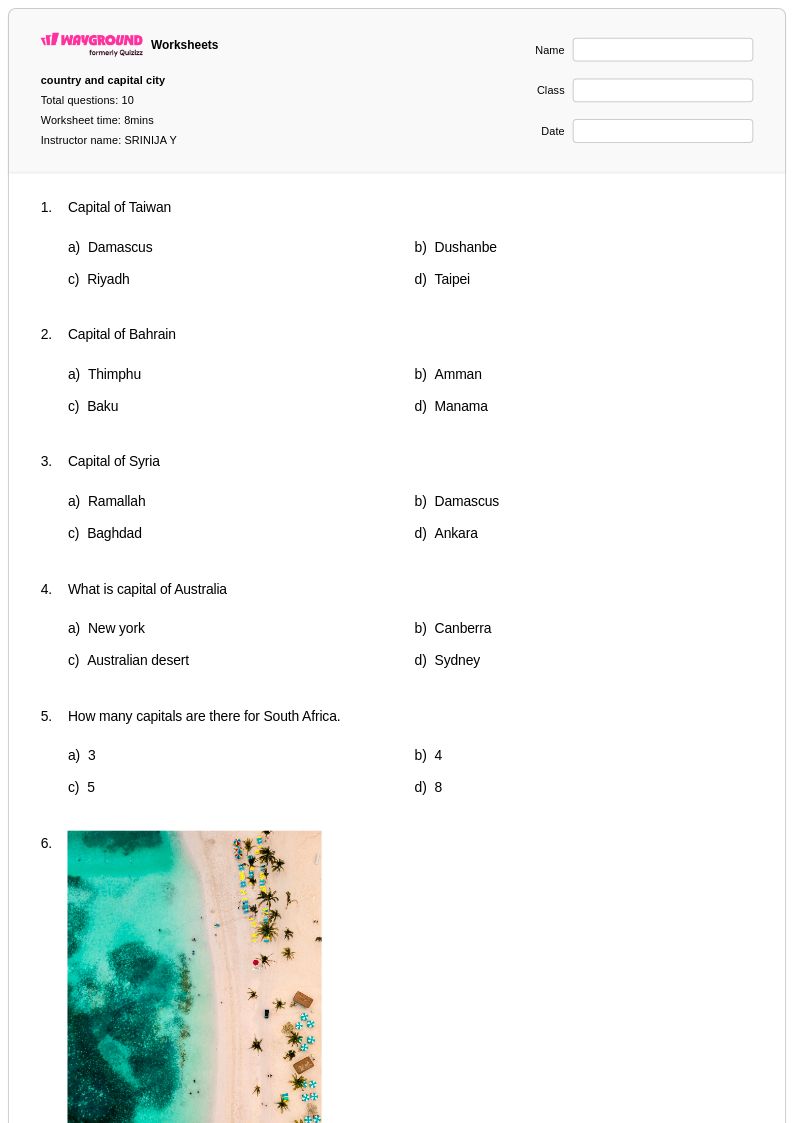
10 Q
5th - Uni
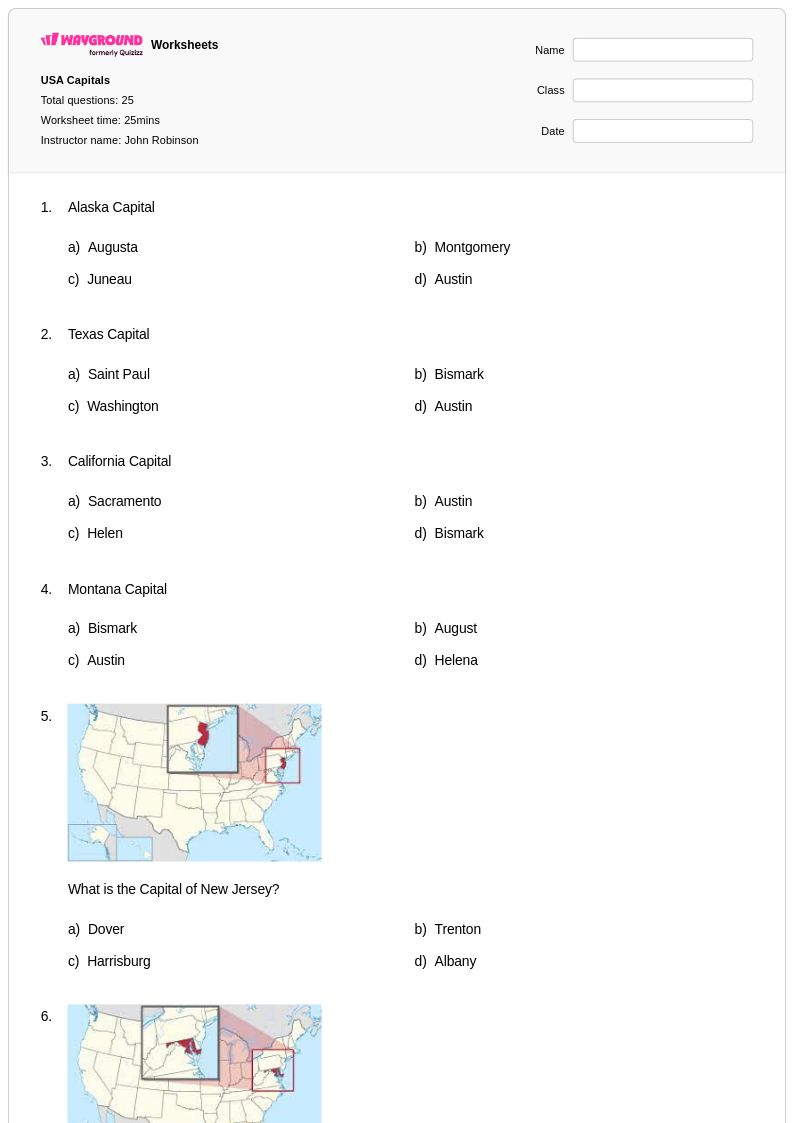
25 Q
5th - Uni
25 Q
10th - Uni
8 Q
9th - 12th
10 Q
10th
15 Q
5th - Uni
15 Q
5th - Uni
15 Q
8th - Uni
20 Q
8th - 12th
15 Q
9th - 11th
10 Q
10th
54 Q
10th - 12th
54 Q
10th - 12th
20 Q
10th - 12th
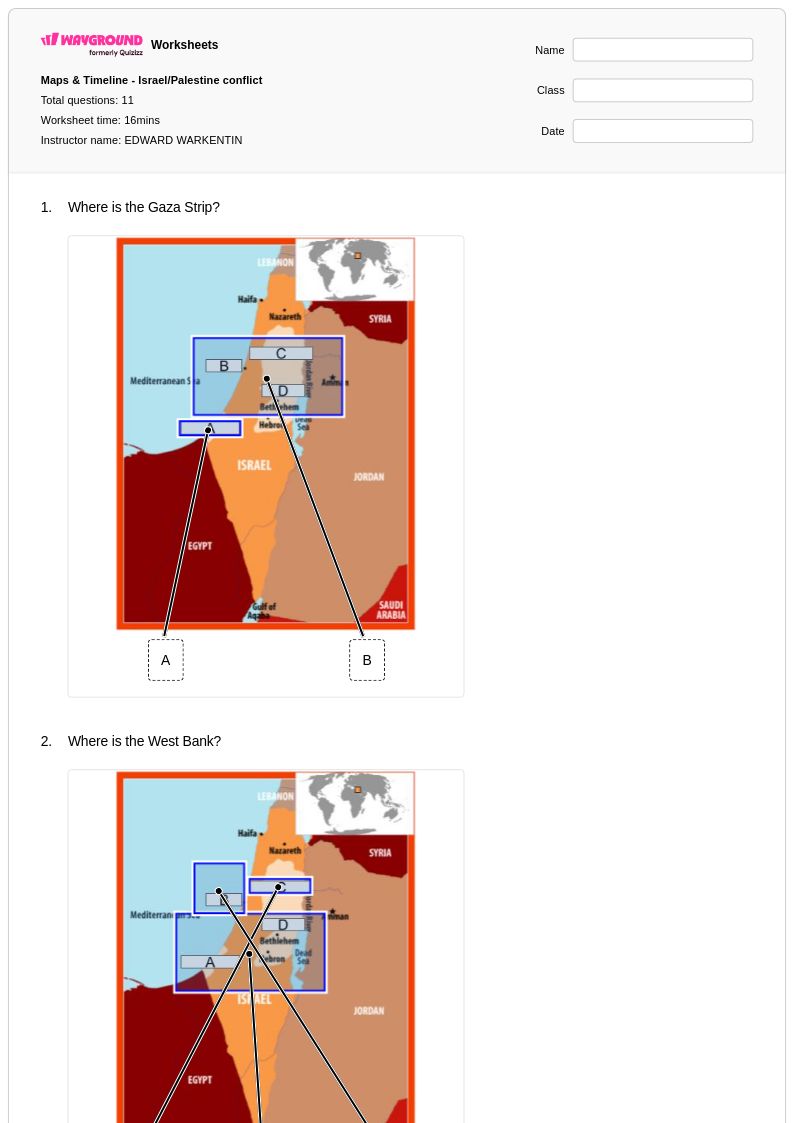
11 Q
9th - 12th
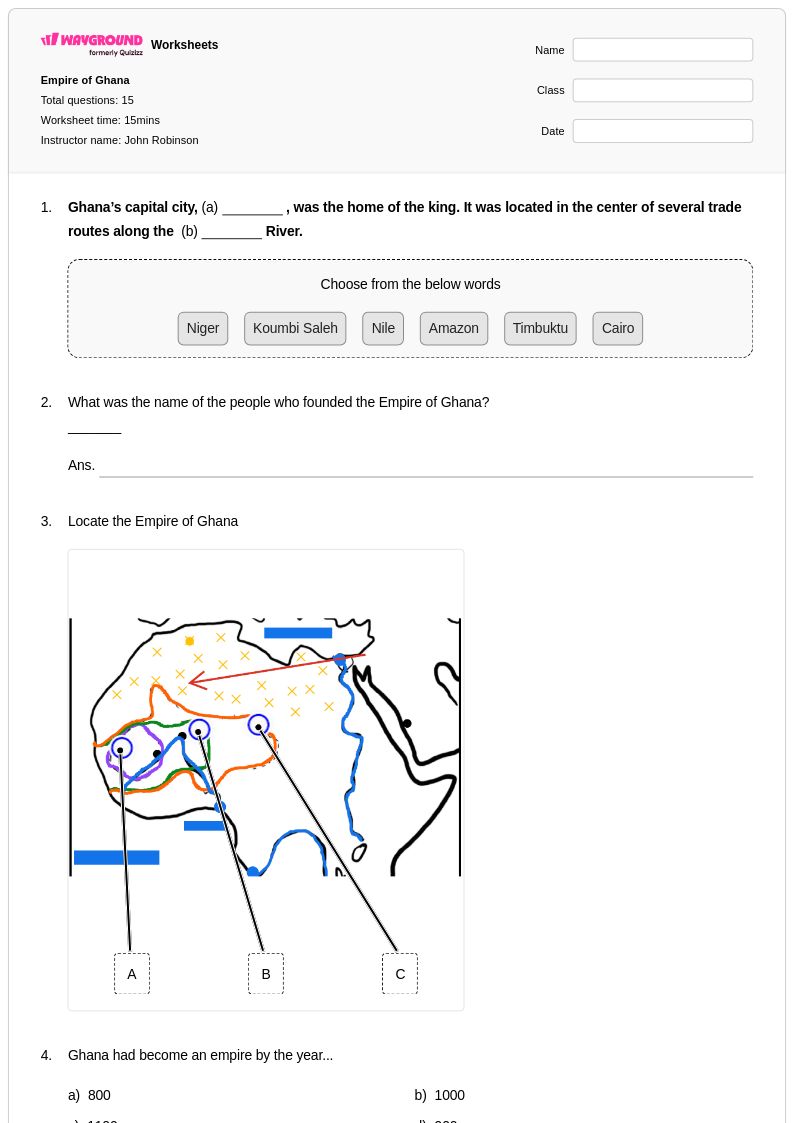
15 Q
7th - Uni
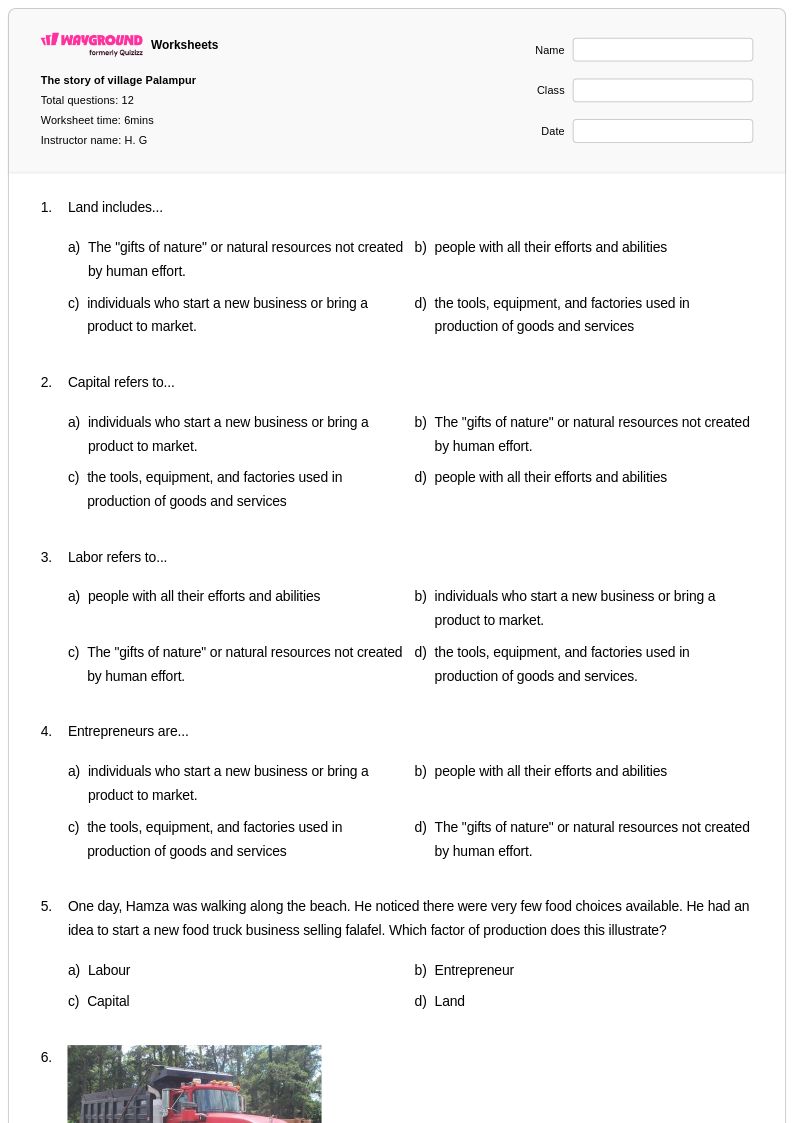
12 Q
8th - 10th
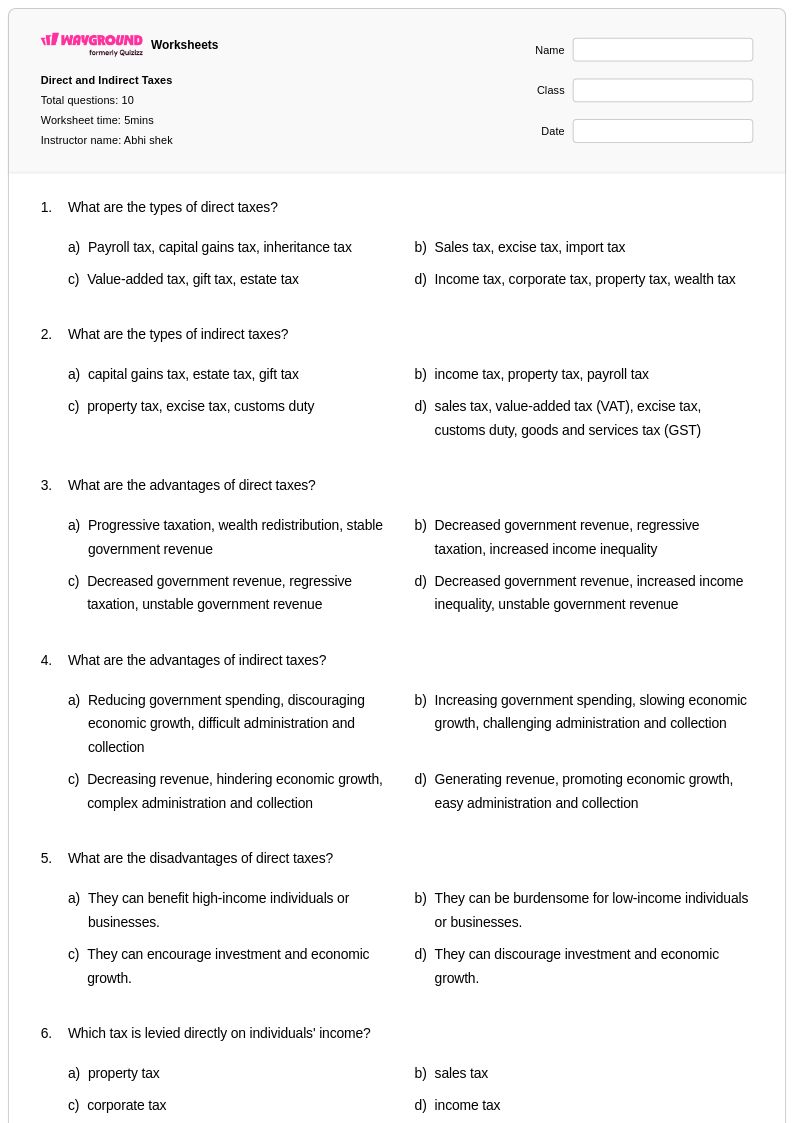
10 Q
10th
Explore Other Subject Worksheets for class 10
Explore printable Capital Gains worksheets for Class 10
Capital gains worksheets for Class 10 students available through Wayground (formerly Quizizz) provide comprehensive coverage of investment taxation concepts essential for advanced economics education. These educational resources help students master the fundamental principles of capital gains calculations, including the distinction between short-term and long-term gains, tax implications of different investment strategies, and real-world applications of capital gains in portfolio management. Students develop critical analytical skills through practice problems that simulate actual investment scenarios, while teachers benefit from detailed answer keys that facilitate efficient grading and targeted feedback. The printable pdf format ensures accessibility across various classroom settings, and these free resources enable students to work through complex capital gains calculations at their own pace, reinforcing key concepts such as cost basis determination, holding period requirements, and tax rate differentials.
Wayground (formerly Quizizz) empowers educators with millions of teacher-created capital gains worksheets specifically designed for Class 10 economics curricula, featuring robust search and filtering capabilities that allow instructors to locate materials aligned with specific learning standards and educational objectives. The platform's differentiation tools enable teachers to customize worksheet difficulty levels and problem complexity to meet diverse student needs, while flexible formatting options support both digital classroom integration and traditional printable assignments. These comprehensive worksheet collections facilitate strategic lesson planning by providing educators with varied practice problems for skill reinforcement, targeted remediation activities for struggling learners, and enrichment materials for advanced students exploring sophisticated investment concepts. The seamless integration of standards-aligned content with customizable features ensures that teachers can efficiently deliver high-quality capital gains instruction while accommodating different learning styles and academic preparation levels within their Class 10 social studies classrooms.
FAQs
How do I teach capital gains to high school economics students?
What practice problems work best for helping students understand capital gains calculations?
What mistakes do students commonly make when learning about capital gains?
How do capital gains fit into a broader personal finance or economics curriculum?
How do I use Wayground's capital gains worksheets in my classroom?
How can I differentiate capital gains instruction for students at different skill levels?