Free Printable Character Education Worksheets for Class 8
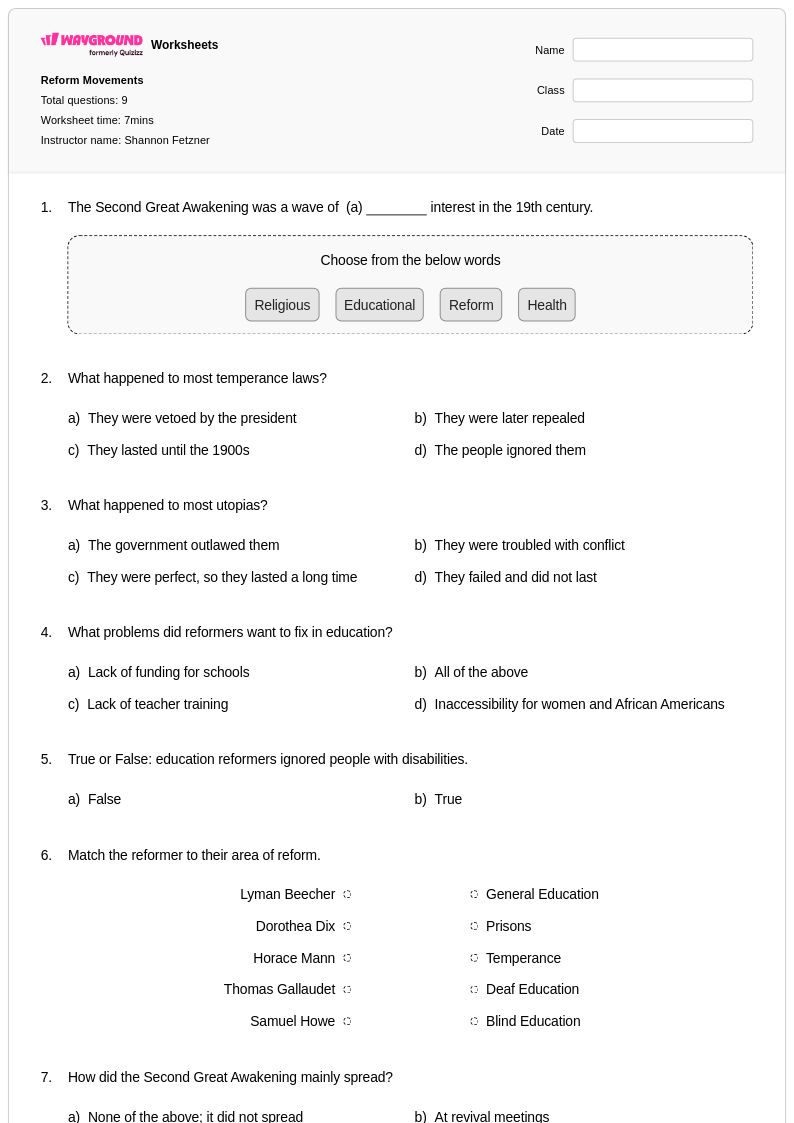
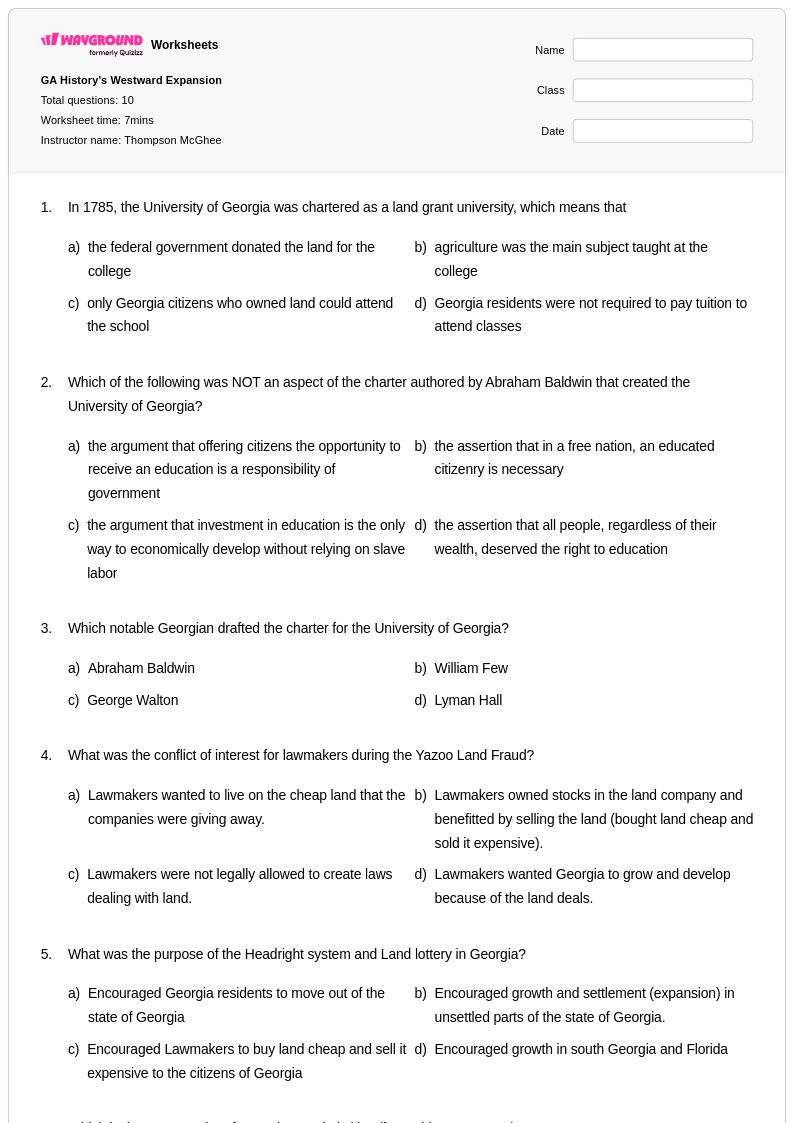
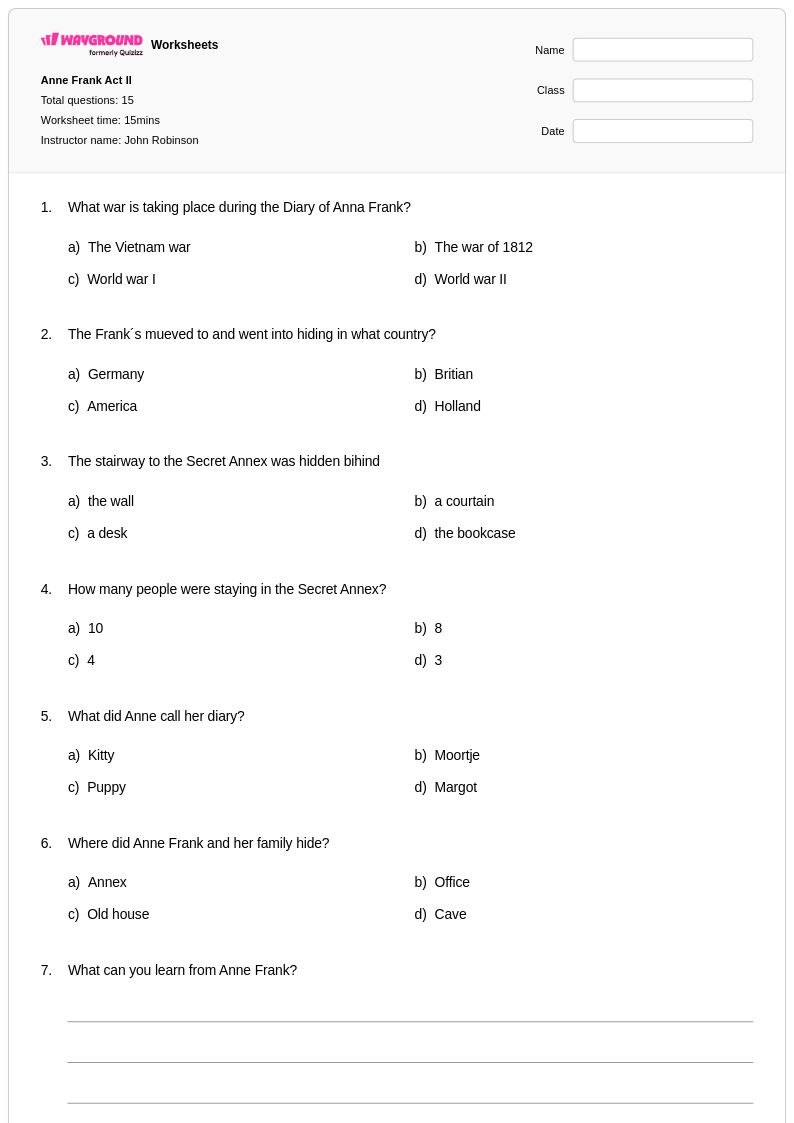
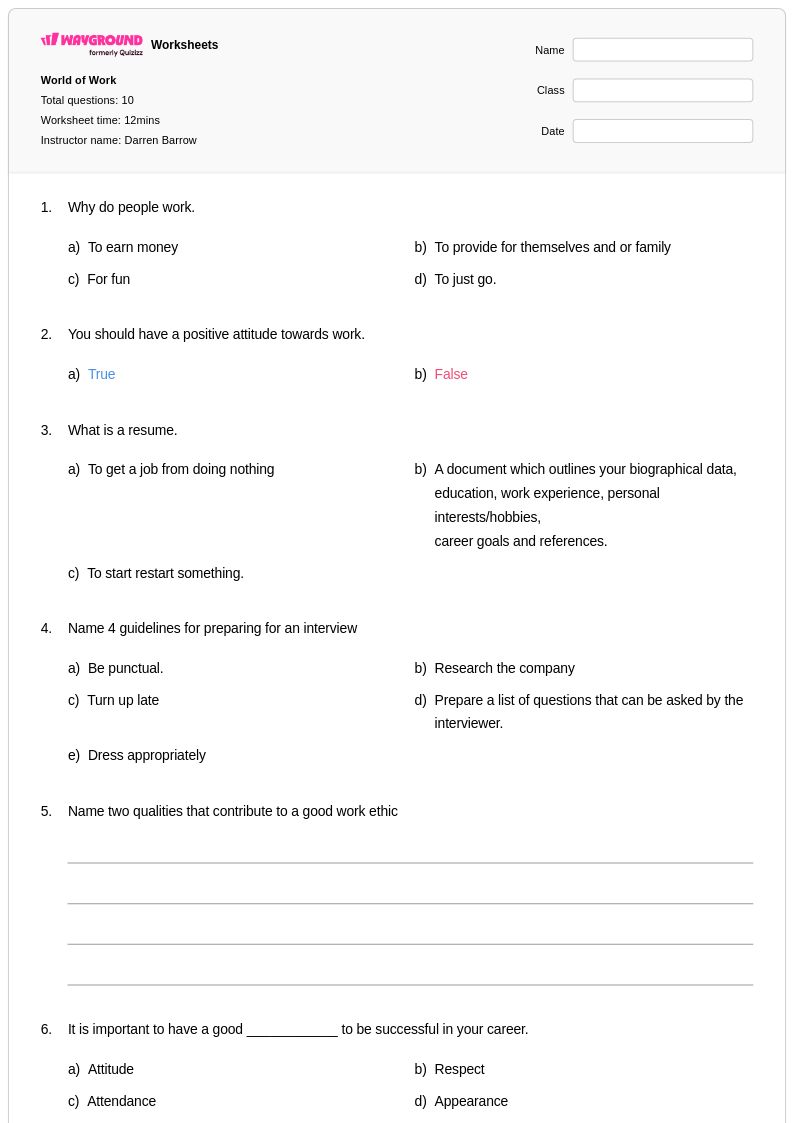
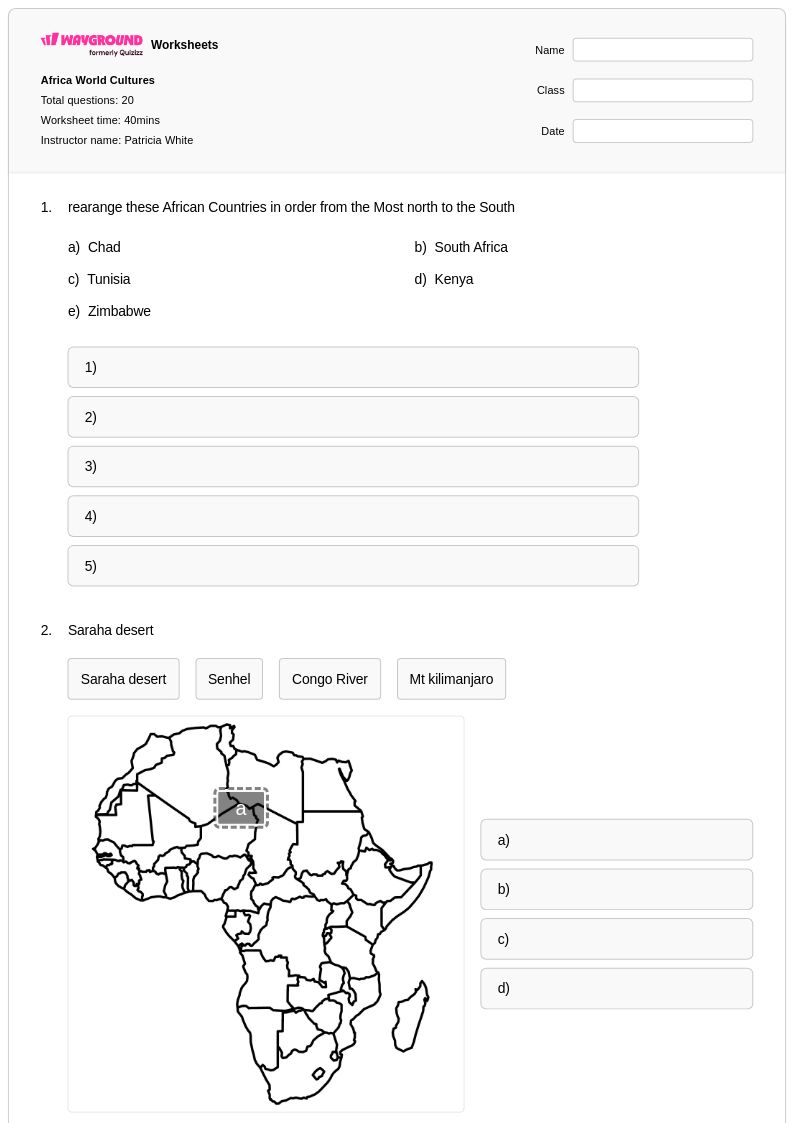
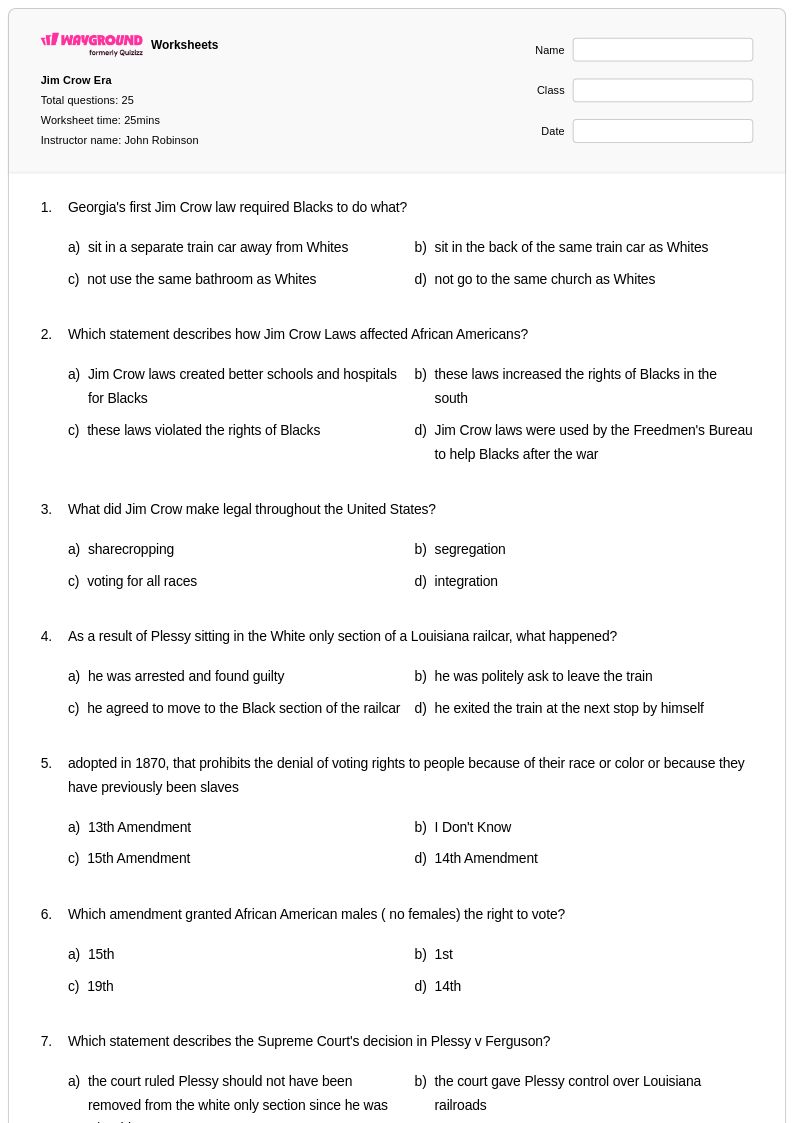
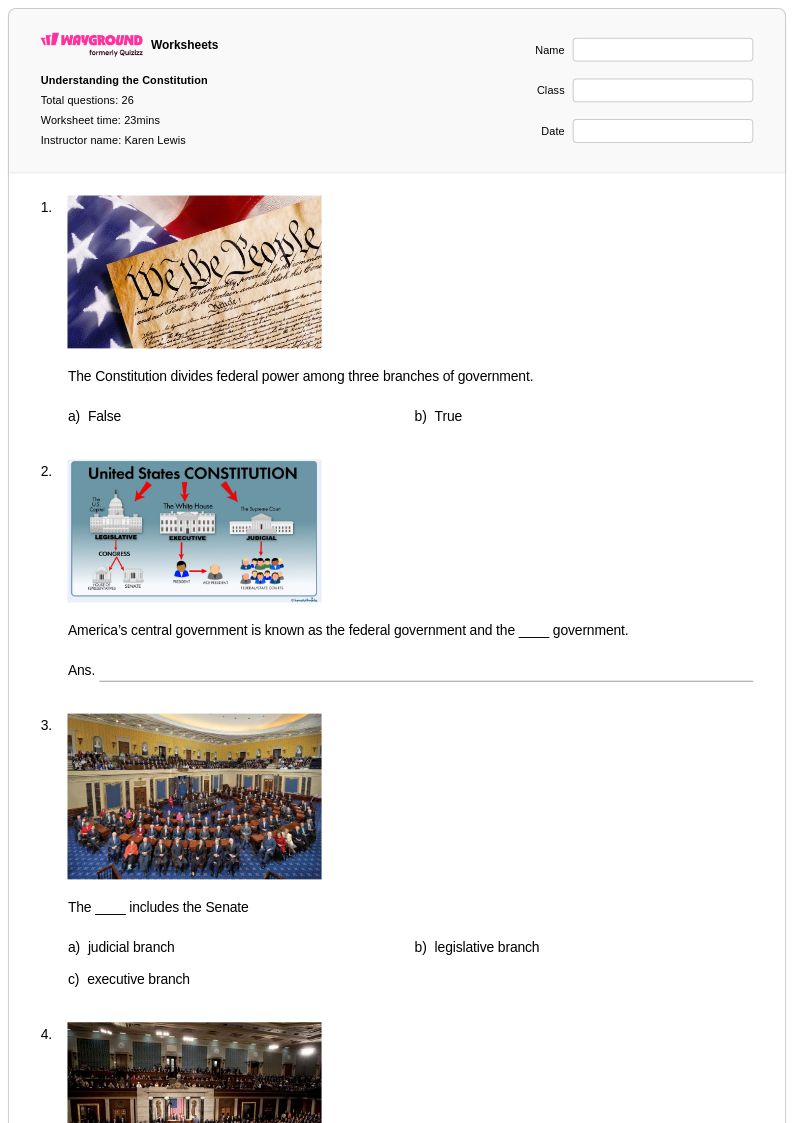
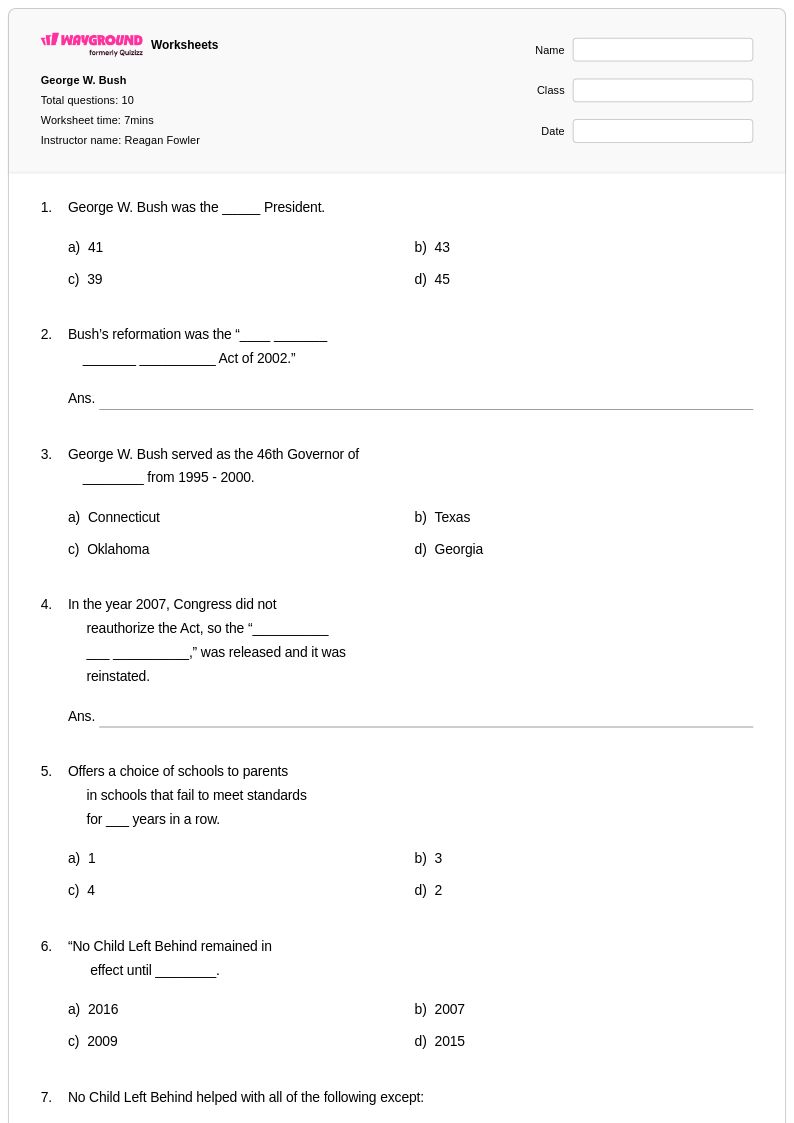
Strengthen Class 8 students' character development with Wayground's comprehensive collection of free character education worksheets, featuring engaging printables and practice problems with answer keys to build essential values and ethical decision-making skills.
Explore printable Character Education worksheets for Class 8
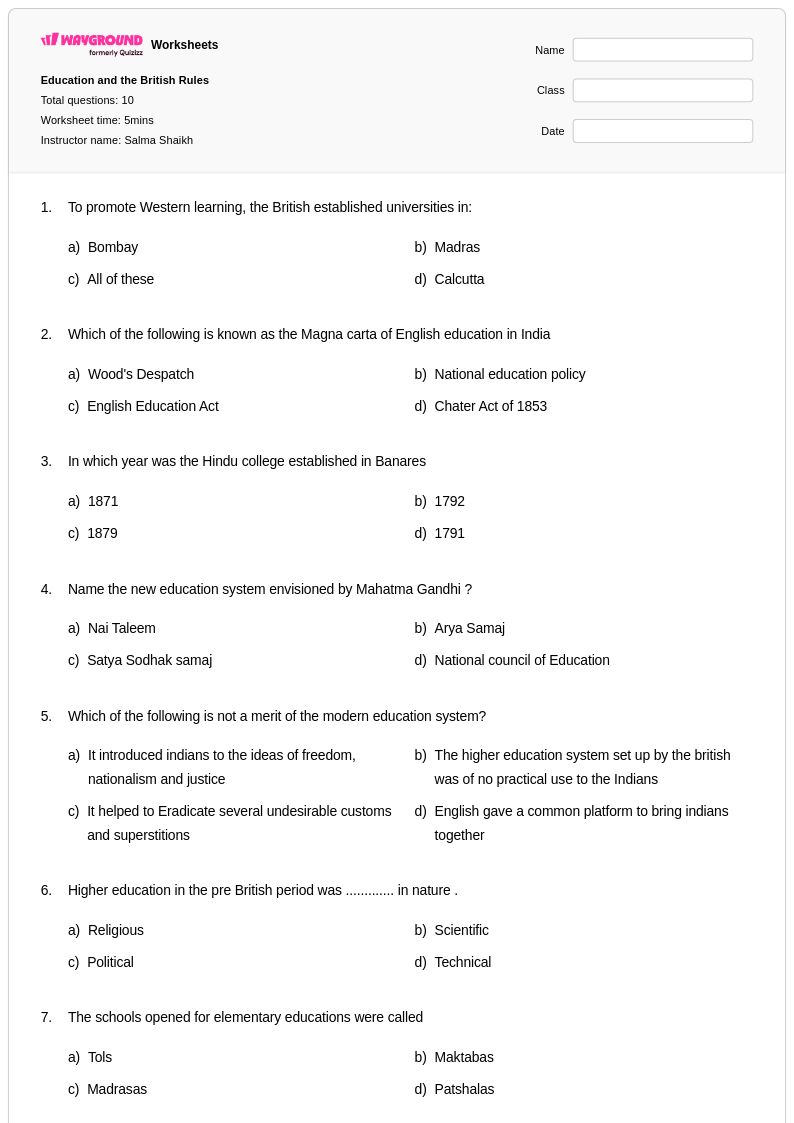
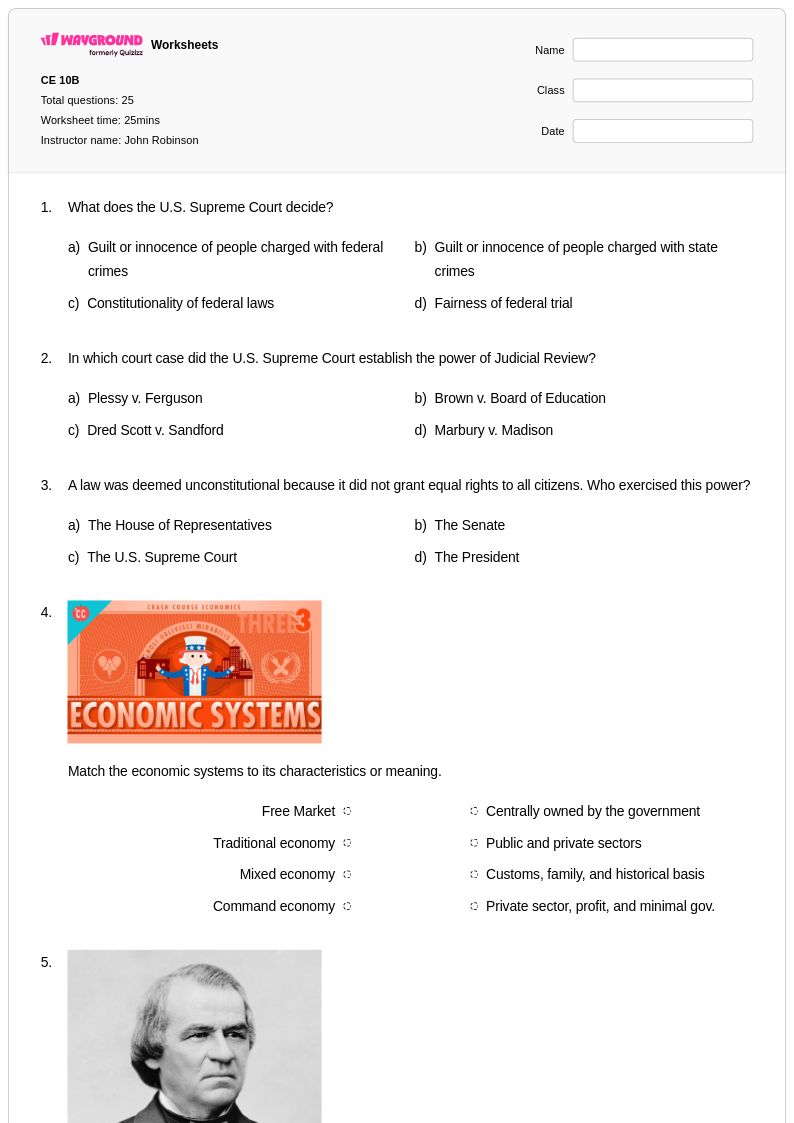
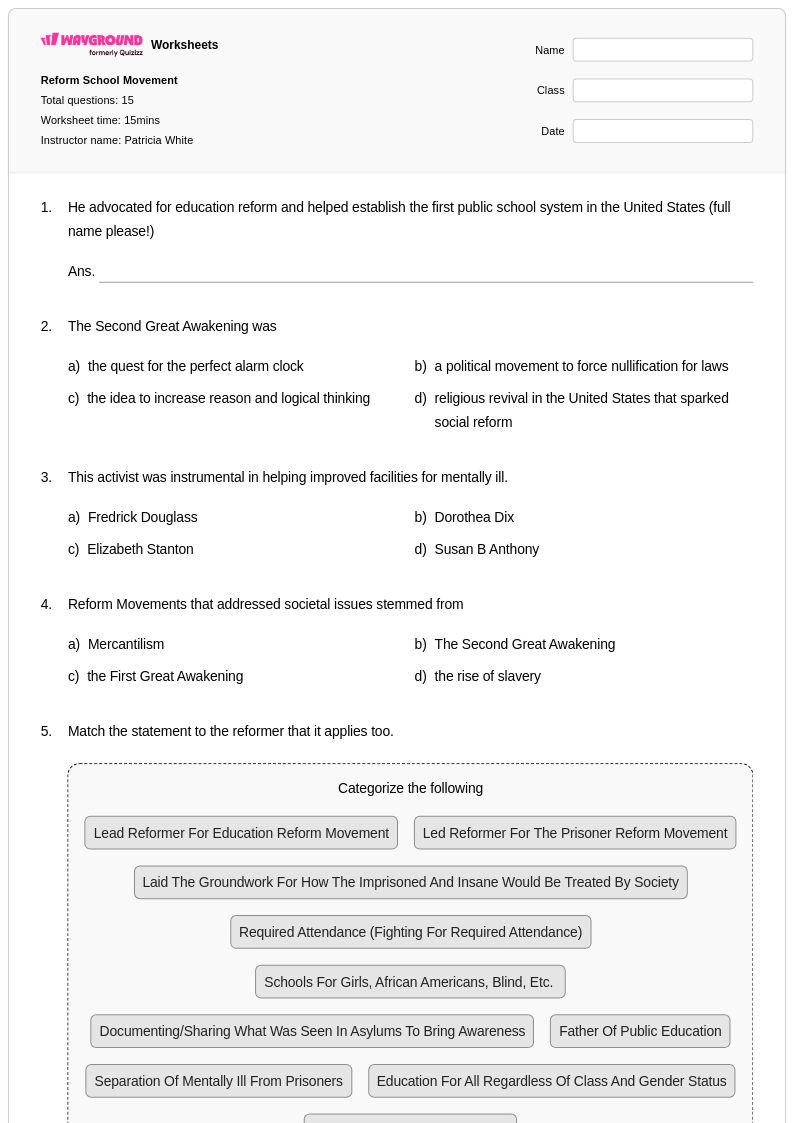
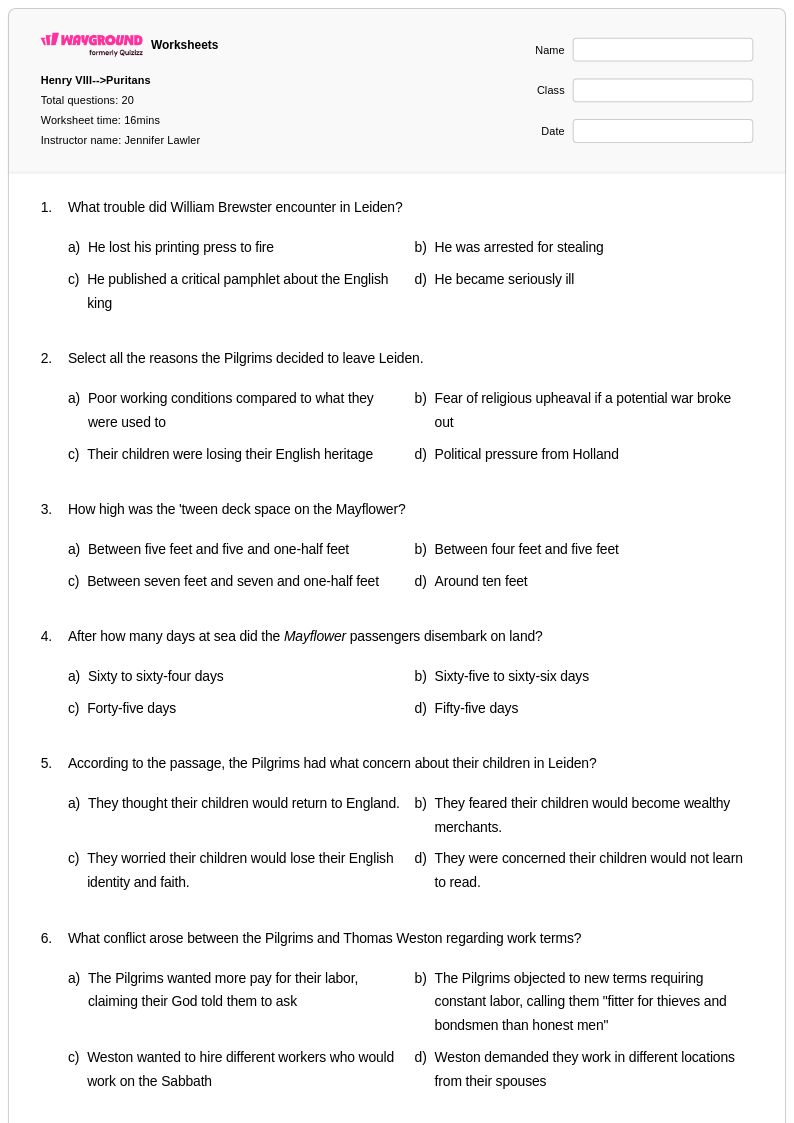
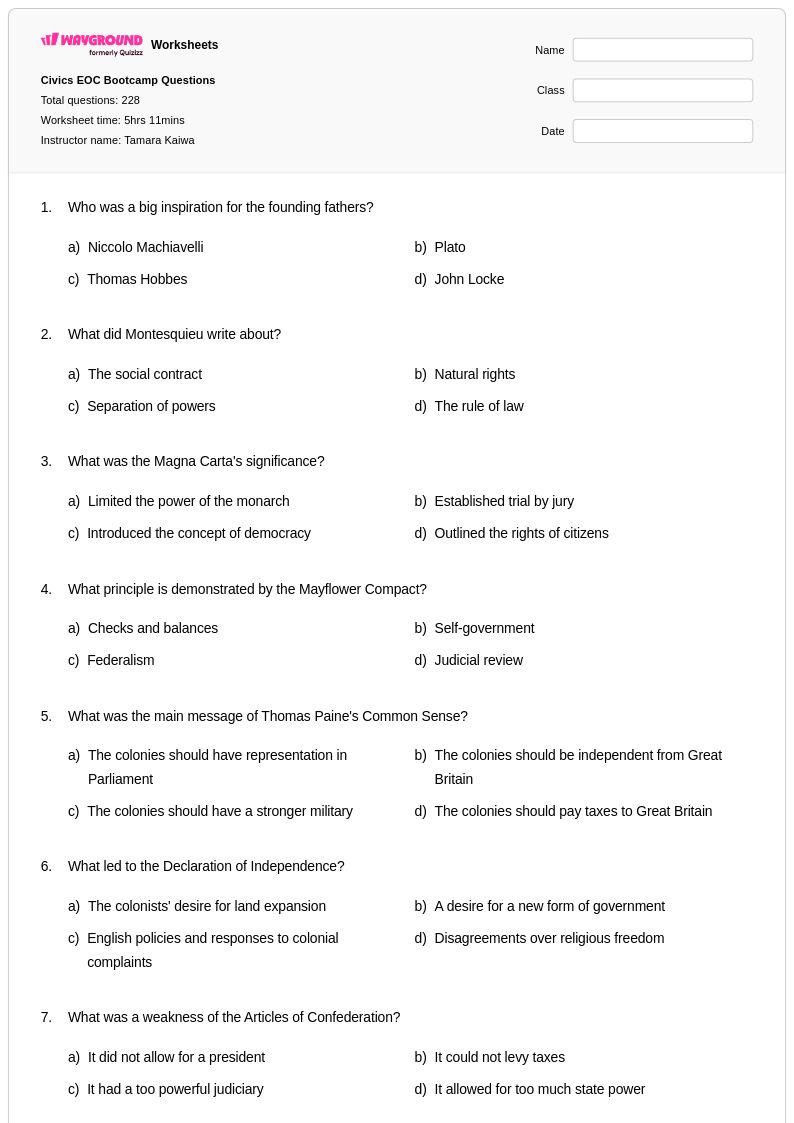
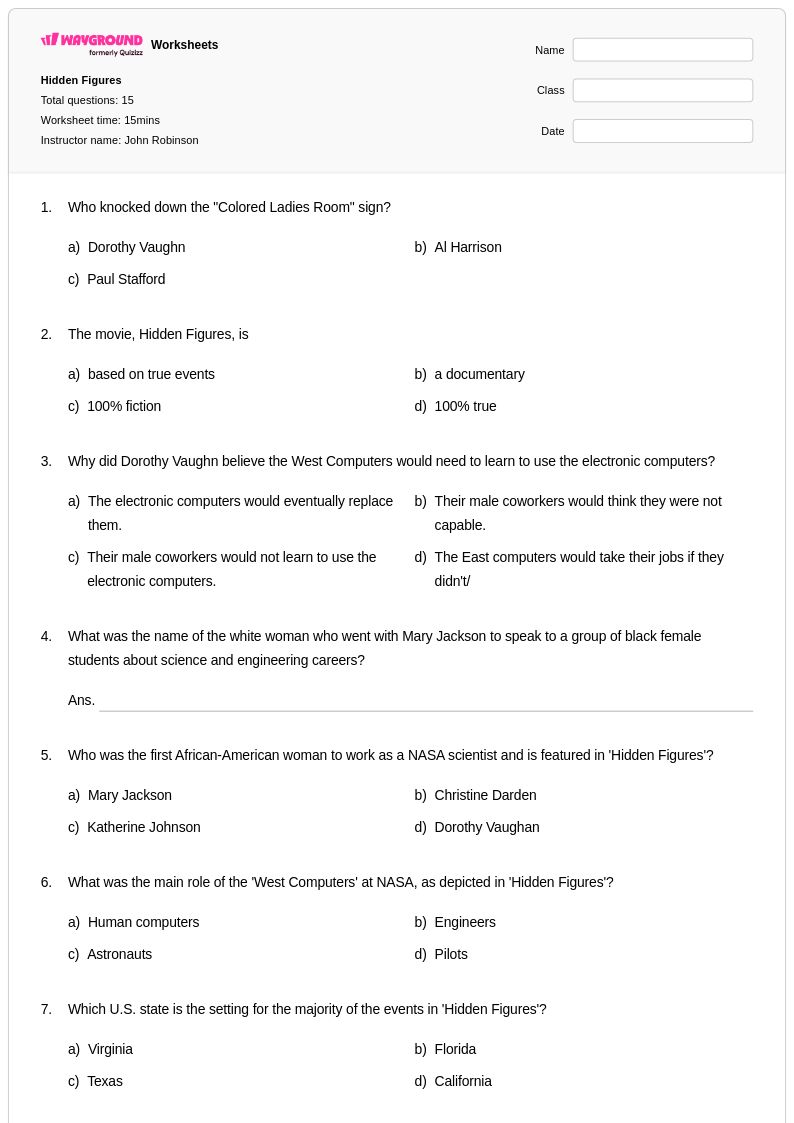
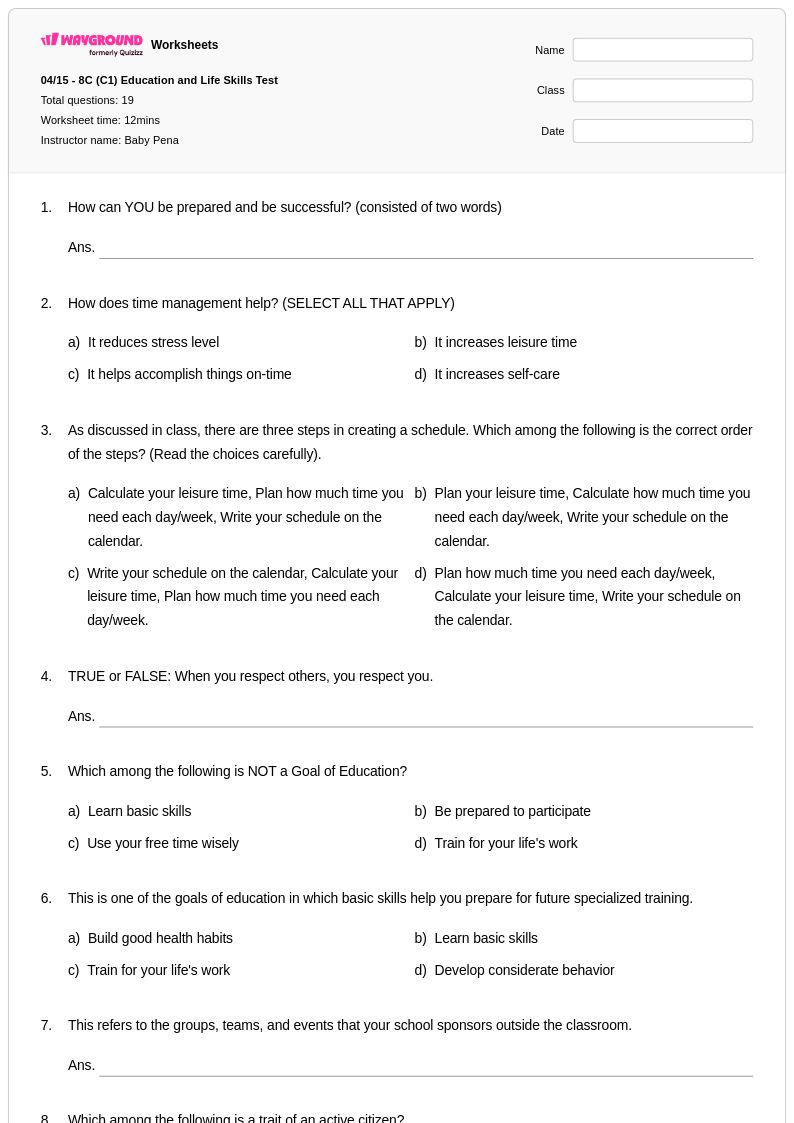
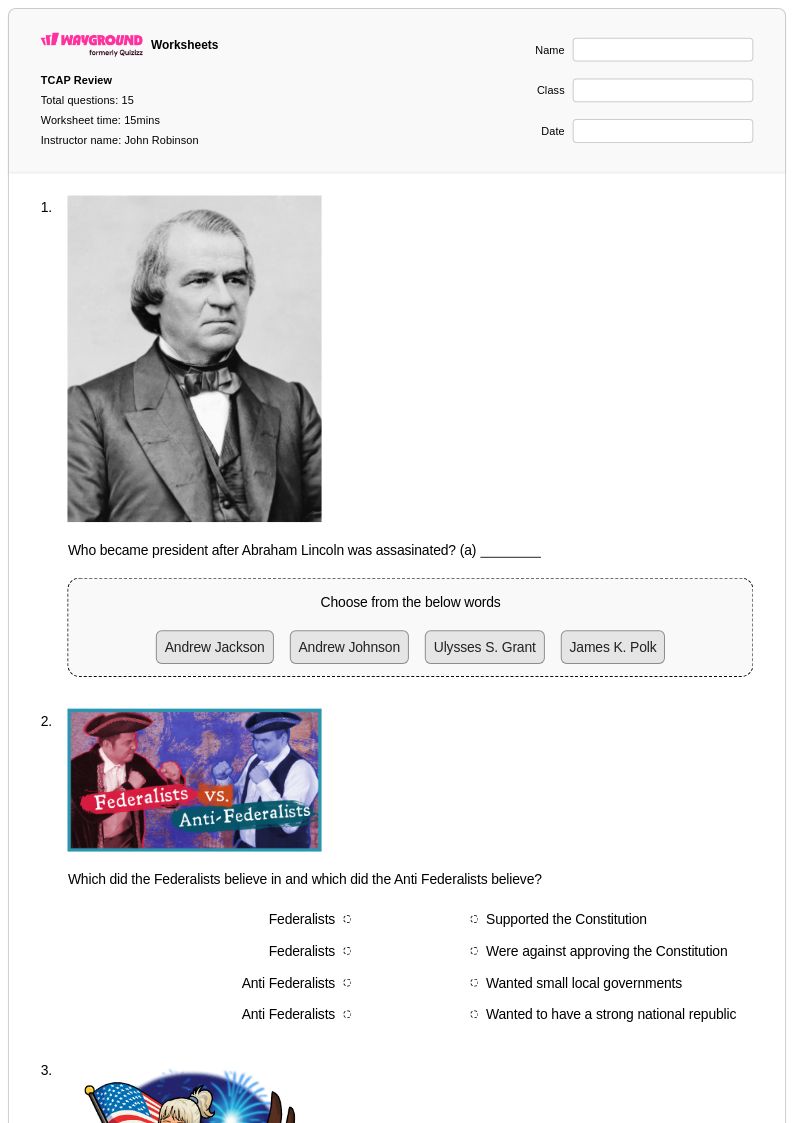
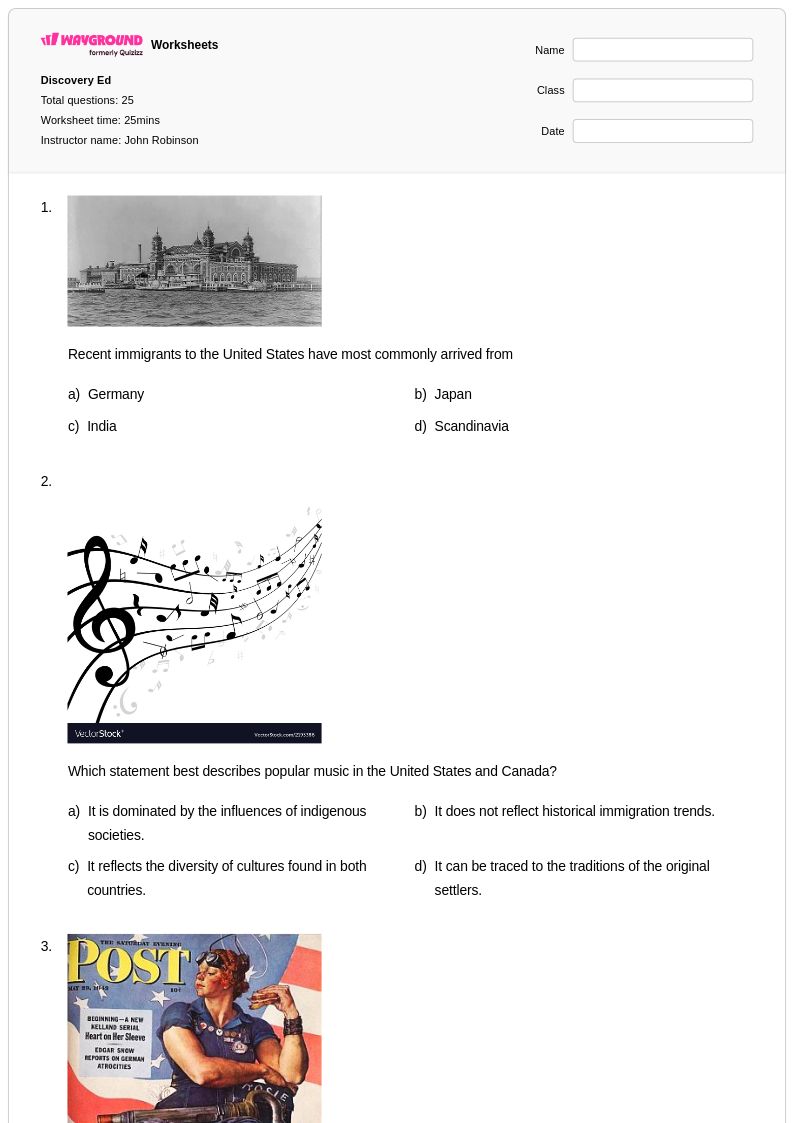
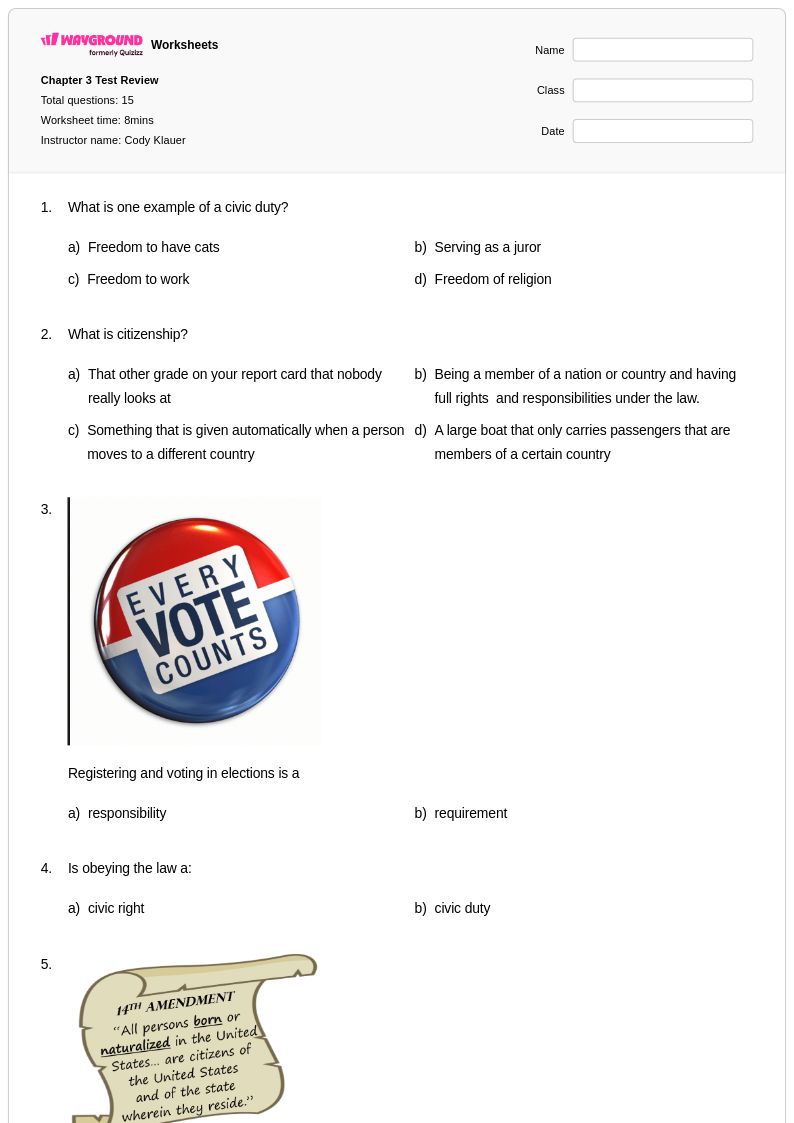
Character education worksheets for Class 8 students available through Wayground (formerly Quizizz) provide comprehensive resources designed to develop essential moral reasoning and ethical decision-making skills during this critical developmental stage. These carefully crafted materials focus on building core character traits such as integrity, responsibility, empathy, and perseverance while helping middle school students navigate complex social situations and moral dilemmas they encounter in their daily lives. The worksheets strengthen students' ability to analyze ethical scenarios, understand consequences of actions, and develop a personal code of conduct through engaging practice problems that connect abstract values to real-world applications. Each resource includes a complete answer key and is available as free printables in pdf format, making it easy for educators to implement character-building activities that promote thoughtful reflection and meaningful classroom discussions about moral decision-making.
Wayground (formerly Quizizz) supports educators with an extensive collection of teacher-created character education resources, drawing from millions of worksheets developed by experienced practitioners who understand the unique challenges of teaching values-based content to Class 8 students. The platform's robust search and filtering capabilities enable teachers to quickly locate materials aligned with specific character traits, learning objectives, and classroom needs, while differentiation tools allow for seamless adaptation of content to meet diverse student abilities and learning styles. These flexible customization options, combined with both printable and digital pdf formats, provide educators with versatile resources perfect for lesson planning, targeted remediation of social-emotional learning gaps, enrichment activities for advanced learners, and ongoing skill practice that reinforces positive character development throughout the academic year.
FAQs
How do I teach character education in the classroom?
Effective character education instruction moves beyond defining virtues and instead places students in situations that require moral reasoning. Use ethical dilemmas, reflective writing prompts, and real-world scenarios to help students examine values like honesty, empathy, and responsibility in context. Structured discussion and guided reflection allow students to consider multiple perspectives before arriving at their own moral conclusions, which builds internalized values rather than rote compliance.
What activities help students practice character traits like empathy and responsibility?
Scenario-based exercises are among the most effective tools for practicing character traits, because they require students to apply values to situations they might actually encounter. Reflective writing prompts that ask students to describe a time they showed perseverance or made an honest choice reinforce personal connection to the concept. Role-playing, peer discussion, and structured journaling can further deepen students' understanding of how character traits operate in daily life.
What misconceptions do students commonly have about character education topics?
A common misconception is that character traits are fixed, meaning students either have them or they don't. In reality, traits like responsibility and empathy are practiced behaviors that develop over time with deliberate effort. Students also sometimes conflate following rules with genuine ethical reasoning, so instruction should distinguish between compliance and internalized moral judgment. Addressing these misconceptions directly helps students see character development as an ongoing, active process.
How do I assess student understanding of character education concepts?
Character education is difficult to assess through traditional right-or-wrong formats, which is why rubric-based assessment tied to reflective writing and scenario responses is more appropriate. Look for evidence that students can articulate why a choice reflects a particular value, not just label it correctly. Tracking progress over time through repeated reflective prompts gives educators a clearer picture of how a student's moral reasoning is developing.
How can I use Wayground's character education worksheets in my classroom?
Wayground's character education worksheets are available as printable PDFs for traditional classroom use and in digital formats for technology-integrated environments, giving teachers flexibility regardless of their instructional setup. Teachers can also host worksheets as a quiz directly on Wayground, which enables digital delivery with built-in feedback. Each worksheet includes complete answer keys, making them practical for independent practice, small group work, or whole-class instruction without additional teacher preparation.
How can I differentiate character education worksheets for students with different needs?
Wayground supports individualized accommodations that can be applied per student without disrupting the rest of the class. For students who need additional support, teachers can enable Read Aloud so questions are read to them, reduce the number of answer choices to lower cognitive load, or grant extended time on timed activities. Font size and display themes can also be adjusted through Reading mode, and all accommodation settings are saved for reuse across future sessions.