
Chủ đề được đề xuất cho bạn
- Atoms and Elements
- Atoms and Molecules
- Changes of State
- Chemical Elements
- Chemical Property
- Chemistry Lab Safety
- Classification and Changes
- Classification of Matter
- Compounds
- Compounds and Mixtures
- Diffusion
- Dissolving
- Element Symbols
- Elements
- Elements, Compounds, and Mixtures
- Elements and Compounds
- Lab Equipment
- Labeling Atoms
- Laboratory Equipment
- Mixtures and Pure Substances
- Physical and Chemical Changes
- Physical Change
- Physical Property
- Properties of Matter
- Pure Substance Vs Mixture
- Pure Substances
- Separating Mixtures
- Solids Liquids and Gases
- Solutions and Mixtures
- States of Matter
- Timeline
- Types of Matter
- Volcano Experiment
17 Hỏi
1st - 5th
14 Hỏi
1st - 5th
14 Hỏi
2nd
20 Hỏi
2nd
7 Hỏi
2nd
11 Hỏi
1st - 5th
14 Hỏi
1st - 12th
23 Hỏi
2nd
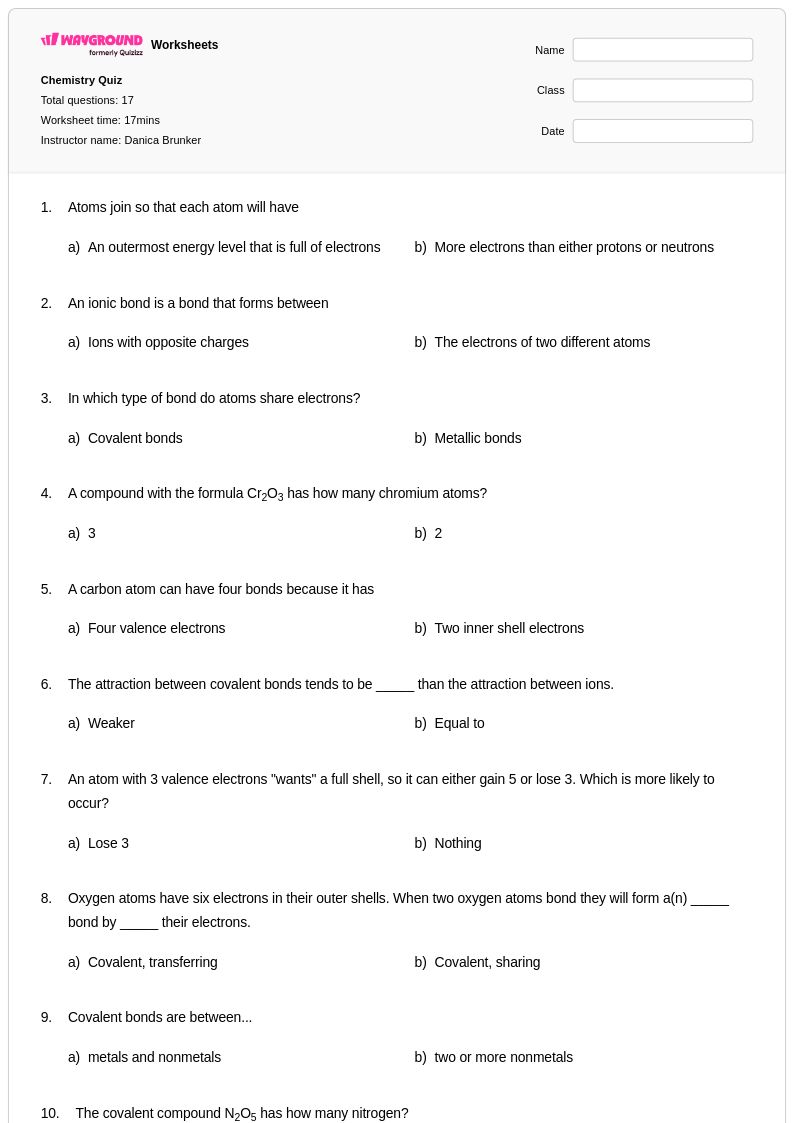
17 Hỏi
2nd
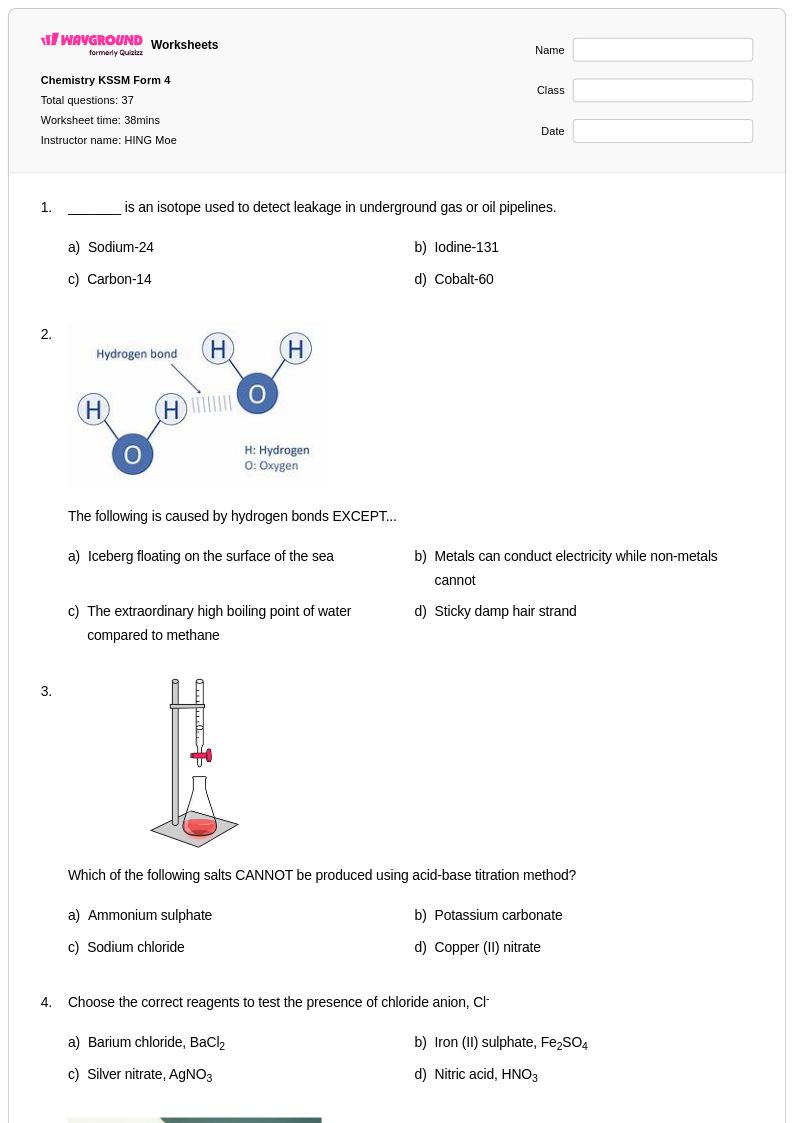
37 Hỏi
1st - 3rd
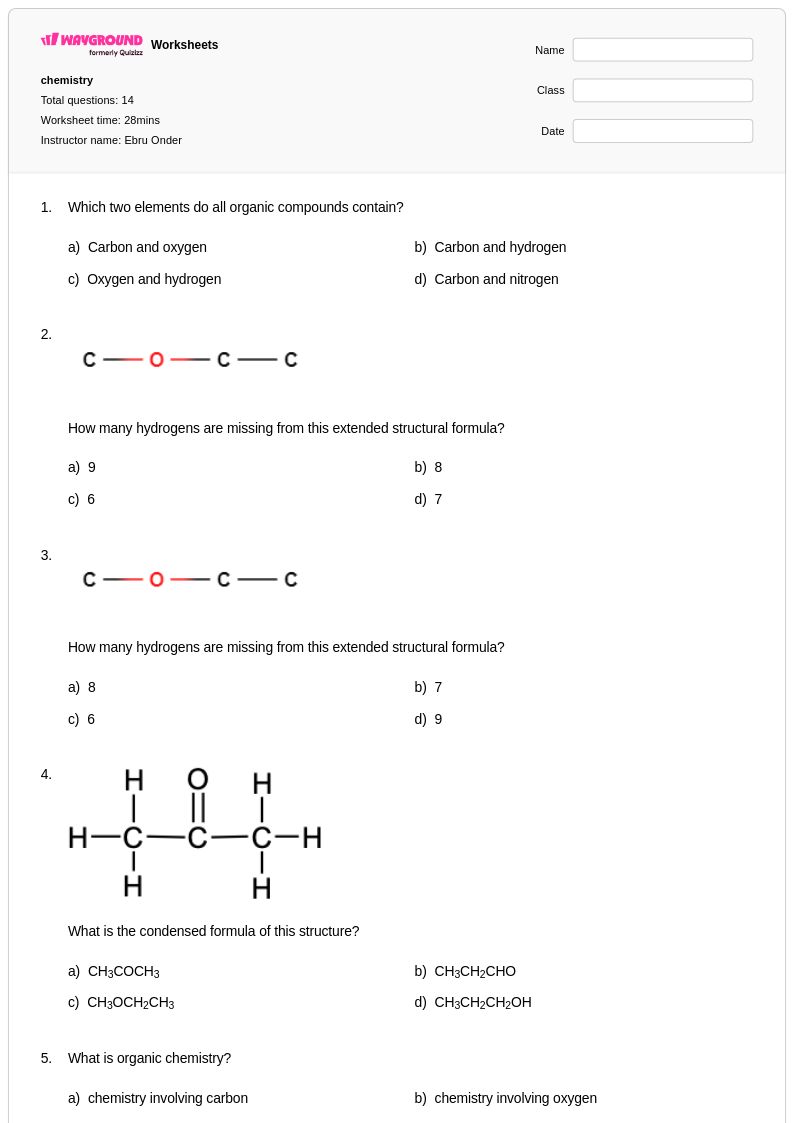
14 Hỏi
1st - 5th
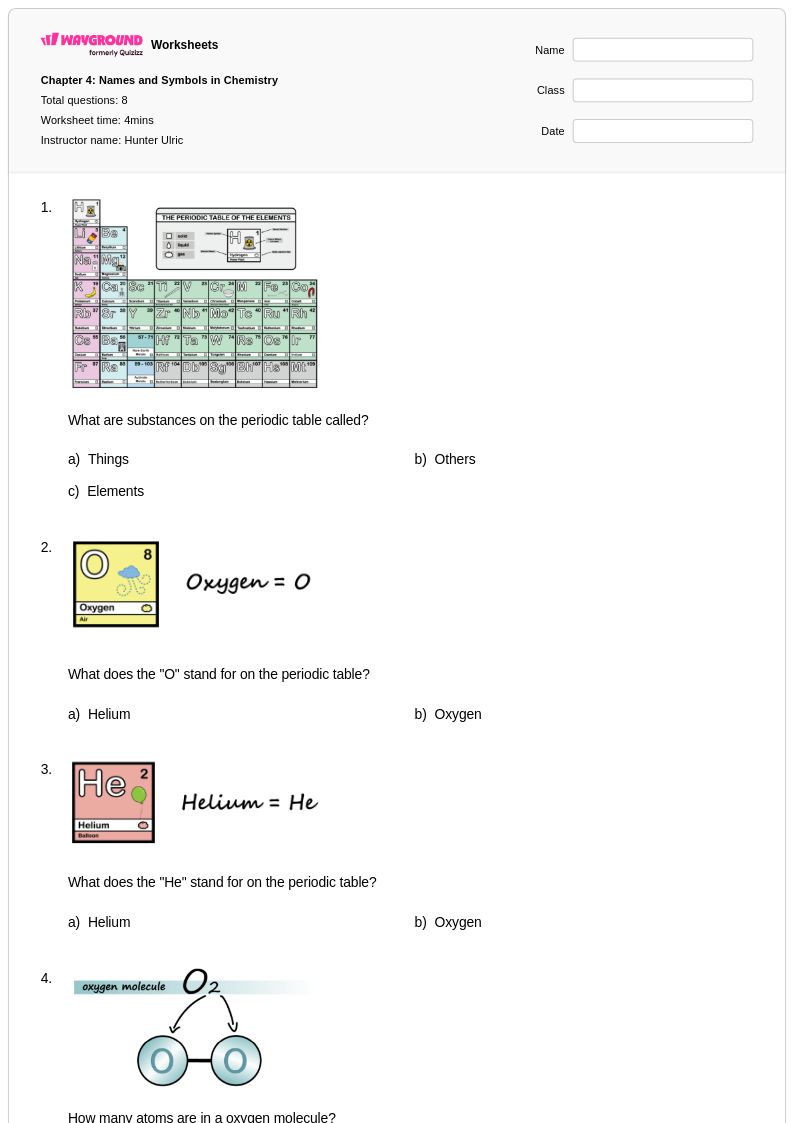
8 Hỏi
1st - 12th
65 Hỏi
1st - 6th
8 Hỏi
2nd - 6th
54 Hỏi
2nd - 5th
30 Hỏi
1st - 5th
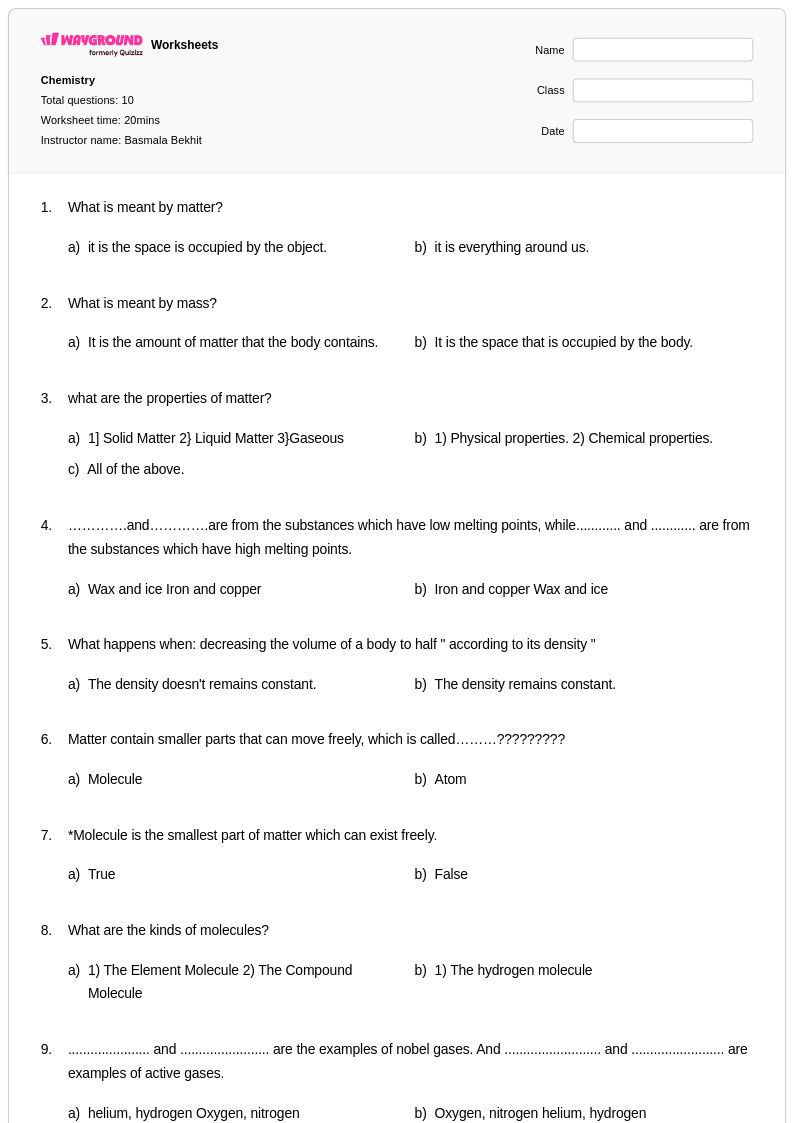
10 Hỏi
KG - 9th
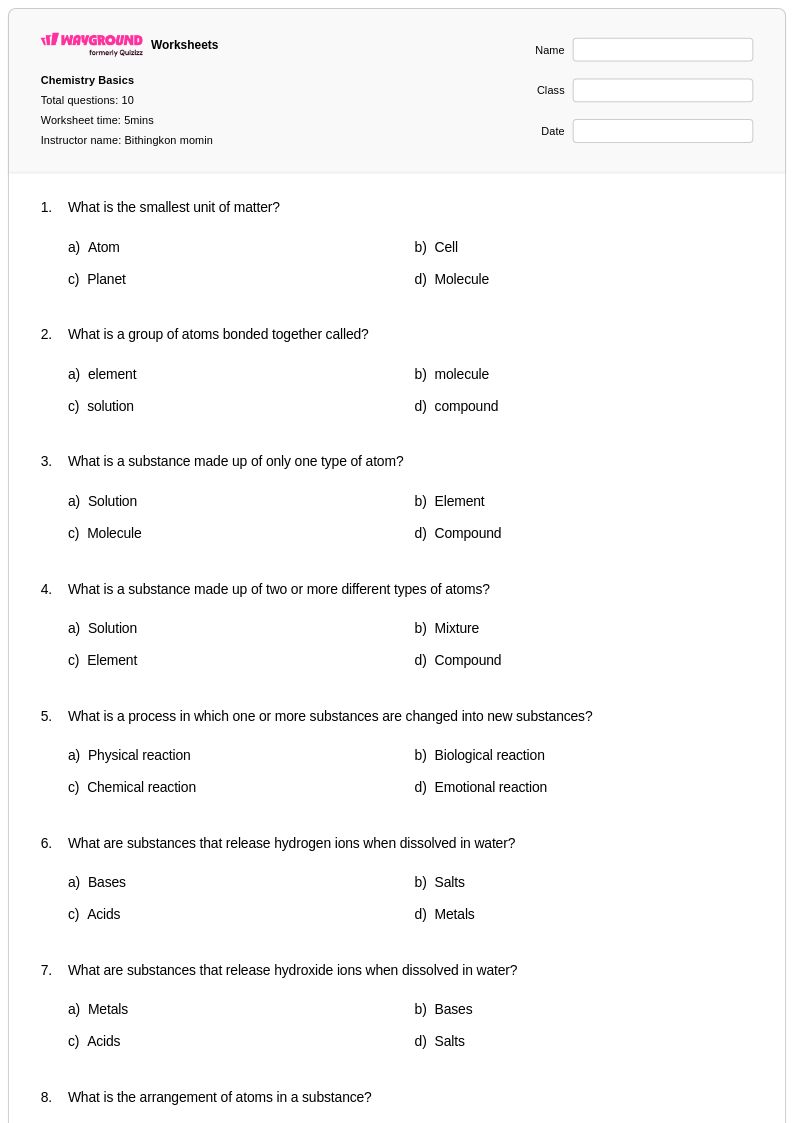
10 Hỏi
2nd
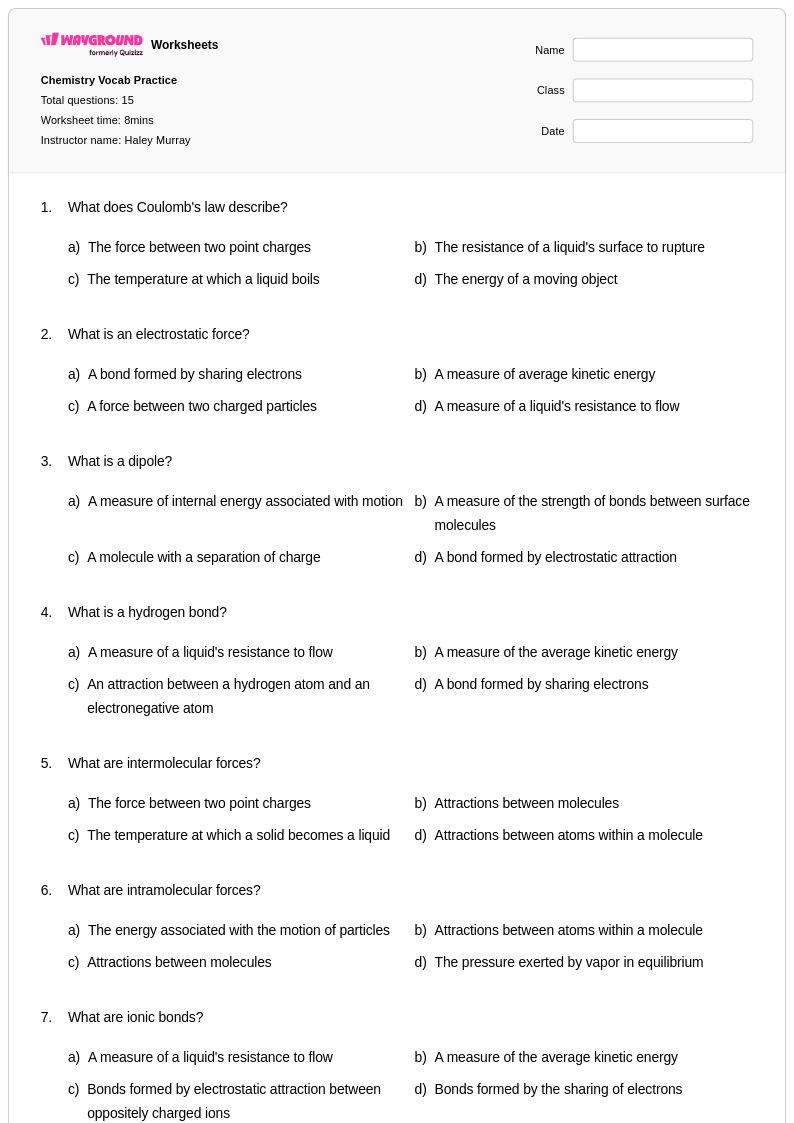
15 Hỏi
1st - Uni
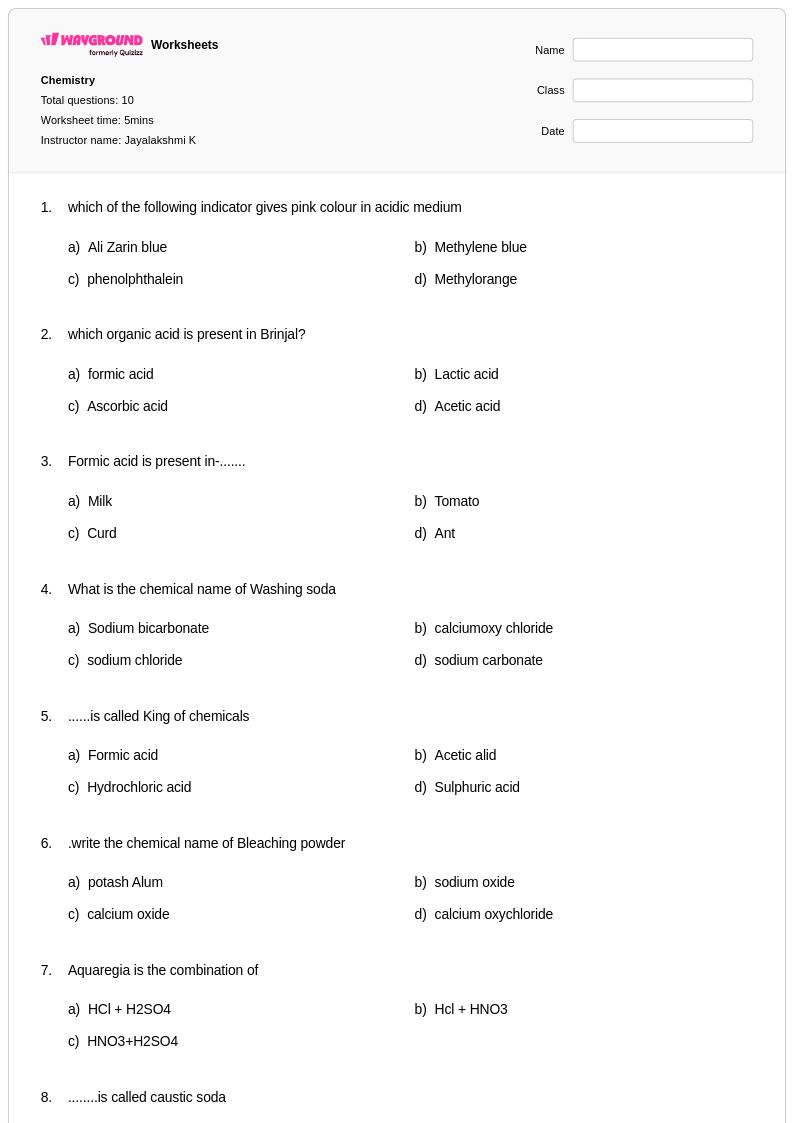
10 Hỏi
1st - 5th
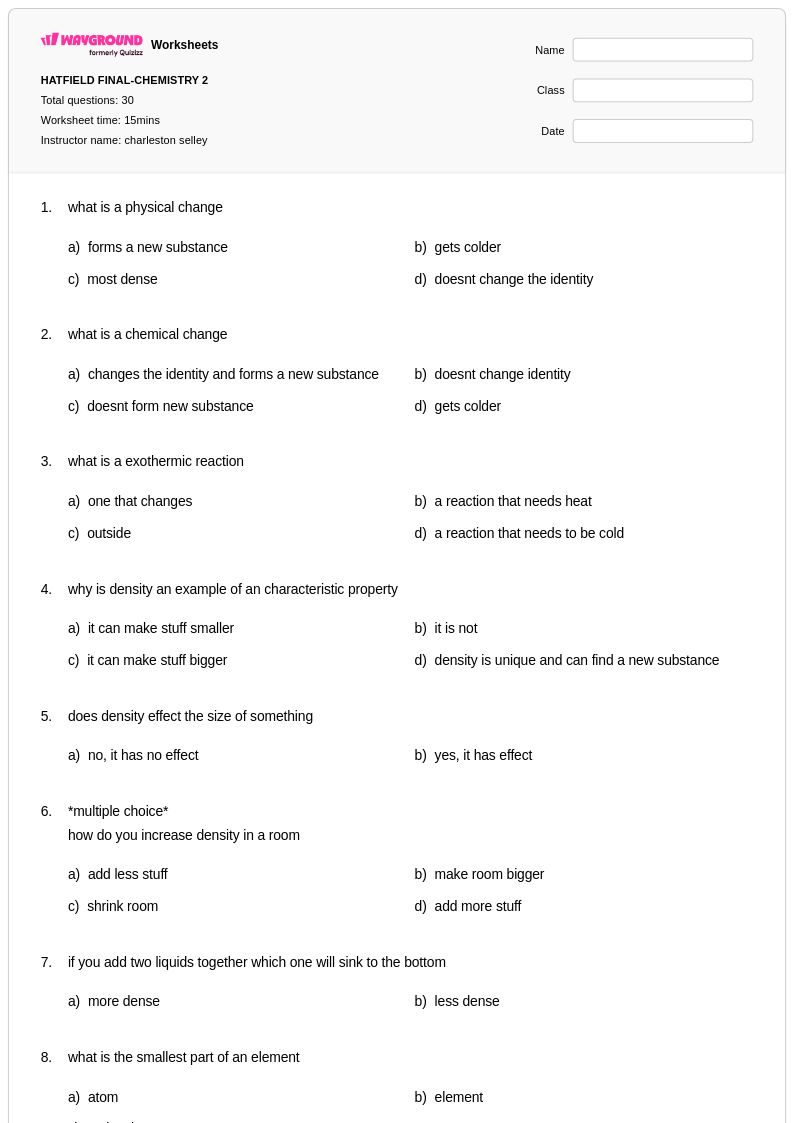
30 Hỏi
KG - Uni
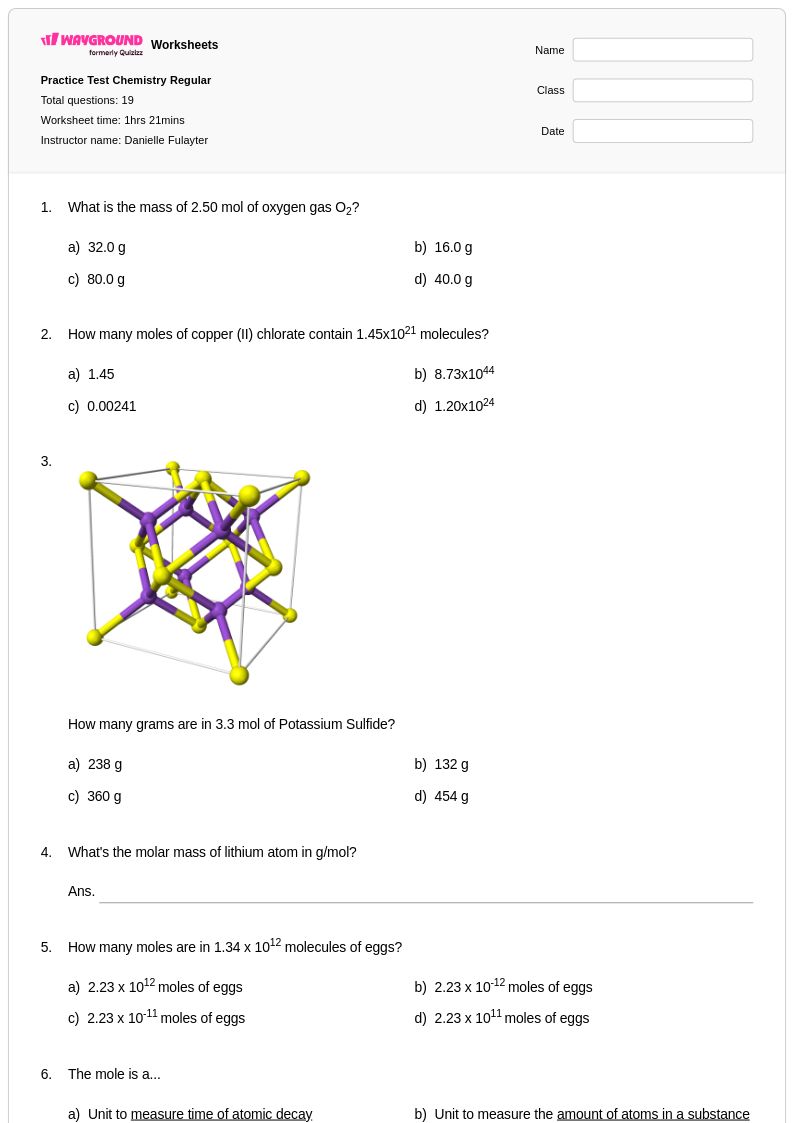
19 Hỏi
2nd
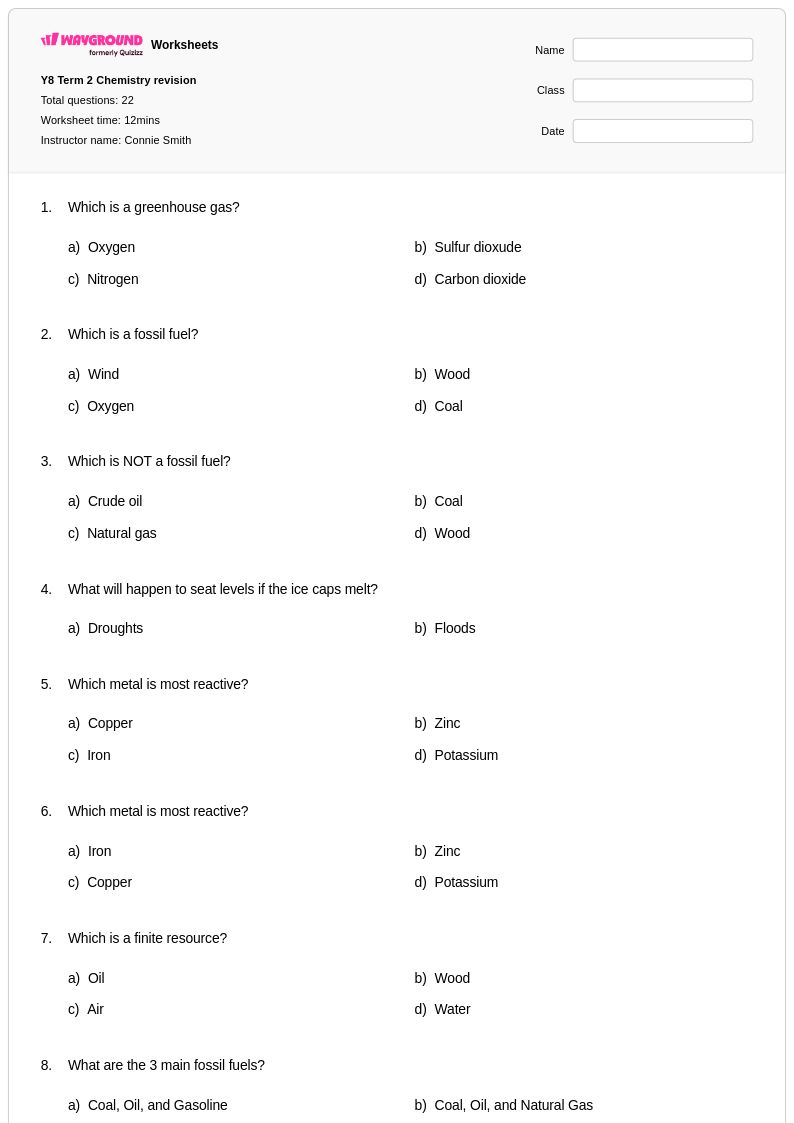
22 Hỏi
2nd
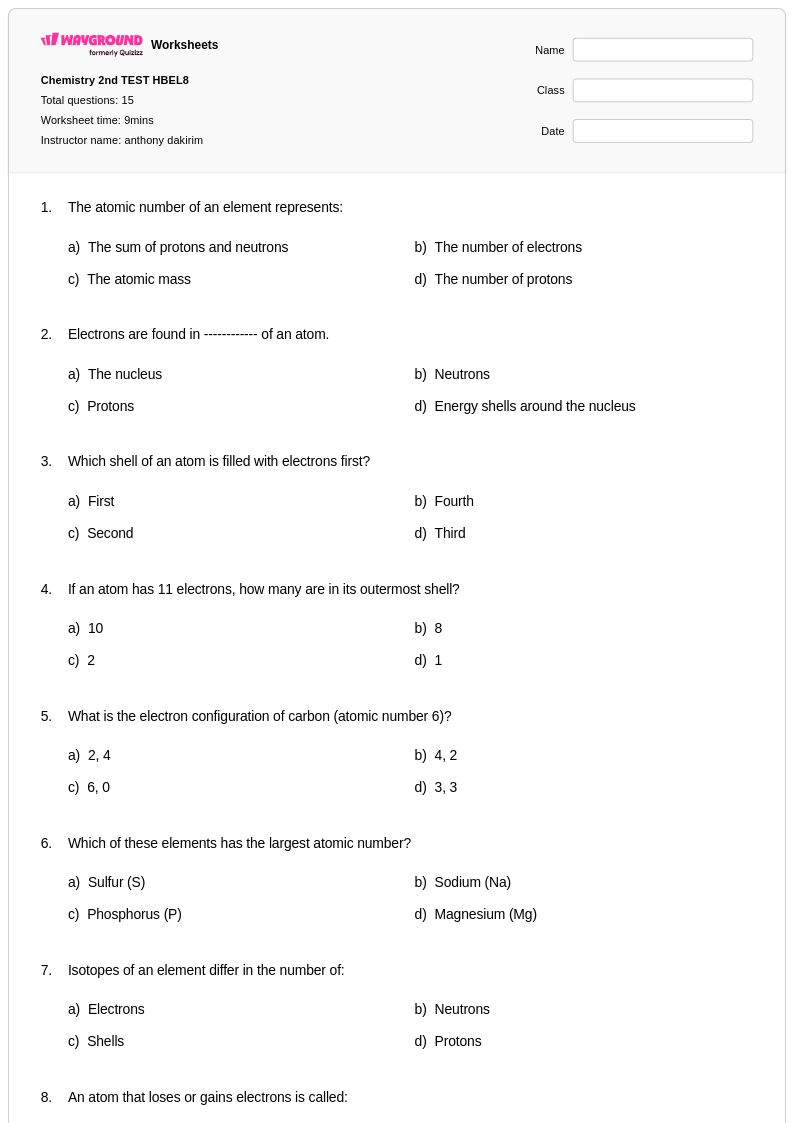
15 Hỏi
1st - 5th
Khám phá Chemistry Bảng tính theo cấp độ
Tìm hiểu bài tập Chemistry cho class 2 theo chủ đề
- Atoms and Elements
- Atoms and Molecules
- Changes of State
- Chemical Elements
- Chemical Property
- Chemistry Lab Safety
- Classification and Changes
- Classification of Matter
- Compounds
- Compounds and Mixtures
- Diffusion
- Dissolving
- Element Symbols
- Elements
- Elements, Compounds, and Mixtures
- Elements and Compounds
- Lab Equipment
- Labeling Atoms
- Laboratory Equipment
- Mixtures and Pure Substances
Khám phá các bảng tính chủ đề khác cho class 2
Explore printable Chemistry worksheets for Class 2
Chemistry worksheets for Class 2 students available through Wayground (formerly Quizizz) introduce young learners to fundamental scientific concepts through age-appropriate activities and experiments. These educational resources focus on building foundational understanding of matter, basic properties of solids, liquids, and gases, simple chemical reactions observable in everyday life, and the differences between physical and chemical changes. The worksheets strengthen critical thinking skills, observation abilities, and scientific vocabulary development while encouraging hands-on exploration of chemical principles. Each printable resource includes comprehensive practice problems designed to reinforce learning objectives, and teachers can access answer keys to streamline assessment and provide immediate feedback. These free educational materials present chemistry concepts through engaging visual demonstrations, simple experiments using household materials, and interactive activities that make abstract scientific principles concrete and accessible for second-grade students.
Wayground (formerly Quizizz) empowers educators with an extensive collection of teacher-created chemistry resources specifically designed for Class 2 instruction, drawing from millions of expertly developed materials that align with elementary science standards. The platform's robust search and filtering capabilities enable teachers to quickly locate worksheets that match specific learning objectives, student ability levels, and curriculum requirements. Advanced differentiation tools allow instructors to customize content for diverse learning needs, providing additional support for struggling students while offering enrichment opportunities for advanced learners. These versatile resources are available in both printable pdf format for traditional classroom use and digital formats for interactive learning experiences. Teachers utilize these comprehensive worksheet collections for daily lesson planning, targeted skill practice, remediation activities, and formative assessment, ensuring that young students develop a strong foundation in chemistry concepts that will support their continued success in scientific learning.
FAQs
How do I teach chemistry concepts effectively in a high school classroom?
What exercises help students practice balancing chemical equations?
What mistakes do students commonly make in stoichiometry?
What are common misconceptions students have about acids and bases?
How do I use Wayground's chemistry worksheets in my classroom?
How can I differentiate chemistry worksheets for students with different learning needs?
How do I help students understand the periodic table and periodic trends?