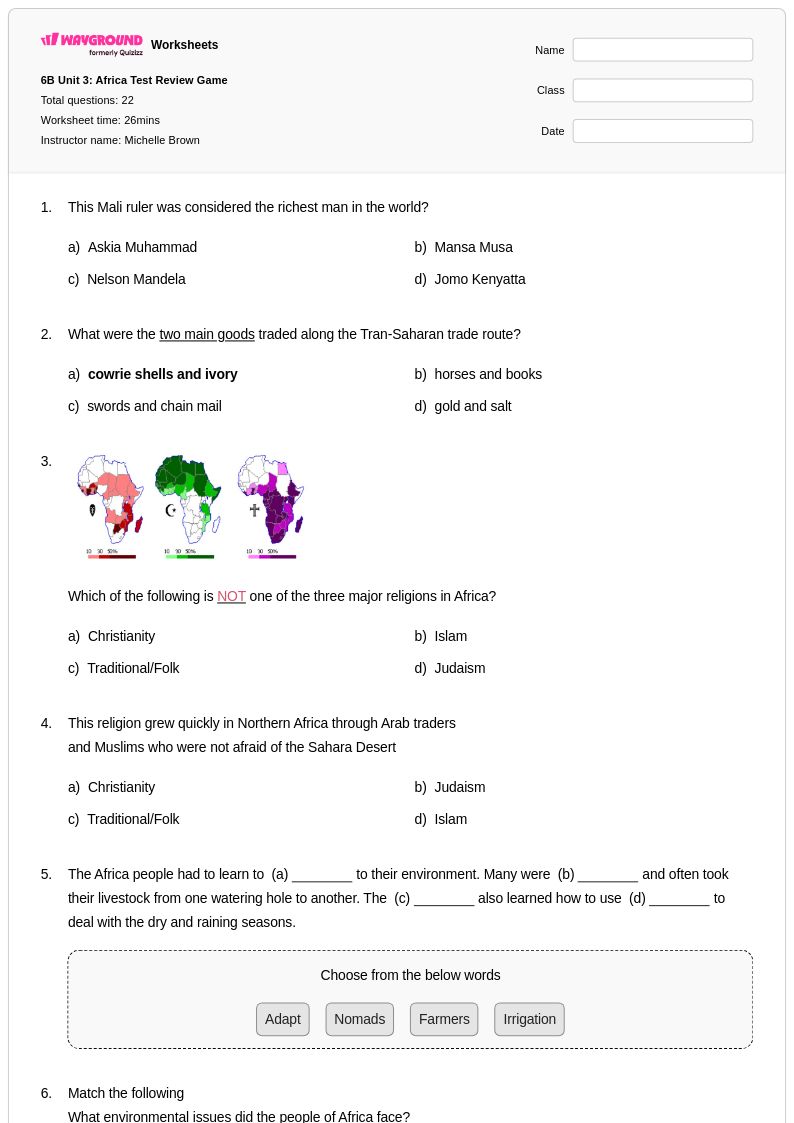
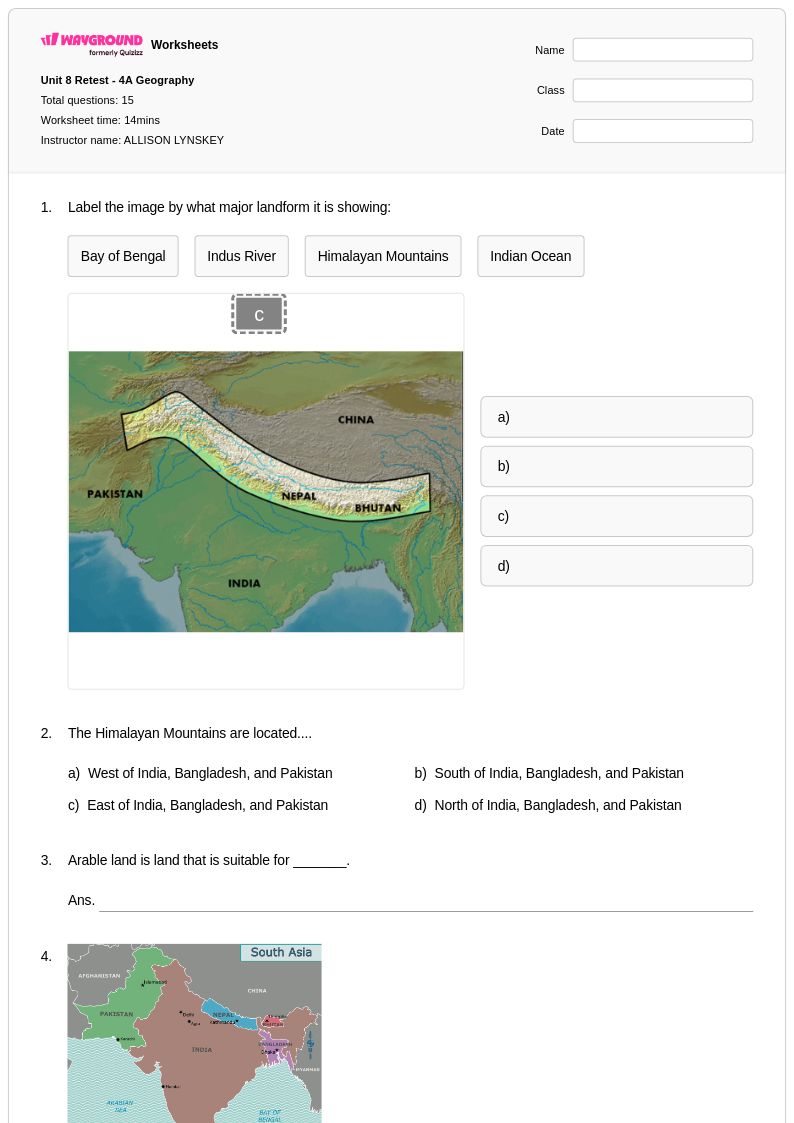
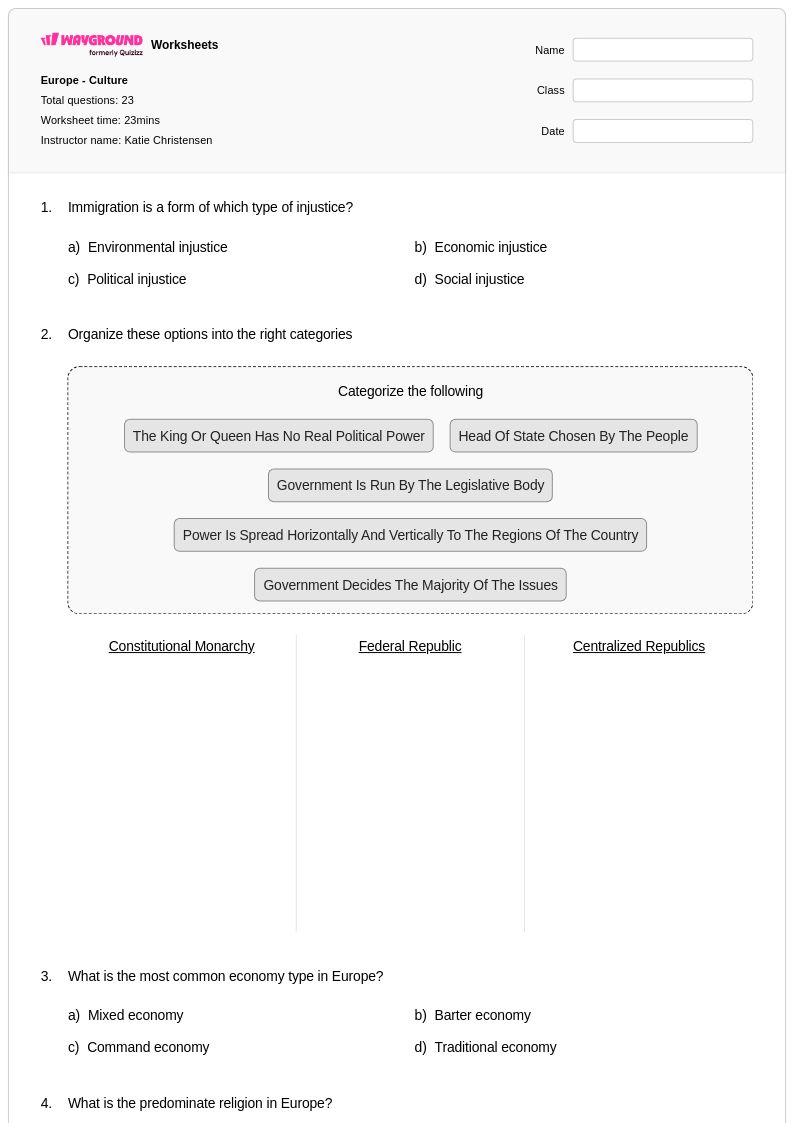
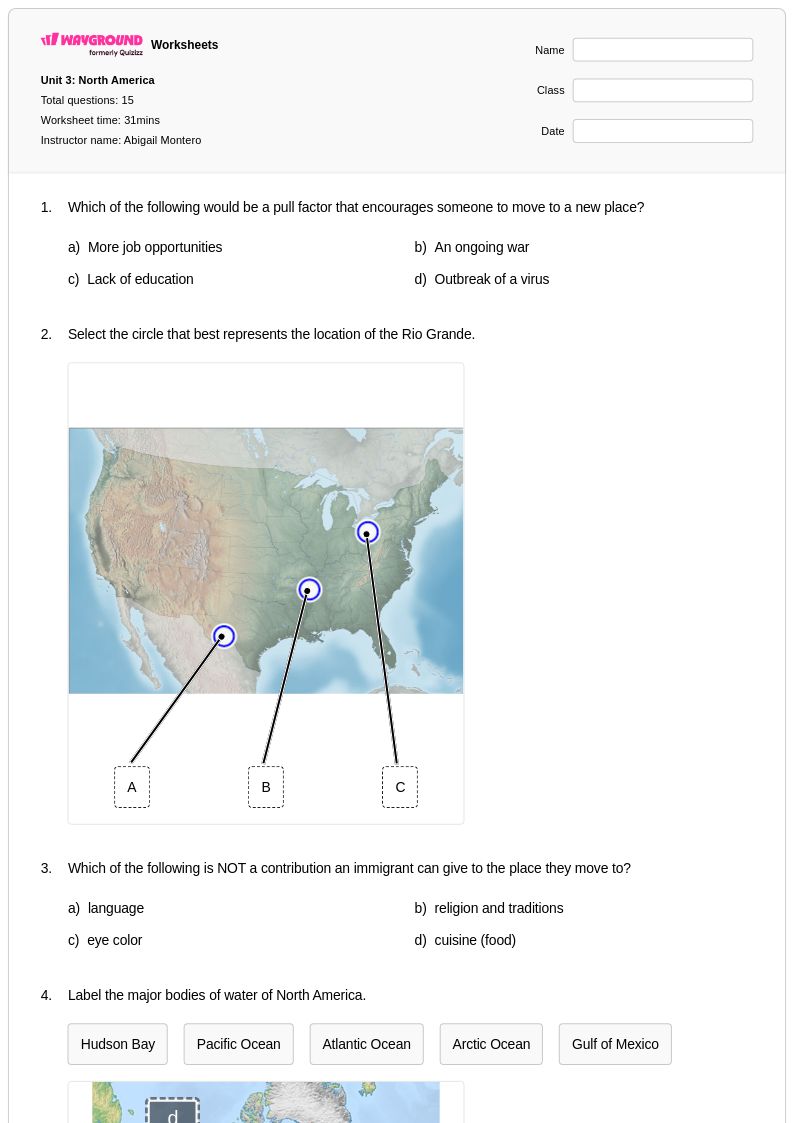
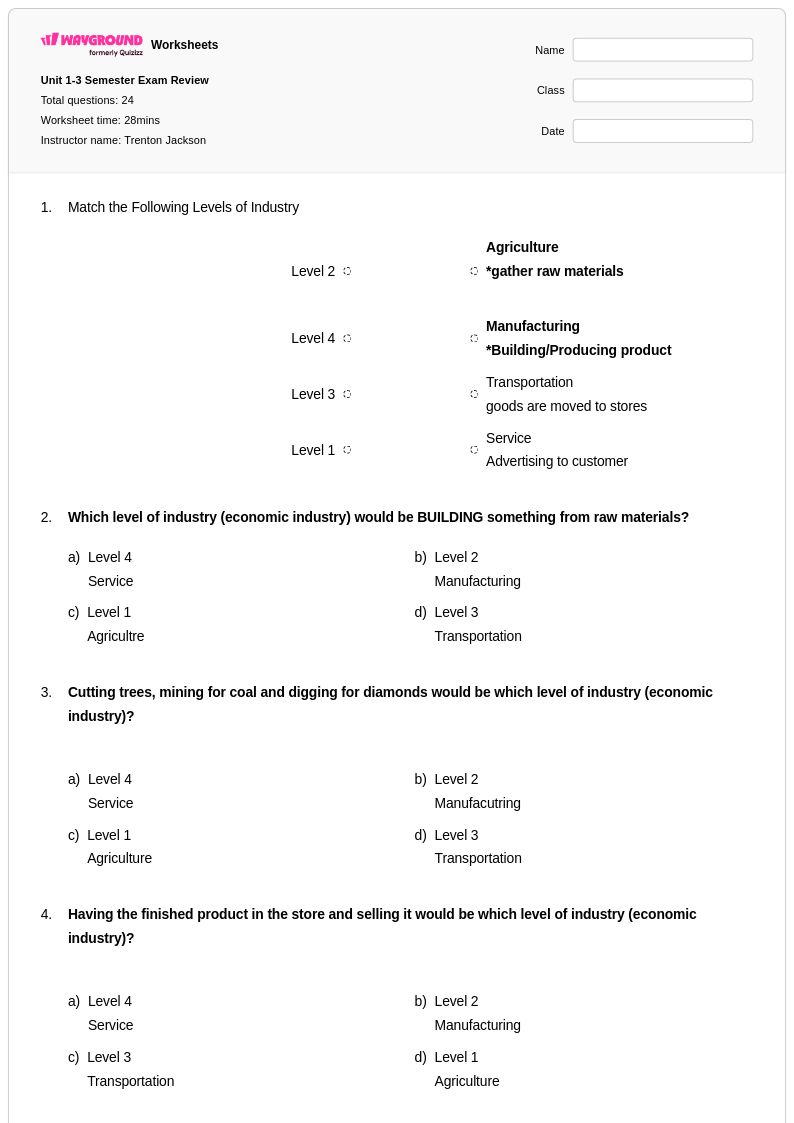
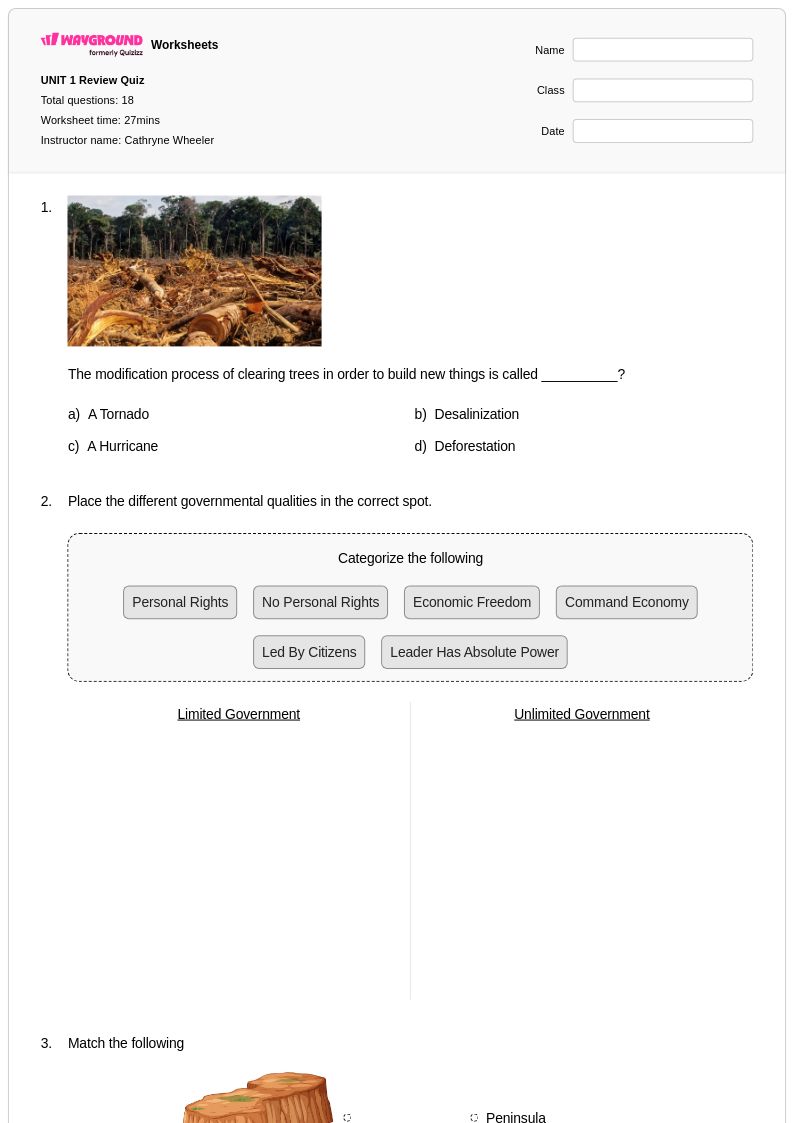
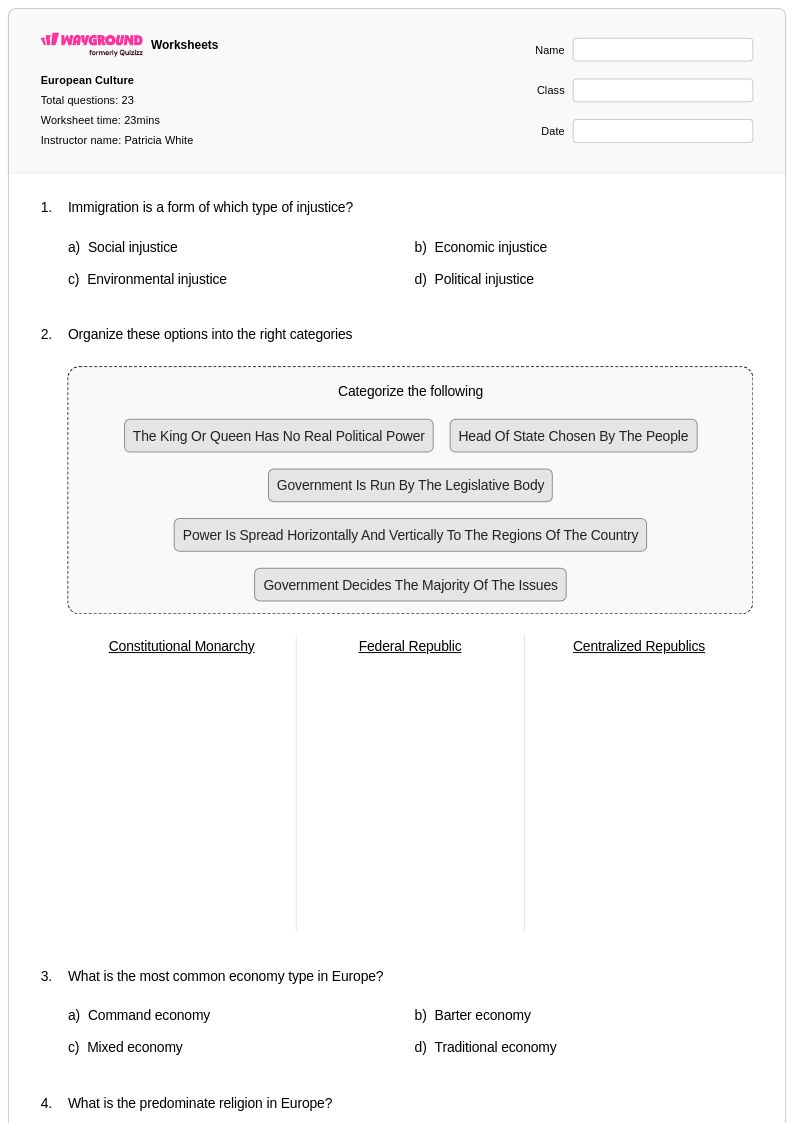
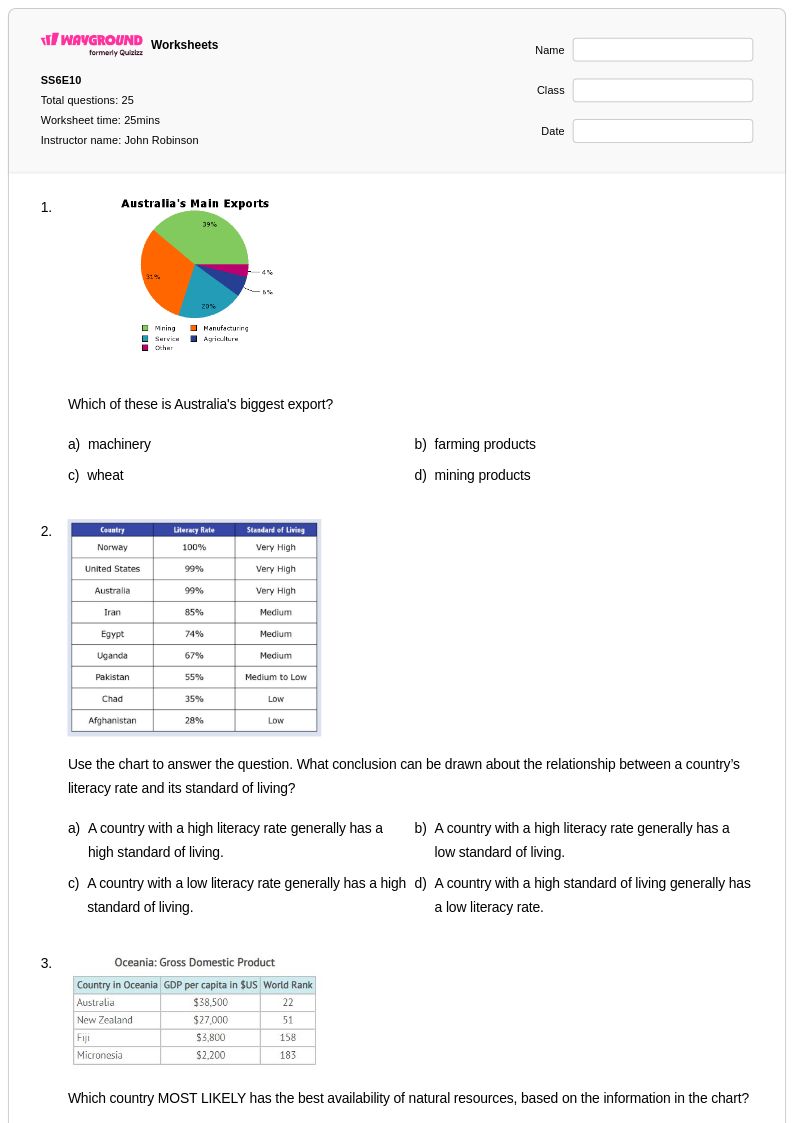
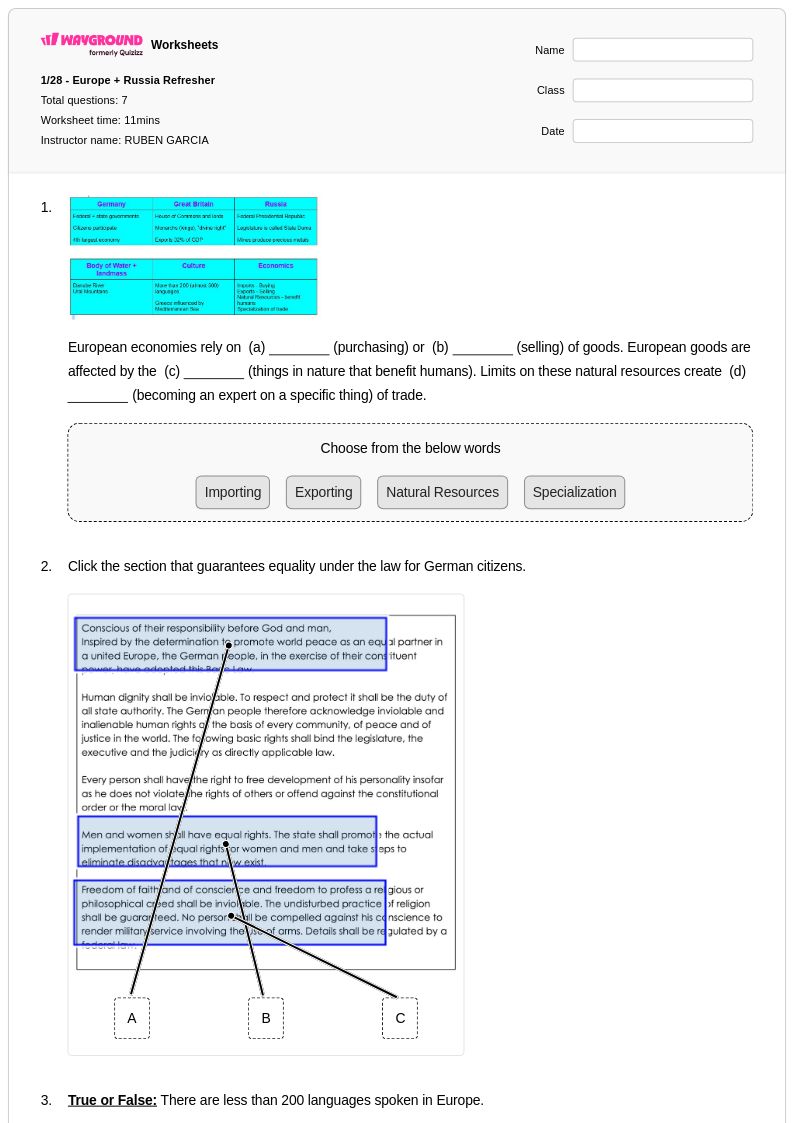
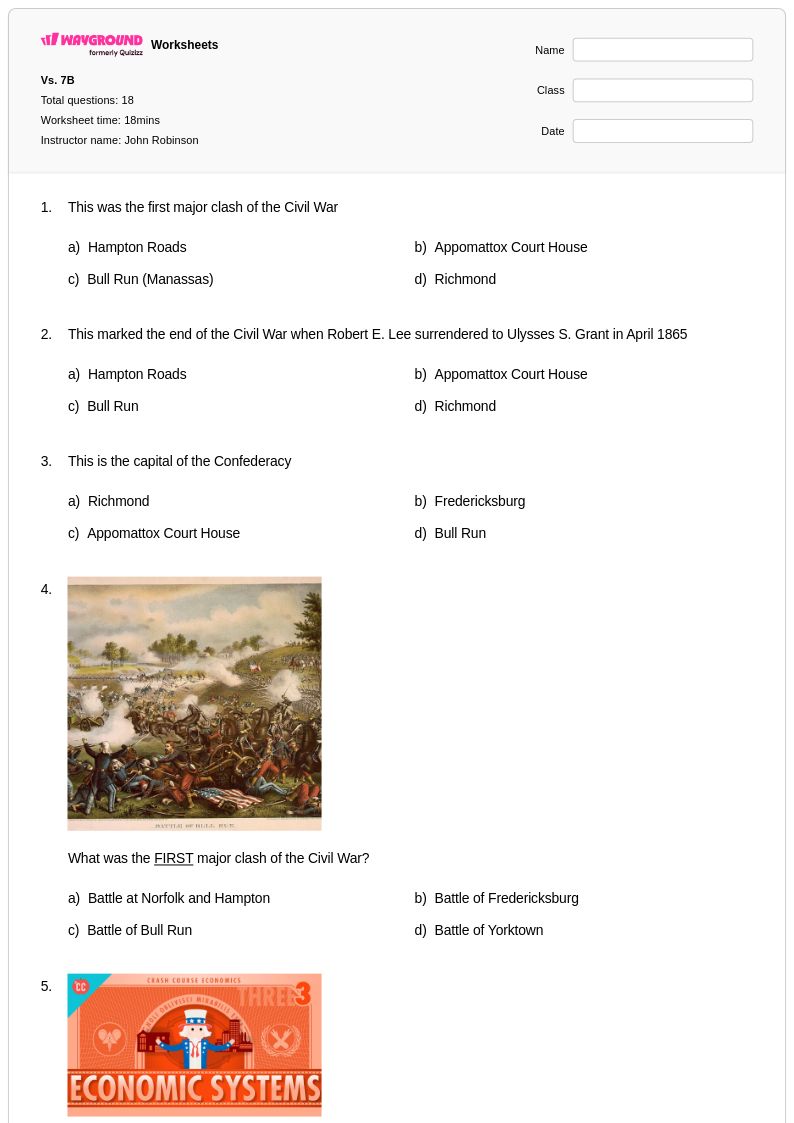
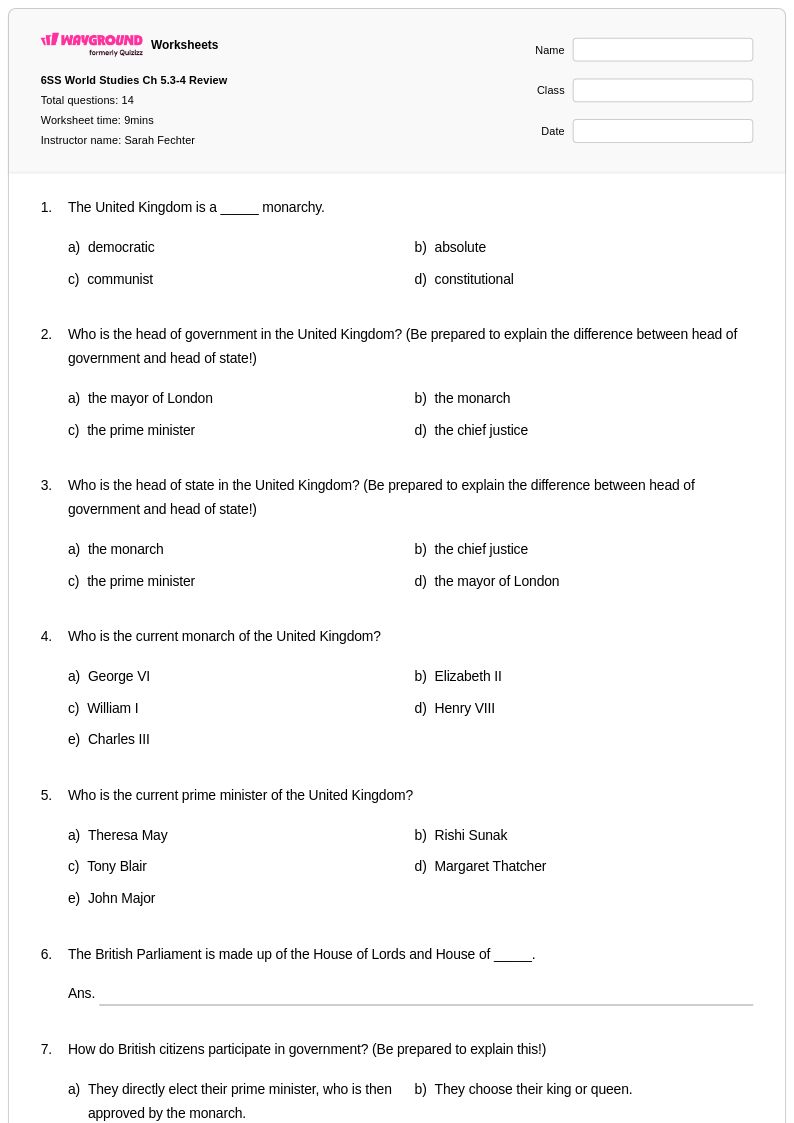
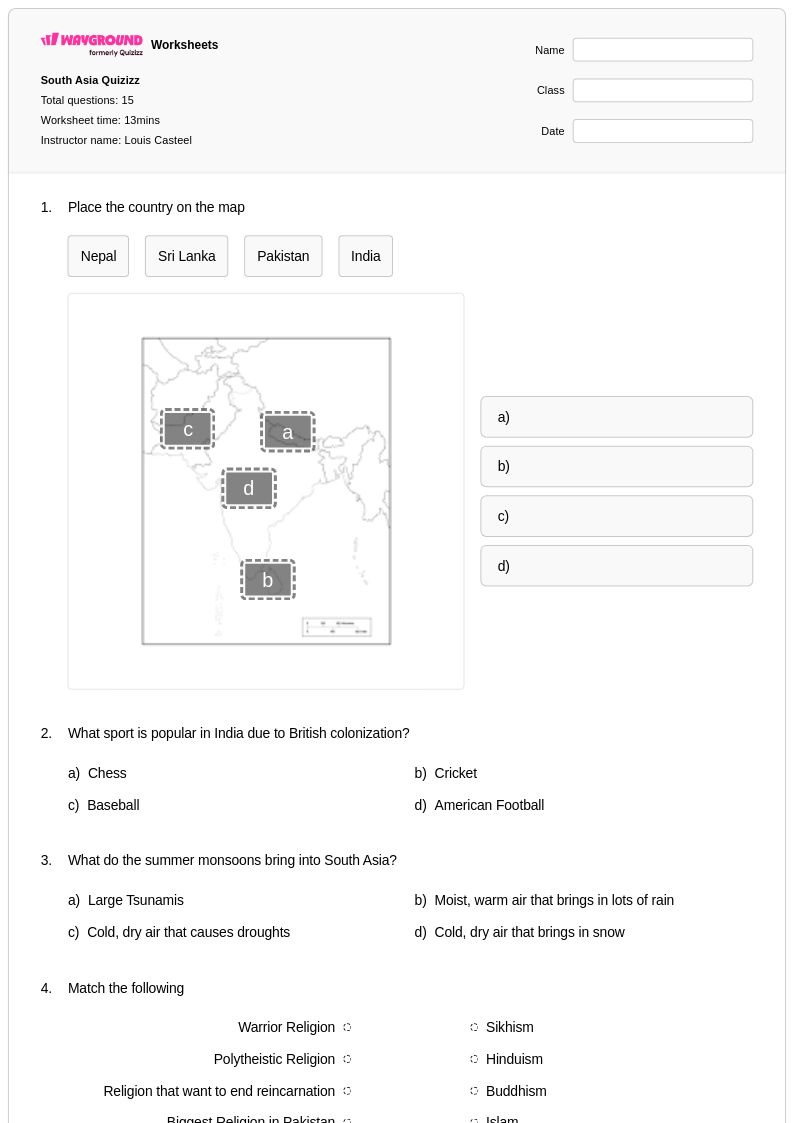
Discover free Class 6 economy worksheets and printables that help students explore economic concepts through engaging practice problems, with comprehensive answer keys and downloadable PDFs available through Wayground.
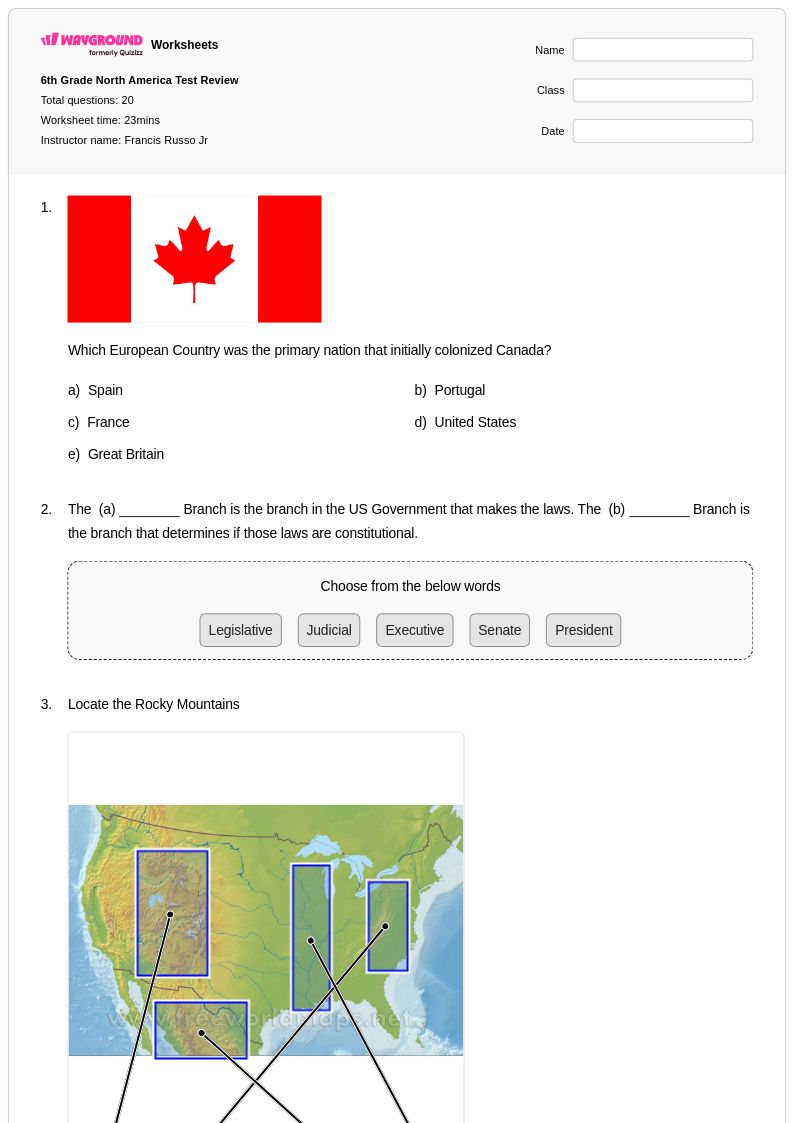
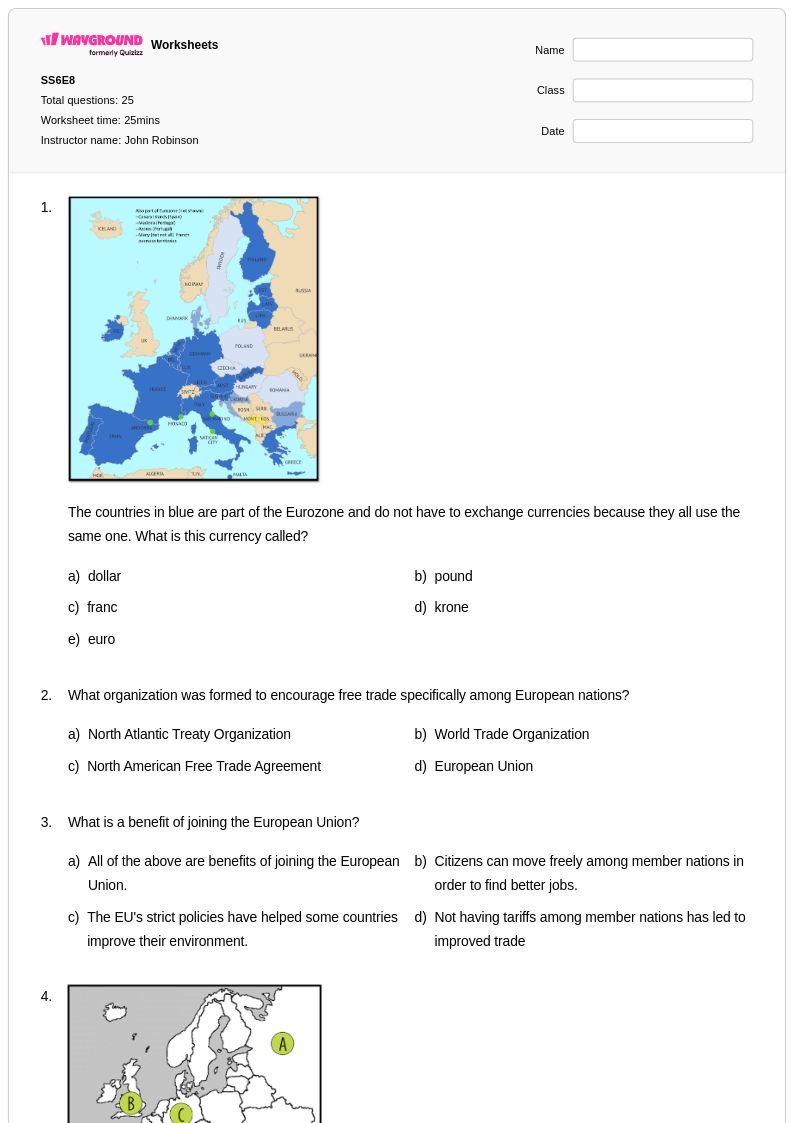
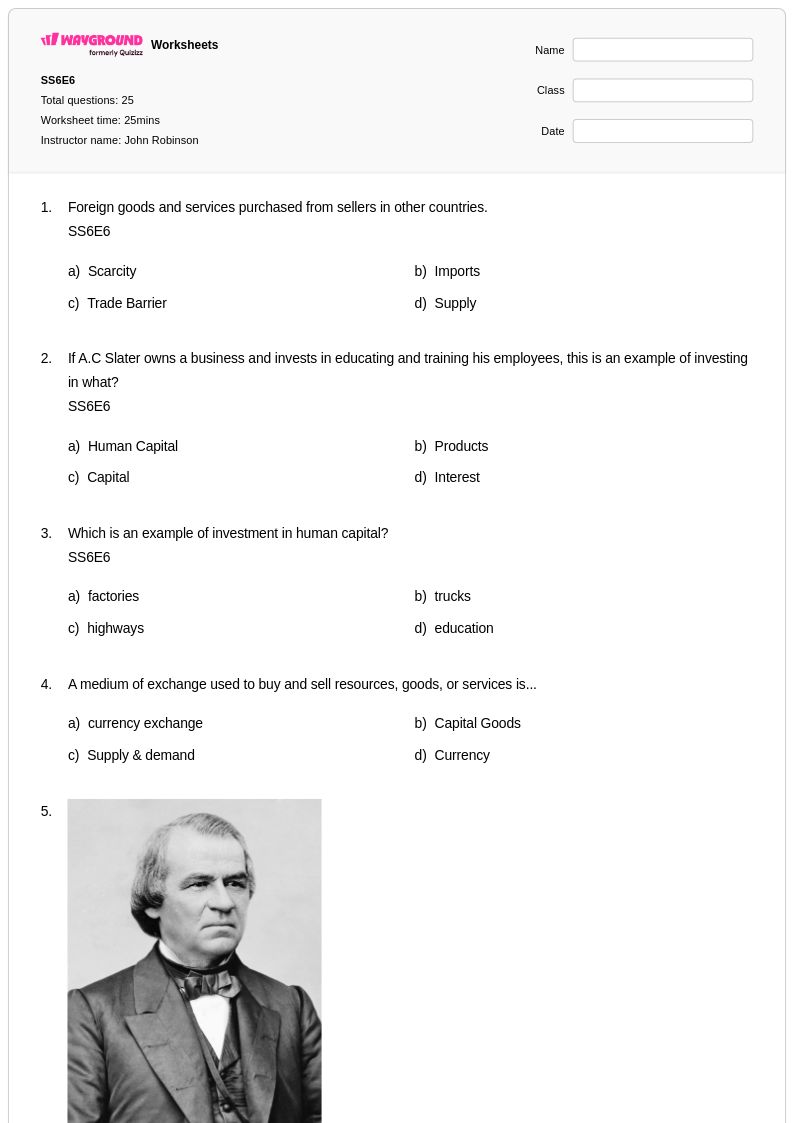
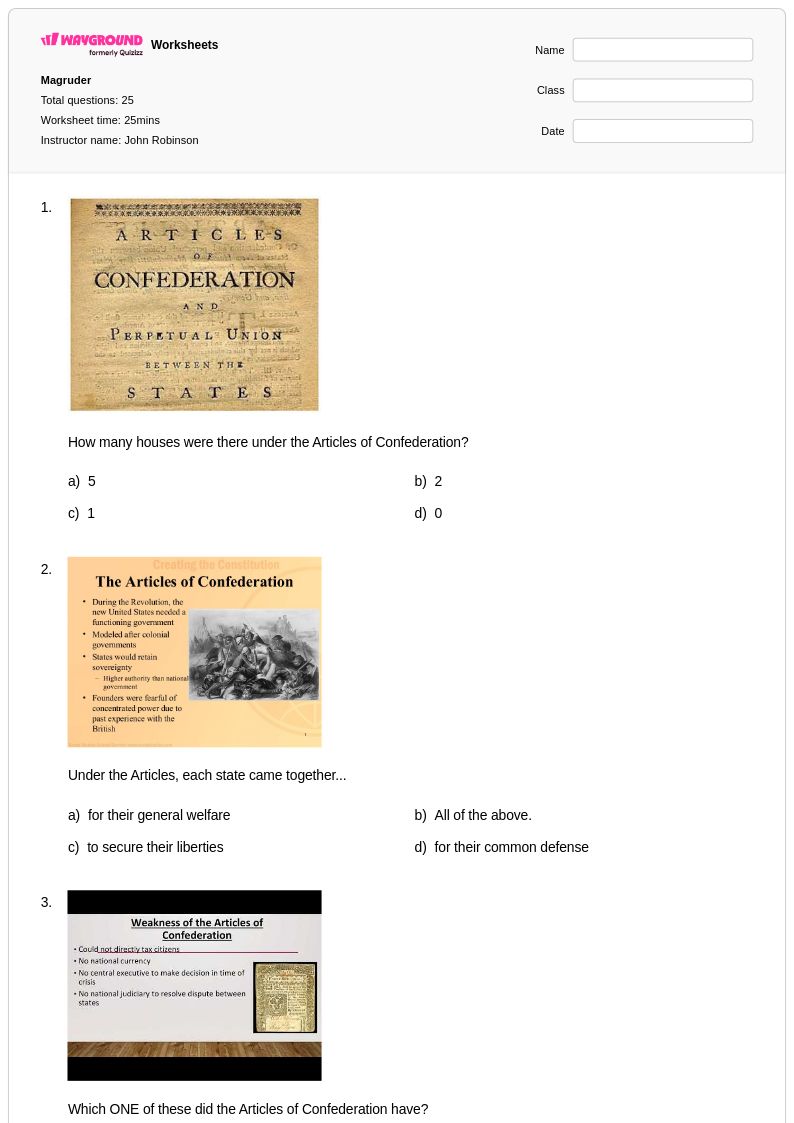
Class 6 economy worksheets available through Wayground (formerly Quizizz) provide comprehensive coverage of fundamental economic concepts that sixth-grade students need to master as part of their social studies curriculum. These carefully designed resources help students develop critical thinking skills about how economies function, including understanding basic economic principles like supply and demand, goods and services, producers and consumers, and different types of economic systems. Each worksheet collection includes detailed answer keys that enable both independent study and teacher-guided instruction, while the free printables offer practice problems ranging from identifying economic roles in communities to analyzing how scarcity affects decision-making. Students work through engaging scenarios that connect abstract economic theories to real-world situations they can understand and relate to in their daily lives.
Wayground (formerly Quizizz) supports educators with an extensive library of millions of teacher-created economy worksheets specifically aligned with Class 6 social studies standards and learning objectives. The platform's robust search and filtering capabilities allow teachers to quickly locate resources that match their specific curriculum requirements, whether they need materials for introducing new economic vocabulary, reinforcing key concepts through skill practice, or providing differentiated instruction for diverse learning needs. Teachers can easily customize these worksheets to align with their lesson plans and access them in both printable pdf format for traditional classroom use and digital formats for interactive learning experiences. This flexibility makes the resources invaluable for lesson planning, targeted remediation for struggling students, enrichment activities for advanced learners, and consistent skill practice that builds economic literacy throughout the school year.
FAQs
How do I teach fundamental economic principles to students?
Effective economics instruction begins with concrete, relatable examples before moving to abstract concepts. Start with supply and demand using familiar goods, then layer in market mechanisms, economic indicators, and the role of government in regulating economic systems. Connecting each principle to real-world decisions students and their families make helps build genuine economic reasoning rather than rote memorization.
What exercises help students practice economic concepts like supply and demand?
Practice exercises that require students to analyze graphs, interpret economic indicators, and work through market scenarios build the analytical skills central to economic literacy. Worksheets that combine reading comprehension with problem-solving tasks reinforce how supply and demand relationships, production decisions, and government policy interact. Varied formats, including structured practice problems and scenario-based questions, ensure students encounter concepts in multiple contexts.
What mistakes do students commonly make when learning about economics?
One of the most common misconceptions is treating economic decisions as isolated events rather than interconnected systems. Students often struggle to trace how a change in one variable, such as a price shift, ripples through supply, demand, and consumption patterns. They also frequently confuse economic indicators like GDP and inflation, misapplying them when analyzing real-world economic conditions. Targeted practice that asks students to trace cause-and-effect relationships across economic systems helps address these gaps directly.
How can I differentiate economy worksheets for students at different ability levels?
Differentiation in economics instruction means adjusting both content complexity and support structures. On Wayground, teachers can customize content difficulty and modify worksheets to accommodate diverse learning styles and academic abilities. For students who need additional support, Wayground also offers built-in accommodations such as read aloud, reduced answer choices, and extended time, which can be assigned individually without other students being notified.
How do I use Wayground's economy worksheets in my classroom?
Wayground's economy worksheets are available as printable PDFs for traditional classroom use and in digital formats for technology-integrated instruction, so teachers can deploy them across different learning environments. Digital worksheets can also be hosted as a quiz directly on Wayground, making it easy to assign, collect, and review student responses in one place. Each worksheet includes a complete answer key, reducing prep time and making it straightforward to check student understanding after practice.
How do I align economy worksheets to my curriculum standards?
Standards alignment is one of the most time-intensive parts of economics lesson planning. Wayground allows teachers to search and filter its economy worksheet resources to match specific curriculum needs and standards alignment requirements, making it easier to find materials that fit directly into existing units without significant adaptation.