Free Printable Empathy Worksheets for Kindergarten
Help kindergarten students develop empathy skills with Wayground's free printable social studies worksheets, featuring engaging practice problems and answer keys to build emotional understanding and compassionate thinking.
Explore printable Empathy worksheets for Kindergarten
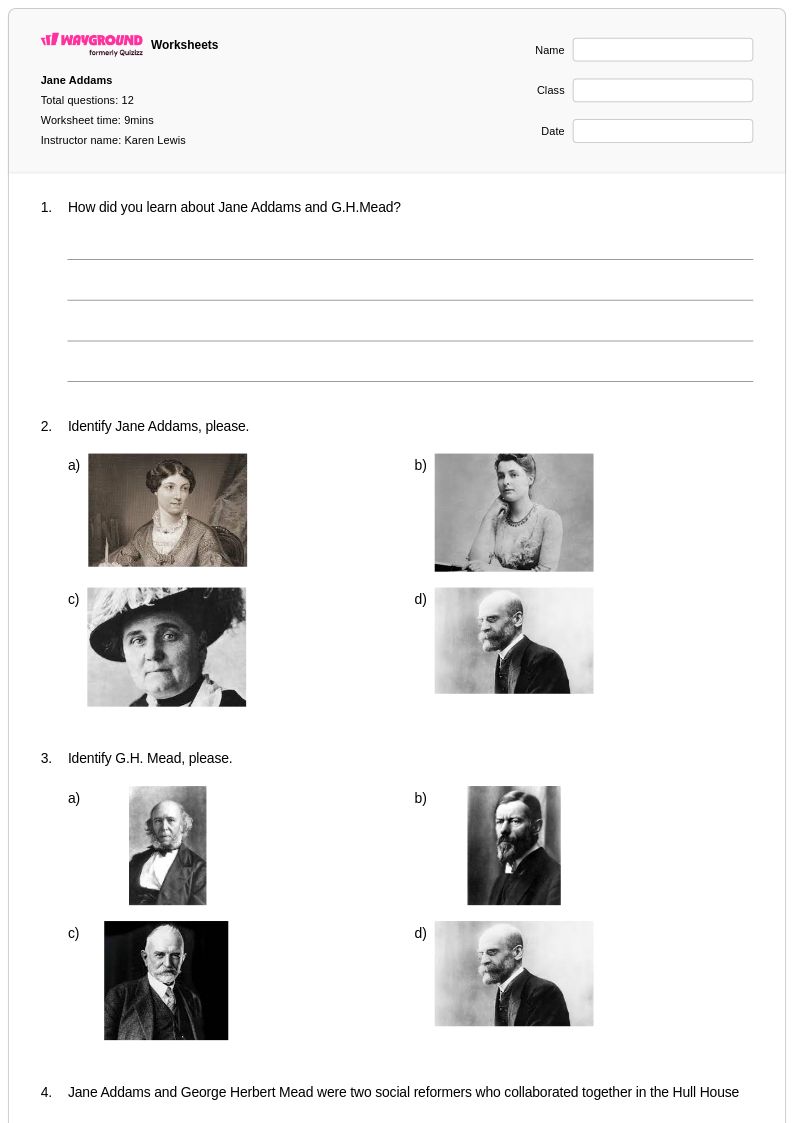
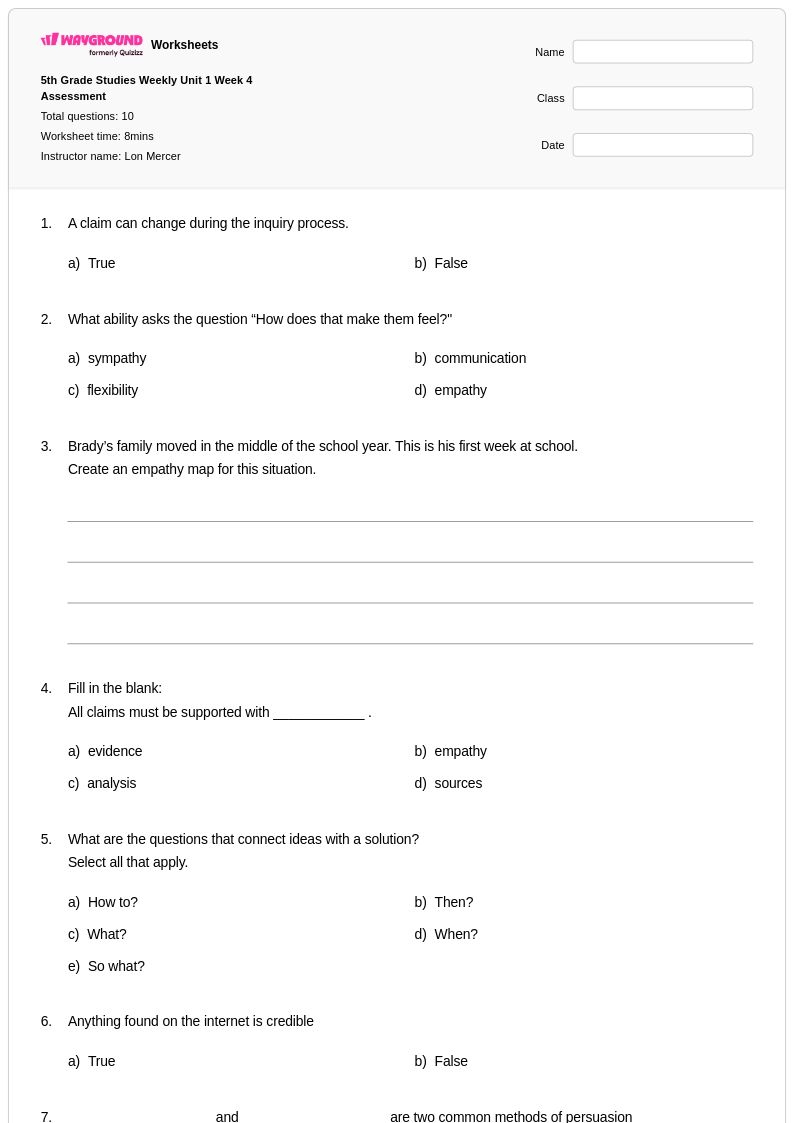
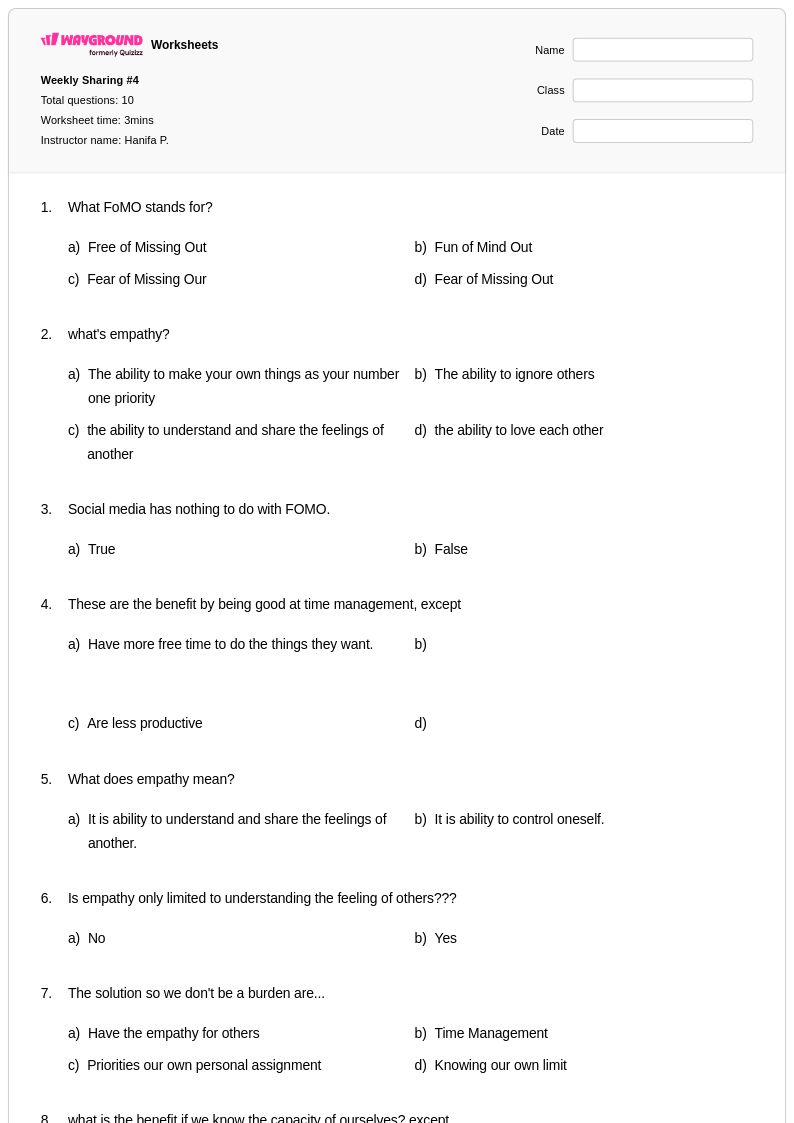
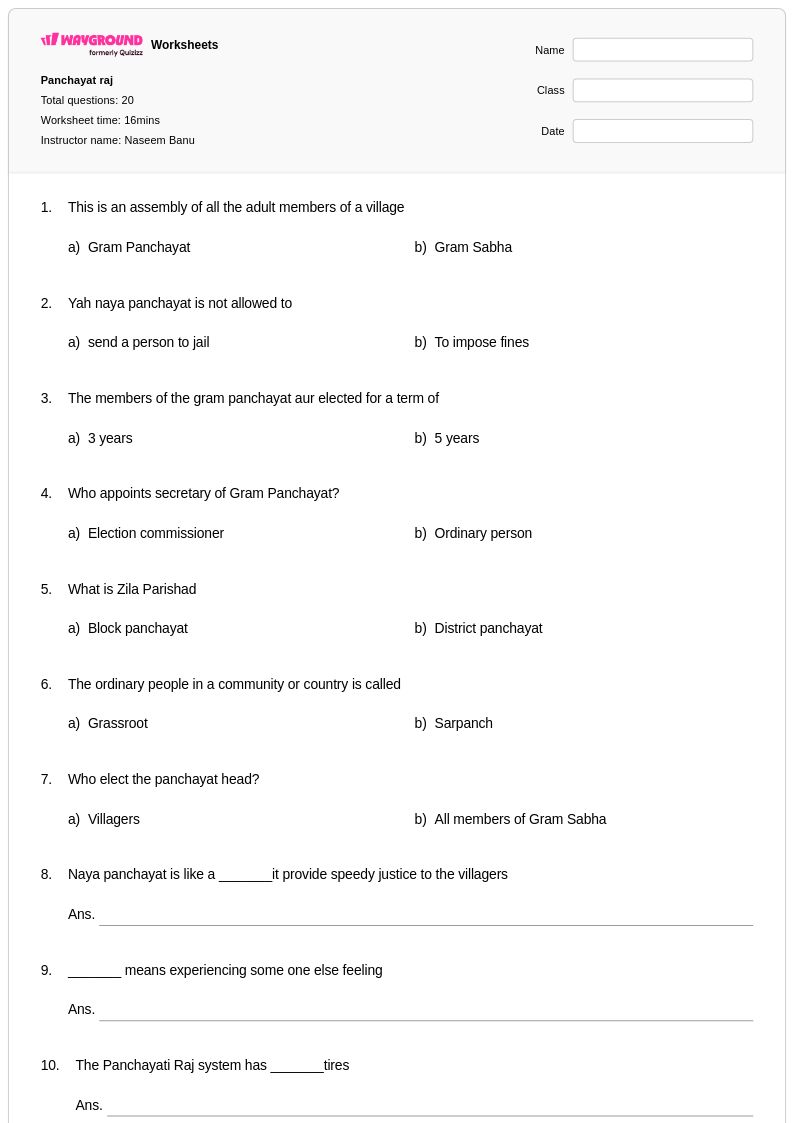
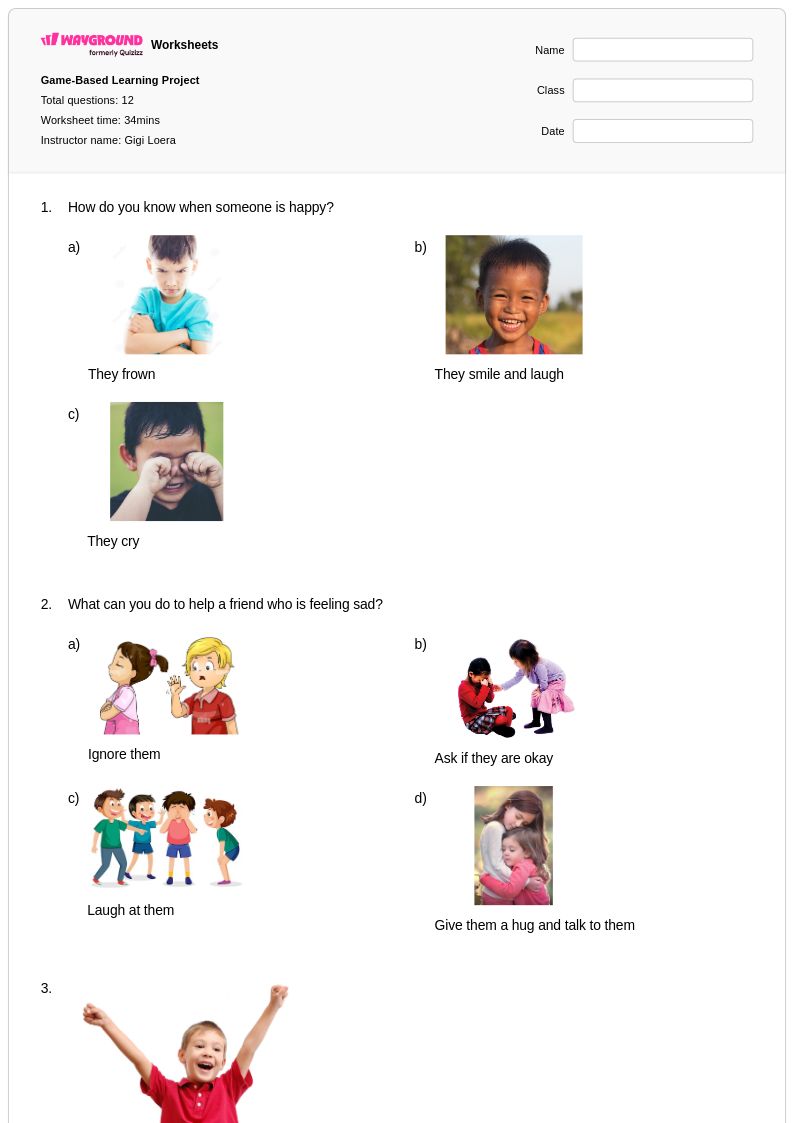
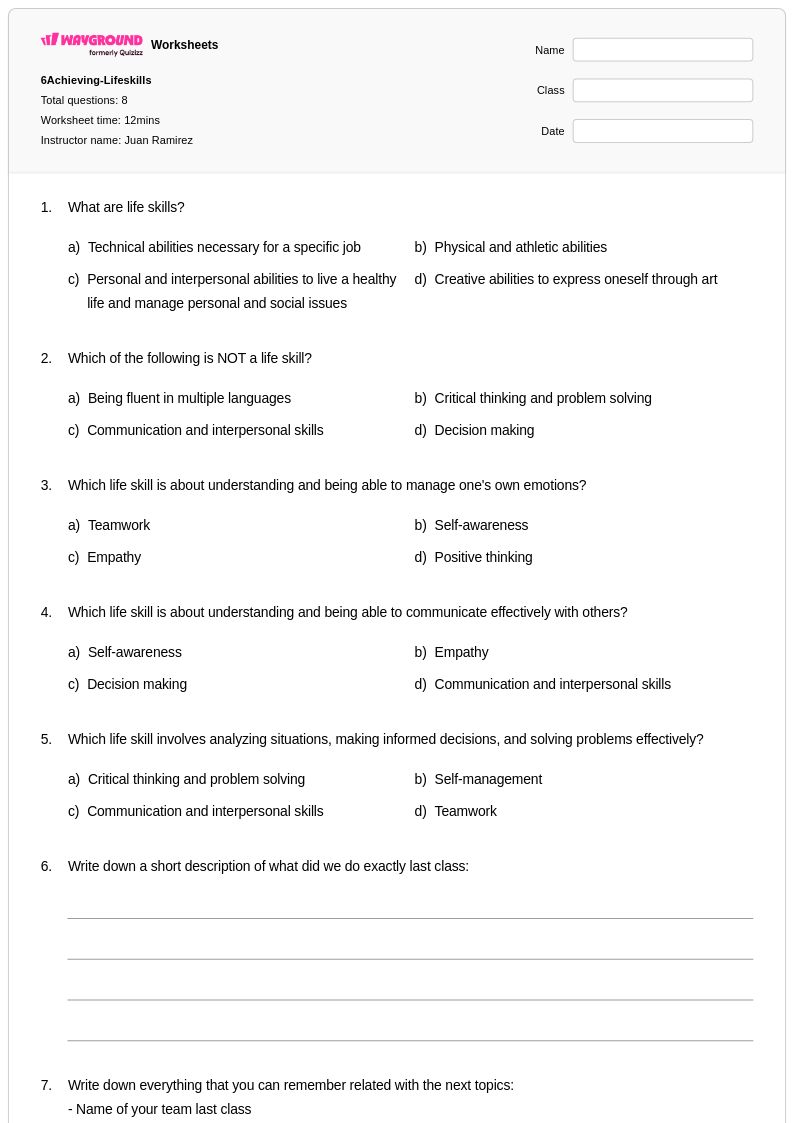
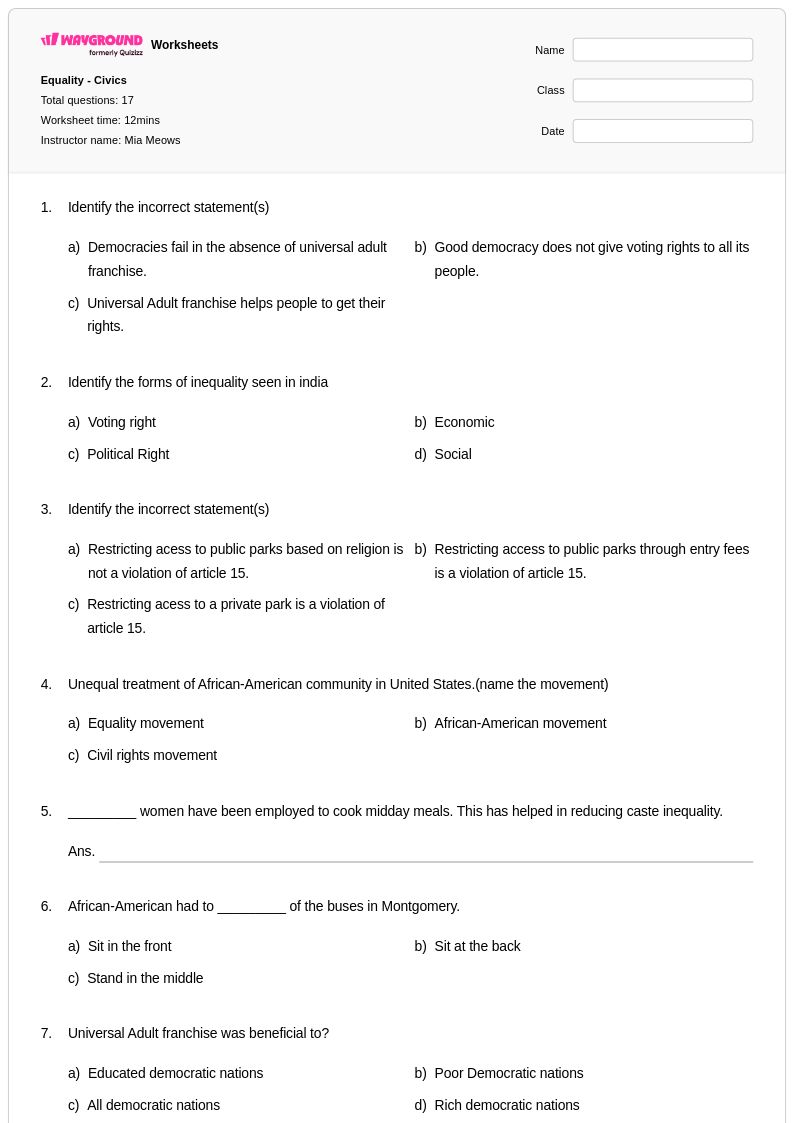
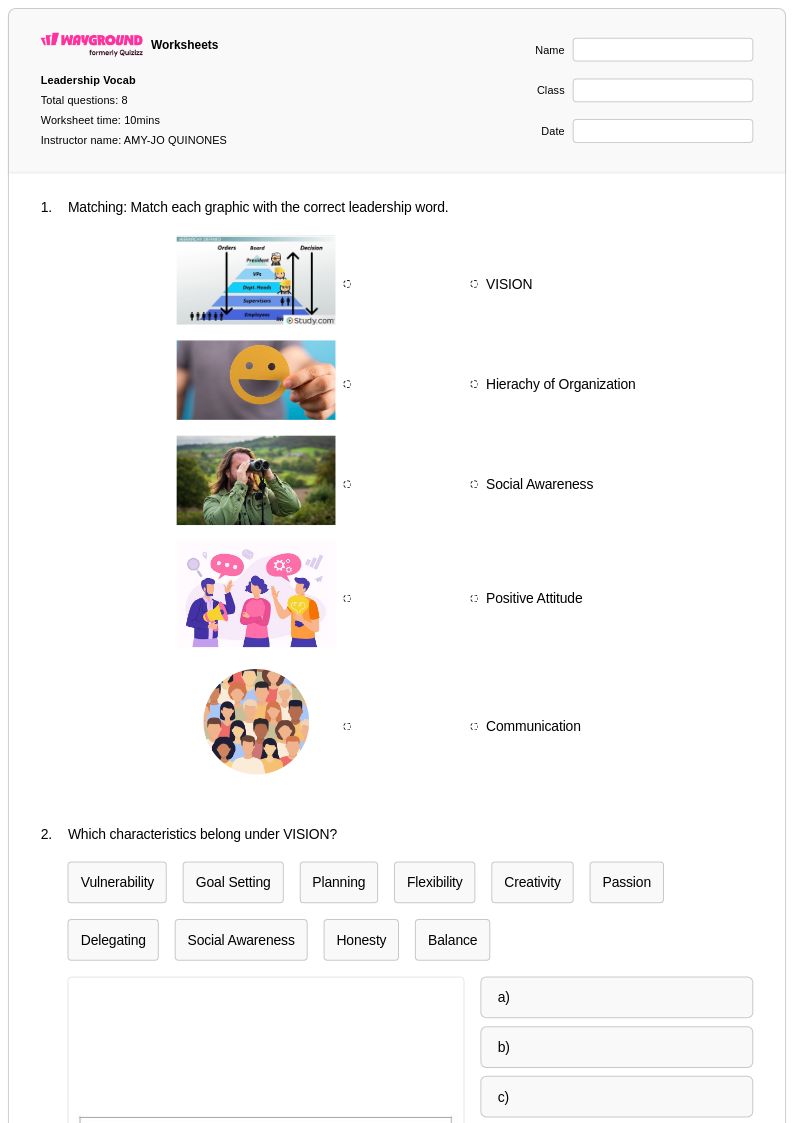
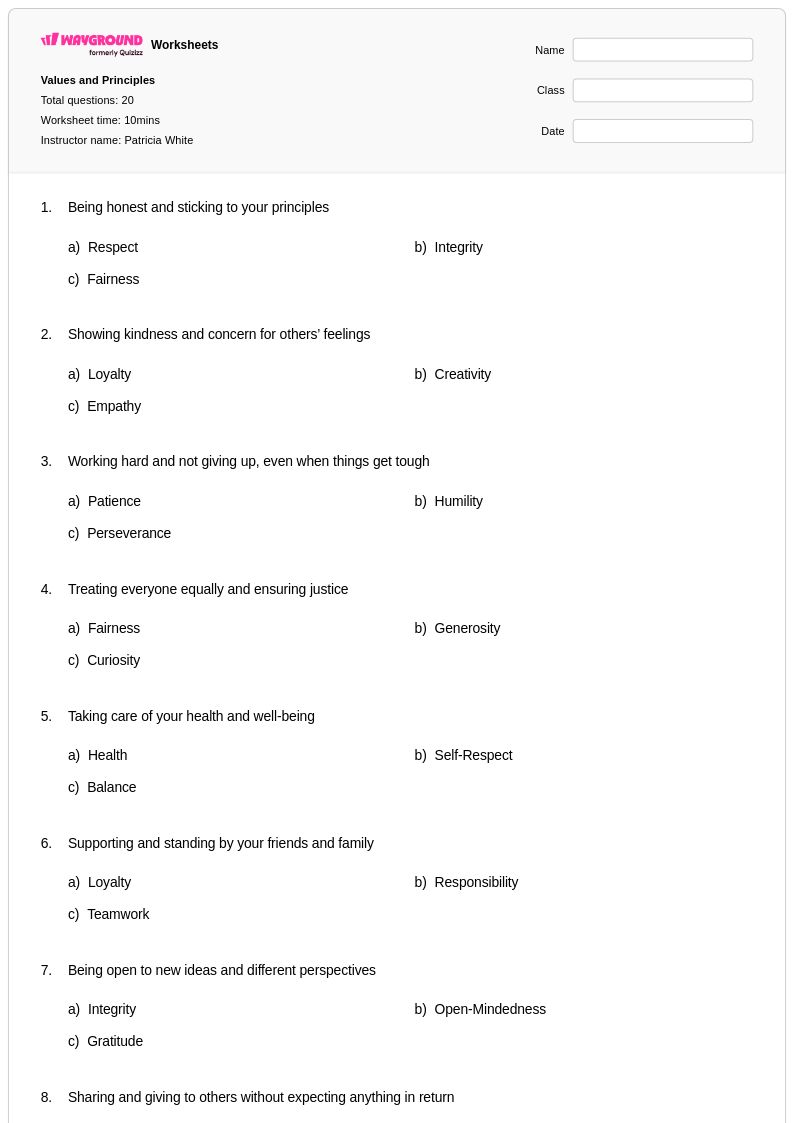
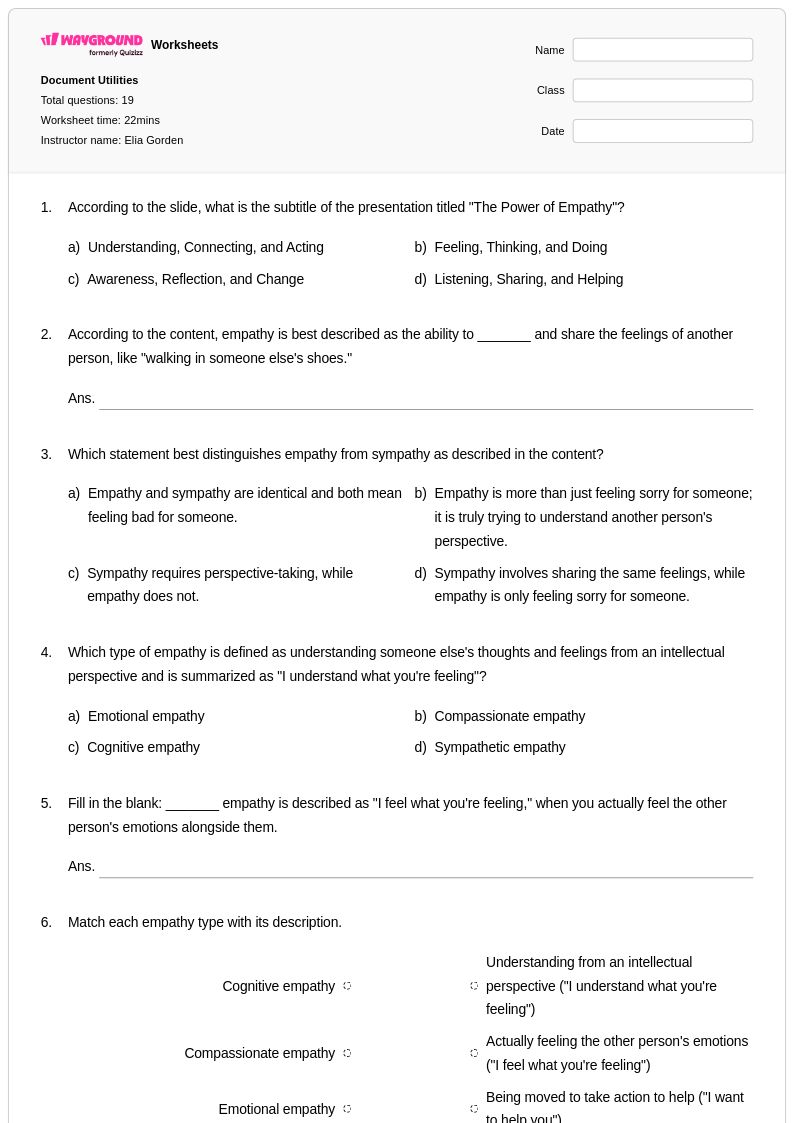
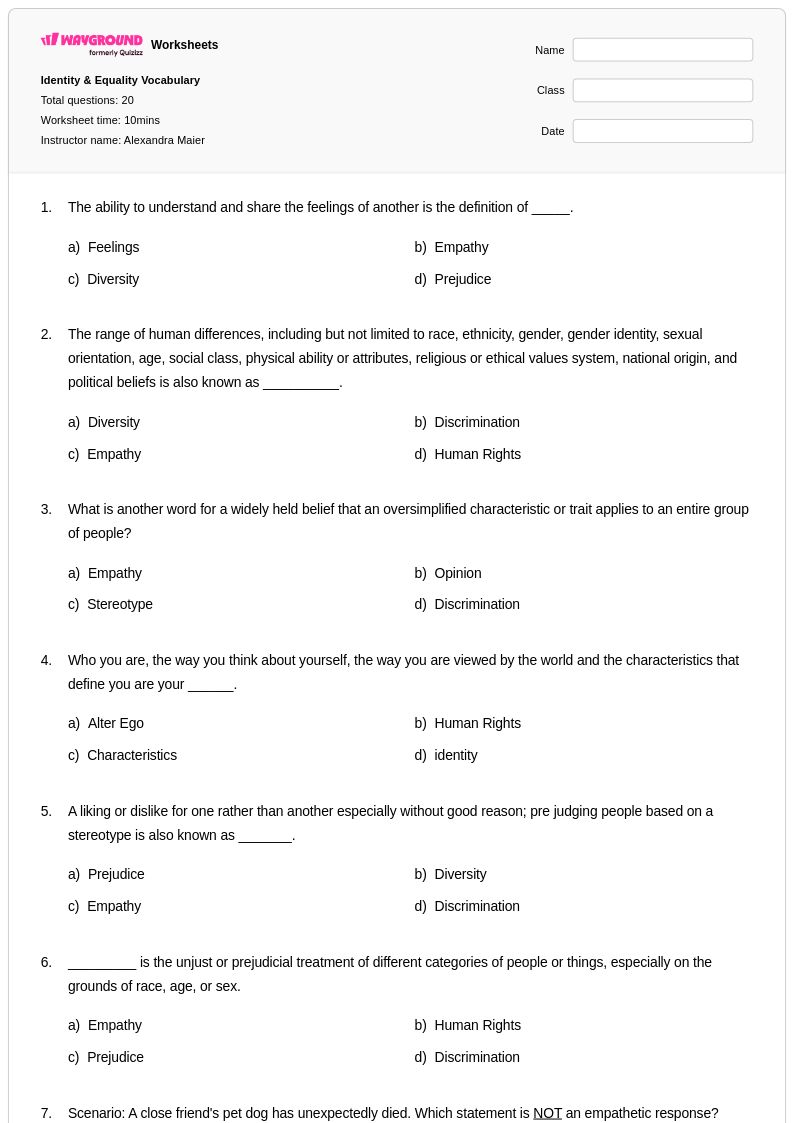
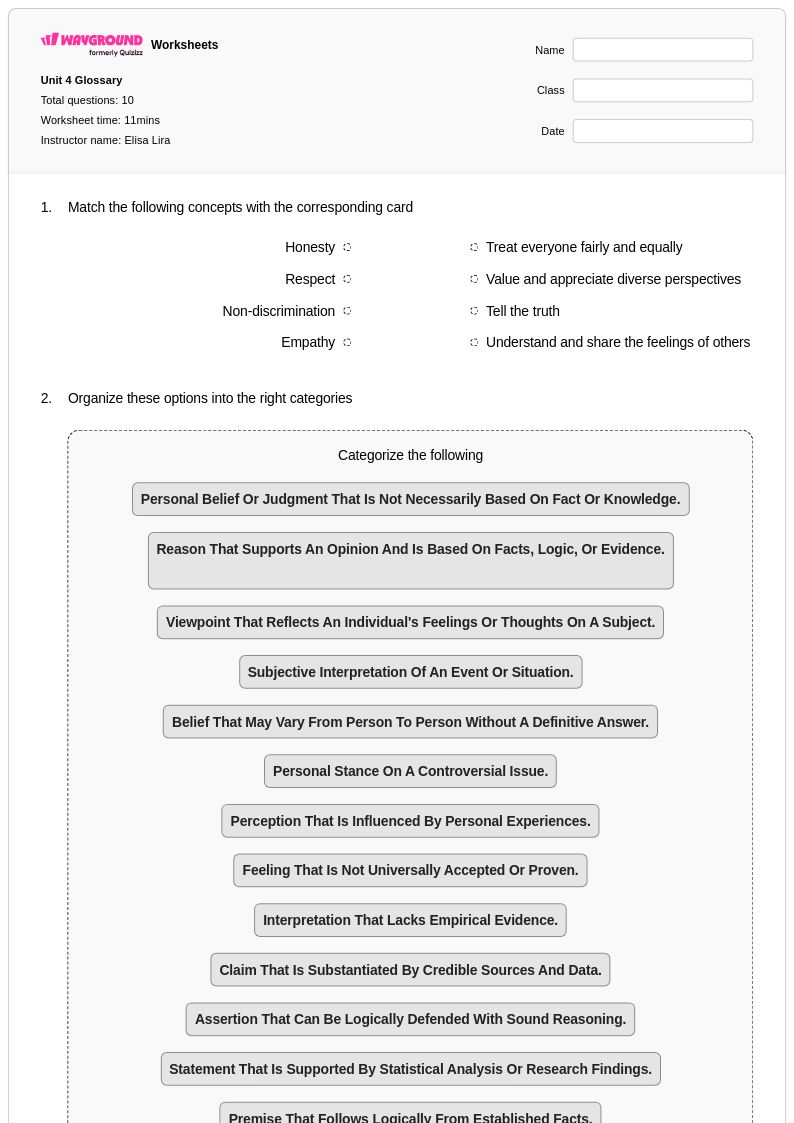
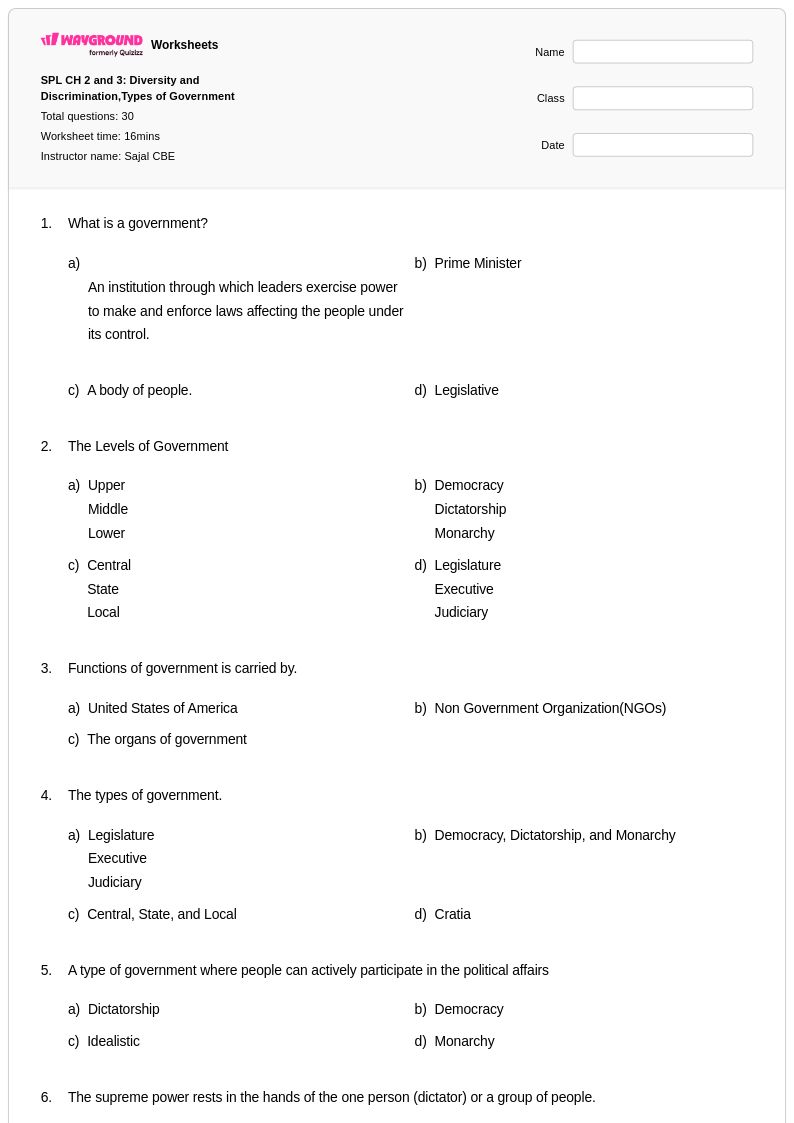
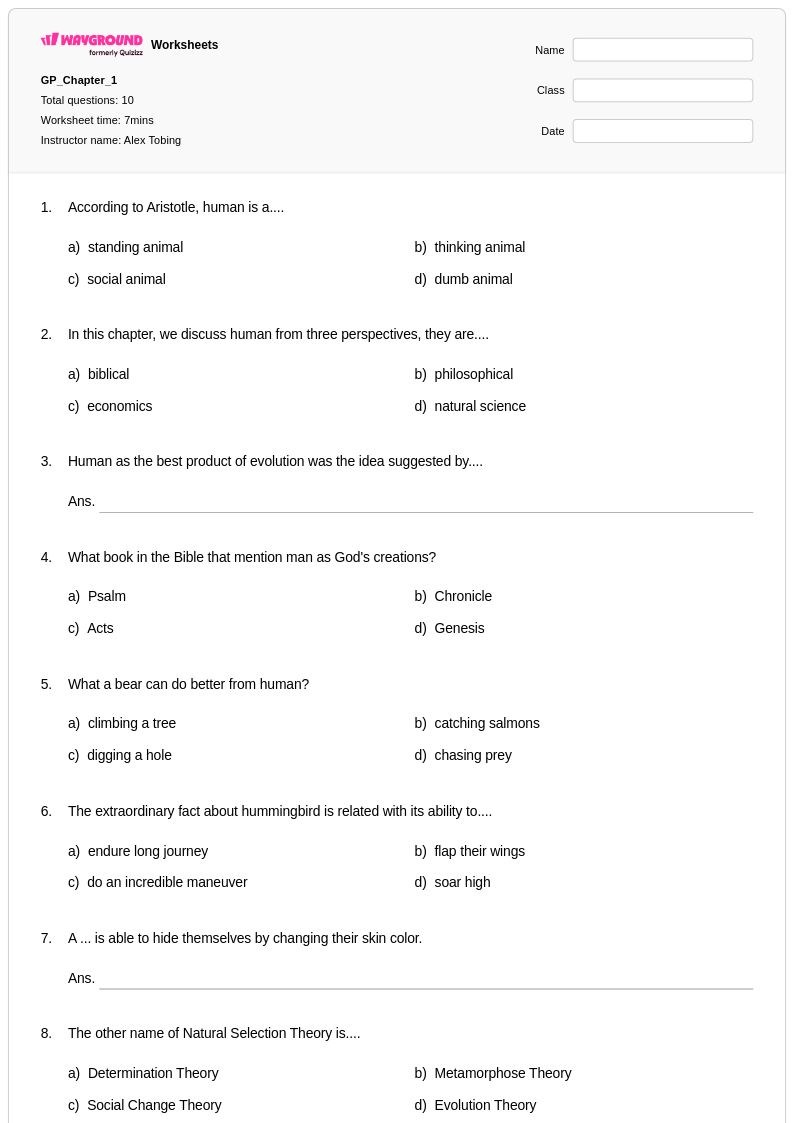
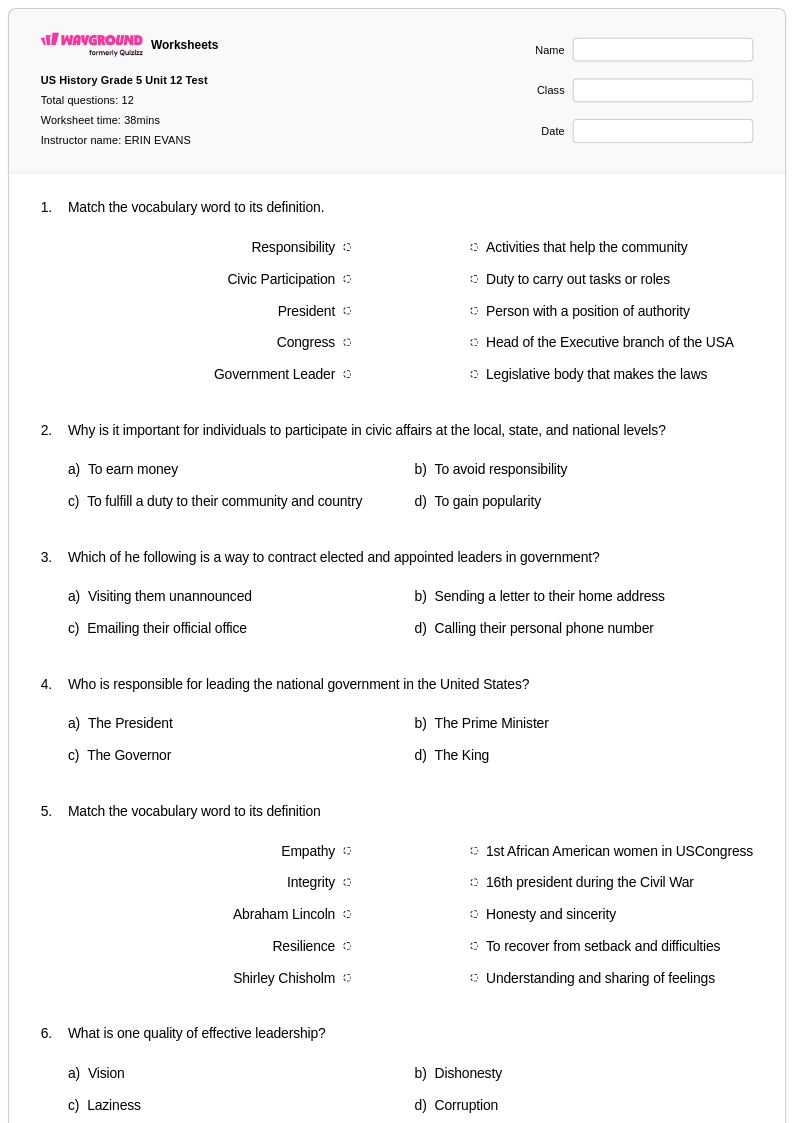
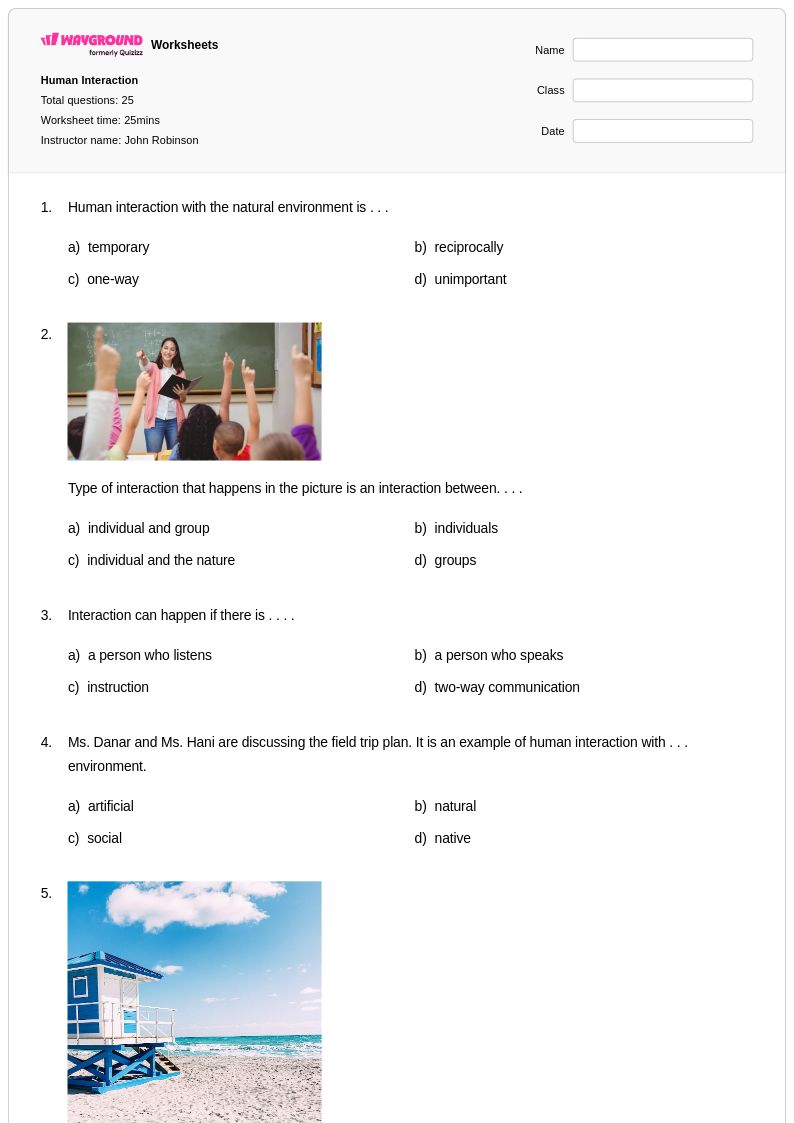
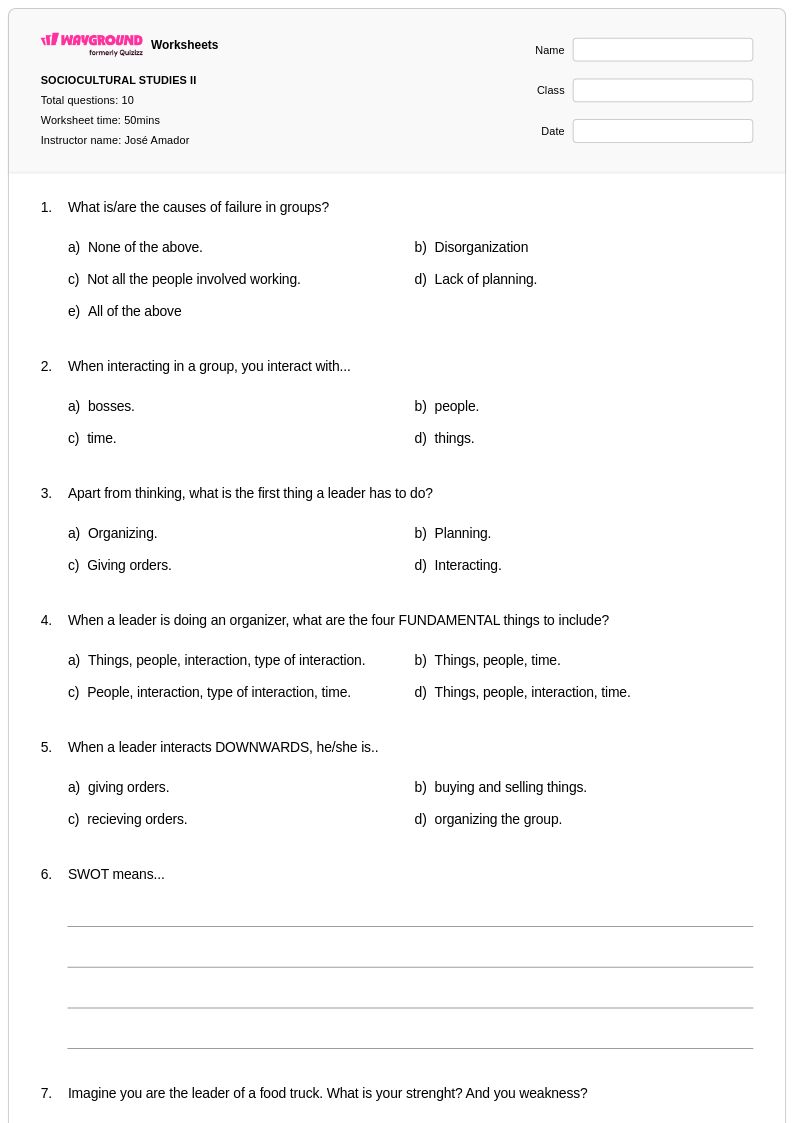
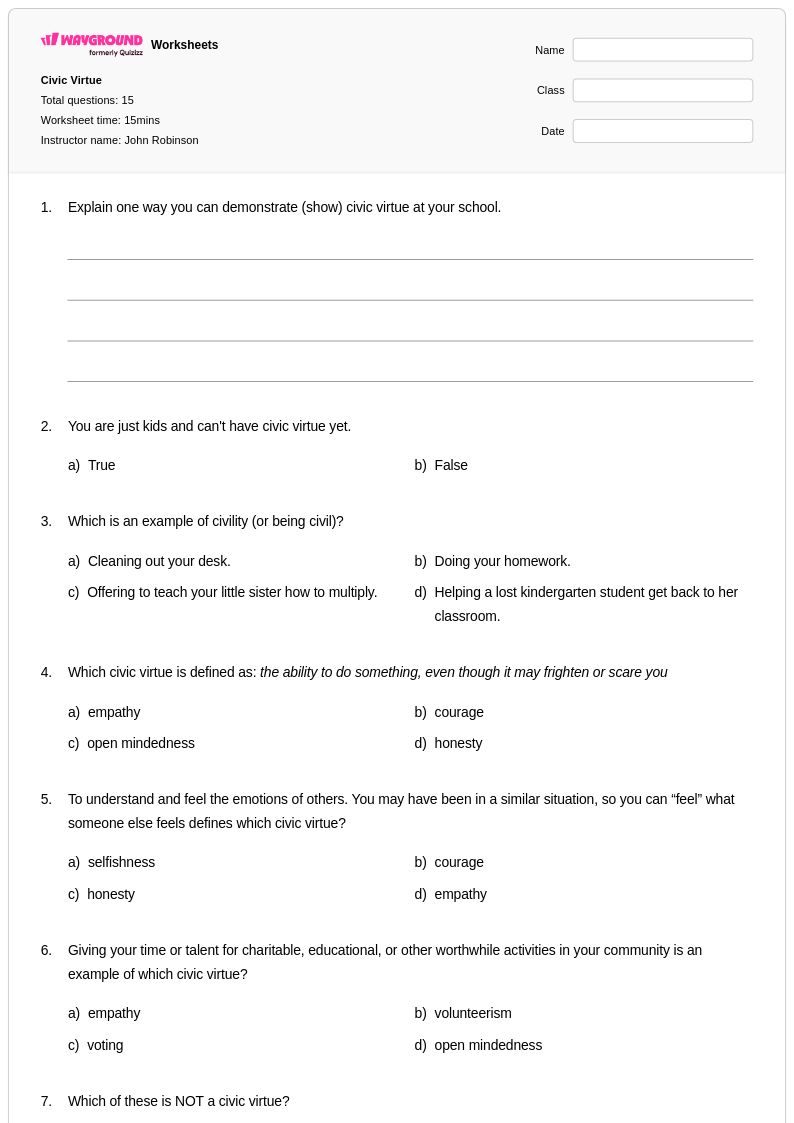
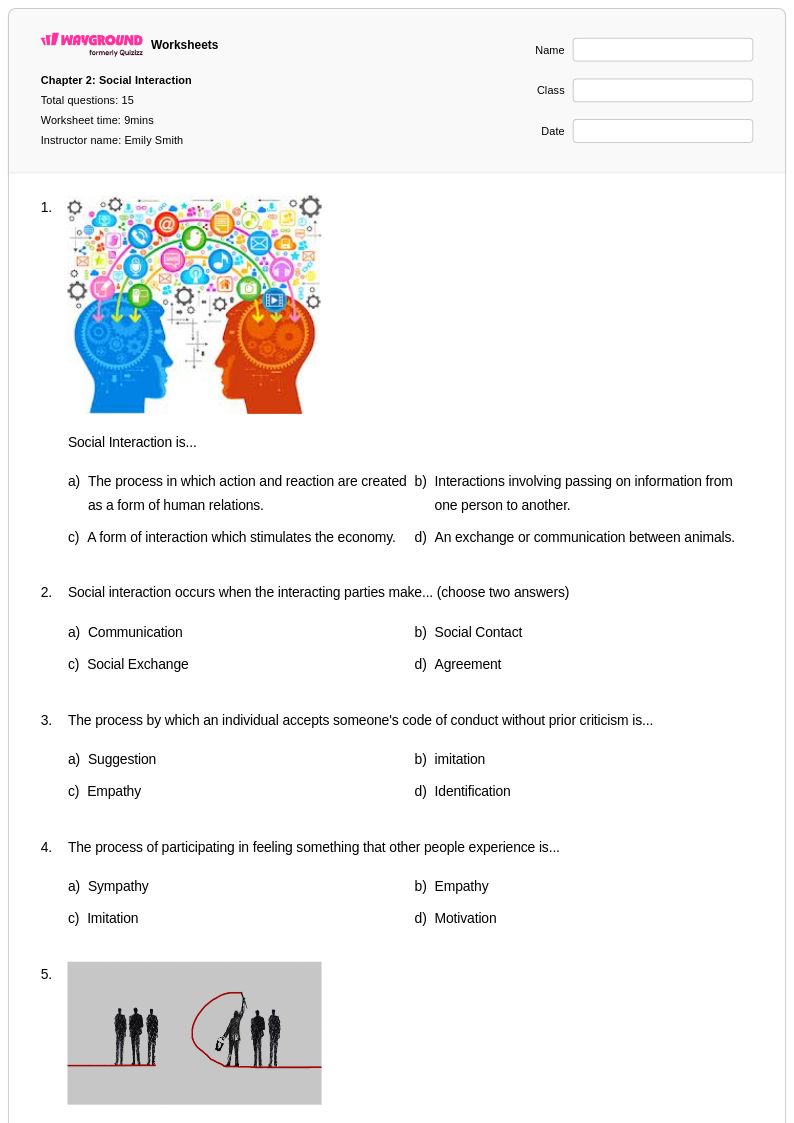
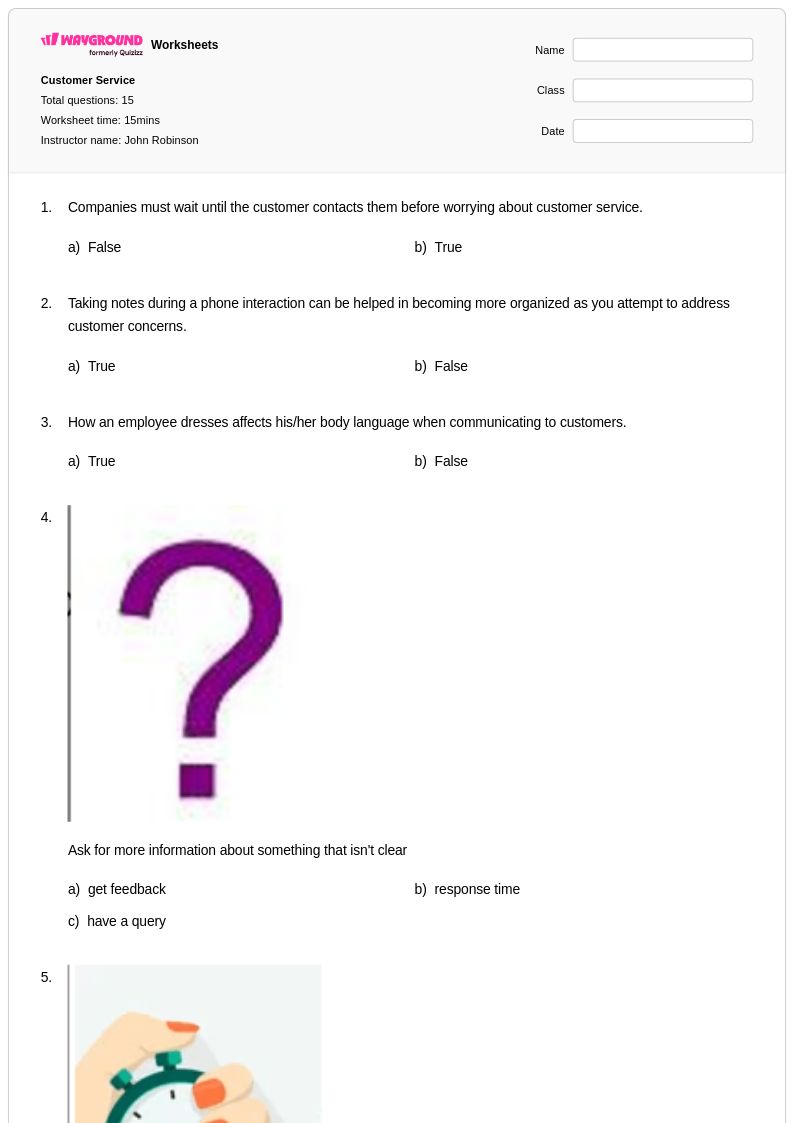
Empathy worksheets for kindergarten students available through Wayground provide essential foundational practice for developing emotional intelligence and social awareness skills. These carefully designed printables help young learners recognize and understand the feelings of others through age-appropriate scenarios, picture-based activities, and simple reflection exercises. The worksheets strengthen critical social-emotional competencies including perspective-taking, emotional vocabulary development, and compassionate response skills that form the cornerstone of healthy peer relationships. Each pdf resource includes structured practice problems that guide students through identifying facial expressions, matching emotions to situations, and exploring how their actions affect others, with comprehensive answer keys supporting both independent work and guided instruction.
Wayground's extensive collection of teacher-created empathy resources offers educators millions of professionally developed materials specifically tailored for kindergarten social skills instruction. The platform's robust search and filtering capabilities enable teachers to quickly locate worksheets aligned with specific learning objectives and developmental standards, while built-in differentiation tools allow for seamless adaptation to diverse learner needs. These customizable resources are available in both printable and digital formats, providing flexibility for classroom instruction, homework assignments, and targeted intervention work. Teachers can efficiently plan comprehensive empathy-building lessons, provide remediation for students struggling with emotional recognition, and offer enrichment activities for advanced learners, all while accessing materials that seamlessly integrate into existing social studies curricula and character education programs.
FAQs
How do I teach empathy in the classroom?
Teaching empathy effectively requires structured opportunities for students to practice perspective-taking, emotional recognition, and compassionate response. Classroom strategies include character analysis activities, real-world scenario discussions, and reflective writing exercises where students identify emotions in themselves and others. Consistent, low-stakes practice across multiple contexts helps students internalize empathy as a social habit rather than a one-time lesson.
What kinds of activities help students practice empathy?
Effective empathy practice activities include perspective-taking exercises, emotional recognition tasks, and scenario-based reflections where students consider how others might feel in specific situations. Worksheets that present real-world social scenarios and guide students through identifying and responding to emotions are particularly effective for building this skill. Regular practice with these structured exercises helps students transfer empathy skills into their everyday interactions.
What common mistakes do students make when learning about empathy?
A common misconception is that students confuse sympathy with empathy, responding to others' emotions with pity rather than genuine perspective-taking. Students also frequently project their own feelings onto a scenario rather than considering how the other person might uniquely experience the situation. Worksheets that use diverse, specific scenarios help students confront and correct these patterns by requiring them to articulate another person's viewpoint rather than their own.
How can I differentiate empathy instruction for students at different skill levels?
Differentiation in empathy instruction can involve adjusting the complexity of scenarios, the depth of reflection required, or the scaffolding provided for emotional vocabulary. On Wayground, teachers can customize worksheet difficulty and content focus to ensure every student engages meaningfully with empathy concepts regardless of their current skill level. For students who need additional support, Wayground also offers accommodations such as Read Aloud, reduced answer choices, and adjustable reading modes, all configurable per individual student.
How do I use Wayground's empathy worksheets in my classroom?
Wayground's empathy worksheets are available as free printable PDFs for traditional classroom use and in digital formats for technology-integrated learning environments, including the option to host them as a quiz directly on Wayground. Each worksheet includes a comprehensive answer key, making them straightforward to implement for in-class practice, independent work, or targeted remediation. Teachers can use Wayground's search and filtering tools to quickly locate age-appropriate materials that align with social-emotional learning standards.
How do empathy worksheets support social-emotional learning (SEL) standards?
Empathy is a core competency within most social-emotional learning frameworks, encompassing skills like emotional recognition, perspective-taking, and compassionate response. Structured worksheets that guide students through these skills using real-world scenarios and reflective exercises directly support SEL learning objectives across grade levels. Using materials aligned to SEL standards ensures that empathy instruction is intentional and measurable rather than incidental.