
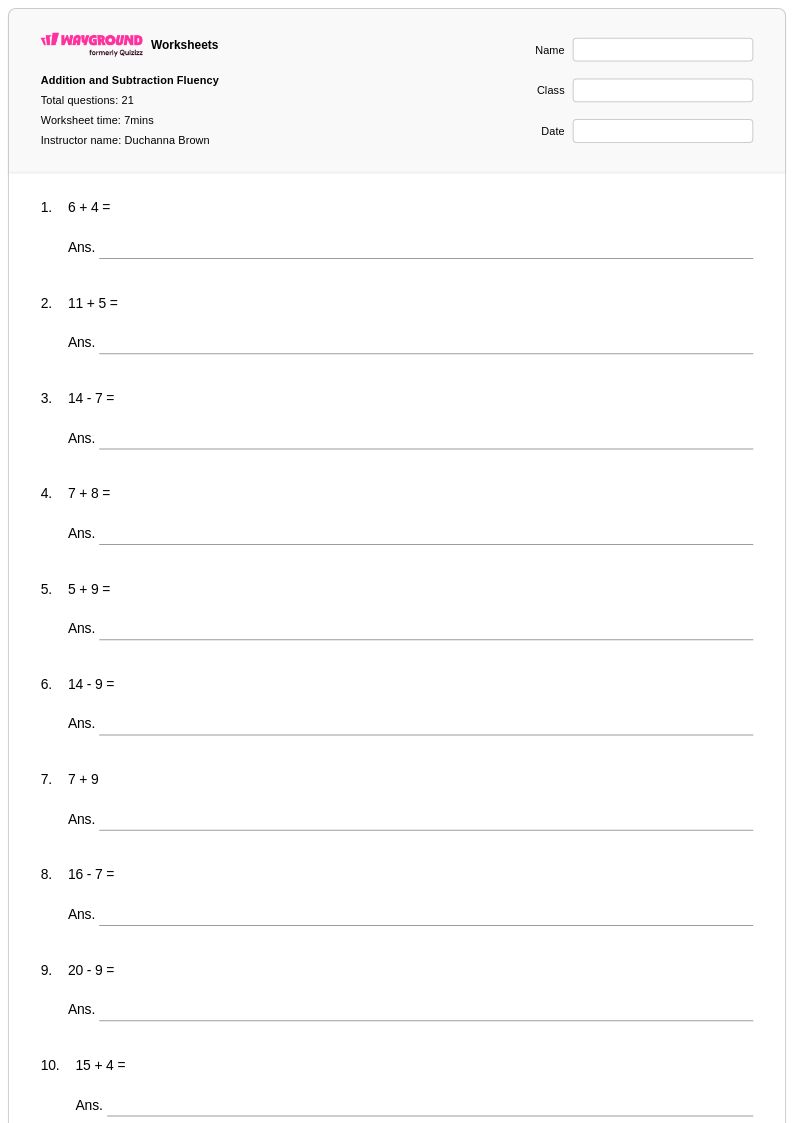
21Q
2nd
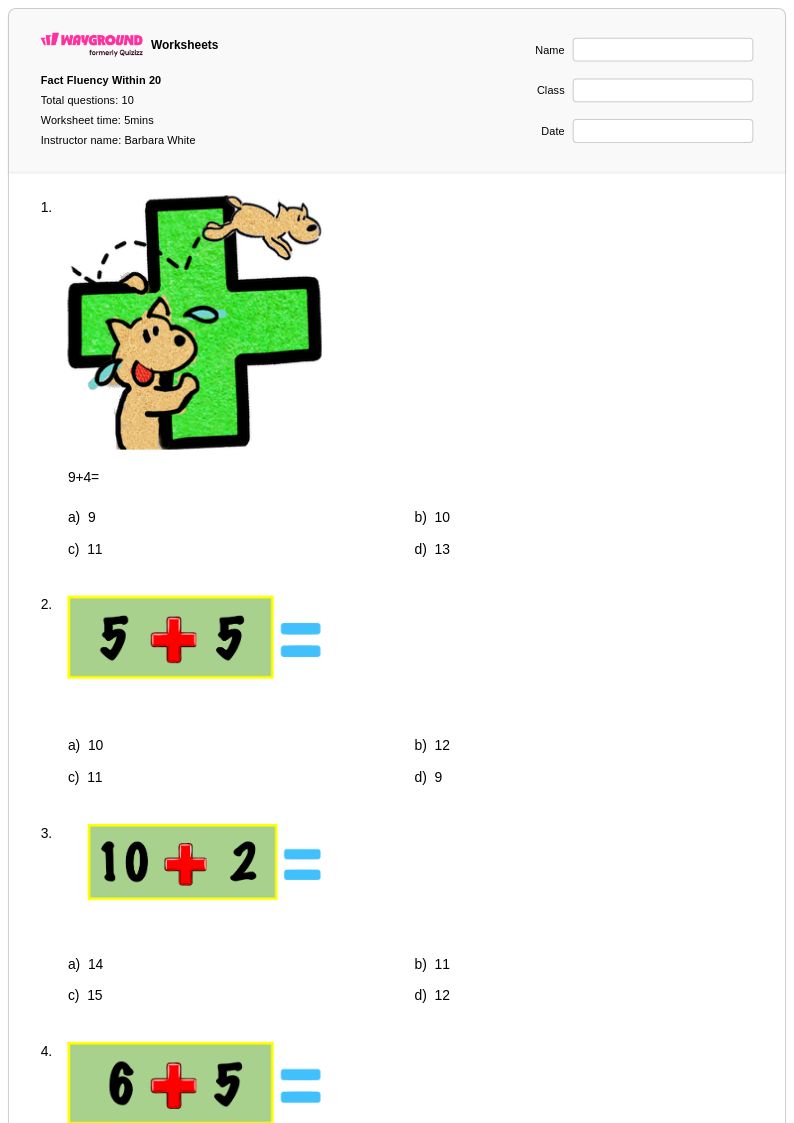
10Q
2nd
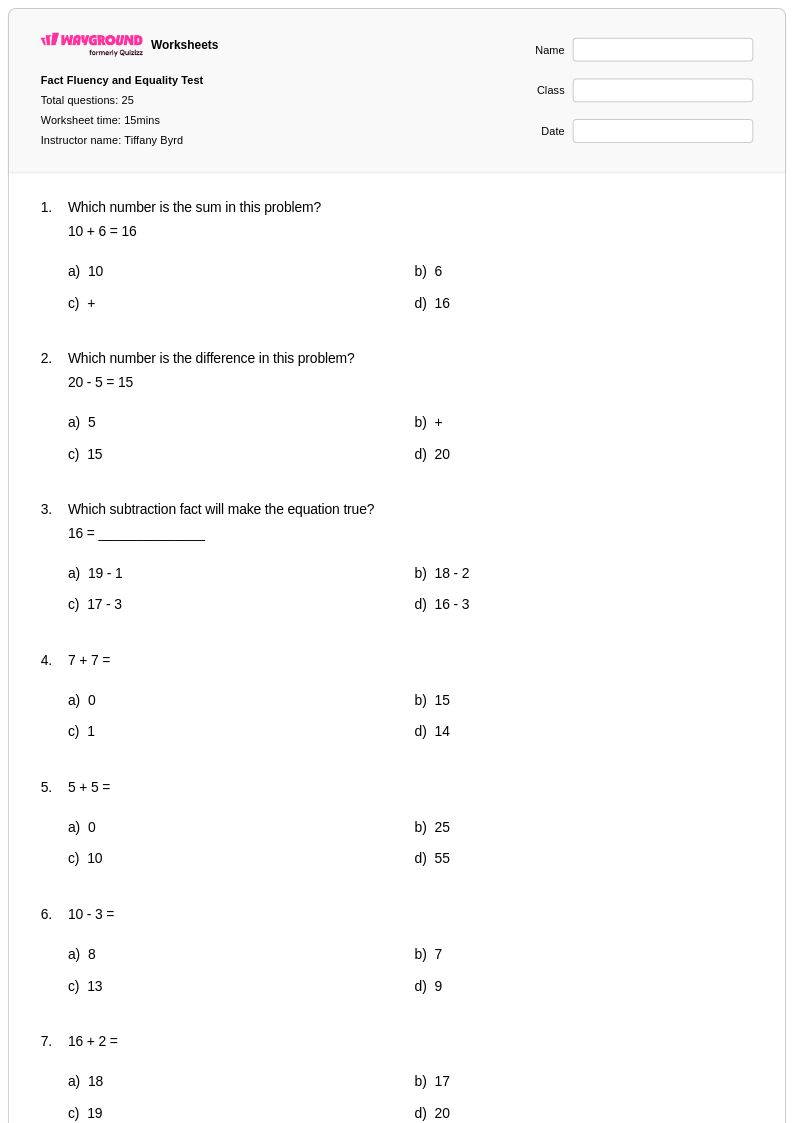
25Q
2nd
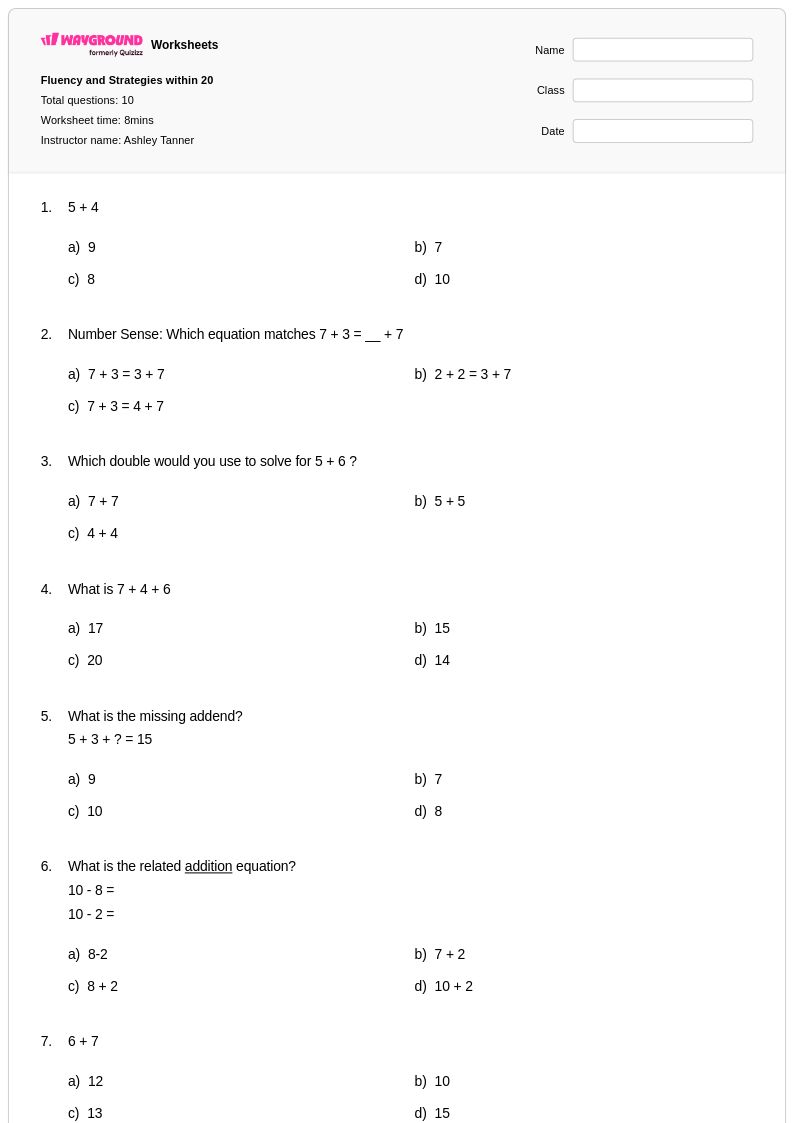
10Q
2nd
20Q
2nd
60Q
1st - 5th
14Q
2nd
50Q
1st - 5th
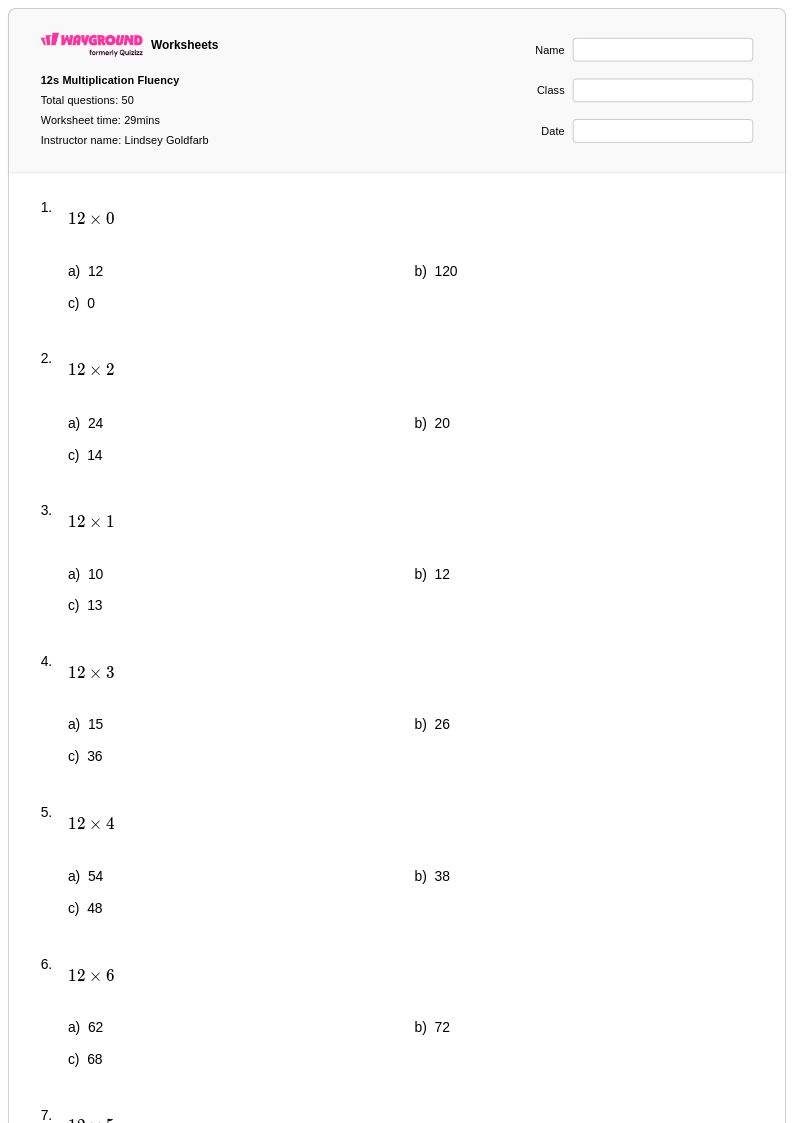
50Q
1st - 5th
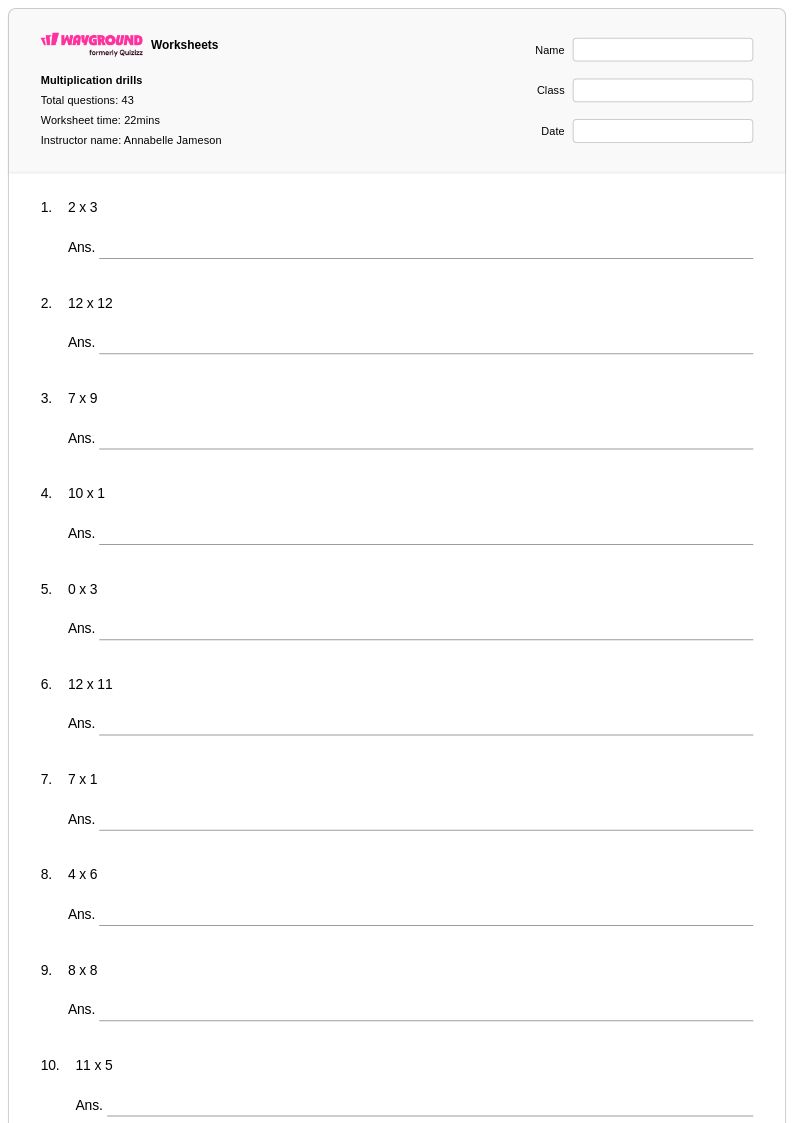
43Q
2nd - 5th
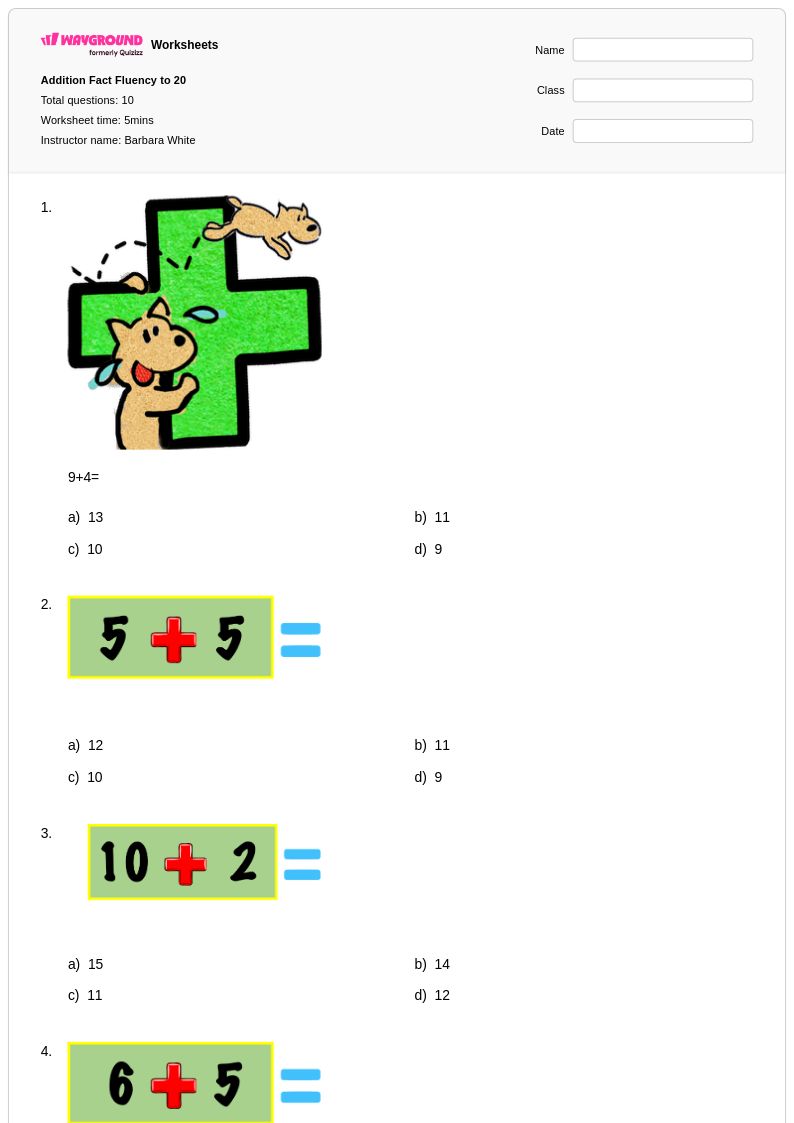
10Q
2nd
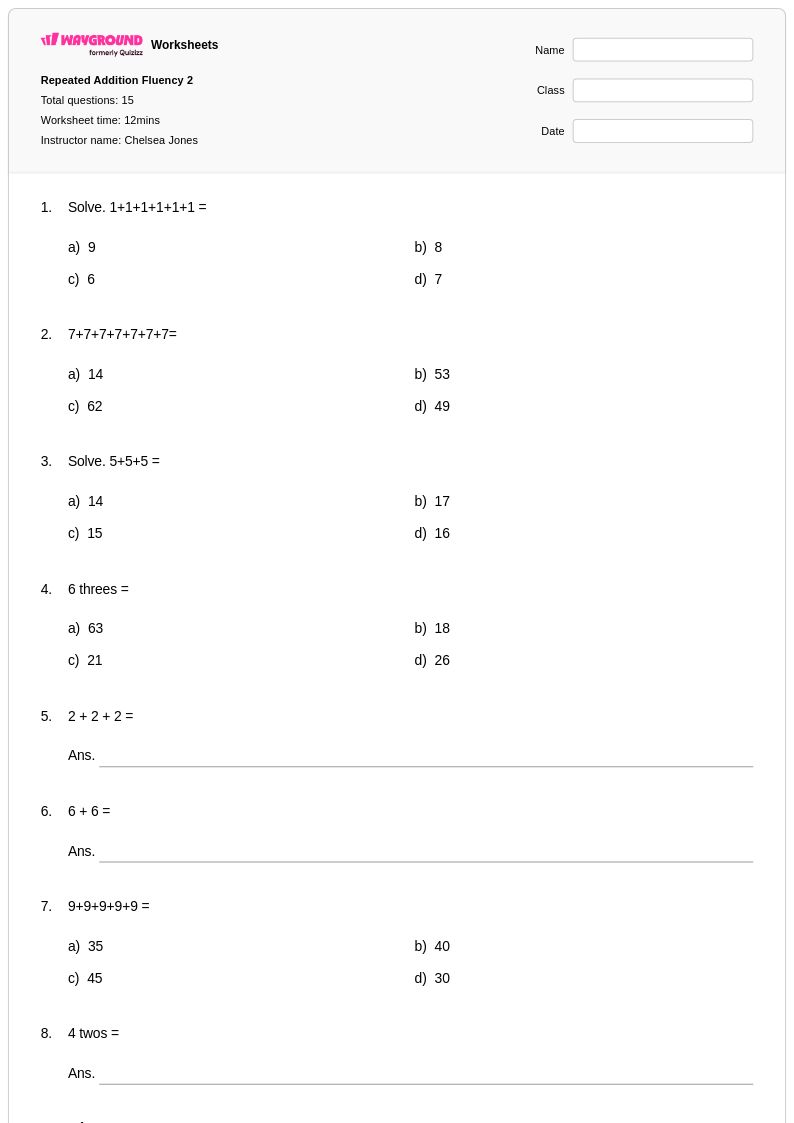
15Q
2nd - 3rd
20Q
2nd - 3rd
10Q
1st - 5th
10Q
2nd
13Q
2nd
10Q
2nd
15Q
2nd - PD
15Q
2nd
16Q
2nd
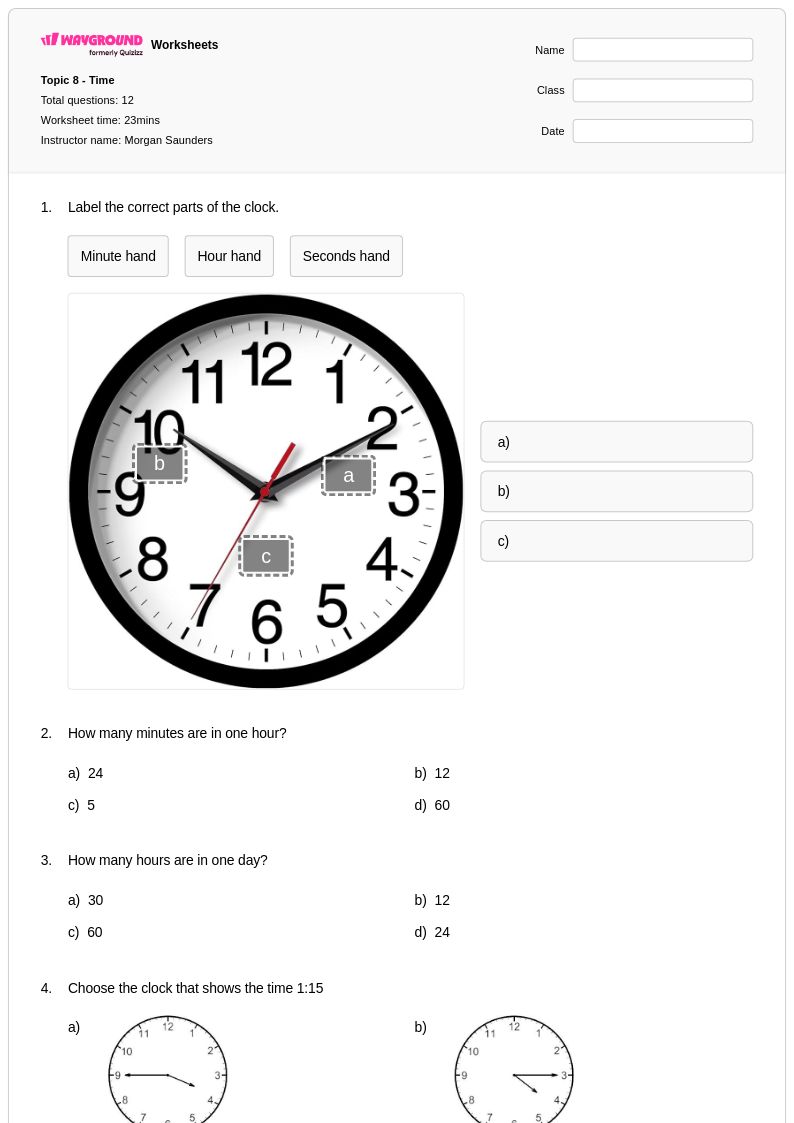
12Q
2nd
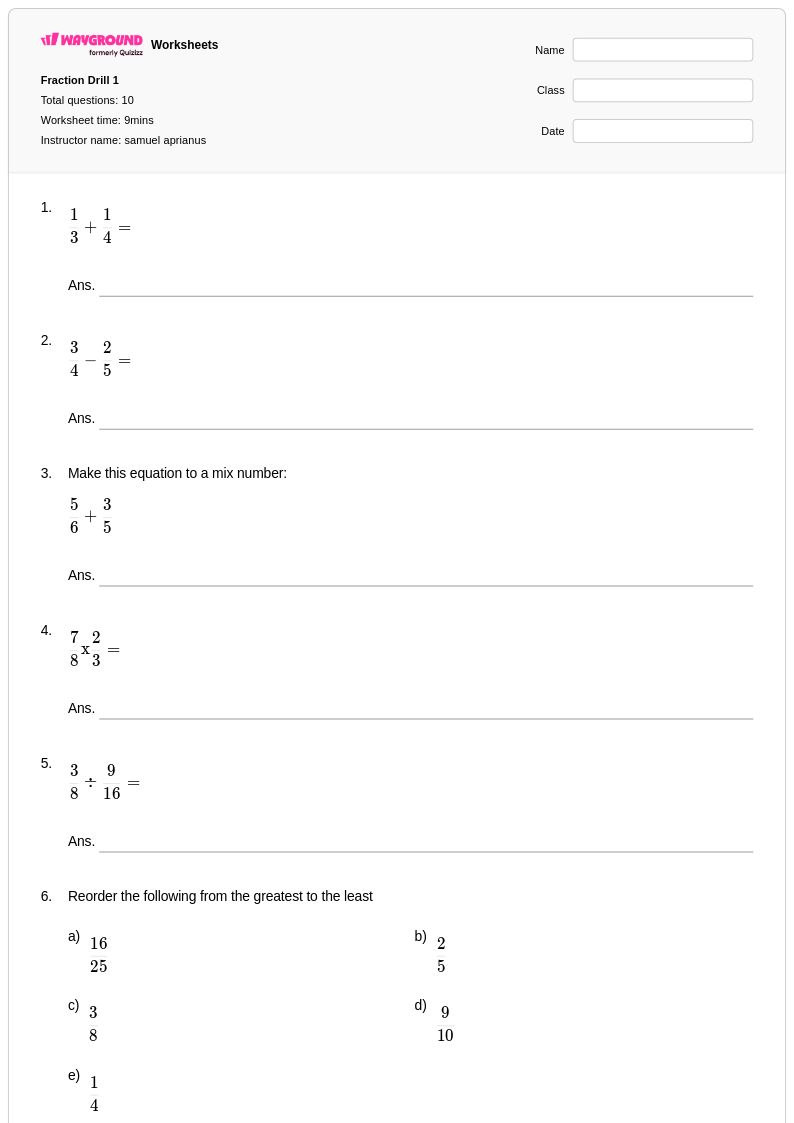
10Q
1st - 5th
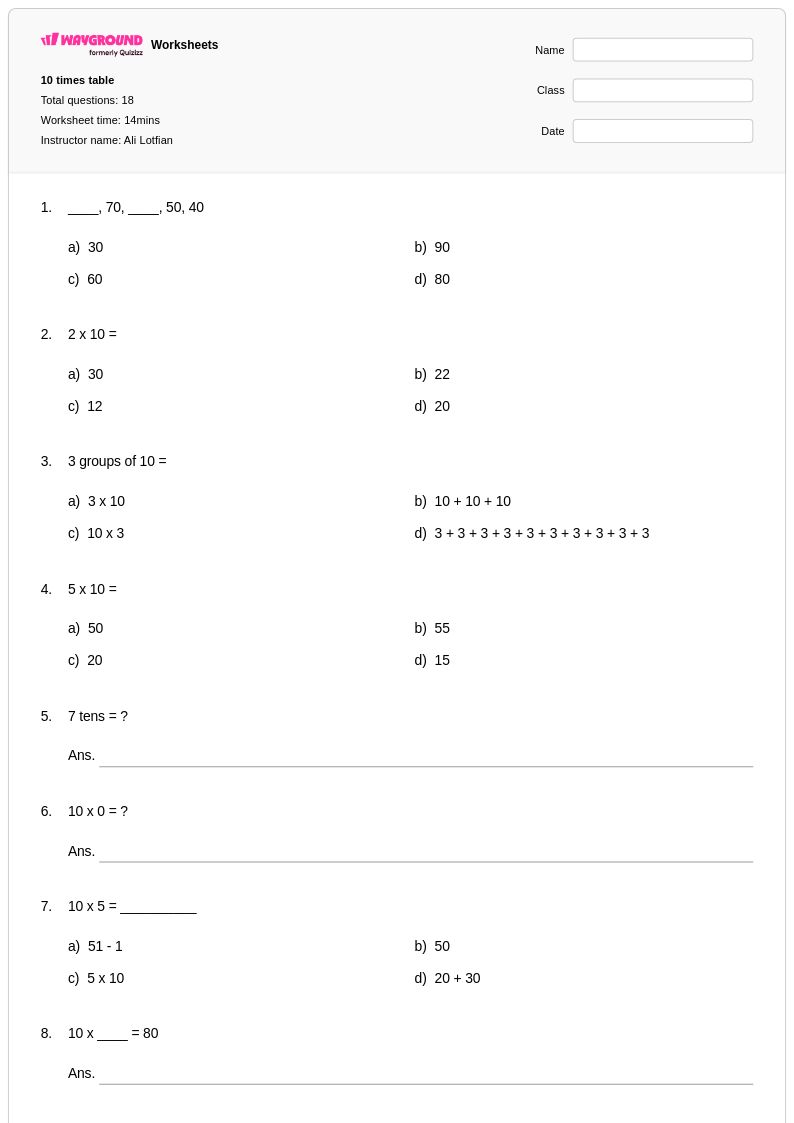
18Q
2nd
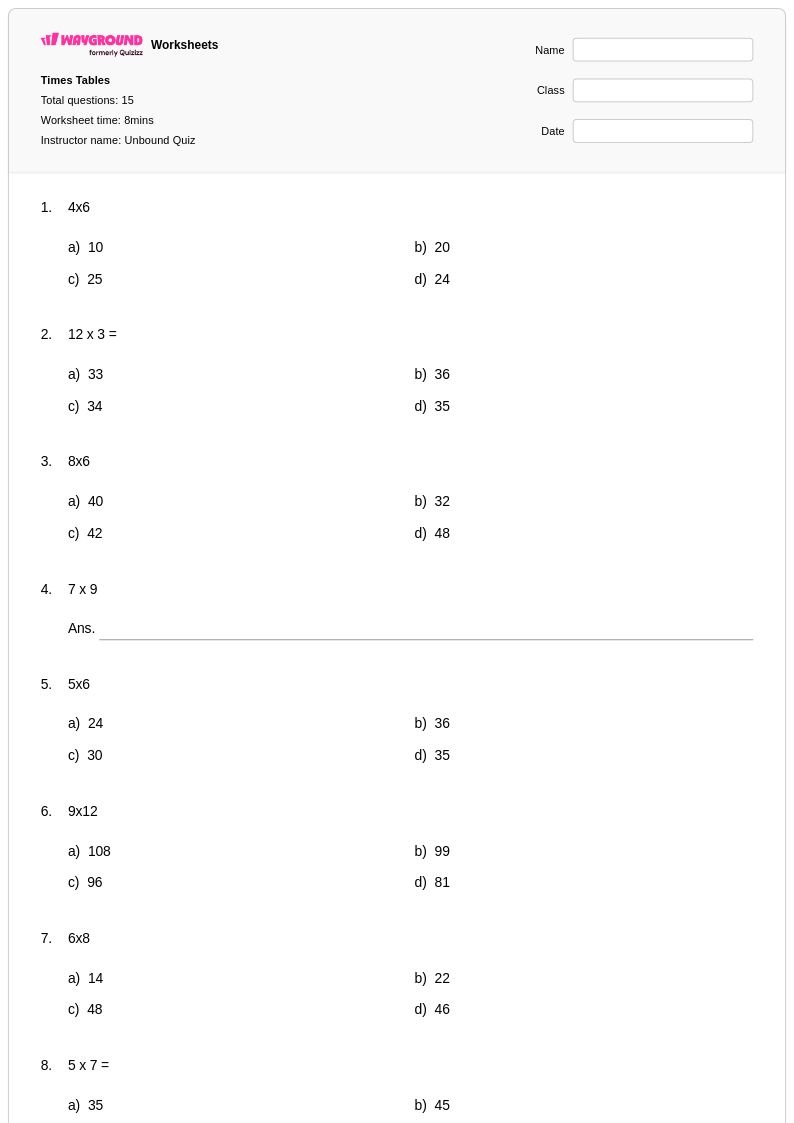
15Q
2nd - 4th
Explorar Fluency Drills: Timed Tests hojas de trabajo por grados
Explore otras hojas de trabajo de materias para class 2
Explore printable Fluency Drills: Timed Tests worksheets for Class 2
Fluency drills and timed tests for Class 2 mathematics represent a critical component in developing automatic recall of basic mathematical facts and building computational confidence in young learners. Wayground's comprehensive collection of fluency drill worksheets focuses on strengthening foundational skills through structured, time-based practice that helps second graders achieve automaticity in addition, subtraction, and number recognition. These carefully designed practice problems progressively build speed and accuracy while reinforcing essential mathematical concepts, with each printable worksheet including a complete answer key to support immediate feedback and assessment. The free pdf format ensures accessibility for both classroom instruction and home practice, allowing teachers and parents to provide consistent skill reinforcement that bridges the gap between conceptual understanding and computational fluency.
Wayground, formerly Quizizz, empowers educators with millions of teacher-created fluency drill resources specifically tailored to Class 2 mathematical standards and learning objectives. The platform's robust search and filtering capabilities enable teachers to quickly locate worksheets that match their students' specific skill levels and instructional needs, while differentiation tools support both remediation for struggling learners and enrichment opportunities for advanced students. Teachers can customize existing timed tests or create new fluency drills that align with their curriculum pacing, with resources available in both printable and digital formats to accommodate diverse classroom environments and learning preferences. This flexibility streamlines lesson planning while providing educators with reliable tools for ongoing skill practice, formative assessment, and targeted intervention that ensures all students develop the mathematical fluency essential for future academic success.
FAQs
What are the fluency goals for a 2nd grader in math?
What types of problems are included in these 2nd-grade timed tests?
What common errors should I look for in 2nd-grade fluency practice?
How can I use these 2nd-grade math drills in my class?
How do these drills support 2nd grade Common Core standards?
How can I adjust these drills for students at different levels?