
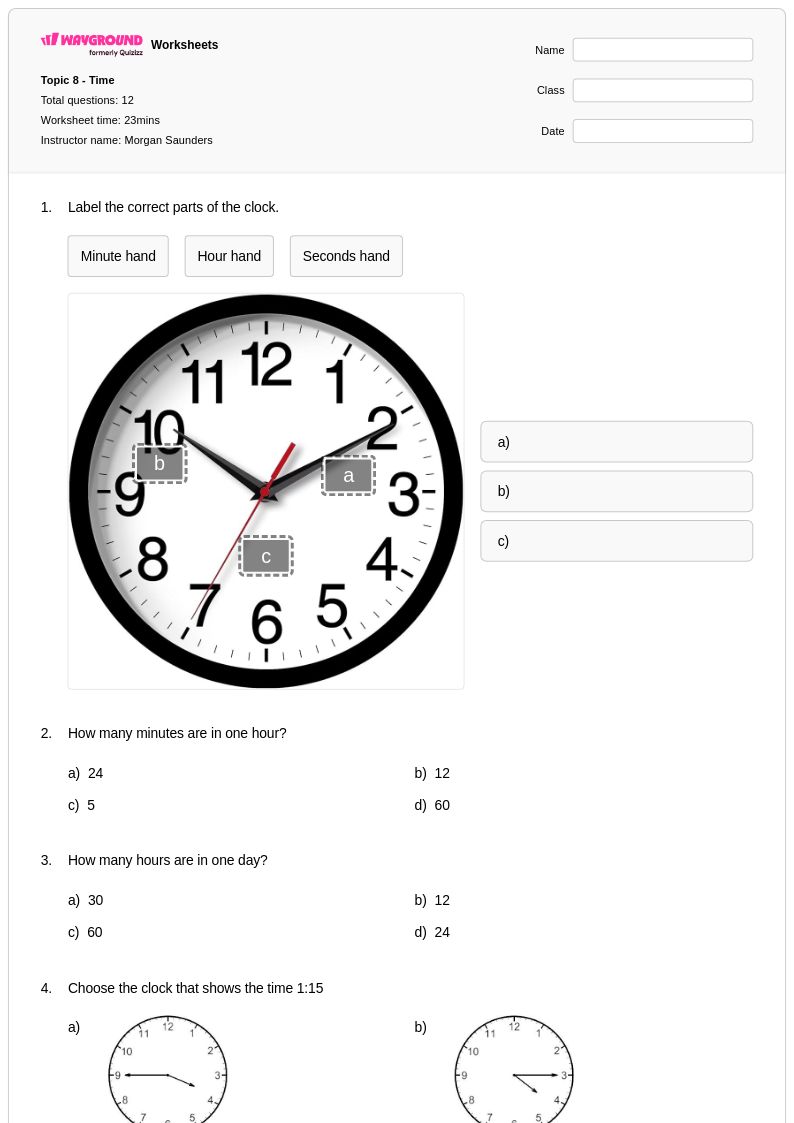
12 Q
2nd
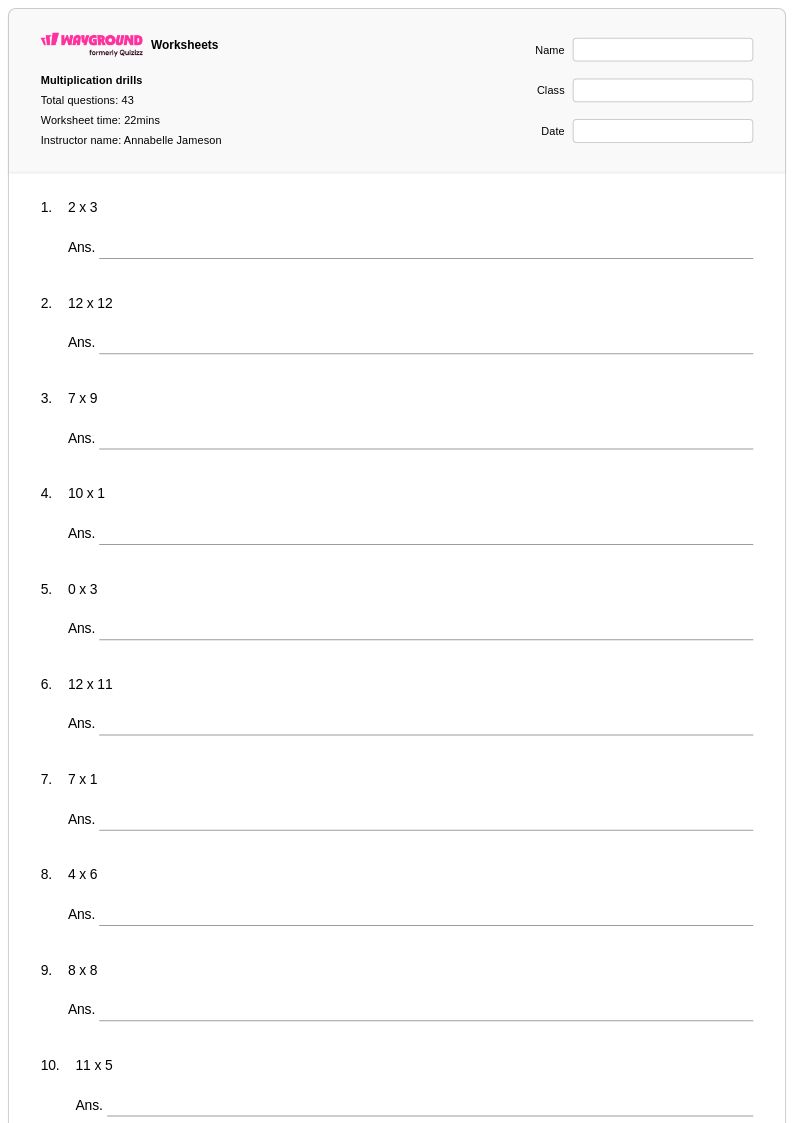
43 Q
2nd - 5th
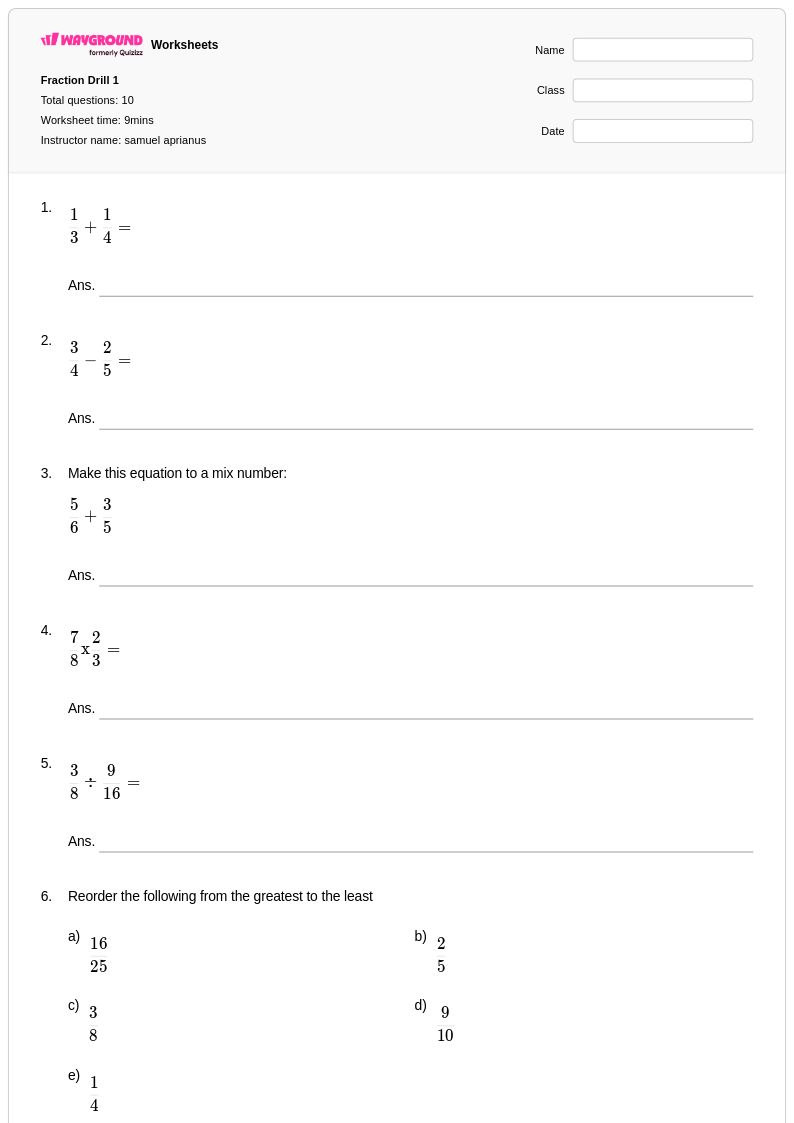
10 Q
1st - 5th
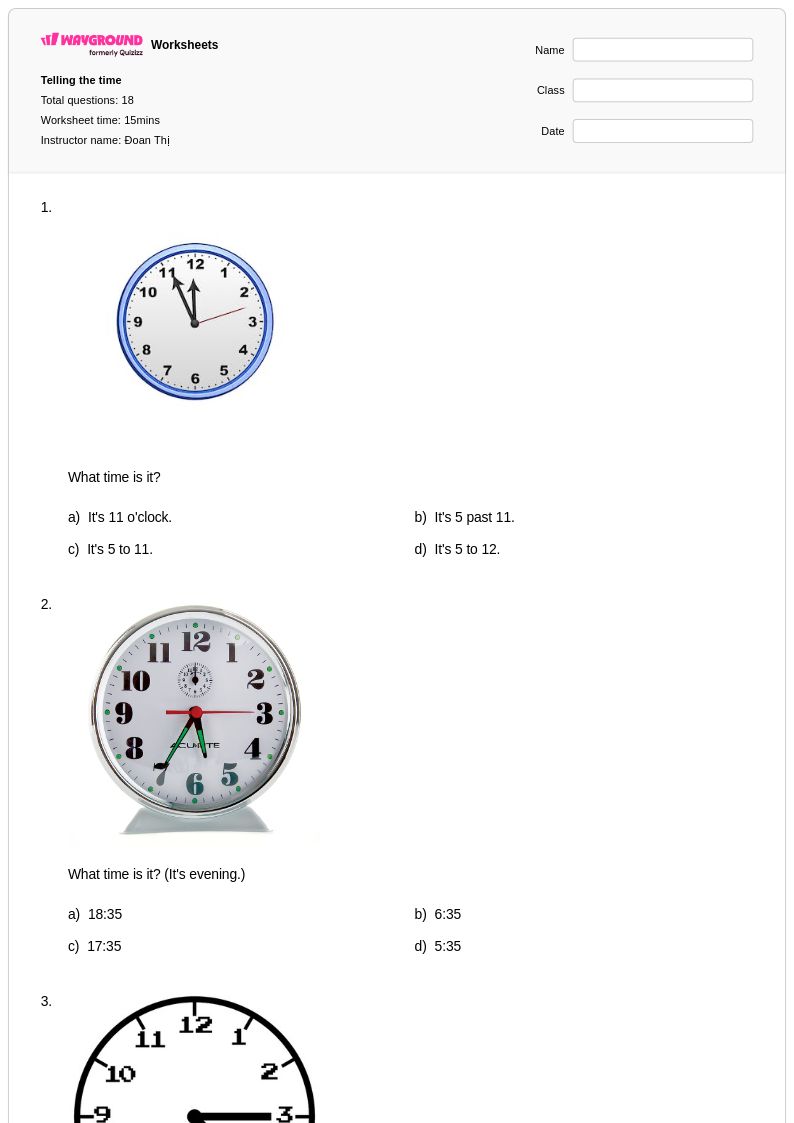
18 Q
2nd
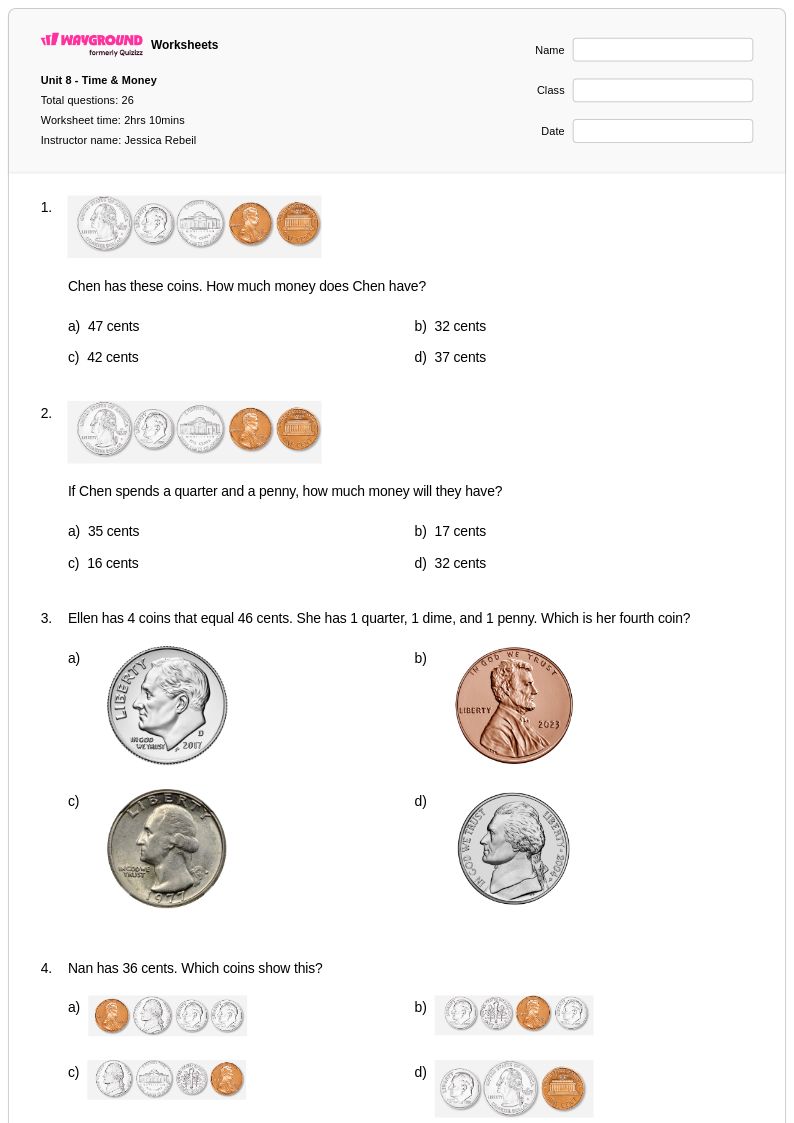
26 Q
2nd
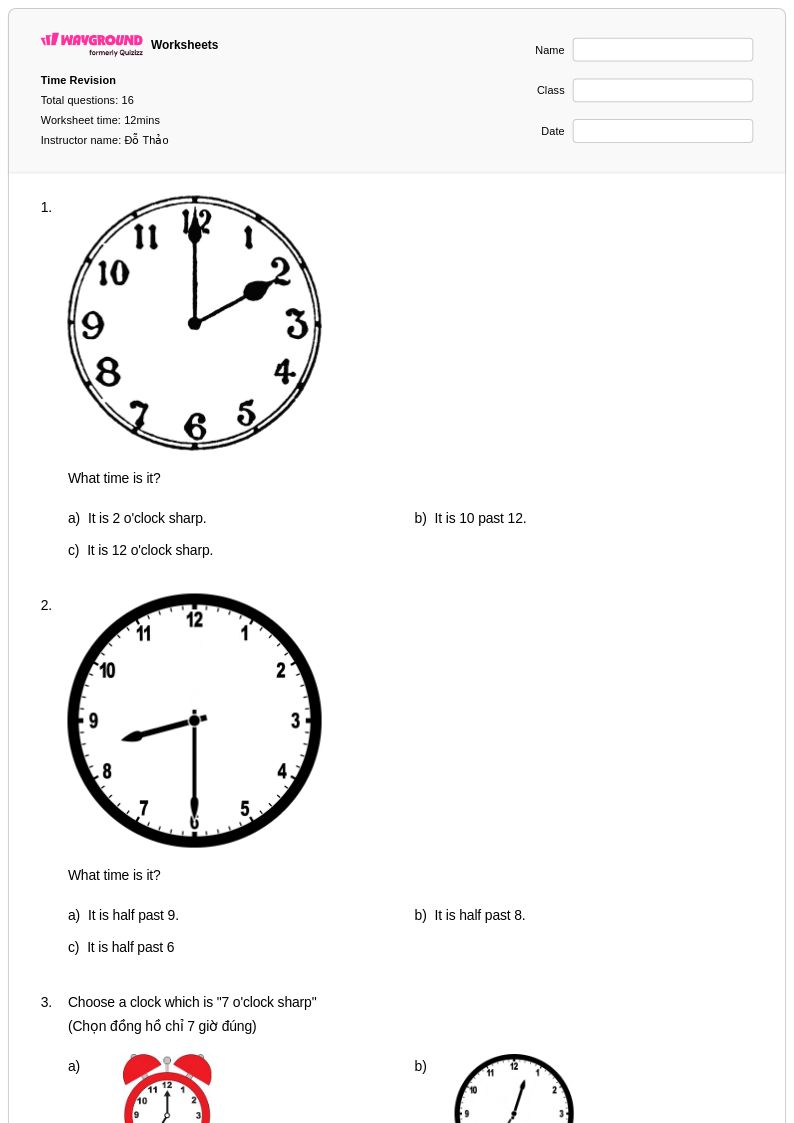
16 Q
2nd
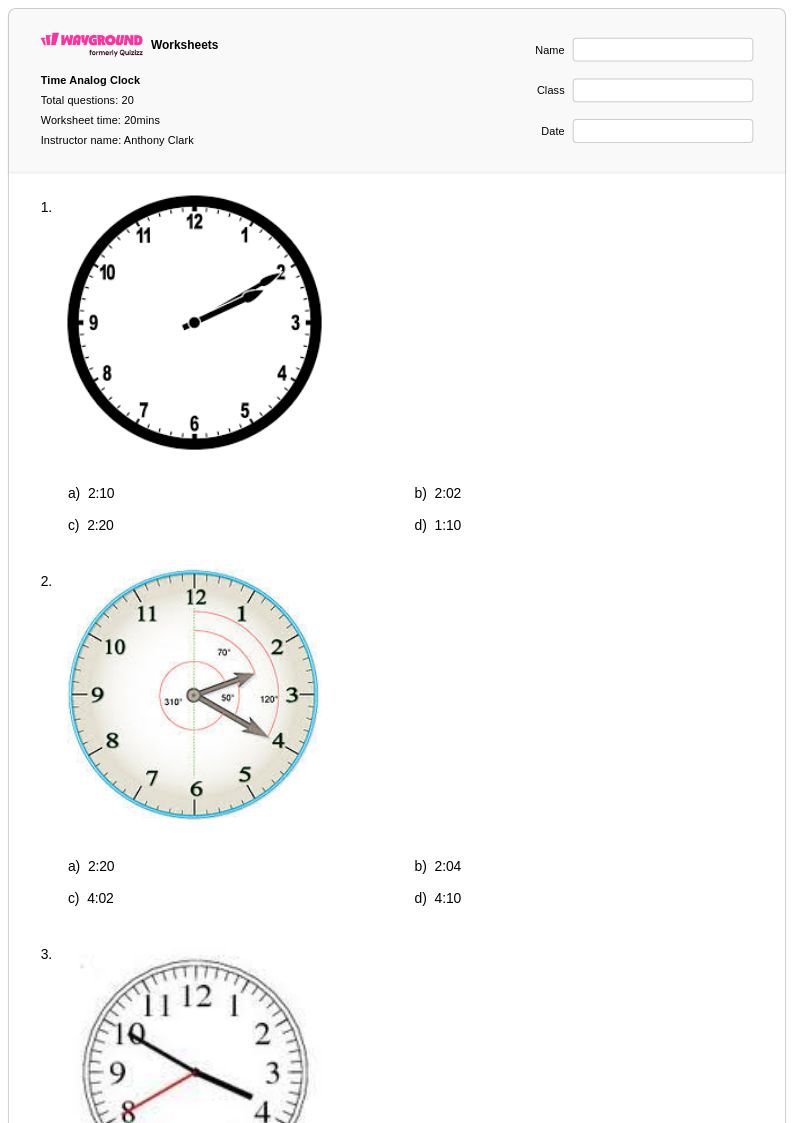
20 Q
2nd - Uni
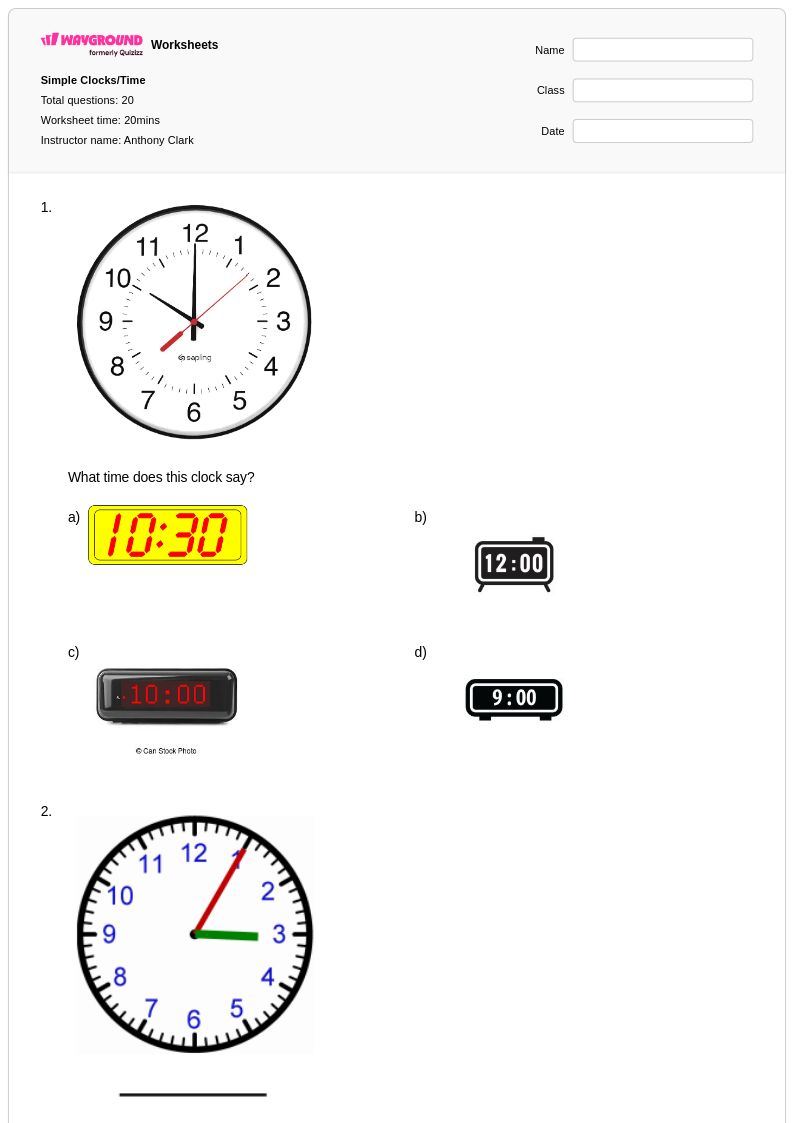
20 Q
2nd - Uni
16 Q
2nd
10 Q
1st - 5th
12 Q
2nd
15 Q
2nd - PD
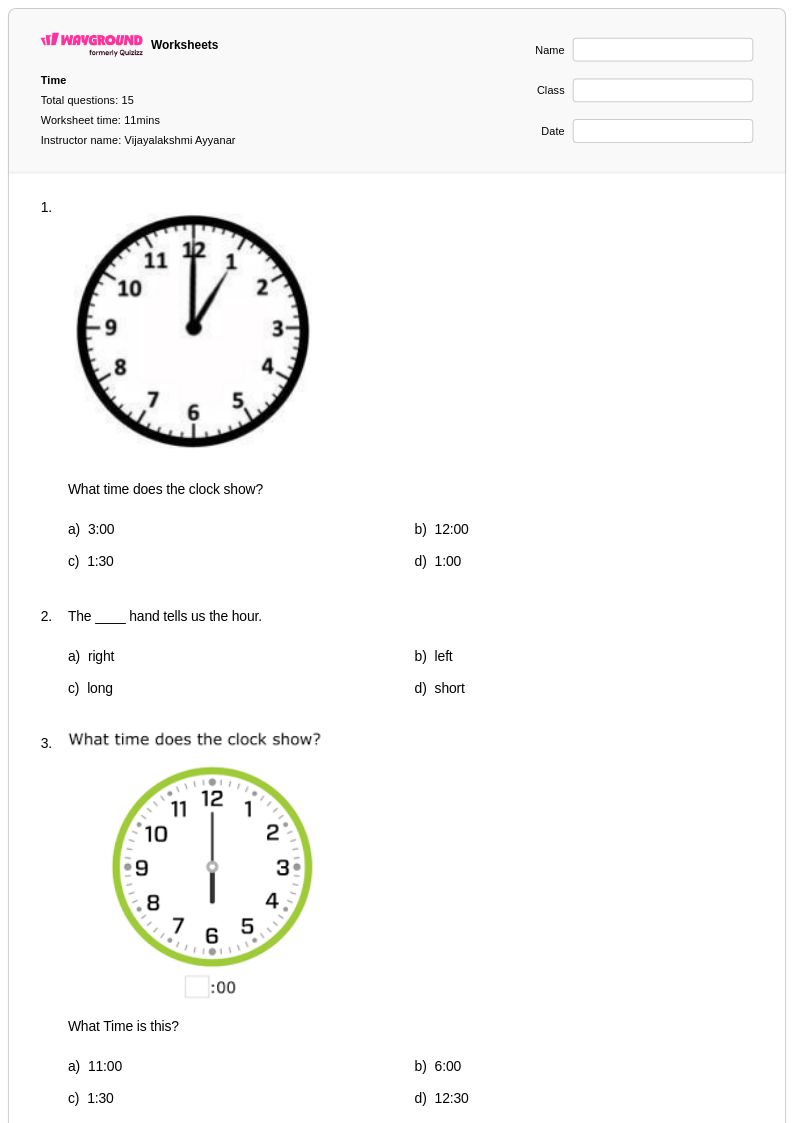
15 Q
2nd
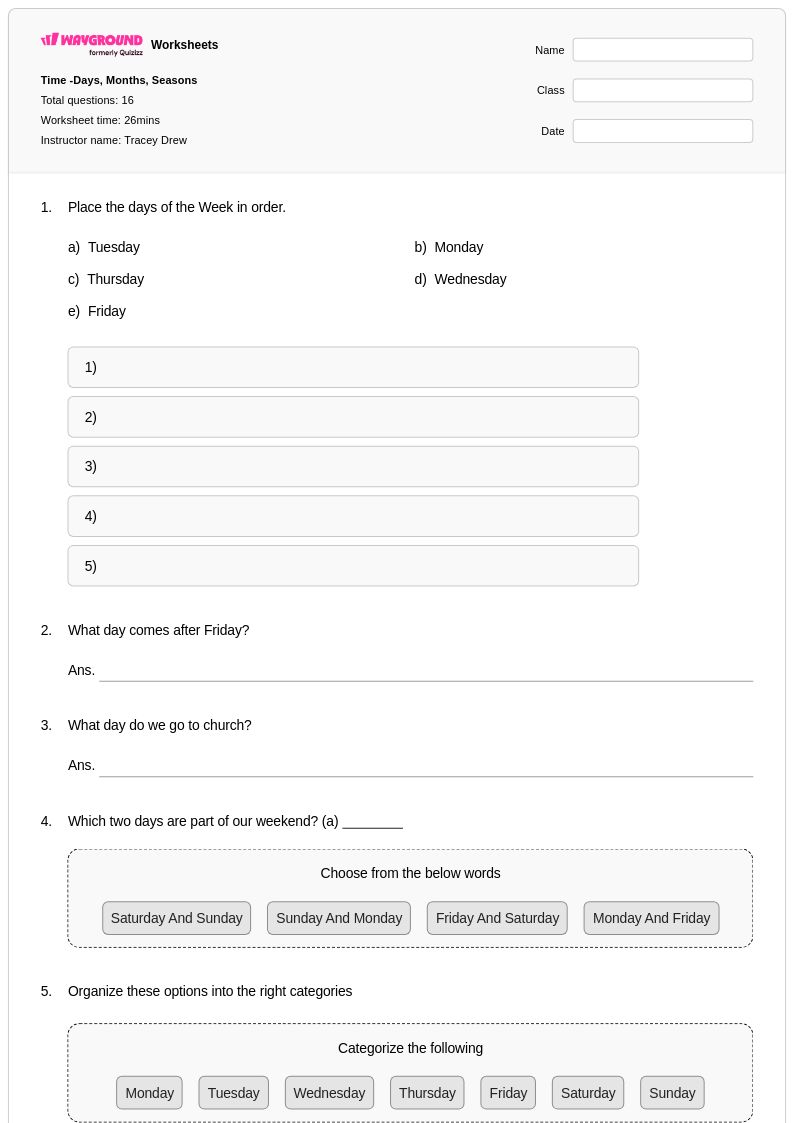
16 Q
2nd
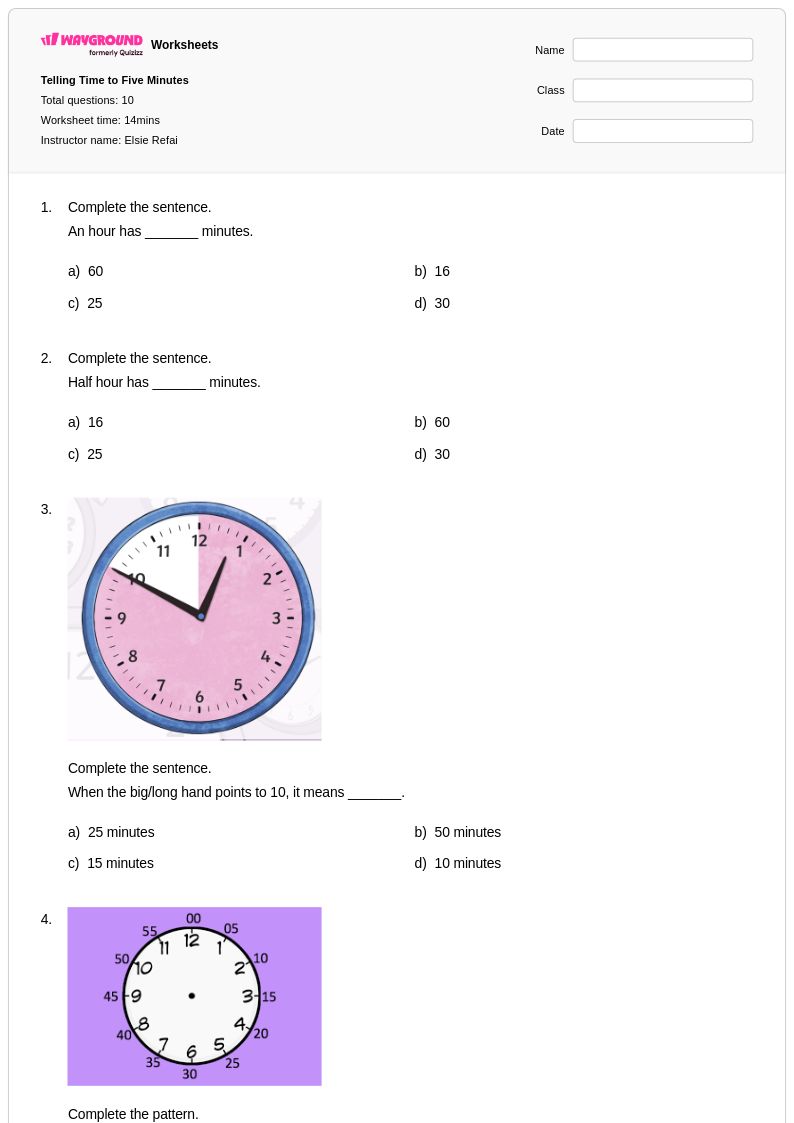
10 Q
2nd
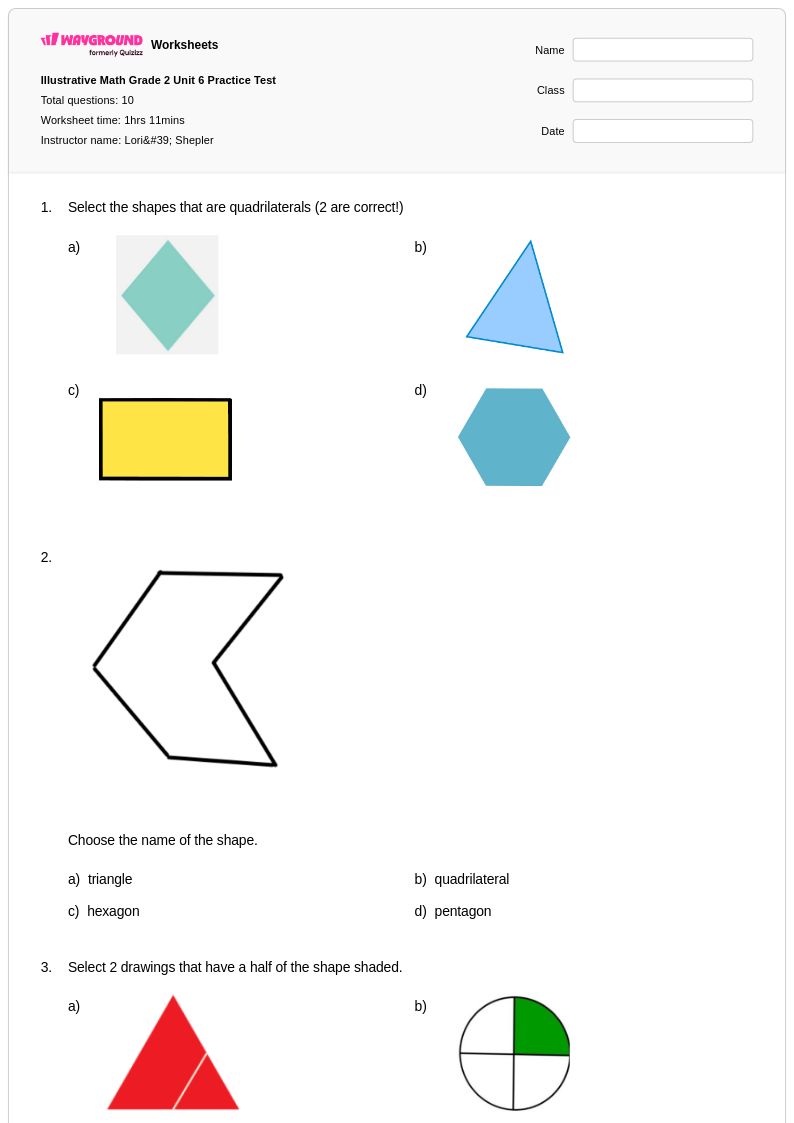
10 Q
2nd
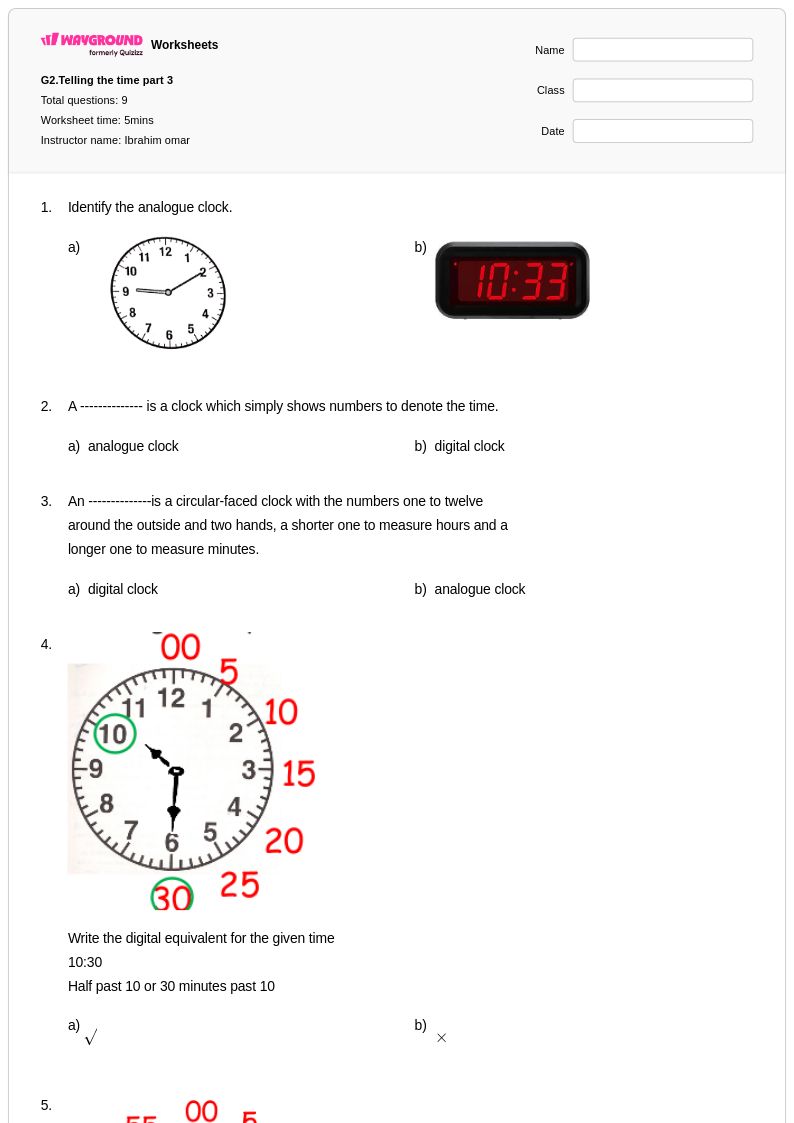
9 Q
2nd
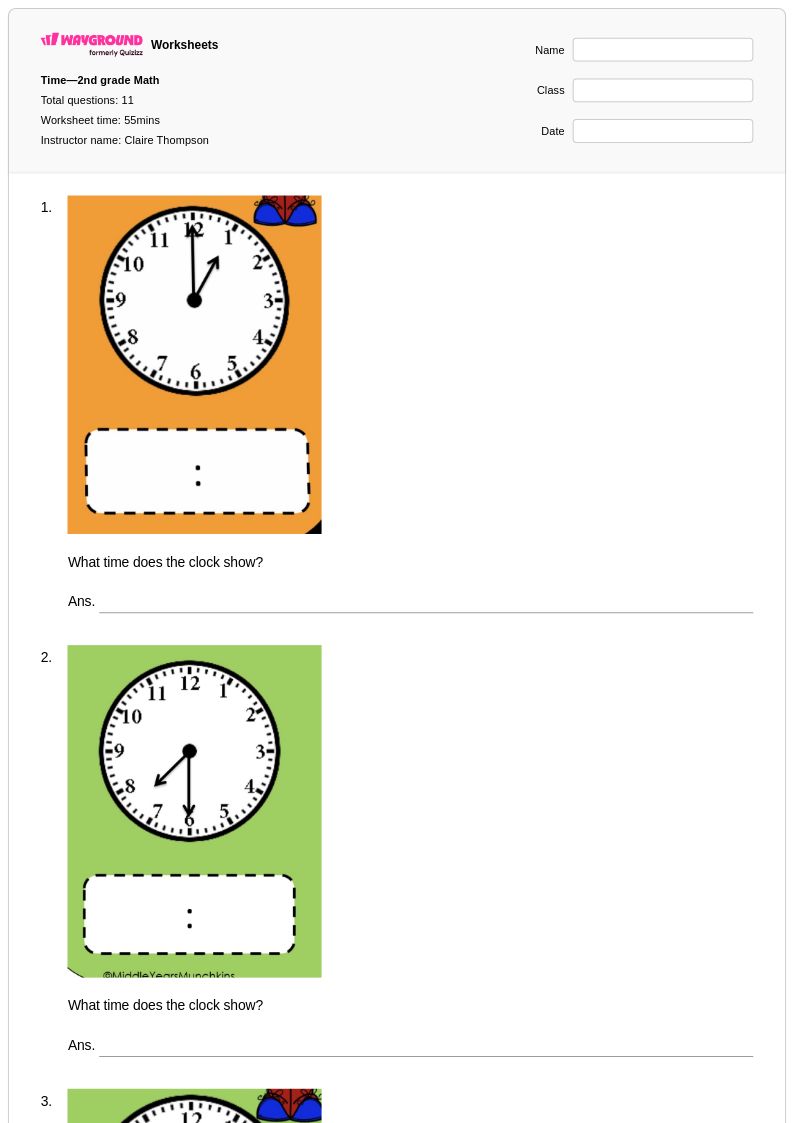
11 Q
2nd
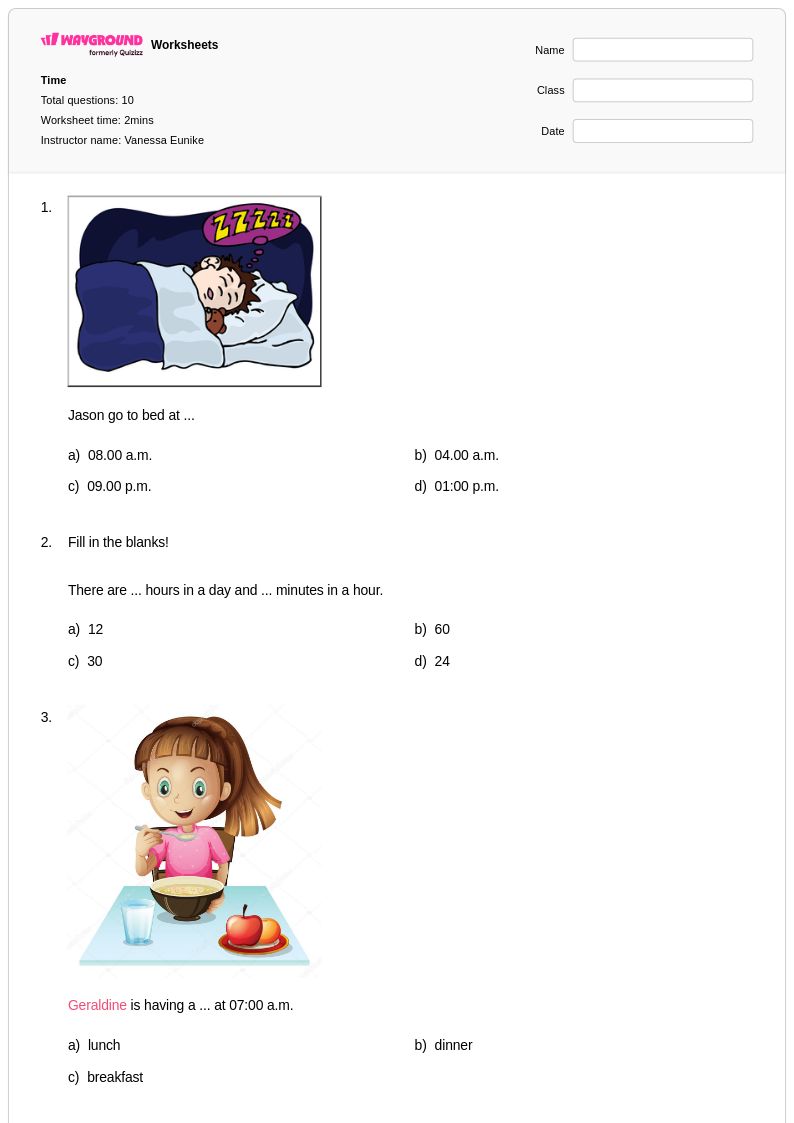
10 Q
2nd
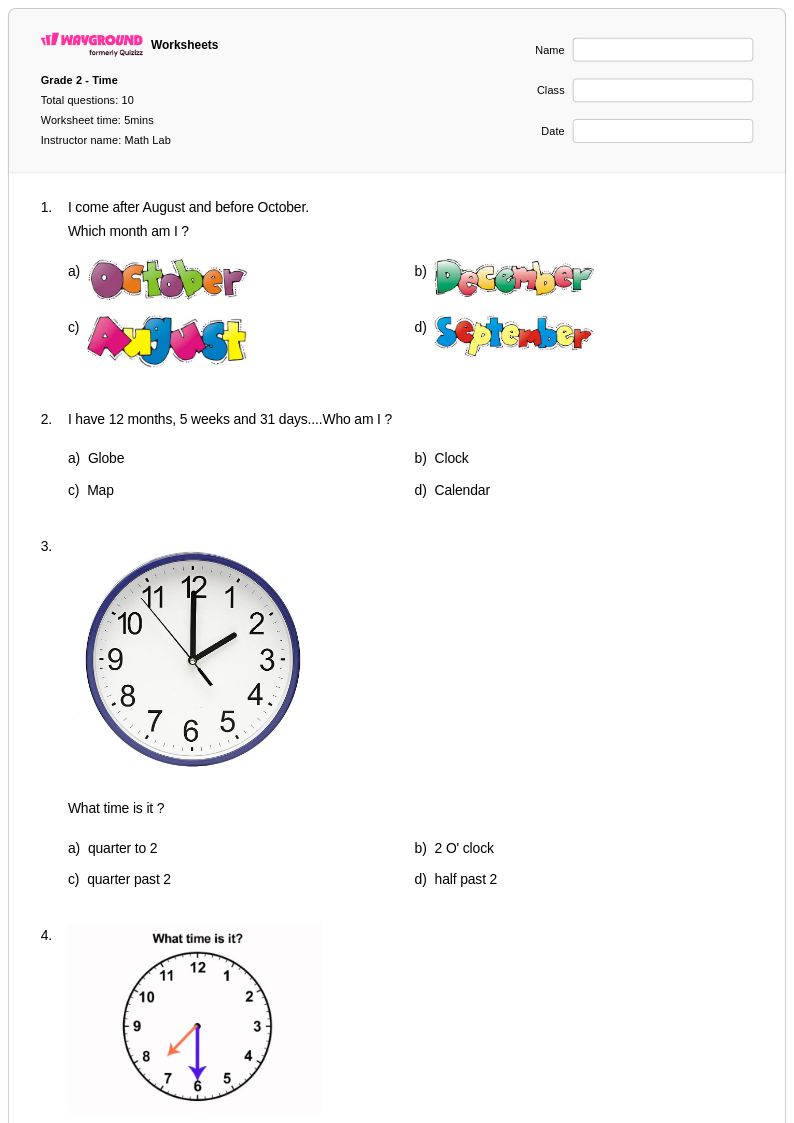
10 Q
2nd
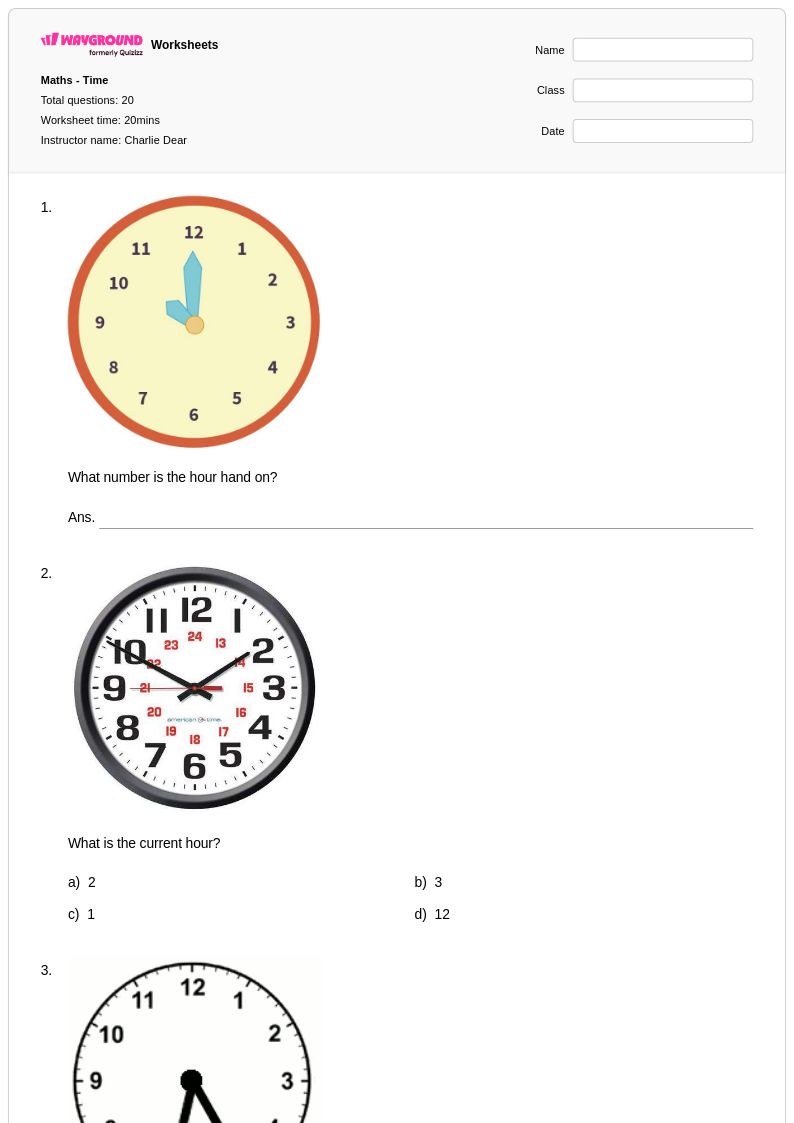
20 Q
2nd
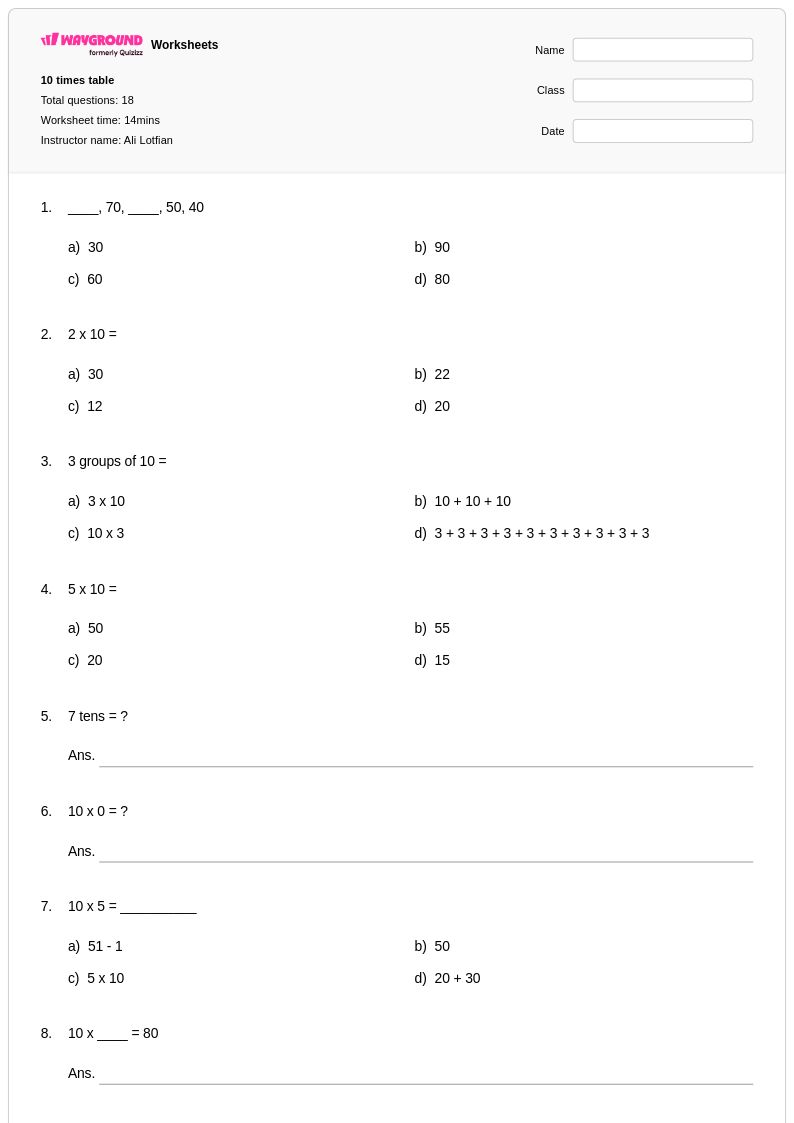
18 Q
2nd
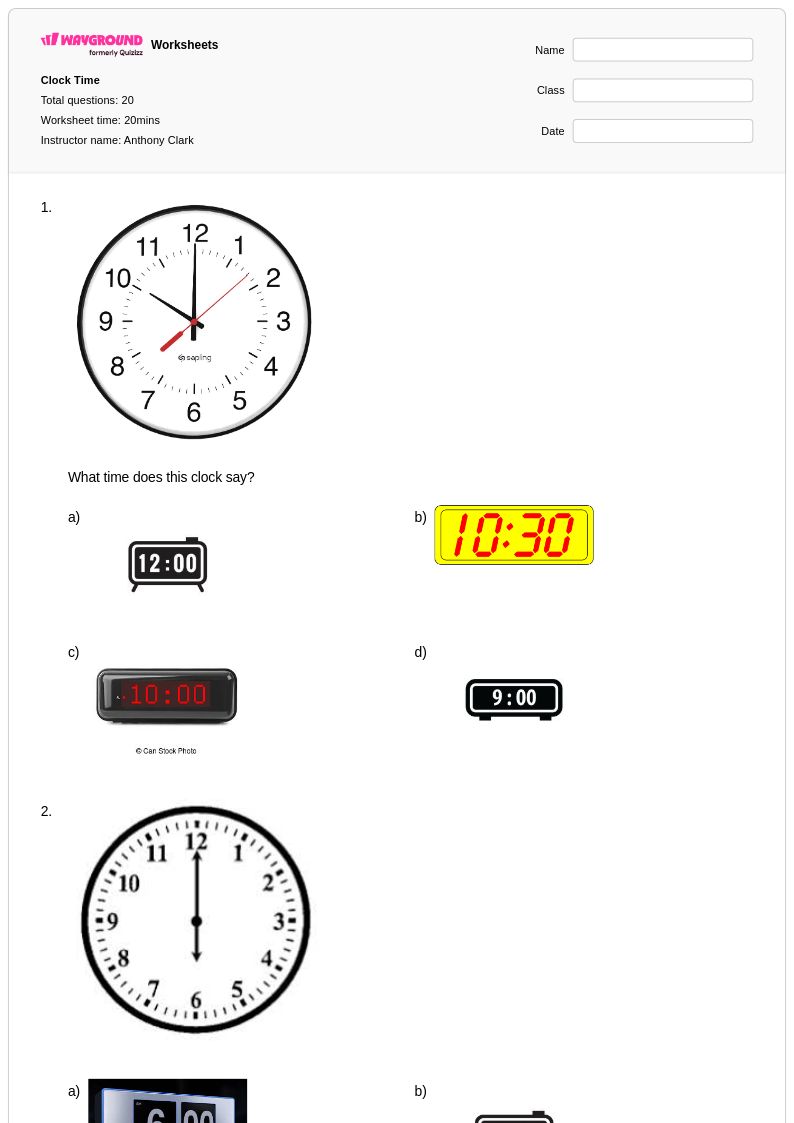
20 Q
2nd - Uni
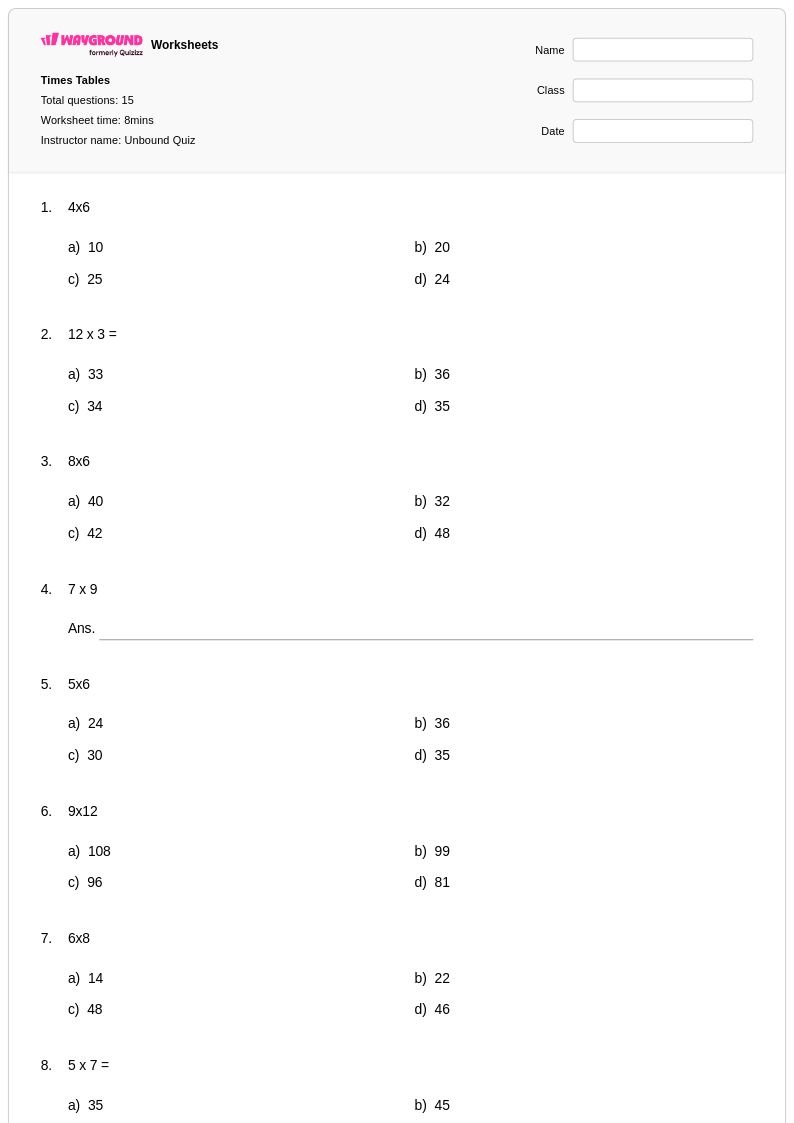
15 Q
2nd - 4th
Explore Other Subject Worksheets for class 2
Explore printable Timed Drills worksheets for Class 2
Timed drills for Class 2 mathematics provide essential practice opportunities that help young learners develop computational fluency and mathematical confidence through structured, time-based exercises. These worksheets from Wayground (formerly Quizizz) focus on fundamental arithmetic operations including addition and subtraction within 20, helping second graders build speed and accuracy with basic math facts. The practice problems are carefully designed to reinforce core mathematical concepts while encouraging students to work efficiently under gentle time constraints. Each worksheet includes a comprehensive answer key, making it easy for educators and parents to assess student progress and identify areas needing additional support. Available as free printables in convenient pdf format, these timed drill worksheets serve as valuable tools for both classroom instruction and home practice sessions.
Wayground (formerly Quizizz) empowers teachers with access to millions of educator-created timed drill resources specifically tailored for Class 2 mathematics instruction. The platform's robust search and filtering capabilities allow educators to quickly locate worksheets that align with specific learning standards and accommodate diverse student needs through built-in differentiation tools. Teachers can easily customize these timed drill exercises to match their classroom pacing and student ability levels, while the flexible format options support both traditional printable worksheets and interactive digital activities. These comprehensive resources streamline lesson planning by providing ready-to-use materials for skill practice, targeted remediation for struggling learners, and enrichment opportunities for advanced students, ultimately helping educators create more effective and engaging mathematics instruction that builds computational fluency systematically.