
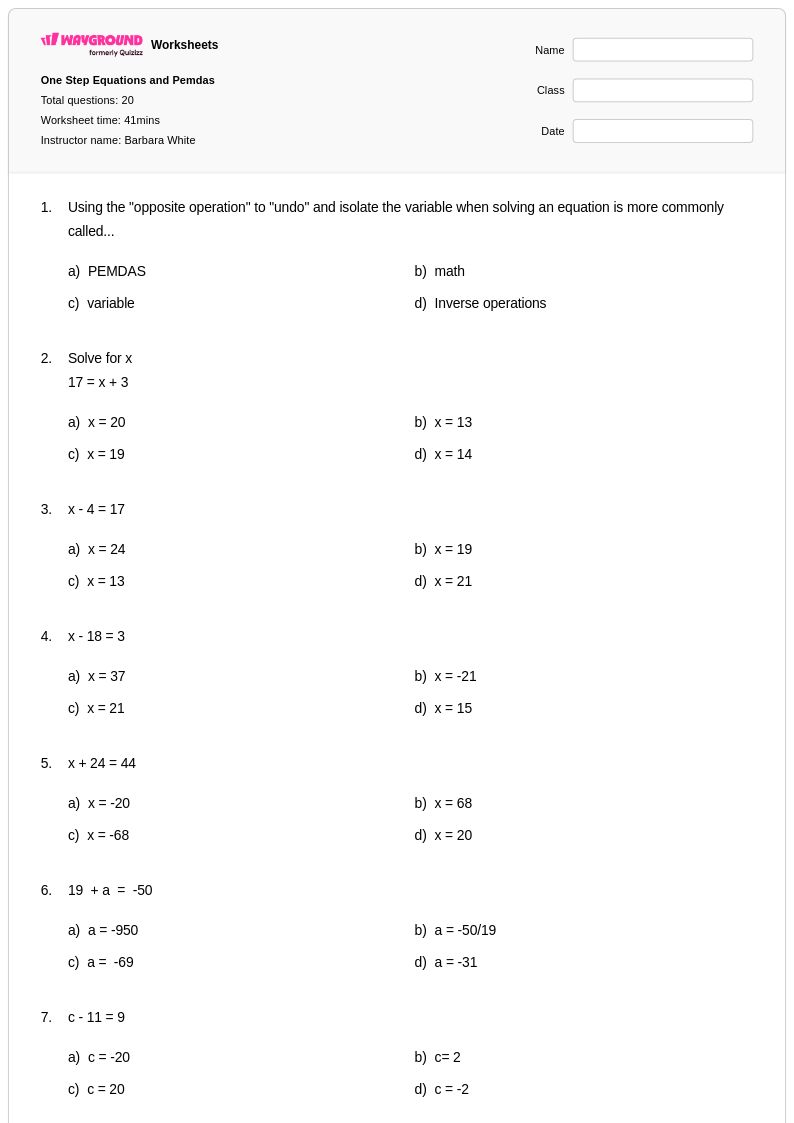
20 Q
6th - 7th
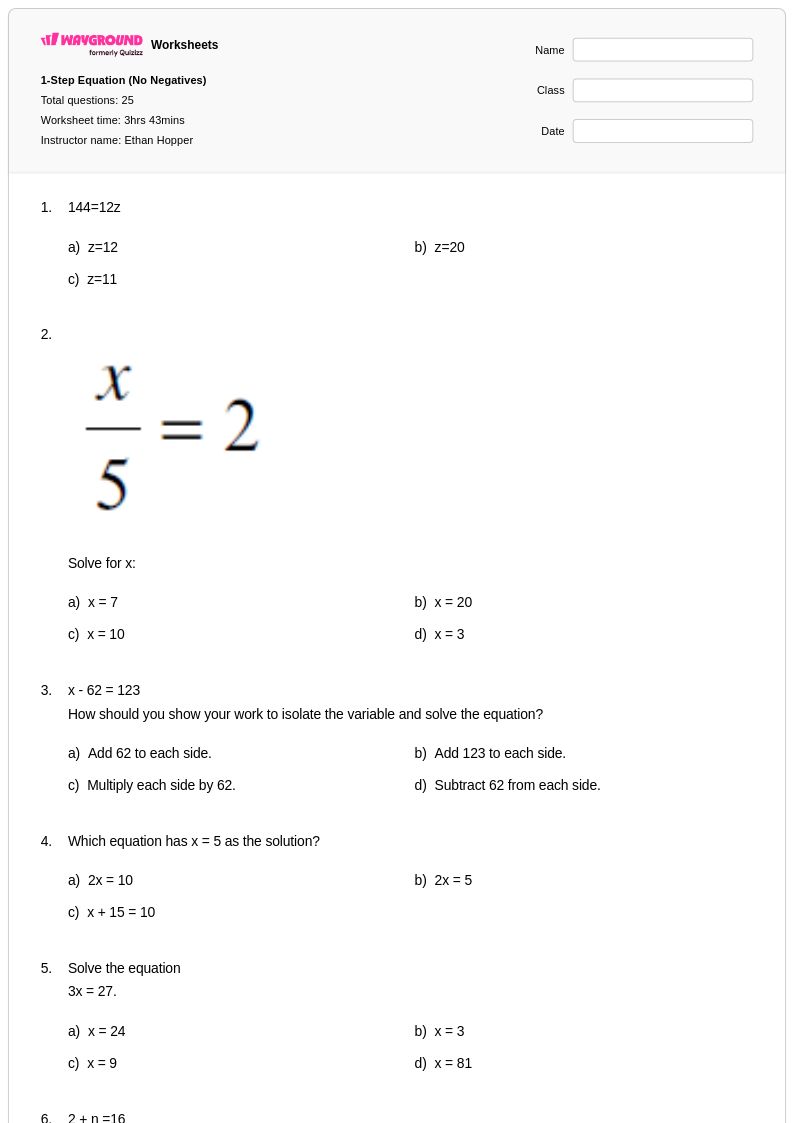
25 Q
6th
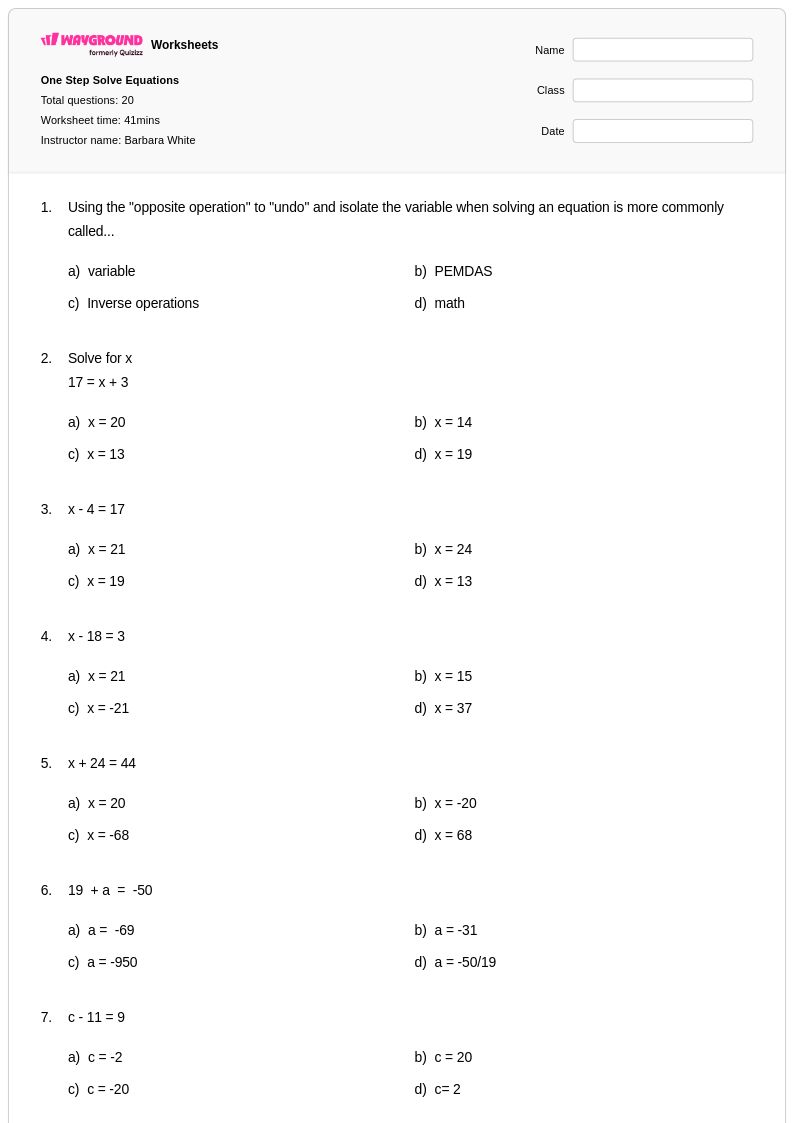
20 Q
6th - 7th
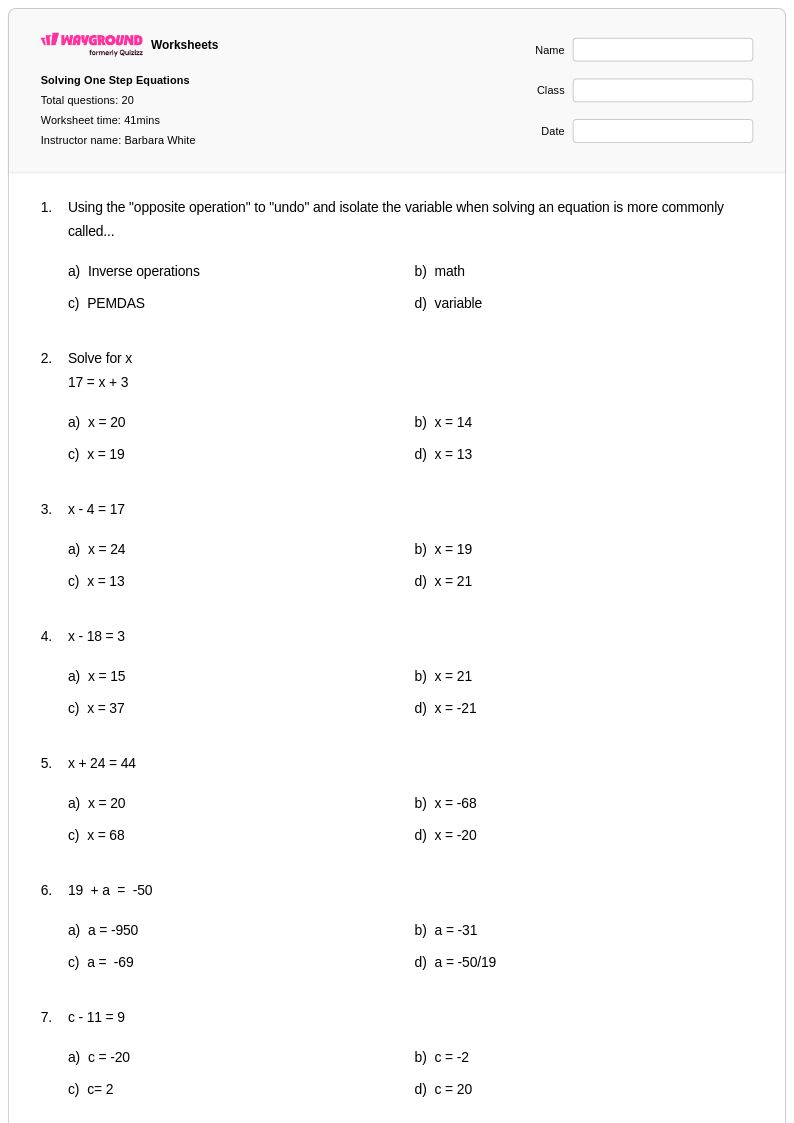
20 Q
6th - 7th
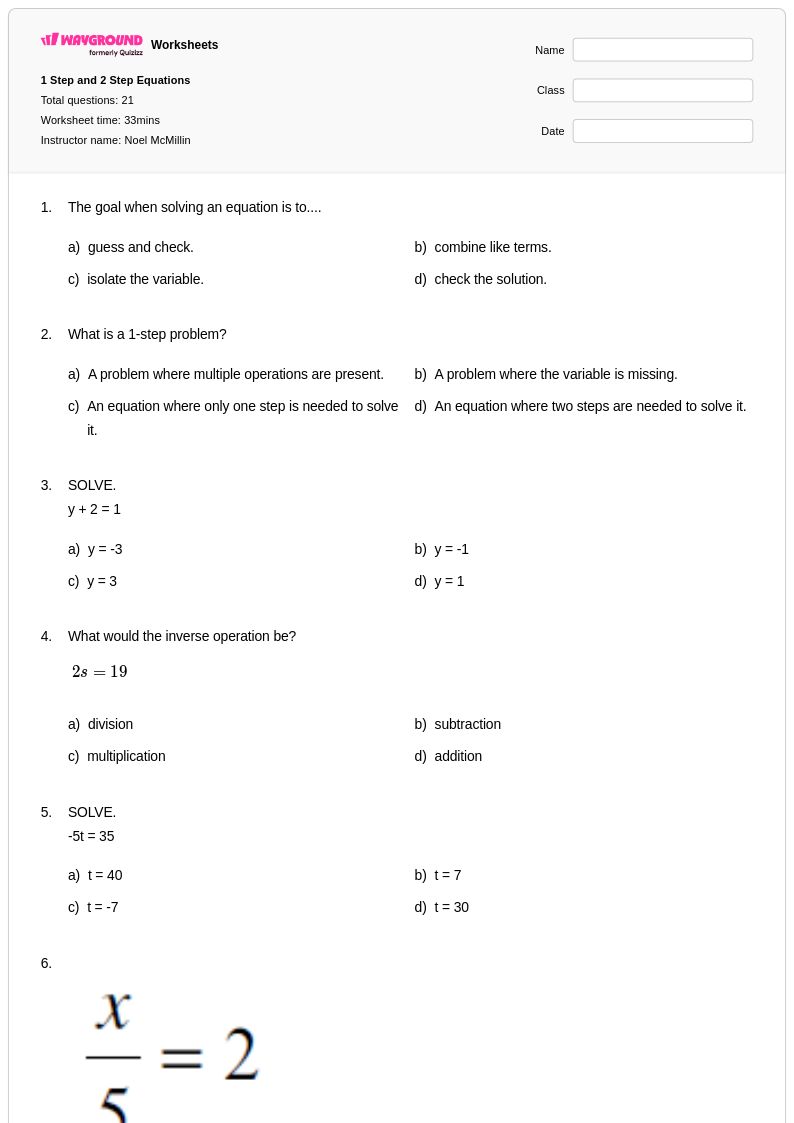
21 Q
6th - 7th
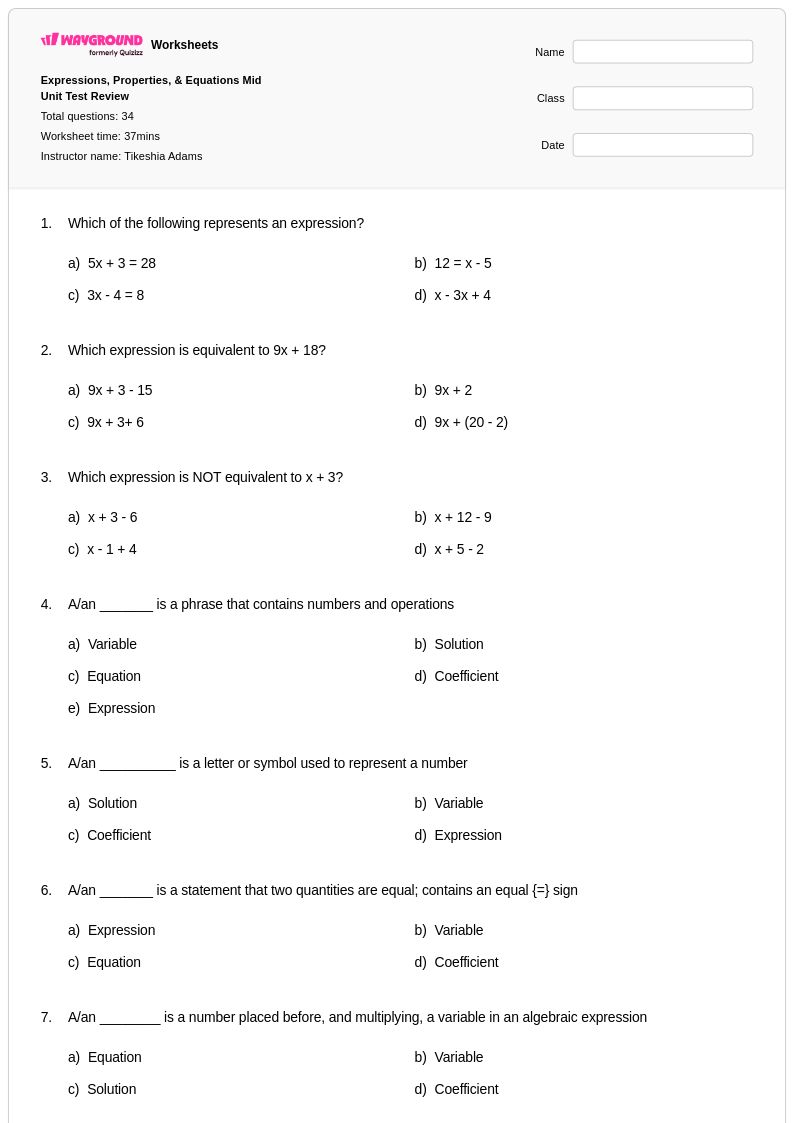
34 Q
6th - 7th
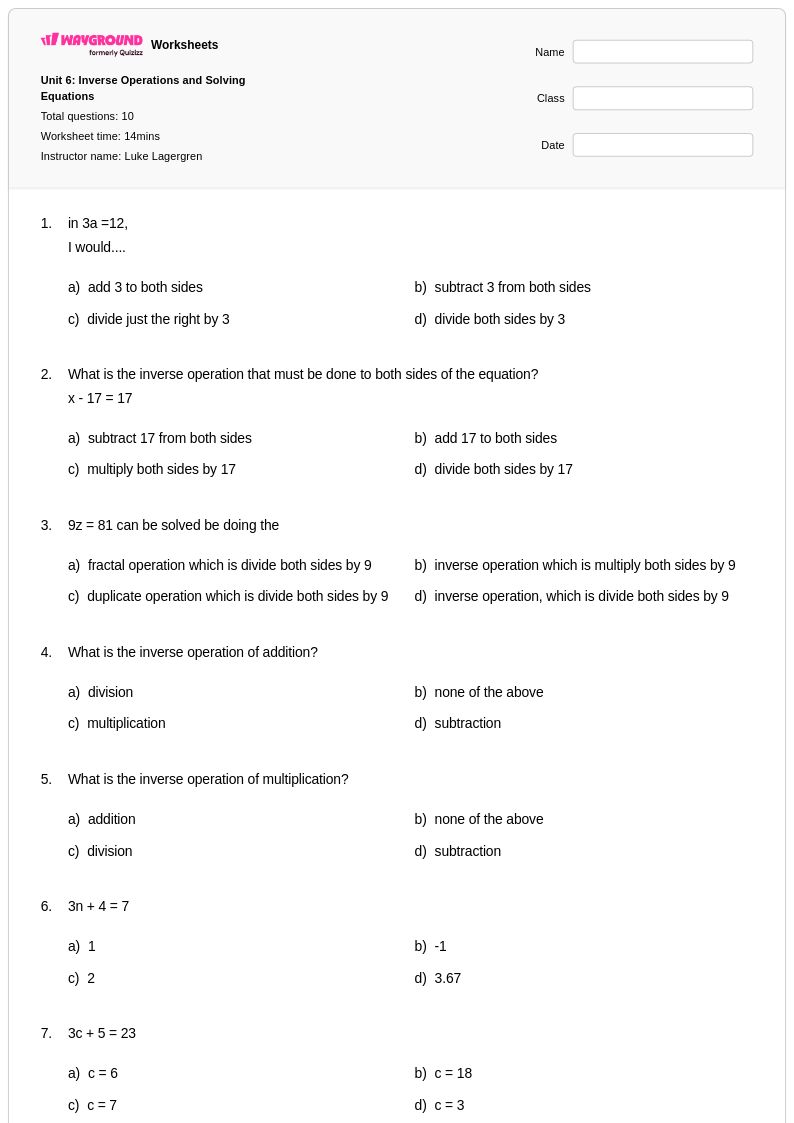
10 Q
6th
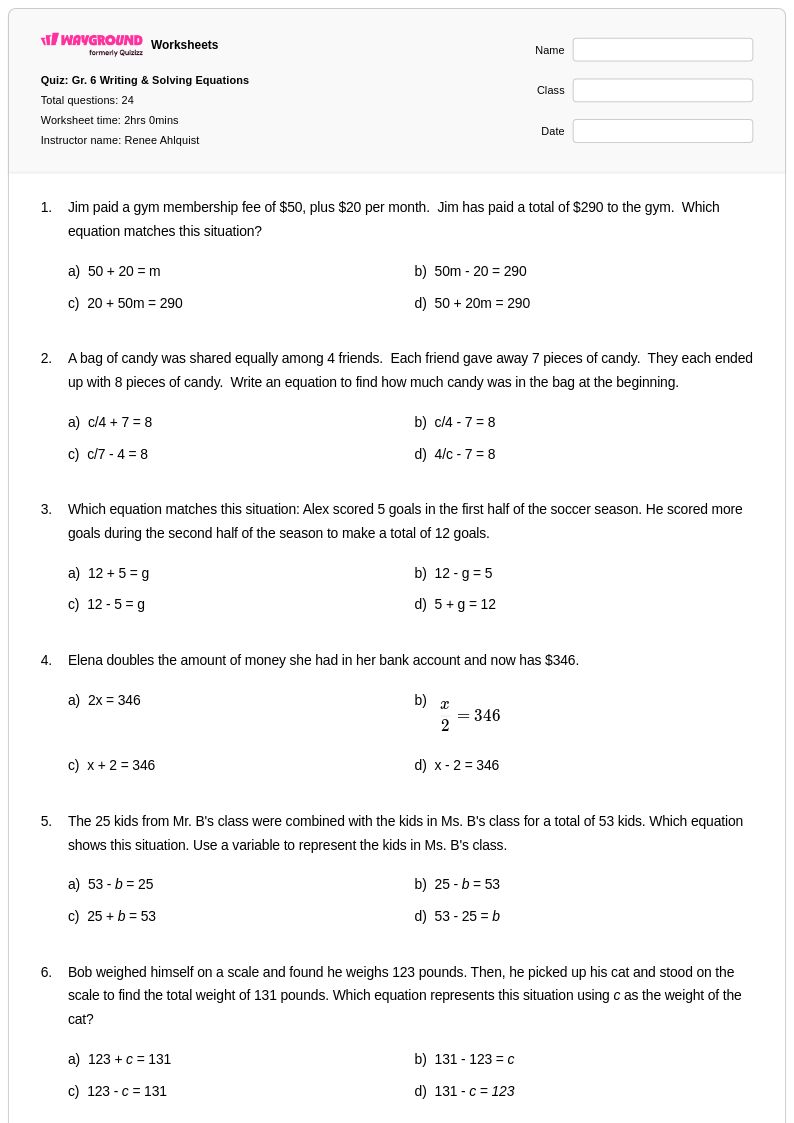
24 Q
6th
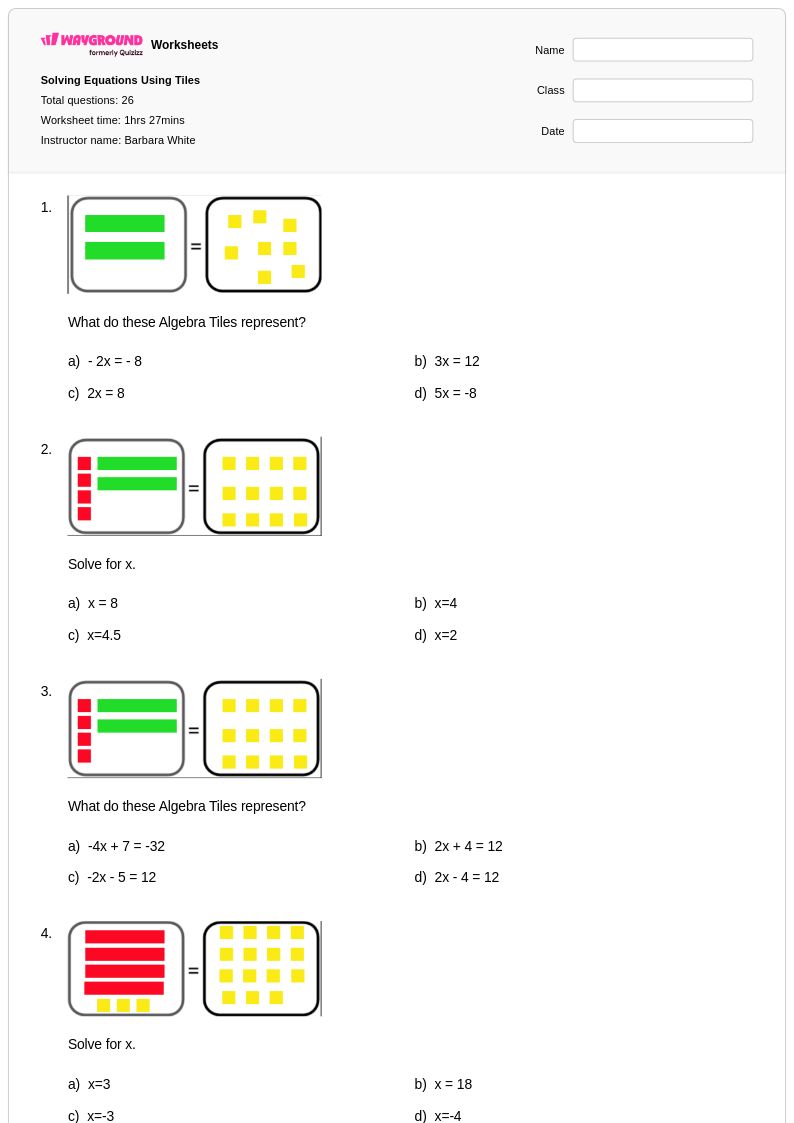
26 Q
6th - 8th
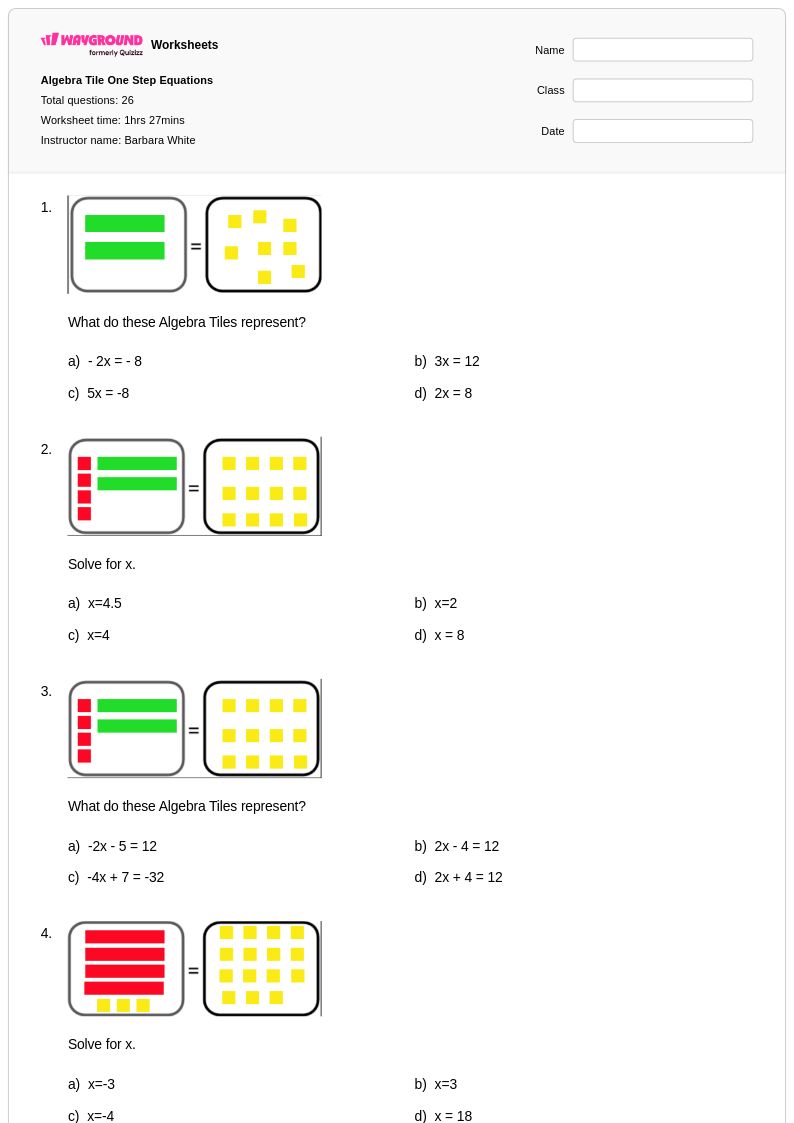
26 Q
6th - 8th
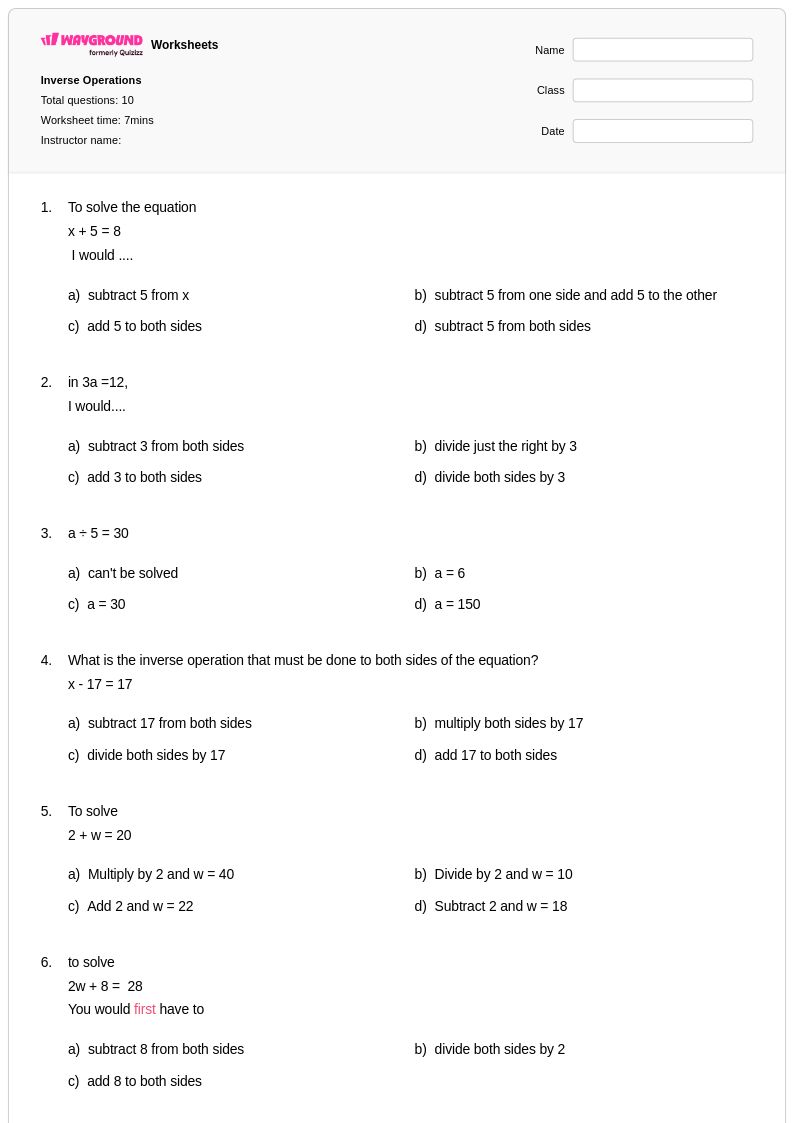
10 Q
6th - 8th
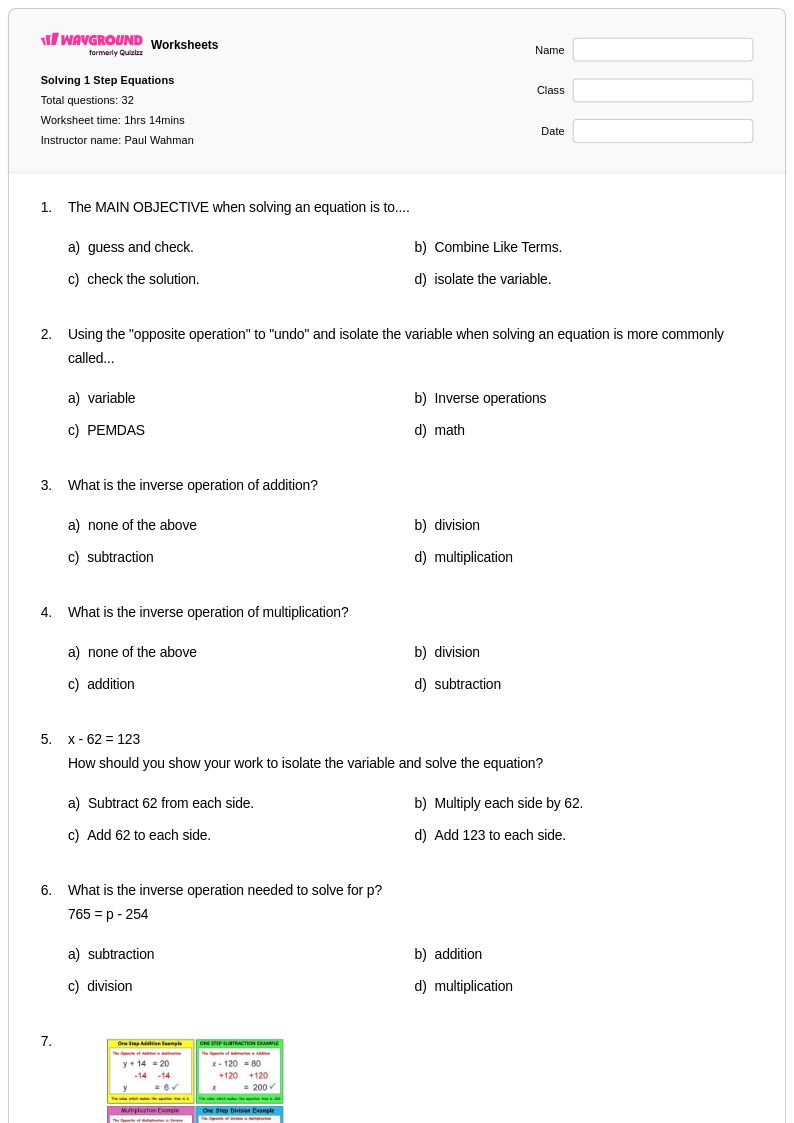
32 Q
6th
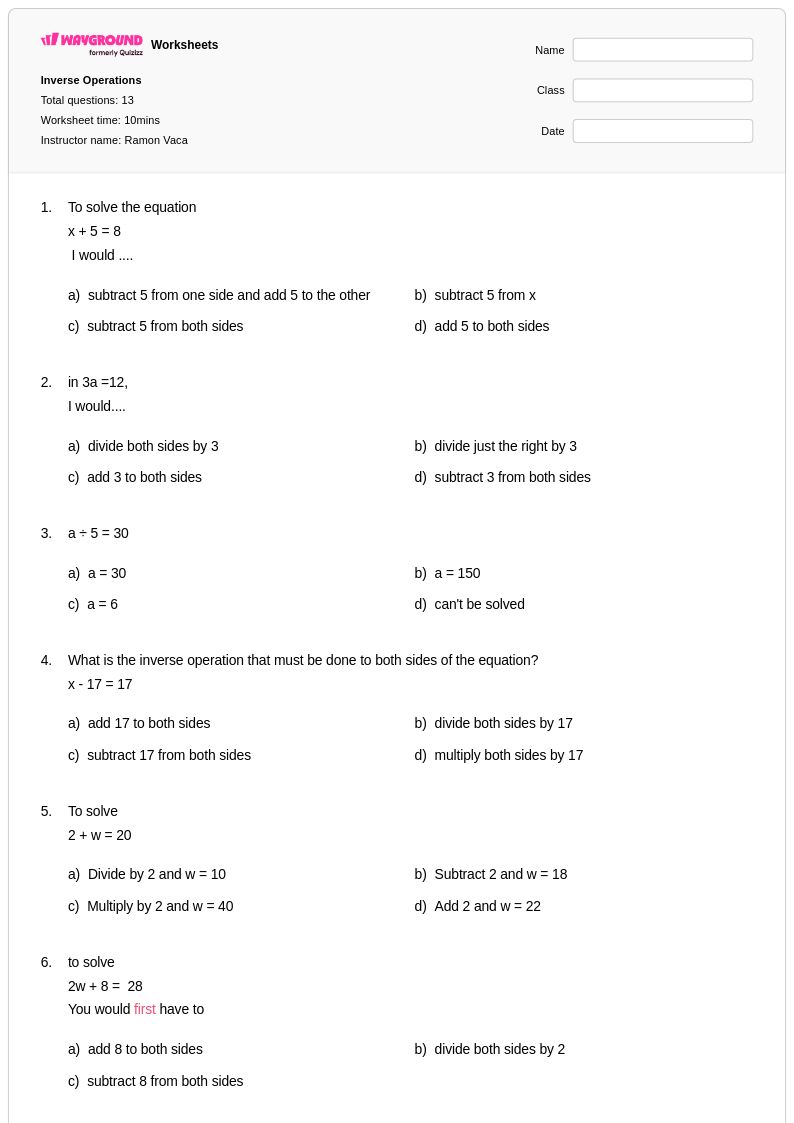
13 Q
6th
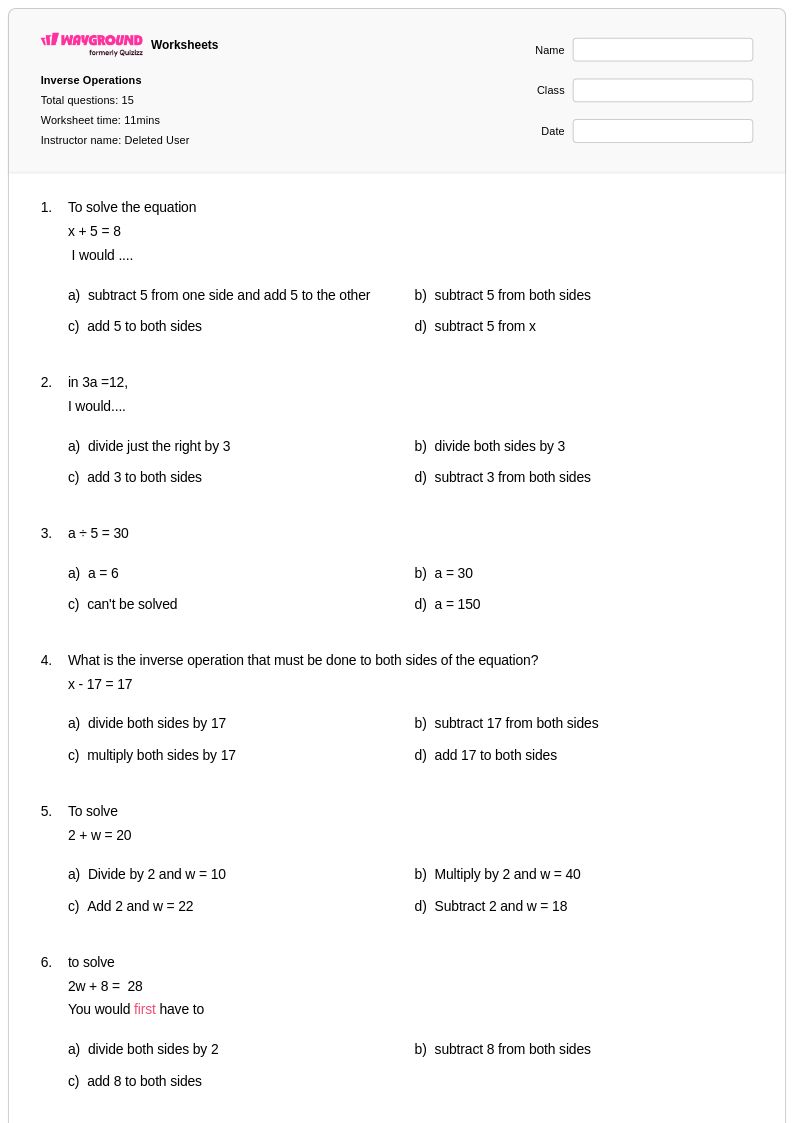
15 Q
6th - 7th
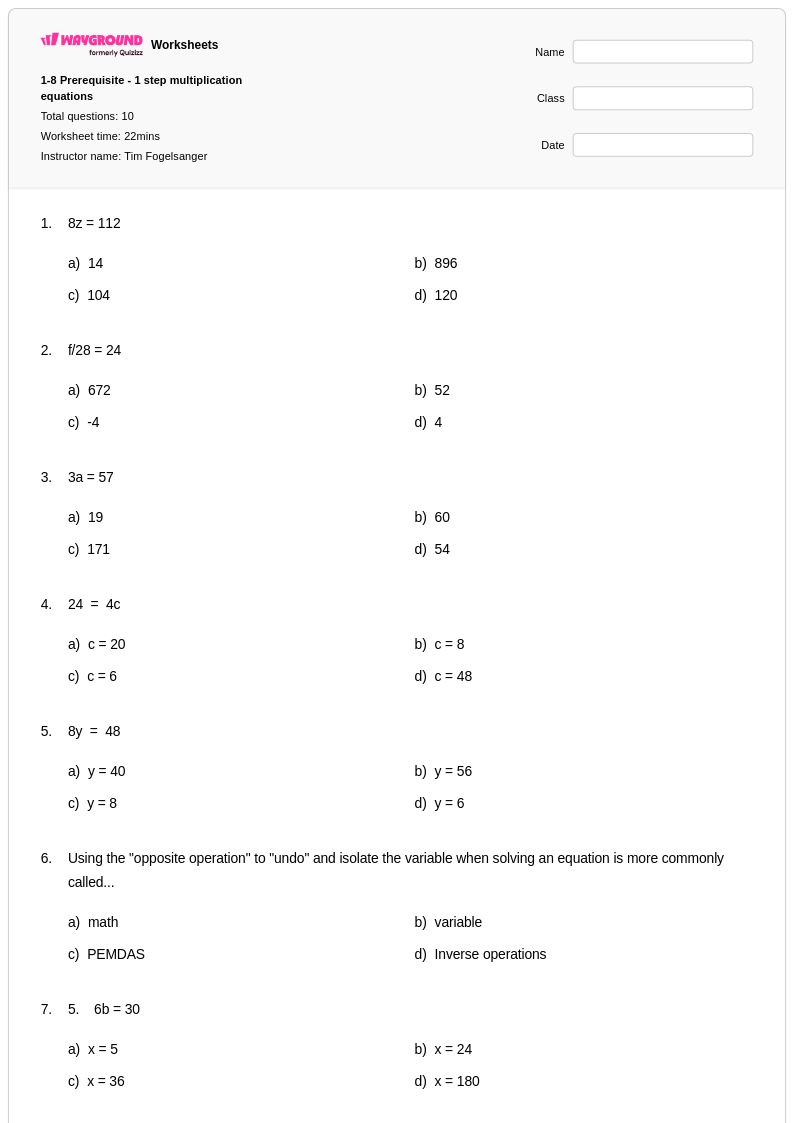
10 Q
5th - 8th
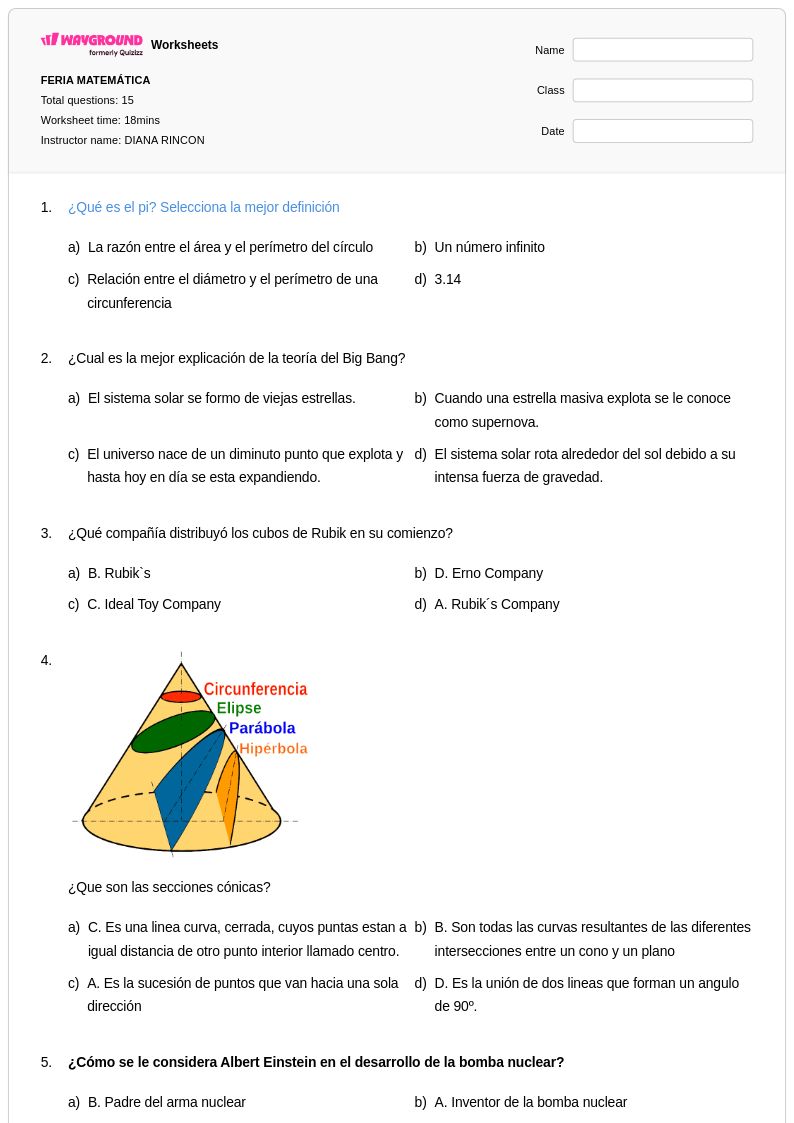
15 Q
6th - 11th
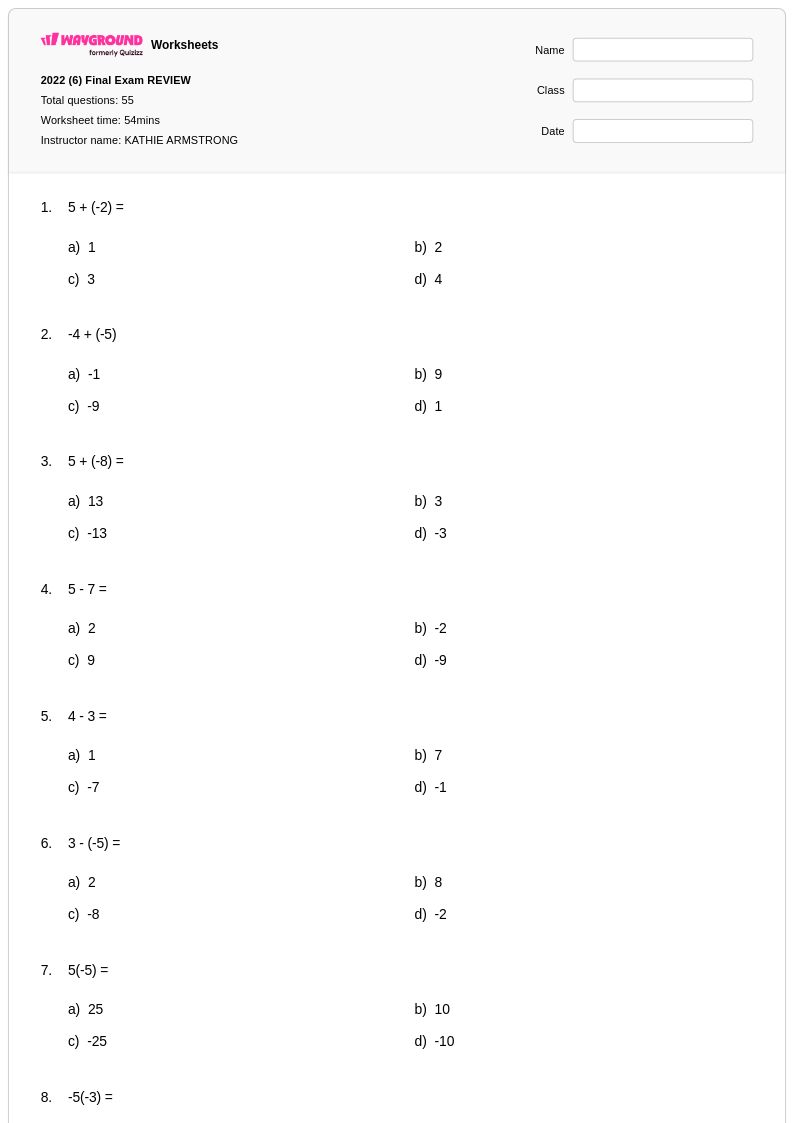
55 Q
6th
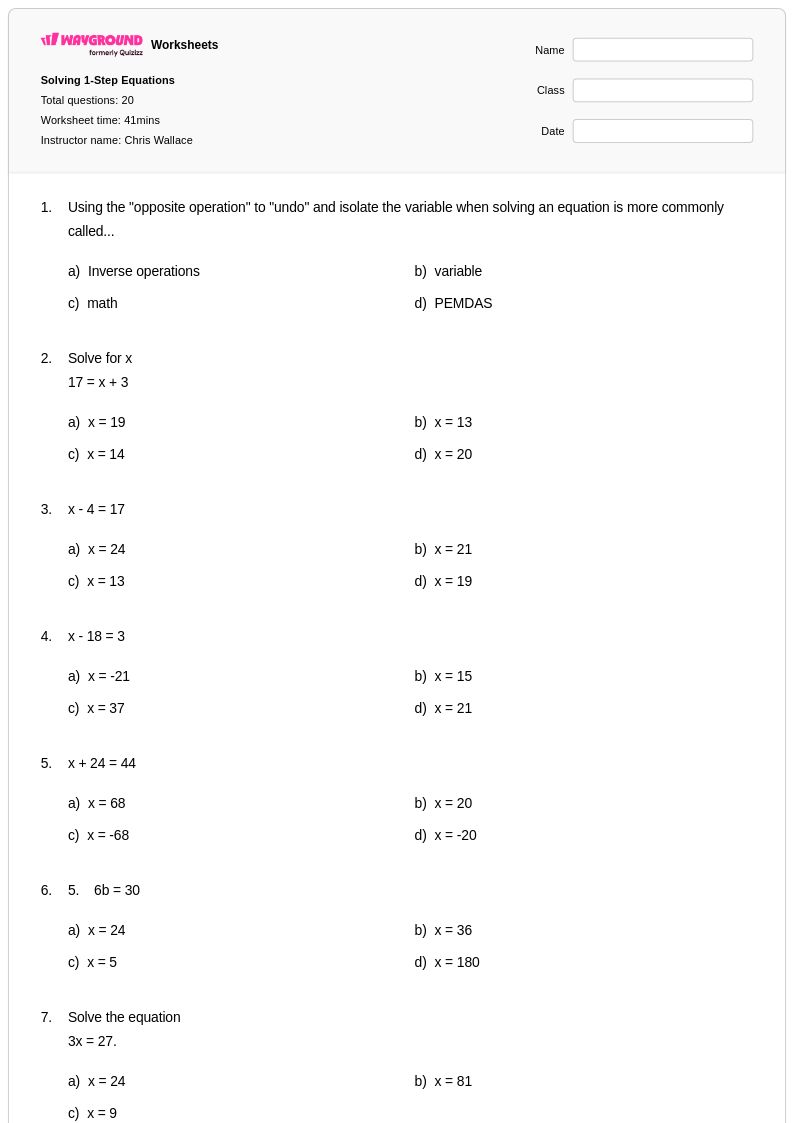
20 Q
6th
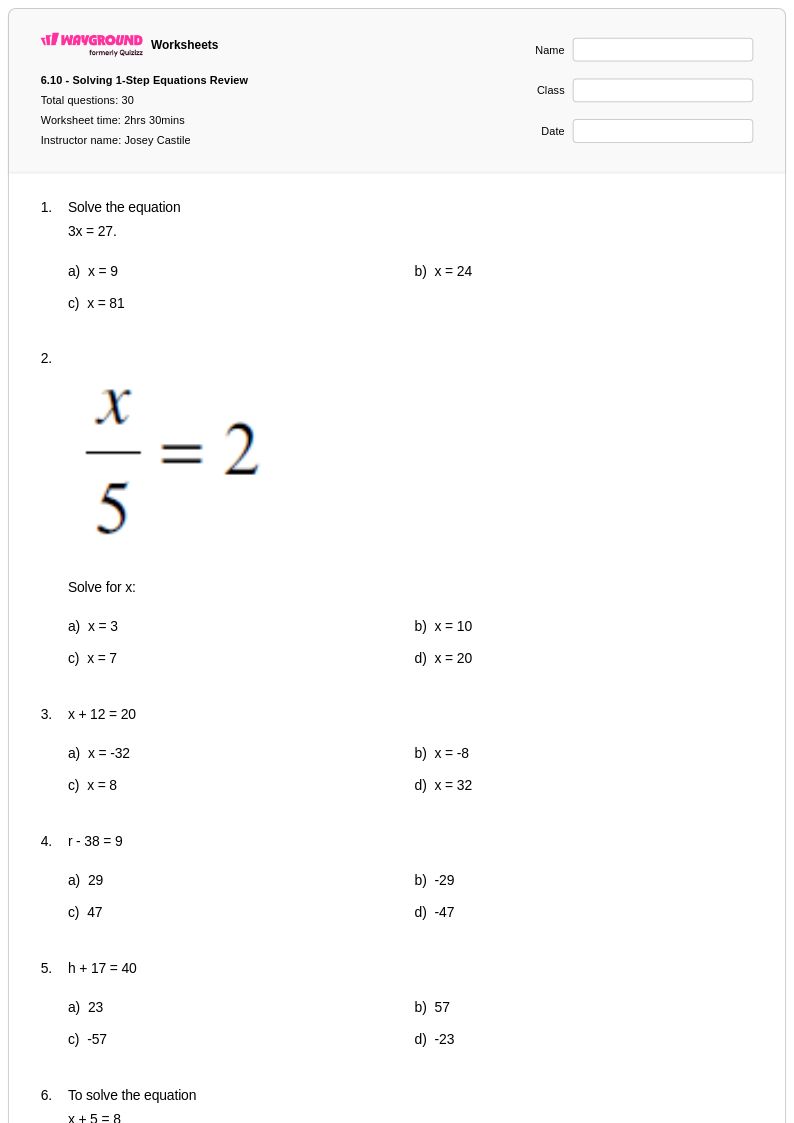
30 Q
6th - 8th
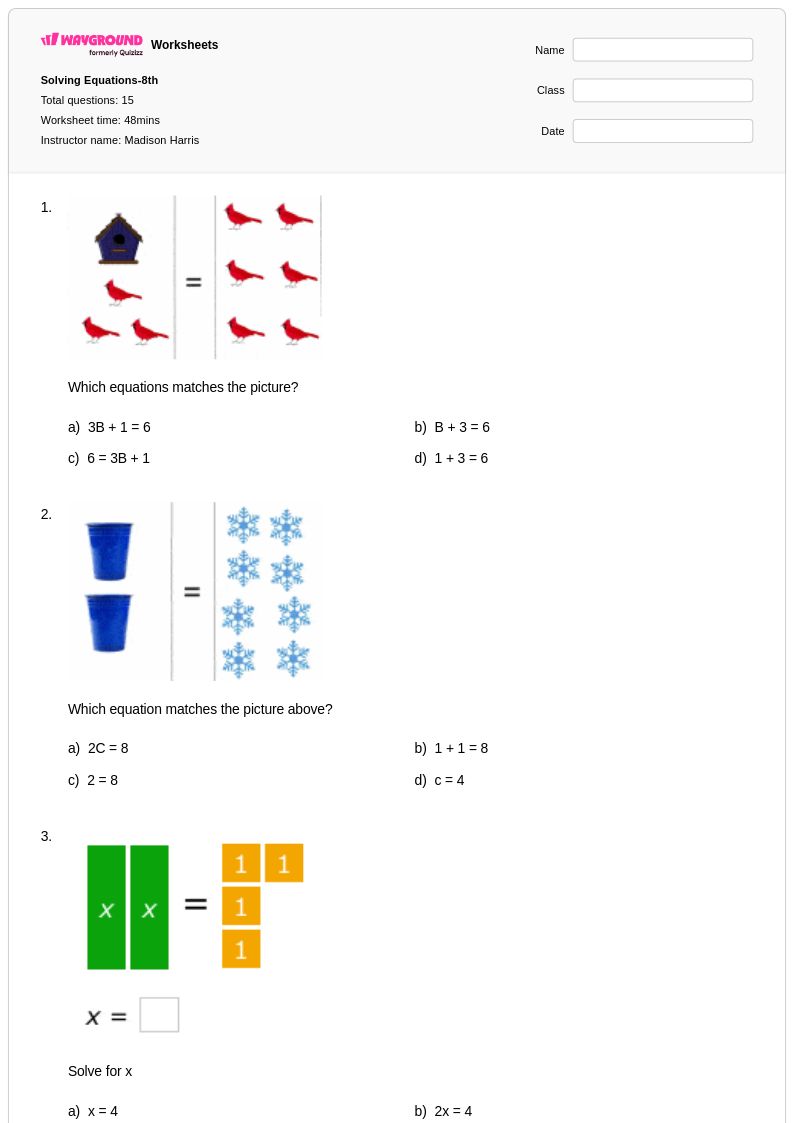
15 Q
6th - 8th
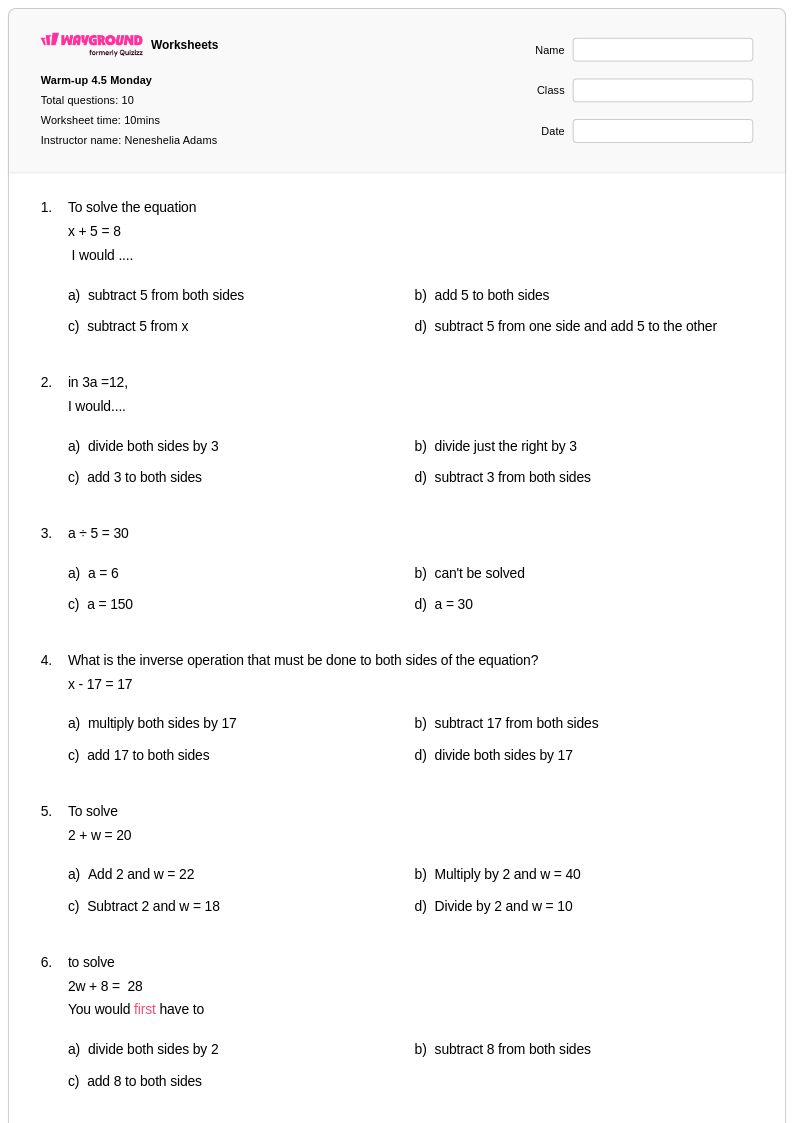
10 Q
5th - 8th
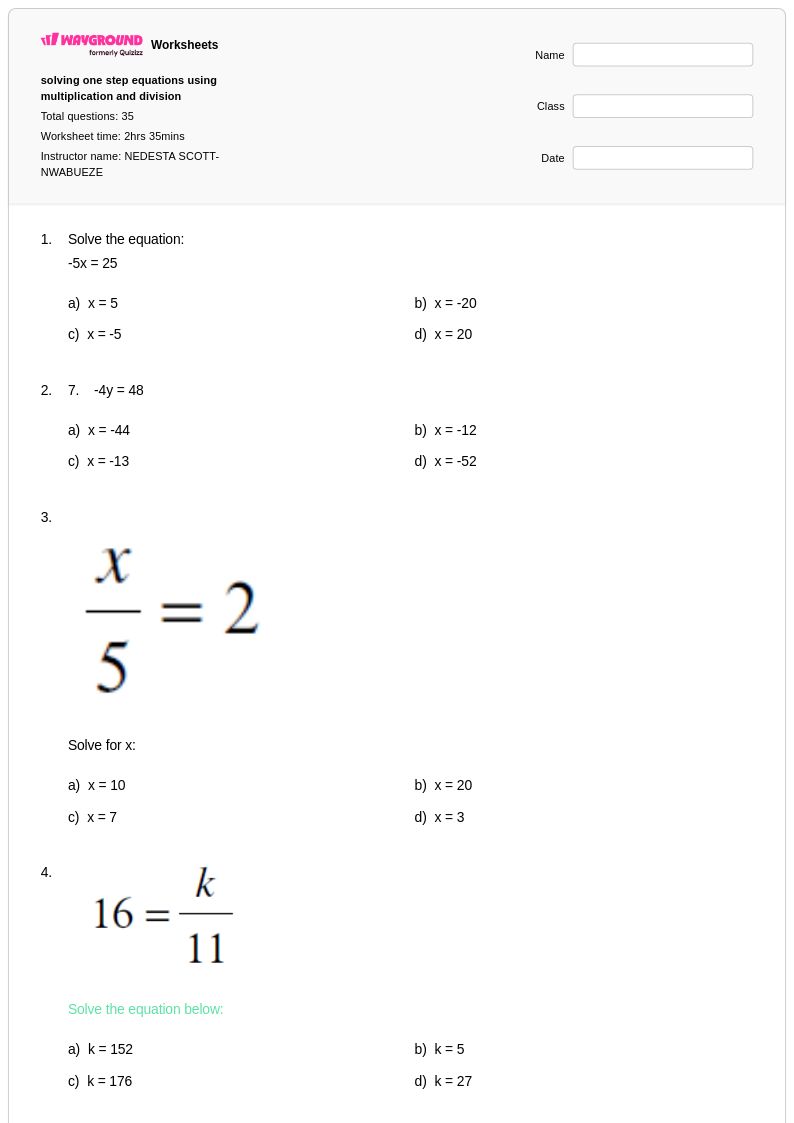
35 Q
6th - 9th
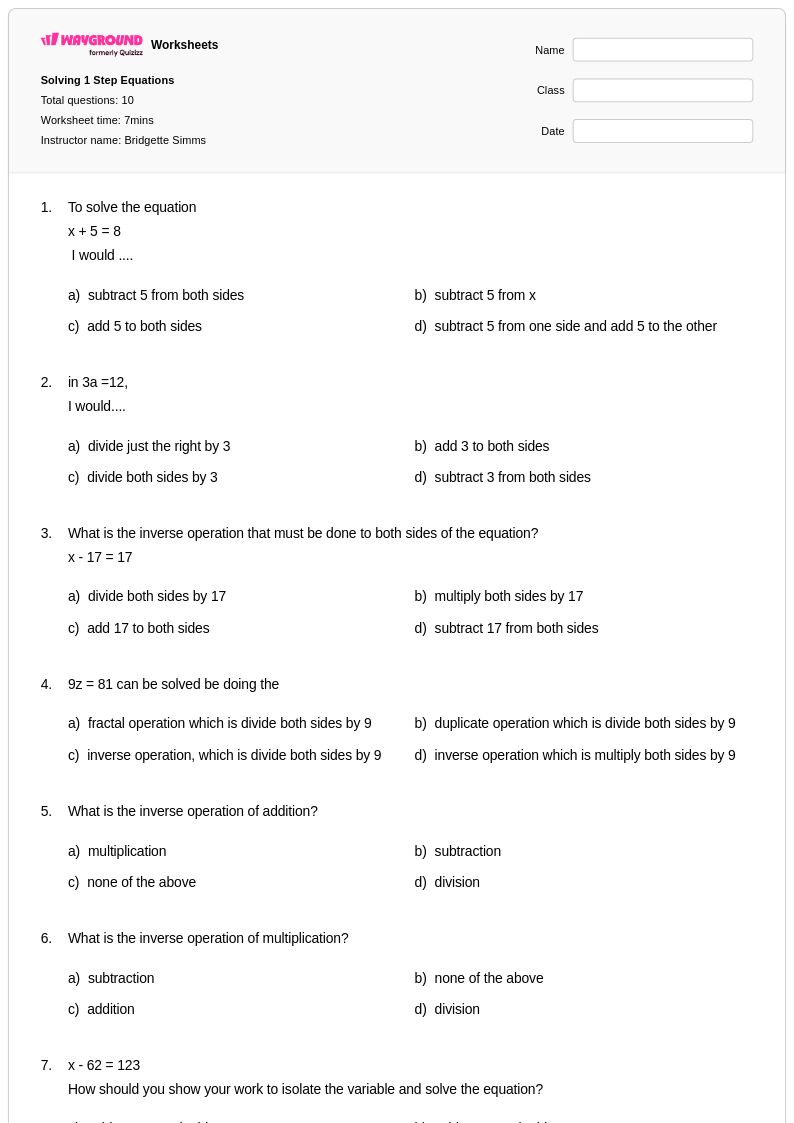
10 Q
6th - 8th
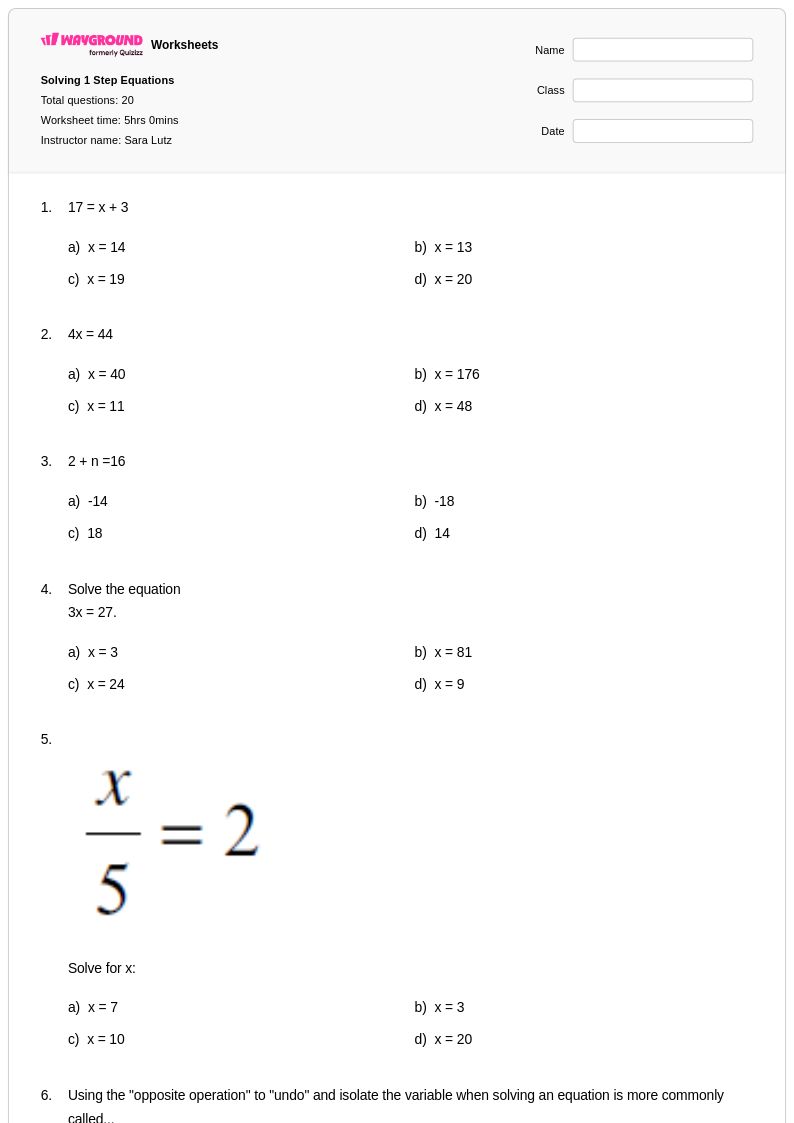
20 Q
6th - 7th
Explore Other Subject Worksheets for class 6
Explore printable Fractals worksheets for Class 6
Fractals worksheets for Class 6 students available through Wayground (formerly Quizizz) introduce young mathematicians to the fascinating world of self-similar geometric patterns that repeat at different scales. These carefully designed worksheets help students develop spatial reasoning skills while exploring mathematical concepts like pattern recognition, scaling, and infinite complexity within finite boundaries. Students work through practice problems that guide them in identifying fractal properties in nature and mathematics, from the branching patterns of trees to the recursive structures of the Sierpinski triangle. Each worksheet comes with a comprehensive answer key and is available as free printables in convenient pdf format, allowing teachers to seamlessly integrate fractal exploration into their geometry curriculum while building students' appreciation for the mathematical beauty found in both natural and constructed patterns.
Wayground (formerly Quizizz) empowers educators with an extensive collection of teacher-created fractal resources that can be easily customized to meet diverse classroom needs and align with mathematical standards for Class 6 geometry instruction. The platform's robust search and filtering capabilities allow teachers to quickly locate worksheets that target specific fractal concepts, from basic pattern recognition to more complex recursive relationships. These versatile materials are available in both printable and digital formats, including downloadable pdf versions, making them ideal for differentiated instruction that accommodates various learning styles and technological environments. Teachers can leverage these resources for initial skill-building, targeted remediation for students who need additional support with geometric concepts, or enrichment activities that challenge advanced learners to explore the deeper mathematical principles underlying fractal geometry, all while drawing from millions of high-quality educational resources created by experienced educators worldwide.
FAQs
What grade do students typically learn about fractals?
How should I introduce fractals to 6th graders?
What are good fractal activities for a 6th-grade class?
What's a common mistake 6th graders make with fractals?
How can I use this Grade 6 fractals worksheet?
How does exploring fractals support the 6th-grade curriculum?