
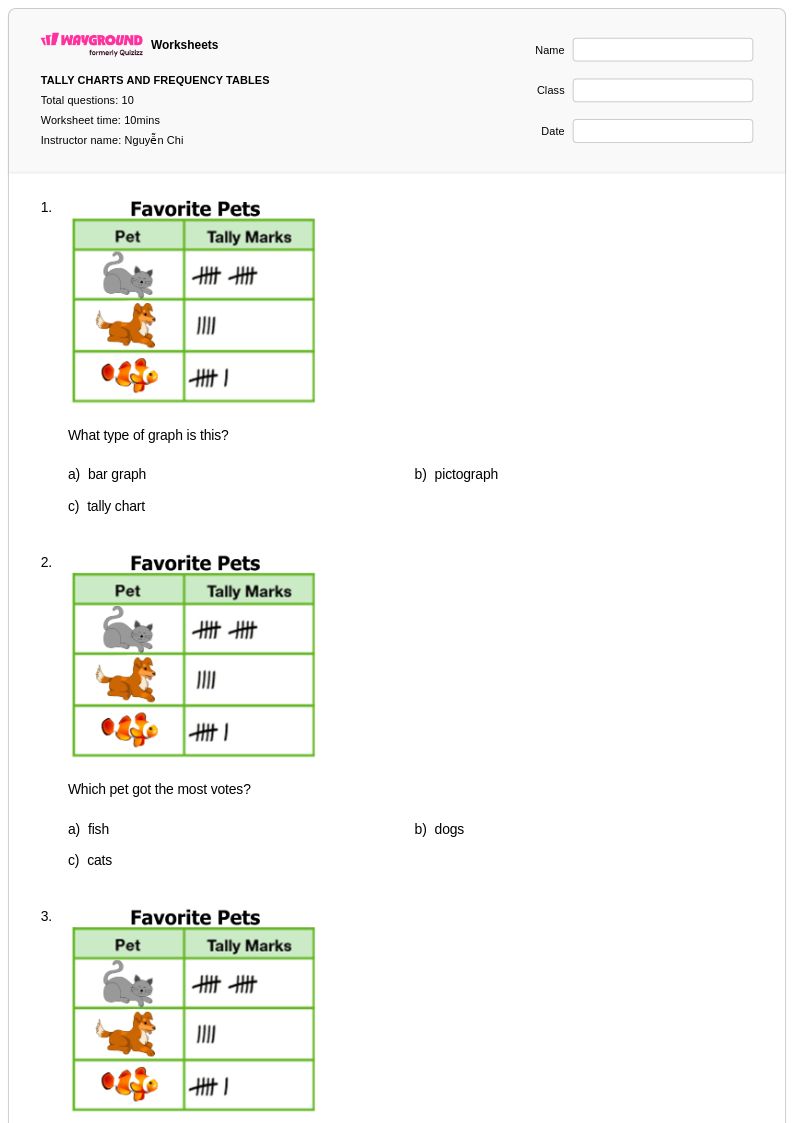
10 Q
1st - 3rd
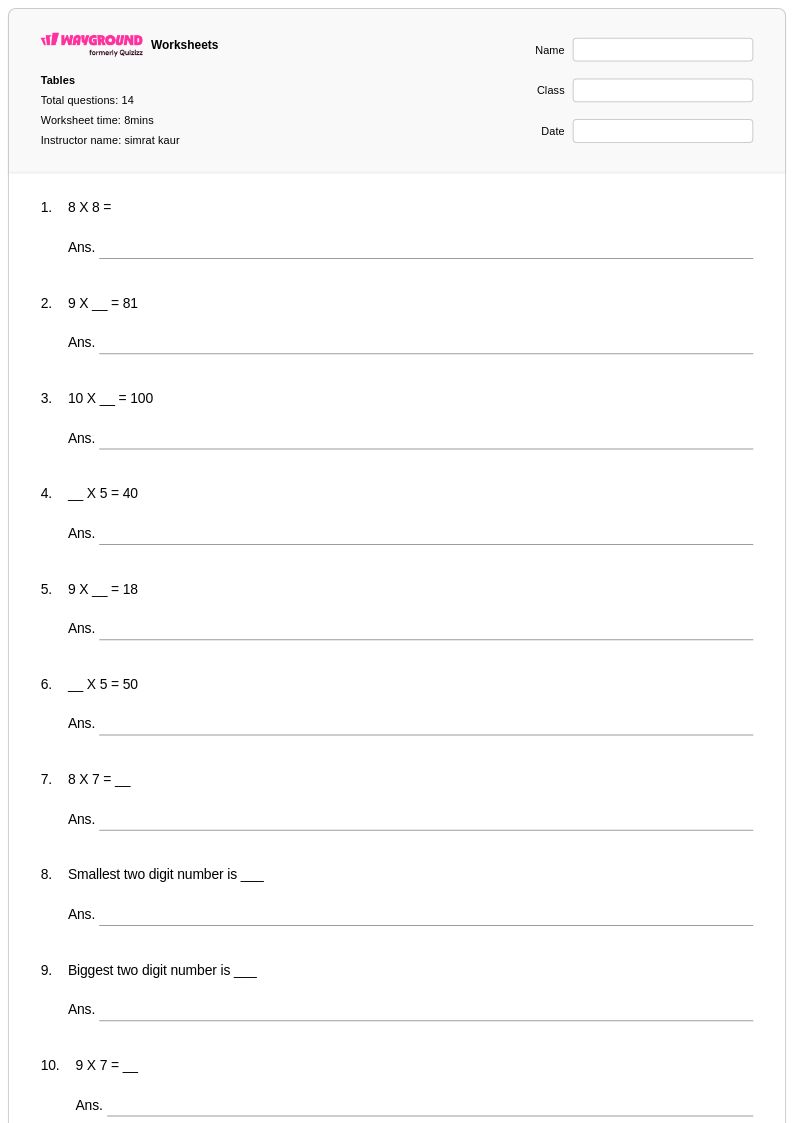
14 Q
1st
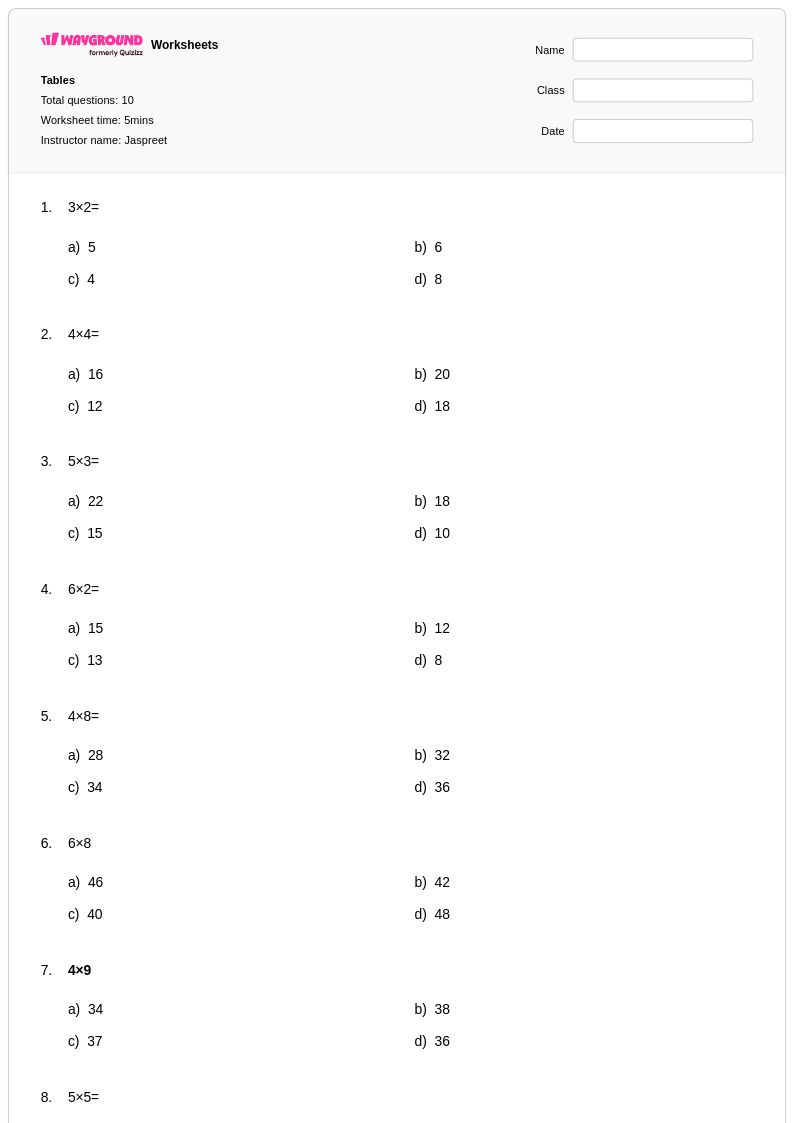
10 Q
1st
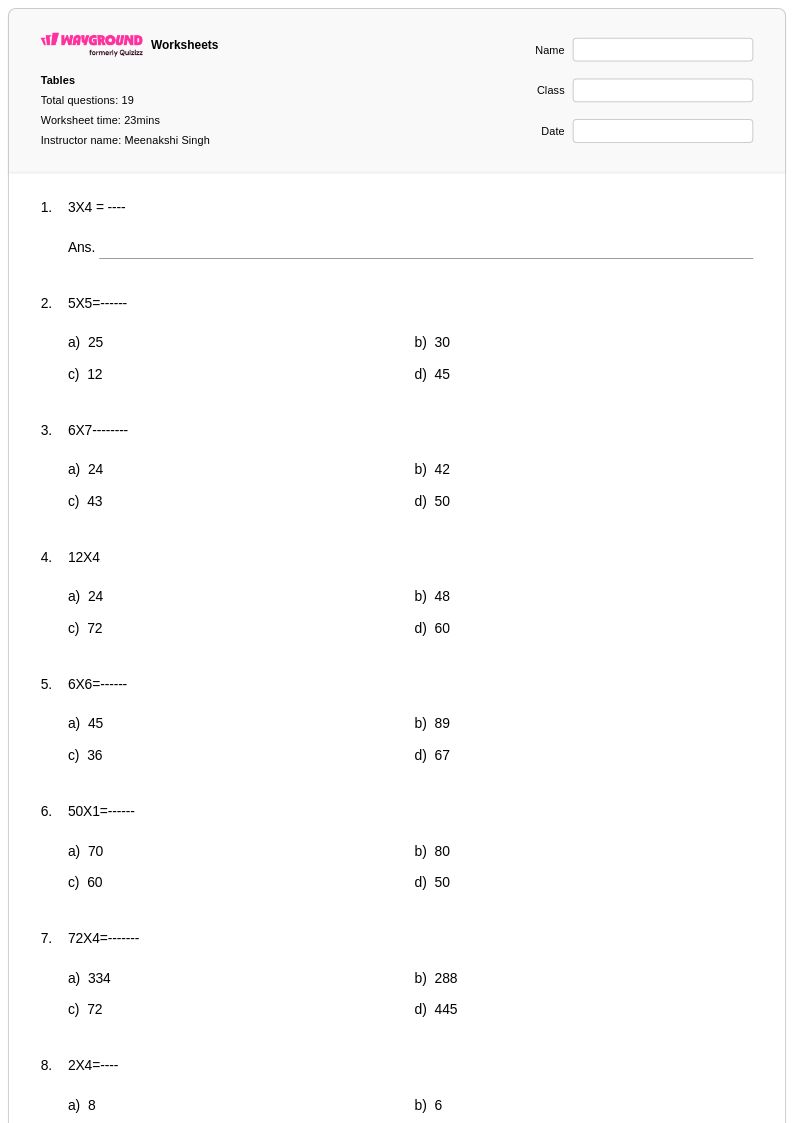
19 Q
1st - 5th
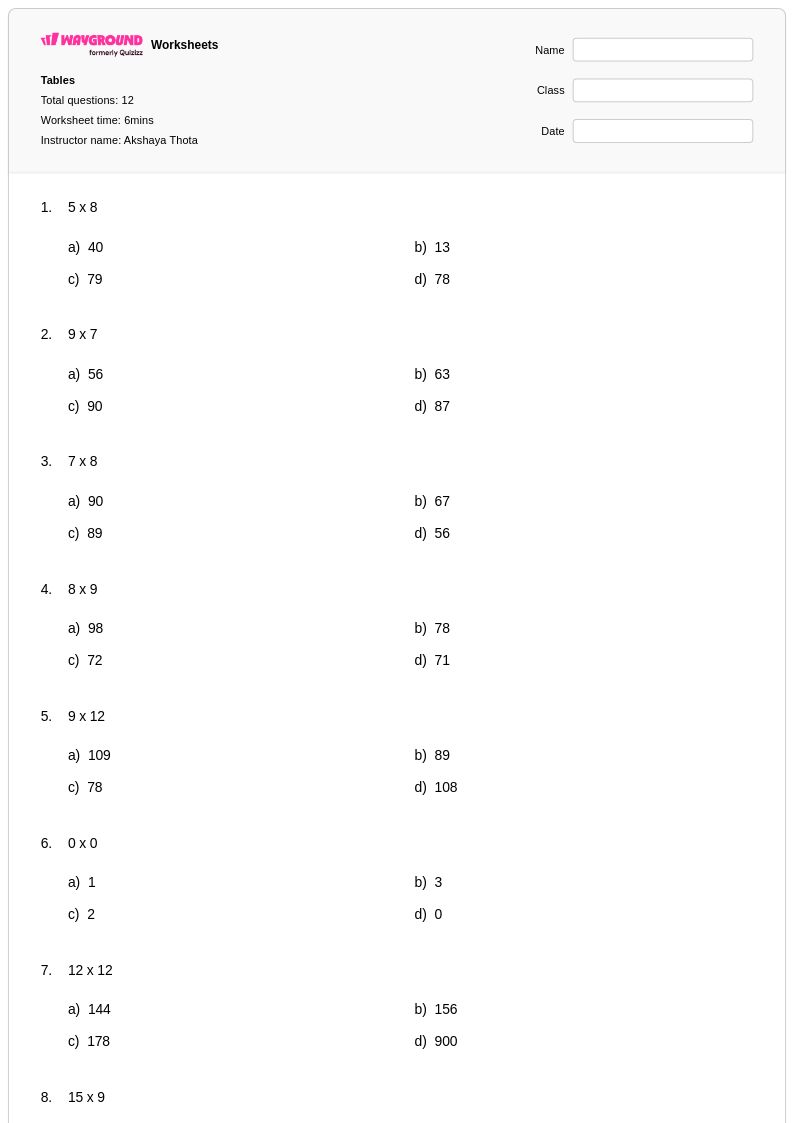
12 Q
1st
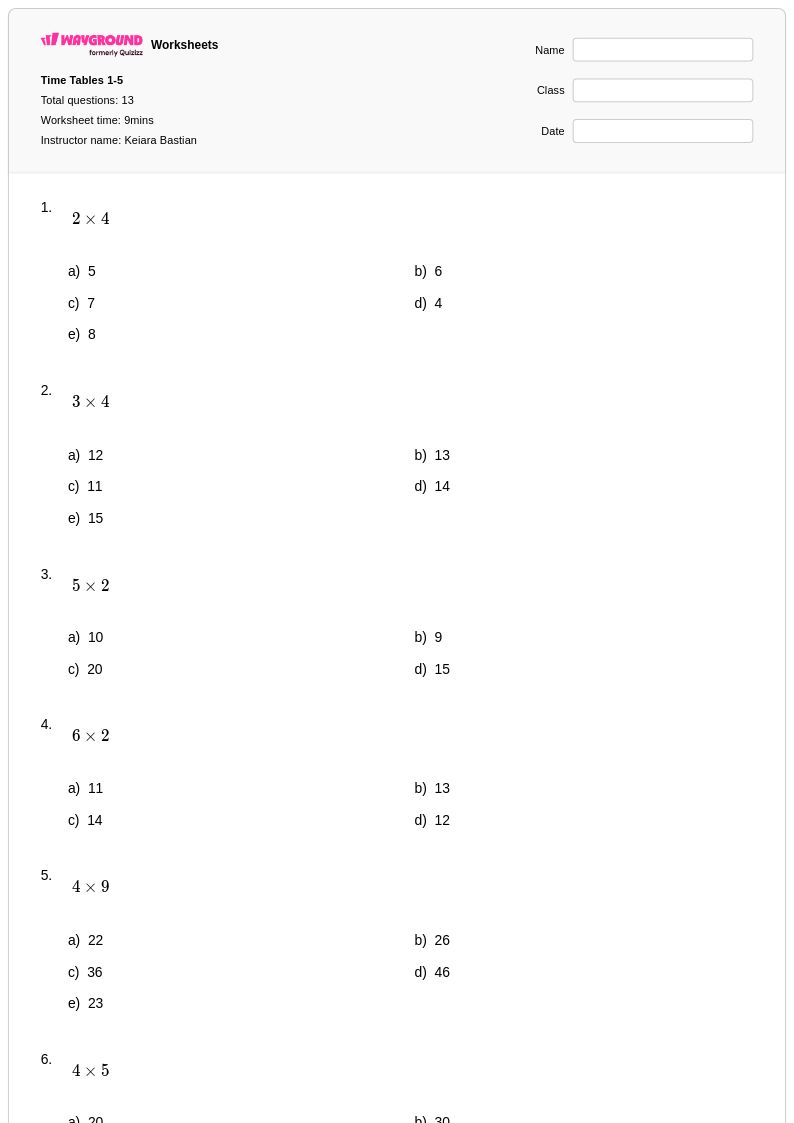
13 Q
1st - 4th
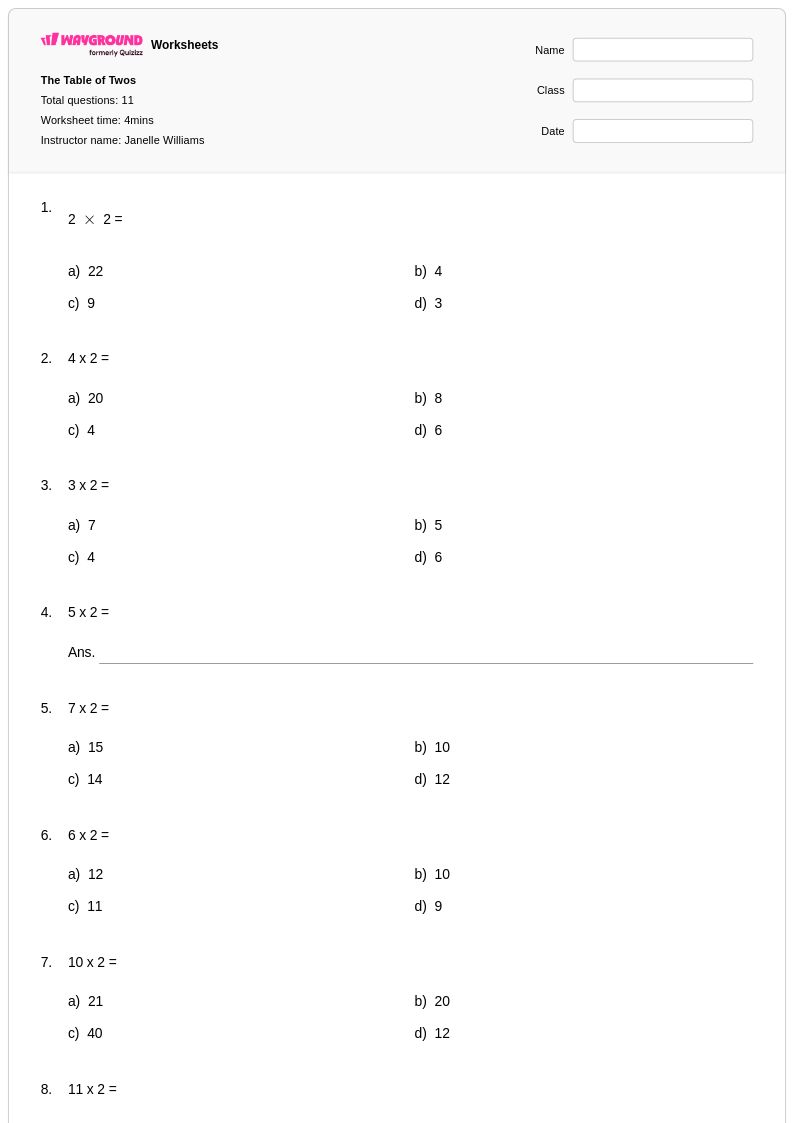
11 Q
1st - 5th
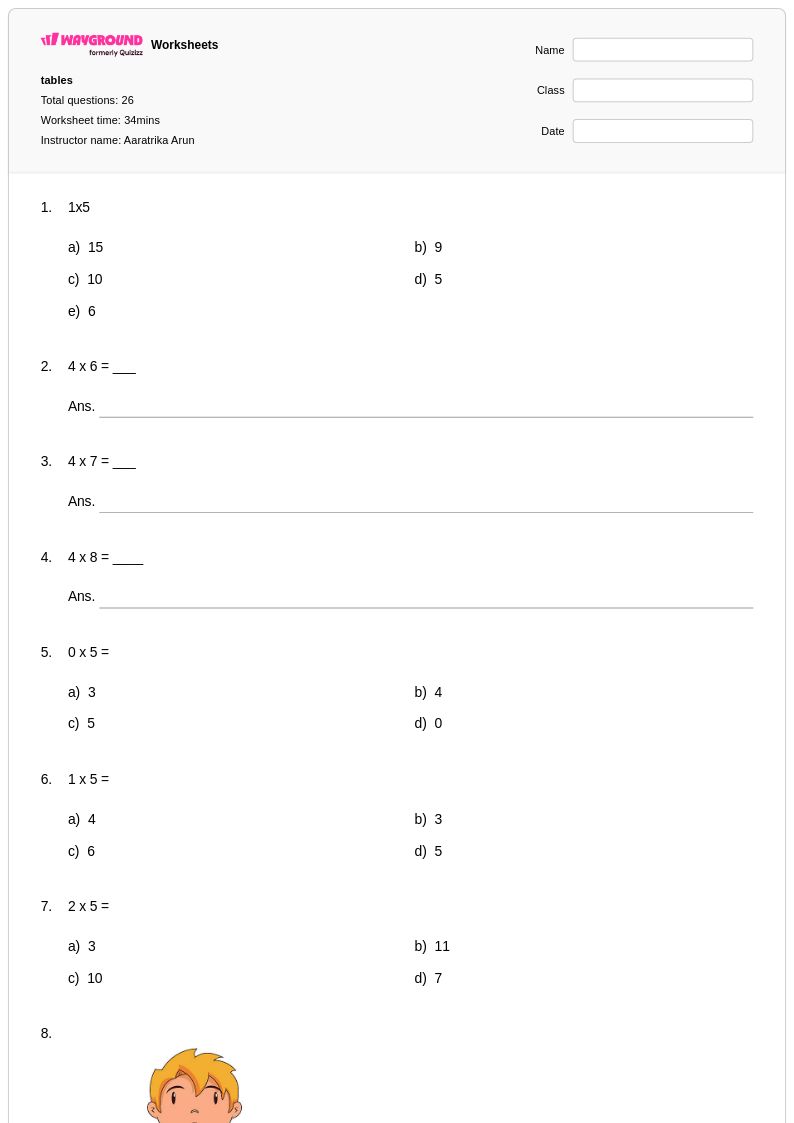
26 Q
KG - 4th
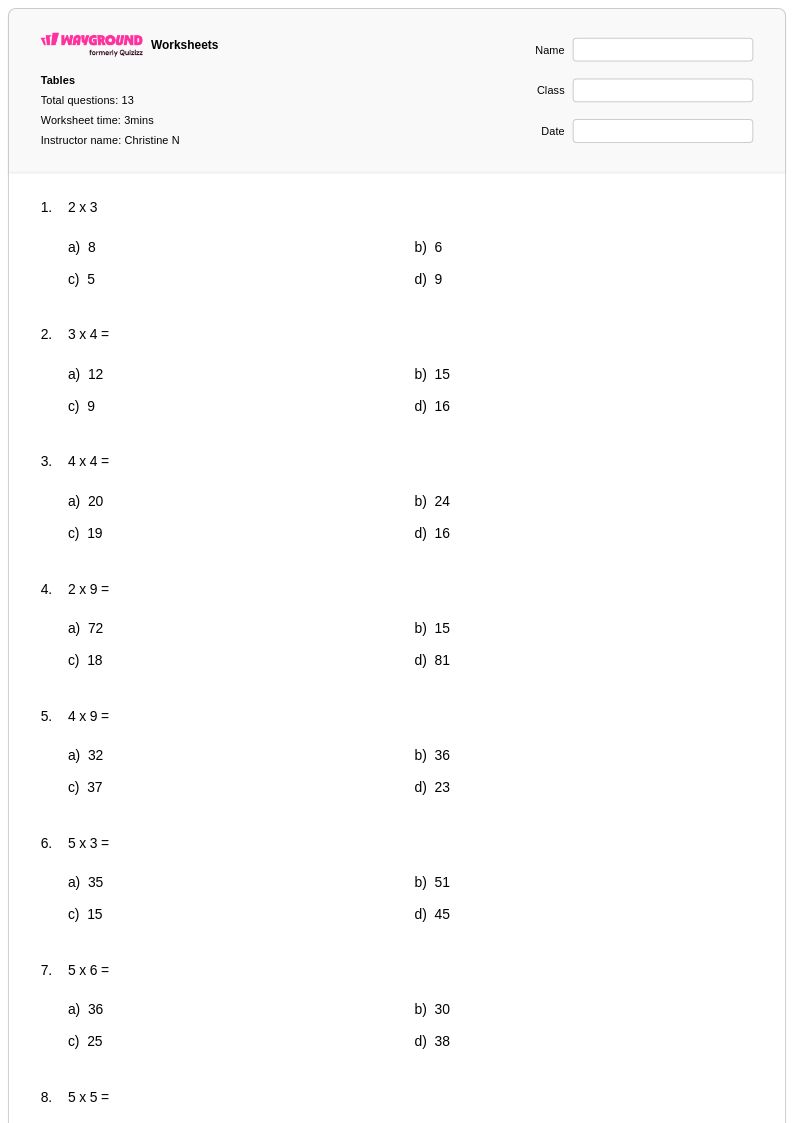
13 Q
1st - 2nd
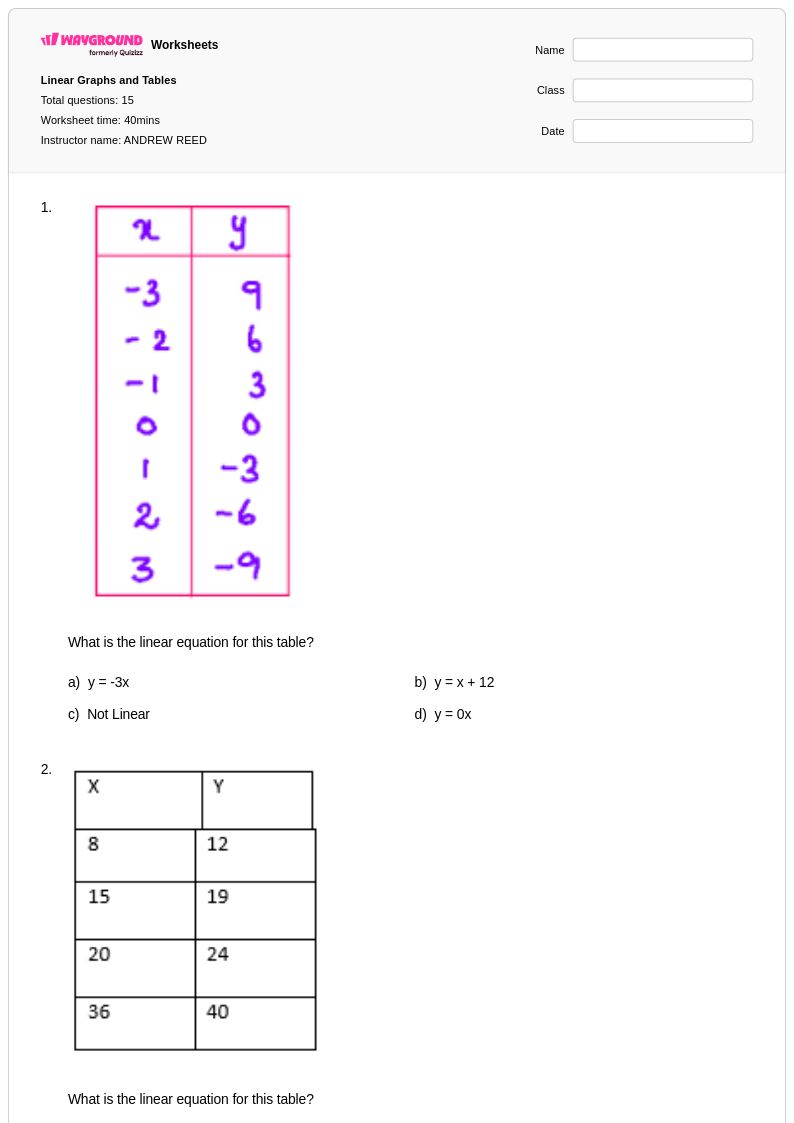
15 Q
1st
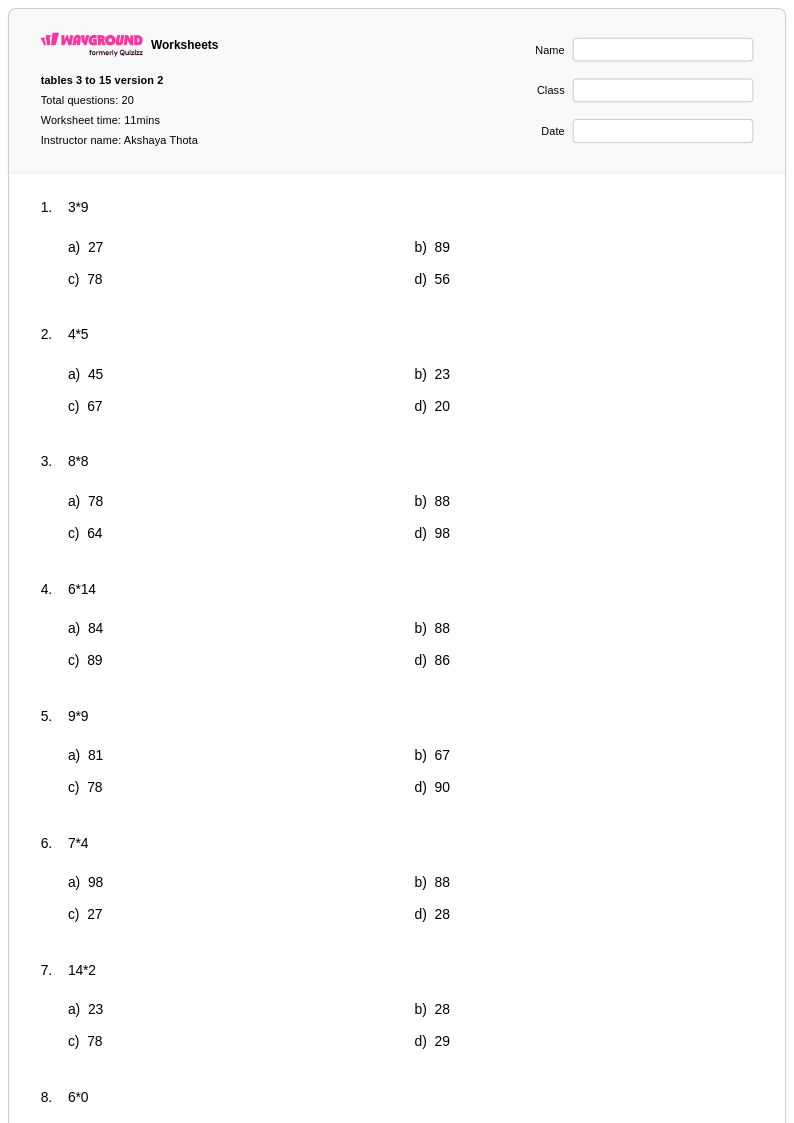
20 Q
1st
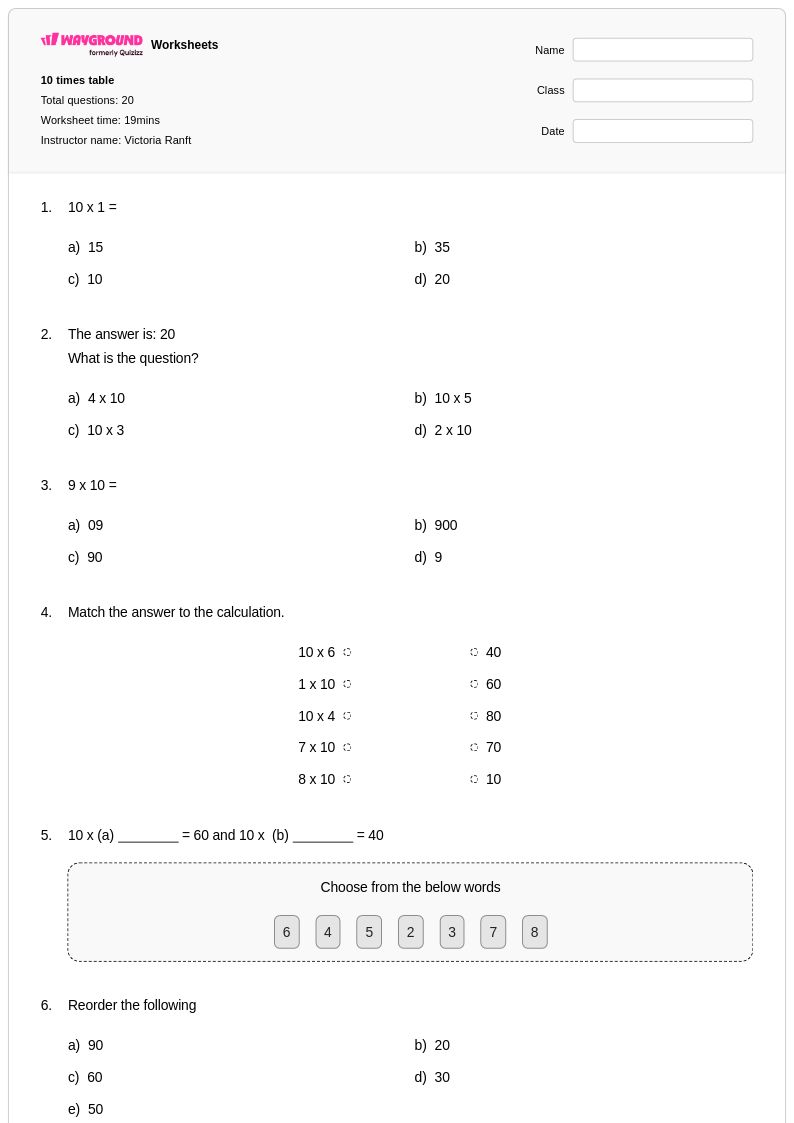
20 Q
1st
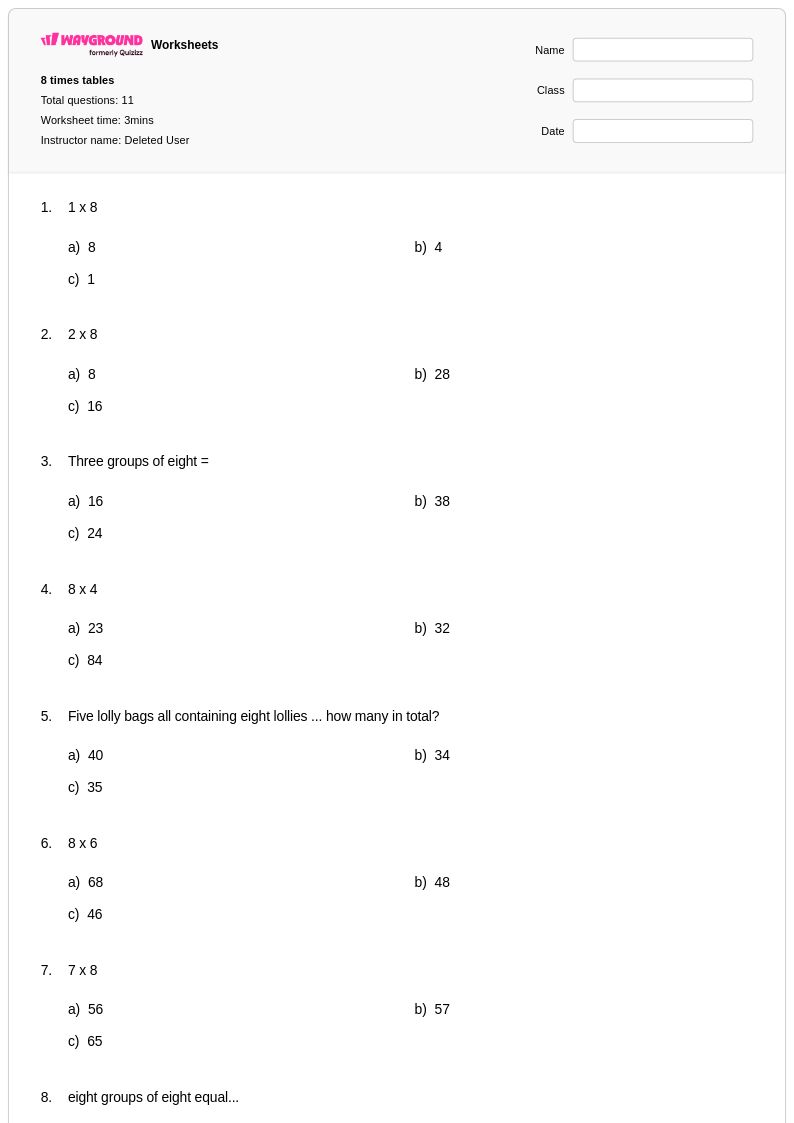
11 Q
1st
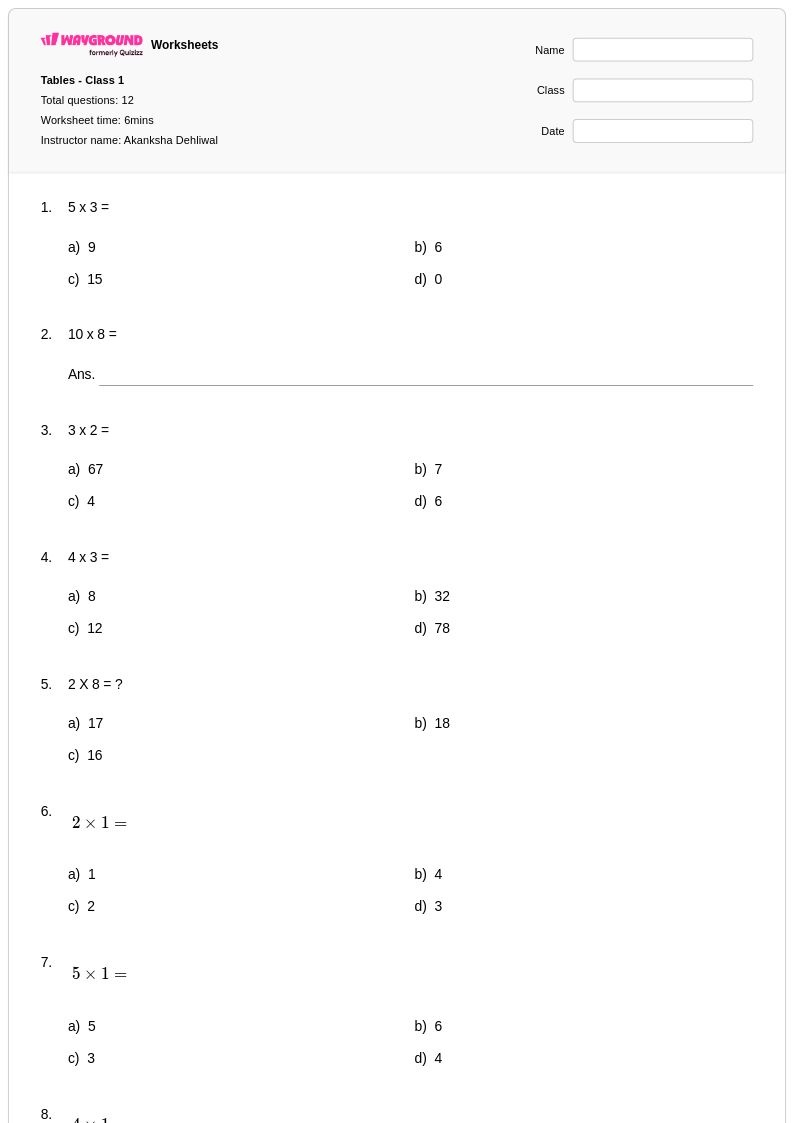
12 Q
1st
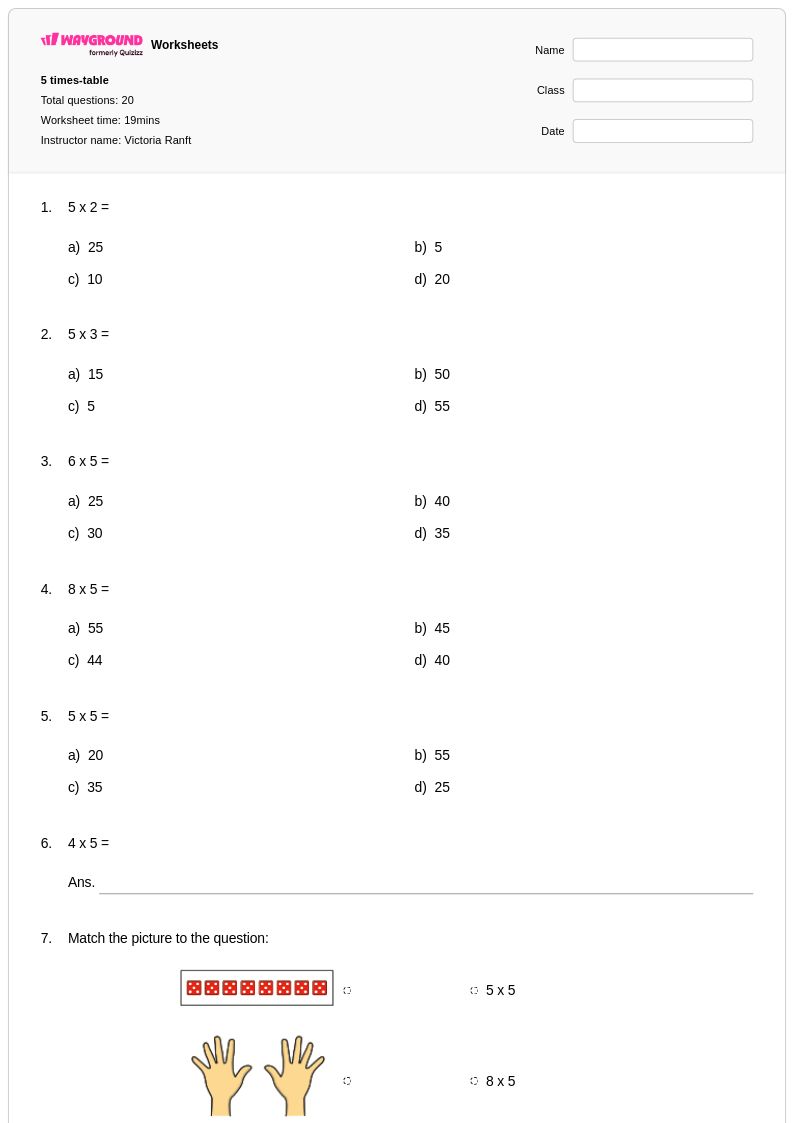
20 Q
1st
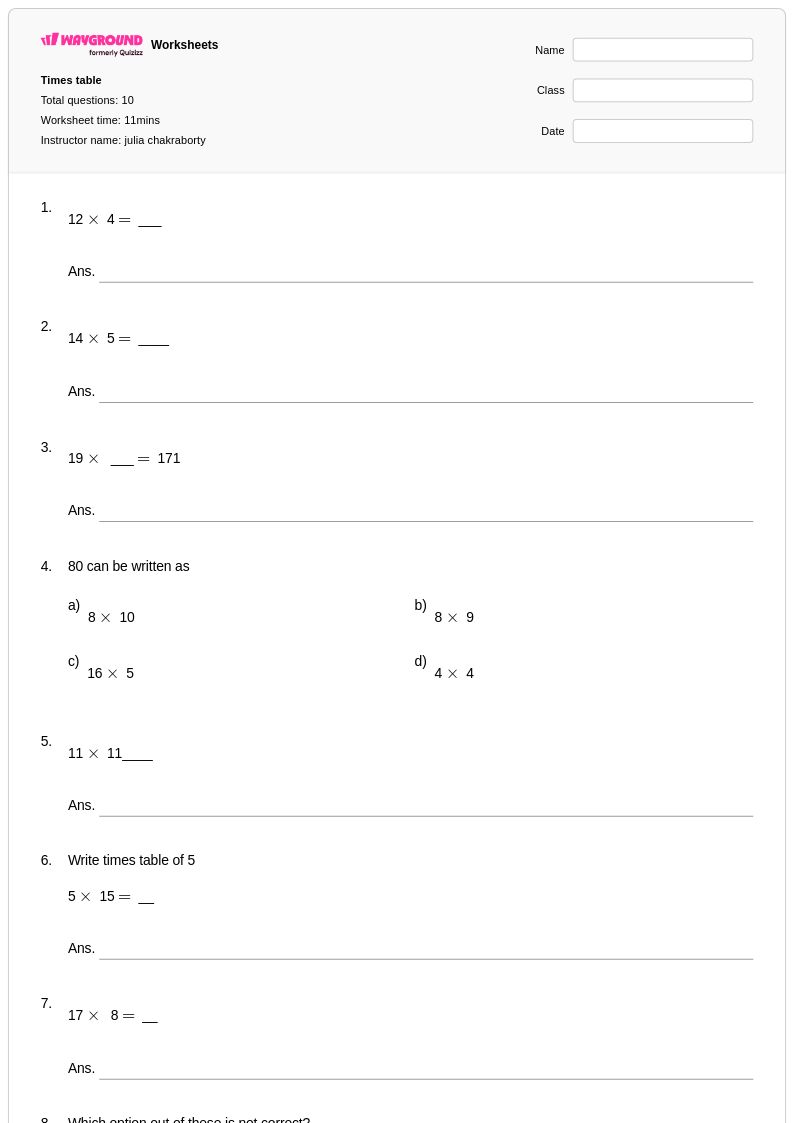
10 Q
KG - 3rd
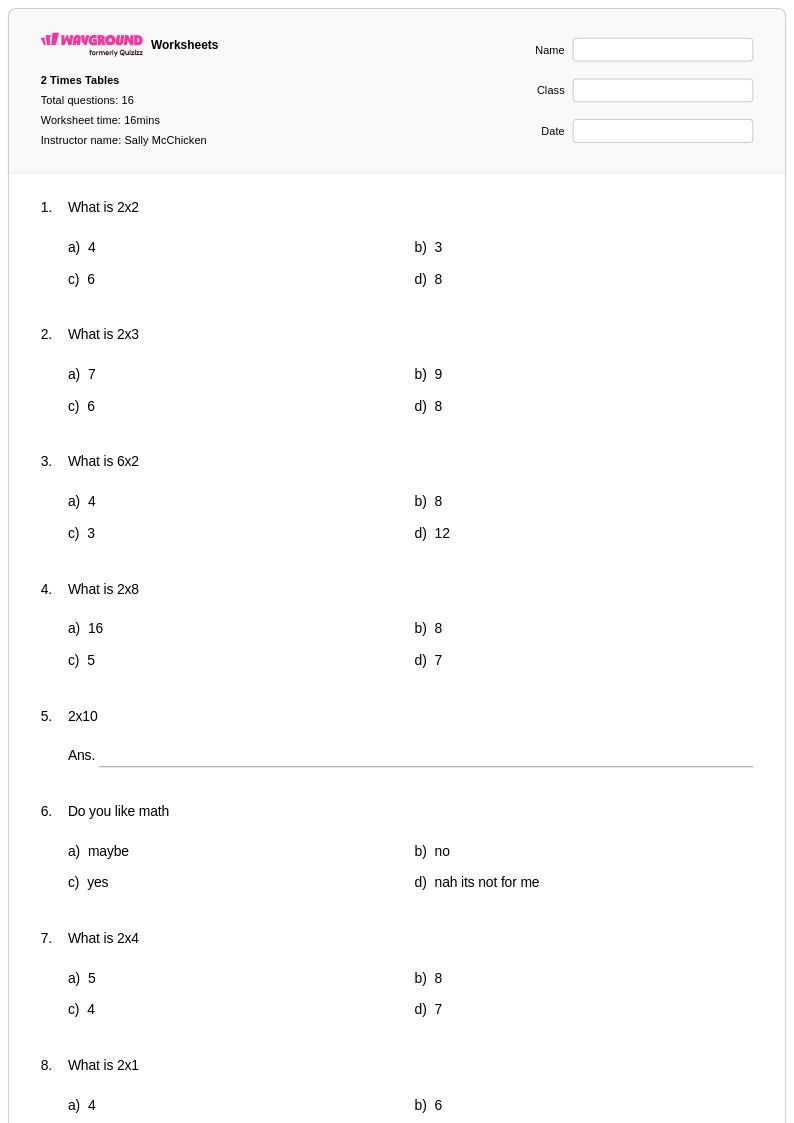
16 Q
KG - 3rd
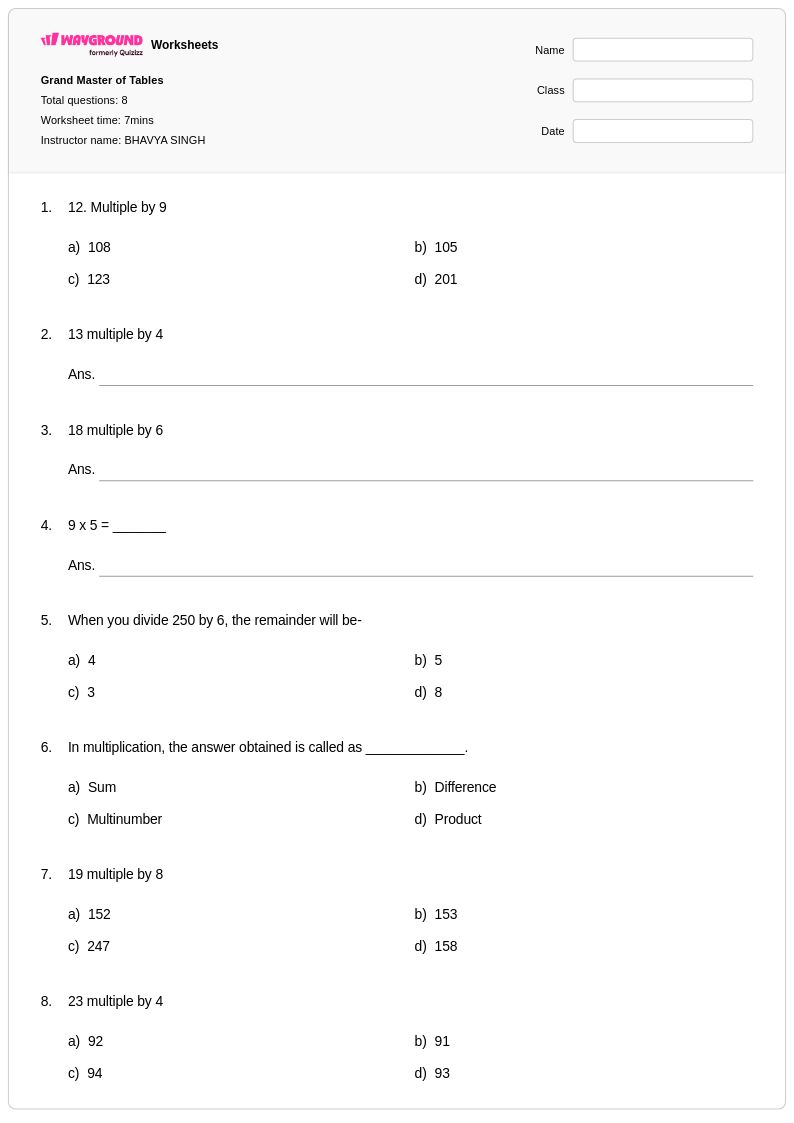
8 Q
1st - 5th
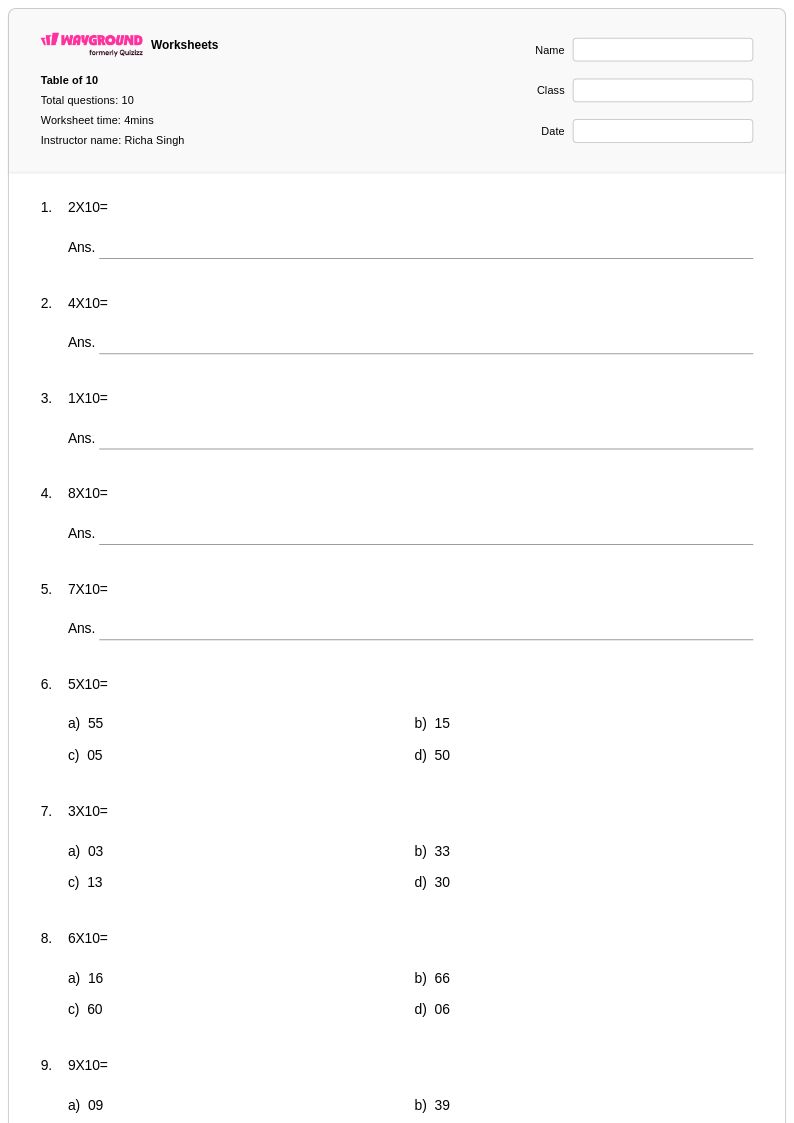
10 Q
1st
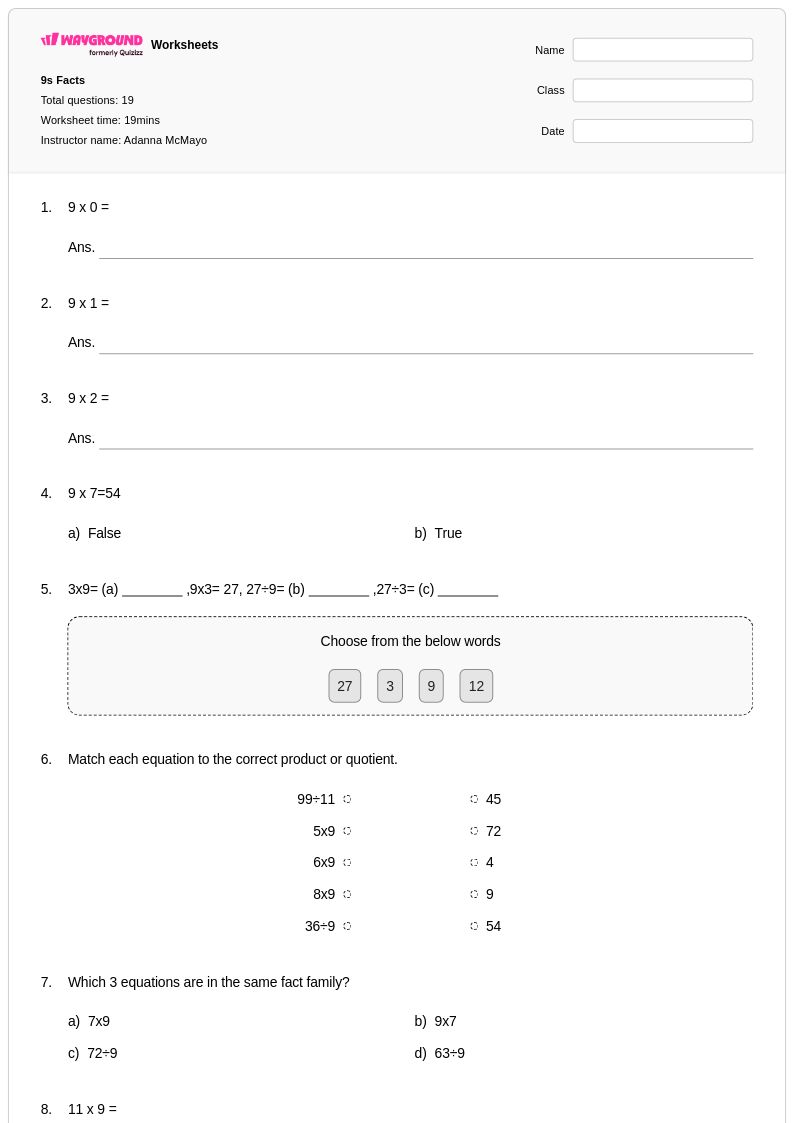
19 Q
1st - Uni
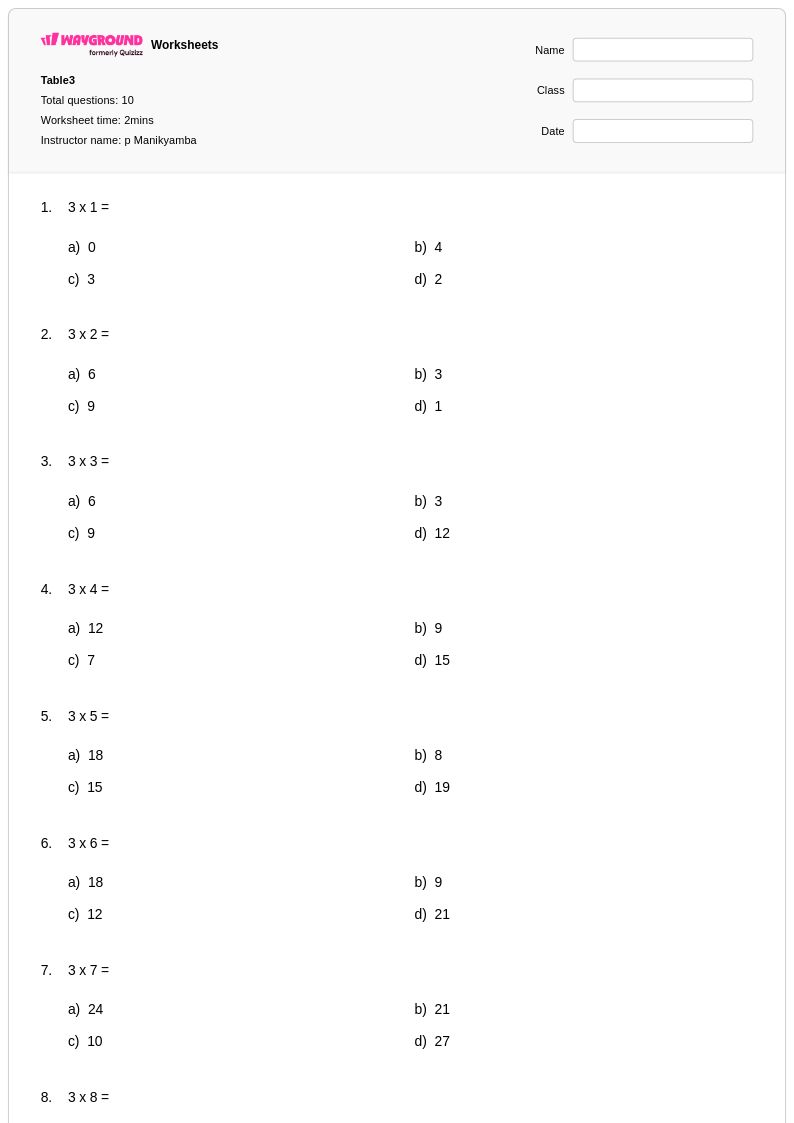
10 Q
1st - 5th
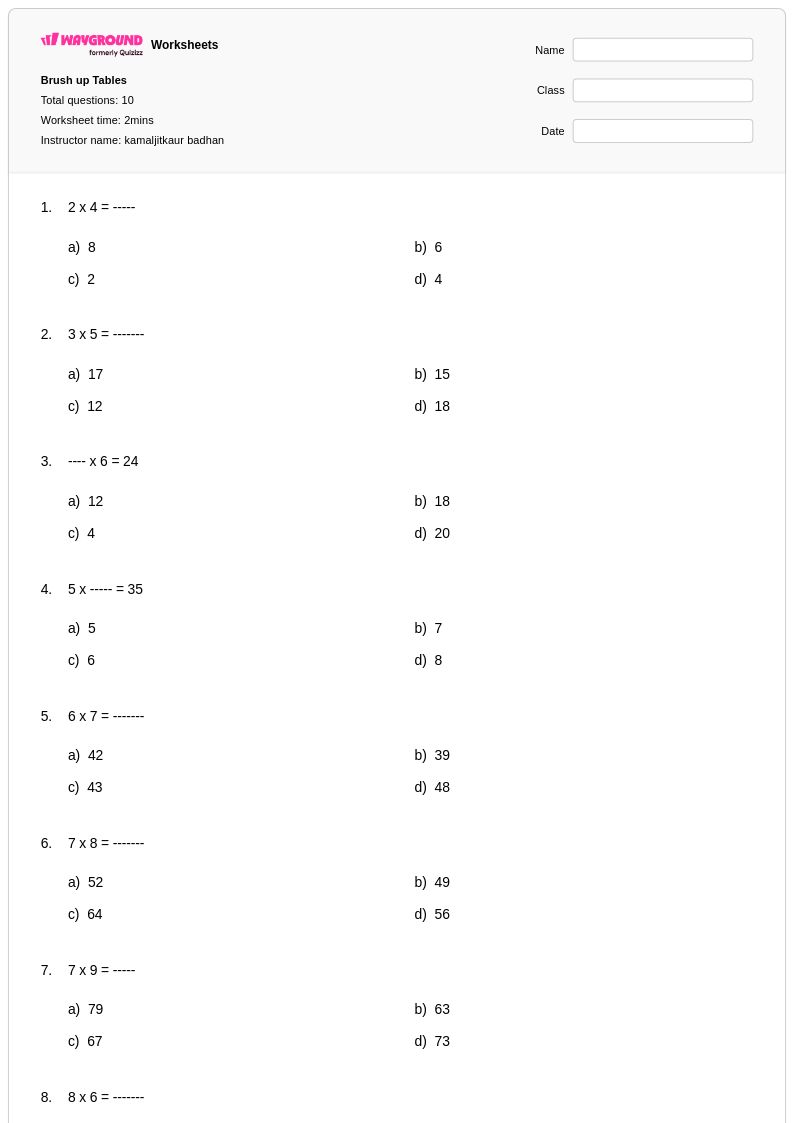
10 Q
1st
Explore Frequency Tables Worksheets by Grades
Explore Other Subject Worksheets for class 1
Explore printable Frequency Tables worksheets for Class 1
Frequency tables worksheets for Class 1 through Wayground (formerly Quizizz) introduce young learners to fundamental data organization and interpretation skills that form the foundation of statistical thinking. These carefully designed printables help first-grade students develop the ability to collect, sort, and display simple information using tally marks, pictures, and basic counting methods. Students practice creating frequency tables by organizing everyday objects like toys, colors, or classroom items into categories, then recording how many items belong in each group. Each worksheet includes clear visual examples and step-by-step guidance, with comprehensive answer keys that allow teachers and parents to support student learning effectively. These free practice problems strengthen essential mathematical reasoning skills while building confidence in data handling through age-appropriate, engaging activities.
Wayground (formerly Quizizz) empowers educators with access to millions of teacher-created frequency table resources specifically designed for Class 1 mathematics instruction. The platform's robust search and filtering capabilities enable teachers to quickly locate worksheets that align with curriculum standards and match their students' developmental needs. These versatile materials are available in both printable pdf format for traditional classroom use and digital formats for interactive learning experiences. Teachers can easily customize existing worksheets or create differentiated versions to support remediation for struggling learners or provide enrichment challenges for advanced students. The comprehensive collection streamlines lesson planning while offering flexible options for skill practice, formative assessment, and reinforcement activities that help young mathematicians master the fundamental concepts of data organization and frequency counting.
FAQs
What do first graders learn about frequency tables?
What's the best way to teach tally marks to first graders?
What kind of practice is best for Grade 1 frequency tables?
What's a common mistake first graders make with tally marks?
How can I use this Grade 1 worksheet in my classroom?
How do these worksheets support first-grade math standards?