
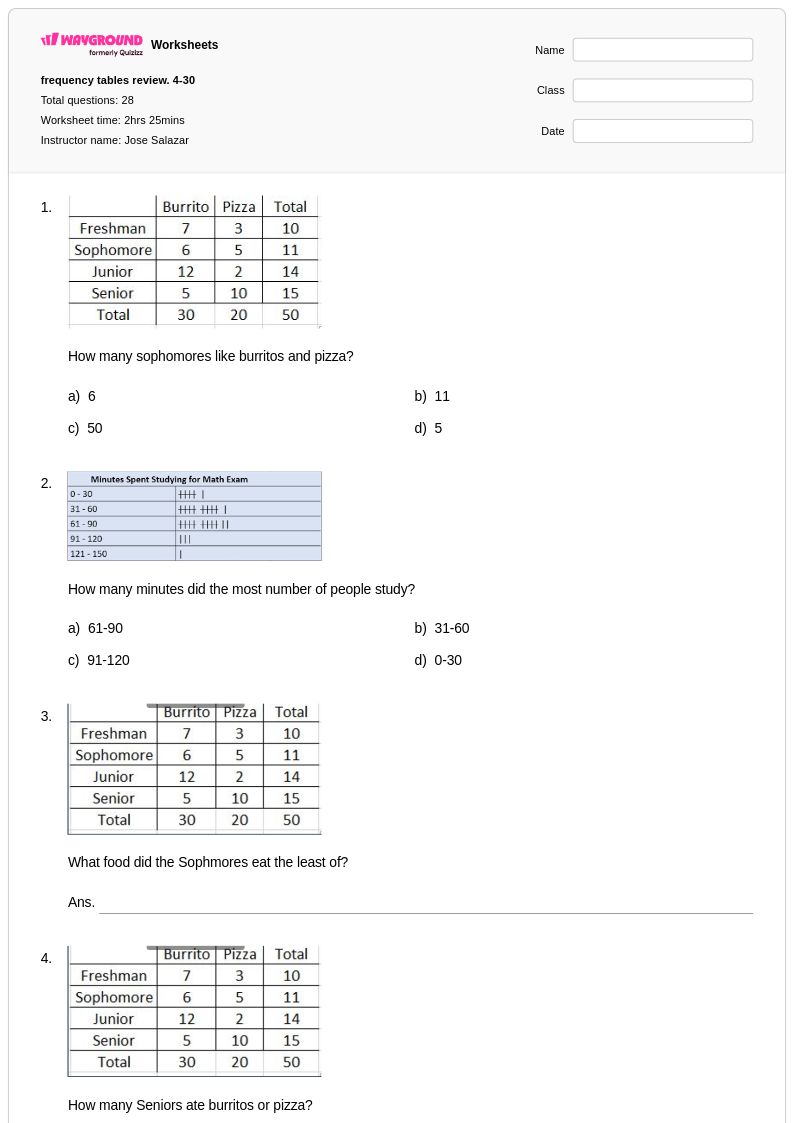
28 Hỏi
3rd - 4th
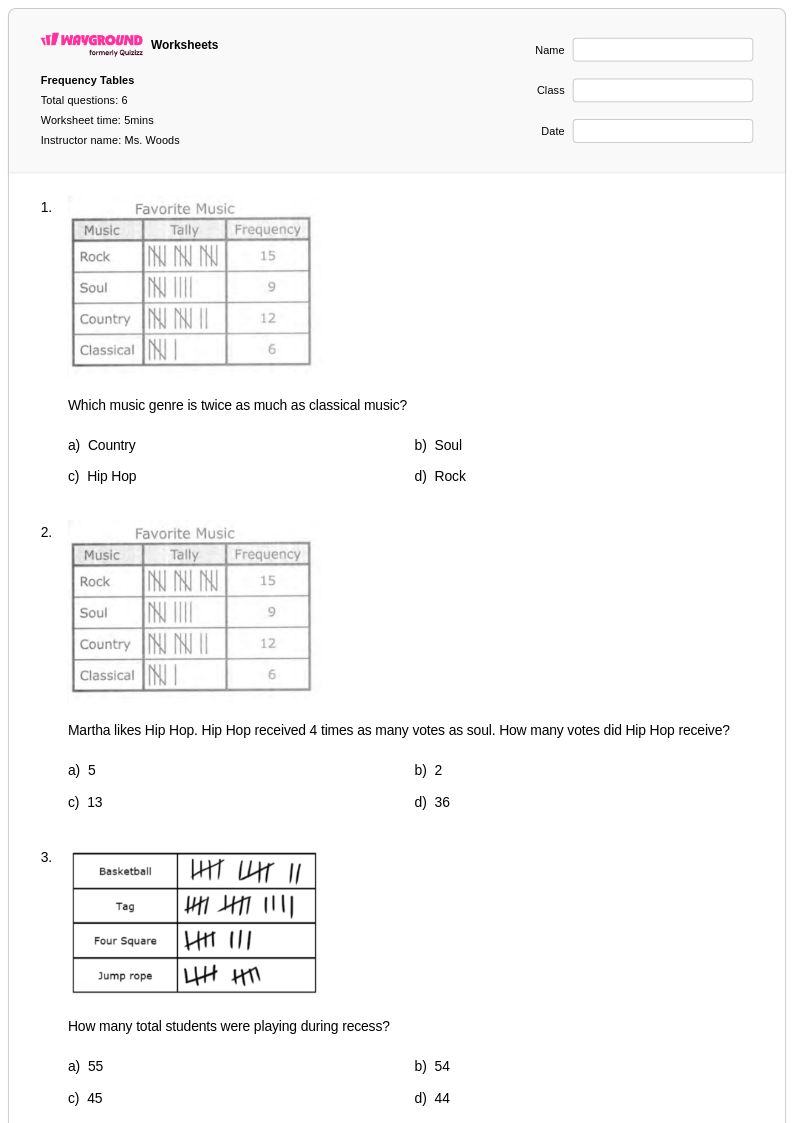
6 Hỏi
3rd
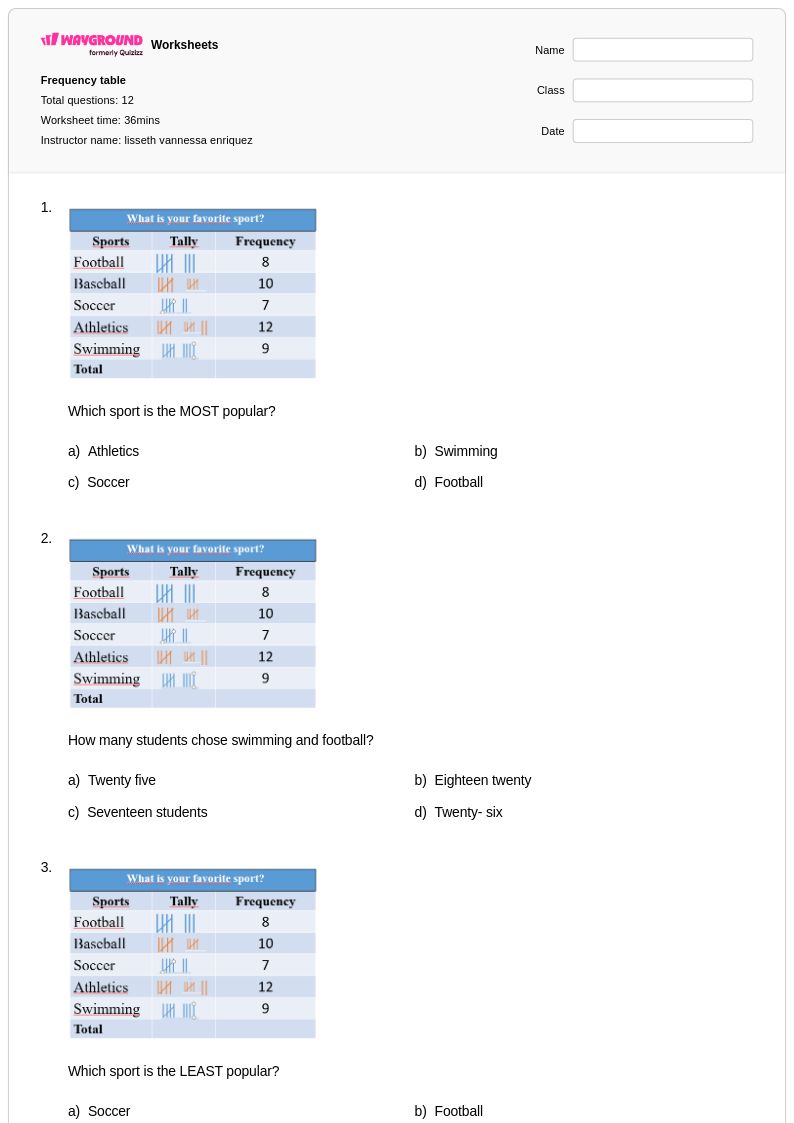
12 Hỏi
3rd
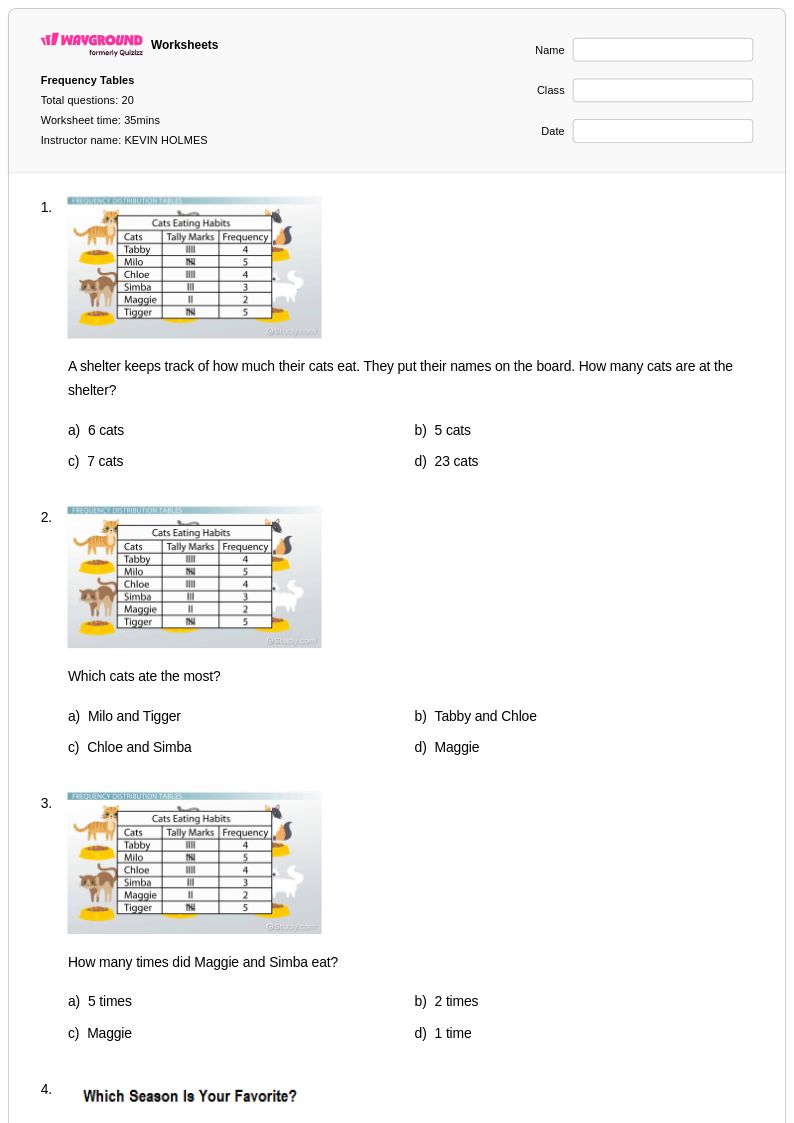
20 Hỏi
3rd
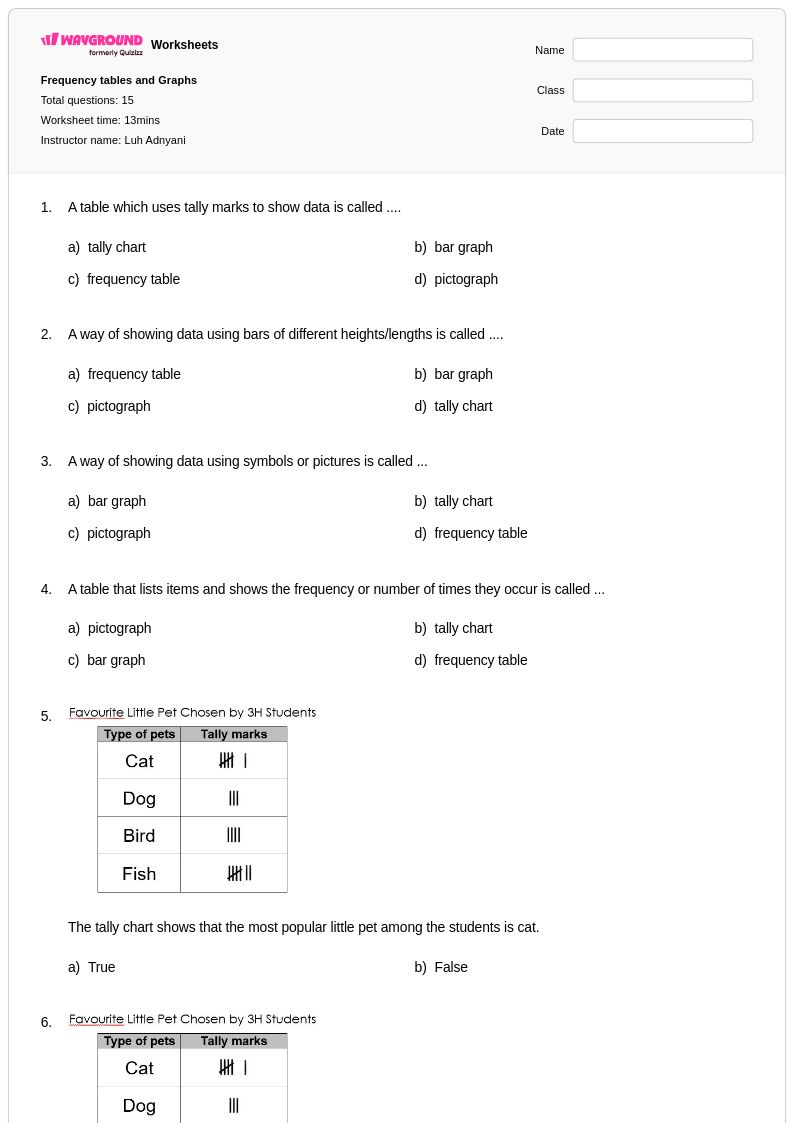
15 Hỏi
3rd - 4th
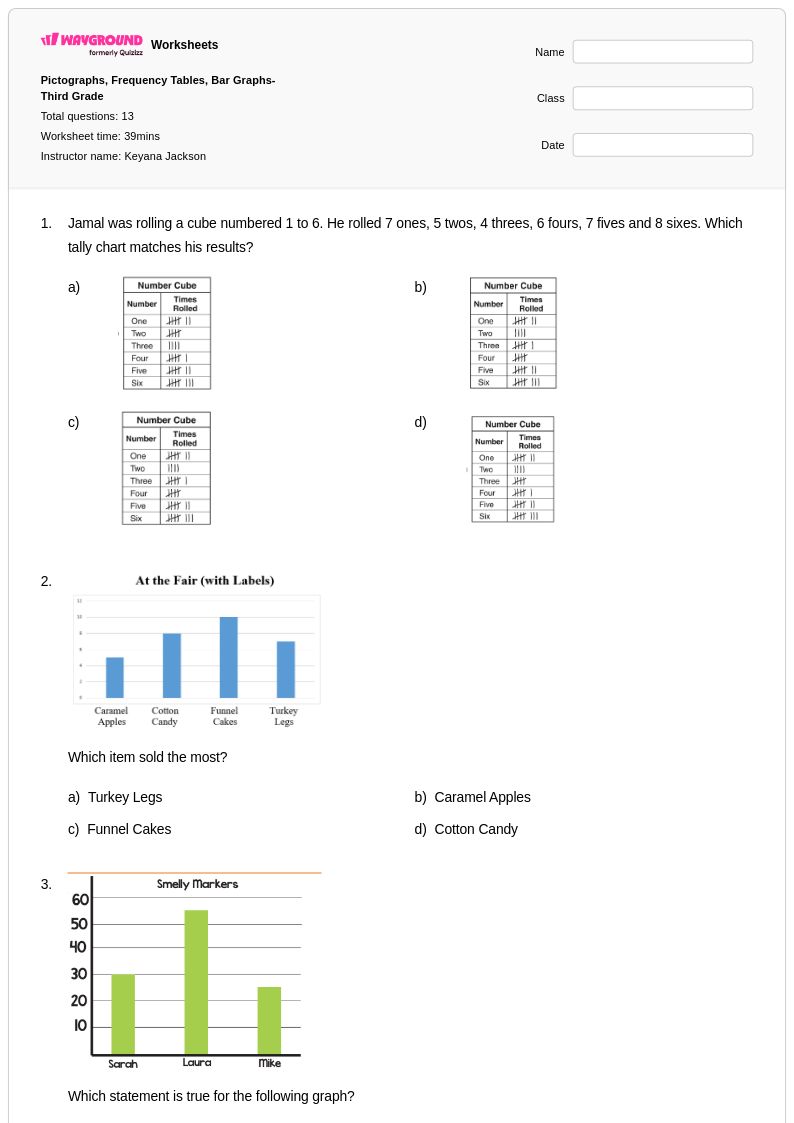
13 Hỏi
3rd
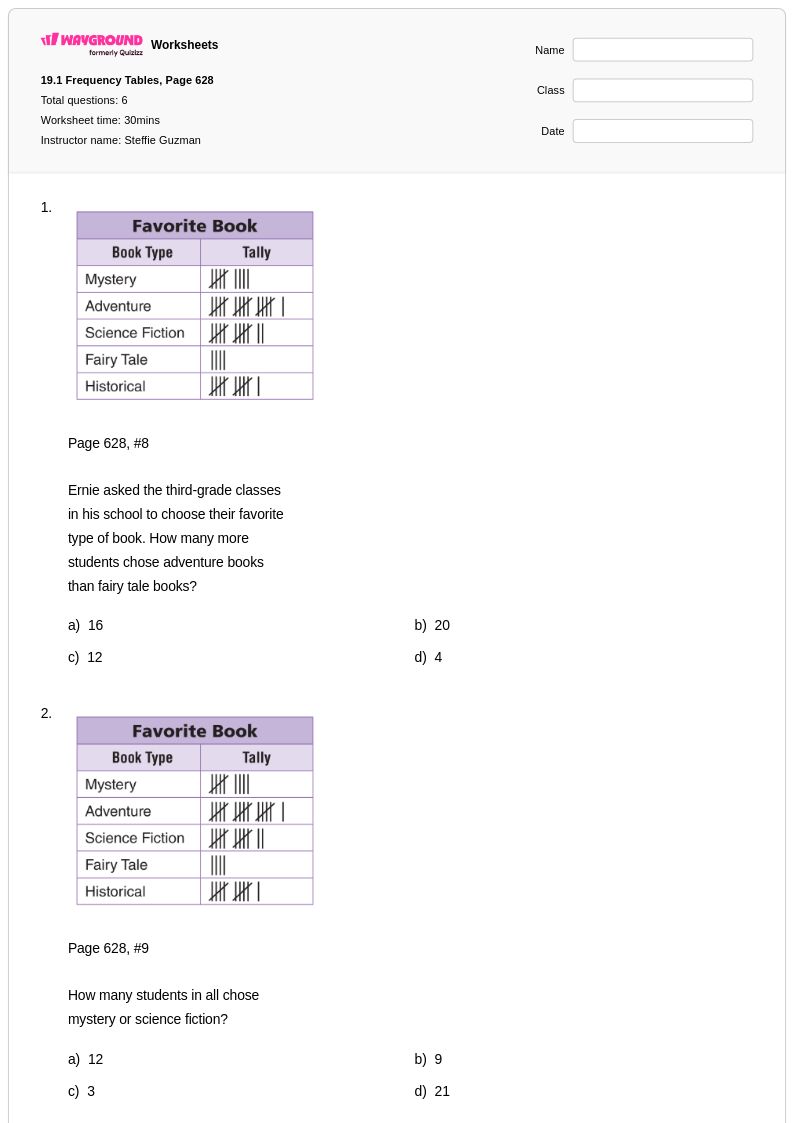
6 Hỏi
3rd
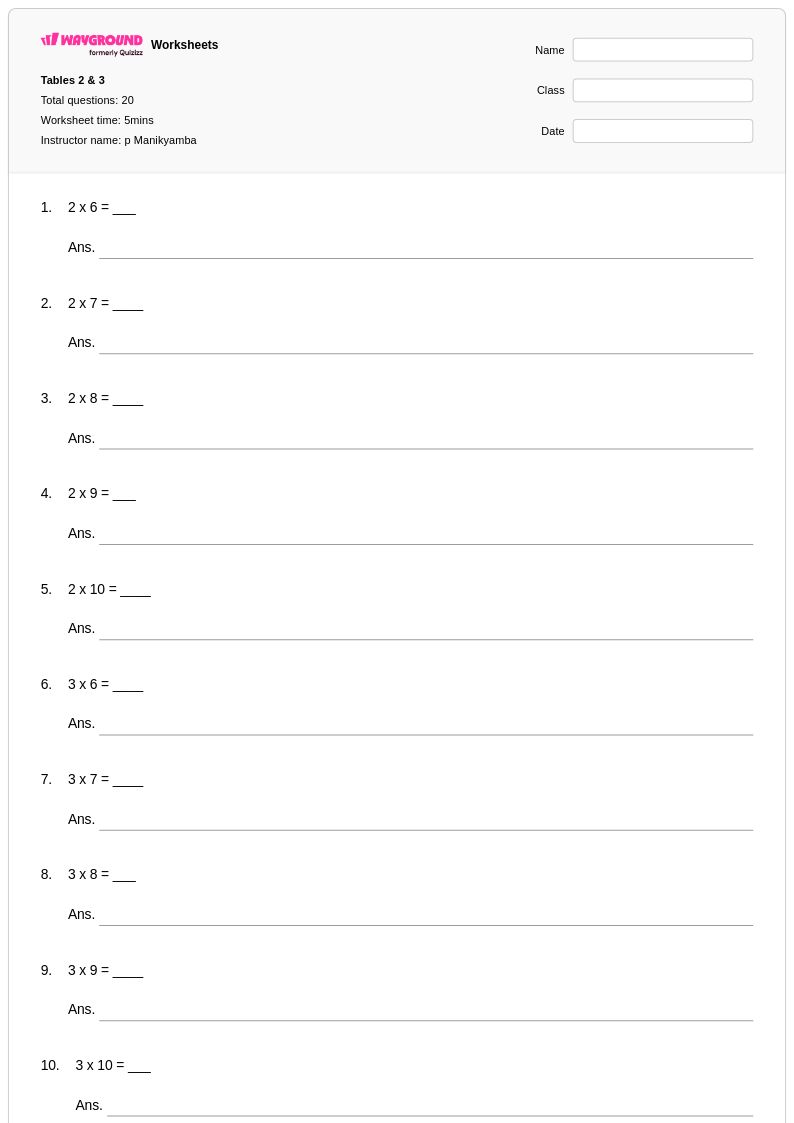
20 Hỏi
2nd - 5th
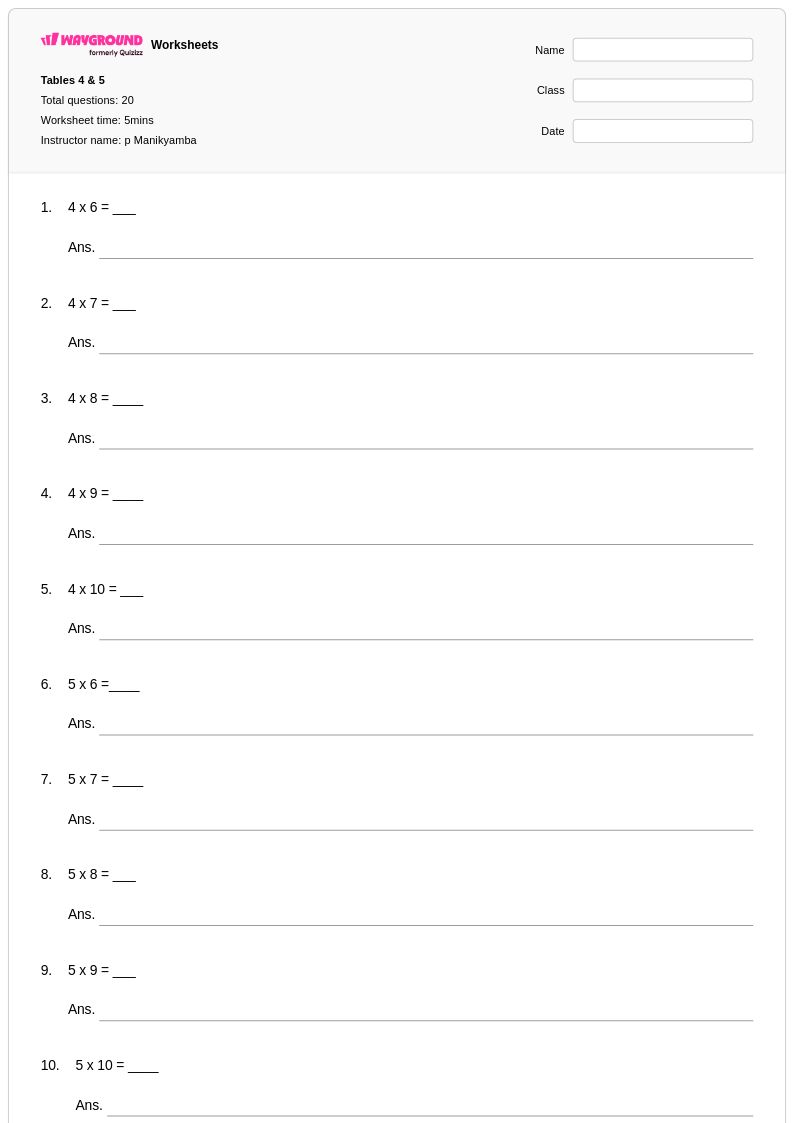
20 Hỏi
2nd - 5th
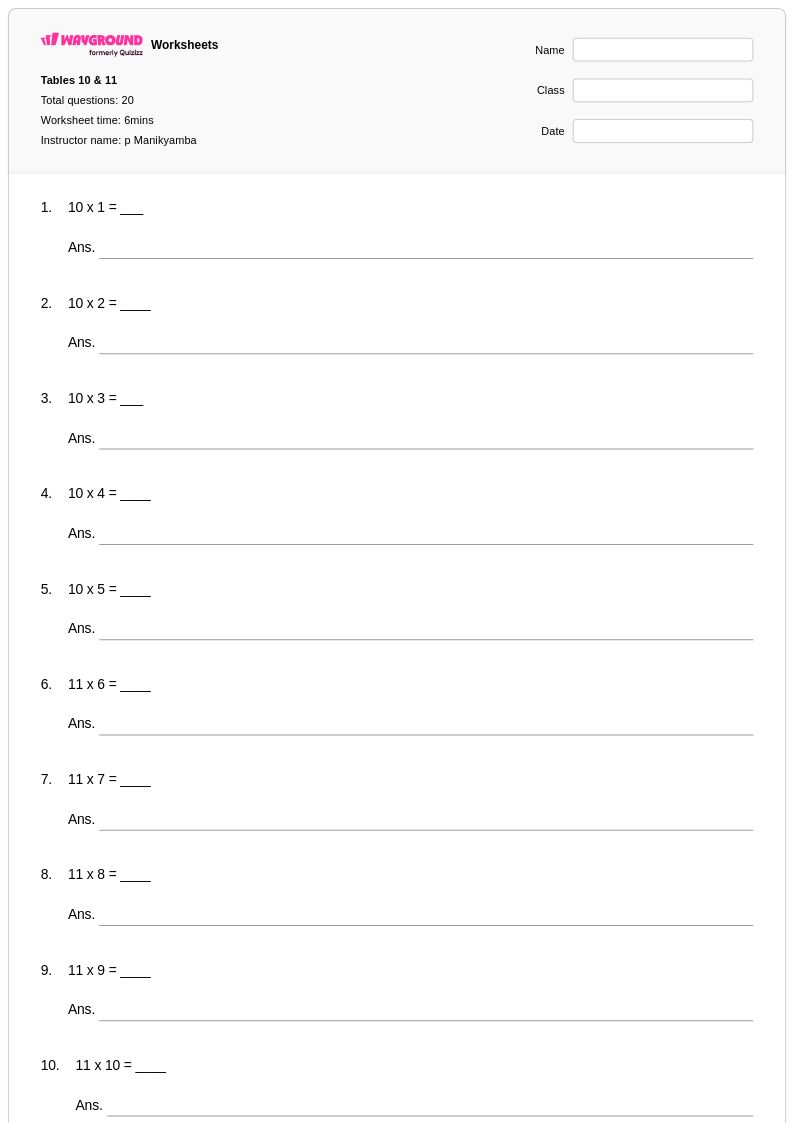
20 Hỏi
2nd - 5th
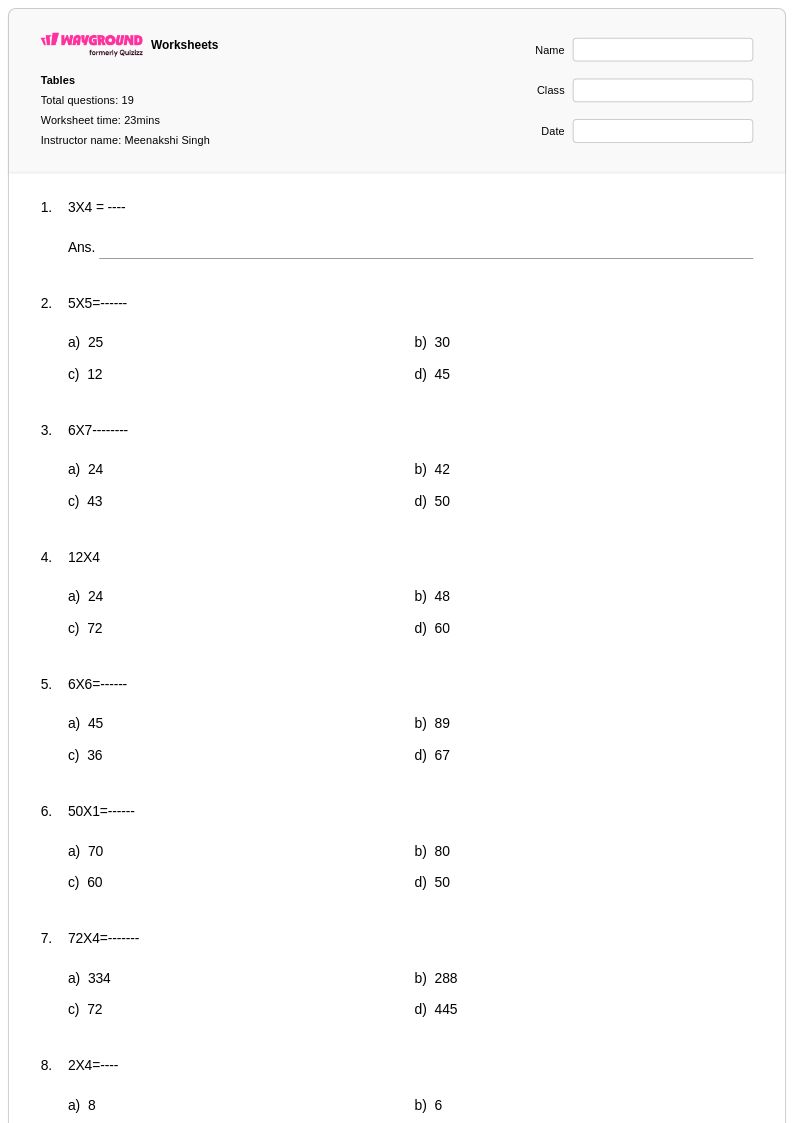
19 Hỏi
1st - 5th
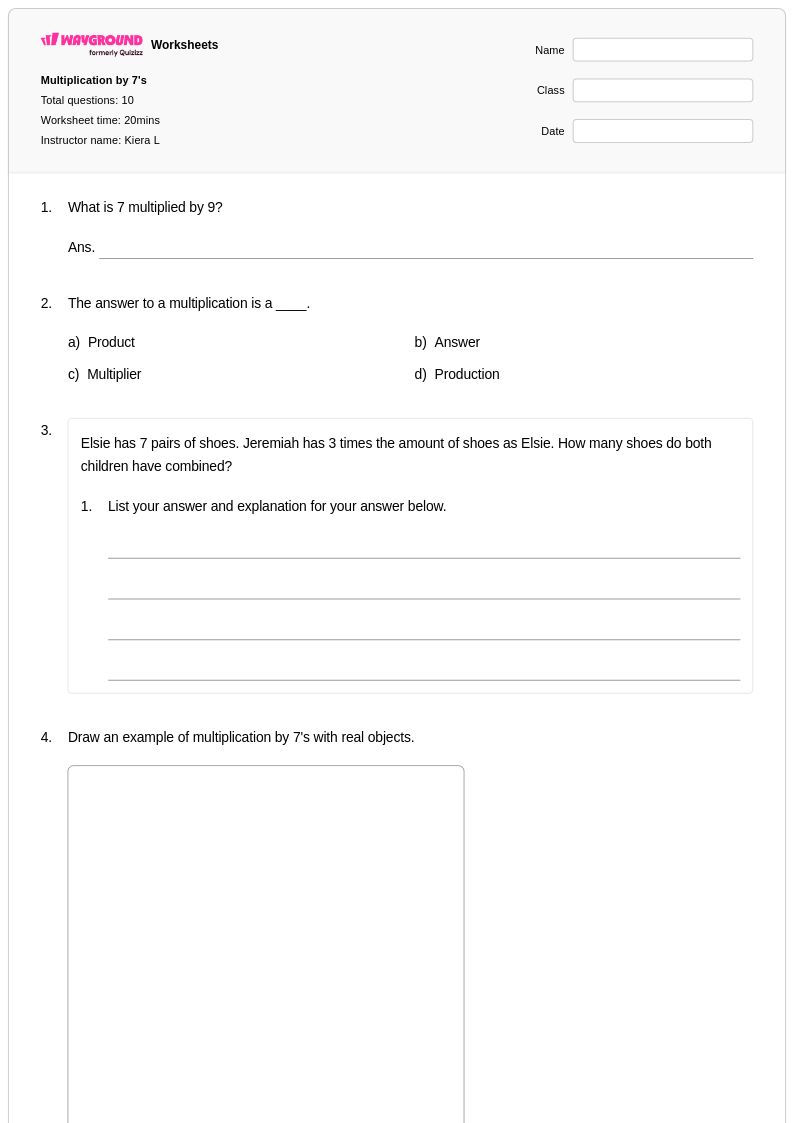
11 Hỏi
3rd
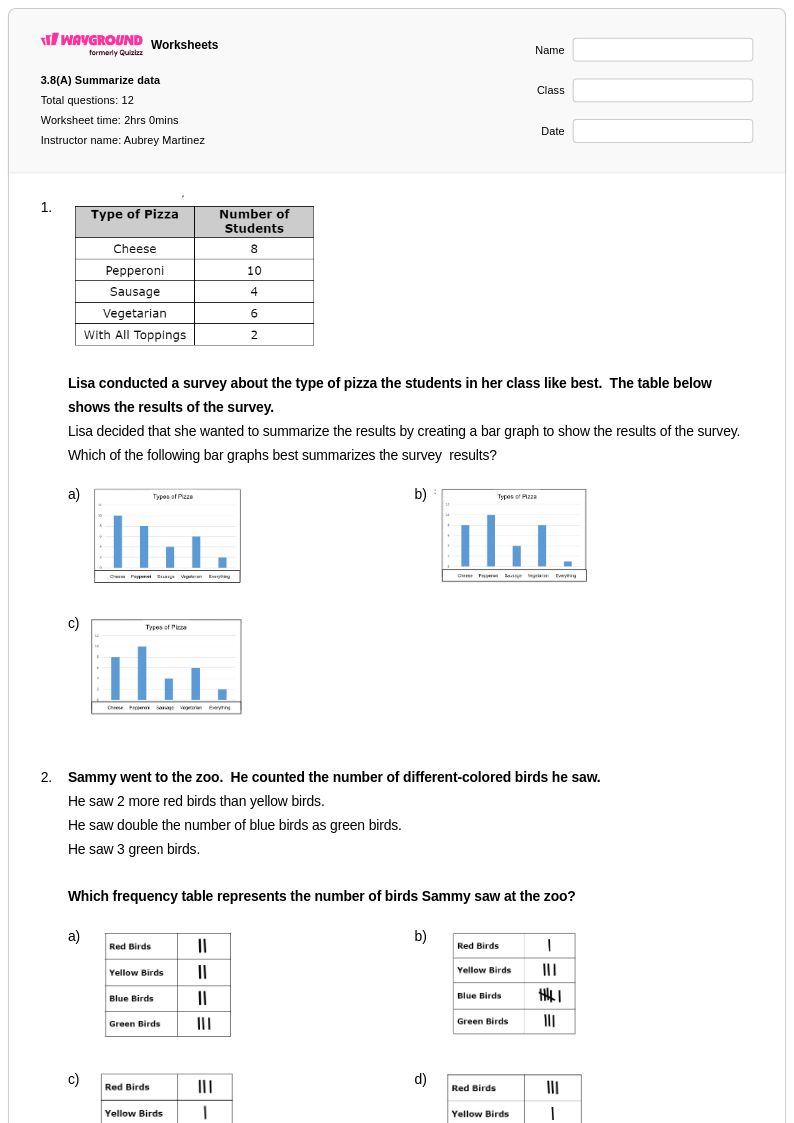
12 Hỏi
3rd
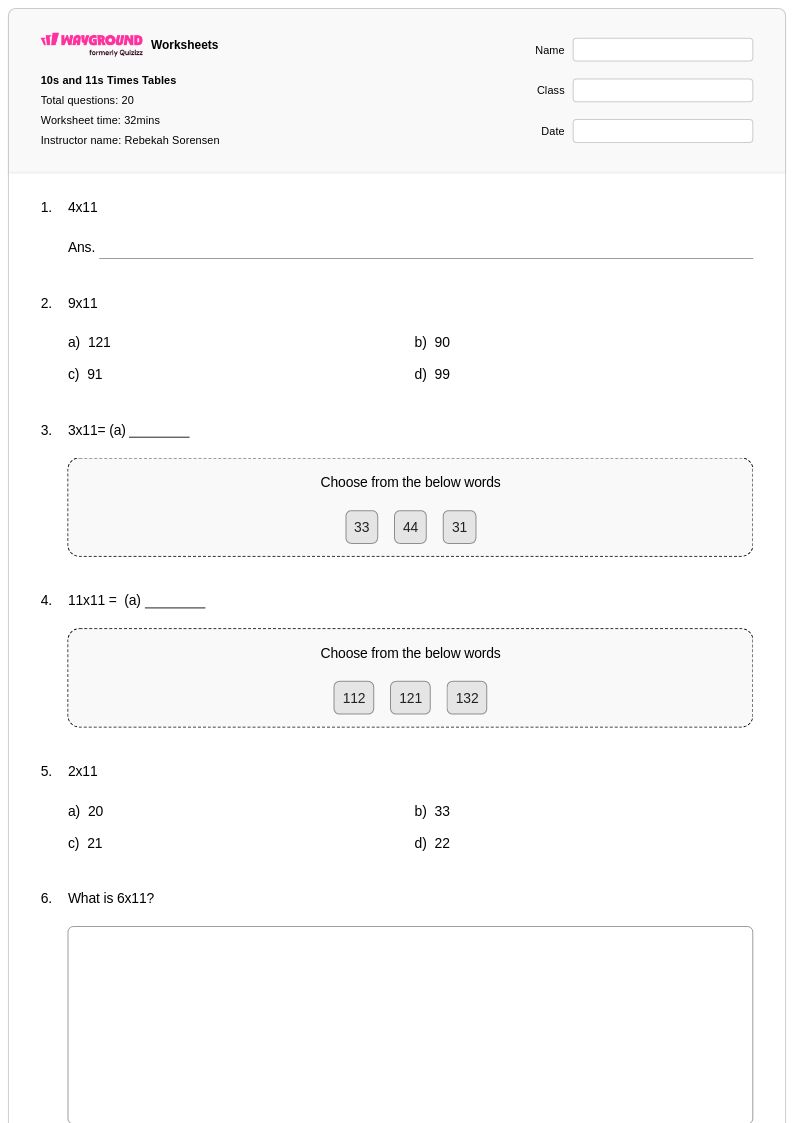
20 Hỏi
3rd
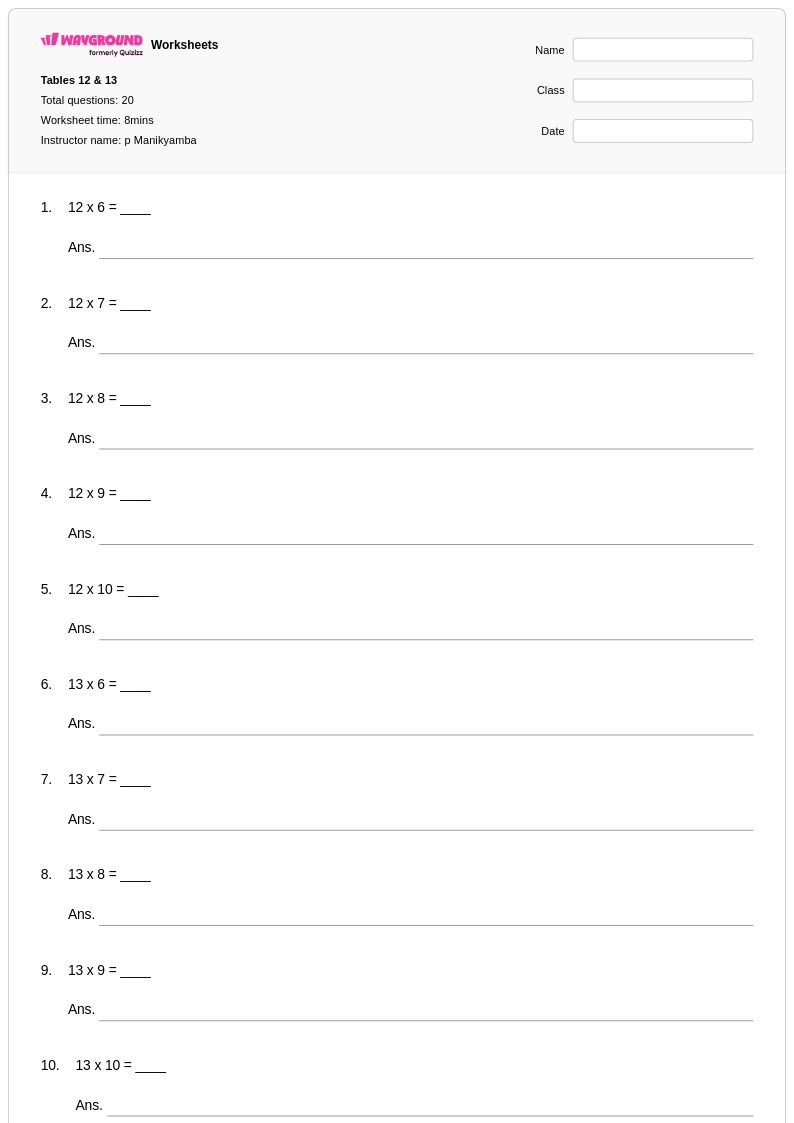
20 Hỏi
3rd - 5th
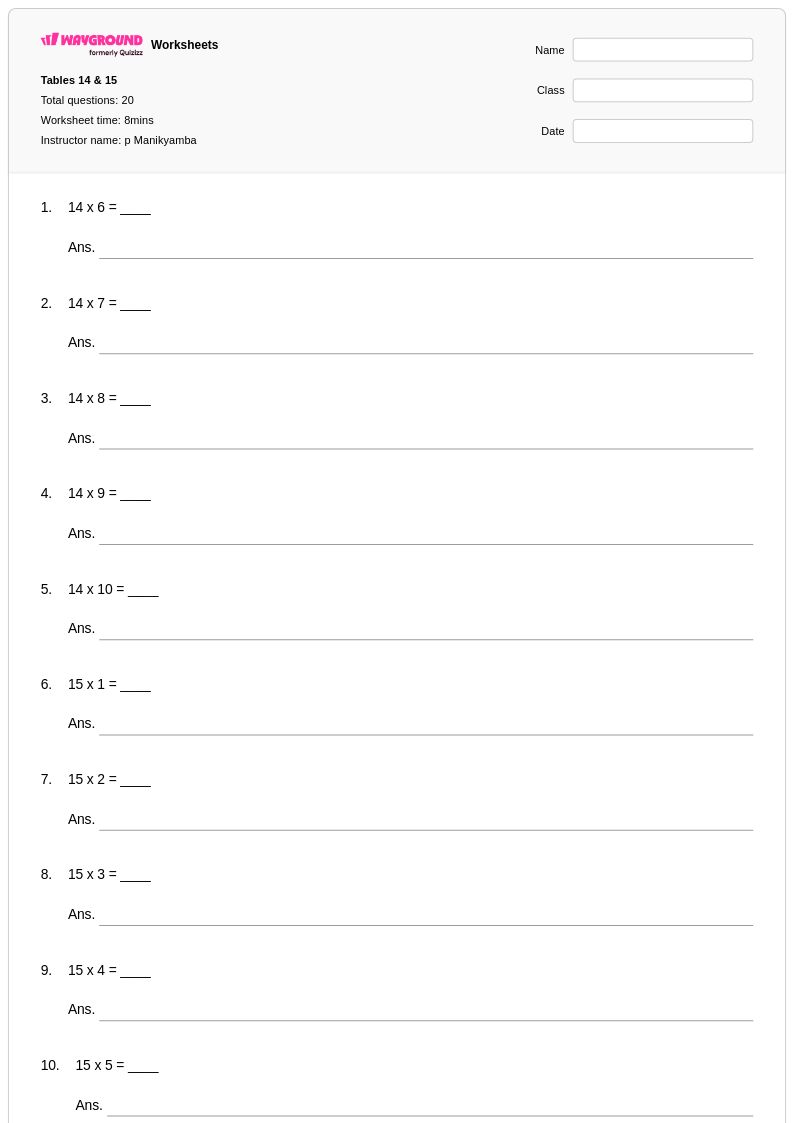
20 Hỏi
3rd - 5th
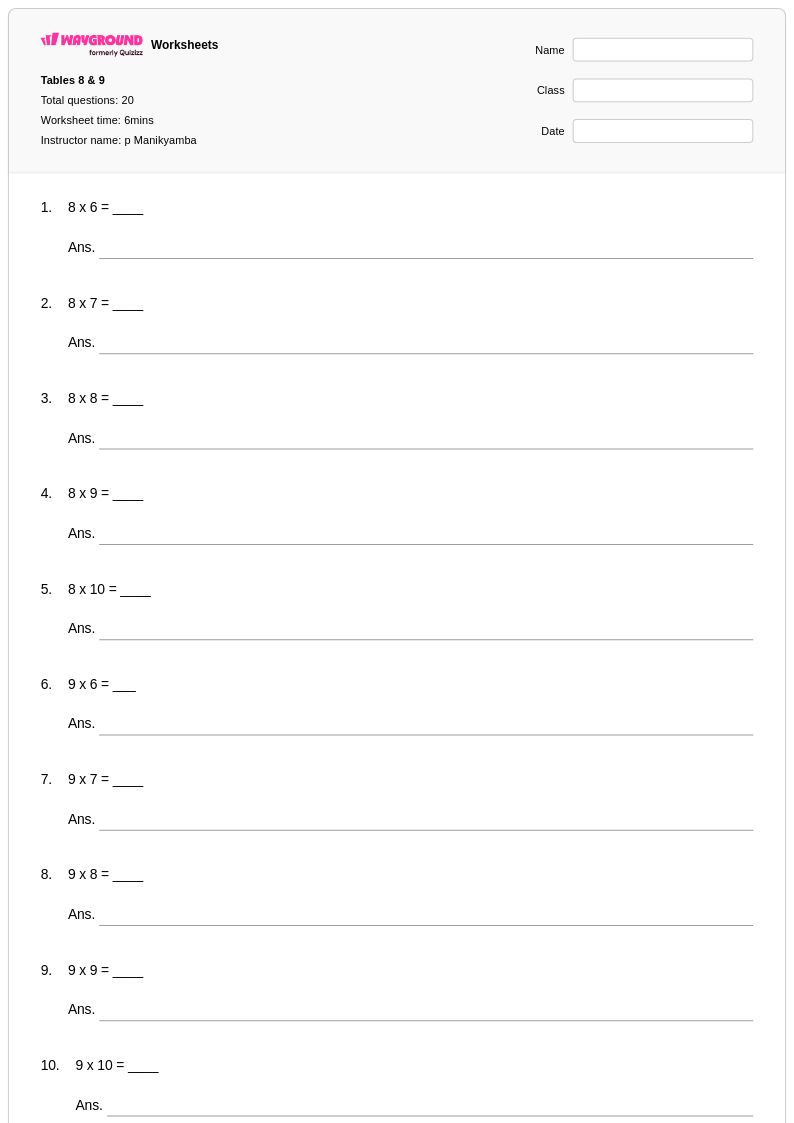
20 Hỏi
2nd - 5th
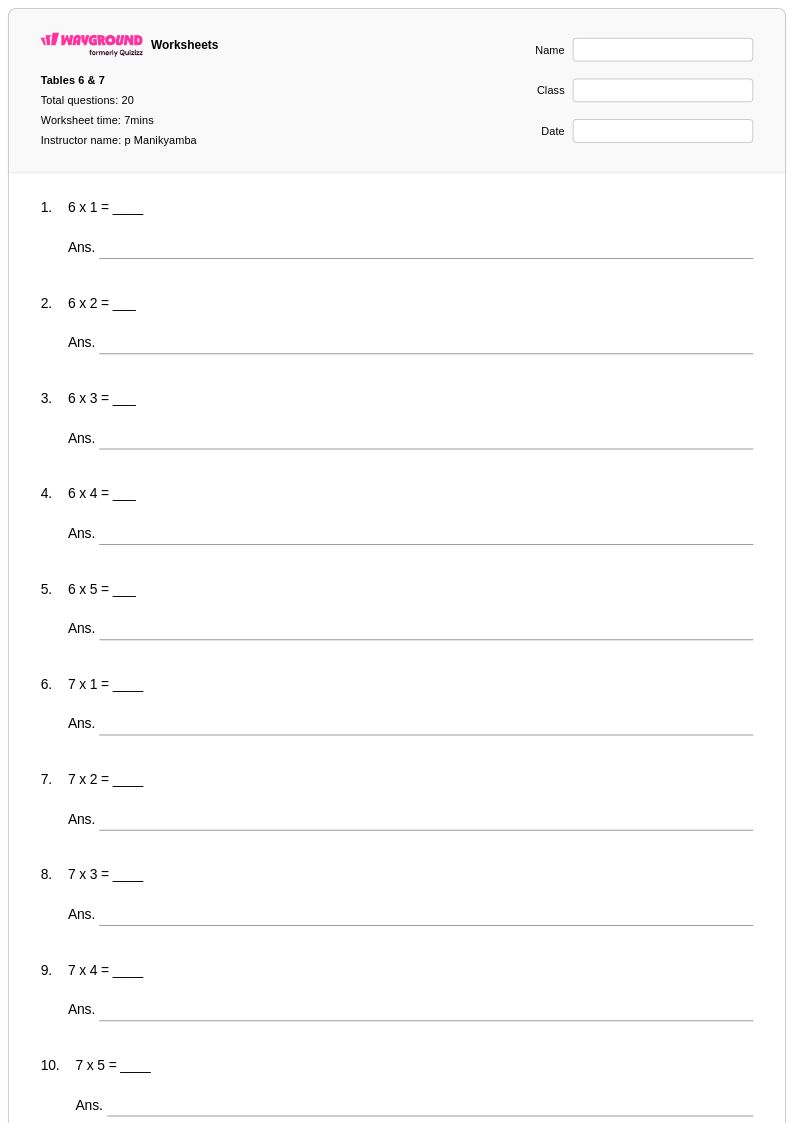
20 Hỏi
2nd - 5th
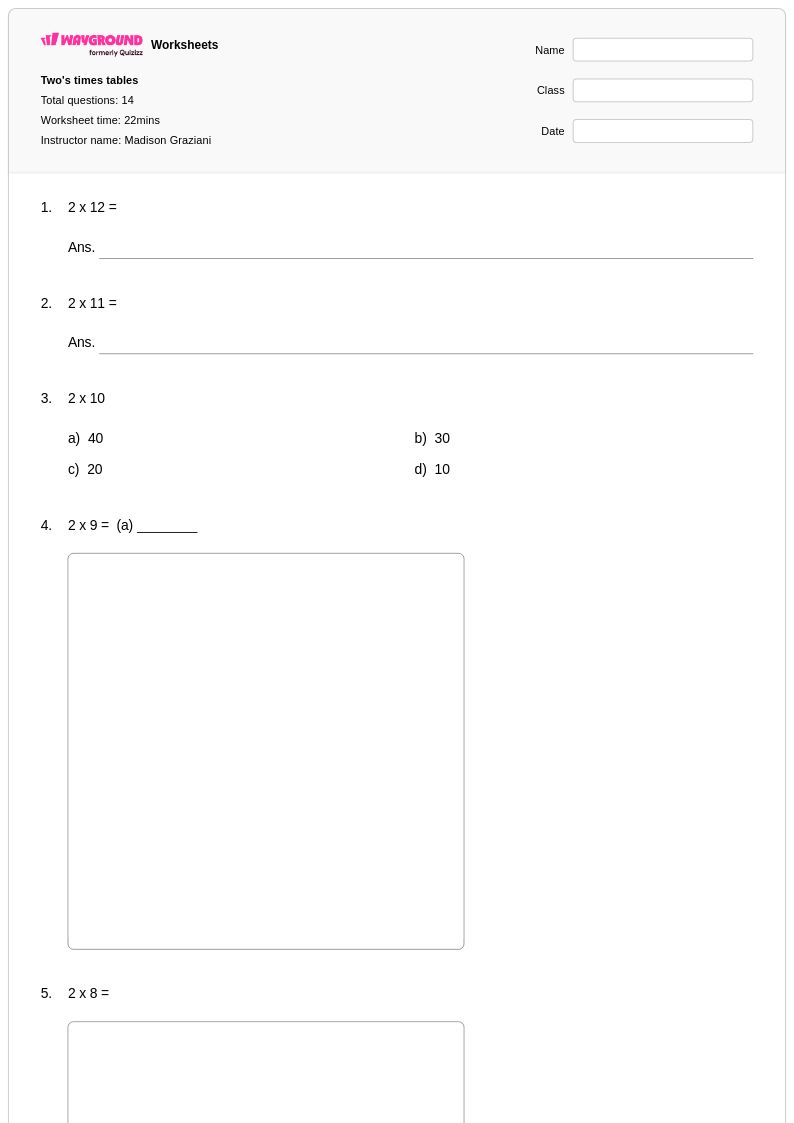
14 Hỏi
3rd
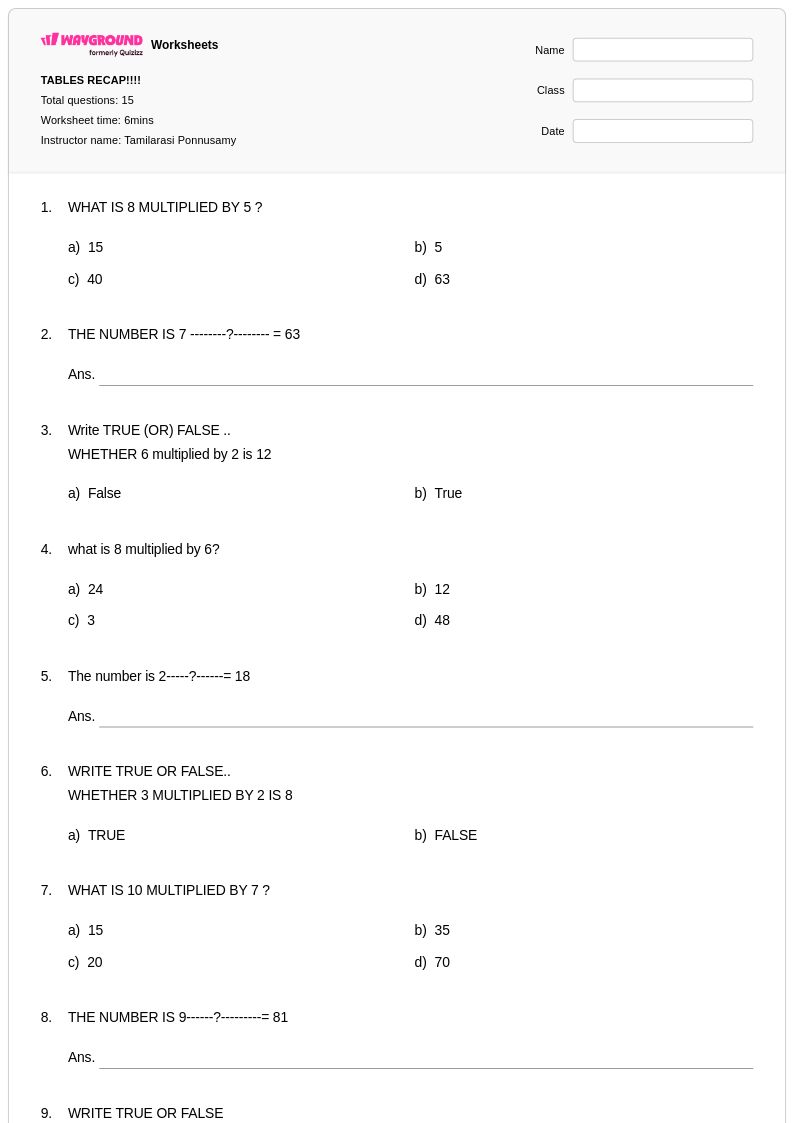
15 Hỏi
3rd
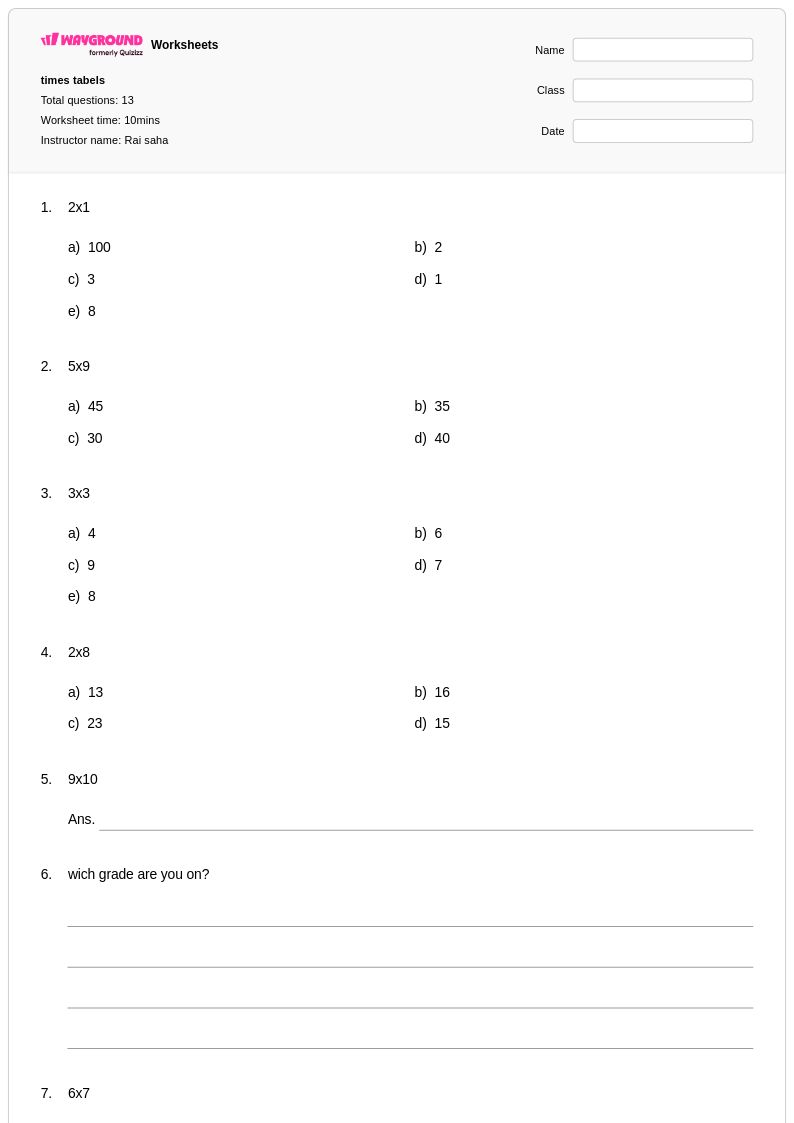
13 Hỏi
2nd - 4th

14 Hỏi
3rd
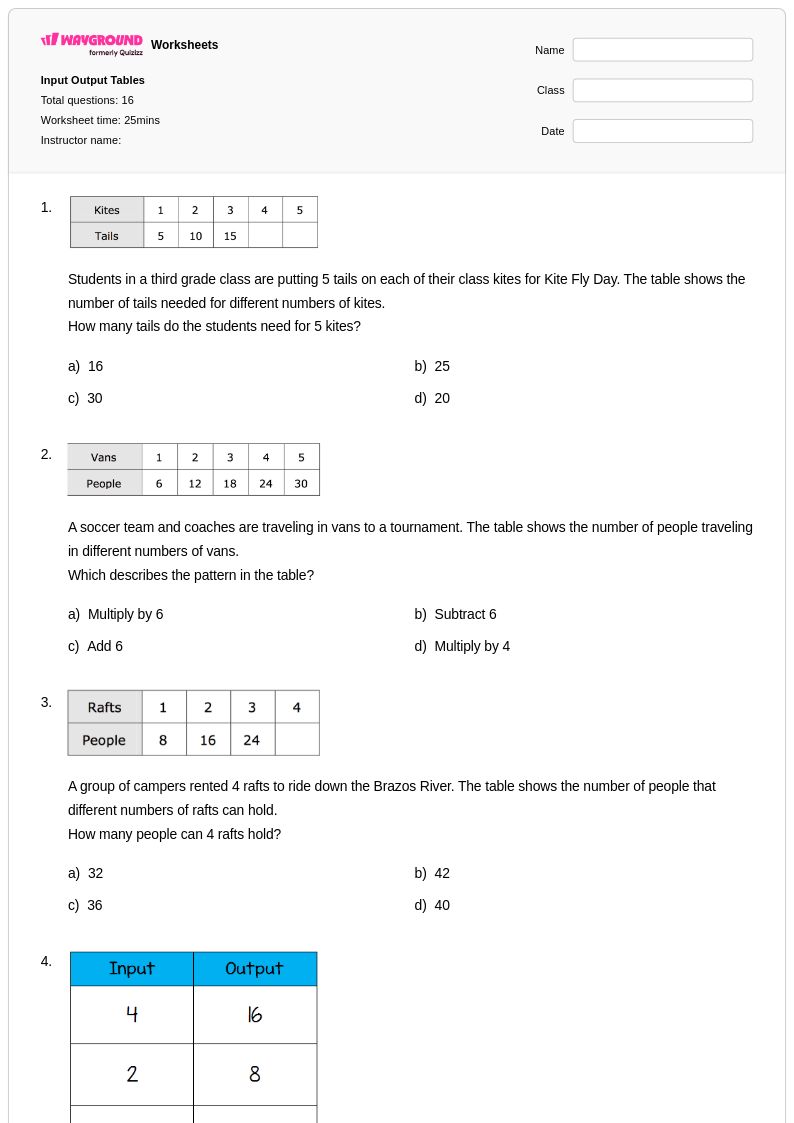
16 Hỏi
3rd
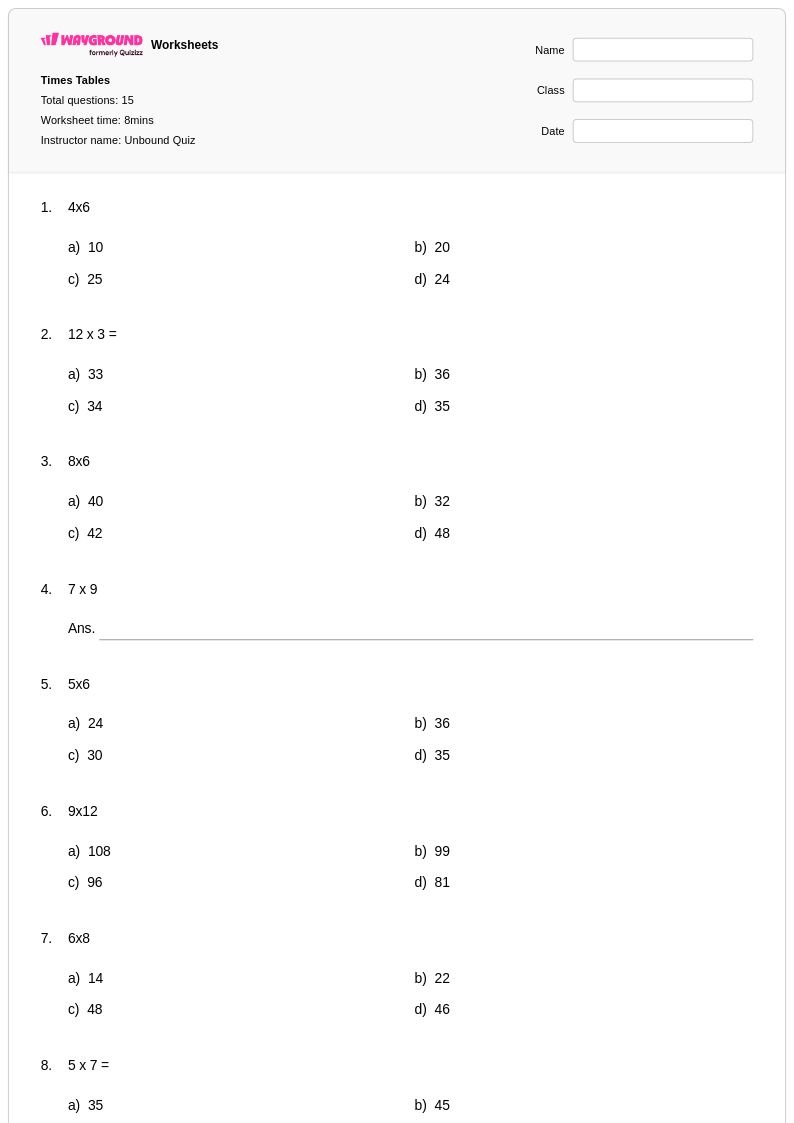
15 Hỏi
2nd - 4th
Khám phá Frequency Tables Bảng tính theo cấp độ
Khám phá các bảng tính chủ đề khác cho class 3
Explore printable Frequency Tables worksheets for Class 3
Frequency tables worksheets for Class 3 students available through Wayground (formerly Quizizz) provide essential practice in organizing and interpreting data collection activities that align with early elementary mathematics standards. These carefully designed printables help young learners develop foundational statistical thinking by teaching them to systematically record, count, and display information in structured formats. Students work with age-appropriate data scenarios such as favorite colors, pet preferences, or classroom surveys, learning to create tally marks, count frequencies, and organize their findings into clear table formats. Each worksheet includes comprehensive practice problems that progress from basic data recording to more complex interpretation tasks, with complete answer key materials provided in convenient pdf format to support both independent learning and teacher-guided instruction.
Wayground (formerly Quizizz) empowers educators with millions of teacher-created frequency table resources specifically designed for Class 3 mathematics instruction, featuring robust search and filtering capabilities that allow teachers to quickly locate materials aligned with specific learning objectives and curriculum standards. The platform's differentiation tools enable instructors to customize worksheets for diverse learning needs, offering both printable pdf versions for traditional classroom use and digital formats for interactive learning environments. Teachers can efficiently plan comprehensive data analysis units by accessing materials that support initial skill introduction, targeted remediation for struggling learners, and enrichment activities for advanced students, while the extensive collection ensures consistent practice opportunities that build student confidence in statistical reasoning and data organization skills throughout the academic year.
FAQs
How do I teach scaled bar graphs in Grade 3?
What types of problems are best for Grade 3 frequency tables?
What are common challenges for third graders with scaled graphs?
How can I use this Grade 3 worksheet with my class?
How do these worksheets align with Grade 3 math standards?
How can I support diverse learners with this topic?