
20 T
6th - Uni
10 T
4th - Uni
10 T
7th
13 T
6th - 8th
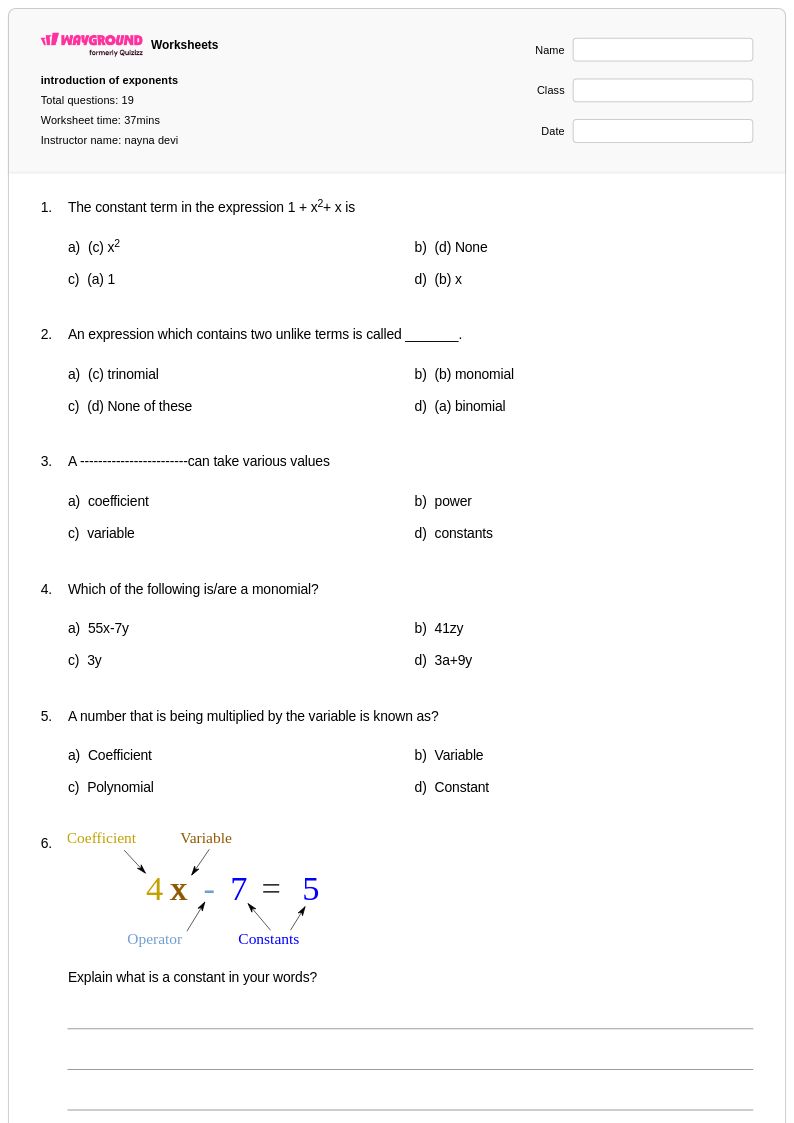
19 T
6th - Uni
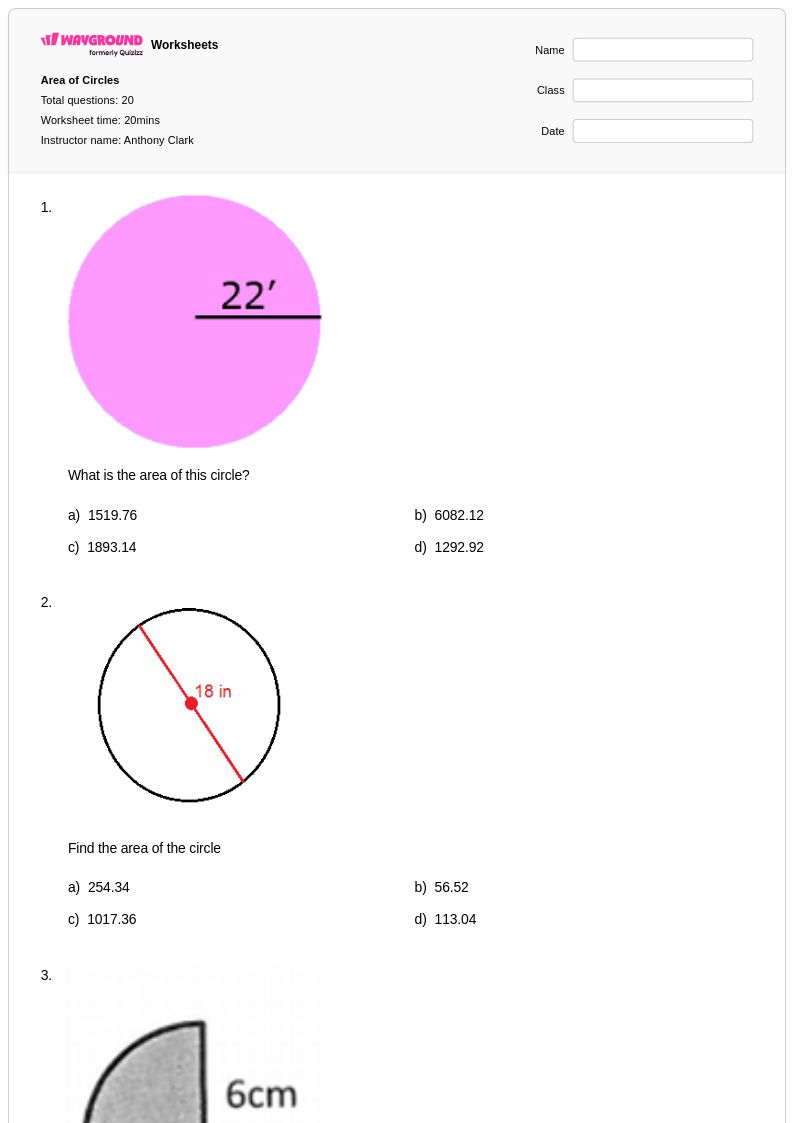
20 T
7th - Uni
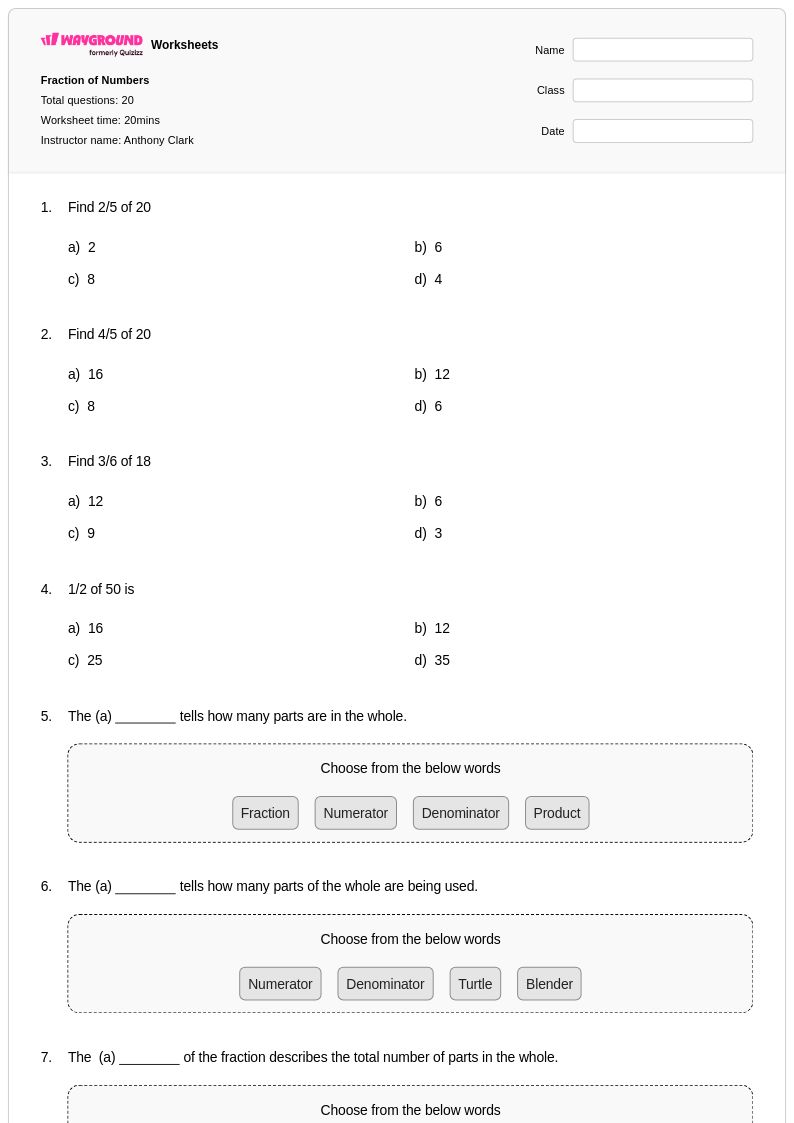
20 T
5th - Uni
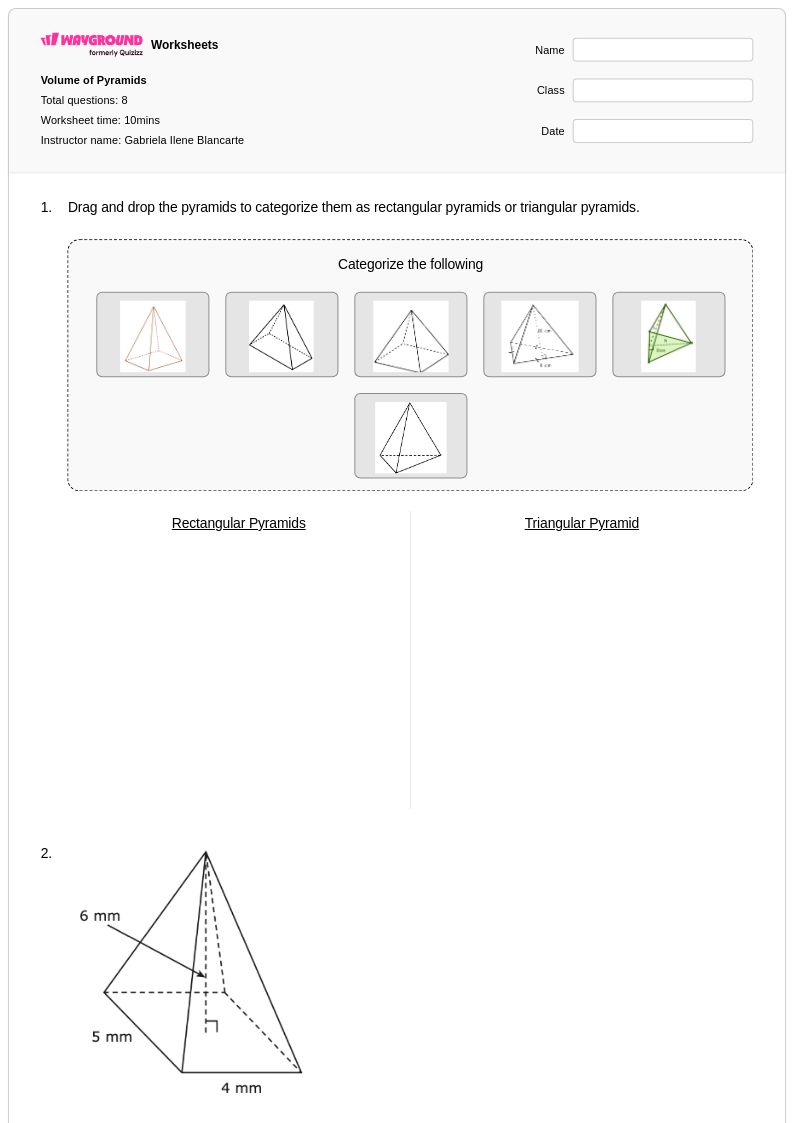
8 T
7th
15 T
3rd - Uni
10 T
7th

30 T
7th - 8th
20 T
7th
15 T
6th - 9th
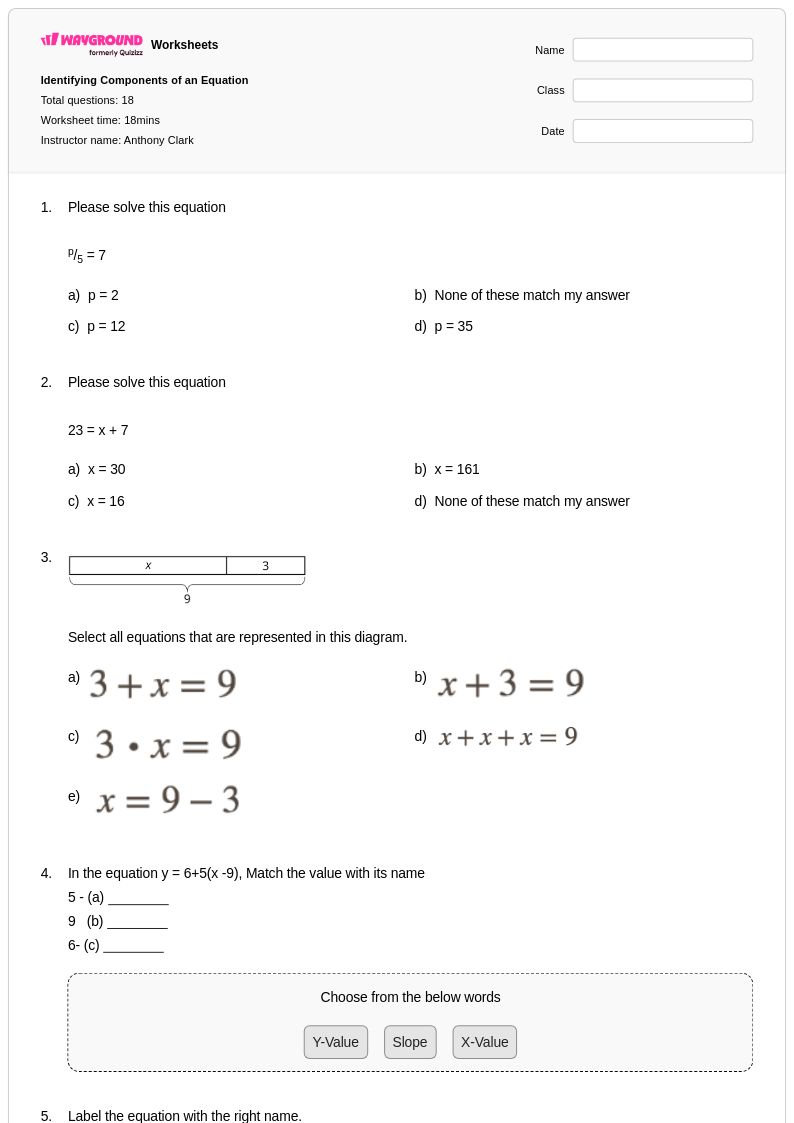
18 T
6th - Uni
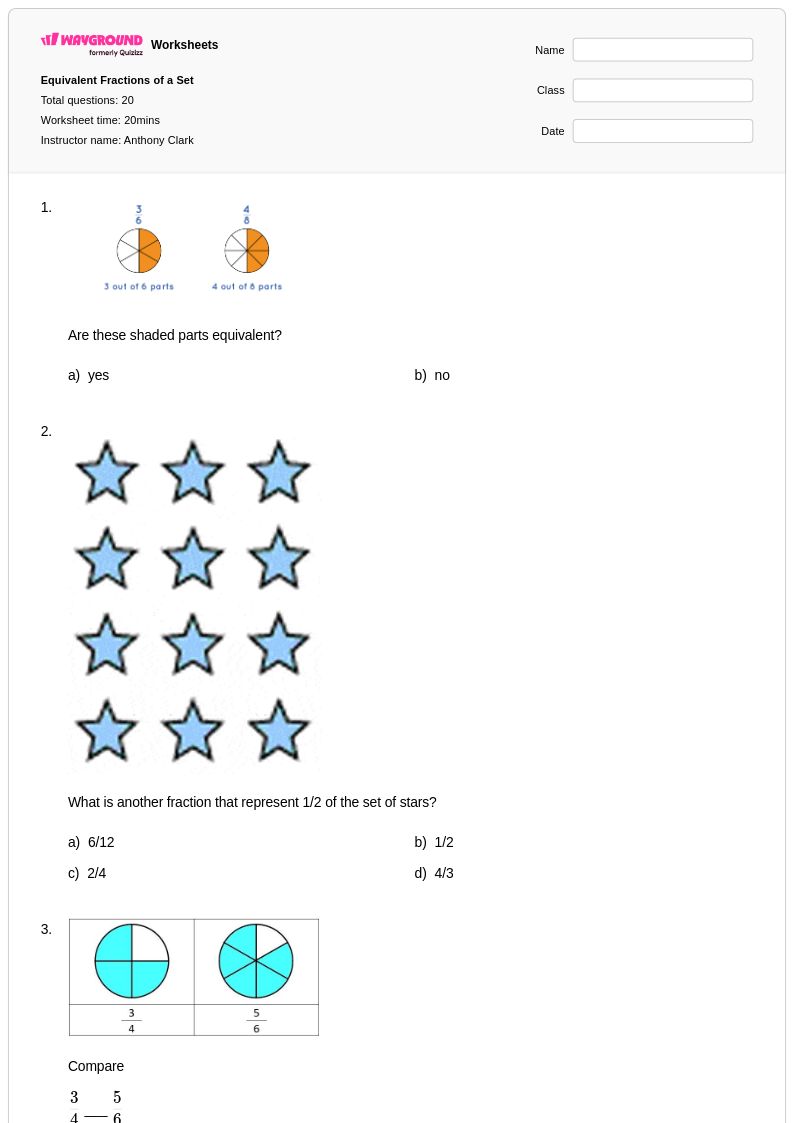
20 T
4th - Uni
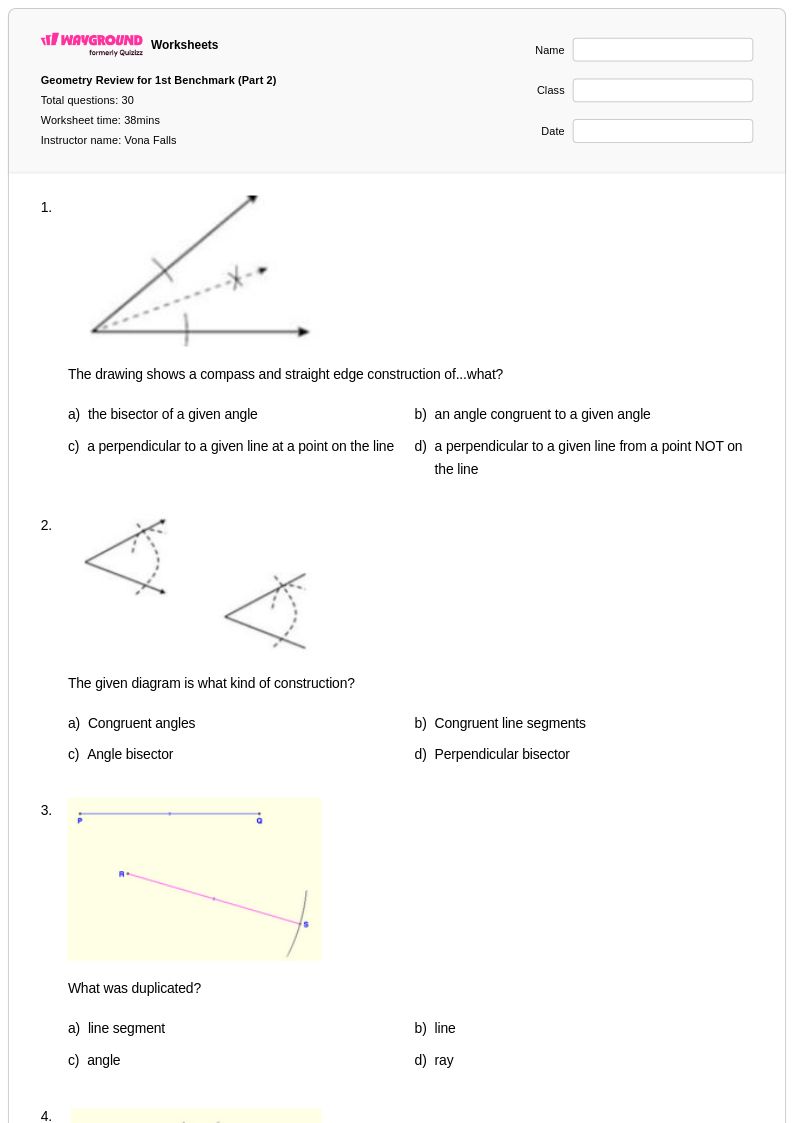
30 T
7th - 9th
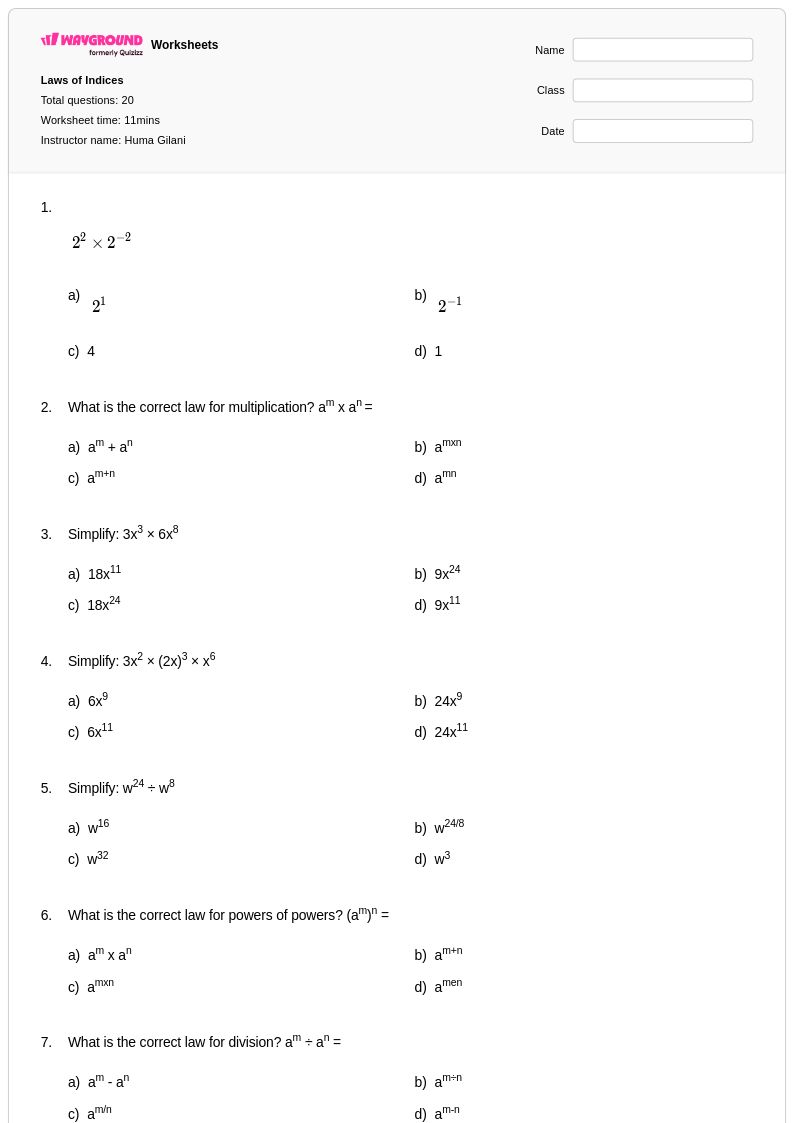
20 T
6th - 8th
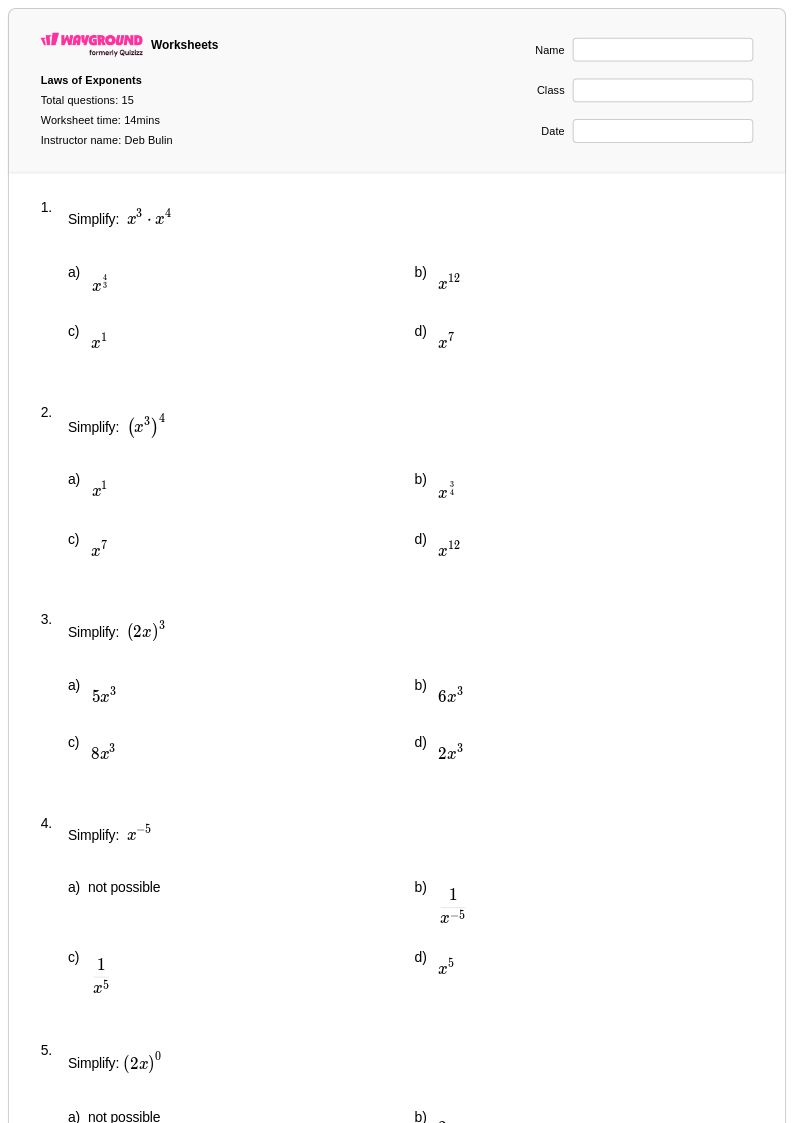
15 T
7th - 10th
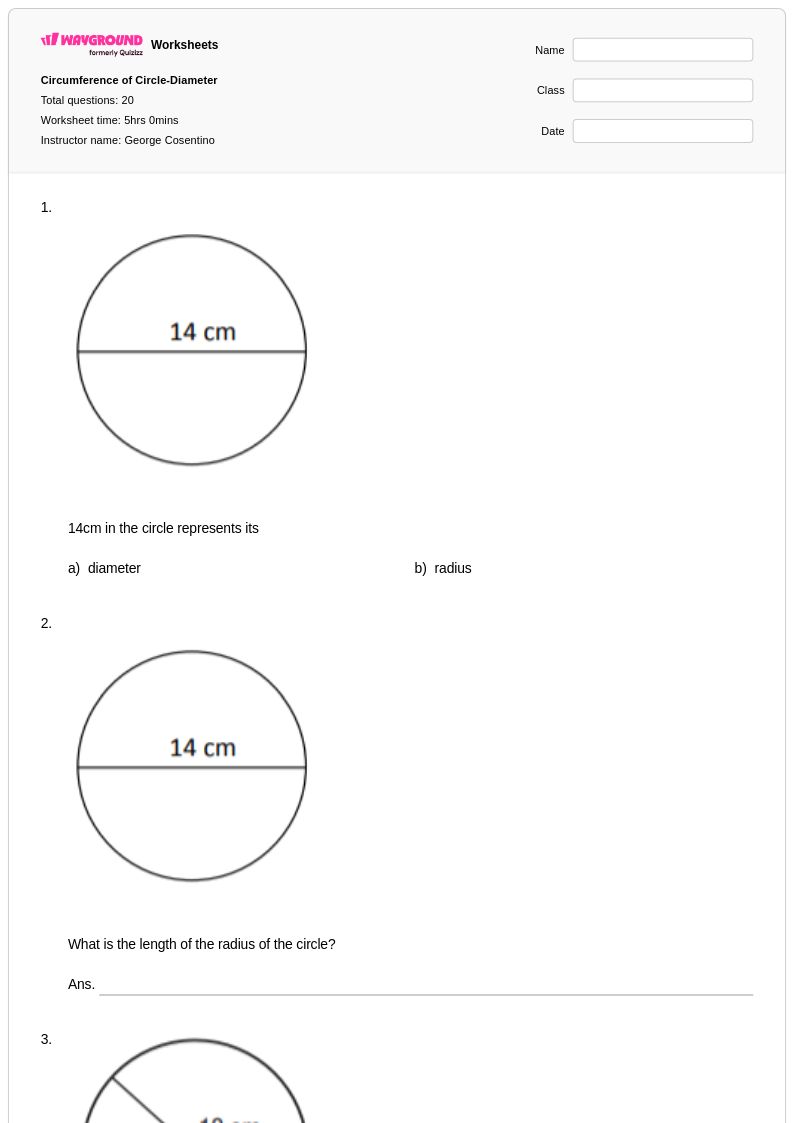
20 T
7th

15 T
7th
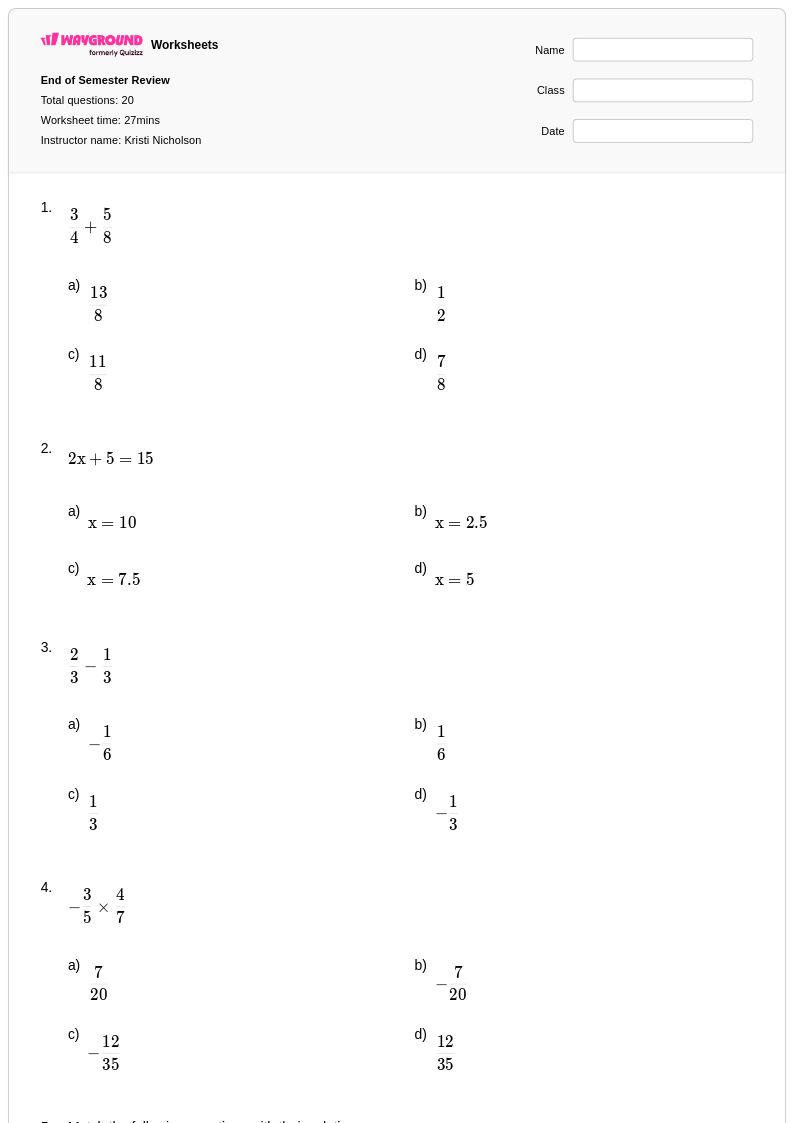
20 T
7th
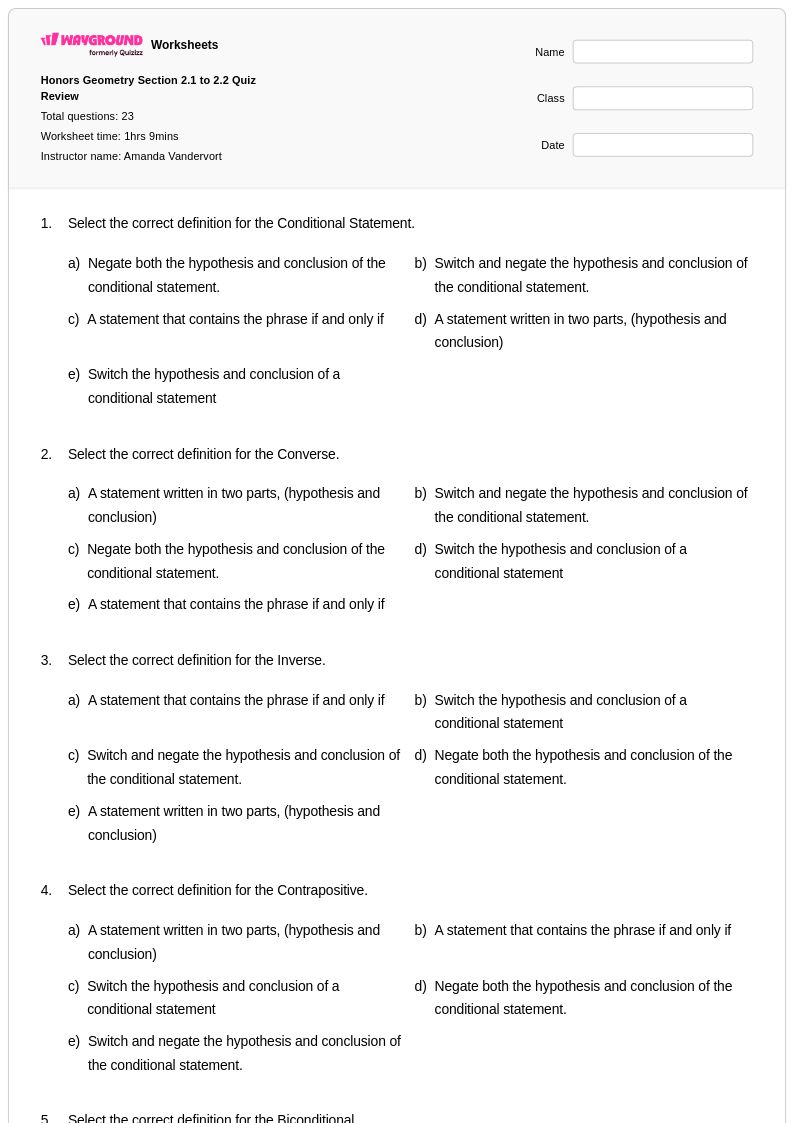
23 T
7th - 10th
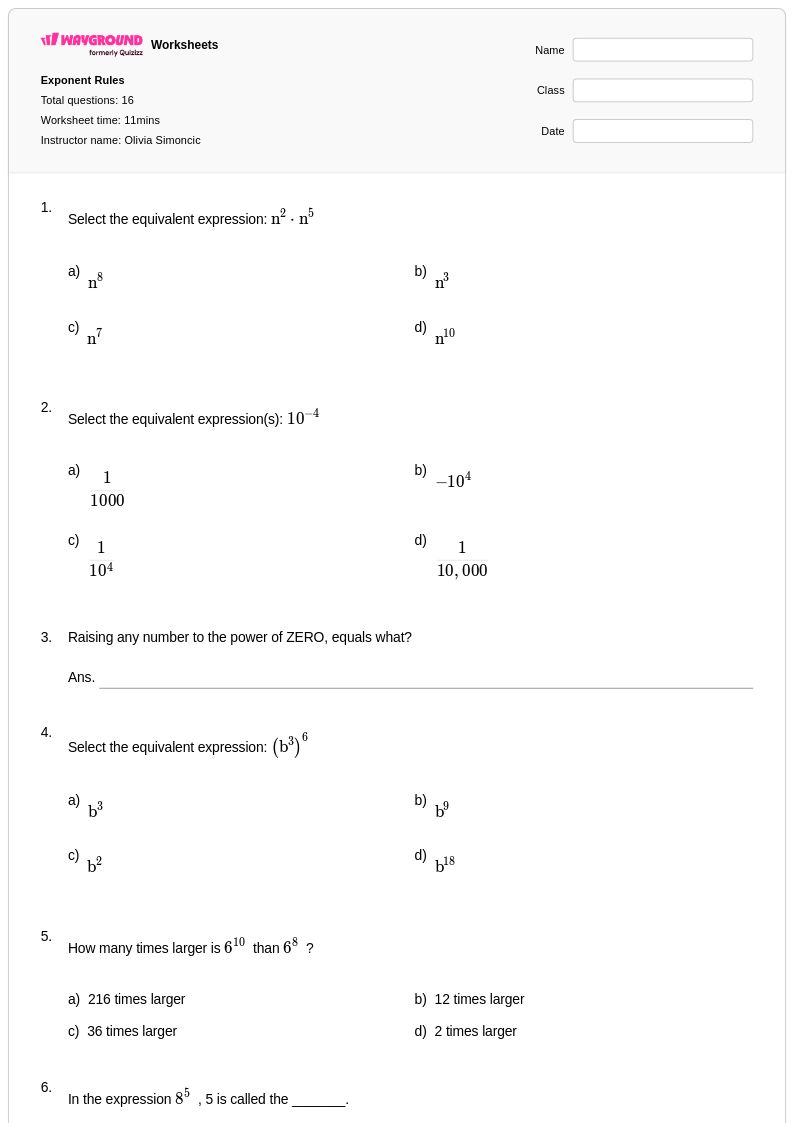
16 T
6th - 8th
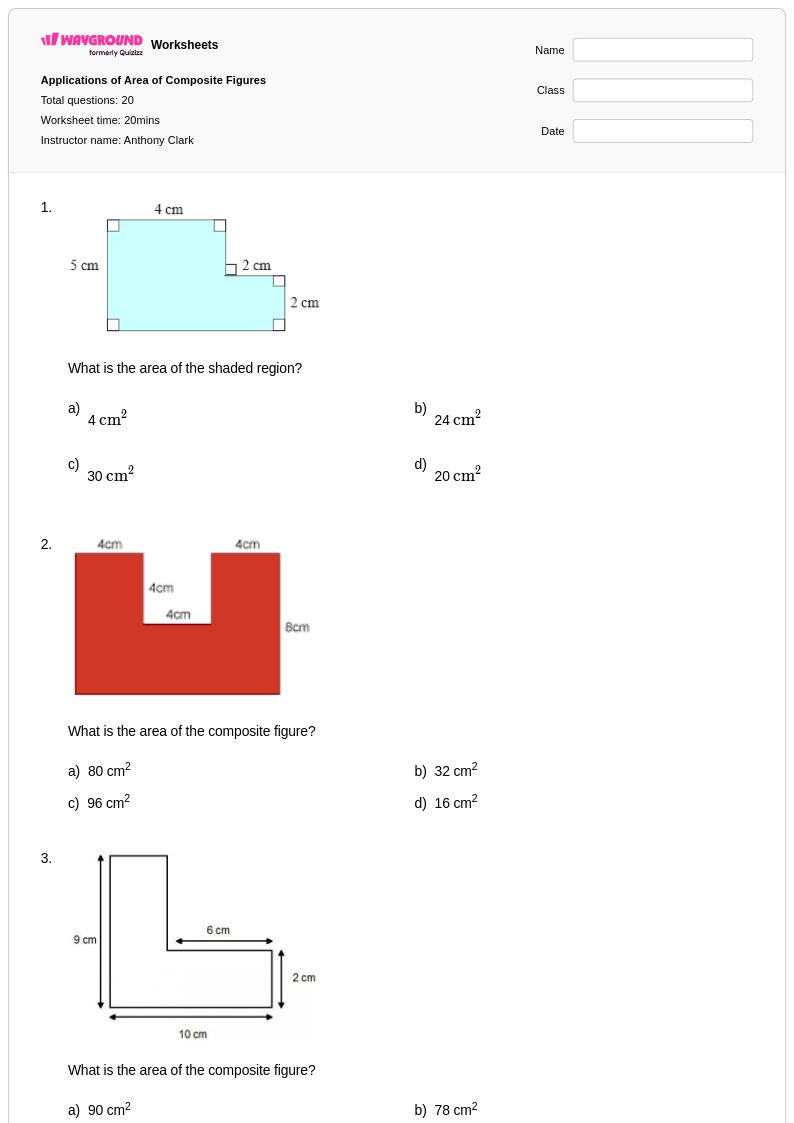
20 T
7th - Uni
Jelajahi Law of Syllogism Lembar Kerja berdasarkan Nilai
Jelajahi Lembar Kerja Mata Pelajaran Lainnya untuk class 7
Explore printable Law of Syllogism worksheets for Class 7
Law of Syllogism worksheets for Class 7 students available through Wayground (formerly Quizizz) provide comprehensive practice in applying this fundamental logical reasoning principle. These educational resources focus on helping seventh-grade students master the process of drawing valid conclusions from two conditional statements, where the conclusion of one statement becomes the hypothesis of another. The worksheets strengthen critical thinking abilities by presenting students with practice problems that require them to identify when the Law of Syllogism can be applied and construct logical chains of reasoning. Each printable resource includes detailed answer keys that support both independent study and classroom instruction, with free pdf formats ensuring accessibility for diverse learning environments.
Wayground (formerly Quizizz) empowers educators with millions of teacher-created Law of Syllogism worksheet collections that feature robust search and filtering capabilities aligned with mathematics curriculum standards. The platform's differentiation tools enable teachers to customize logical reasoning exercises based on individual student needs, while flexible formatting options support both digital classroom integration and traditional printable worksheets. These comprehensive resources facilitate effective lesson planning by providing varied problem types for skill practice, targeted remediation for students struggling with conditional reasoning, and enrichment opportunities for advanced learners ready to tackle complex syllogistic arguments. The extensive collection ensures that Class 7 mathematics teachers have access to quality materials that build students' foundational understanding of formal logical structures and deductive reasoning processes.
FAQs
What do students learn about the Law of Syllogism in 7th grade?
How can I teach the Law of Syllogism in a way that engages 7th graders?
What exercises help 7th graders move from identifying to applying the Law of Syllogism?
What's a typical mistake 7th graders make?
How can I use this Law of Syllogism worksheet for my 7th-grade class?