
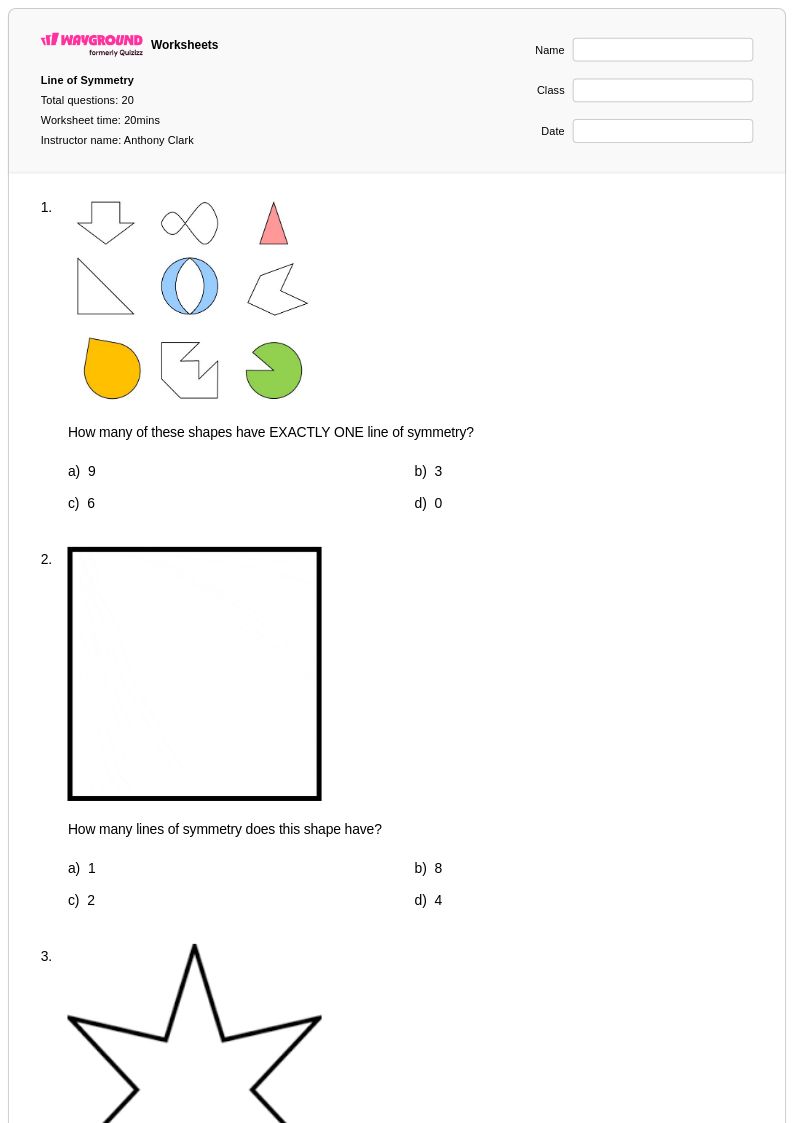
20 Q
4th - Uni
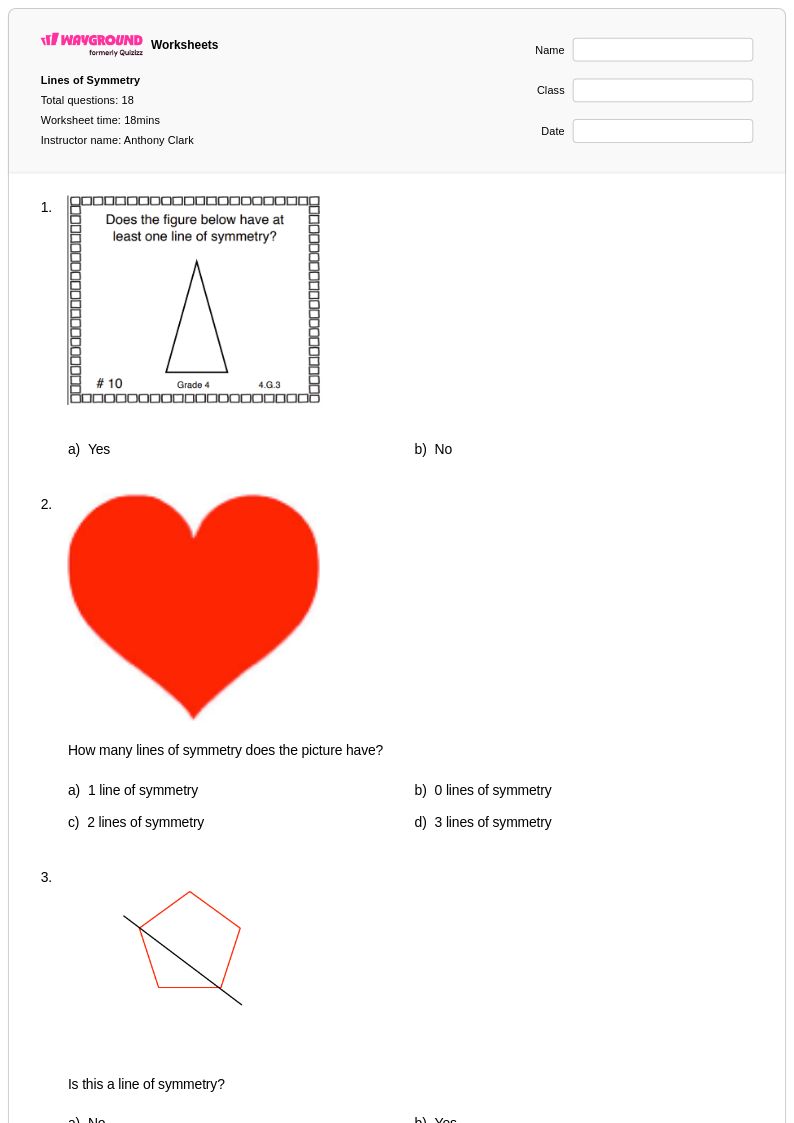
18 Q
4th - Uni
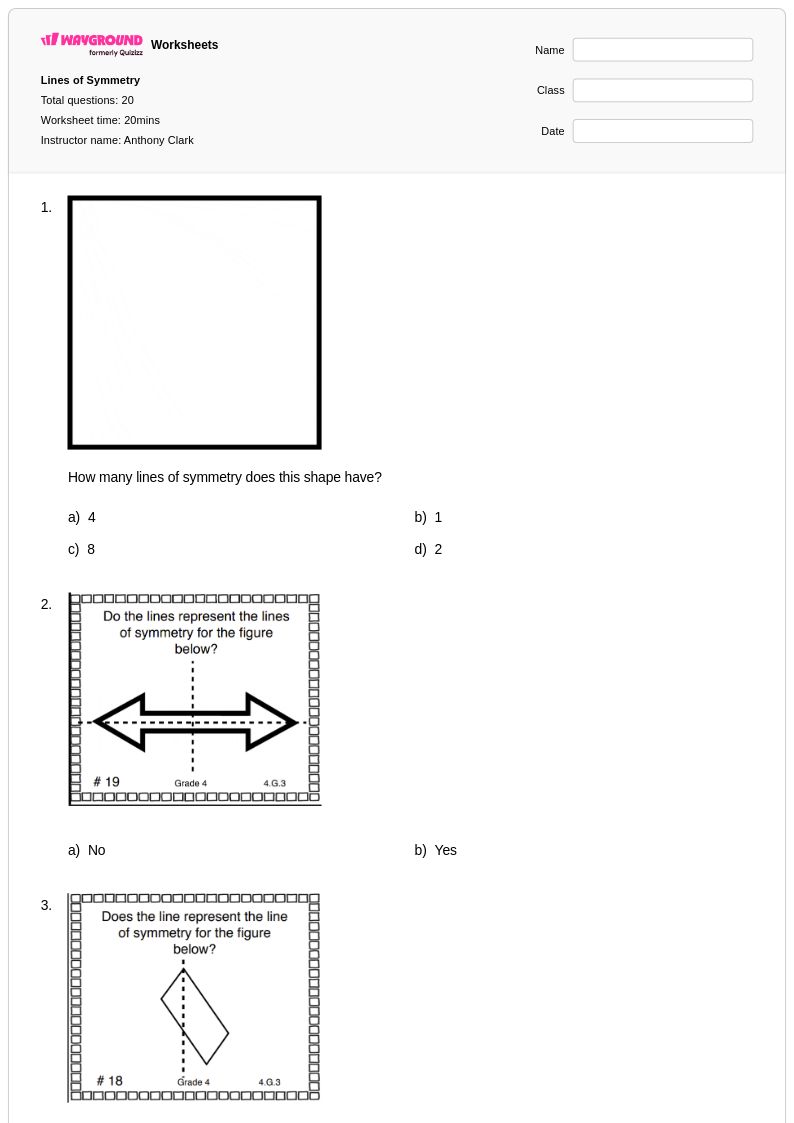
20 Q
4th - Uni
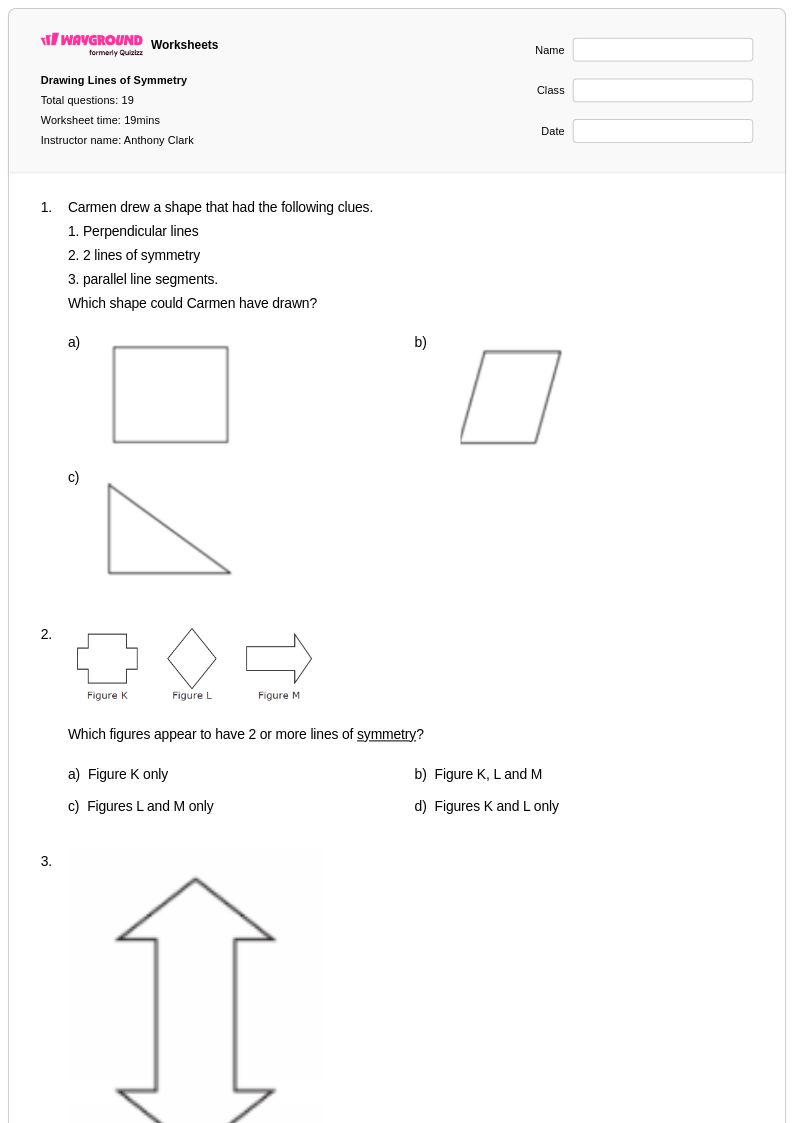
19 Q
4th - Uni
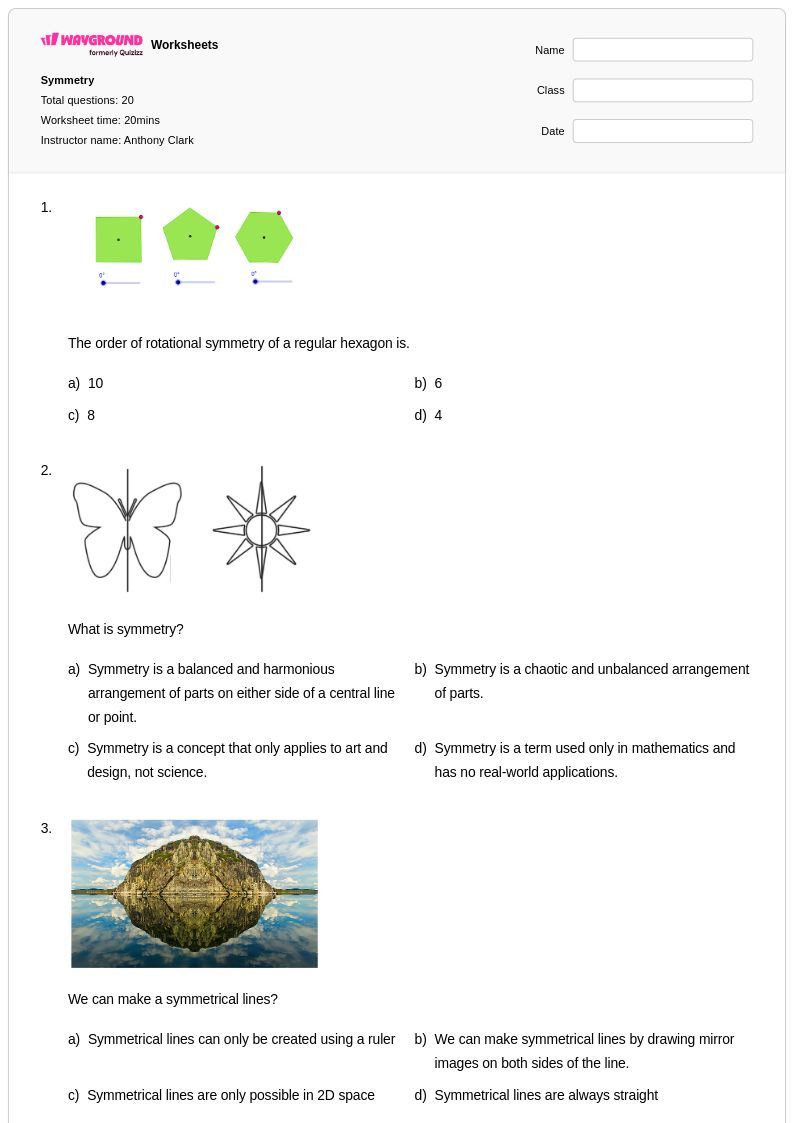
20 Q
8th - Uni
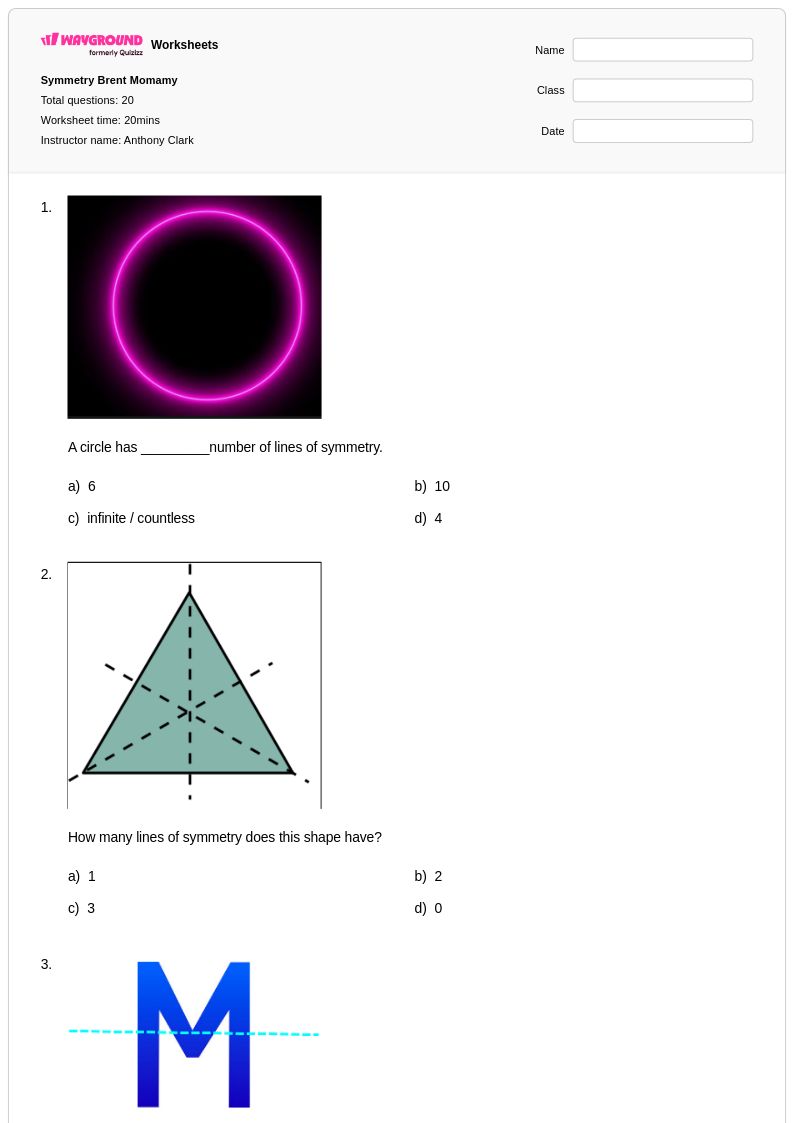
20 Q
4th - Uni
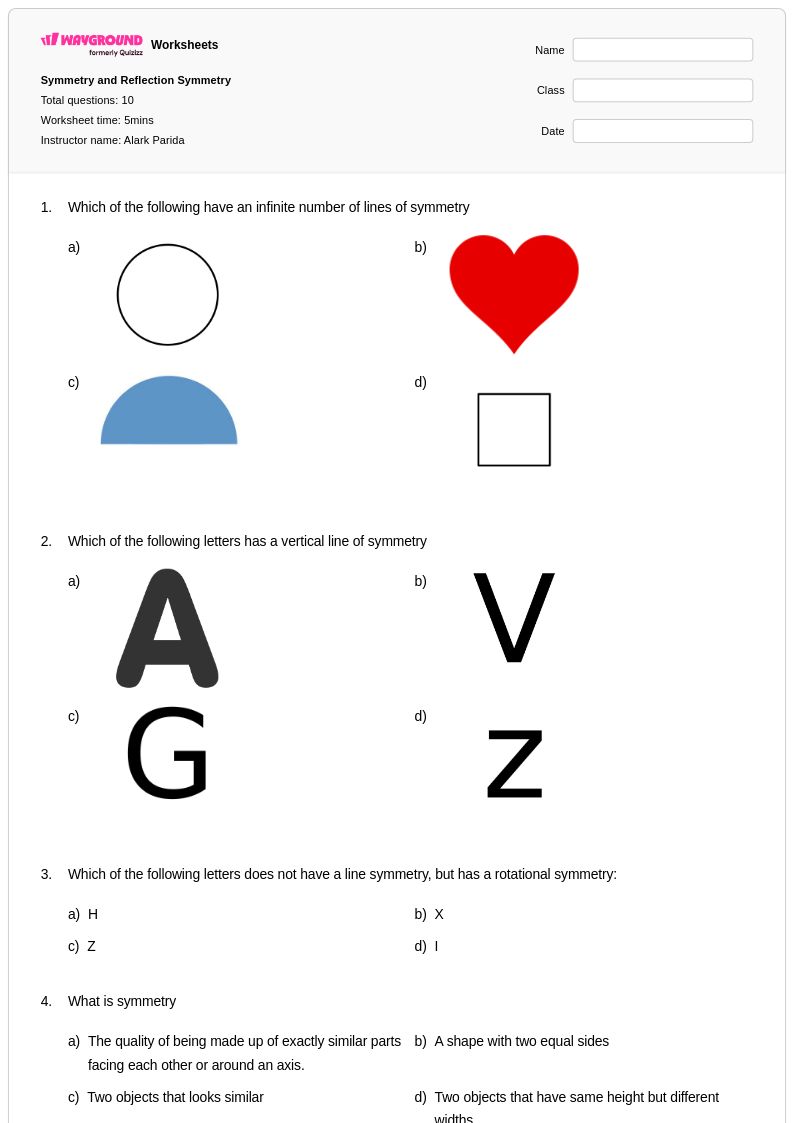
10 Q
5th - 8th
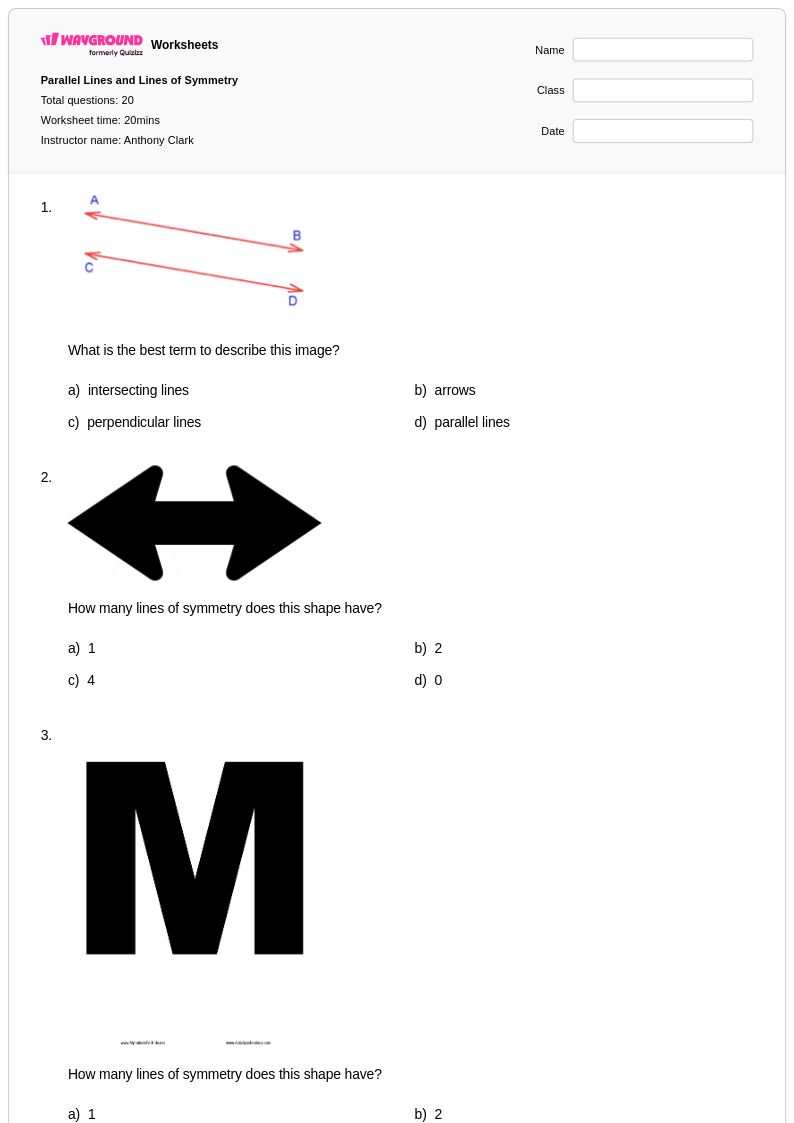
20 Q
4th - Uni
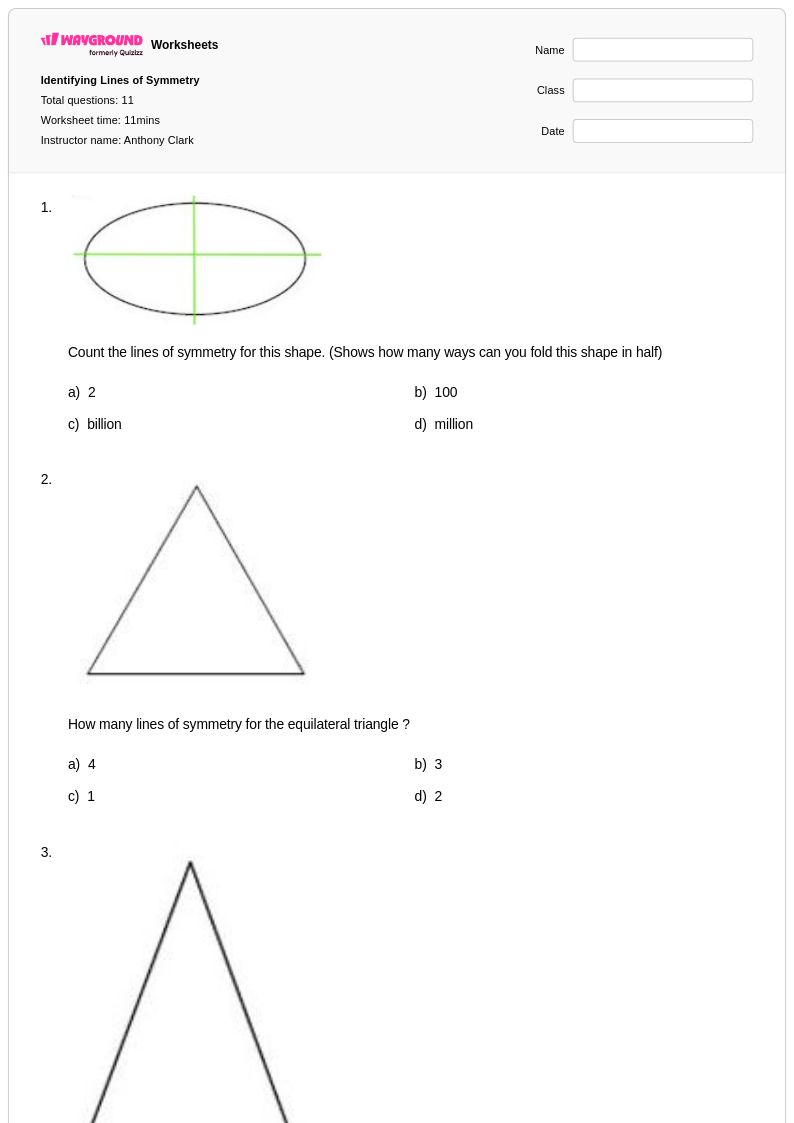
11 Q
4th - Uni
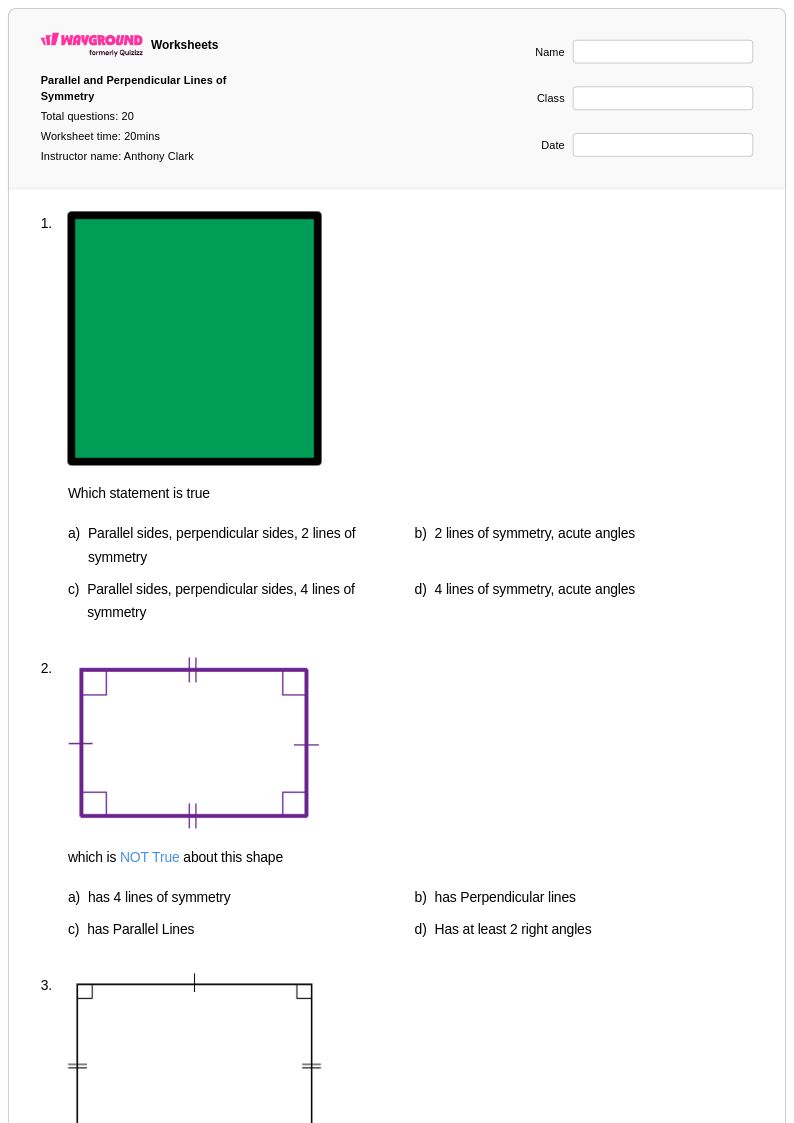
20 Q
4th - Uni
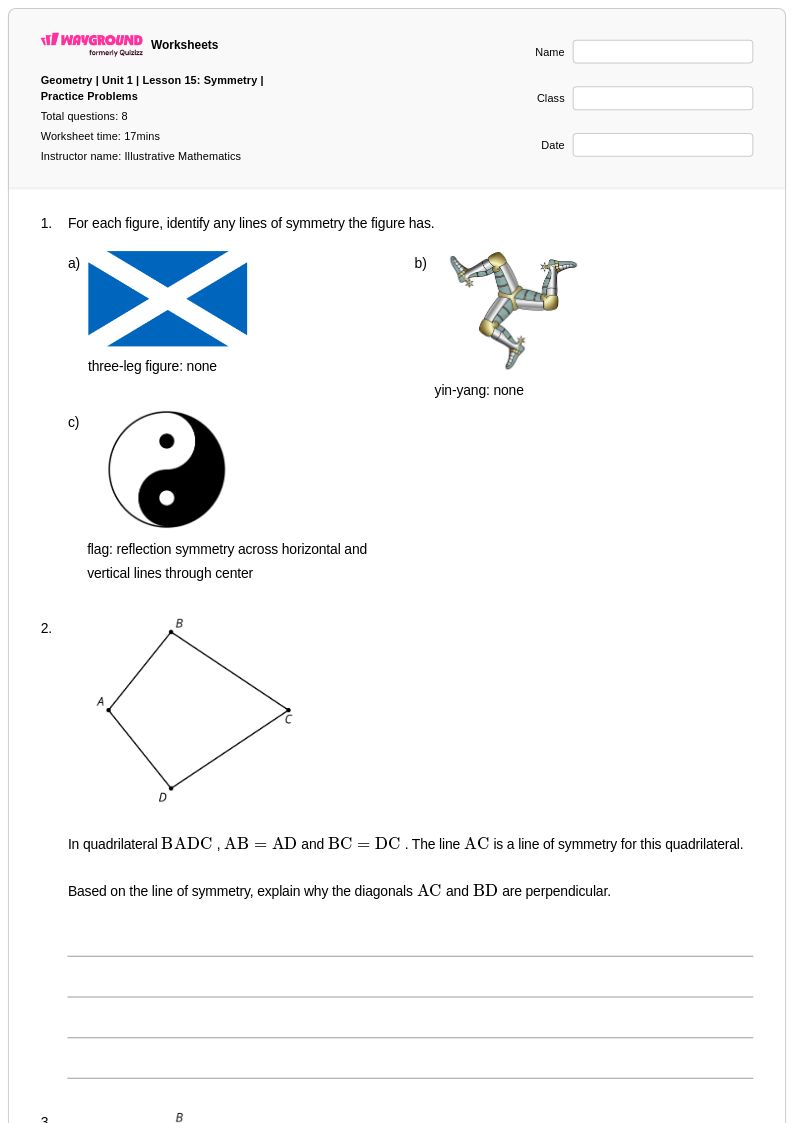
8 Q
6th - Uni
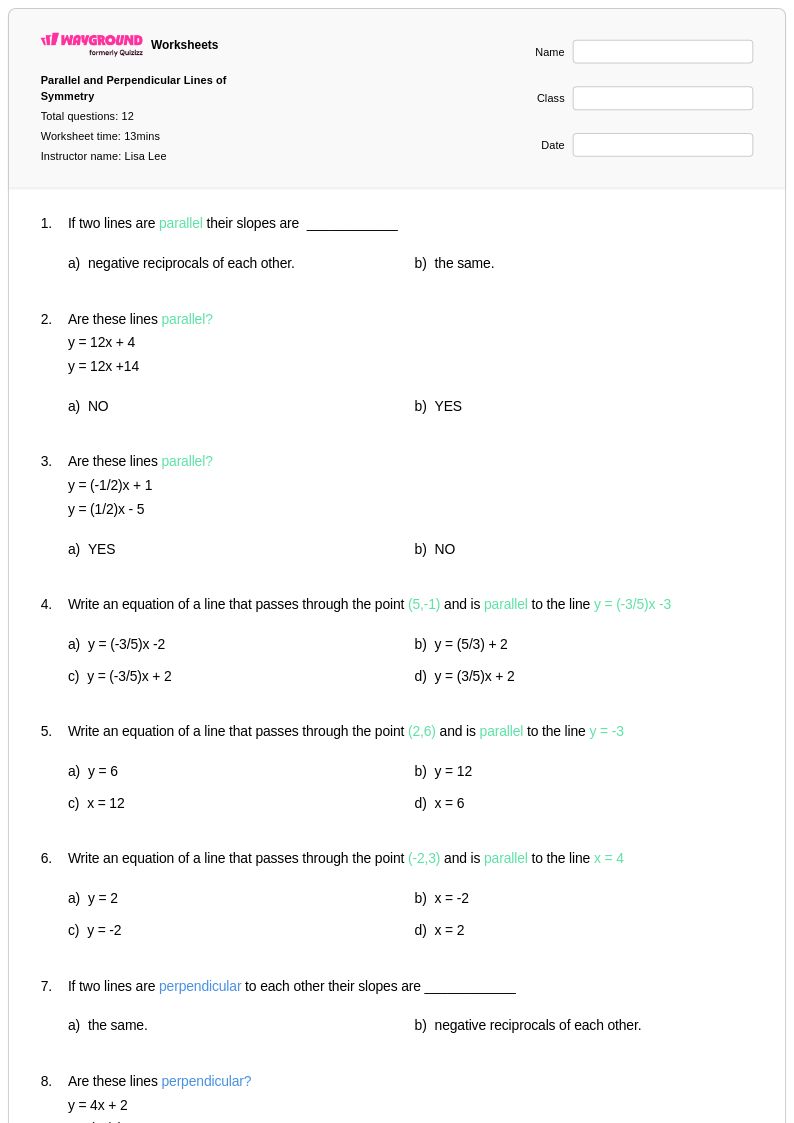
12 Q
8th - 12th
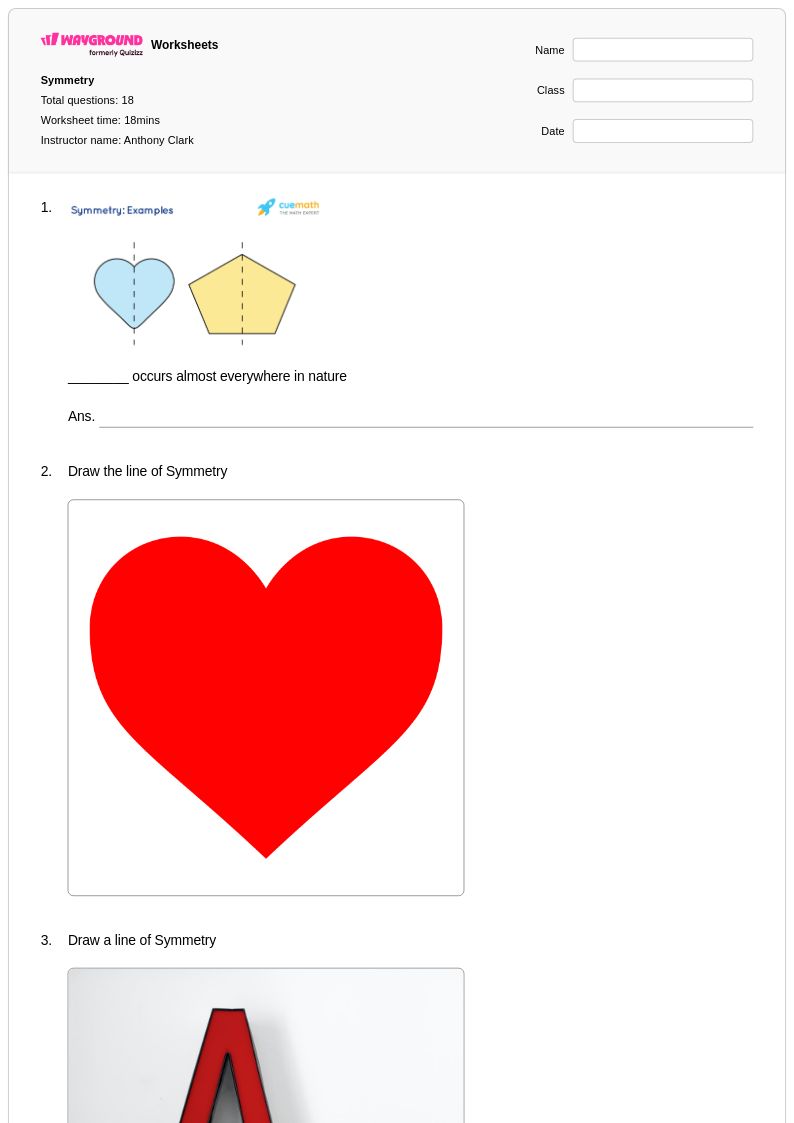
18 Q
5th - Uni
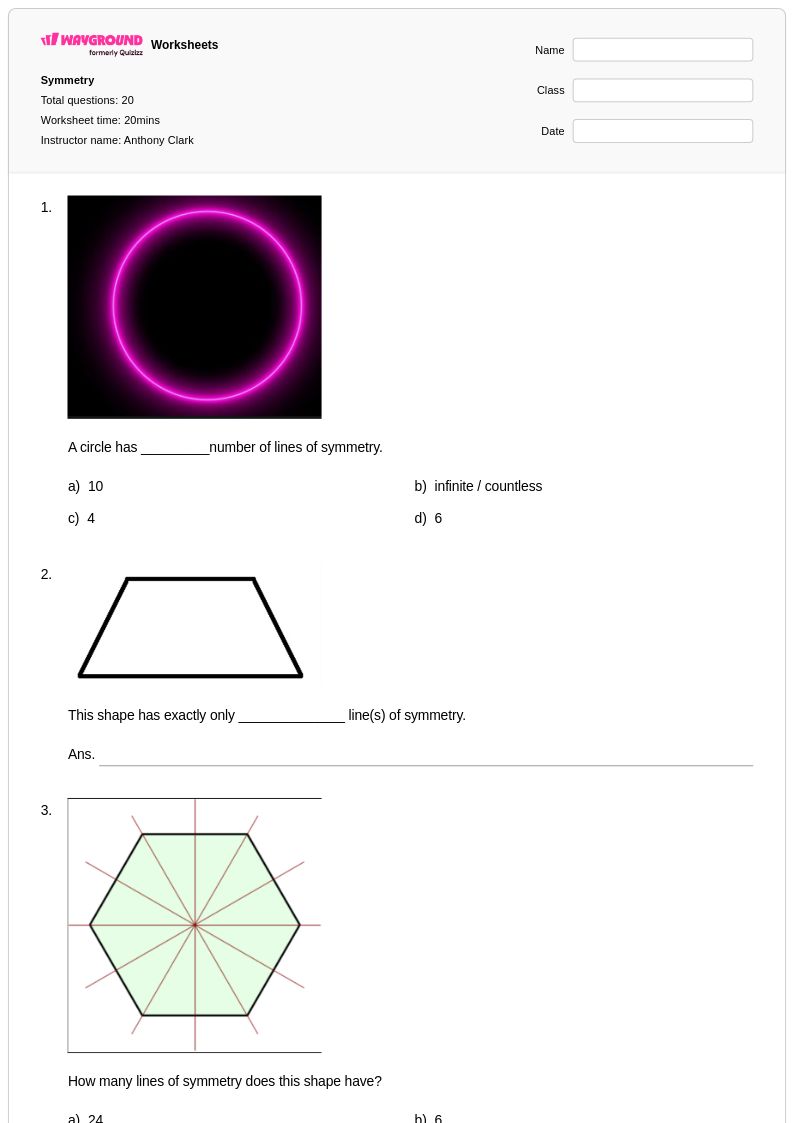
20 Q
4th - Uni
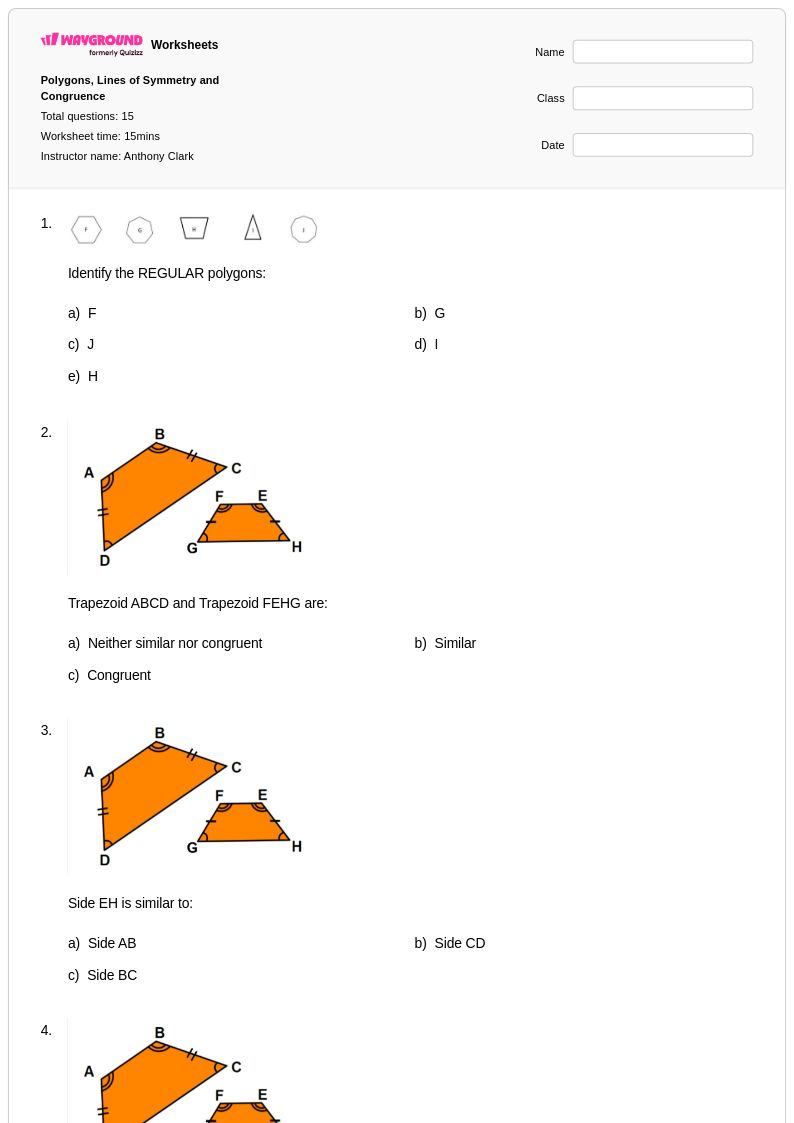
15 Q
6th - Uni
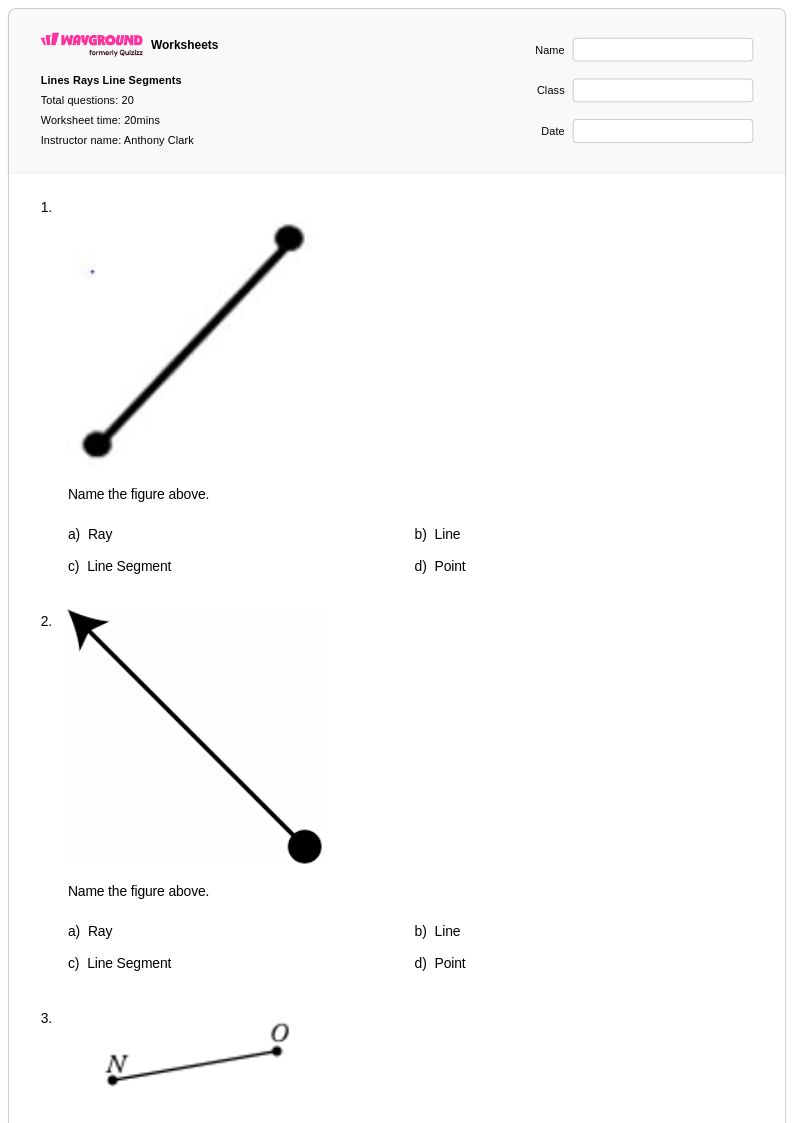
20 Q
4th - Uni
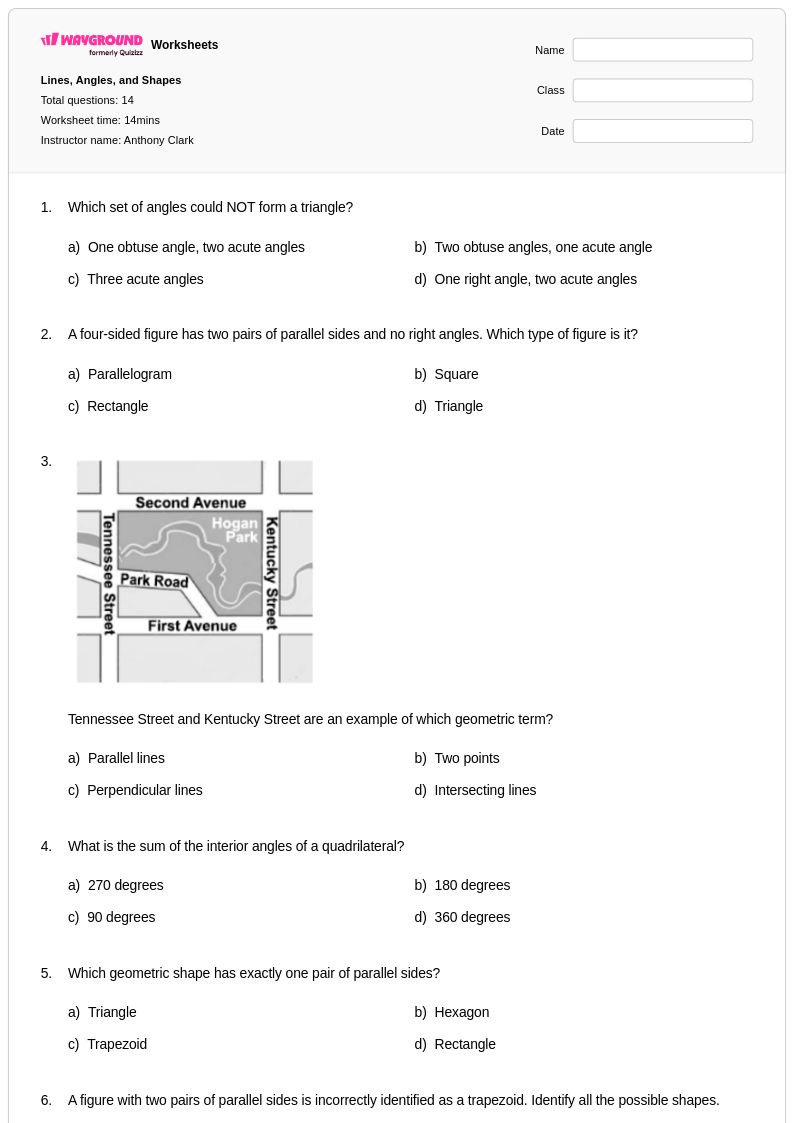
14 Q
4th - Uni
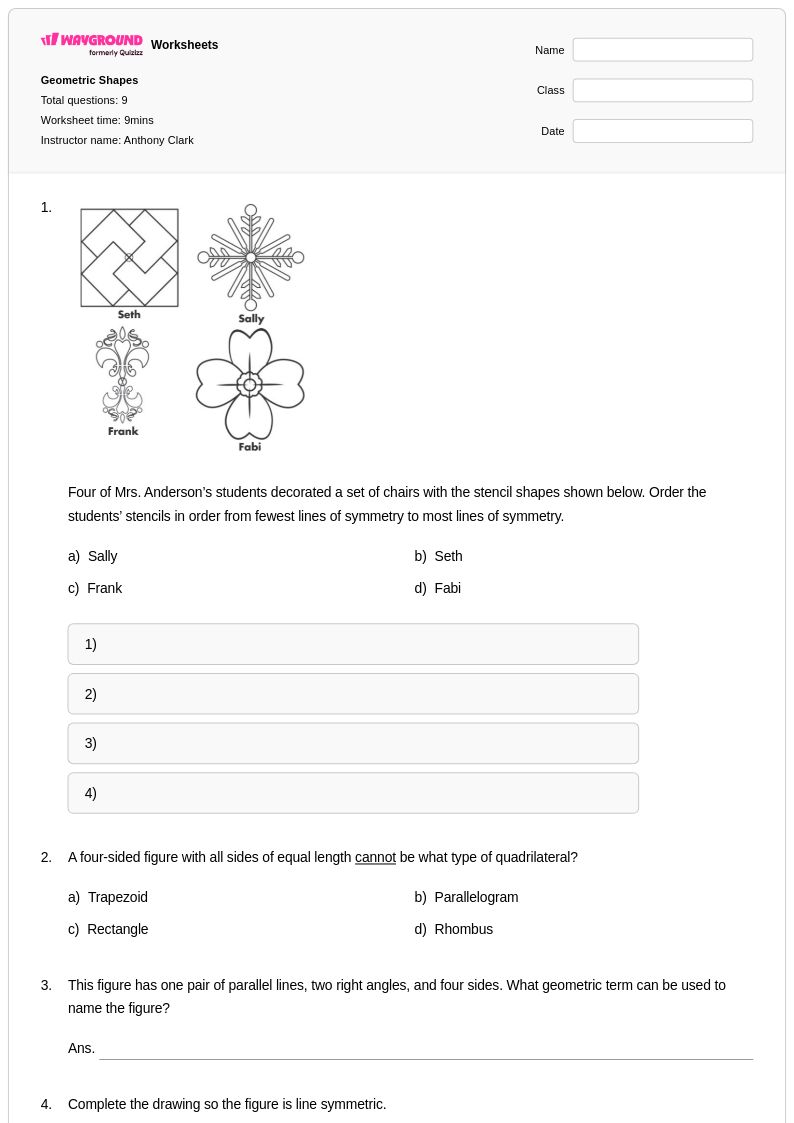
9 Q
4th - Uni
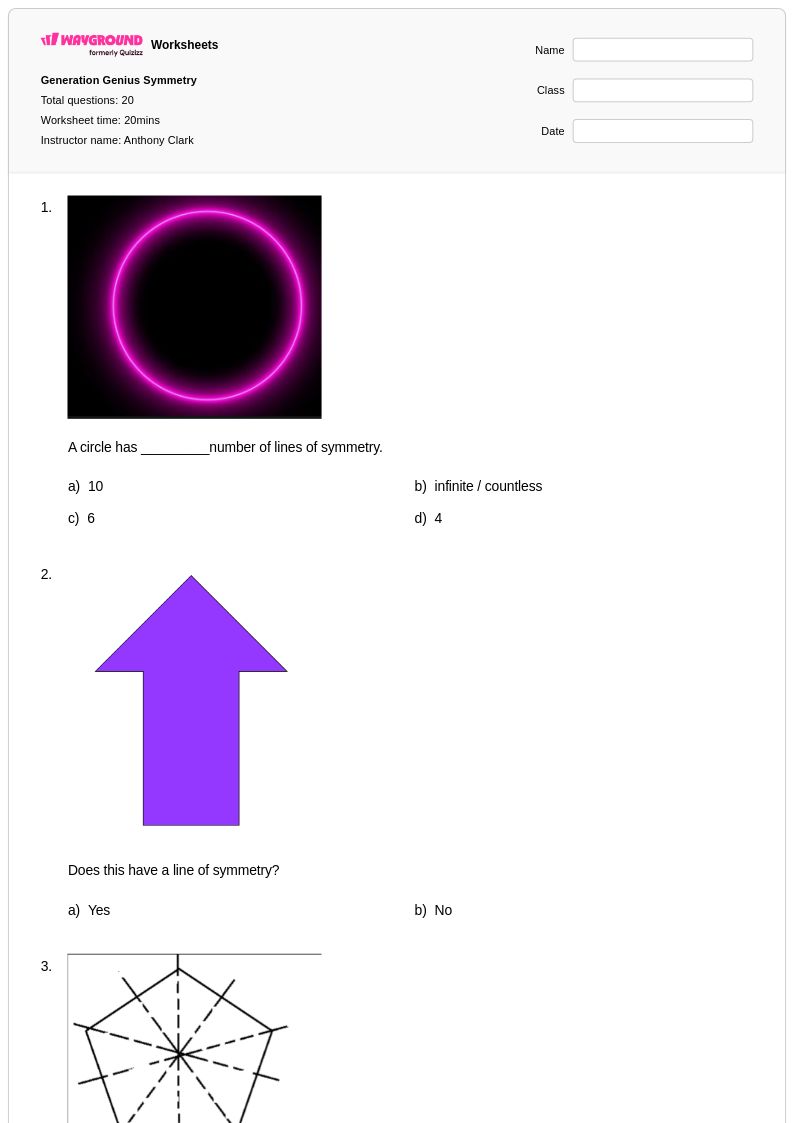
20 Q
4th - Uni
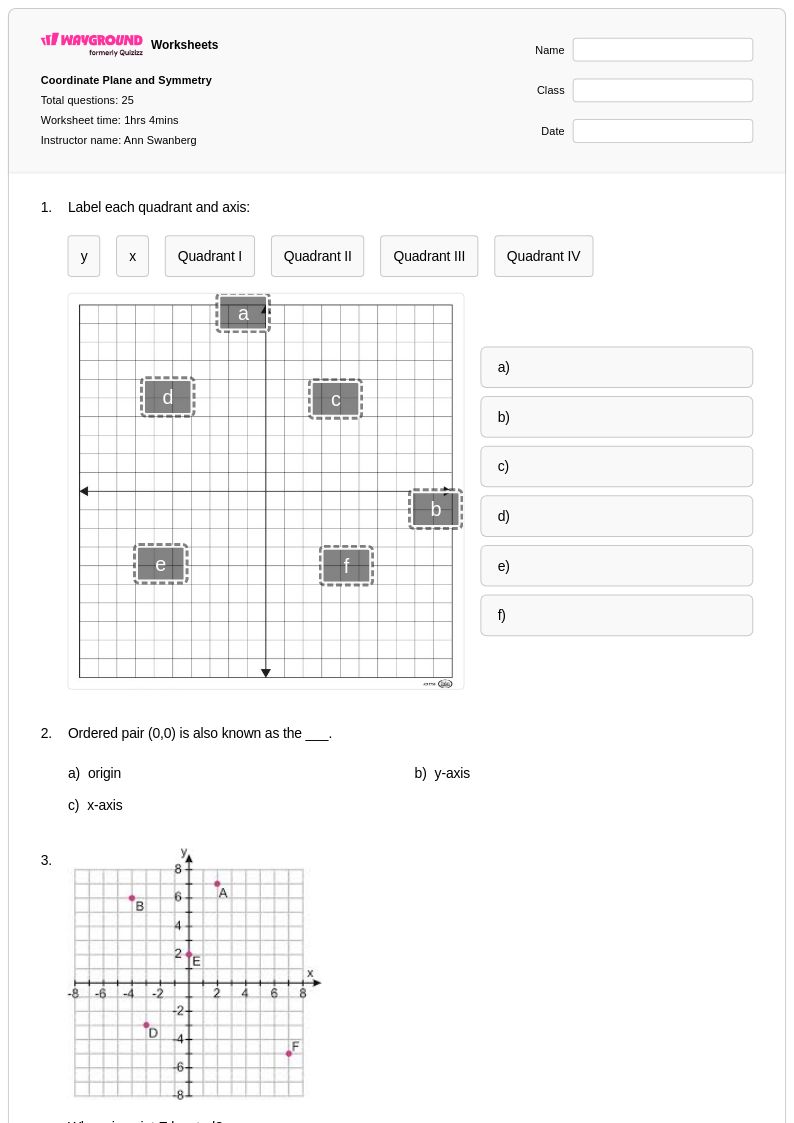
25 Q
8th
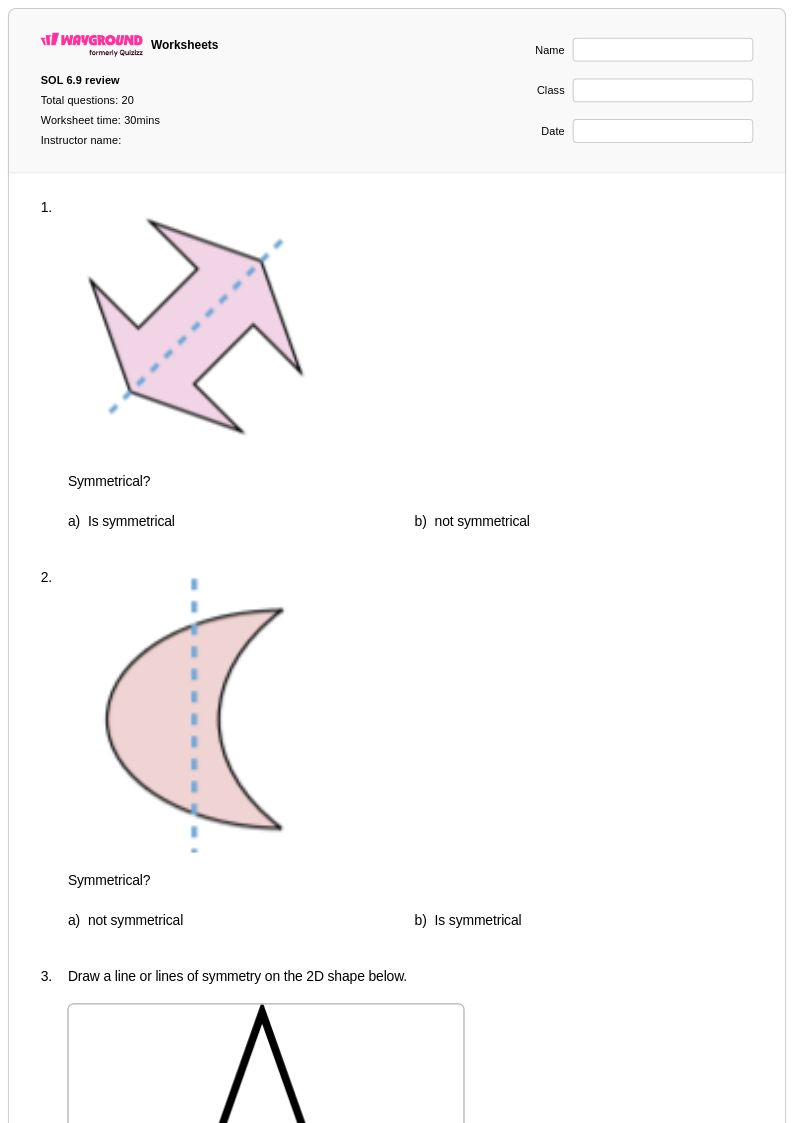
20 Q
6th - 8th
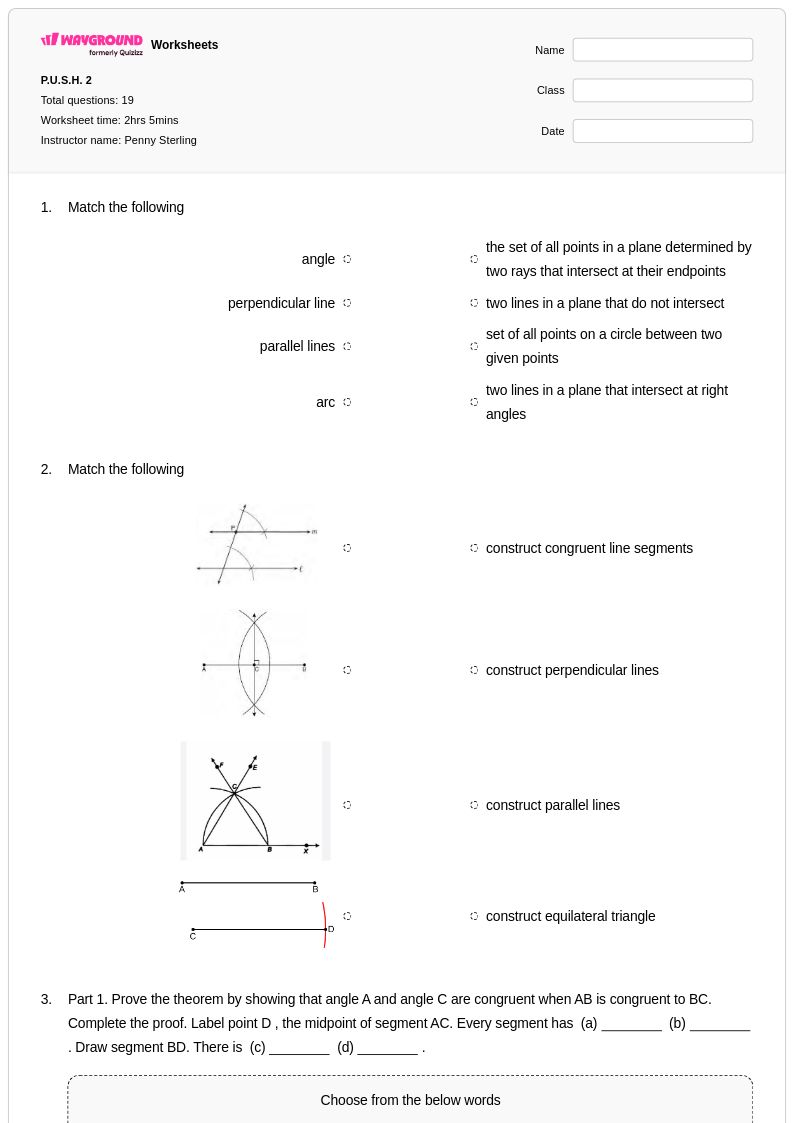
19 Q
8th
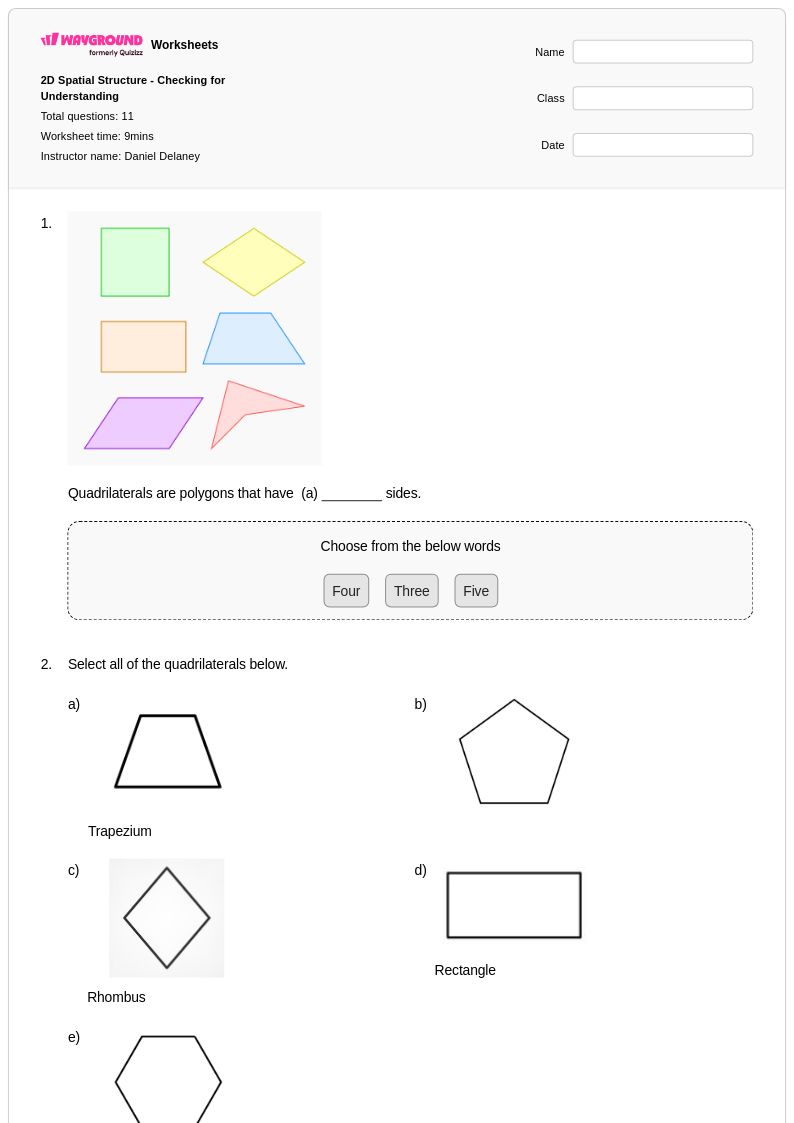
11 Q
6th - Uni
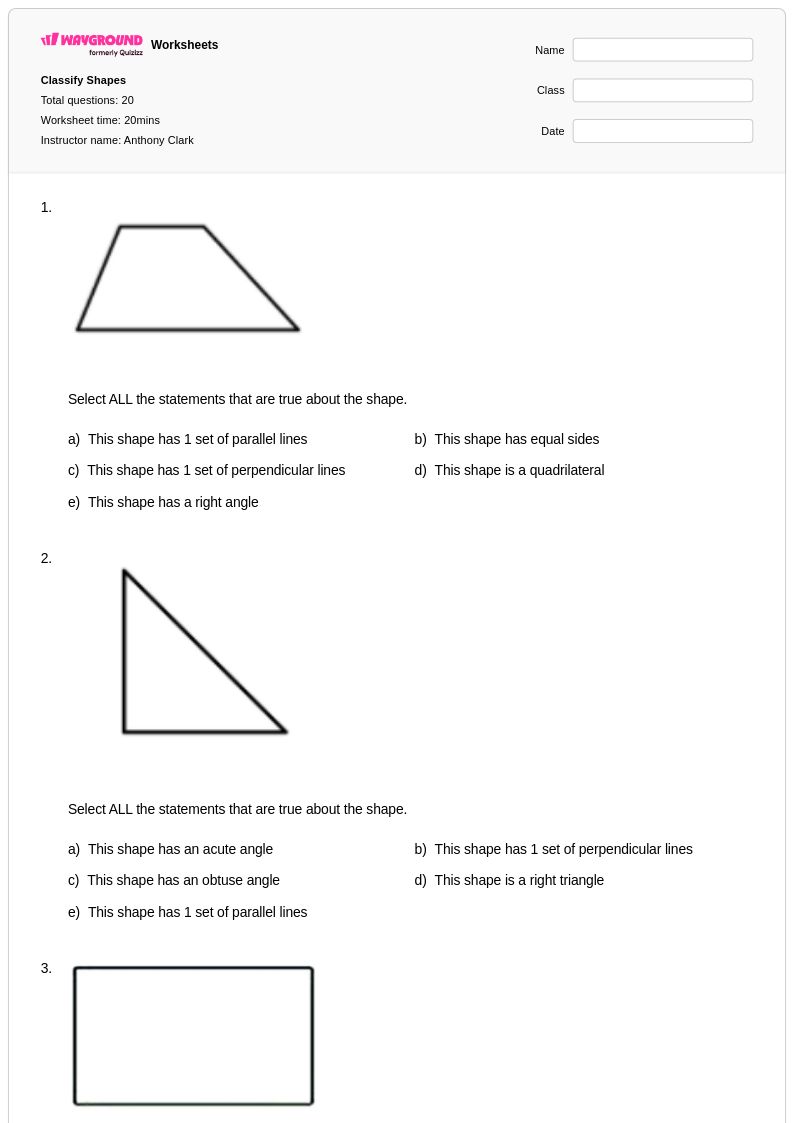
20 Q
5th - Uni
Explore Lines of Symmetry Worksheets by Grades
Explore Other Subject Worksheets for class 8
Explore printable Lines of Symmetry worksheets for Class 8
Lines of symmetry worksheets for Class 8 mathematics through Wayground (formerly Quizizz) provide comprehensive practice in identifying, drawing, and analyzing symmetrical properties in geometric figures. These expertly designed resources strengthen students' spatial reasoning abilities and deepen their understanding of reflection symmetry across vertical, horizontal, and diagonal axes. The practice problems systematically guide eighth graders through increasingly complex geometric shapes, from basic polygons to intricate designs, helping them master the critical skill of recognizing symmetrical balance in mathematical contexts. Each worksheet collection includes detailed answer keys and is available as free printable PDFs, ensuring teachers have reliable assessment tools to evaluate student progress in this fundamental geometric concept.
Wayground (formerly Quizizz) empowers educators with an extensive library of millions of teacher-created lines of symmetry resources specifically aligned to Class 8 mathematics standards. The platform's advanced search and filtering capabilities enable instructors to quickly locate worksheets that match their specific curriculum requirements, whether for initial instruction, targeted remediation, or enrichment activities. Teachers can seamlessly customize these materials to address diverse learning needs, differentiating instruction through adjustable difficulty levels and problem types. The flexible format options, including both printable and digital PDF versions, support various classroom environments and learning preferences, making it effortless for educators to integrate symmetry practice into their lesson planning while ensuring students receive consistent, high-quality mathematical skill development.
FAQs
How do I teach lines of symmetry in Grade 8?
What exercises help eighth graders practice reflection symmetry?
What mistakes do Grade 8 students make when analyzing symmetry?
How can I use a Grade 8 lines of symmetry worksheet on Wayground?
How does line symmetry connect to Common Core Grade 8 geometry?
How can I accommodate different learners during Grade 8 symmetry practice?
Why practice lines of symmetry in Grade 8?