
10 Q
6th - 7th
24 Q
6th - 8th
10 Q
7th - Uni
19 Q
4th - Uni
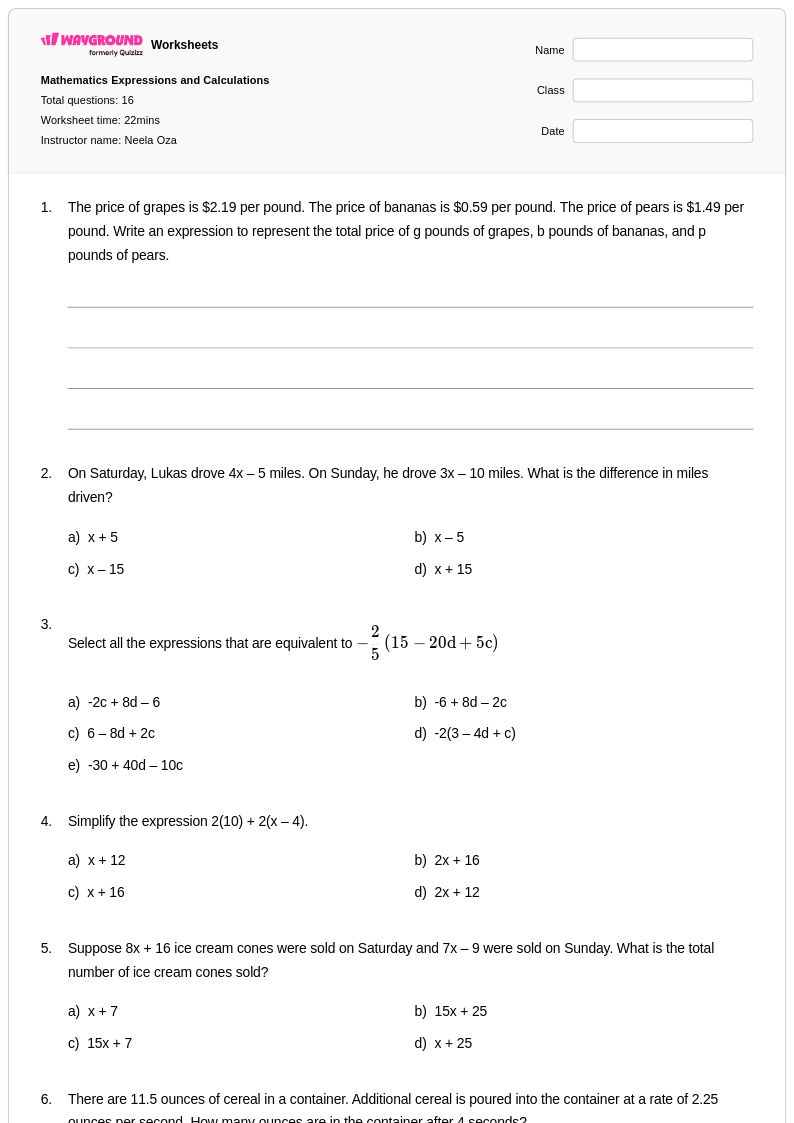
16 Q
7th

10 Q
7th
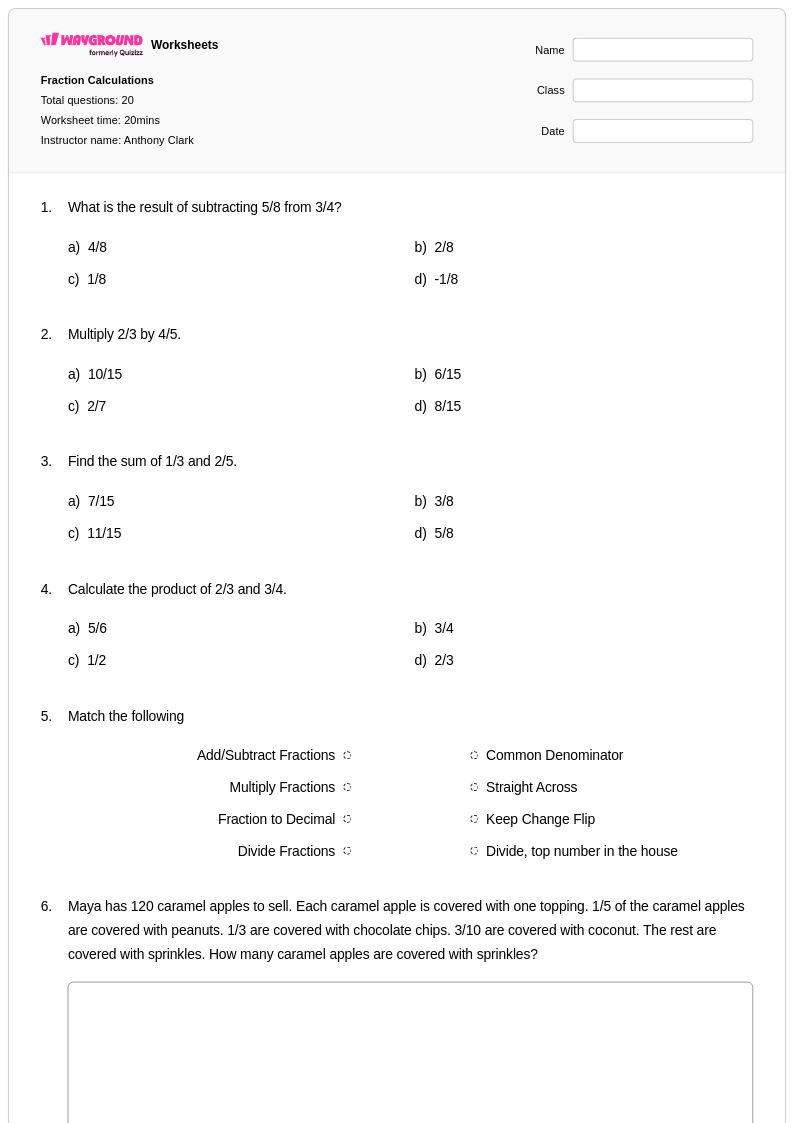
20 Q
6th - Uni
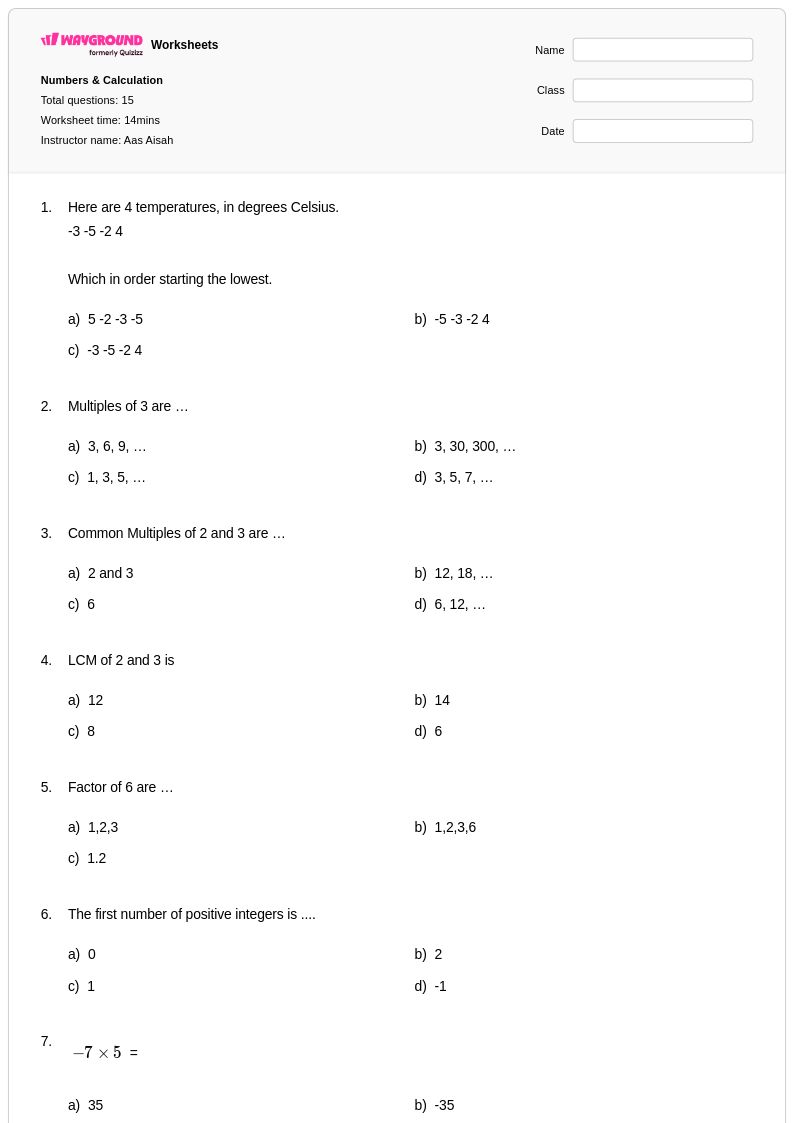
15 Q
7th
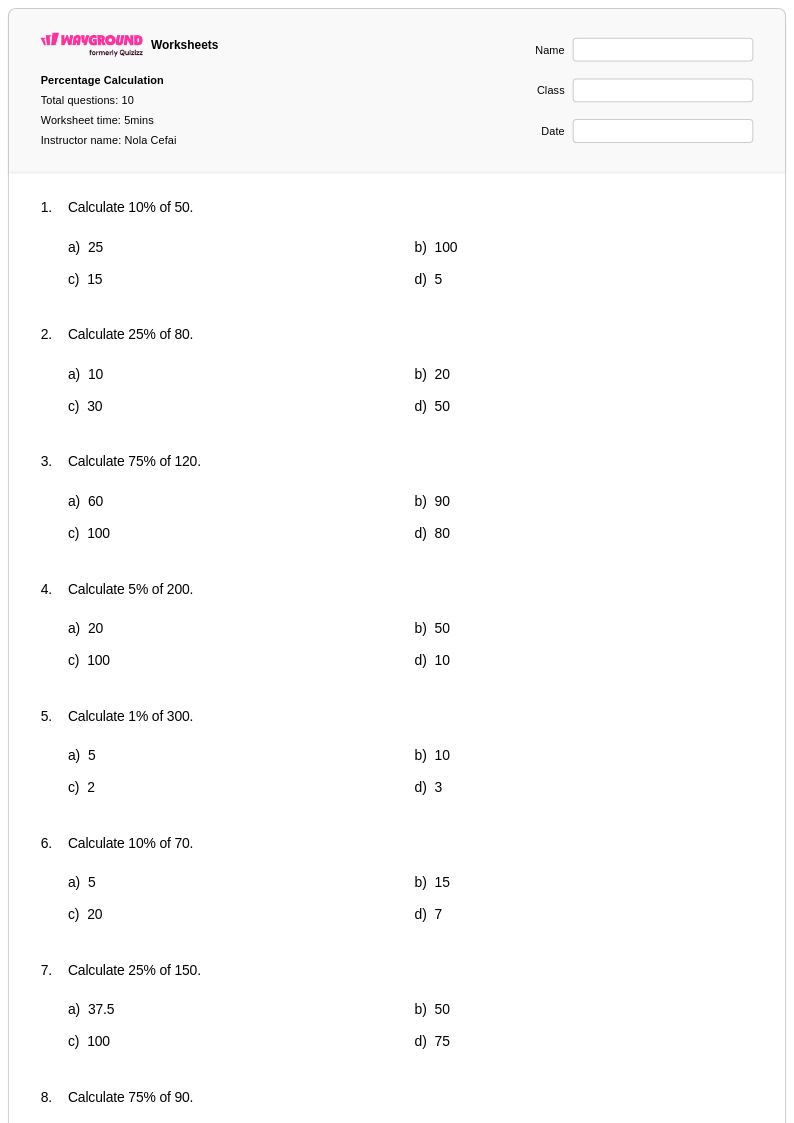
10 Q
7th
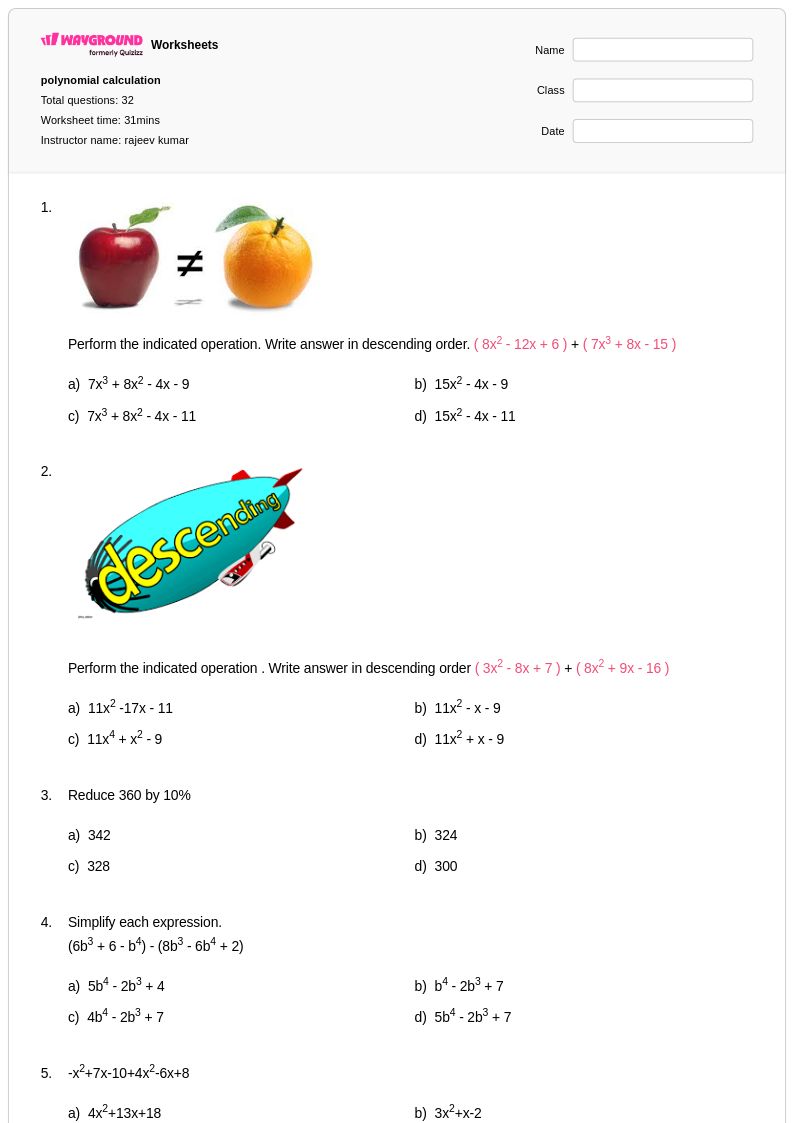
32 Q
7th
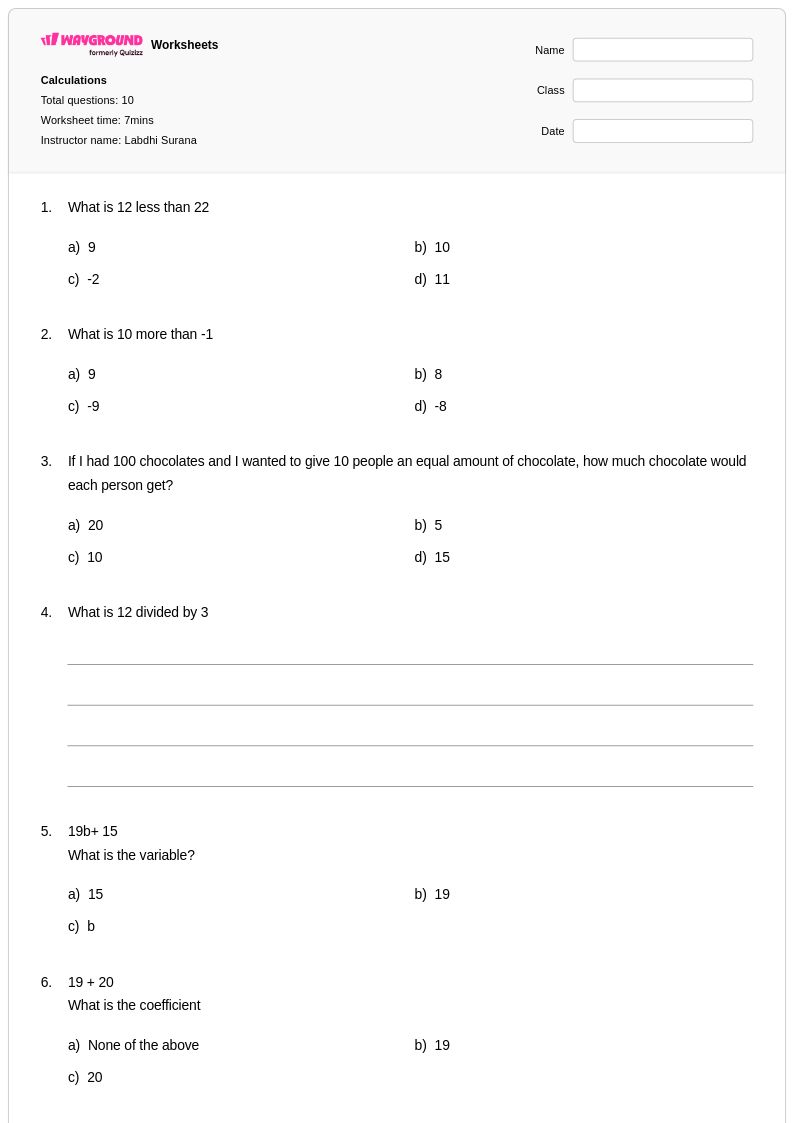
10 Q
5th - 7th
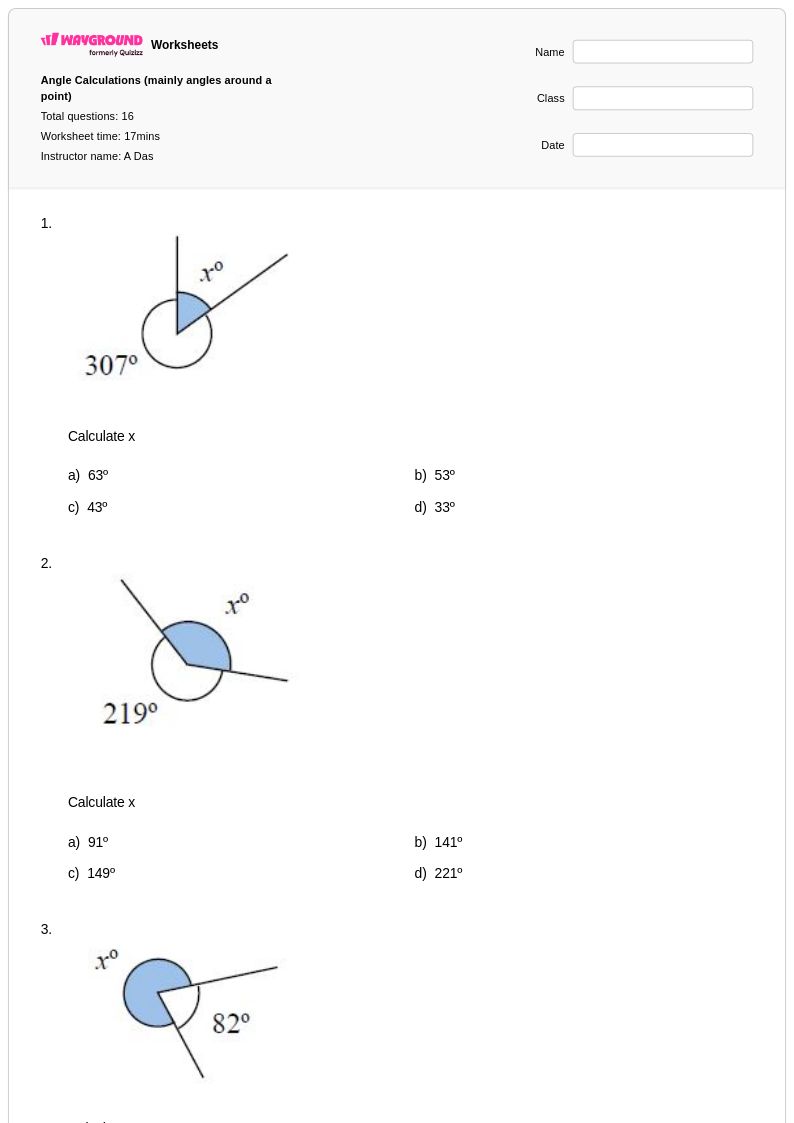
16 Q
3rd - 7th
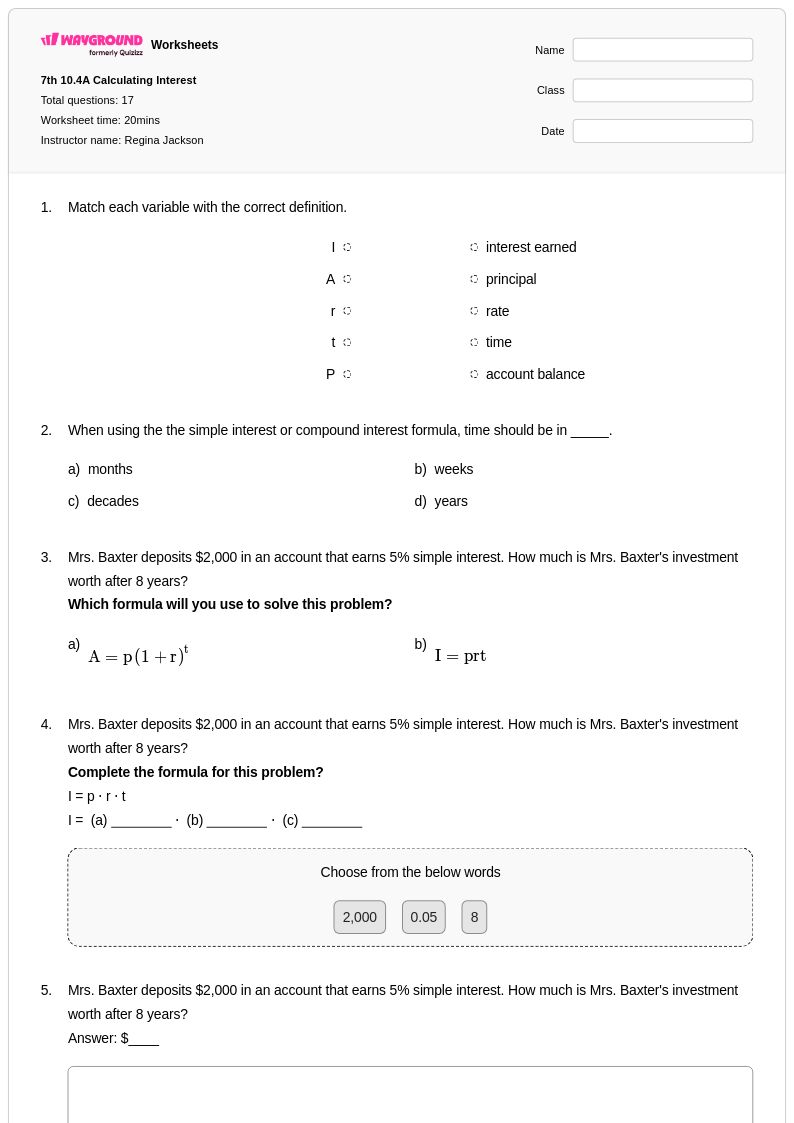
17 Q
7th
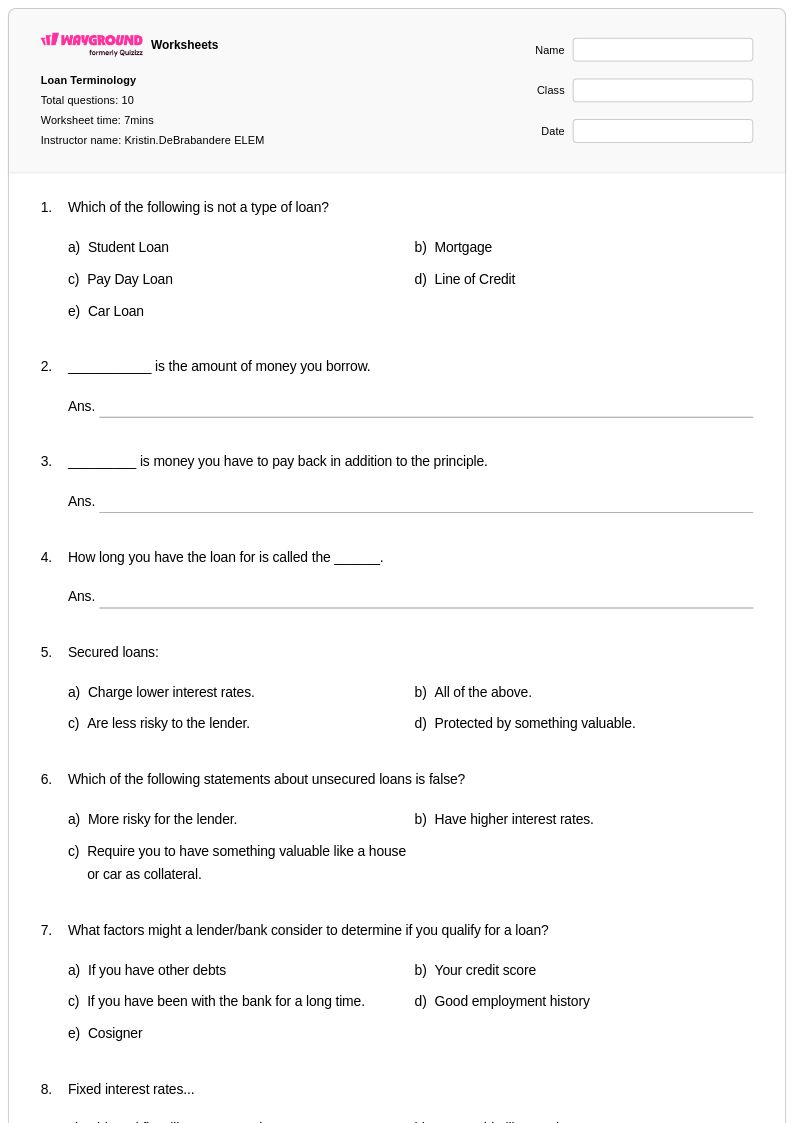
10 Q
7th
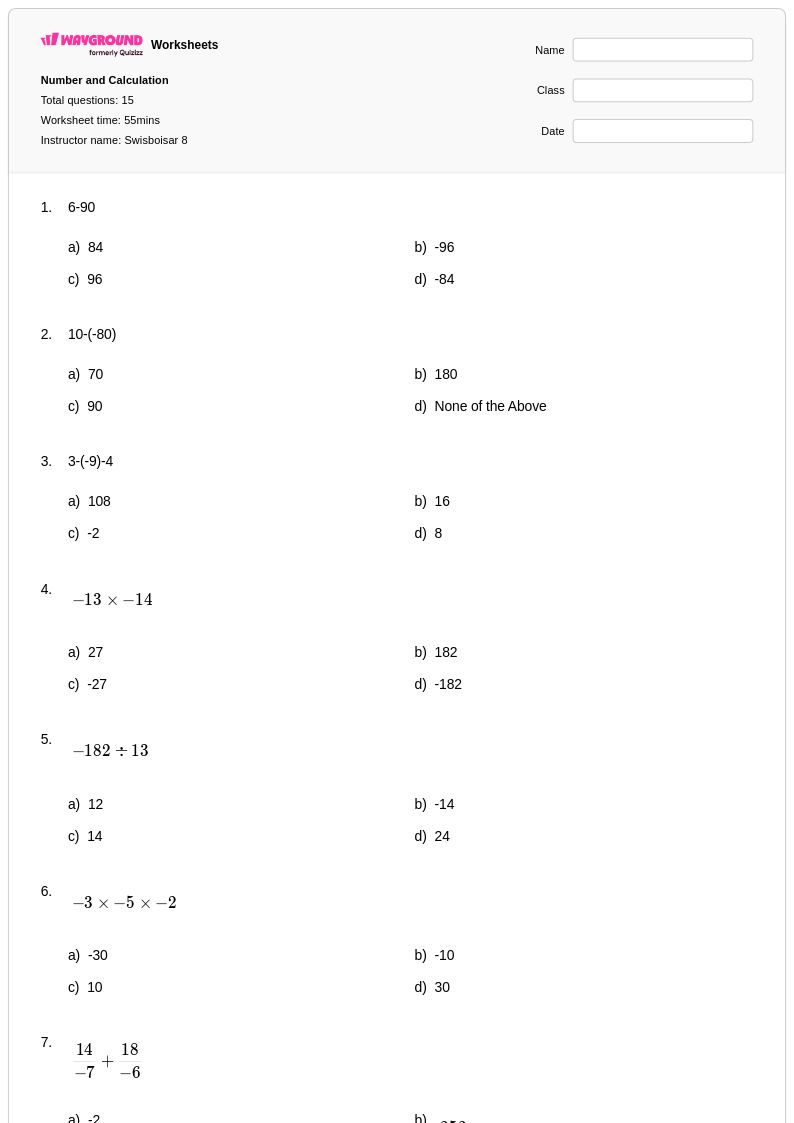
15 Q
6th - 8th
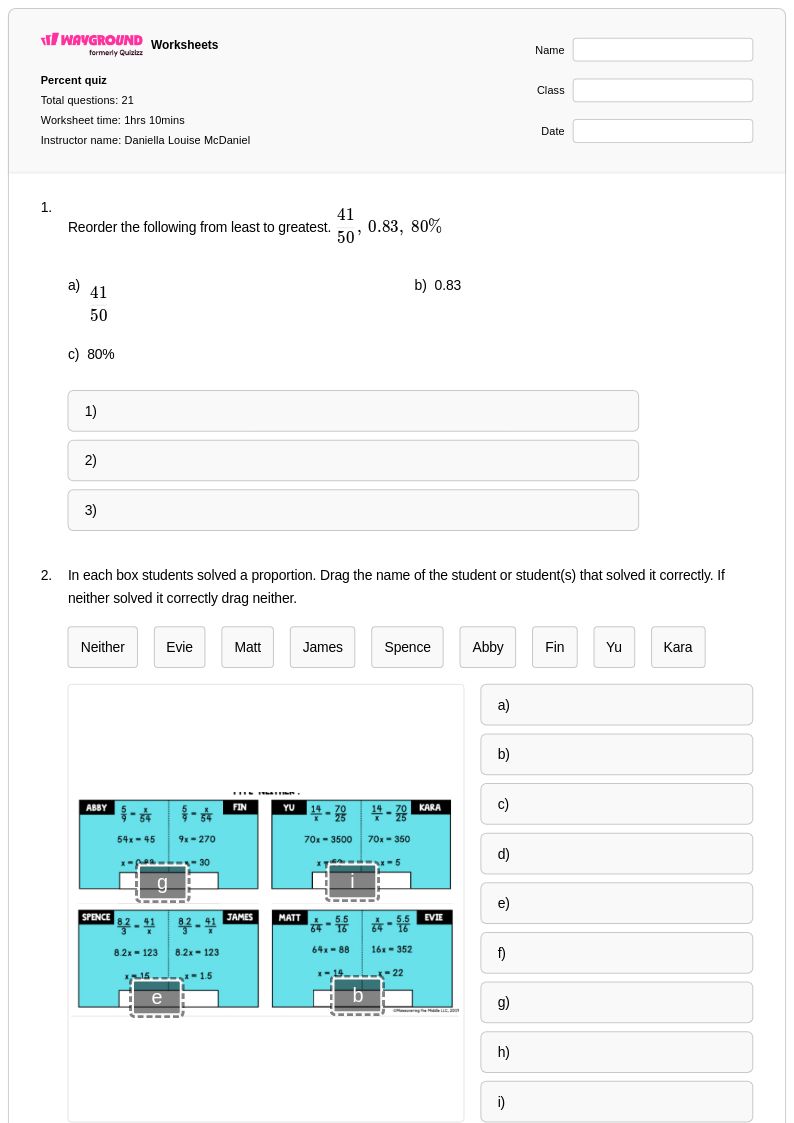
21 Q
7th
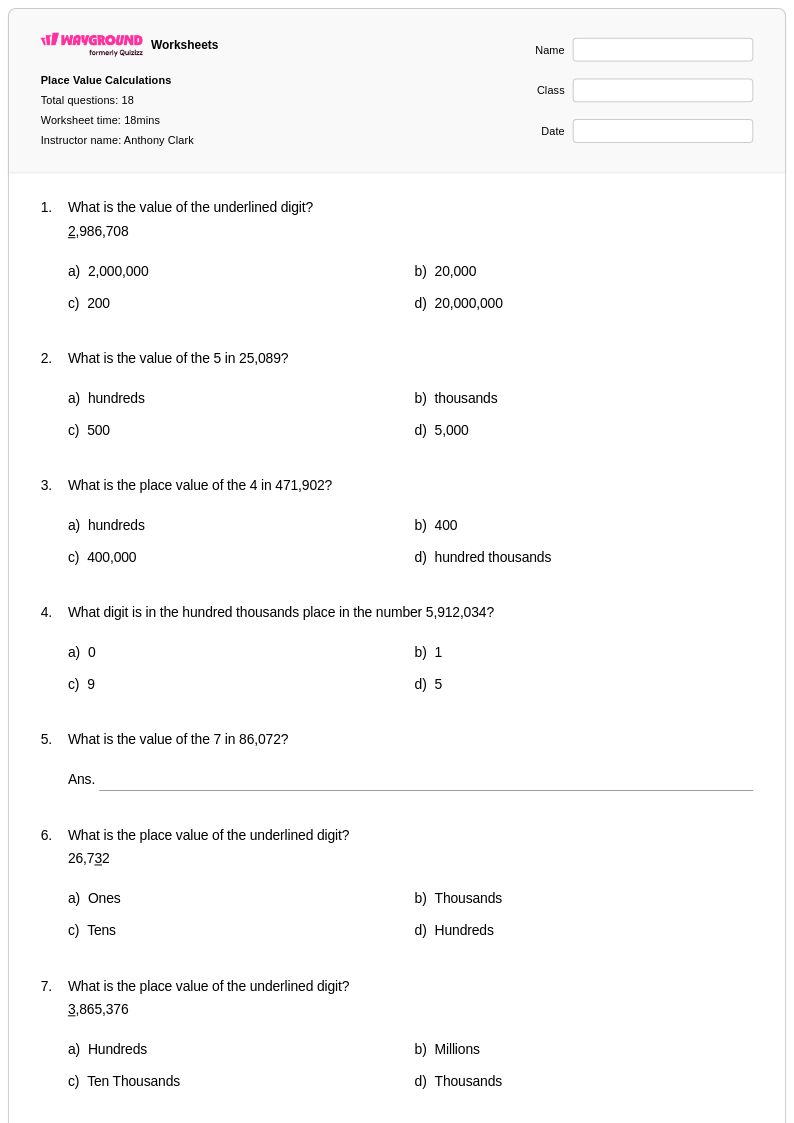
18 Q
4th - Uni
20 Q
4th - Uni
25 Q
7th
10 Q
7th - 9th

25 Q
7th
12 Q
7th
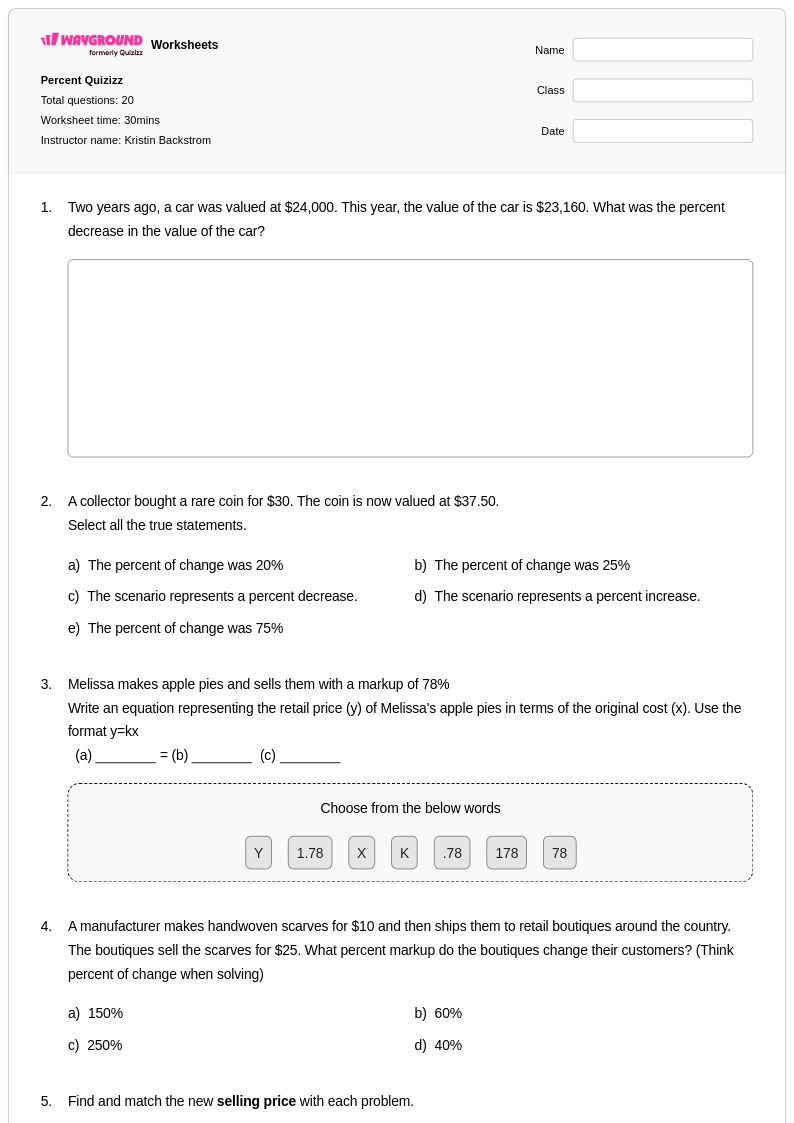
20 Q
7th
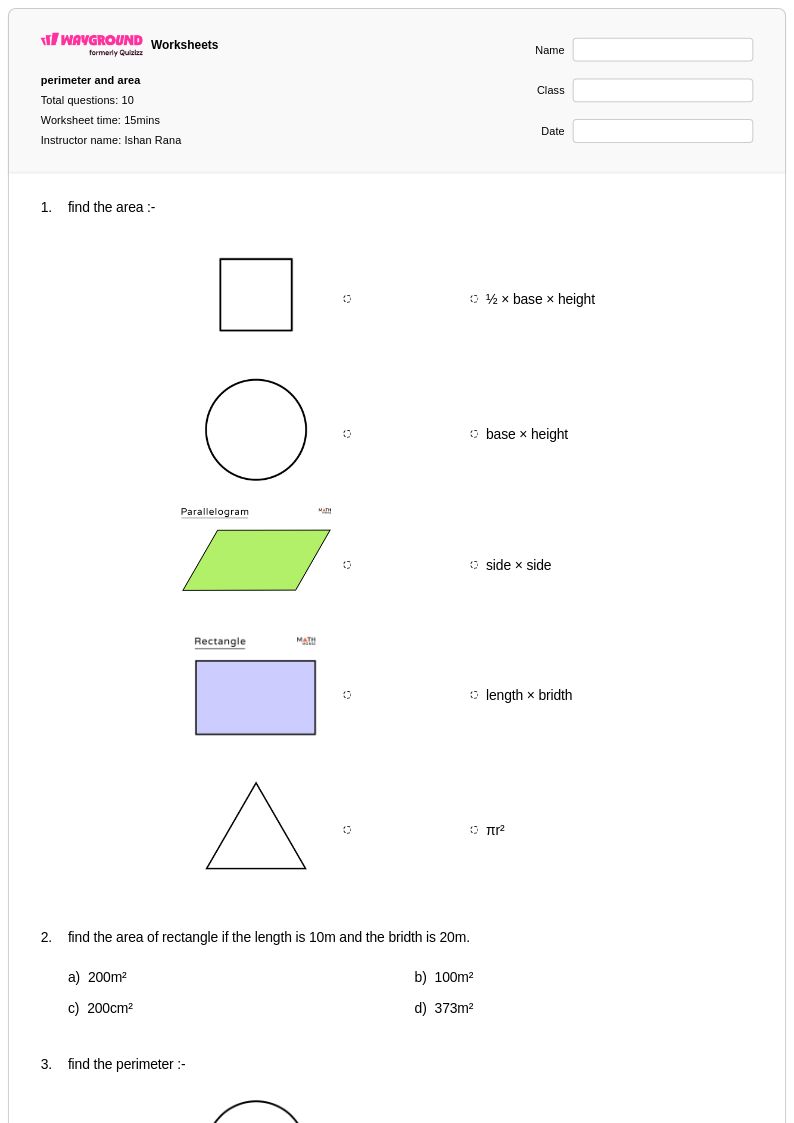
10 Q
7th
Explore Other Subject Worksheets for class 7
Explore printable Load Calculation worksheets for Class 7
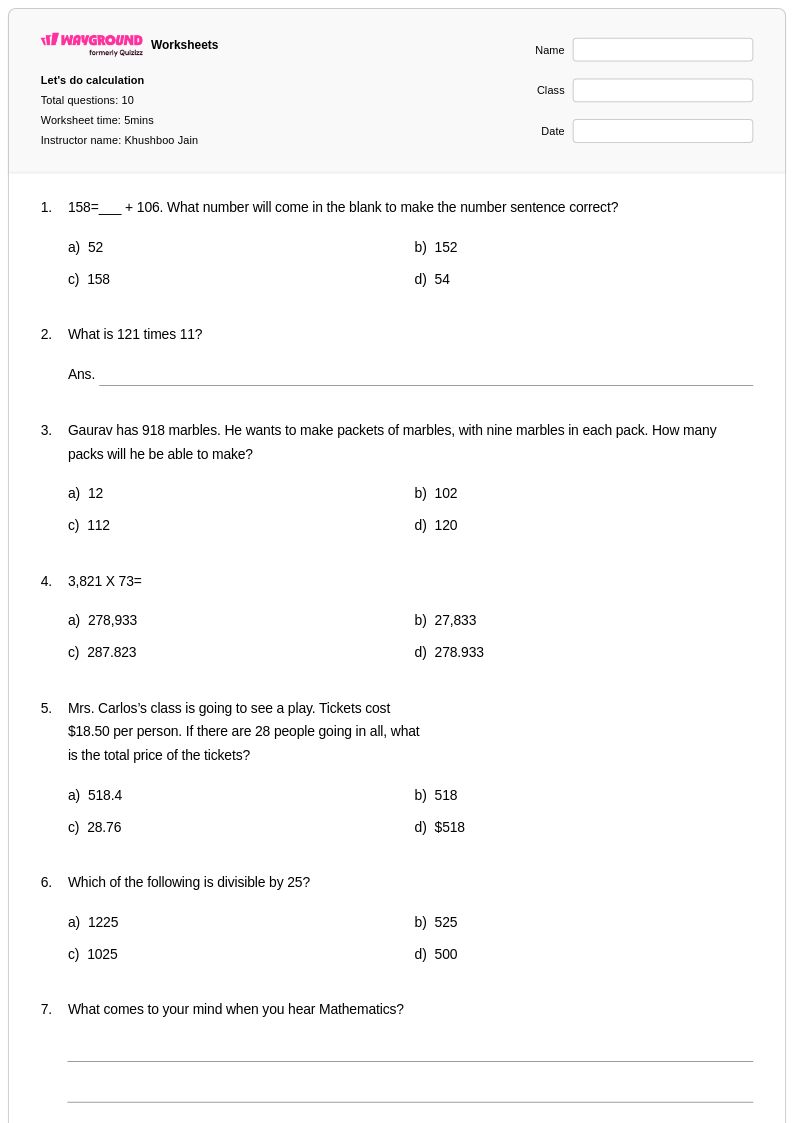
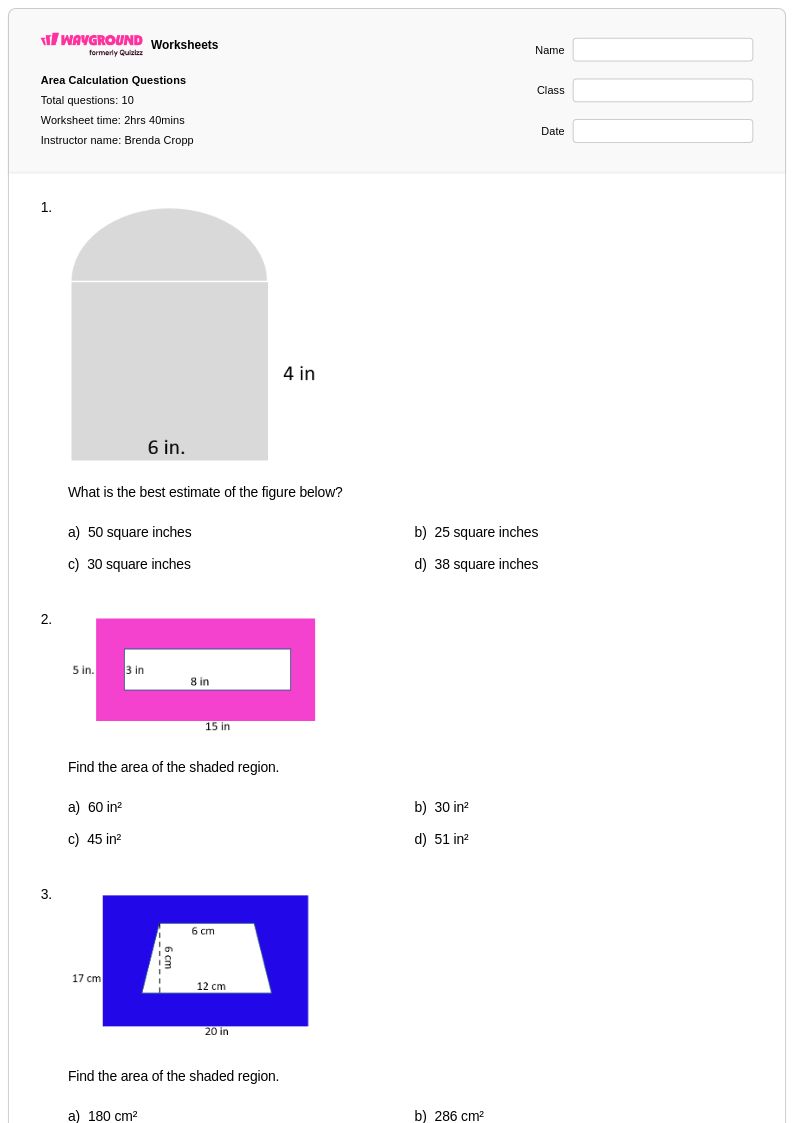
Load calculation worksheets for Class 7 represent a crucial component in developing students' mathematical measurement skills, bridging the gap between basic arithmetic and real-world problem-solving applications. These comprehensive worksheets available through Wayground (formerly Quizizz) focus on teaching students how to calculate various types of loads, including distributed loads, point loads, and combined loading scenarios that appear in engineering and construction contexts. The practice problems within these printables systematically build students' ability to interpret diagrams, apply appropriate formulas, and perform accurate calculations while working with units of force, weight, and pressure. Each worksheet includes detailed answer keys that allow students to verify their work and understand the step-by-step processes involved in load analysis, making these free resources invaluable for both classroom instruction and independent study in pdf format.
Wayground (formerly Quizizz) empowers educators with millions of teacher-created load calculation resources specifically designed to enhance Class 7 measurement instruction through comprehensive search and filtering capabilities that align with mathematical standards. The platform's differentiation tools enable teachers to customize worksheets based on individual student needs, whether for remediation of foundational concepts or enrichment activities that challenge advanced learners. These flexible resources are available in both printable and digital formats, including downloadable pdf versions, allowing educators to seamlessly integrate load calculation practice into various instructional settings. The extensive collection supports effective lesson planning by providing teachers with ready-to-use materials that reinforce key measurement concepts while preparing students for more advanced mathematical applications in physics and engineering contexts.
FAQs
What is covered in 7th-grade load calculation worksheets?
How can I explain the difference between point loads and distributed loads?
What skills does this Grade 7 worksheet reinforce?
What mistakes are common when students calculate combined loads?
How can I assign this load calculation worksheet?
How does this topic fit in the 7th-grade curriculum?