
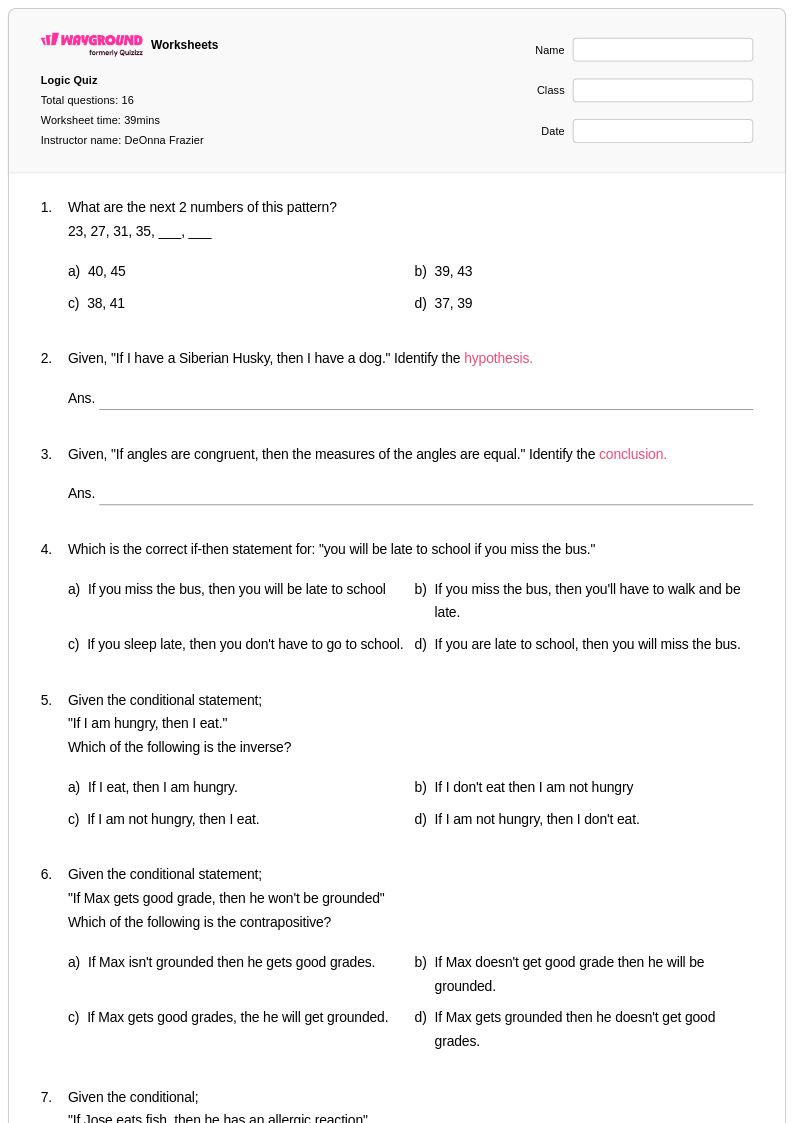
16 Q
8th
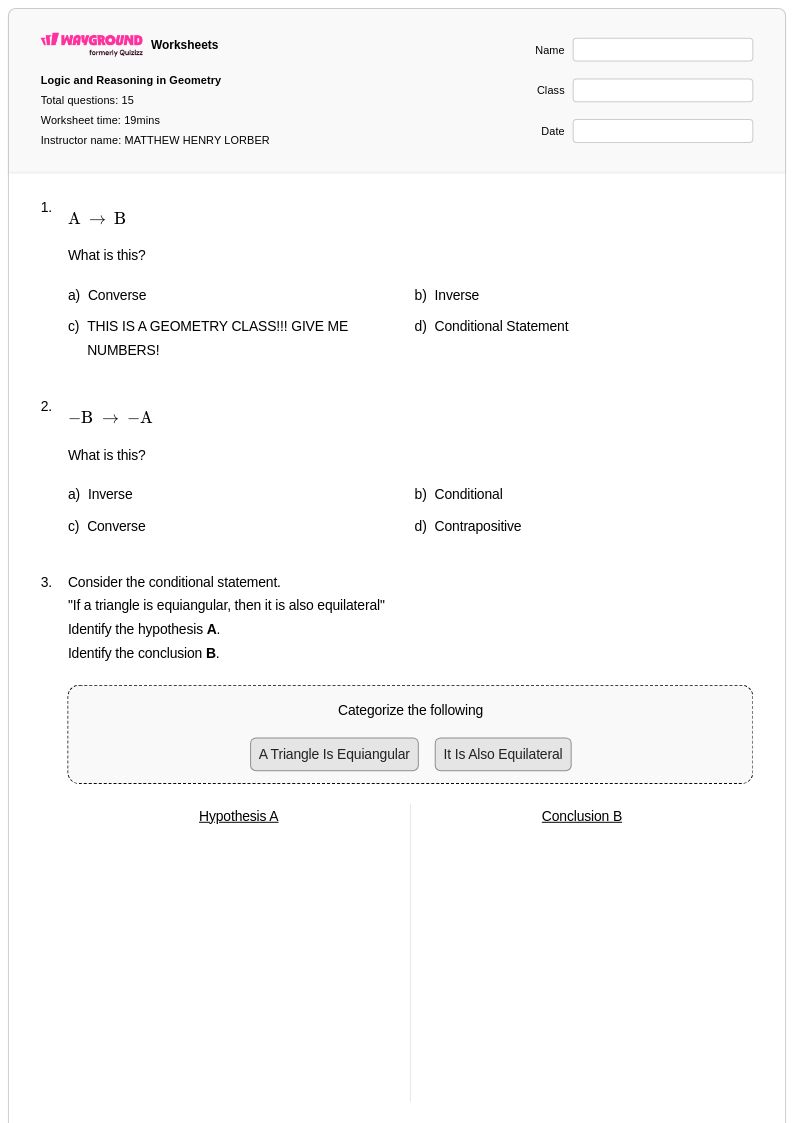
15 Q
10th
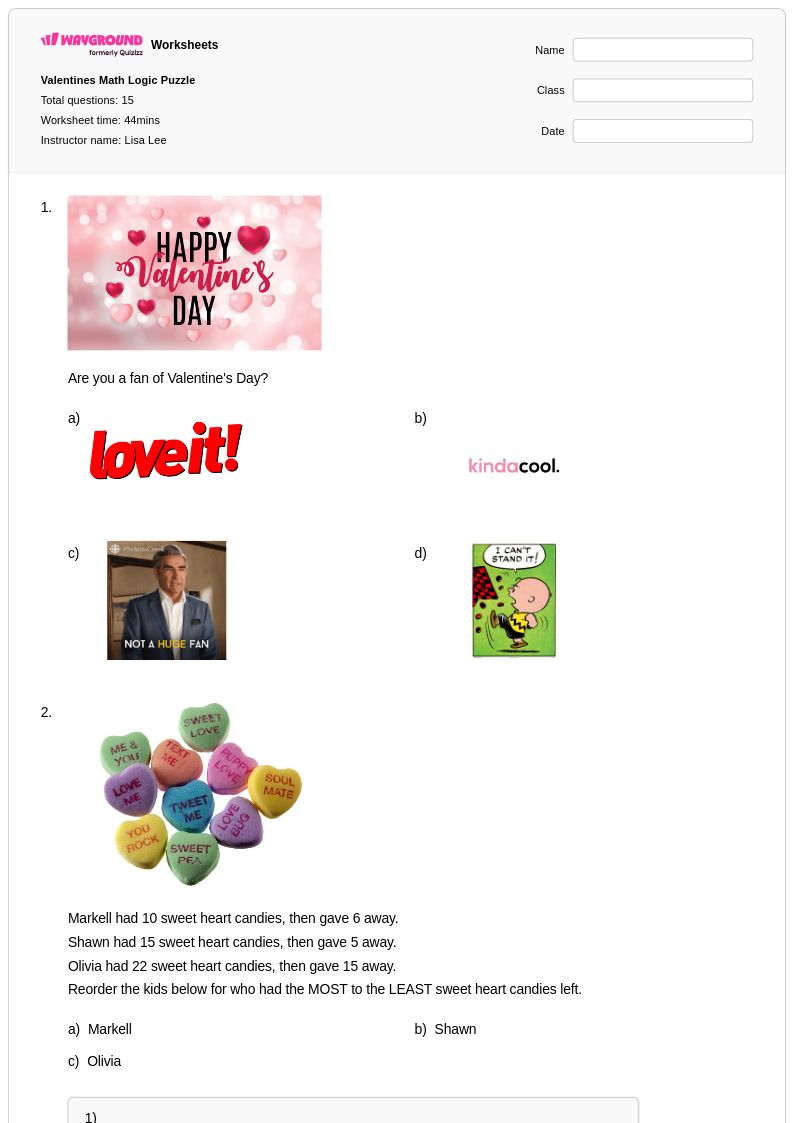
15 Q
2nd
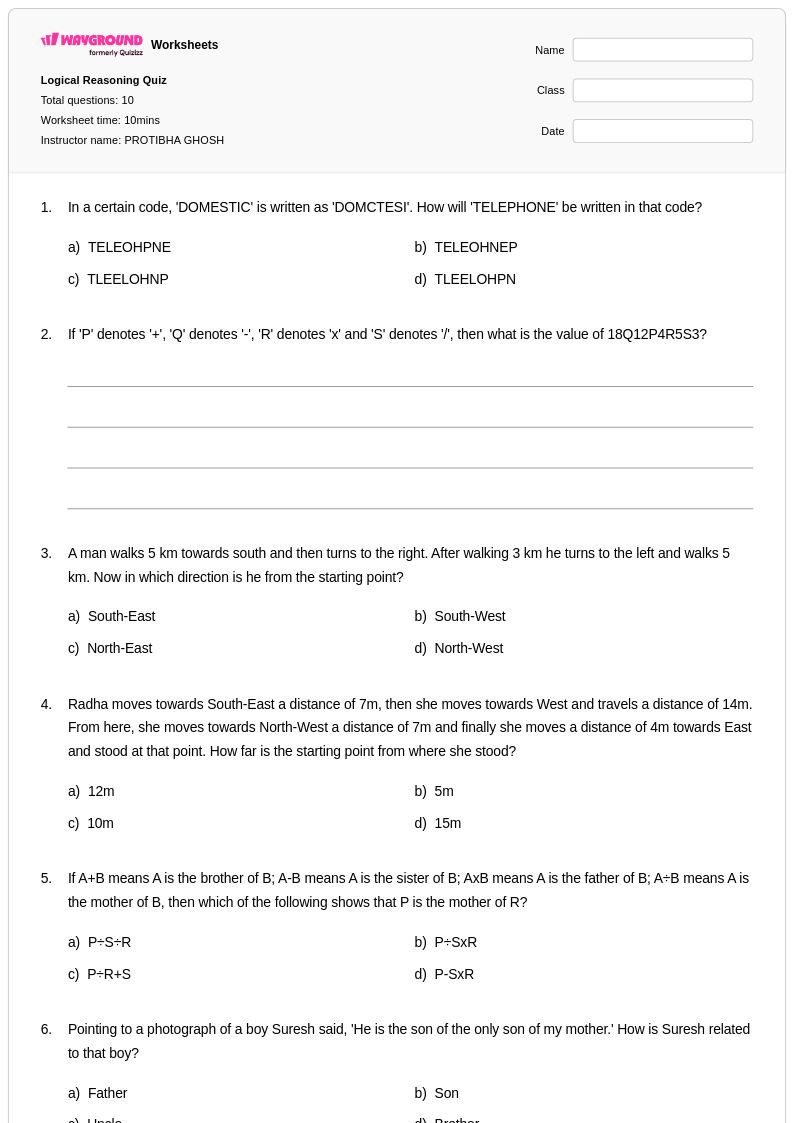
10 Q
8th
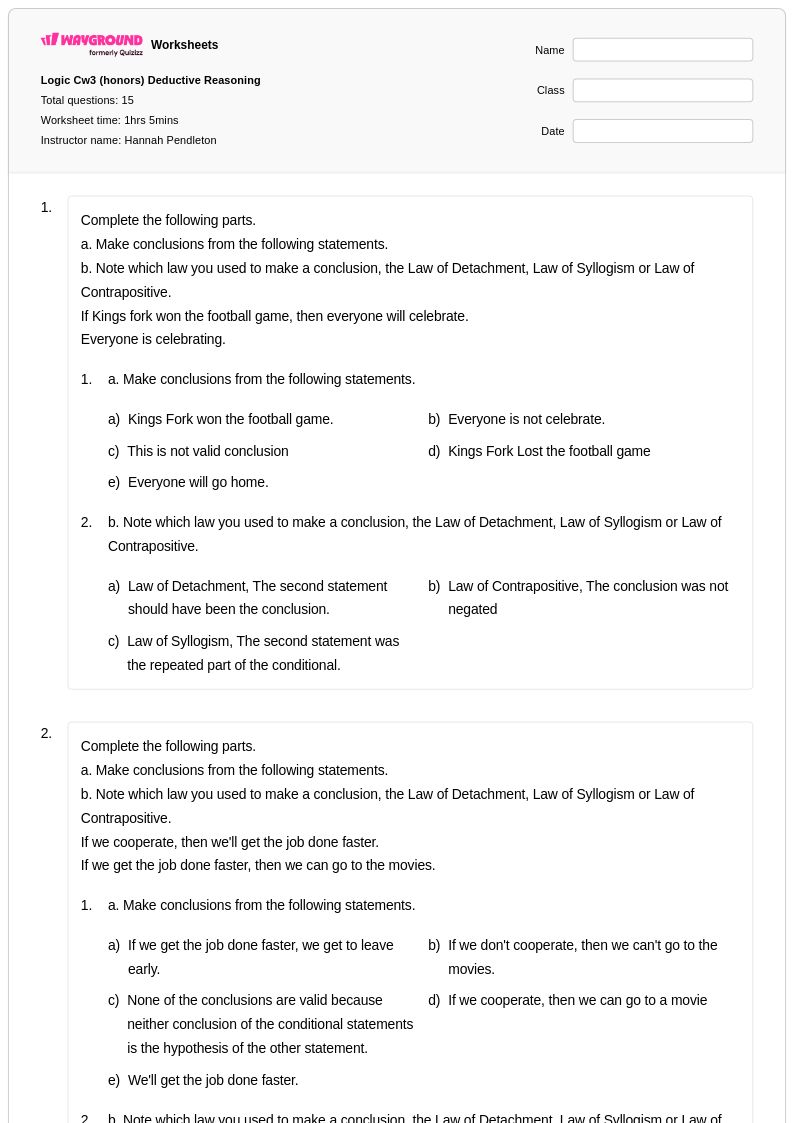
19 Q
9th - 12th
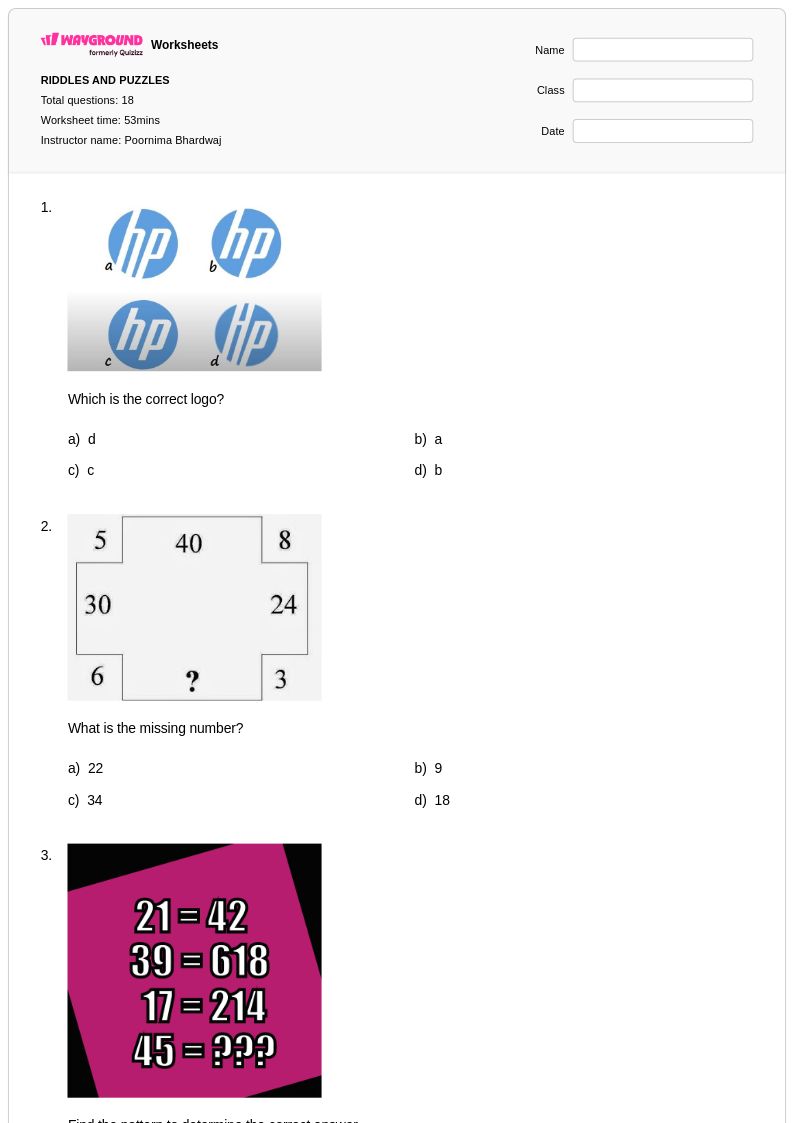
18 Q
7th - 8th
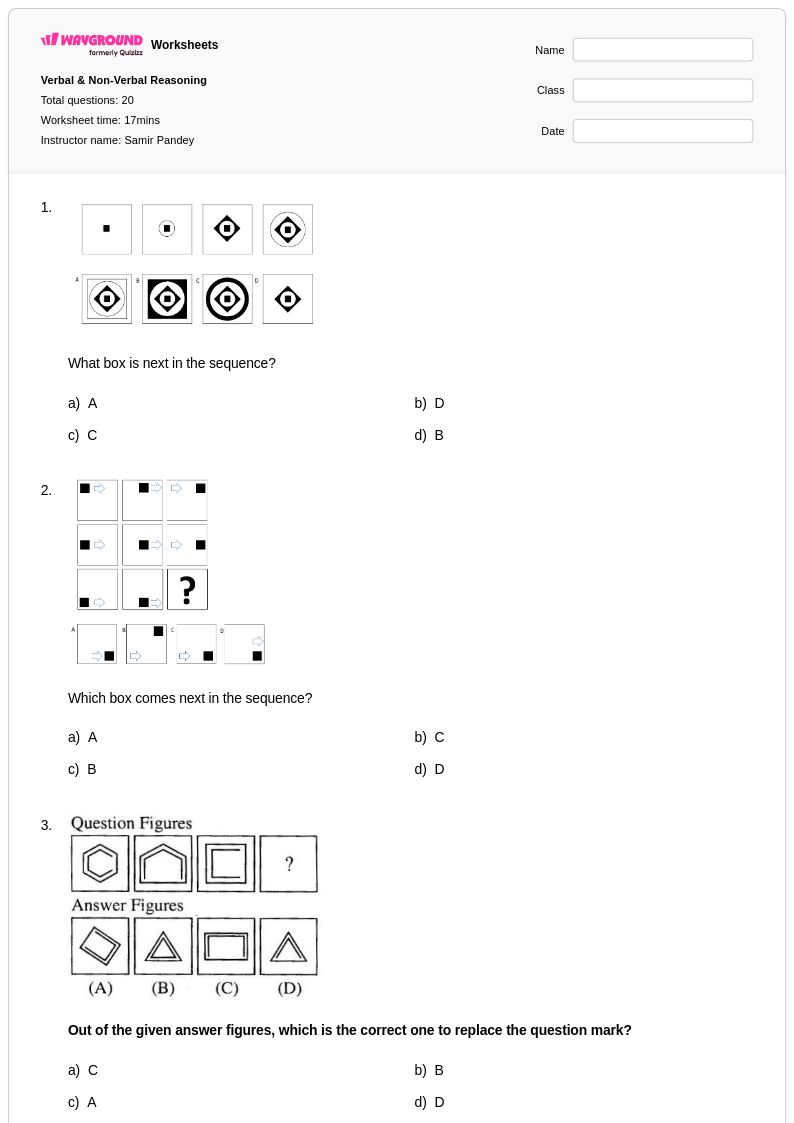
20 Q
10th - Uni
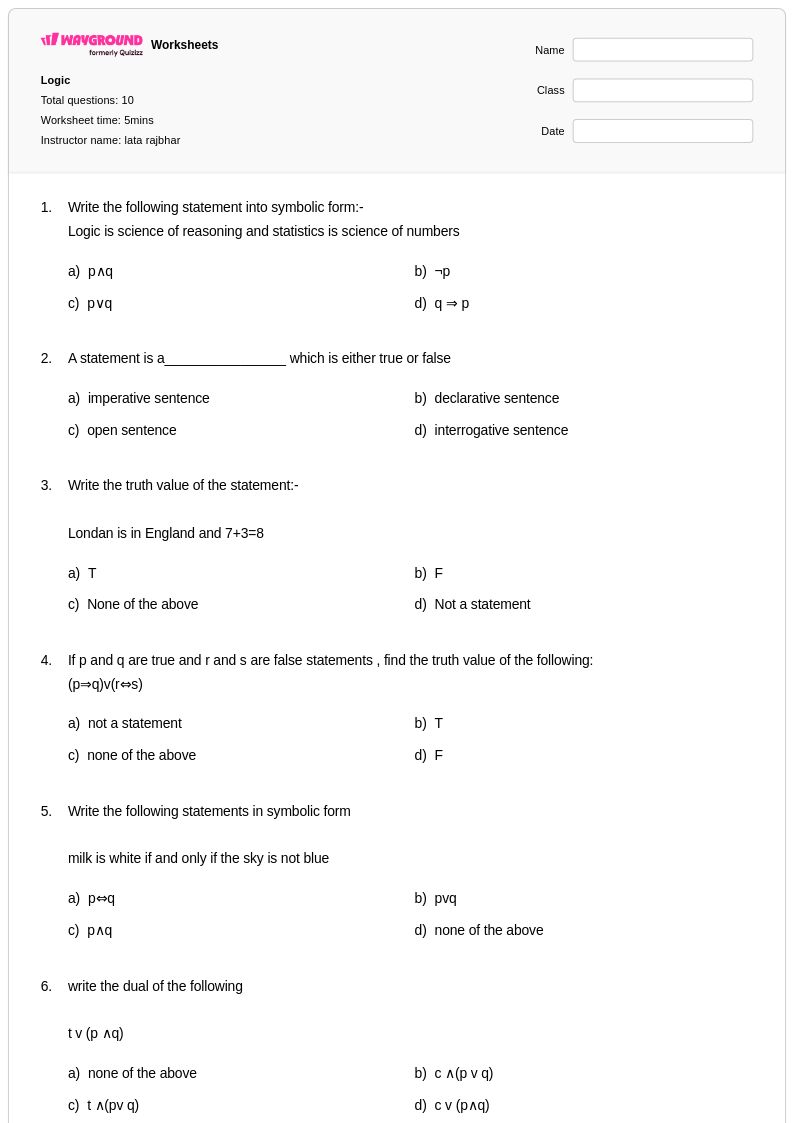
10 Q
12th
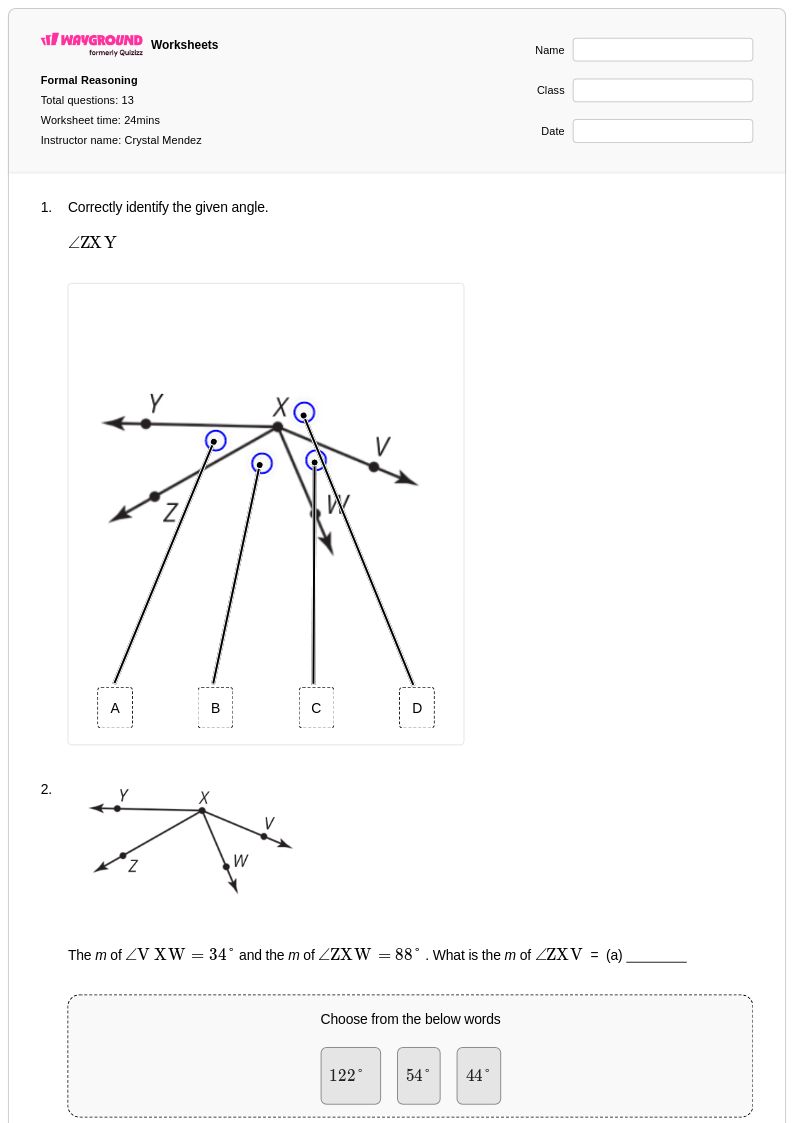
13 Q
10th
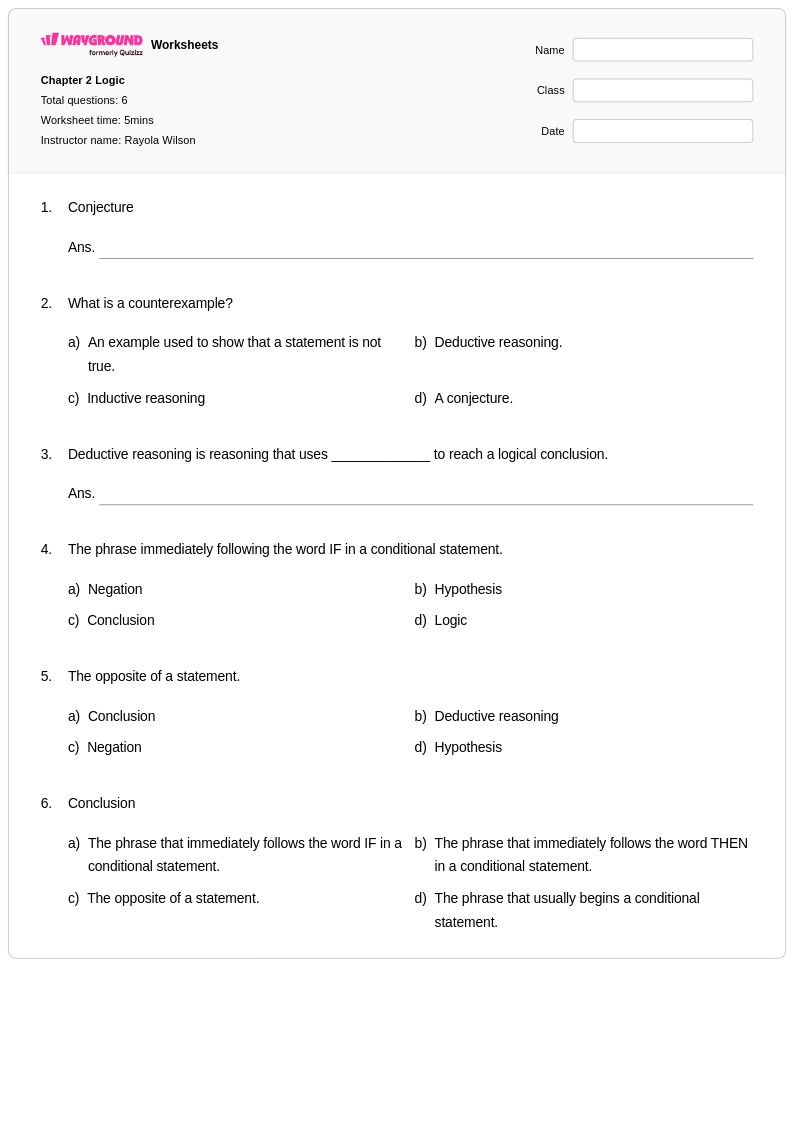
6 Q
10th
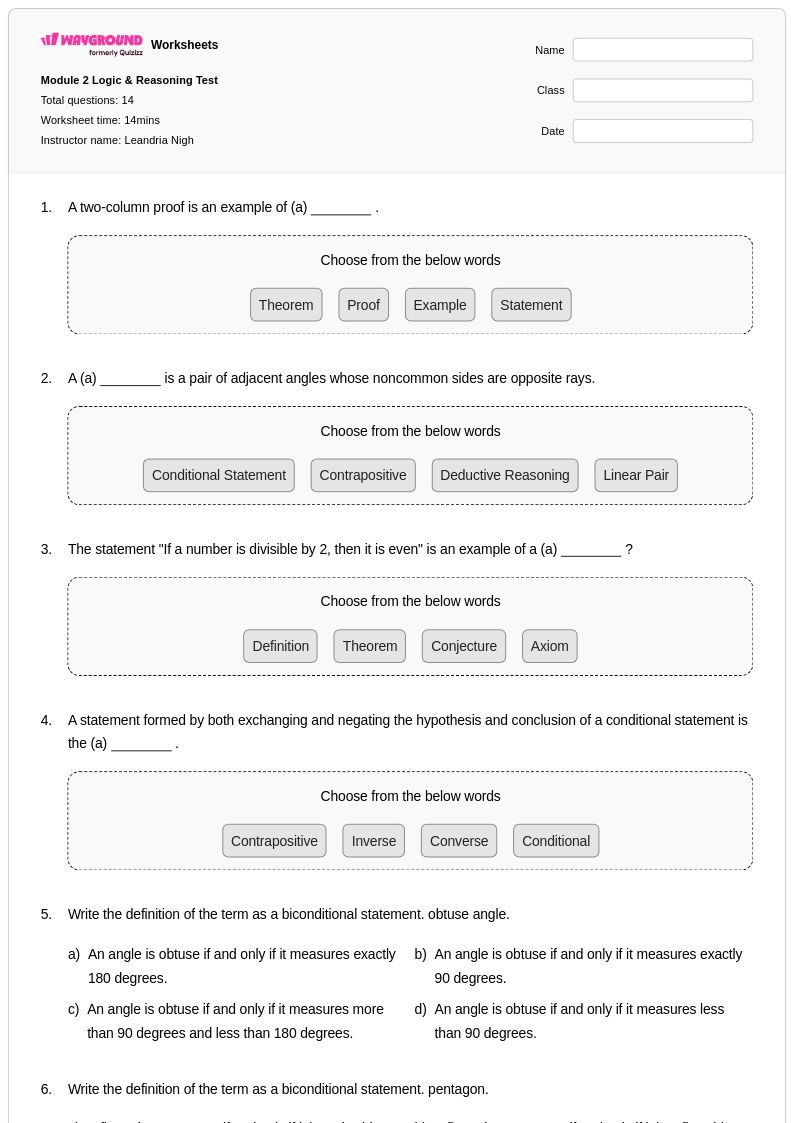
14 Q
10th
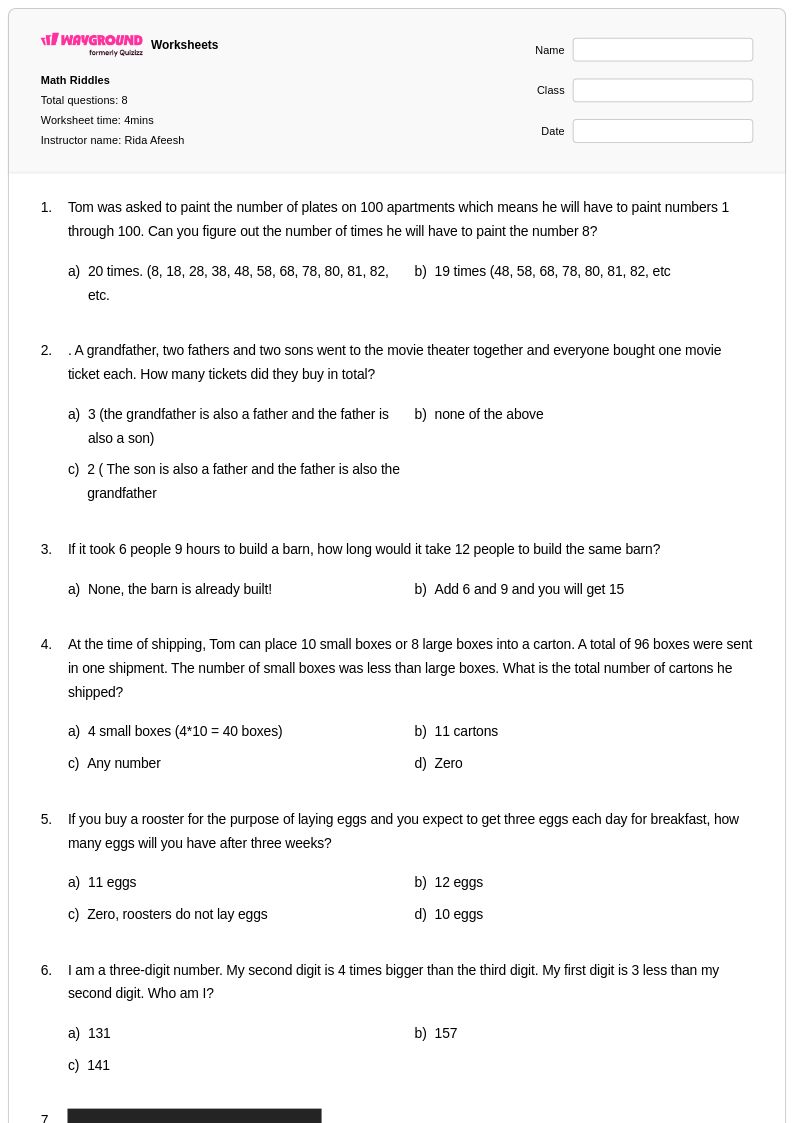
8 Q
5th
19 Q
8th
35 Q
3rd
11 Q
9th - Uni
12 Q
9th - 12th
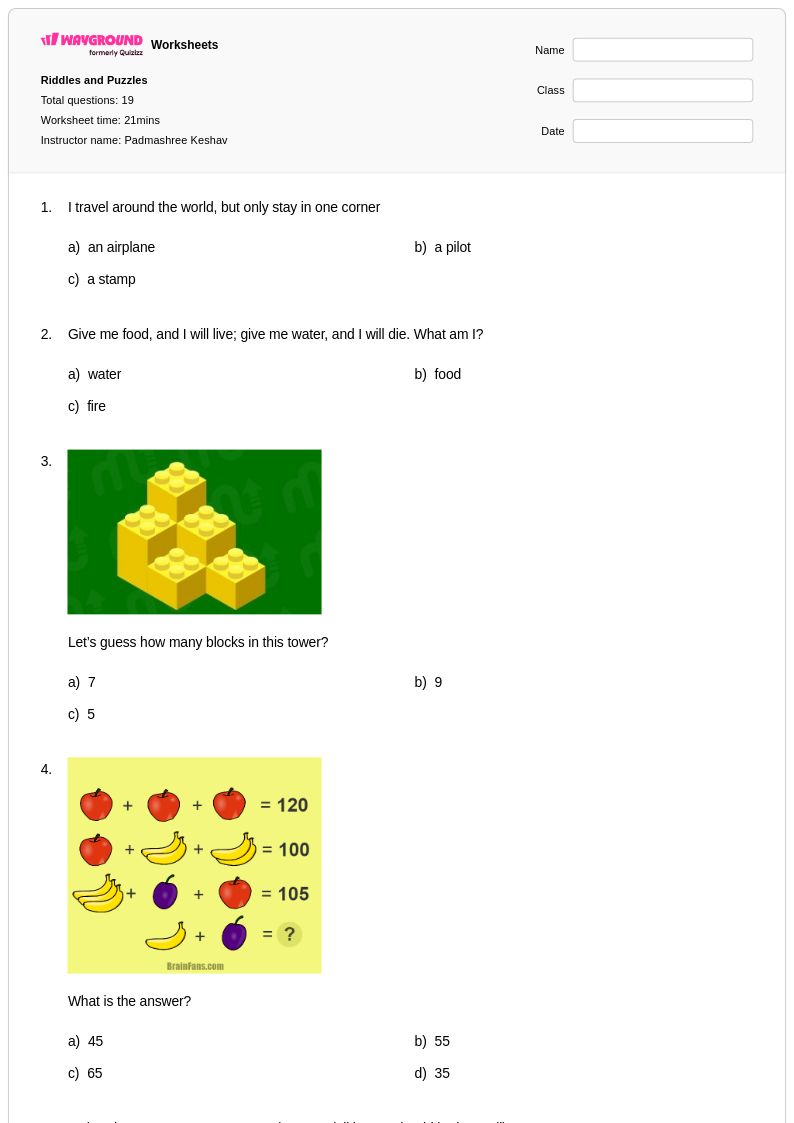
19 Q
3rd
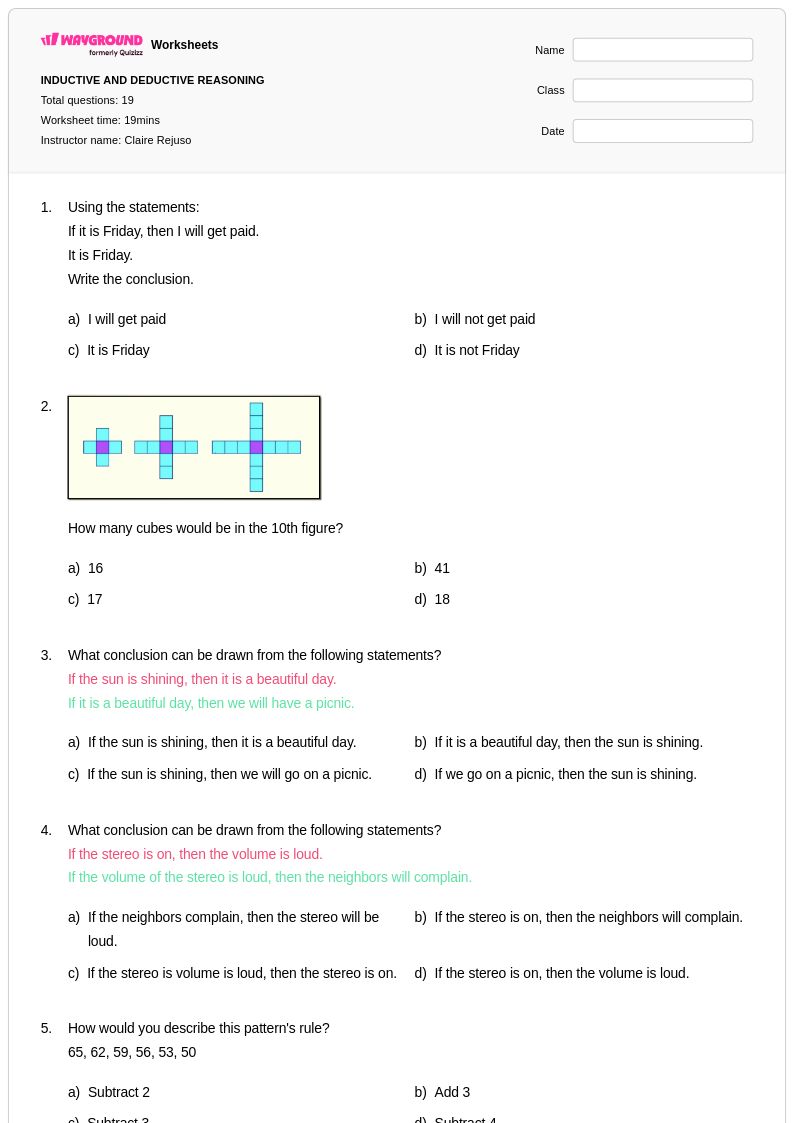
19 Q
8th
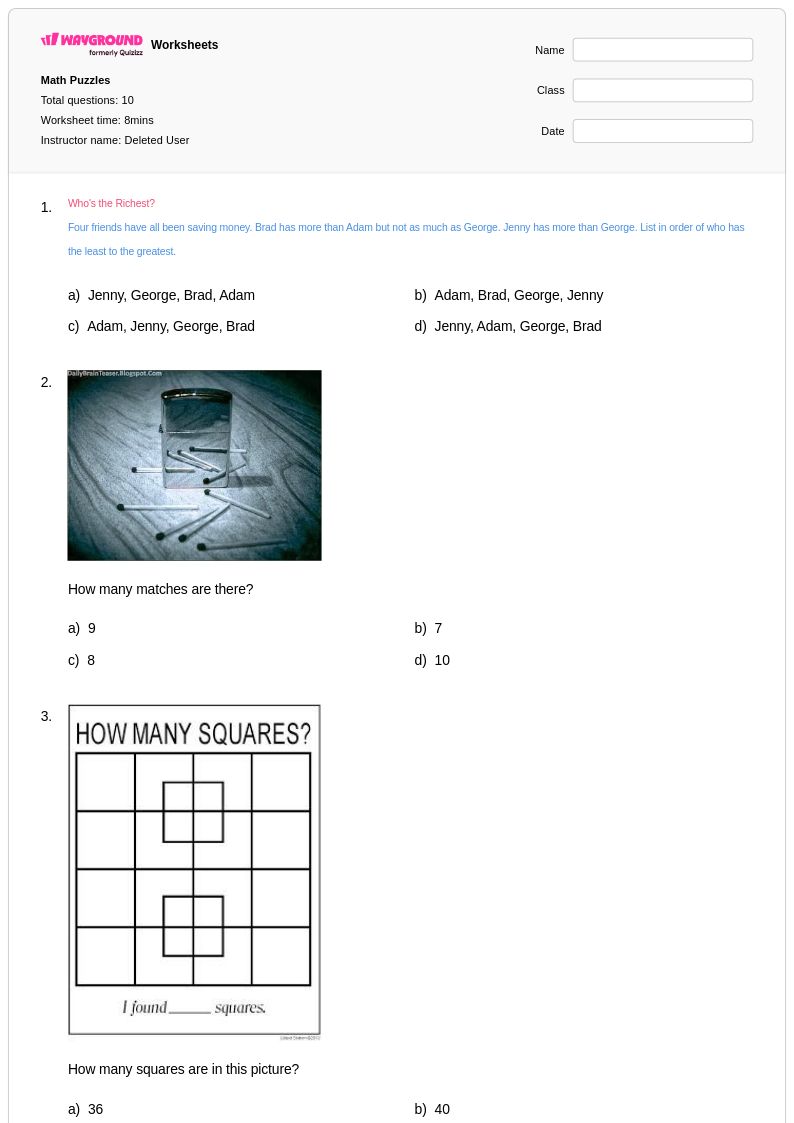
10 Q
3rd - 5th
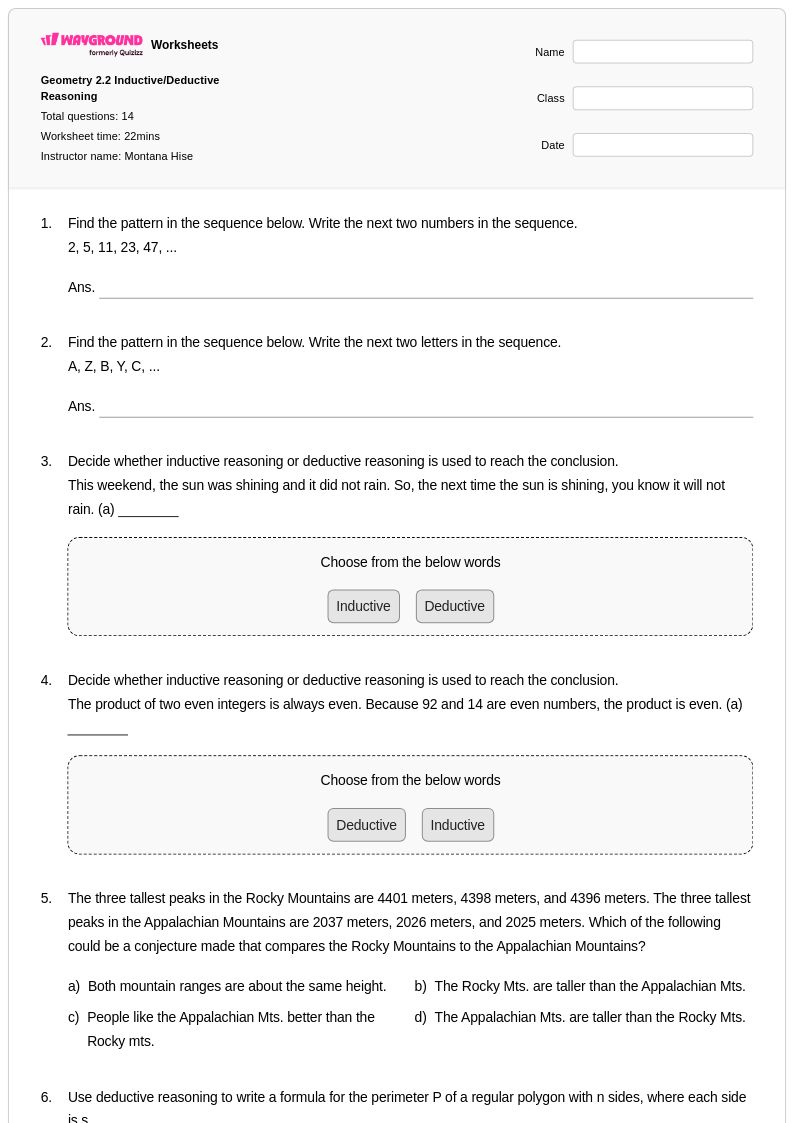
14 Q
9th - 12th
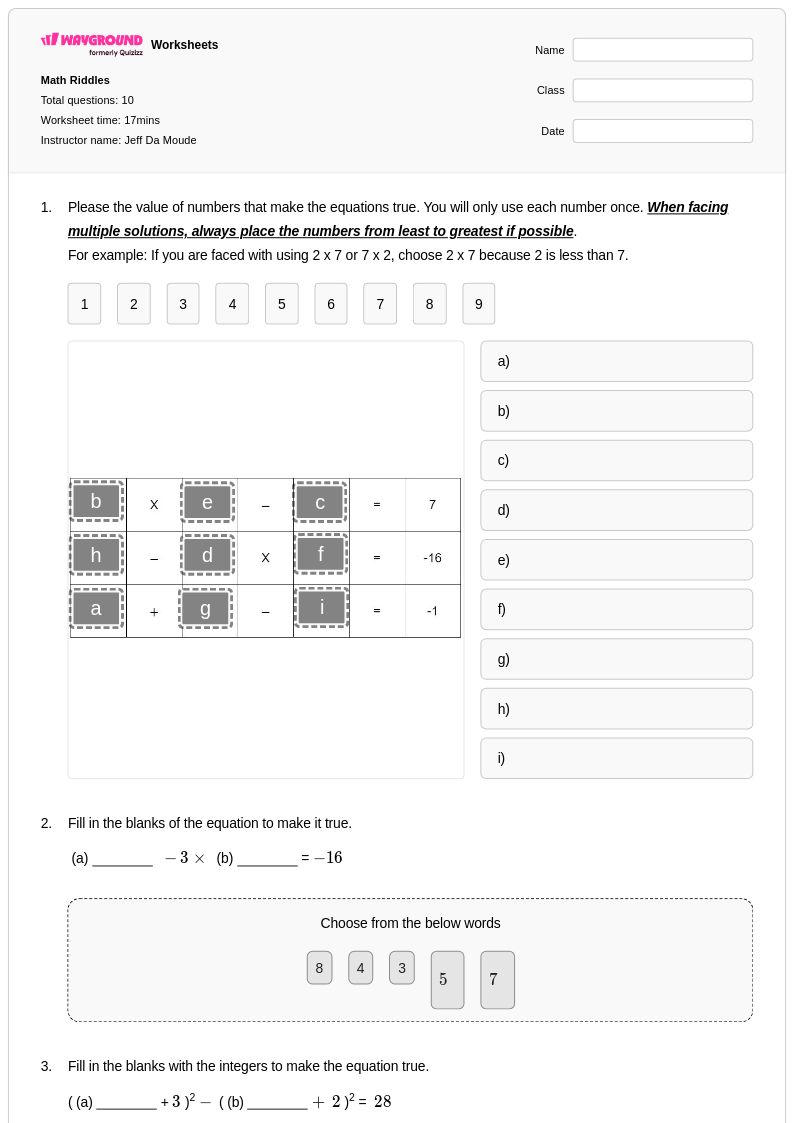
10 Q
12th
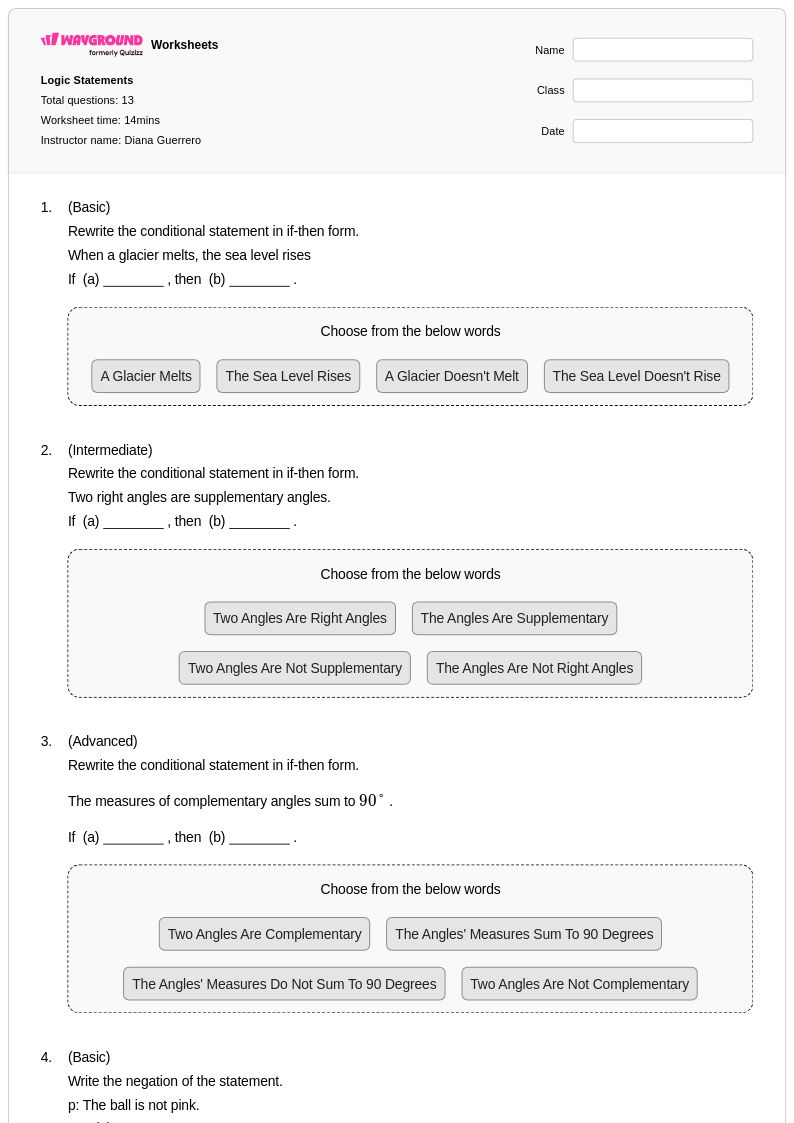
13 Q
9th - 12th
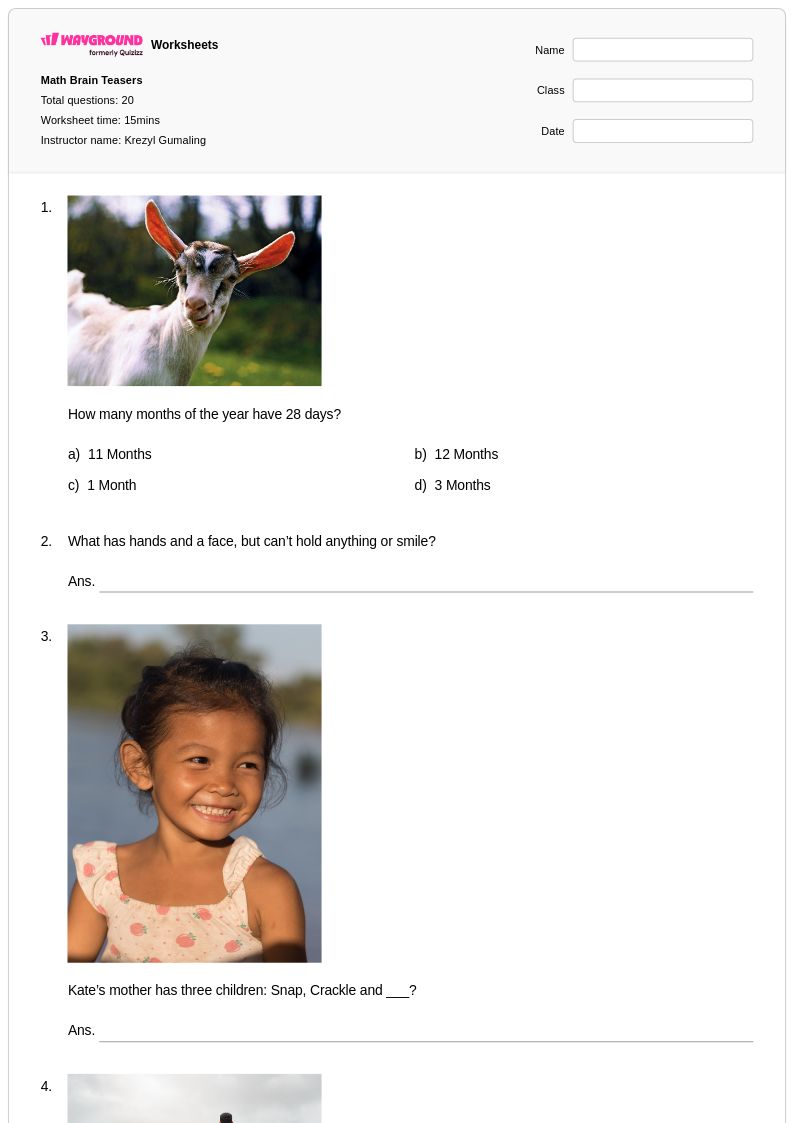
20 Q
3rd - 5th
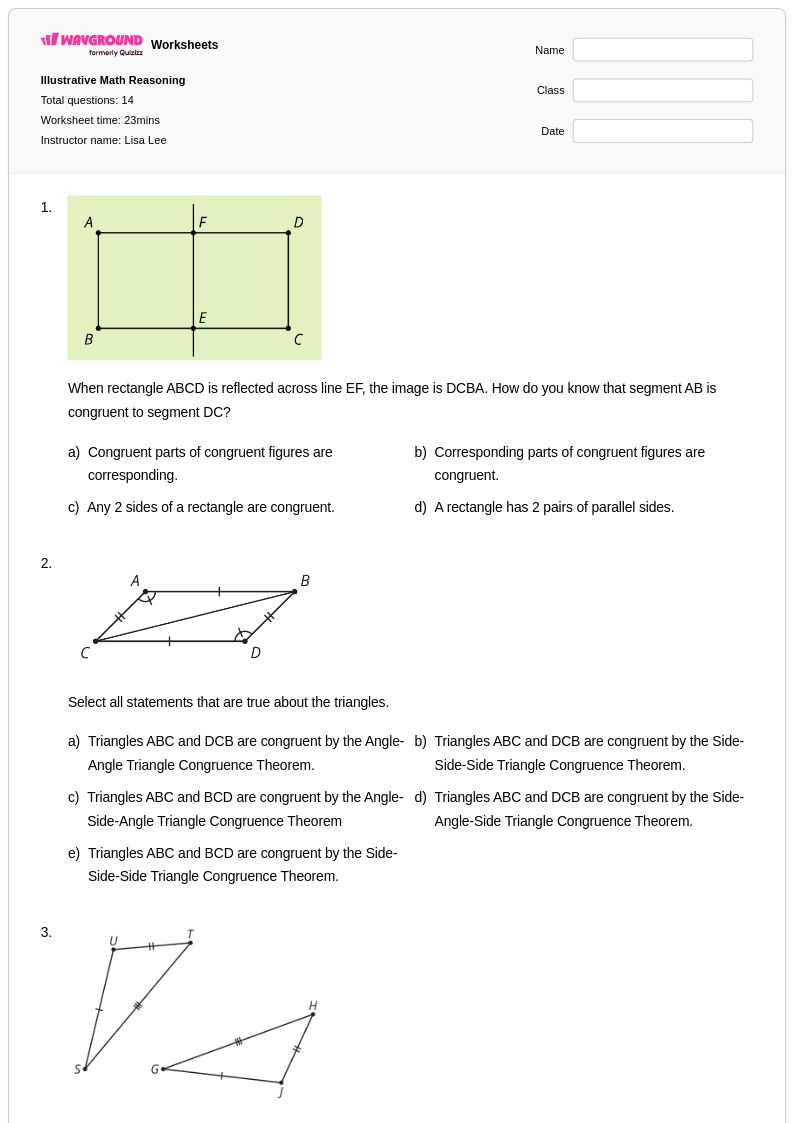
14 Q
9th
Explore Worksheets by Grade
Explore Worksheets by Subjects
Explore printable Logic and Reasoning Puzzles worksheets
Logic and reasoning puzzles represent a cornerstone of mathematical thinking, challenging students to apply deductive reasoning, pattern recognition, and systematic problem-solving strategies across various contexts. These specialized worksheets from Wayground (formerly Quizizz) engage learners with brain teasers, sequence puzzles, grid logic problems, and analytical challenges that strengthen critical thinking skills essential for mathematical success. Each worksheet collection includes comprehensive answer keys and detailed solution explanations, helping students understand the logical progression required to solve complex problems. Available as free printables in convenient pdf format, these practice problems range from number pattern puzzles and spatial reasoning tasks to algebraic logic challenges that build foundational skills for advanced mathematical concepts.
Wayground (formerly Quizizz) empowers educators with access to millions of teacher-created logic and reasoning puzzle resources, featuring robust search and filtering capabilities that allow precise targeting of specific skill sets and difficulty levels. The platform's sophisticated differentiation tools enable teachers to customize worksheets for diverse learning needs, while standards alignment ensures that puzzle activities support curriculum objectives and assessment goals. Whether delivered in printable pdf format for independent work or through digital formats for interactive learning, these resources provide flexible options for lesson planning, targeted remediation, and enrichment activities. Teachers can seamlessly integrate these logic puzzles into daily instruction, homework assignments, or specialized skill practice sessions, creating engaging learning experiences that develop students' analytical thinking abilities while reinforcing mathematical reasoning processes.
FAQs
How do logic puzzles benefit math students?
What types of logic and reasoning puzzles are available?
What common mistakes do students make when solving logic puzzles?
How can I use these logic puzzle worksheets in my classroom?
How do logic puzzles align with Common Core math standards?
How can I differentiate logic puzzles for students at different levels?