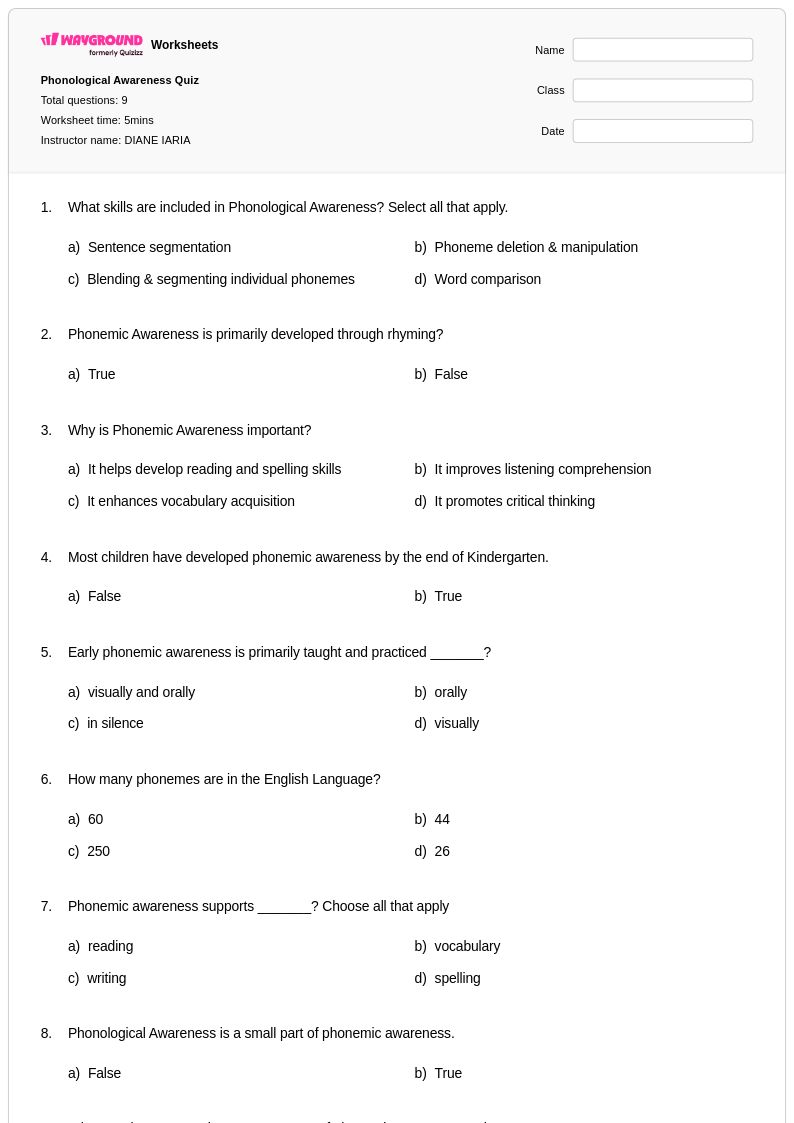
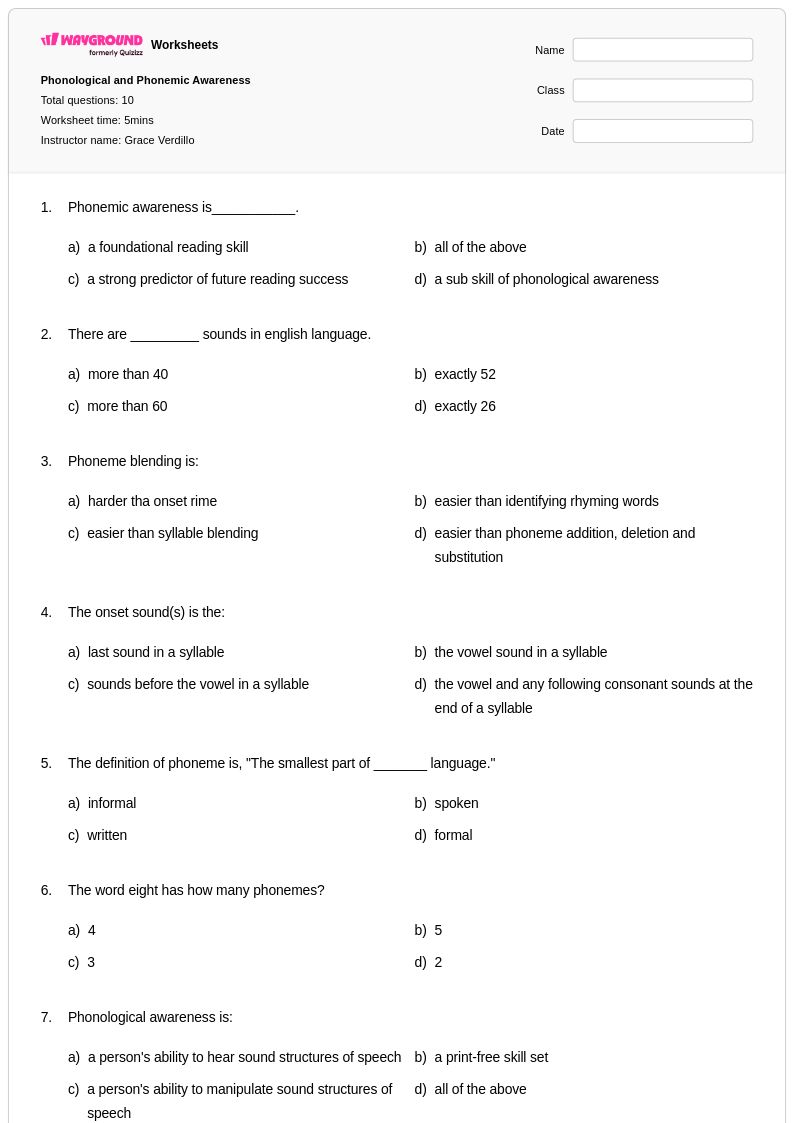
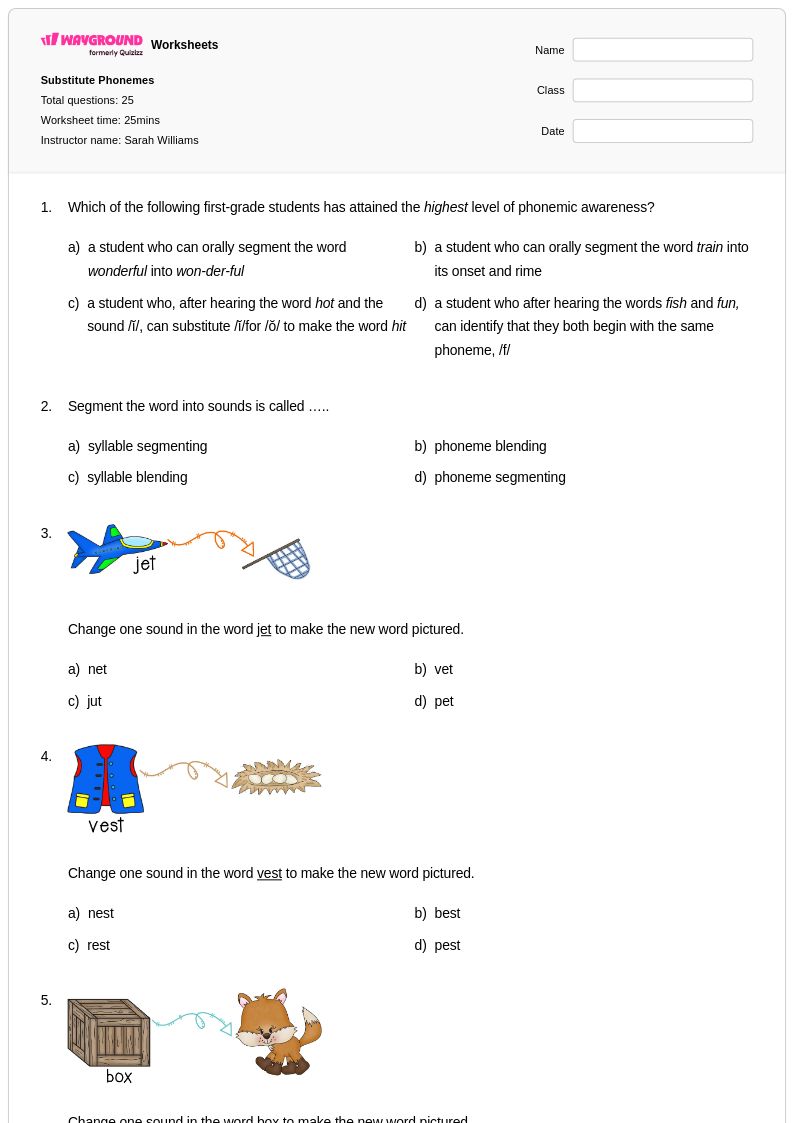
Free Printable Phoneme Blending Worksheets for Class 1
Class 1 phoneme blending worksheets from Wayground help students master the essential skill of combining individual sounds to form complete words through engaging printables, practice problems, and comprehensive answer keys.
Explore printable Phoneme Blending worksheets for Class 1
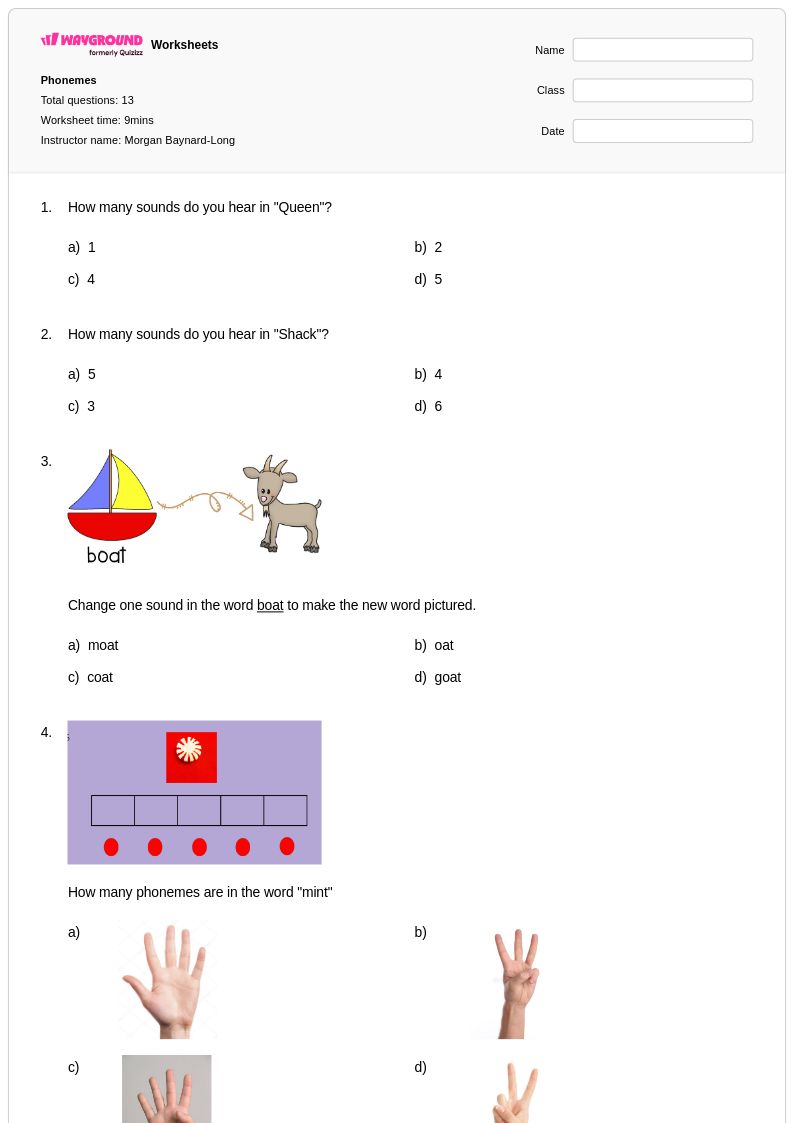
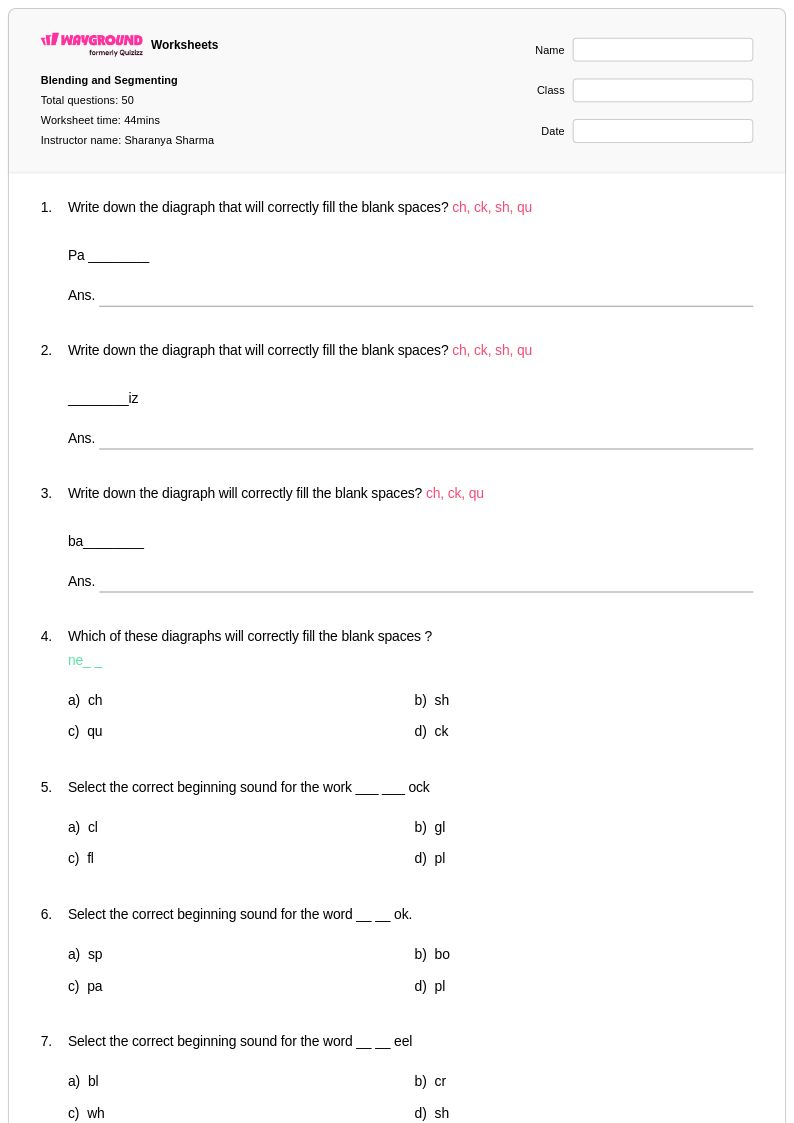
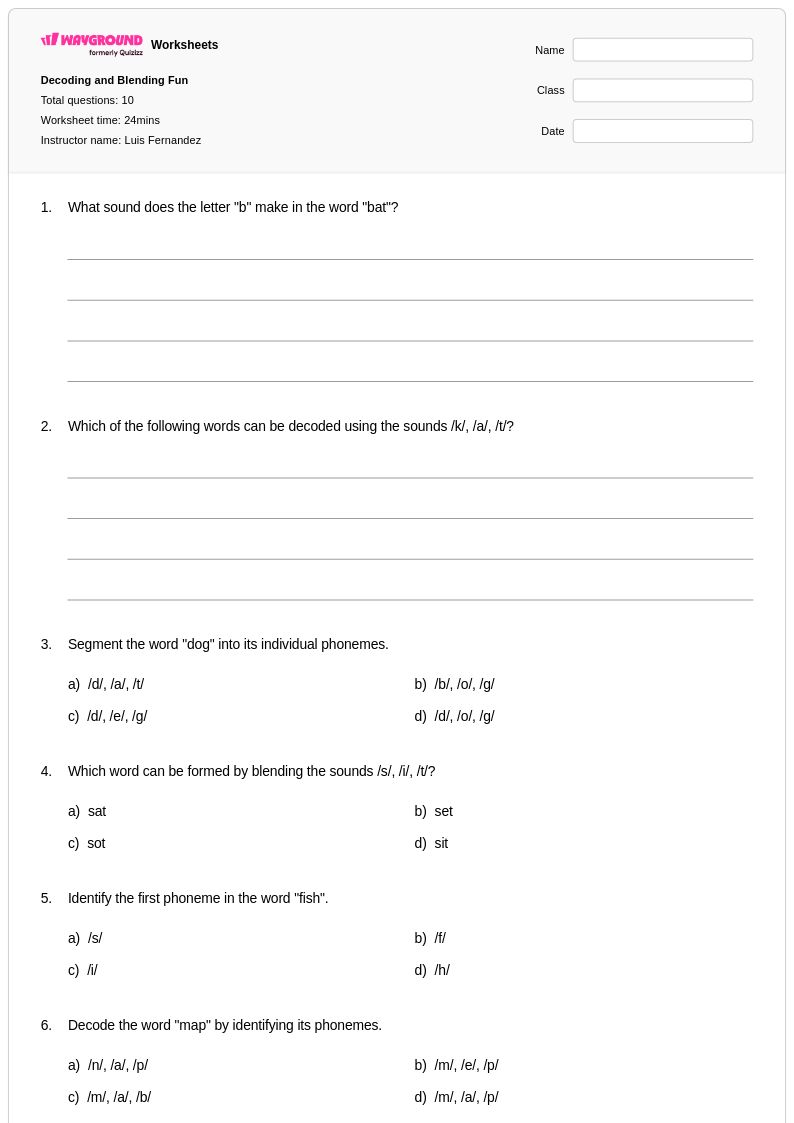
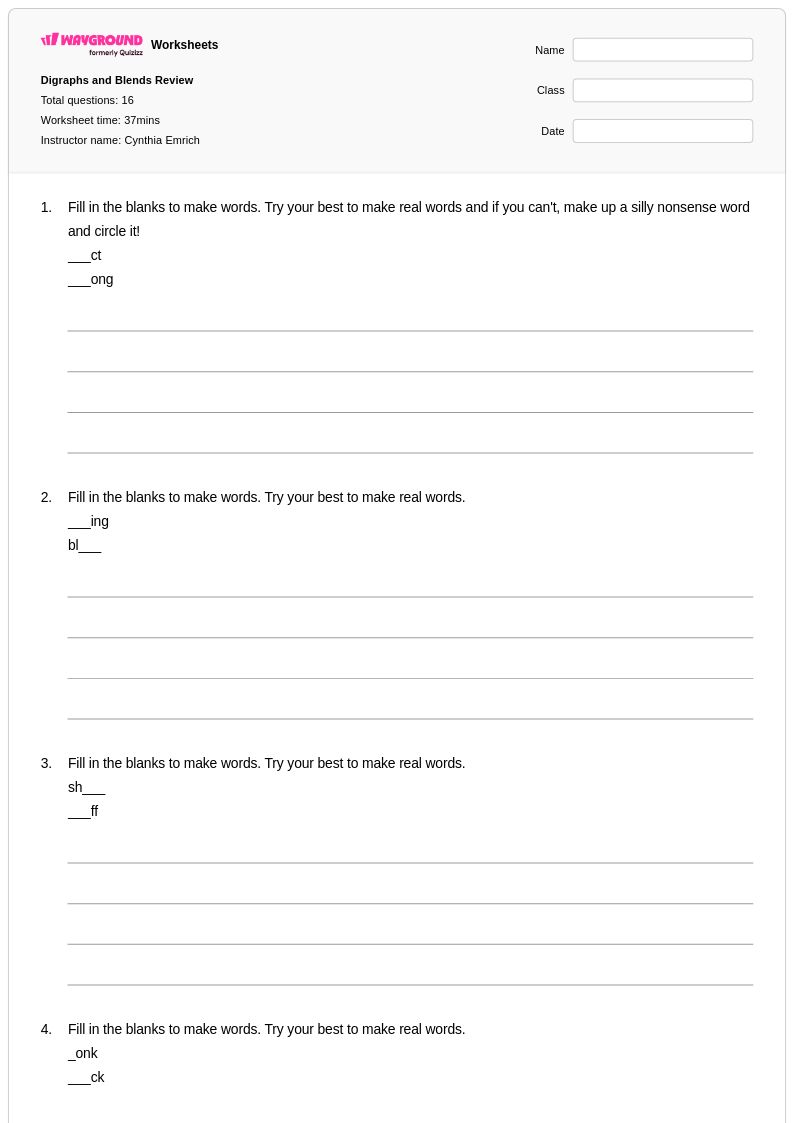
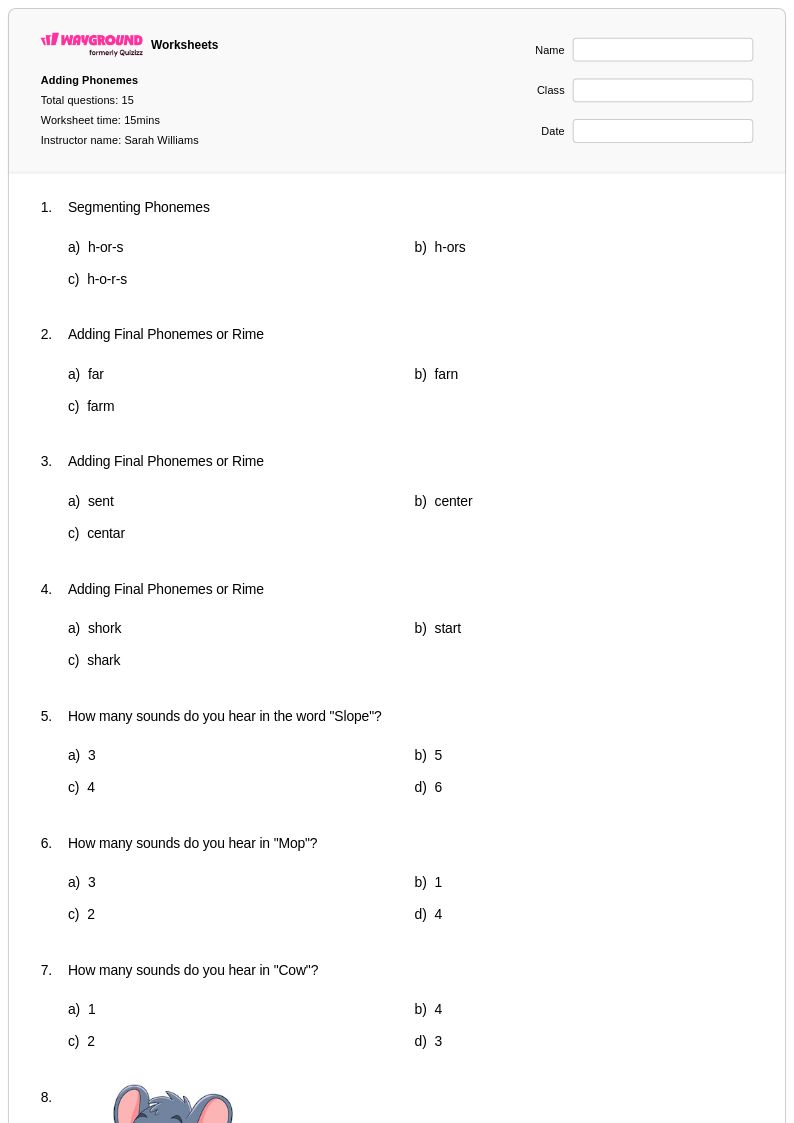
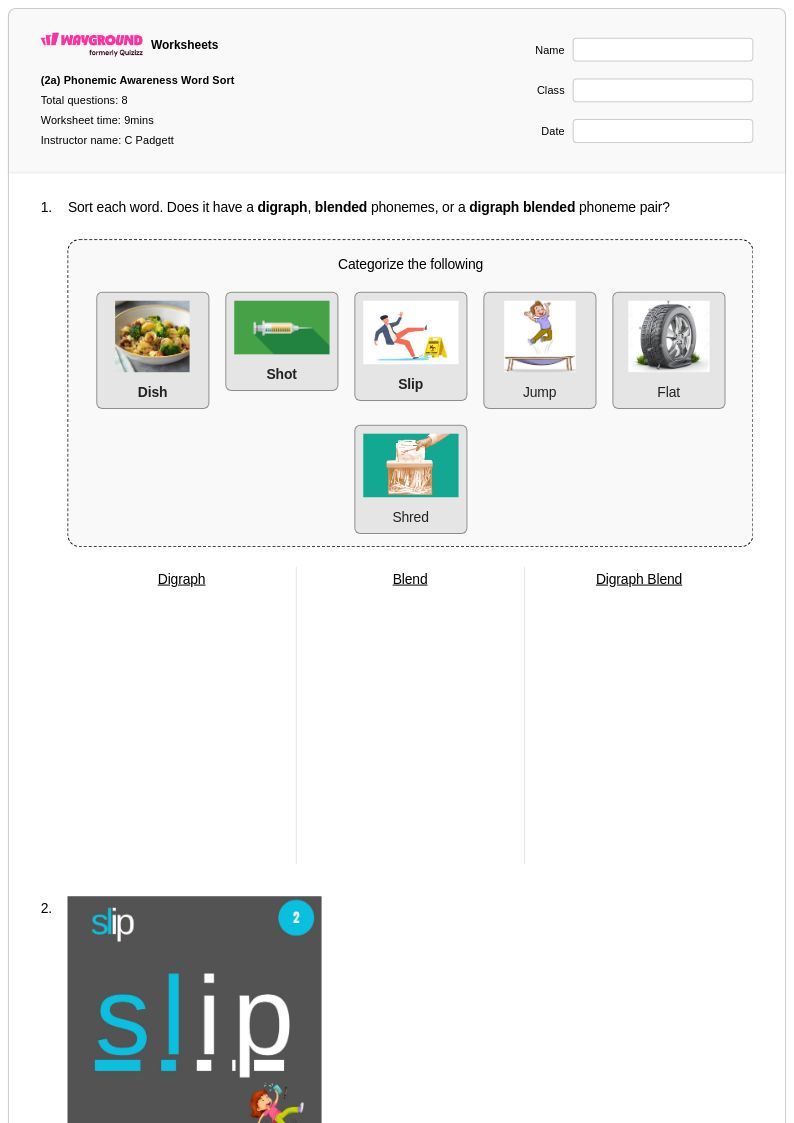
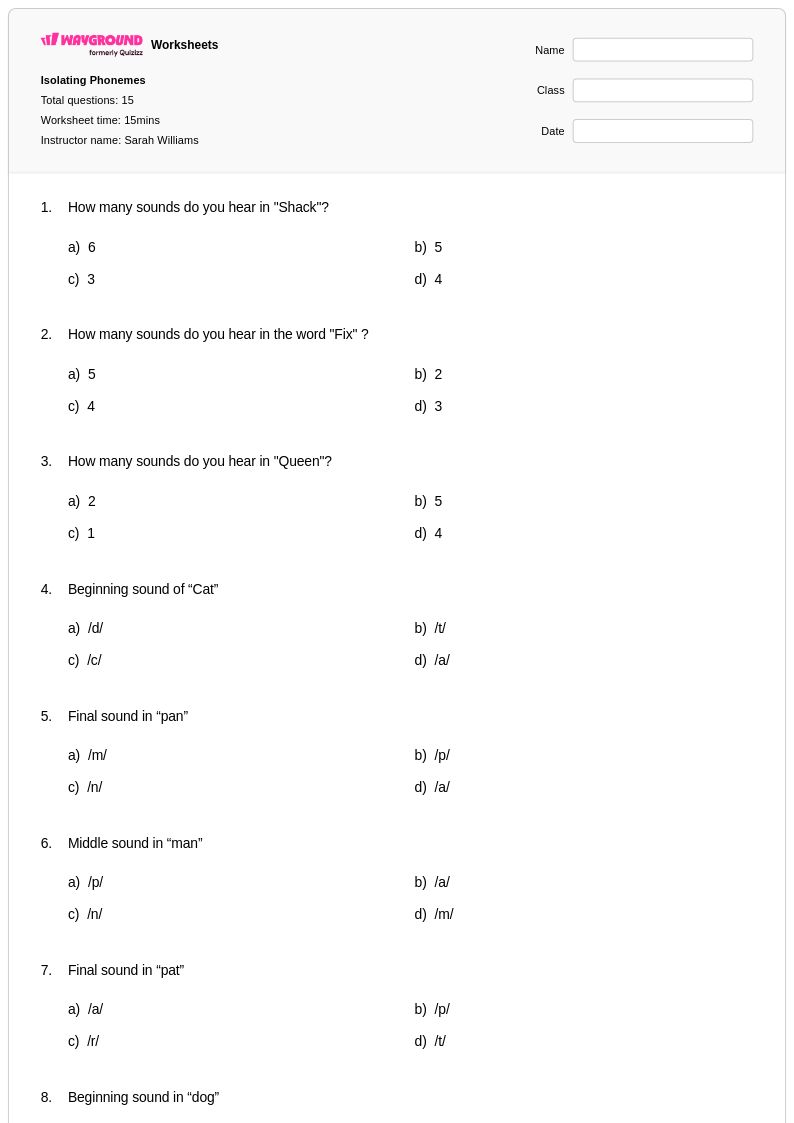
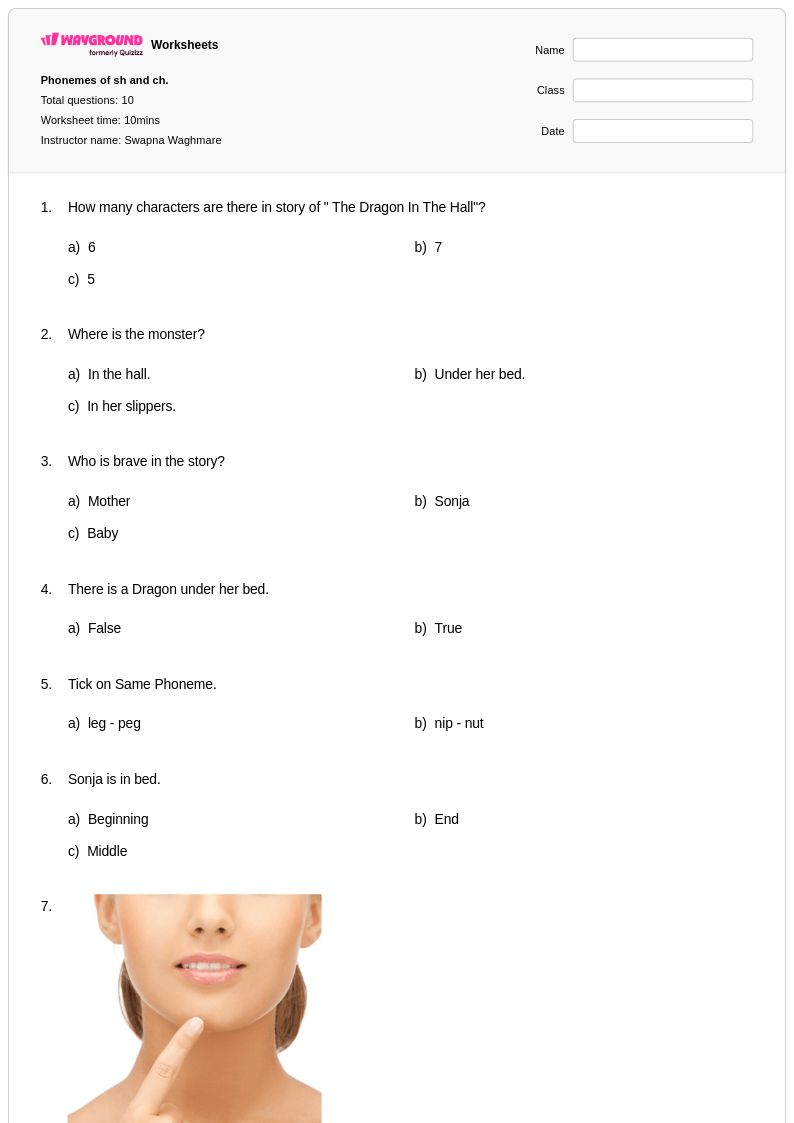
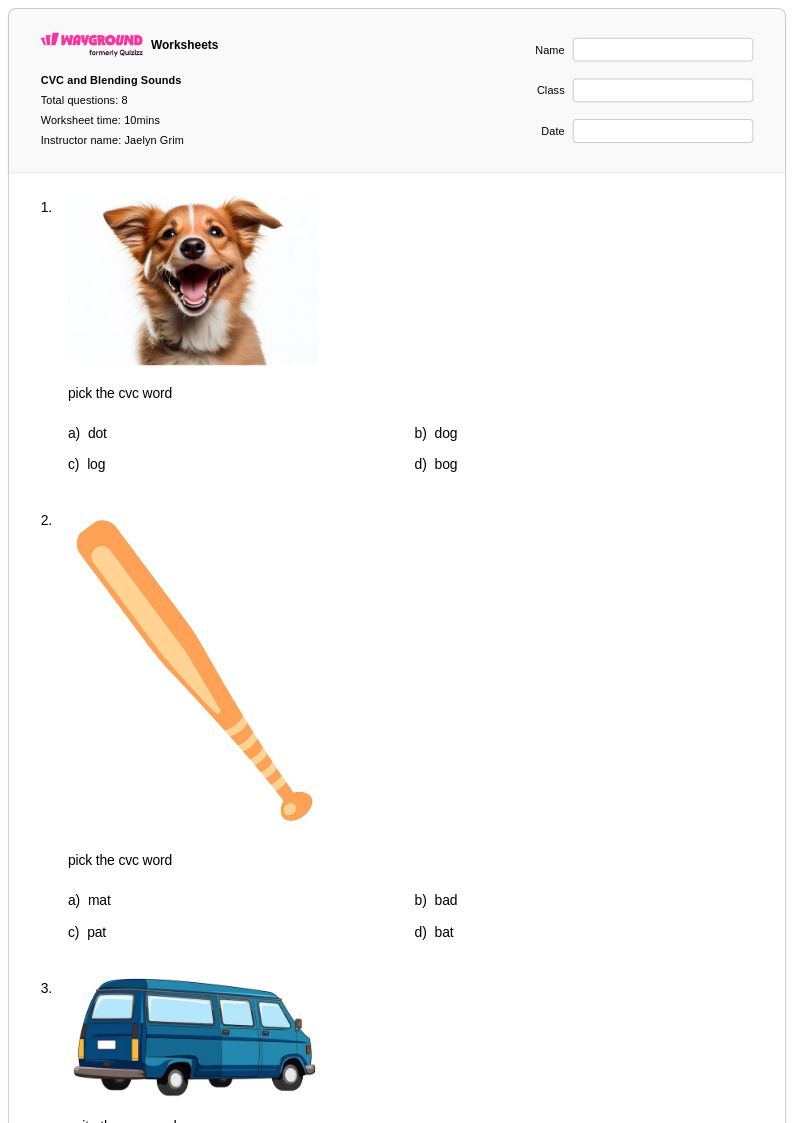
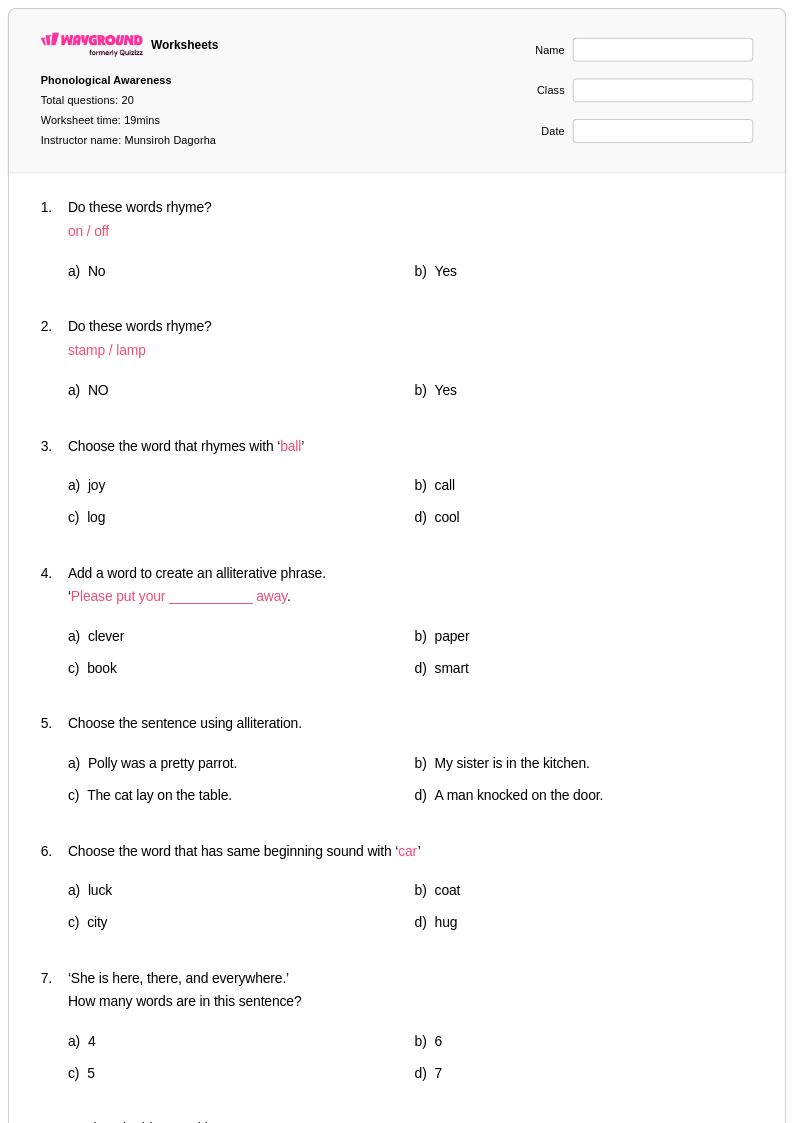
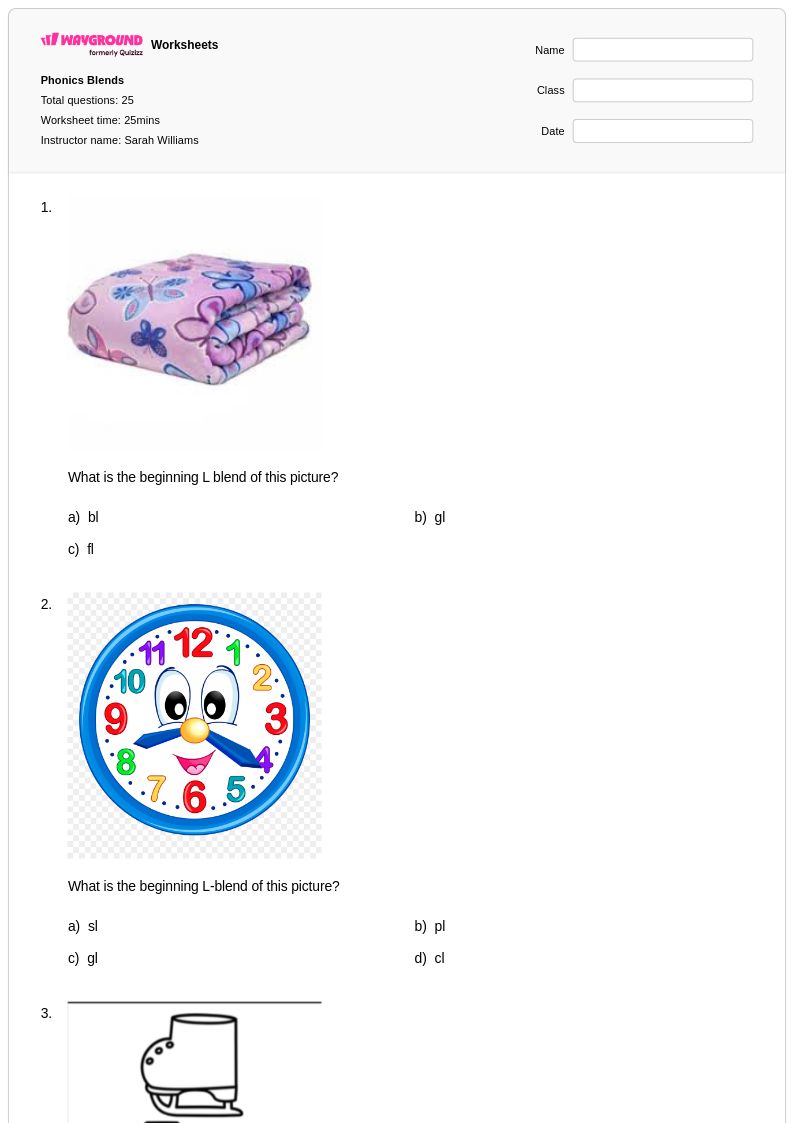
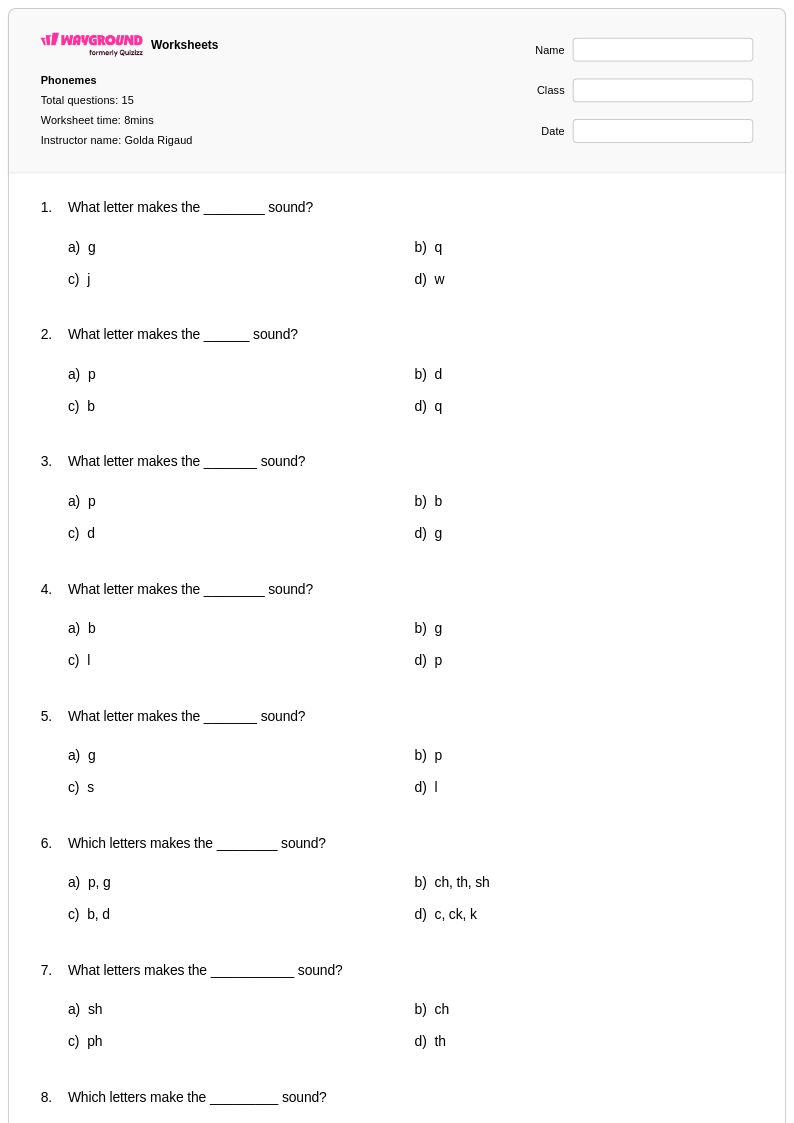
Phoneme blending worksheets for Class 1 students available through Wayground provide essential foundational practice for developing early reading skills. These comprehensive resources help young learners master the critical ability to combine individual sounds into complete words, supporting their journey from phonemic awareness to fluent reading. The carefully designed practice problems guide students through systematic blending exercises, starting with simple consonant-vowel combinations and progressing to more complex phonetic patterns. Each printable worksheet includes structured activities that reinforce sound-to-letter relationships, and teachers can access complete answer keys to support accurate assessment and immediate feedback. These free educational materials offer engaging formats that maintain student interest while building the neural pathways necessary for automatic word recognition and decoding skills.
Wayground's extensive collection of teacher-created phoneme blending resources supports educators with millions of high-quality worksheets specifically designed for Class 1 phonics instruction. The platform's robust search and filtering capabilities allow teachers to quickly locate materials aligned with specific learning standards and differentiate instruction based on individual student needs. These versatile resources are available in both digital and printable PDF formats, enabling seamless integration into diverse classroom environments and instructional approaches. Teachers can customize worksheets to target specific phonetic patterns, adjust difficulty levels for remediation or enrichment purposes, and create focused skill practice sessions that address gaps in phonemic awareness. This comprehensive toolkit streamlines lesson planning while providing the flexibility needed to support all learners in developing strong foundational reading abilities through systematic phoneme blending practice.
FAQs
How do I teach phoneme blending to early readers?
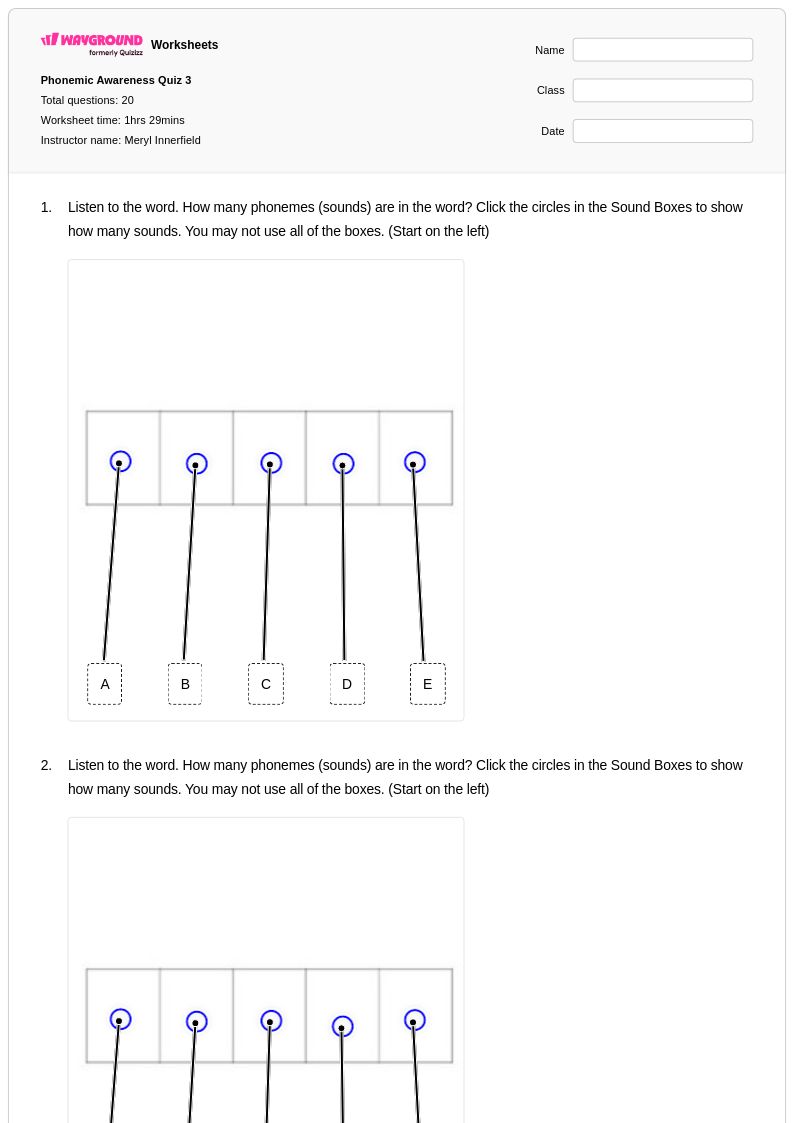
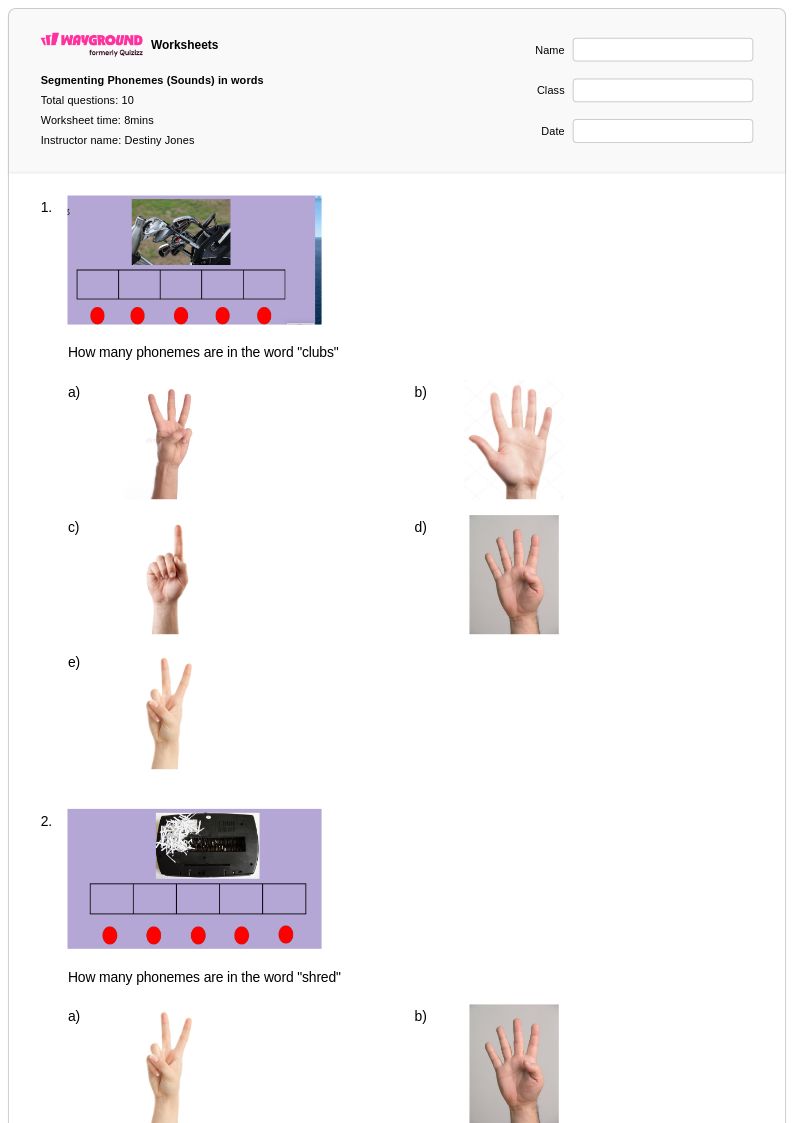
Phoneme blending is best taught through explicit, sequential instruction that starts with two-sound (VC or CV) words before moving to consonant blends and multisyllabic words. Teachers typically model the process aloud — saying each sound in isolation and then pushing them together — before guiding students through the same steps with support. Using visual supports such as sound boxes or colored tiles alongside oral practice helps students see the blending process as well as hear it. Consistent, short daily practice sessions are more effective than infrequent longer ones for building automaticity.
What exercises help students practice phoneme blending?
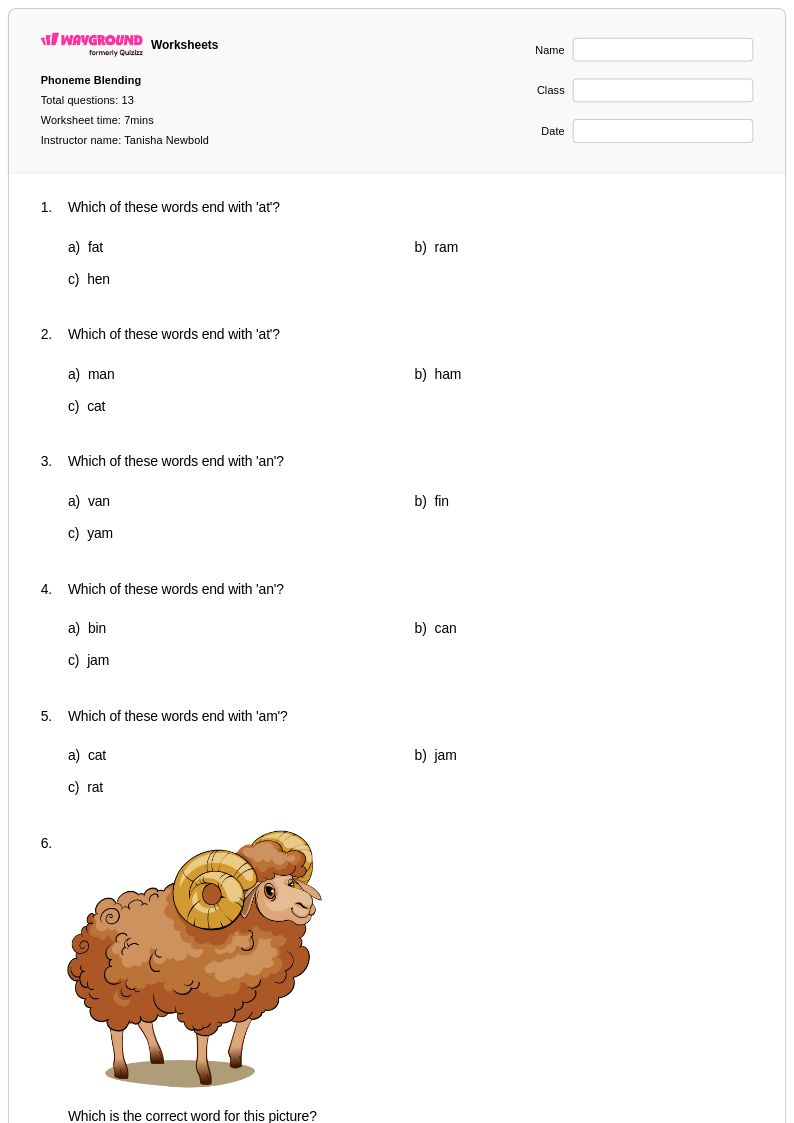
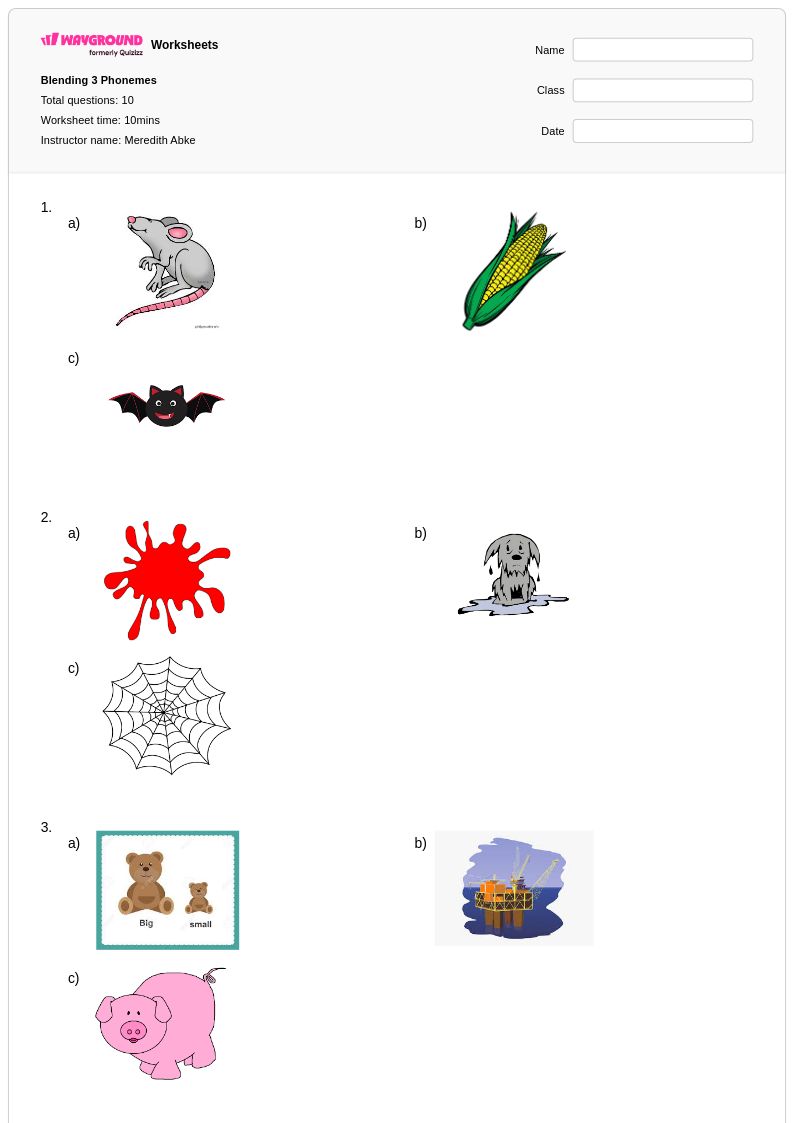
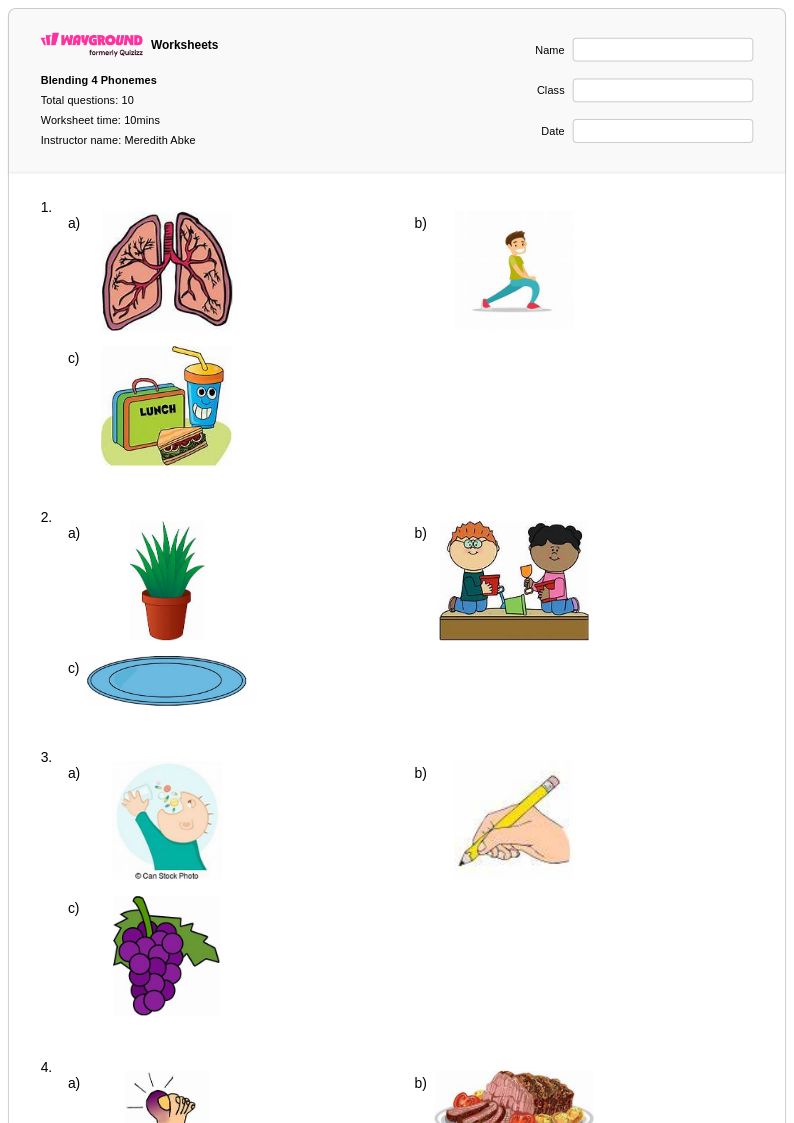
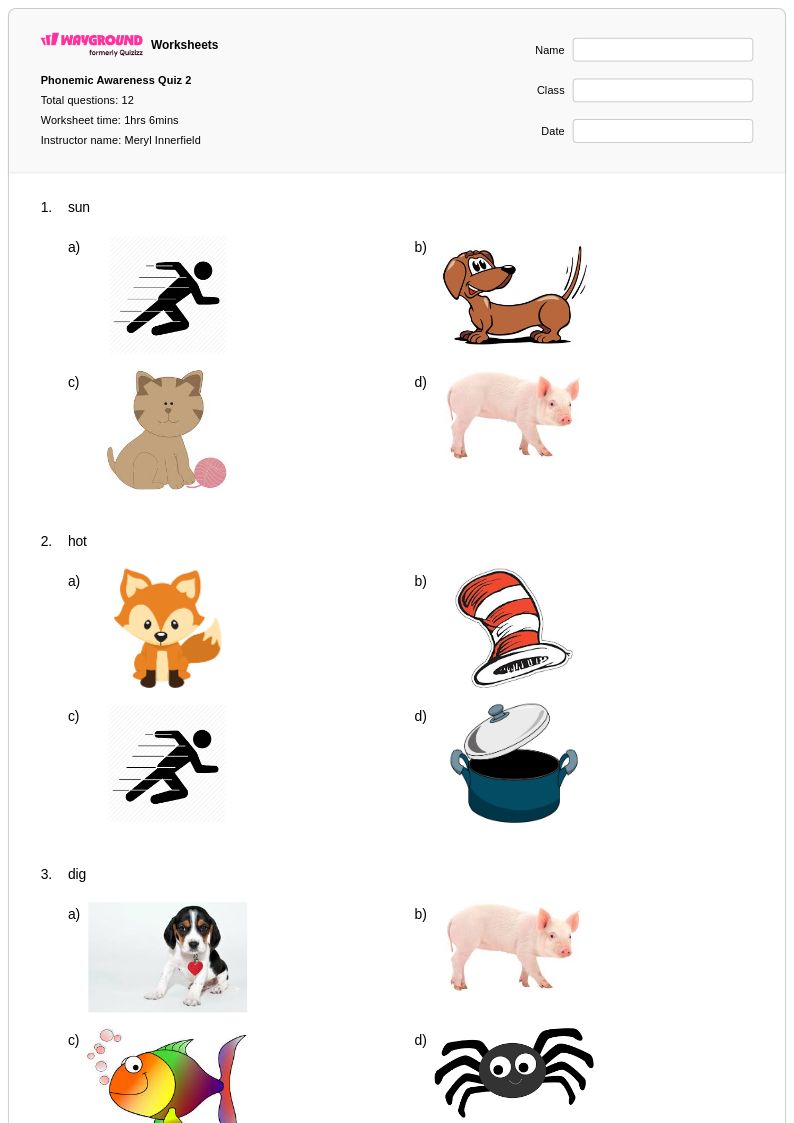
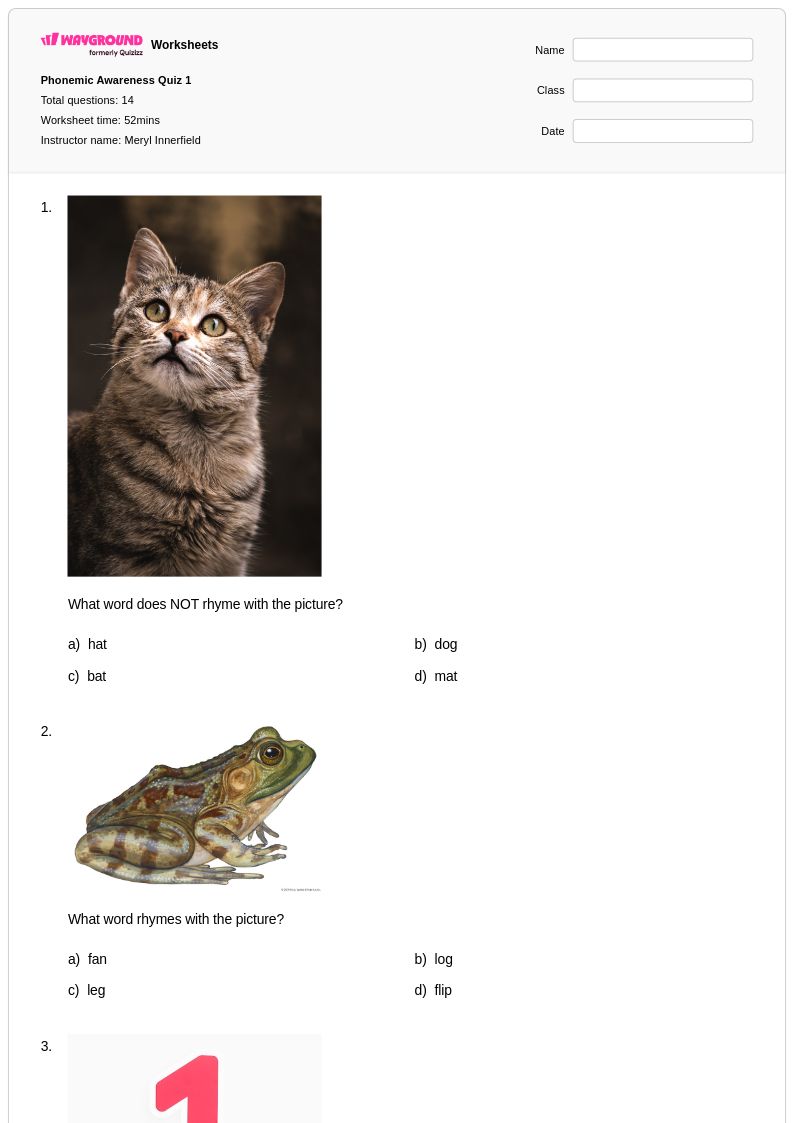
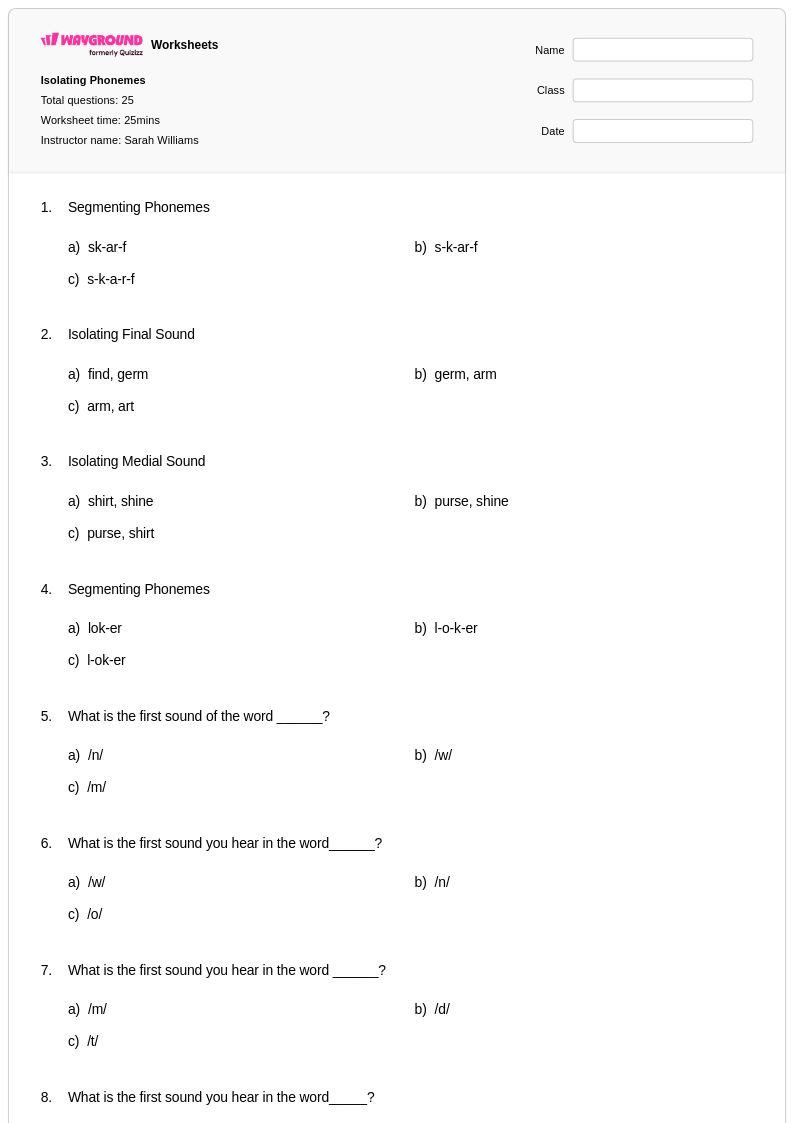
Effective phoneme blending practice includes segmenting-and-blending drills, picture-matching tasks where students blend spoken sounds and identify the corresponding image, and written exercises where students blend phonemes to form and write complete words. Progressing from simple CVC words to consonant clusters and then multisyllabic words ensures students are consistently challenged as their skills develop. Worksheets that incorporate both auditory and visual cues are especially useful for reinforcing the connection between sounds and print.
What mistakes do students commonly make when blending phonemes?
One of the most common errors is adding a schwa sound after consonants — pronouncing /b/ as 'buh' — which distorts the blended word and makes it harder to recognize. Students also frequently blend only the first two phonemes and then stop, failing to carry the blend through the entire word. Another common mistake is reversing phoneme order, particularly in words with blends like 'str' or 'spl'. Targeted practice with these specific patterns, along with immediate corrective feedback, helps students self-monitor and correct these errors over time.
How can I differentiate phoneme blending practice for students at different skill levels?
Differentiation in phoneme blending means adjusting both the complexity of the words used and the level of support provided. Struggling readers benefit from starting with two-phoneme words and using manipulatives or sound boxes, while on-level students can work with CVC and CCVC words independently. Advanced students can be challenged with multisyllabic words and compound words. On Wayground, teachers can apply individual accommodations such as Read Aloud support, reduced answer choices, and extended time for students who need additional scaffolding, while other students receive standard settings without disruption.
How do I use Wayground's phoneme blending worksheets in my classroom?
Wayground's phoneme blending worksheets are available as printable PDFs for traditional classroom use and in digital formats for technology-integrated or remote learning environments, giving teachers flexibility regardless of their setup. Teachers can also host a worksheet directly as a quiz on Wayground, enabling real-time student responses and immediate feedback. Each worksheet includes a complete answer key, making it straightforward to review responses and identify students who need additional support. The digital format is particularly useful for assigning independent practice or reinforcing skills in a small-group rotation.
At what age or grade level should students be working on phoneme blending?
Phoneme blending is a foundational phonemic awareness skill typically introduced in kindergarten and developed through first and second grade as part of systematic phonics instruction. Students who have not yet mastered blending by second grade may need targeted intervention, as the skill directly underpins decoding and reading fluency. For students receiving reading support or remediation at higher grade levels, phoneme blending practice can still be appropriate and necessary to address gaps before advancing to more complex word study.