Free Printable Photograph Analysis Worksheets for Class 3
Class 3 photograph analysis worksheets help students develop critical reading comprehension skills by examining visual details, making inferences, and drawing conclusions through engaging printable activities with complete answer keys.
Explore printable Photograph Analysis worksheets for Class 3
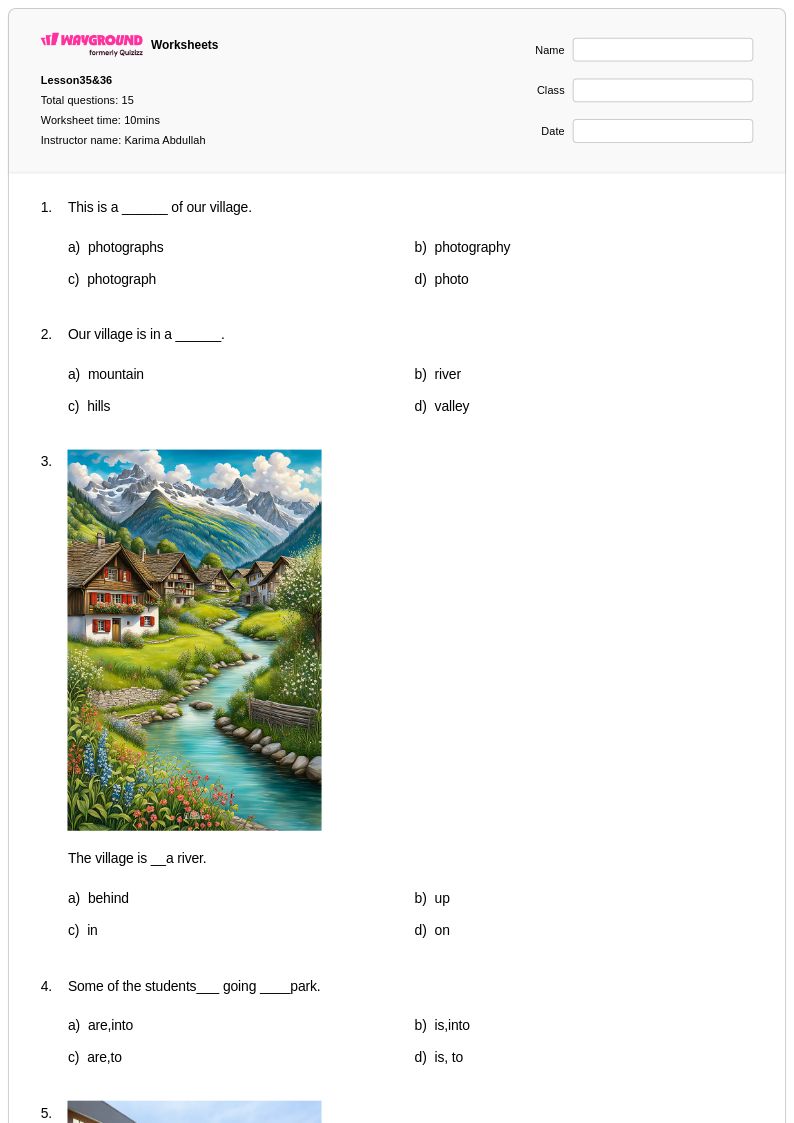
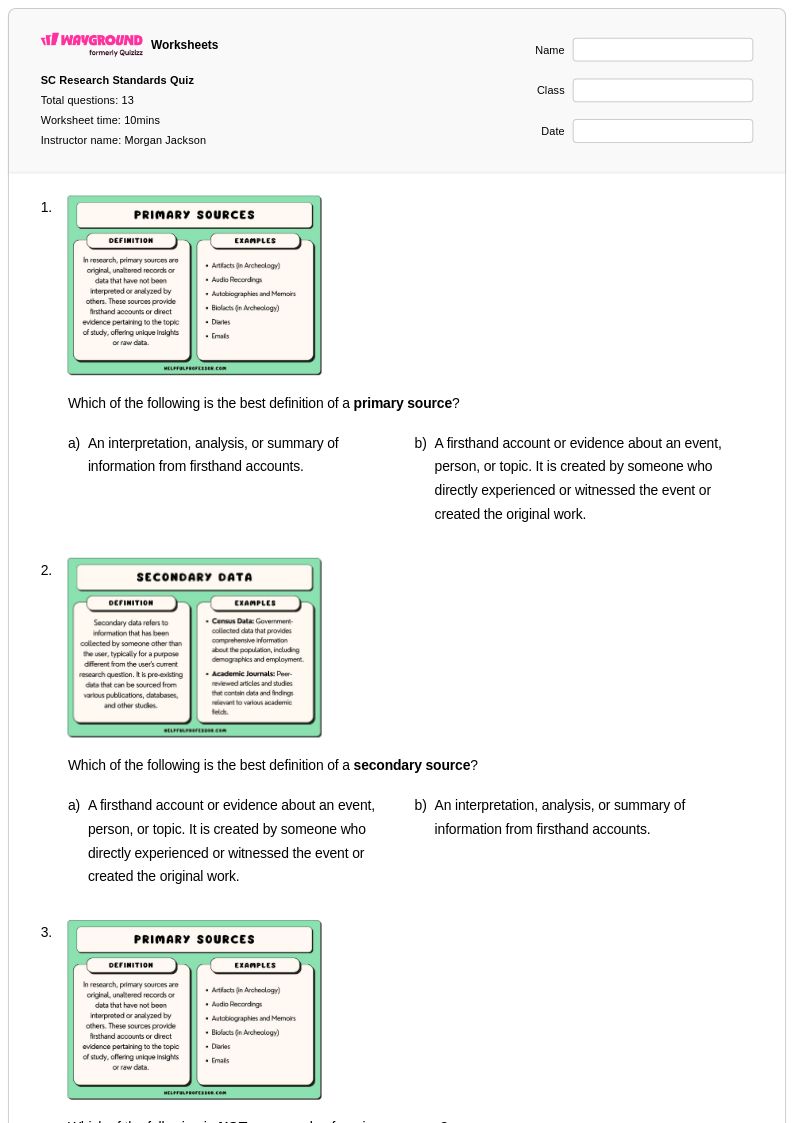
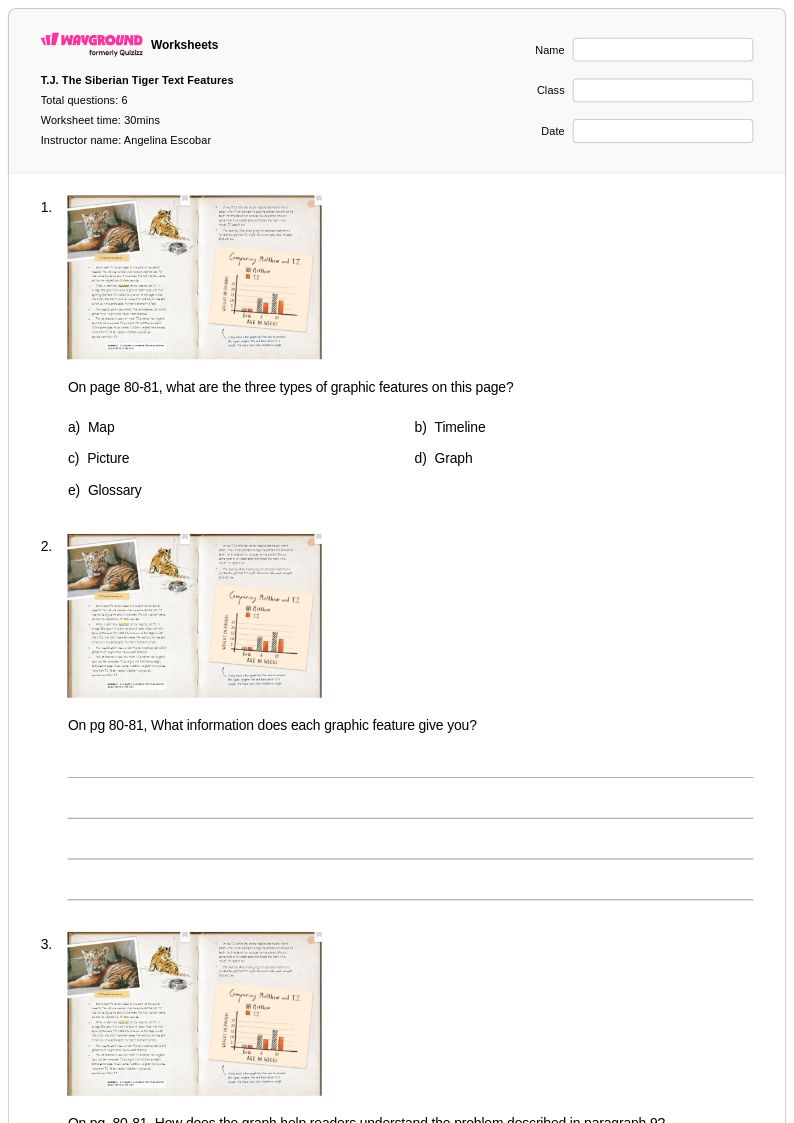
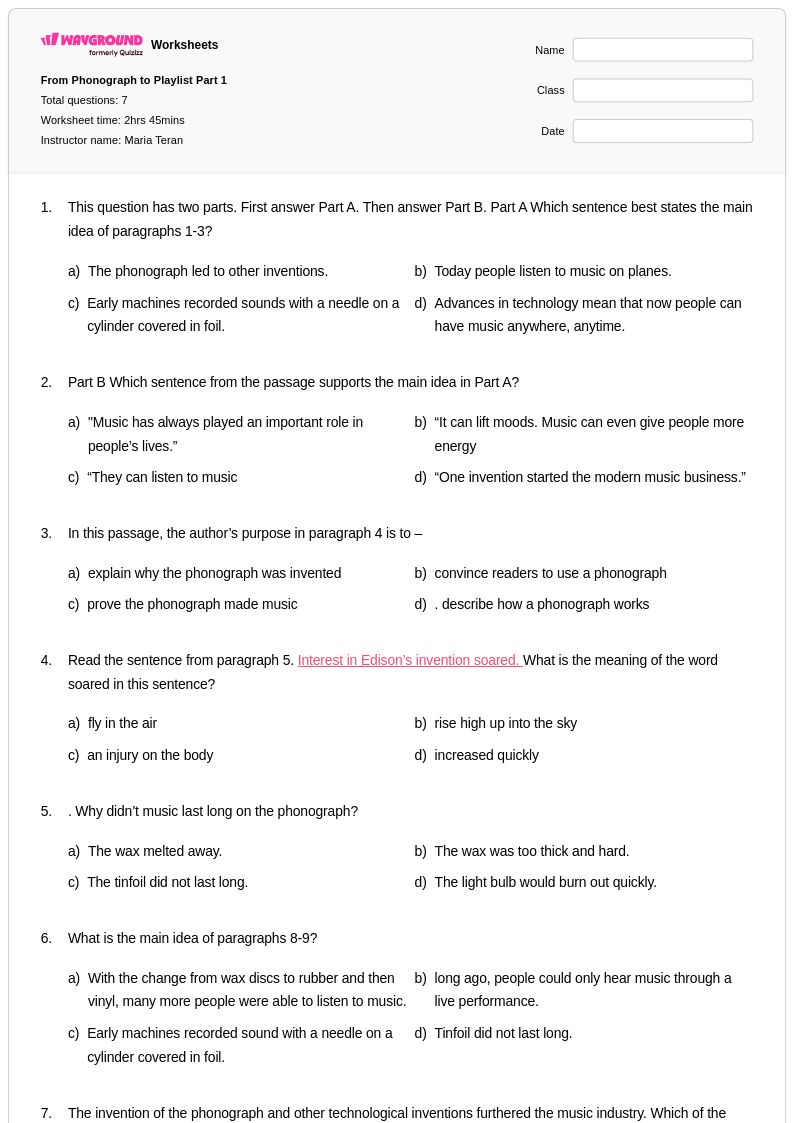
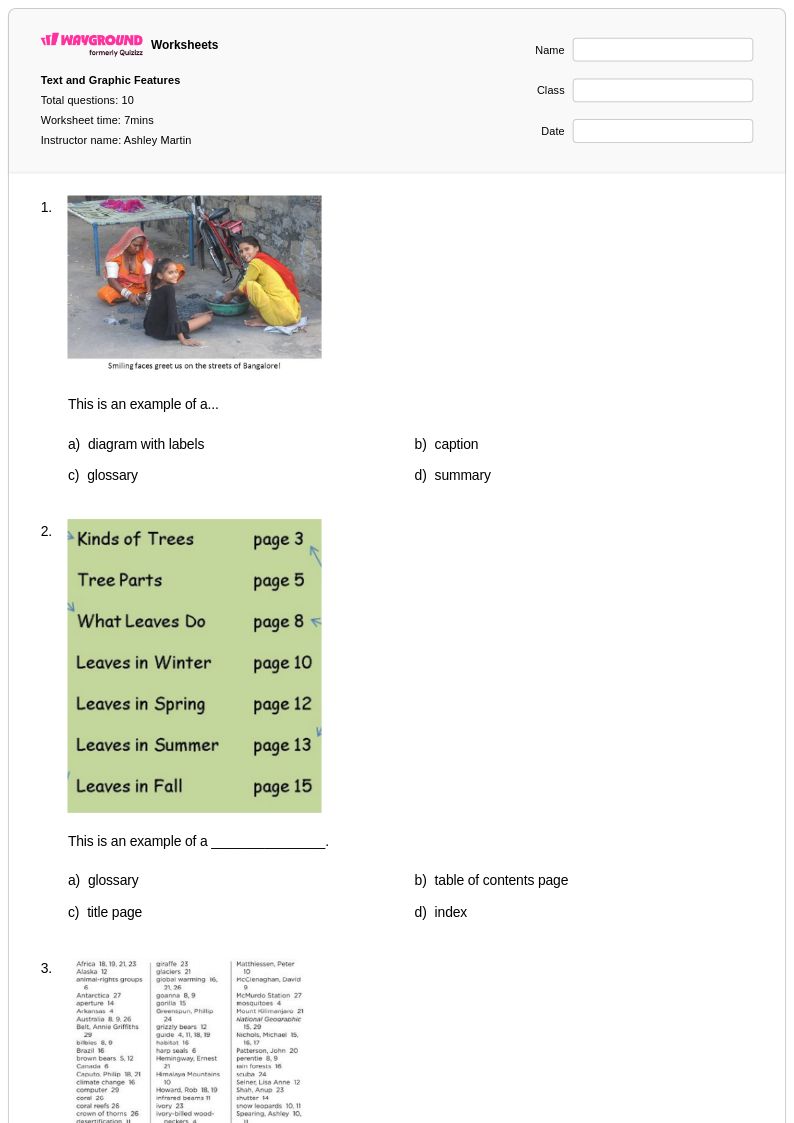
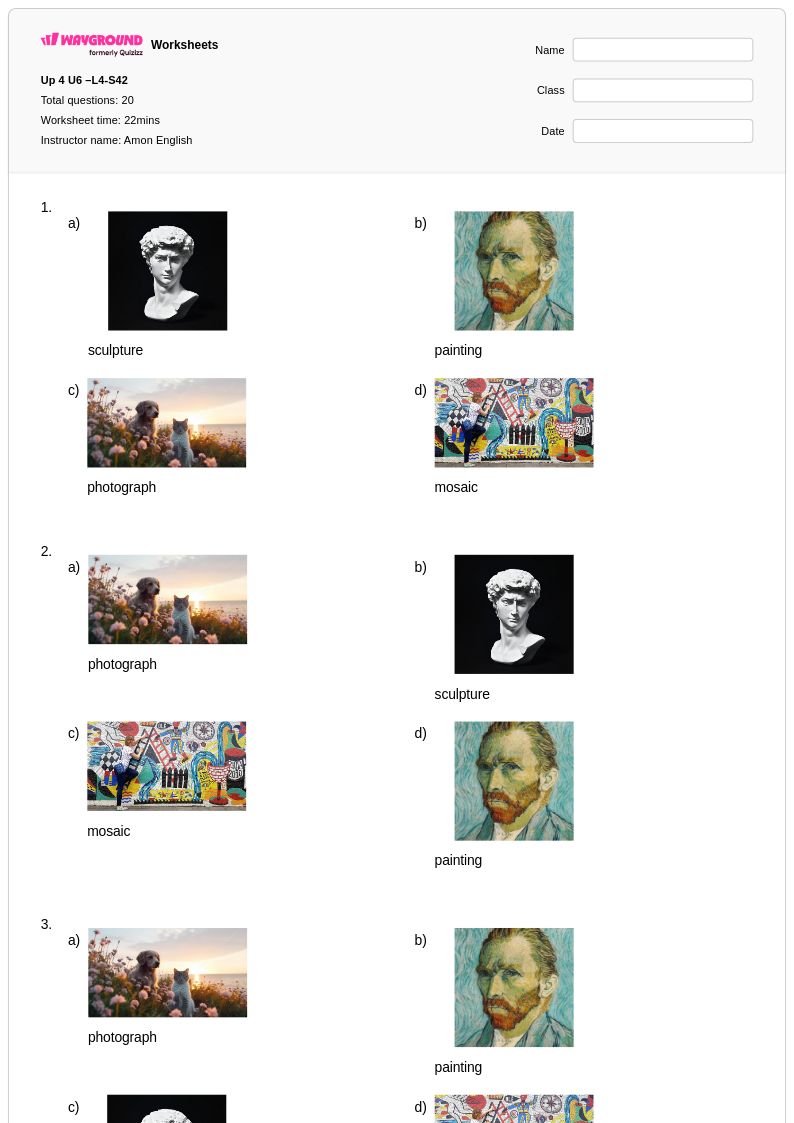
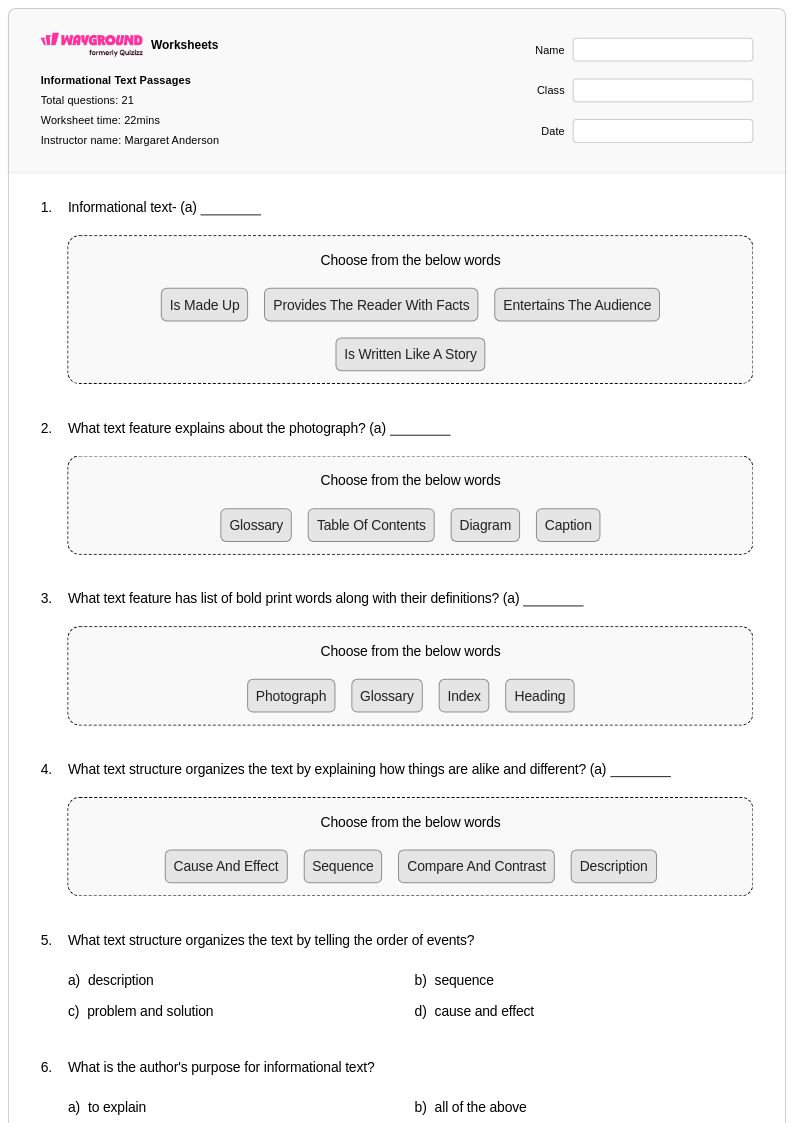
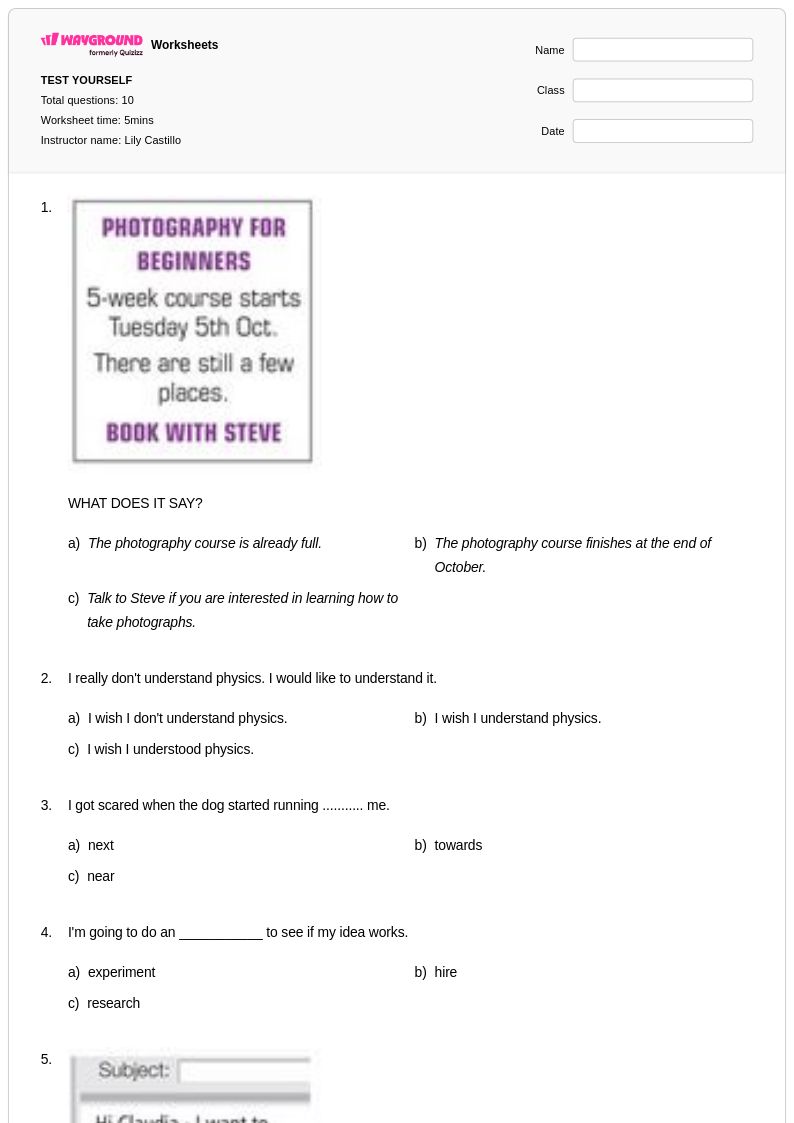
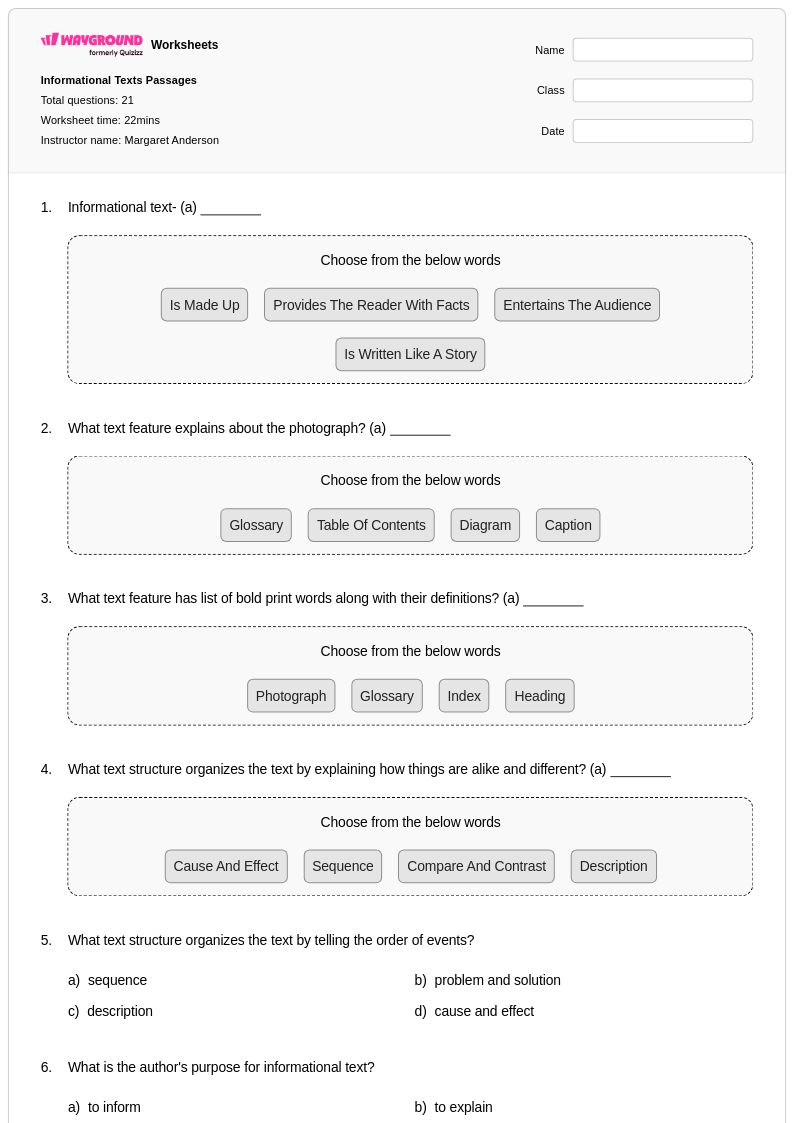
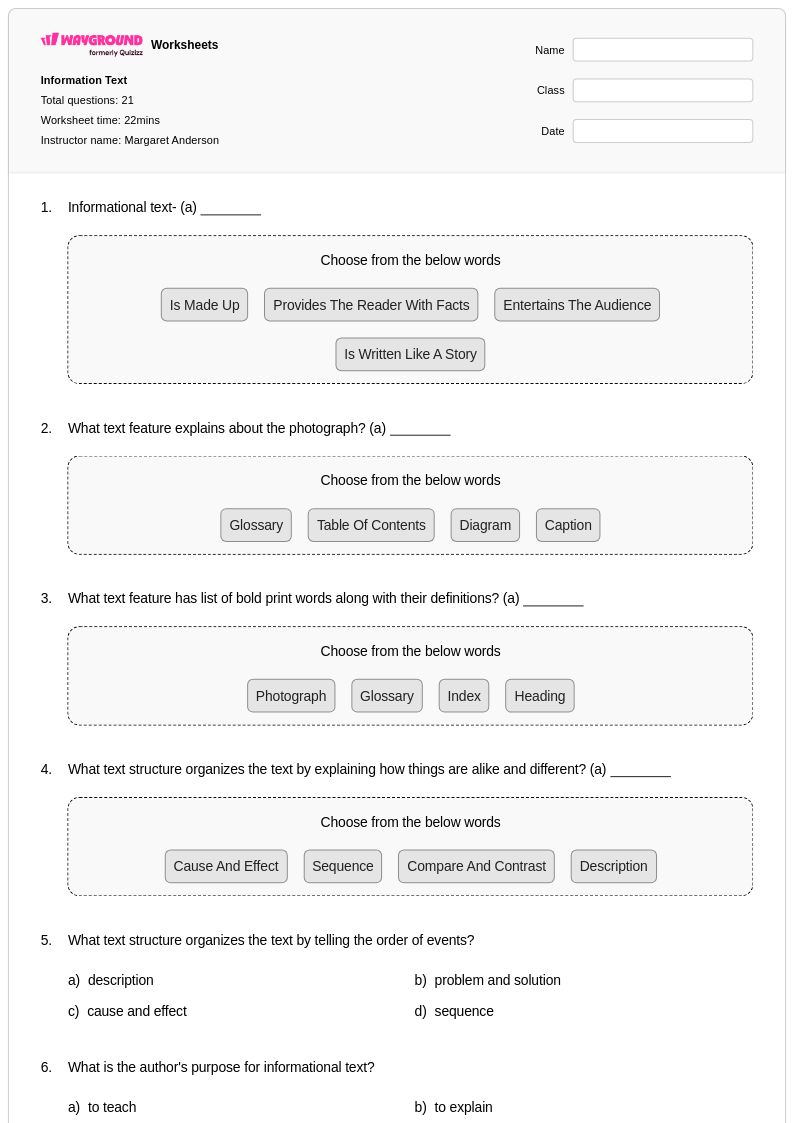
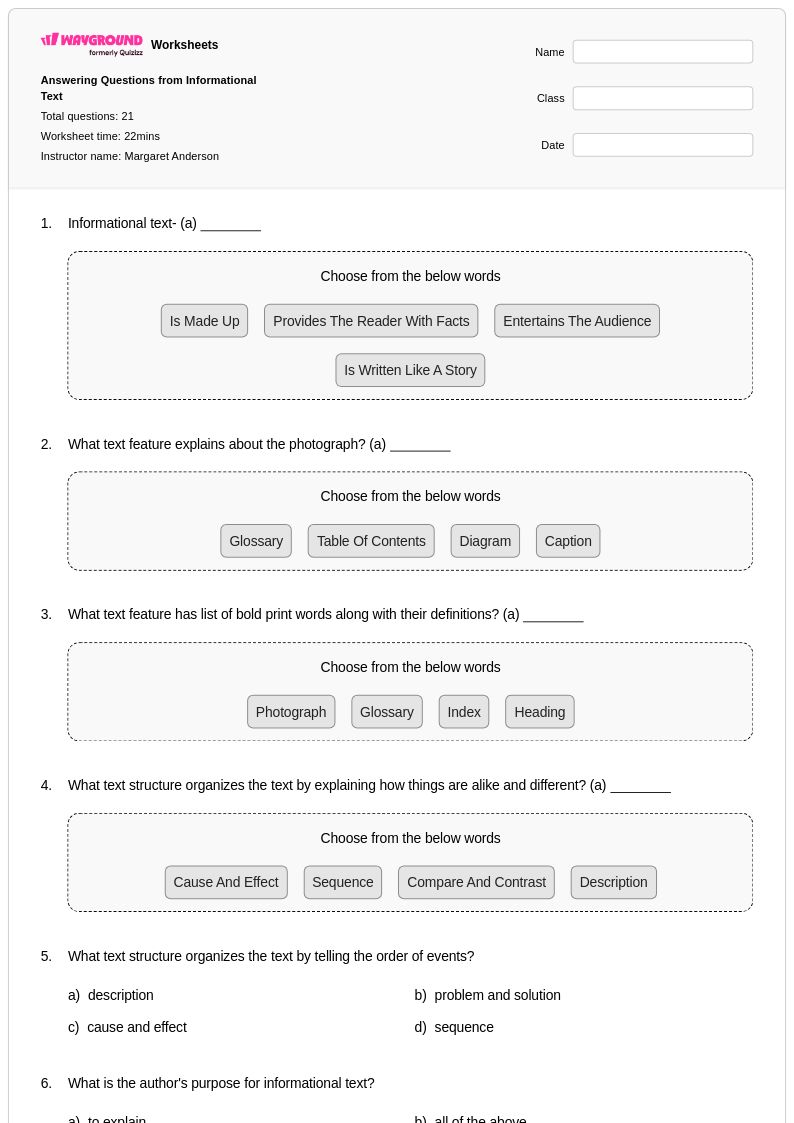
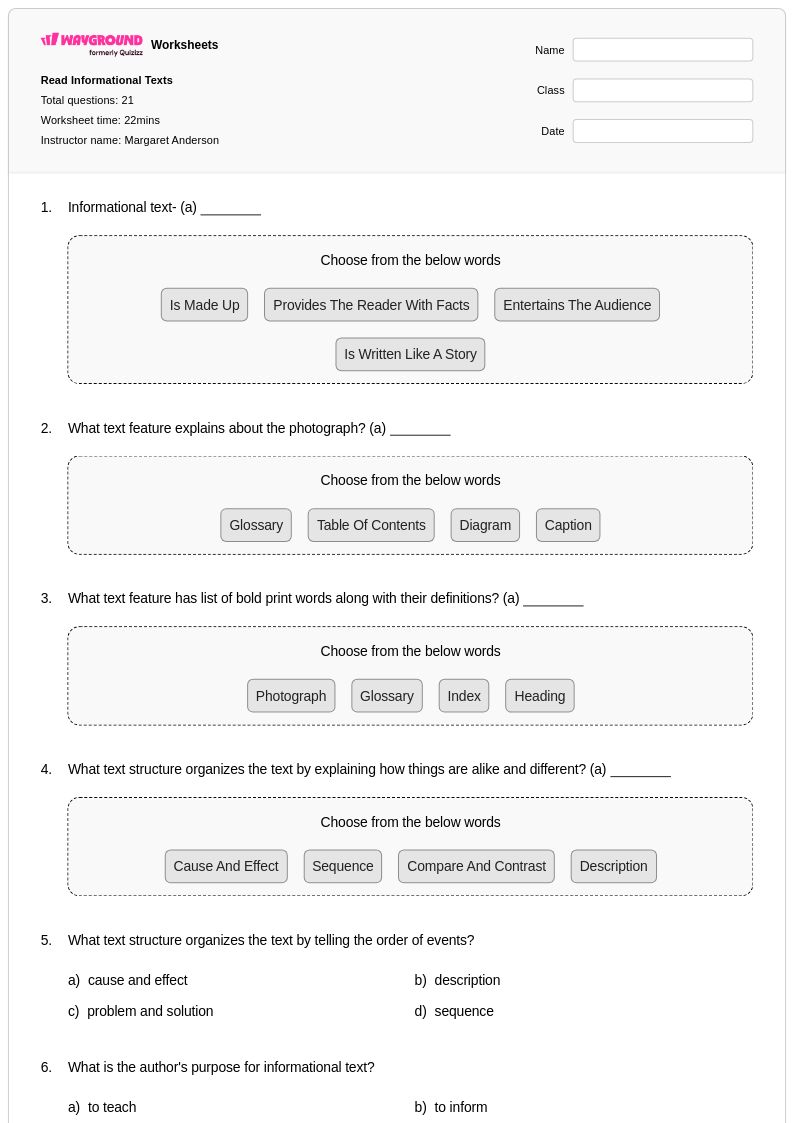
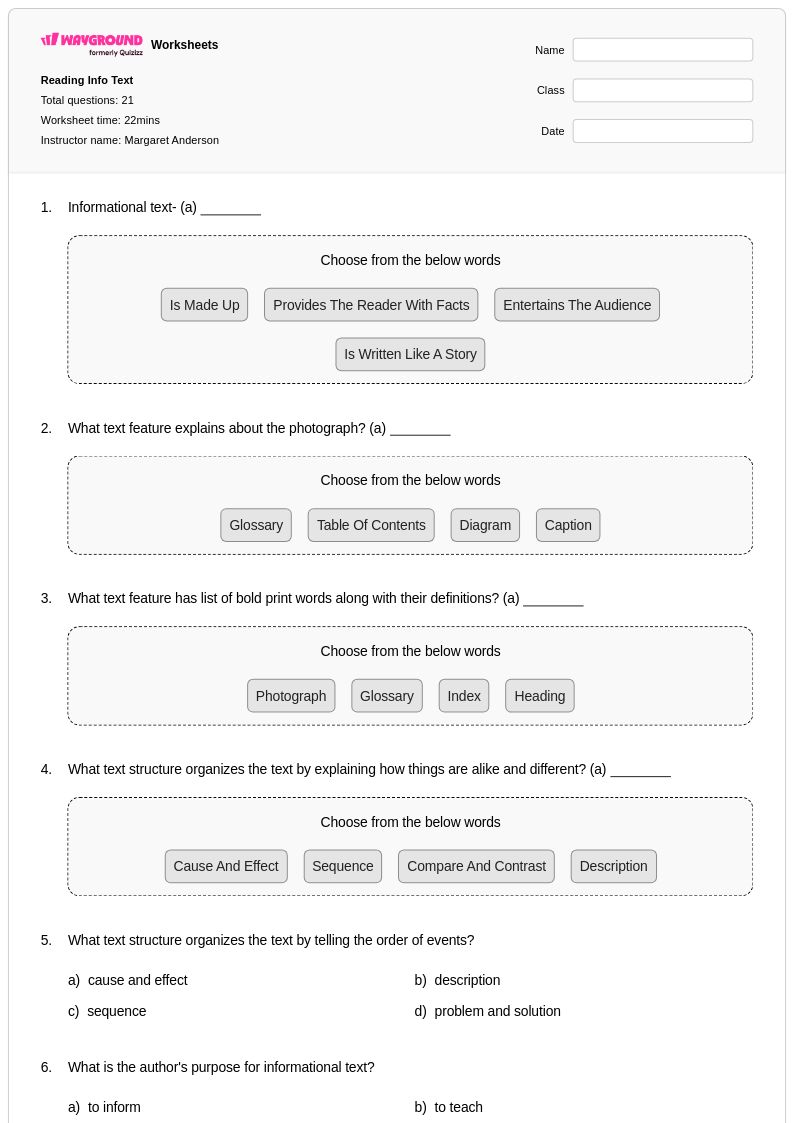
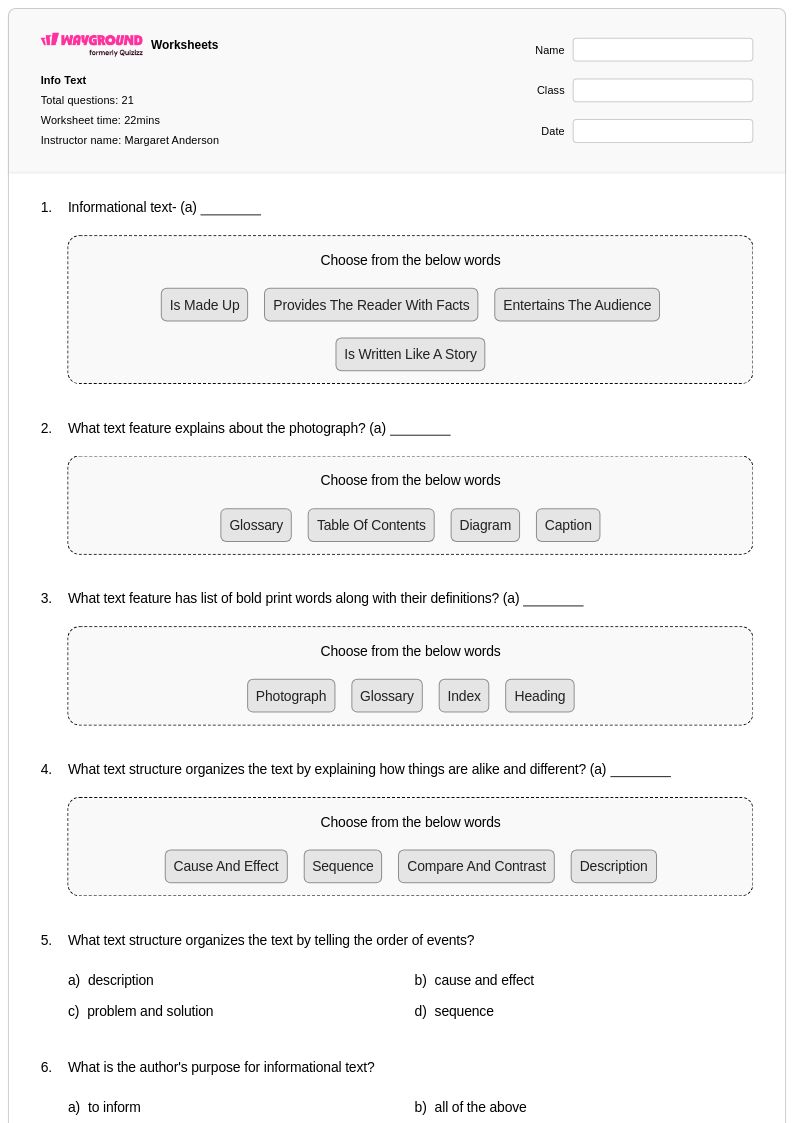
Photograph analysis worksheets for Class 3 students available through Wayground (formerly Quizizz) provide essential practice in developing visual literacy and reading comprehension skills. These carefully designed printables help young learners examine photographs systematically, encouraging them to observe details, make inferences, and draw conclusions based on visual evidence. Students work through structured practice problems that guide them to identify key elements such as setting, subjects, emotions, and context clues within photographs, building critical thinking abilities that transfer directly to text-based reading comprehension. Each worksheet includes a comprehensive answer key and is available as a free pdf download, making it simple for educators to incorporate visual analysis into their reading instruction while supporting students who learn best through multiple modalities.
Wayground (formerly Quizizz) empowers teachers with access to millions of educator-created worksheet resources specifically designed for photograph analysis and reading comprehension instruction. The platform's robust search and filtering capabilities allow teachers to quickly locate materials aligned with curriculum standards and appropriate for Class 3 reading levels, while differentiation tools enable customization for diverse learner needs. Teachers can easily modify existing worksheets or create original materials that support both remediation for struggling readers and enrichment for advanced students, with all resources available in both printable and digital formats including downloadable pdf files. This comprehensive collection streamlines lesson planning by providing ready-to-use practice materials that help students develop essential visual analysis skills while strengthening their overall reading comprehension abilities through engaging, age-appropriate photograph interpretation activities.
FAQs
How do I teach students to analyze photographs in the classroom?
Start by introducing a structured observation framework: have students first describe what they literally see, then infer meaning, and finally connect the image to broader context or evidence. Teach students to examine compositional choices such as framing, lighting, and subject placement as deliberate decisions that shape meaning. Modeling the process with a high-interest photograph before asking students to work independently builds confidence and clarifies expectations. Over time, students should practice applying this same framework across different types of photographs, including historical images, photojournalism, and scientific documentation.
What exercises help students practice photograph analysis skills?
Structured practice exercises that progress from basic observation to complex interpretation are most effective for building photograph analysis skills. Students benefit from worksheets that prompt them to identify compositional elements, analyze perspective and bias, consider historical or cultural context, and connect visual content to written sources. Practice problems that ask students to compare two photographs on the same subject develop higher-order thinking by requiring students to articulate differences in point of view and intended audience.
What mistakes do students commonly make when analyzing photographs?
The most common error is treating a photograph as an objective record rather than a constructed image shaped by the photographer's choices and context. Students frequently describe only the literal content without inferring meaning, skipping the analytical layer entirely. Another frequent mistake is ignoring contextual information such as date, location, and photographer identity, which are essential for accurate interpretation. Students also tend to overlook elements like cropping, angle, and what is absent from the frame, all of which carry analytical significance.
How can photograph analysis support reading comprehension across subjects?
Photograph analysis builds the same inferential and evidence-based reasoning skills that students need to comprehend complex texts, making it a transferable strategy across ELA, history, science, and social studies. When students practice reading visual evidence systematically, they develop habits of close reading, contextual thinking, and perspective-taking that carry directly into textual analysis. Using photographs as primary sources in history or science classes gives students a concrete entry point into interpreting evidence before engaging with written documents.
How do I use Wayground's photograph analysis worksheets in my classroom?
Wayground's photograph analysis worksheets are available as printable PDFs for traditional classroom use and in digital formats for technology-integrated learning environments, so they can be deployed flexibly depending on your setup. Teachers can host the worksheets as a digital quiz on Wayground, which allows for structured, self-paced student practice. Each worksheet includes complete answer keys, making it straightforward to assess student responses and provide targeted feedback. Wayground also supports individual student accommodations such as read aloud, extended time, and reduced answer choices, which are especially useful when visual literacy tasks require additional scaffolding for diverse learners.
How do I differentiate photograph analysis instruction for students at different skill levels?
For students who are new to visual analysis, start with photographs that have clear, uncomplicated subjects and provide a guided observation checklist to scaffold the process. More advanced learners can be challenged with ambiguous or historically complex images that require deeper contextual research and inference. On Wayground, teachers can apply individual accommodations such as read aloud for students who need support processing written prompts, or reduced answer choices to lower cognitive load for students working on foundational skills, while other students work with standard settings.