
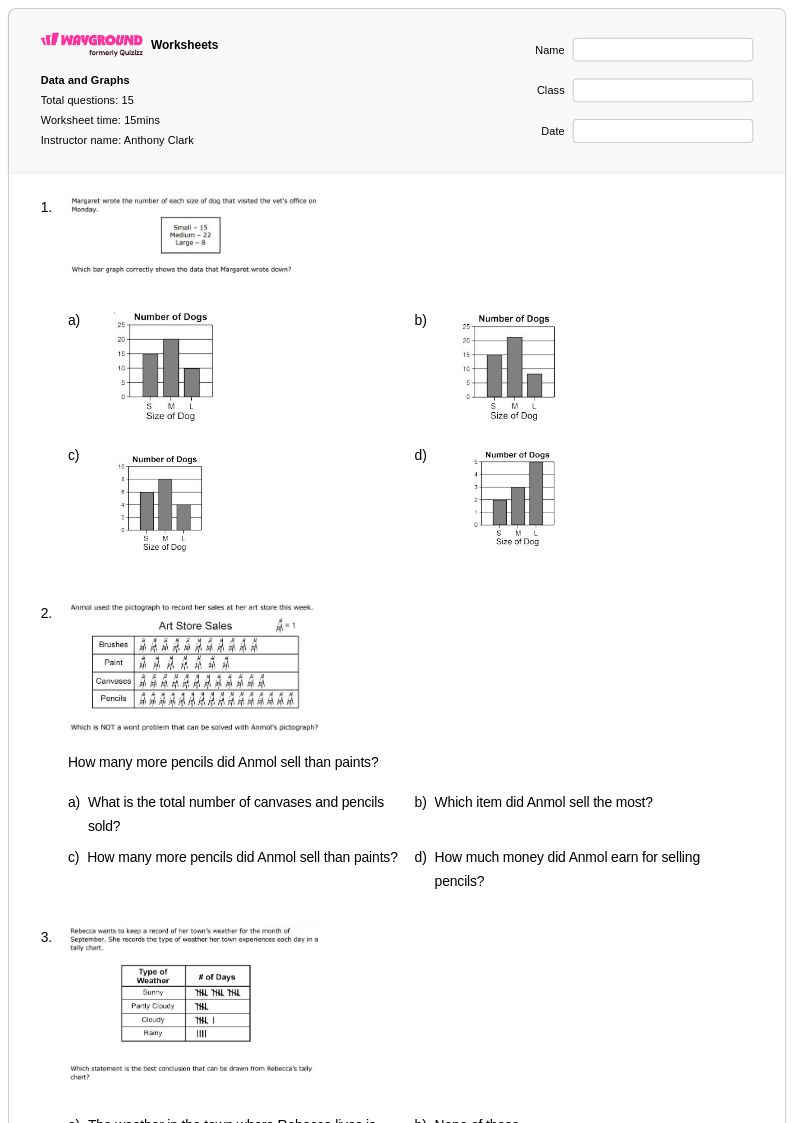
15Q
2nd - Uni
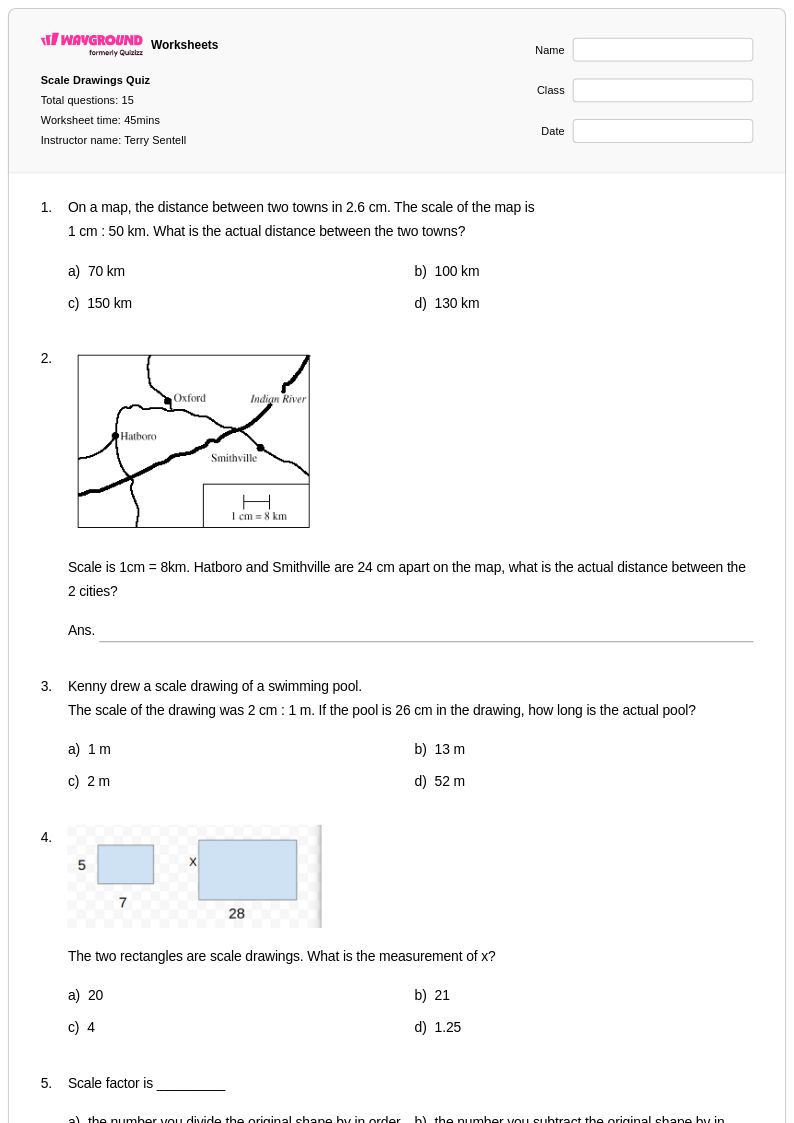
15Q
6th
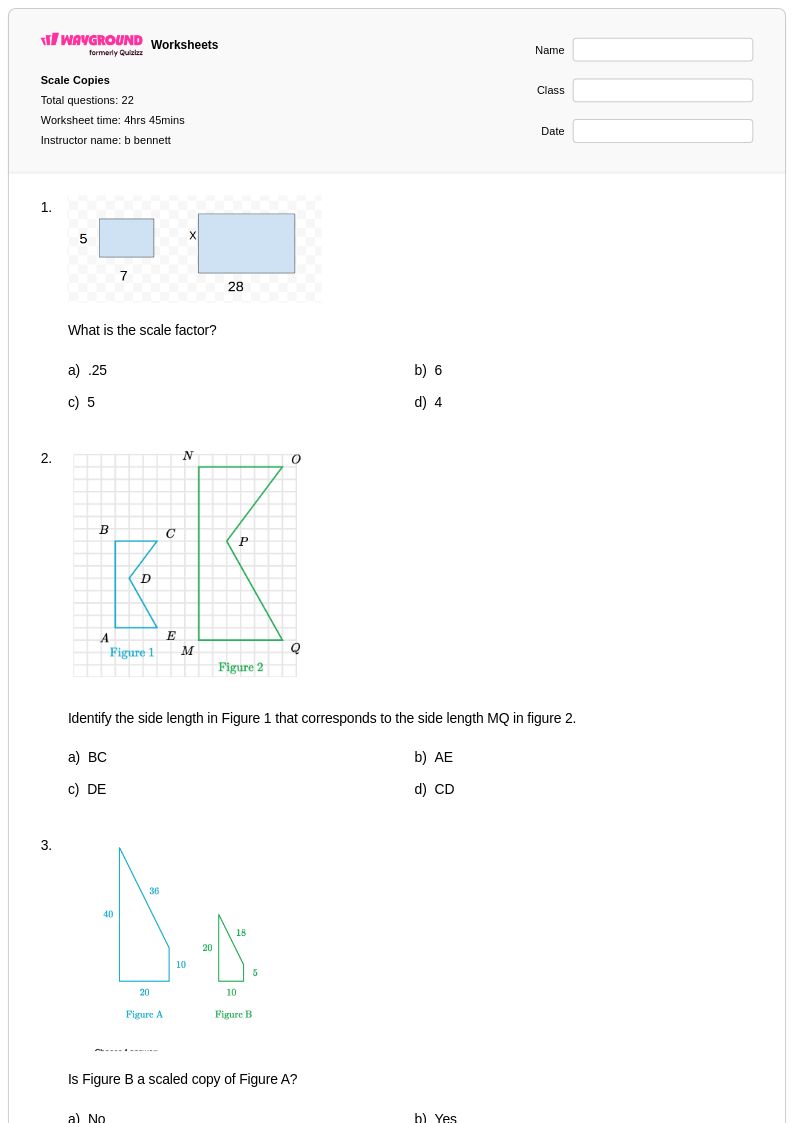
22Q
6th
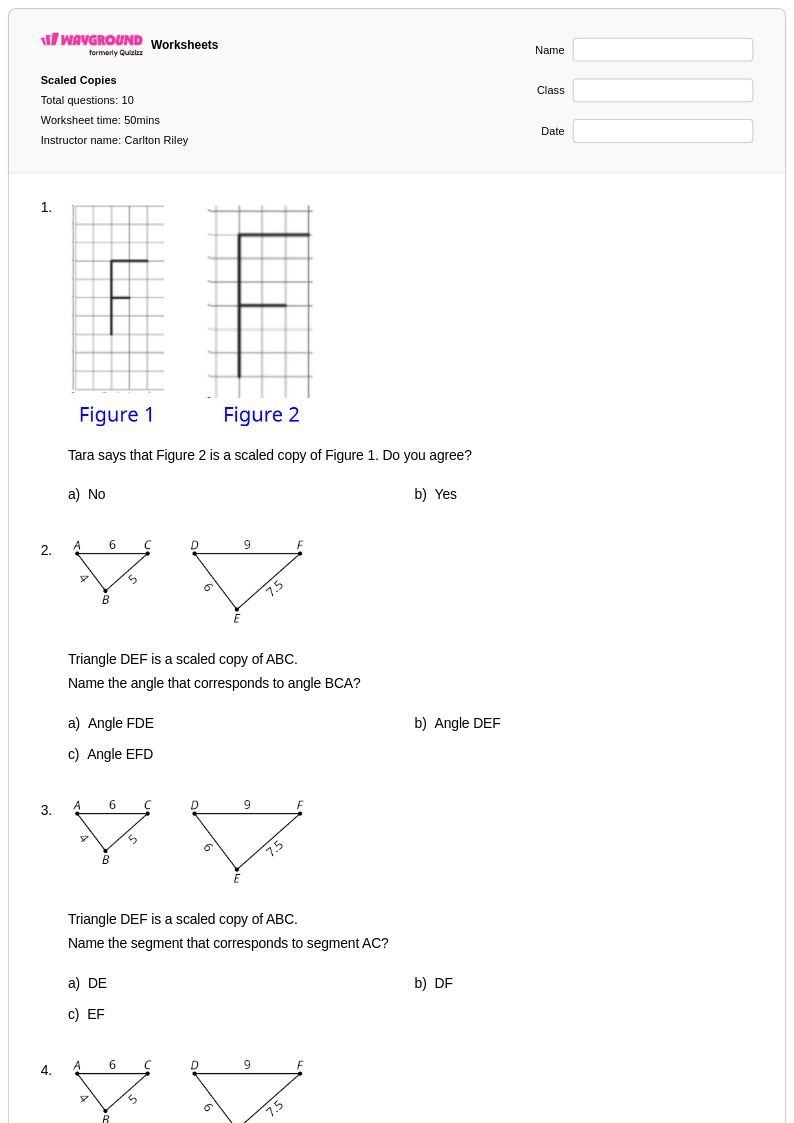
10Q
6th - 8th
10Q
6th
15Q
6th - 7th
10Q
6th
20Q
6th - Uni
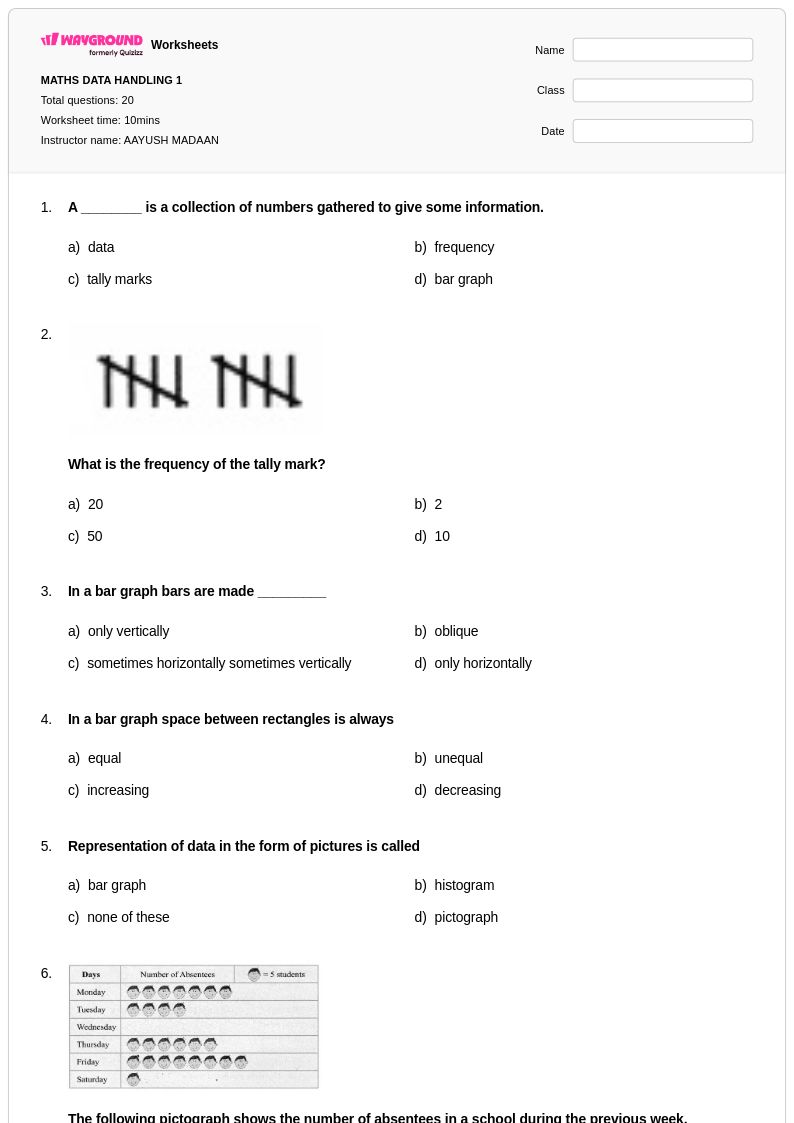
20Q
6th
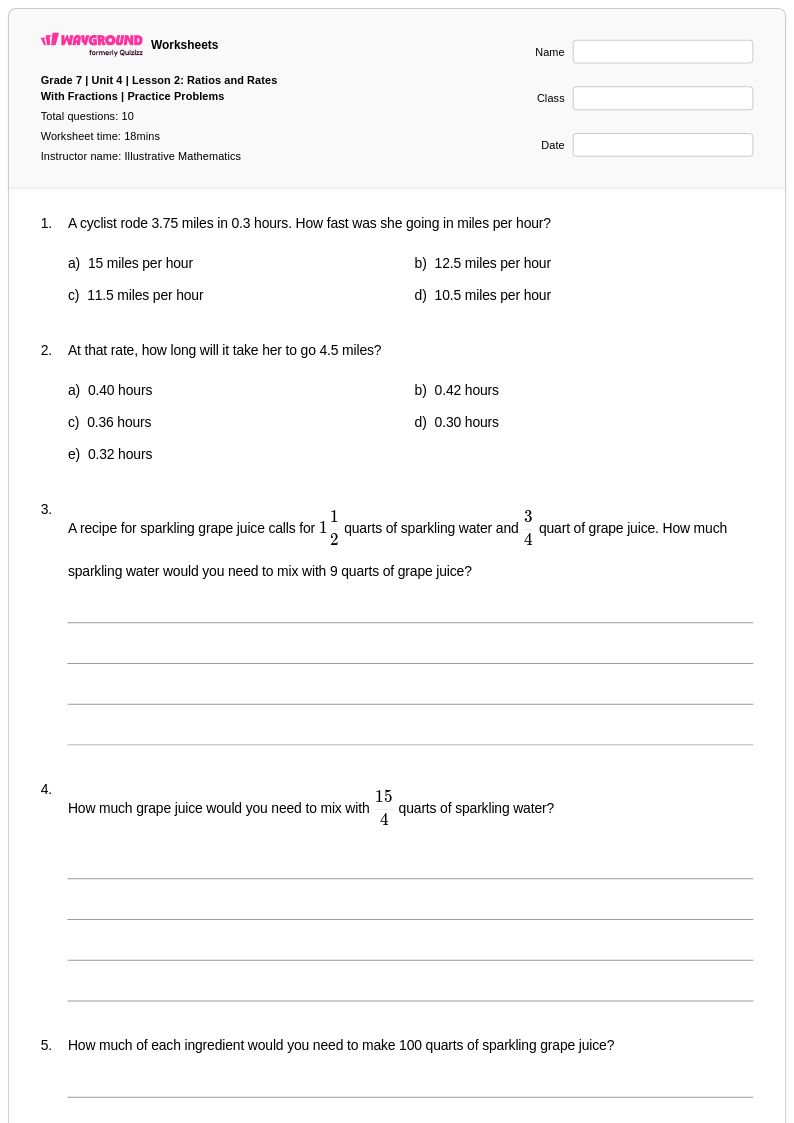
10Q
6th - Uni
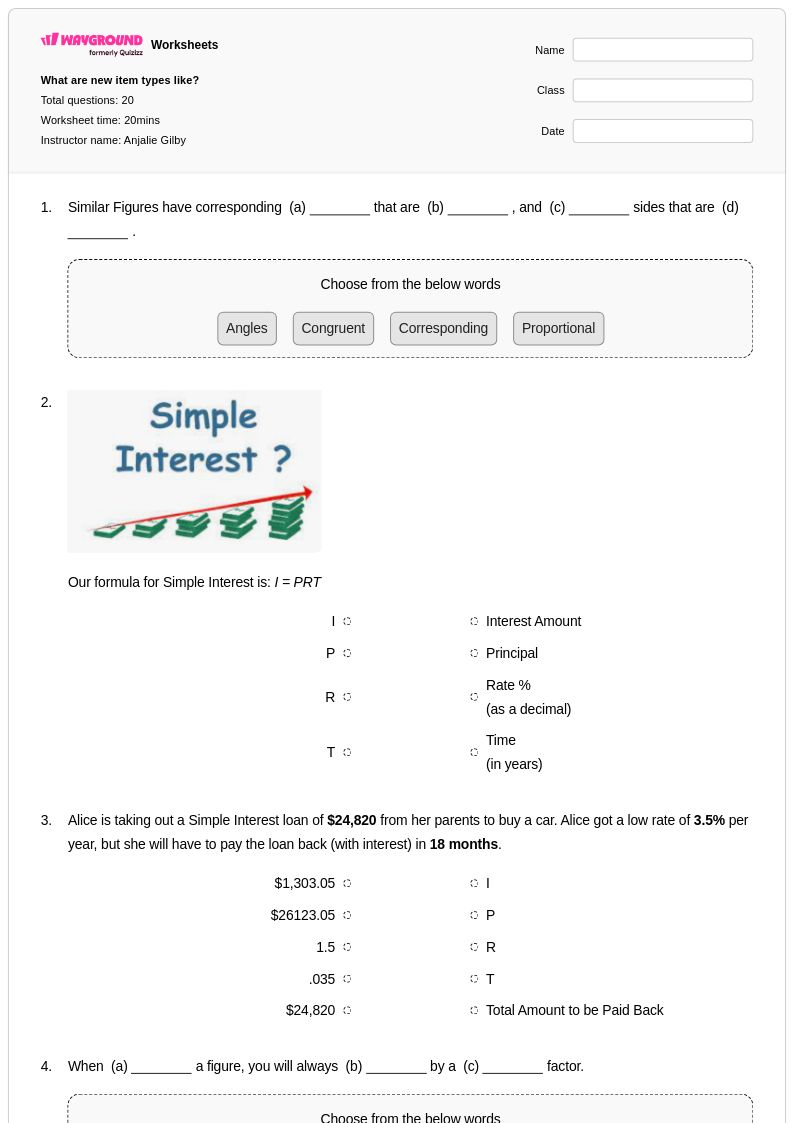
20Q
6th
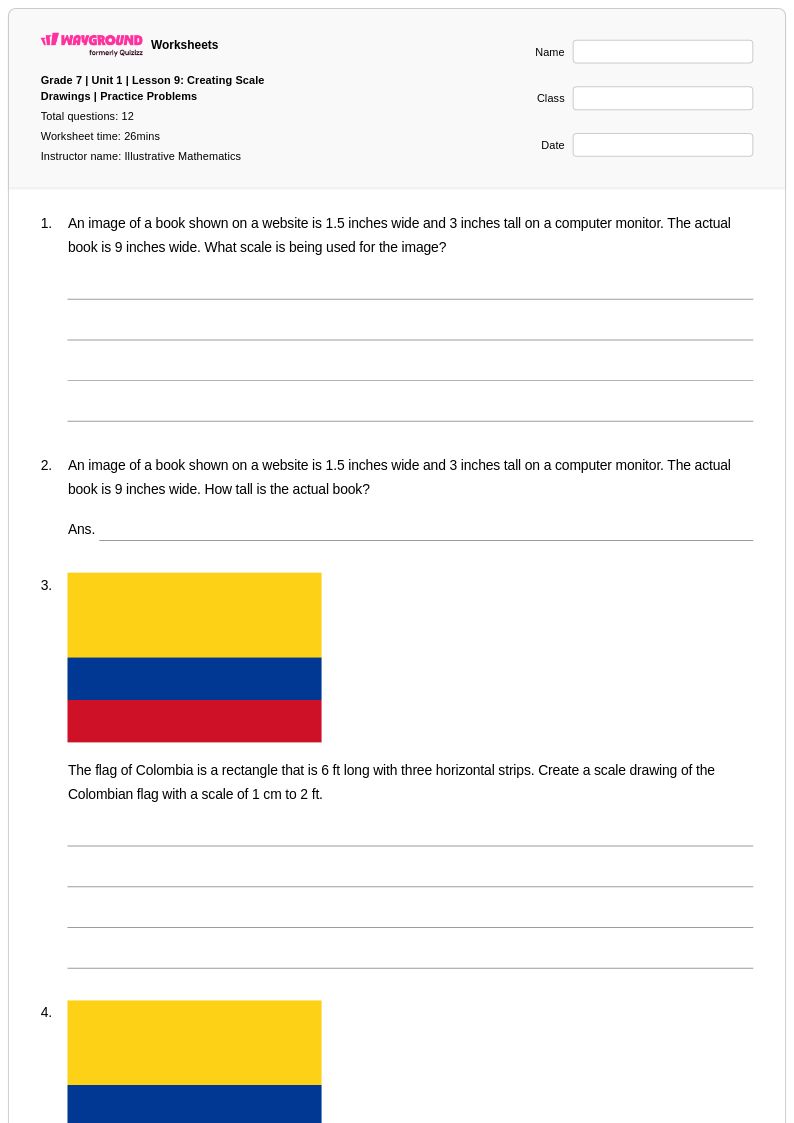
12Q
6th - Uni
10Q
6th - Uni

13Q
6th - 8th
10Q
7th
7Q
6th - Uni
59Q
6th
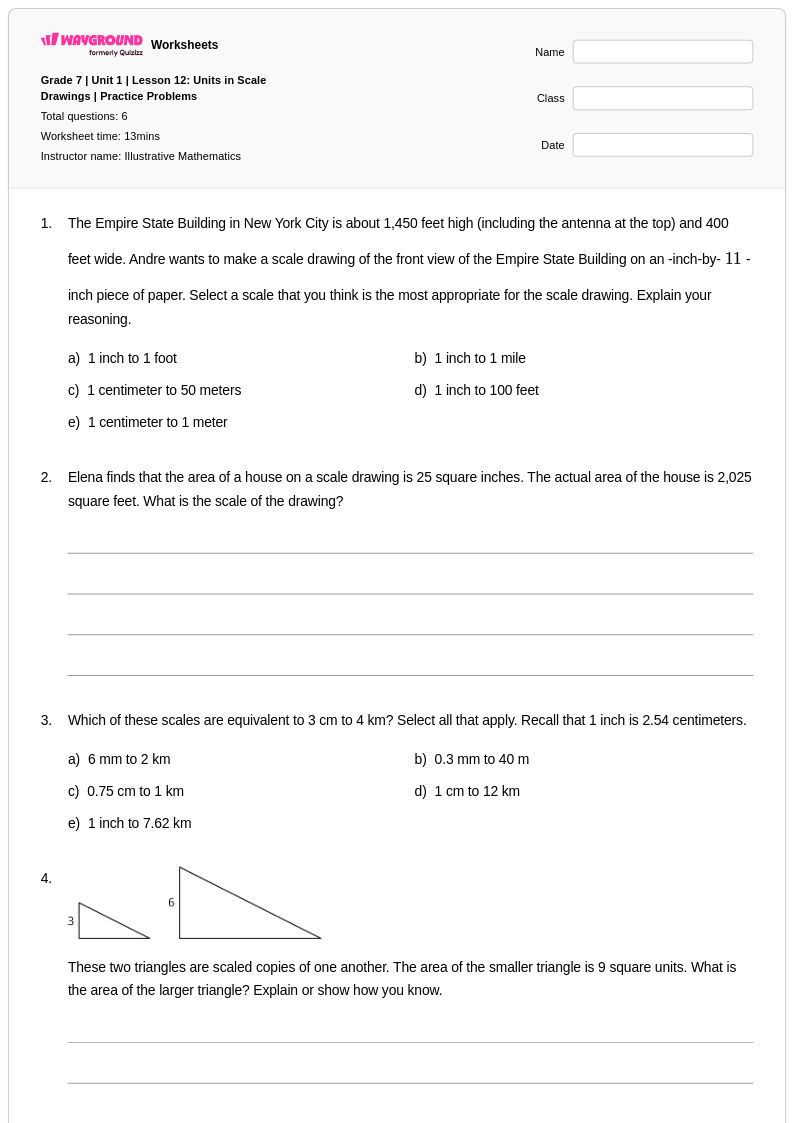
6Q
6th - Uni
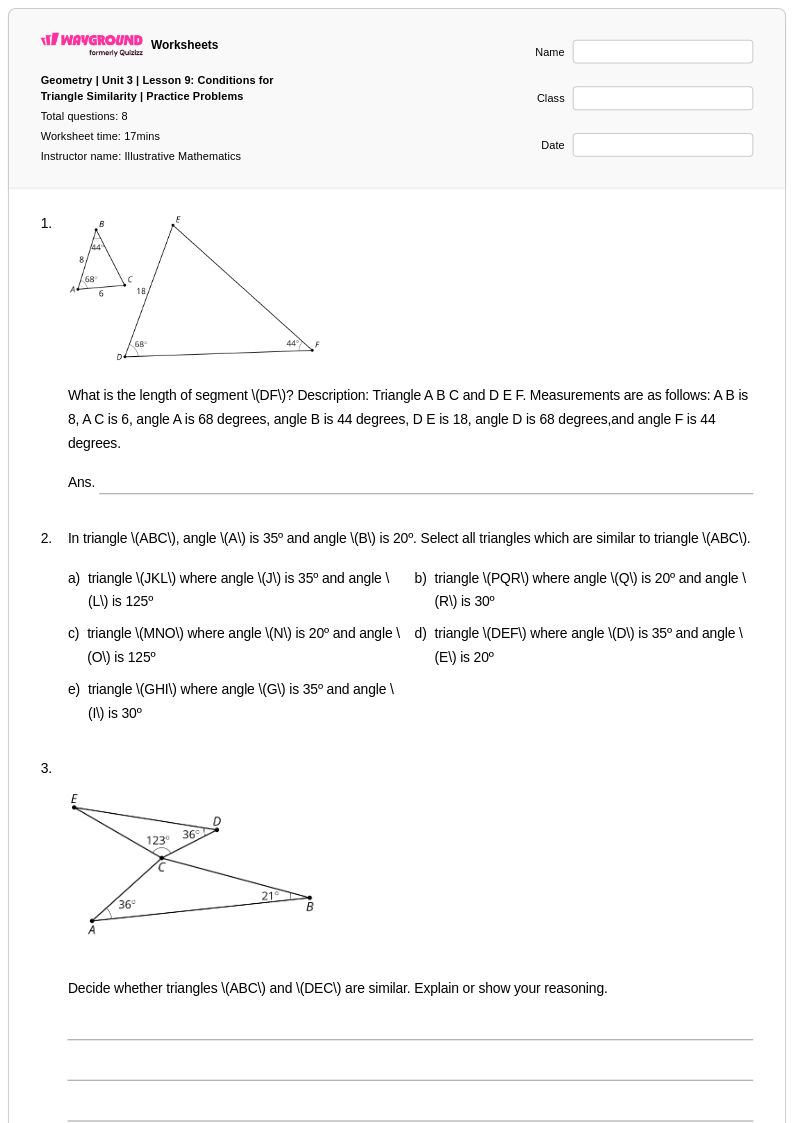
8Q
6th - Uni
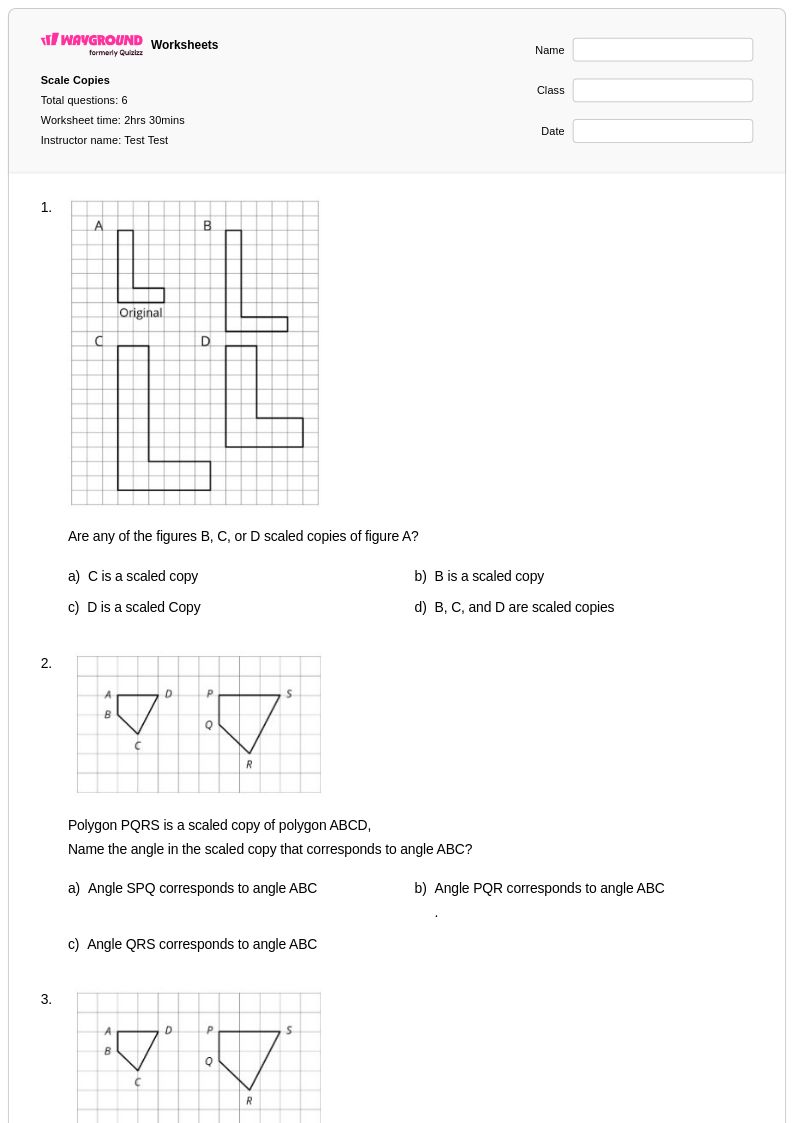
6Q
6th - 8th

24Q
6th
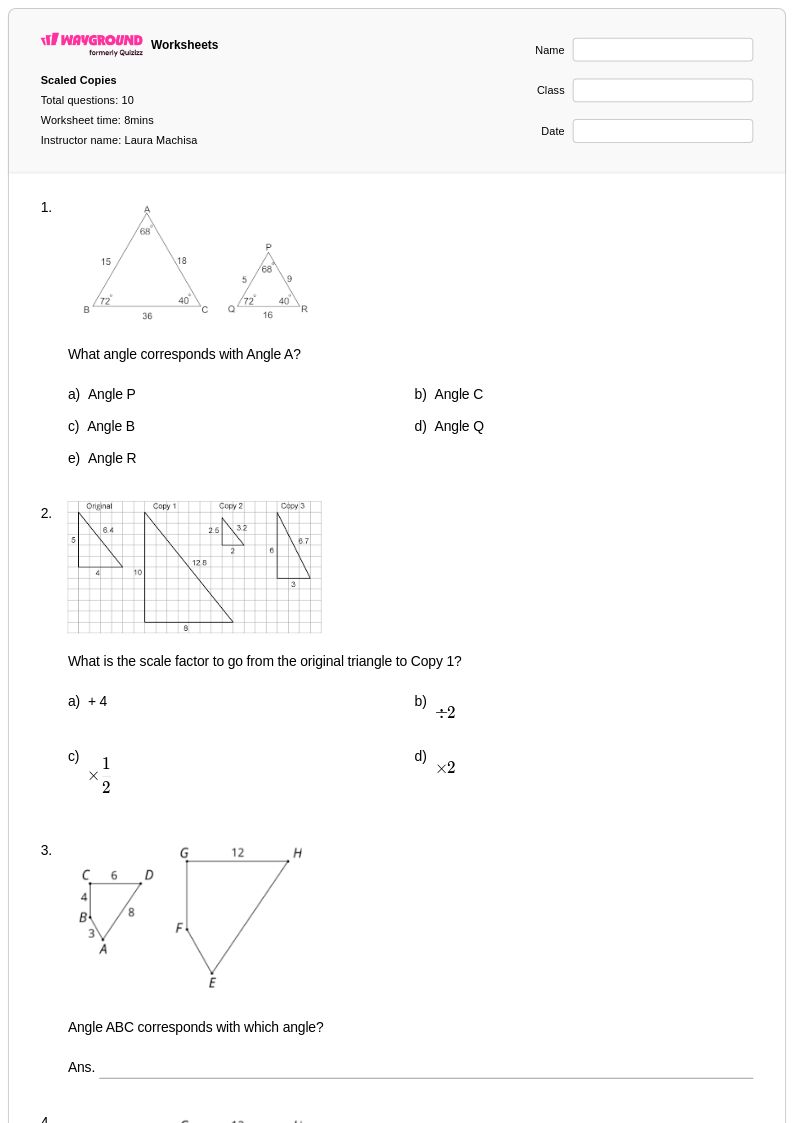
10Q
6th - 8th
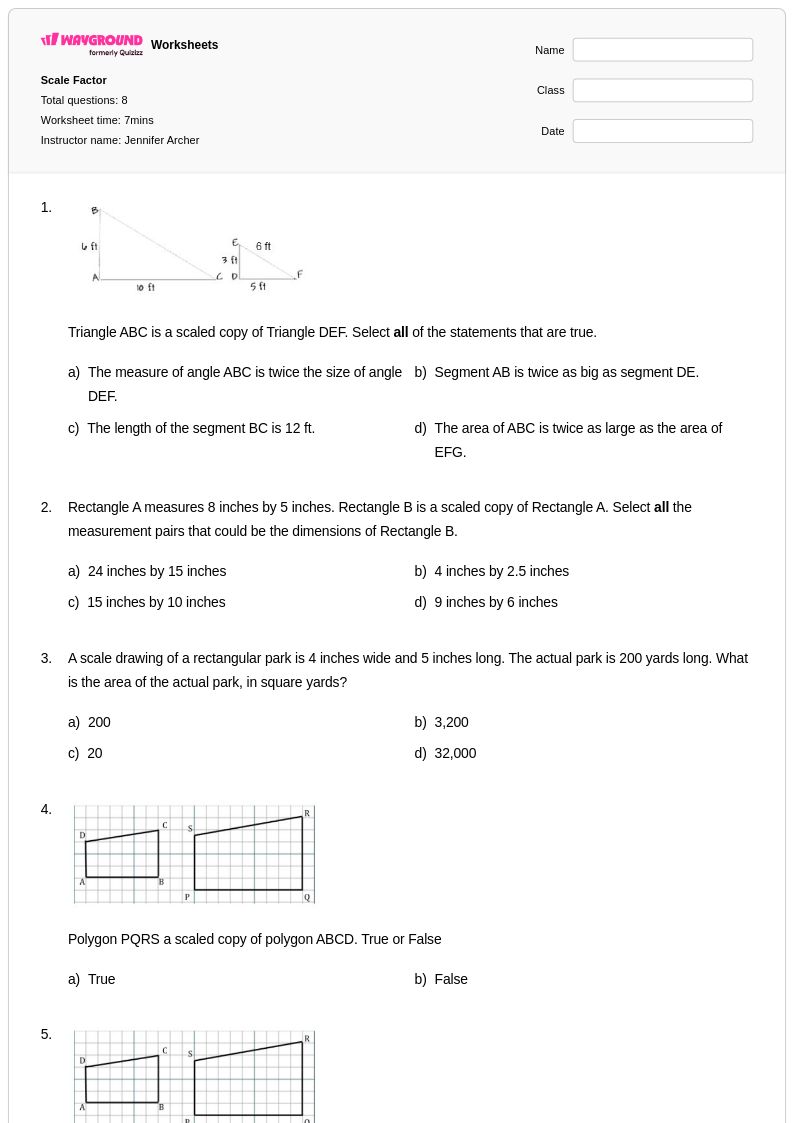
8Q
6th
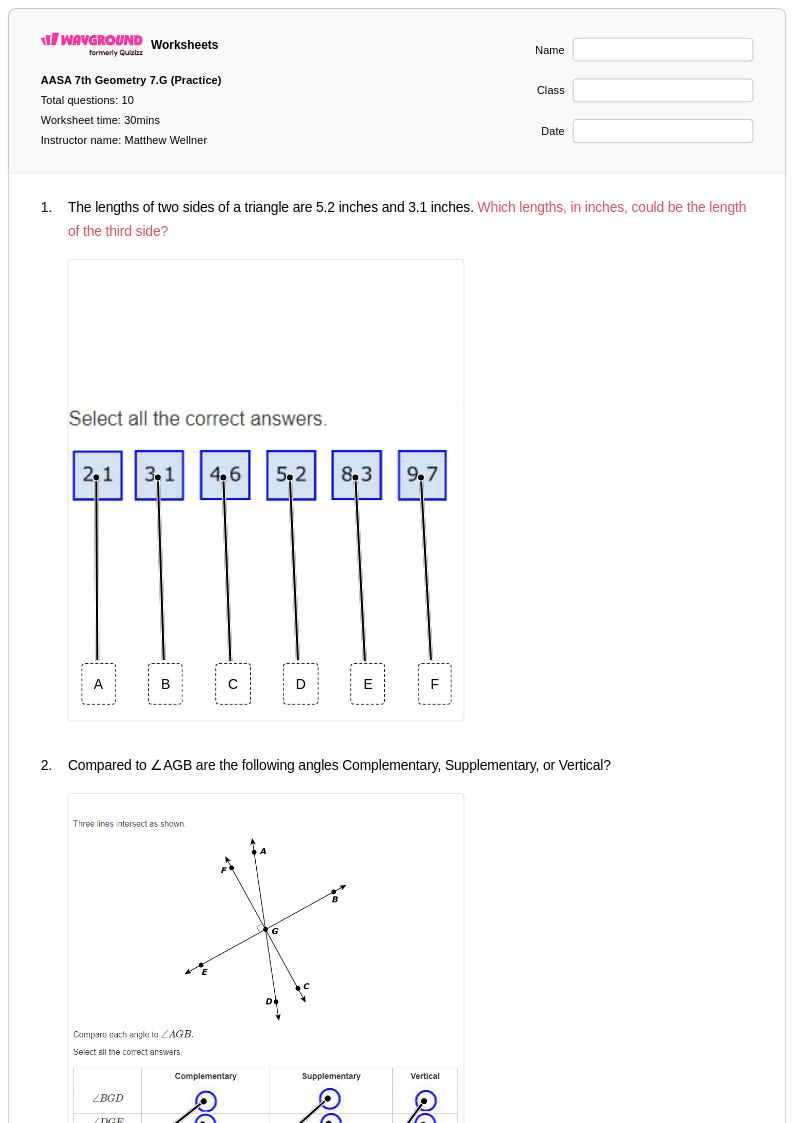
10Q
6th - 8th
Explore otras hojas de trabajo de materias para class 6
Explore printable Scaled Pictographs worksheets for Class 6
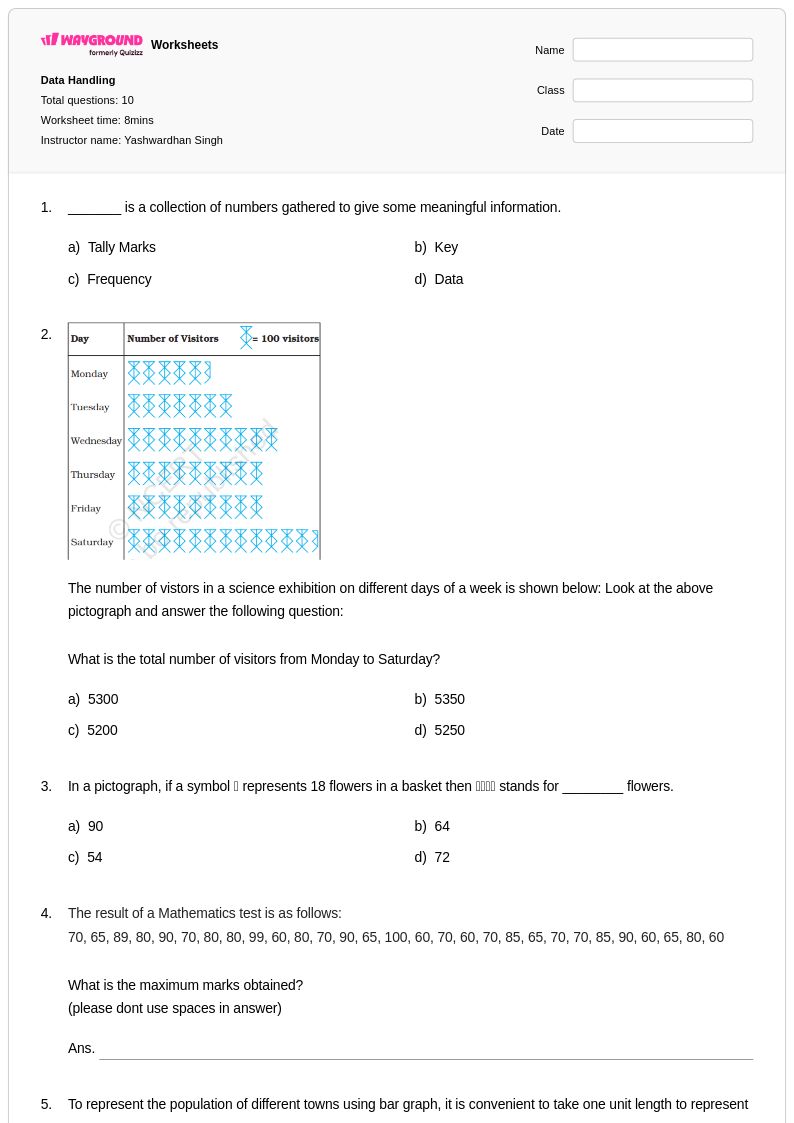
Scaled pictographs for Class 6 represent a crucial advancement in data visualization skills, where students learn to interpret and create visual representations where each symbol represents multiple units rather than single items. Wayground's comprehensive collection of scaled pictograph worksheets provides students with extensive practice in reading data from pictographs with various scale values, calculating totals, comparing quantities, and drawing conclusions from visual data sets. These carefully designed practice problems strengthen students' mathematical reasoning abilities while building fluency with multiplication concepts as they determine actual values by multiplying symbol counts with scale factors. Each worksheet includes a detailed answer key and is available as a free printable pdf, making it simple for educators to incorporate meaningful data analysis activities into their mathematics instruction while supporting diverse learning needs in the classroom.
Wayground, formerly Quizizz, empowers teachers with millions of teacher-created resources specifically designed for scaled pictograph instruction and Class 6 mathematics standards. The platform's robust search and filtering capabilities allow educators to quickly locate worksheets that align with specific curriculum requirements and student skill levels, while differentiation tools enable seamless customization for remediation and enrichment purposes. Teachers can access these materials in both printable pdf format for traditional classroom use and digital formats for technology-integrated learning environments. This flexibility supports comprehensive lesson planning by providing educators with ready-to-use resources for introducing new concepts, reinforcing essential skills through targeted practice, and assessing student understanding of data interpretation and scaled representation concepts throughout their instructional units.
FAQs
Why are scaled pictographs still relevant in Grade 6?
How can I use scaled pictographs to teach statistical concepts in 6th grade?
What kind of practice with pictographs is appropriate for sixth graders?
What common errors should I look for with 6th graders?
How does this topic align with Grade 6 math standards?
How can I use this worksheet to support all learners in my class?