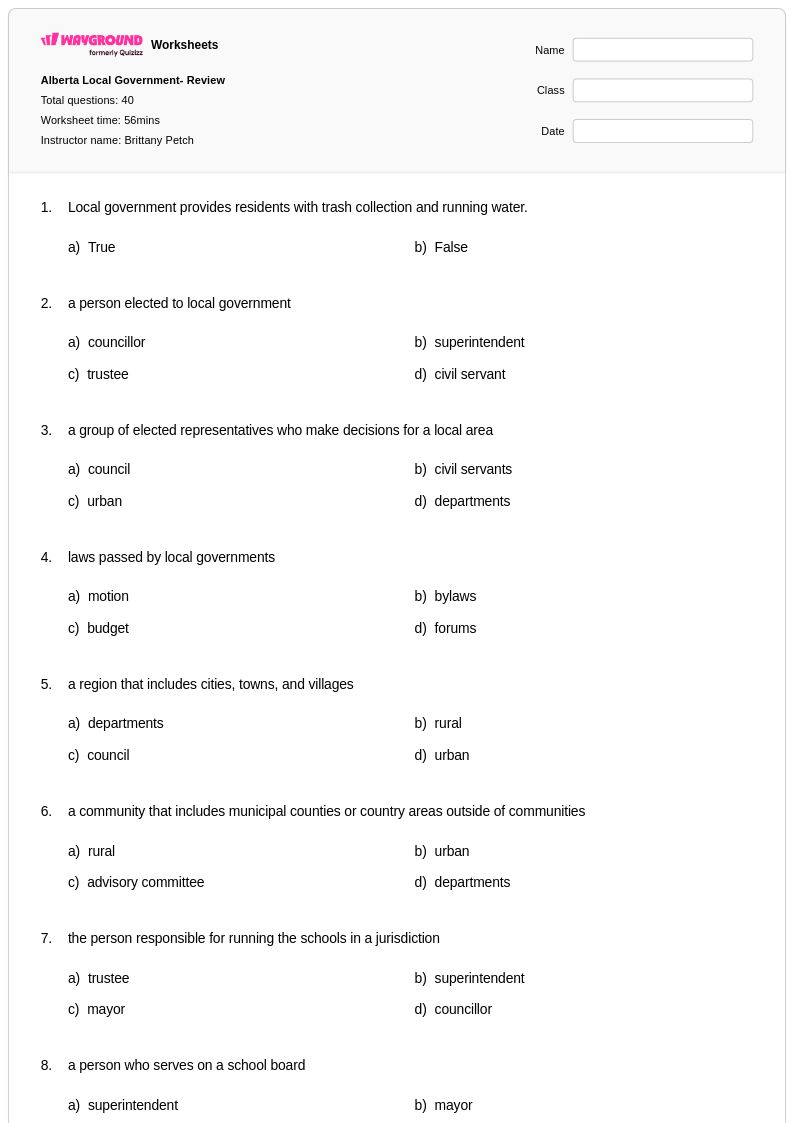
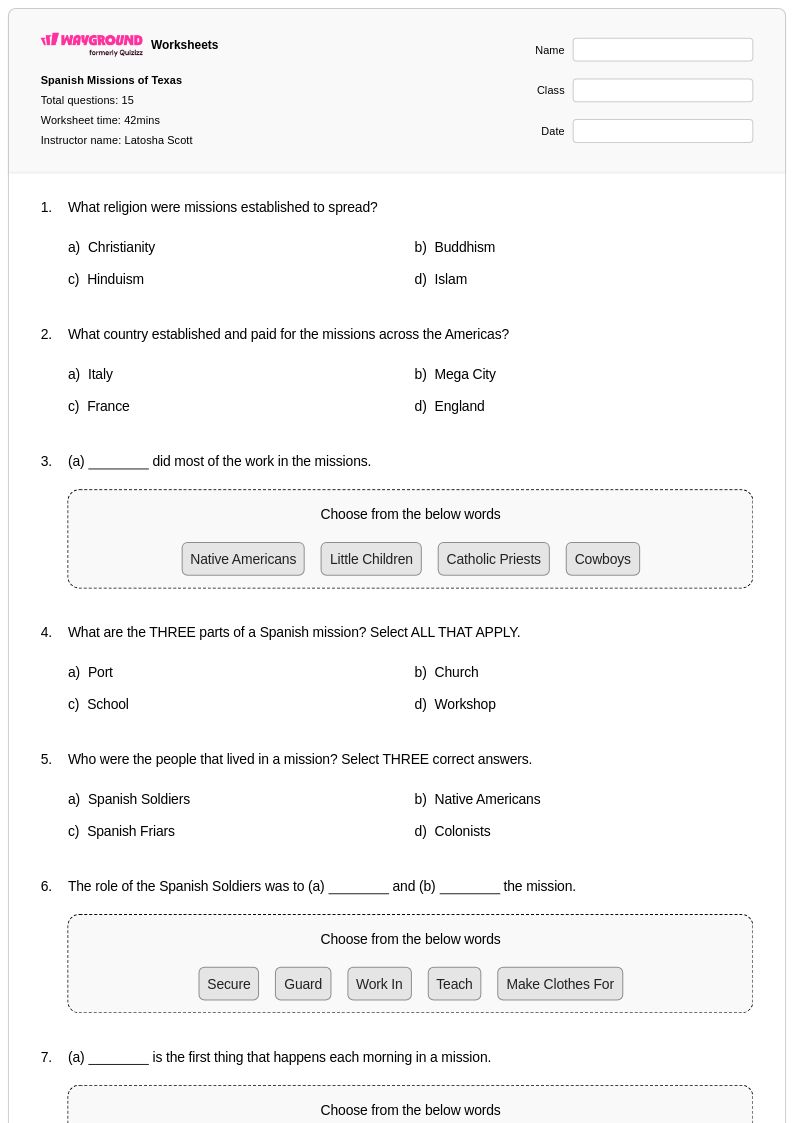
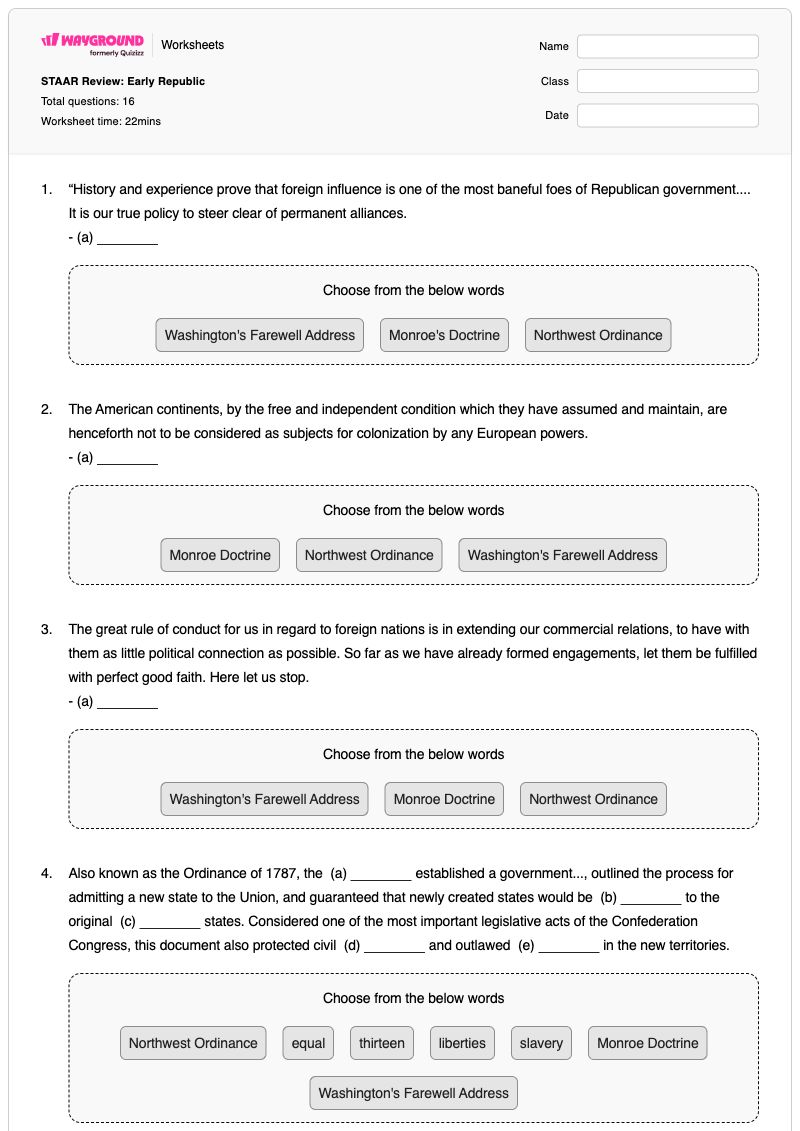
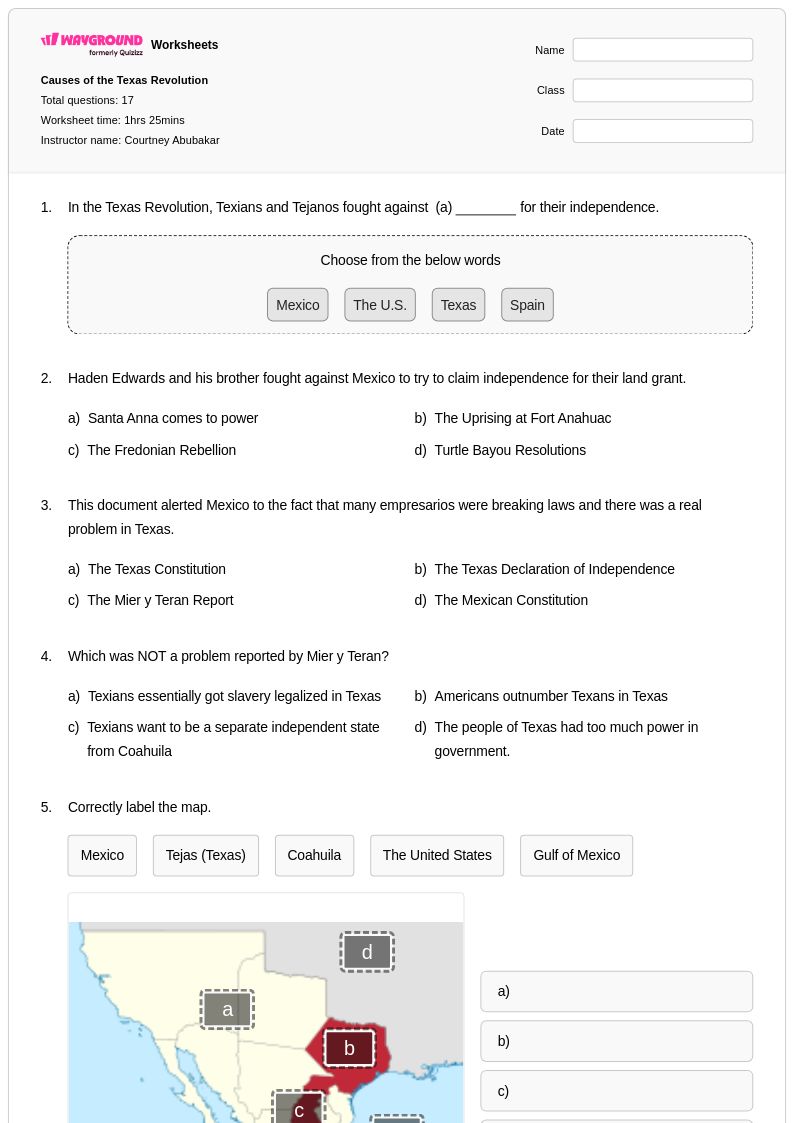
Explore free printable Stations of the Cross worksheets and PDF resources that help students learn about this important religious tradition and its cultural significance in communities worldwide, complete with practice problems and answer keys.
Explore printable Stations of the Cross worksheets
Stations of the Cross worksheets available through Wayground (formerly Quizizz) provide educators with comprehensive resources to explore this significant religious tradition within social studies curricula focused on community and cultures. These educational materials help students develop critical thinking skills about religious practices, cultural traditions, and their impact on community life throughout history and in contemporary society. The worksheets feature structured activities that guide learners through understanding the historical context, symbolic meaning, and cultural significance of this important observance in Christian communities. Teachers can access complete answer keys alongside the printable materials, ensuring efficient grading and assessment. These free resources include practice problems that encourage students to analyze the relationship between religious traditions and cultural identity, while pdf formats make distribution and classroom implementation seamless.
Wayground's extensive collection draws from millions of teacher-created resources, offering robust search and filtering capabilities that allow educators to locate precisely the right Stations of the Cross materials for their specific classroom needs. The platform's alignment with social studies standards ensures that these worksheets meet curriculum requirements while supporting differentiated instruction through customizable features that accommodate diverse learning styles and academic levels. Teachers benefit from flexible formatting options, including both printable and digital versions in pdf format, making these resources adaptable for various classroom environments and teaching modalities. These comprehensive tools support effective lesson planning while providing valuable opportunities for remediation, enrichment, and targeted skill practice, enabling educators to deepen student understanding of how religious traditions shape community cultures and foster meaningful connections between historical practices and modern cultural expressions.
FAQs
How do I teach the Stations of the Cross in a social studies context?
In a social studies classroom, the Stations of the Cross can be taught as a case study in how religious traditions shape community identity and cultural practice. Teachers typically introduce the historical origins of the observance in Christian communities, then guide students to analyze each station's symbolic meaning and its role in collective memory and ritual life. Connecting the tradition to broader themes of cultural heritage helps students understand how religious practices function as living expressions of community values across generations.
What exercises help students practice analyzing religious and cultural traditions like the Stations of the Cross?
Structured activities that ask students to identify symbolic meaning, sequence historical events, and compare religious practices across cultures are particularly effective for this topic. Graphic organizers that prompt students to connect each station to its historical context and cultural significance reinforce analytical reading skills. Reflection prompts and short-answer questions that ask students to consider how the tradition influences community life in both historical and contemporary settings deepen critical thinking.
What misconceptions do students commonly have about the Stations of the Cross?
A common misconception is that the Stations of the Cross are purely a liturgical ritual with no broader cultural significance, when in fact the tradition has shaped art, architecture, music, and community practice across many societies. Students also sometimes conflate the observance exclusively with Catholic practice, overlooking its presence across various Christian denominations and its influence on secular cultural expressions. Addressing these misconceptions early helps students engage more accurately with the tradition as both a religious and cultural artifact.
How can I use Stations of the Cross worksheets in my classroom?
Stations of the Cross worksheets on Wayground are available as printable PDFs for traditional classroom use and in digital formats for technology-integrated learning environments, including the option to host them as a quiz directly on Wayground. Teachers can distribute printed versions for independent or small-group work, or assign digital versions for remote or hybrid settings. Complete answer keys are included, making grading and formative assessment straightforward.
How do I differentiate Stations of the Cross instruction for students with diverse learning needs?
Wayground supports several built-in accommodation tools that can be applied to individual students without disrupting the rest of the class. Teachers can enable Read Aloud so that questions and content are read to students who need audio support, reduce answer choices to lower cognitive load for students who need it, and extend time on a per-student basis. These settings are saved and reusable across future sessions, making differentiated instruction manageable at scale.
How does studying the Stations of the Cross connect to social studies curriculum standards?
The Stations of the Cross aligns naturally with social studies standards focused on culture, community, and the role of belief systems in shaping historical and contemporary societies. Students develop skills in analyzing primary and secondary sources, interpreting symbolic meaning, and understanding how traditions are transmitted across generations. These competencies map to standards in cultural studies, world history, and civic literacy, making the topic a substantive fit within a broader humanities curriculum.