Free Printable Support Systems in Communities Worksheets for Class 4
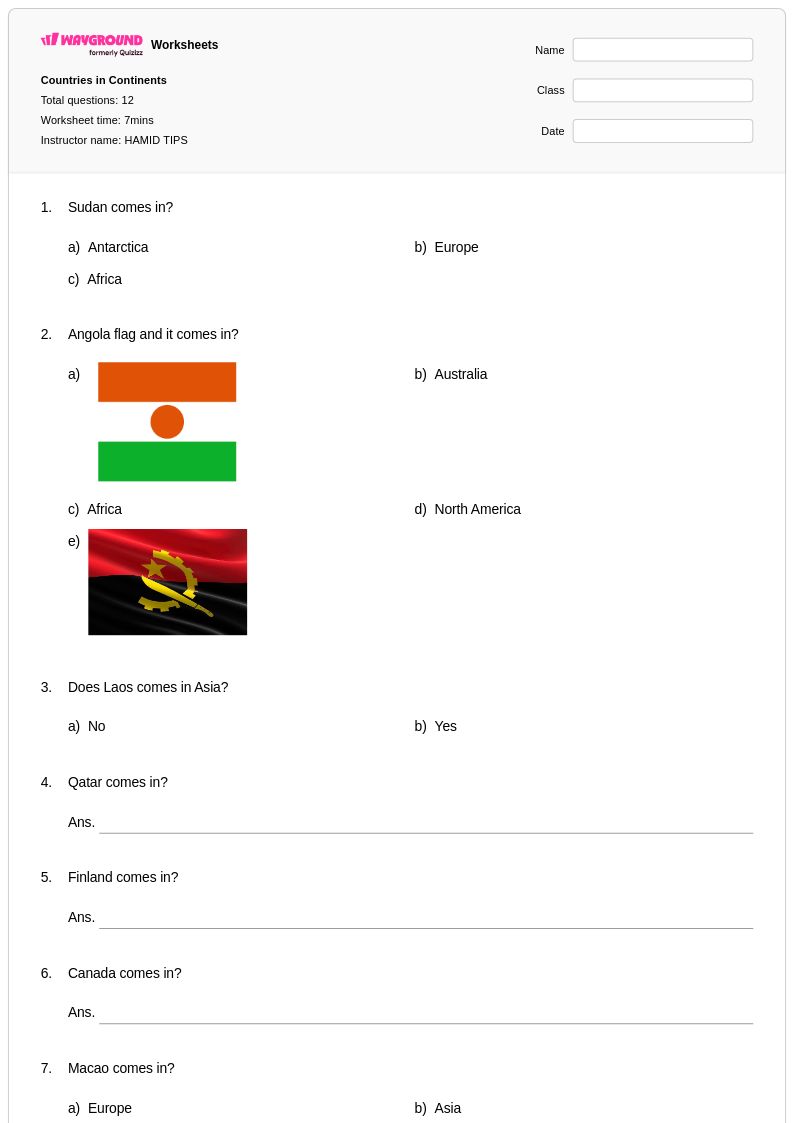
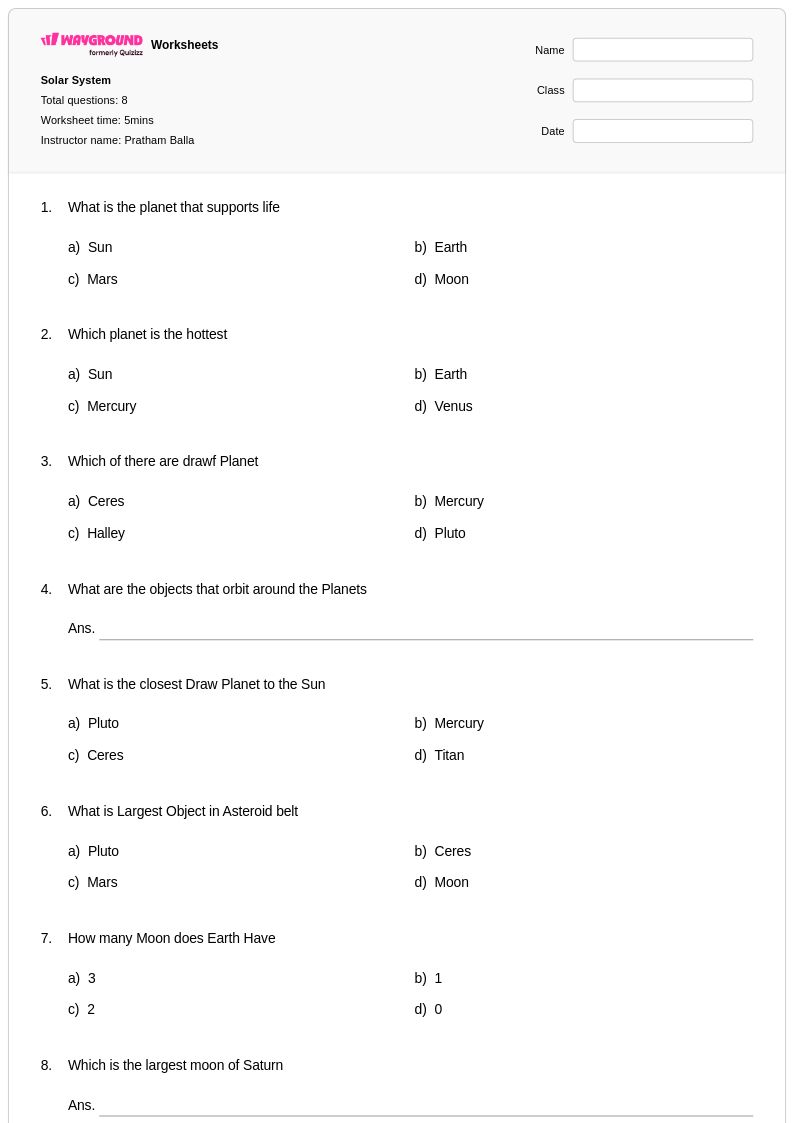
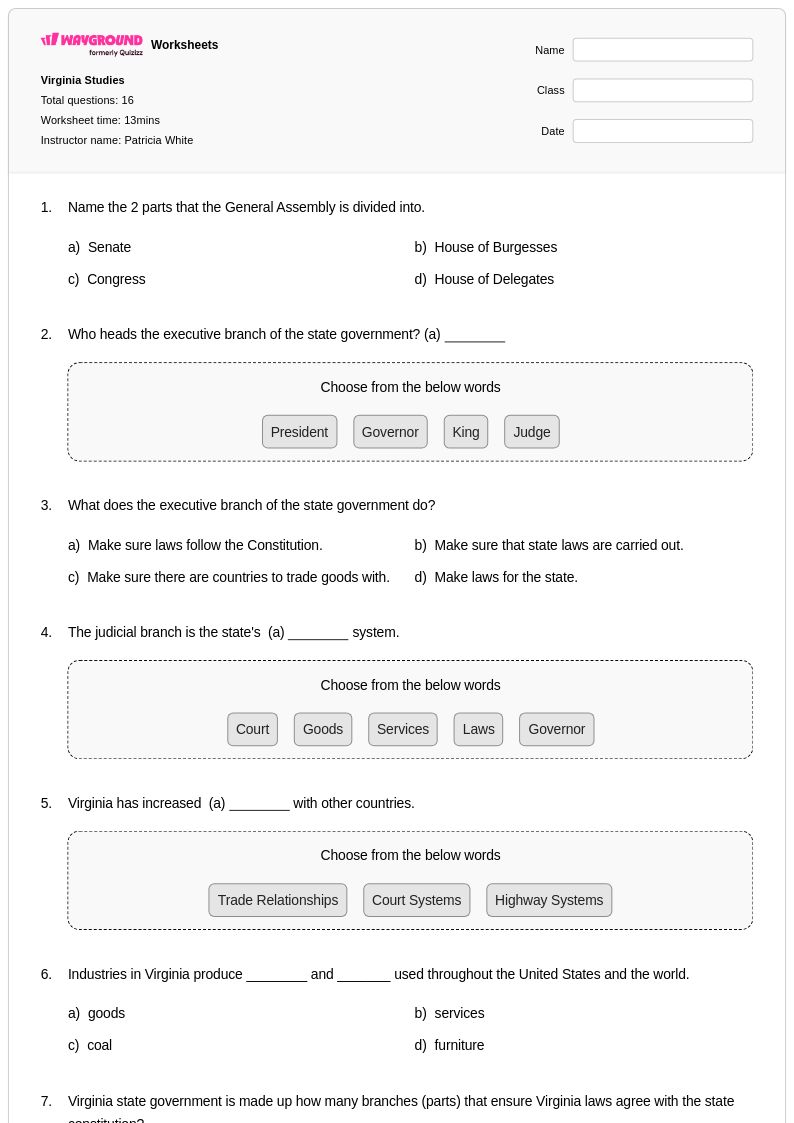
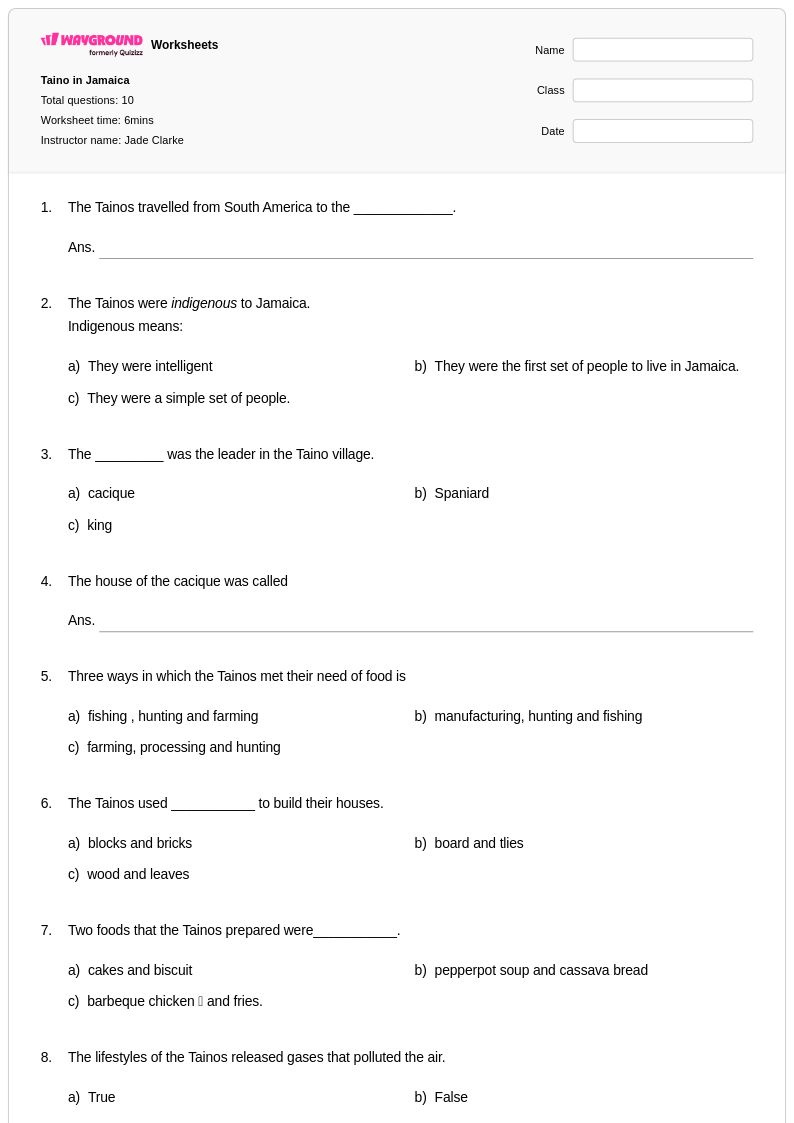
Class 4 students explore support systems in communities through our free printable worksheets and practice problems, featuring engaging activities with answer keys to help them understand how neighborhoods, families, and organizations work together.
Explore printable Support Systems in Communities worksheets for Class 4
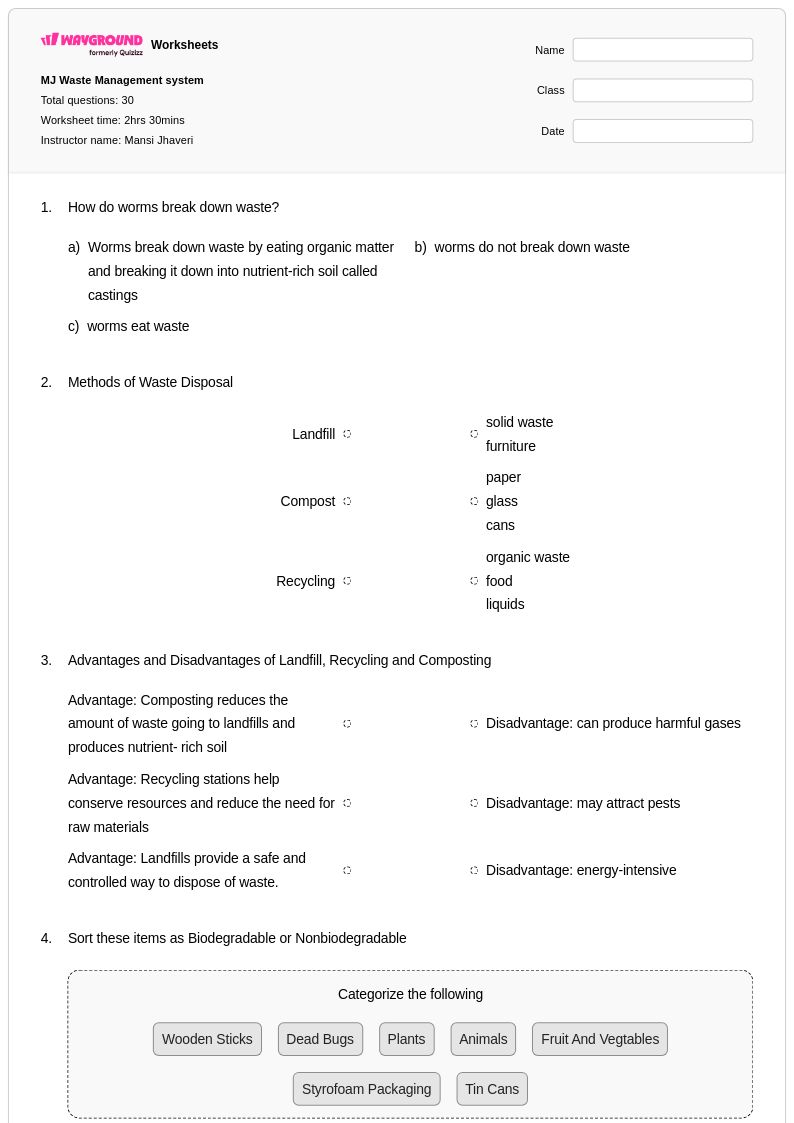
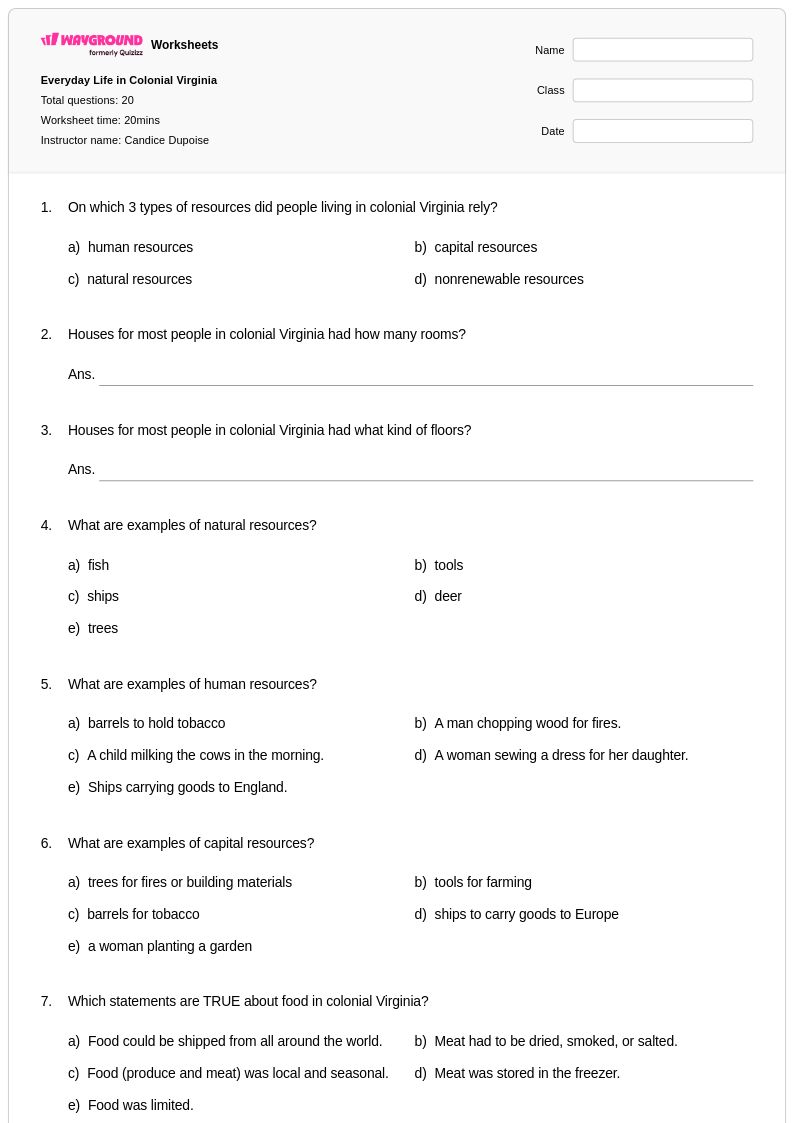
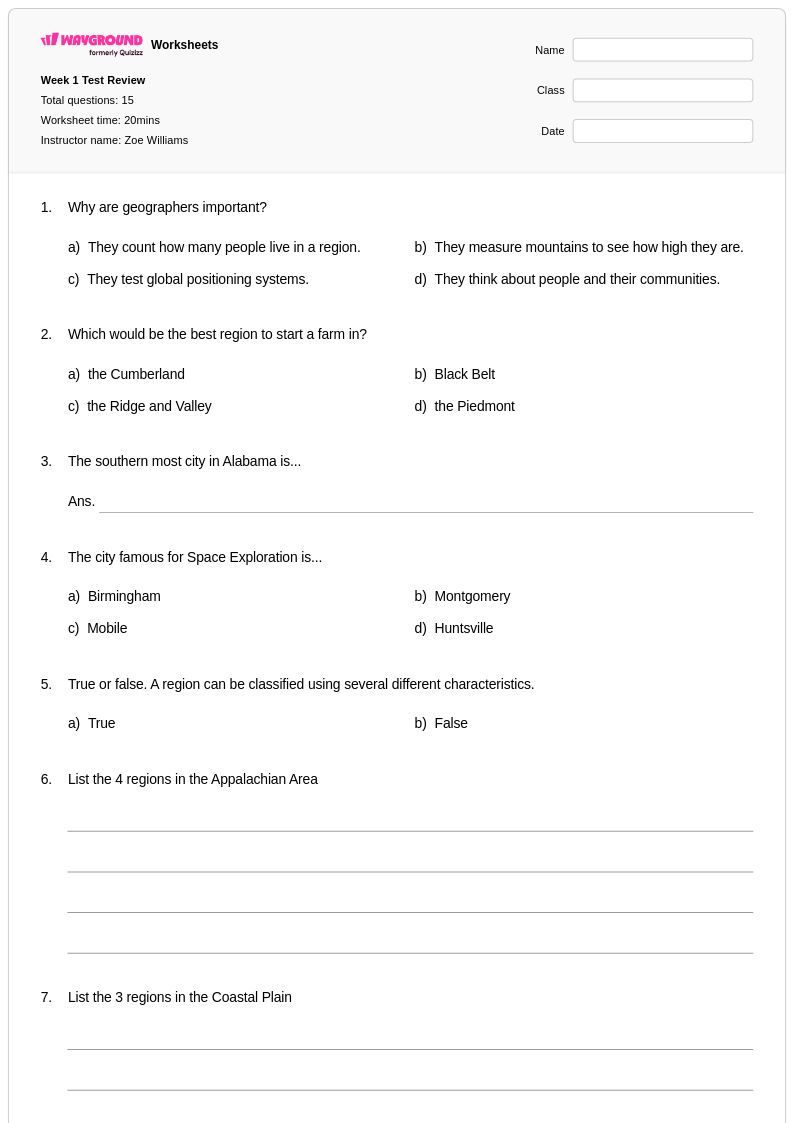
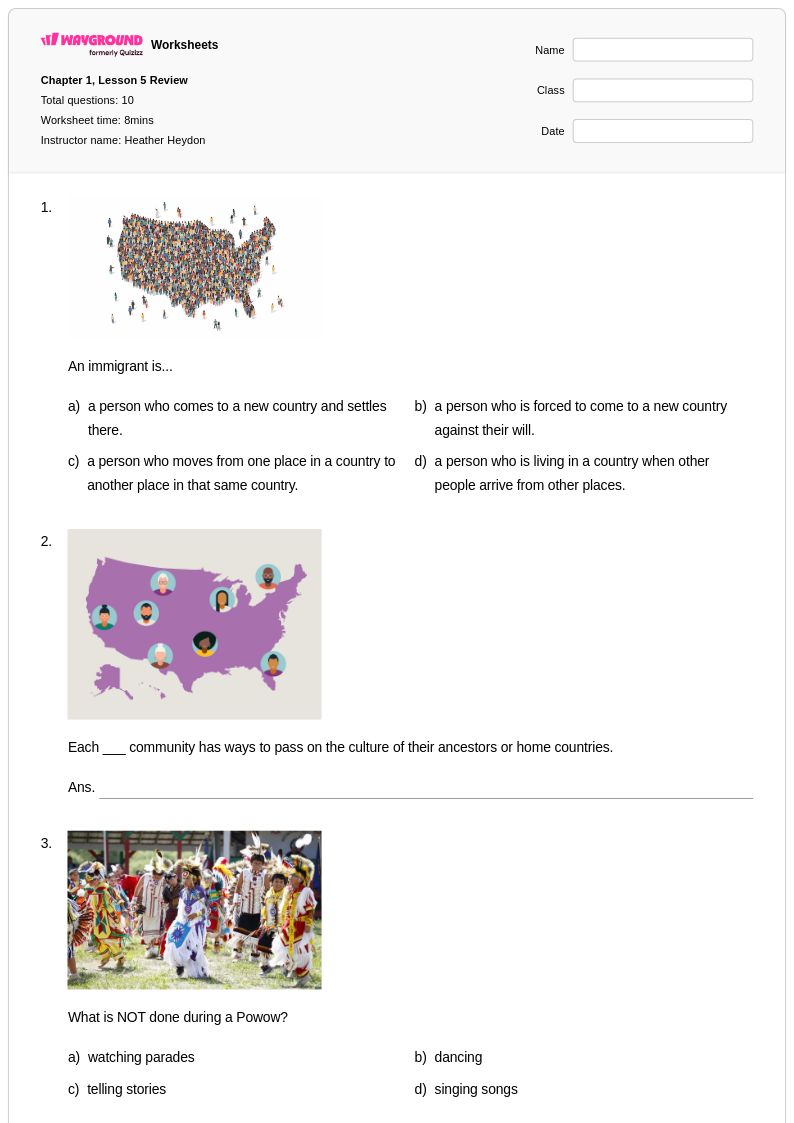
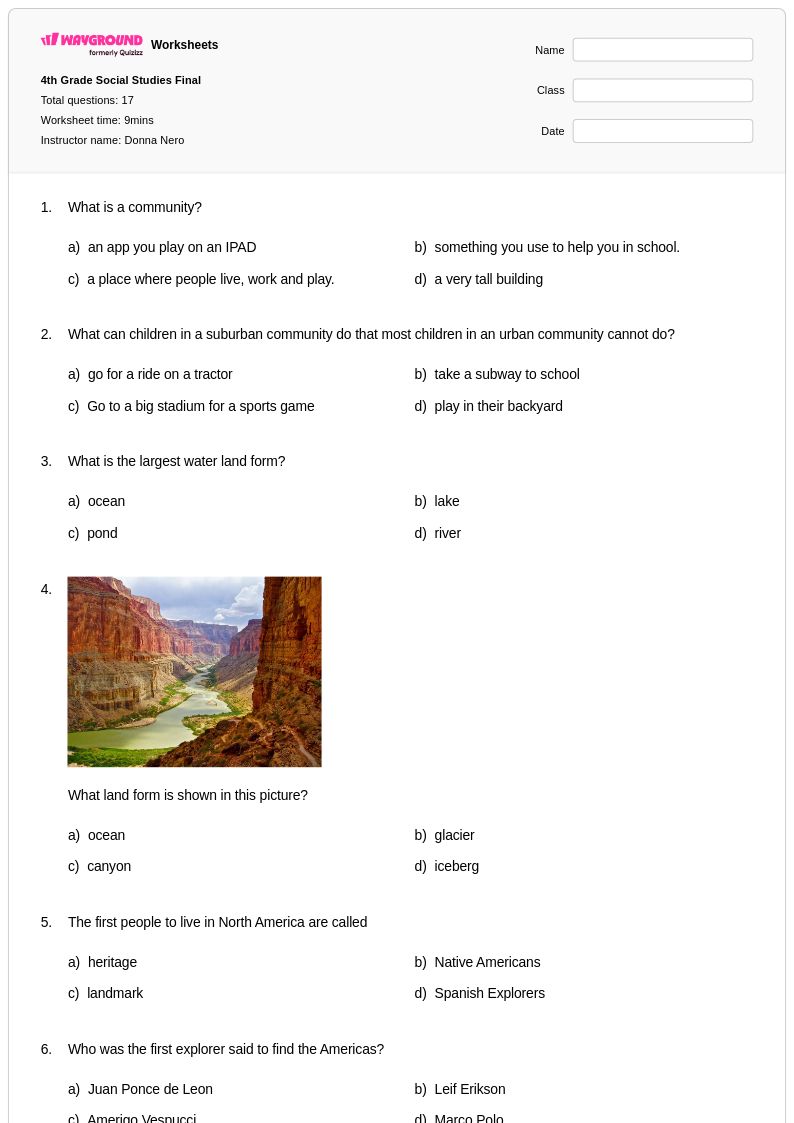
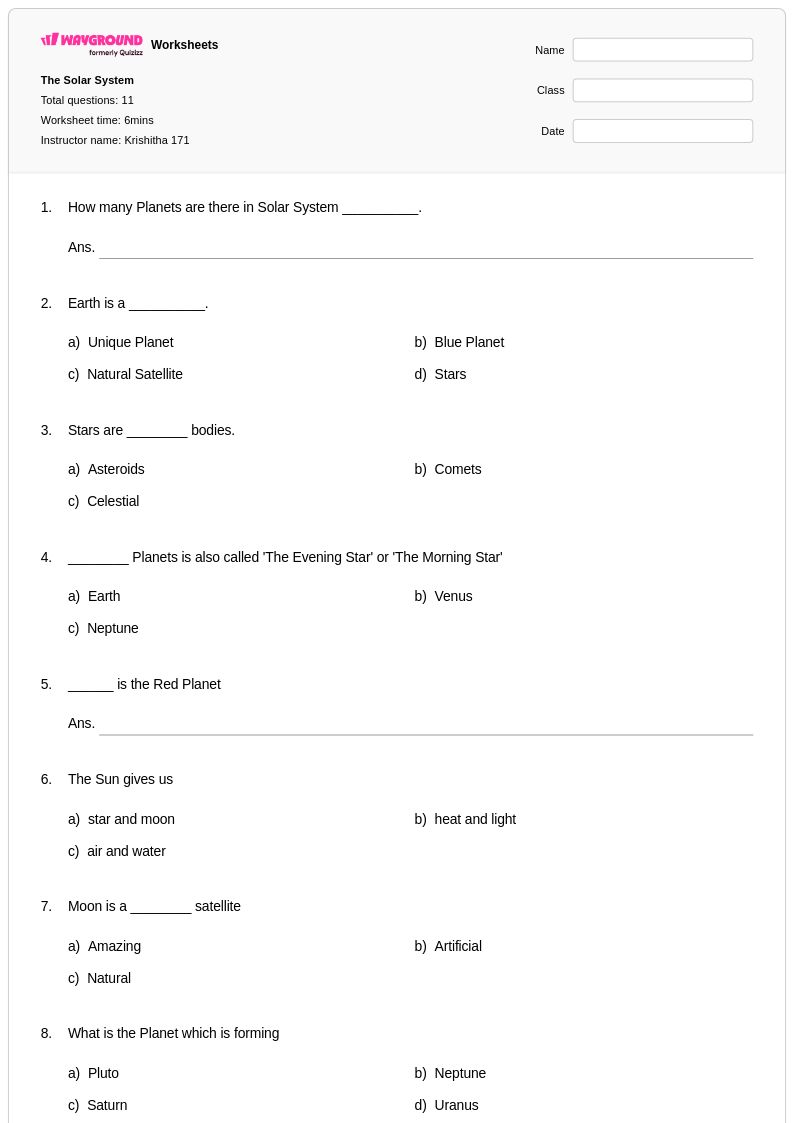
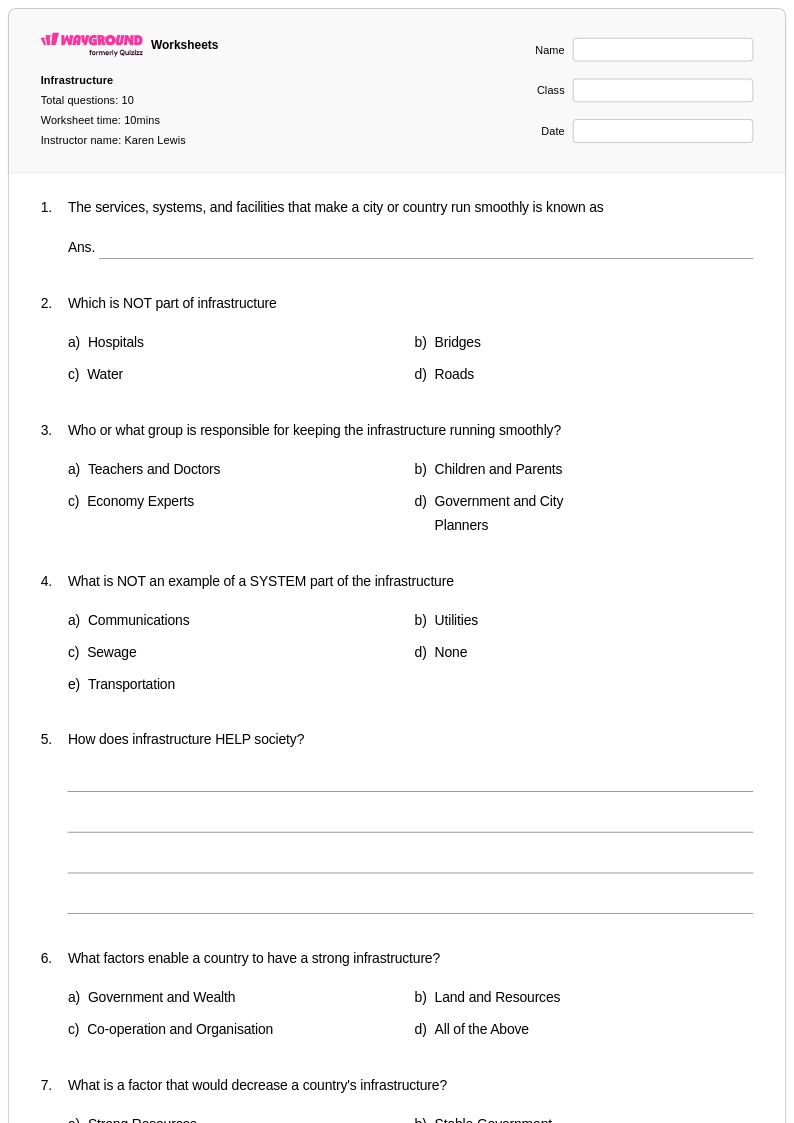
Support Systems in Communities worksheets for Class 4 students available through Wayground (formerly Quizizz) provide comprehensive exploration of how communities organize essential services and networks that help residents thrive. These educational resources strengthen students' understanding of interdependence within communities by examining various support systems including healthcare facilities, emergency services, educational institutions, transportation networks, and social service organizations. The worksheets feature engaging practice problems that challenge students to identify different types of community support, analyze how these systems work together, and evaluate their importance in daily life. Each printable resource includes detailed answer keys to facilitate independent learning and self-assessment, while the free pdf format ensures easy access for classroom use and home study.
Wayground (formerly Quizizz) empowers educators with millions of teacher-created resources specifically designed to enhance Class 4 social studies instruction on community support systems. The platform's robust search and filtering capabilities allow teachers to quickly locate age-appropriate materials that align with curriculum standards and learning objectives. These versatile worksheet collections support differentiated instruction through customizable difficulty levels and content variations, enabling teachers to address diverse learning needs within their classrooms. Available in both printable and digital formats including downloadable pdf versions, these resources streamline lesson planning while providing flexible options for skill practice, remediation activities, and enrichment opportunities that deepen students' comprehension of how communities function as interconnected support networks.
FAQs
How do I teach support systems in communities to my students?
Start by helping students distinguish between formal support systems (government agencies, nonprofits, healthcare institutions) and informal ones (family networks, neighbors, religious organizations). Use real local examples students can recognize, then expand to broader community and national structures. Having students map the support systems in their own community before analyzing unfamiliar ones builds concrete understanding before abstract generalization.
What activities help students practice identifying support systems in a community?
Worksheets that ask students to categorize types of support organizations, match services to populations in need, and identify gaps in community coverage are especially effective for building this skill. Practice problems that challenge students to evaluate whether a given support system is formal or informal, public or private, reinforce the conceptual distinctions that anchor this topic. Scenario-based tasks where students propose solutions for underserved community needs develop both analytical and civic thinking.
What mistakes do students commonly make when learning about community support systems?
A frequent misconception is that government agencies are the only legitimate form of community support, which leads students to overlook the critical roles of nonprofits, faith-based organizations, and informal family or neighborhood networks. Students also tend to conflate the existence of a support system with its effectiveness, so it is important to build in tasks that ask them to evaluate, not just identify, systems. Another common error is assuming all communities have equal access to the same support structures, which worksheets on diverse cultural contexts can help address.
How do I use Support Systems in Communities worksheets in my classroom?
These worksheets are available as printable PDFs for traditional classroom use and in digital formats for technology-integrated environments, so they work whether students are working at desks or on devices. You can also host them as a quiz on Wayground to assign them directly to students and track responses. Each worksheet includes an answer key, which makes them practical for independent practice, small group work, or formative assessment without additional teacher preparation.
How can I differentiate support systems instruction for students at different levels?
For students who need additional support, reducing the complexity of categorization tasks and focusing on familiar local examples lowers the cognitive barrier to entry. On Wayground, teachers can apply accommodations such as reduced answer choices and read-aloud settings to individual students, ensuring that all learners can engage with the content without singling anyone out. Higher-level students benefit from open-ended tasks that ask them to analyze systemic gaps or propose improvements to existing community structures.
Why is understanding support systems in communities important for social studies?
Understanding support systems helps students develop civic literacy by recognizing how communities organize to meet collective and individual needs, which is a foundational concept in social studies across grade levels. It also builds empathy by exposing students to the range of circumstances that lead individuals to rely on community resources. This topic connects directly to broader social studies themes including government functions, volunteerism, nonprofit roles, and community resilience.