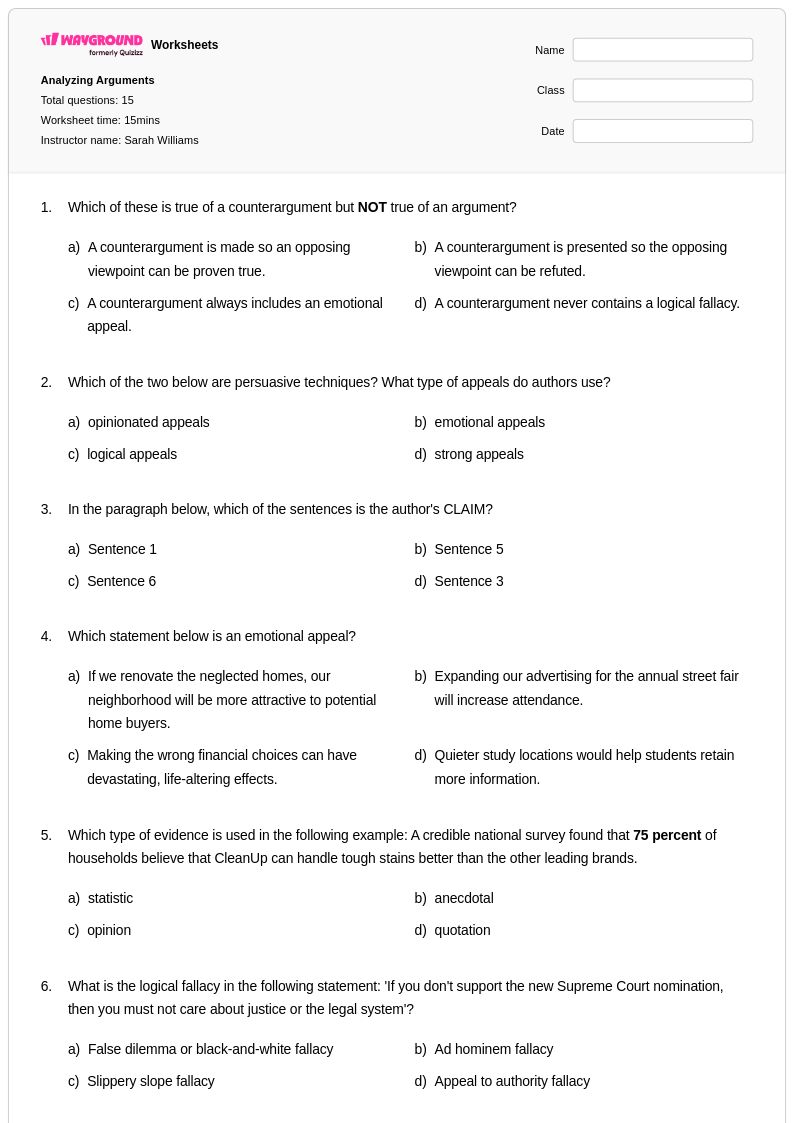
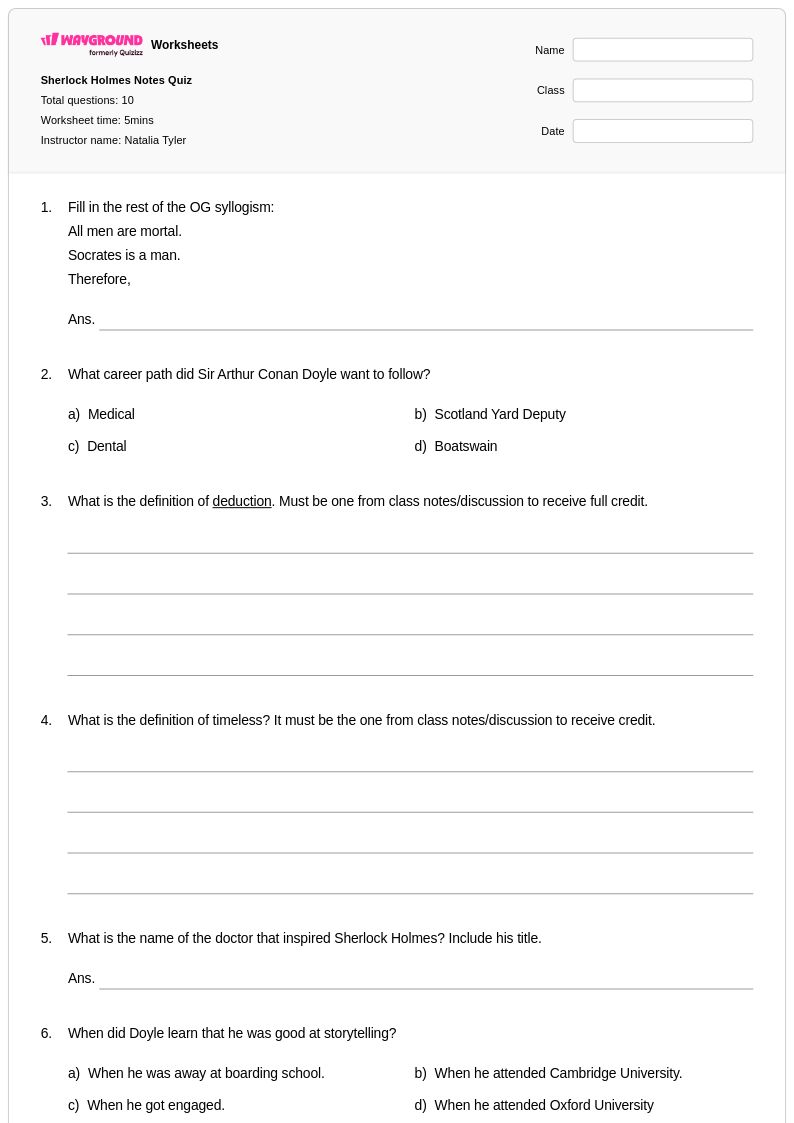
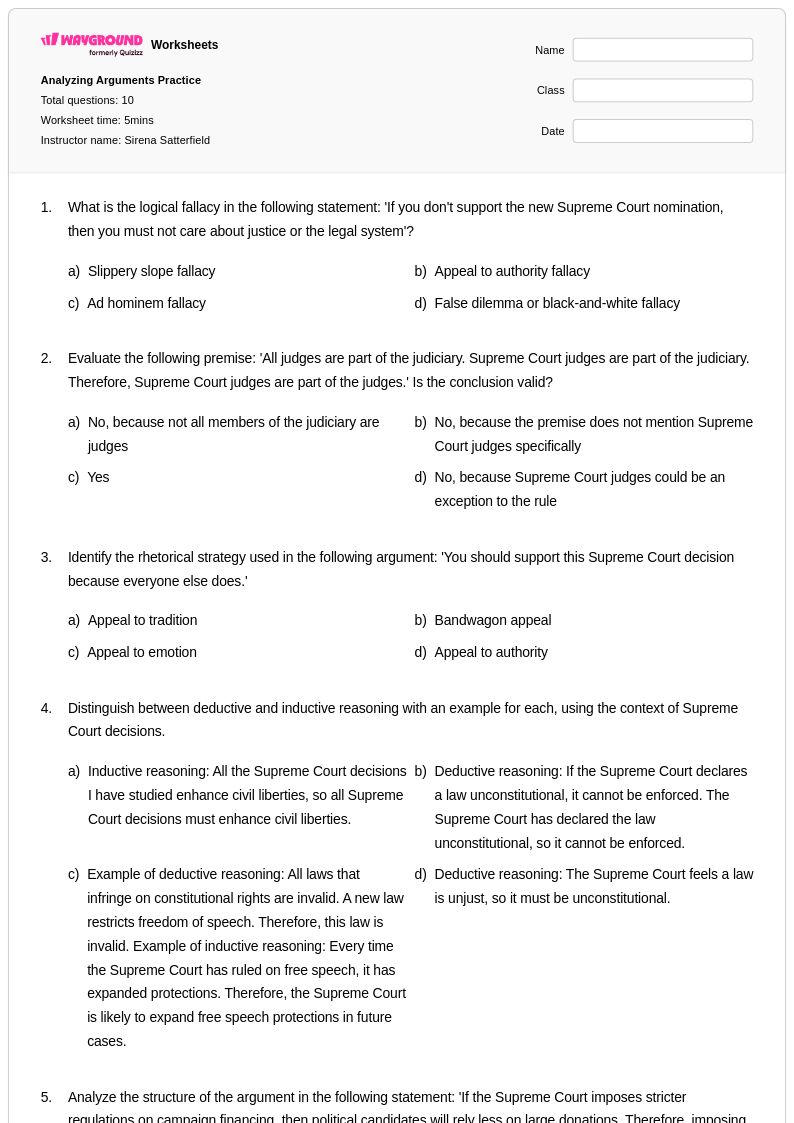
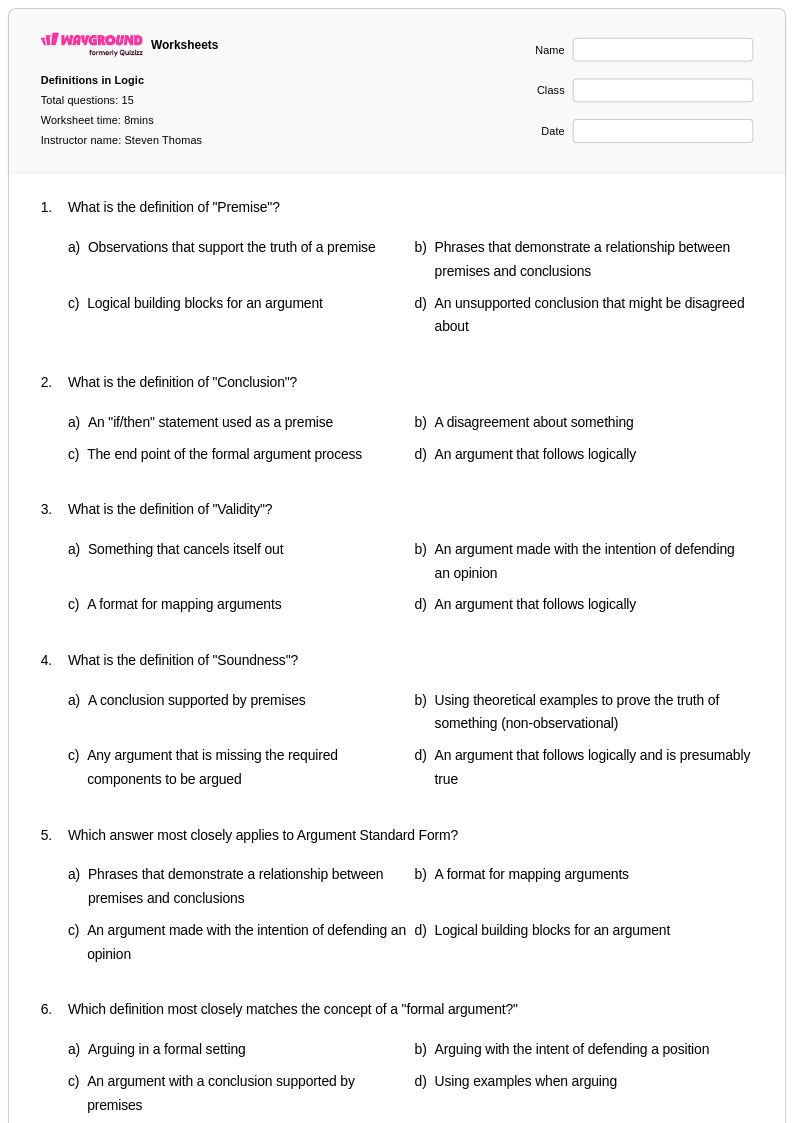
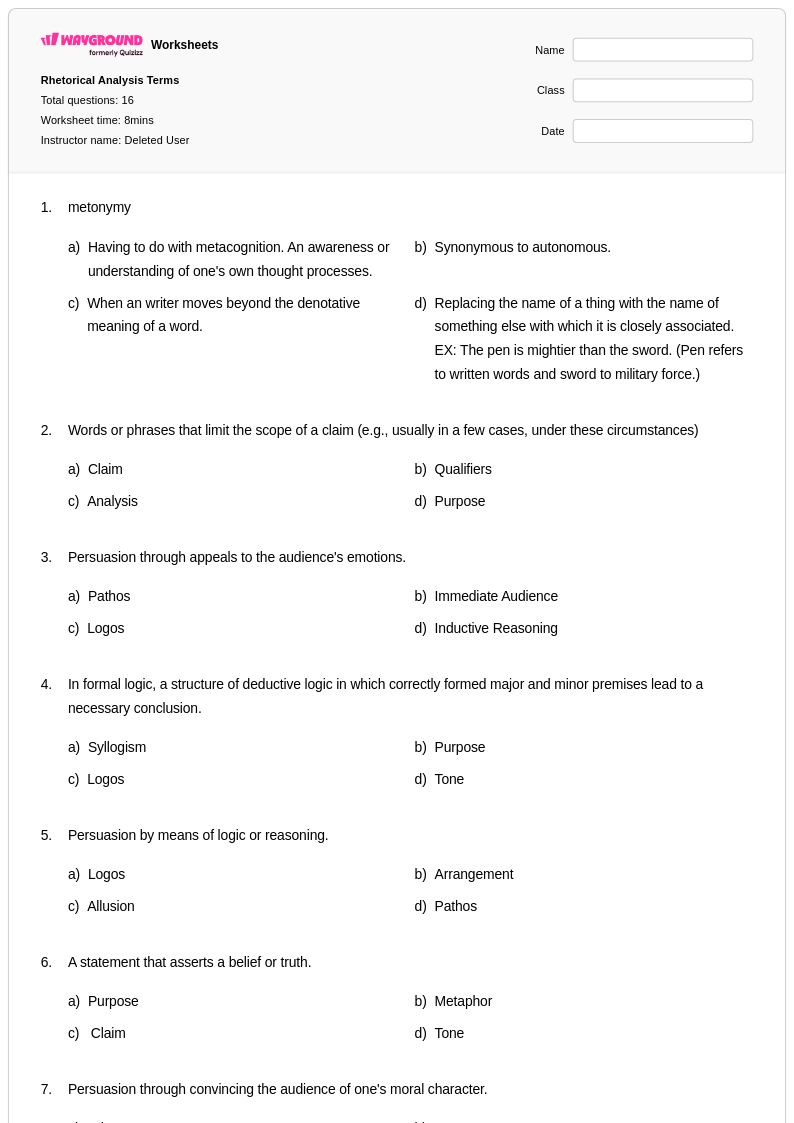
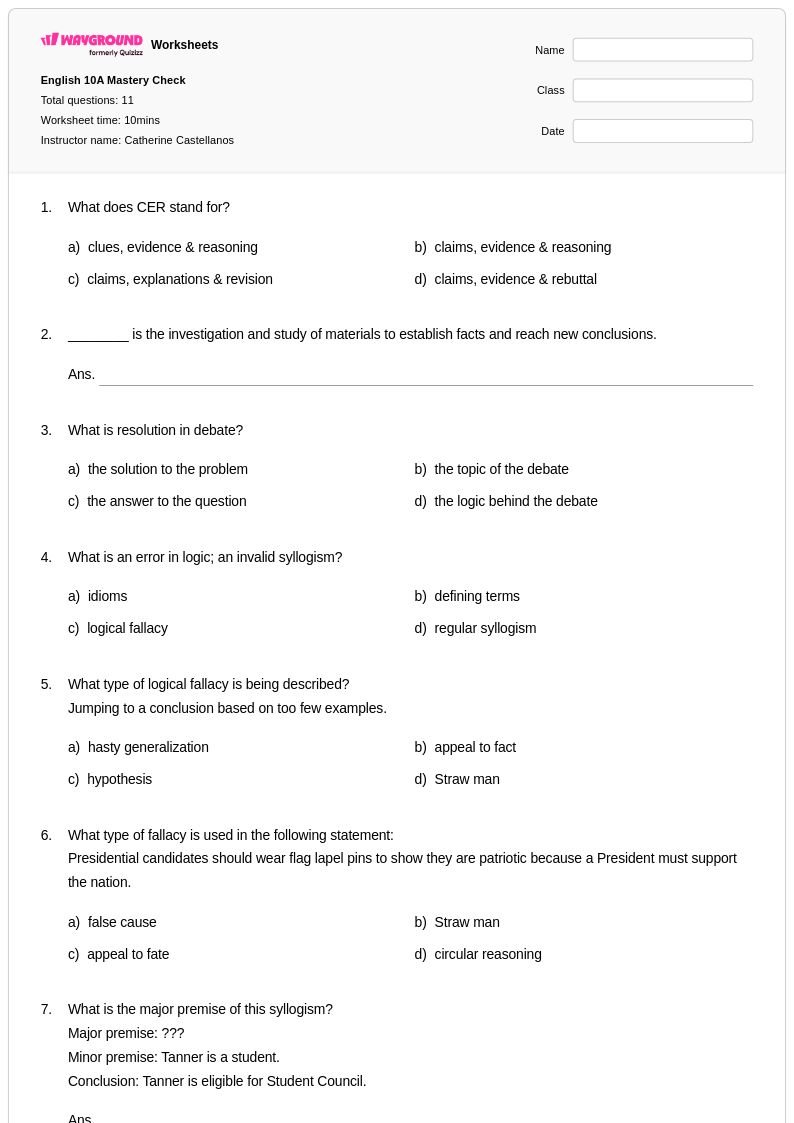
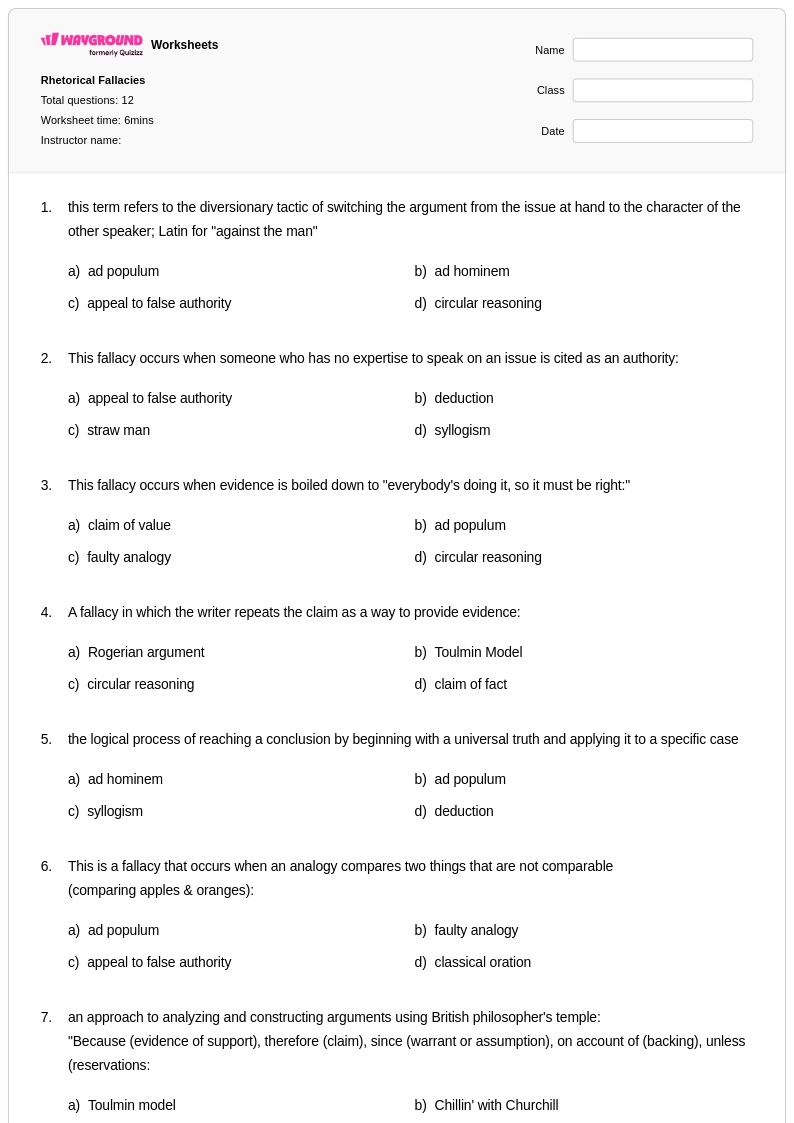
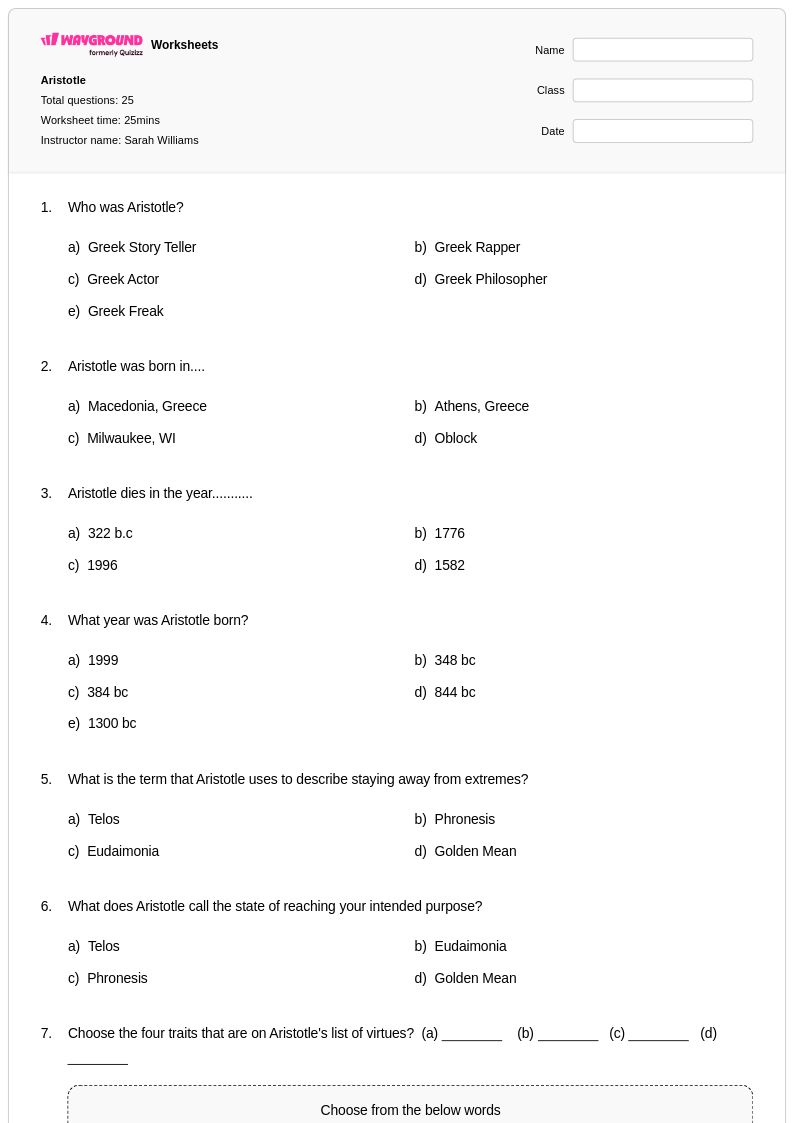
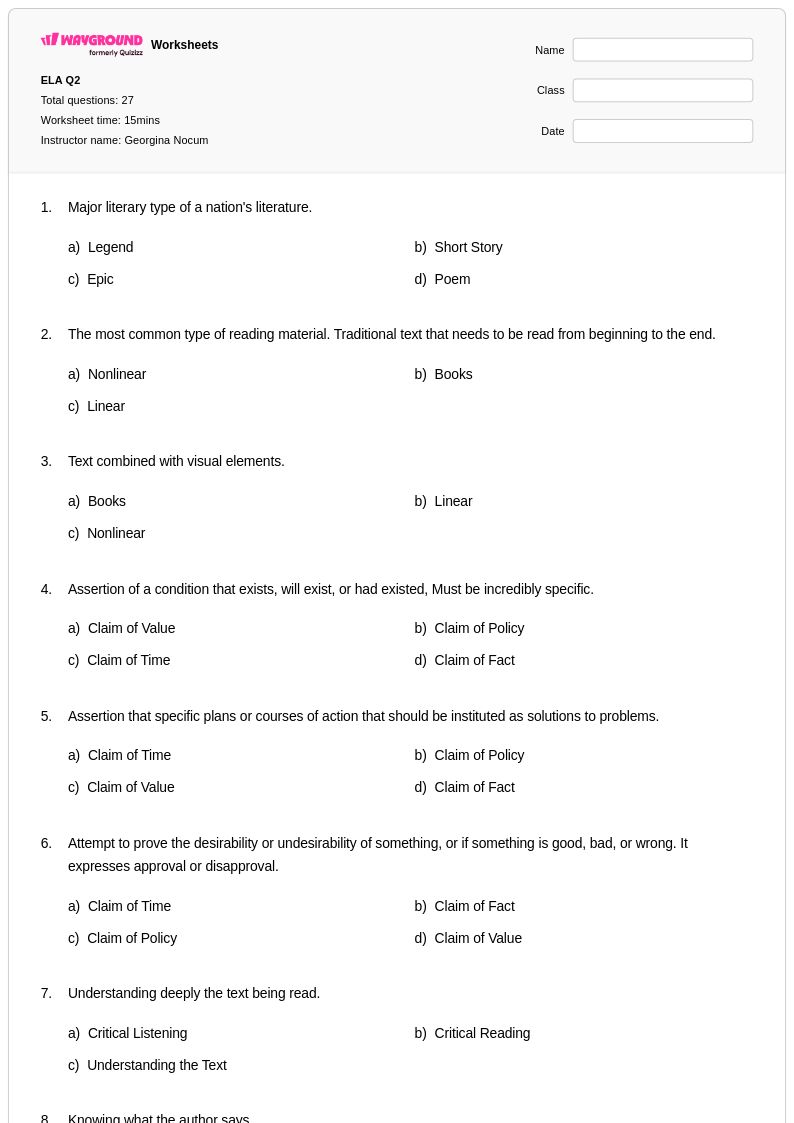
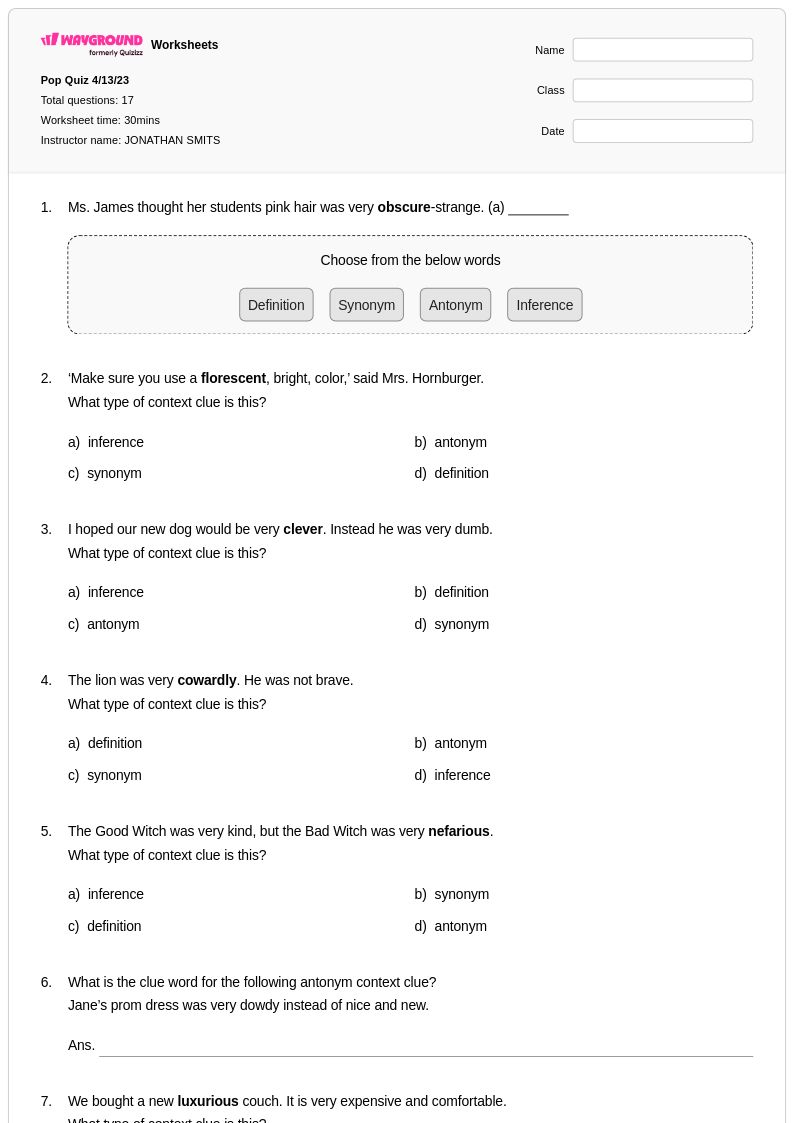
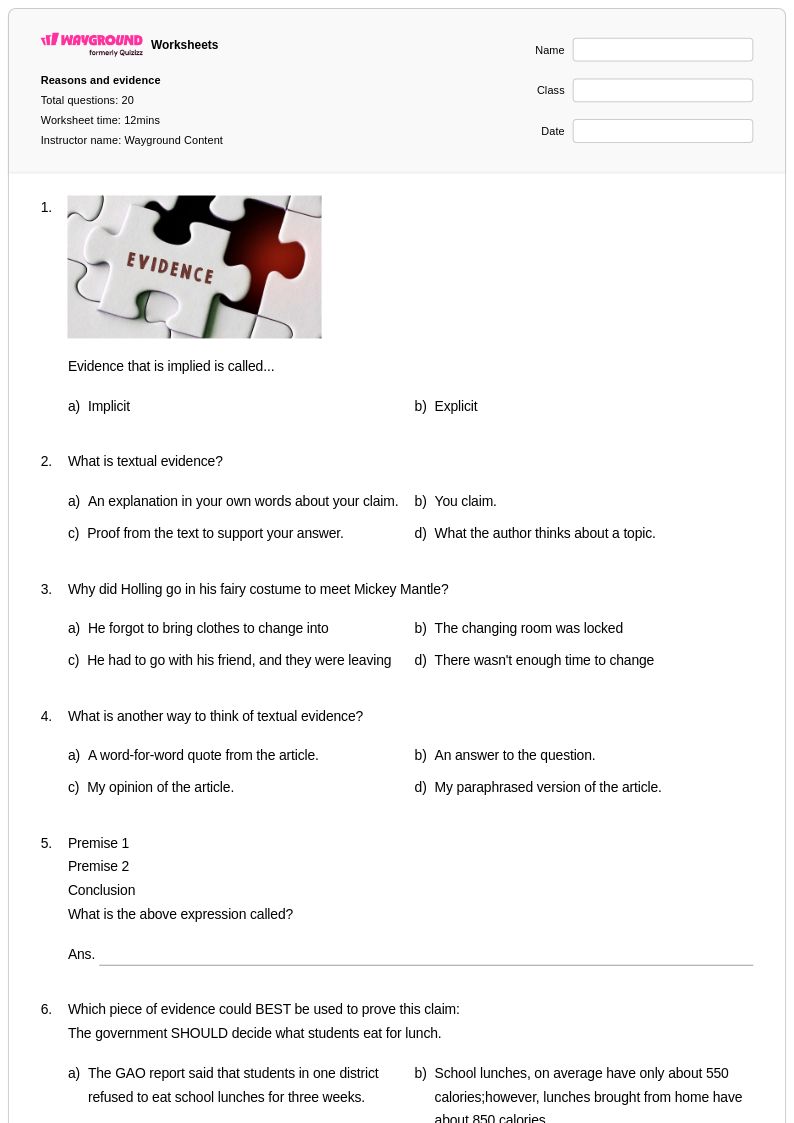
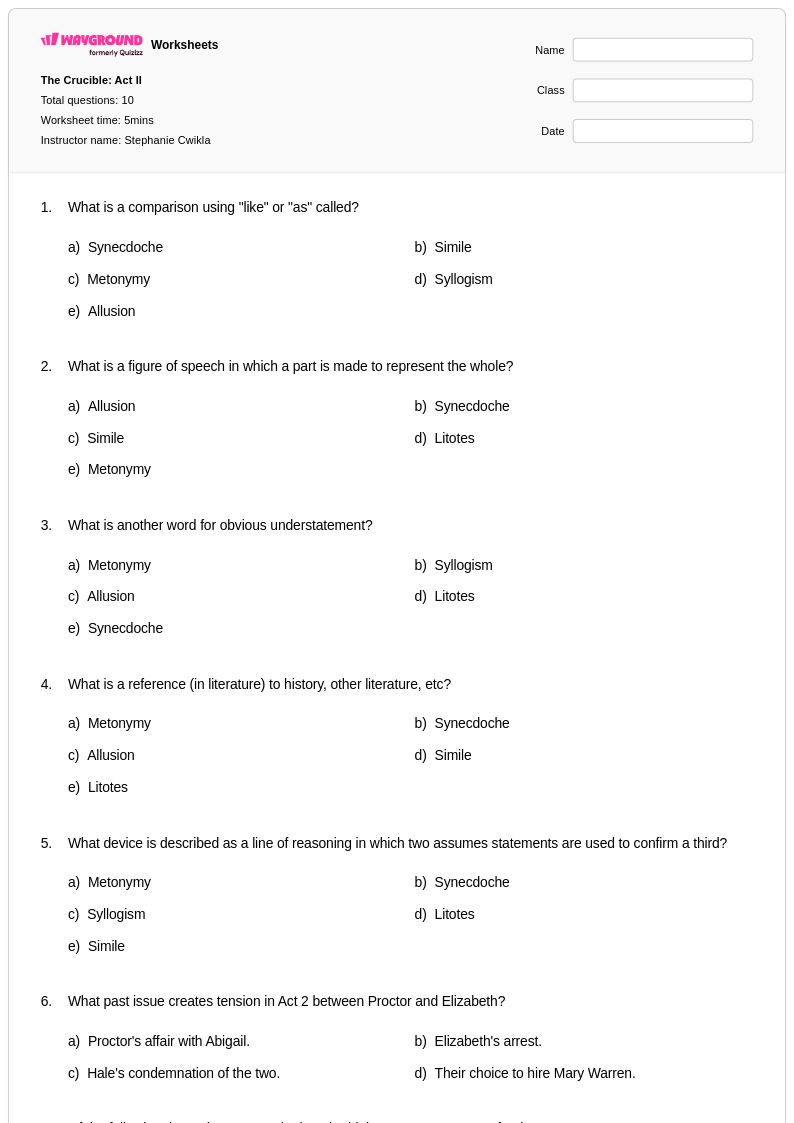
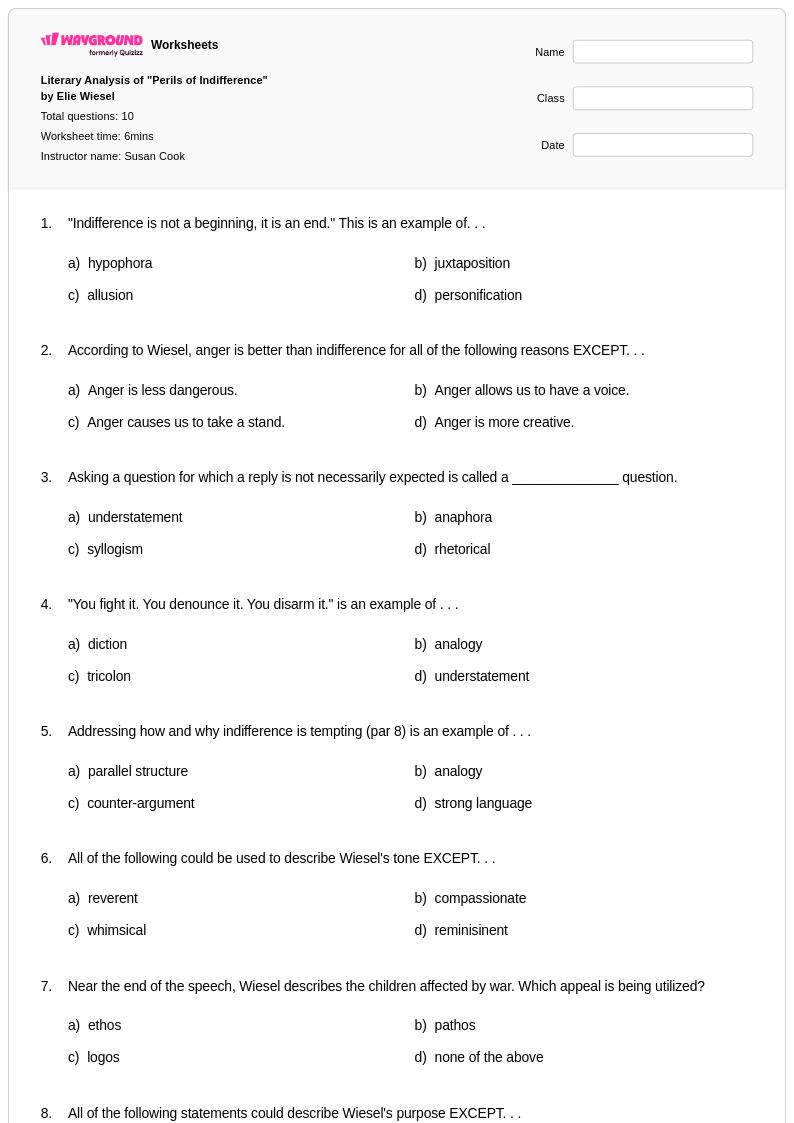
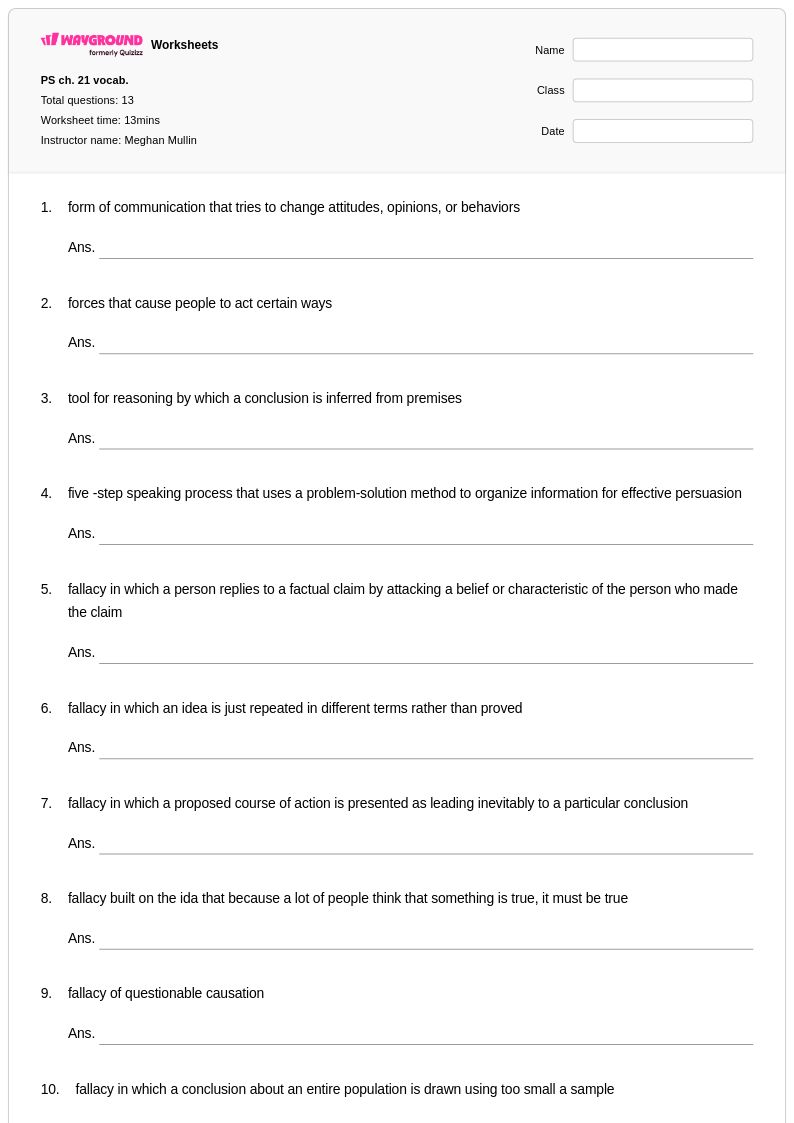
Class 10 syllogism worksheets and printables from Wayground help students master logical reasoning skills through structured practice problems, free PDF resources, and comprehensive answer keys for effective learning.
Explore printable Syllogism worksheets for Class 10
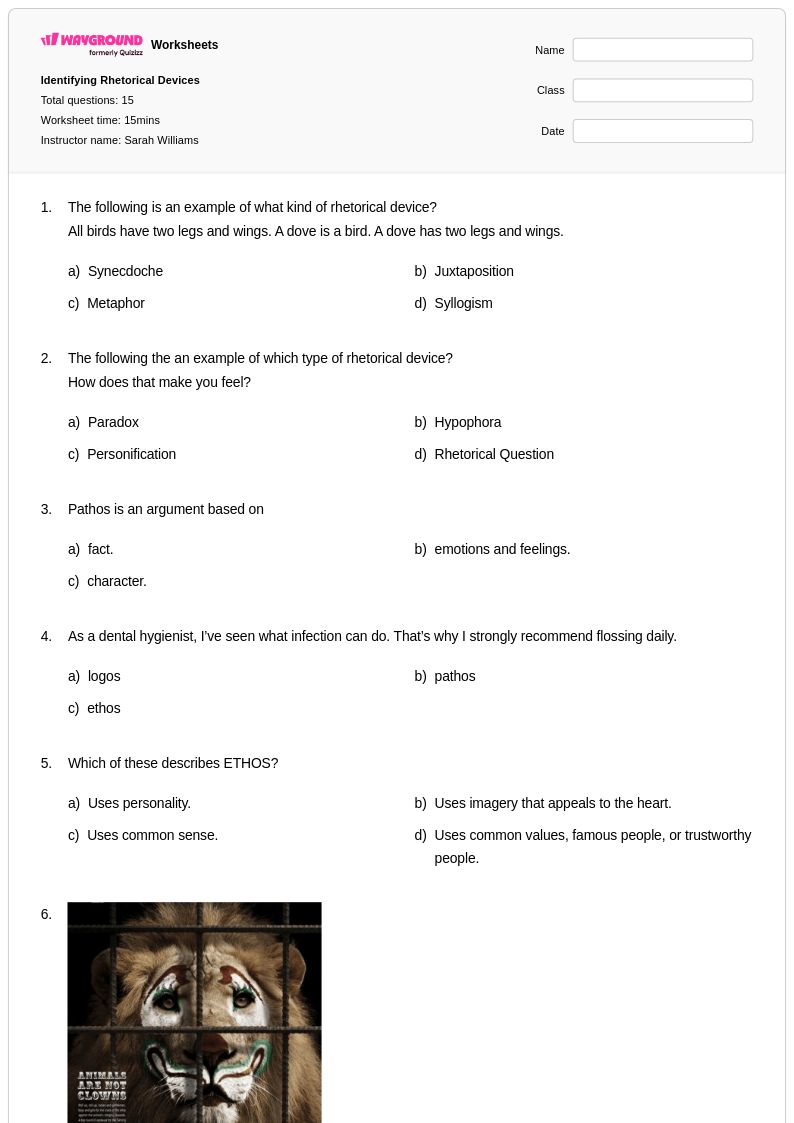
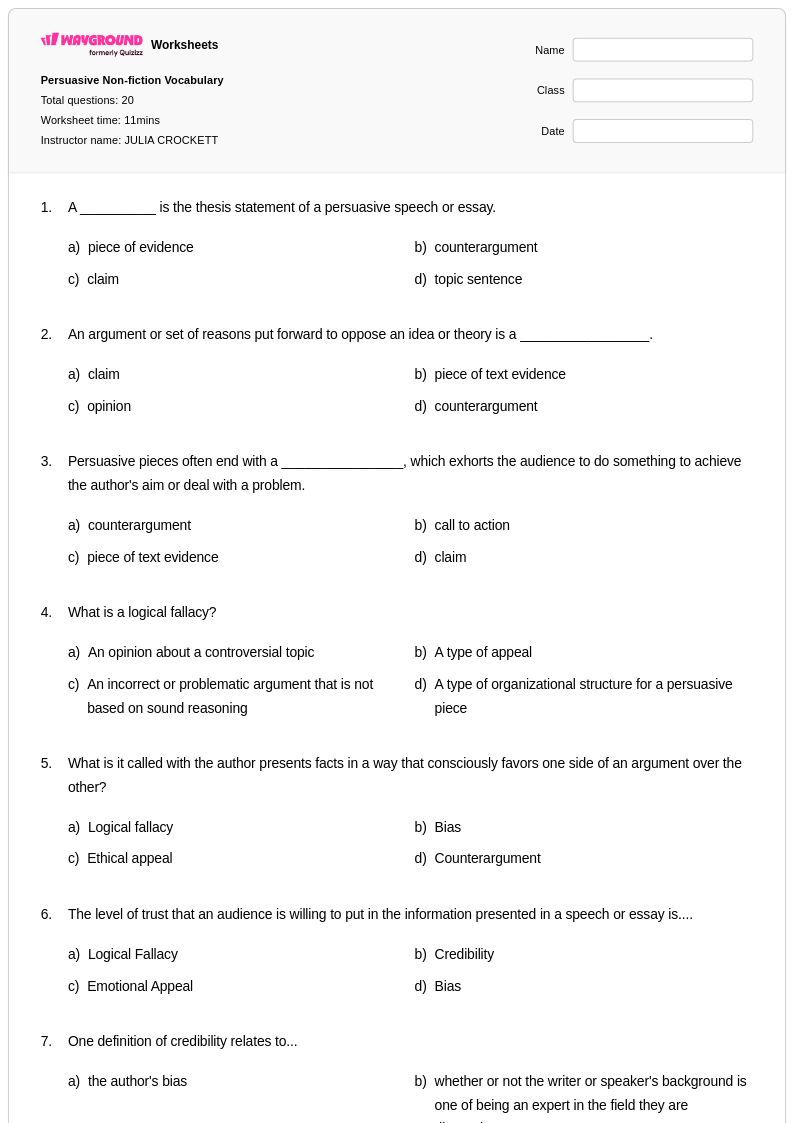
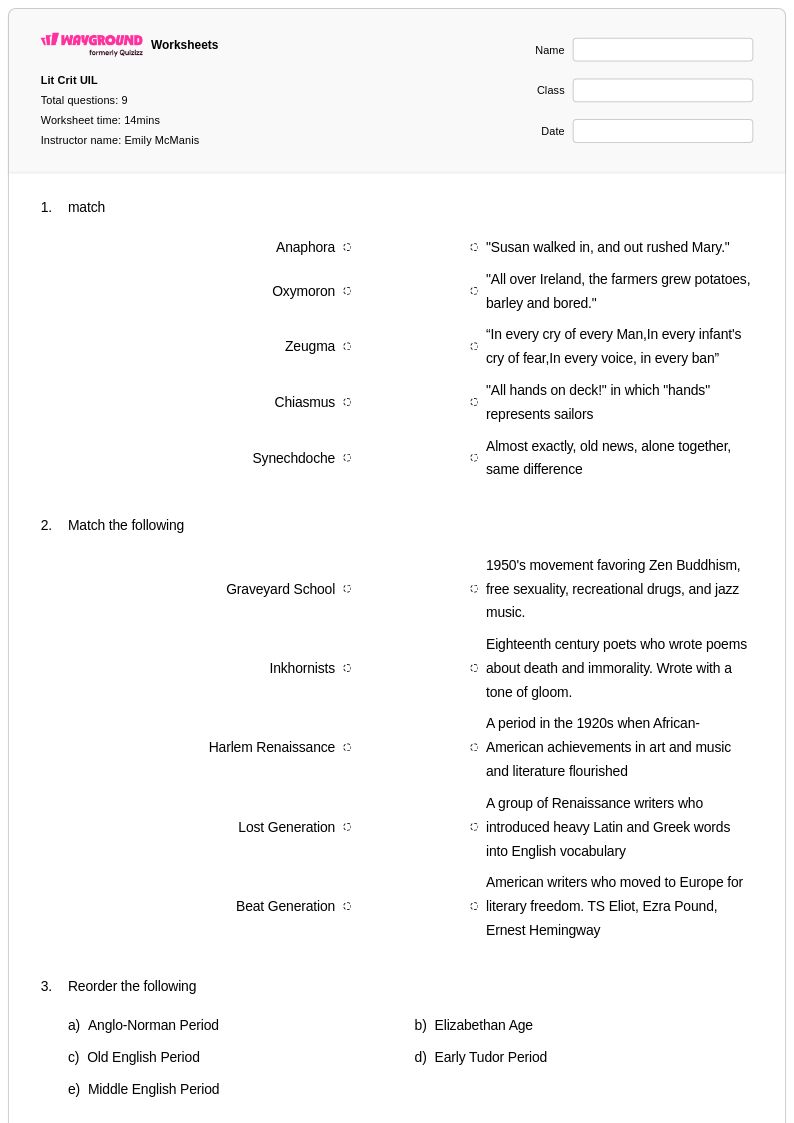
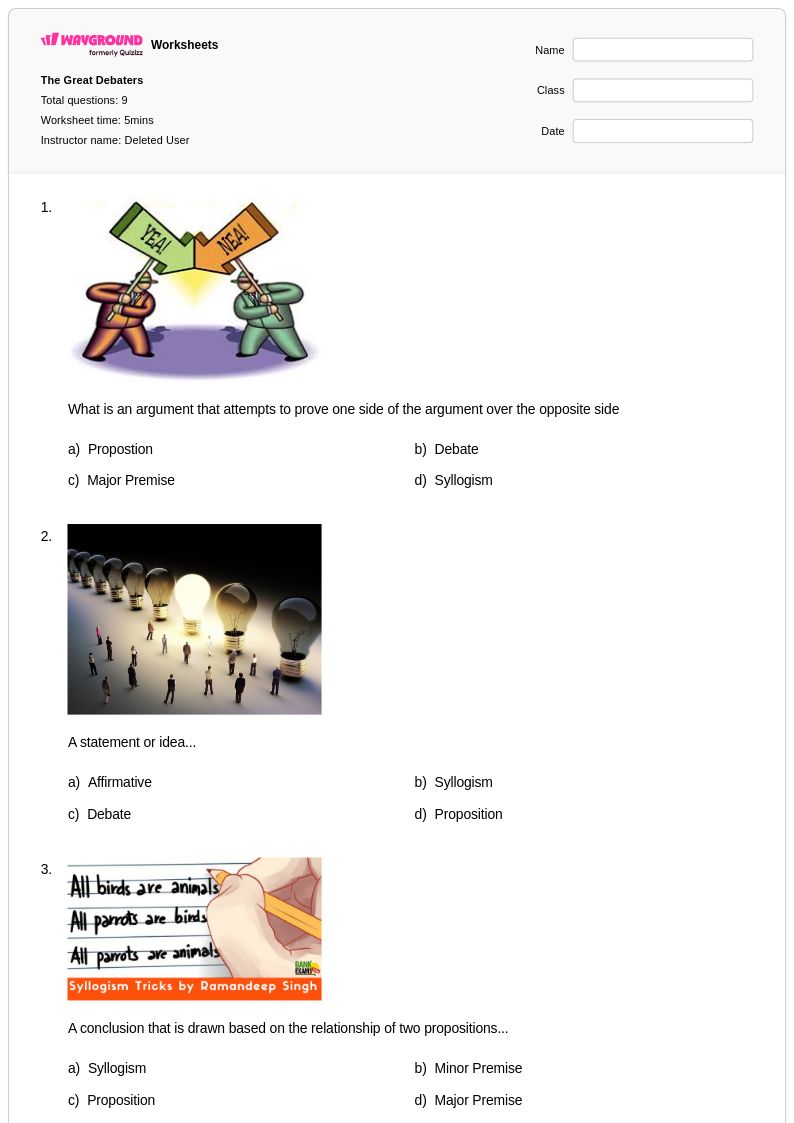
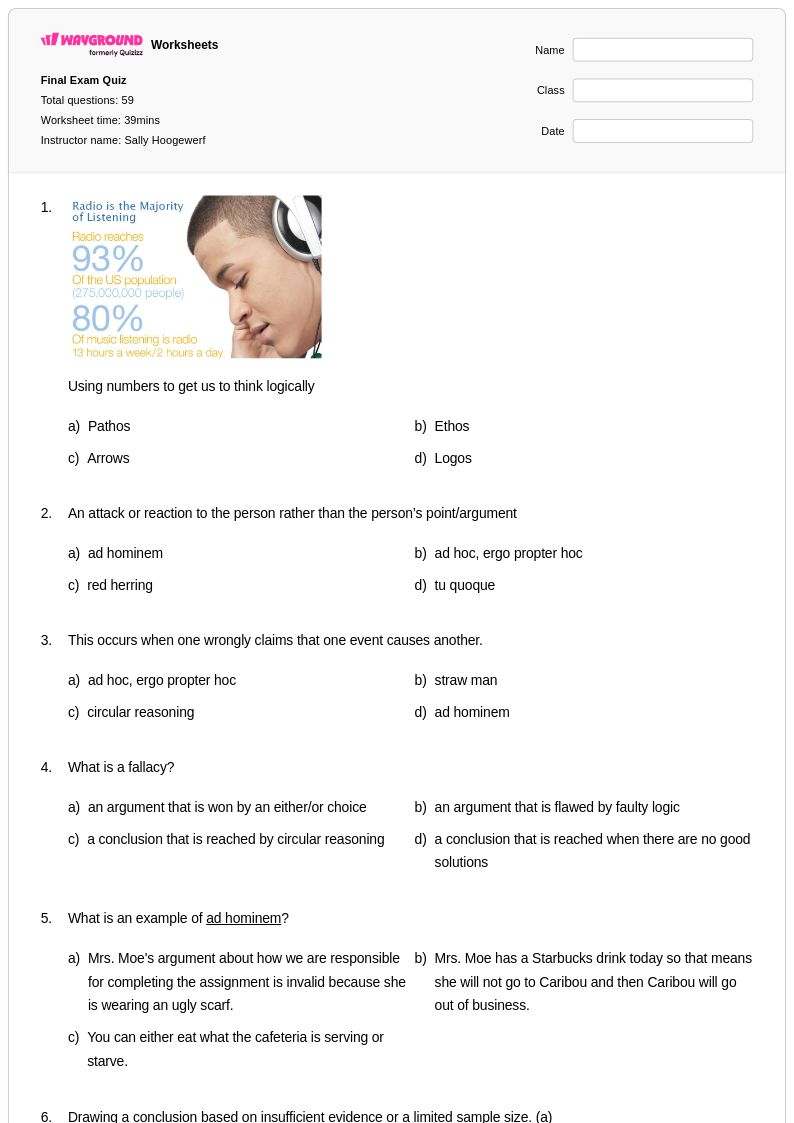
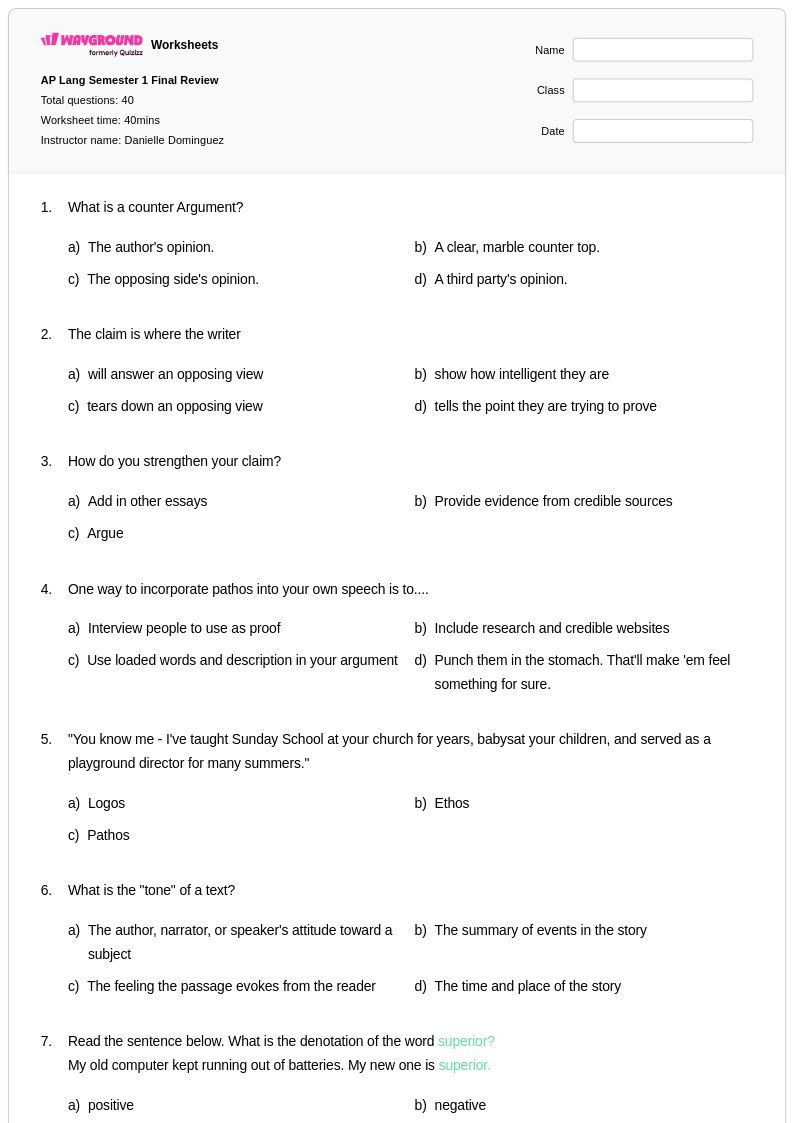
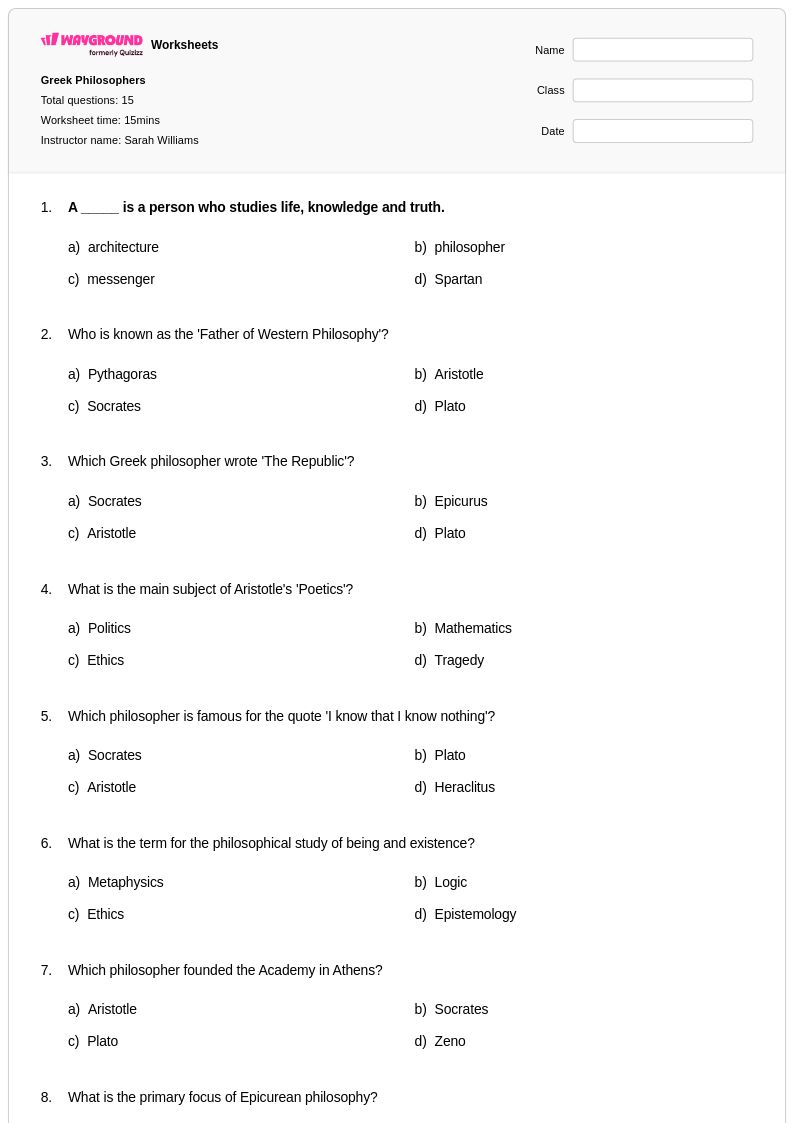
Syllogism worksheets for Class 10 students available through Wayground (formerly Quizizz) provide comprehensive practice in logical reasoning and deductive thinking skills essential for advanced reading comprehension. These carefully designed resources guide students through the structure of syllogistic arguments, helping them identify major premises, minor premises, and conclusions while evaluating the validity of logical chains. Students work through practice problems that strengthen their ability to recognize sound reasoning patterns in complex texts, from classical literature to contemporary argumentative essays. Each worksheet includes detailed answer keys that explain the logical progression of syllogistic reasoning, and these free printables offer educators flexible options for both classroom instruction and independent study assignments.
Wayground (formerly Quizizz) empowers educators with an extensive collection of teacher-created syllogism resources, drawing from millions of expertly developed materials that support Class 10 reading comprehension instruction. The platform's robust search and filtering capabilities allow teachers to locate worksheets aligned with specific curriculum standards and differentiate instruction based on individual student needs. These customizable resources are available in both printable pdf format and interactive digital versions, enabling seamless integration into diverse learning environments. Teachers can efficiently plan targeted lessons for skill practice, provide immediate remediation for students struggling with logical reasoning concepts, or offer enrichment opportunities for advanced learners ready to tackle more sophisticated syllogistic arguments found in academic and professional texts.
FAQs
How do I teach syllogisms to students who are new to logical reasoning?
Start by introducing the three-part structure of a syllogism: the major premise, the minor premise, and the conclusion. Use concrete, familiar examples before moving to abstract ones — for instance, 'All mammals breathe air; dogs are mammals; therefore, dogs breathe air.' Once students can identify the structure in simple cases, gradually introduce examples where the logical form is valid but the content is unfamiliar, which forces them to reason from structure rather than prior knowledge.
What kinds of exercises help students practice identifying valid and invalid syllogisms?
Effective practice involves giving students a mix of valid and invalid syllogisms and asking them to label each and explain why. Exercises that isolate the logical form — replacing content words with variables like 'All A are B; C is A; therefore C is B' — help students focus on structure rather than surface meaning. Pairing identification tasks with written justification builds metacognitive awareness of how deductive reasoning works.
What mistakes do students commonly make when working with syllogisms?
The most common error is accepting a syllogism as valid because its conclusion sounds true, rather than evaluating the logical structure. Students also frequently confuse 'All A are B' with 'All B are A,' leading to faulty conclusions. Another frequent mistake is treating a syllogism with a false premise as invalid — students need to understand that validity is about logical form, not factual accuracy.
How does practicing syllogisms improve reading comprehension?
Syllogistic reasoning trains students to trace how conclusions follow from premises, which directly supports comprehension of argumentative and informational texts. When students can recognize implicit major premises in an author's argument or identify when a conclusion does not logically follow, they engage with texts at a higher analytical level. This skill is especially valuable in standardized reading comprehension tasks where students must evaluate the strength of an argument or identify logical gaps.
How can I use Wayground's syllogism worksheets in my classroom?
Wayground's syllogism worksheets are available as printable PDFs for traditional classroom use and in digital formats for technology-integrated environments, giving teachers flexibility across instructional settings. You can also host them as a quiz directly on Wayground, which allows for streamlined formative assessment. All worksheets include answer keys, supporting both independent student practice and teacher-led review sessions.
How can I differentiate syllogism instruction for students at different skill levels?
For students who are still developing logical reasoning skills, begin with syllogisms that use familiar, concrete content so cognitive load stays focused on structure. Advanced students can be challenged with multi-step or enthymematic arguments where one premise is implied rather than stated. On Wayground, teachers can also apply accommodations such as read aloud support or reduced answer choices for individual students who need additional scaffolding, without affecting the experience of the rest of the class.