
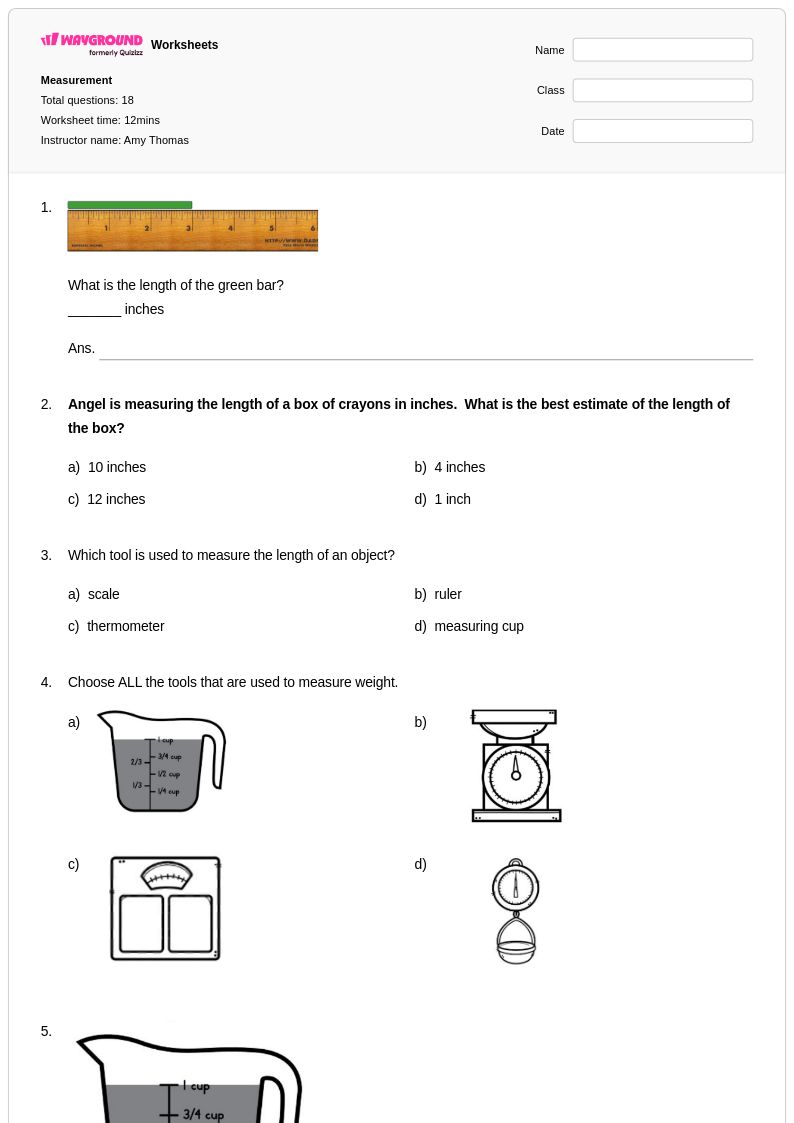
18 Q
2nd
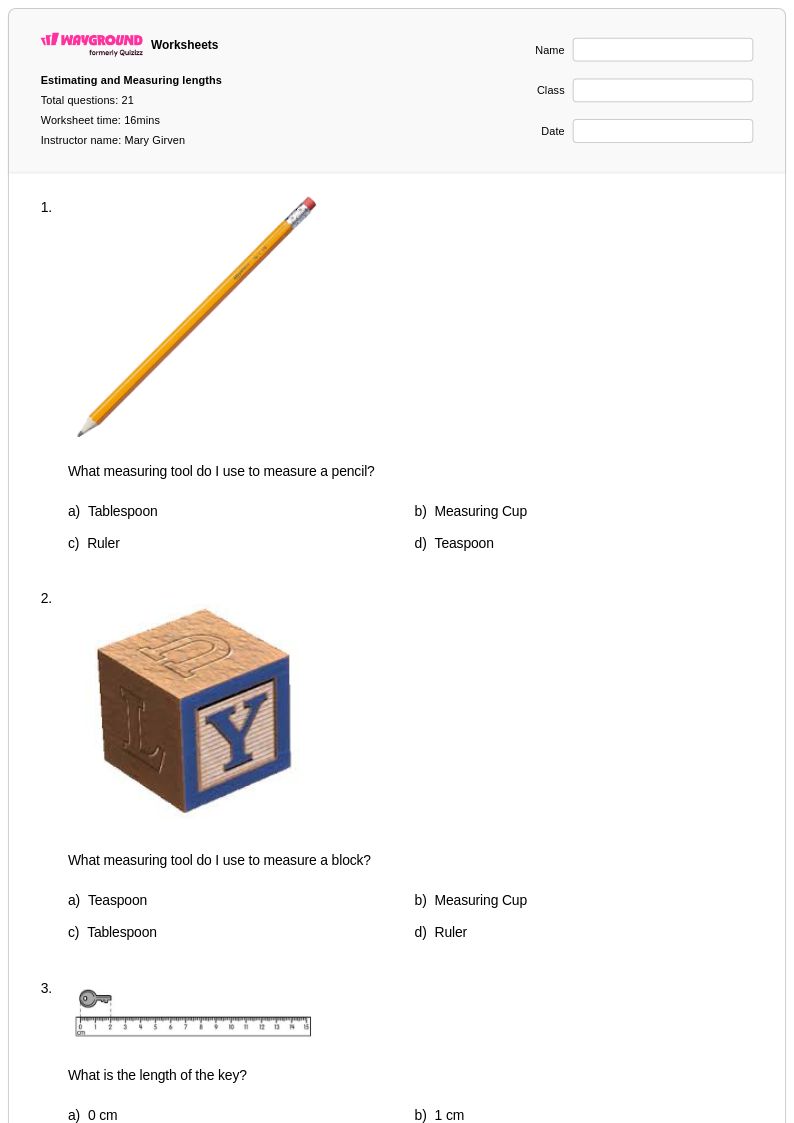
21 Q
2nd
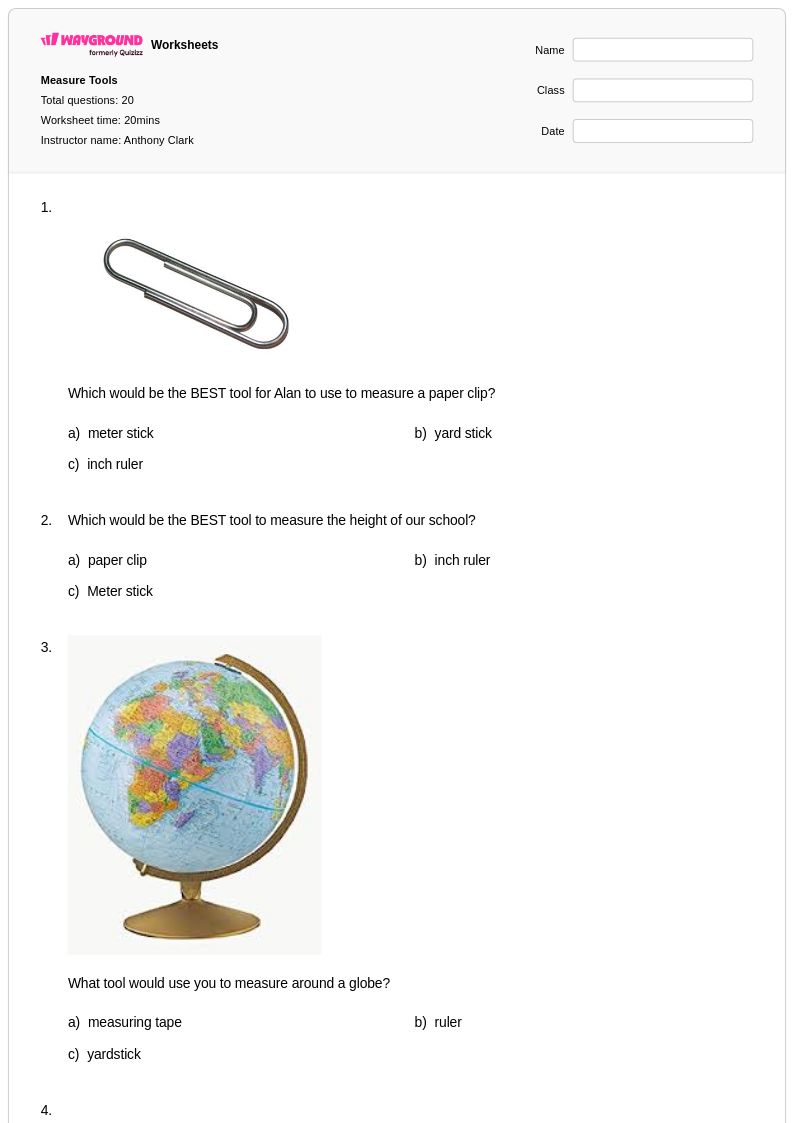
20 Q
2nd - Uni
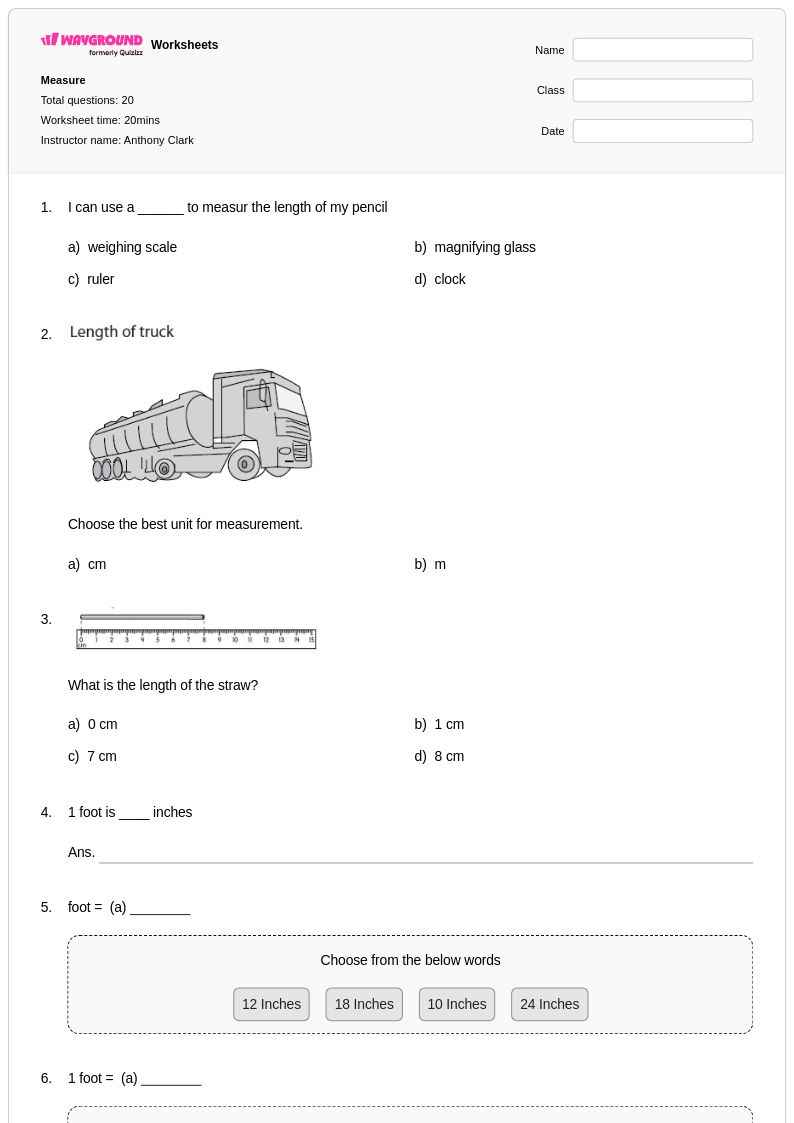
20 Q
2nd - Uni
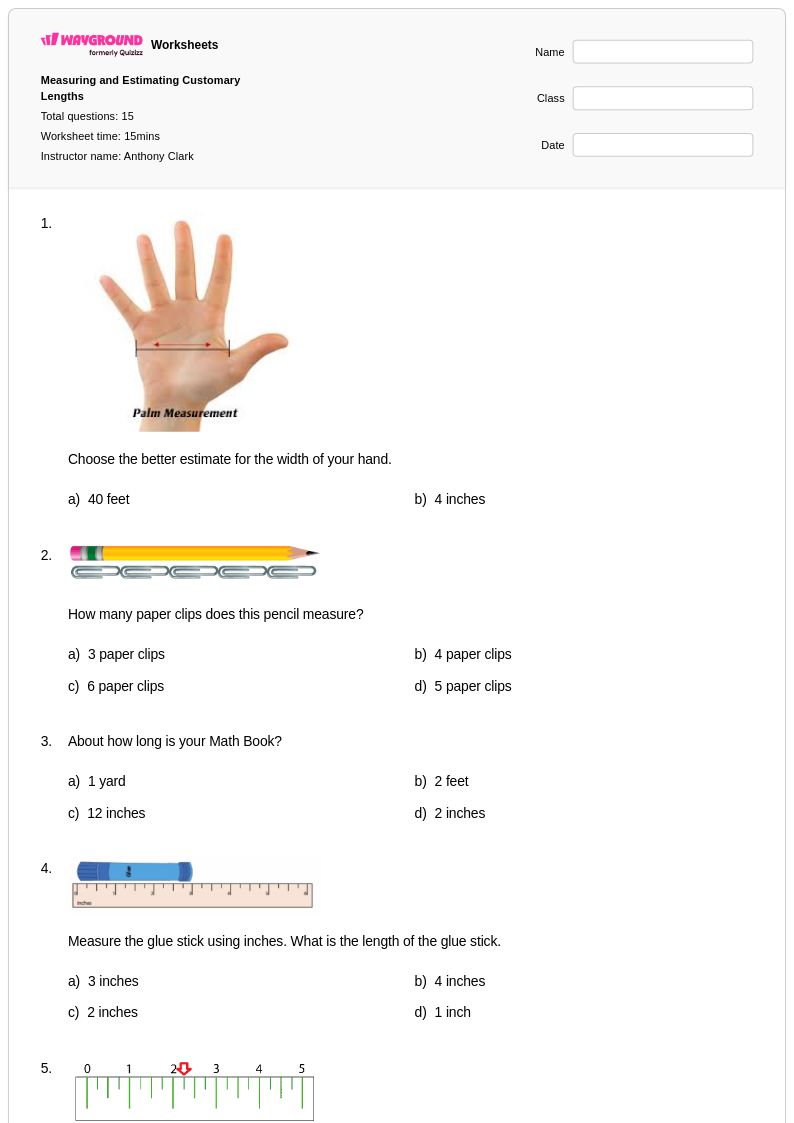
15 Q
2nd - Uni
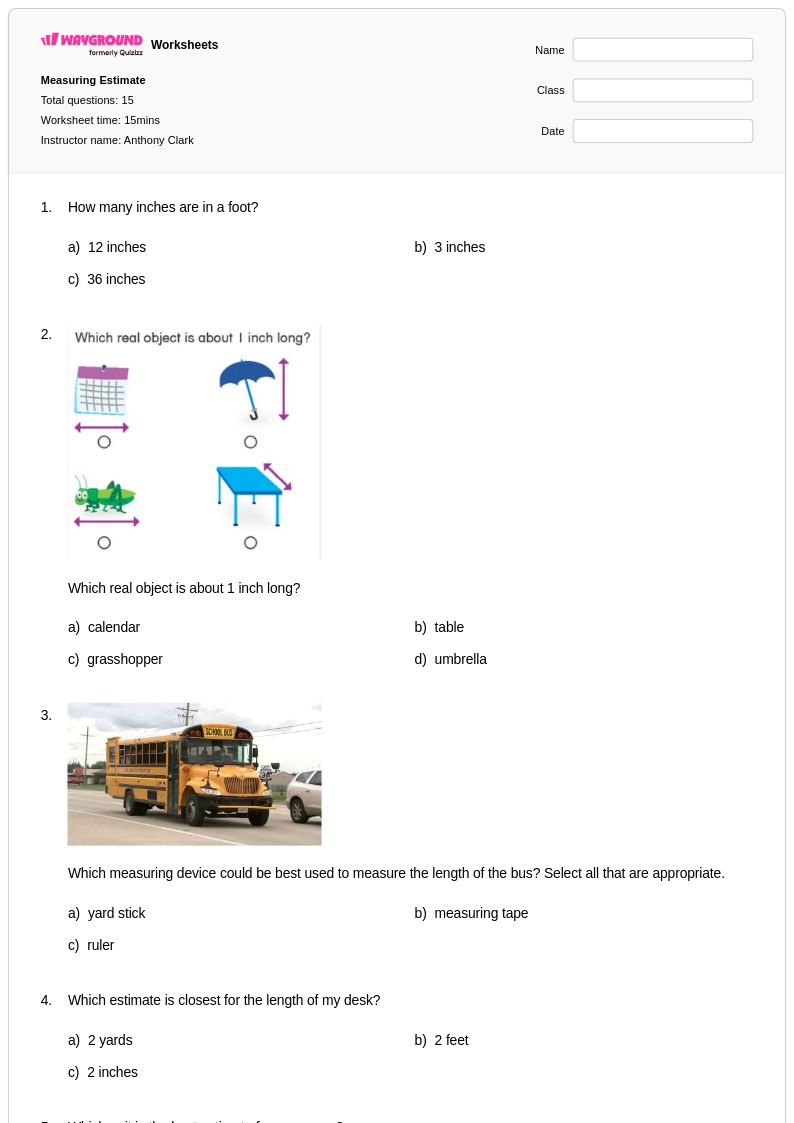
15 Q
2nd - Uni
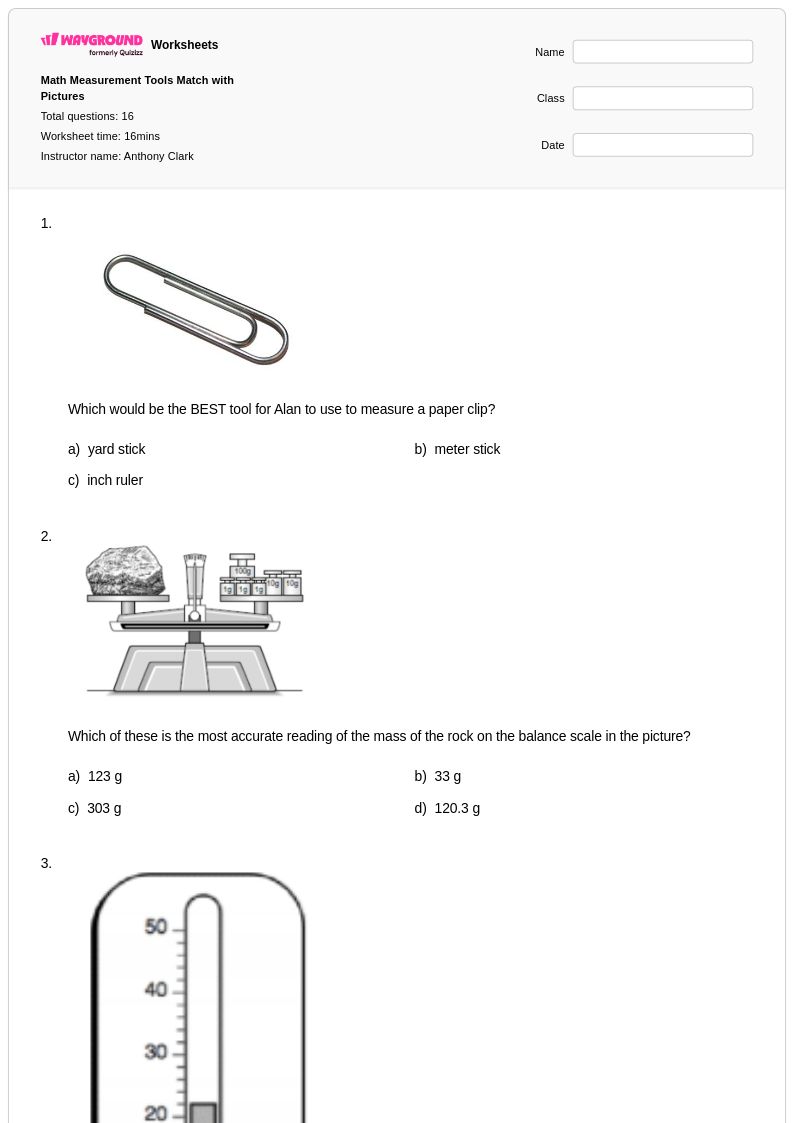
16 Q
2nd - Uni
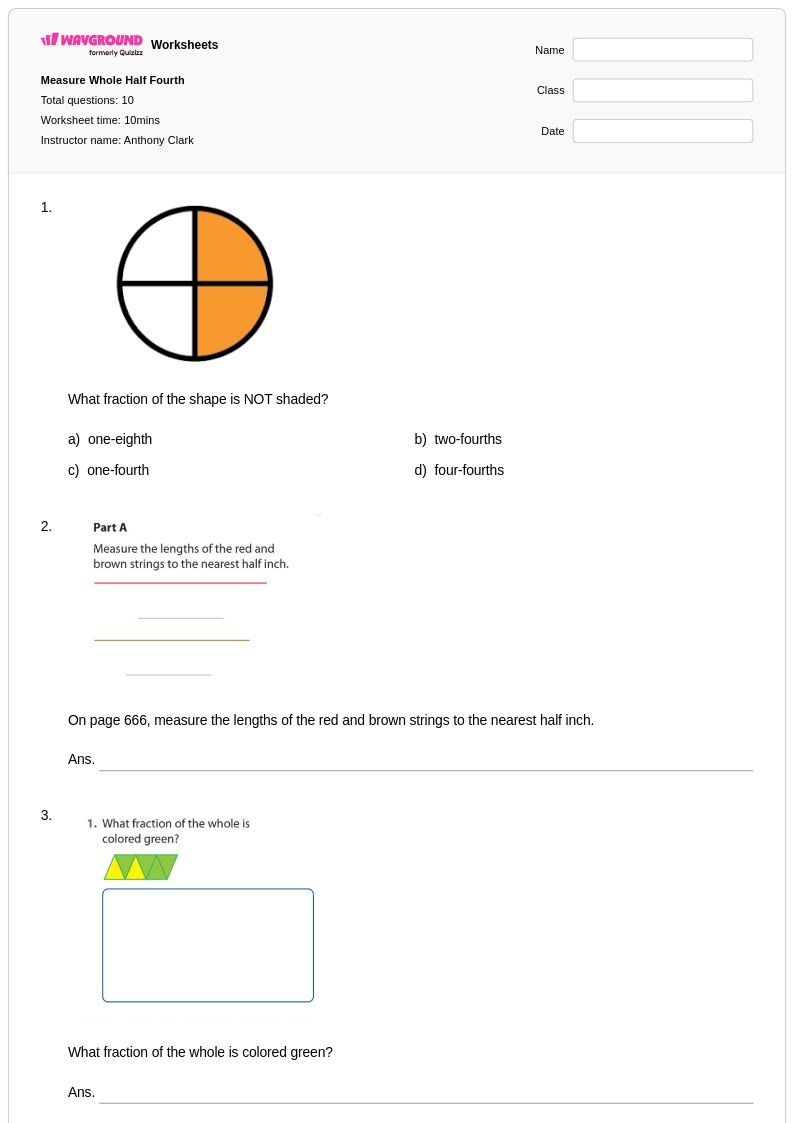
10 Q
2nd - Uni
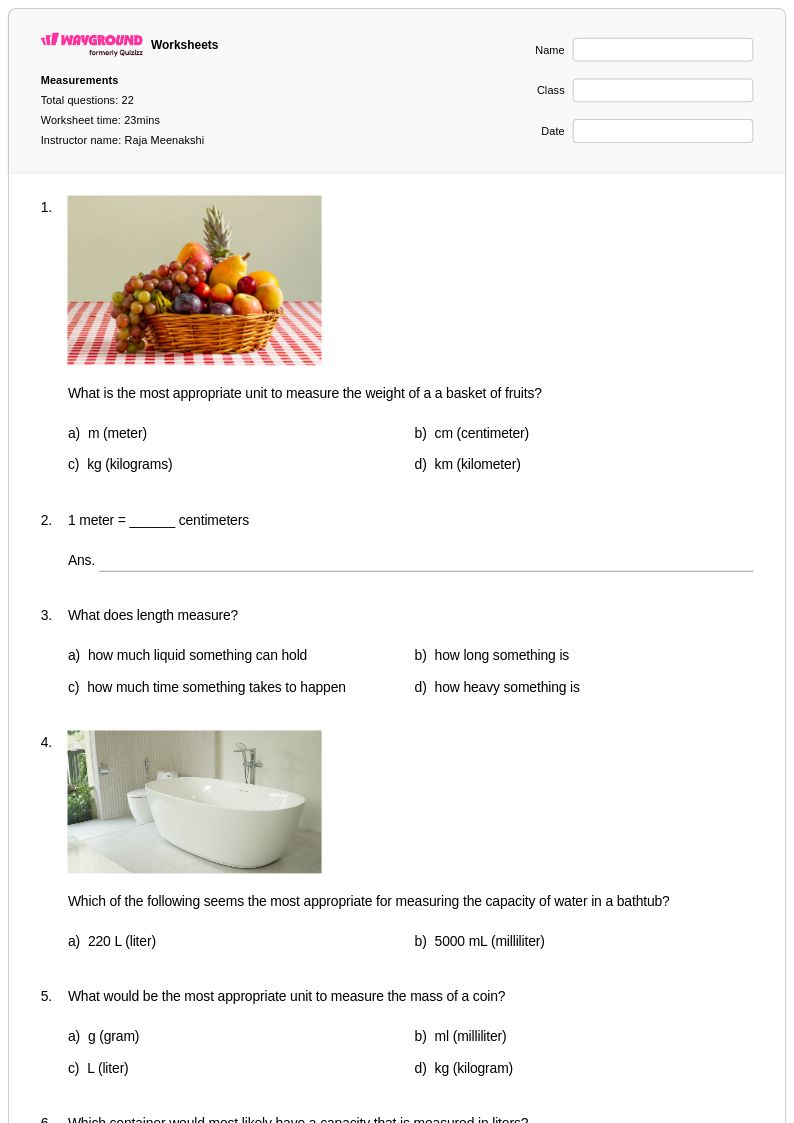
22 Q
2nd
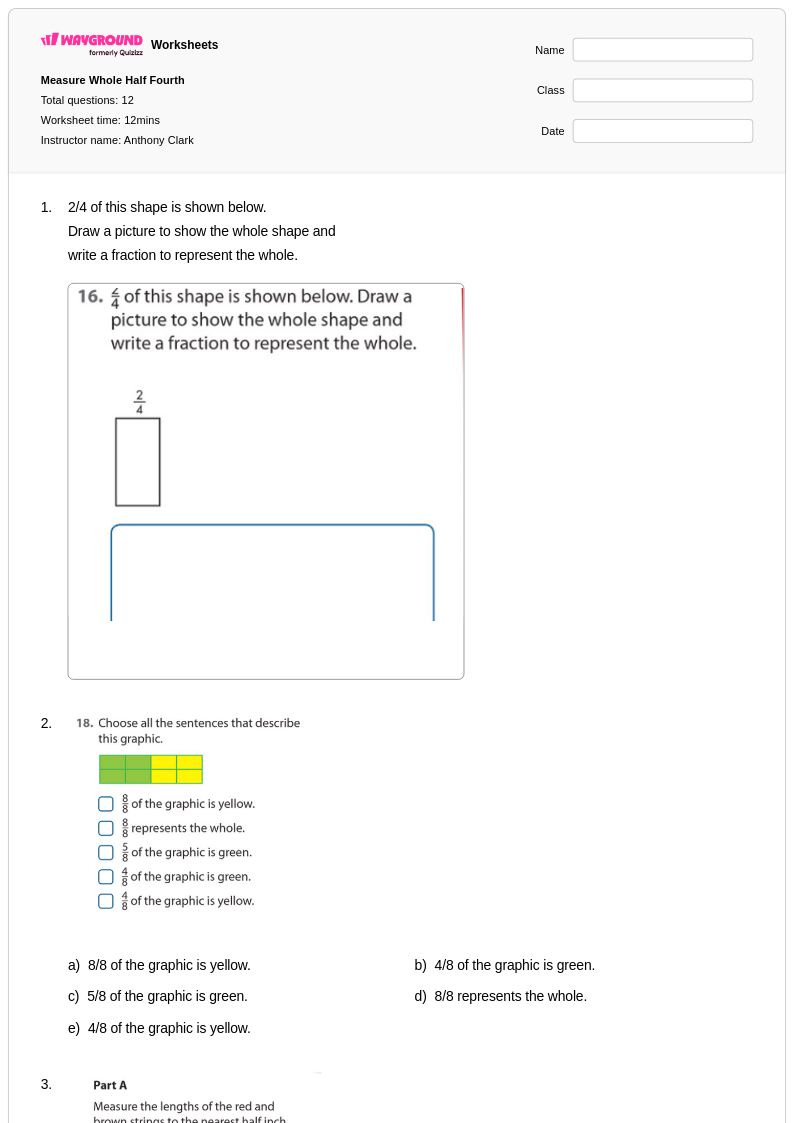
12 Q
2nd - Uni
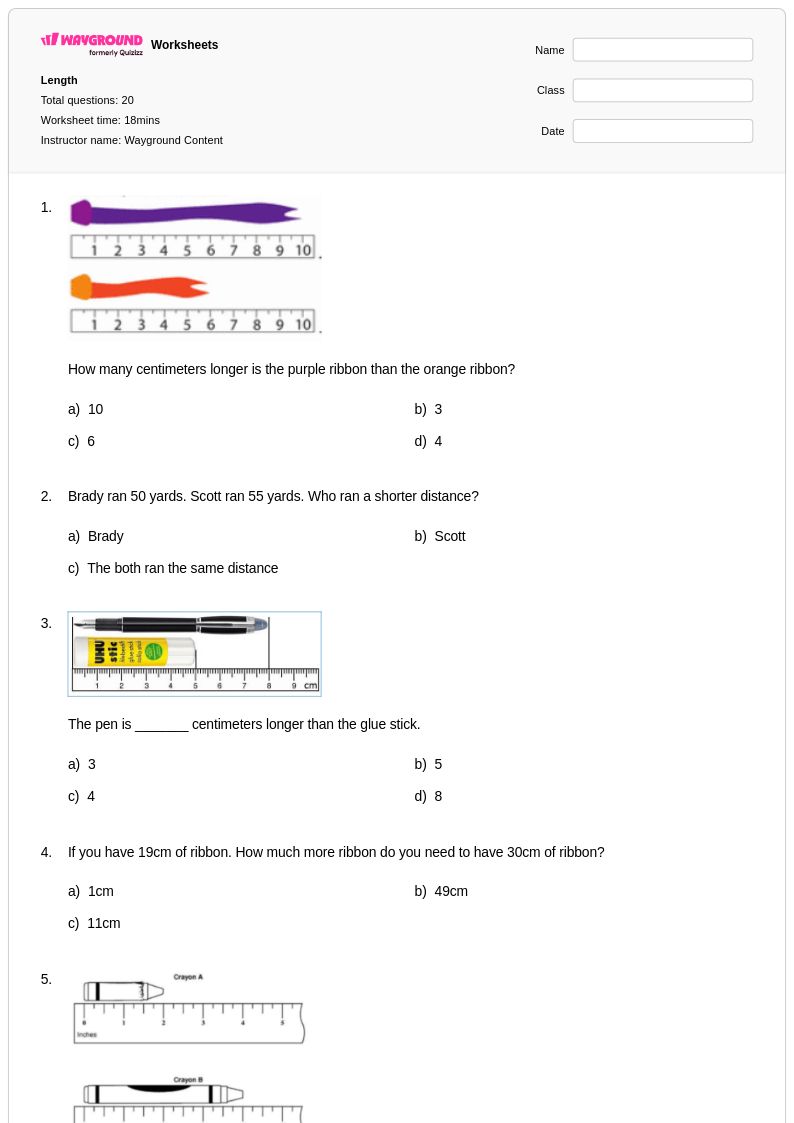
20 Q
2nd
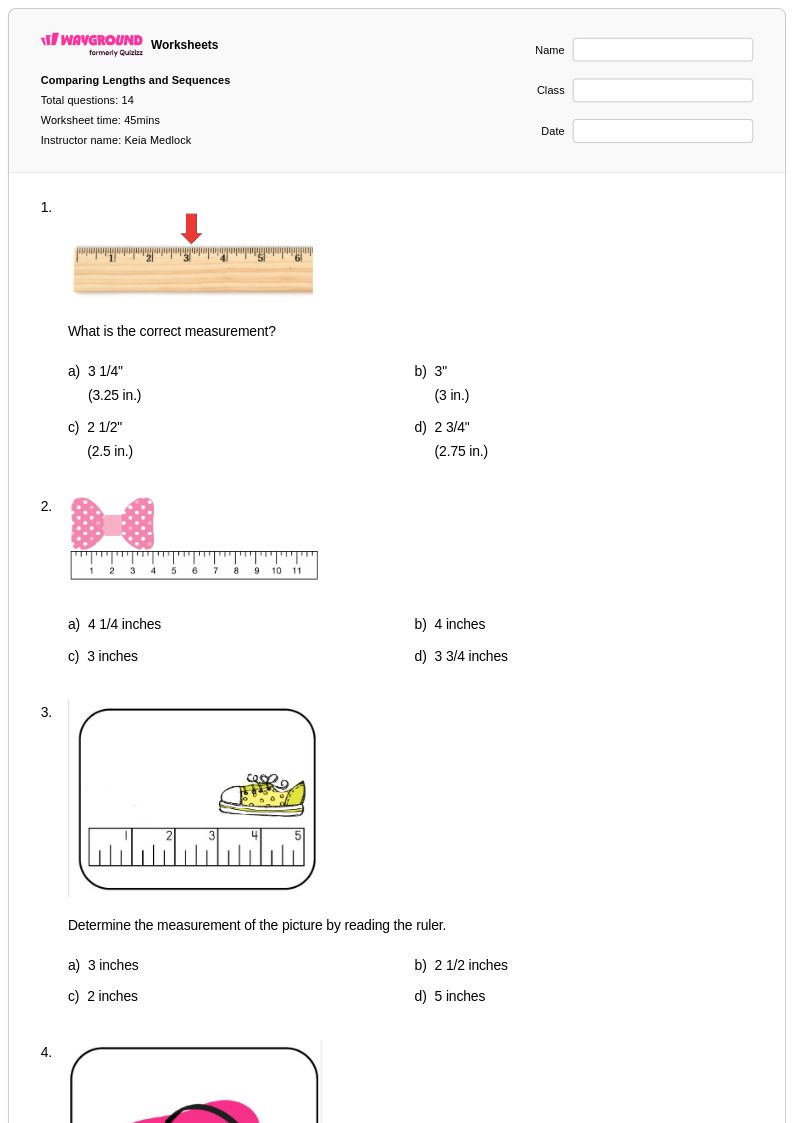
14 Q
2nd
16 Q
1st - 4th
20 Q
2nd
12 Q
2nd
20 Q
2nd
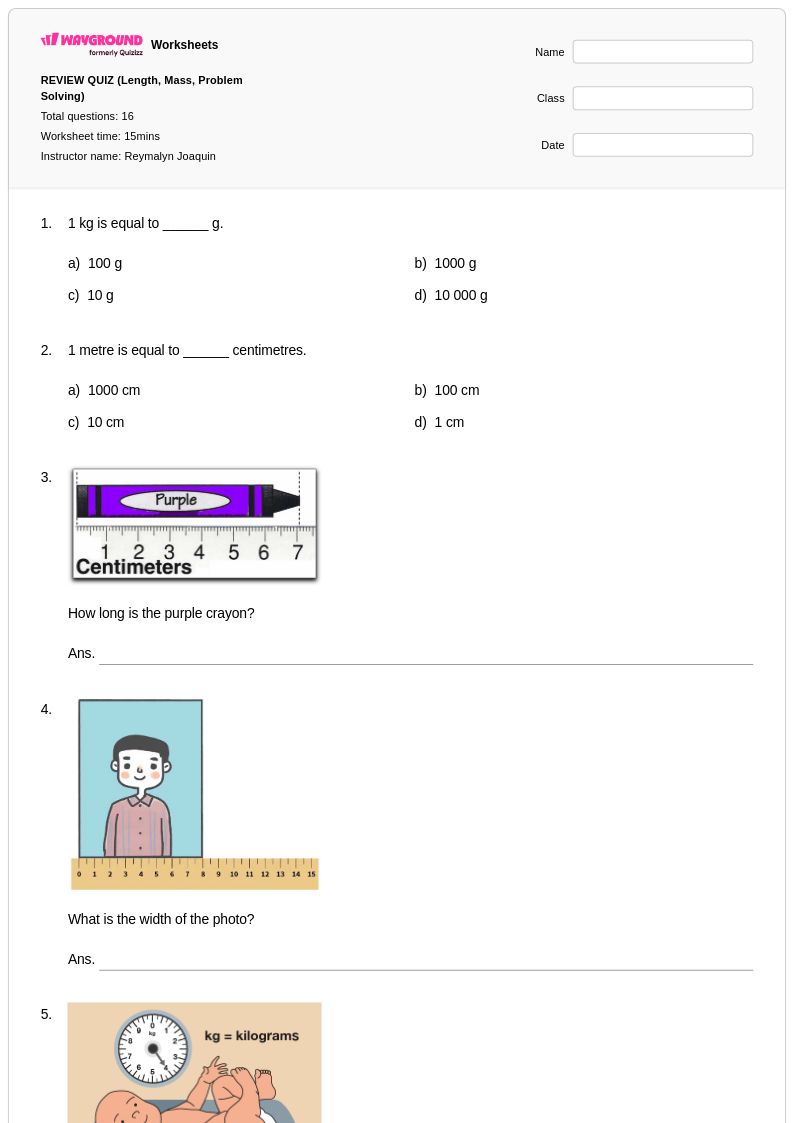
16 Q
2nd
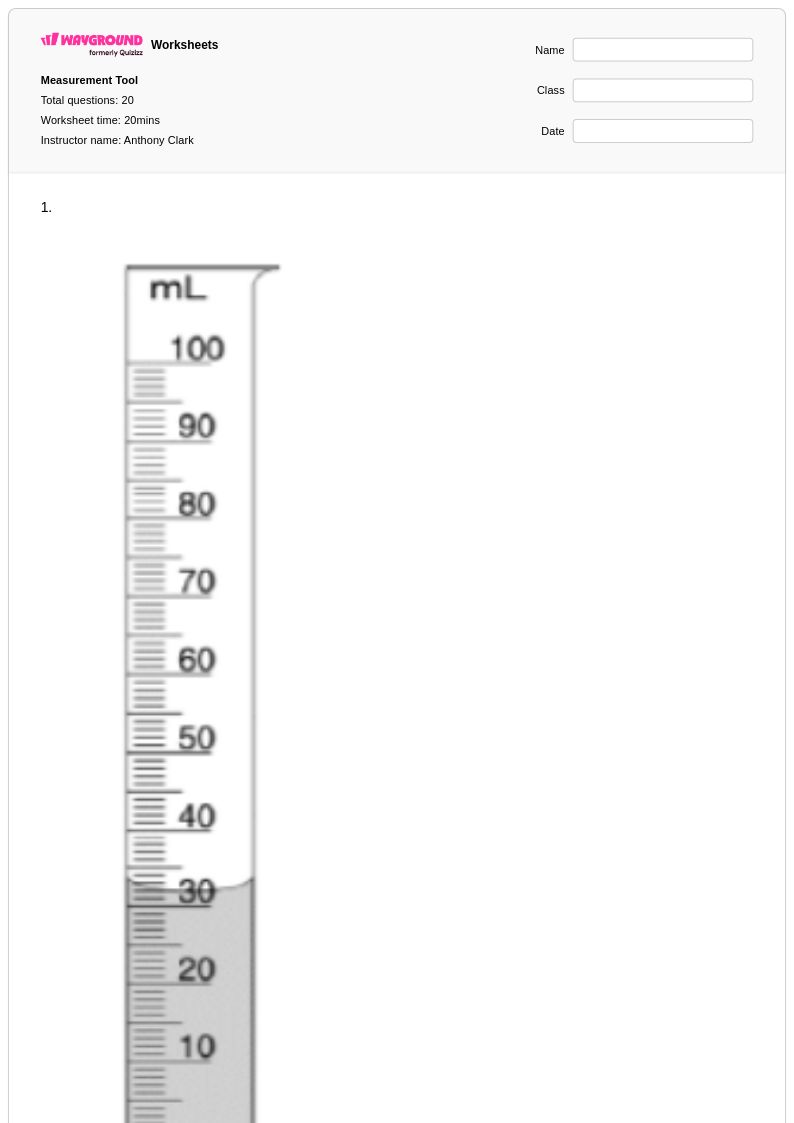
20 Q
2nd - Uni
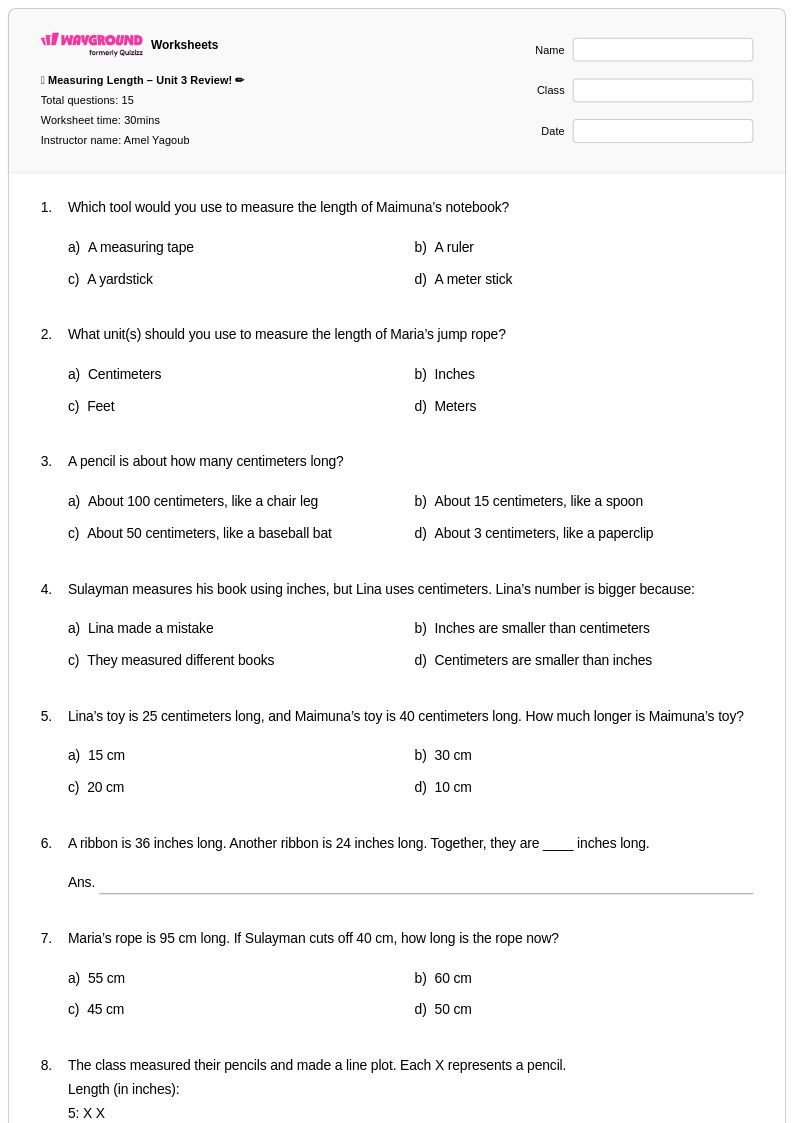
15 Q
2nd
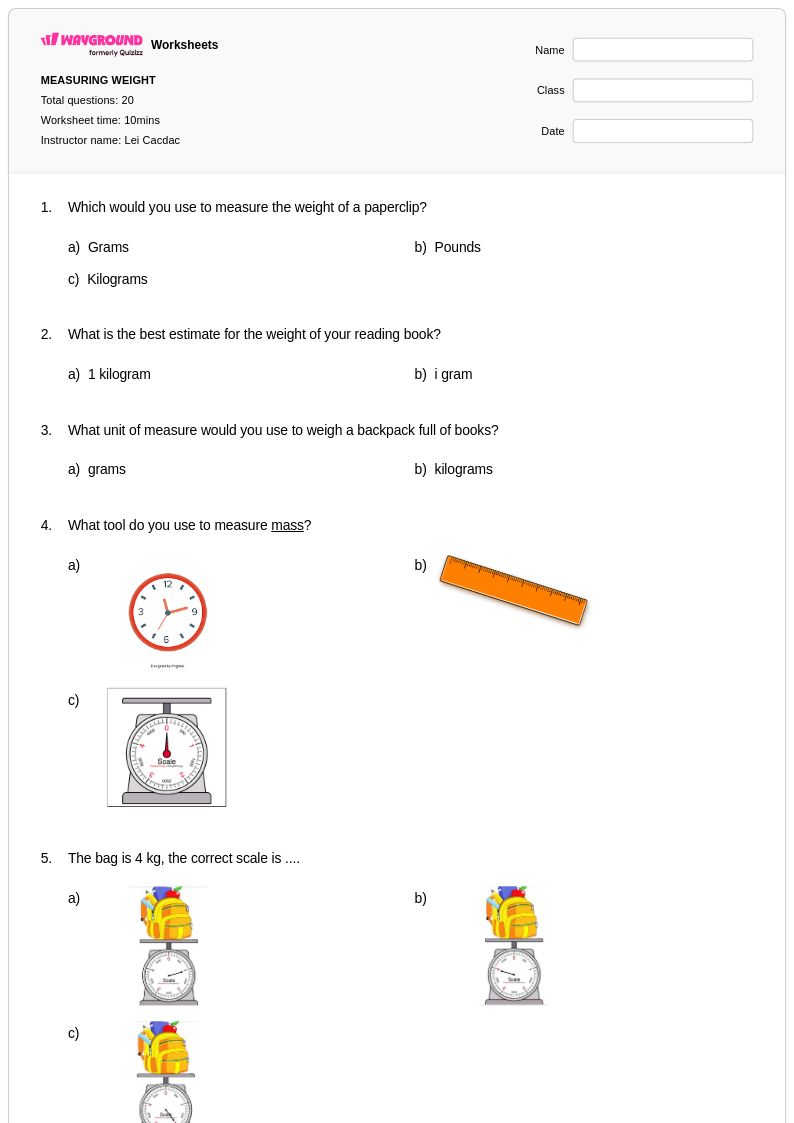
20 Q
2nd

20 Q
2nd - Uni
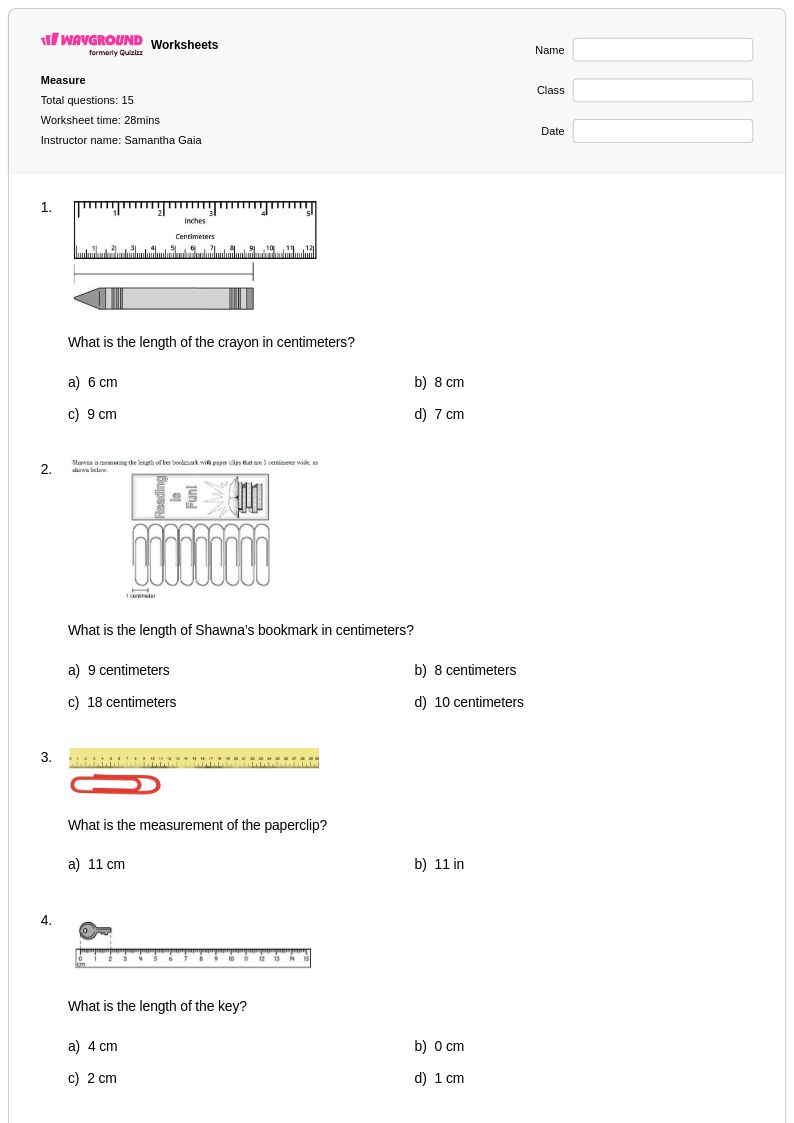
15 Q
2nd
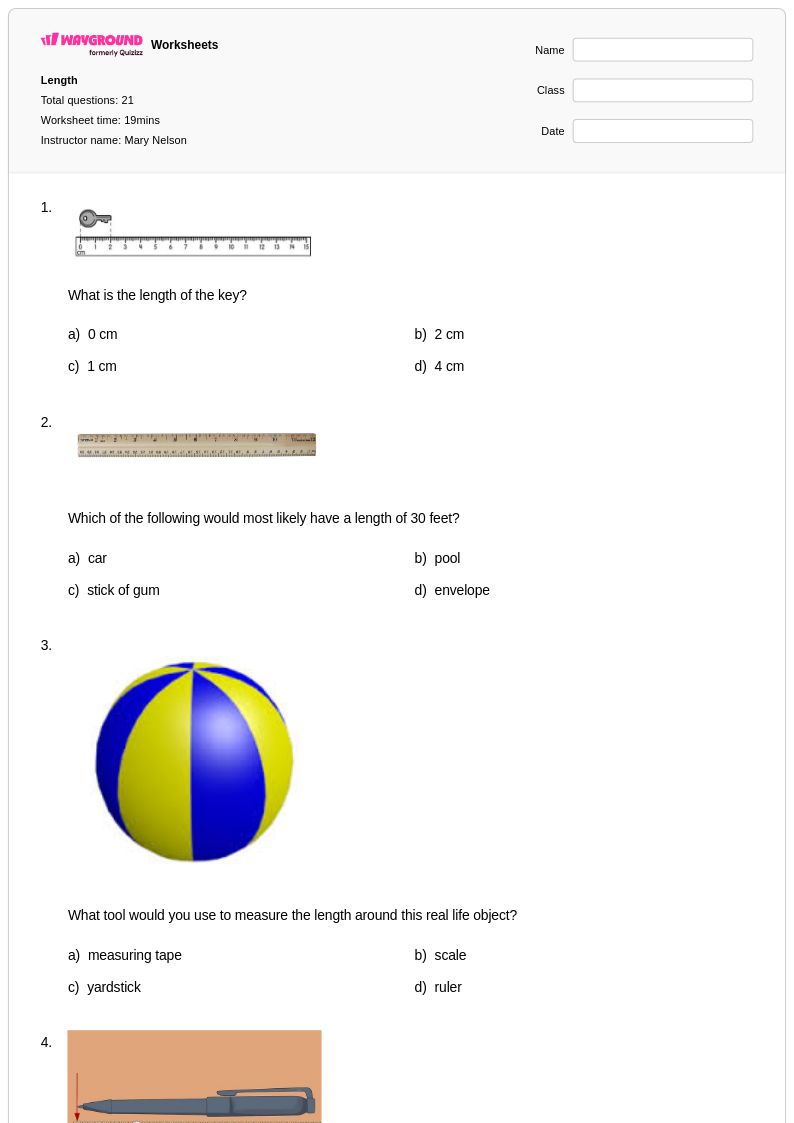
21 Q
2nd
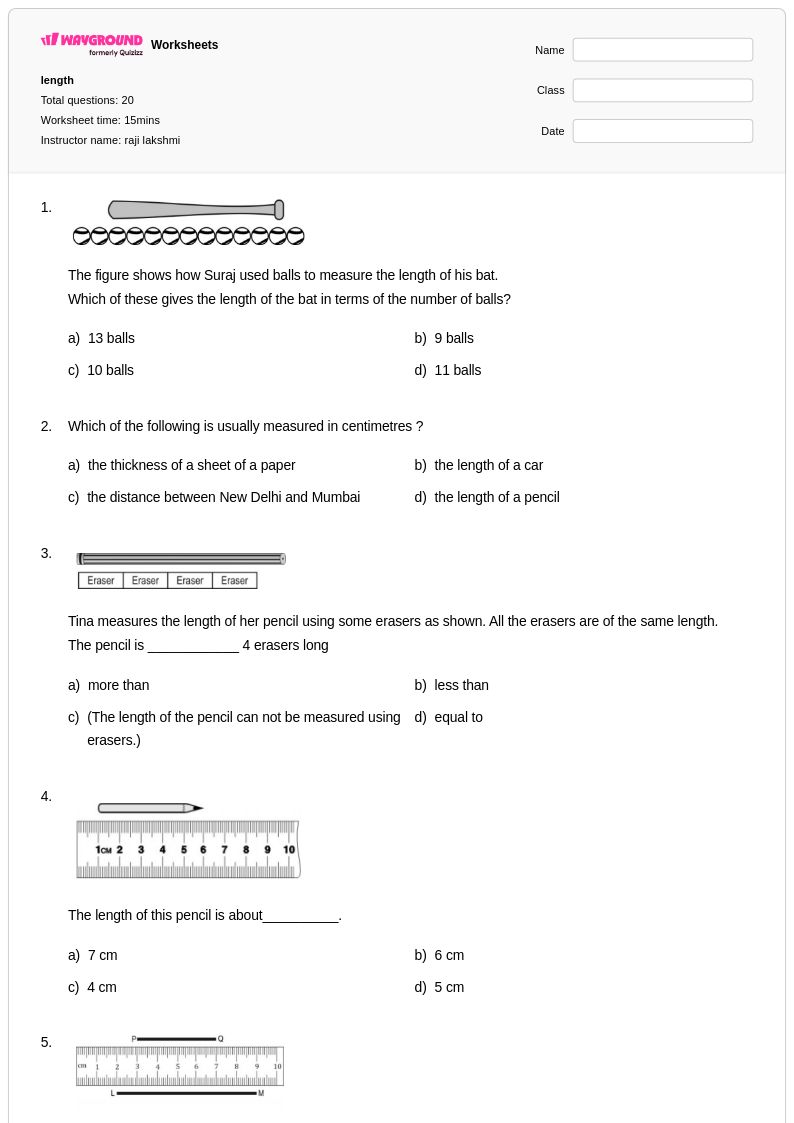
20 Q
2nd
Explore Other Subject Worksheets for class 2
Explore printable Tape Measure Reading worksheets for Class 2
Tape measure reading worksheets for Class 2 students available through Wayground (formerly Quizizz) provide essential foundational practice in measurement skills that young learners need to develop spatial awareness and mathematical reasoning. These carefully designed printables focus on helping second-grade students understand how to read standard and metric tape measures, identify measurement marks, and interpret fractional increments appropriate for their developmental level. The worksheets strengthen critical skills including number recognition, counting by intervals, understanding units of measurement, and making connections between abstract numbers and real-world distances. Each practice problem set comes with a comprehensive answer key, making it easy for educators to assess student progress and provide immediate feedback. These free resources offer structured exercises that progress from basic whole number measurements to more complex fractional readings, ensuring students build confidence with this fundamental measurement tool through repeated practice and application.
Wayground (formerly Quizizz) supports educators with an extensive collection of teacher-created tape measure reading resources, drawing from millions of high-quality worksheets that align with Class 2 mathematics standards and measurement objectives. The platform's robust search and filtering capabilities allow teachers to quickly locate materials that match specific skill levels, learning objectives, or classroom needs, whether for initial instruction, remediation, or enrichment activities. These versatile resources are available in both printable pdf format for traditional classroom use and digital formats for interactive learning experiences. The differentiation tools enable educators to customize worksheets based on individual student needs, adjusting difficulty levels and problem types to ensure appropriate challenge and support. This comprehensive approach to tape measure reading instruction helps teachers effectively plan lessons, provide targeted skill practice, and accommodate diverse learning styles while building students' confidence and competency with essential measurement concepts.
FAQs
How do I teach tape measure reading to second graders?
What exercises help Grade 2 students practice reading a tape measure?
What tape measure errors are common in Grade 2?
How should I use these Grade 2 tape measure worksheets?
What tape measure skills should second graders know?
How does Grade 2 tape measure reading align with Common Core?
How can I differentiate Grade 2 tape measure worksheets?