
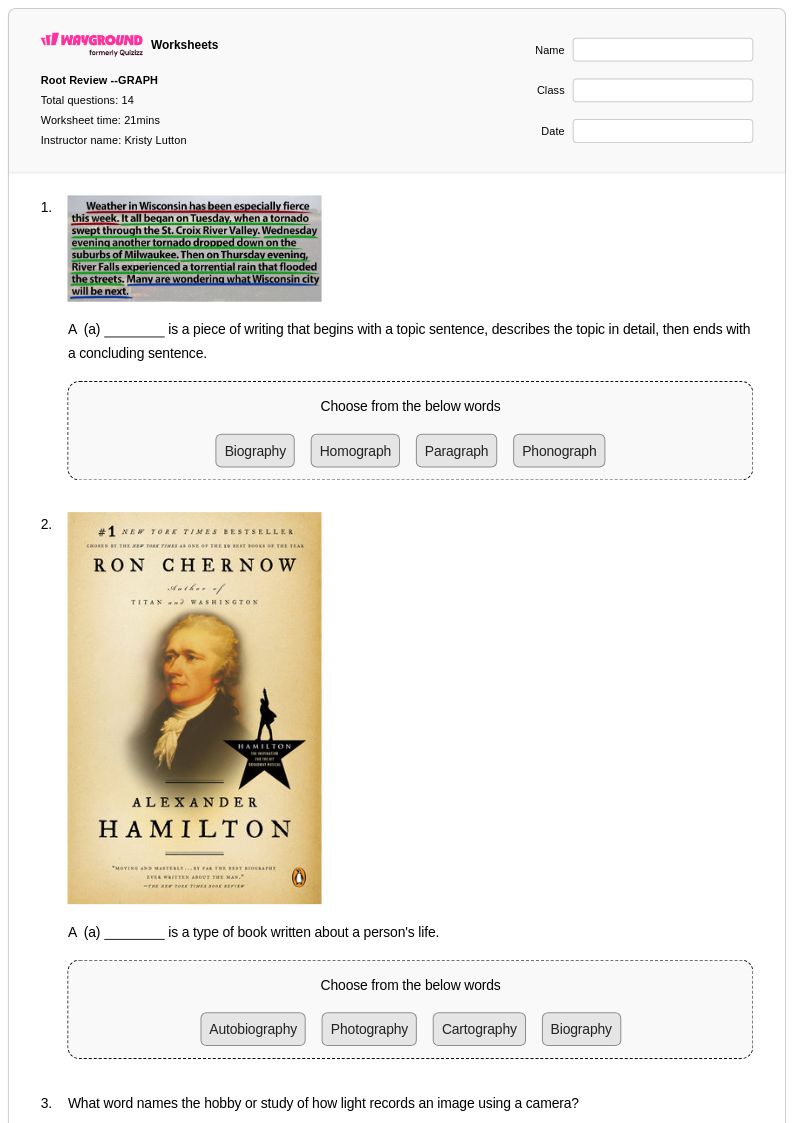
14Q
9th - 12th
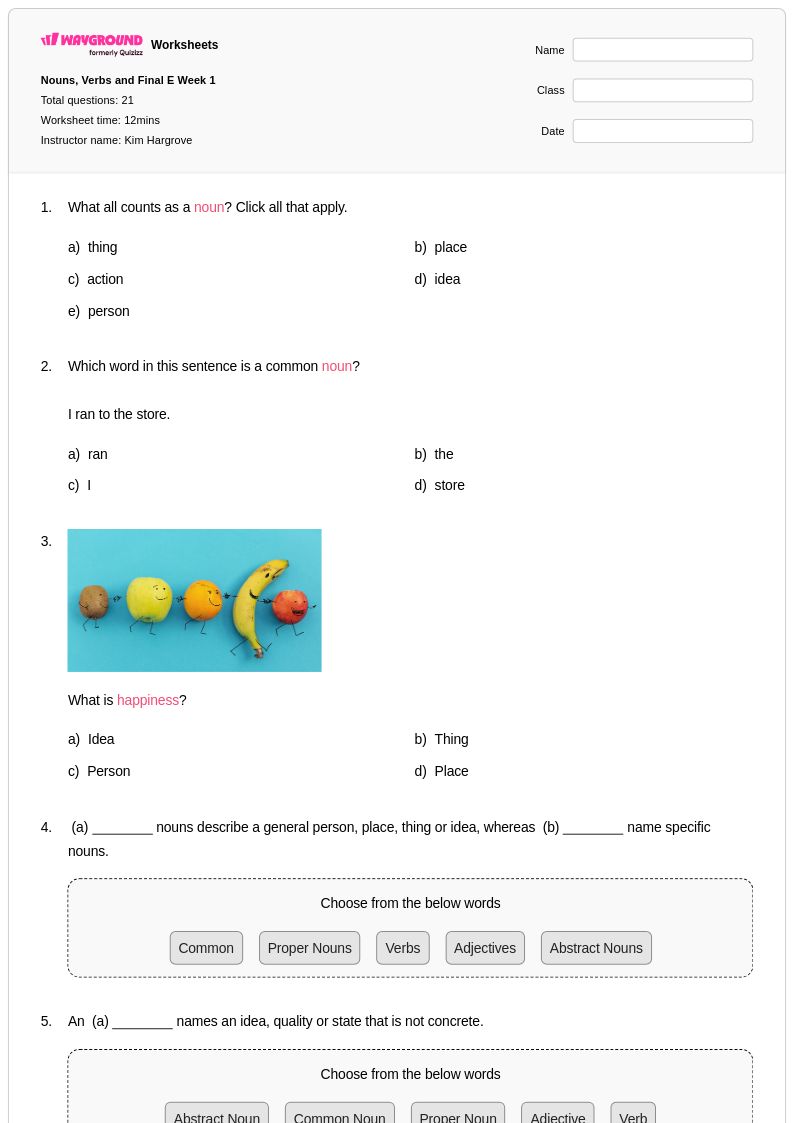
21Q
5th
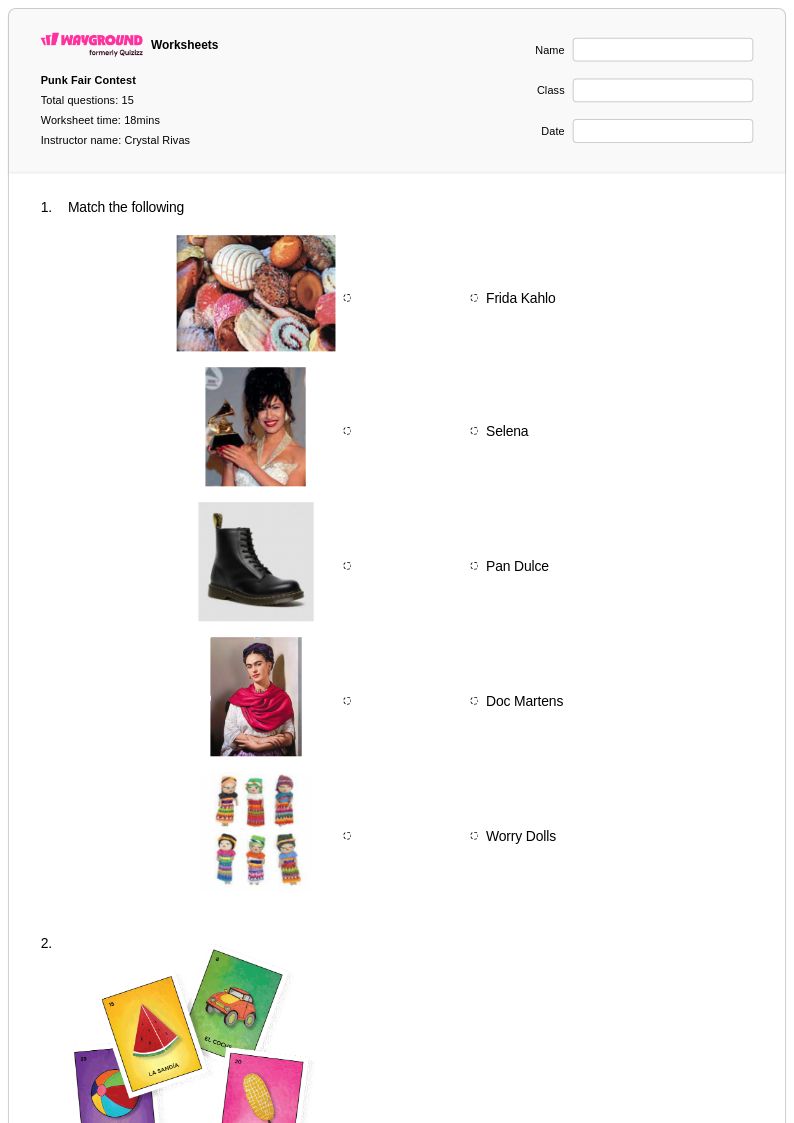
15Q
6th - 8th
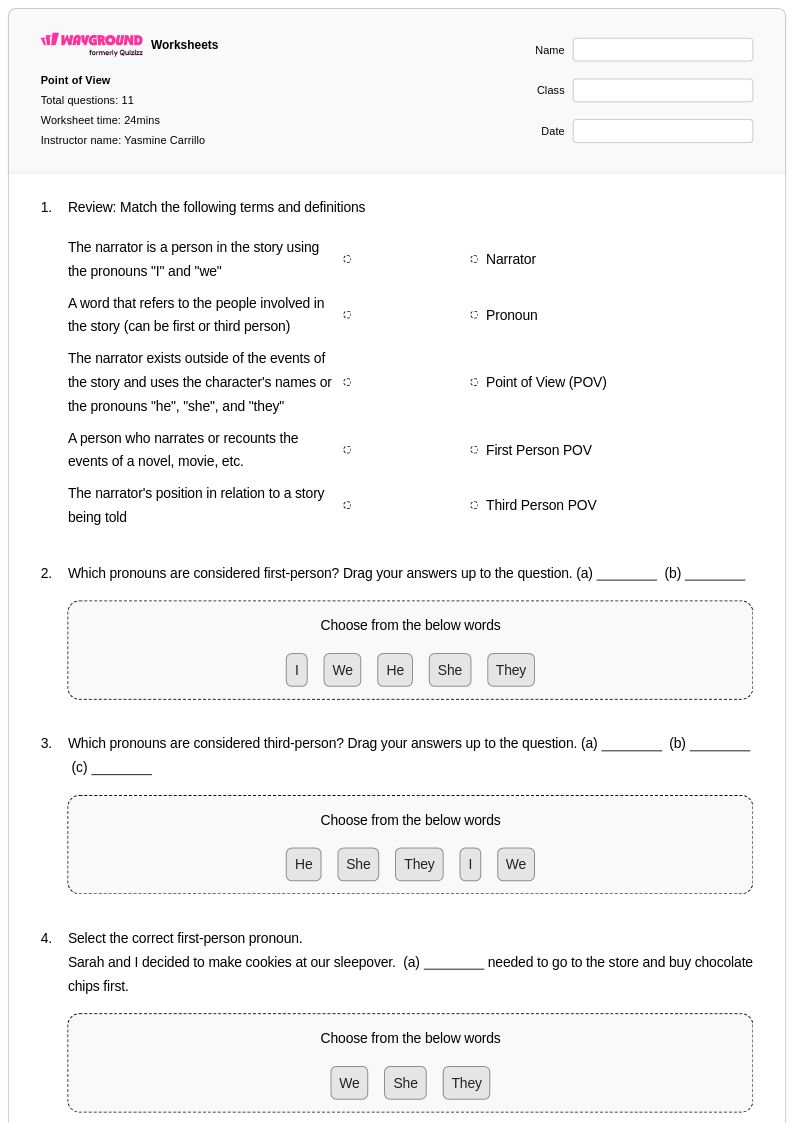
11Q
4th
21Q
3rd
16Q
10th
19Q
5th
20Q
4th
11Q
6th - 8th
18Q
4th
8Q
6th
200Q
9th
200Q
9th
200Q
9th
15Q
5th
23Q
5th - Uni
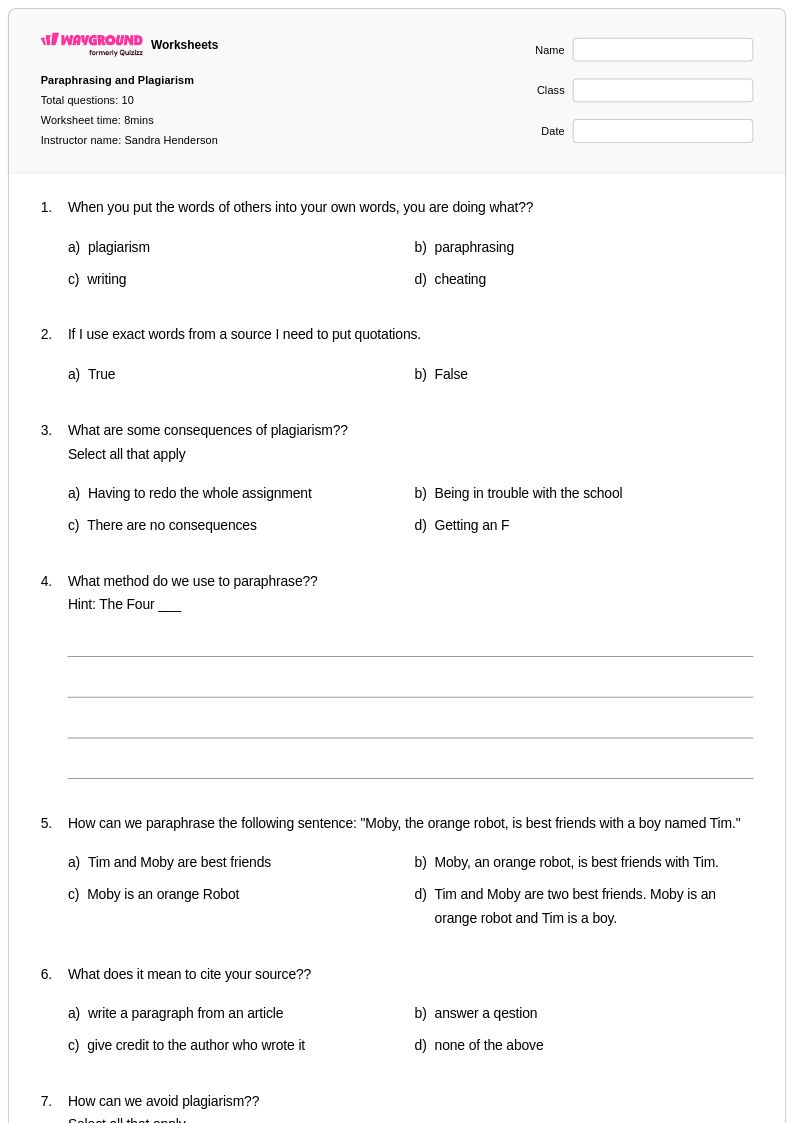
10Q
5th
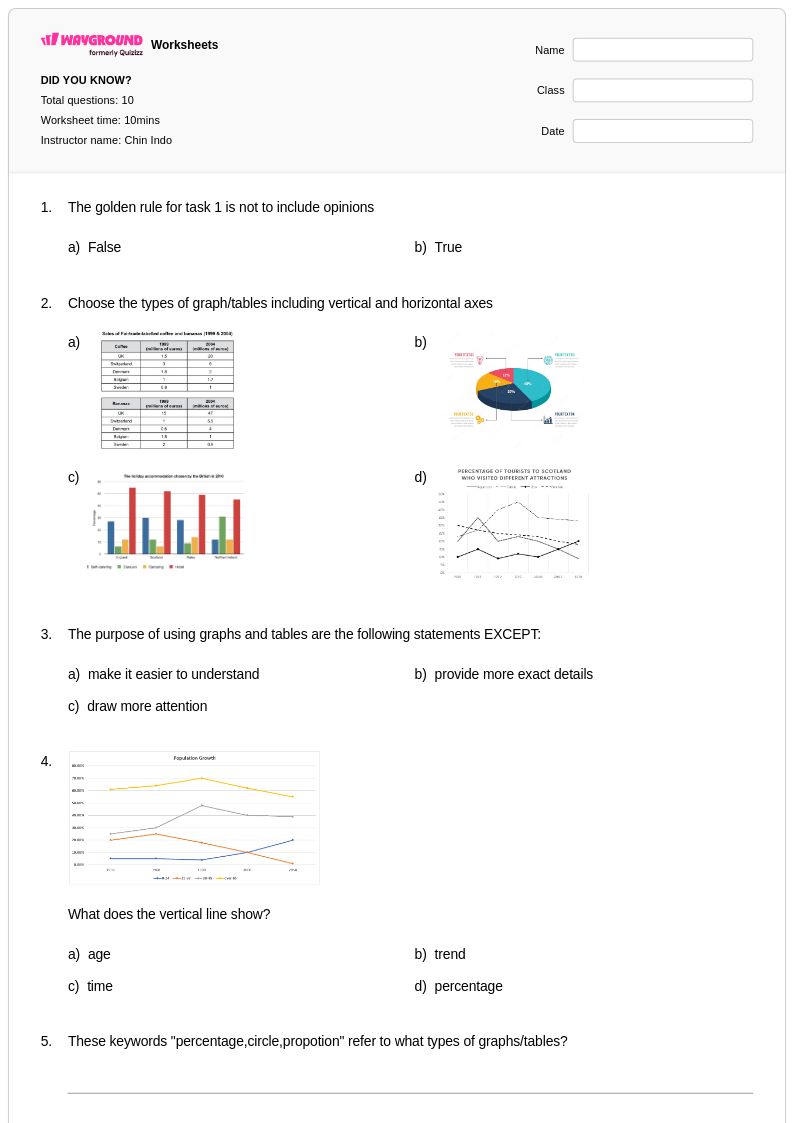
10Q
Uni
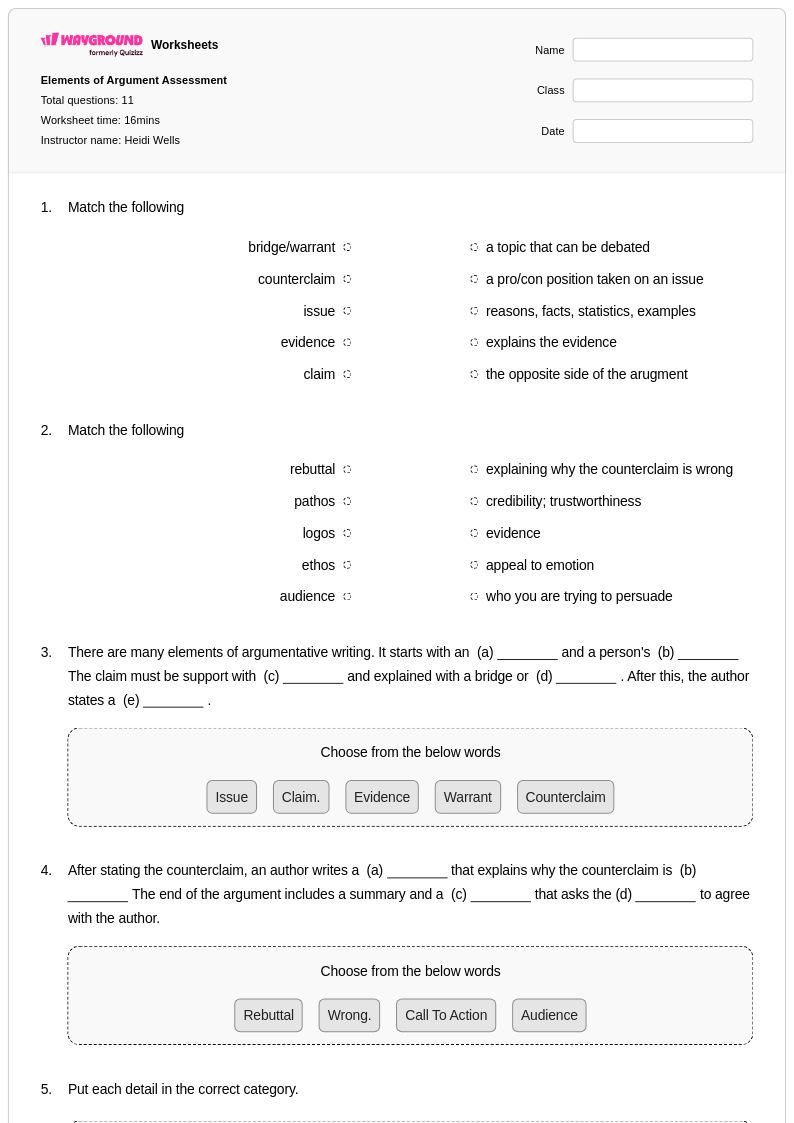
11Q
8th
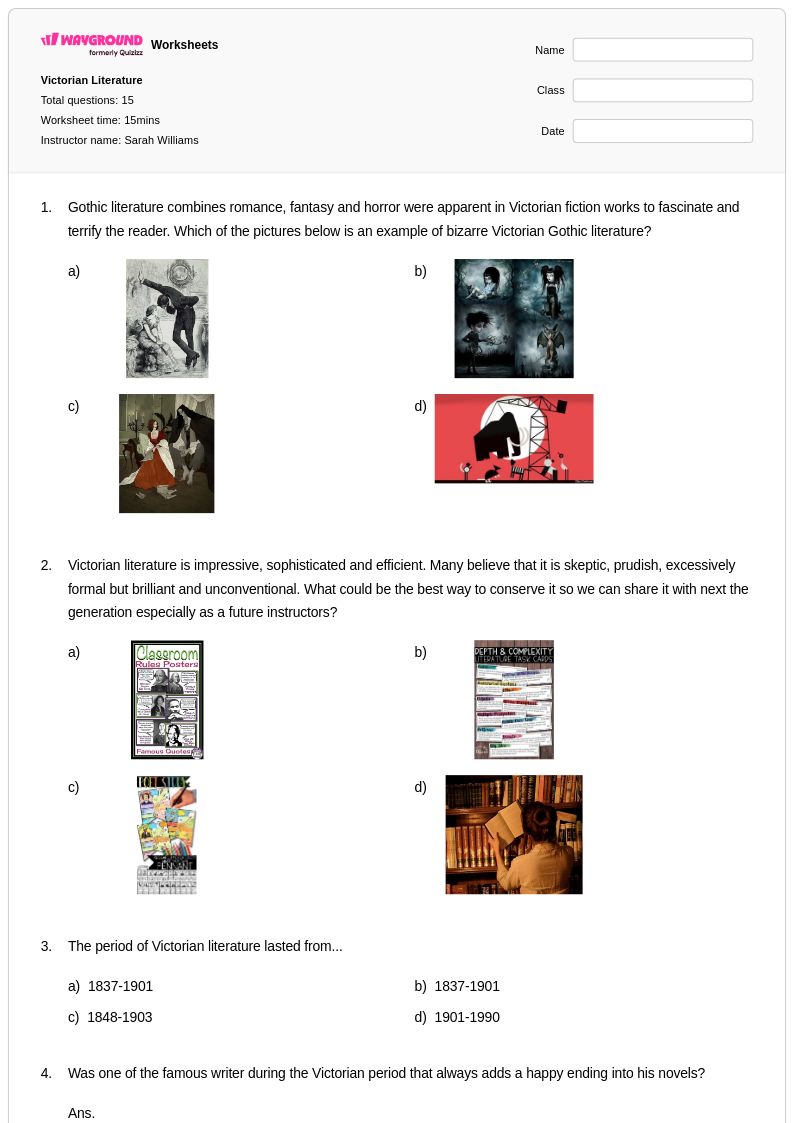
15Q
12th - Uni
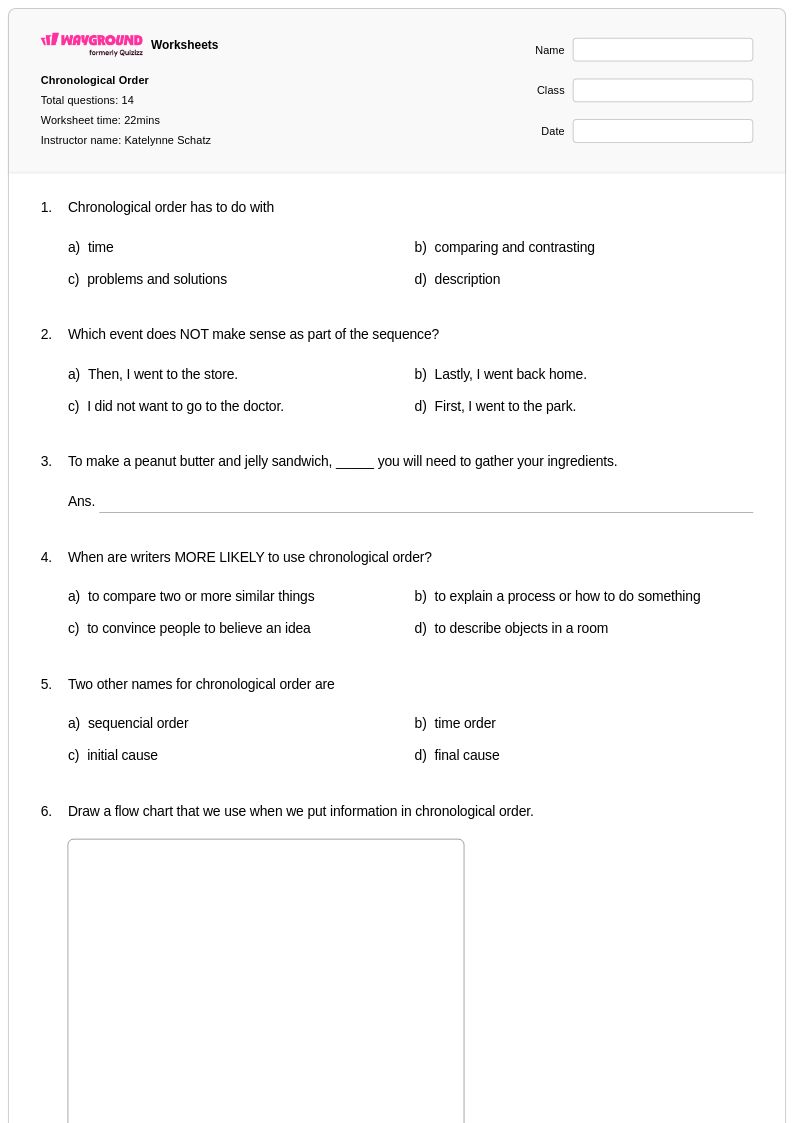
14Q
6th - 8th
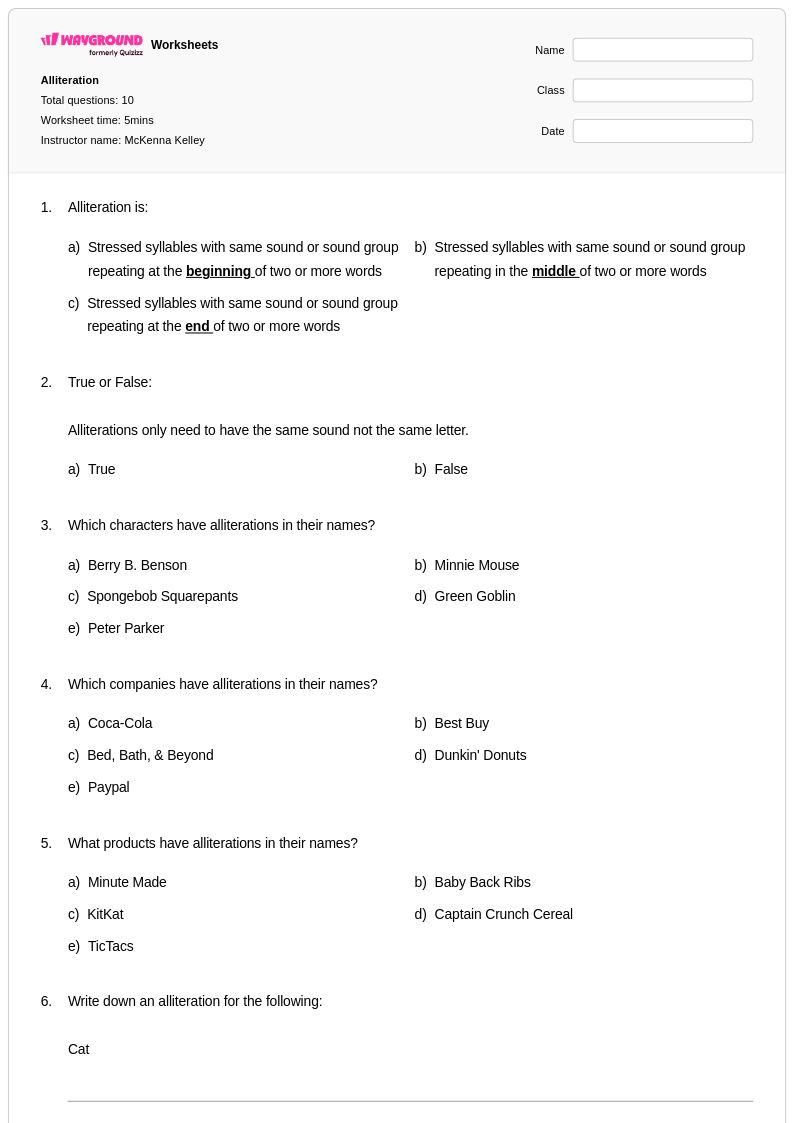
10Q
6th
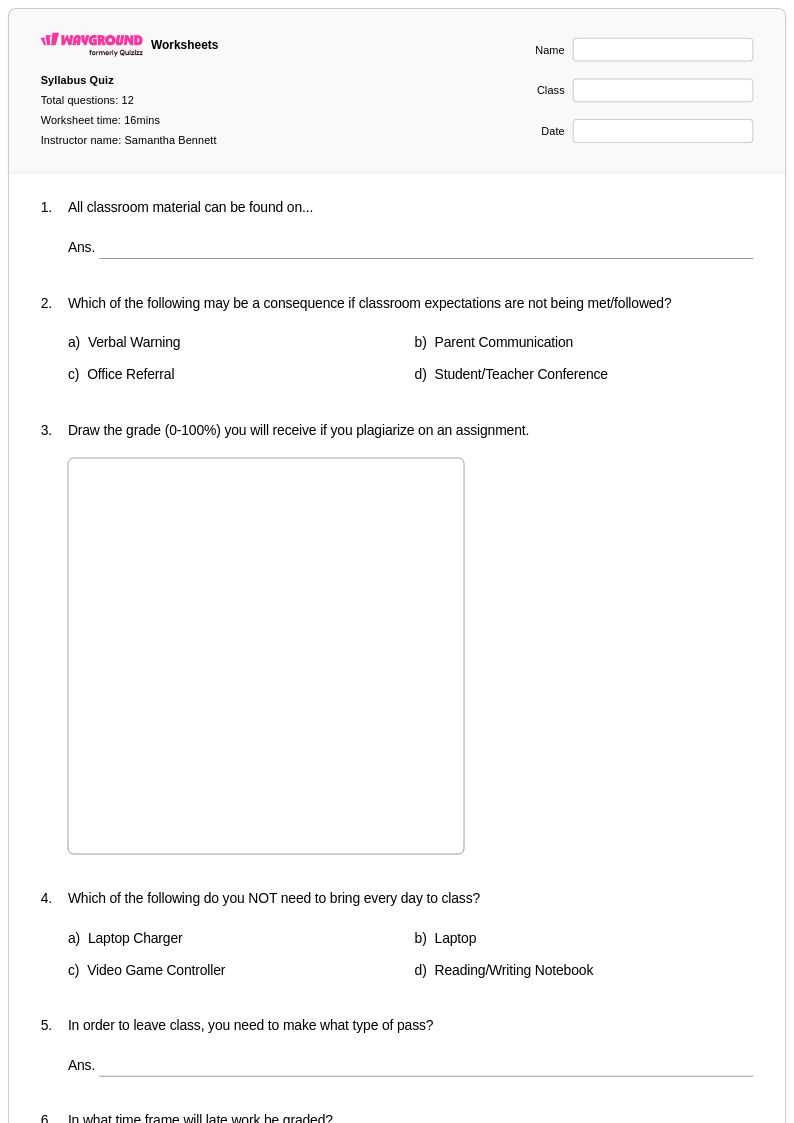
12Q
9th
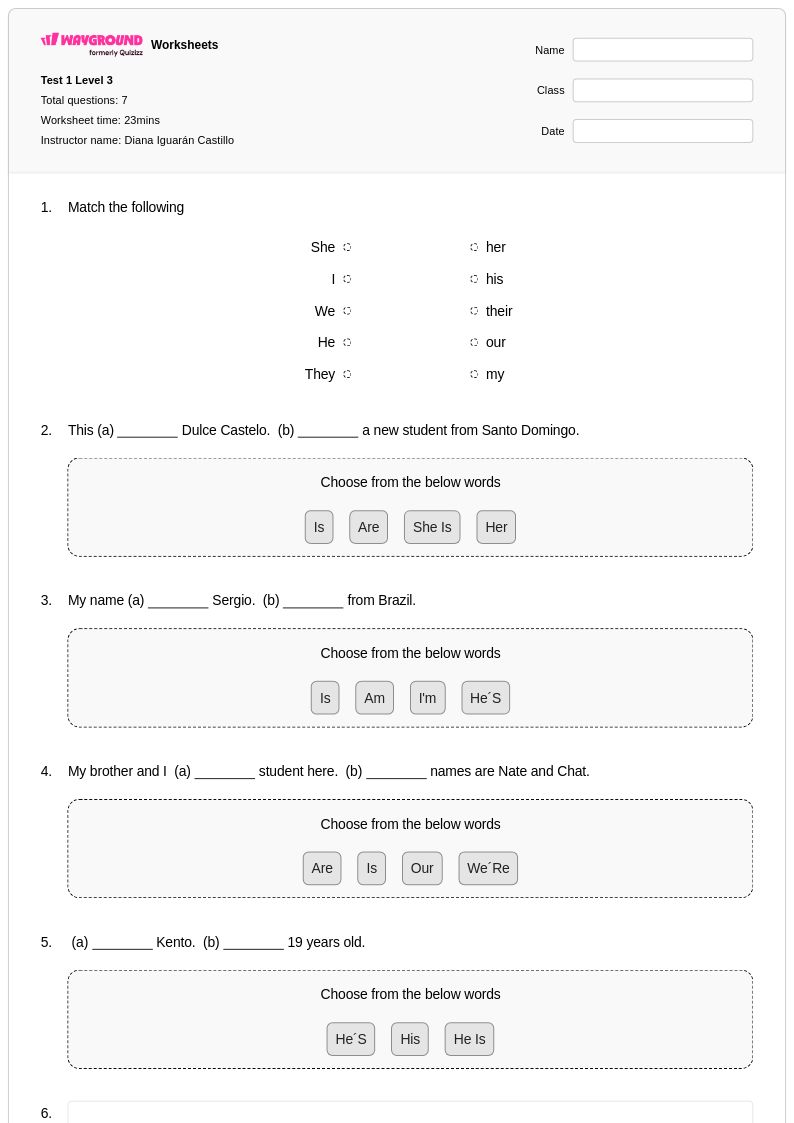
12Q
9th - 12th
Explorar Writing Names hojas de trabajo por grados
Explore otras hojas de trabajo de materias para kindergarten
Explore printable Writing Names worksheets for Kindergarten
Writing names represents a fundamental milestone in kindergarten literacy development, and Wayground's comprehensive collection of name-writing worksheets provides essential practice for young learners mastering this critical skill. These carefully designed printables focus on helping kindergarten students develop proper letter formation, spatial awareness, and fine motor control while building confidence in writing their own names and recognizing the names of classmates. The worksheets progress systematically from tracing activities to independent writing practice, incorporating dotted lines, highlighted starting points, and visual cues that support proper pencil grip and letter sequencing. Each free pdf resource includes practice problems that reinforce uppercase and lowercase letter recognition, while accompanying answer keys enable teachers and parents to monitor progress and identify areas needing additional support.
Wayground's extensive library draws from millions of teacher-created resources, offering kindergarten educators powerful search and filtering capabilities to locate name-writing worksheets that align with specific curriculum standards and individual student needs. The platform's differentiation tools allow teachers to customize worksheets for varying skill levels, from students just beginning to trace letters to those ready for independent name writing across different contexts. These resources support comprehensive lesson planning by providing both printable pdf formats for traditional classroom use and digital versions for technology-integrated learning environments. Teachers can efficiently address remediation needs for struggling writers while offering enrichment opportunities for advanced students, ensuring that every kindergarten learner receives appropriate skill practice in this foundational early literacy component that bridges reading readiness with written expression.
FAQs
How do I teach young children to write their own name?
What activities help students practice writing their names?
What mistakes do young learners commonly make when learning to write their names?
How can I differentiate name writing practice for students at different skill levels?
How do I use Wayground's name writing worksheets in my classroom?