Free Printable Animal Features Worksheets for Grade 2
Explore Wayground's free Grade 2 animal features worksheets and printables that help young students learn about different animal characteristics through engaging practice problems with answer keys in convenient PDF format.
Explore printable Animal Features worksheets for Grade 2
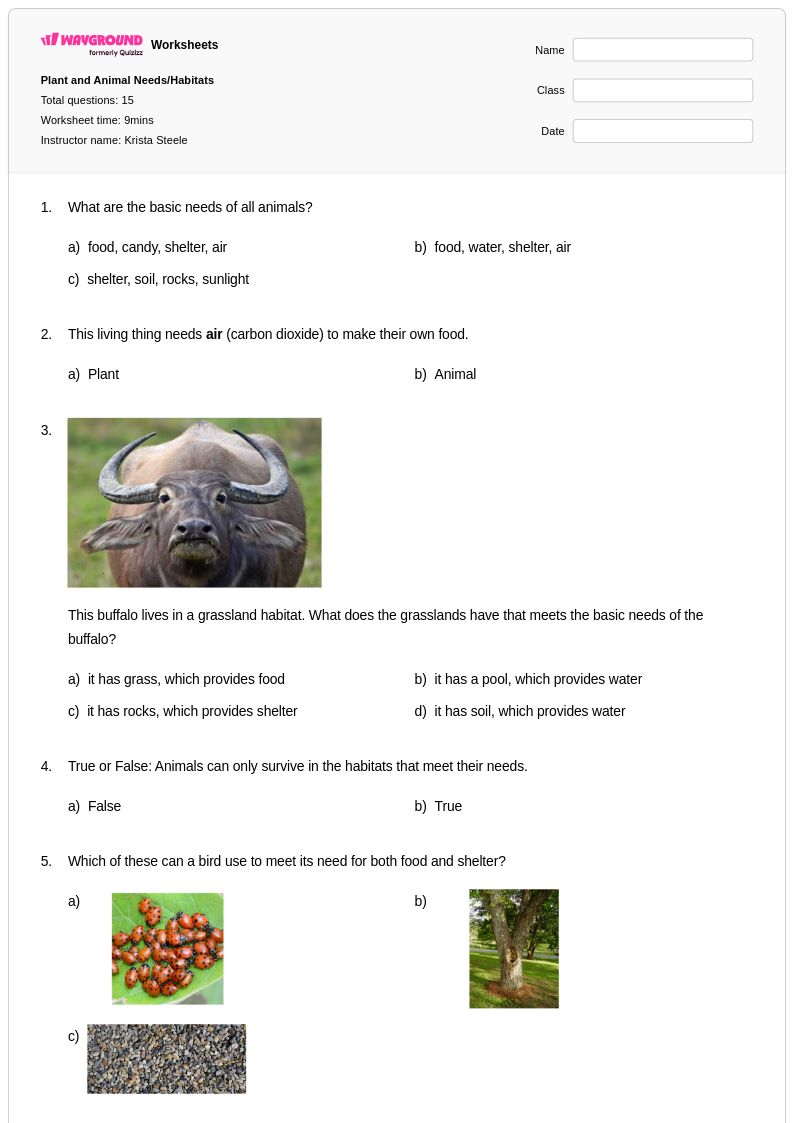
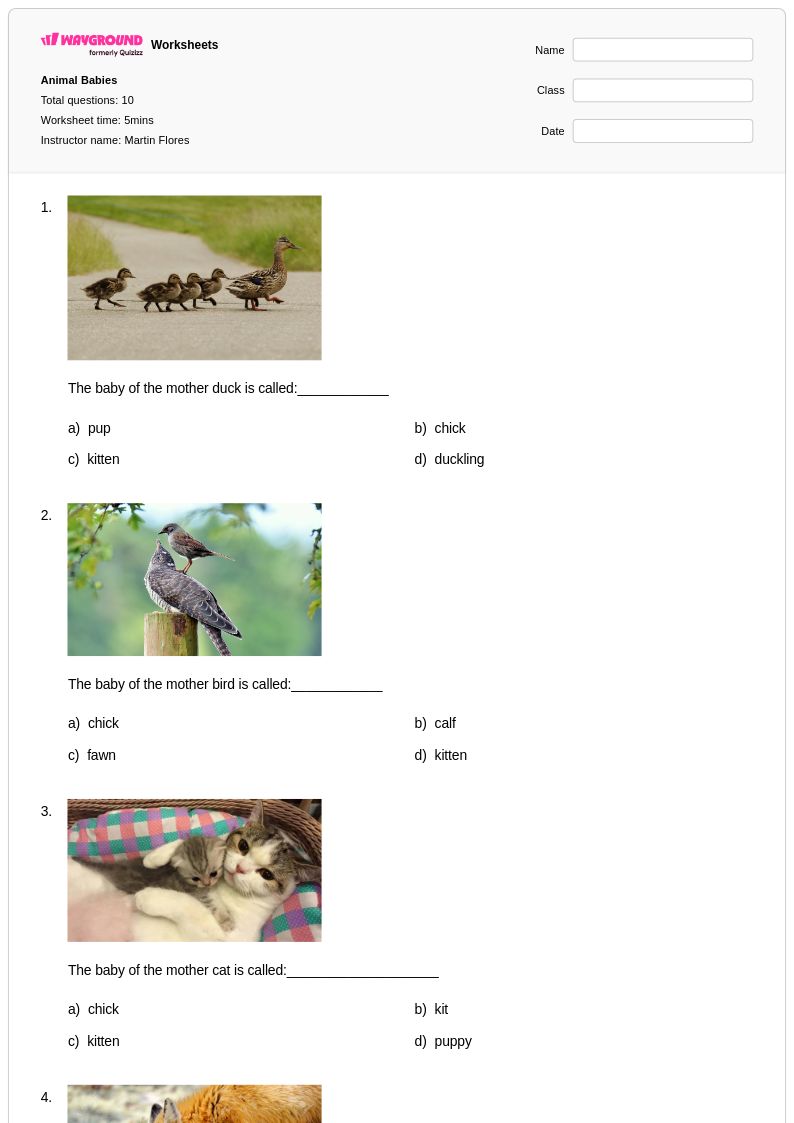
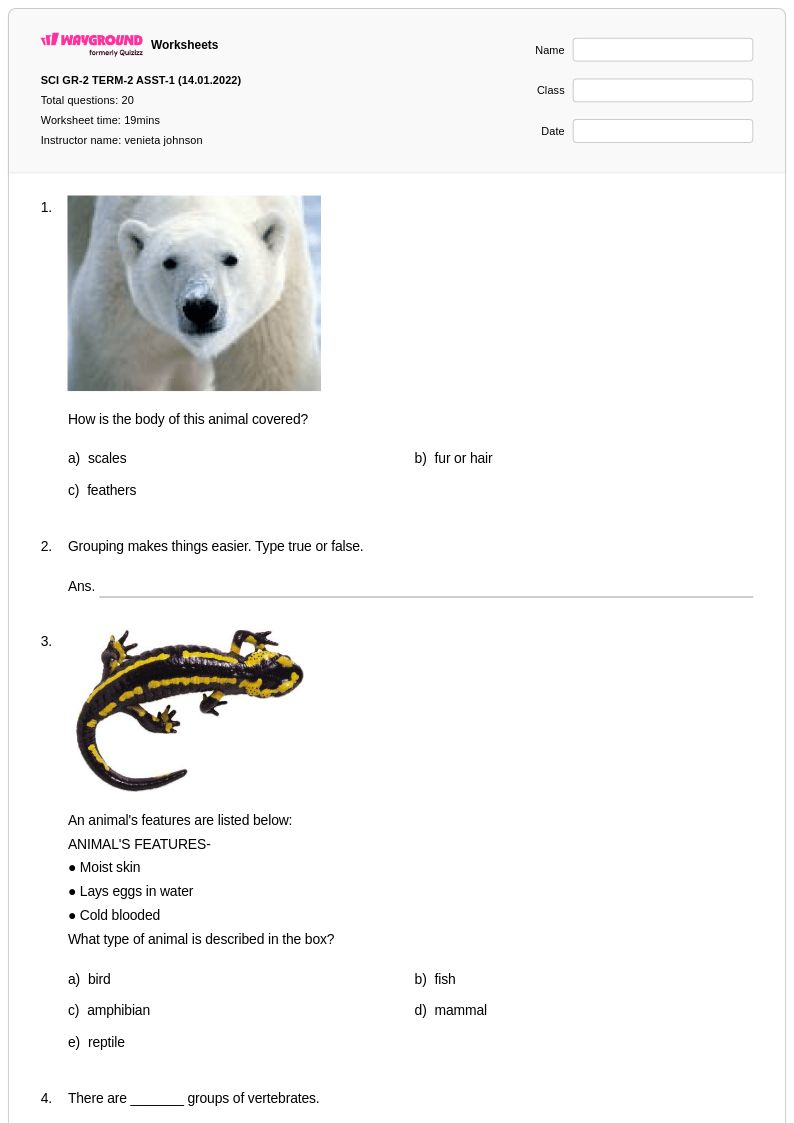
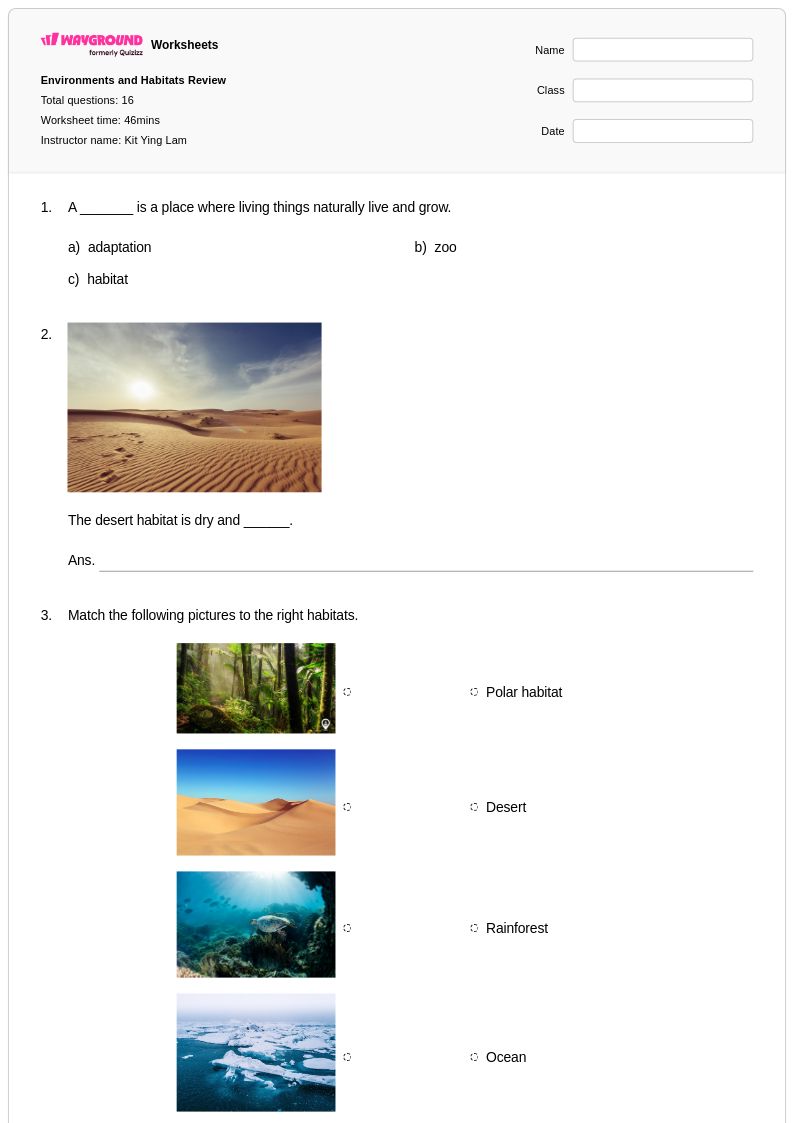
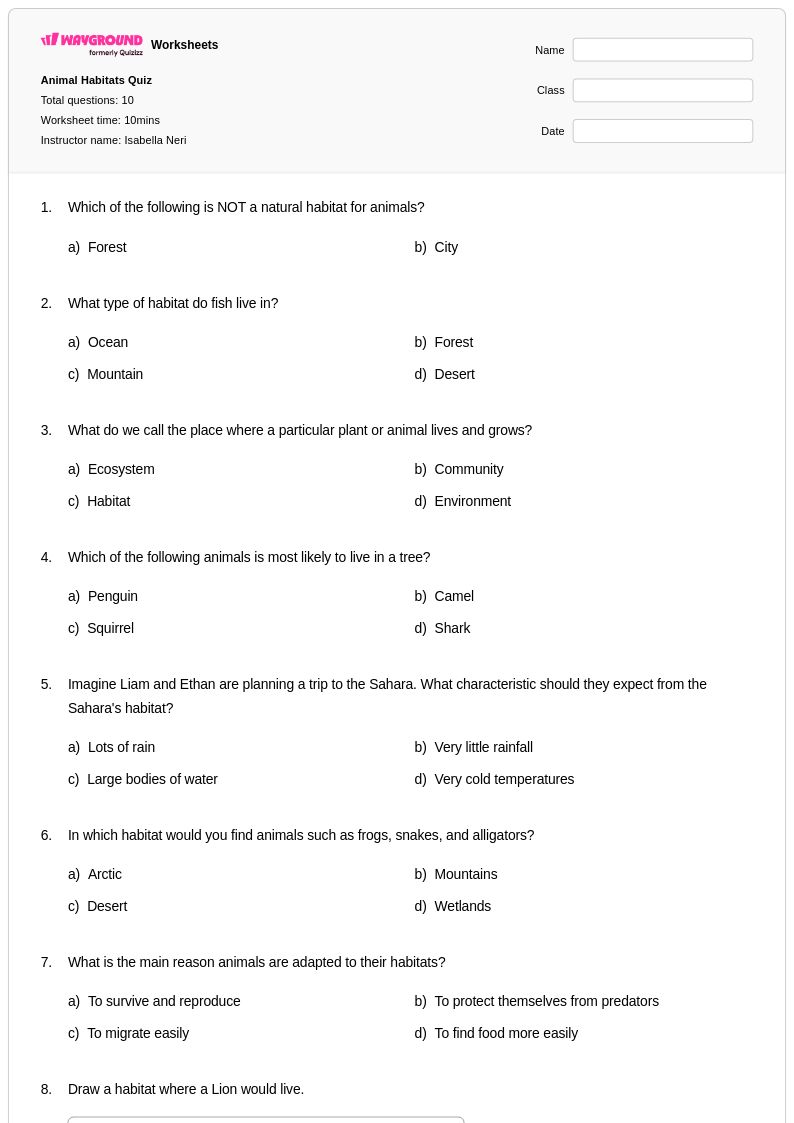
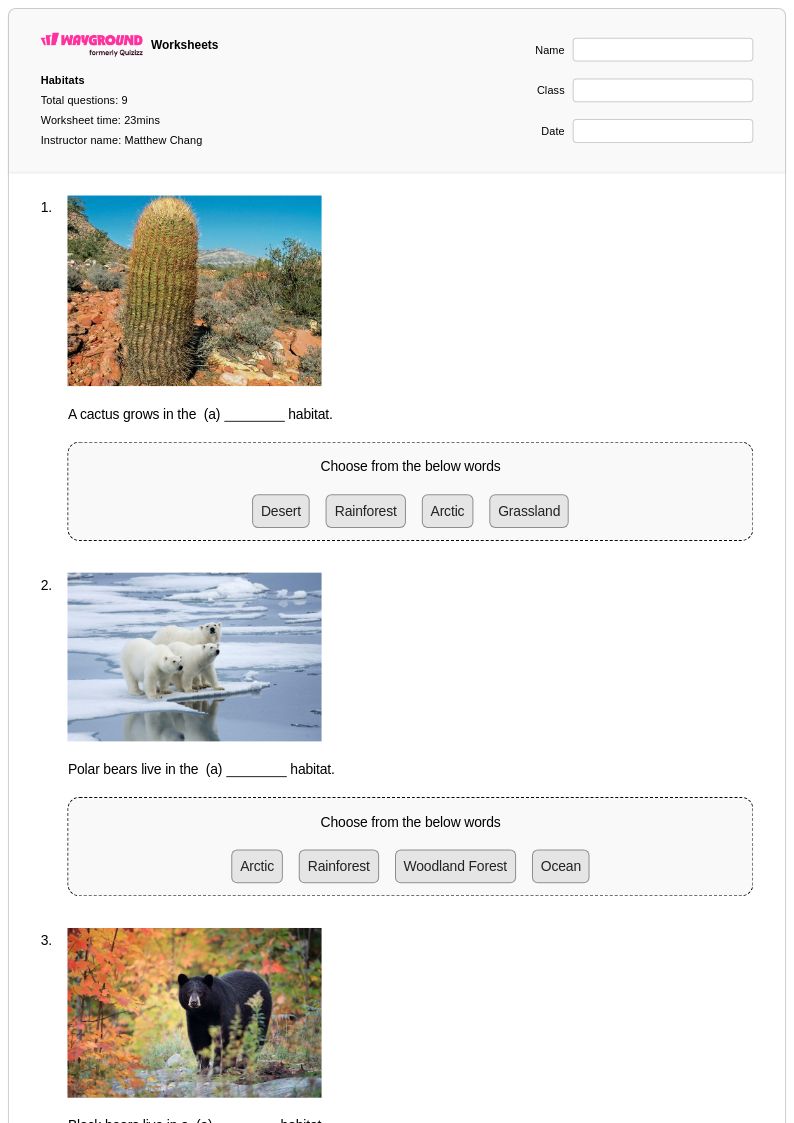
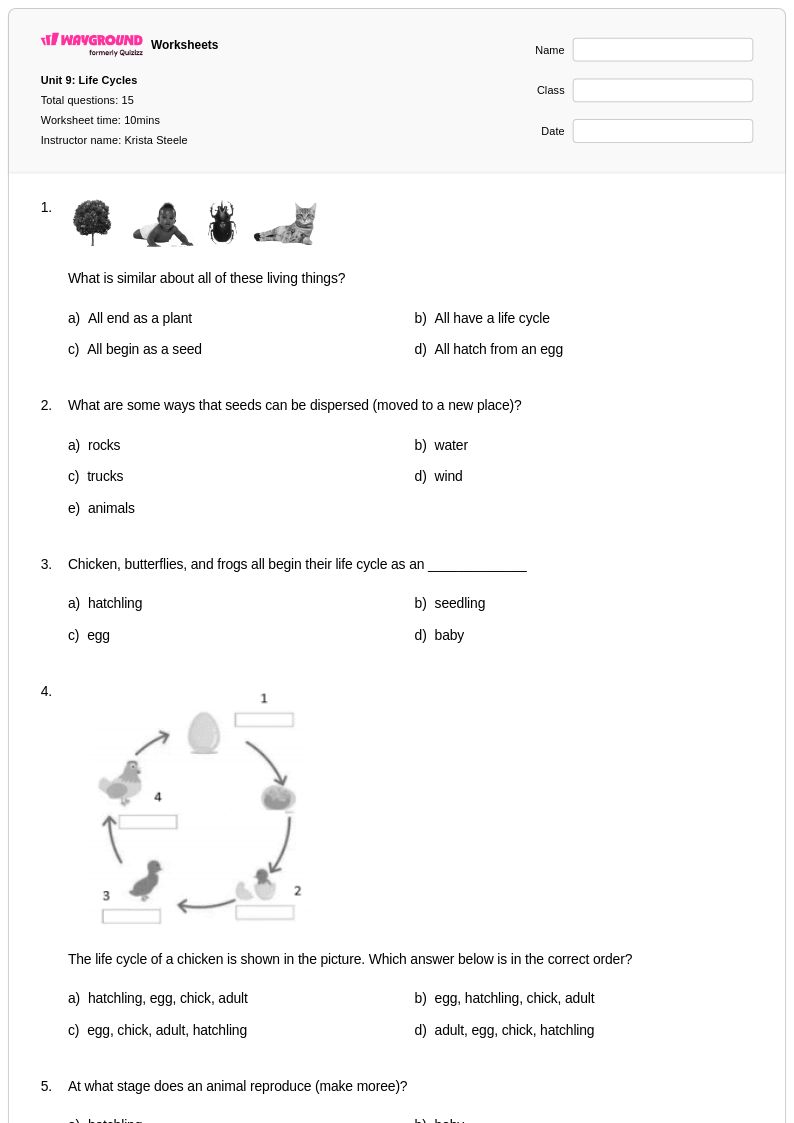
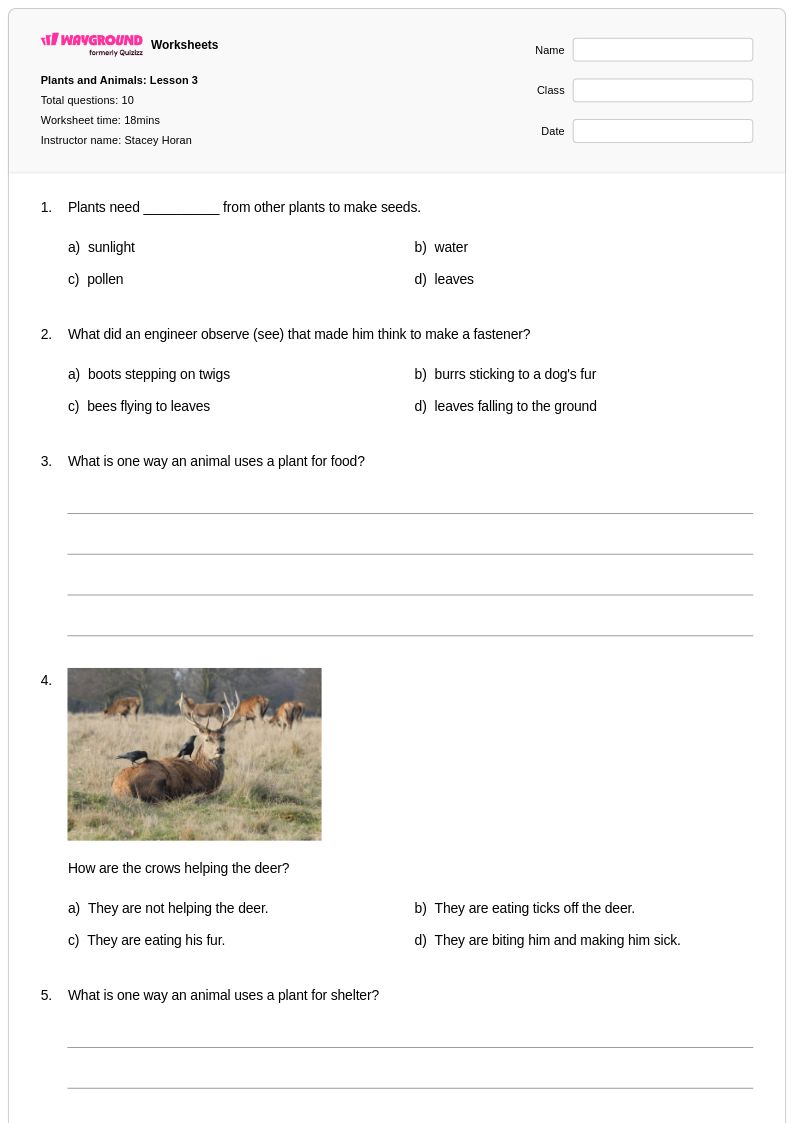
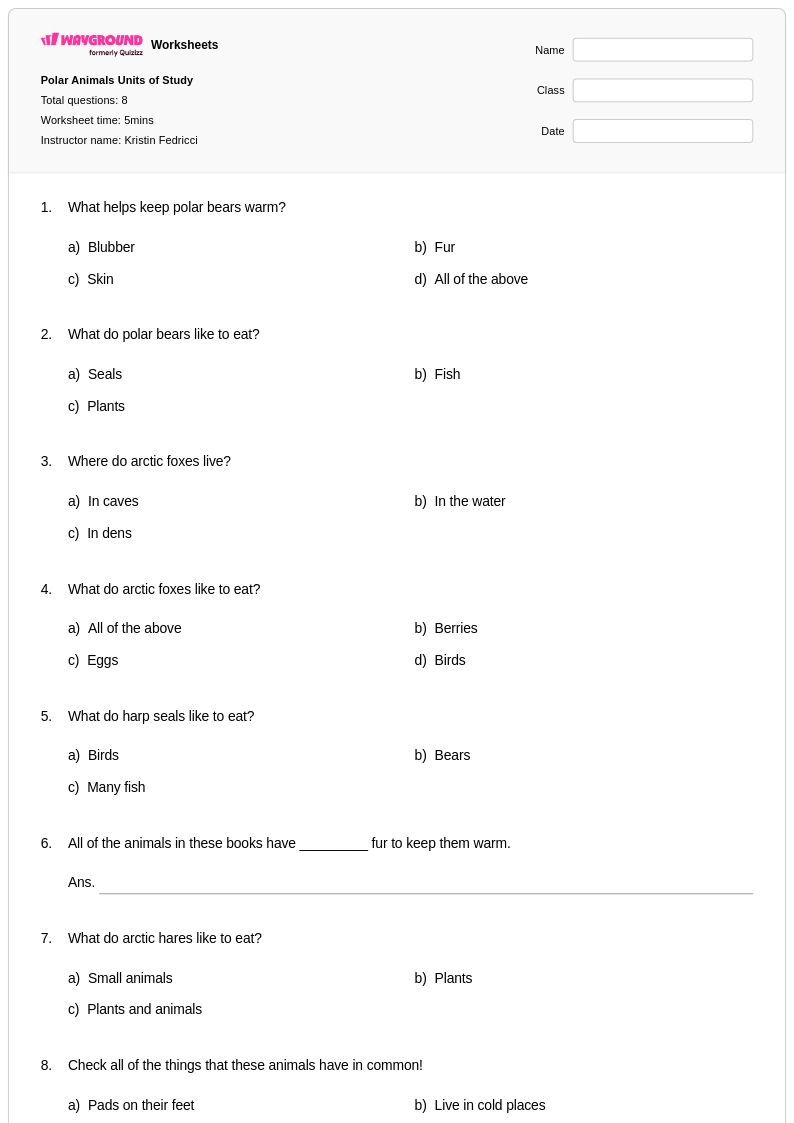
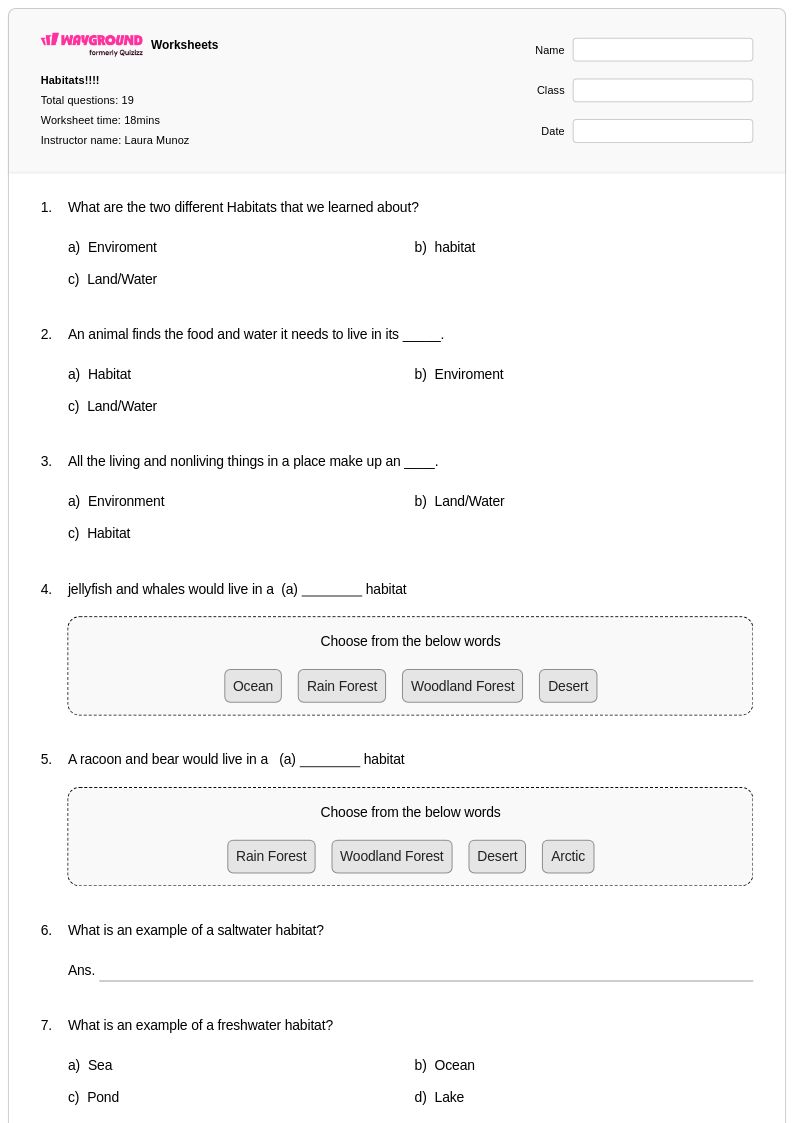
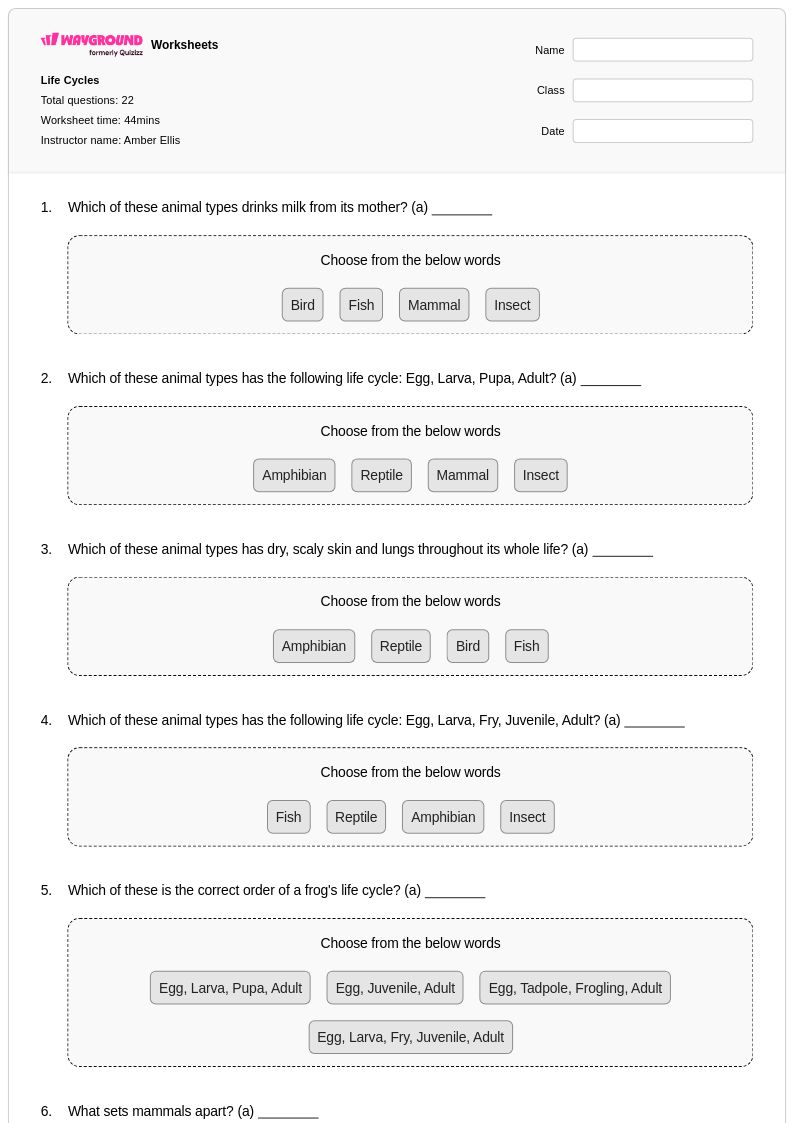
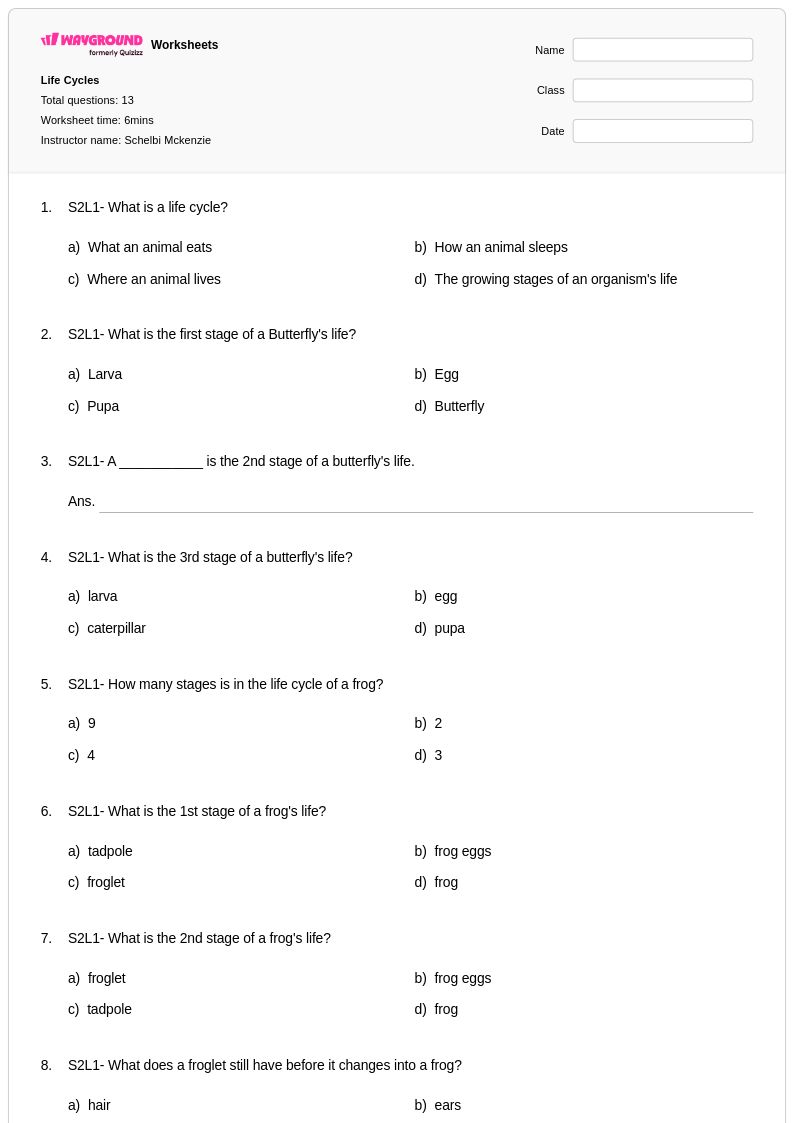
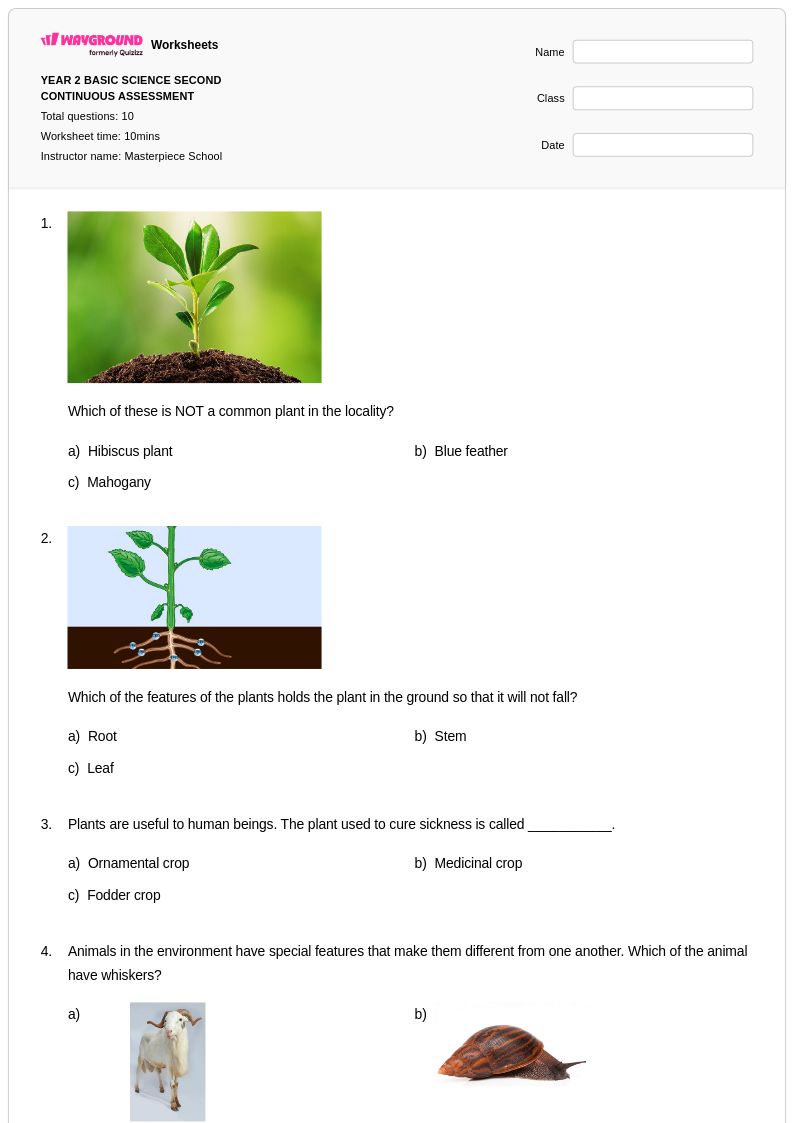
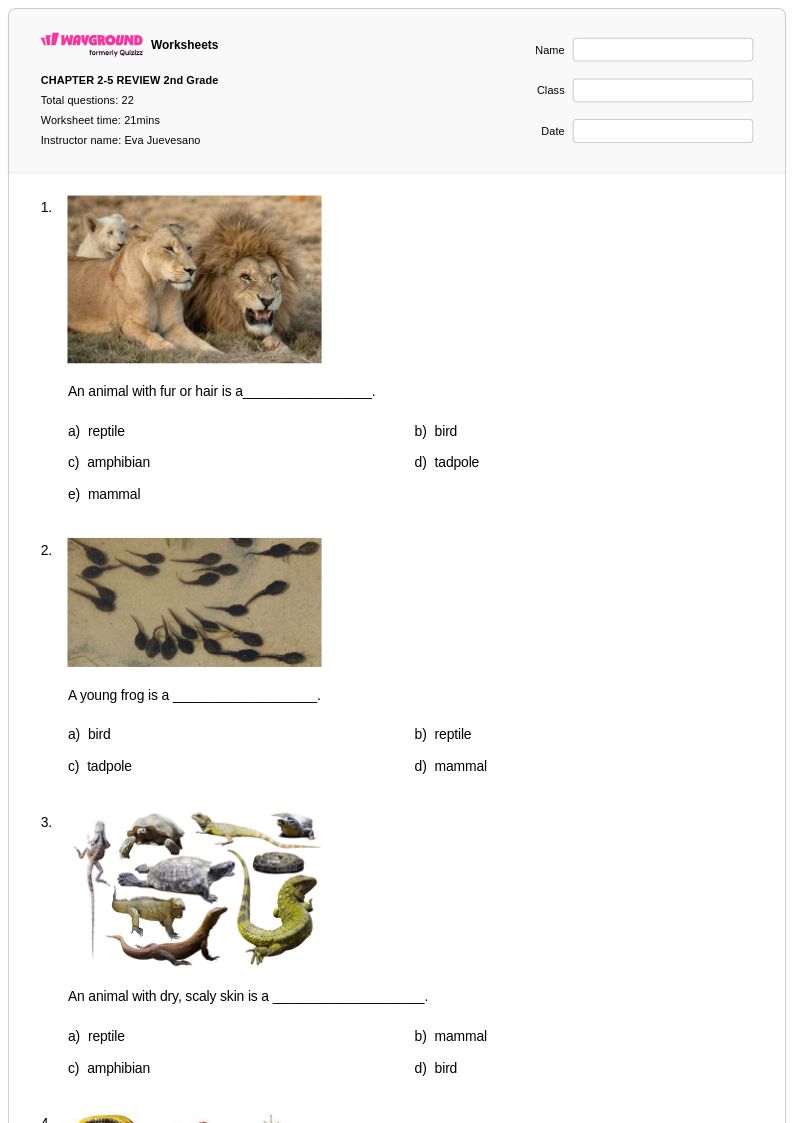
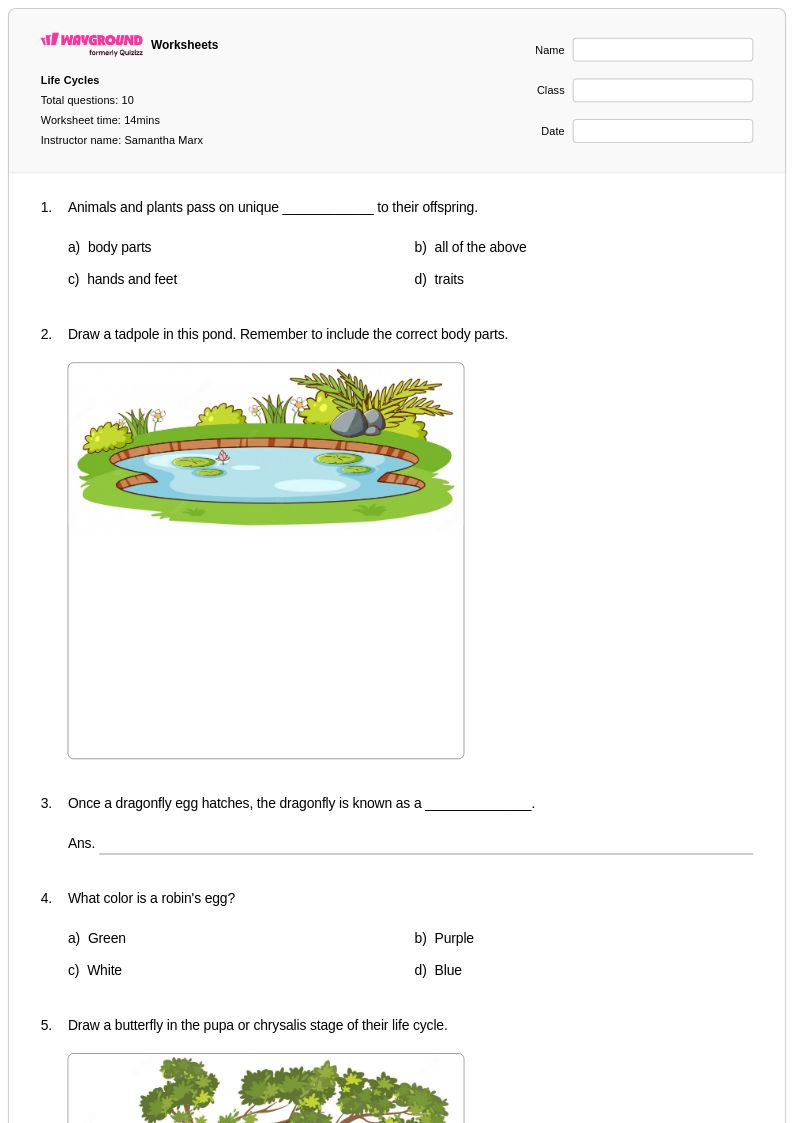
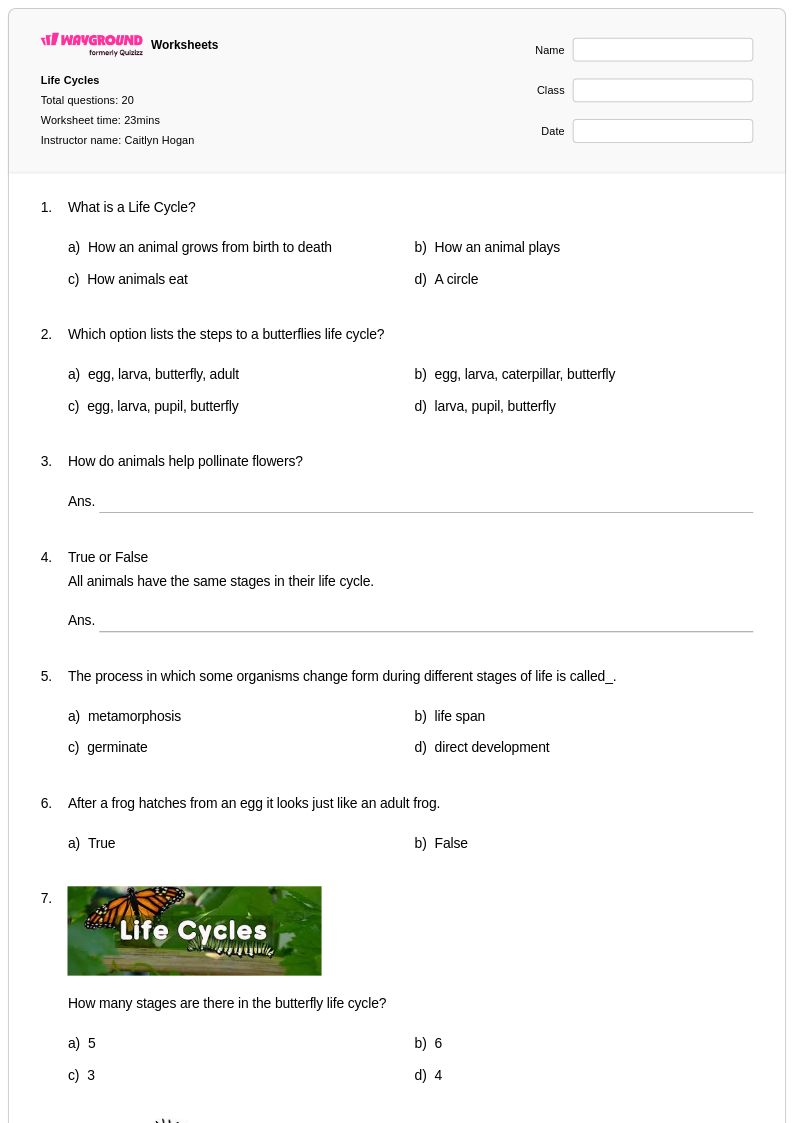
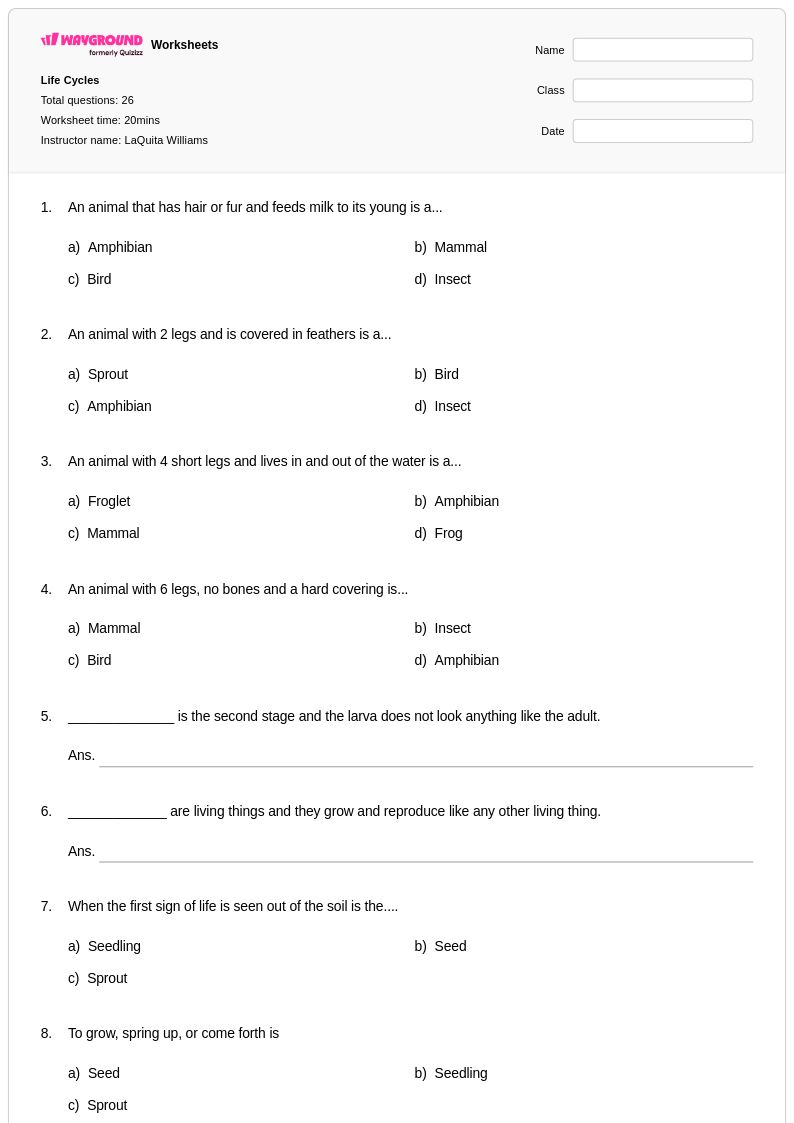
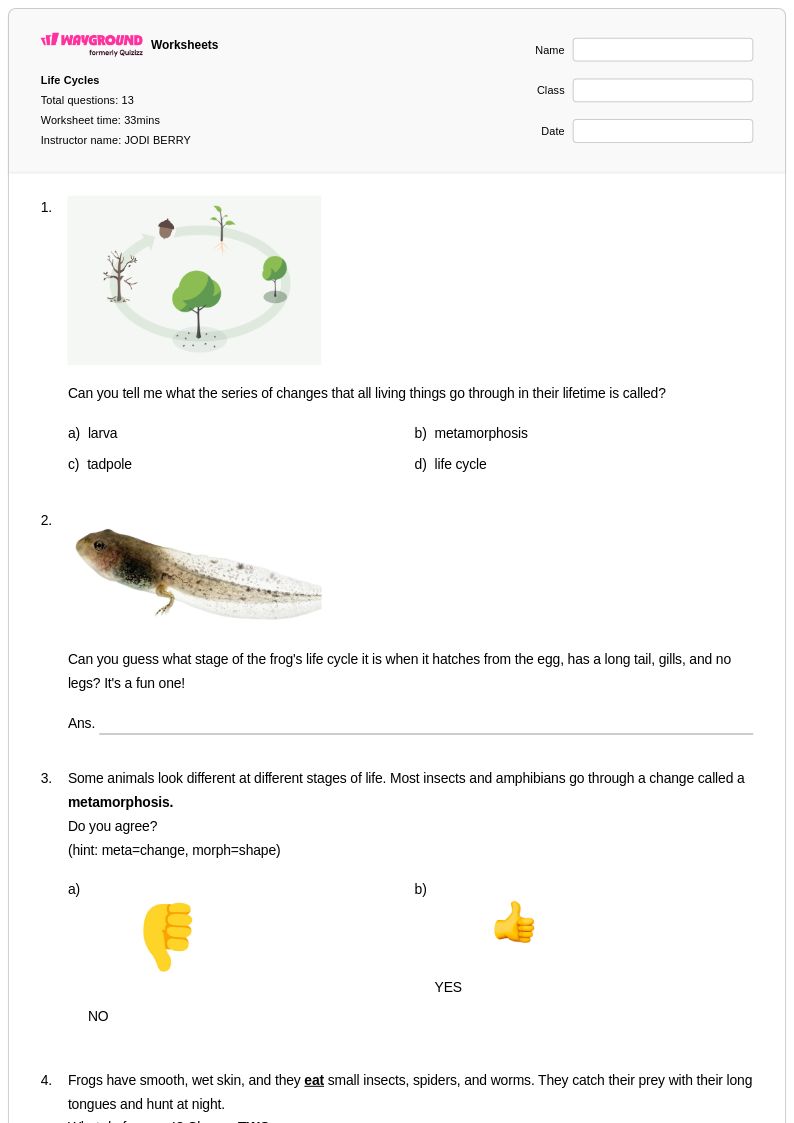
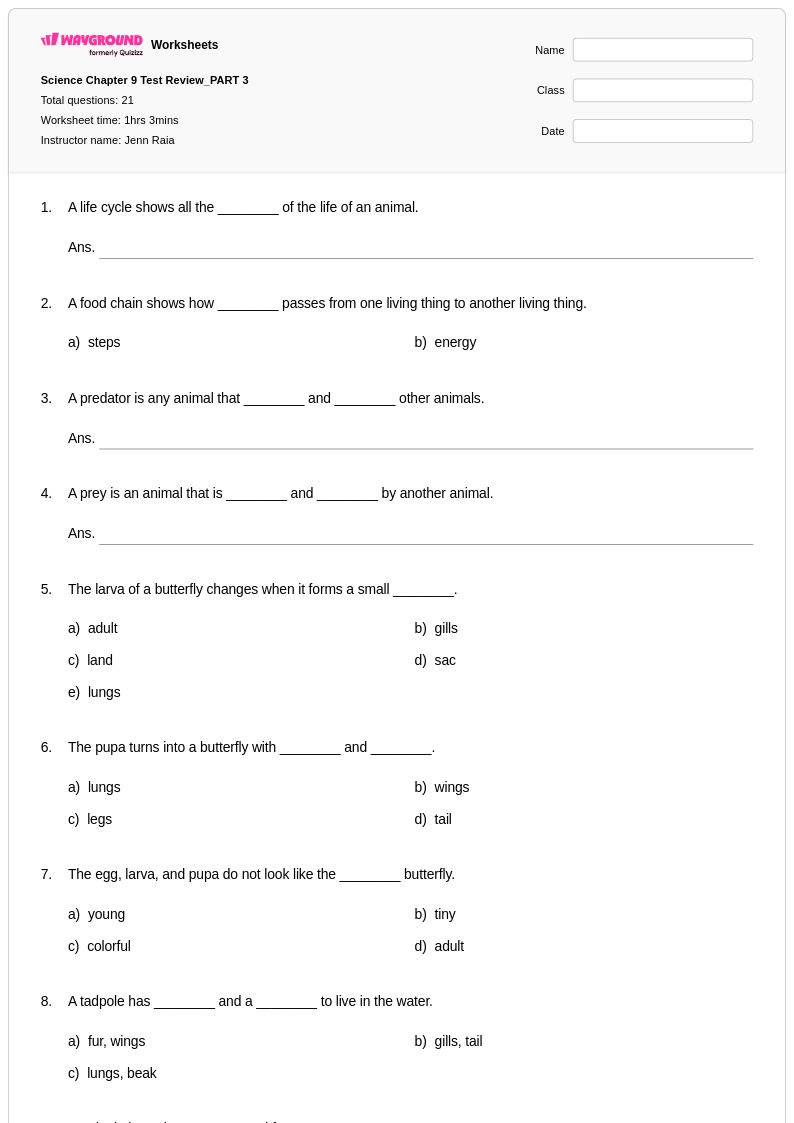
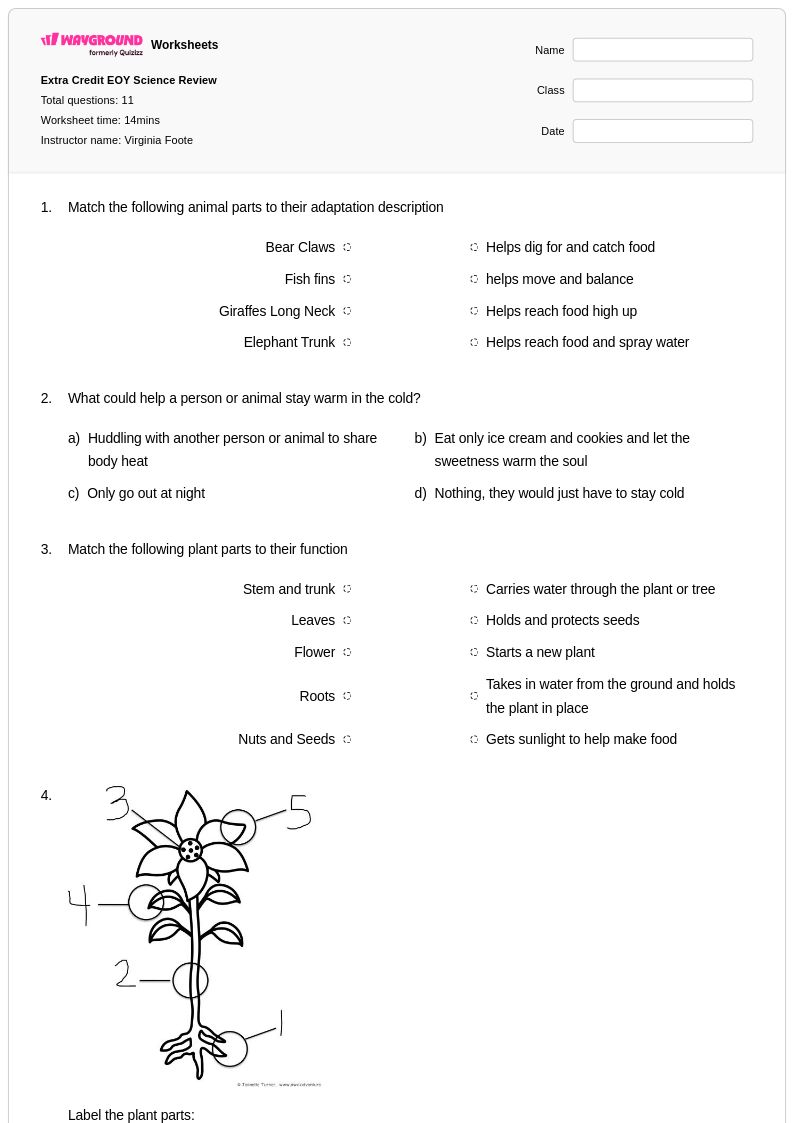
Animal features worksheets for Grade 2 students through Wayground (formerly Quizizz) provide young learners with engaging opportunities to explore the diverse characteristics that help animals survive in their environments. These carefully designed printables focus on developing observational skills as students examine how different body parts, coverings, and adaptations serve specific purposes for various animal species. The worksheets strengthen critical thinking abilities through practice problems that ask students to identify, compare, and categorize animal features such as fur, feathers, scales, beaks, claws, and tails. Each free resource includes comprehensive answer keys that support independent learning and allow educators to quickly assess student understanding of how physical traits connect to animal behaviors and habitats.
Wayground's extensive collection of animal features worksheets draws from millions of teacher-created resources, ensuring Grade 2 educators have access to high-quality materials that align with science standards and curriculum objectives. The platform's robust search and filtering capabilities enable teachers to quickly locate worksheets that match their specific instructional needs, whether focusing on mammals, birds, reptiles, or comparative animal studies. These versatile resources are available in both printable PDF formats and digital versions, supporting flexible classroom implementation and differentiated instruction approaches. Teachers can customize worksheets to provide targeted remediation for struggling learners, enrichment activities for advanced students, or consistent skill practice opportunities that reinforce understanding of how animal features support survival and adaptation in the natural world.
FAQs
How do I teach animal features and adaptations to my students?
Start by grounding students in the relationship between structure and function — help them see that every physical feature exists because it solves a survival problem. Use real examples like a duck's webbed feet or a cactus wren's heat tolerance to make adaptations concrete before moving to comparison activities. From there, structured observation worksheets that prompt students to analyze and categorize features by function (locomotion, protection, feeding) build the analytical habits needed for deeper biological reasoning.
What kinds of exercises help students practice identifying animal features?
Effective practice combines labeling diagrams, matching features to functions, and comparing two or more species side by side. Exercises that ask students to explain why a feature is advantageous in a specific habitat push beyond recall into reasoning. Animal features worksheets that sequence from basic identification to comparative analysis are especially effective at building scientific observation skills progressively.
What misconceptions do students commonly have about animal adaptations?
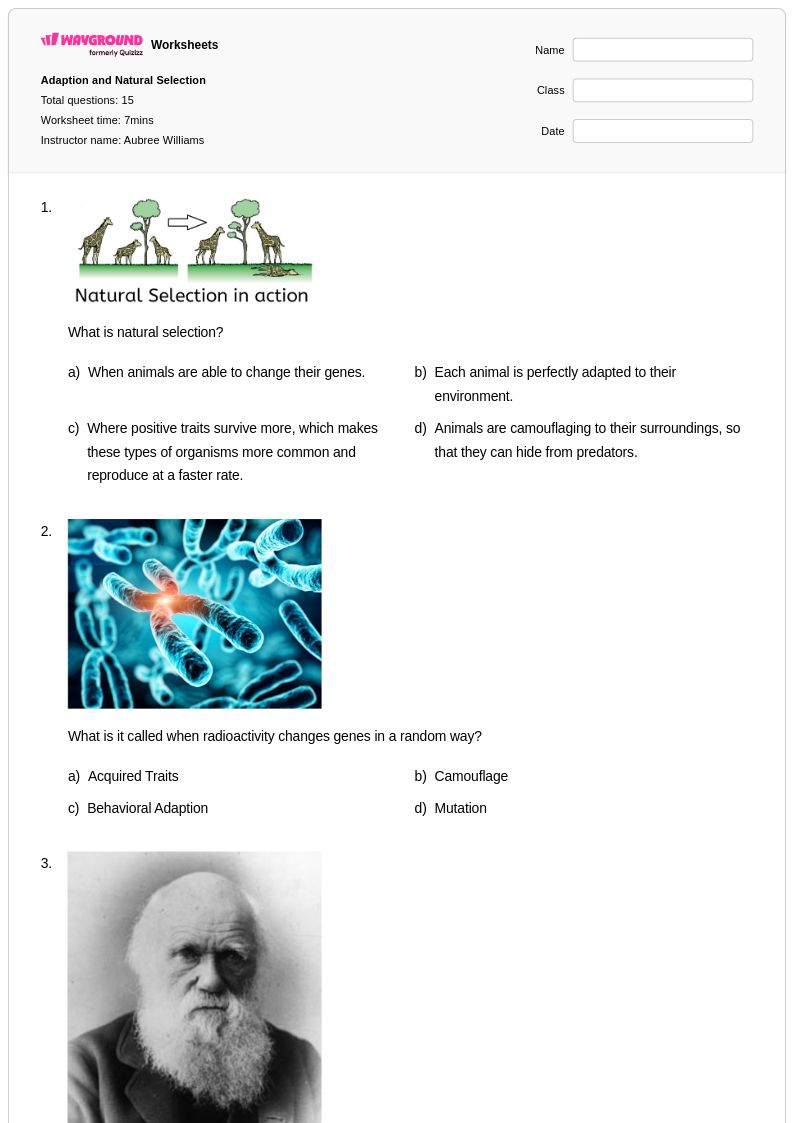
A common misconception is that animals consciously develop adaptations — students often say an animal "grew" a feature because it needed it, confusing individual behavior with evolutionary change. Another frequent error is treating adaptations as permanent advantages rather than context-dependent traits, not recognizing that a feature helpful in one environment can be a liability in another. Targeted worksheet questions that ask students to explain the mechanism behind an adaptation help surface and correct these errors.
How can I differentiate animal features worksheets for students at different skill levels?
For students who need additional support, reduce the number of answer choices on identification questions to lower cognitive load, or enable read-aloud features so vocabulary-heavy questions don't become a barrier to content understanding. Advanced students benefit from open-ended comparison prompts that require them to construct arguments about why a feature evolved. On Wayground, accommodations like reduced answer choices and read aloud can be applied to individual students without disrupting the rest of the class.
How do I use animal features worksheets on Wayground in my classroom?
Wayground's animal features worksheets are available as printable PDFs for traditional classroom use and in digital formats for technology-integrated or remote learning environments. Teachers can also host worksheets as a live or self-paced quiz directly on Wayground, allowing them to monitor student responses in real time. Each worksheet includes a complete answer key, so they work equally well for guided instruction, independent practice, or homework assignments.
How do I connect animal features to broader biology curriculum standards?
Animal features tie directly into life science standards around structure and function, natural selection, and ecosystems. When planning instruction, sequence worksheets so students first master basic anatomical vocabulary, then analyze how features support survival in specific habitats, and finally evaluate how environmental pressures drive change across populations. This progression aligns naturally with NGSS performance expectations around adaptation and biological diversity.