
17 Q
9th - 12th
15 Q
9th - 12th
10 Q
9th
18 Q
9th
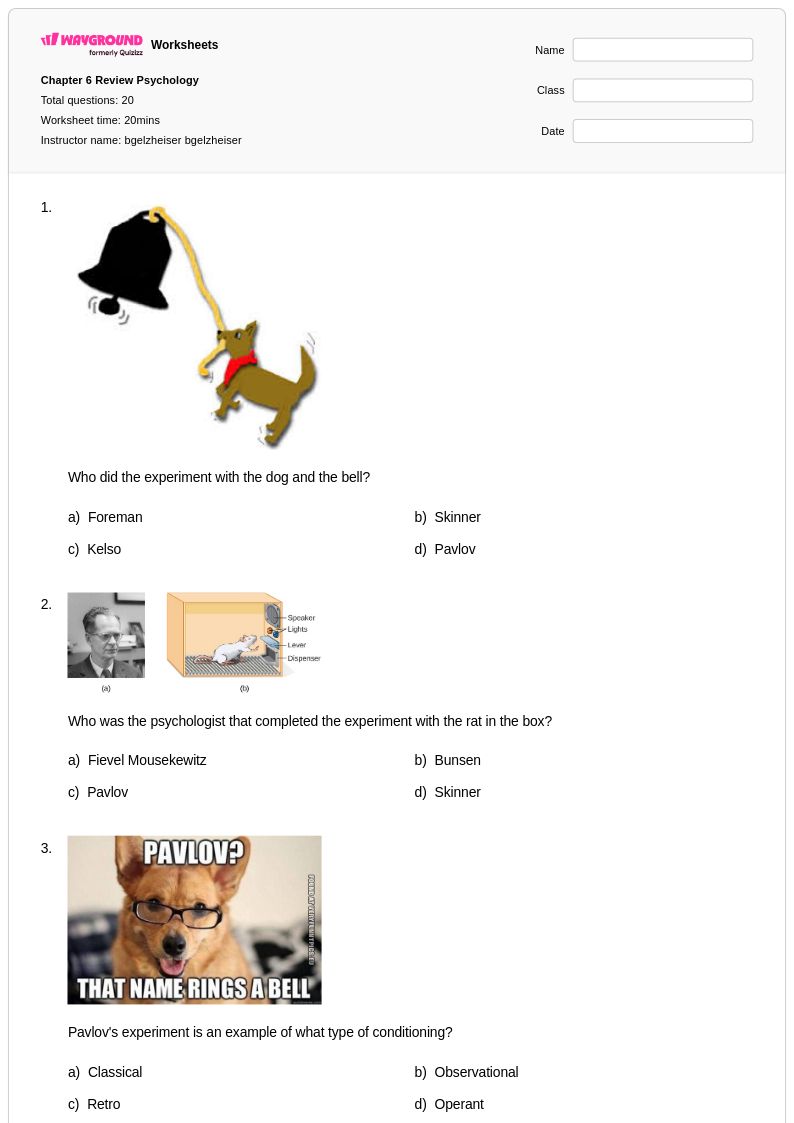
20 Q
9th - 12th
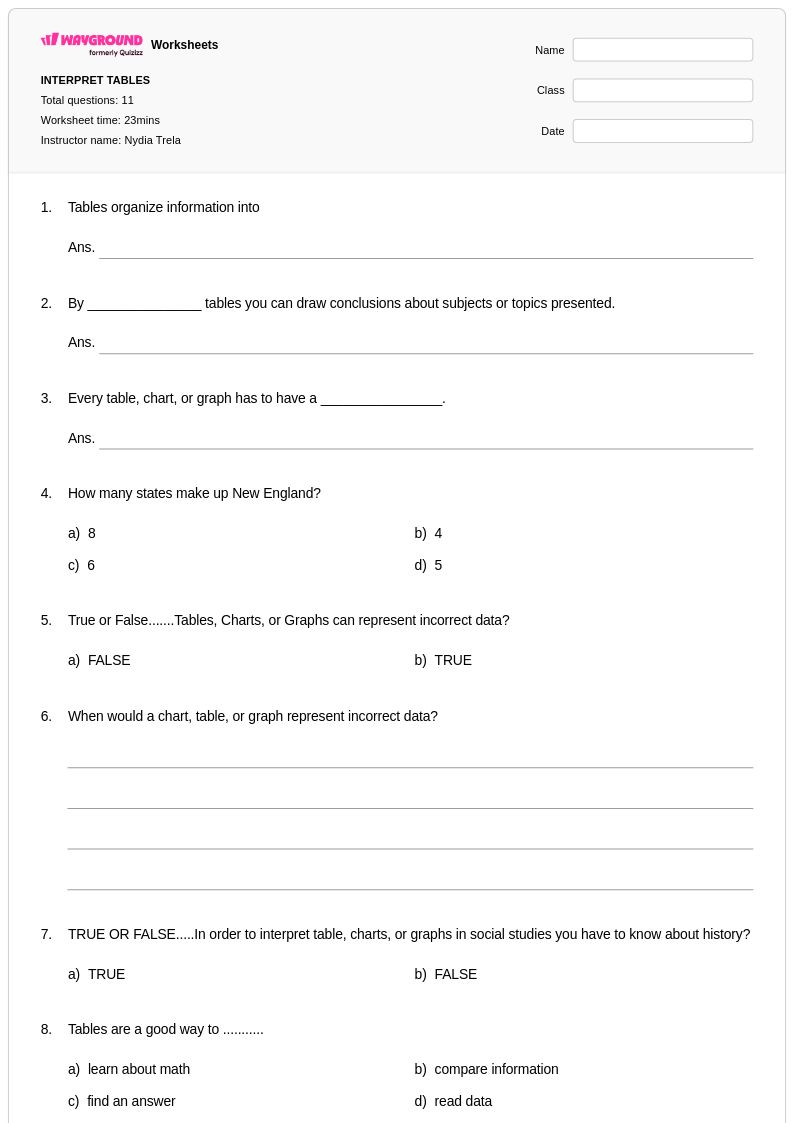
11 Q
8th - 10th
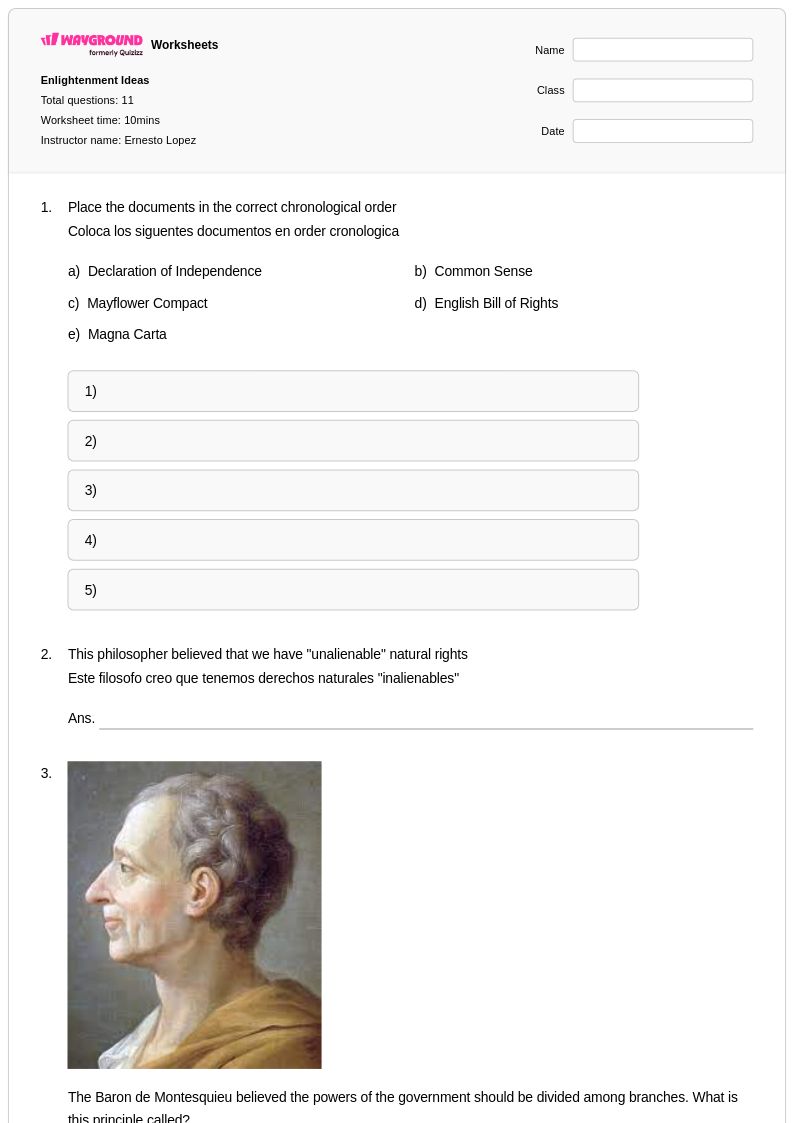
11 Q
7th - Uni
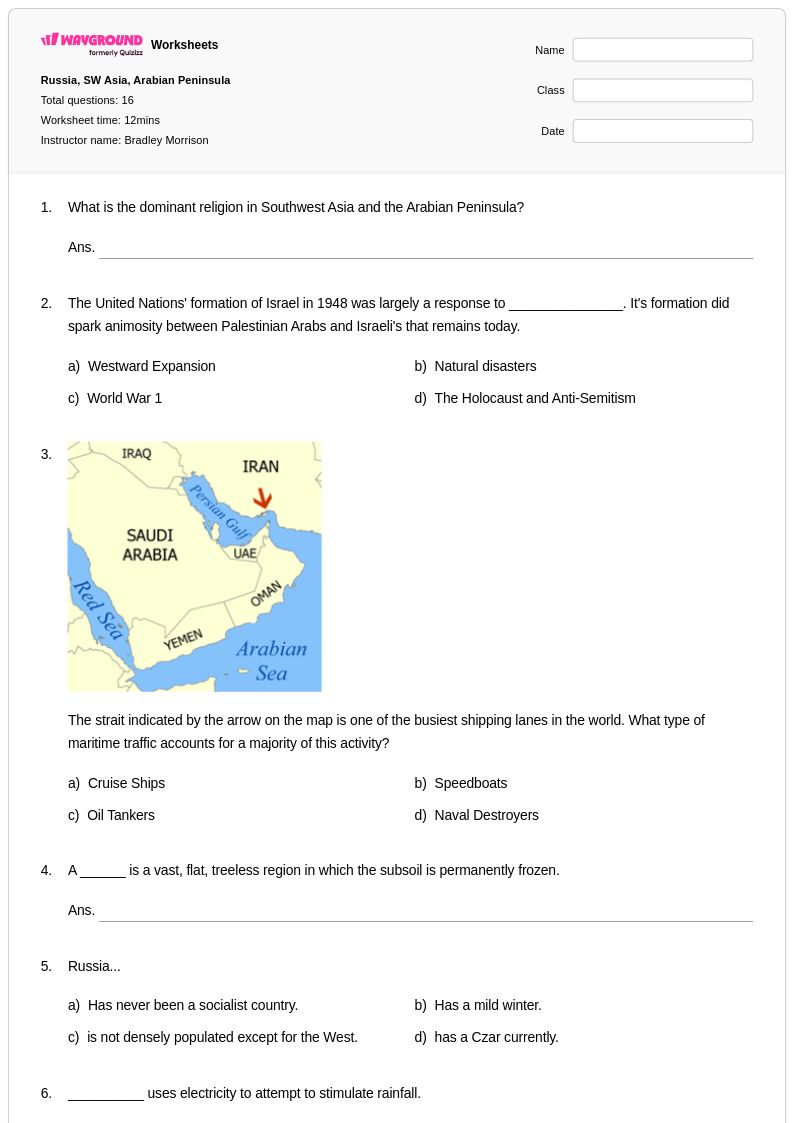
16 Q
9th
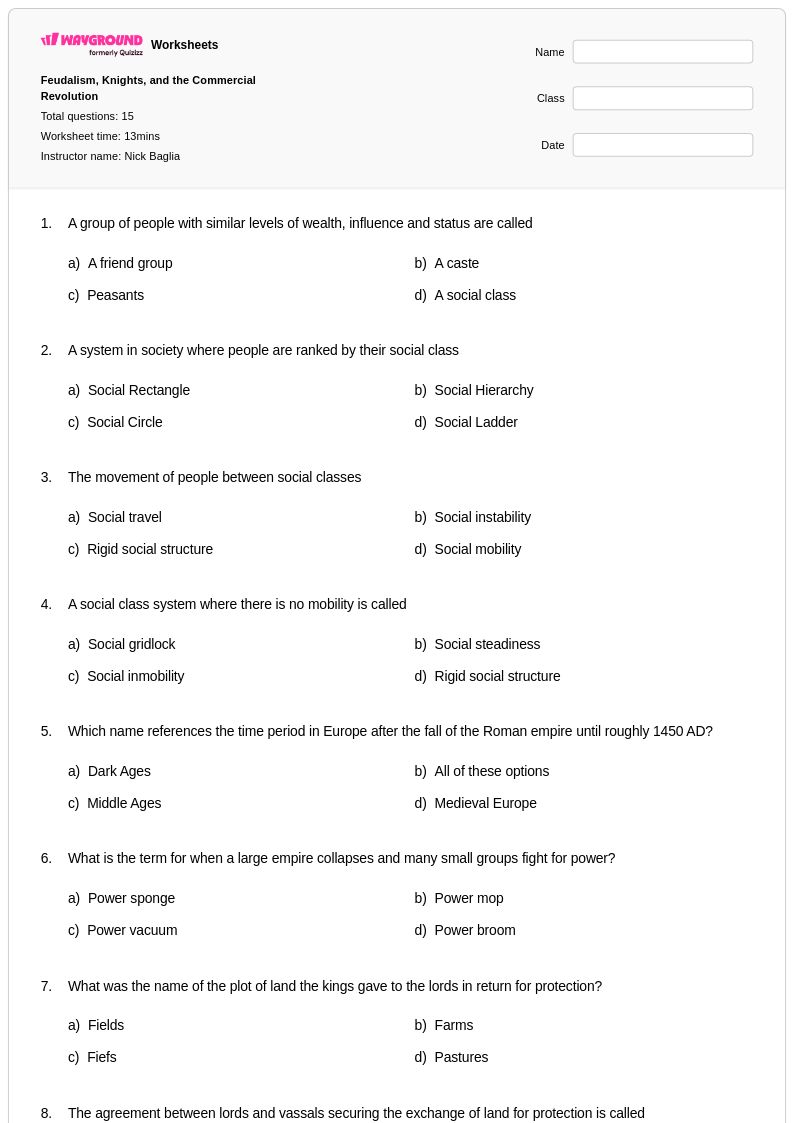
15 Q
9th
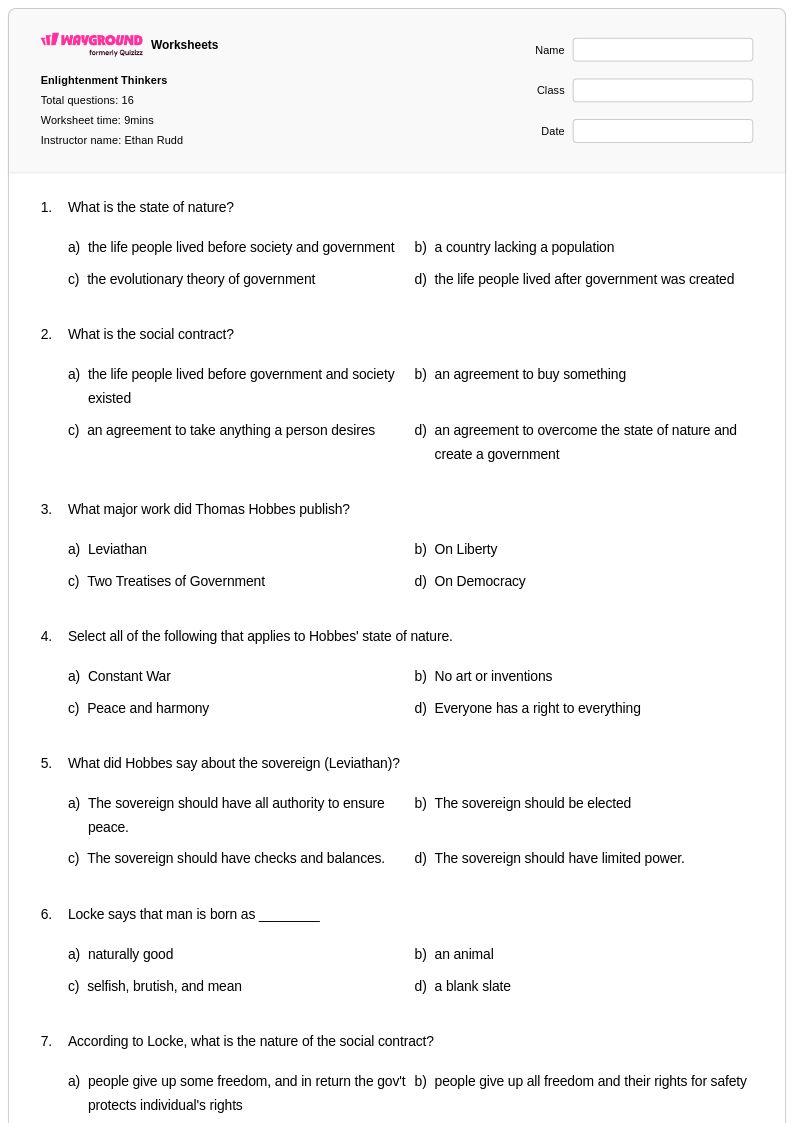
16 Q
9th - 12th
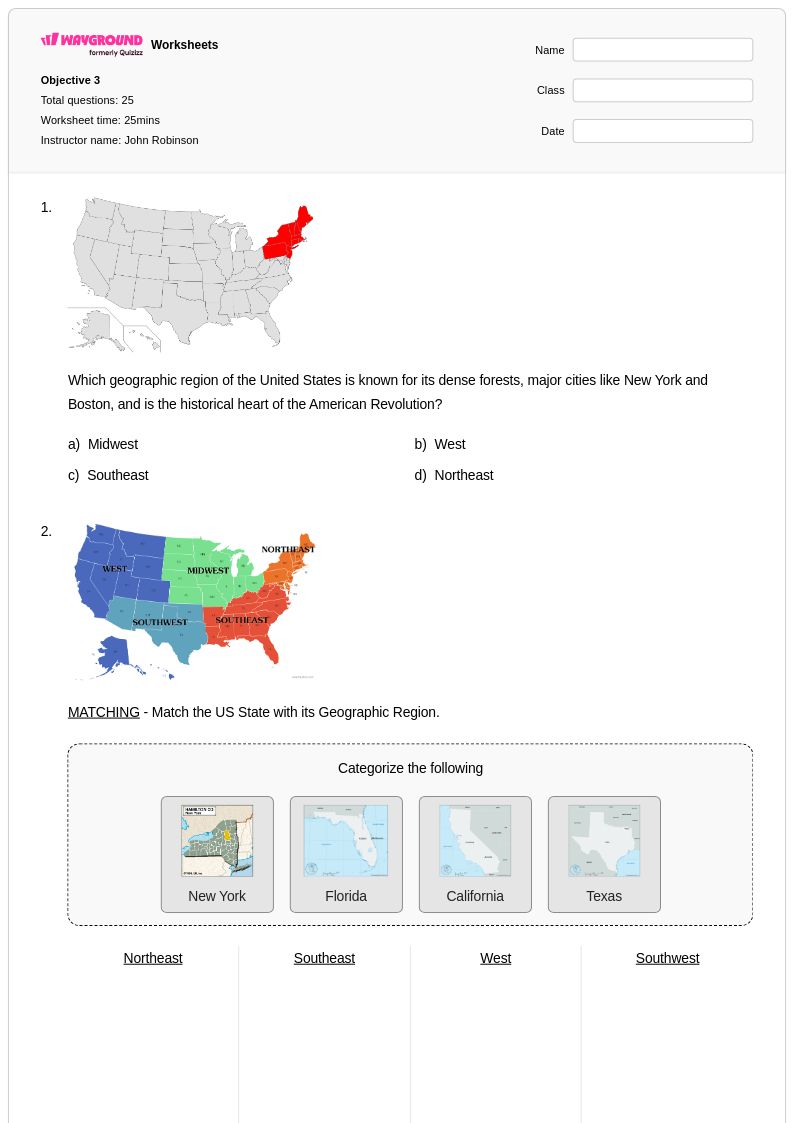
25 Q
7th - Uni
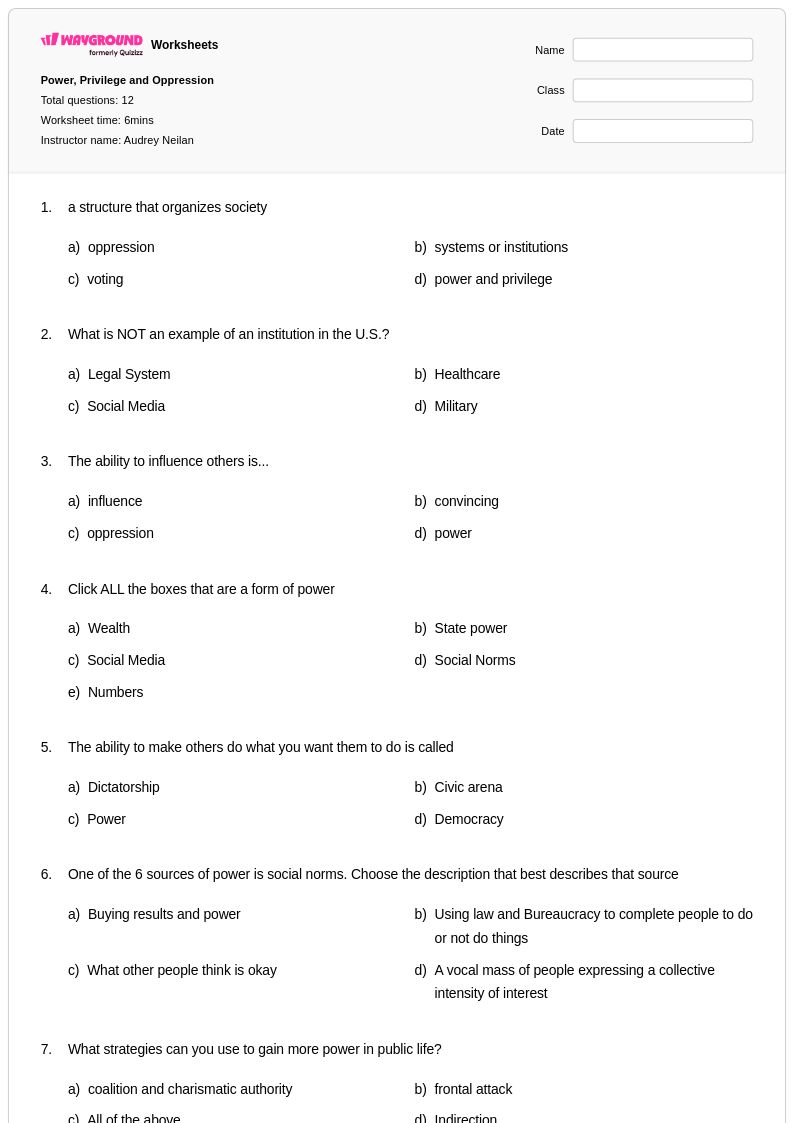
12 Q
9th
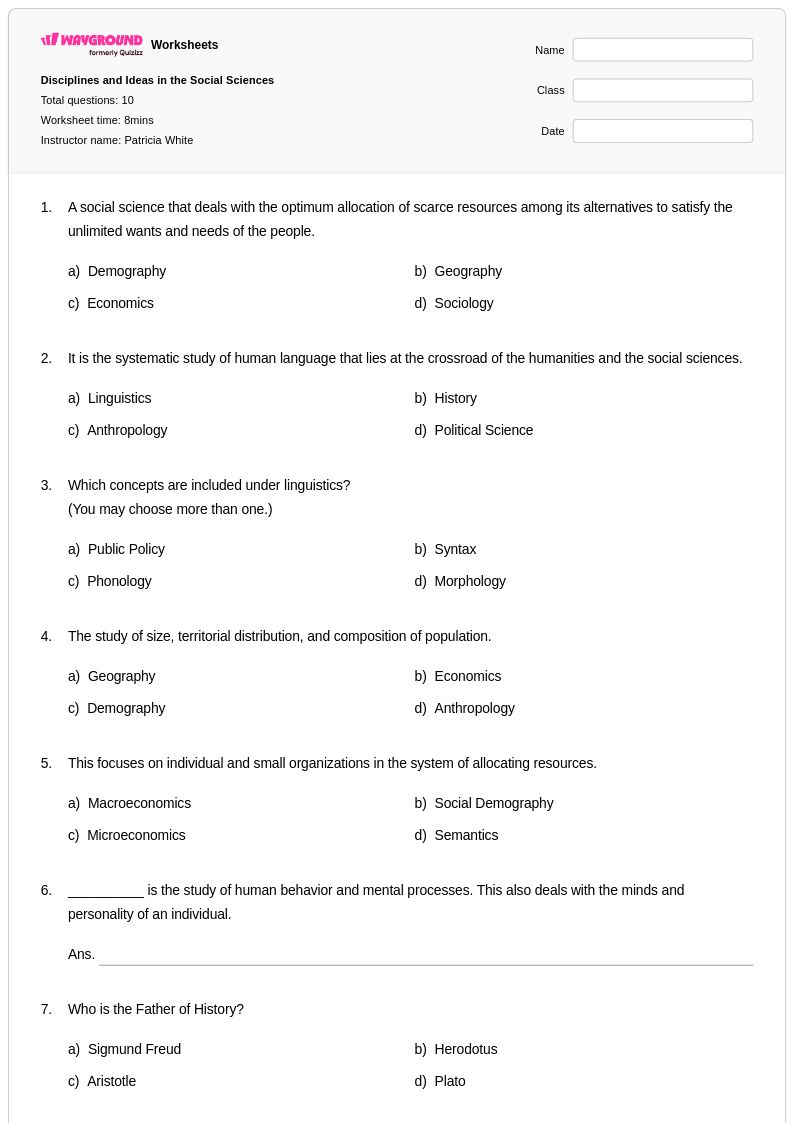
10 Q
7th - 12th
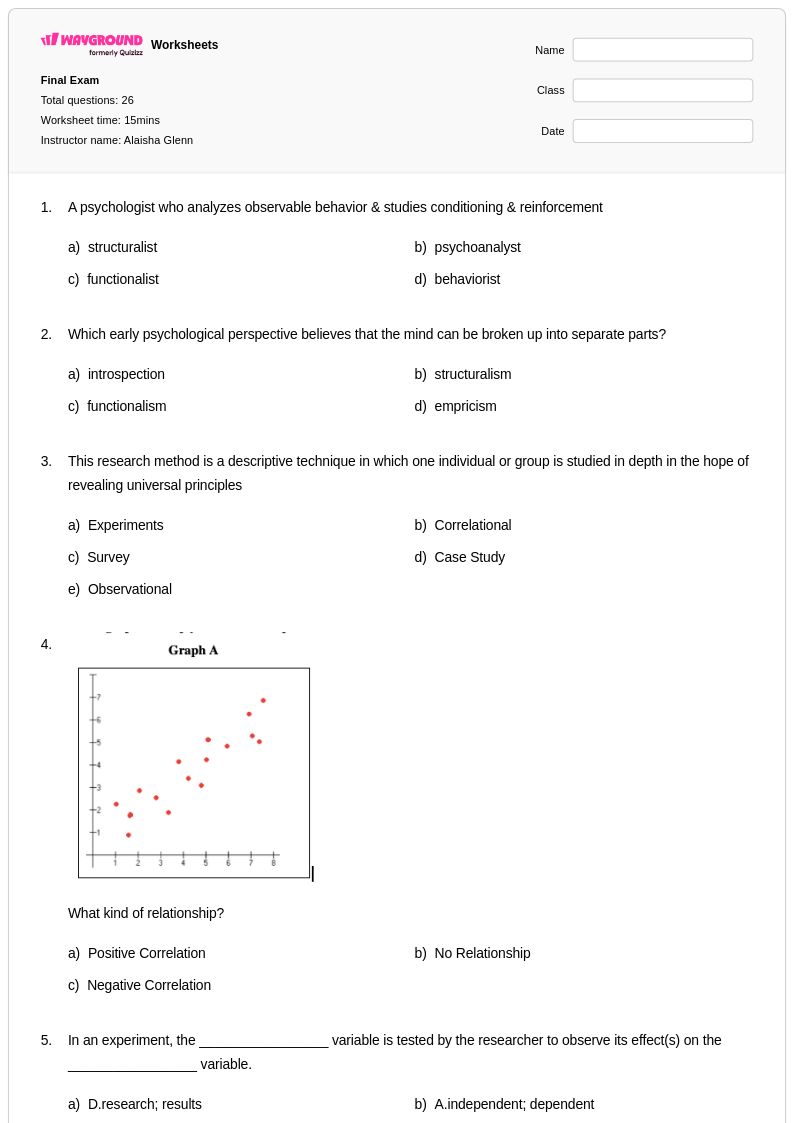
26 Q
9th - 12th
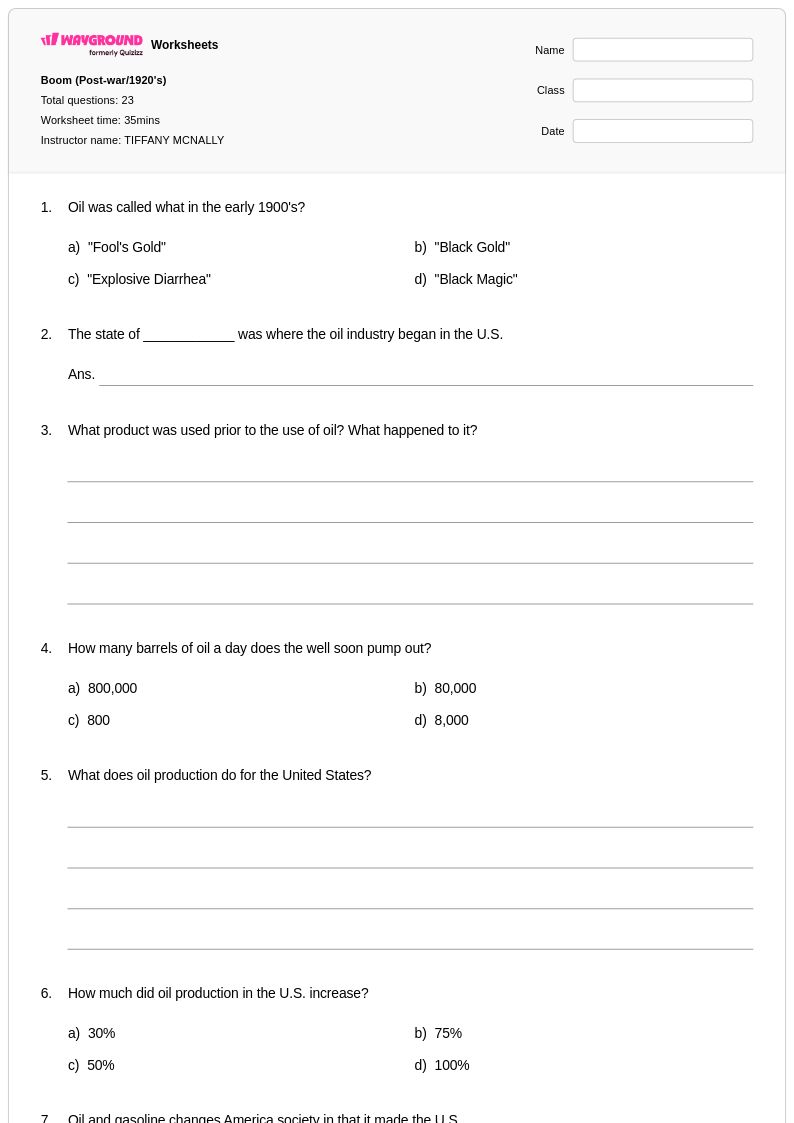
23 Q
9th - 12th
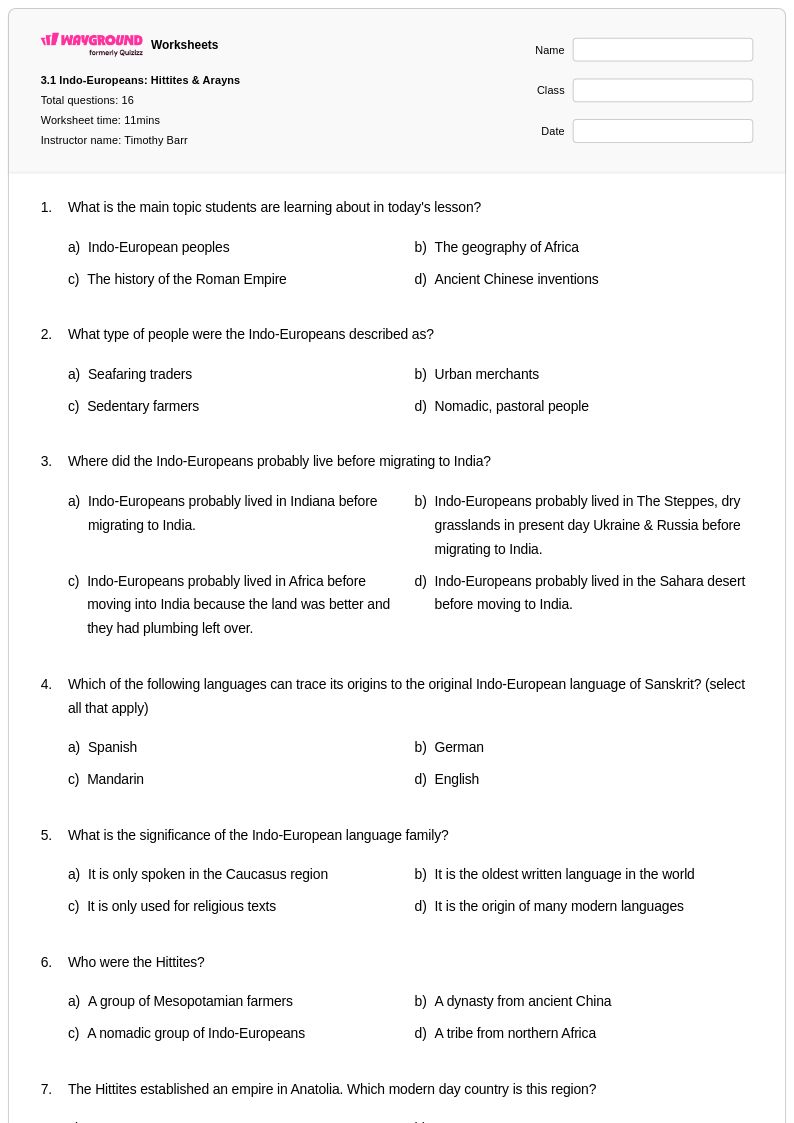
16 Q
9th
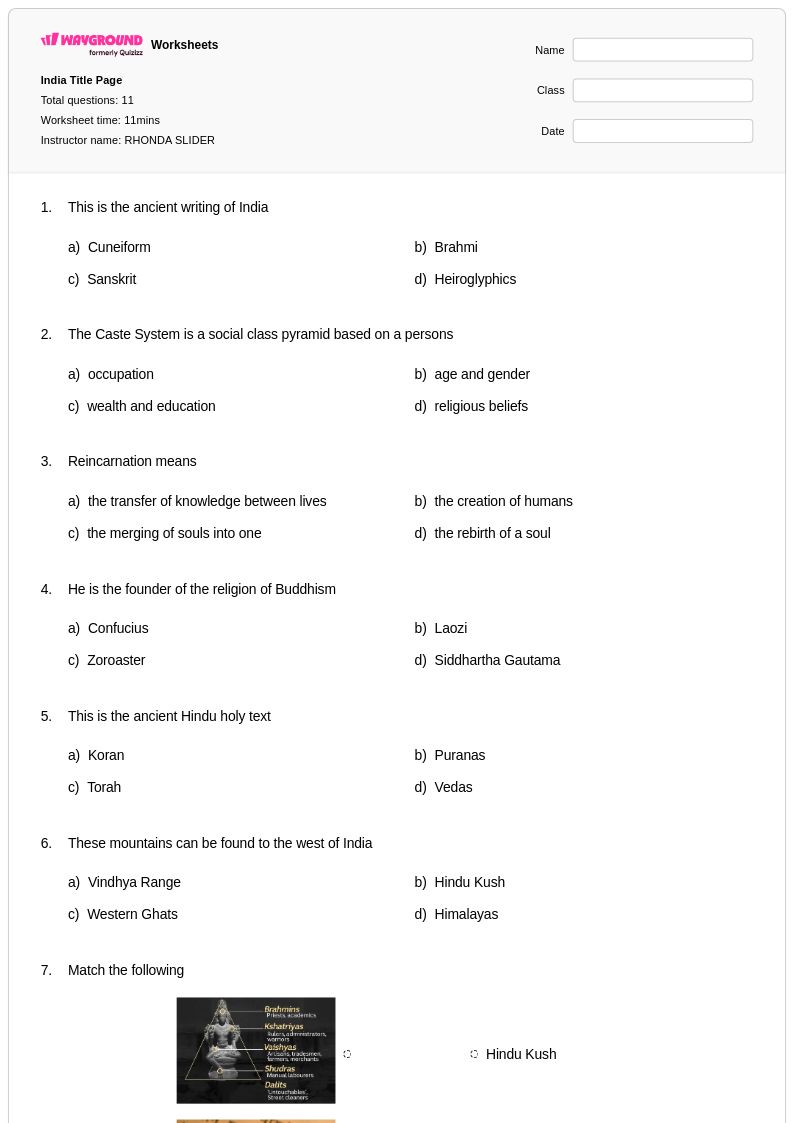
11 Q
9th
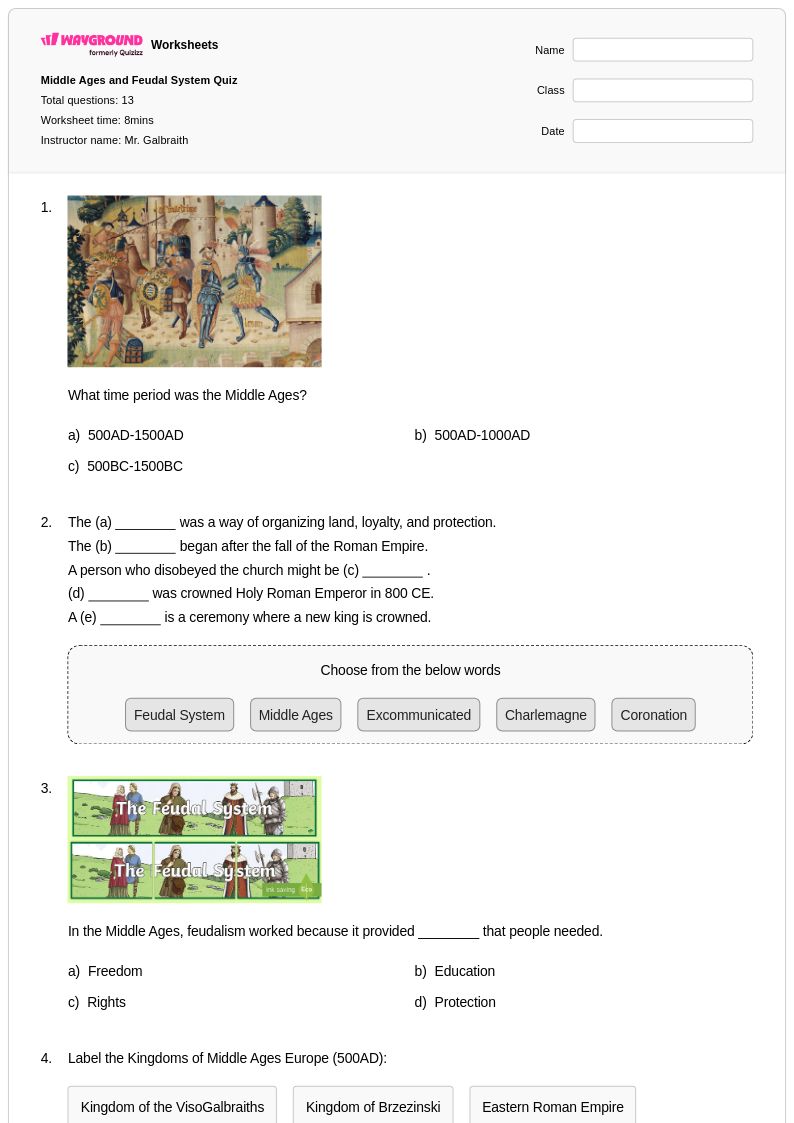
13 Q
6th - Uni
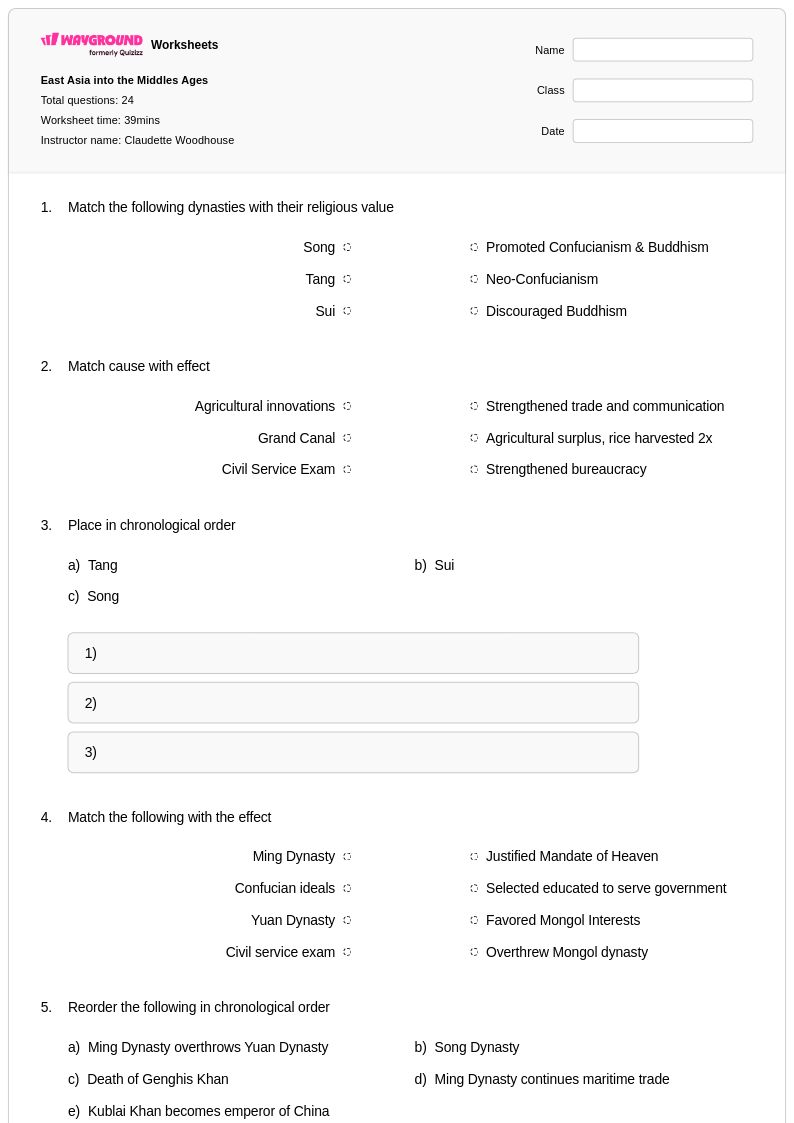
29 Q
9th - 12th
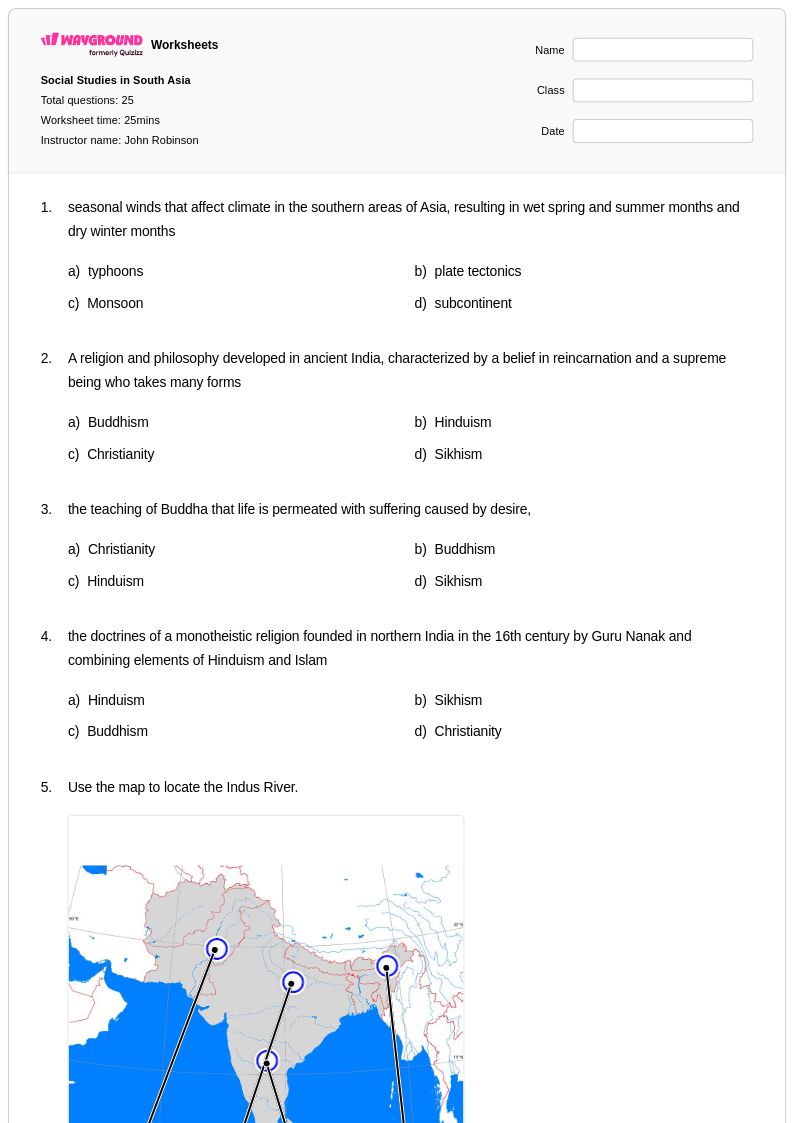
25 Q
6th - Uni
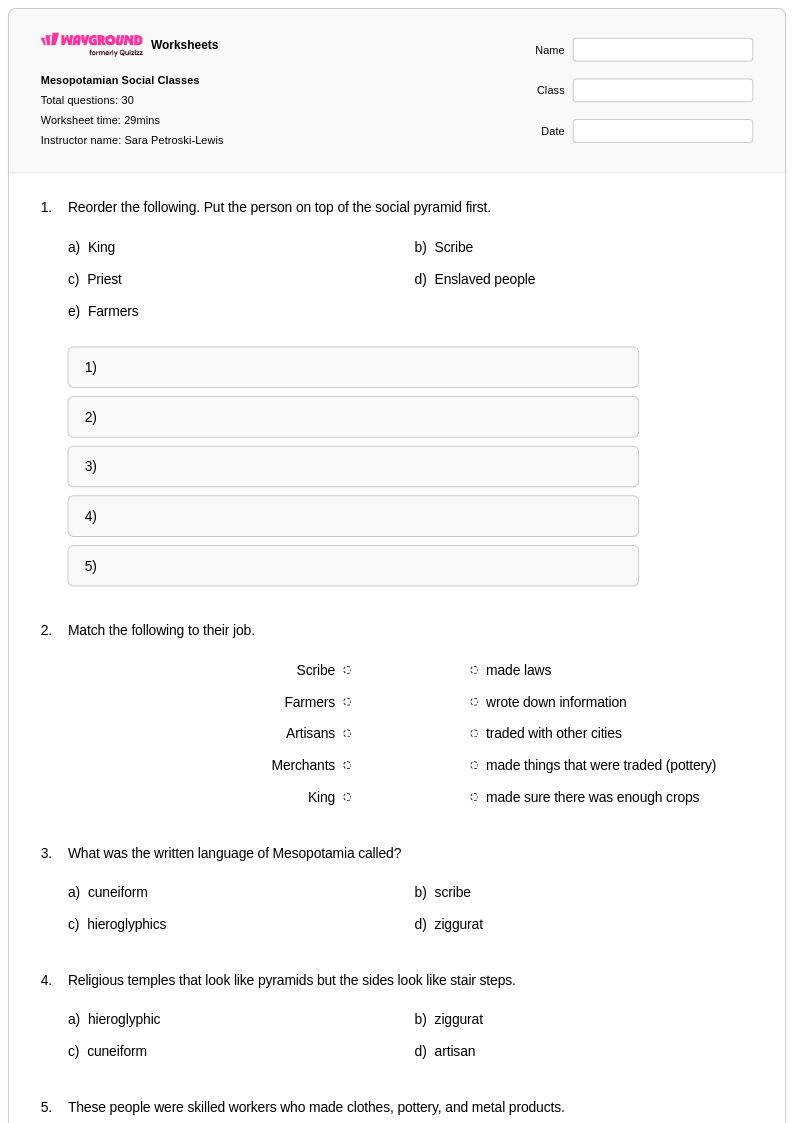
30 Q
6th - Uni
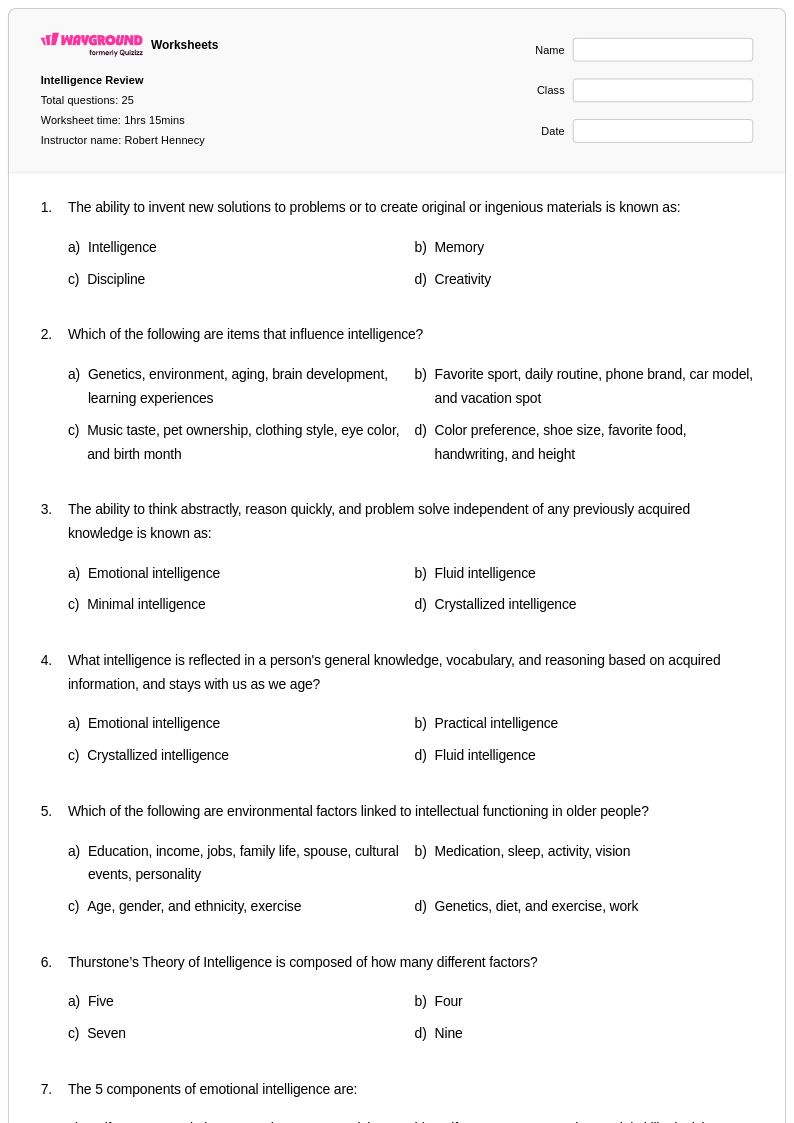
25 Q
9th - Uni
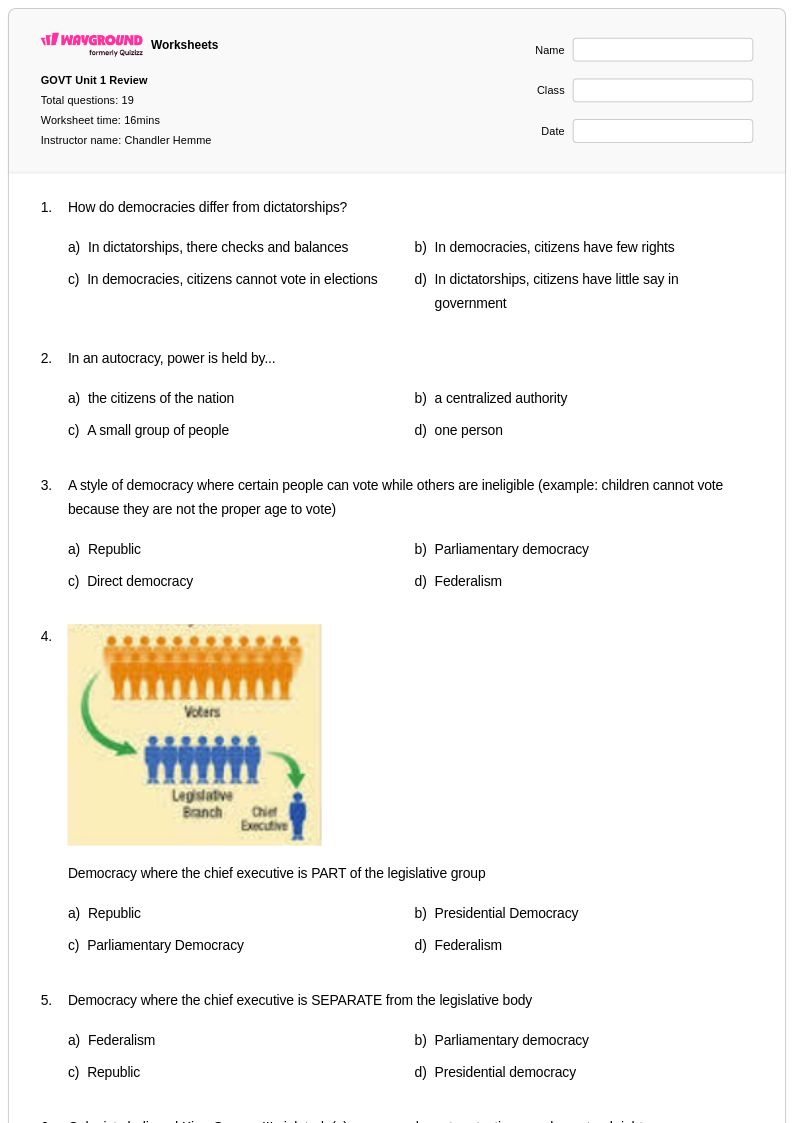
30 Q
9th - Uni
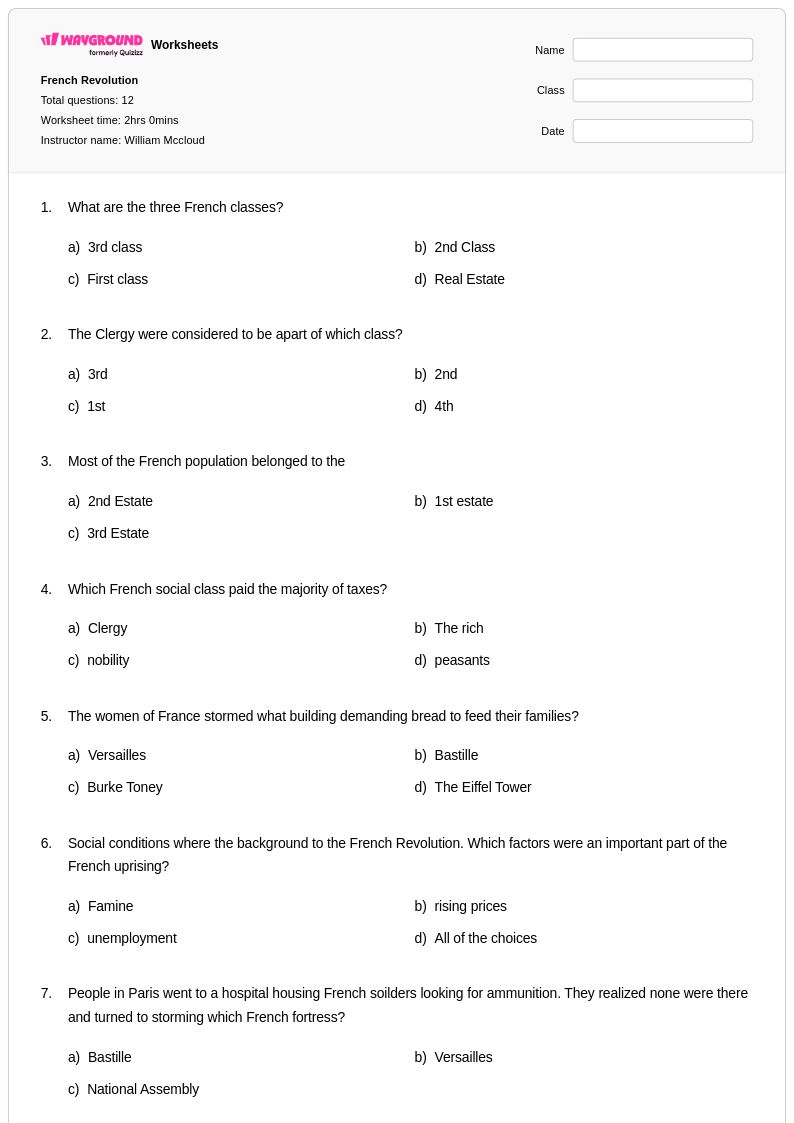
12 Q
9th
Explore Assertiveness in Social-emotional Learning Worksheets by Grades
Explore Other Subject Worksheets for grade 9
Explore printable Assertiveness in Social-emotional Learning worksheets for Grade 9
Assertiveness in social-emotional learning for Grade 9 students requires carefully structured practice opportunities that help teenagers develop confident communication skills while respecting others' boundaries. Wayground's comprehensive worksheet collections focus on building these essential assertiveness competencies through engaging scenarios, role-playing exercises, and reflective activities that challenge students to distinguish between passive, aggressive, and assertive responses in various social situations. These printable resources strengthen critical skills including self-advocacy, conflict resolution, and emotional regulation while providing students with practical strategies for expressing their needs and opinions respectfully. Each worksheet collection includes detailed answer keys and free practice problems that allow students to work independently, building confidence in their ability to navigate complex social dynamics with appropriate assertiveness techniques.
Wayground supports educators teaching assertiveness and social-emotional learning through millions of teacher-created resources specifically designed for Grade 9 social studies curricula. The platform's robust search and filtering capabilities enable teachers to quickly locate worksheets aligned with social-emotional learning standards, while differentiation tools allow for seamless customization based on individual student needs and learning styles. These comprehensive collections are available in both printable pdf formats and interactive digital versions, providing flexibility for various classroom environments and teaching approaches. Teachers can effectively utilize these resources for lesson planning, targeted remediation of social skills deficits, enrichment activities for advanced learners, and ongoing skill practice that reinforces assertiveness concepts throughout the academic year, ensuring students develop the confidence and communication competencies essential for healthy relationships and academic success.
FAQs
How do I teach assertiveness to students in a social-emotional learning context?
What activities help students practice assertive communication skills?
What are the most common mistakes students make when learning assertiveness?
How can I differentiate assertiveness instruction for students with different communication needs?
How do I use assertiveness worksheets from Wayground in my classroom?