Free Printable Concepts of Print Worksheets for Grade 2
Enhance Grade 2 students' concepts of print skills with Wayground's comprehensive collection of free worksheets, printables, and practice problems that teach directionality, word boundaries, and text organization through engaging PDF activities with answer keys.
Explore printable Concepts of Print worksheets for Grade 2
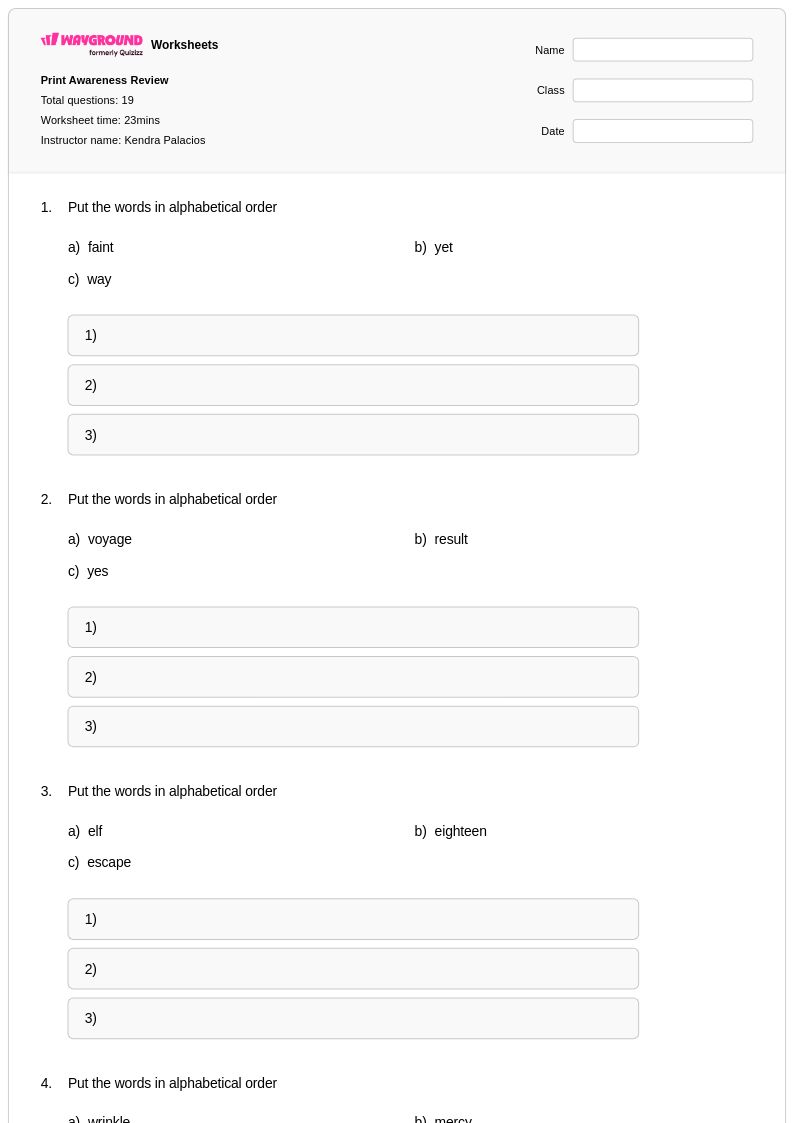
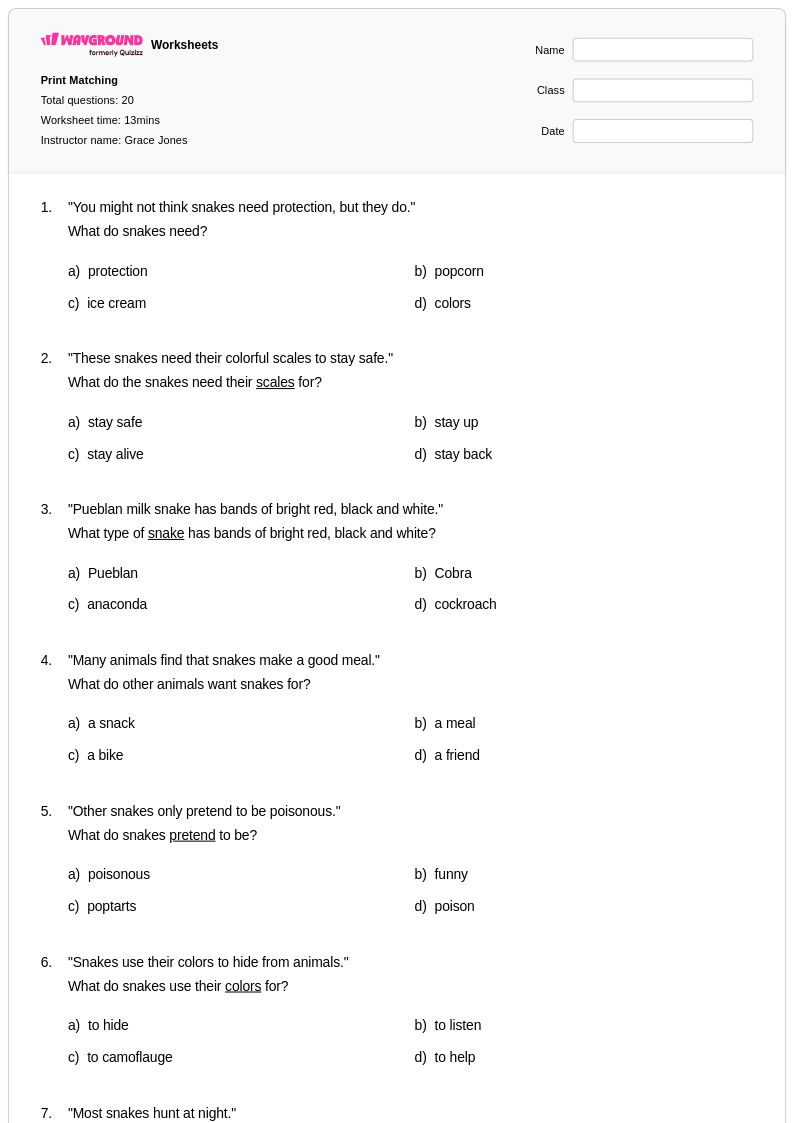
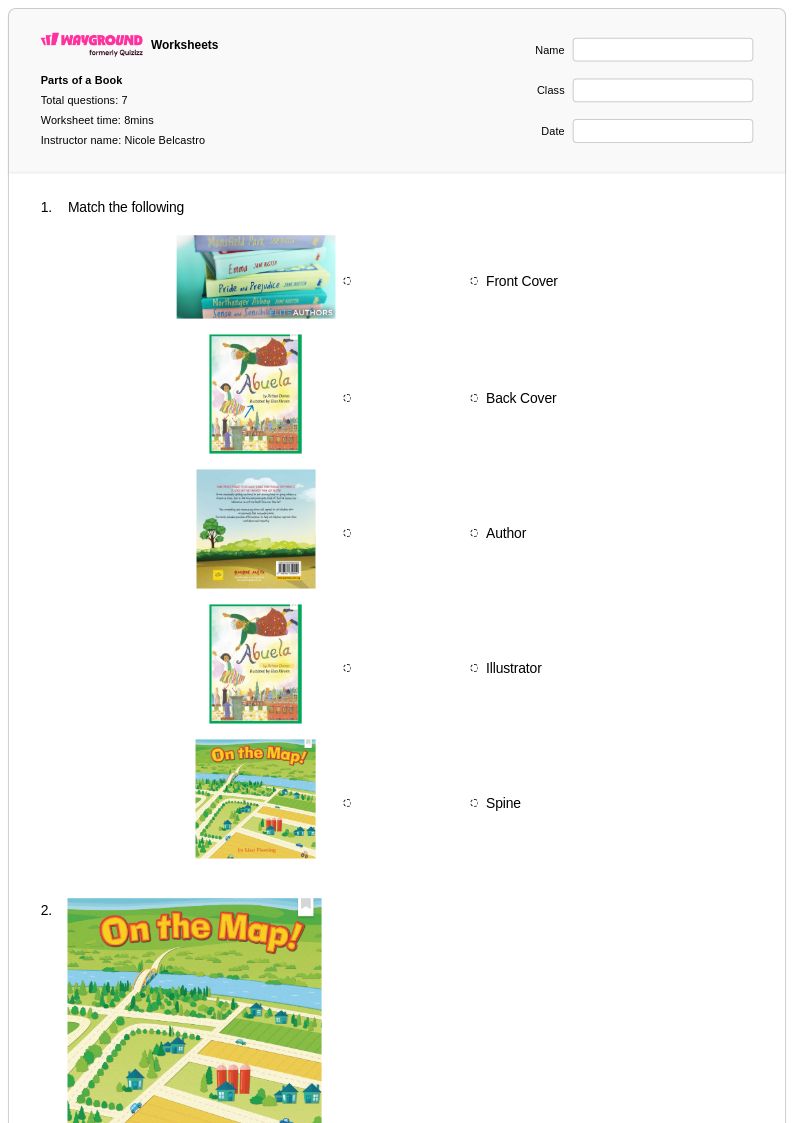
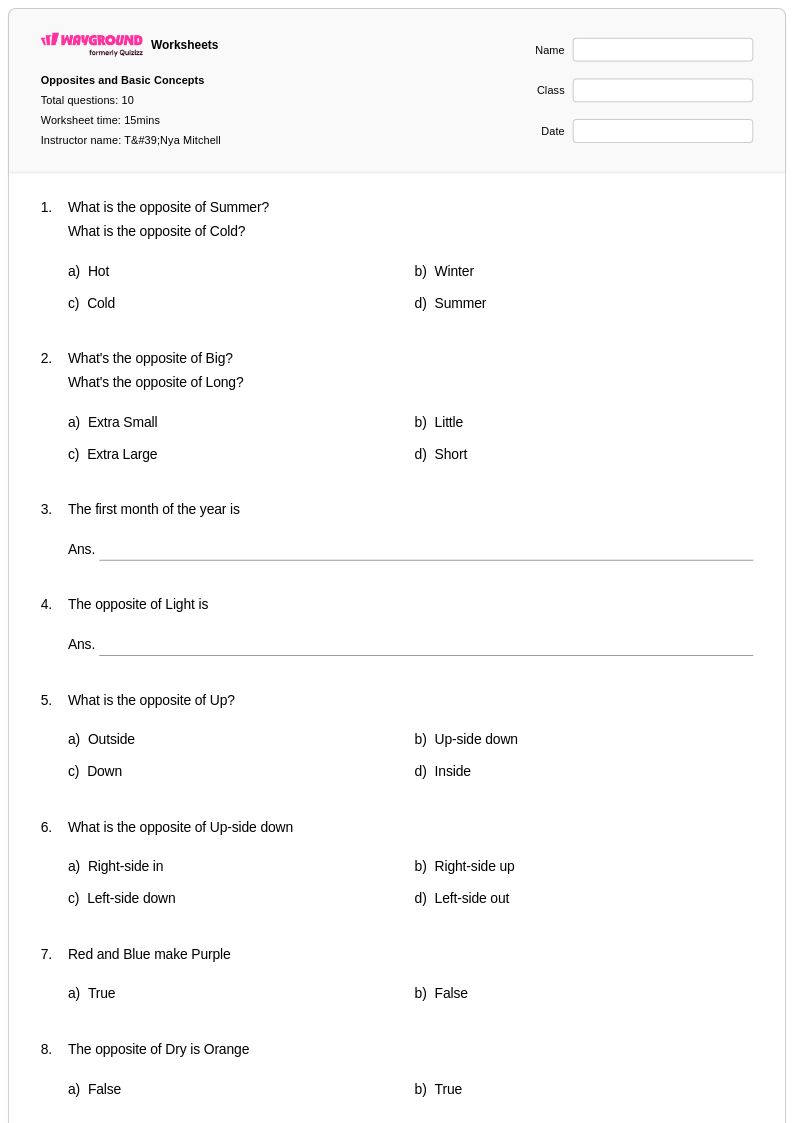
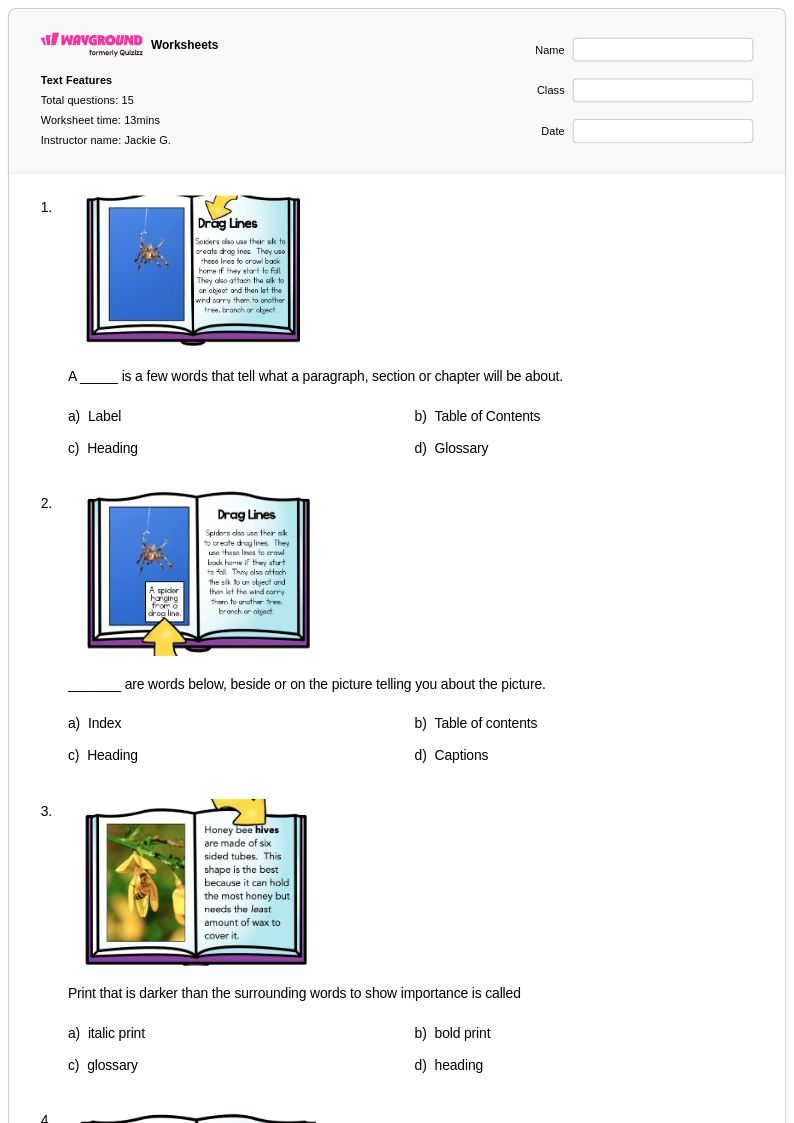
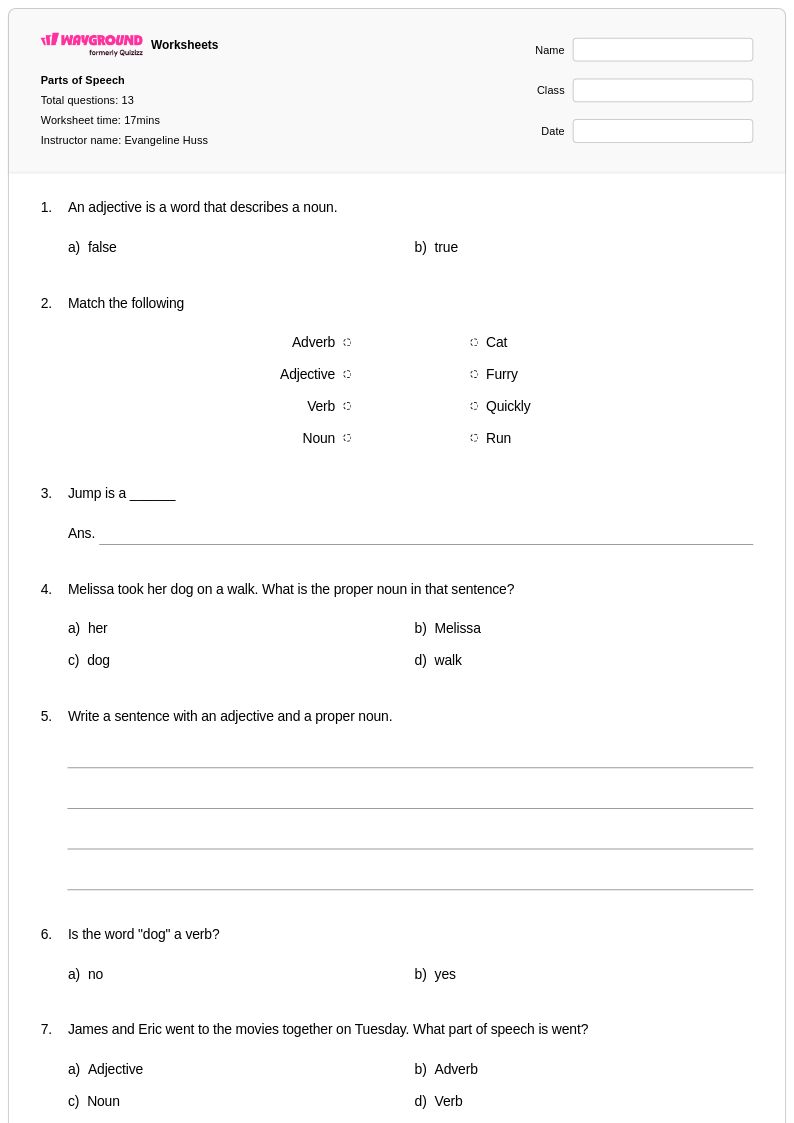
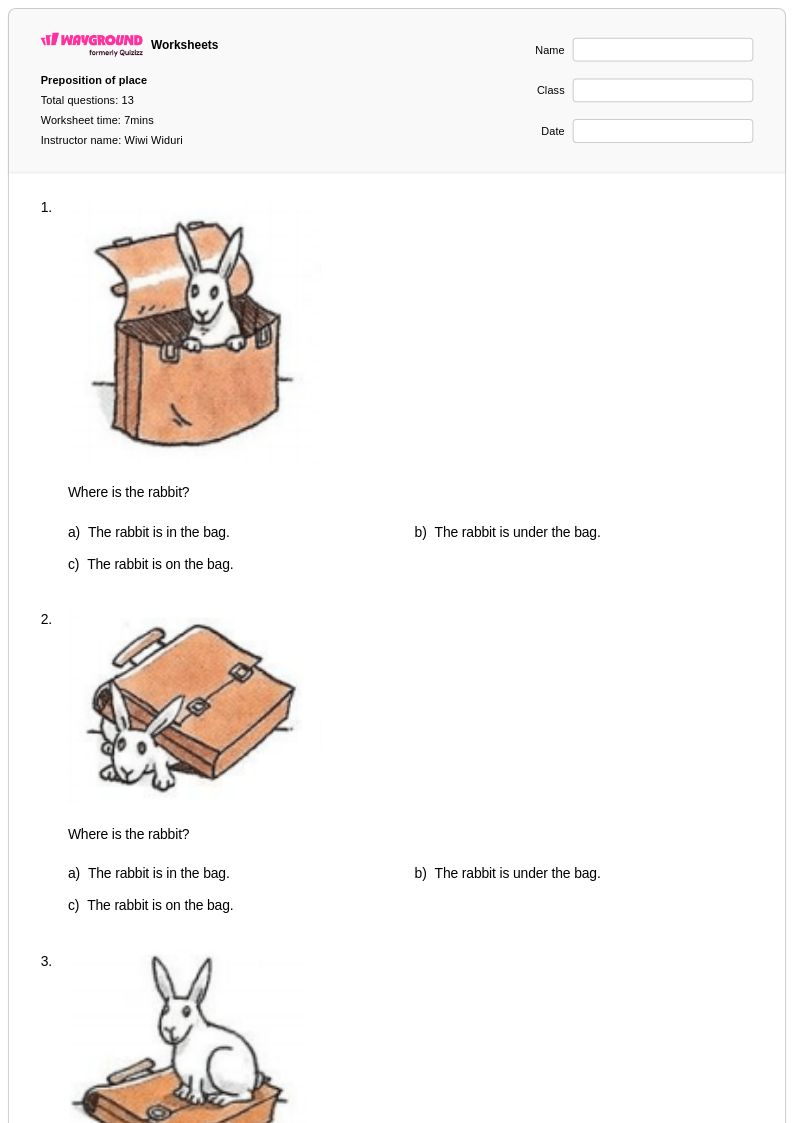
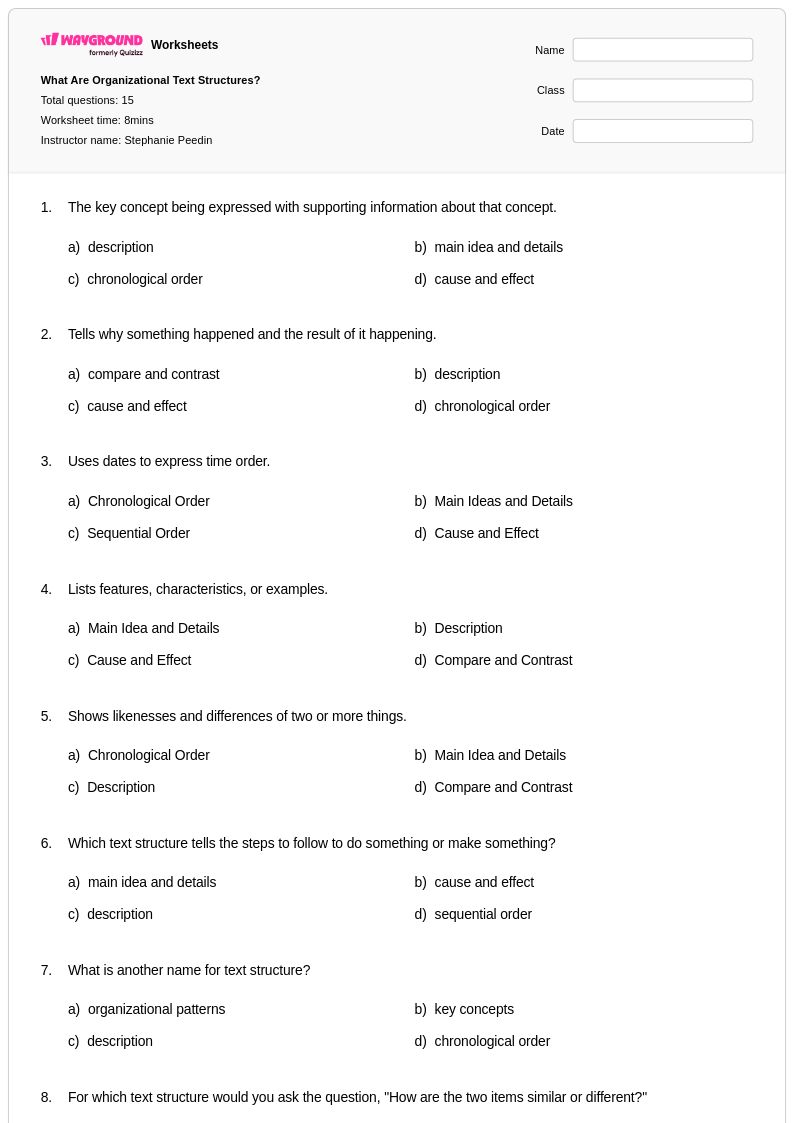
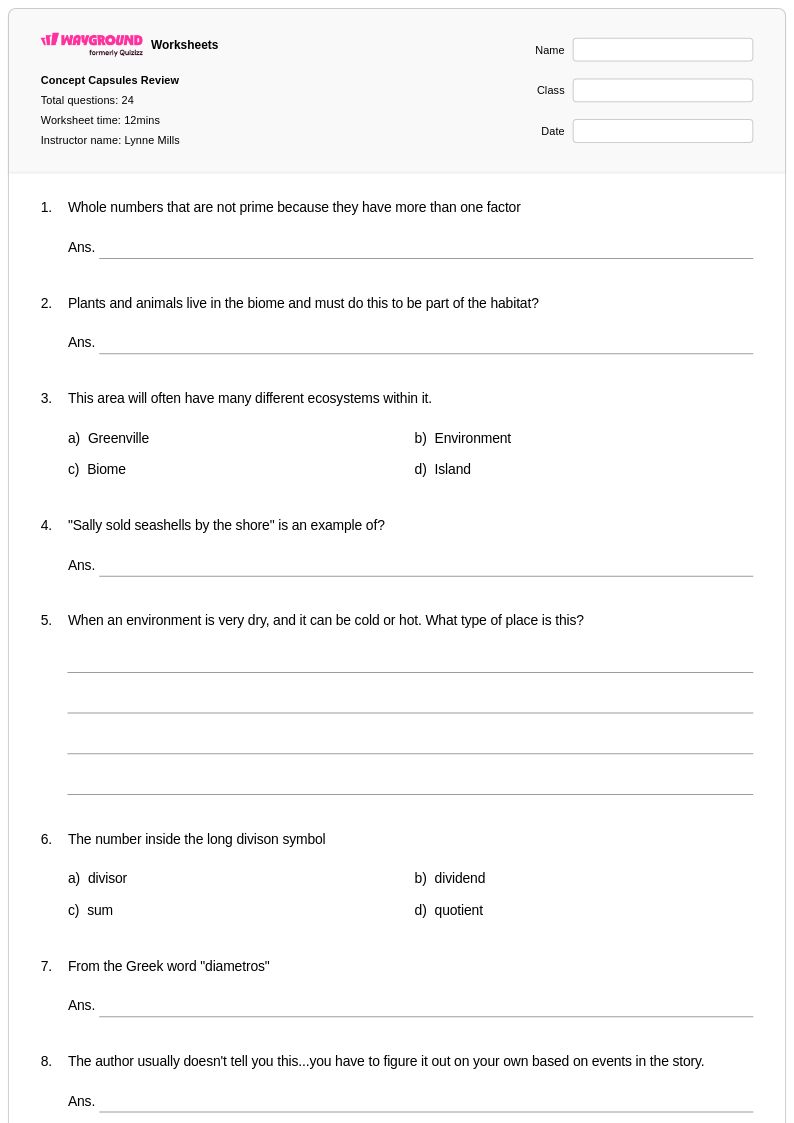
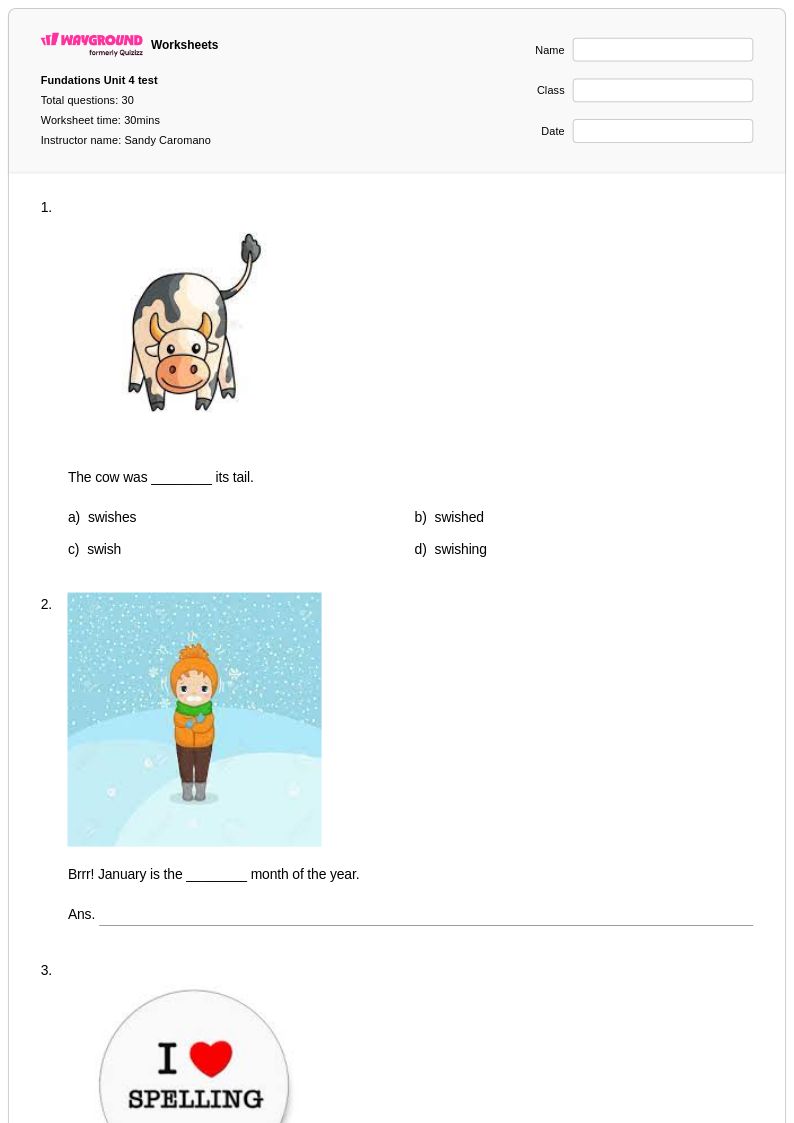
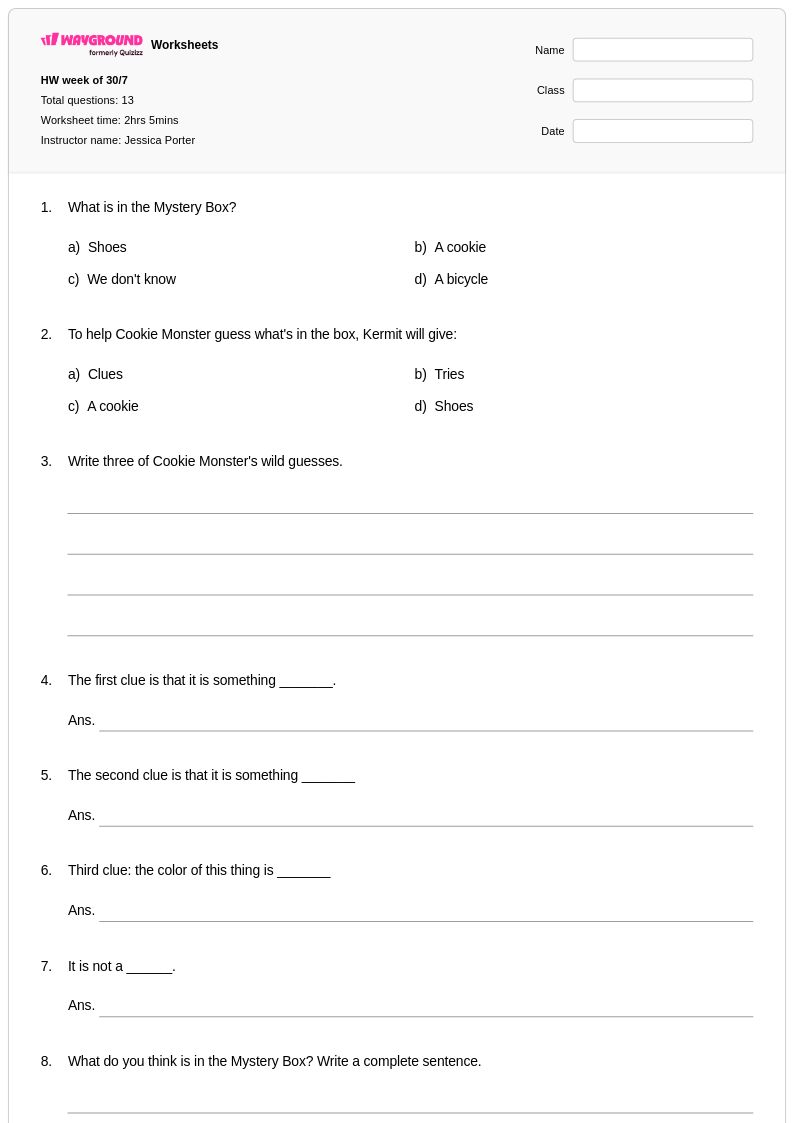
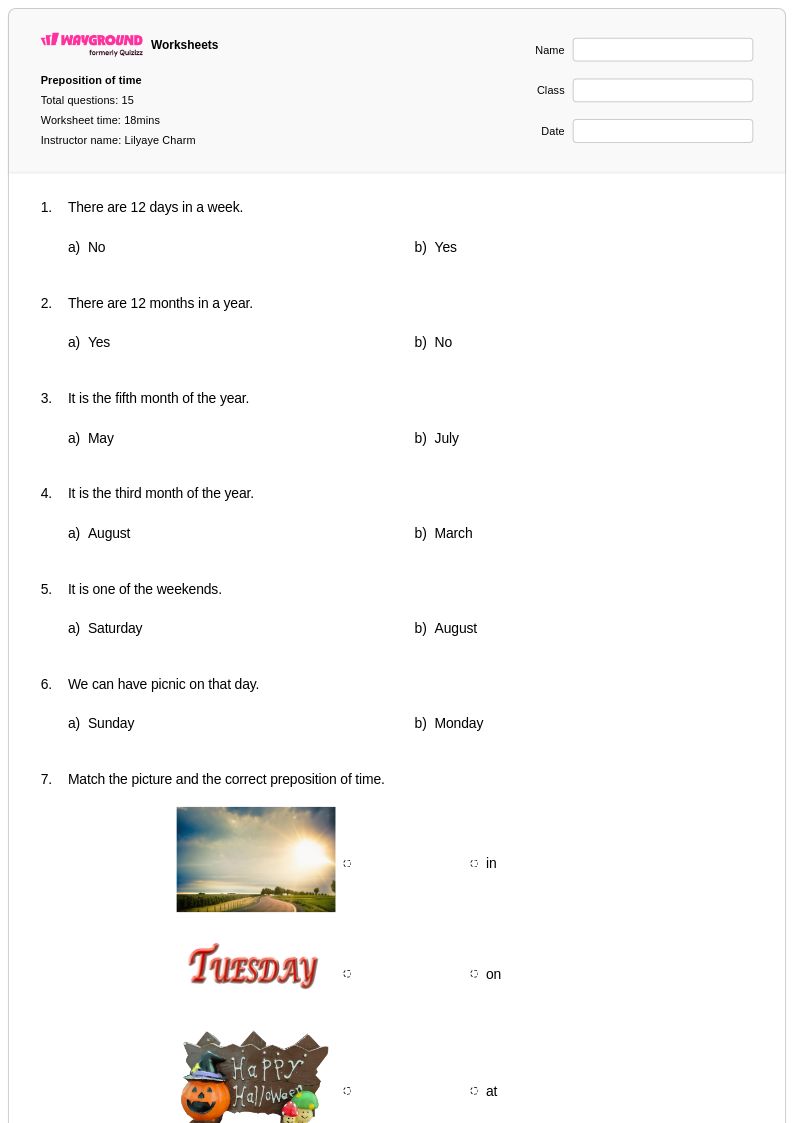
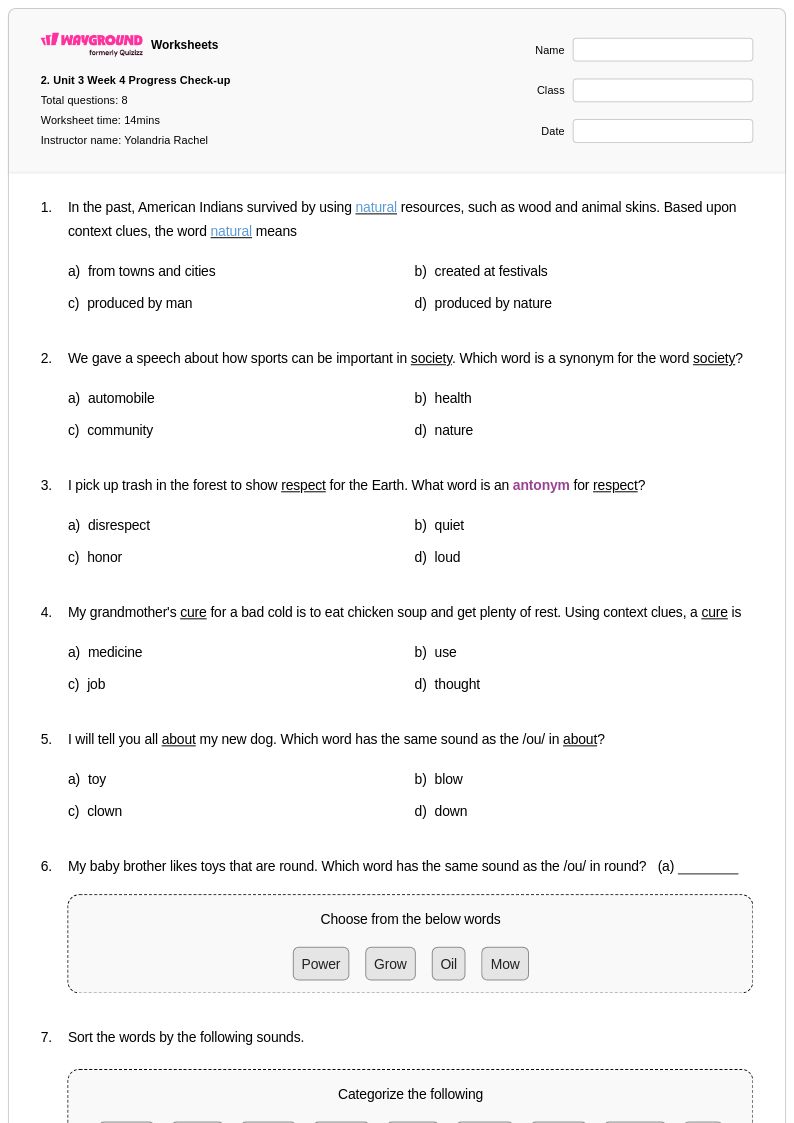
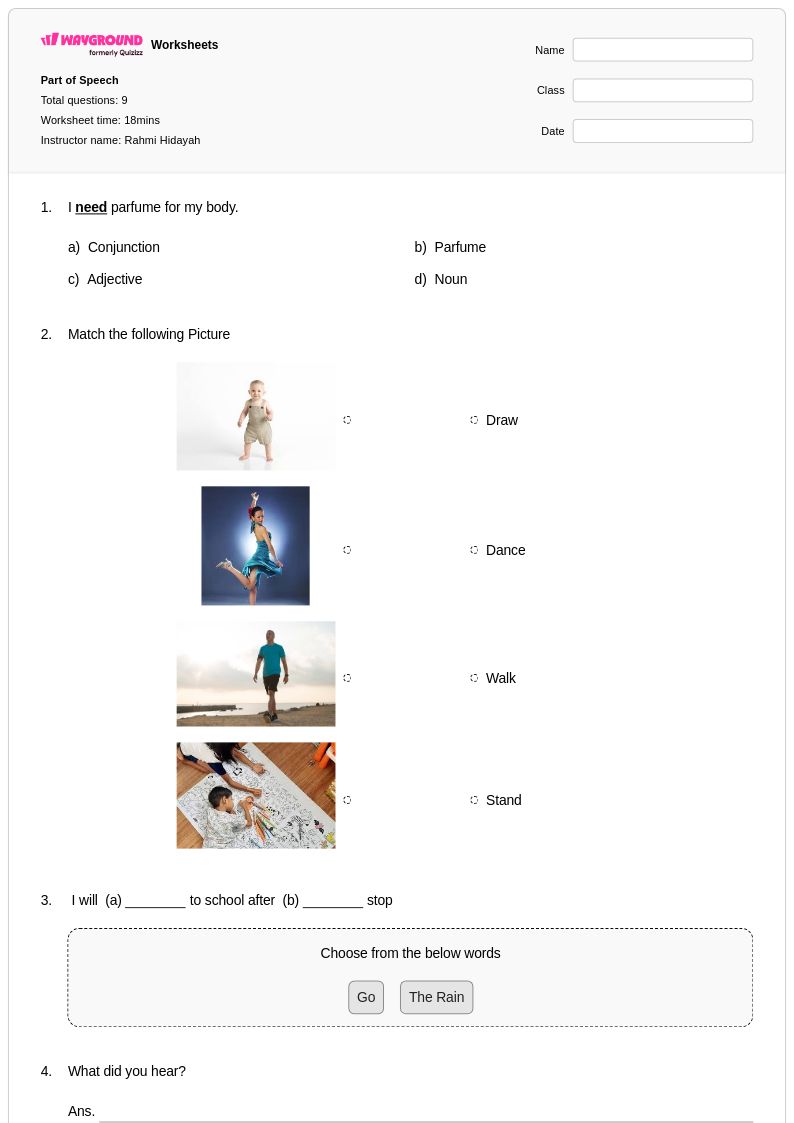
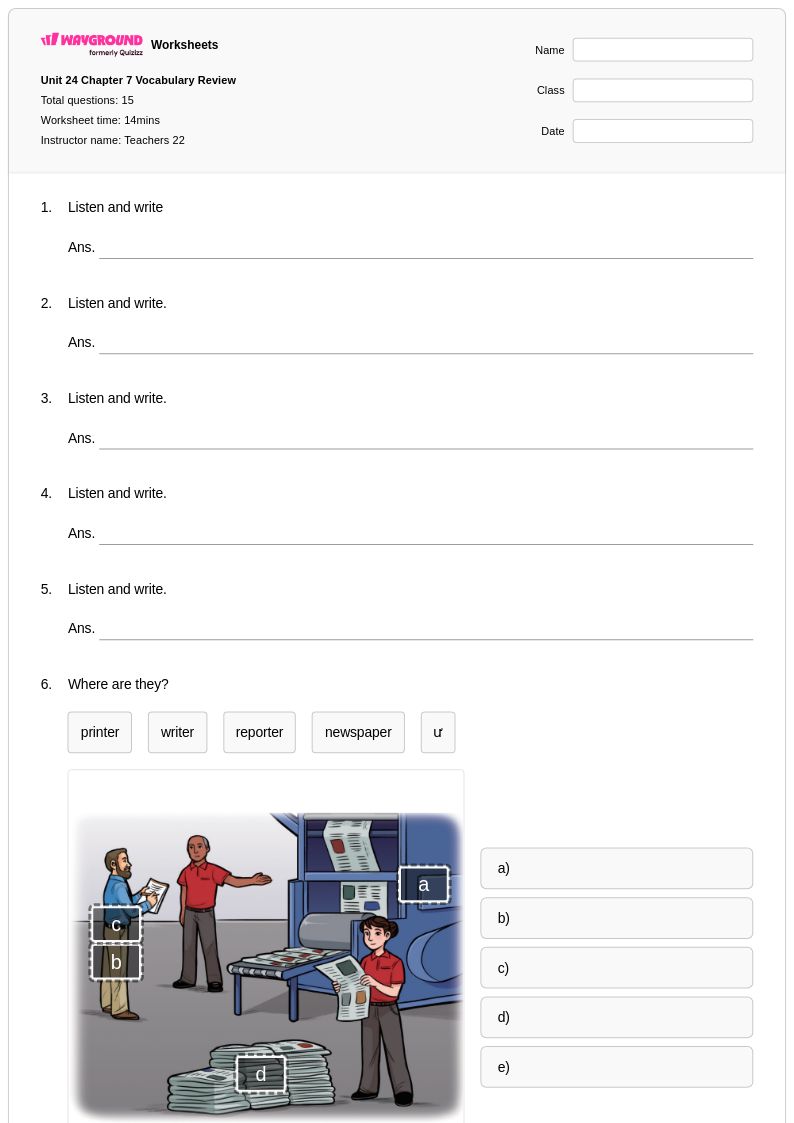
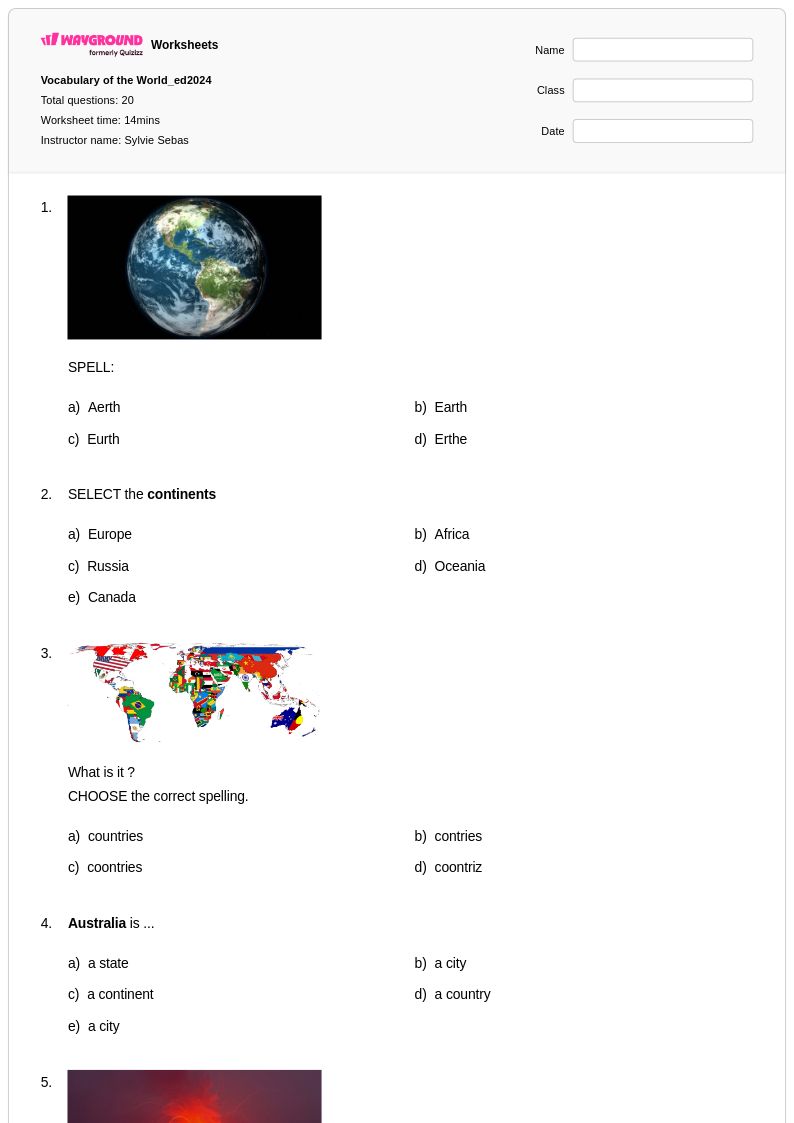
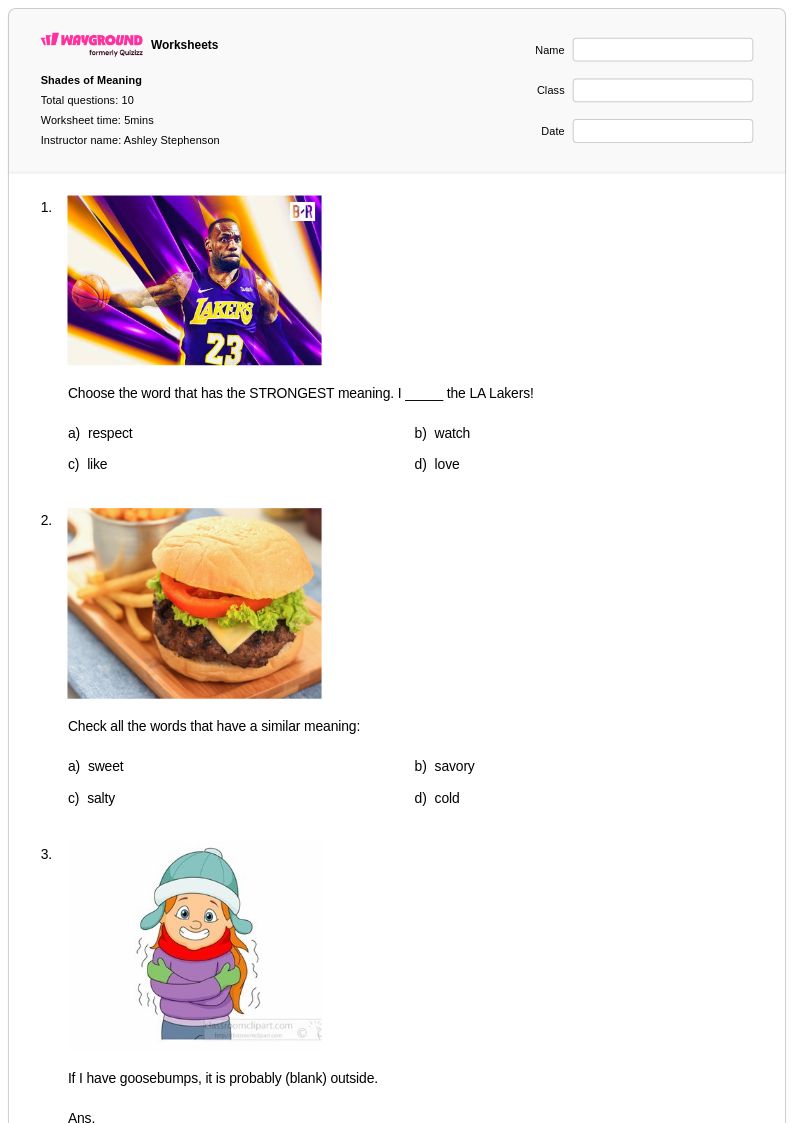
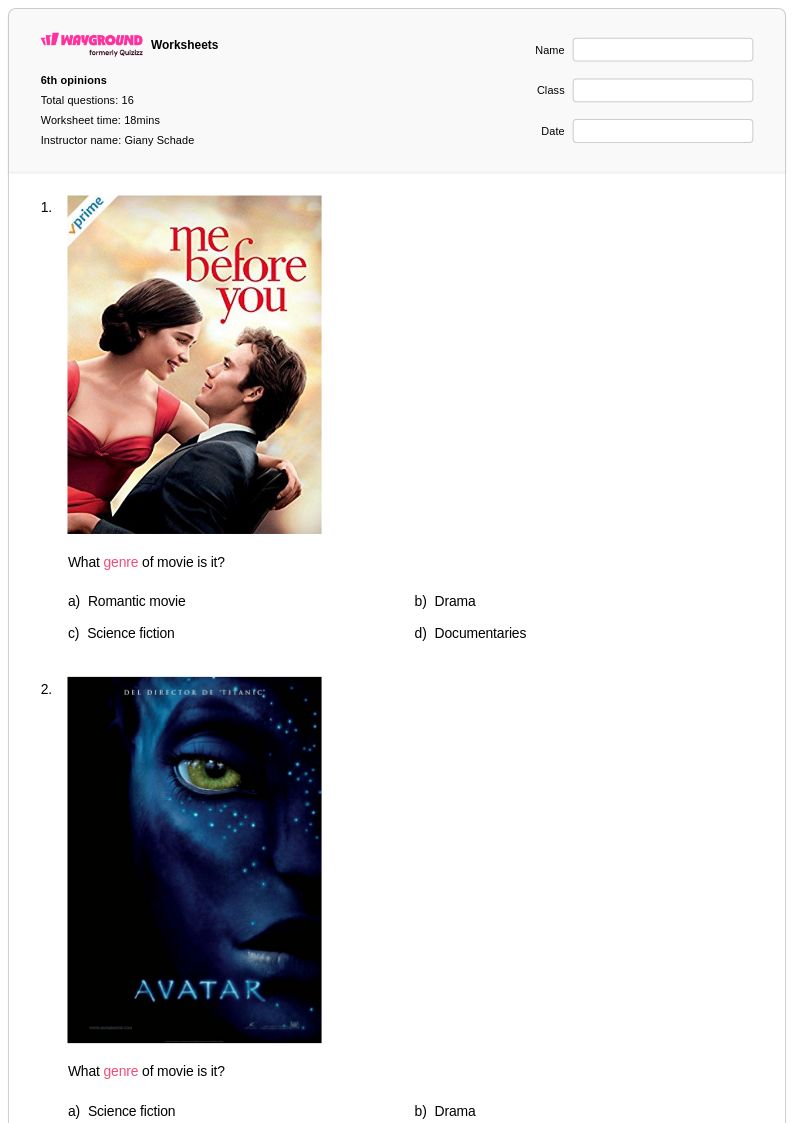
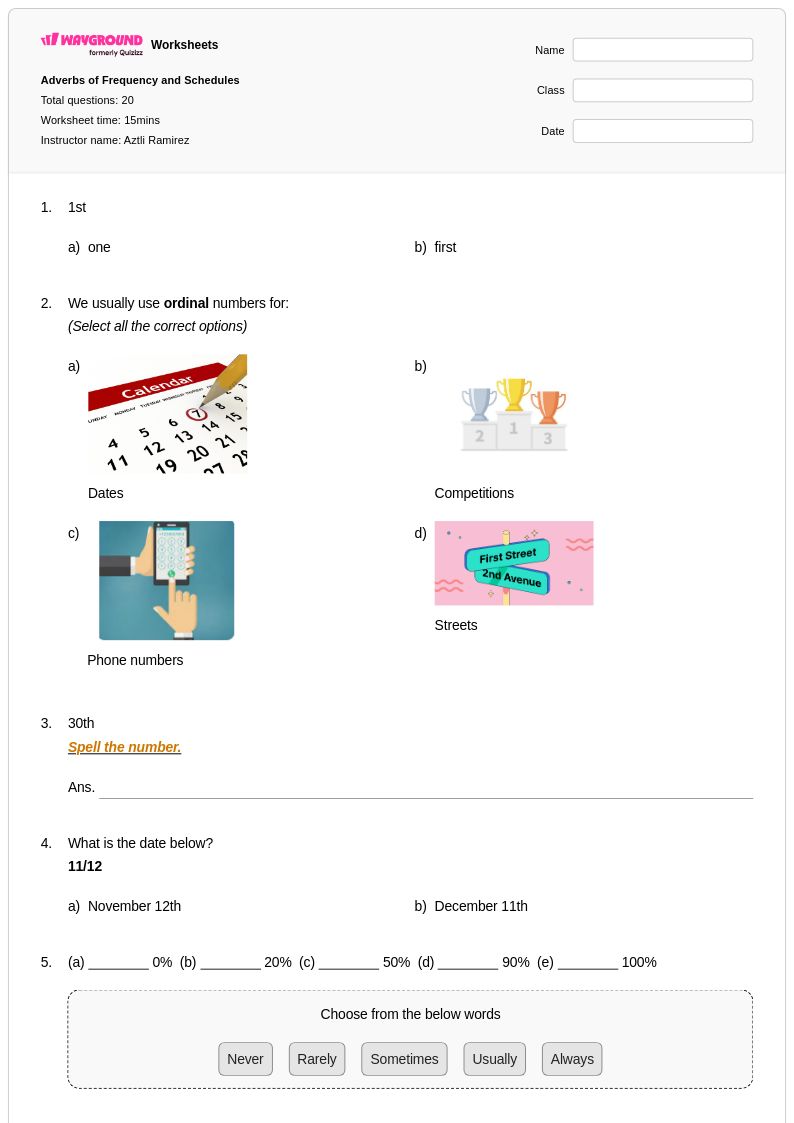
Concepts of print worksheets for Grade 2 available through Wayground (formerly Quizizz) provide essential foundational literacy instruction that helps young learners understand how written language works. These comprehensive printables focus on critical pre-reading and early reading skills including directionality, book orientation, letter and word recognition, punctuation awareness, and the relationship between spoken and written words. Students engage with practice problems that reinforce concepts such as identifying the front and back of books, understanding that text flows from left to right and top to bottom, recognizing spaces between words, and distinguishing between letters, words, and sentences. Each worksheet comes with a detailed answer key and is available as a free pdf download, making it easy for educators to implement structured concepts of print instruction that builds the mechanical understanding necessary for reading success.
Wayground (formerly Quizizz) empowers teachers with millions of educator-created resources specifically designed to support concepts of print instruction at the Grade 2 level. The platform's robust search and filtering capabilities allow teachers to quickly locate worksheets that align with specific learning standards and match their students' developmental needs. These versatile materials support differentiated instruction through customizable features that accommodate various learning styles and ability levels, while the dual availability in both printable and digital pdf formats provides flexibility for classroom, homework, or remote learning environments. Teachers can seamlessly integrate these resources into their lesson planning for targeted skill practice, remediation for struggling readers, or enrichment activities for advanced students, ensuring that all learners develop strong foundational print concepts that serve as building blocks for future literacy achievement.
FAQs
How do I teach concepts of print to early learners?
Concepts of print are best taught through repeated, intentional exposure during shared reading experiences. Teachers should model book handling, directionality (left to right, top to bottom), and the distinction between letters, words, and sentences by thinking aloud as they read. Connecting print concepts to real texts students encounter daily reinforces that written language carries meaning and follows consistent rules.
What concepts of print skills should students master before learning to read?
Before independent reading begins, students should understand how to hold and orient a book correctly, identify the front cover, title, and author, and know that print carries meaning rather than illustrations. They should also recognize that text moves left to right and top to bottom in English, and that spaces separate individual words. These foundational skills directly support decoding and early reading fluency.
What exercises help students practice concepts of print?
Effective practice activities include labeling parts of a book, tracking print with a finger during read-alouds, matching spoken words to printed words on a page, and identifying word boundaries by circling individual words in a sentence. Worksheets that ask students to identify letters versus words, locate punctuation marks, or sequence pages of a simple book reinforce each concept in an isolated, measurable way.
What mistakes do young students commonly make with concepts of print?
One of the most common errors is confusing letters and words — students may point to a single letter when asked to identify a word, or vice versa. Many early learners also struggle with directionality, defaulting to right-to-left tracking or returning incorrectly to the next line. Another frequent misconception is attributing meaning to illustrations rather than print, which can slow the development of true reading behavior.
How can I use concepts of print worksheets in my classroom?
Concepts of print worksheets on Wayground are available as printable PDFs for hands-on use in whole-class lessons, small group instruction, or independent centers, and in digital formats for technology-integrated environments. Teachers can also host them as a quiz directly on Wayground to monitor individual student responses in real time. The included answer keys make it straightforward to assess which specific print concepts each student has or has not yet mastered.
How do I differentiate concepts of print instruction for students with varying needs?
For students who need additional support, reduce the number of answer choices on a given task to lower cognitive load, and enable the Read Aloud feature so question text is read to them rather than requiring independent decoding. Extended time settings can be applied individually through Wayground's student accommodations without alerting other students, keeping the experience consistent for the whole class. For advanced learners, move quickly from book-handling concepts toward punctuation awareness and sentence-level understanding.