
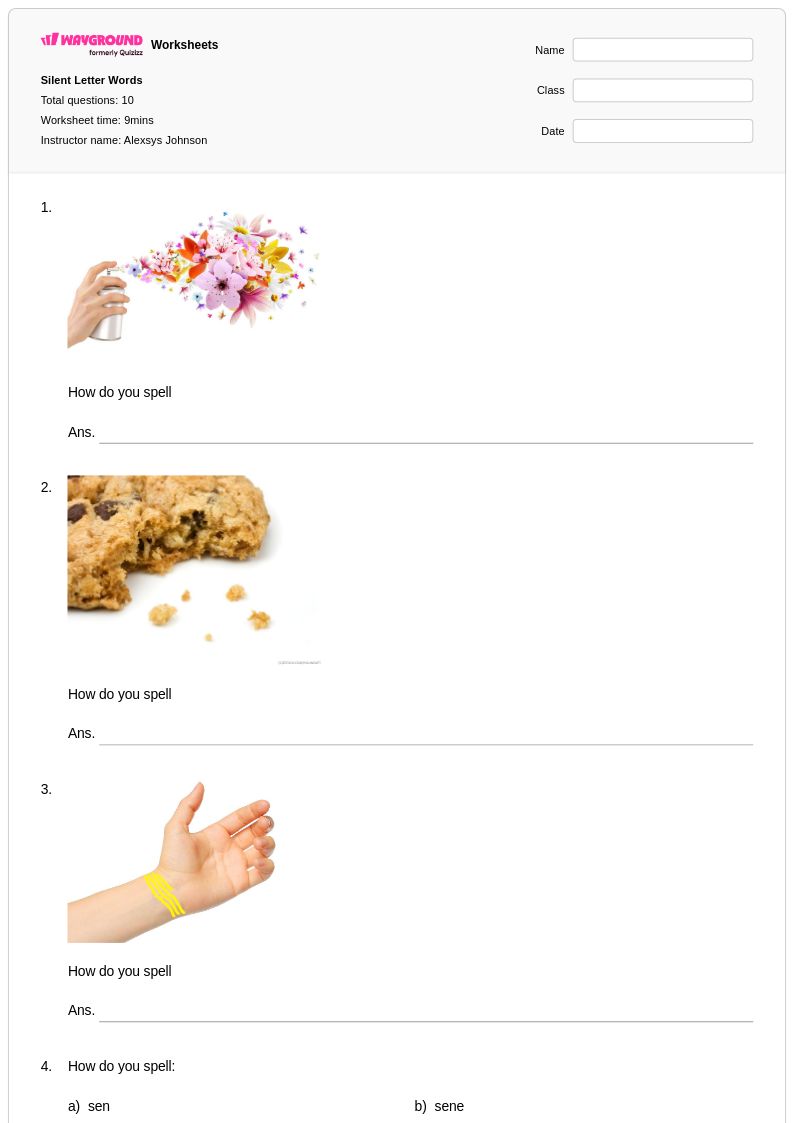
10 Q
2nd
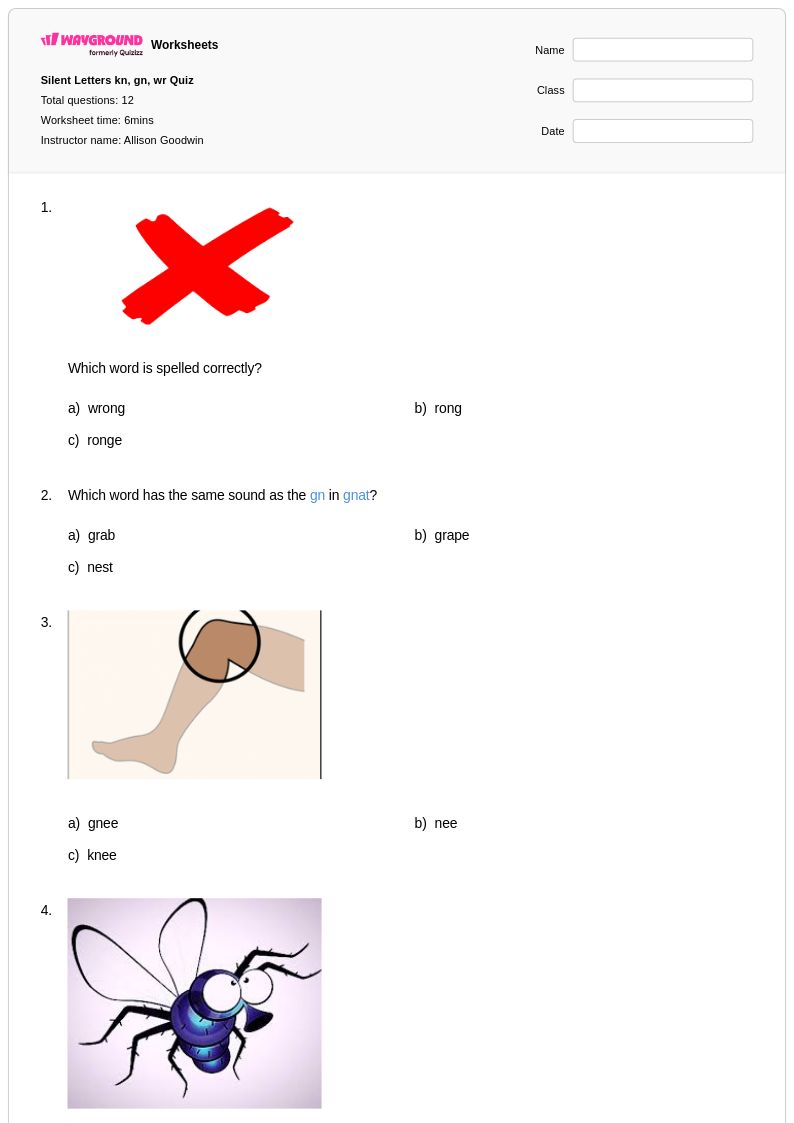
12 Q
2nd
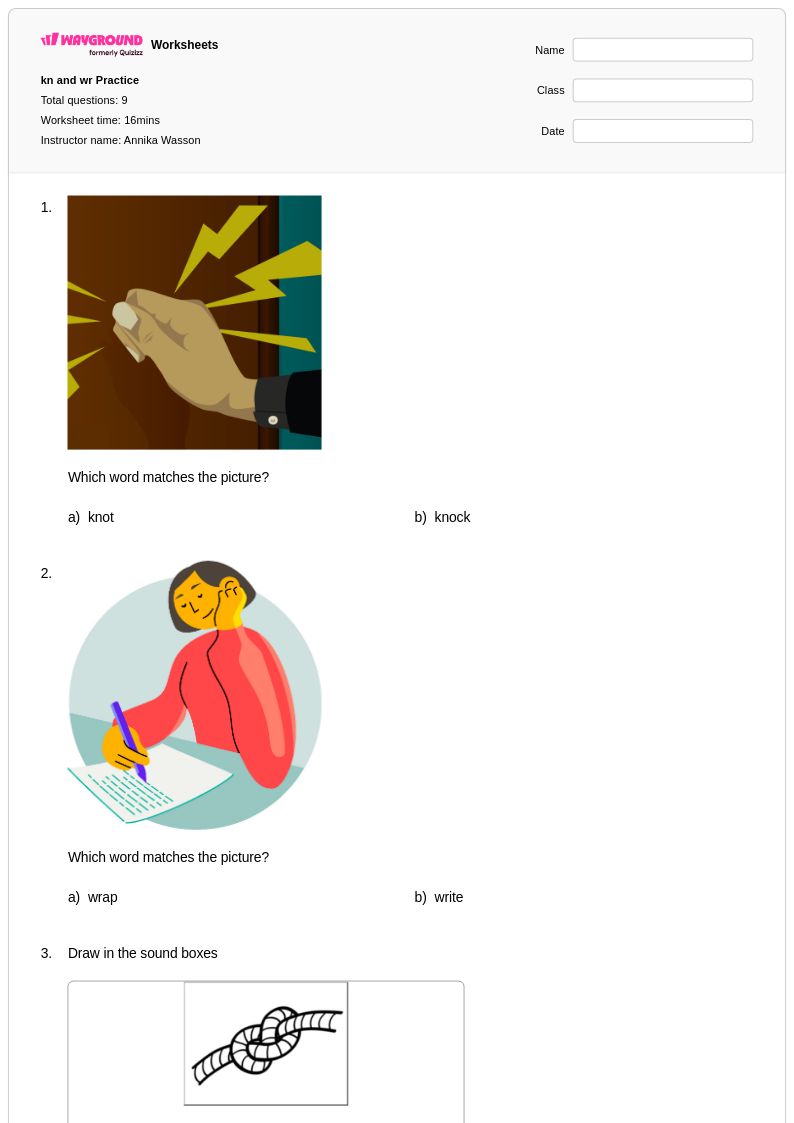
9 Q
2nd
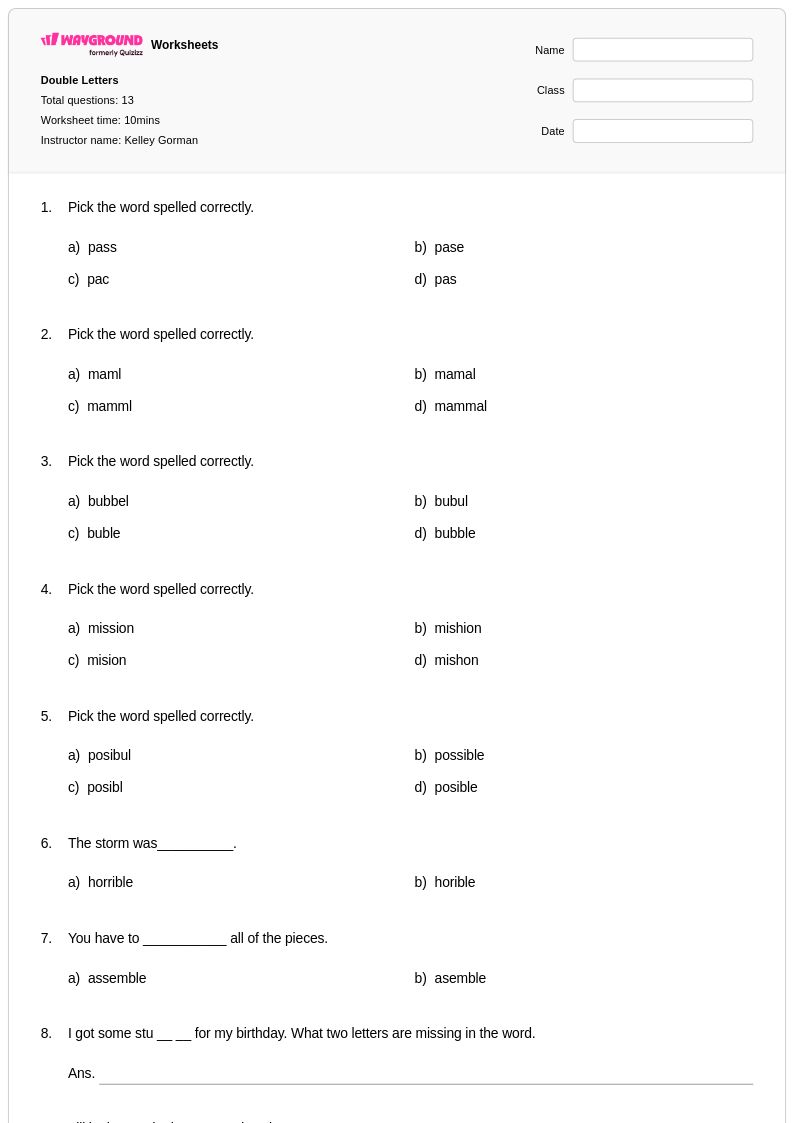
13 Q
2nd - 5th
25 Q
2nd
25 Q
1st - 5th
26 Q
KG - 3rd
10 Q
1st - 3rd
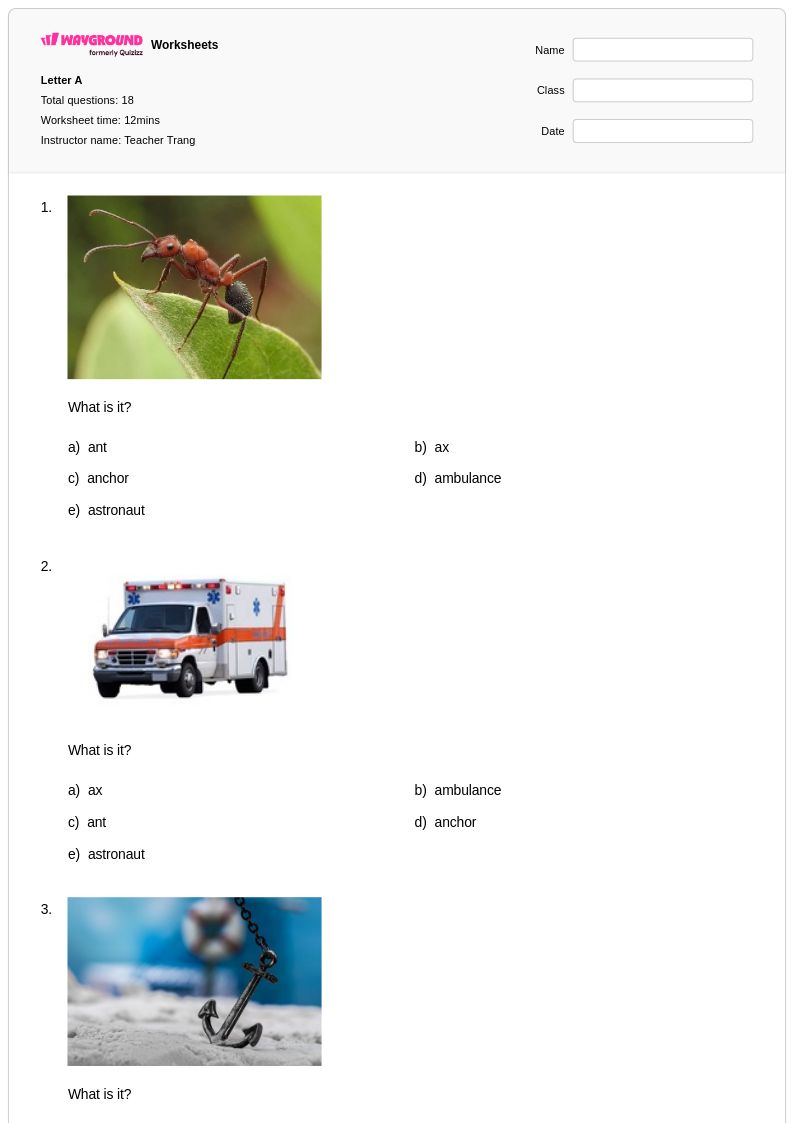
18 Q
2nd
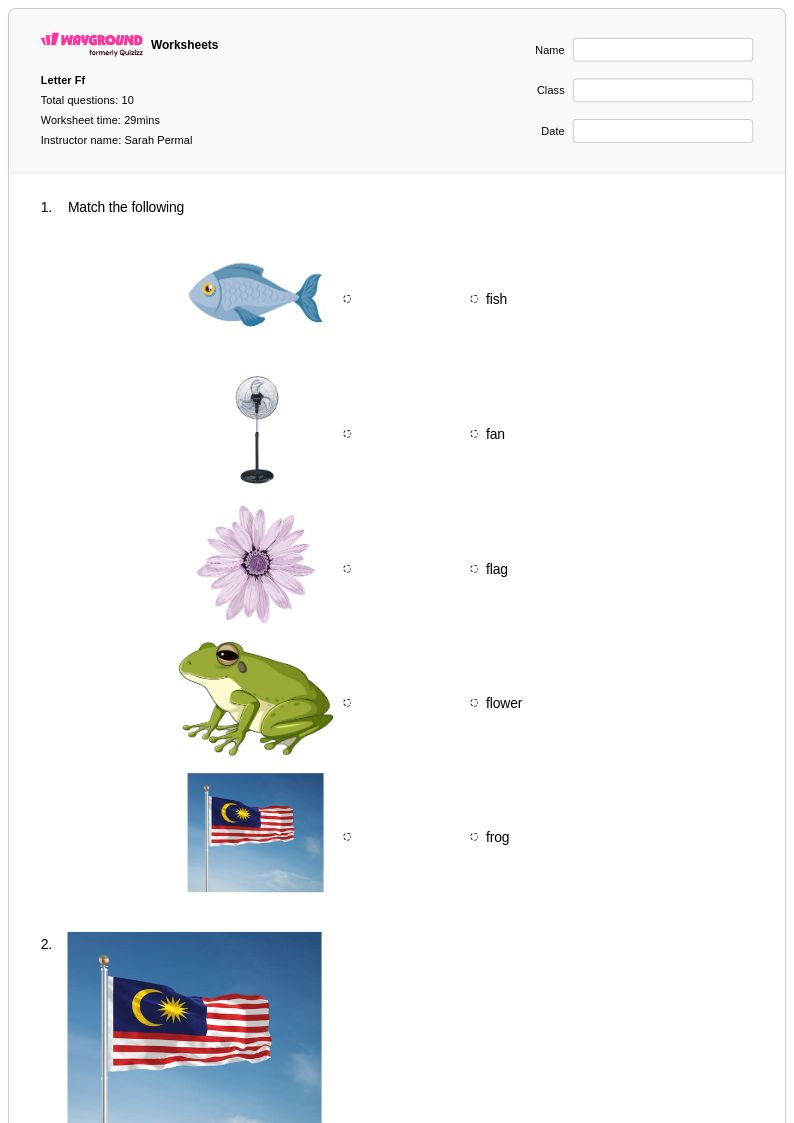
10 Q
1st - 5th
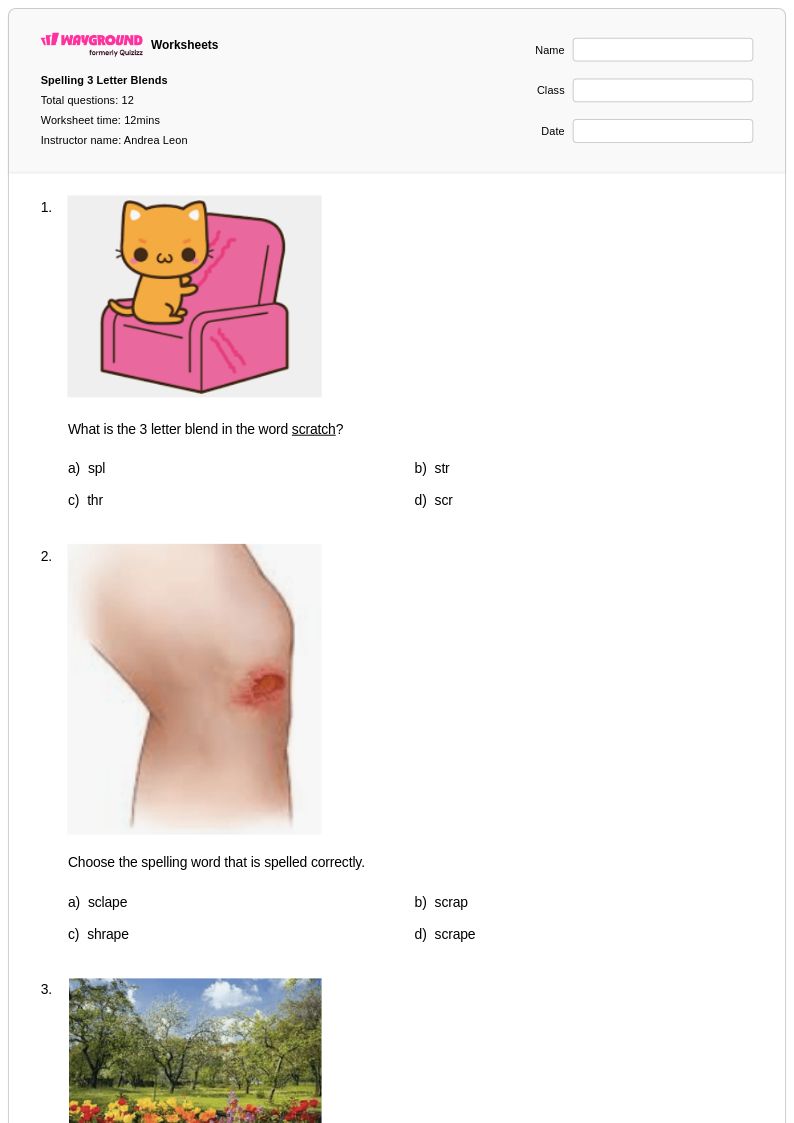
12 Q
2nd
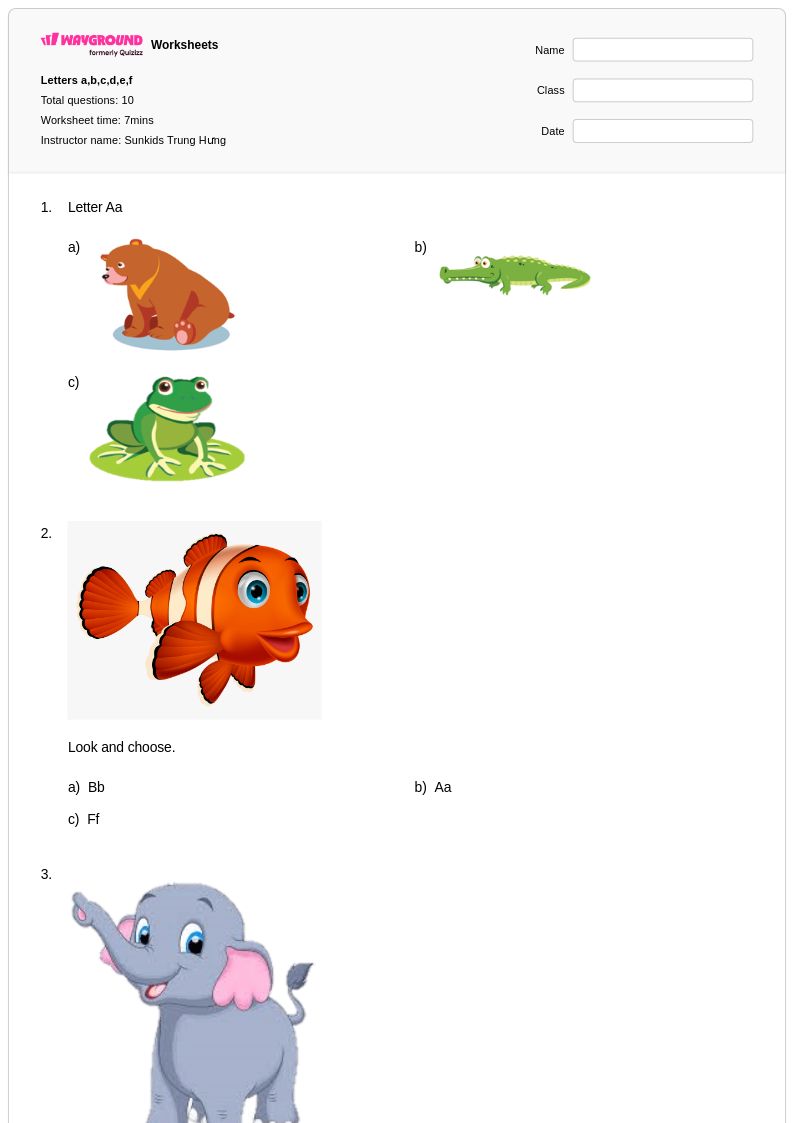
10 Q
KG - 2nd

22 Q
2nd
7 Q
2nd
22 Q
1st - 4th
14 Q
KG - 2nd
25 Q
KG - 2nd
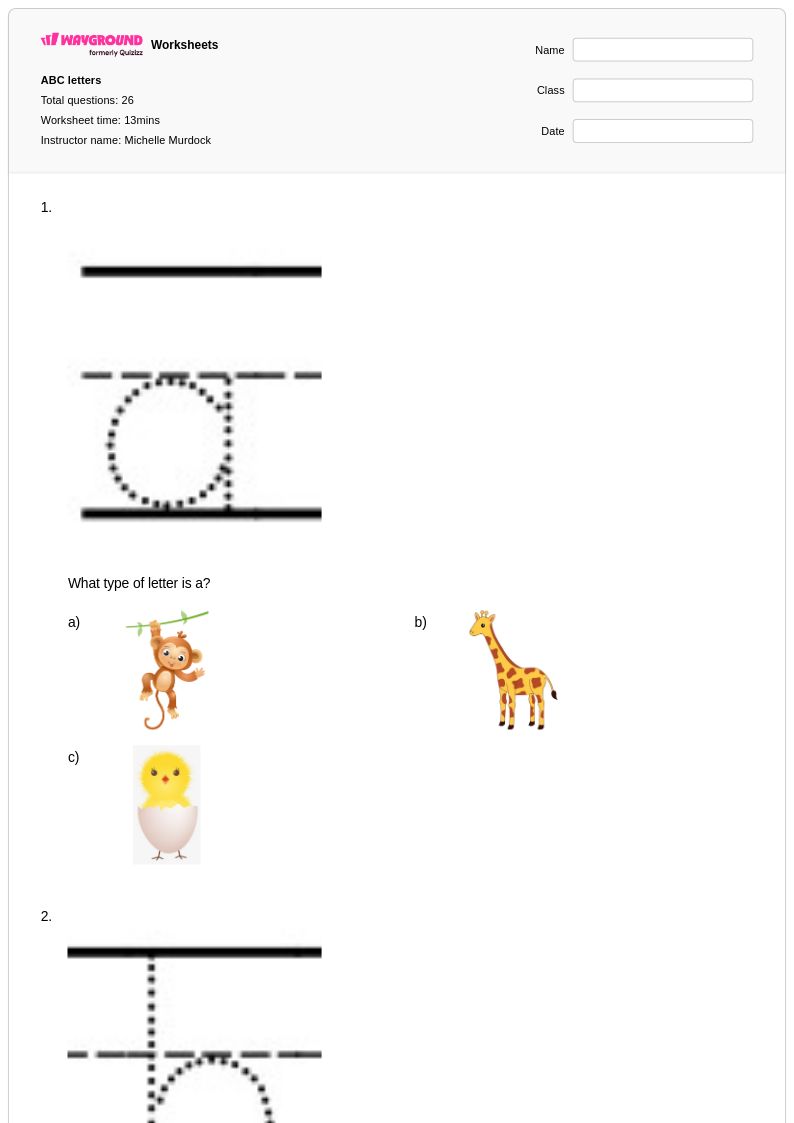
26 Q
KG - 2nd
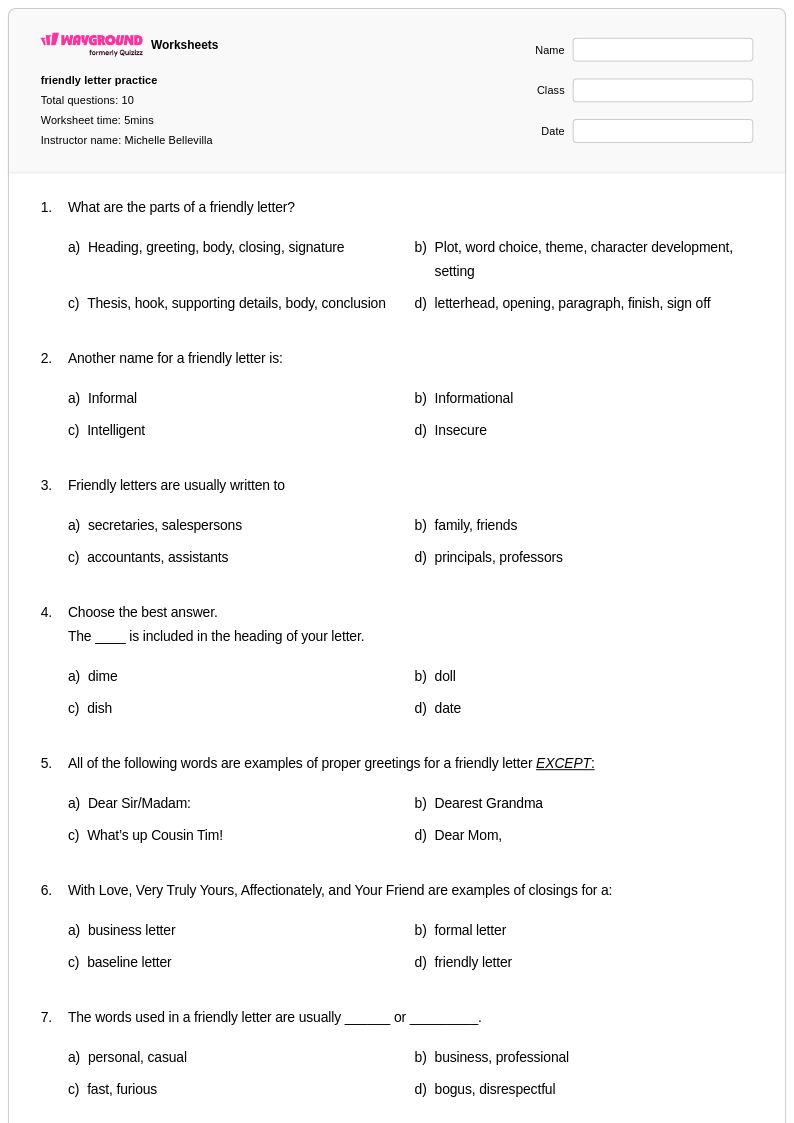
10 Q
1st - 12th
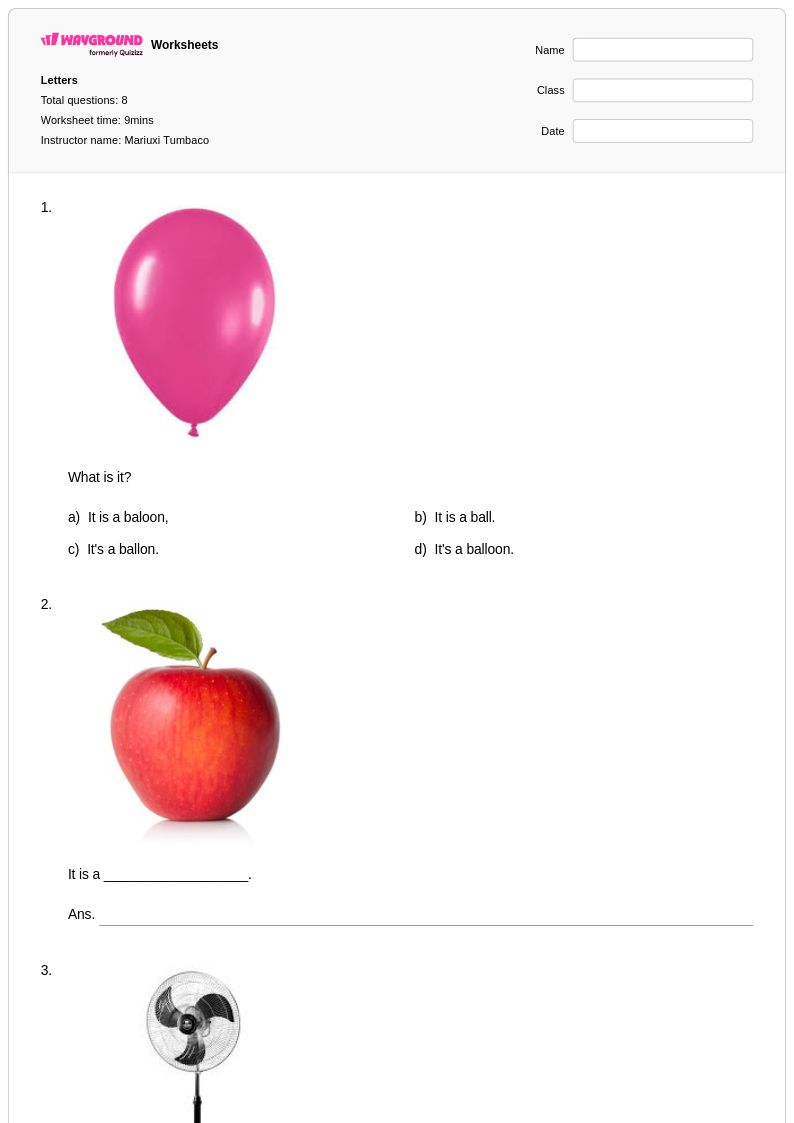
8 Q
2nd
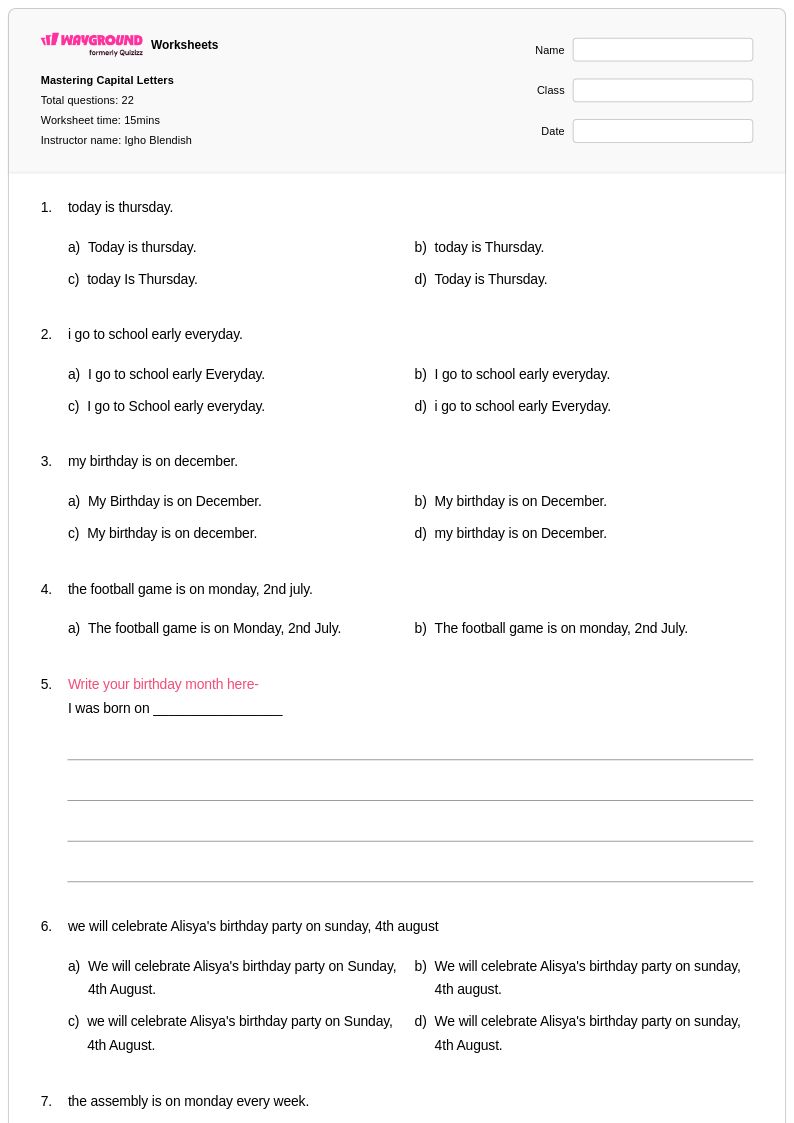
22 Q
2nd
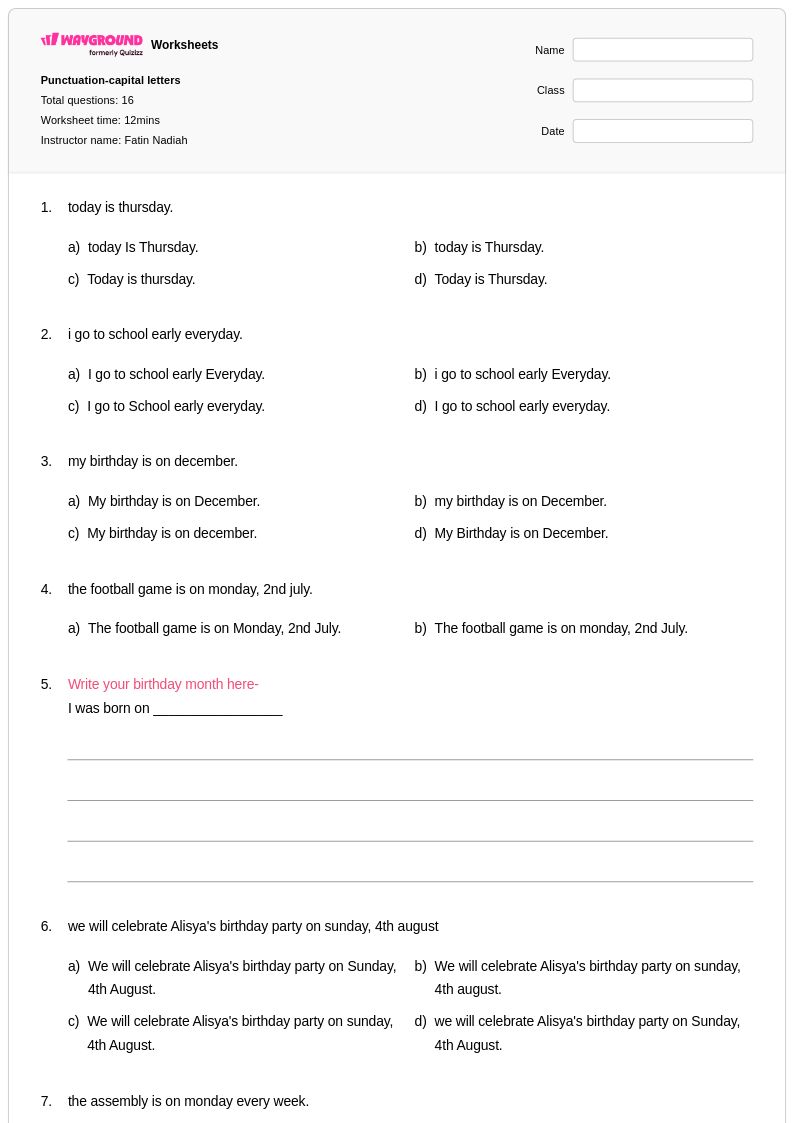
16 Q
1st - 2nd
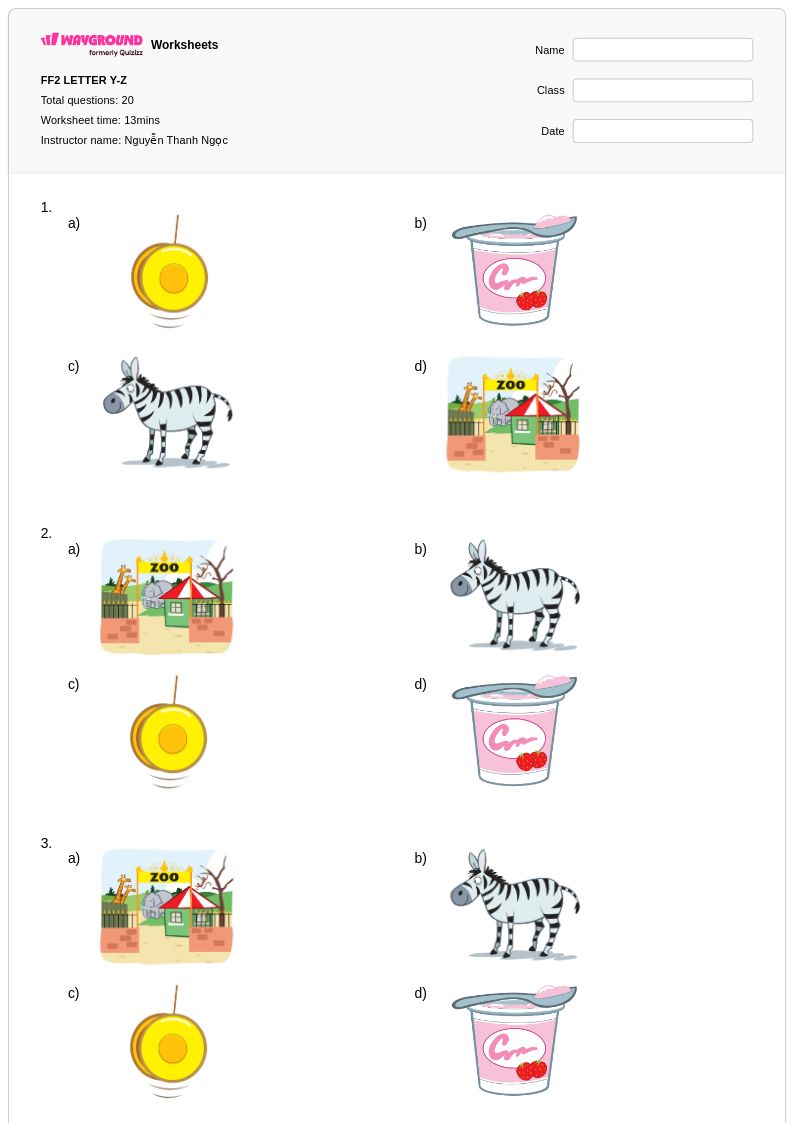
20 Q
2nd
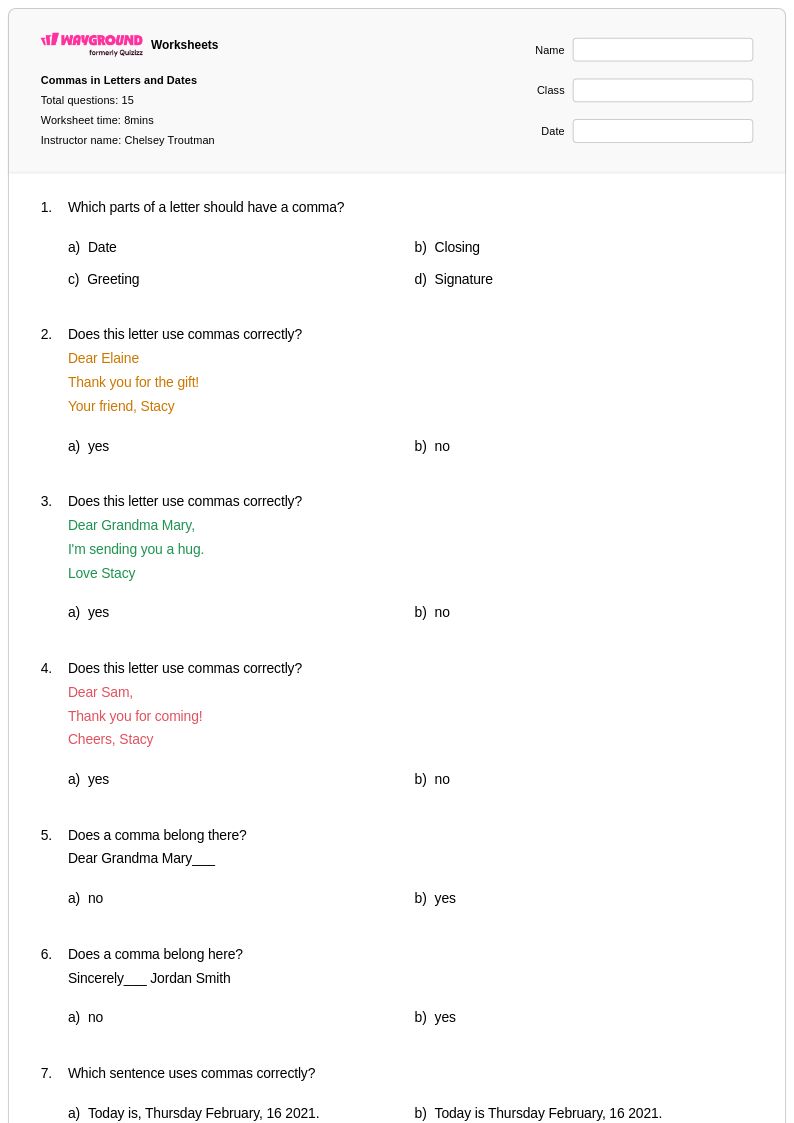
15 Q
2nd - 3rd
Explore Letter Reversal Worksheets by Grades
Explore Other Subject Worksheets for grade 2
Explore printable Letter Reversal worksheets for Grade 2
Letter reversal worksheets for Grade 2 students available through Wayground (formerly Quizizz) provide essential practice for developing proper letter formation and recognition skills during this critical stage of early literacy development. These comprehensive printables target common letter confusion patterns that second-grade students encounter, particularly with letters like b/d, p/q, and m/w, helping young learners establish visual discrimination skills and muscle memory for correct letter orientation. Each worksheet collection includes systematic practice problems that progress from basic letter identification to contextual word recognition, ensuring students build confidence while strengthening their foundational reading and writing abilities. Teachers can access complete answer keys alongside these free pdf resources, making assessment and feedback efficient while supporting diverse learning needs in the classroom.
Wayground (formerly Quizizz) empowers educators with millions of teacher-created letter reversal resources specifically designed for Grade 2 instruction, featuring robust search and filtering capabilities that allow teachers to quickly locate materials aligned with specific learning standards and student needs. The platform's differentiation tools enable seamless customization of worksheets, allowing educators to modify difficulty levels, adjust font sizes, and select targeted letter combinations based on individual student assessment data. These flexible resources are available in both printable and digital pdf formats, supporting various instructional approaches from traditional paper-based practice to interactive digital learning environments. Teachers utilize these comprehensive collections for targeted remediation sessions, skill-building practice, and enrichment activities, while the platform's organizational features streamline lesson planning and help track student progress through systematic letter reversal intervention strategies.
FAQs
How do I teach students to stop reversing letters like b and d?
At what age should I be concerned about letter reversals?
What exercises help students practice distinguishing between b, d, p, and q?
What mistakes do students commonly make with letter reversals?
How can I use letter reversal worksheets to support students with different needs in the same classroom?
How do I use Wayground's letter reversal worksheets in my classroom?