
12 Q
5th - Uni
13 Q
9th - 12th
22 Q
6th - Uni
10 Q
4th - Uni
12 Q
9th - 12th
36 Q
8th - 12th
20 Q
6th - Uni

28 Q
11th
15 Q
10th - 12th
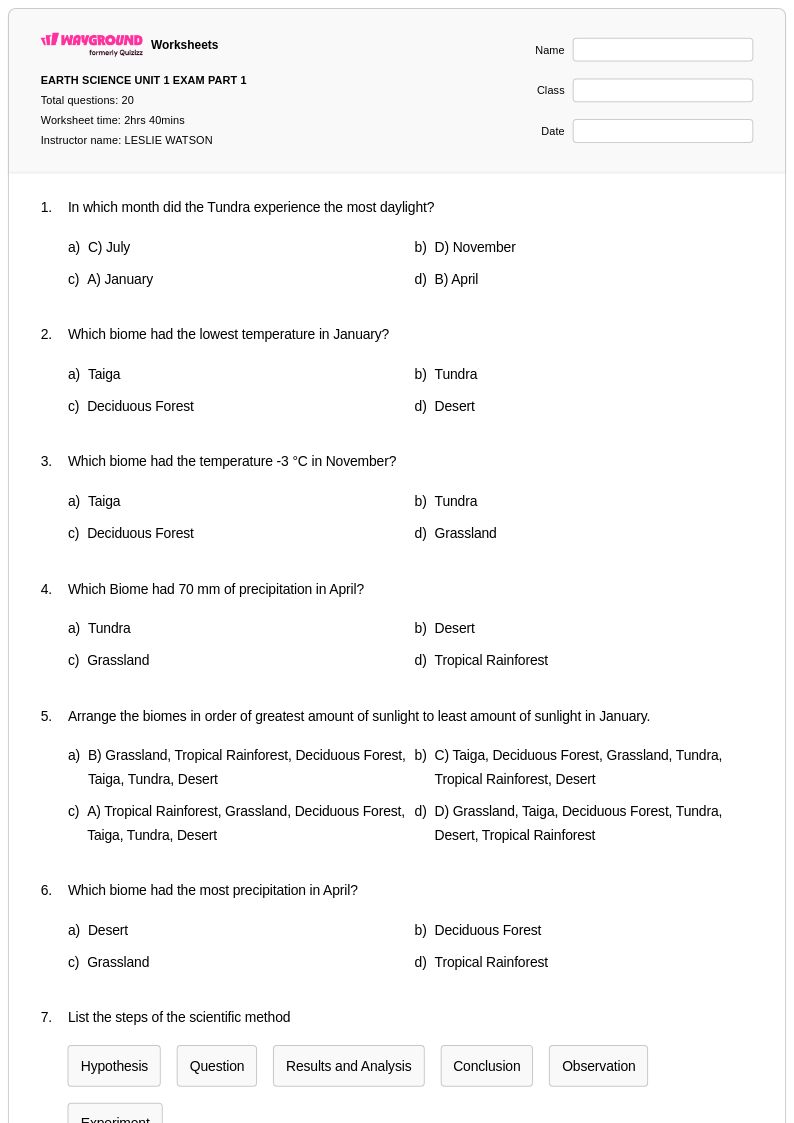
20 Q
9th - 12th
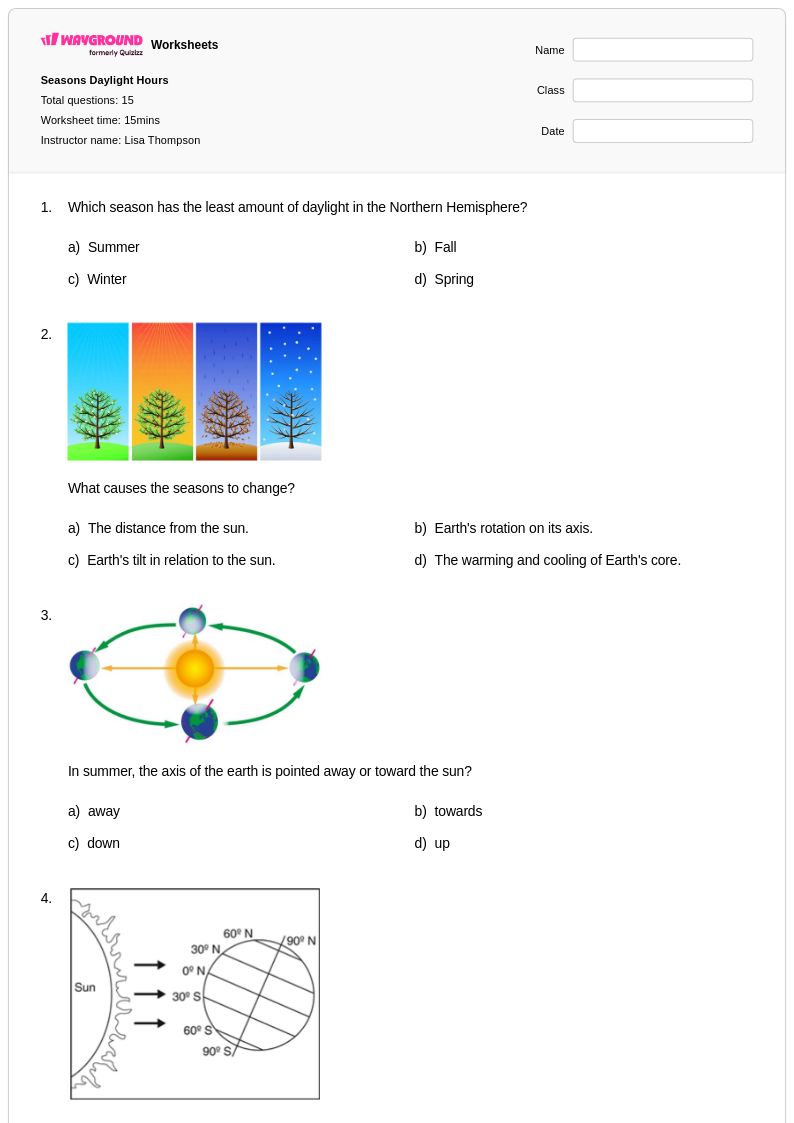
15 Q
6th - Uni
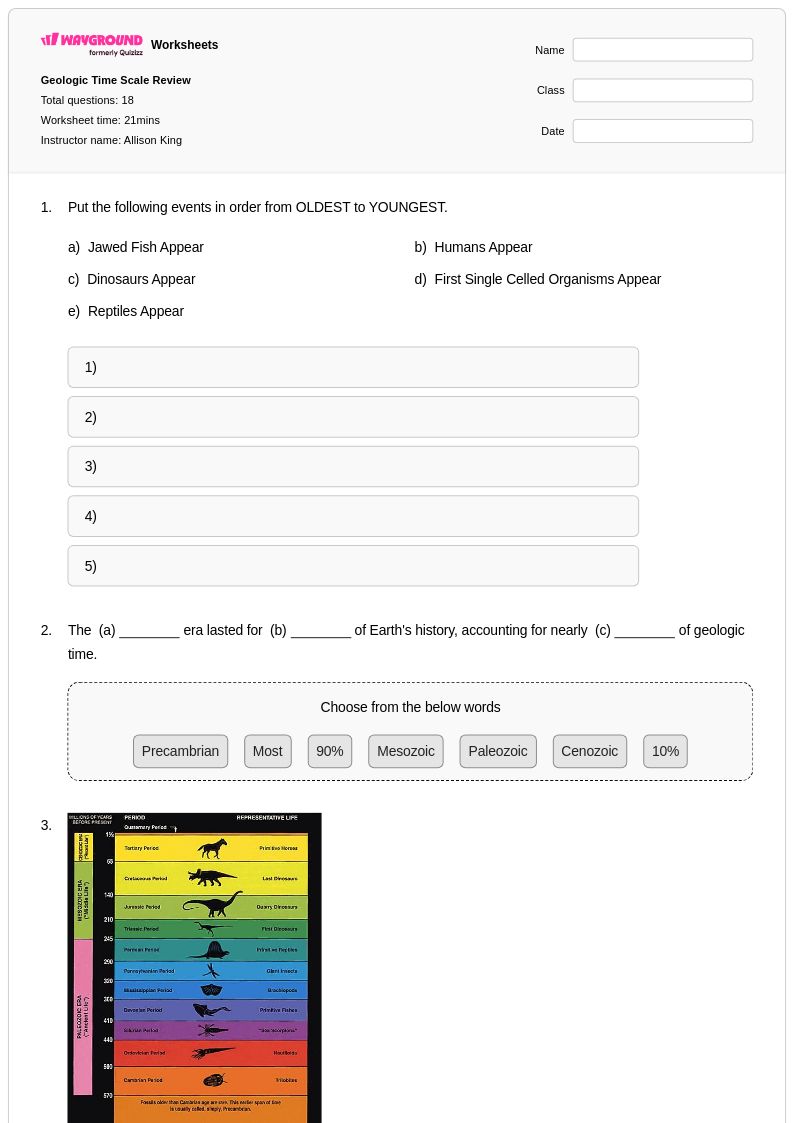
18 Q
9th - 12th
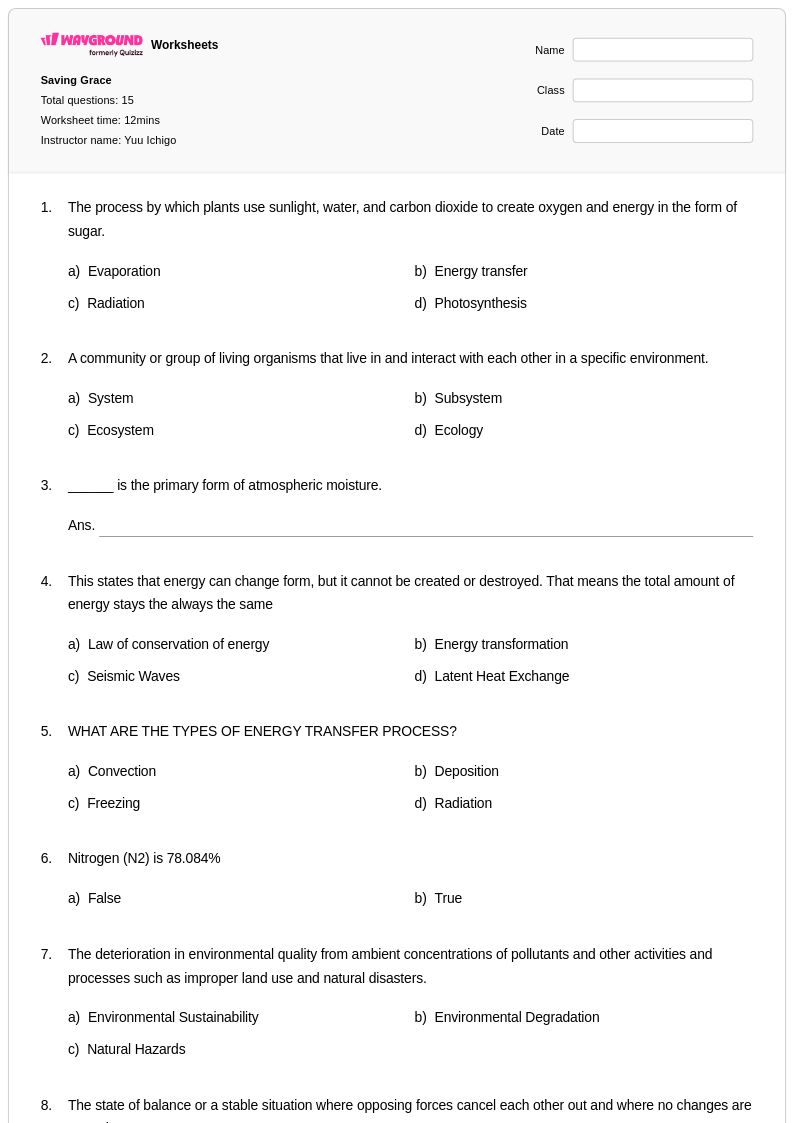
15 Q
11th
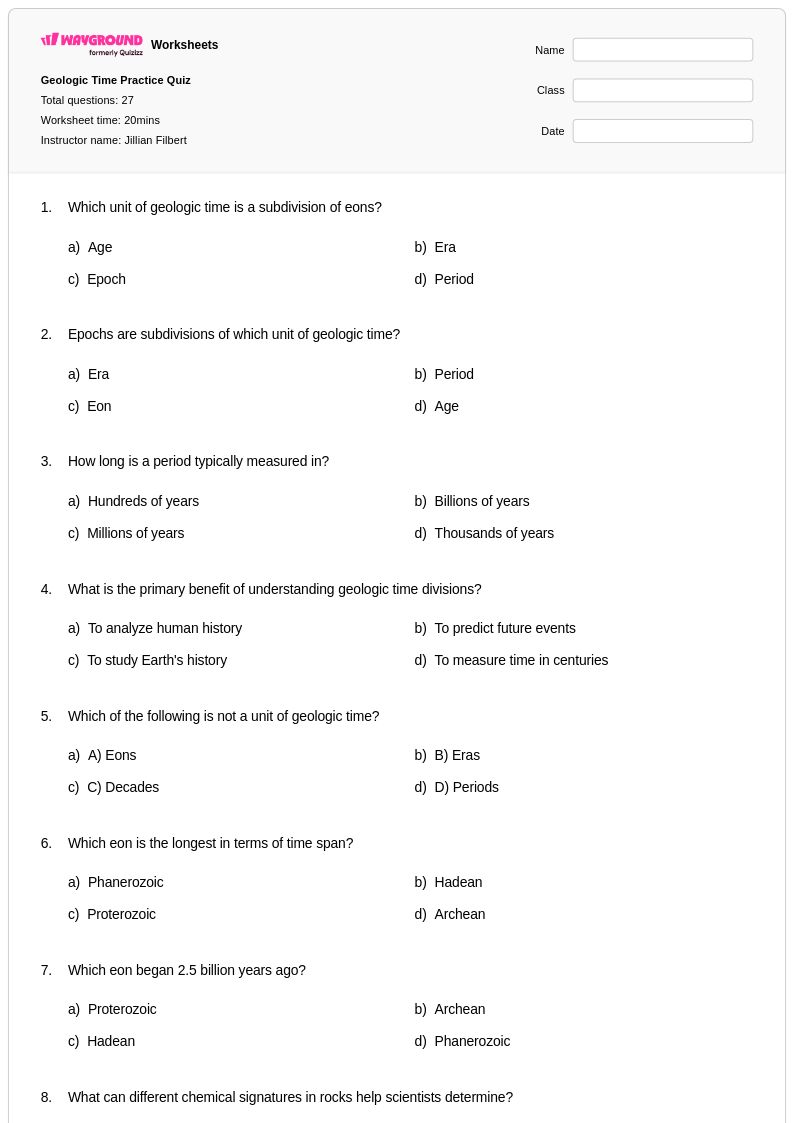
27 Q
10th - Uni
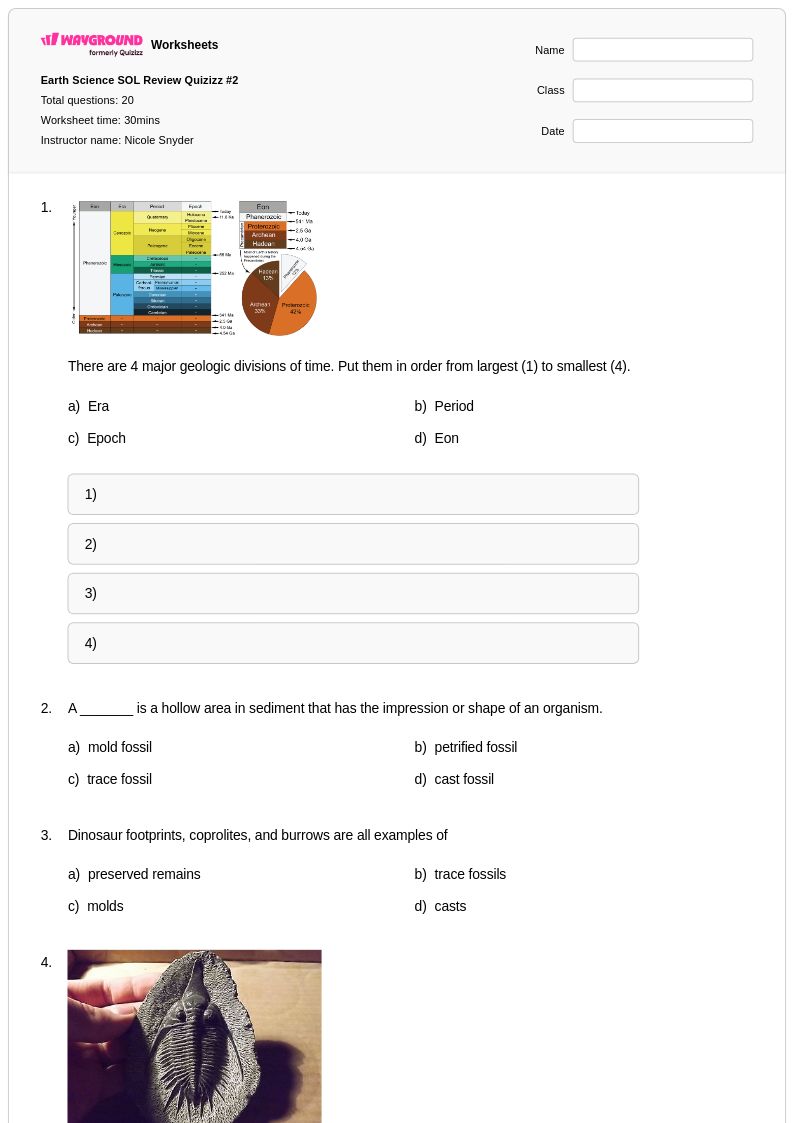
20 Q
9th - Uni
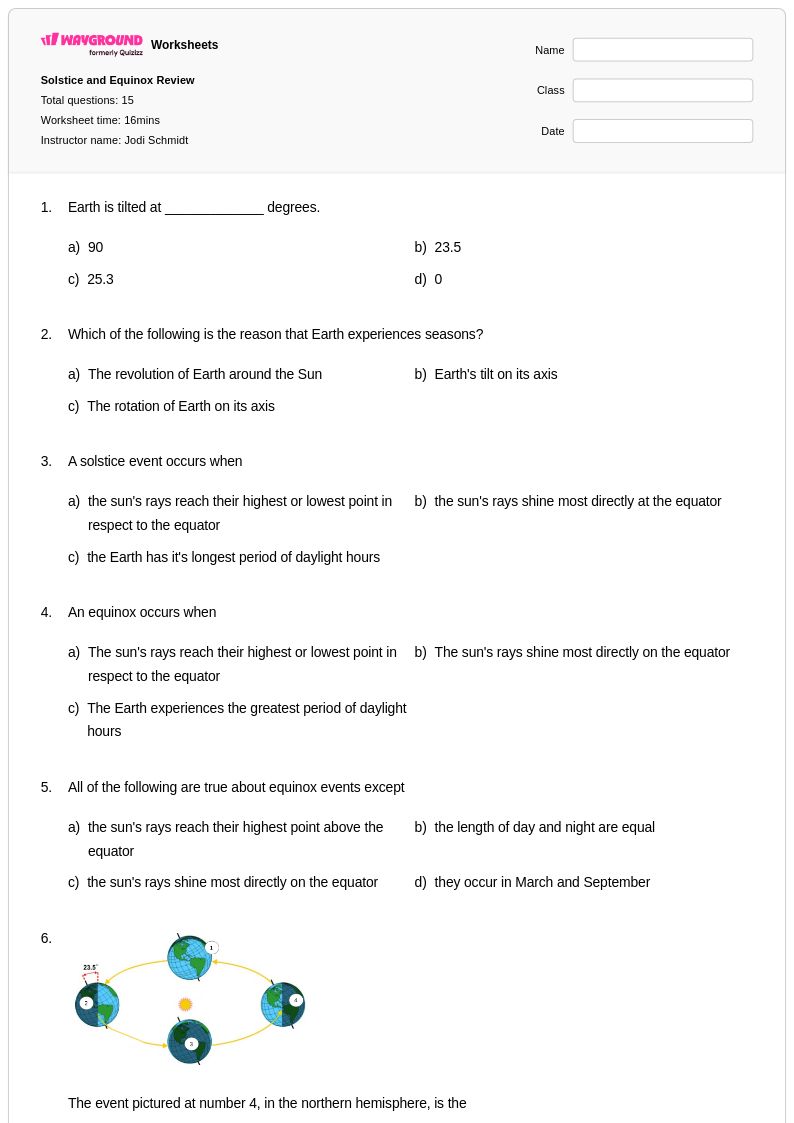
15 Q
11th
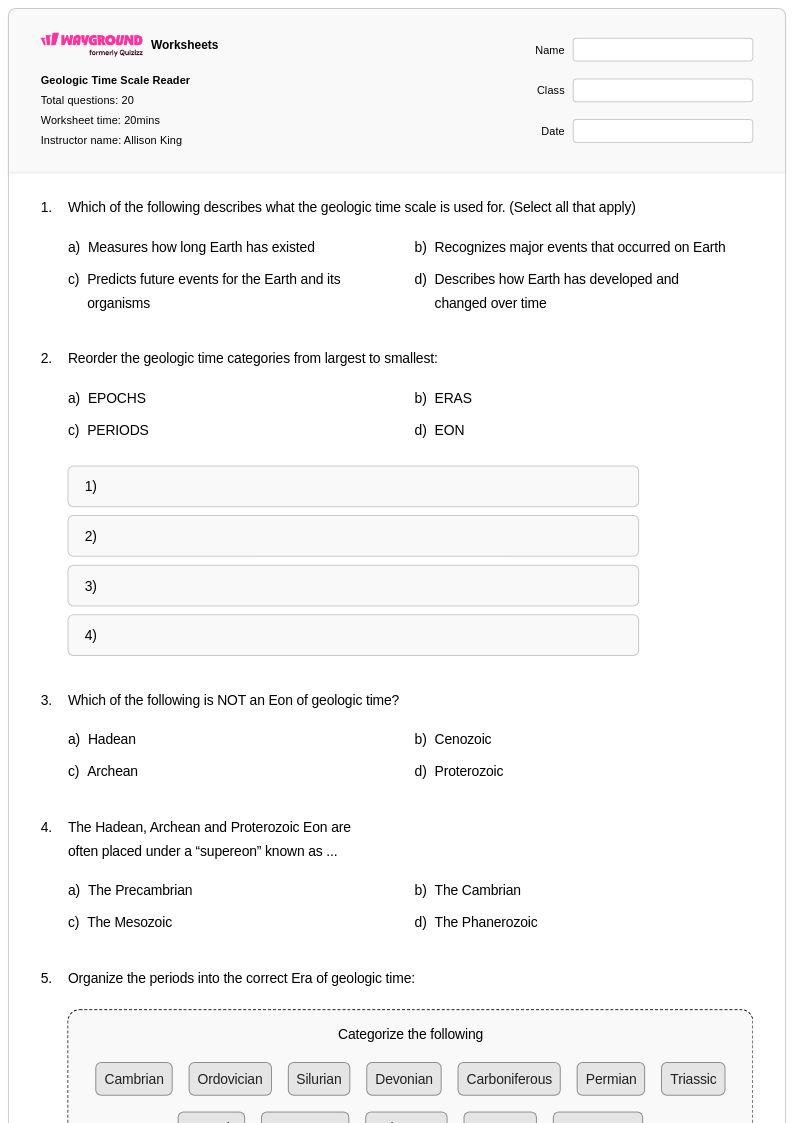
20 Q
11th
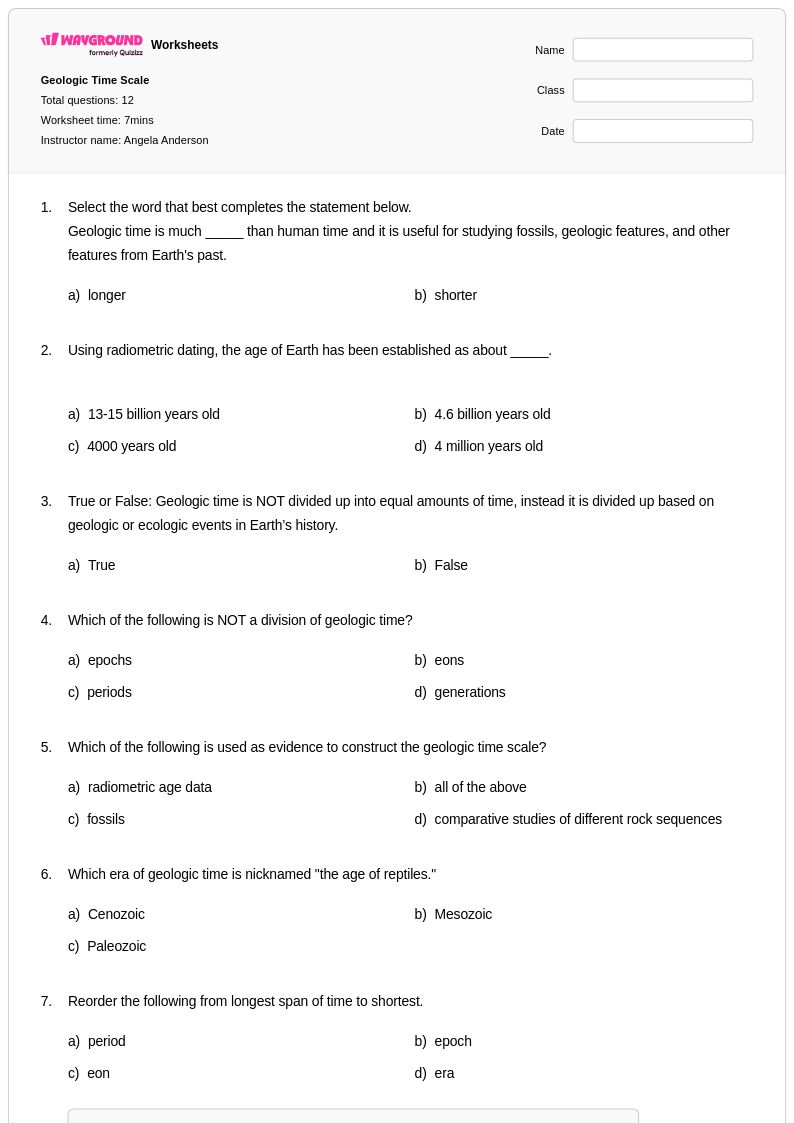
12 Q
9th - 12th
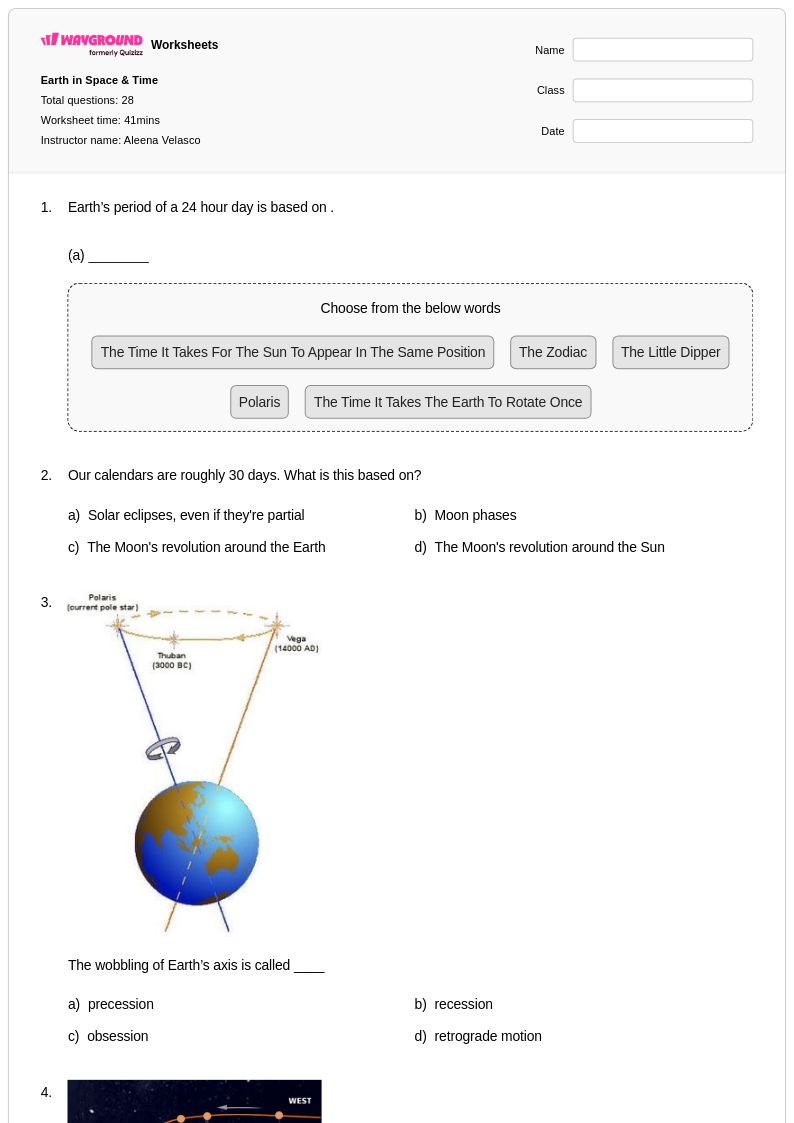
28 Q
9th - 12th
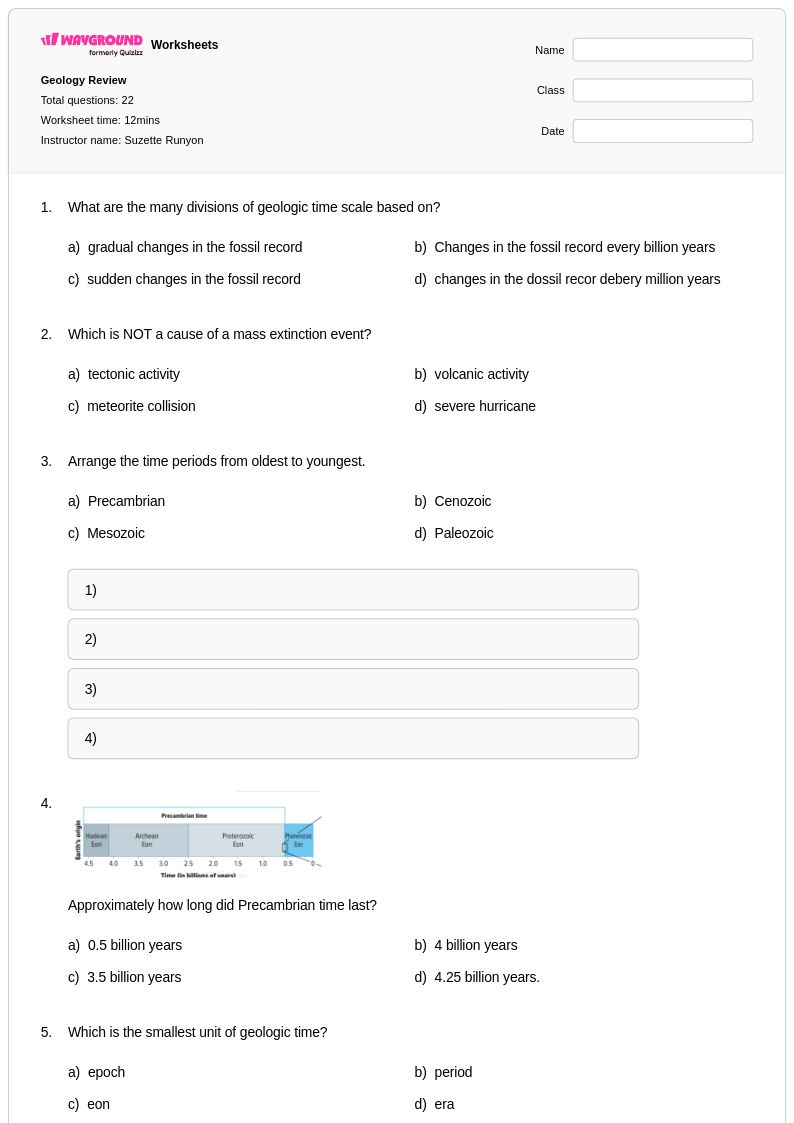
22 Q
11th
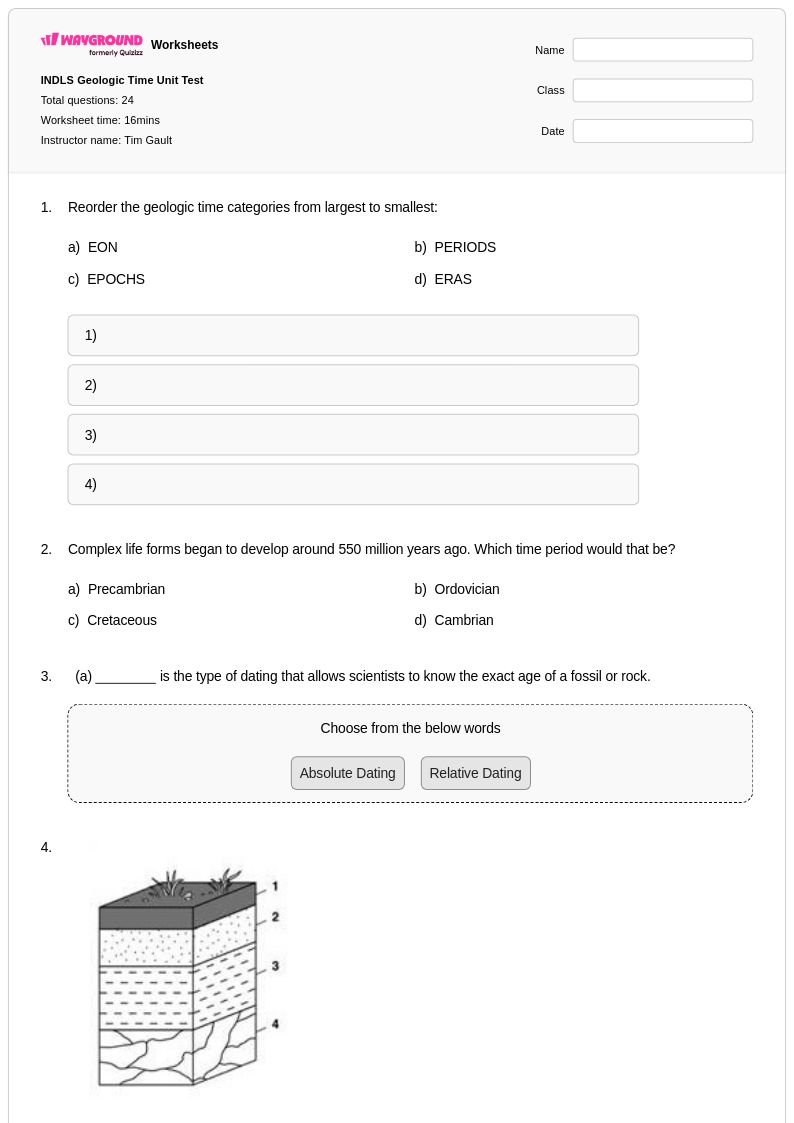
24 Q
11th - Uni
22 Q
9th - 12th
17 Q
9th - 12th
32 Q
9th - 12th
Explore Daylight Saving Time Worksheets by Grades
Explore Other Subject Worksheets for grade 11
Explore printable Daylight Saving Time worksheets for Grade 11
Daylight Saving Time worksheets for Grade 11 students provide comprehensive exploration of this temporal practice through the lens of Earth and space science principles. These educational resources guide students through the astronomical foundations underlying seasonal time adjustments, examining Earth's axial tilt, orbital mechanics, and the varying duration of daylight throughout the year. Students engage with practice problems that calculate sunrise and sunset times, analyze global time zone implementations, and investigate the scientific rationale behind biannual clock adjustments. The worksheets strengthen critical thinking skills as learners evaluate the effectiveness of daylight saving policies, compare international approaches to time management, and connect celestial mechanics to human societal practices. Free printable materials include detailed answer keys and pdf formats that facilitate both independent study and collaborative learning environments.
Wayground, formerly Quizizz, empowers educators with an extensive collection of teacher-created Daylight Saving Time resources specifically designed for Grade 11 Earth and space science curricula. The platform's millions of educational materials feature robust search and filtering capabilities that enable teachers to locate worksheets aligned with specific learning standards and academic objectives. Customization tools allow educators to modify existing content for differentiation purposes, accommodating diverse learning needs within the classroom while maintaining scientific accuracy and grade-appropriate complexity. Both printable and digital formats provide flexibility for various instructional settings, supporting lesson planning initiatives that range from foundational skill practice to advanced enrichment activities. Teachers utilize these comprehensive resources for targeted remediation of astronomical concepts, reinforcement of temporal measurement understanding, and assessment of student comprehension regarding the intersection of Earth science principles and human timekeeping systems.
FAQs
How do I teach Daylight Saving Time to students?
What exercises help students practice understanding Daylight Saving Time?
What misconceptions do students commonly have about Daylight Saving Time?
How can I use Daylight Saving Time worksheets in my classroom?
How does Daylight Saving Time connect to Earth and Space Science standards?
How do I differentiate Daylight Saving Time instruction for students at different readiness levels?