
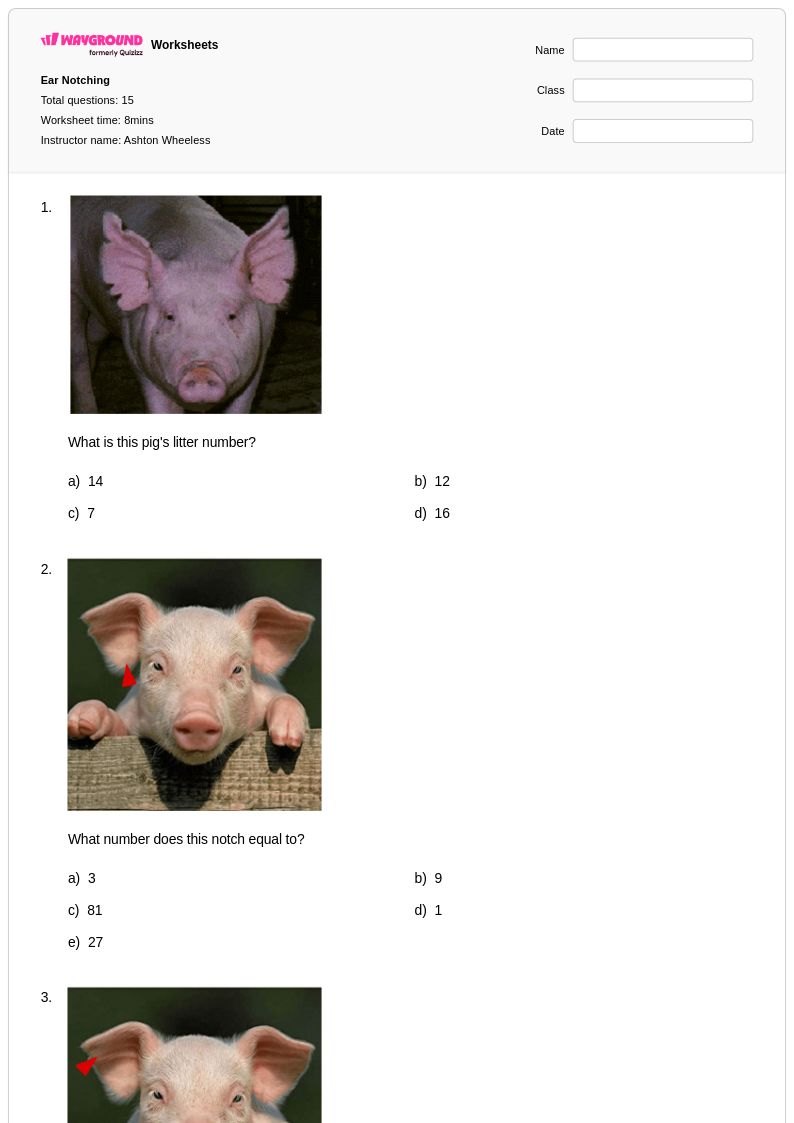
15 Q
9th - 12th
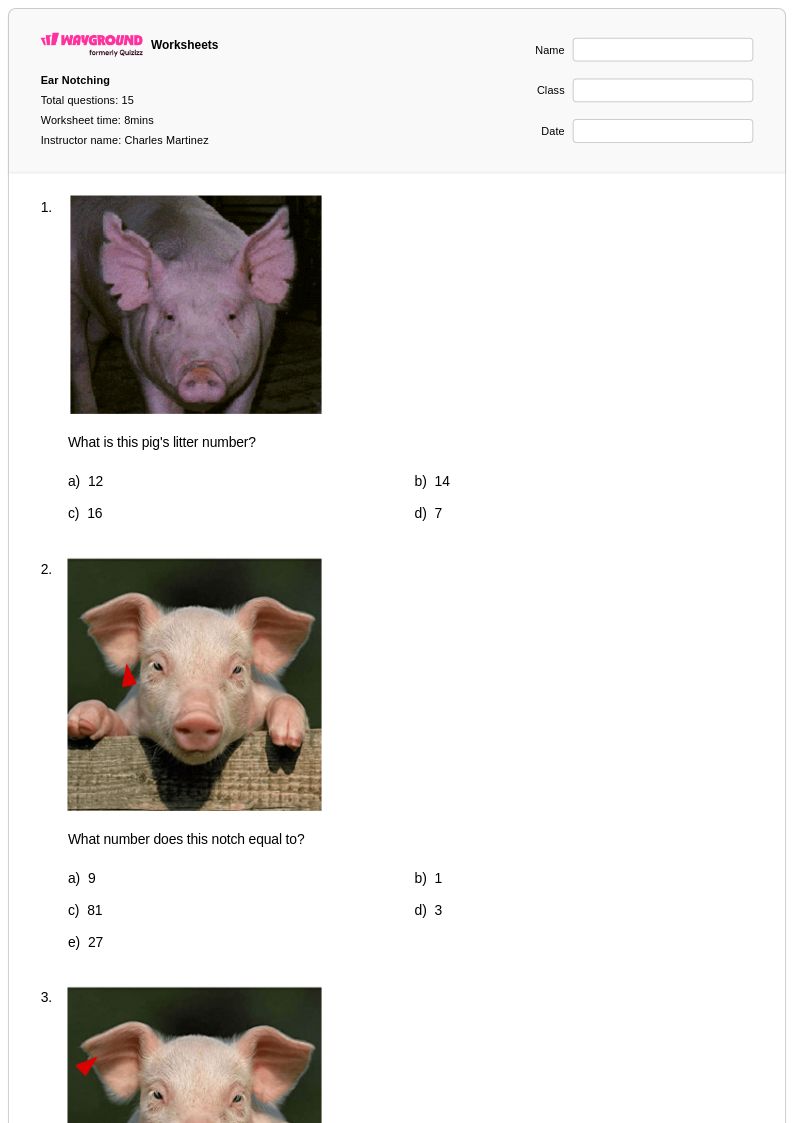
15 Q
9th - 12th
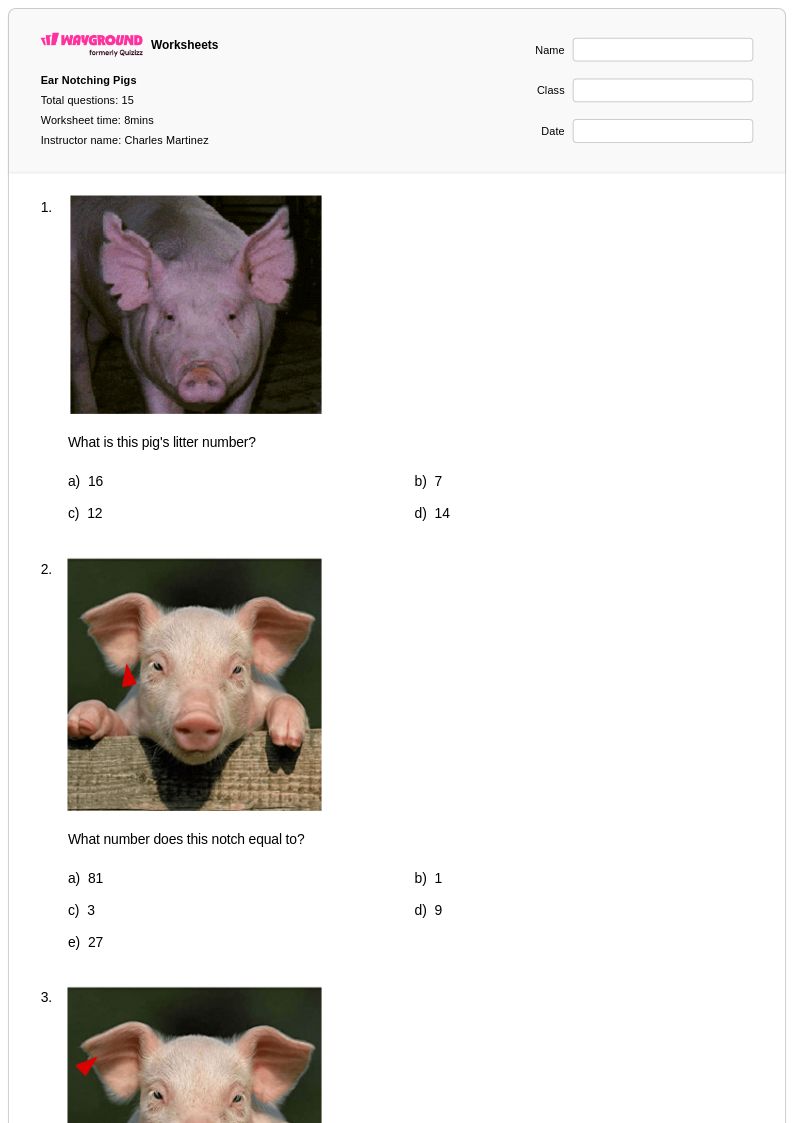
15 Q
9th - 12th
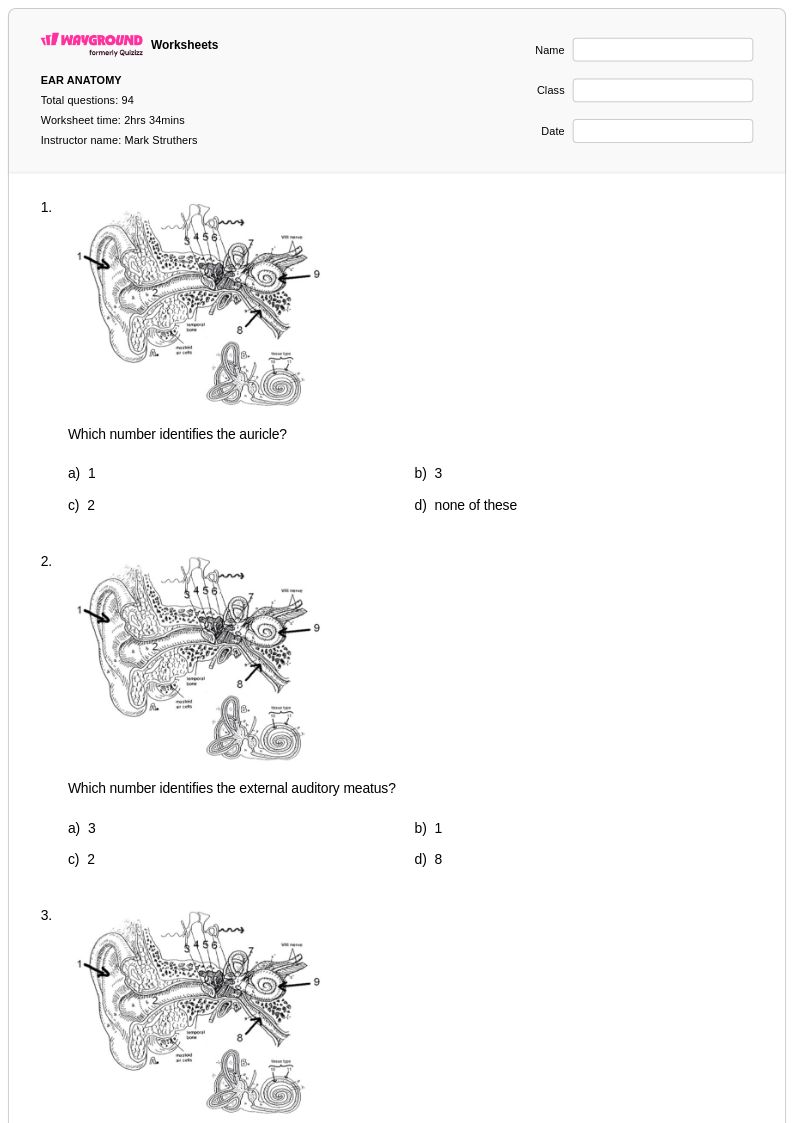
94 Q
11th - 12th
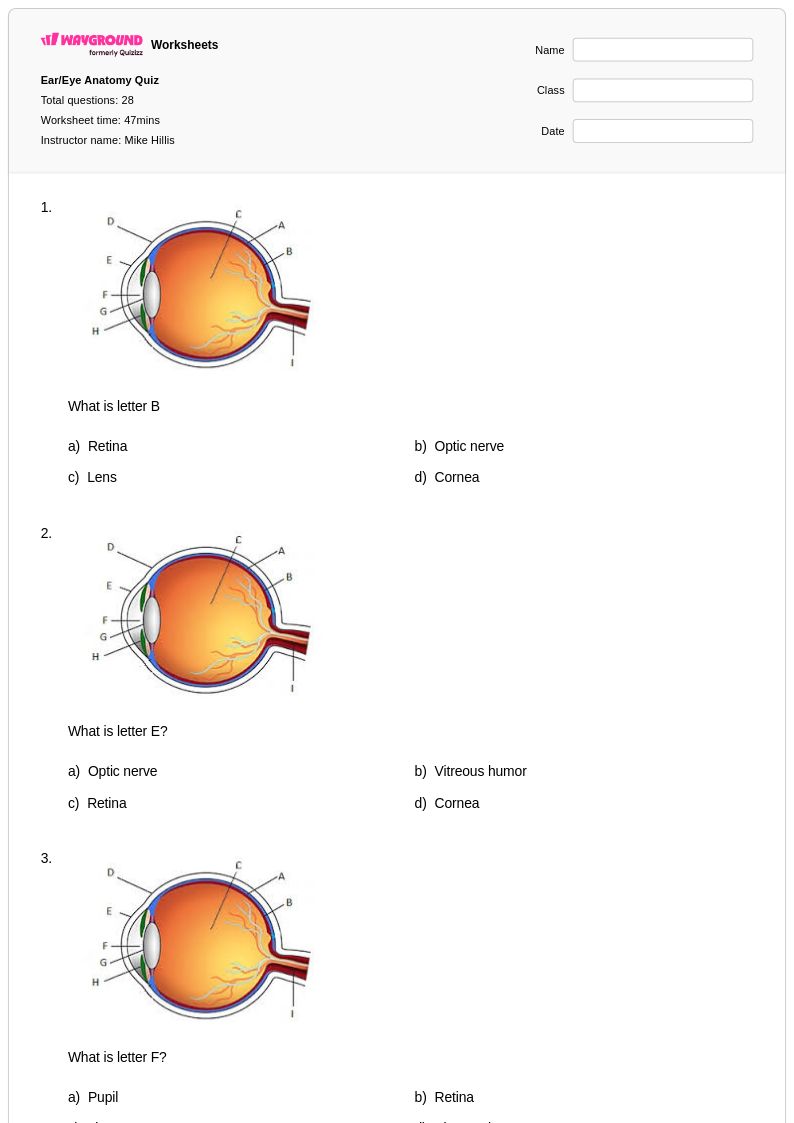
28 Q
9th - 12th
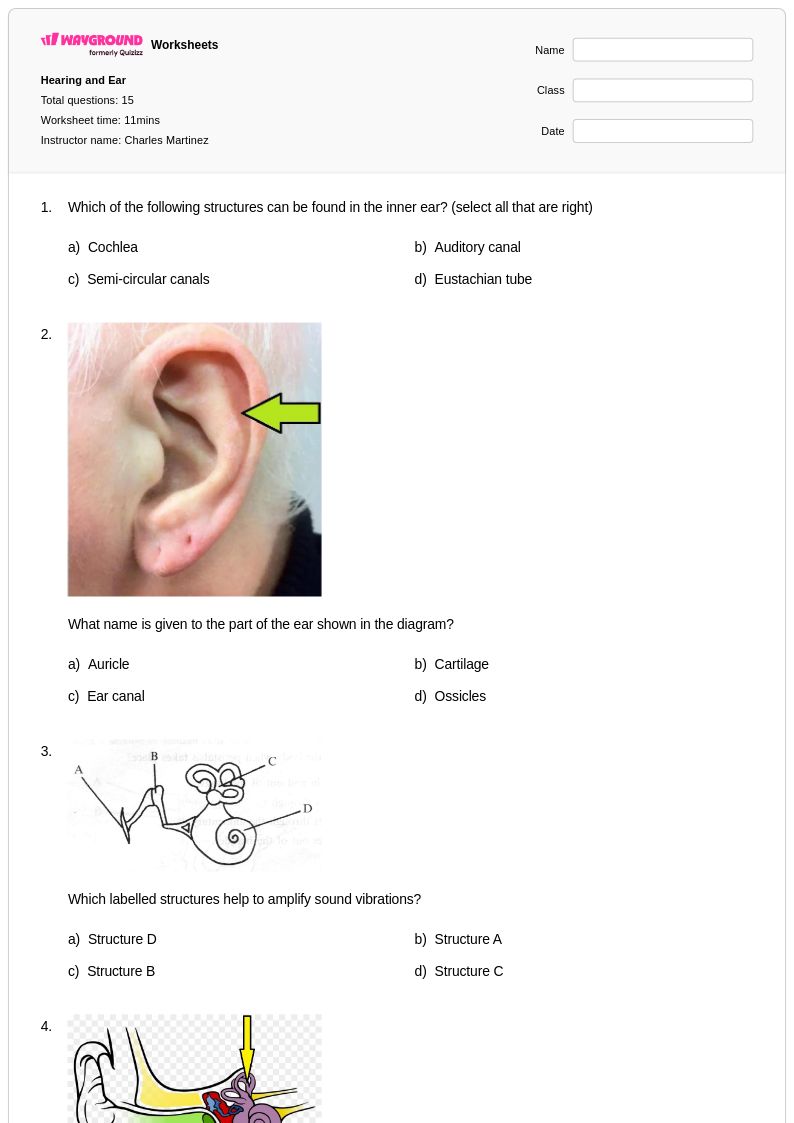
15 Q
7th - 12th
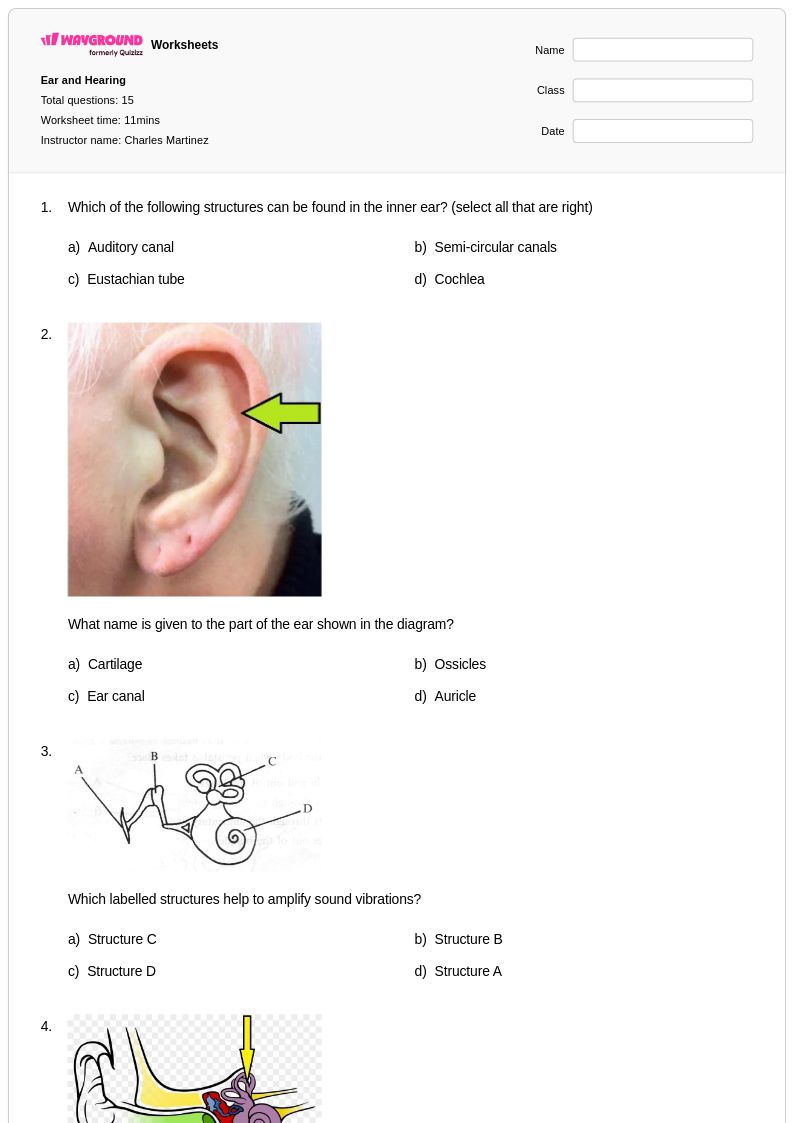
15 Q
7th - 12th
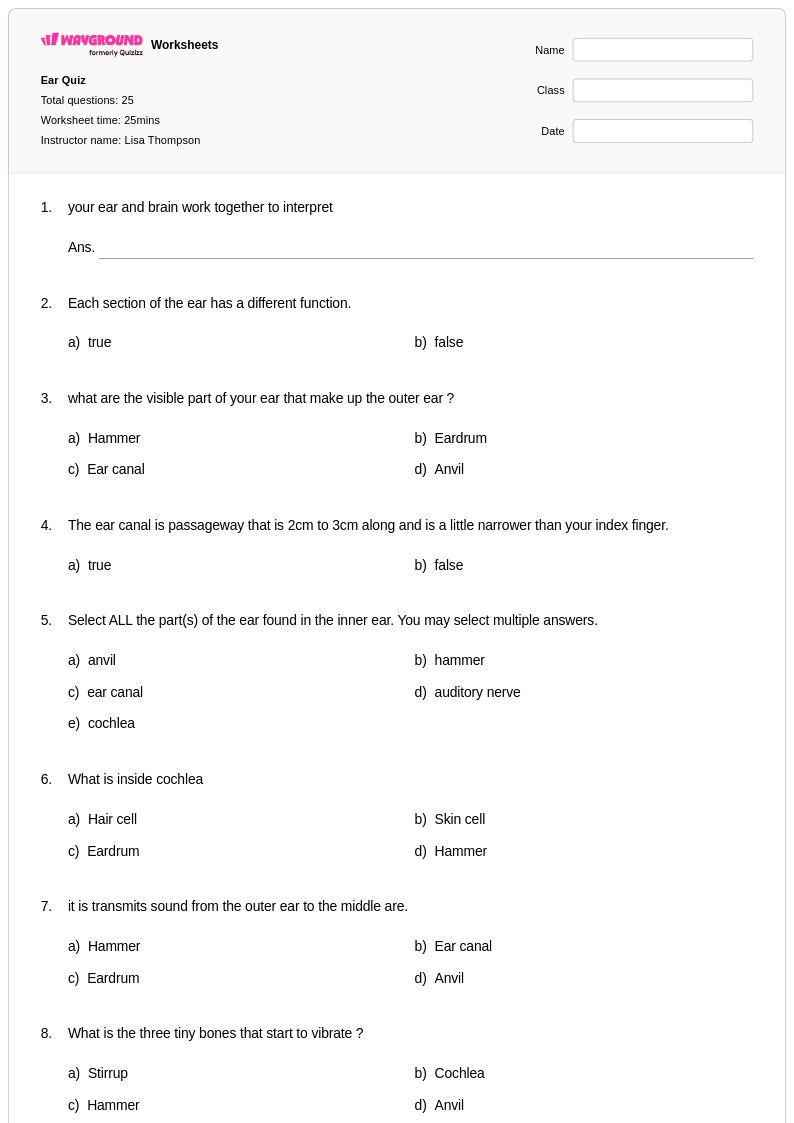
25 Q
7th - Uni
15 Q
7th - 12th
10 Q
11th
21 Q
11th
15 Q
10th - 12th
18 Q
9th - 12th
24 Q
11th
14 Q
11th
12 Q
11th - 12th
22 Q
9th - 12th
15 Q
11th - 12th
100 Q
9th - 12th
50 Q
9th - 12th
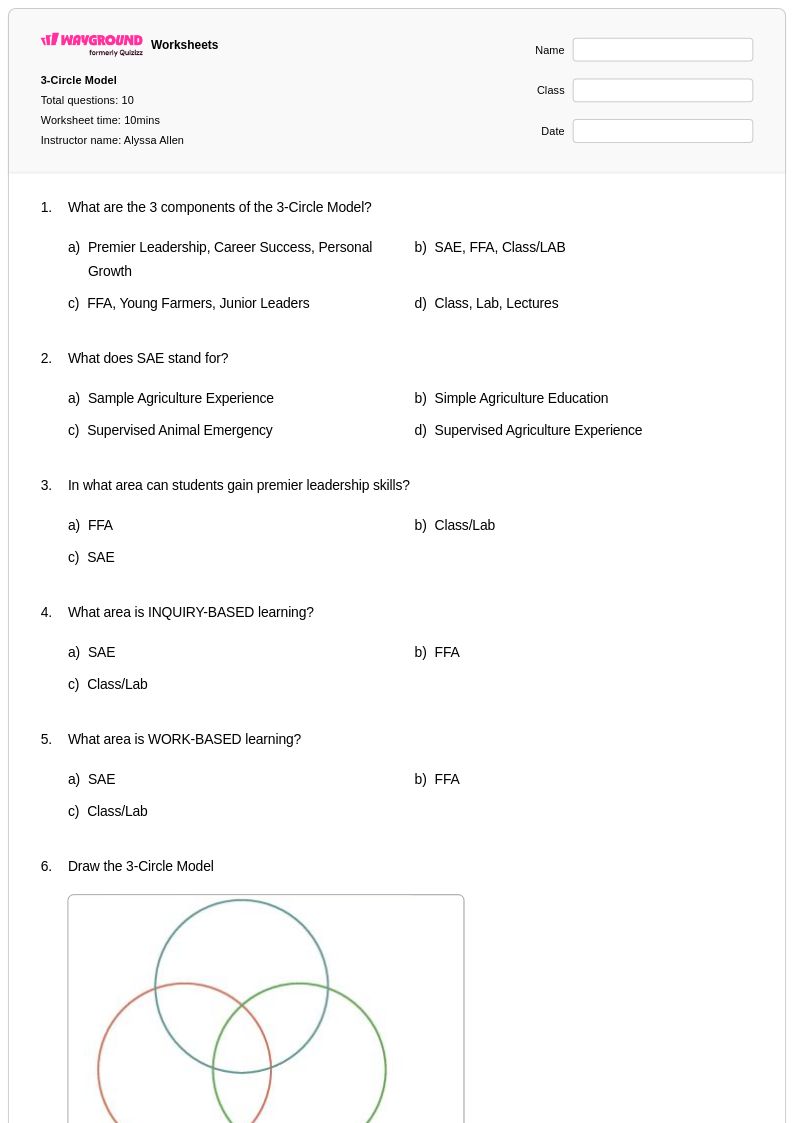
10 Q
6th - Uni
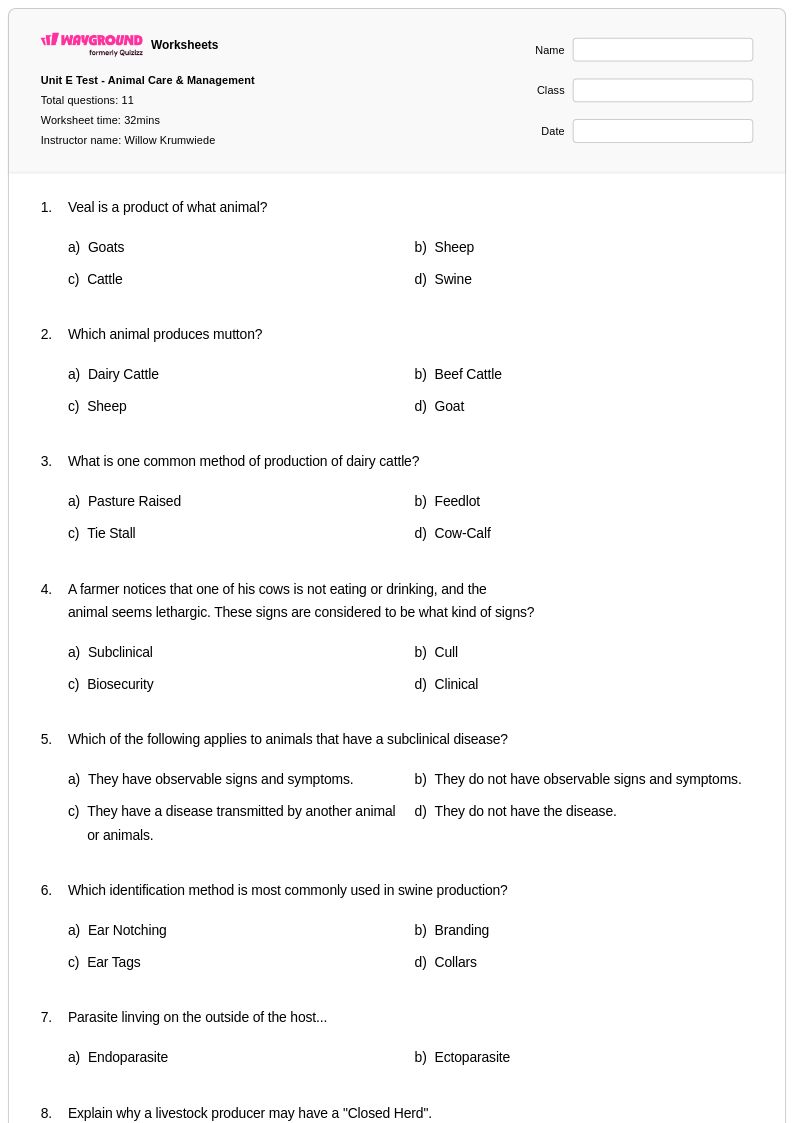
11 Q
10th - 12th
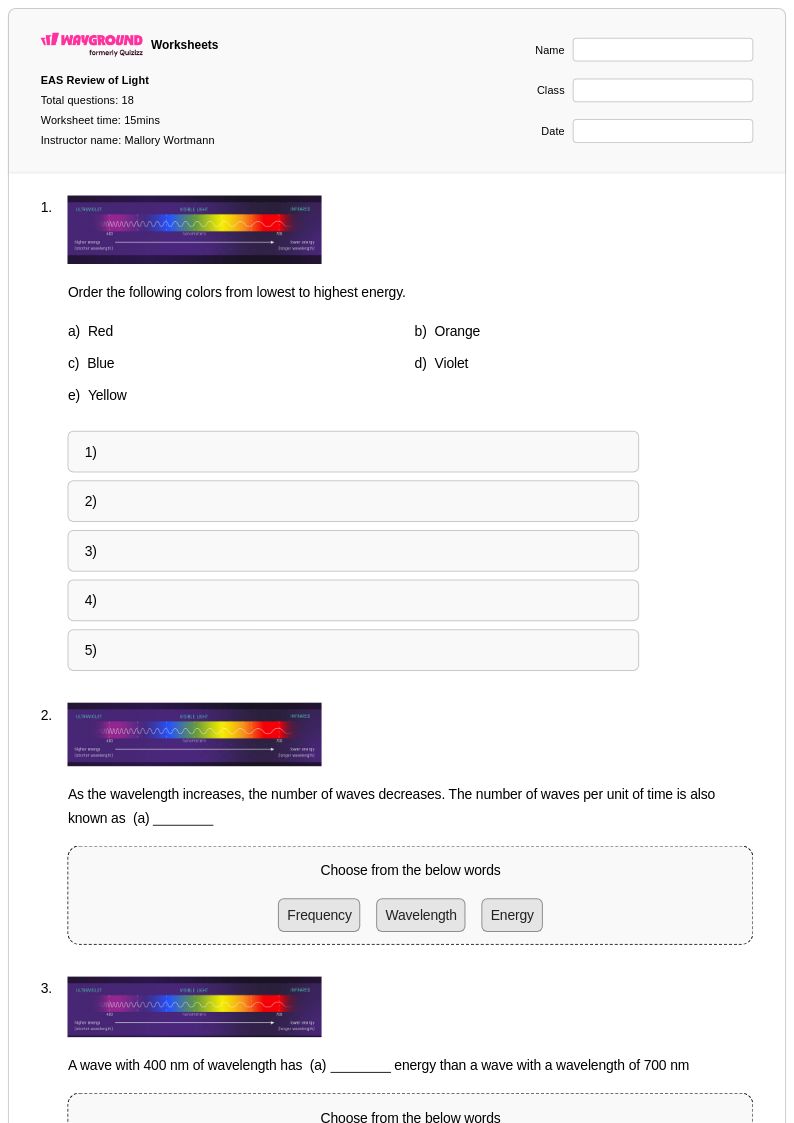
18 Q
9th - 12th
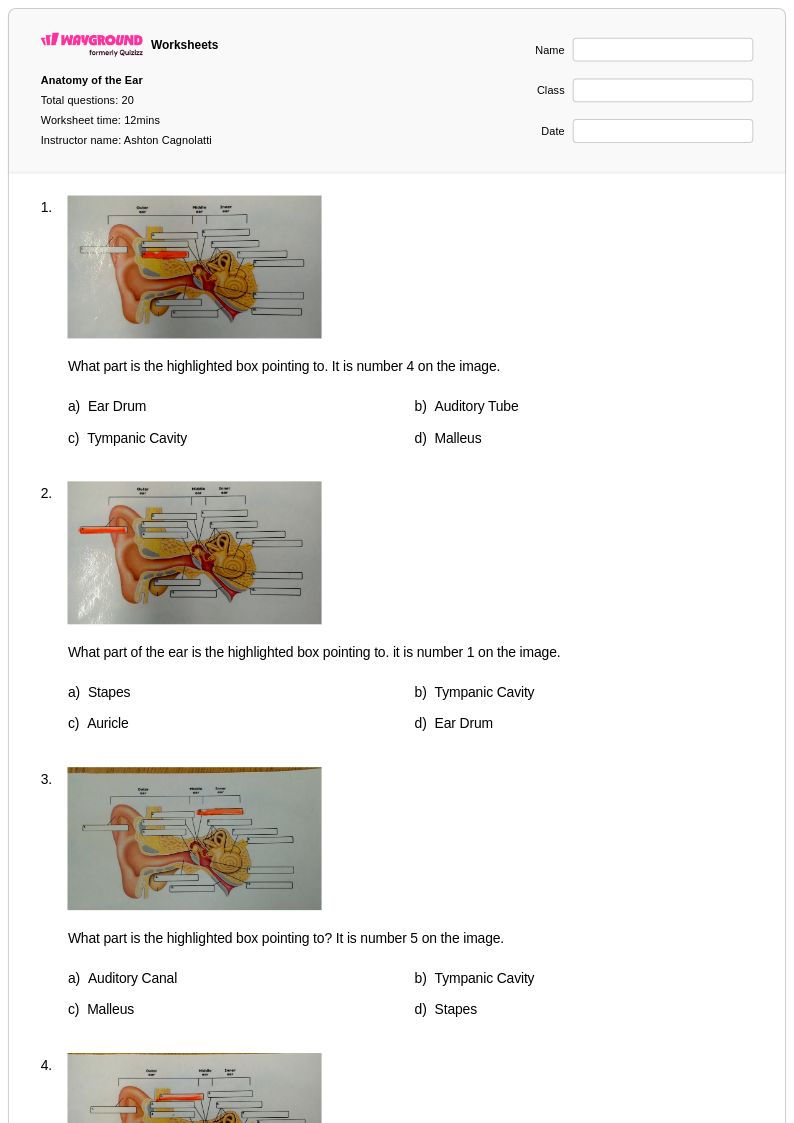
20 Q
11th
Explore Other Subject Worksheets for grade 11
Explore printable Ear Notching worksheets for Grade 11
Ear notching worksheets available through Wayground (formerly Quizizz) provide Grade 11 students with comprehensive practice in this essential livestock identification technique used throughout agricultural and veterinary sciences. These carefully designed educational materials guide students through the systematic process of creating permanent identification marks on animal ears, covering proper notching patterns, numerical coding systems, and record-keeping procedures that are fundamental to modern animal husbandry practices. The worksheets strengthen critical skills including pattern recognition, numerical sequencing, anatomical understanding, and data management while offering varied practice problems that range from basic notch interpretation to complex herd management scenarios. Students benefit from detailed answer keys that explain the reasoning behind each notching system, and the materials are available as free printables in convenient pdf format for both classroom instruction and independent study.
Wayground (formerly Quizizz) supports educators with an extensive collection of teacher-created resources specifically designed for agricultural and life science instruction, including thousands of materials focused on animal identification and livestock management techniques. The platform's robust search and filtering capabilities allow teachers to quickly locate Grade 11 appropriate content that aligns with agricultural education standards and career readiness objectives. Differentiation tools enable instructors to modify worksheets for varying skill levels within their classrooms, while flexible customization options allow for adaptation to specific breed standards or regional practices. These resources are available in both printable and digital formats, including downloadable pdf versions, making them invaluable for lesson planning, targeted remediation for students struggling with identification concepts, enrichment activities for advanced learners, and ongoing skill practice that prepares students for real-world applications in agricultural careers and further veterinary or animal science education.
FAQs
How do I teach ear notching to agricultural science students?
What practice problems help students get better at reading ear notch patterns?
What mistakes do students commonly make when calculating ear notch identification numbers?
How can I use ear notching worksheets to support different skill levels in my class?
How do I use ear notching worksheets from Wayground in my classroom?
How does ear notching connect to broader agricultural science and life science standards?