
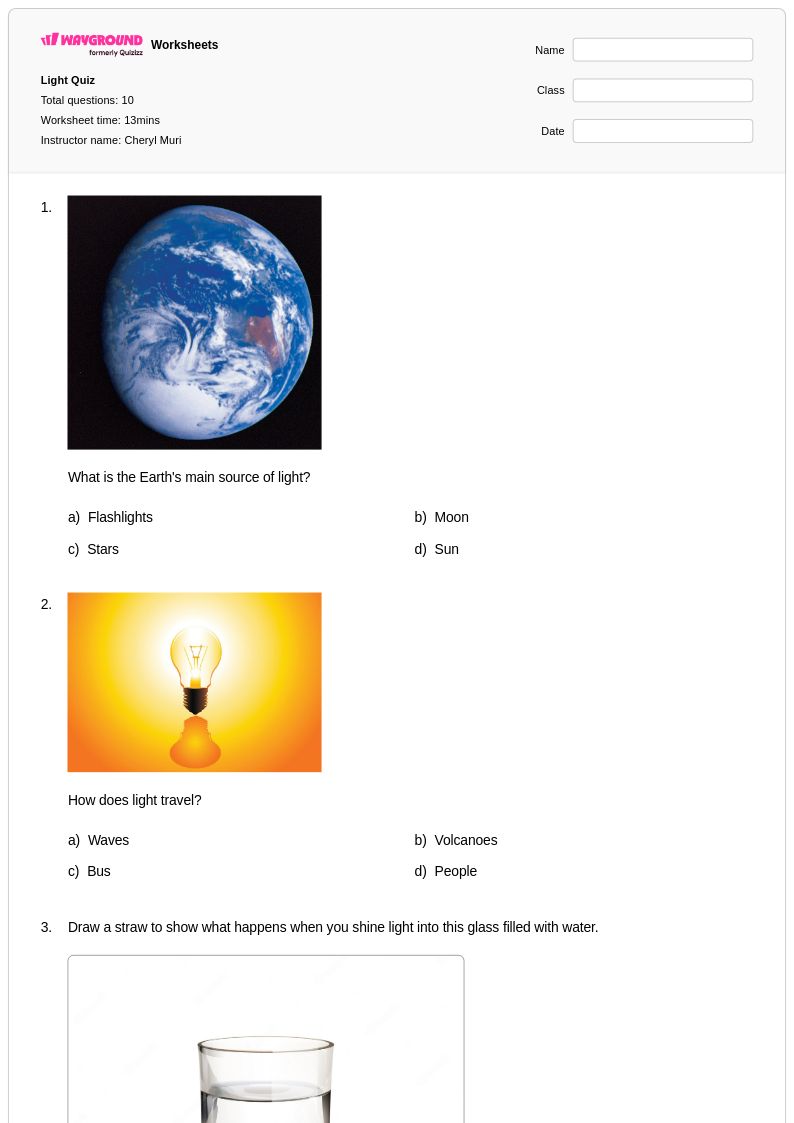
10 Q
3rd
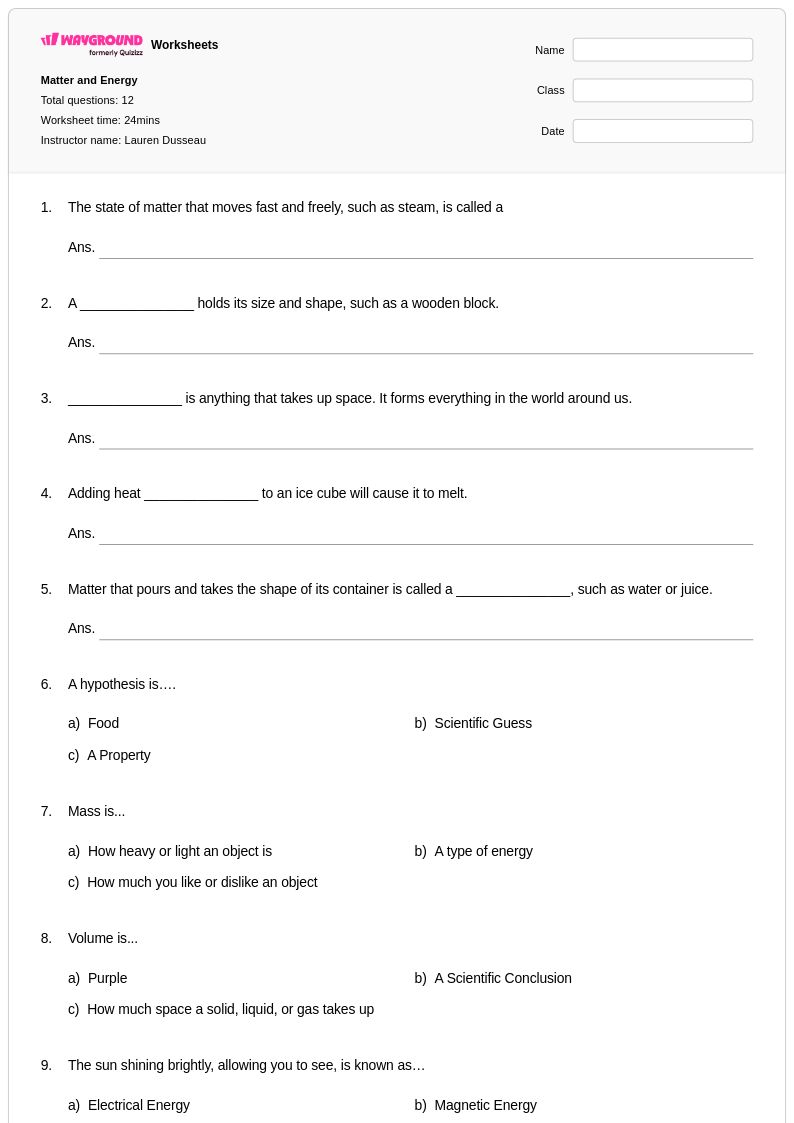
12 Q
3rd
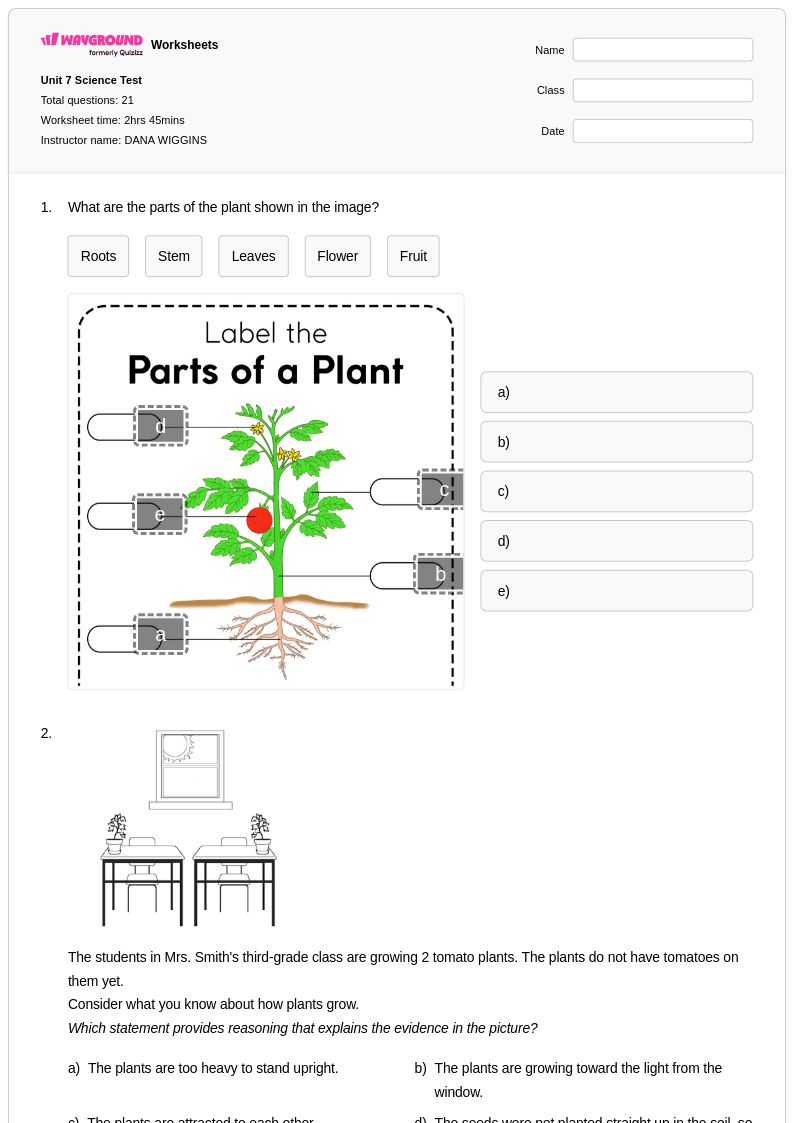
21 Q
3rd
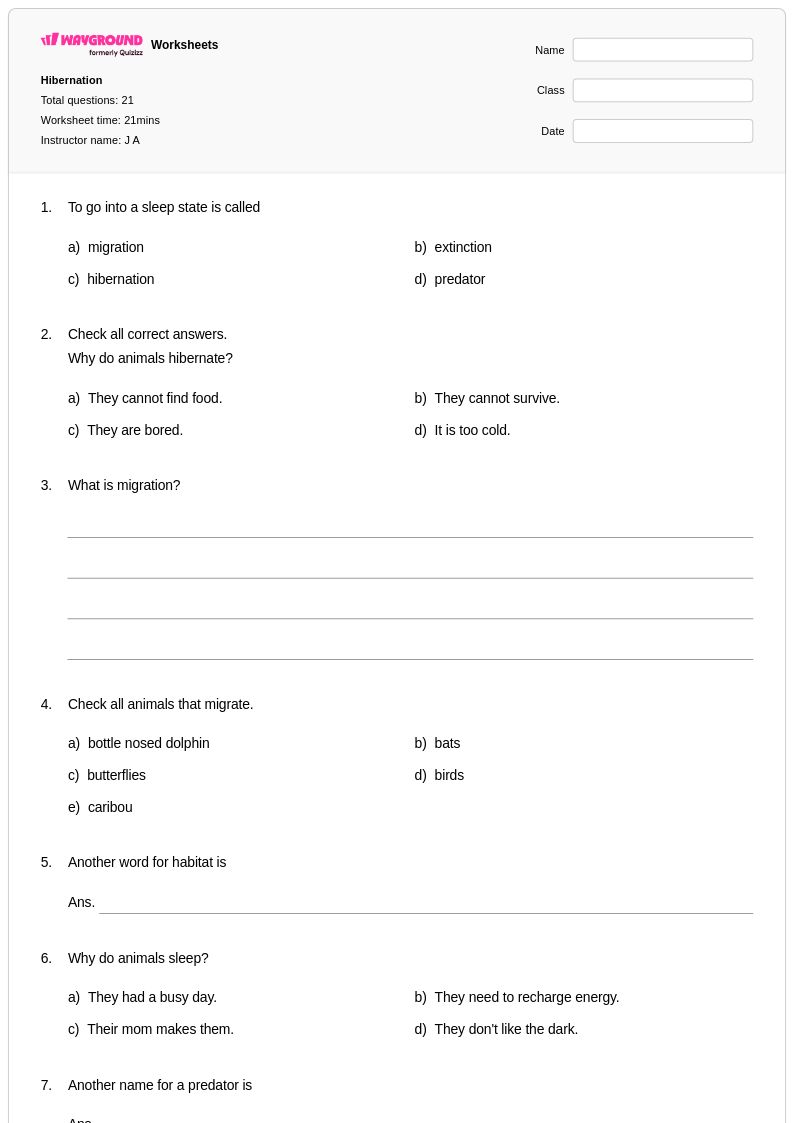
21 Q
3rd
13 Q
3rd
20 Q
3rd
8 Q
3rd
15 Q
3rd
25 Q
3rd
21 Q
3rd
10 Q
2nd - 3rd
11 Q
3rd
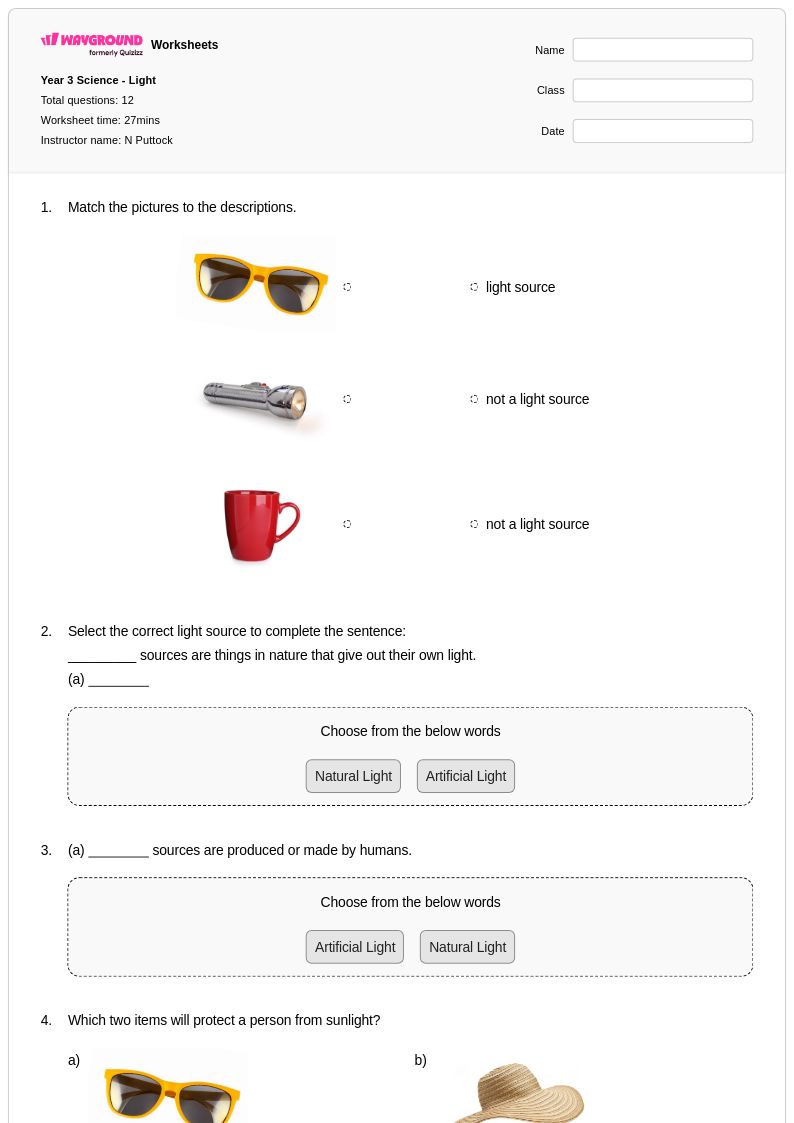
12 Q
3rd
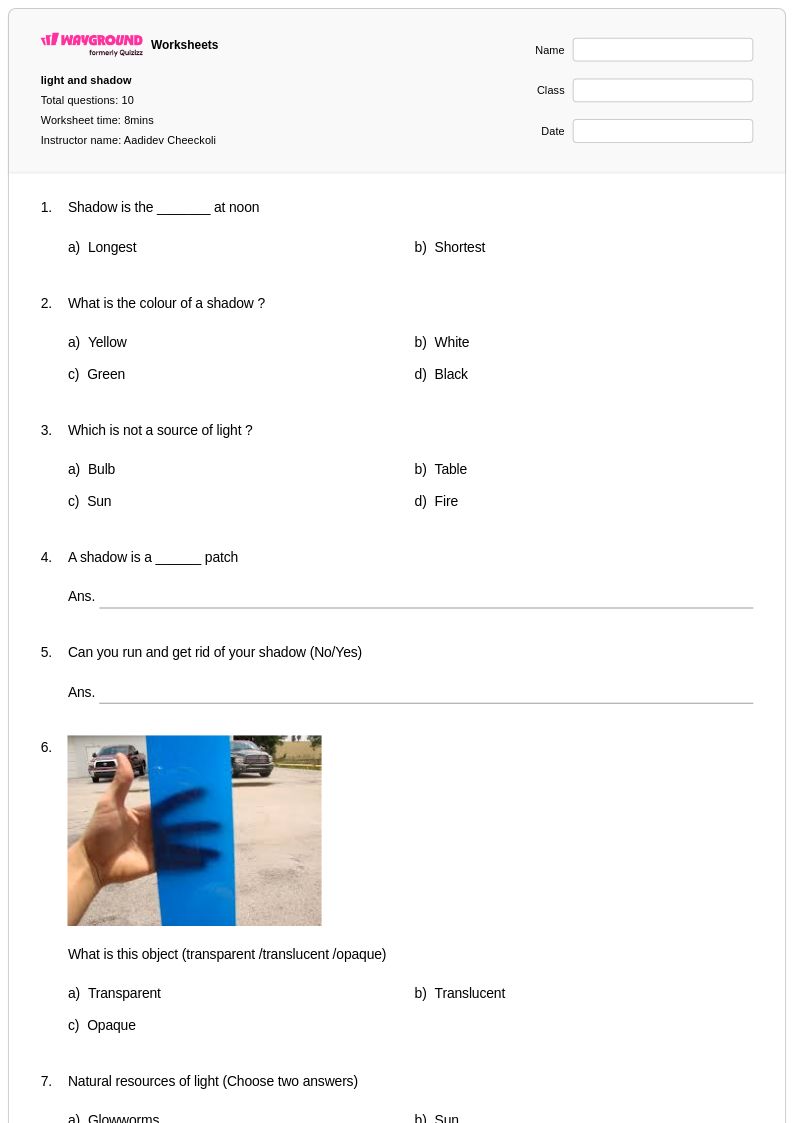
10 Q
1st - 3rd
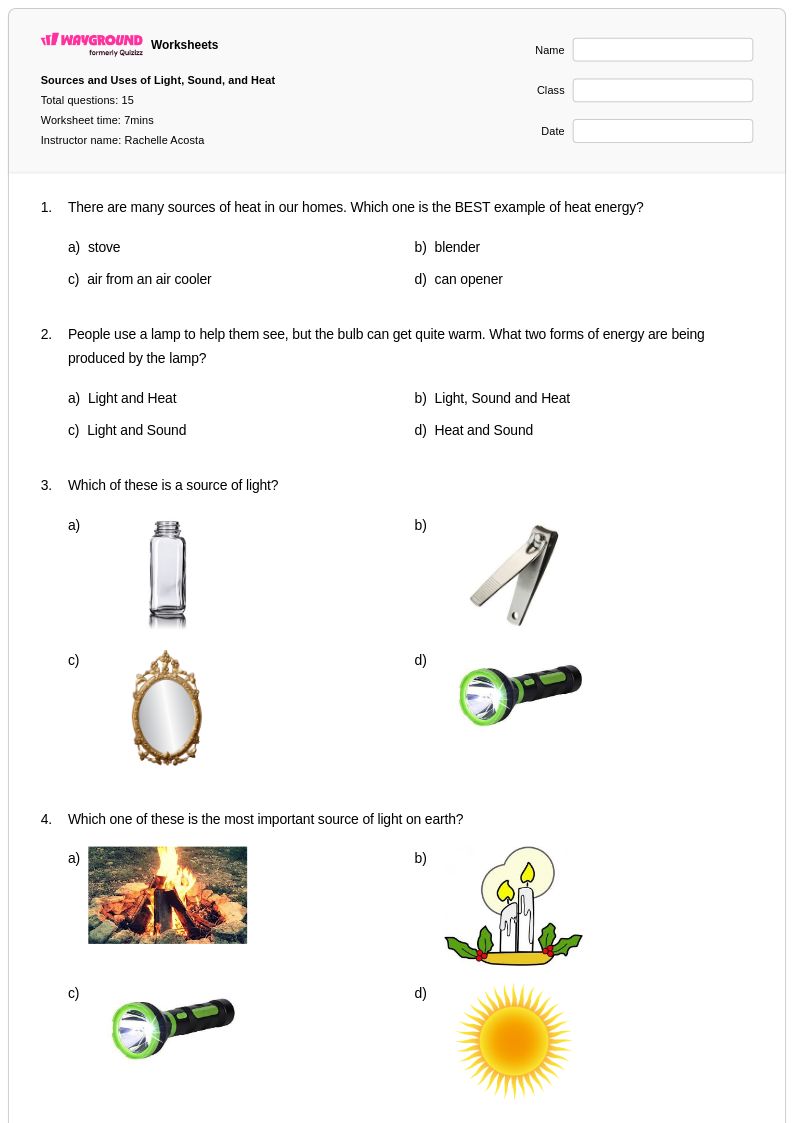
15 Q
3rd
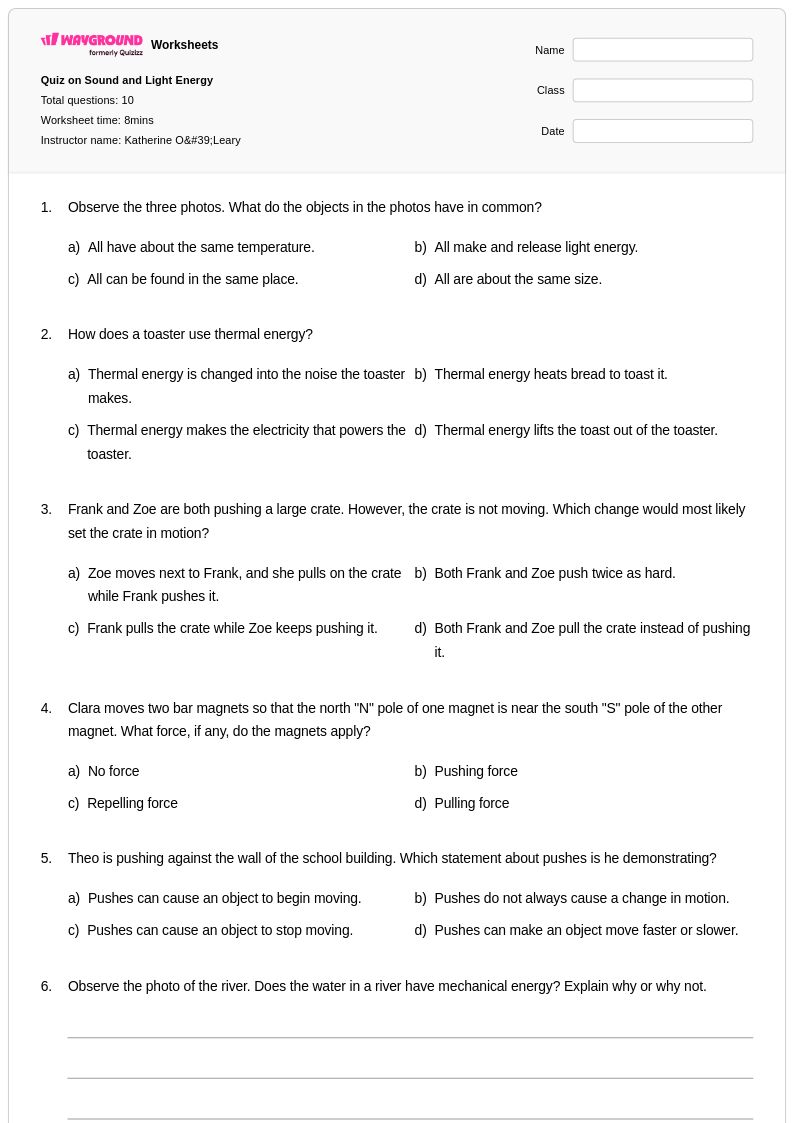
10 Q
3rd
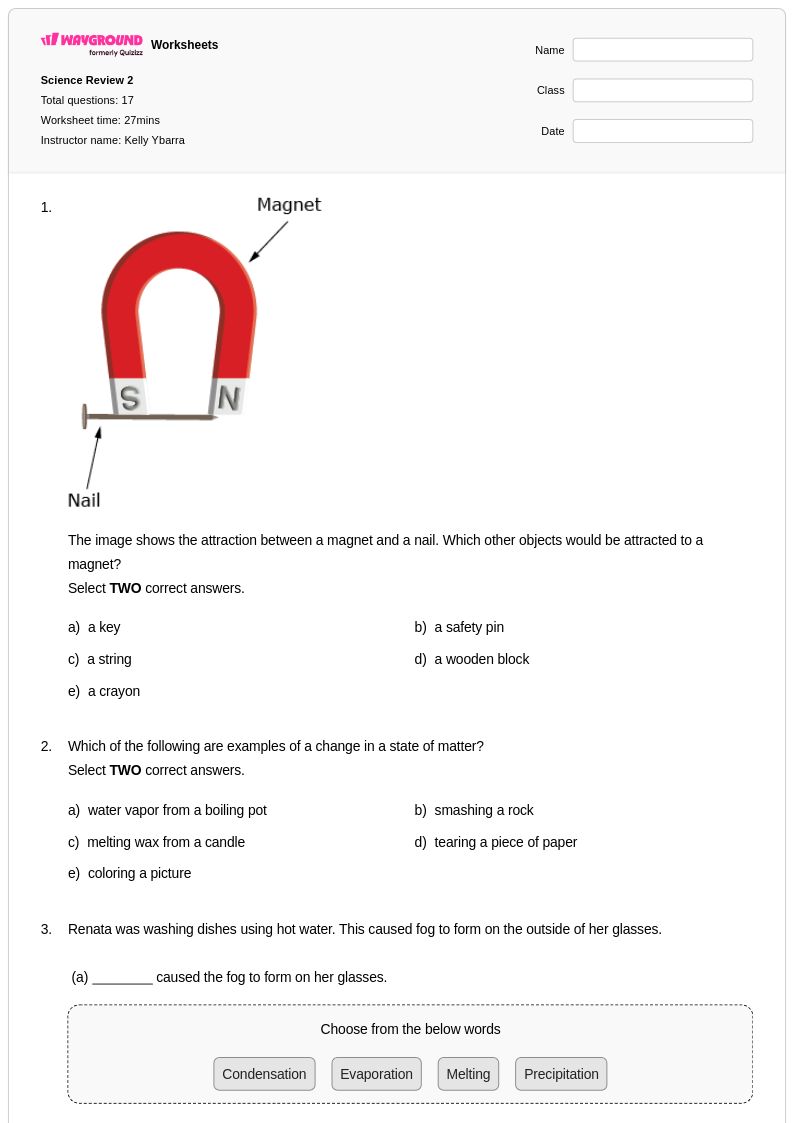
17 Q
3rd
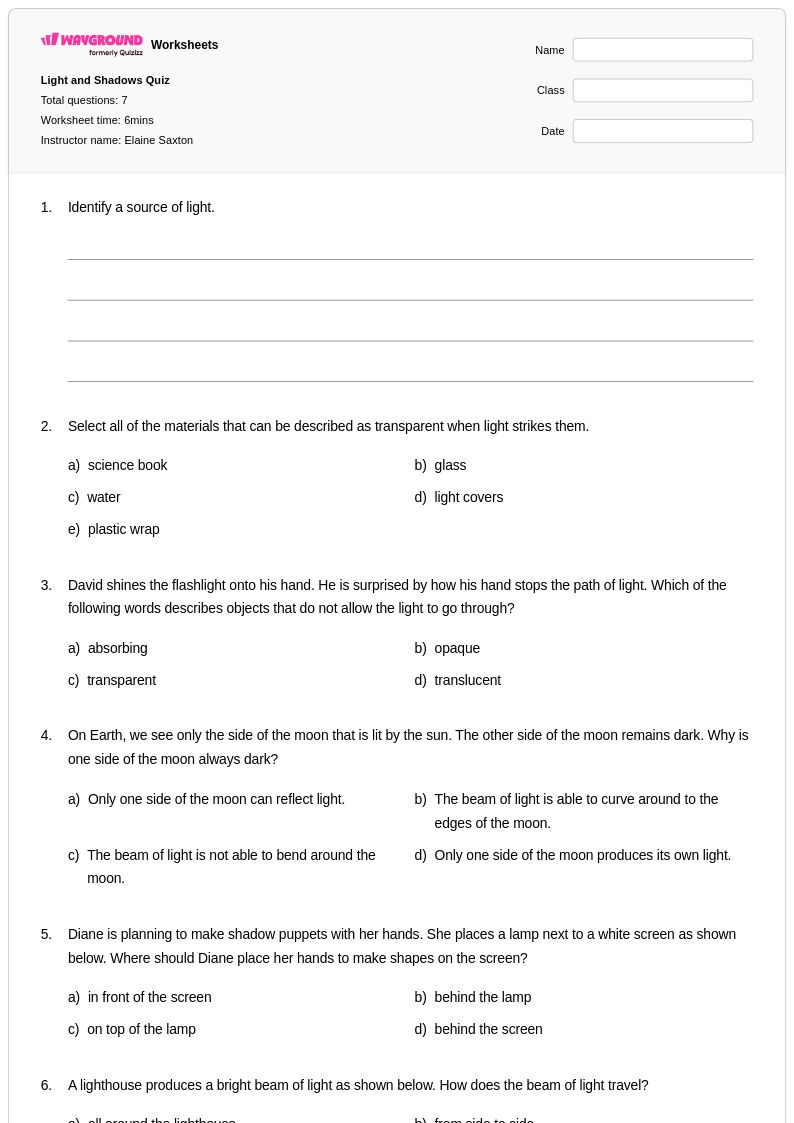
7 Q
3rd
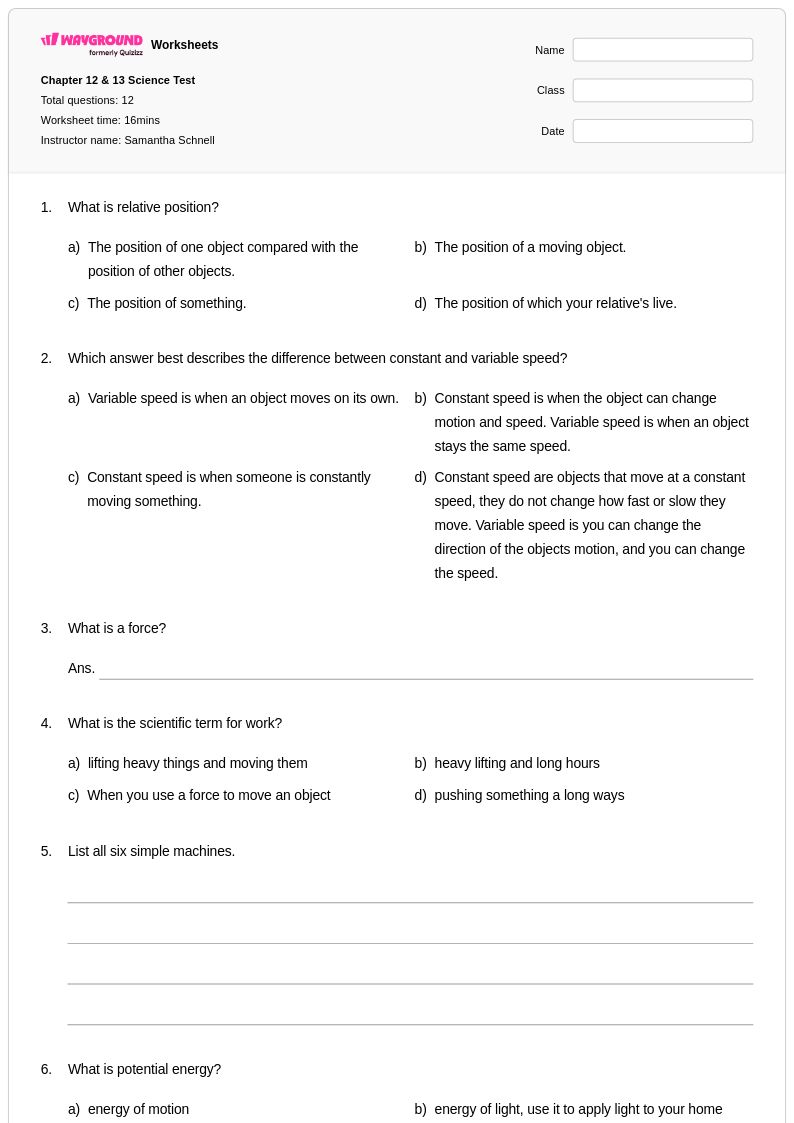
12 Q
2nd - 4th
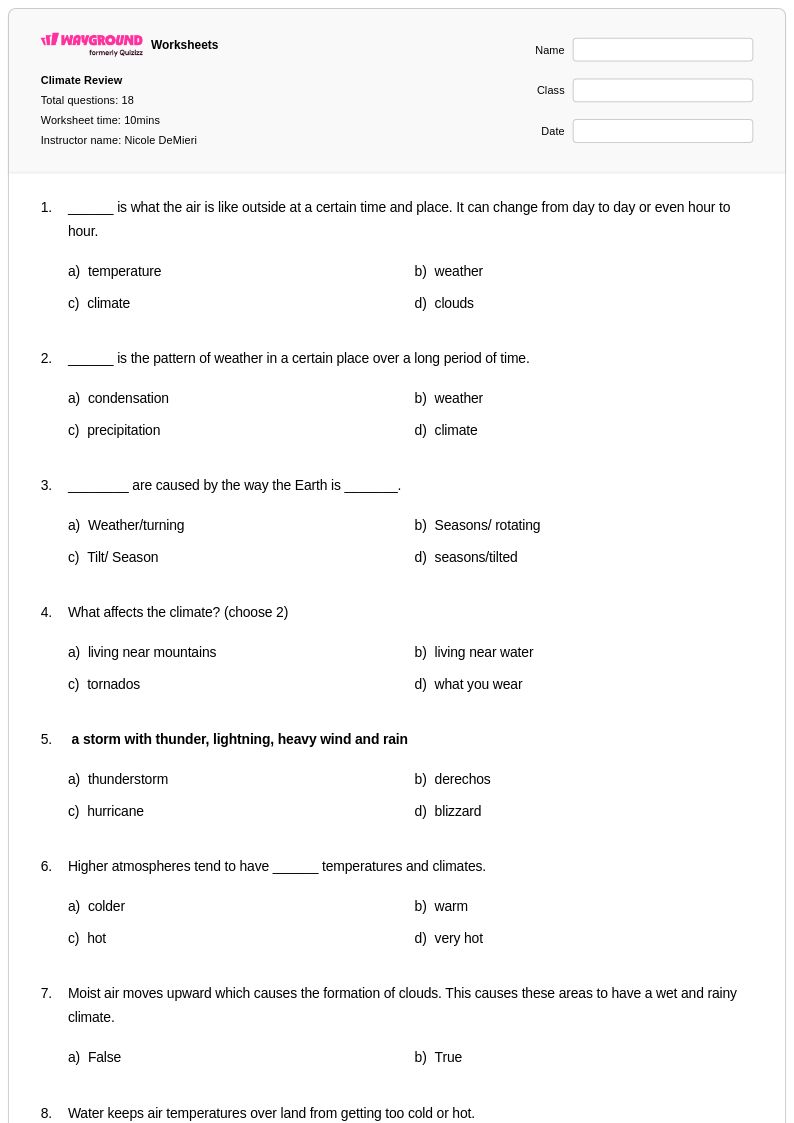
18 Q
3rd
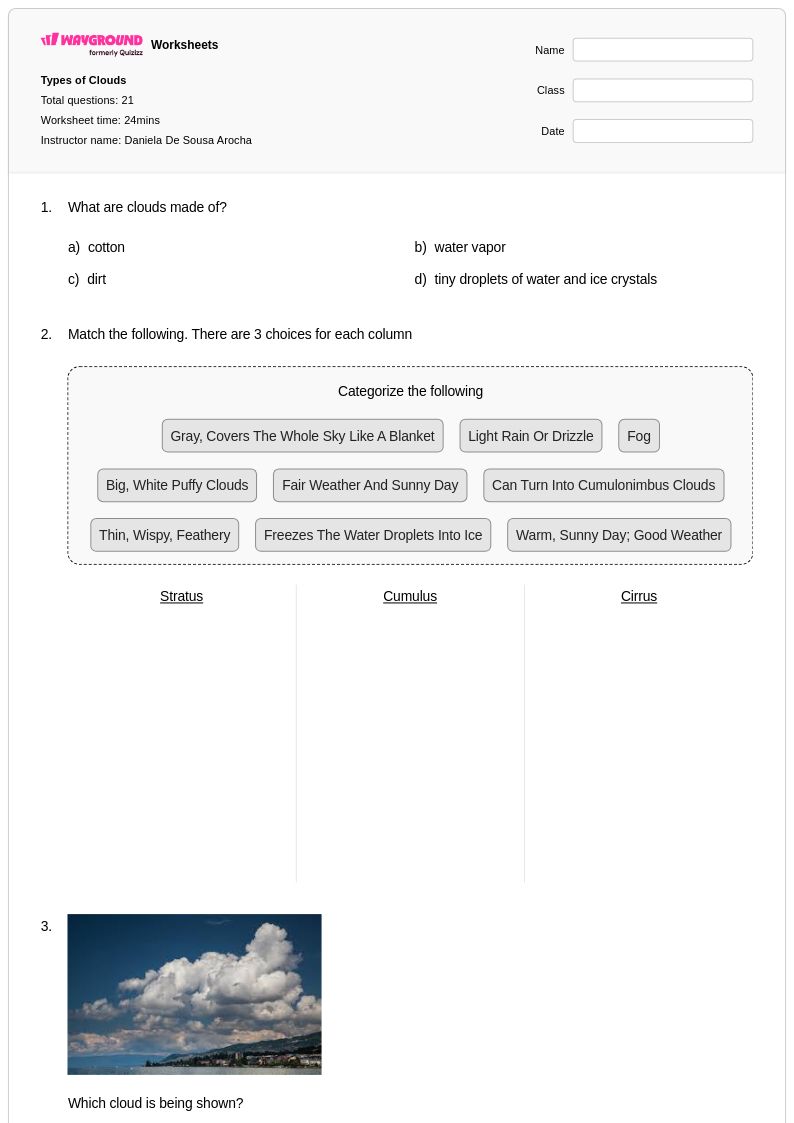
21 Q
3rd
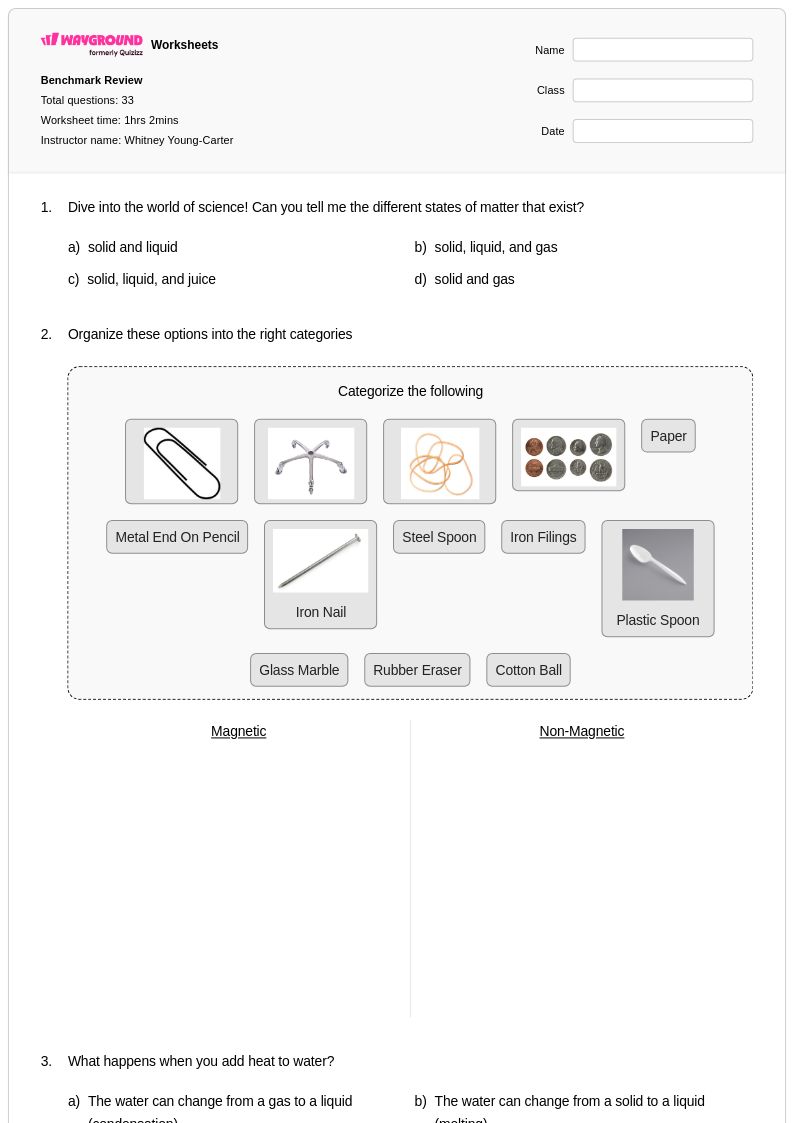
33 Q
3rd
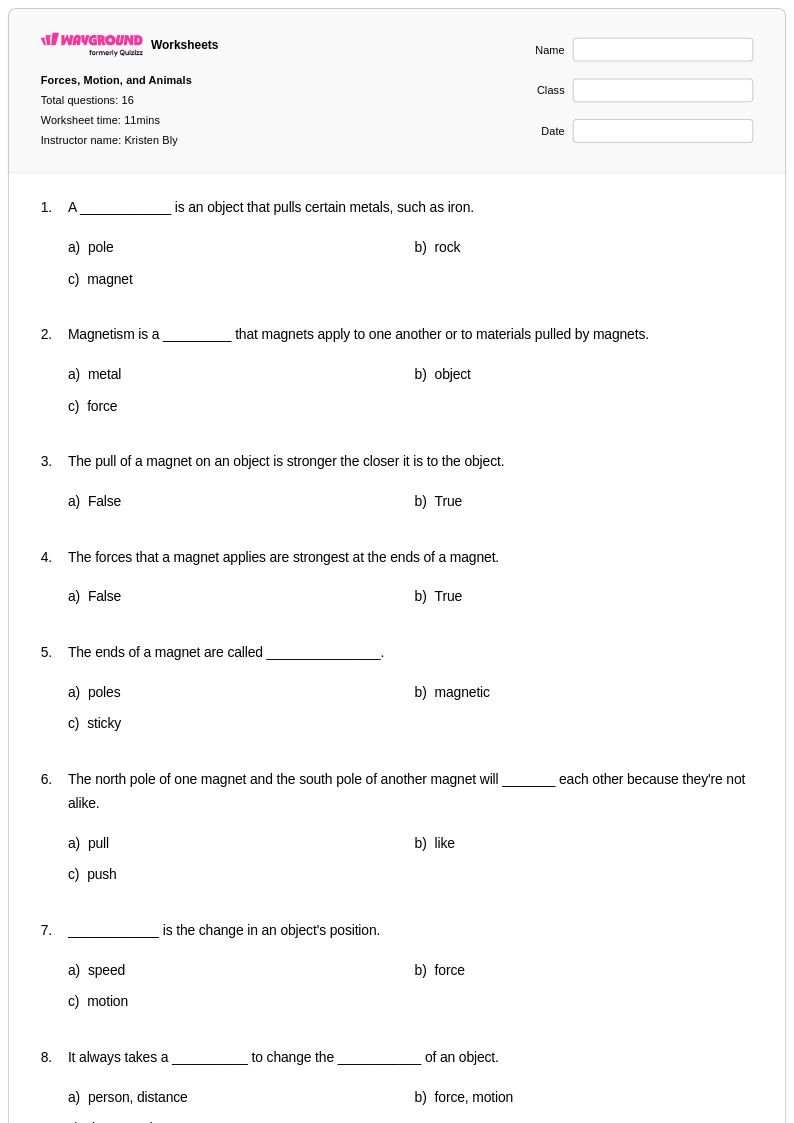
16 Q
3rd
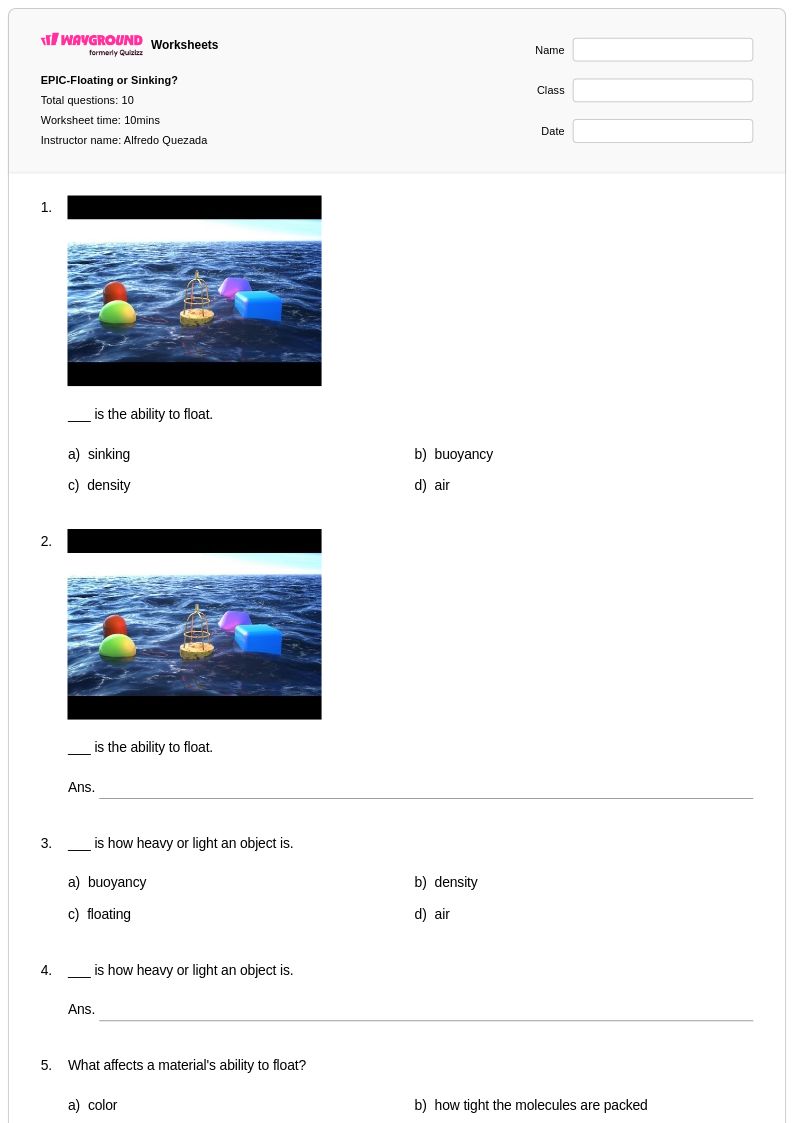
10 Q
3rd - 4th
Explore Other Subject Worksheets for grade 3
Explore printable Heavy and Light worksheets for Grade 3
Heavy and light concepts form a fundamental component of Grade 3 physical science education, and Wayground's comprehensive worksheet collection provides educators with expertly designed resources to develop students' understanding of mass, weight, and comparative analysis skills. These carefully crafted worksheets guide young learners through hands-on exploration of object properties, teaching them to classify, compare, and predict the relative heaviness of various materials and items in their environment. Each worksheet includes structured practice problems that progress from simple identification tasks to more complex reasoning exercises, complete with detailed answer keys that enable teachers to assess student comprehension effectively. The printable pdf format ensures easy classroom distribution, while the free accessibility of these educational materials supports diverse learning environments and budget considerations.
Wayground, formerly Quizizz, empowers educators with an extensive library of millions of teacher-created resources specifically designed to support physical science instruction at the elementary level. The platform's robust search and filtering capabilities allow teachers to quickly locate heavy and light worksheets that align with specific learning objectives and curriculum standards, while built-in differentiation tools enable customization for varying student ability levels and learning styles. Teachers can seamlessly integrate these materials into their lesson planning for initial concept introduction, targeted remediation for struggling learners, or enrichment activities for advanced students. The dual availability of both printable and digital formats, including downloadable pdf versions, provides maximum flexibility for classroom implementation, homework assignments, and independent practice sessions that reinforce critical thinking skills in physical science exploration.
FAQs
How do I teach heavy and light concepts to young students?
What activities help students practice comparing heavy and light objects?
What mistakes do students commonly make when learning about heavy and light?
How can I differentiate heavy and light worksheets for students at different levels?
How do I use Wayground's heavy and light worksheets in my classroom?