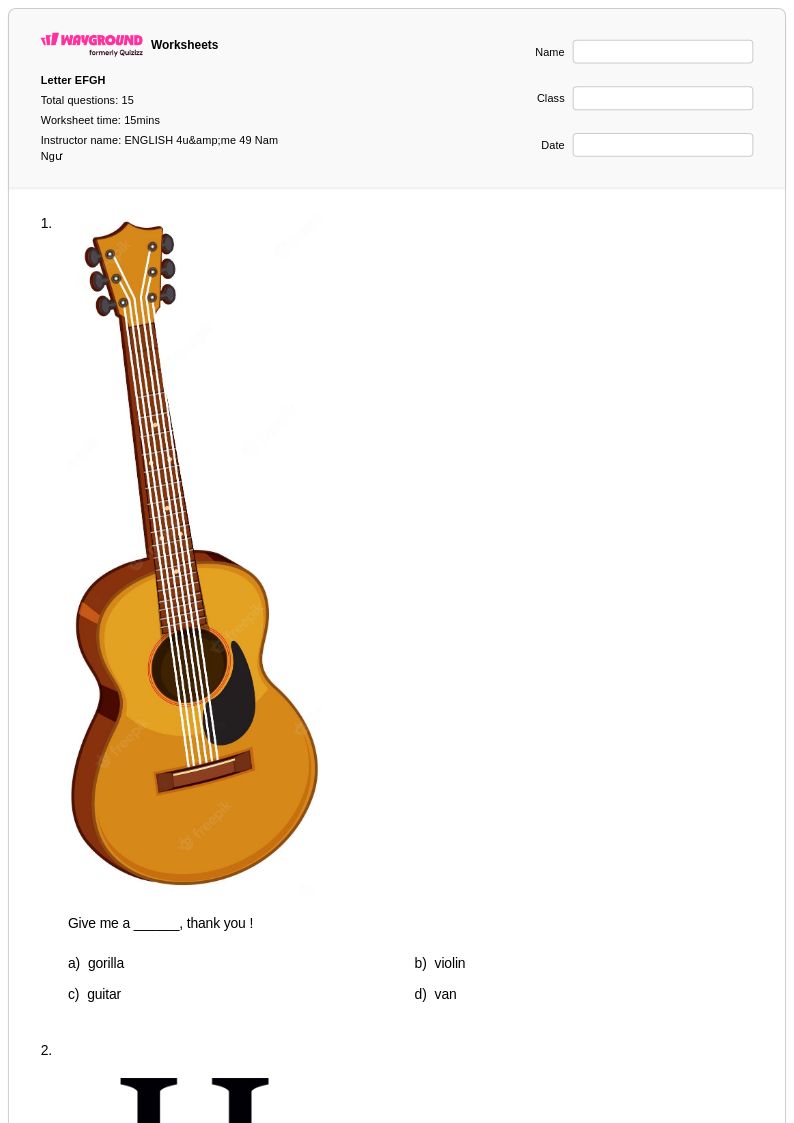
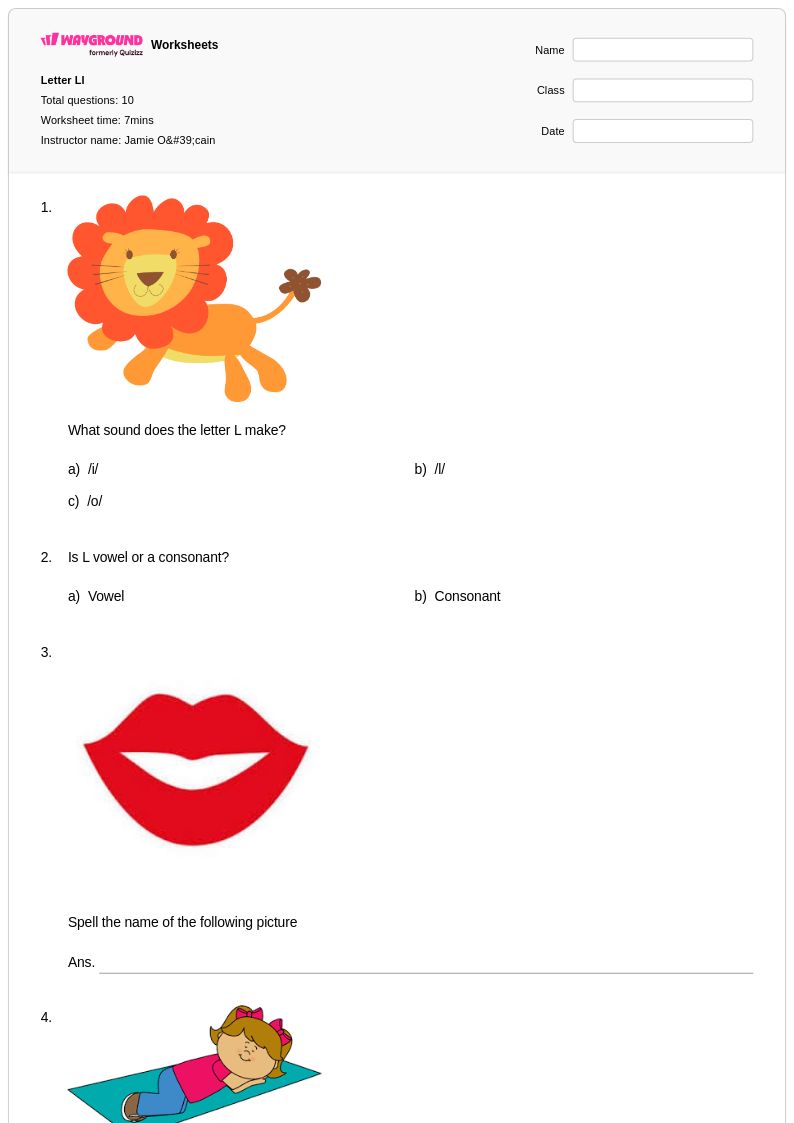
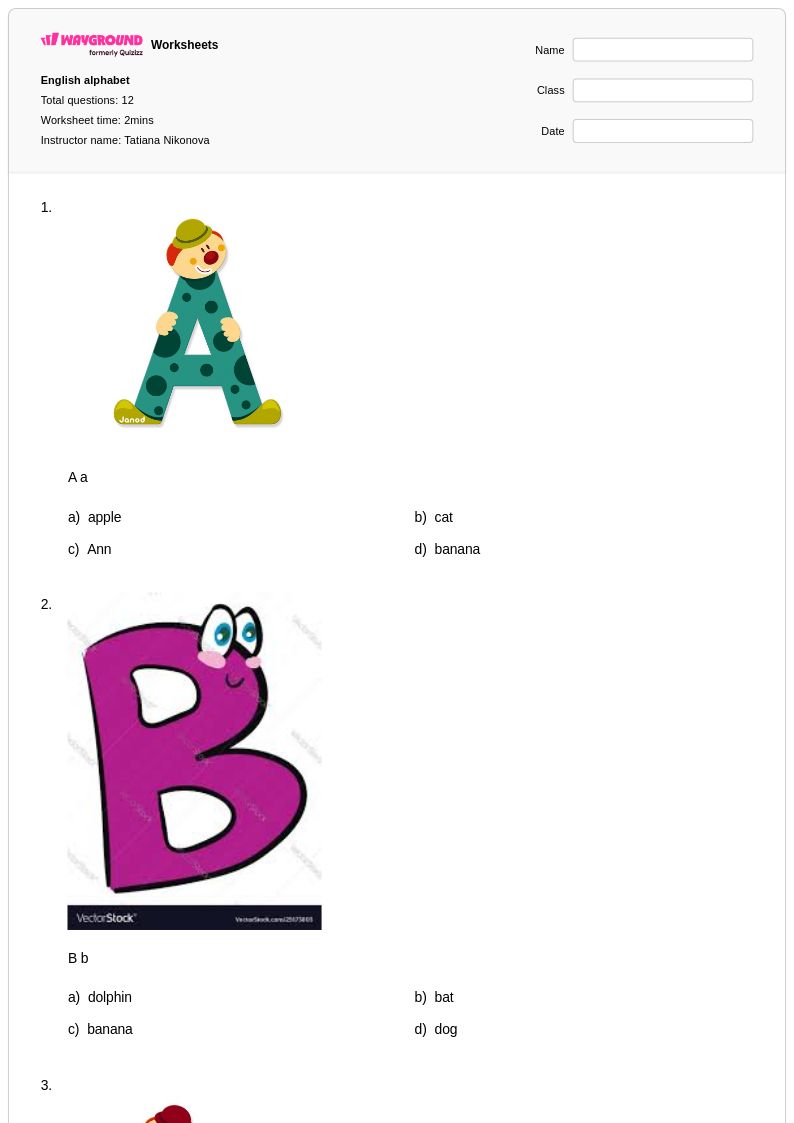
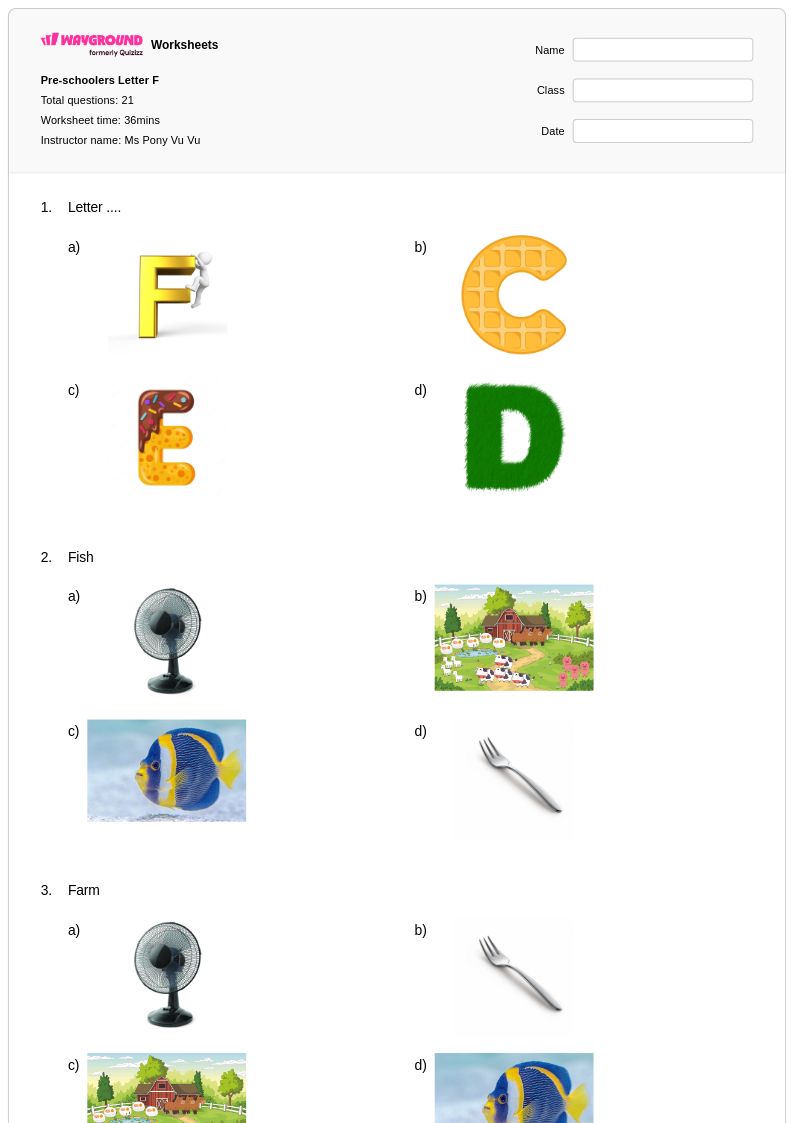
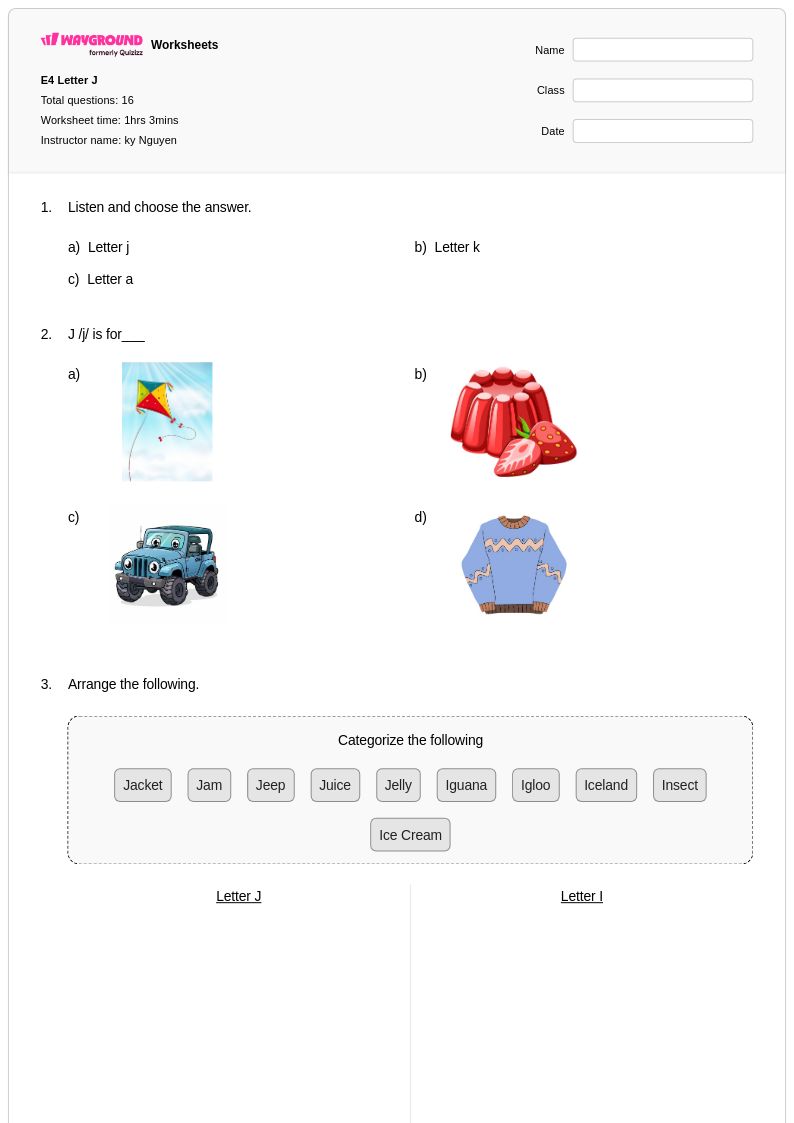
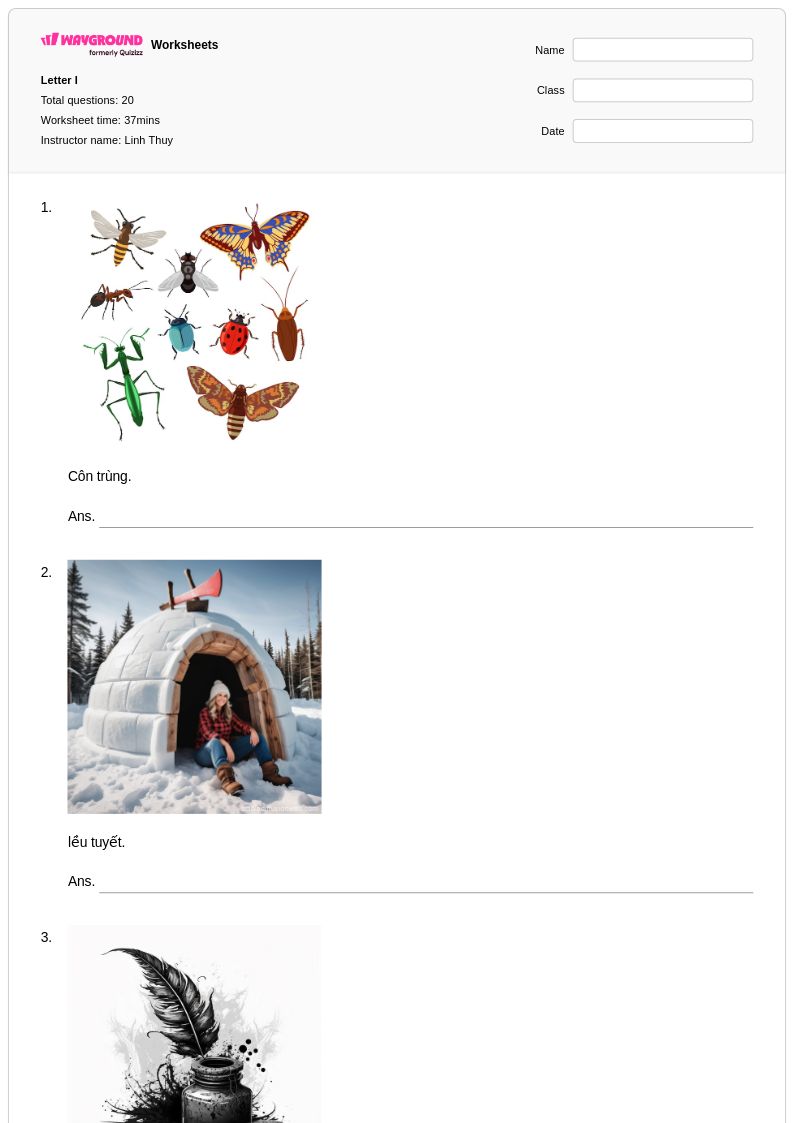
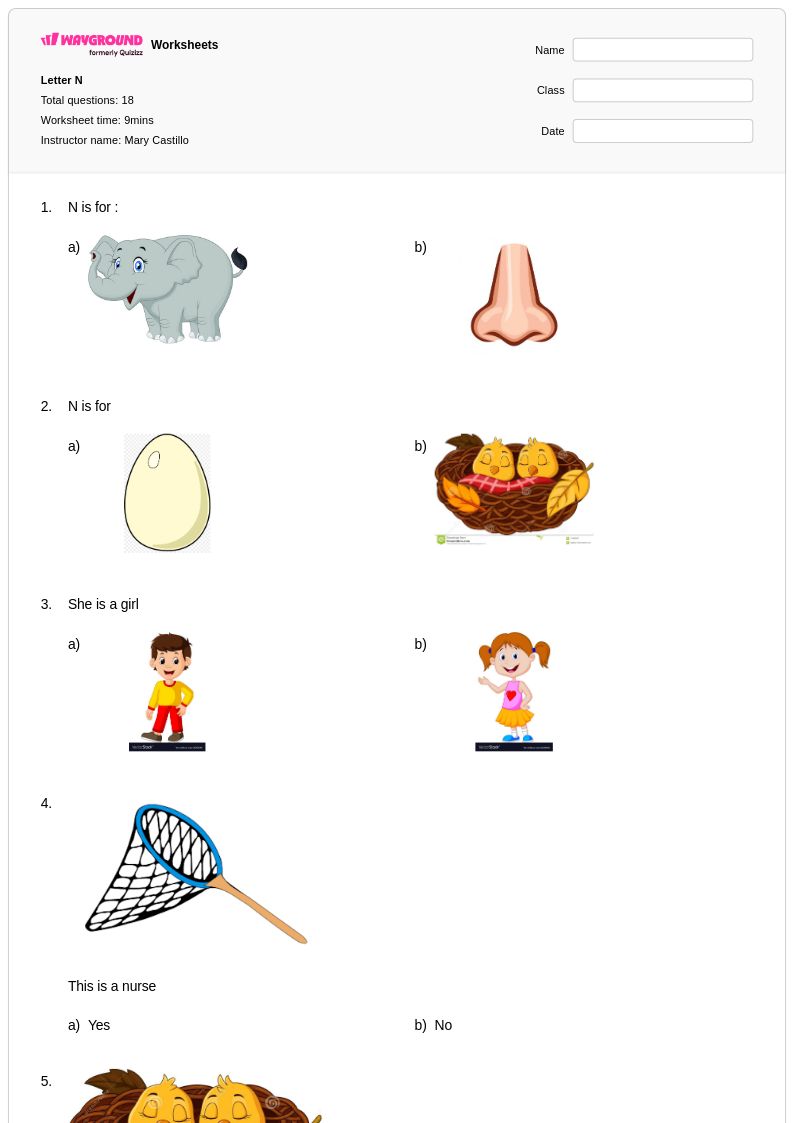
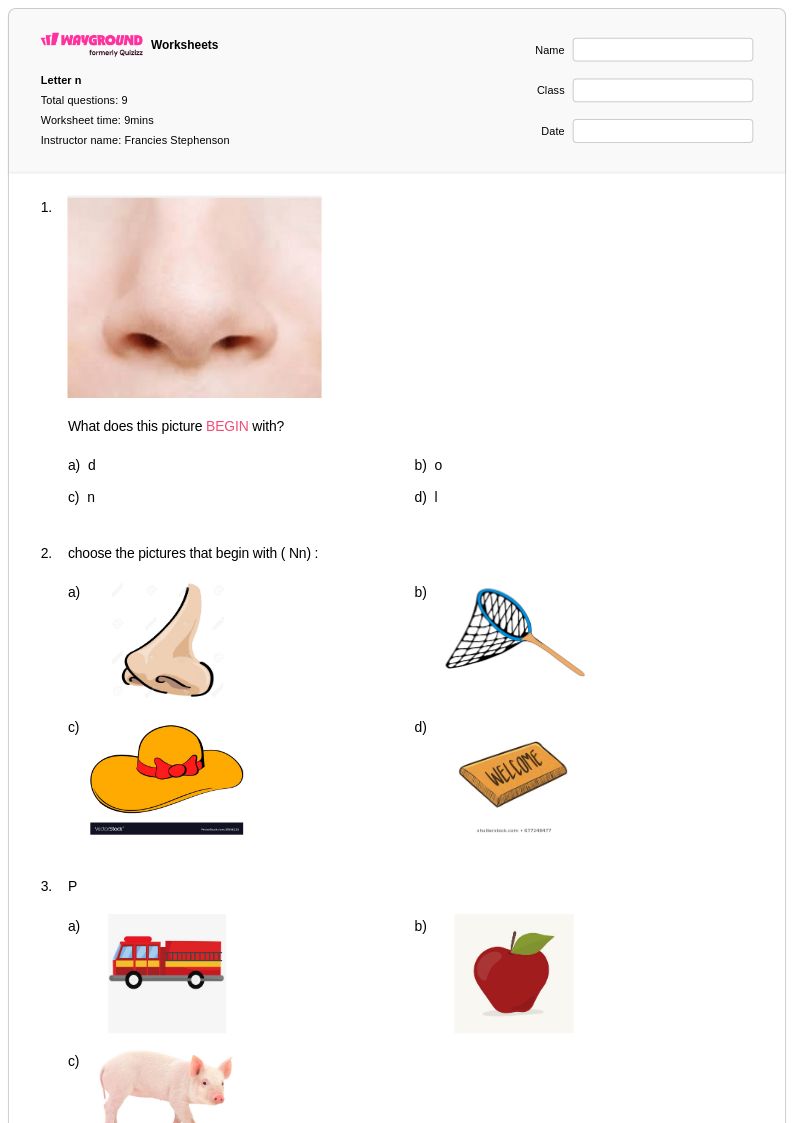
Free Printable Letter Tracing Worksheets for Grade 1
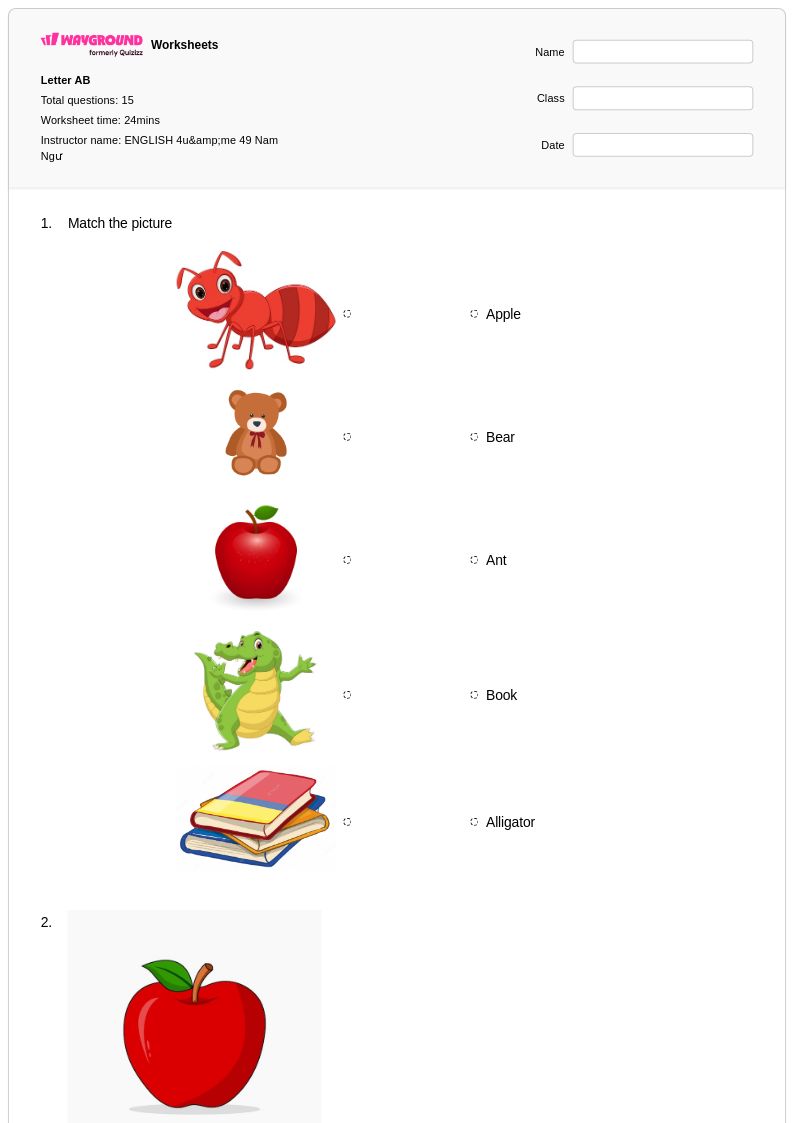
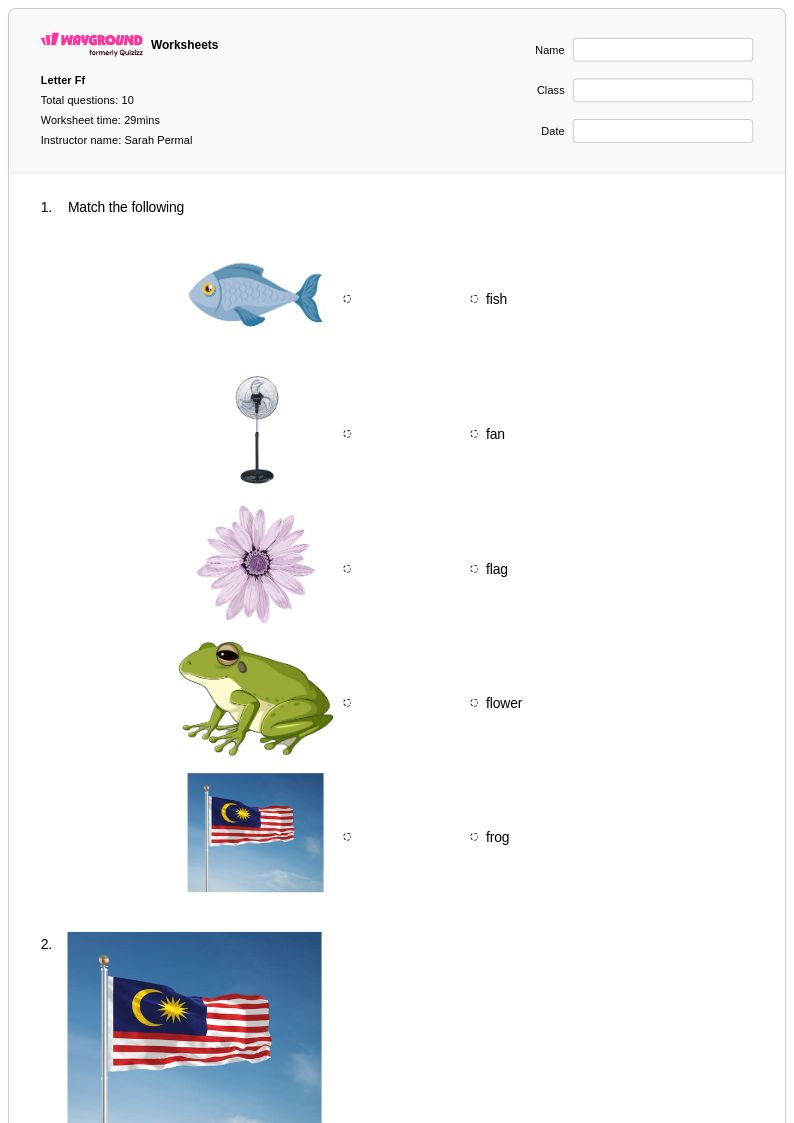
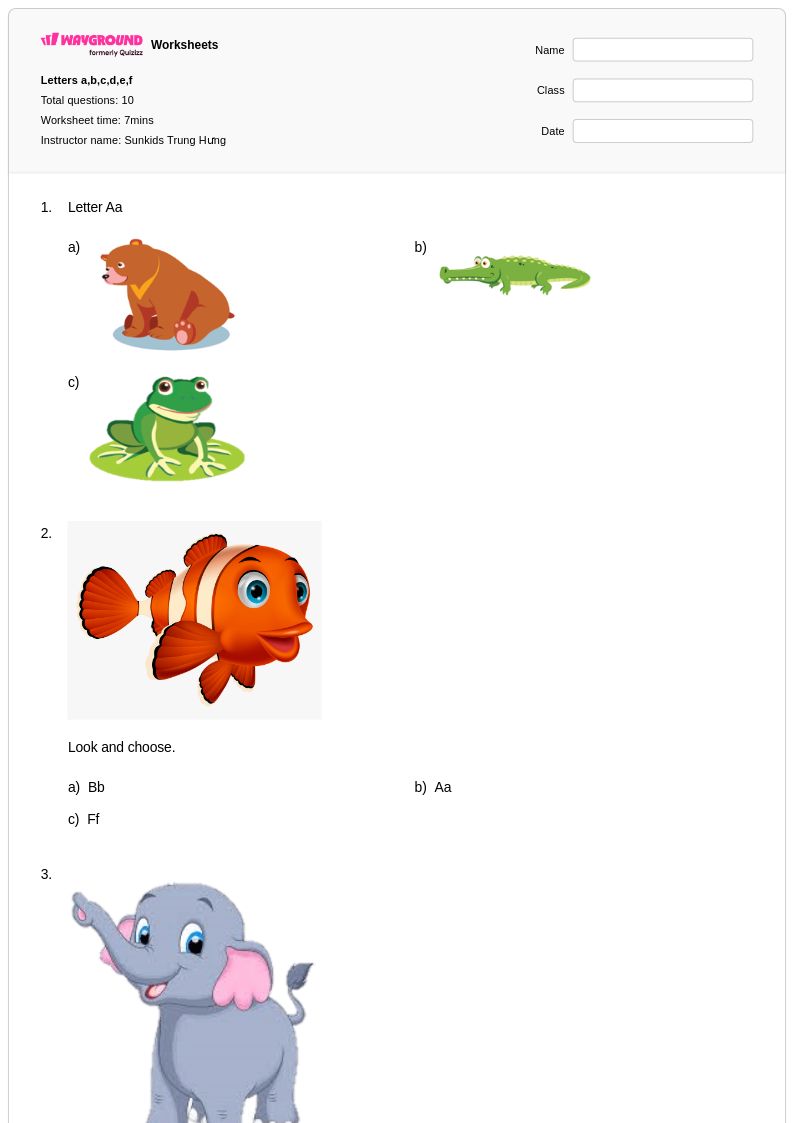
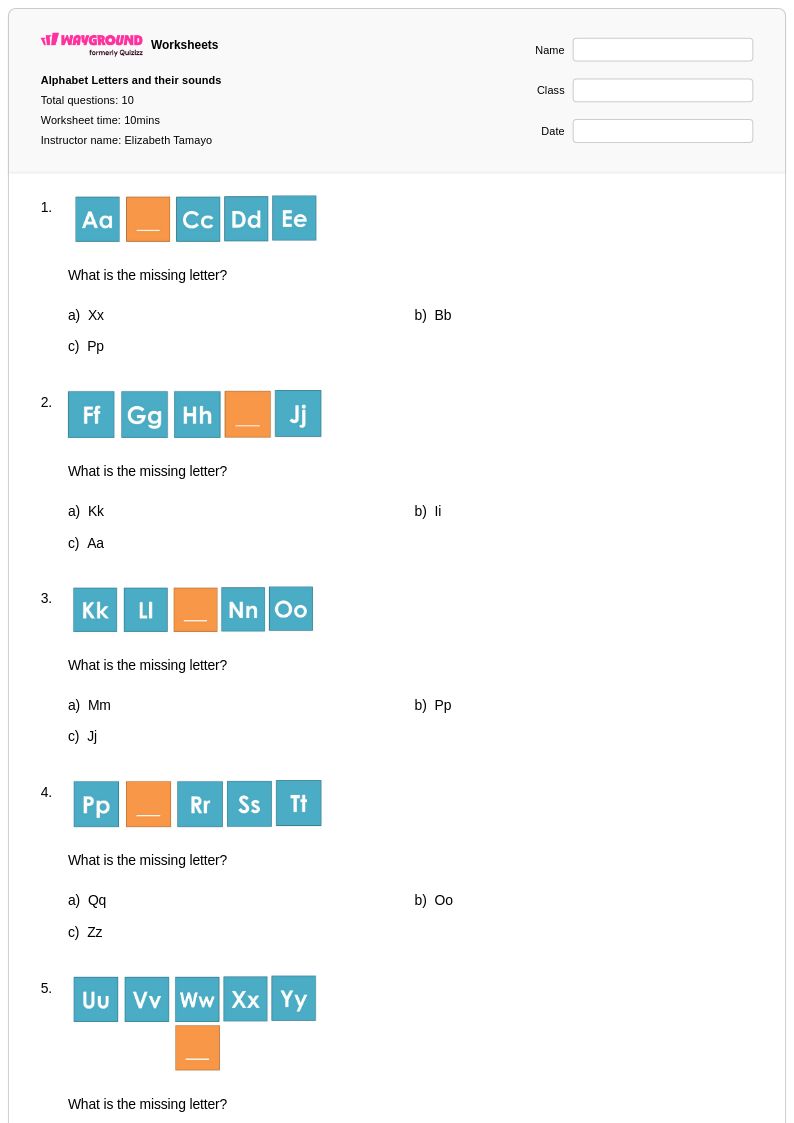
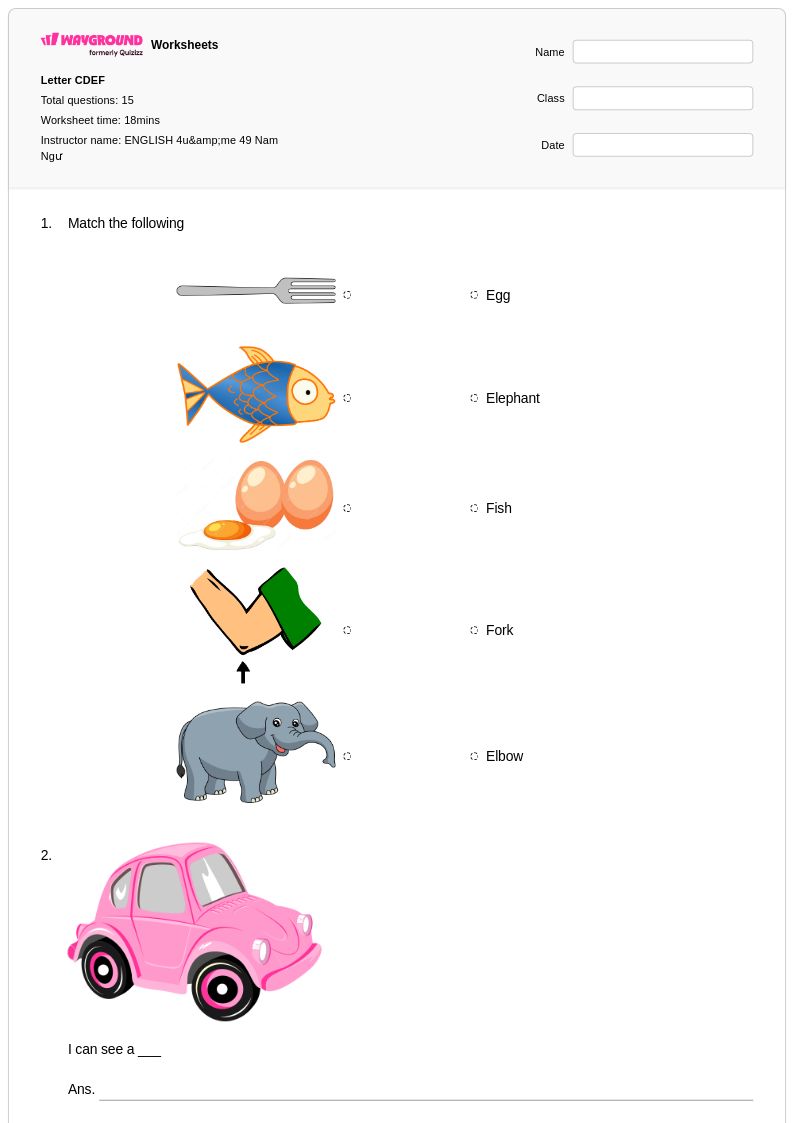
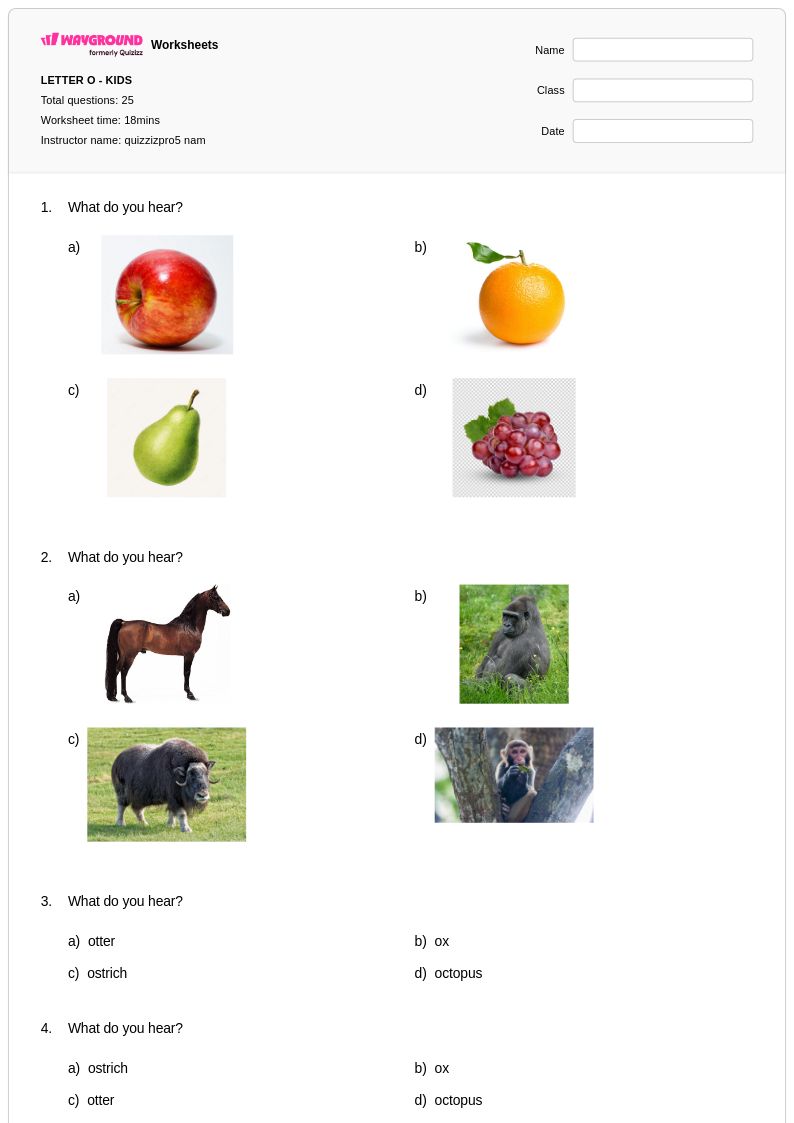
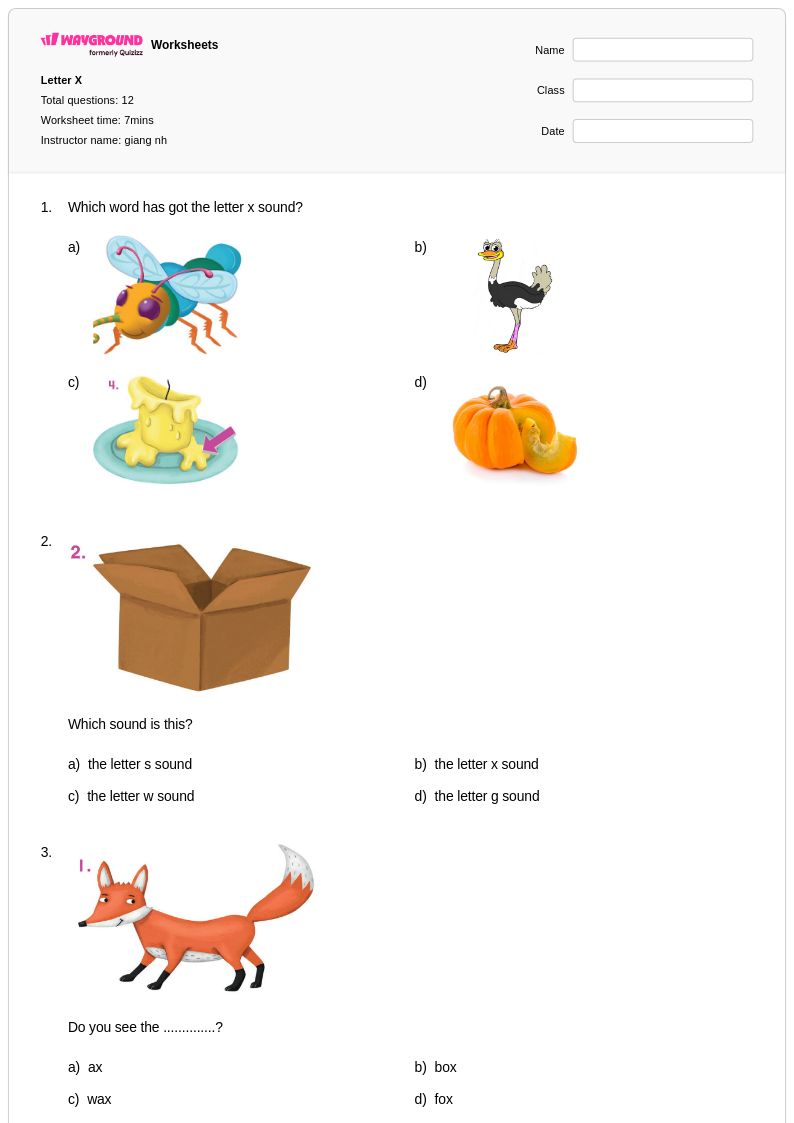
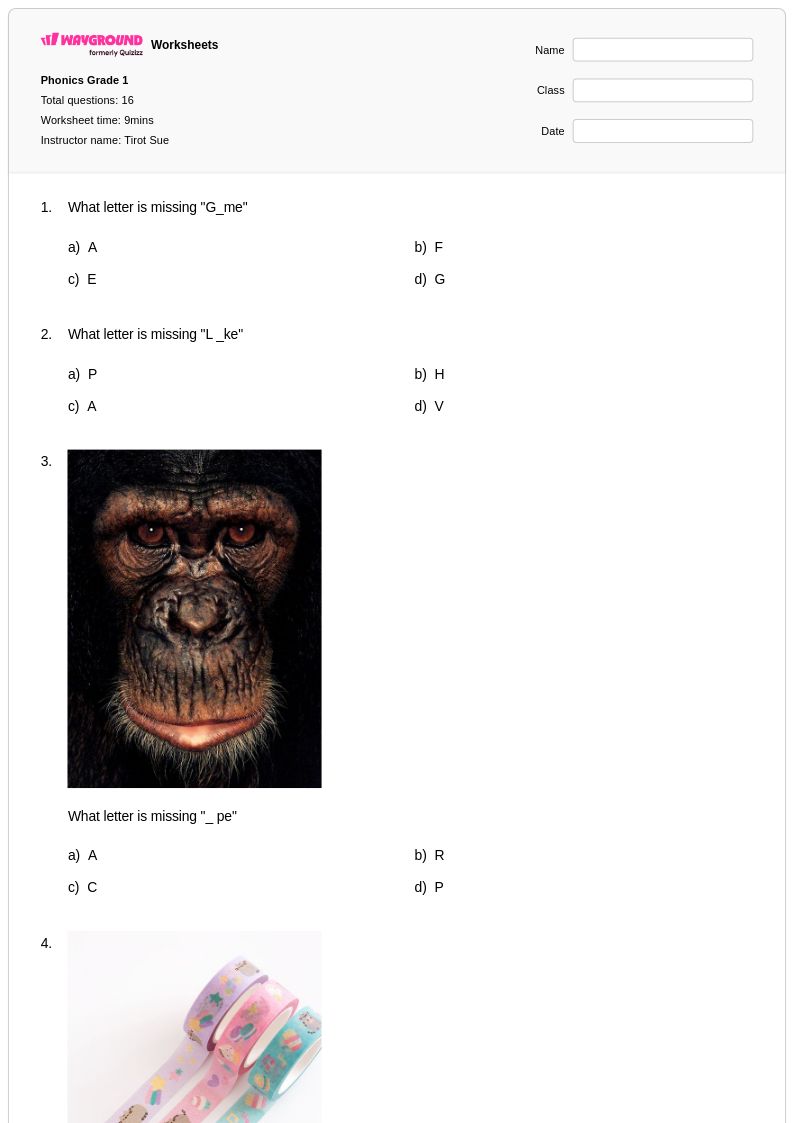
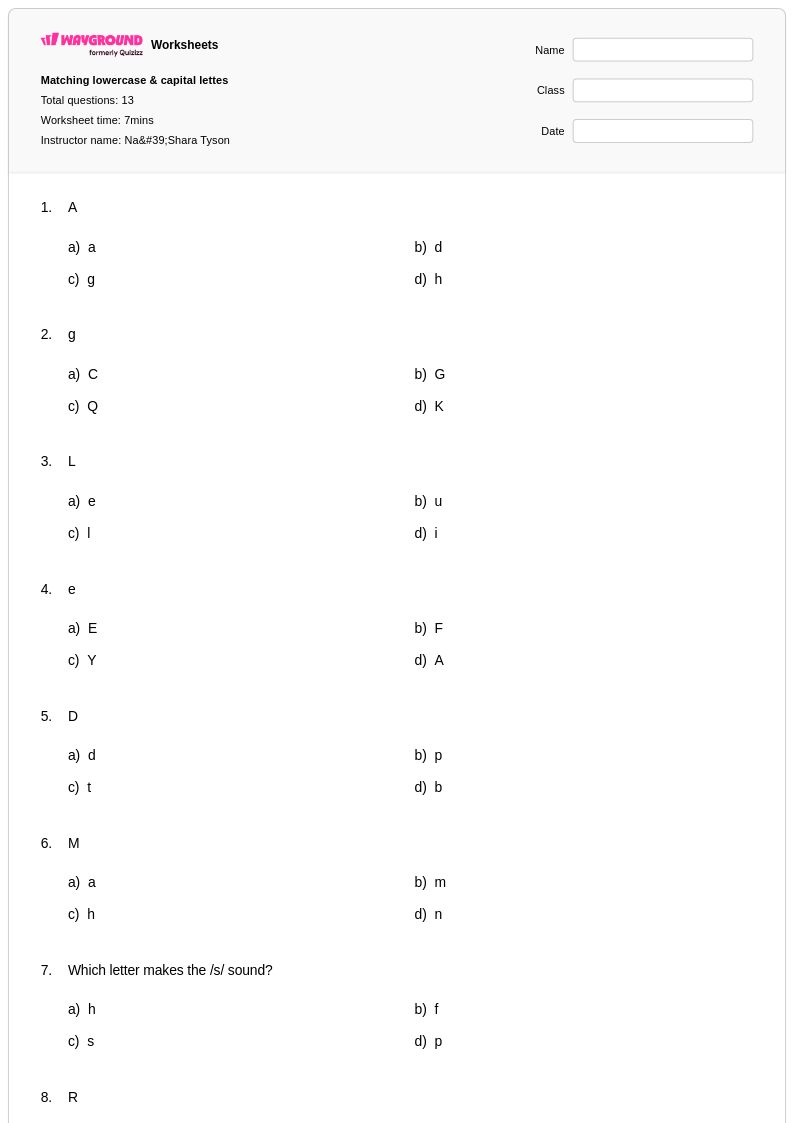
Grade 1 letter tracing worksheets from Wayground provide free printables and practice problems to help young students develop proper handwriting skills through guided letter formation exercises with answer keys included.
Explore printable Letter Tracing worksheets for Grade 1
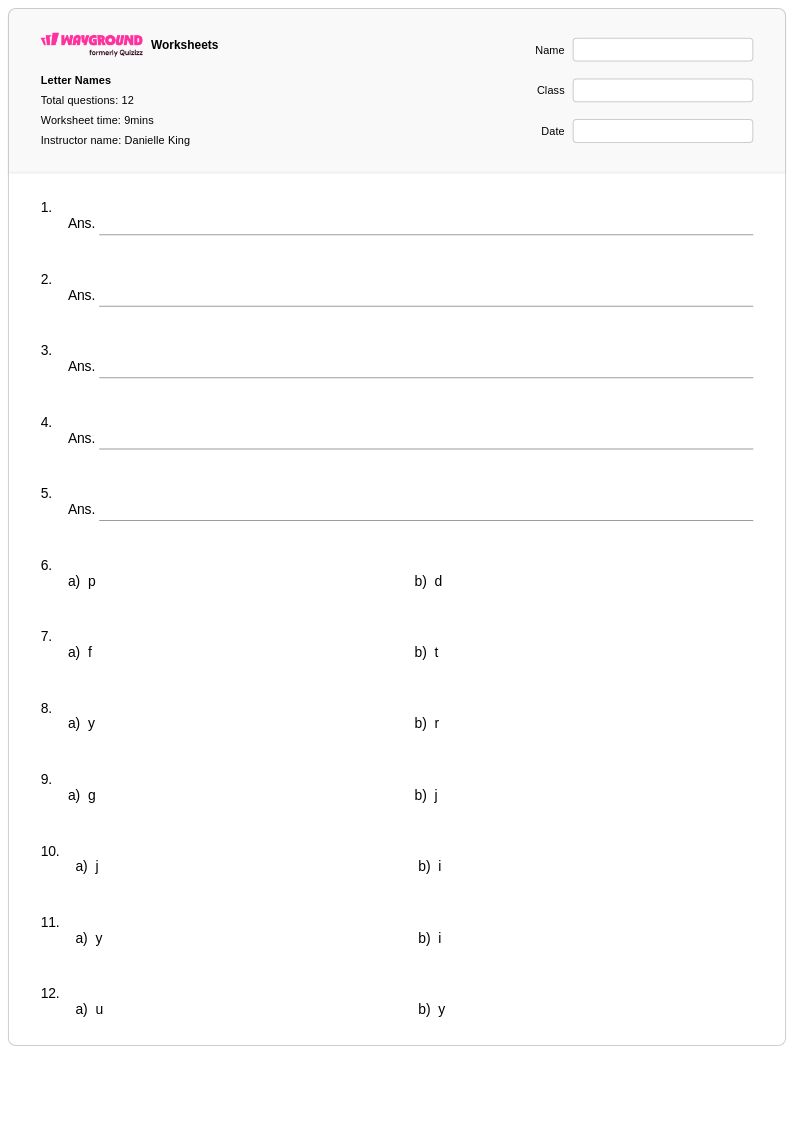
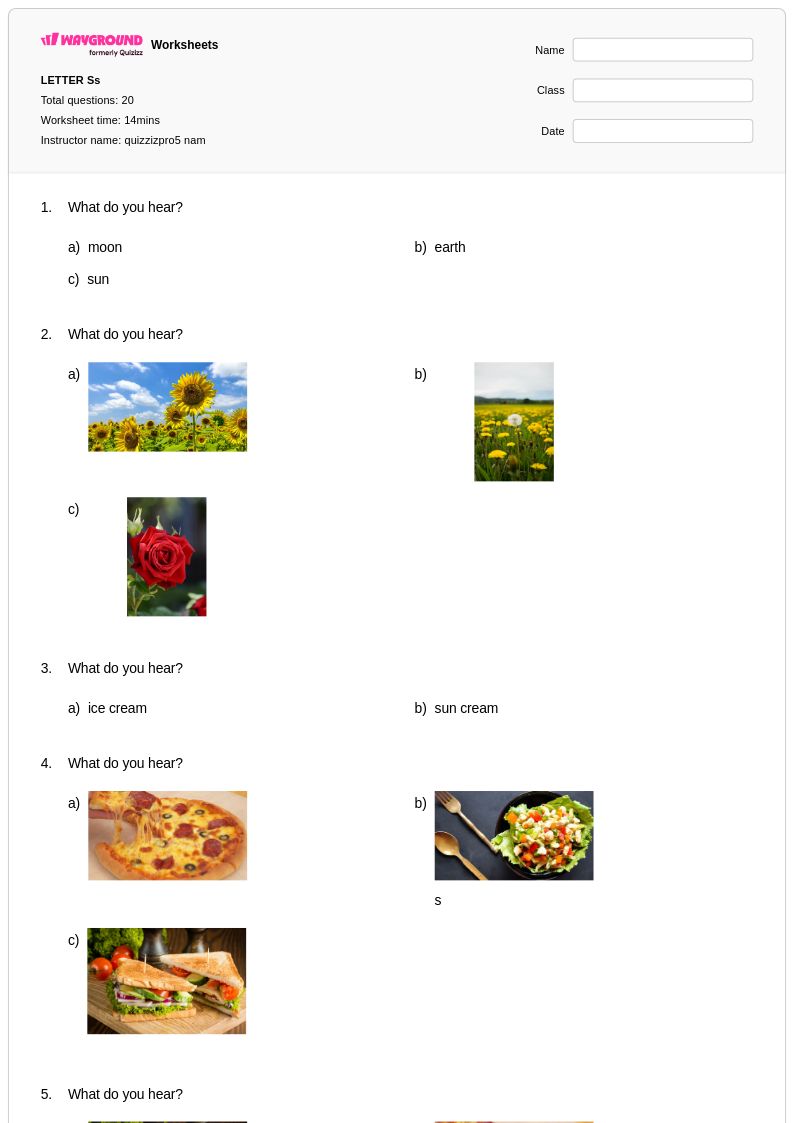
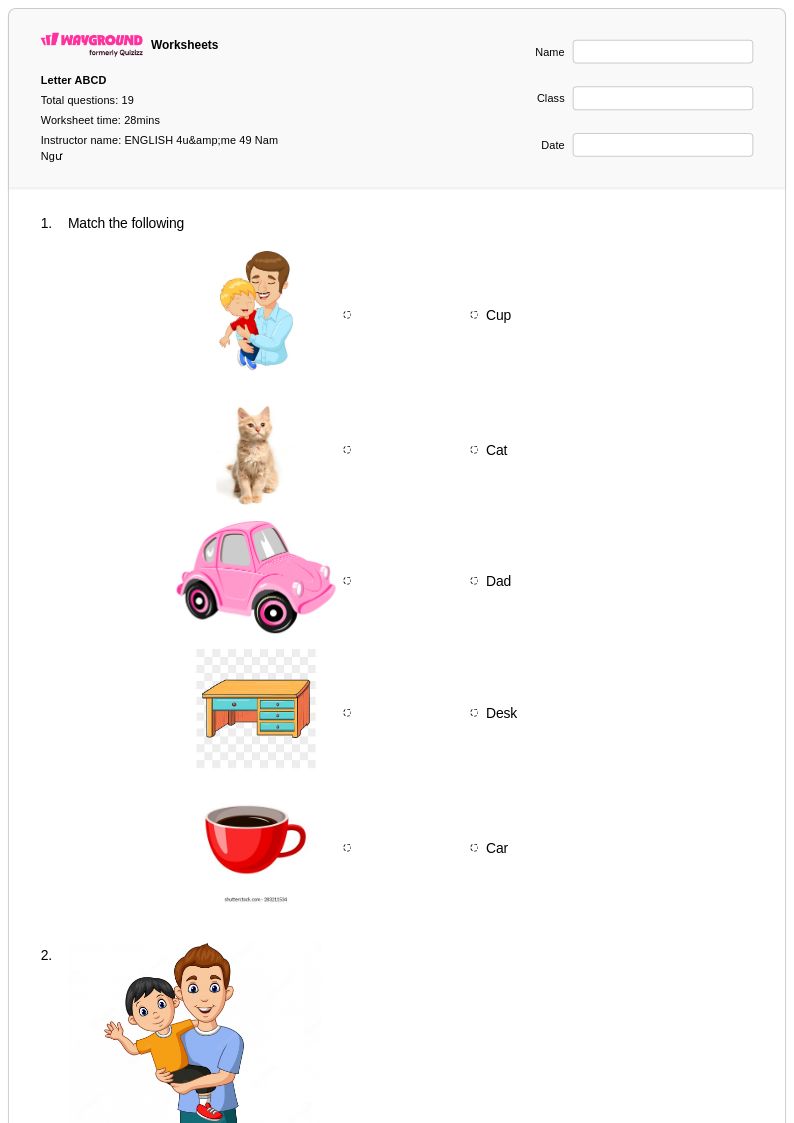
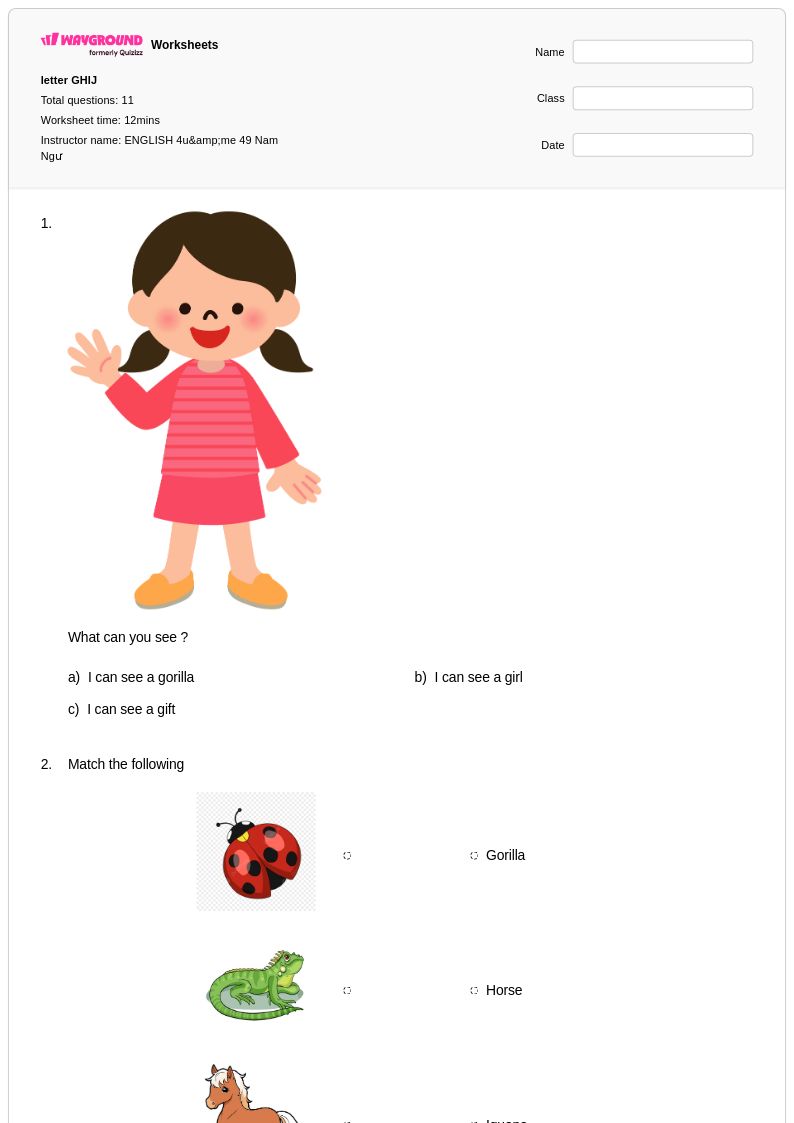
Letter tracing worksheets for Grade 1 students through Wayground provide essential foundational practice for developing proper handwriting skills and letter formation techniques. These comprehensive printables focus on building muscle memory and fine motor control as young learners trace both uppercase and lowercase letters of the alphabet. Each worksheet features carefully designed letter guides with directional arrows and starting points that teach students the correct stroke order and movement patterns necessary for legible handwriting. The collection includes answer keys and practice problems that progress from simple letter recognition to more complex tracing exercises, helping first-grade students develop the hand-eye coordination and pencil control skills that serve as building blocks for all future writing activities.
Wayground's extensive library of teacher-created letter tracing resources offers millions of customizable worksheets that support diverse classroom needs and learning styles in Grade 1. The platform's robust search and filtering capabilities allow educators to quickly locate materials aligned with specific handwriting standards and differentiate instruction based on individual student abilities. Teachers can easily modify these pdf worksheets to create targeted remediation exercises for struggling writers or enrichment activities for advanced learners, with both printable and digital formats available for flexible classroom implementation. These comprehensive tools streamline lesson planning by providing ready-to-use practice materials that systematically build handwriting proficiency, enabling teachers to focus on individualized instruction while ensuring all students receive consistent, structured letter formation practice.
FAQs
How do I teach proper letter formation to early writers?
Effective letter formation instruction begins with explicit modeling of each stroke sequence, including starting point, direction, and lift placement. Teachers should introduce letters in formation families (e.g., letters that begin with a downward stroke like l, i, t) rather than alphabetical order, which helps students transfer muscle memory across similar letter shapes. Consistent verbal cues paired with visual directional arrows reinforce correct habits before students practice independently.
What exercises help students practice letter tracing effectively?
Structured tracing exercises that use dotted letter guides with directional arrows are among the most effective tools for building letter formation habits, because they give students a physical path to follow while developing muscle memory. Graduated difficulty works well in practice: students benefit from tracing a fully dotted letter, then a partially dotted version, and finally writing independently on a blank line. Repeated daily practice in short sessions is more effective than infrequent long ones for building handwriting automaticity.
What are the most common letter formation mistakes young students make?
The most frequent errors include starting letters at the wrong entry point (for example, drawing a circle clockwise instead of counterclockwise for letters like 'a', 'o', and 'd'), reversing letters such as 'b' and 'd', and inconsistent sizing between uppercase and lowercase forms. Students also commonly lift their pencil mid-stroke when it is unnecessary, which disrupts fluency. Catching and correcting these errors early prevents them from becoming entrenched habits that are harder to reverse in later grades.
How can I differentiate letter tracing practice for students at different skill levels?
Students who are just beginning benefit from large-format traceable letters with full dotted guides and directional arrows, while more advanced students can move to partially dotted or blank-line practice to build independence. For students with fine motor delays or accessibility needs, Wayground supports accommodations such as Read Aloud for verbal reinforcement of letter names and sounds, adjustable font sizes through Reading Mode, and extended time settings that can be applied per student without notifying the rest of the class.
How do I use letter tracing worksheets from Wayground in my classroom?
Wayground's letter tracing worksheets are available as printable PDFs for traditional pencil-and-paper practice and in digital formats for technology-integrated classrooms, giving teachers flexibility depending on their setup. Teachers can also host worksheets as a quiz directly on Wayground, which is useful for tracking student completion and engagement. The worksheets include answer keys that demonstrate correct letter formation and flag common error corrections, making them practical for both instruction and formative assessment.
At what age or grade level should students start letter tracing practice?
Letter tracing practice is most commonly introduced in Pre-K and Kindergarten, typically between ages 4 and 6, when students have developed enough fine motor control to hold a pencil with a functional grip. However, some students in first grade still benefit from structured tracing practice, particularly for lowercase letters or those with complex stroke sequences. The appropriate entry point depends on each student's current fine motor development and prior exposure to writing instruction rather than grade level alone.