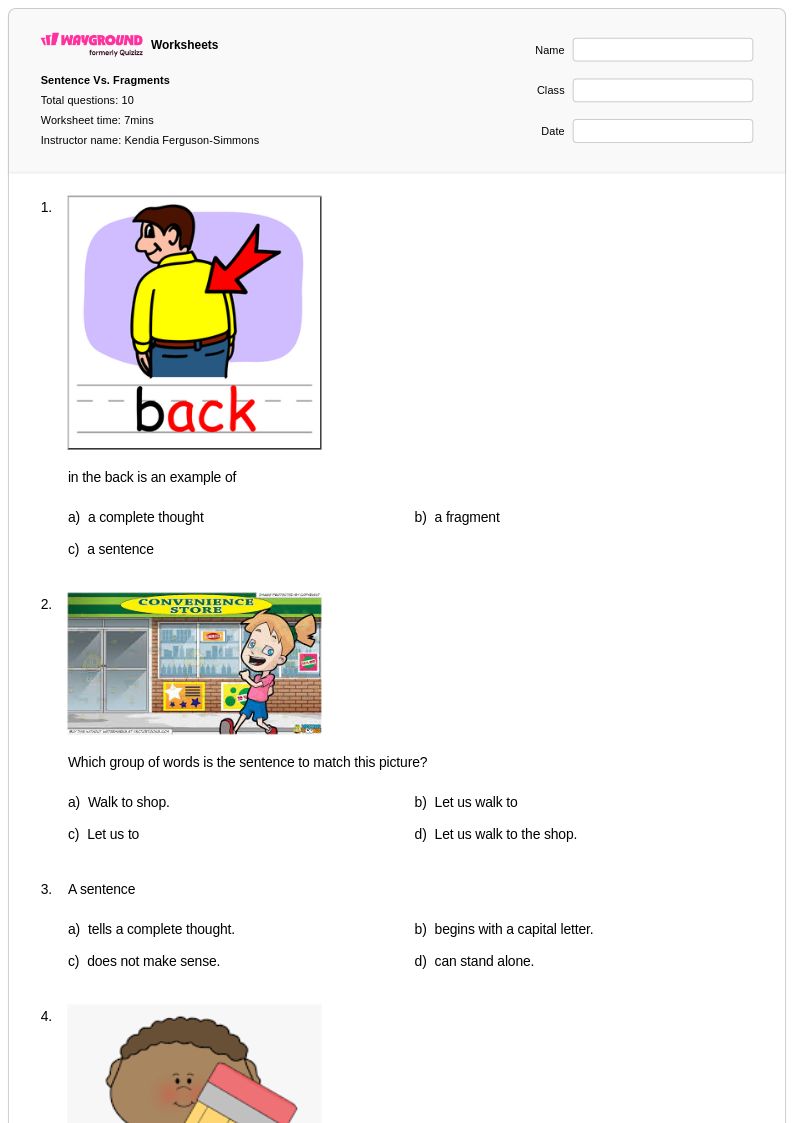
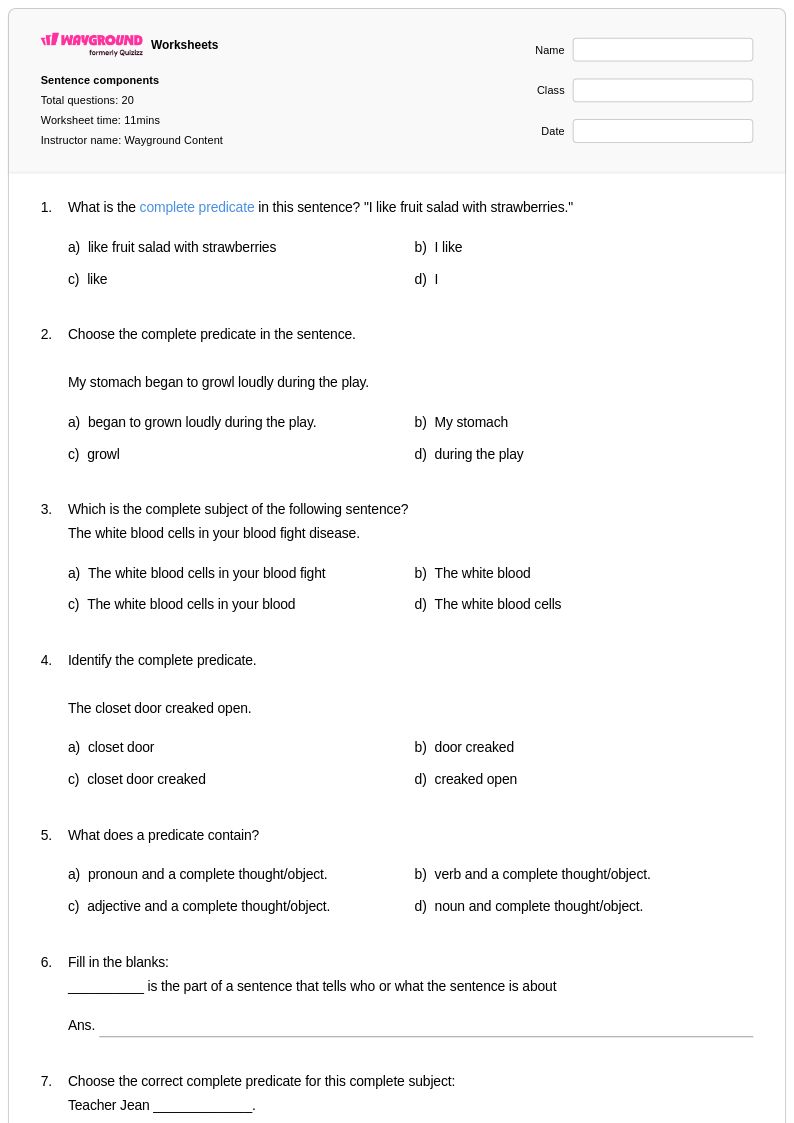
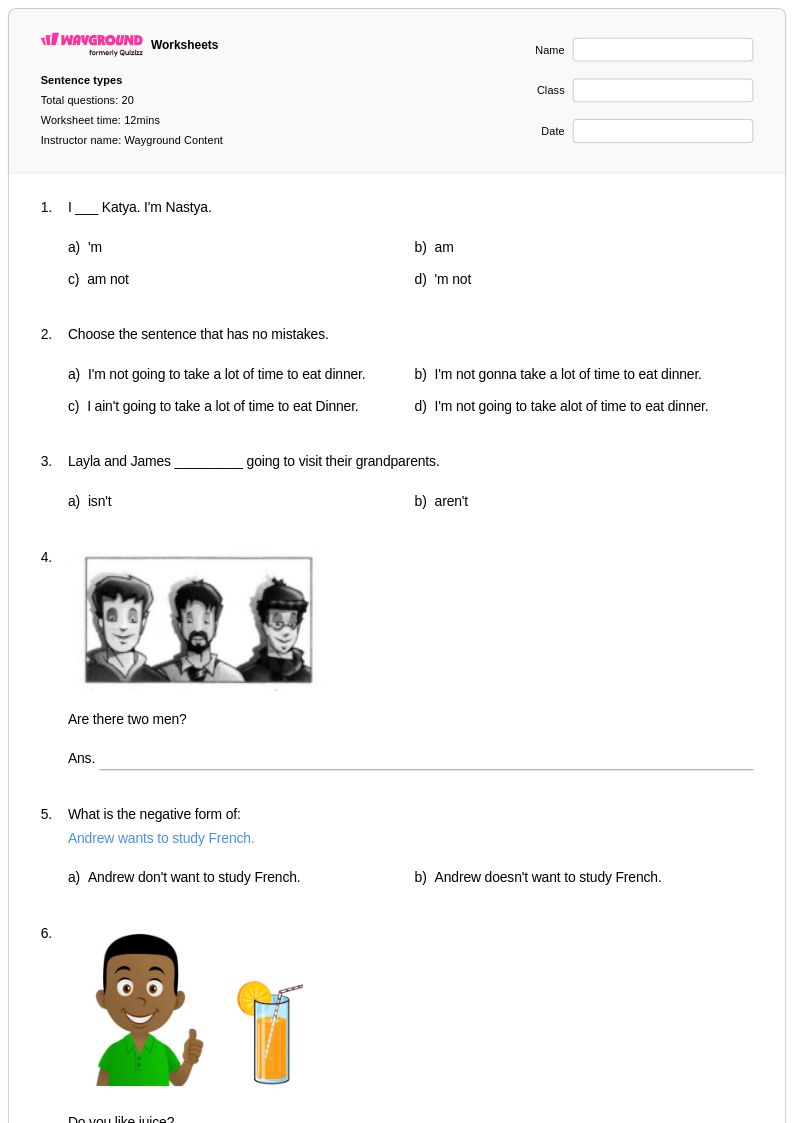
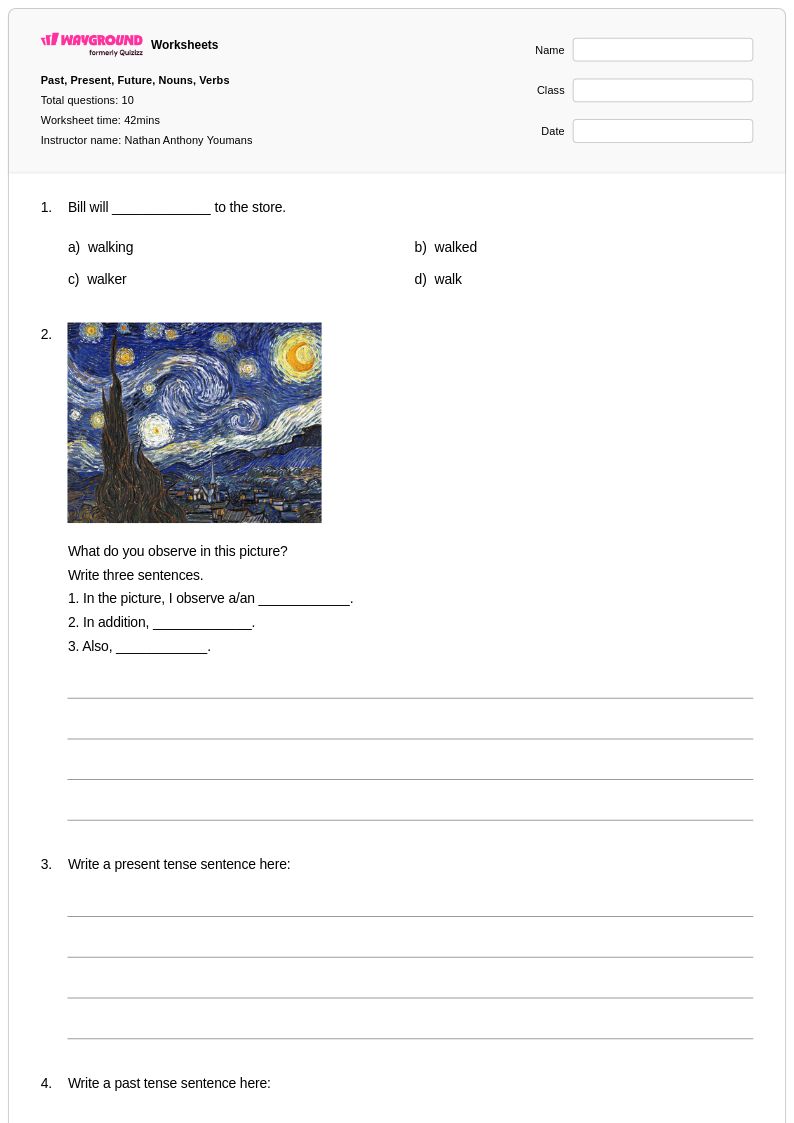
Free Printable Sentence Tracing Worksheets for Grade 1
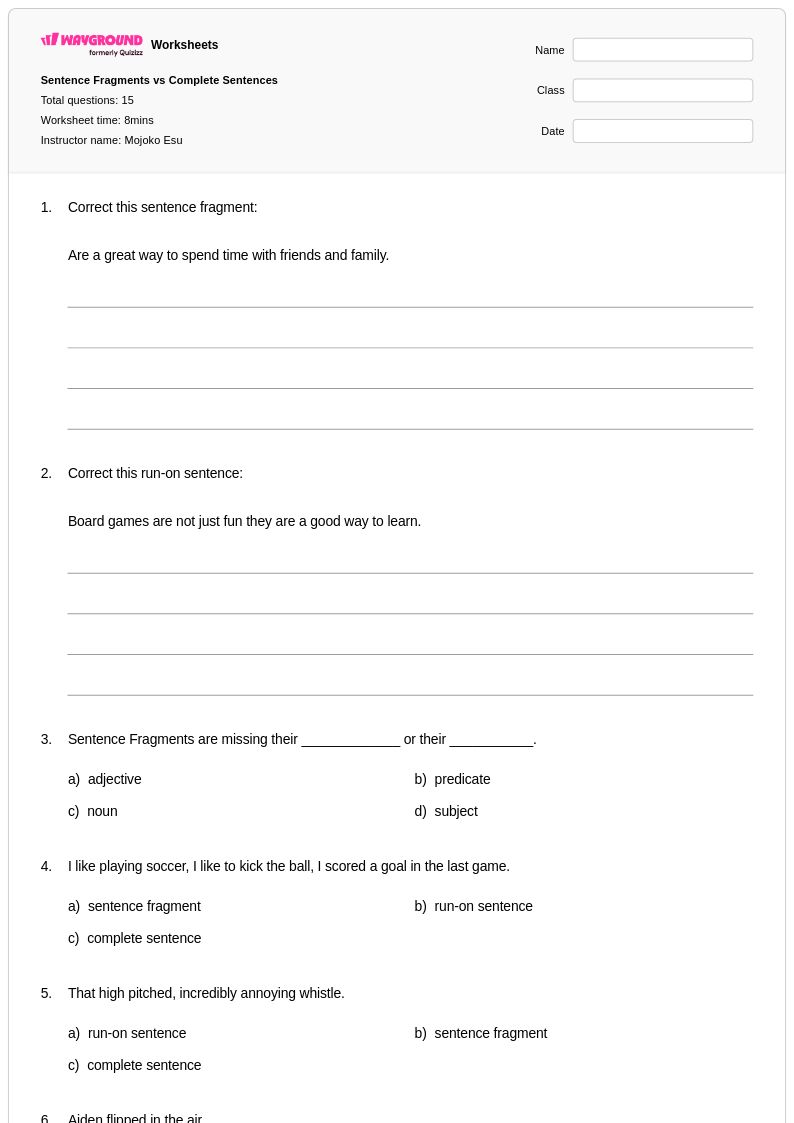
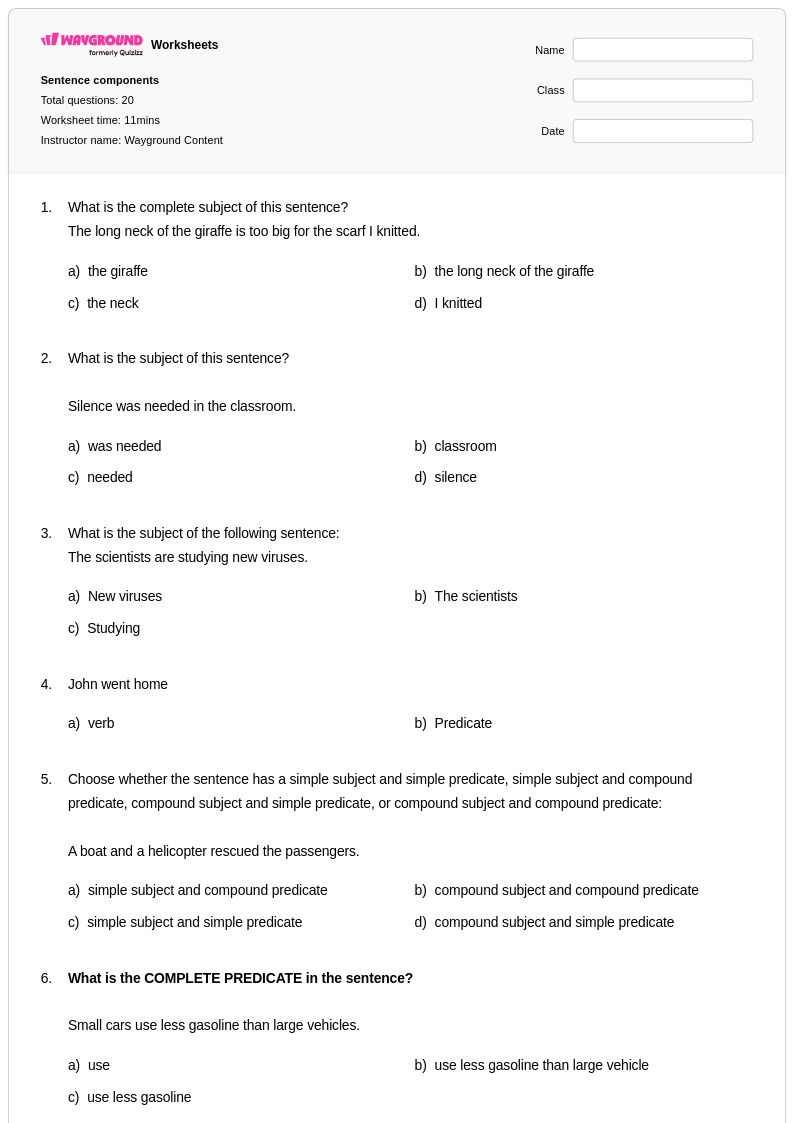
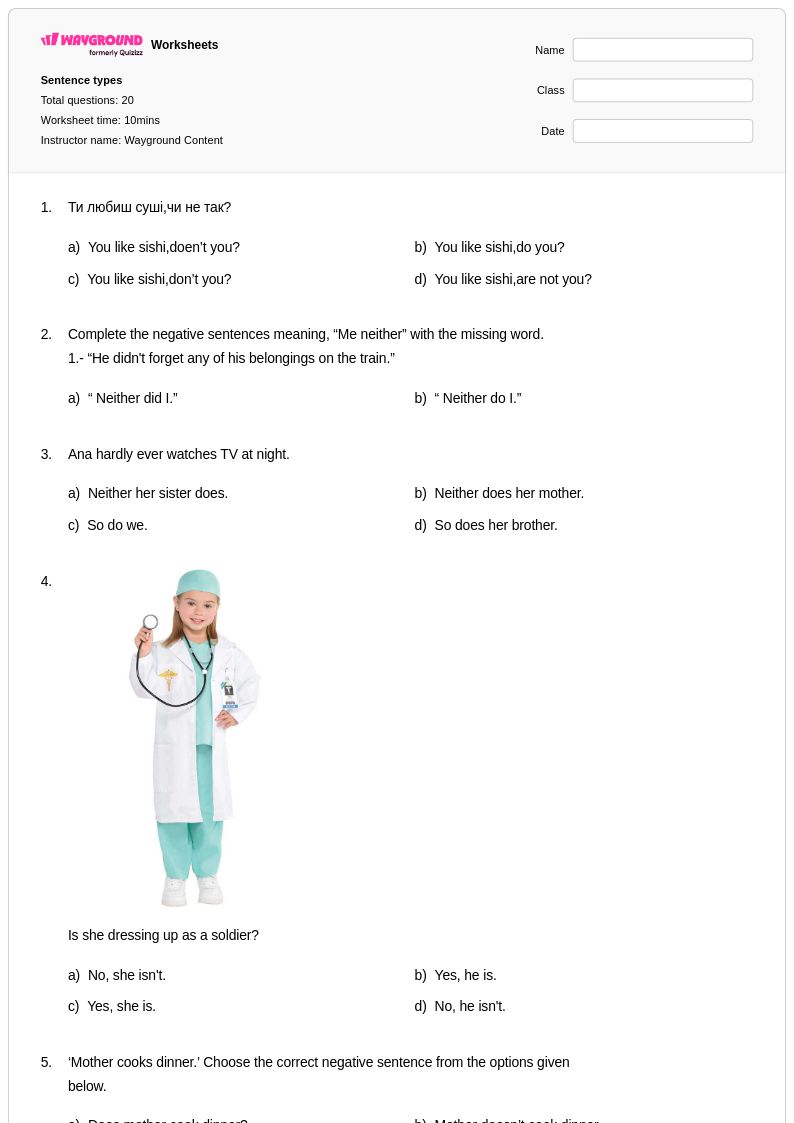
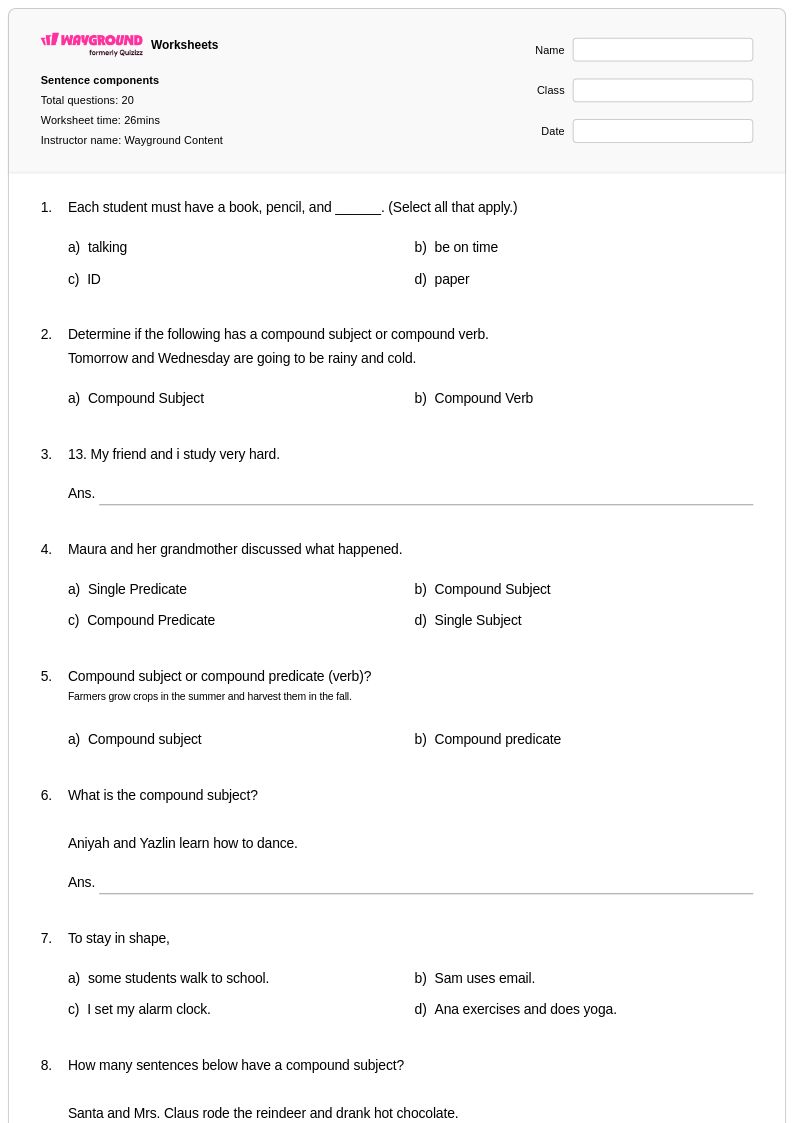
Grade 1 sentence tracing worksheets from Wayground help young learners develop proper handwriting skills through guided practice with free printable PDFs featuring engaging tracing activities and answer keys.
Explore printable Sentence Tracing worksheets for Grade 1
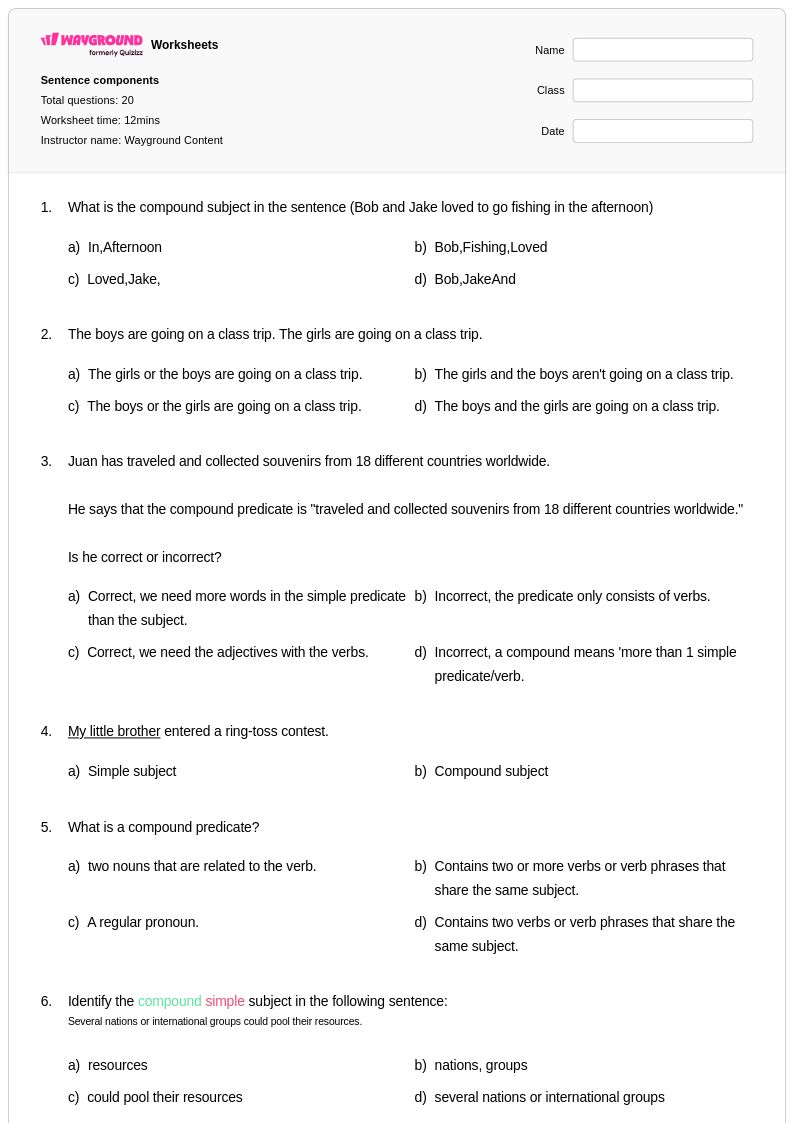
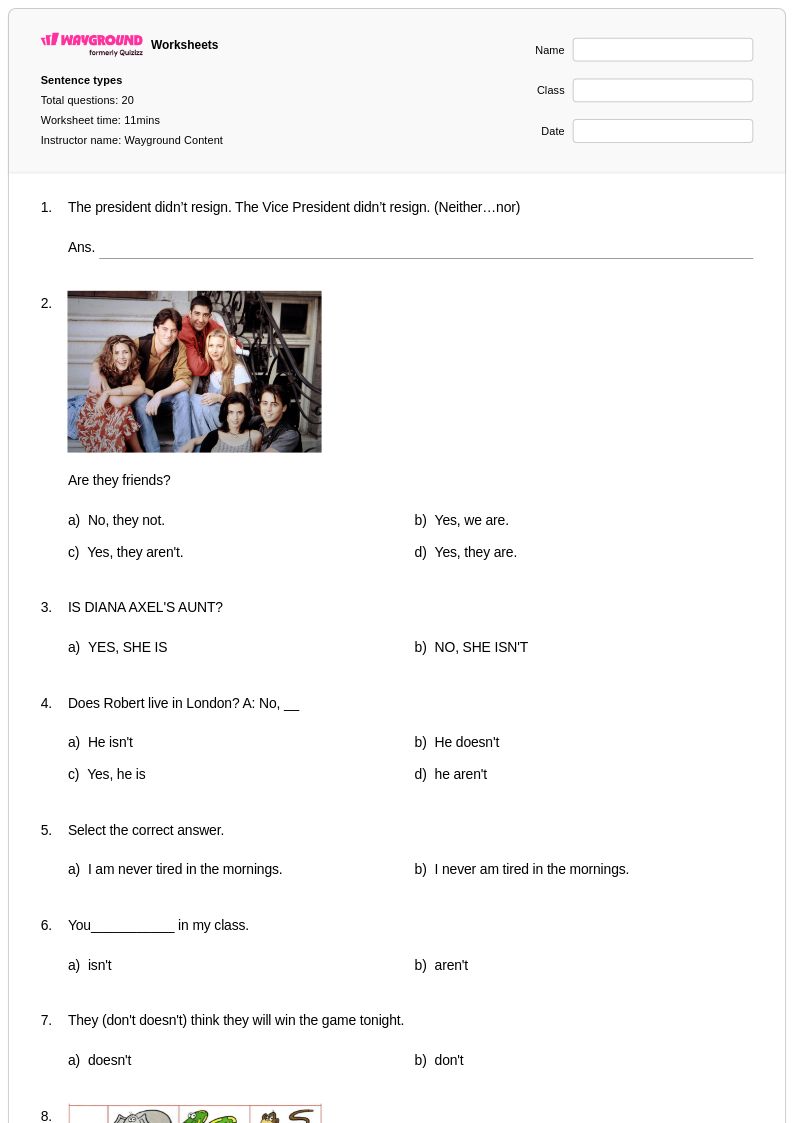
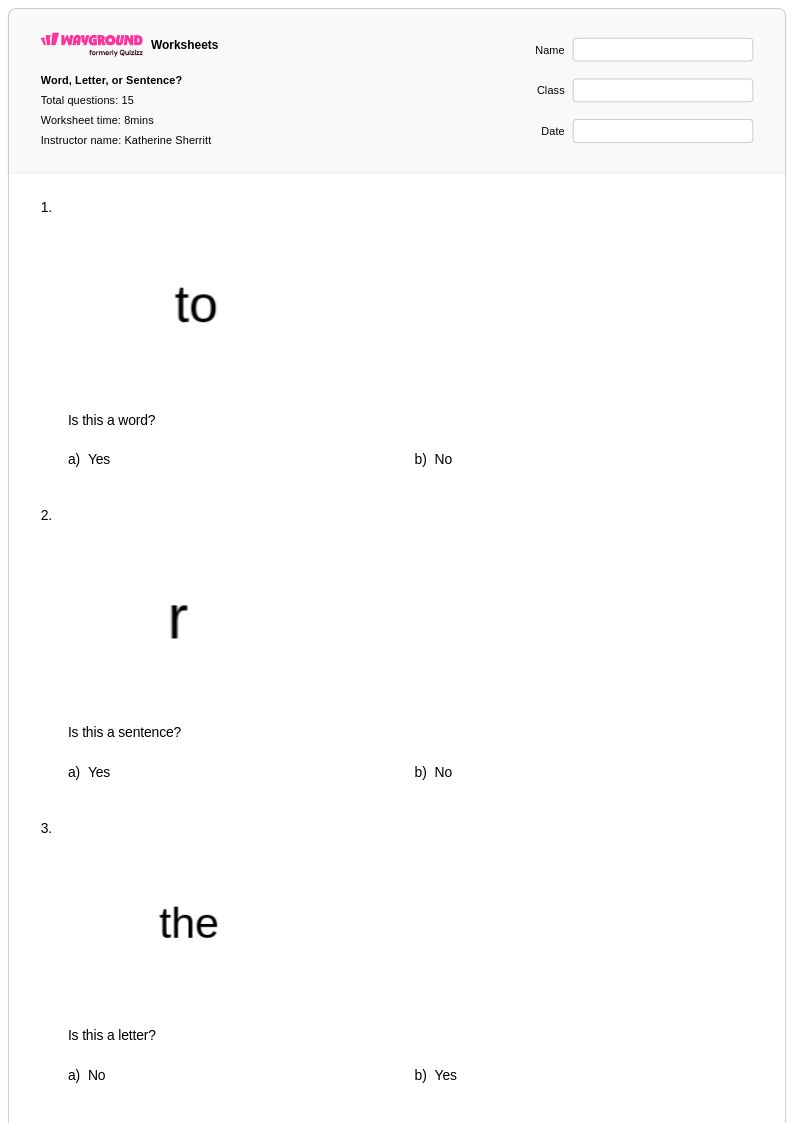
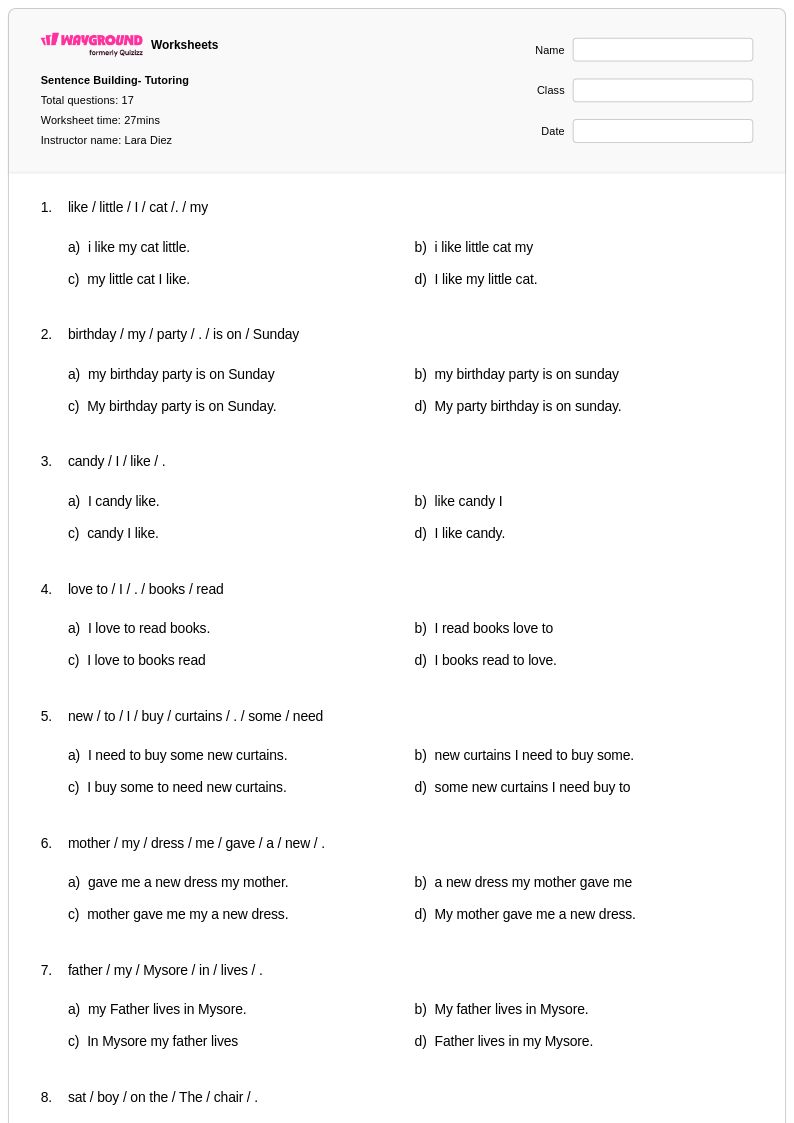
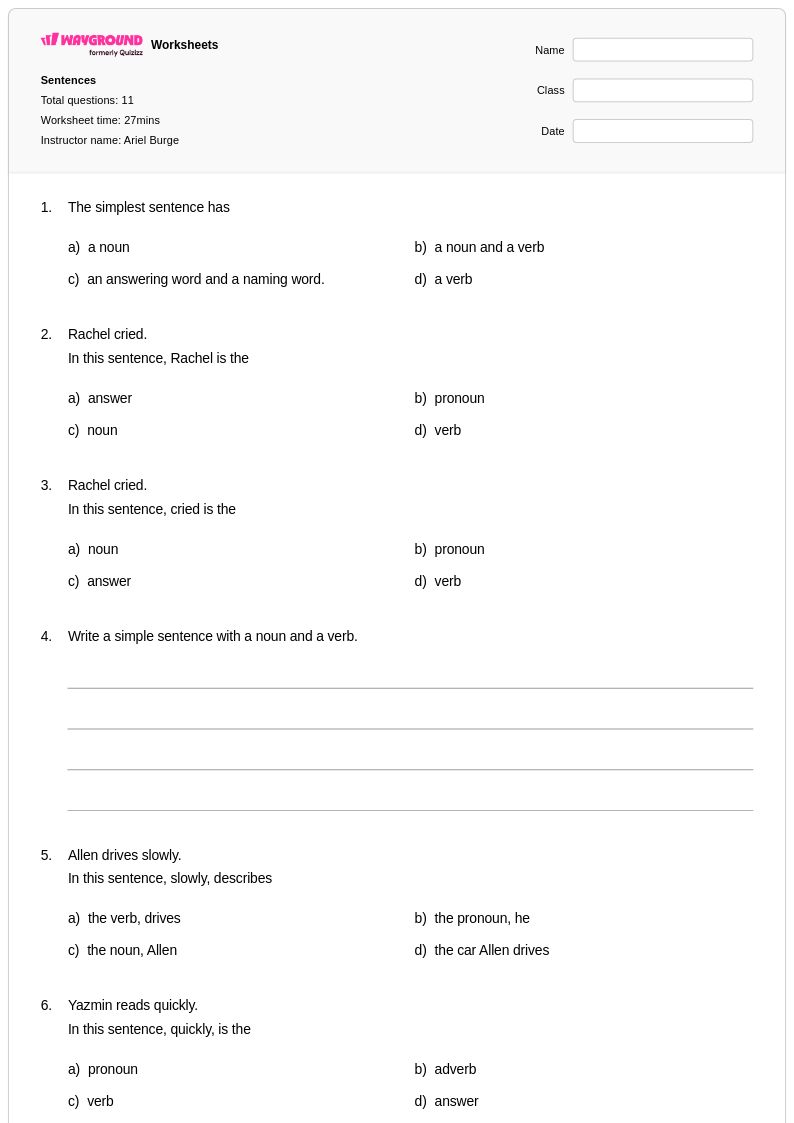
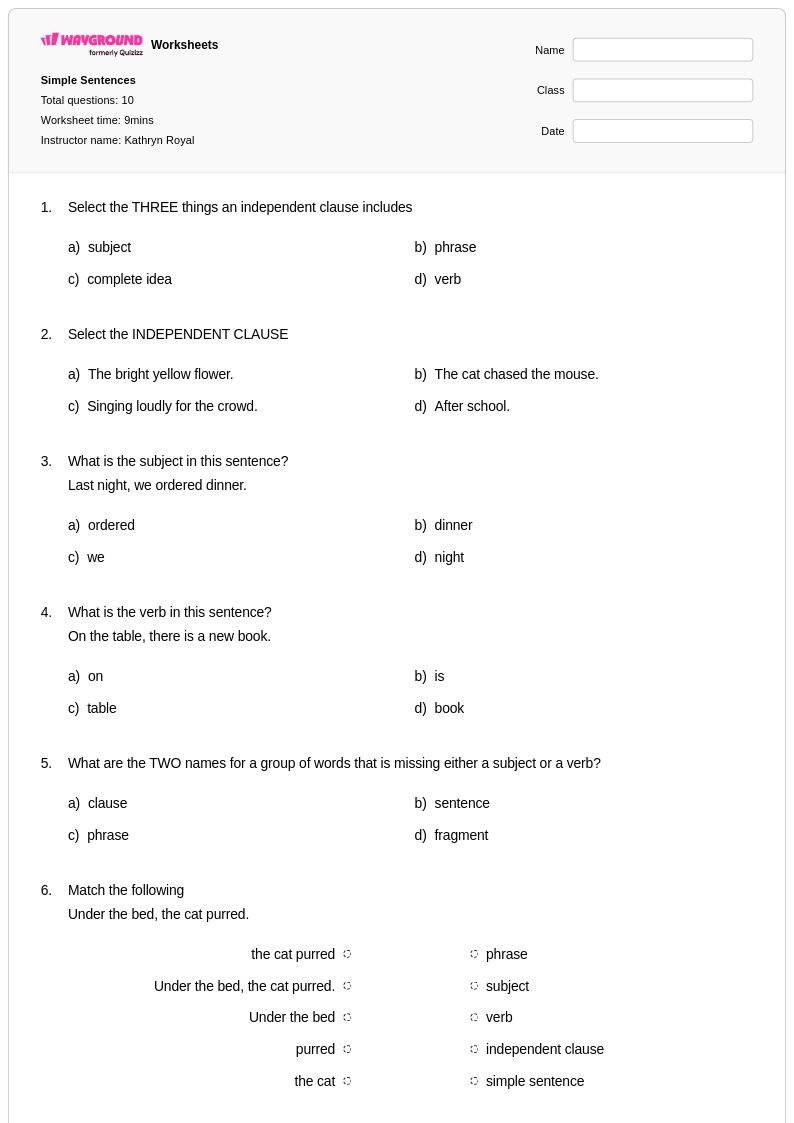
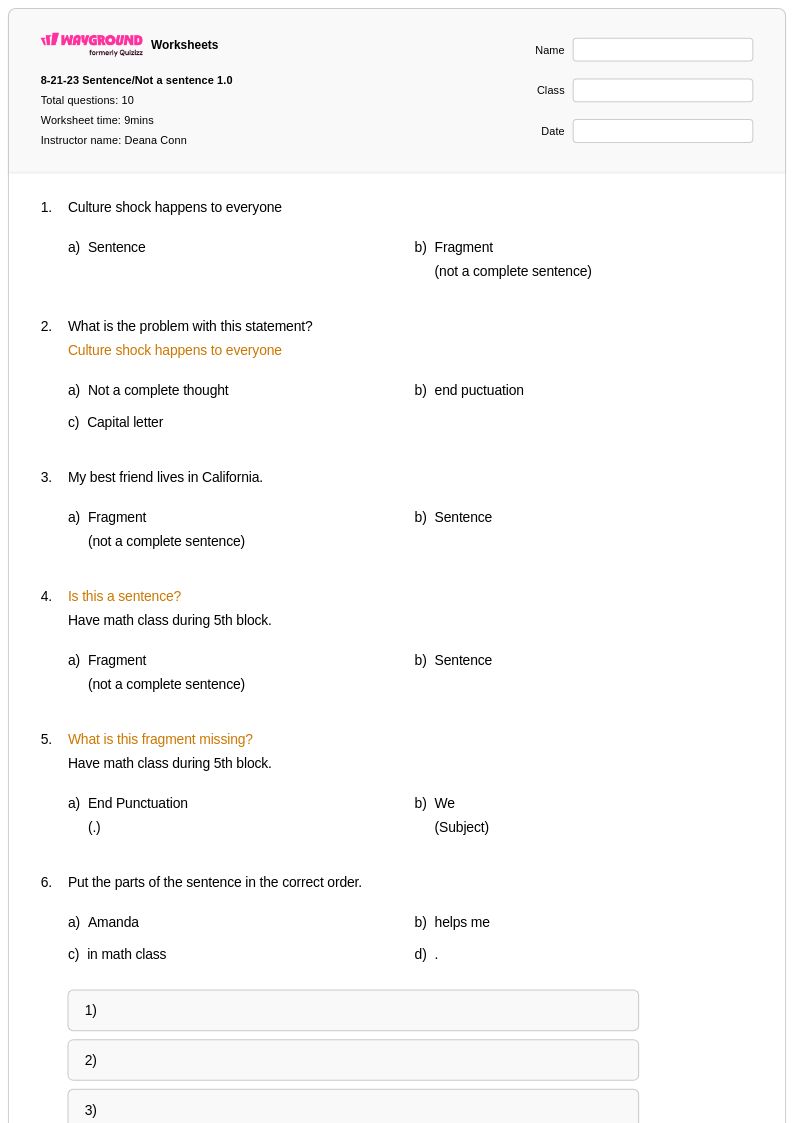
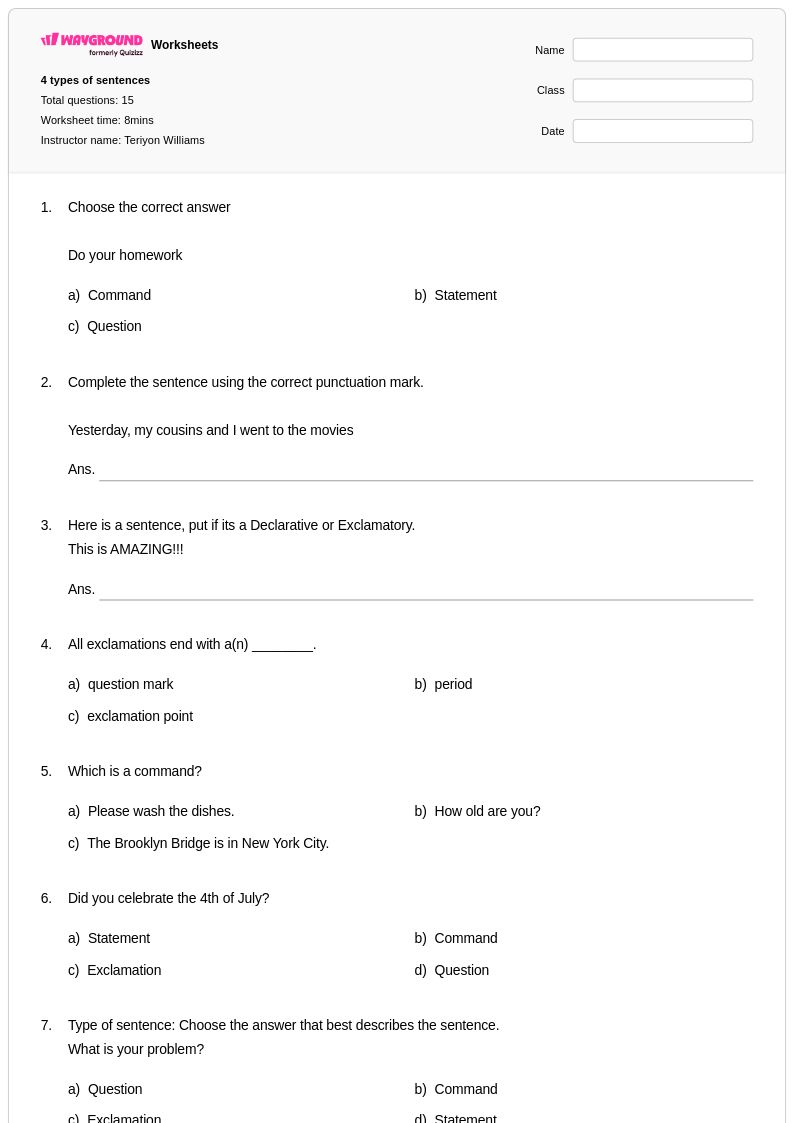
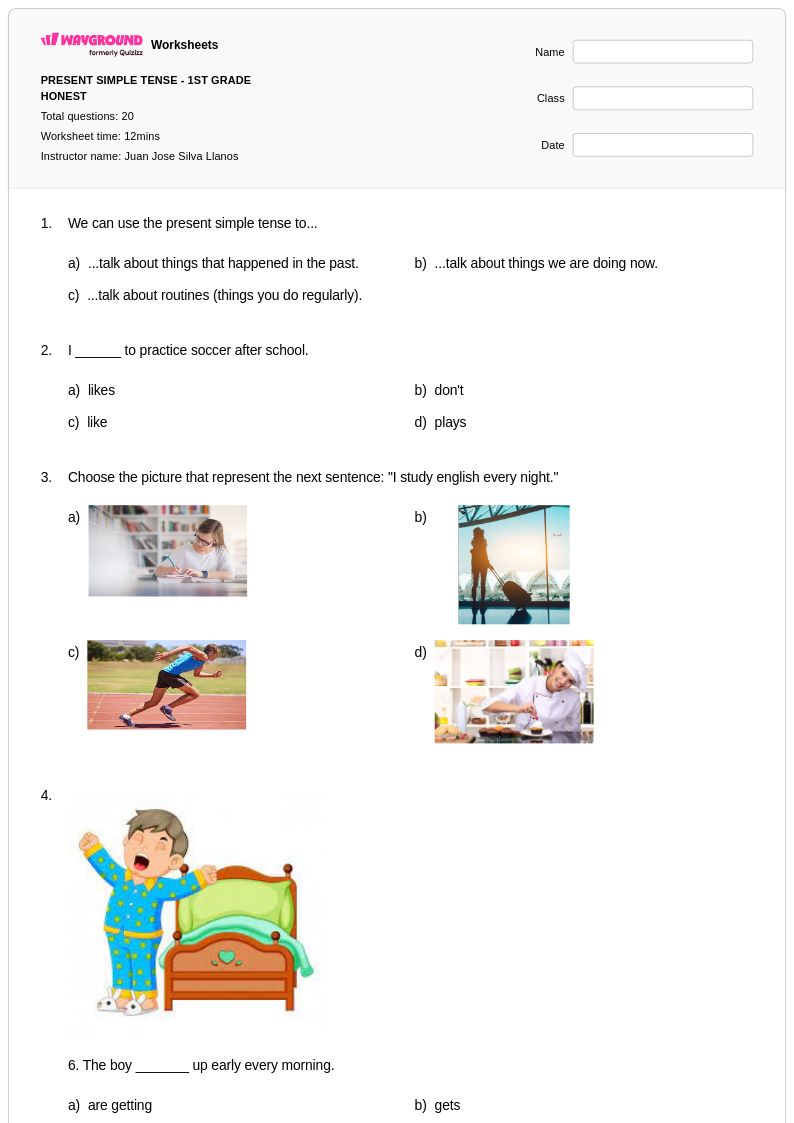
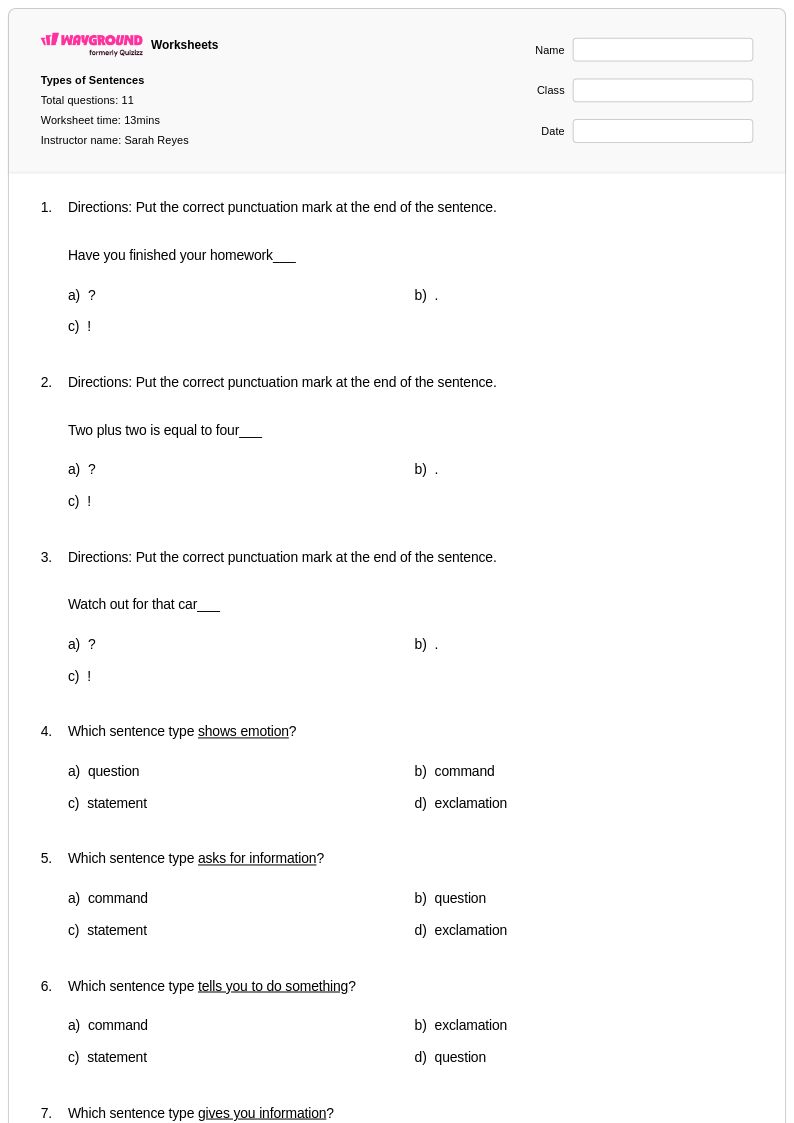
Sentence tracing worksheets for Grade 1 students available through Wayground (formerly Quizizz) provide essential foundational practice for developing proper letter formation, spacing, and early writing fluency. These carefully designed printables focus on helping young learners trace complete sentences while reinforcing sight word recognition, phonics patterns, and basic grammar concepts. Each worksheet systematically progresses from simple three-word sentences to more complex structures, allowing students to practice pencil control and letter consistency within meaningful contexts. The collection includes varied practice problems that combine handwriting development with reading comprehension, and teachers can access answer keys and pdf versions to support both classroom instruction and independent practice sessions.
Wayground (formerly Quizizz) empowers educators with millions of teacher-created sentence tracing resources that can be easily searched, filtered, and customized to meet individual student needs. The platform's comprehensive collection aligns with early literacy standards and provides differentiation tools that allow teachers to modify worksheets based on student ability levels, from basic letter tracing to advanced sentence construction activities. Teachers can seamlessly integrate these materials into their lesson planning for initial instruction, targeted remediation, or enrichment opportunities, with resources available in both printable pdf format for traditional pencil-and-paper practice and digital formats for interactive learning experiences. This flexibility enables educators to provide consistent handwriting skill practice across various learning environments while tracking student progress through structured, developmentally appropriate sentence tracing exercises.
FAQs
How do I teach sentence tracing to early writers?
Sentence tracing instruction works best when introduced alongside explicit modeling of pencil grip, letter size, and baseline alignment. Start with short, familiar sentences using dotted or dashed letter guides so students can focus on the physical mechanics of writing before worrying about composition. Gradually increase sentence length and complexity as students build confidence and fine motor control.
What exercises help students practice sentence tracing effectively?
The most effective sentence tracing practice uses dotted or dashed sentence templates that guide letter formation while reinforcing word spacing and baseline alignment. Repeated tracing of varied sentence structures builds the muscle memory students need for independent writing, and pairing tracing with copy work — where students then write the sentence independently — accelerates skill transfer.
What common mistakes do students make during sentence tracing?
The most frequent errors in sentence tracing include inconsistent letter size, poor spacing between words, and failure to maintain baseline alignment. Students also commonly rush through tracing without following the stroke direction of each letter, which can reinforce incorrect habits rather than correct ones. Watching for pencil pressure and grip during tracing practice helps catch these issues early before they become habitual.
How can I differentiate sentence tracing worksheets for students at different skill levels?
For students who need additional support, use worksheets with larger dotted guides, fewer words per sentence, and simpler vocabulary. More advanced students can work with closer-spaced guides or shorter trace segments that require more independent control. On Wayground, teachers can apply accommodations such as read aloud and adjustable font sizes to ensure students with accessibility needs can engage with digital versions of these worksheets.
How do I use Wayground's sentence tracing worksheets in my classroom?
Wayground's sentence tracing worksheets are available as printable PDFs for traditional pencil-and-paper practice and in digital formats for tablet-based learning environments, making them flexible for both classroom and remote settings. Teachers can also host them as a quiz directly on Wayground. The collection includes varied sentence structures and vocabulary levels, so teachers can select materials suited for initial skill introduction, targeted remediation, or enrichment activities.
Why is sentence tracing important for early writing development?
Sentence tracing builds the neurological pathways that connect visual letter recognition with the physical movements required for writing, which is the foundation of handwriting fluency. By tracing complete sentences rather than isolated letters, students simultaneously practice letter formation, word spacing, and the concept of a sentence as a complete unit. This integrated approach accelerates the development of fine motor control and writing independence.