Free Printable Making Text Connections Worksheets for Grade 1
Grade 1 making text connections printables help young readers practice linking stories to their own experiences, other books, and the world around them through engaging free worksheets with answer keys.
Explore printable Making Text Connections worksheets for Grade 1
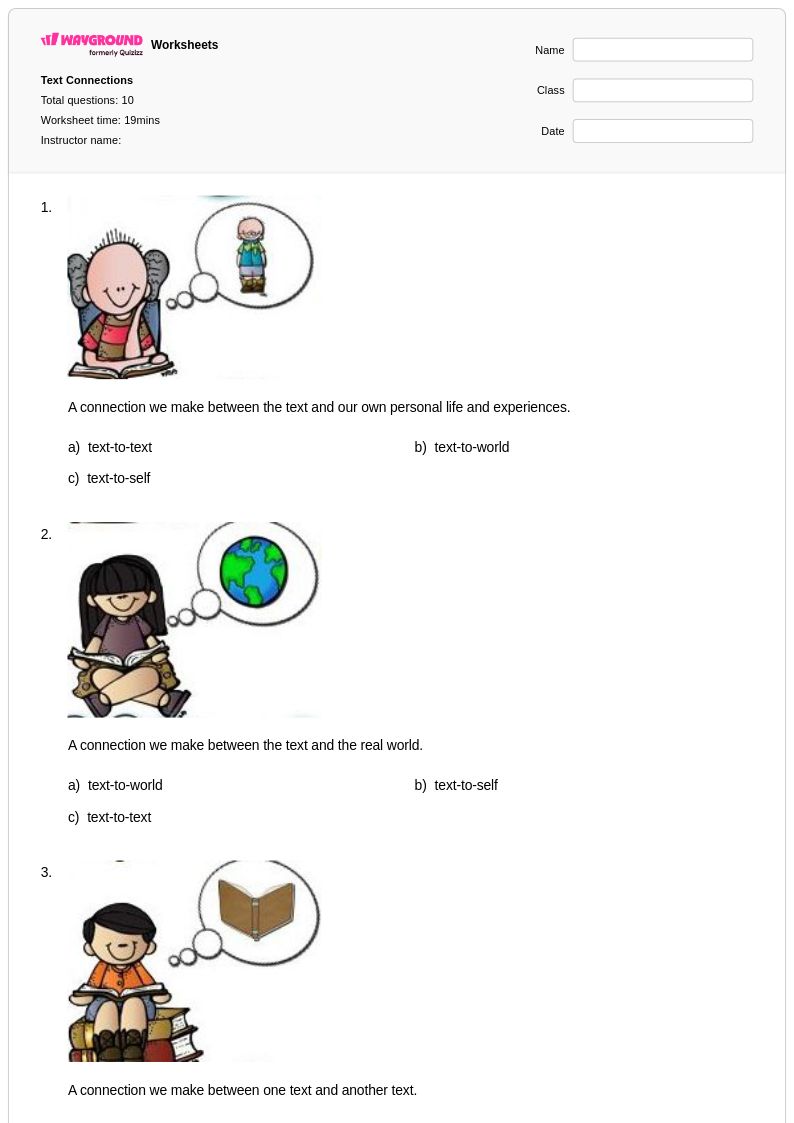
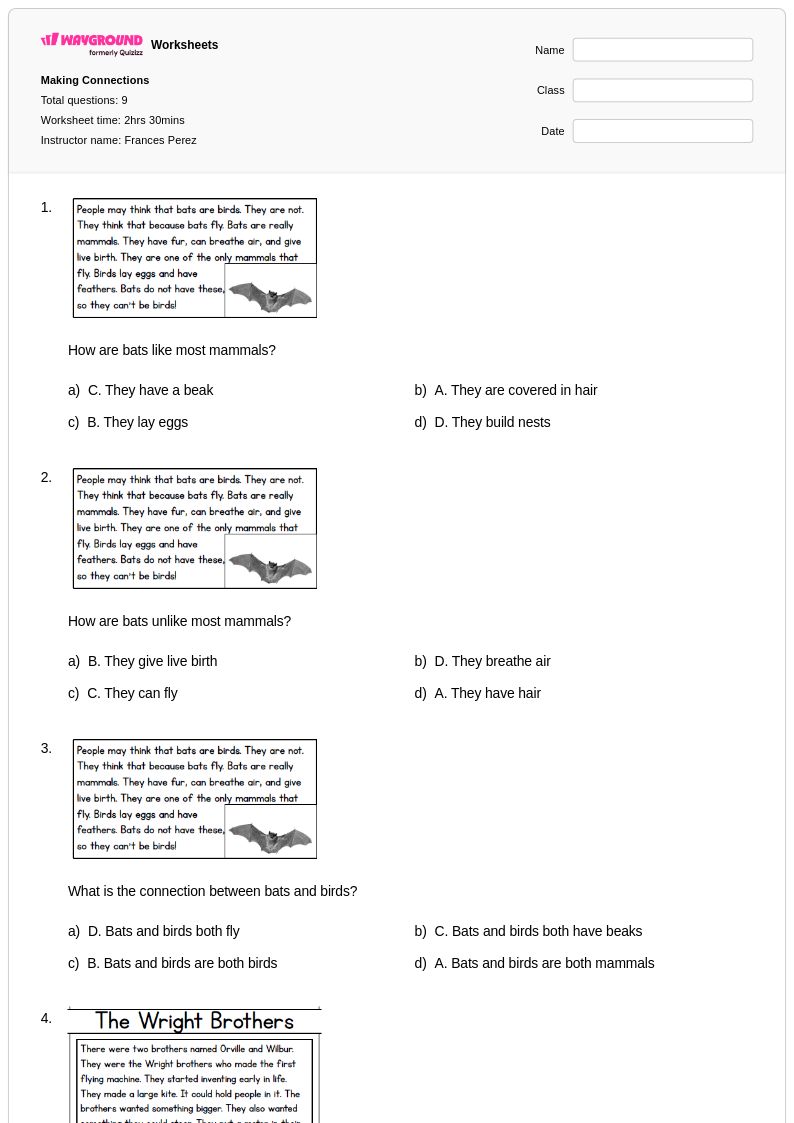
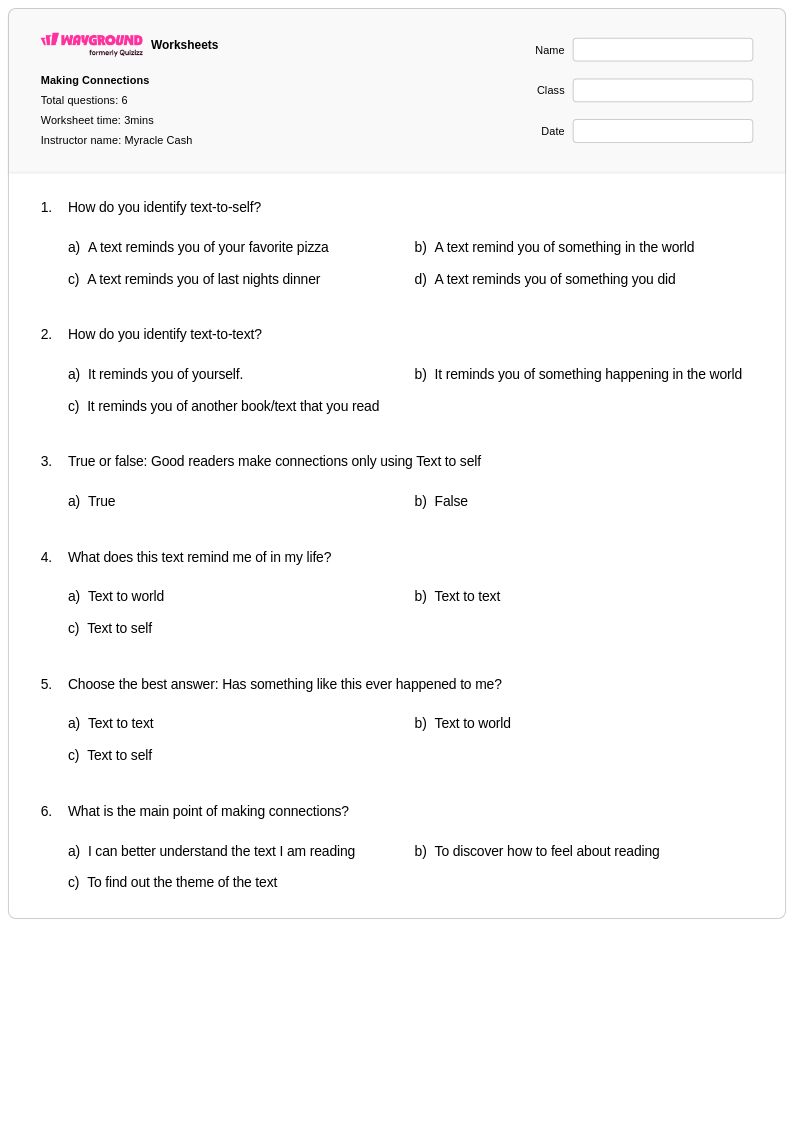
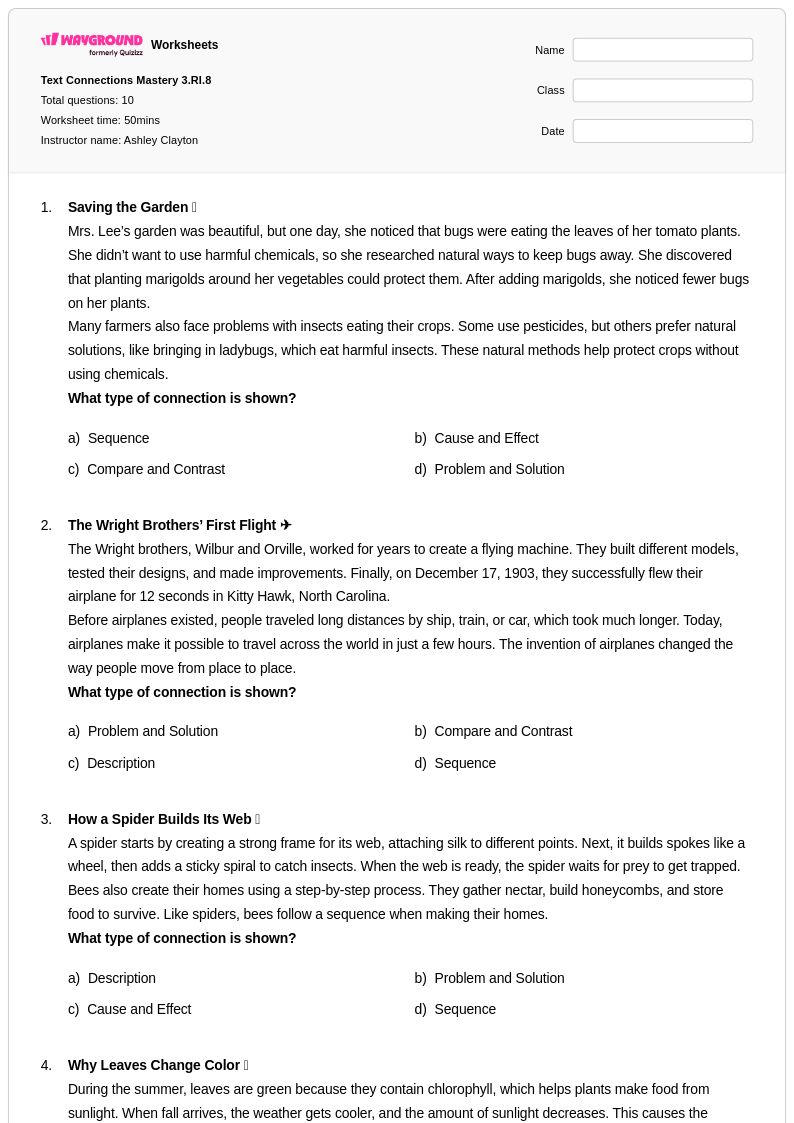
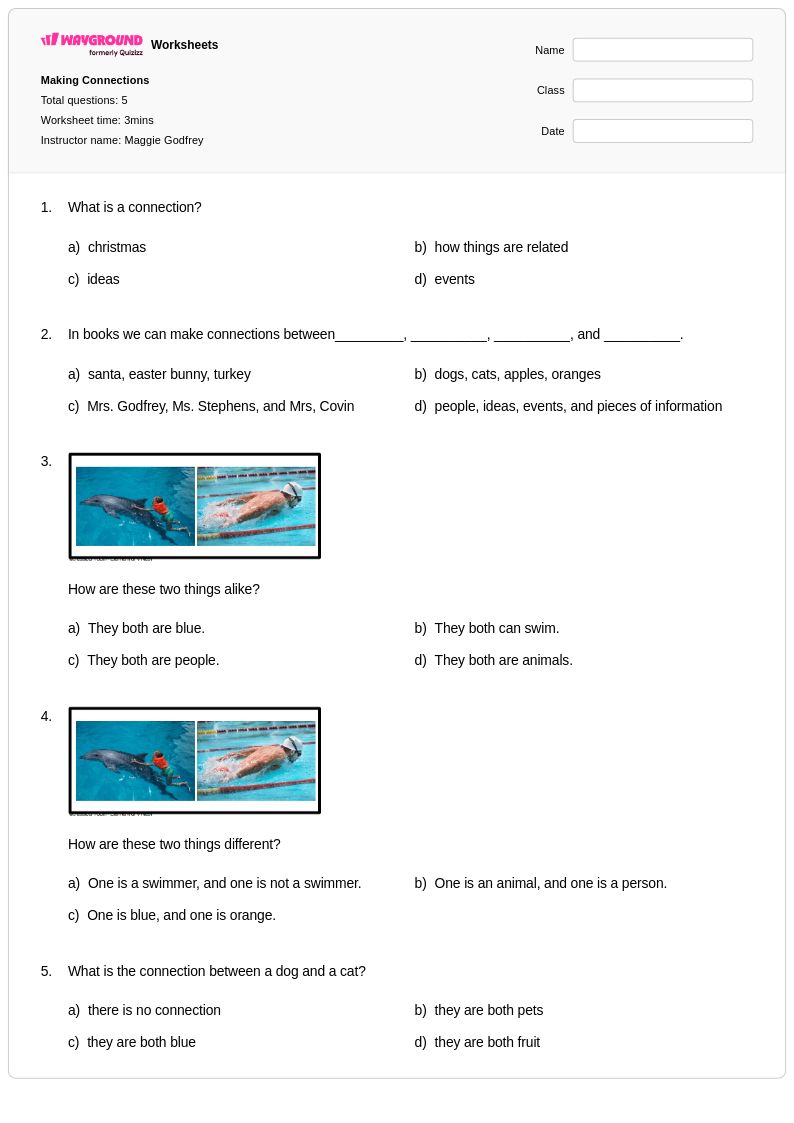
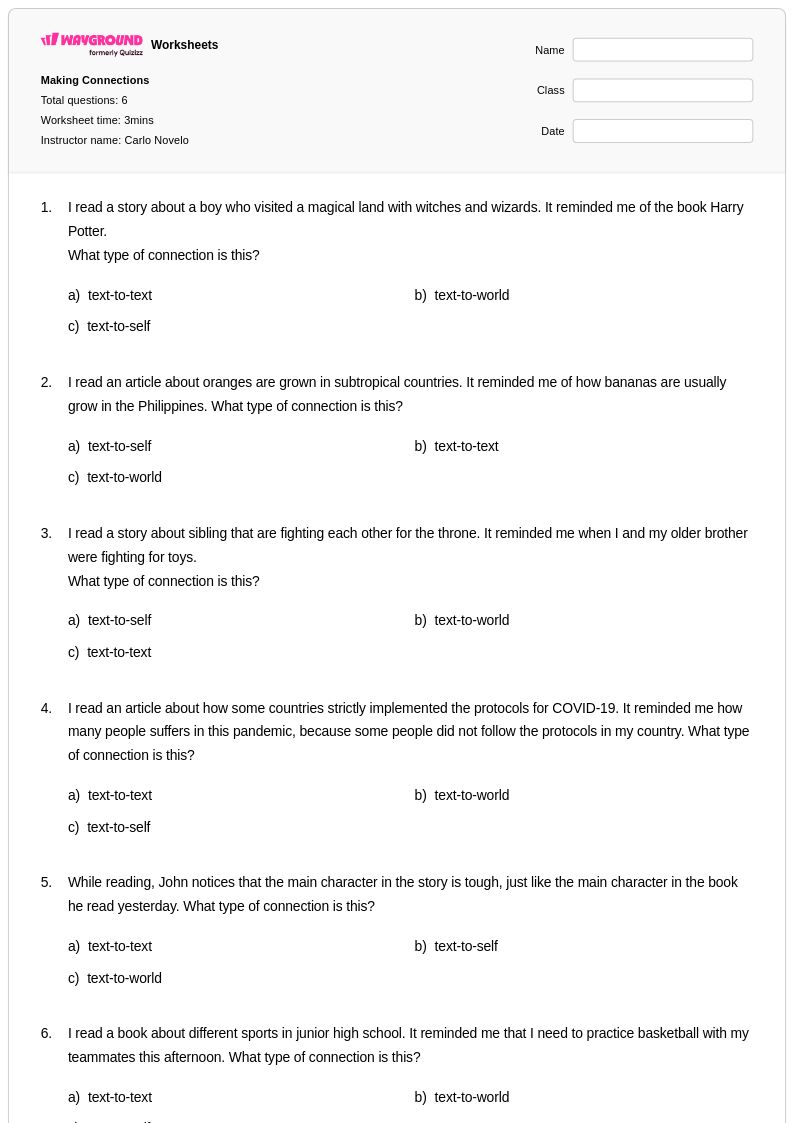
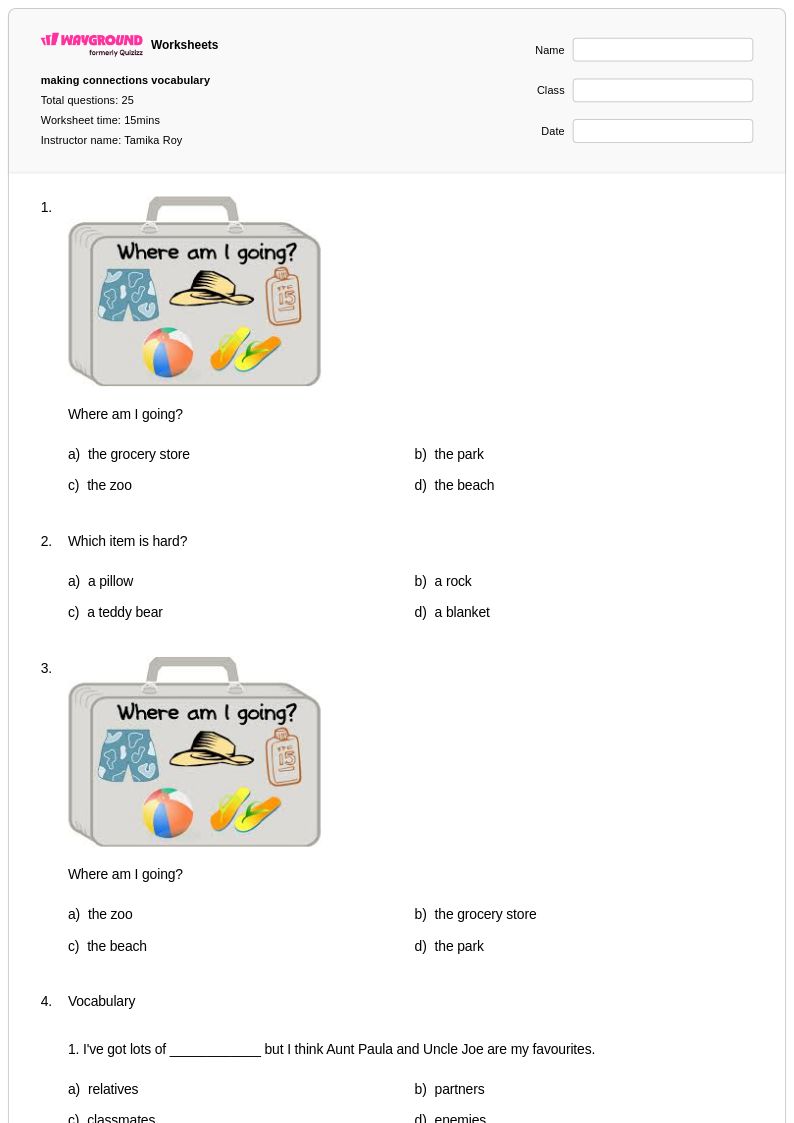
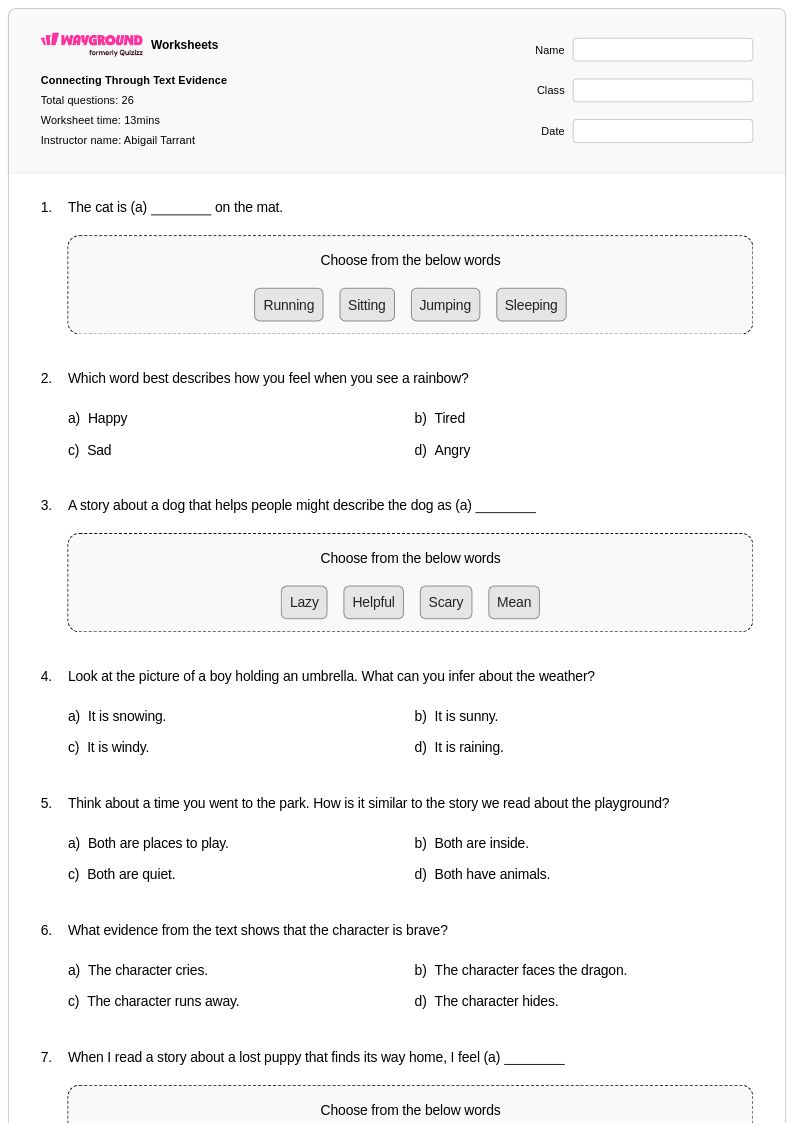
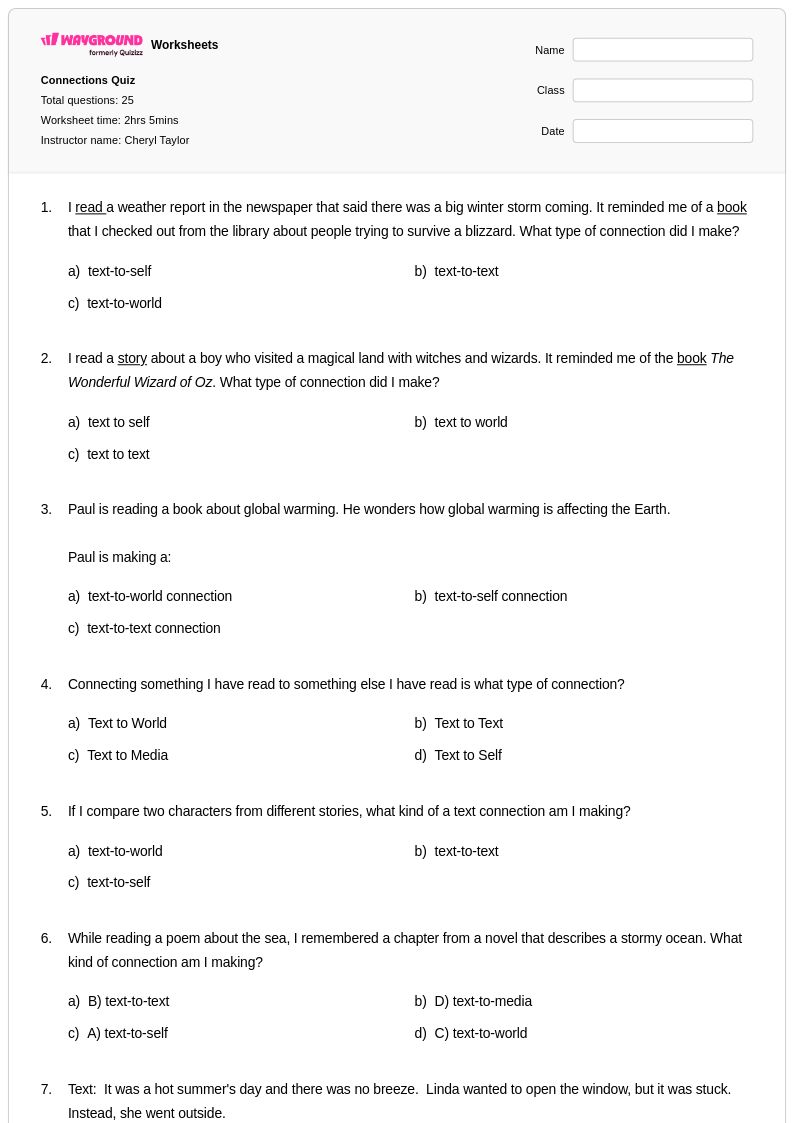
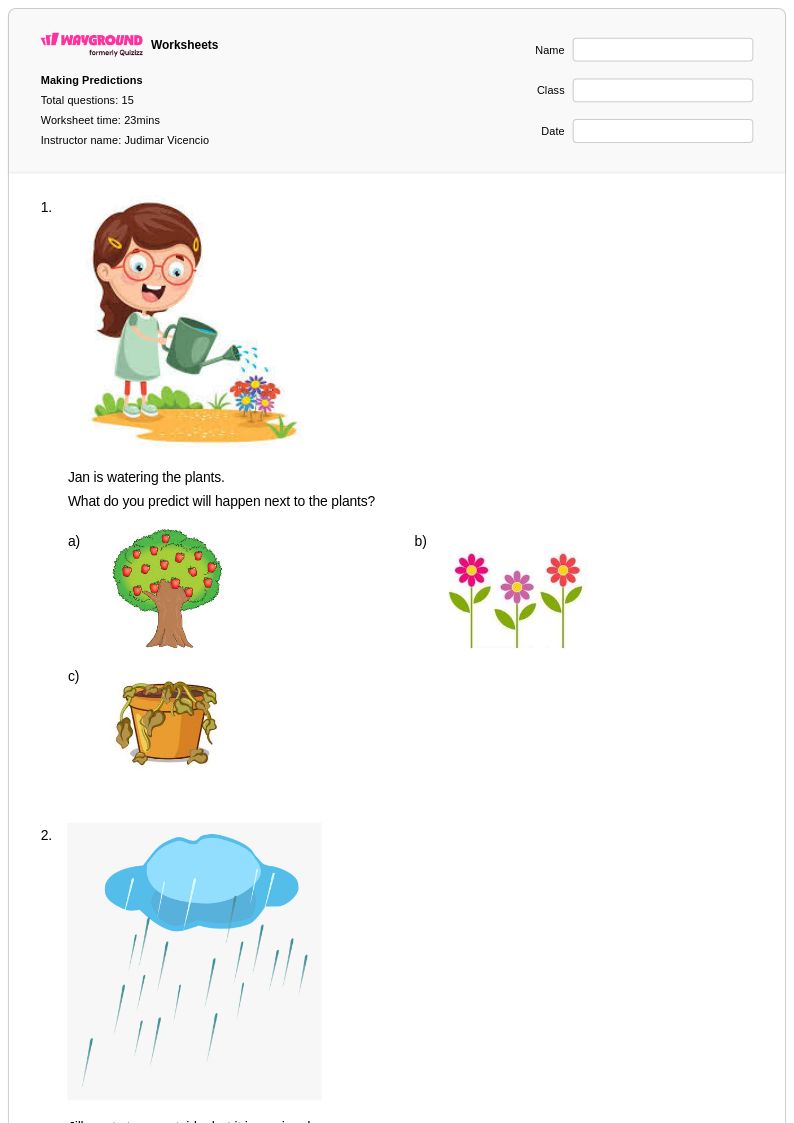
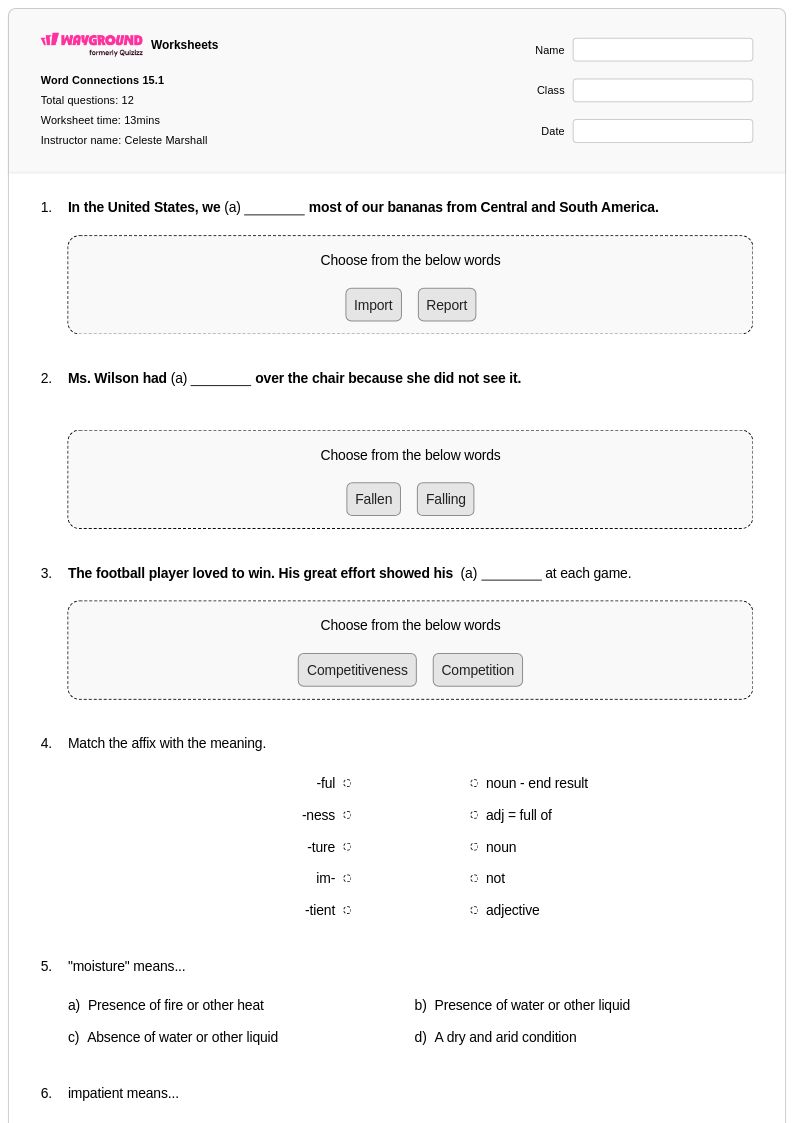
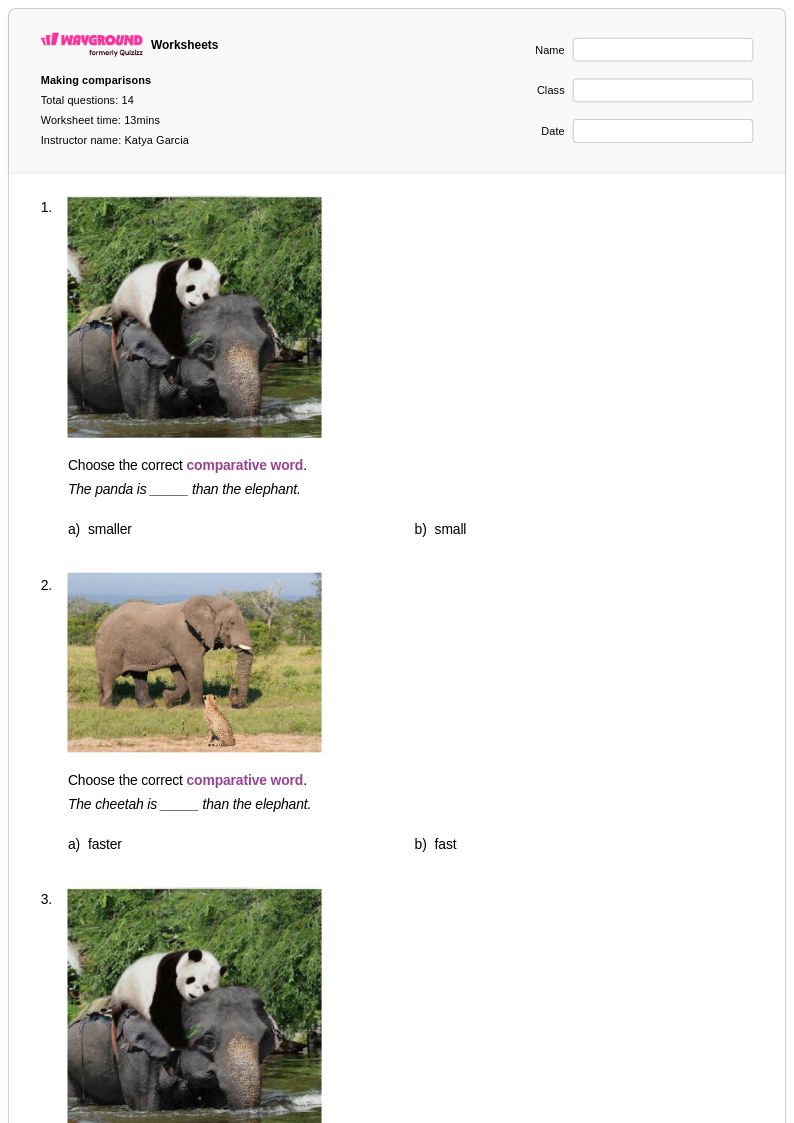
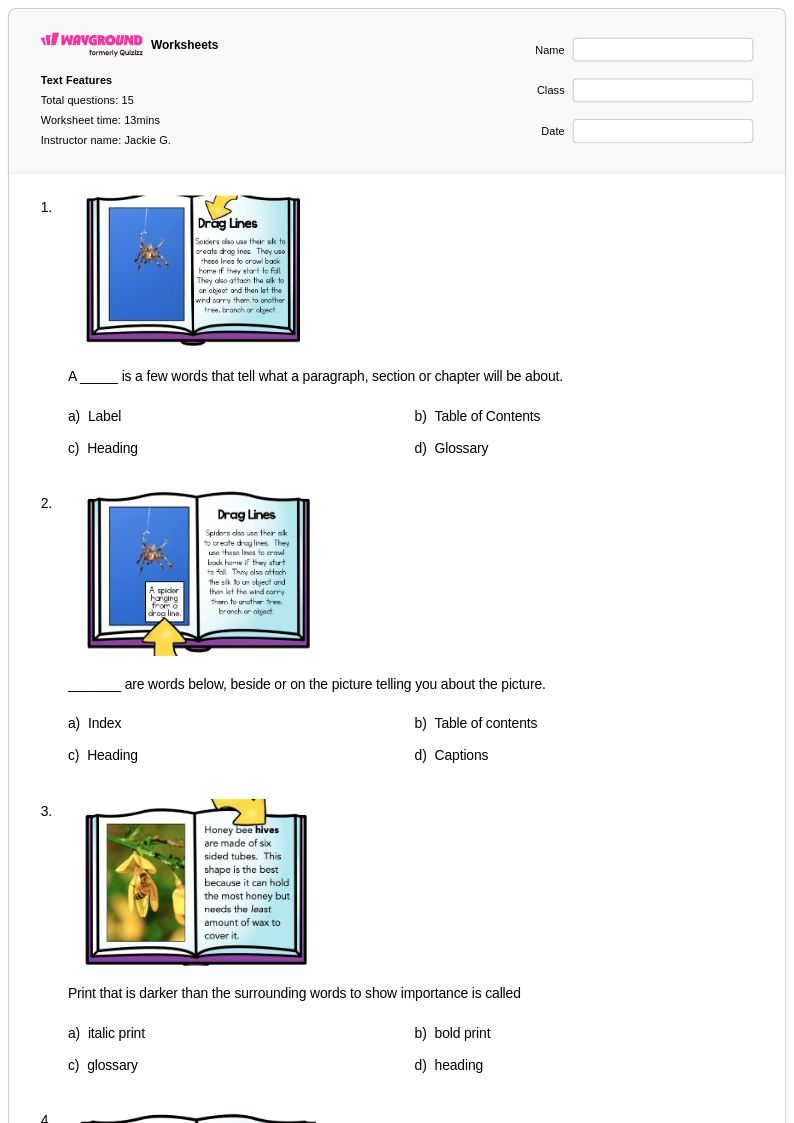
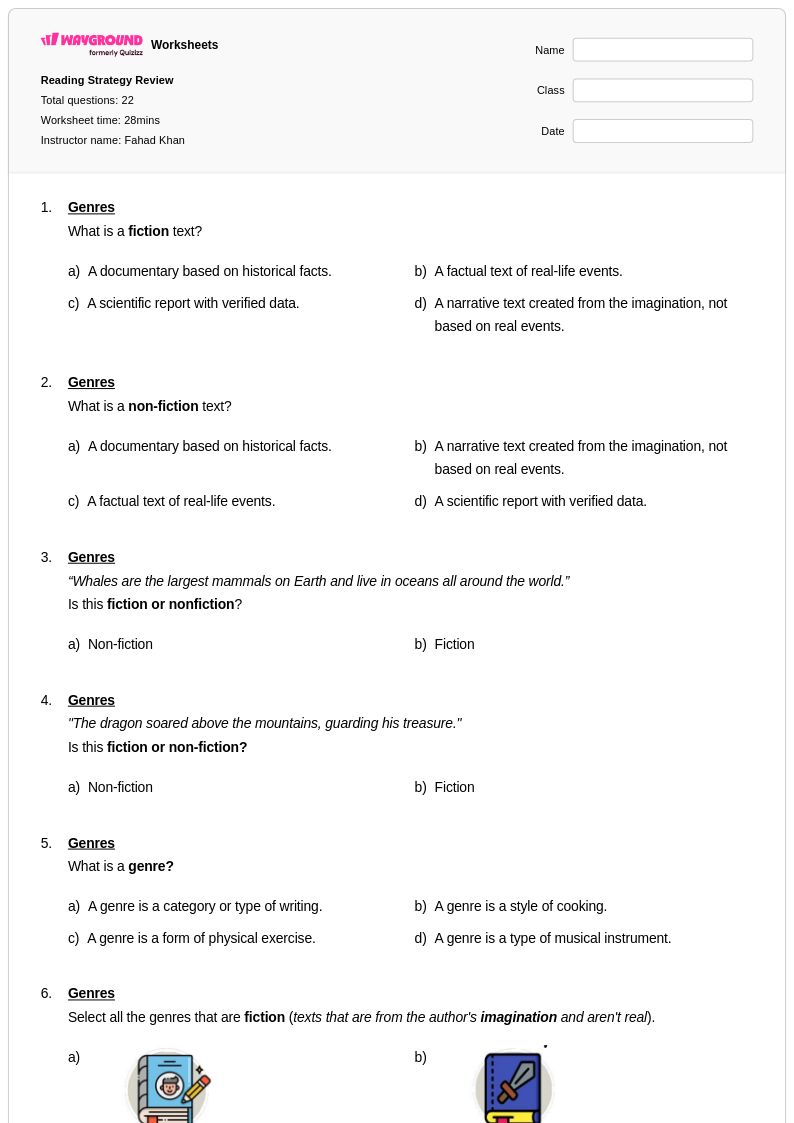
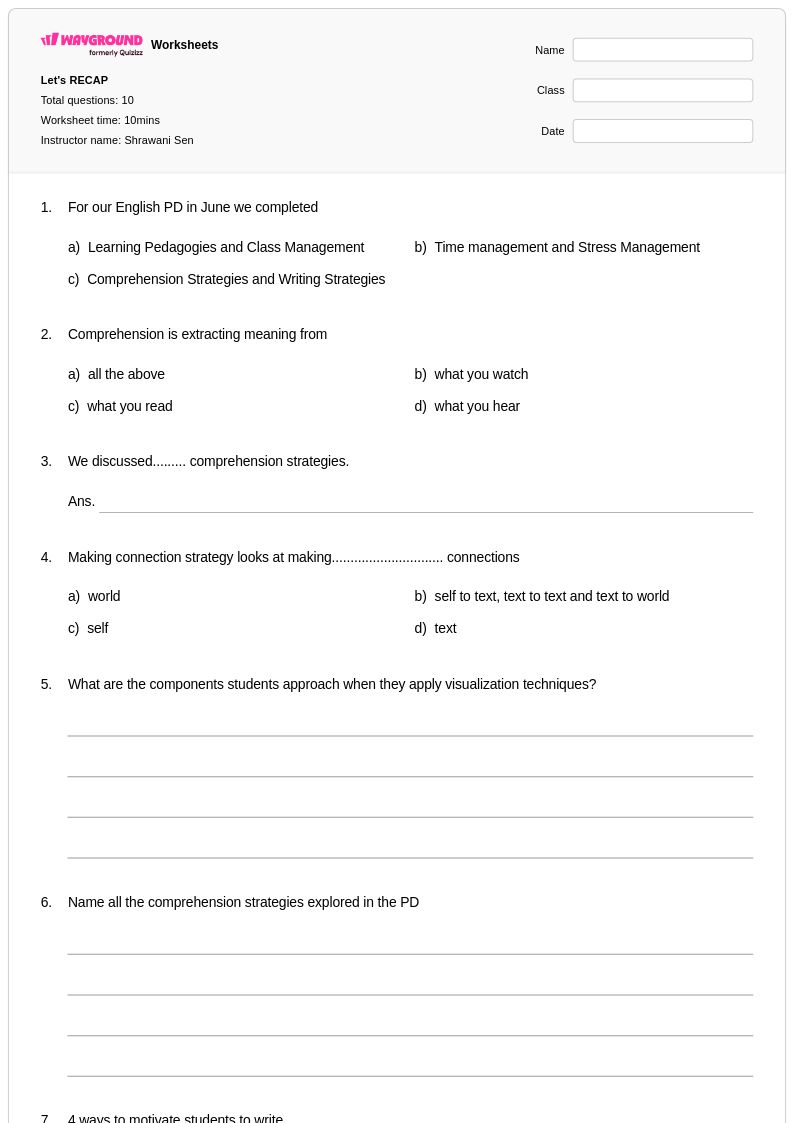
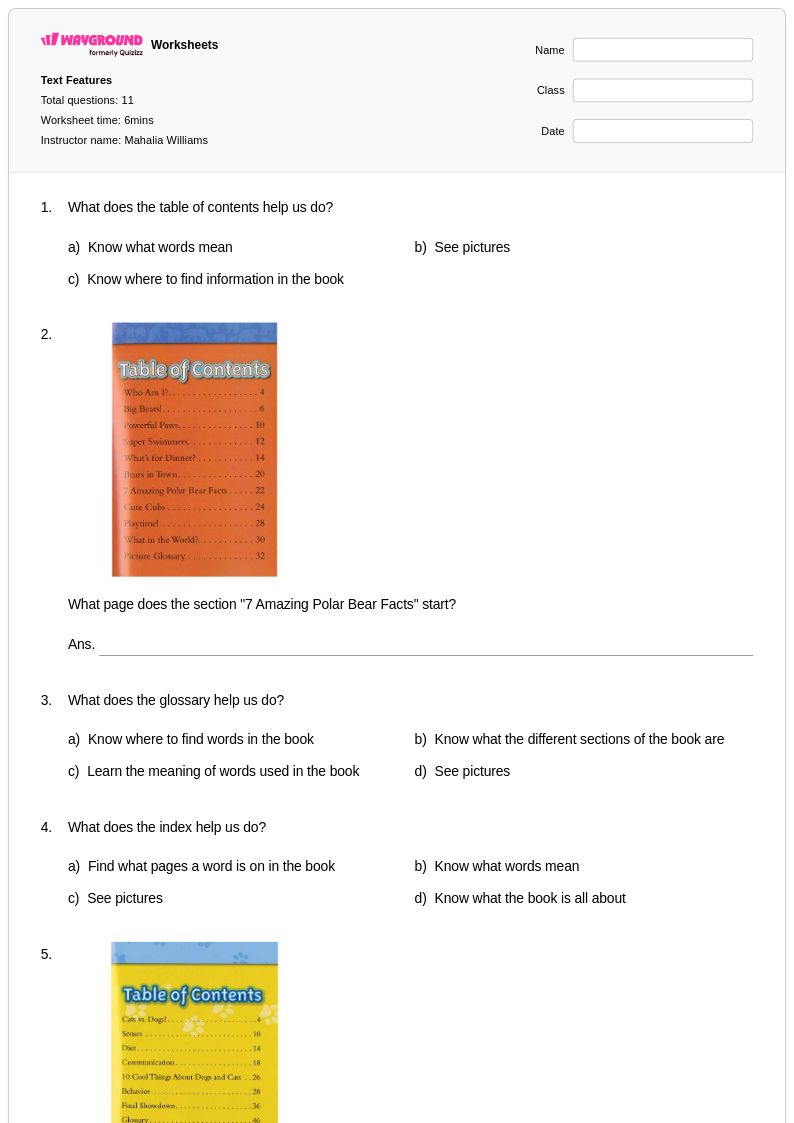
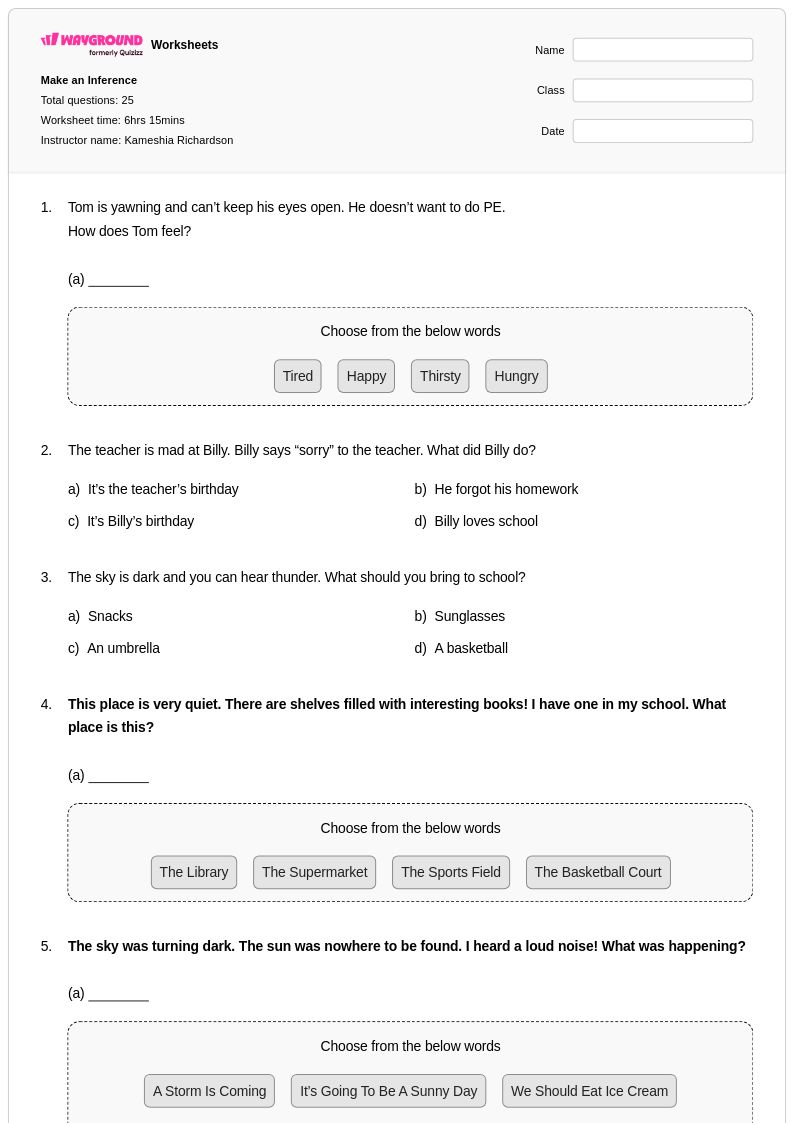
Making text connections worksheets for Grade 1 students available through Wayground (formerly Quizizz) provide foundational practice in one of the most essential reading comprehension strategies. These carefully designed printables help young learners develop the critical ability to relate what they read to their own experiences, other texts, and the world around them through text-to-self, text-to-text, and text-to-world connections. Each worksheet includes age-appropriate passages and guided practice problems that encourage first graders to think beyond the literal meaning of stories and begin making meaningful associations that enhance their understanding. The collection features comprehensive answer keys and free pdf downloads that enable teachers to seamlessly incorporate connection-making activities into their literacy instruction while building students' analytical thinking skills.
Wayground (formerly Quizizz) empowers educators with millions of teacher-created resources specifically designed to strengthen Grade 1 reading comprehension through text connection strategies. The platform's robust search and filtering capabilities allow teachers to quickly locate worksheets that align with specific learning standards and match their students' developmental needs. These differentiation tools support flexible customization options, enabling educators to modify content for remediation or enrichment while maintaining focus on helping young readers recognize patterns and relationships in literature. Available in both printable and digital pdf formats, these worksheet collections streamline lesson planning and provide consistent skill practice opportunities that help first grade students develop the metacognitive awareness necessary for deeper reading comprehension throughout their academic journey.
FAQs
How do I teach text-to-self, text-to-text, and text-to-world connections in the classroom?
Start by modeling each connection type explicitly using a shared read-aloud, thinking aloud as you identify your own connections to the text. Introduce text-to-self first since it draws on personal experience, then progress to text-to-text and text-to-world as students build confidence. Using anchor charts that define each connection type and structured sentence stems like 'This reminds me of...' or 'This connects to the world because...' gives students a consistent framework to apply independently.
What exercises help students practice making text connections?
Structured worksheet activities that prompt students to identify and articulate all three connection types, text-to-self, text-to-text, and text-to-world, are highly effective for building this skill. Guided practice with passages followed by explicit response frames ensures students move beyond surface-level reactions to genuine comprehension-deepening connections. Repeated practice across different genres and topics helps students internalize the strategy until it becomes an automatic part of their reading process.
What mistakes do students commonly make when making text connections?
The most common error is confusing a superficial observation with a meaningful connection, for example, noting that a character likes dogs because they also like dogs, without explaining how that connection deepens understanding of the text. Students also frequently conflate the three connection types, especially text-to-text and text-to-world. Providing explicit criteria for what makes a connection relevant and asking students to explain how each connection helps them better understand the passage corrects both errors effectively.
How do I differentiate making text connections instruction for struggling readers?
For struggling readers, begin with text-to-self connections exclusively before introducing the other two types, since these draw on lived experience rather than background knowledge or world awareness. Shorter, high-interest passages with familiar contexts lower the cognitive load so students can focus on the connection-making skill itself. On Wayground, teachers can enable Read Aloud so questions and passage content are read to students who need it, and Reduced Answer Choices can be applied individually to decrease decision-making demands without affecting other students' experience.
How can I use Wayground's making text connections worksheets in my classroom?
Wayground's making text connections worksheets are available as printable PDFs for traditional classroom use and in digital formats for technology-integrated or remote learning environments, giving teachers flexibility in how they deploy them. Teachers can also host the worksheets as a quiz directly on Wayground, enabling real-time tracking of student responses. Each worksheet includes a complete answer key, so teachers can use them for guided practice, independent work, or targeted remediation without additional prep.
How do making text connections worksheets support reading comprehension development?
Making text connections is a research-backed comprehension strategy that activates prior knowledge and helps students construct deeper meaning from what they read. Worksheets that structure this practice give students repeated, guided opportunities to link new information to personal experience, previously read texts, and broader world knowledge. Over time, this practice builds the metacognitive habit of reading actively and purposefully rather than passively moving through text.