
13 Q
4th
42 Q
4th
16 Q
3rd - 5th

15 Q
4th
10 Q
4th
10 Q
2nd - 4th
10 Q
4th - 5th

18 Q
3rd - 5th

12 Q
4th
20 Q
4th
15 Q
4th
10 Q
4th
20 Q
3rd - Uni
10 Q
4th
20 Q
3rd - Uni
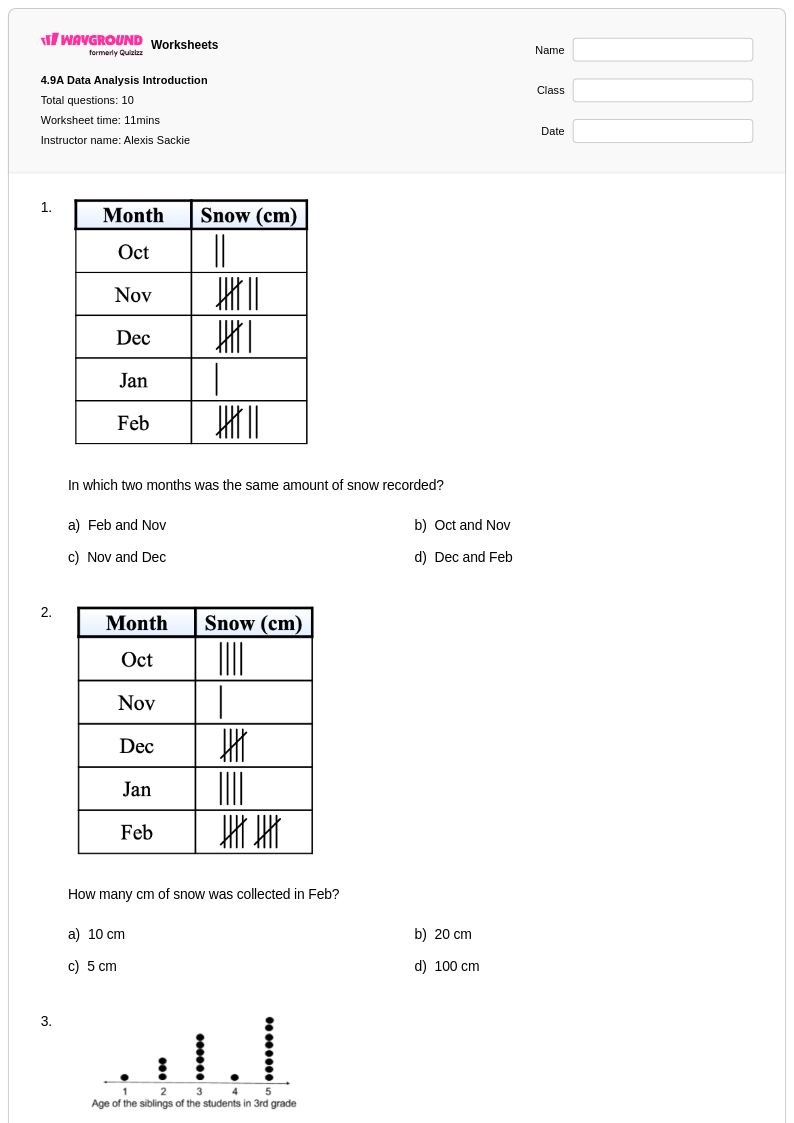
10 Q
4th
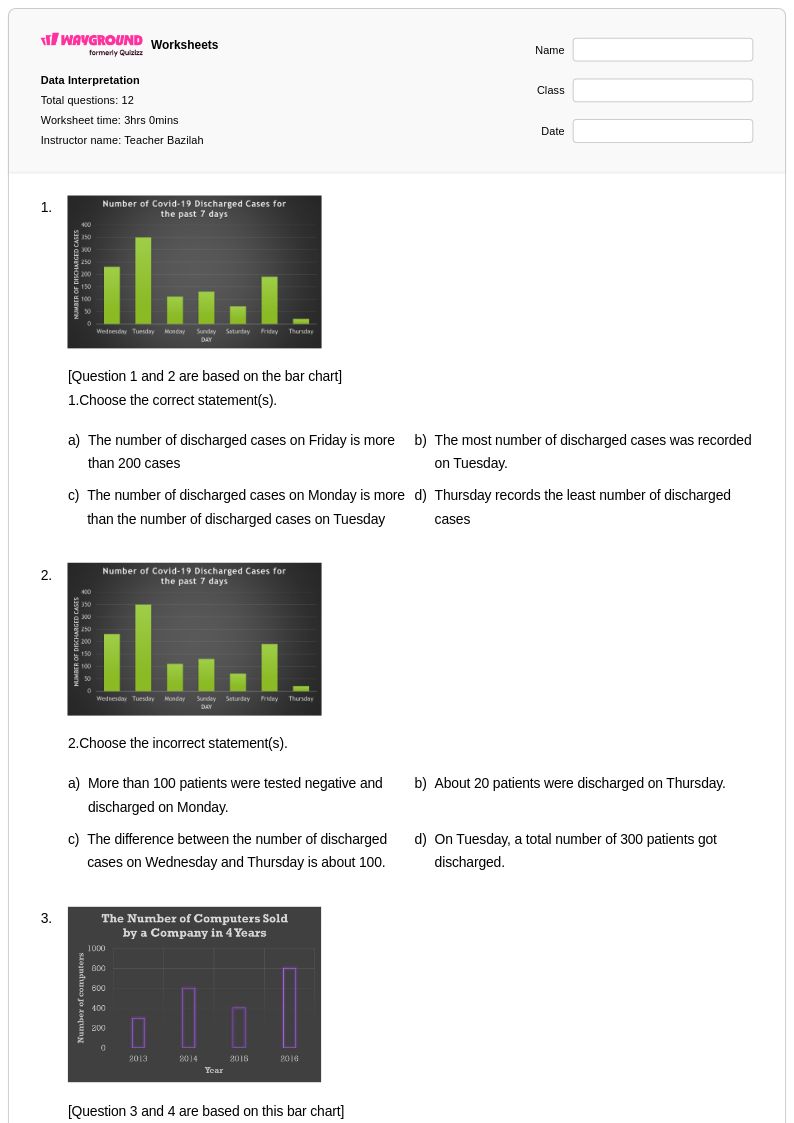
12 Q
4th
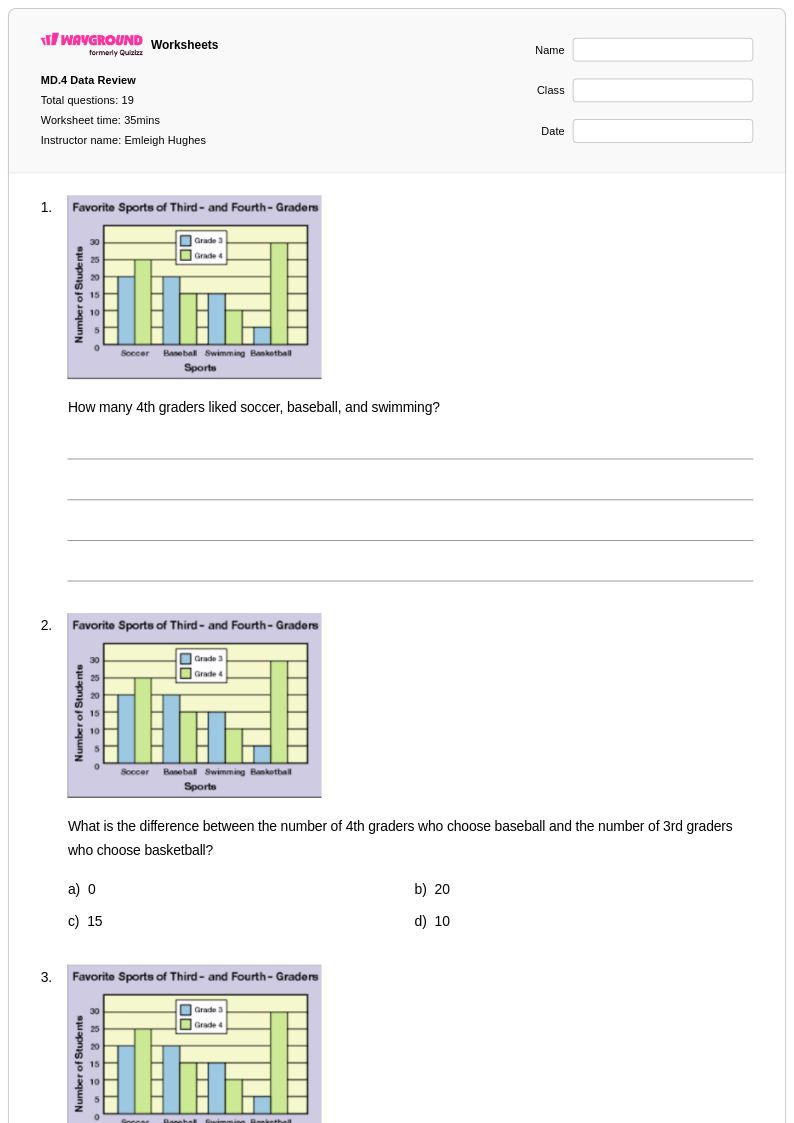
19 Q
4th
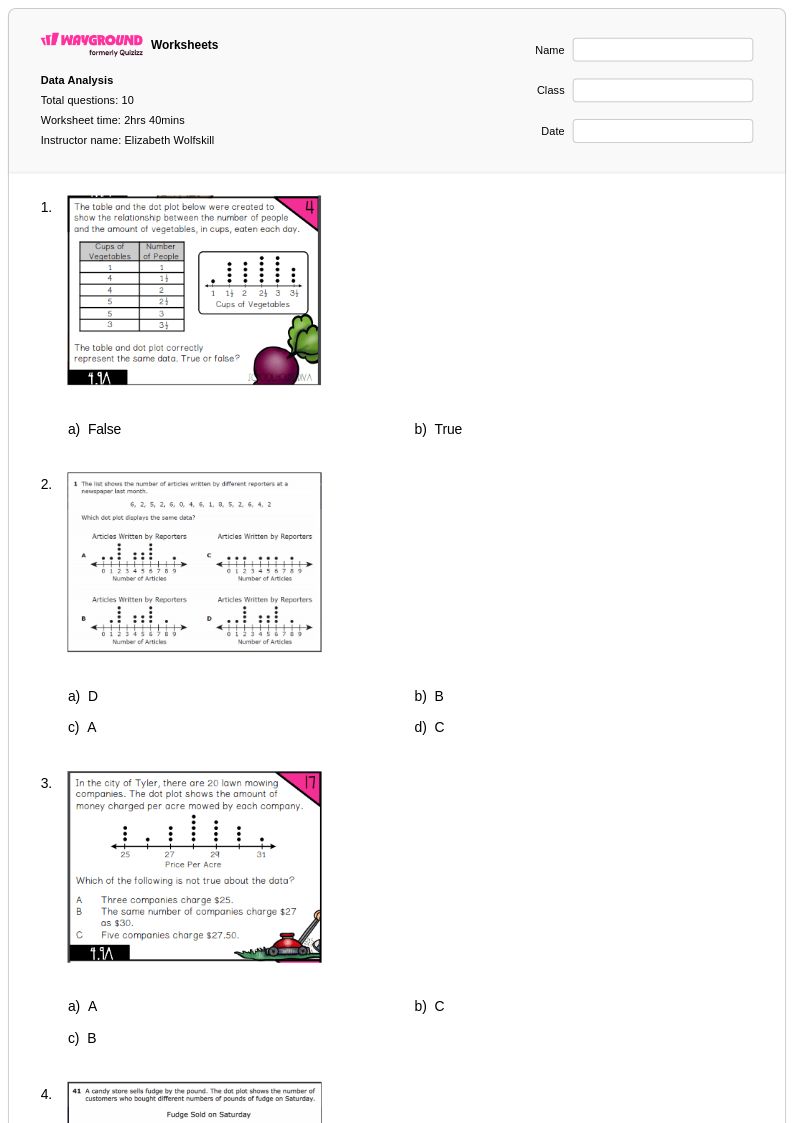
10 Q
4th
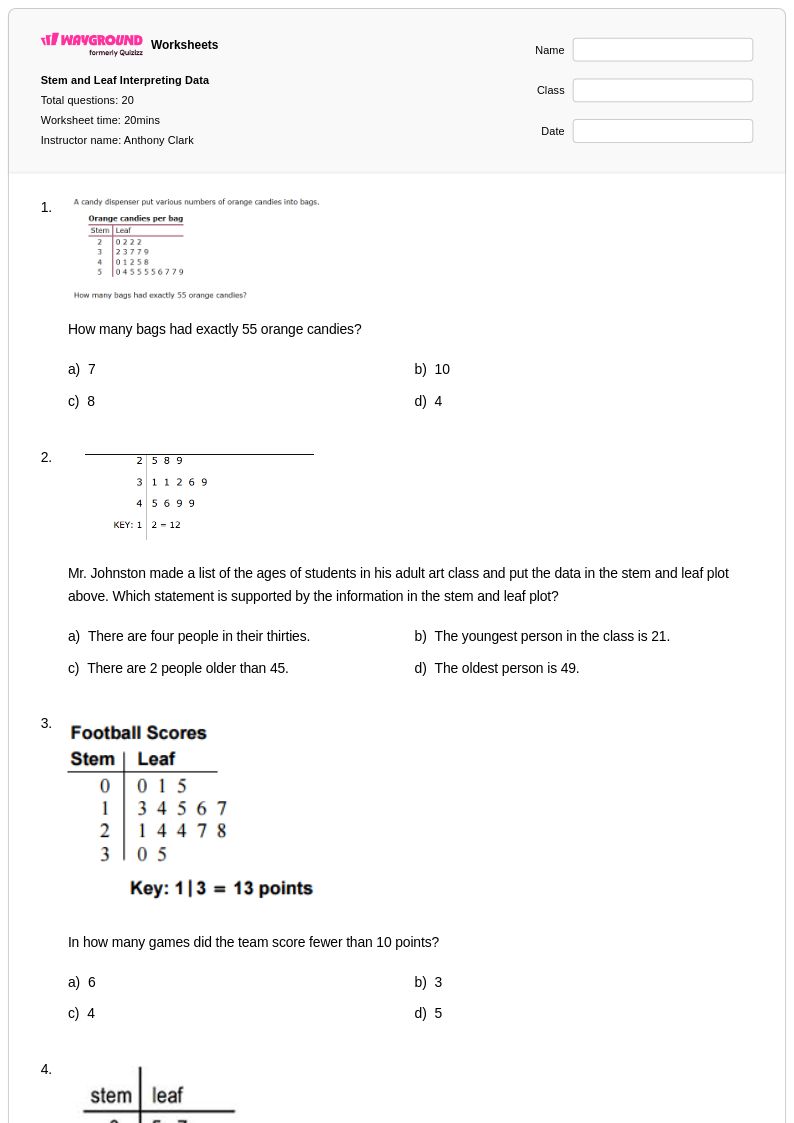
20 Q
4th - Uni
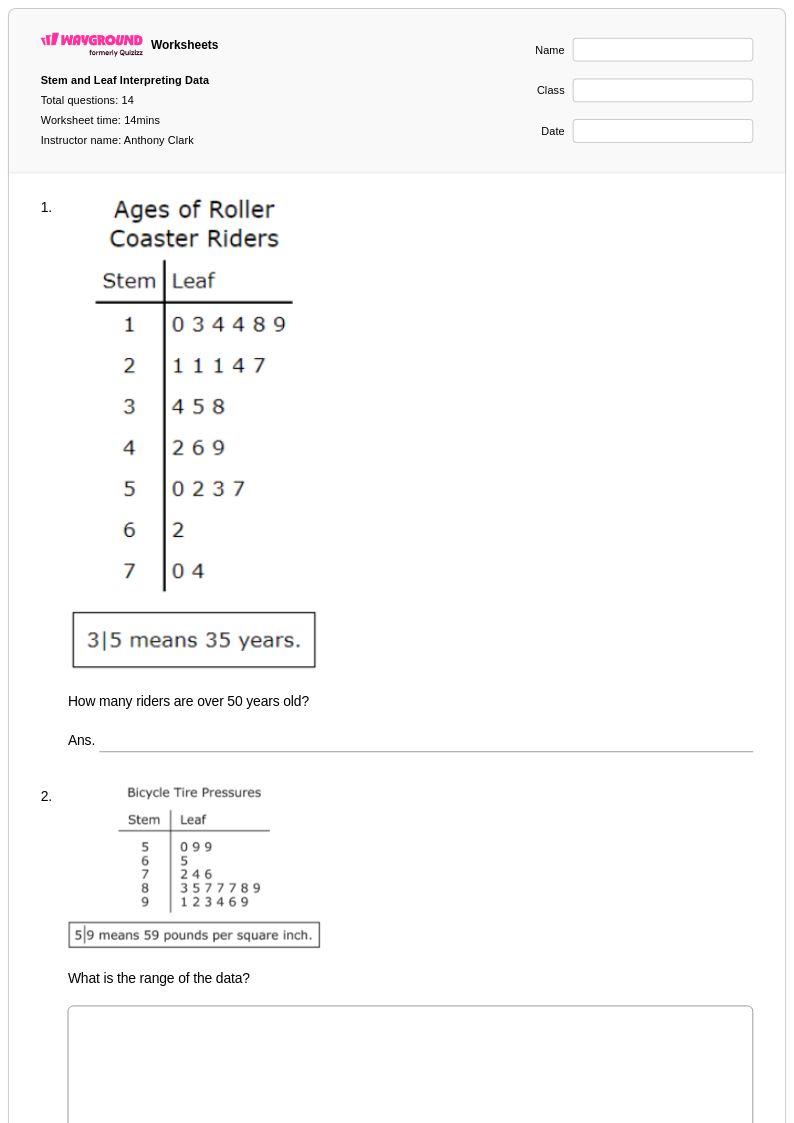
14 Q
4th - Uni
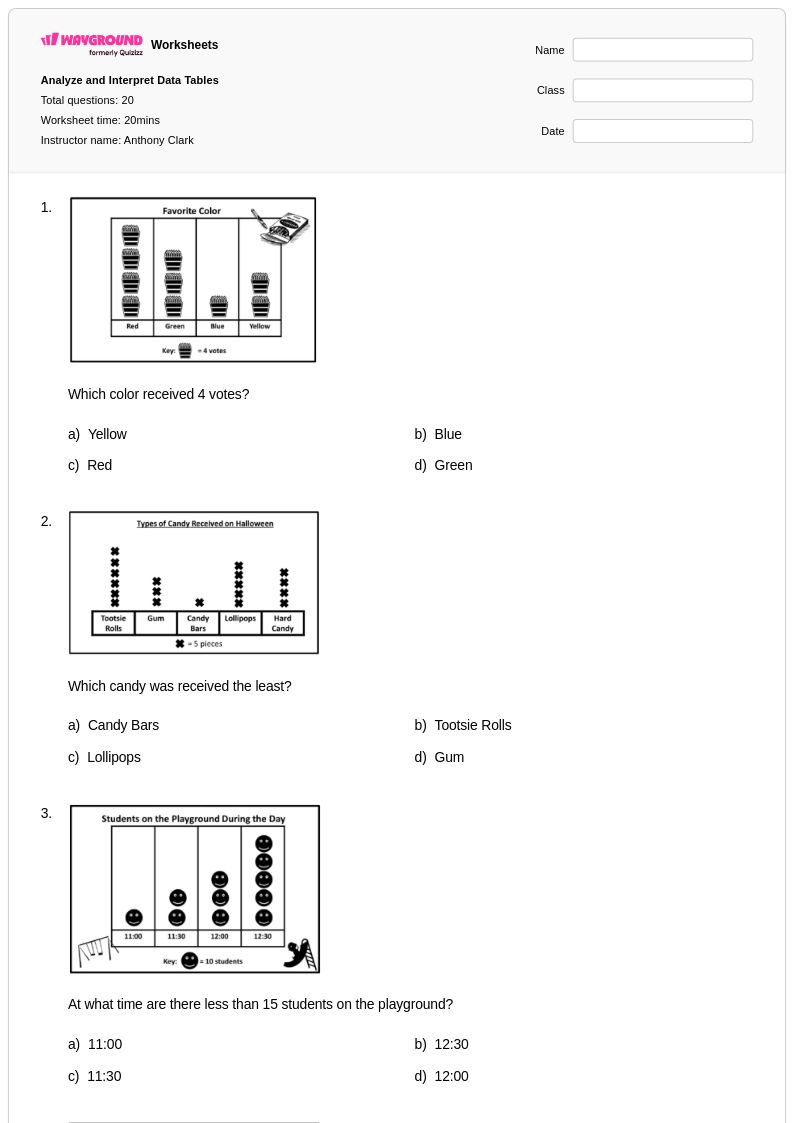
20 Q
4th - Uni
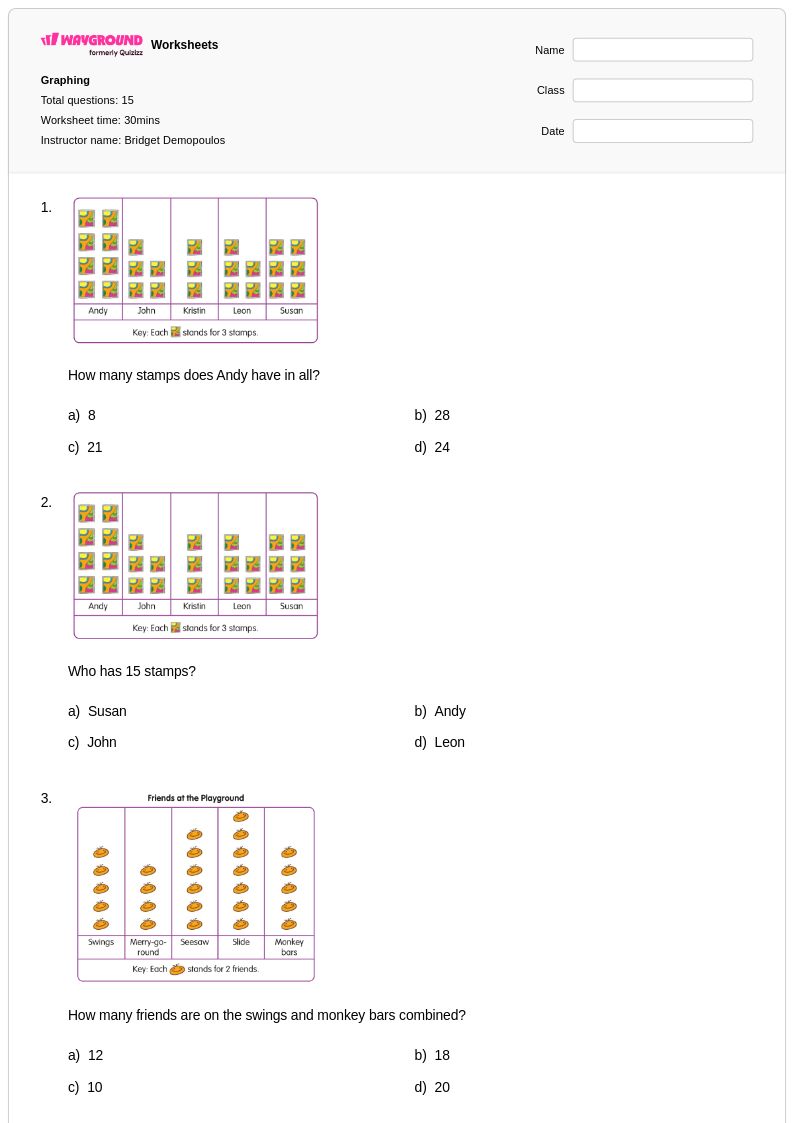
15 Q
3rd - 4th
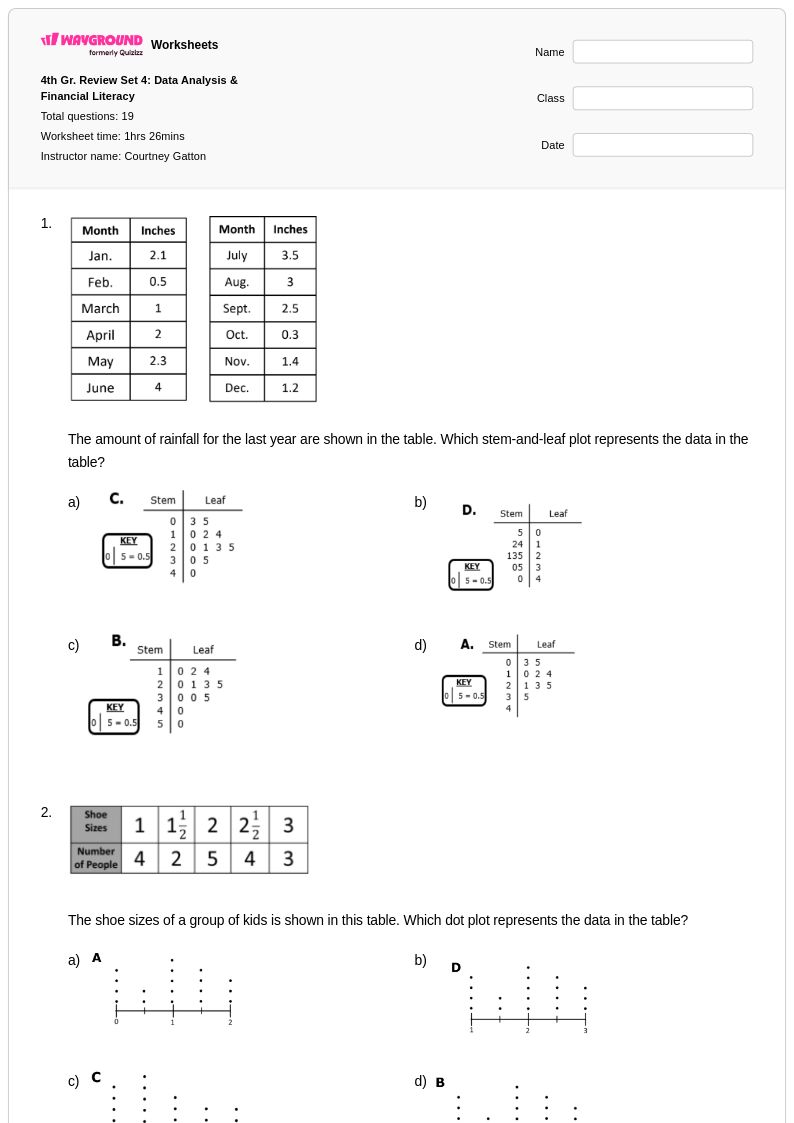
19 Q
4th
Explore Other Subject Worksheets for grade 4
Explore printable Merging Data worksheets for Grade 4
Merging data worksheets for Grade 4 students available through Wayground (formerly Quizizz) provide essential practice in combining information from multiple sources and datasets to draw meaningful conclusions. These comprehensive printables strengthen critical analytical skills by teaching students how to integrate data from different charts, tables, and graphs into cohesive interpretations. The practice problems guide fourth-grade learners through systematic approaches to comparing datasets, identifying patterns across multiple sources, and synthesizing information to answer complex questions. Each worksheet includes a detailed answer key that helps educators assess student understanding while providing clear explanations of the merging process, making these free resources invaluable for developing advanced data literacy skills that extend beyond basic graph reading.
Wayground (formerly Quizizz) empowers teachers with millions of educator-created merging data worksheets specifically designed for Grade 4 mathematics instruction, featuring robust search and filtering capabilities that allow quick identification of materials aligned to specific learning standards and curriculum requirements. The platform's differentiation tools enable seamless customization of worksheet difficulty levels, ensuring appropriate challenge levels for diverse learners while supporting both remediation for struggling students and enrichment opportunities for advanced learners. Teachers can access these resources in flexible formats, including downloadable pdf files for traditional classroom use and interactive digital versions for technology-integrated lessons, streamlining lesson planning while providing comprehensive skill practice that builds students' confidence in synthesizing complex mathematical information from multiple data sources.
FAQs
What are the expectations for merging data in 4th grade?
How should I teach merging data in Grade 4?
What challenges do 4th graders face when merging data from different sources?
How can I assign this merging data worksheet to my 4th graders?
How does merging data in Grade 4 build on prior skills?