
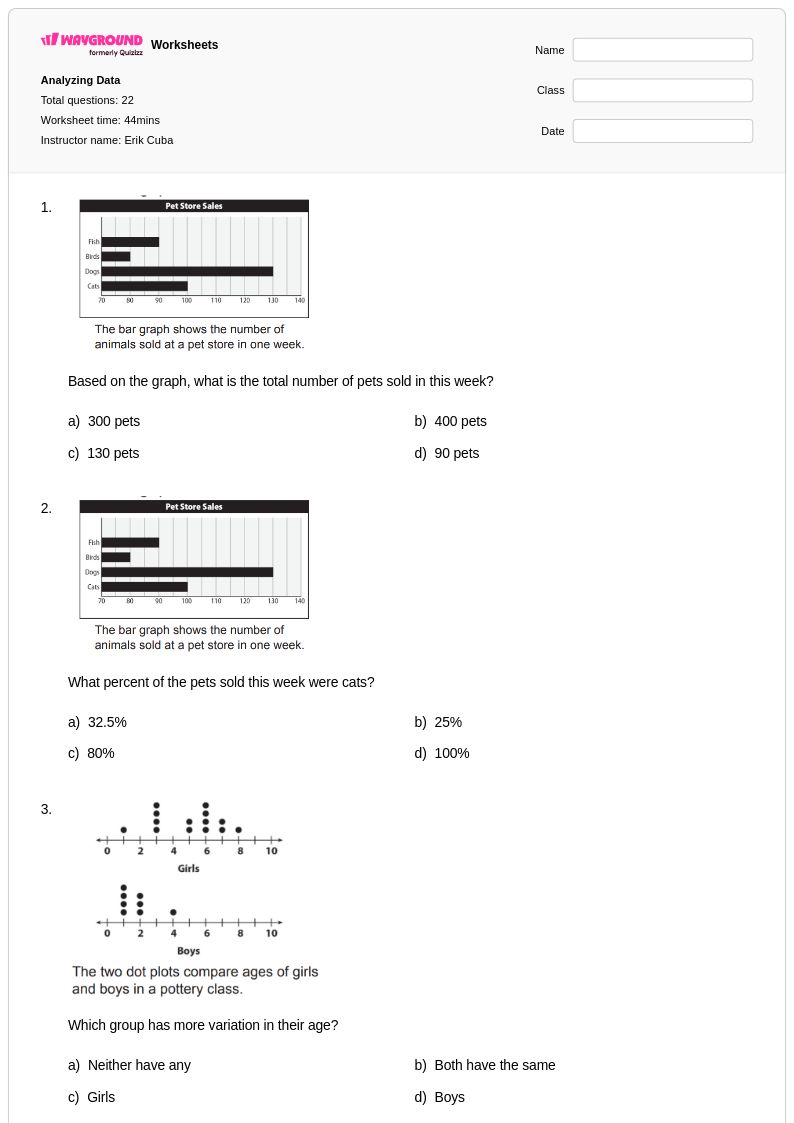
22 Hỏi
7th
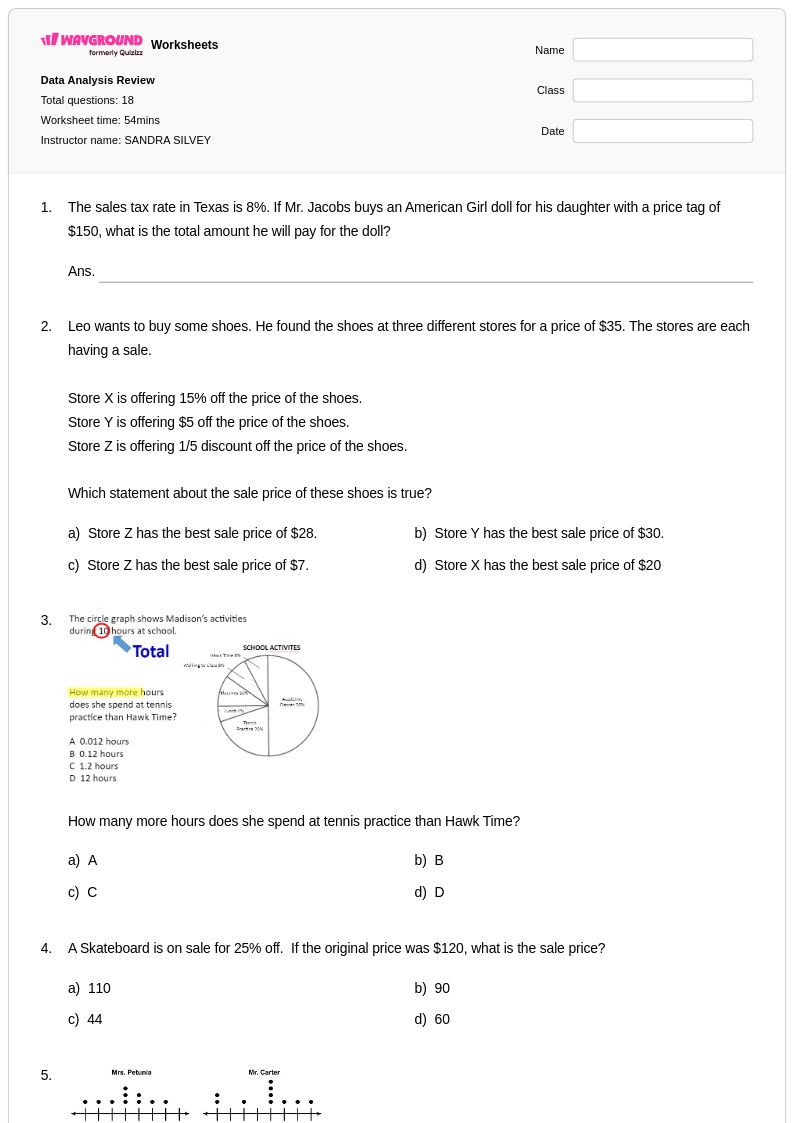
18 Hỏi
7th
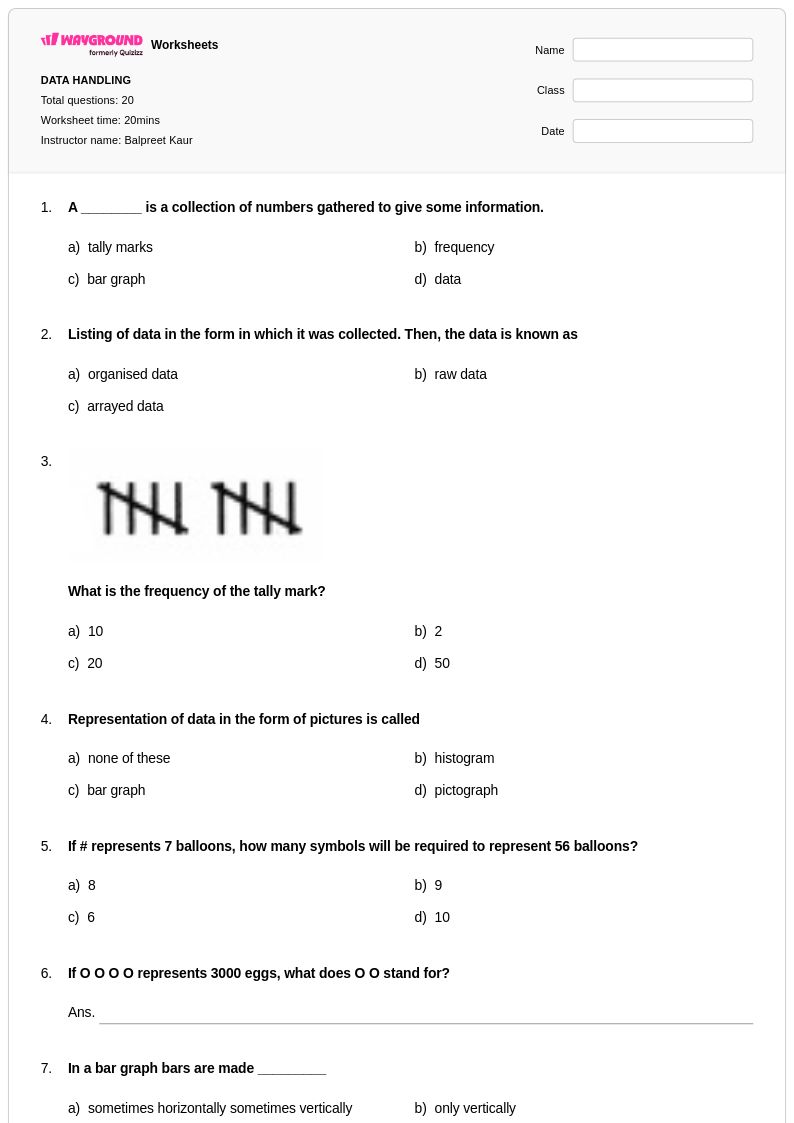
20 Hỏi
6th - 8th
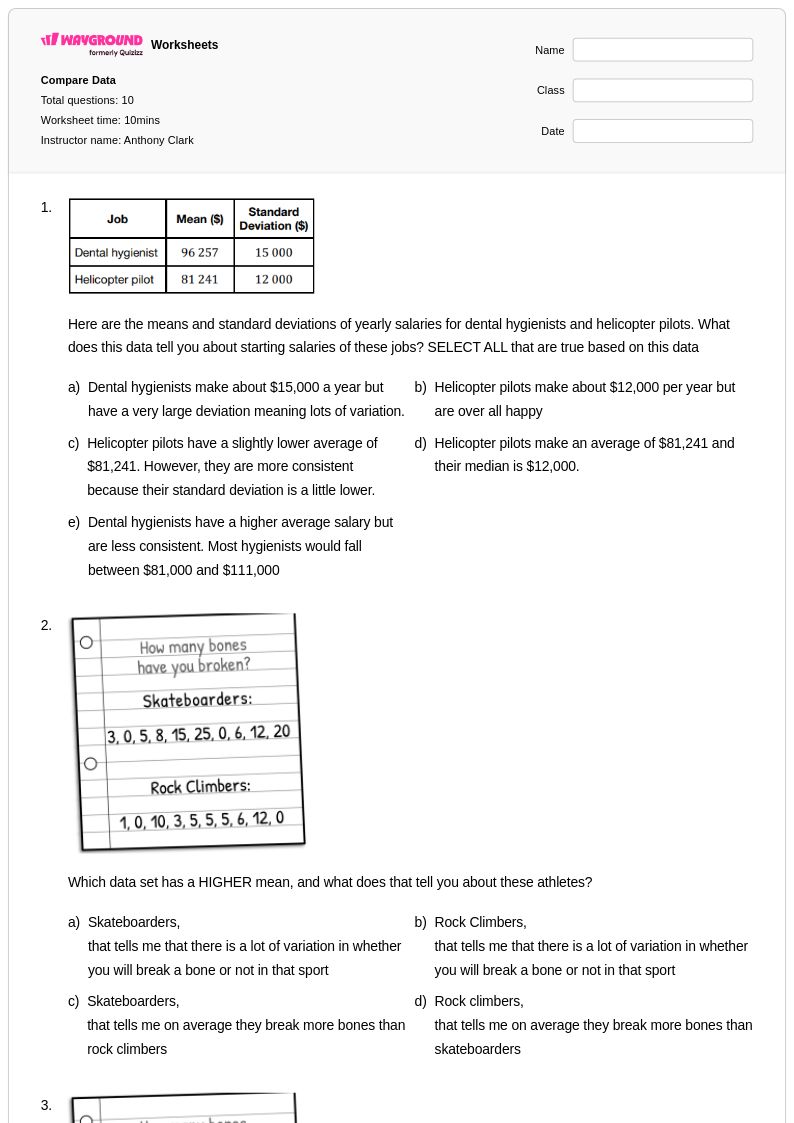
10 Hỏi
7th - Uni
20 Hỏi
5th - Uni
25 Hỏi
7th

20 Hỏi
5th - Uni

12 Hỏi
7th - Uni
14 Hỏi
7th
16 Hỏi
7th
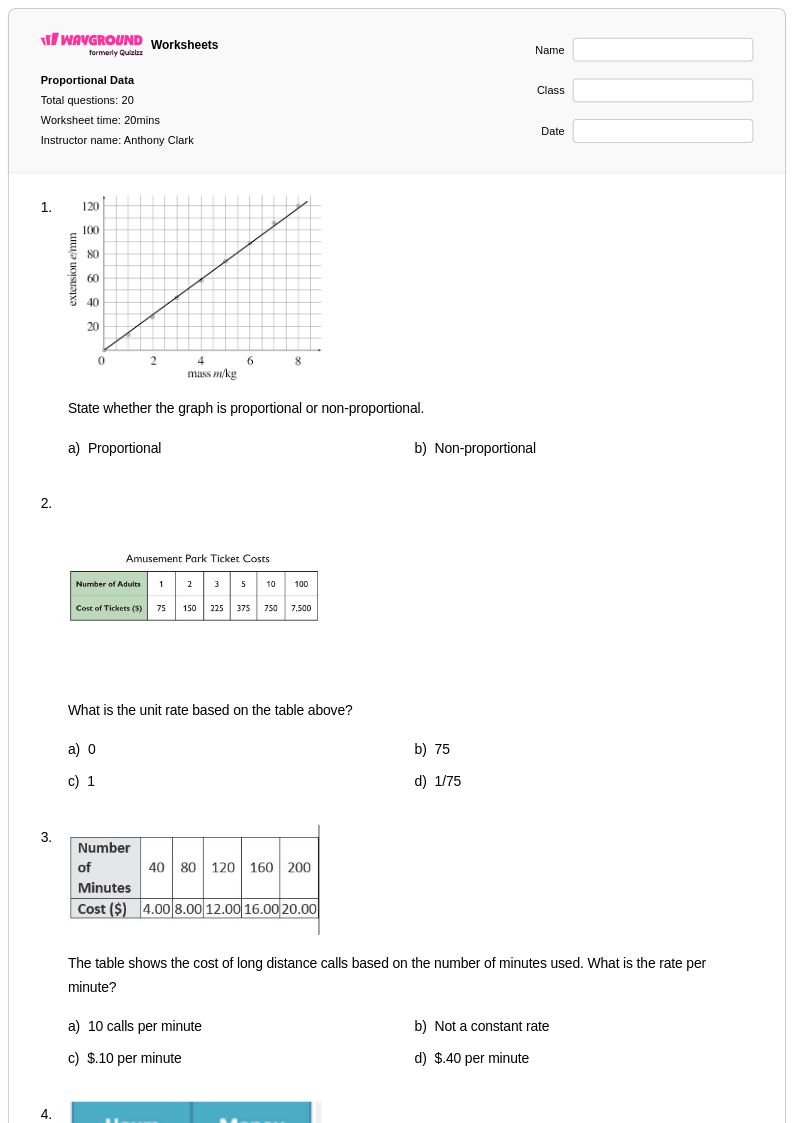
20 Hỏi
7th - Uni
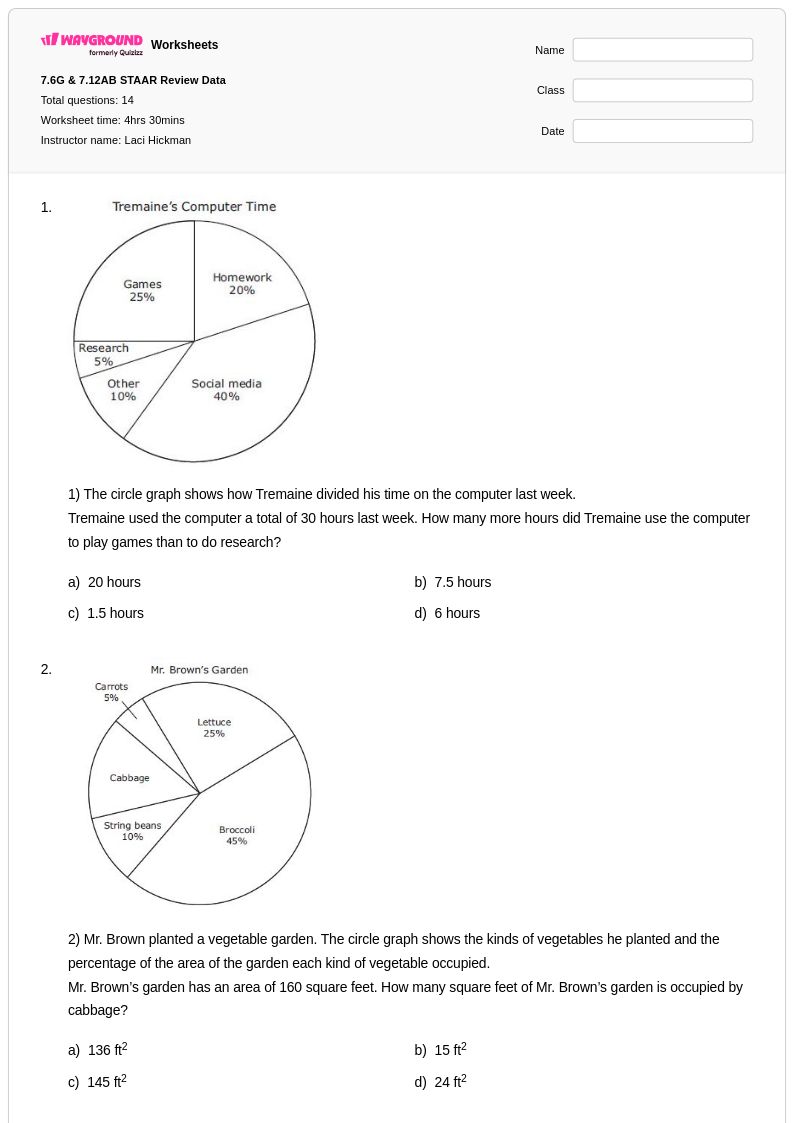
14 Hỏi
7th
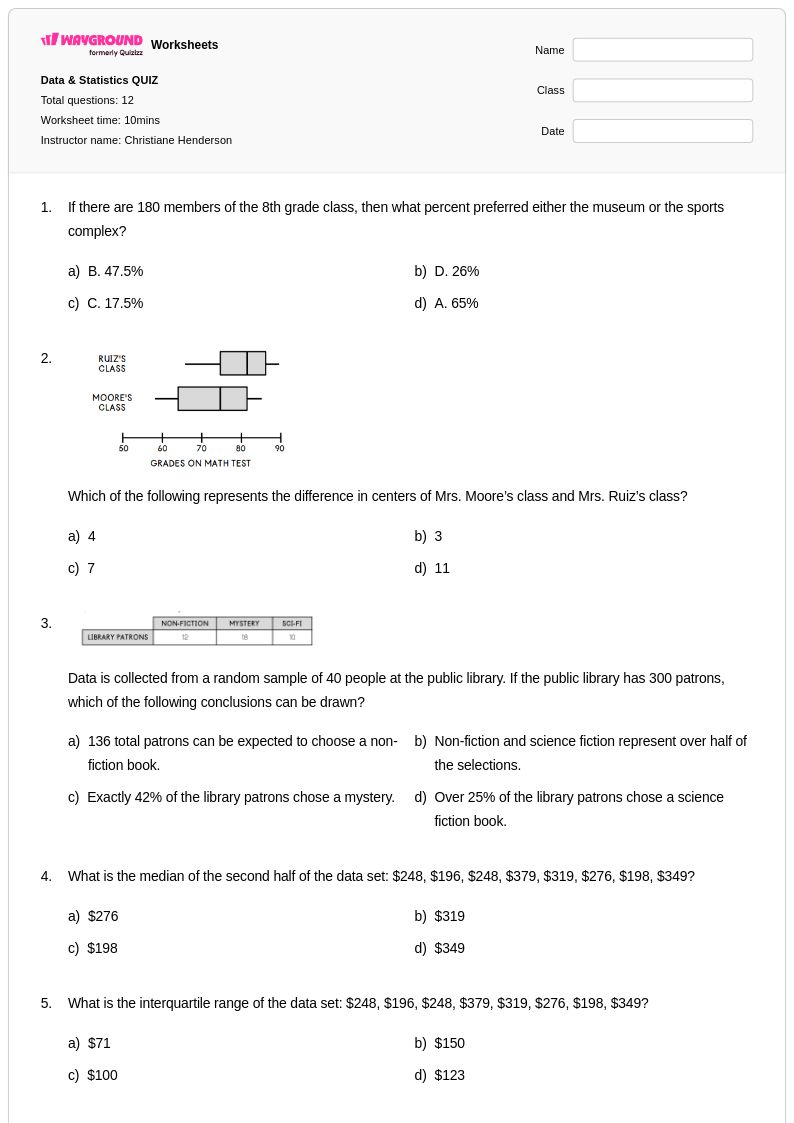
12 Hỏi
7th
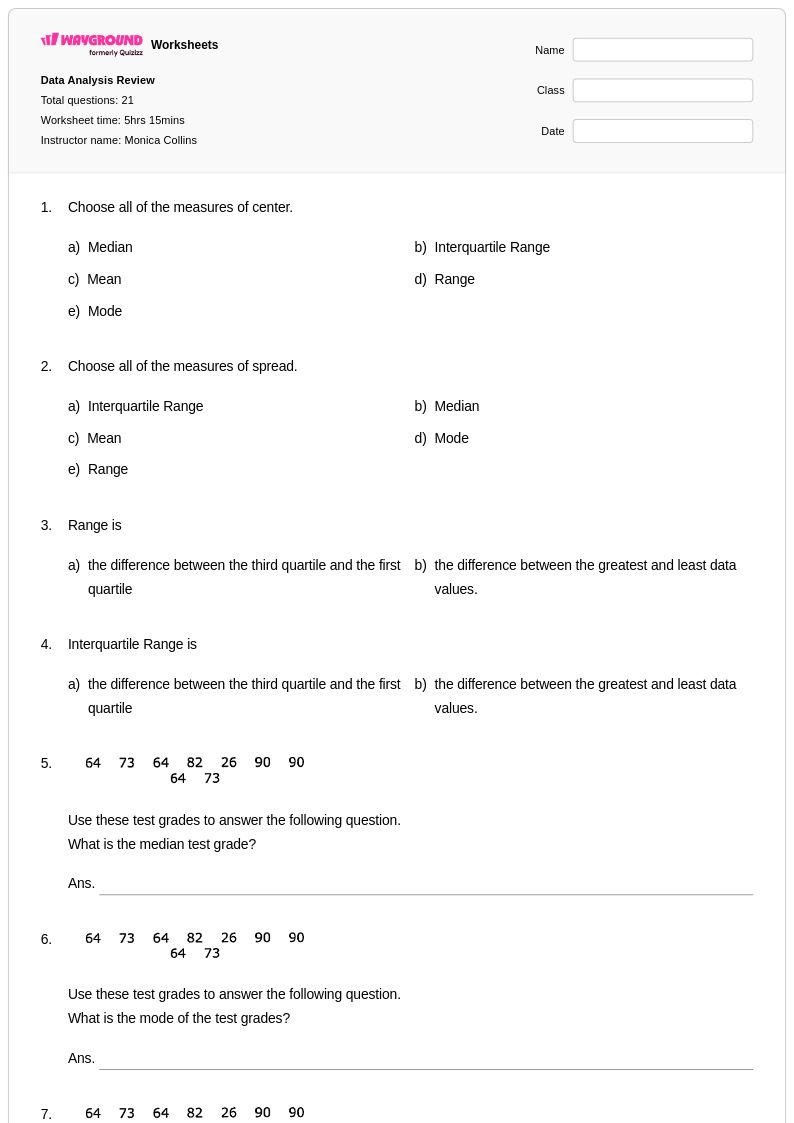
21 Hỏi
7th

17 Hỏi
7th - Uni
23 Hỏi
7th
20 Hỏi
6th - Uni
20 Hỏi
6th - Uni
20 Hỏi
7th - Uni
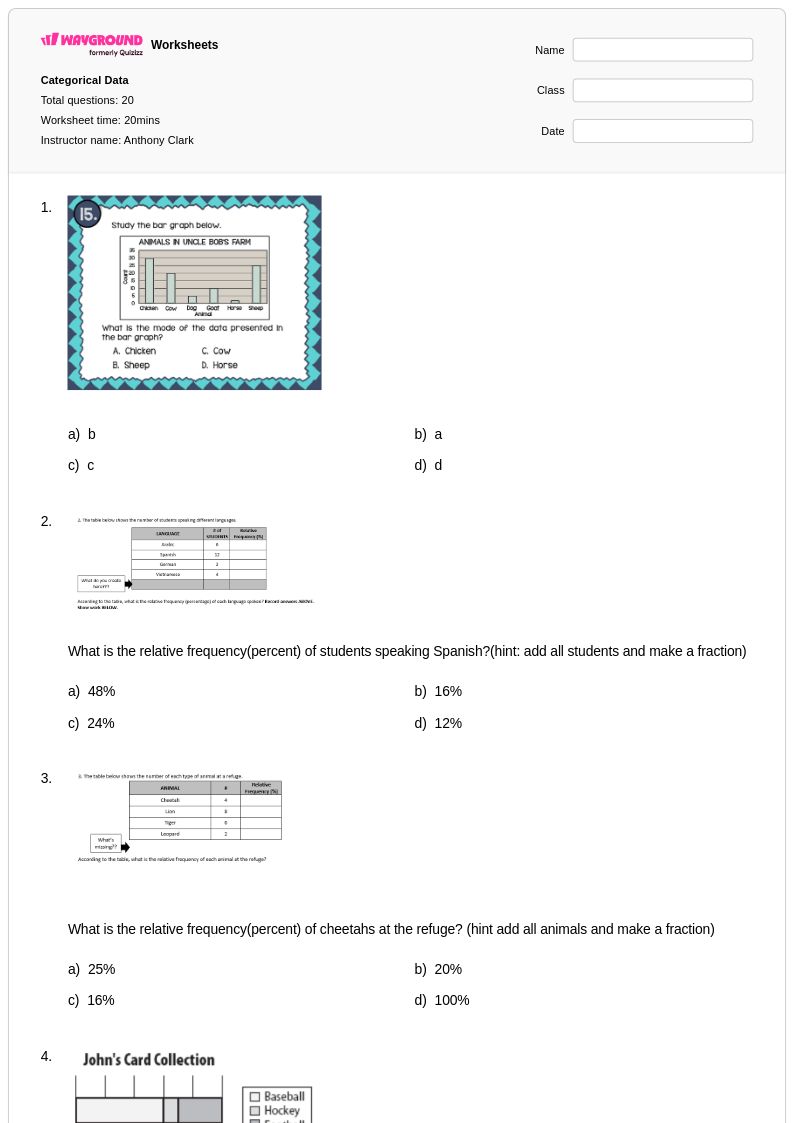
20 Hỏi
6th - Uni
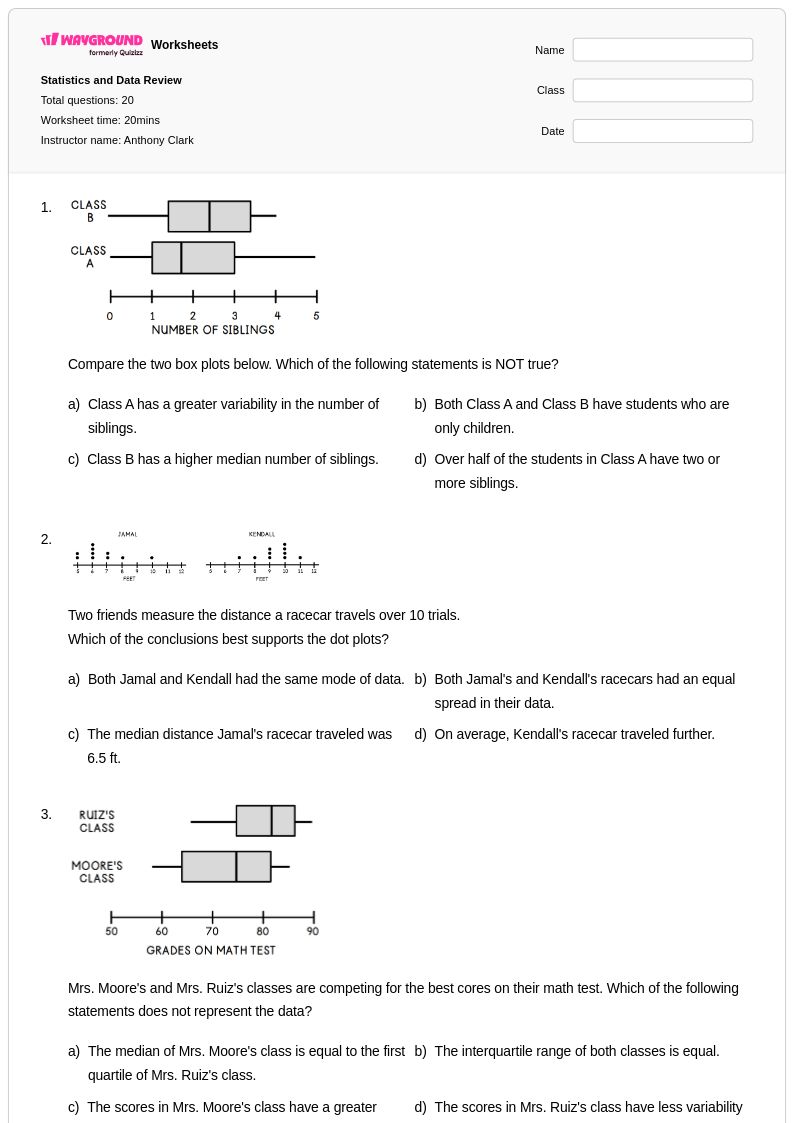
20 Hỏi
7th - Uni
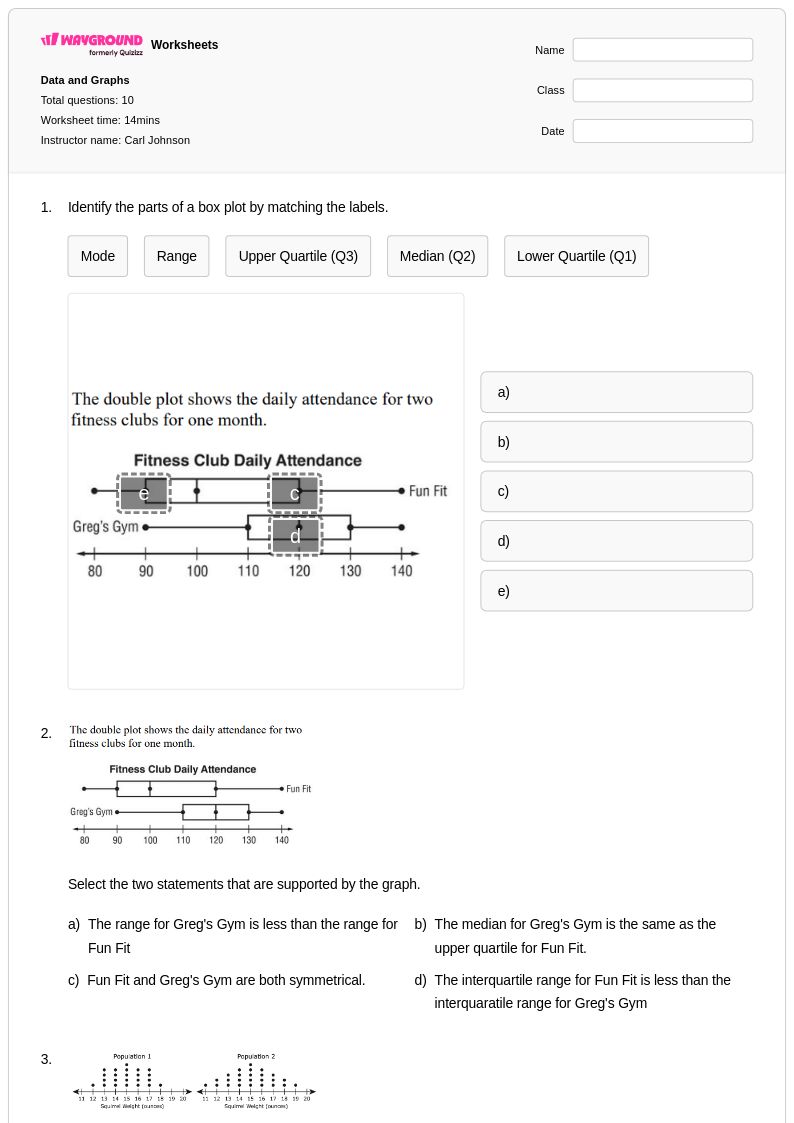
10 Hỏi
7th
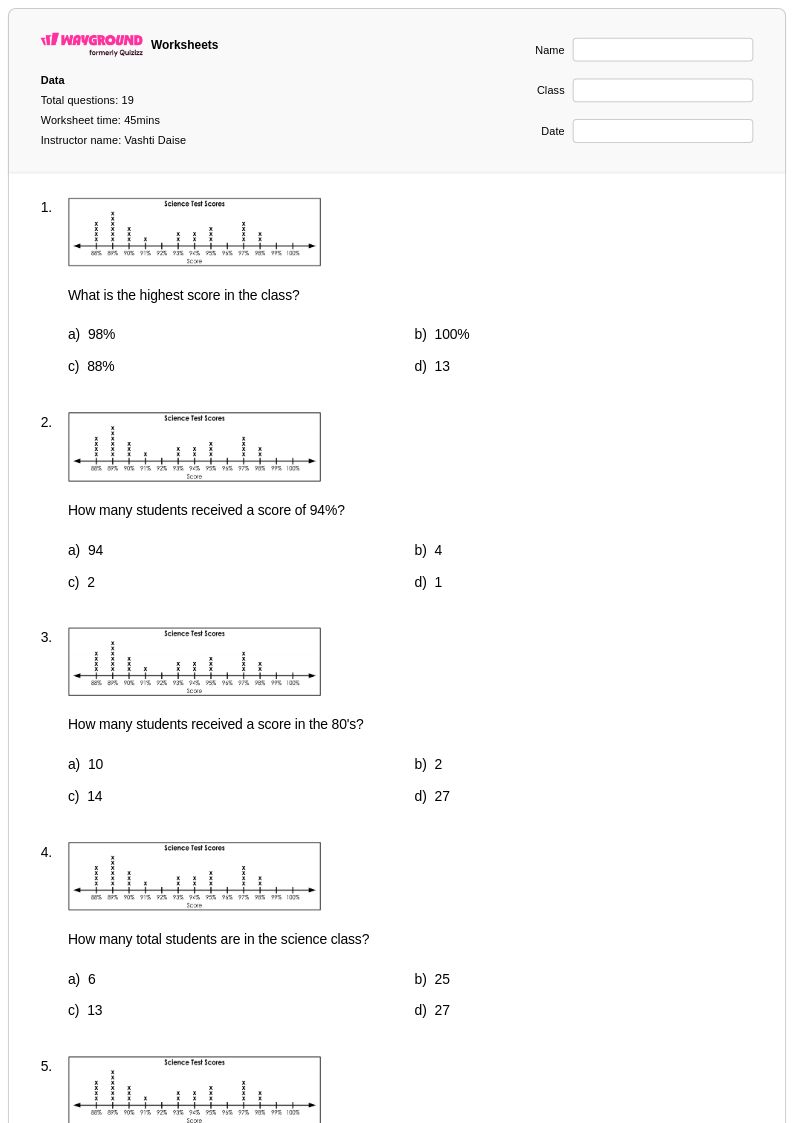
19 Hỏi
7th
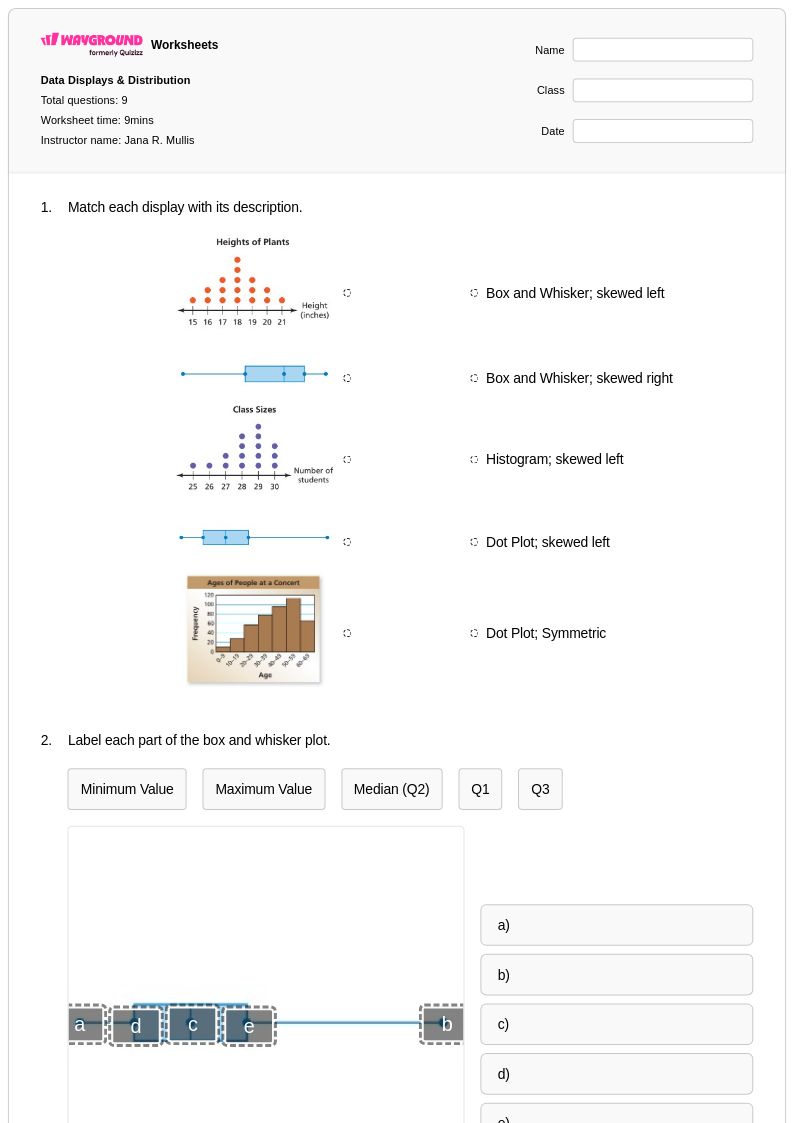
9 Hỏi
6th - 8th
Khám phá các bảng tính chủ đề khác cho grade 7
Explore printable Merging Data worksheets for Grade 7
Merging data represents a critical mathematical skill for Grade 7 students as they advance toward more sophisticated statistical analysis and interpretation. Wayground's comprehensive collection of merging data worksheets provides students with structured practice in combining information from multiple sources, tables, and datasets to draw meaningful conclusions. These carefully designed printables strengthen essential skills including identifying common variables across different data sets, aligning corresponding values, and creating unified representations that maintain data integrity. Each worksheet includes detailed answer keys that support both independent student work and guided instruction, while the free pdf format ensures easy access for classroom distribution and home practice. Students work through progressively challenging practice problems that build proficiency in recognizing data relationships, eliminating redundancies, and organizing merged information in clear, logical formats.
Wayground's extensive library draws from millions of teacher-created resources specifically focused on data manipulation and statistical literacy for seventh-grade mathematics. The platform's robust search and filtering capabilities enable educators to quickly locate worksheets that align with specific curriculum standards and match their students' current skill levels. Teachers benefit from powerful differentiation tools that support both remediation for struggling learners and enrichment opportunities for advanced students ready to tackle complex data merging scenarios. The flexible customization options allow instructors to modify existing materials or combine multiple resources to create targeted practice sessions, while the availability of both printable and digital formats, including downloadable pdfs, accommodates diverse classroom environments and teaching preferences. These comprehensive features streamline lesson planning and provide educators with reliable resources for developing students' analytical thinking and data literacy skills.
FAQs
How do I teach merging data to Grade 7 students?
What exercises help seventh graders practice merging data?
What mistakes do students commonly make when merging datasets?
How can I use a Grade 7 merging data worksheet in class?
How does merging data fit into the Grade 7 math curriculum?
How can I differentiate merging data practice for a mixed-ability class?