
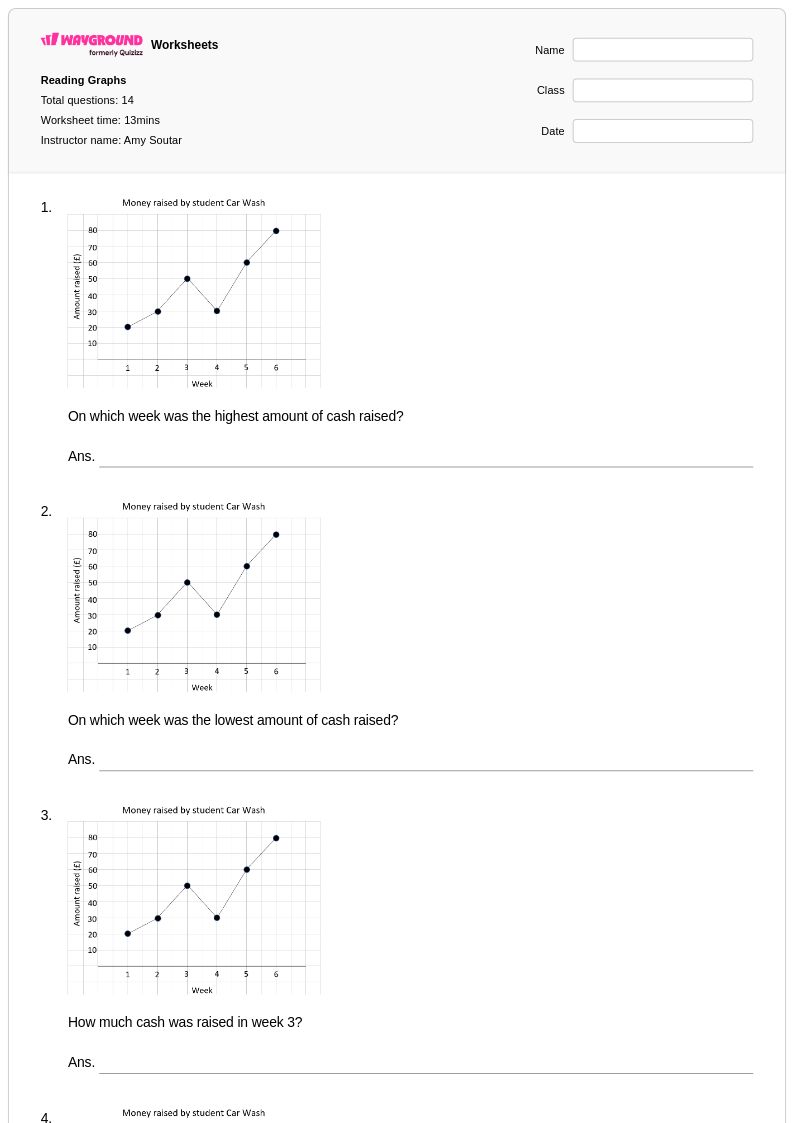
14 Q
1st - 10th
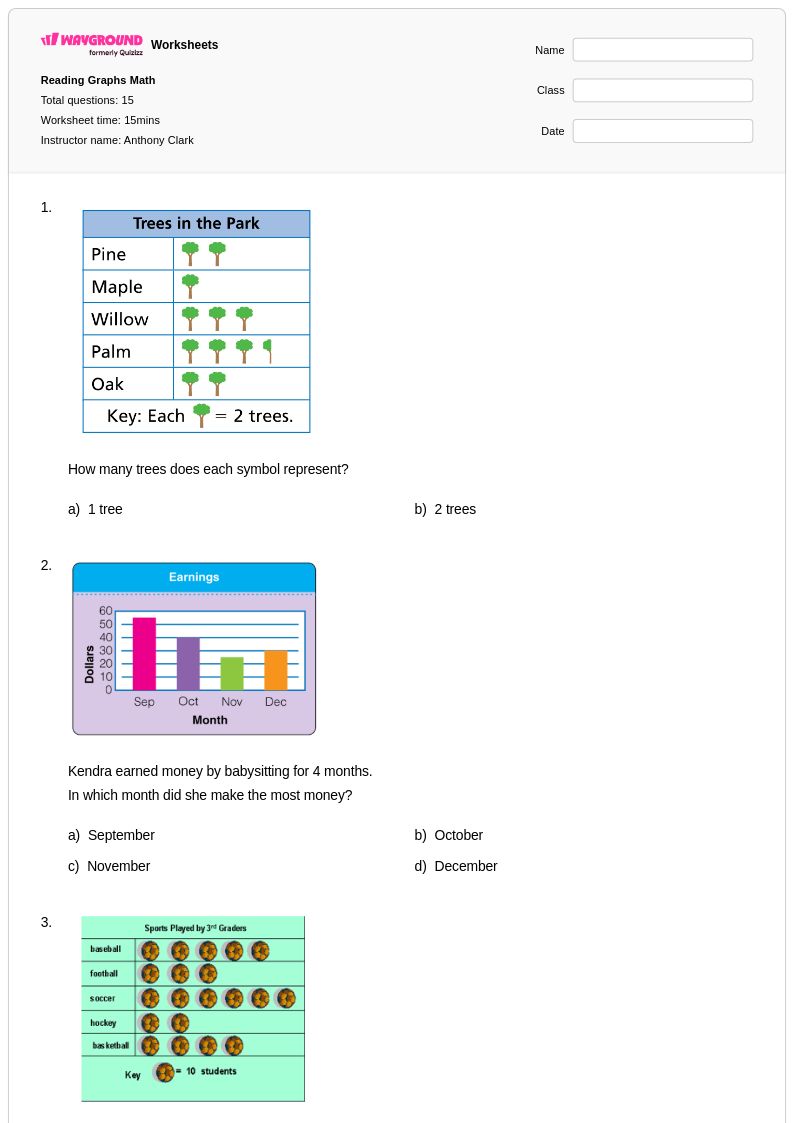
15 Q
2nd - Uni
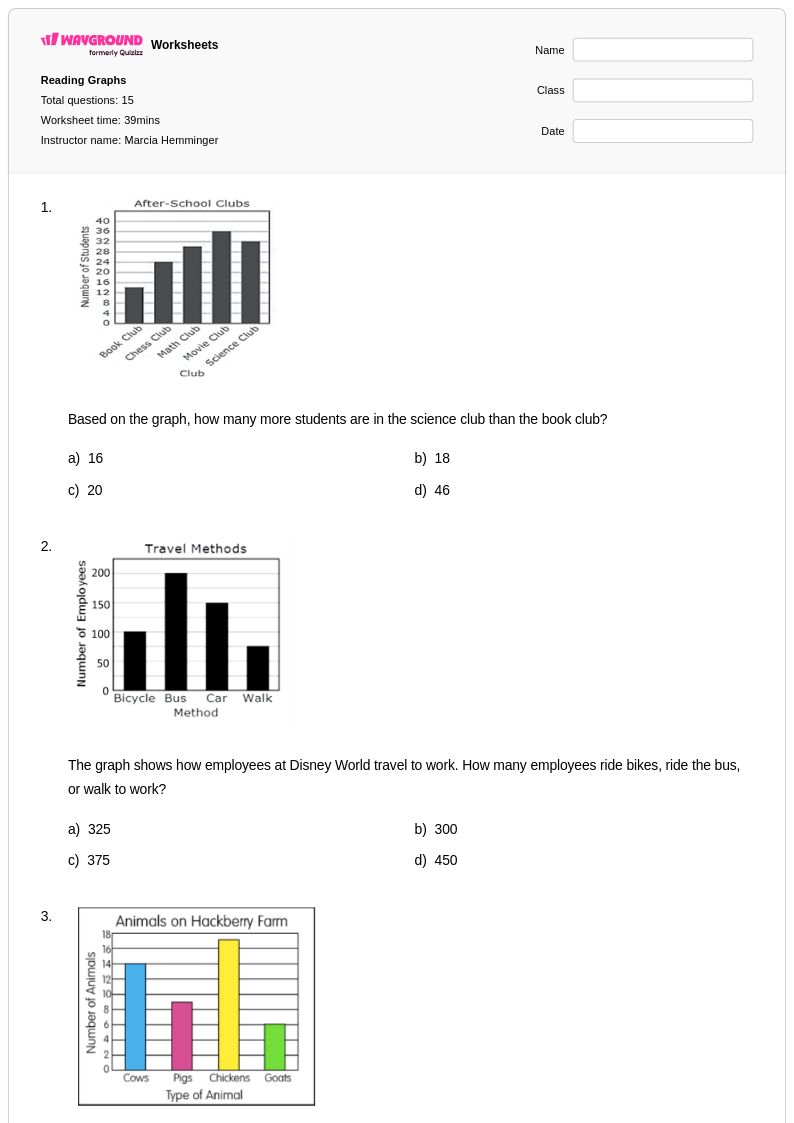
15 Q
4th
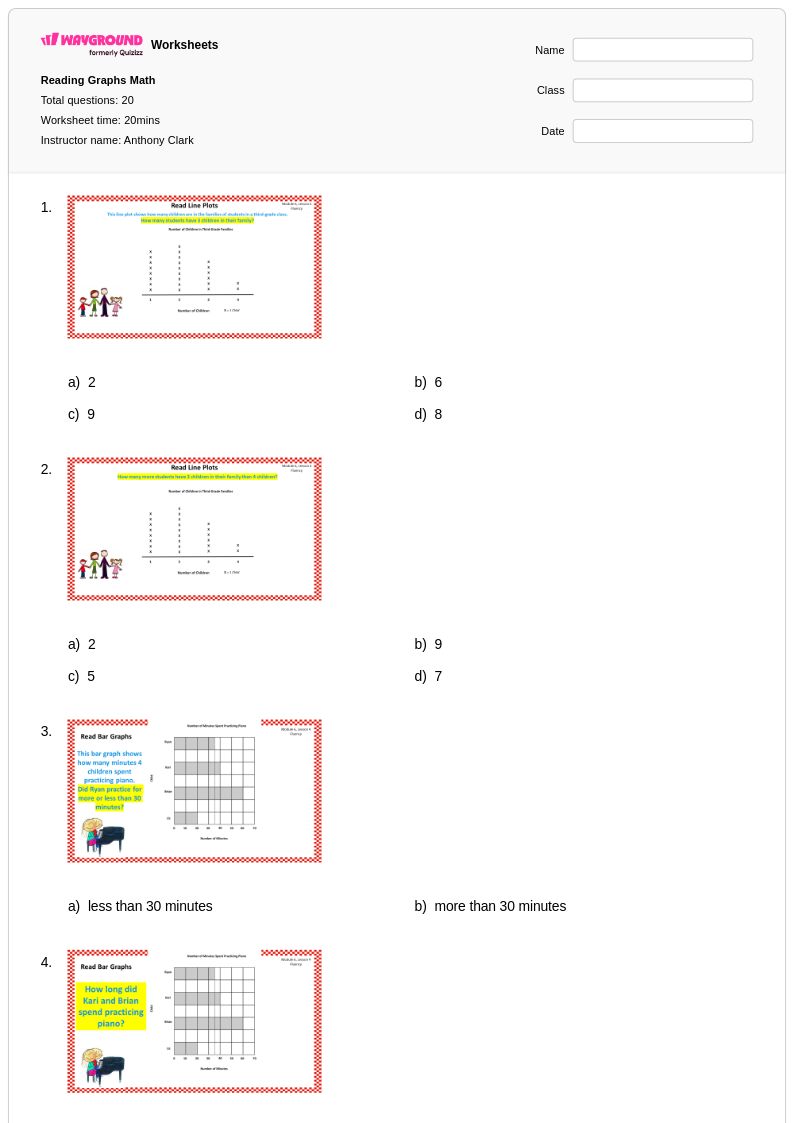
20 Q
2nd - Uni
12 Q
1st - 5th
15 Q
4th
12 Q
2nd - Uni
10 Q
2nd - Uni
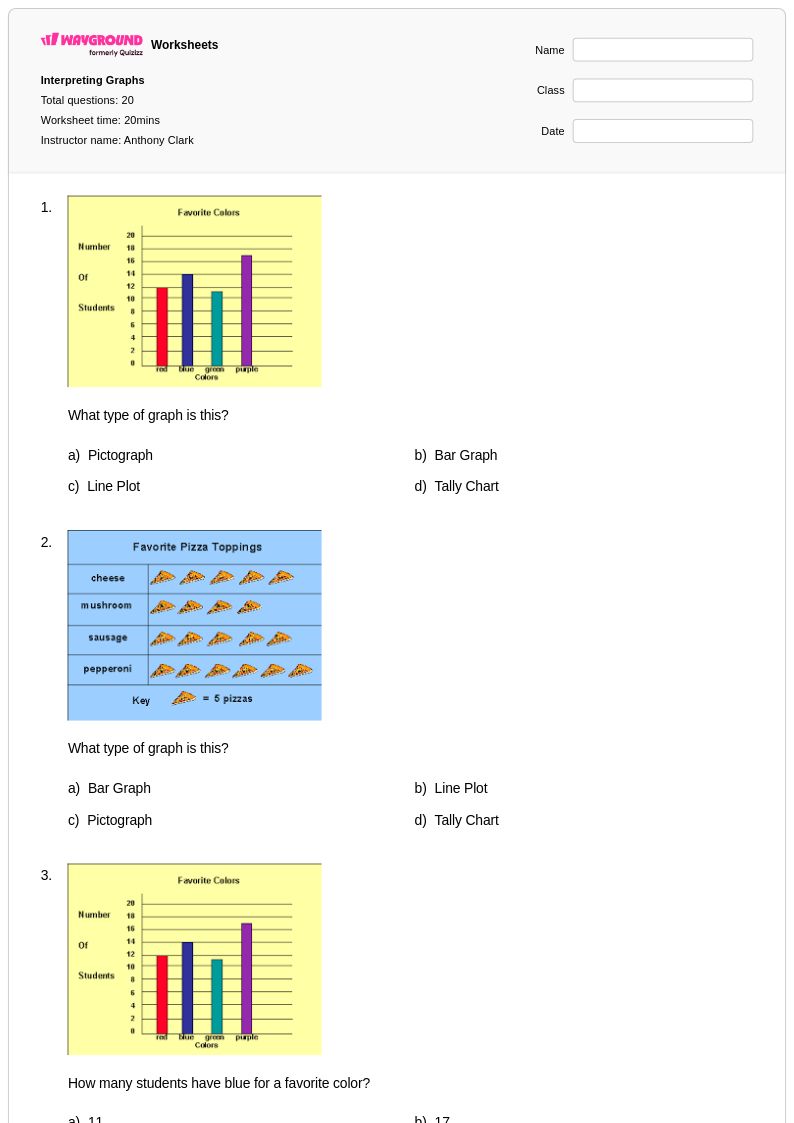
20 Q
3rd - Uni
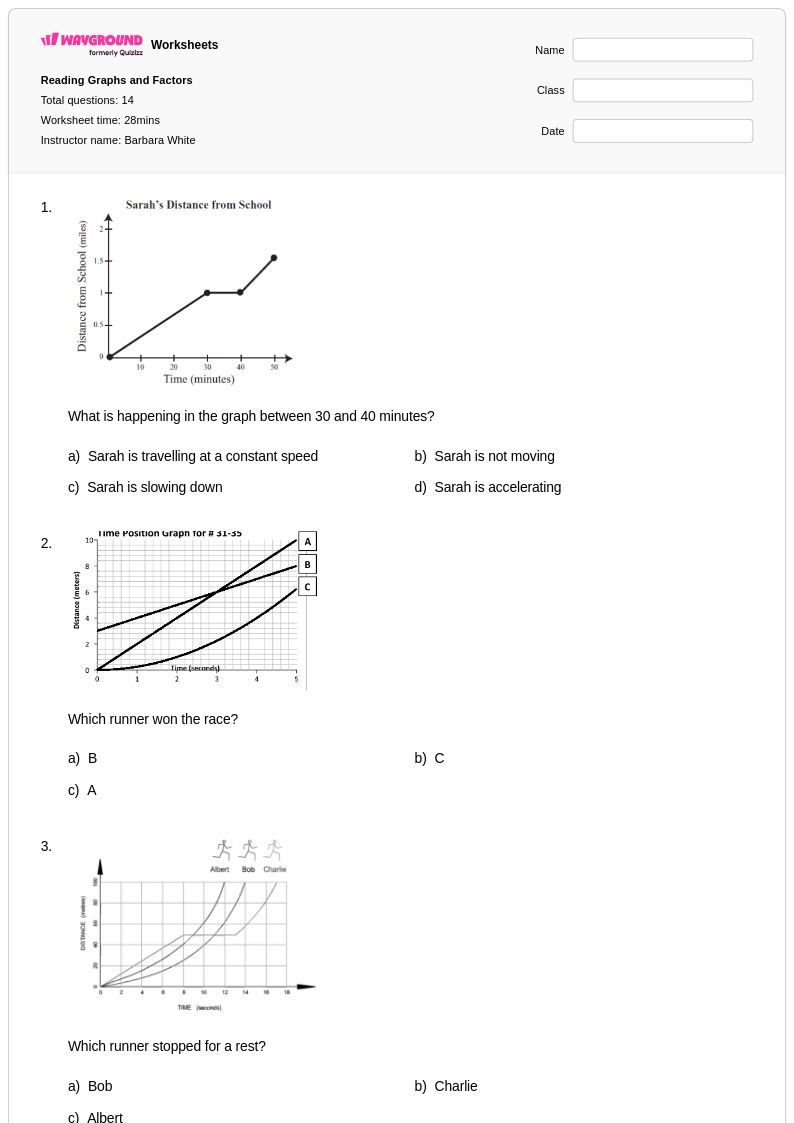
14 Q
4th
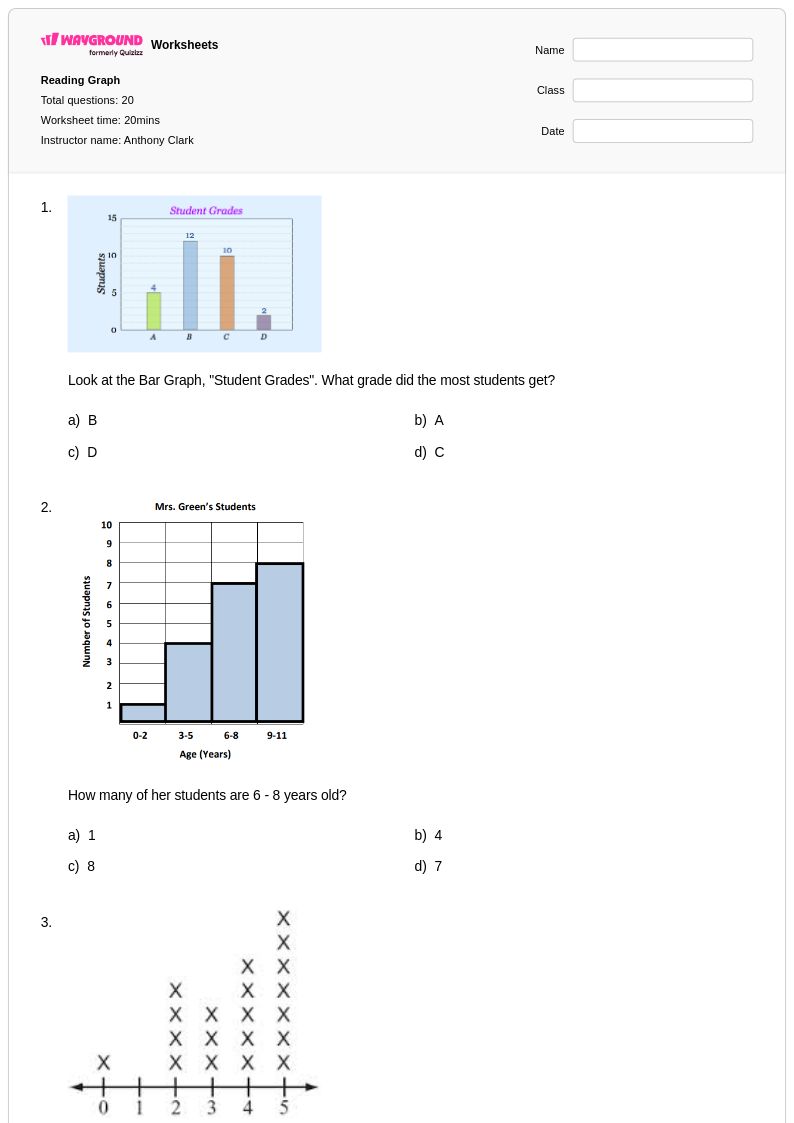
20 Q
4th - Uni

20 Q
4th - Uni
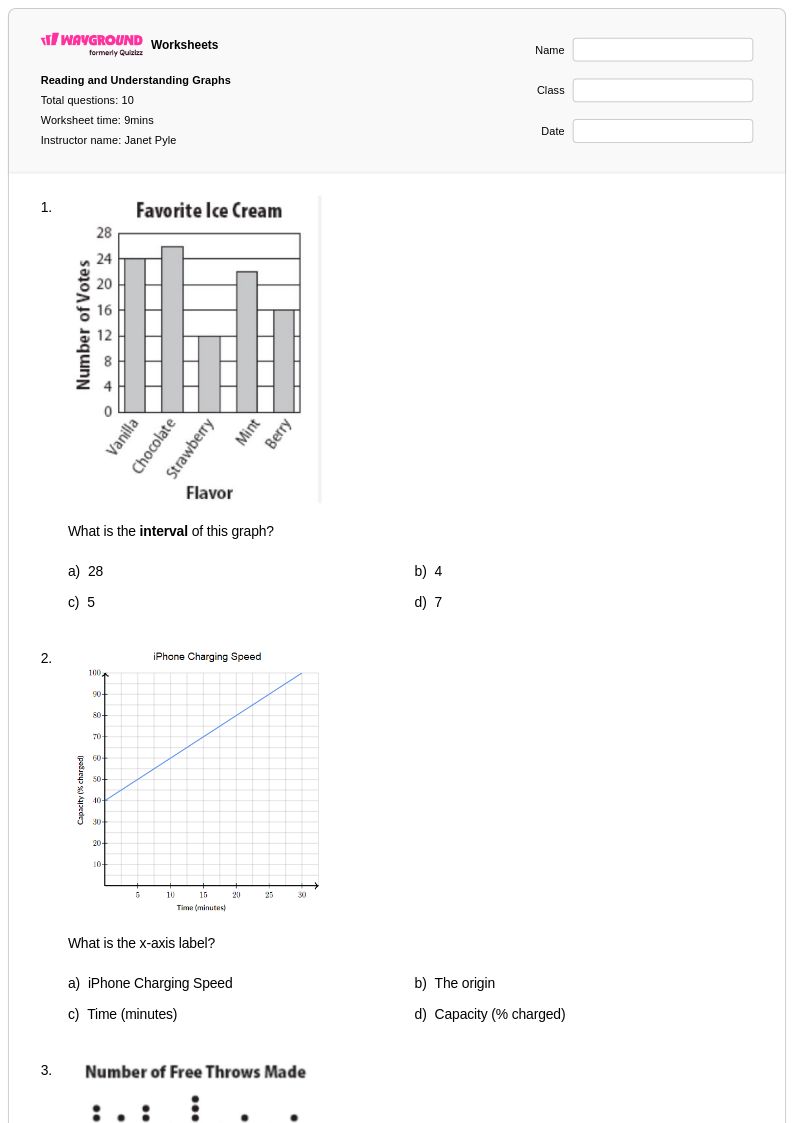
10 Q
4th - 6th
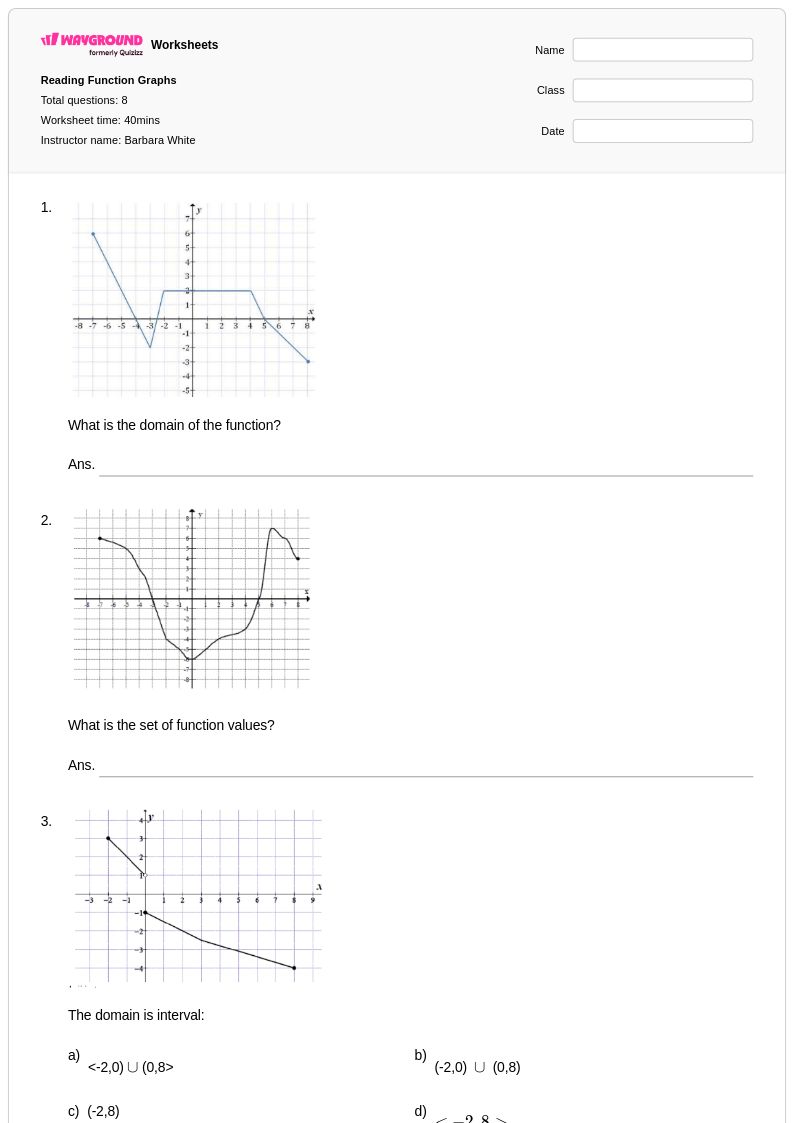
8 Q
1st - 11th
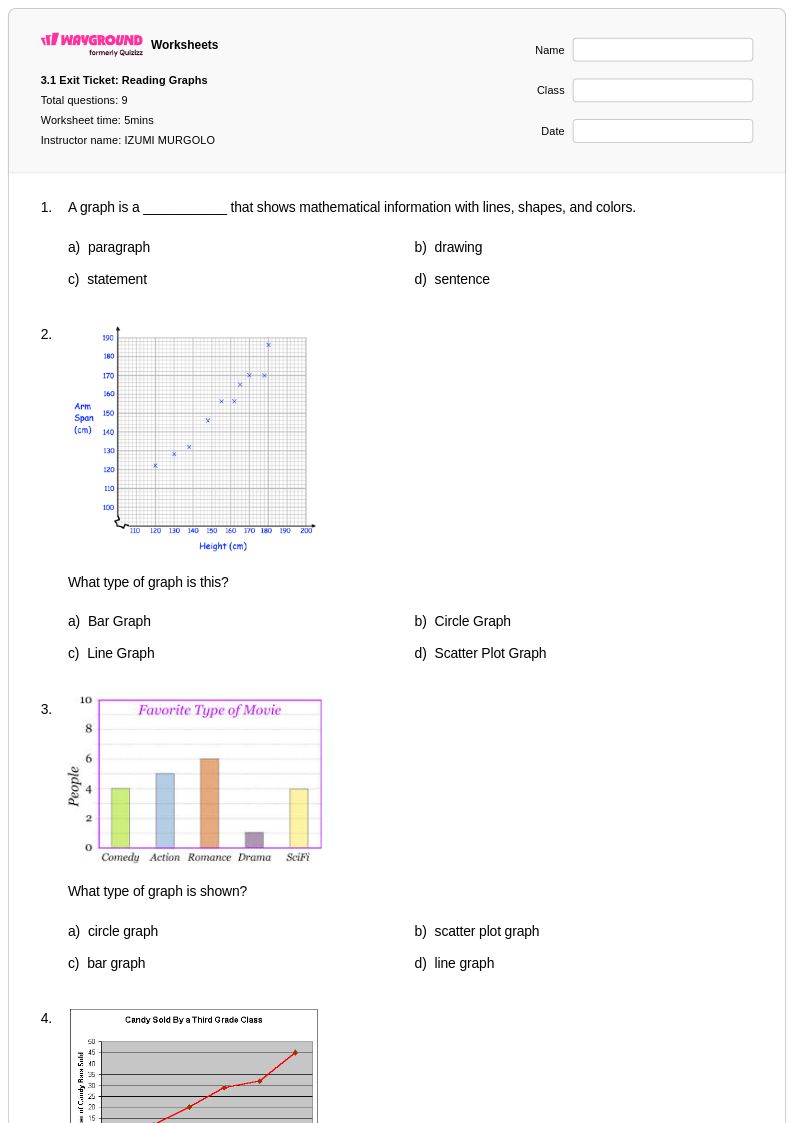
9 Q
1st - 9th
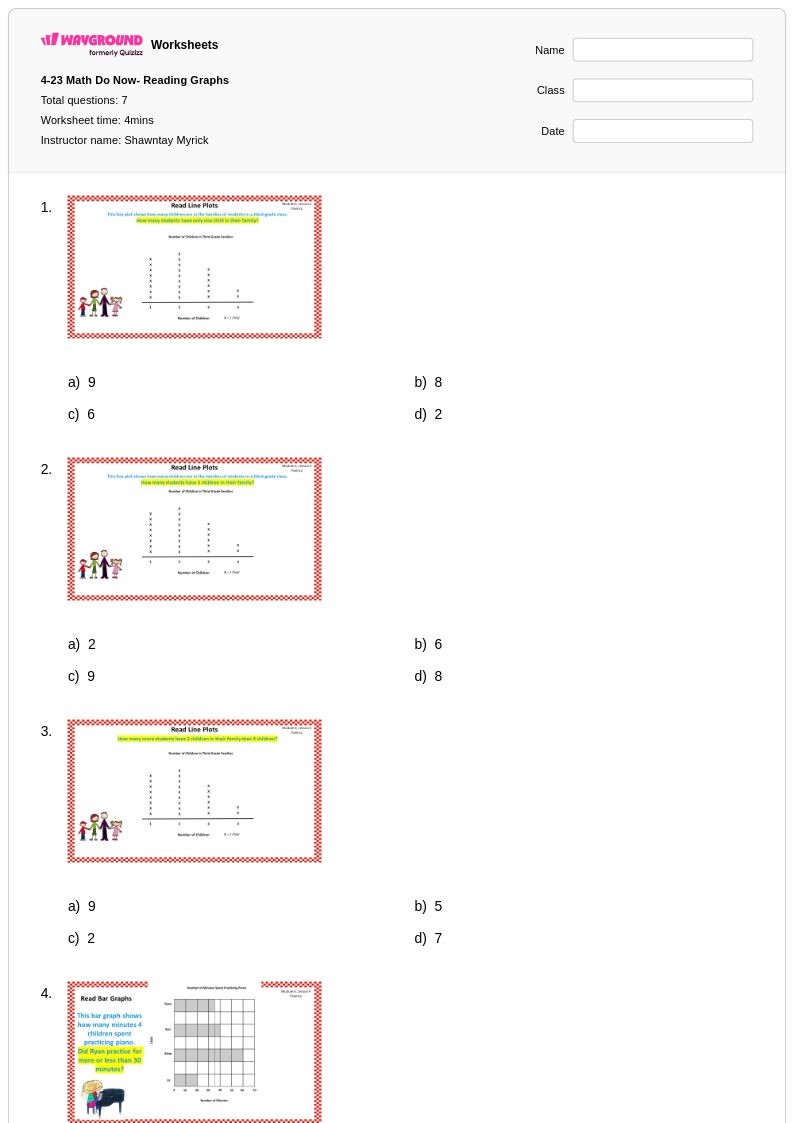
7 Q
3rd - PD
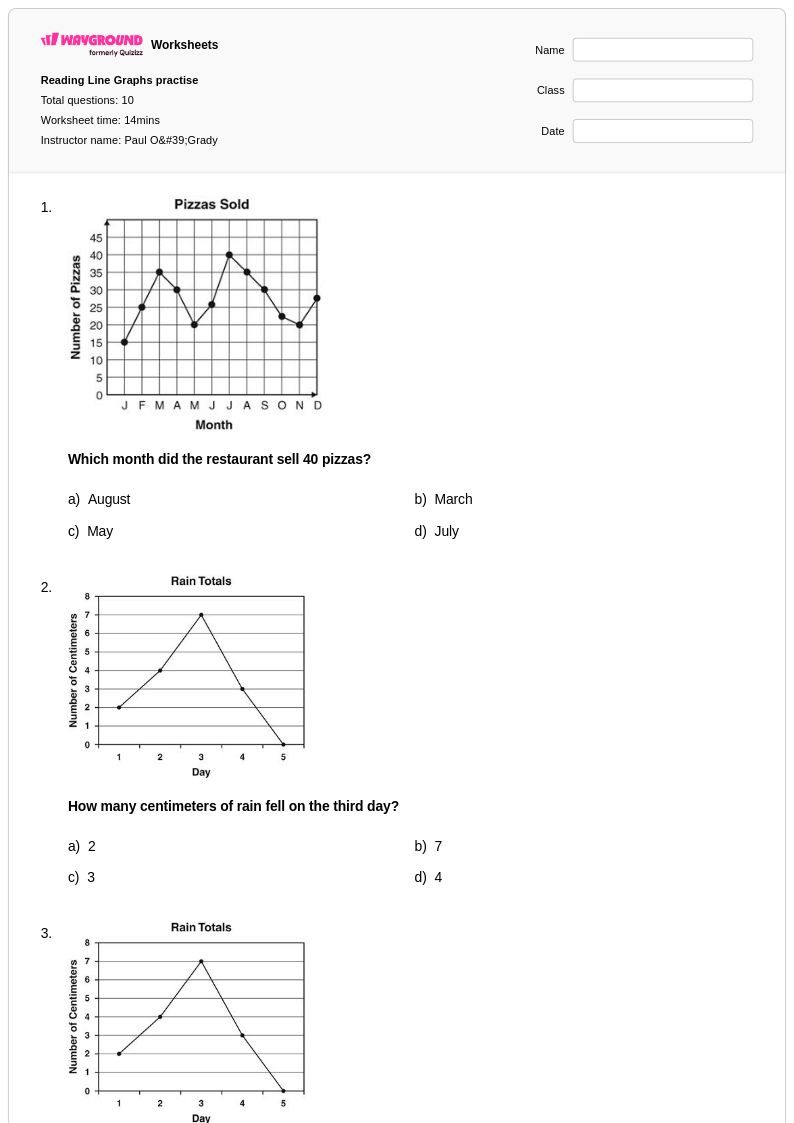
10 Q
4th
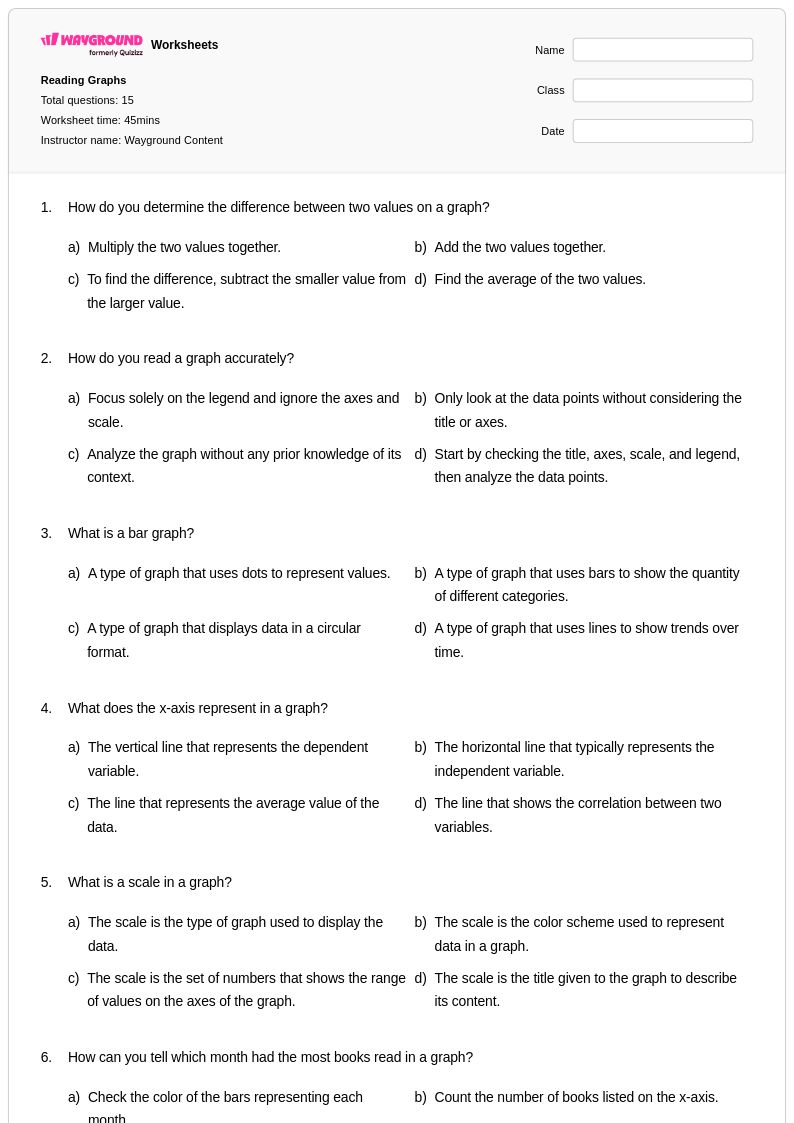
15 Q
4th

10 Q
4th
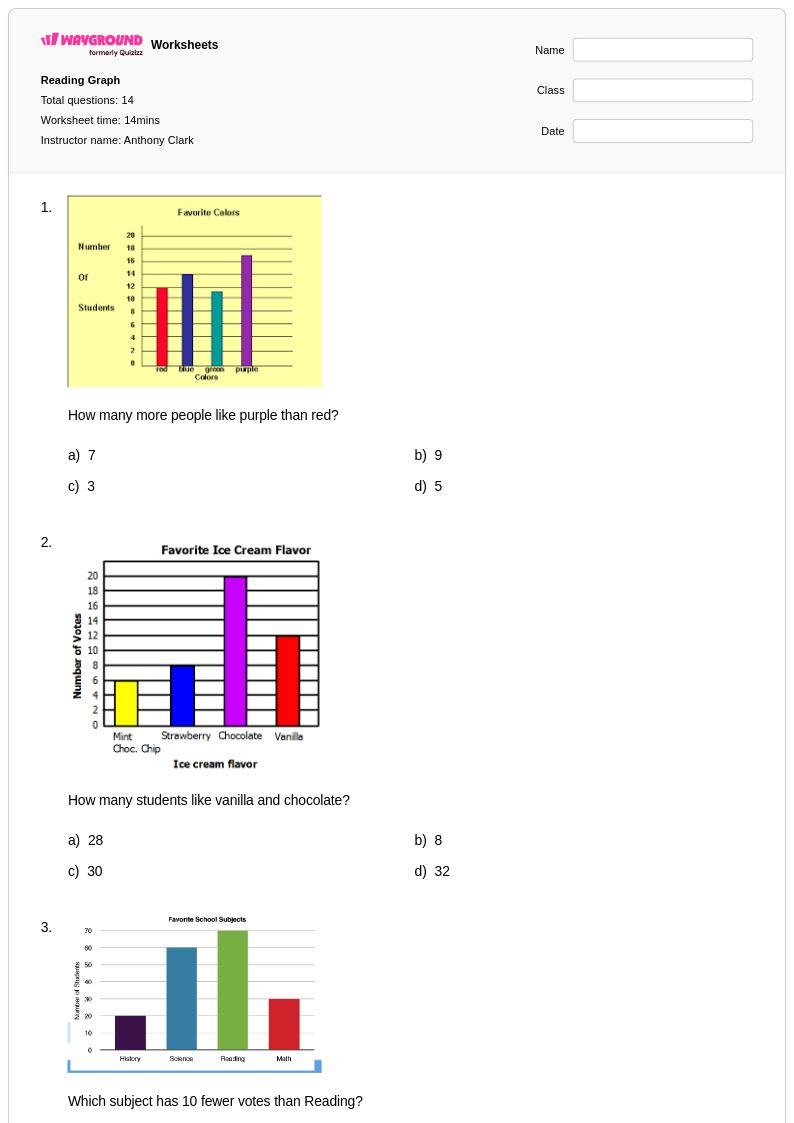
14 Q
4th - Uni
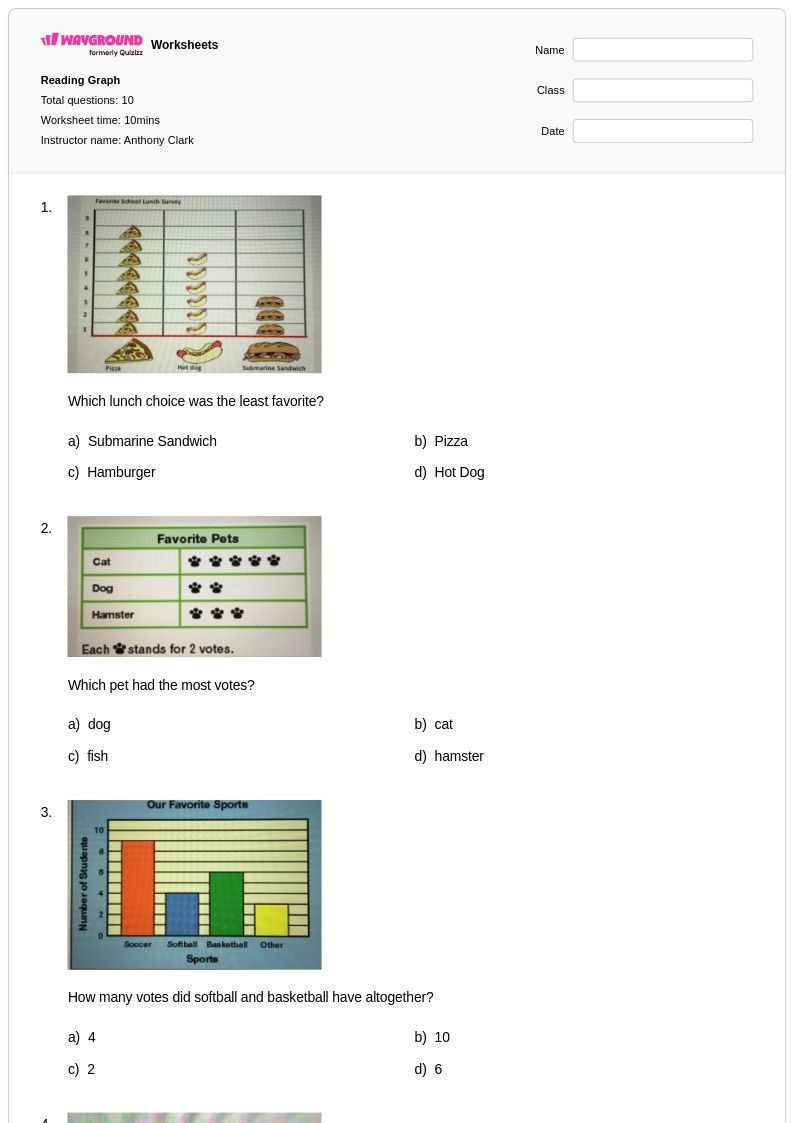
10 Q
4th - Uni
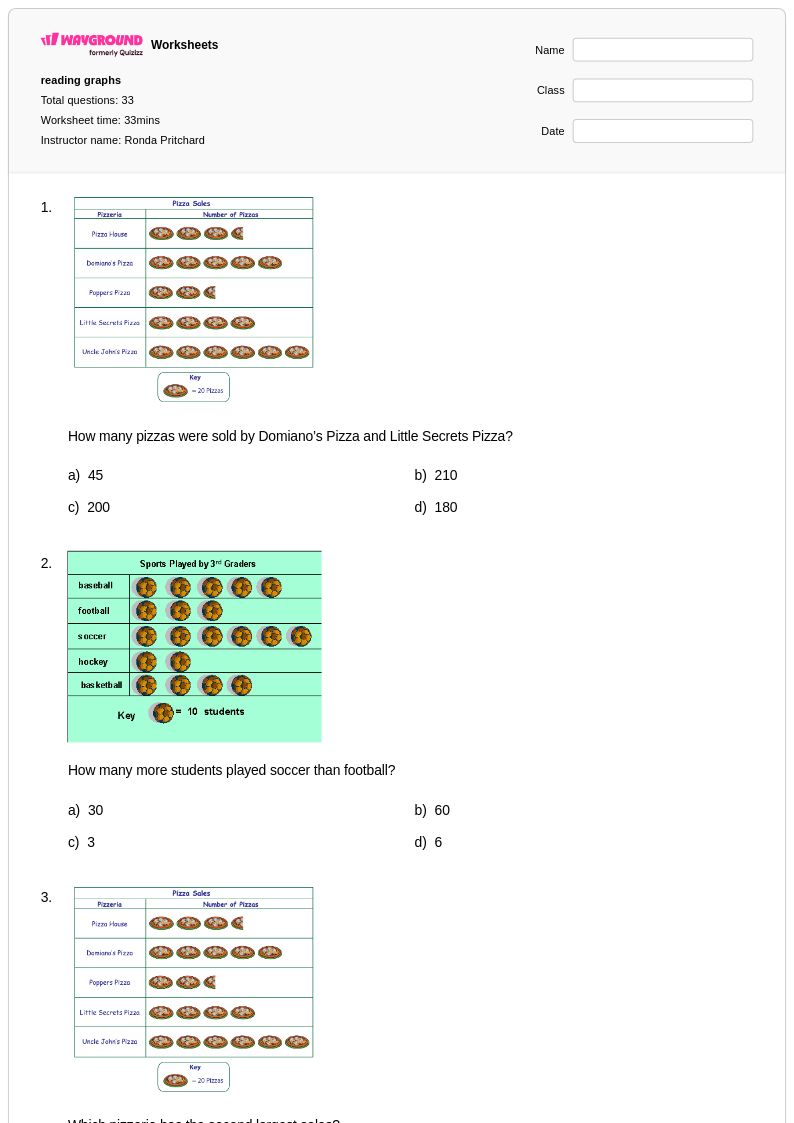
33 Q
2nd - 4th
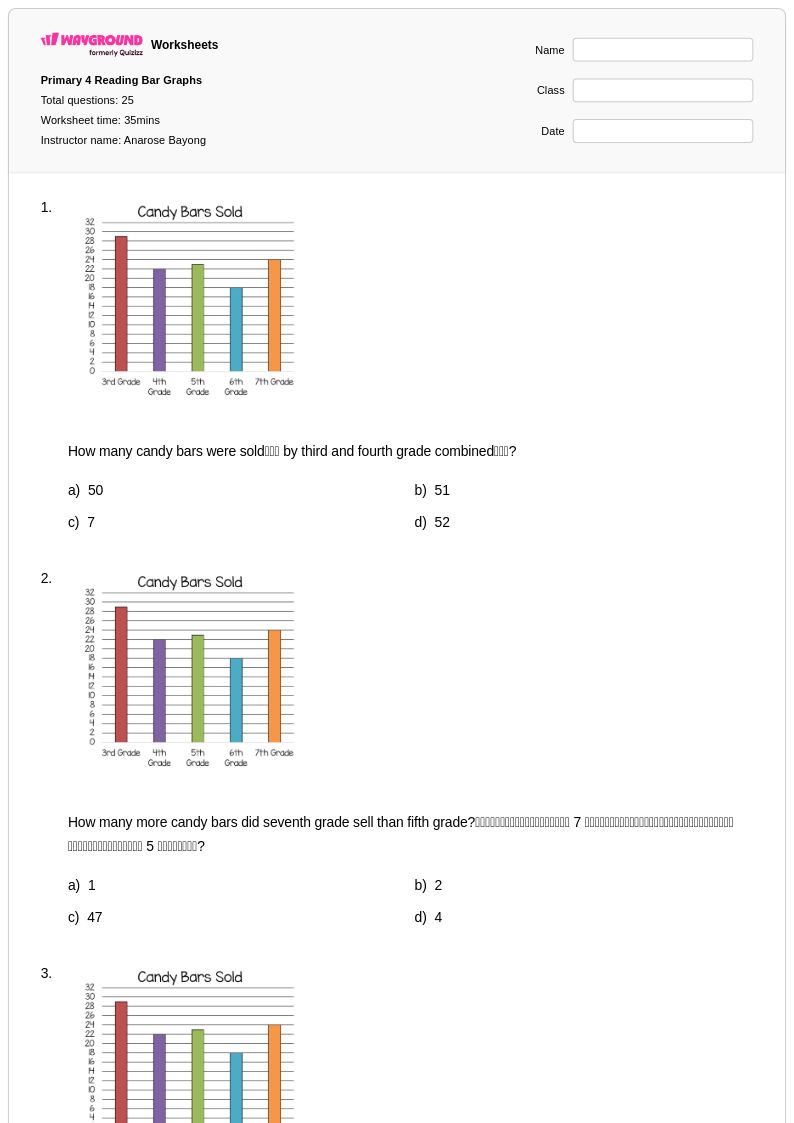
25 Q
4th
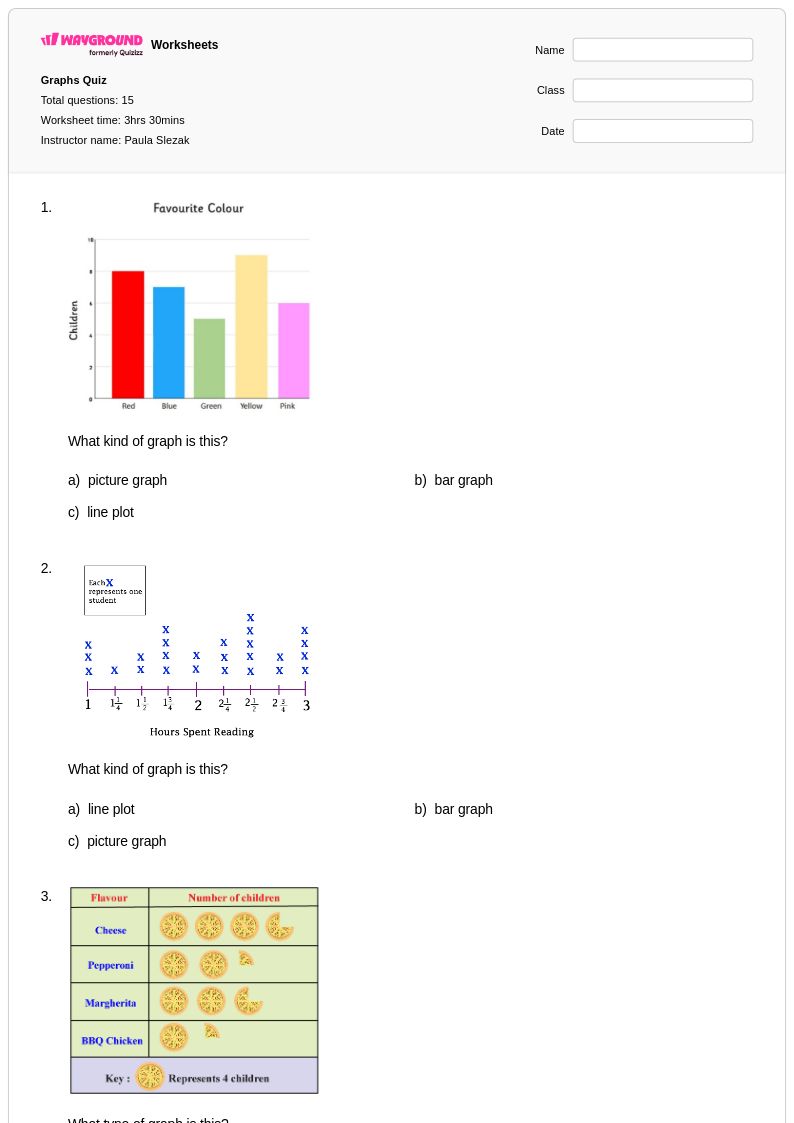
15 Q
3rd - 4th
Explore Reading Graphs Worksheets by Grades
Explore Other Subject Worksheets for grade 4
Explore printable Reading Graphs worksheets for Grade 4
Reading graphs worksheets for Grade 4 students available through Wayground (formerly Quizizz) provide comprehensive practice in interpreting and analyzing various types of visual data representations. These carefully designed worksheets strengthen essential mathematical skills including extracting information from bar graphs, line graphs, pictographs, and simple data tables, while building students' ability to answer questions about trends, comparisons, and specific data points. Each worksheet collection includes practice problems that progress from basic graph reading to more complex analytical tasks, complete with answer keys that support independent learning and self-assessment. The free printable resources in pdf format ensure that educators can easily distribute materials for classroom instruction, homework assignments, or assessment preparation.
Wayground (formerly Quizizz) empowers teachers with millions of educator-created graph reading worksheets that can be seamlessly integrated into Grade 4 mathematics instruction. The platform's robust search and filtering capabilities allow teachers to locate materials aligned with specific curriculum standards and learning objectives, while differentiation tools enable customization for diverse student needs and ability levels. These versatile resources are available in both printable pdf format and digital versions, providing flexibility for traditional classroom settings, remote learning environments, or hybrid instruction models. Teachers can efficiently plan targeted skill practice sessions, design remediation activities for struggling learners, or create enrichment opportunities for advanced students, all while accessing comprehensive collections that support systematic development of data interpretation skills throughout the academic year.