
173 Q
9th
16 Q
8th - Uni
21 Q
9th - 12th
24 Q
9th - 12th
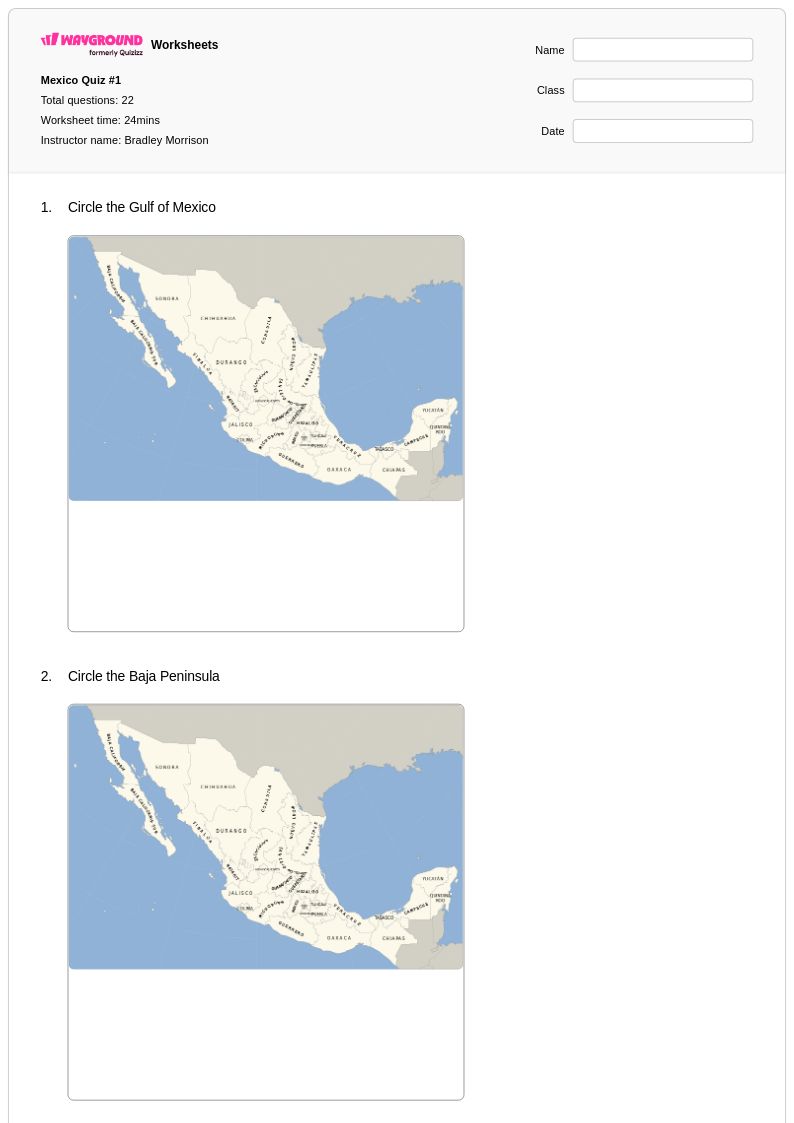
22 Q
9th
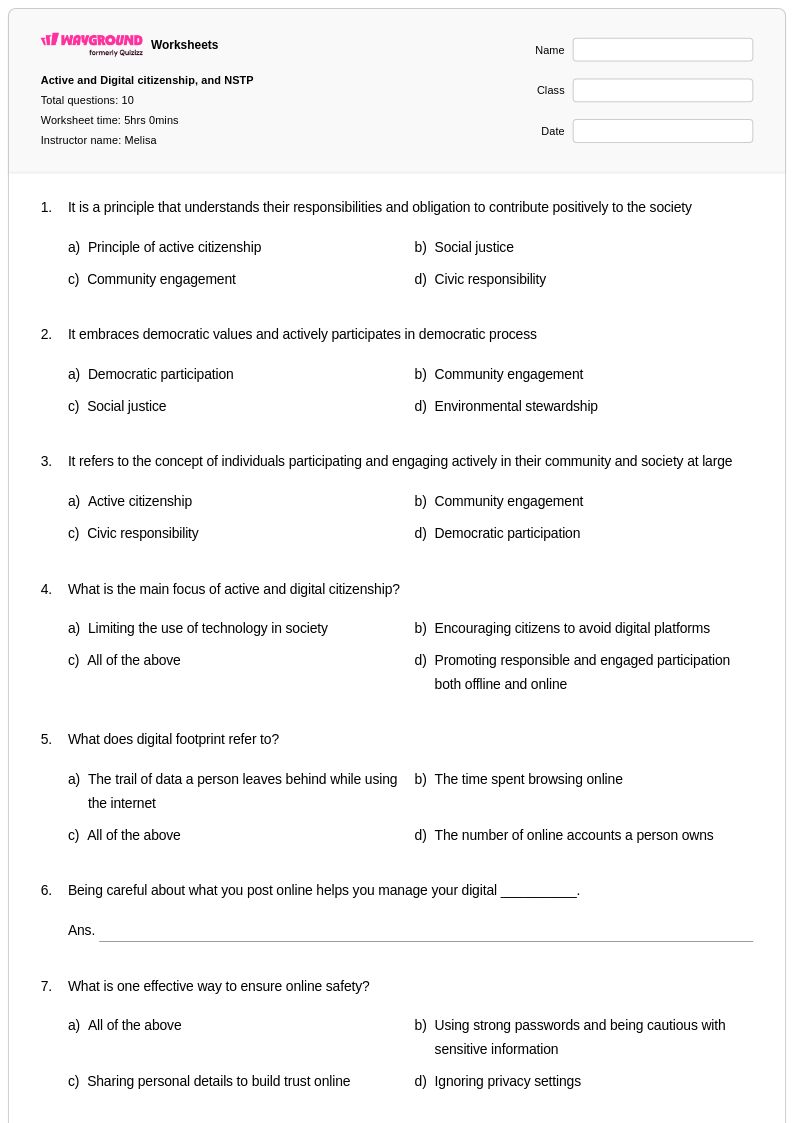
10 Q
9th
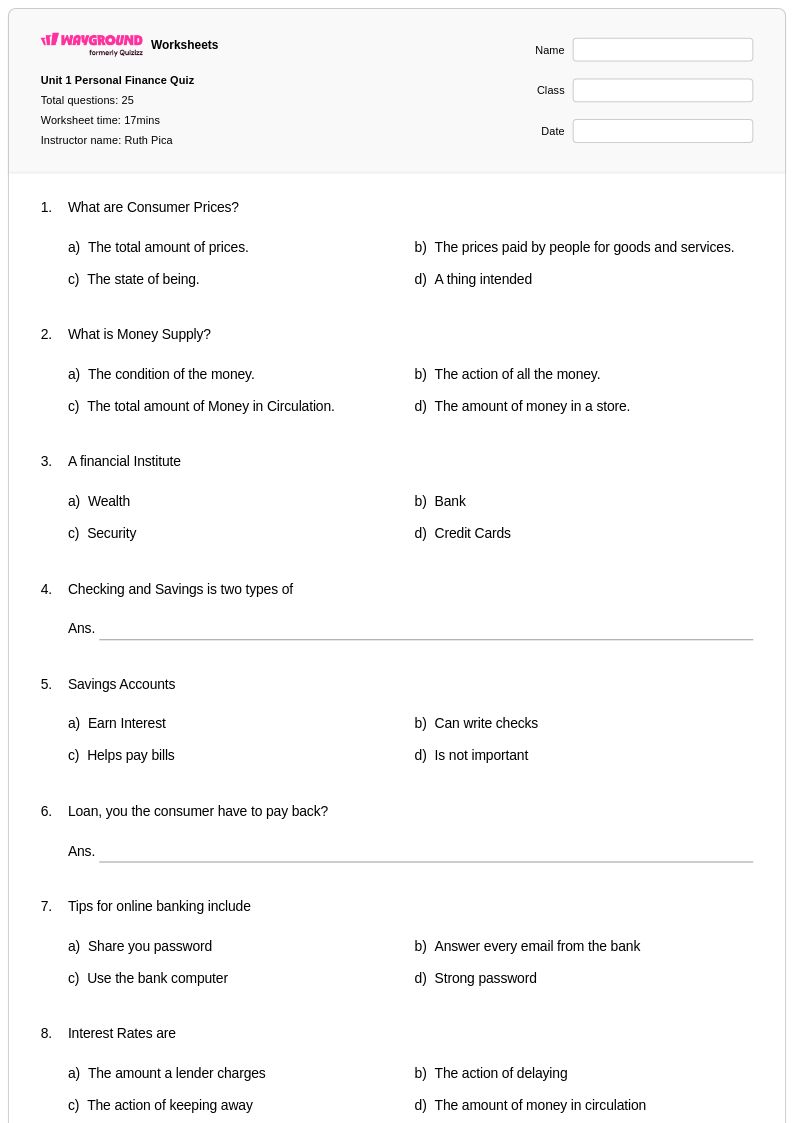
25 Q
9th
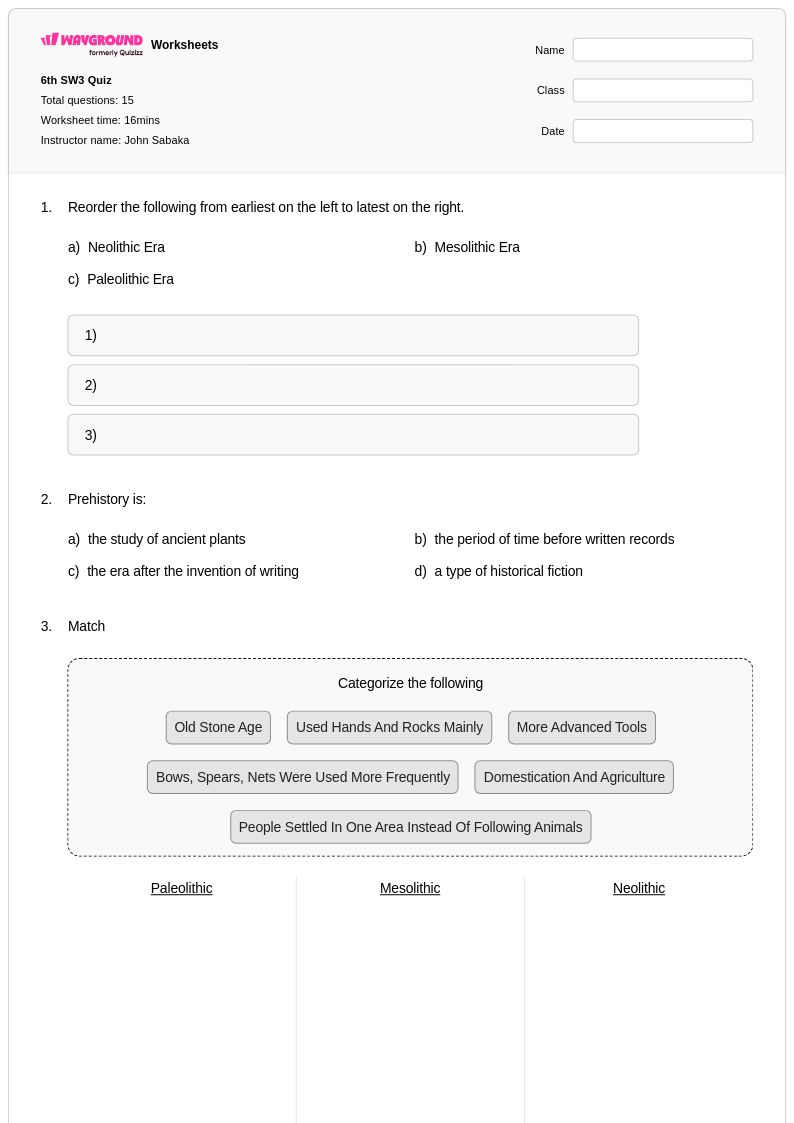
15 Q
6th - Uni
20 Q
6th - Uni
18 Q
2nd - Uni
74 Q
9th - 12th
14 Q
5th - Uni
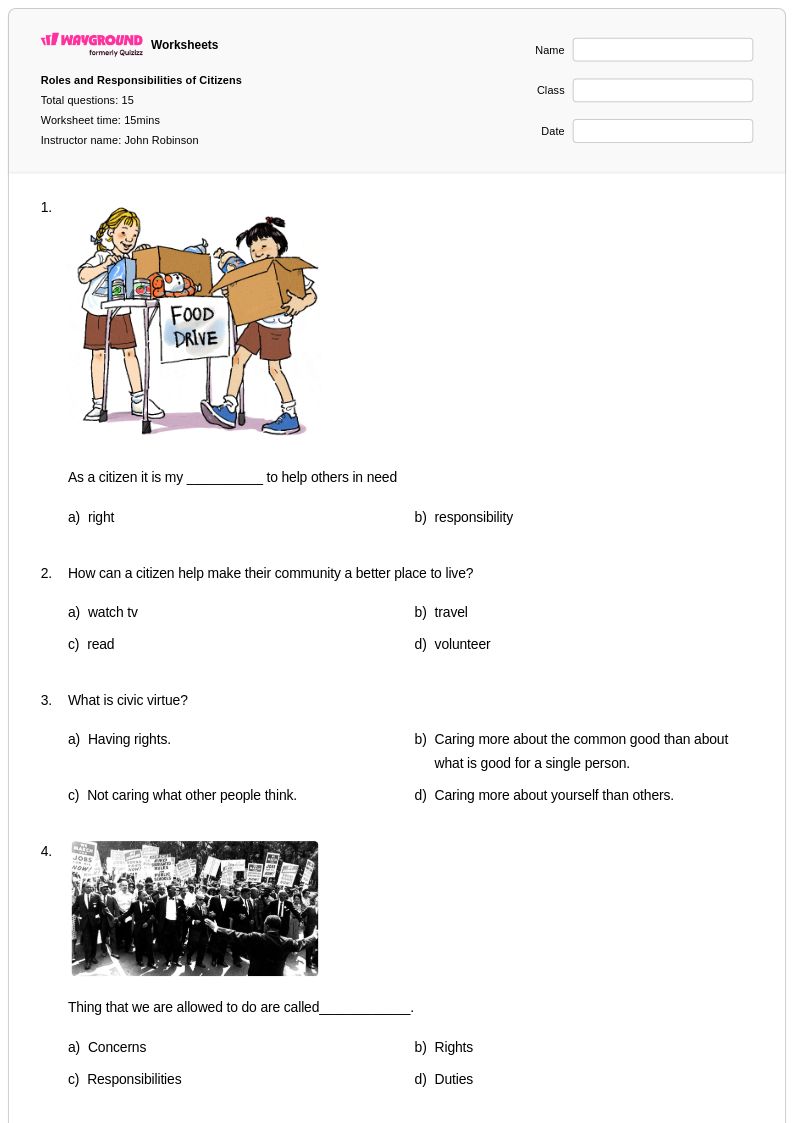
15 Q
8th - Uni
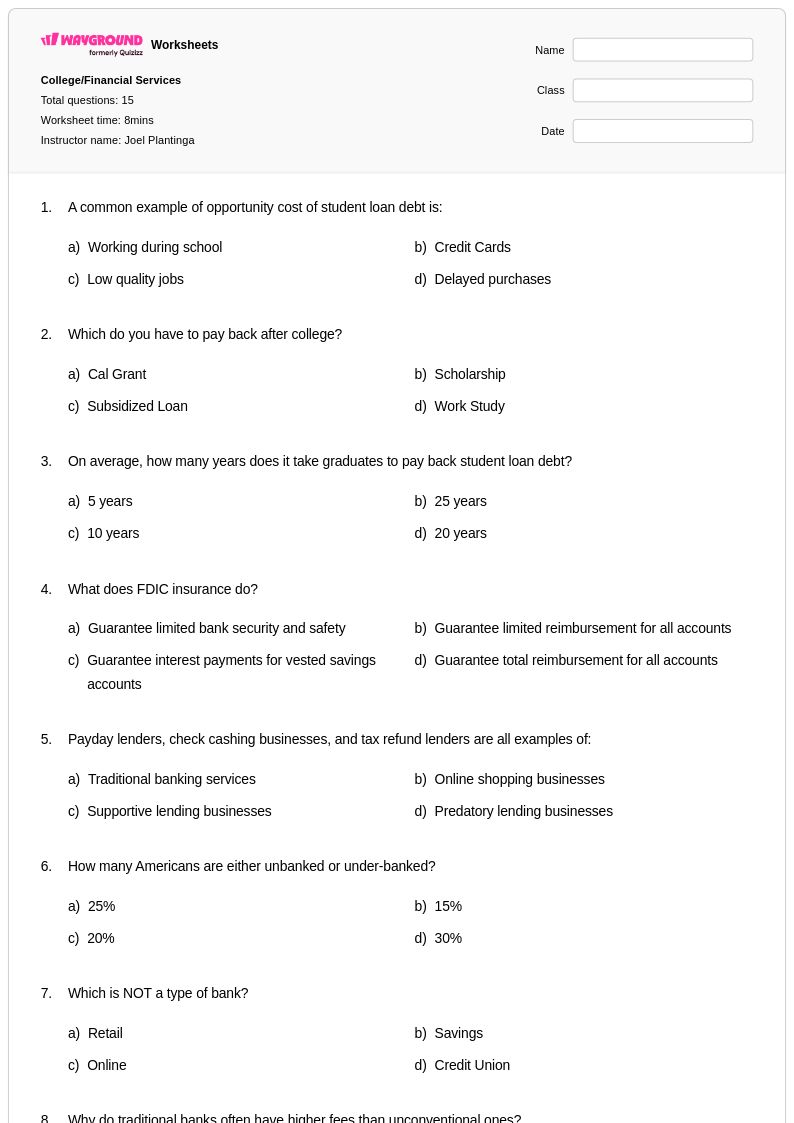
15 Q
9th - 12th
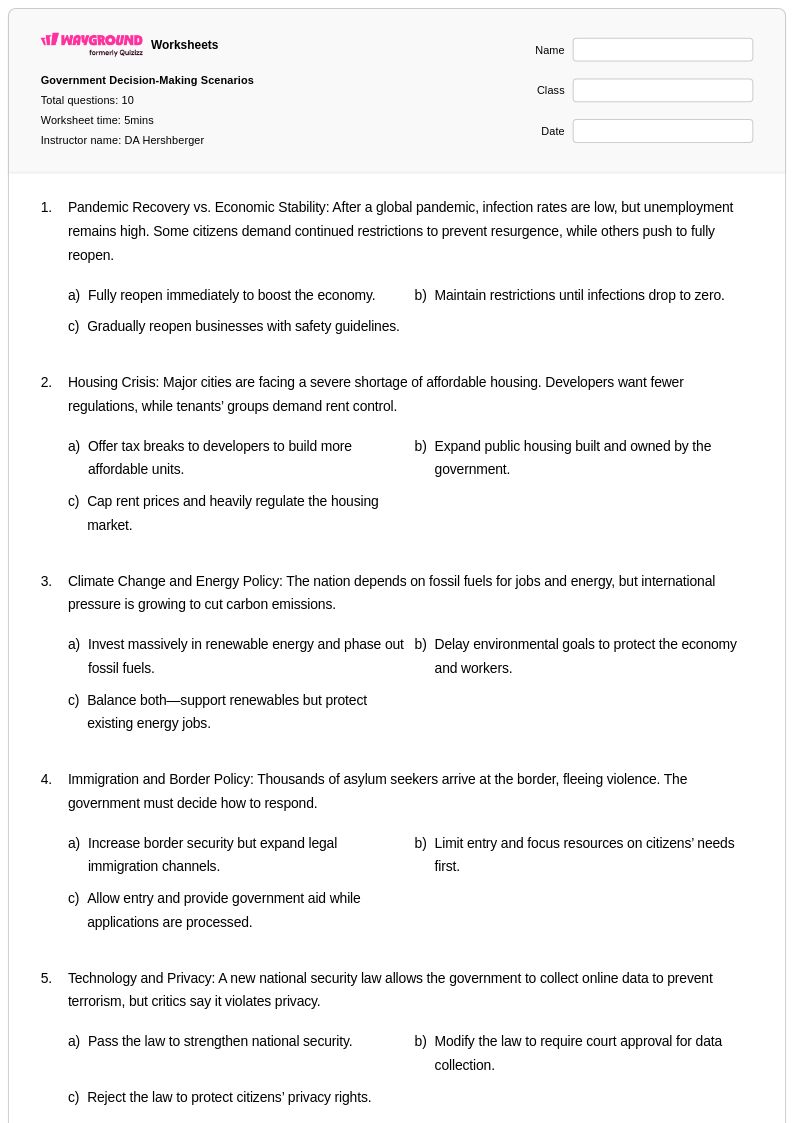
10 Q
9th - 12th
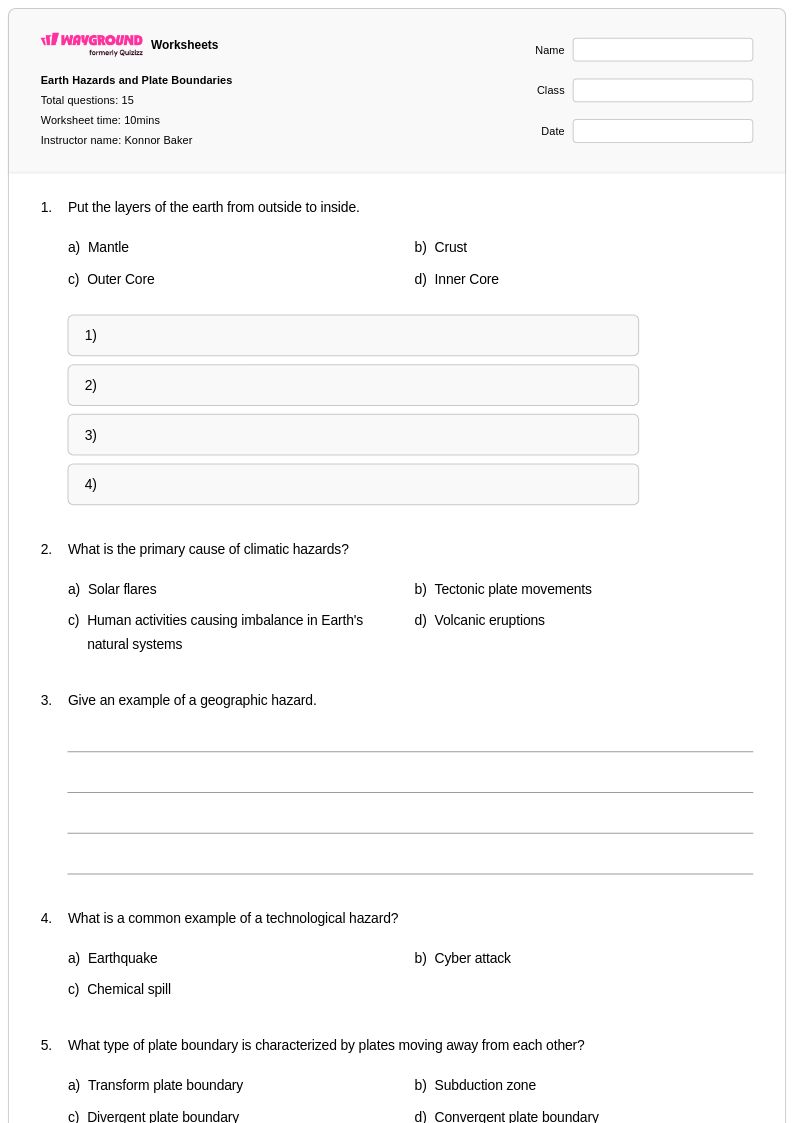
15 Q
9th

8 Q
9th
11 Q
9th - 12th
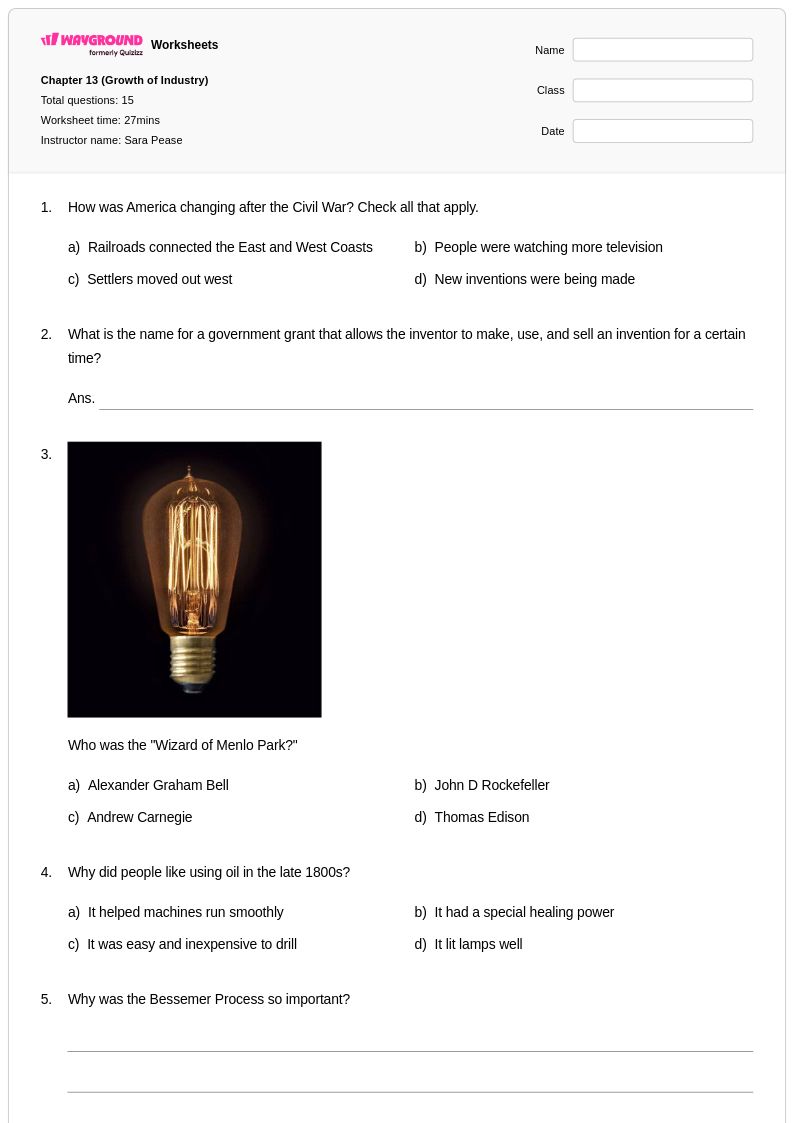
15 Q
9th
29 Q
7th - 12th
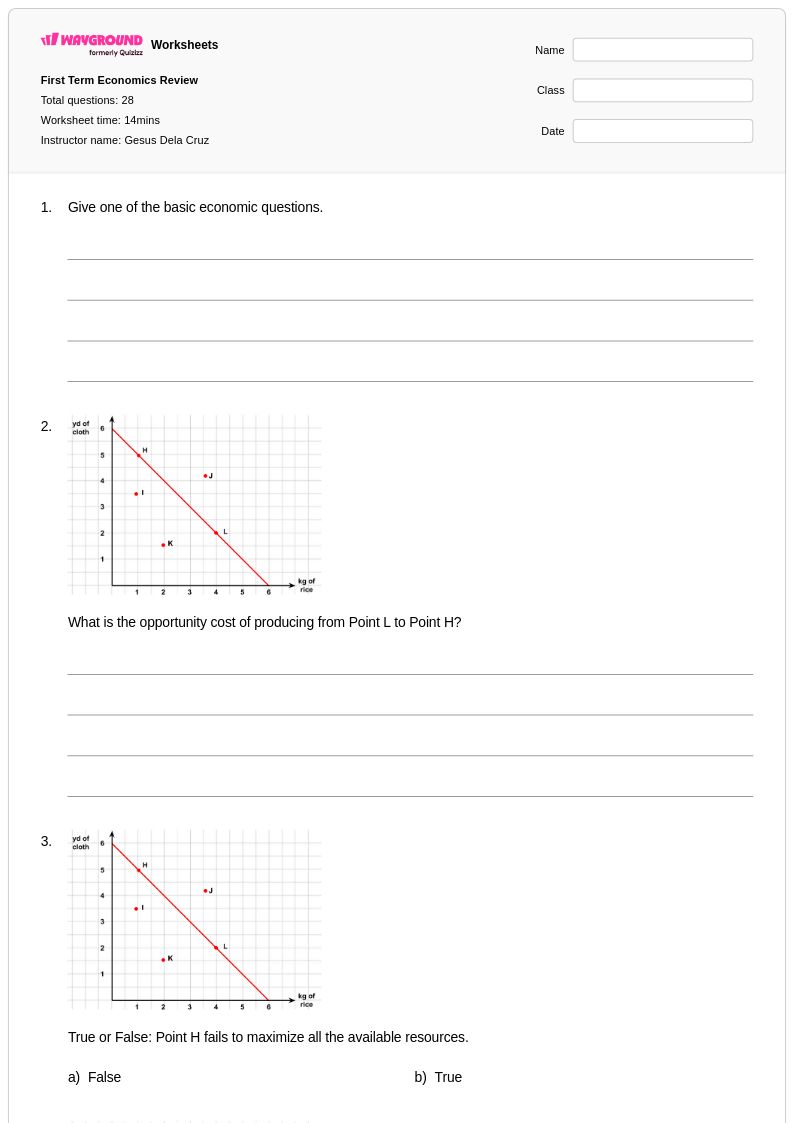
28 Q
9th
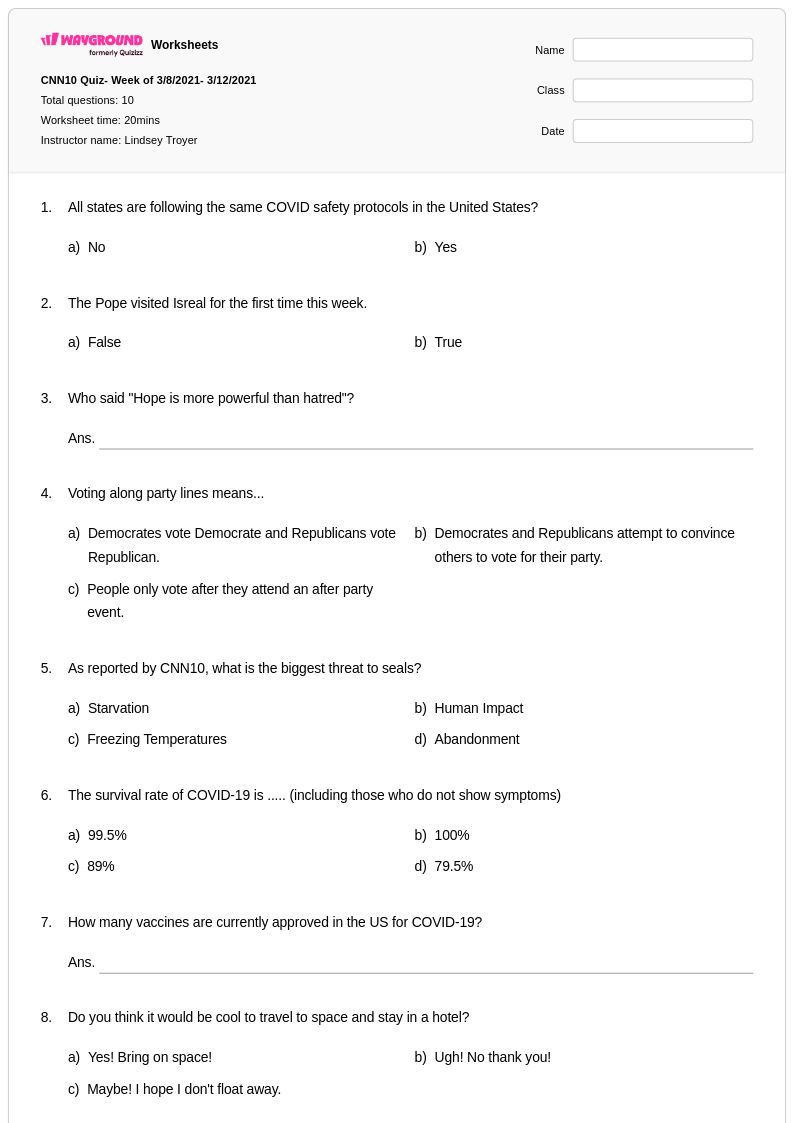
10 Q
7th - 12th
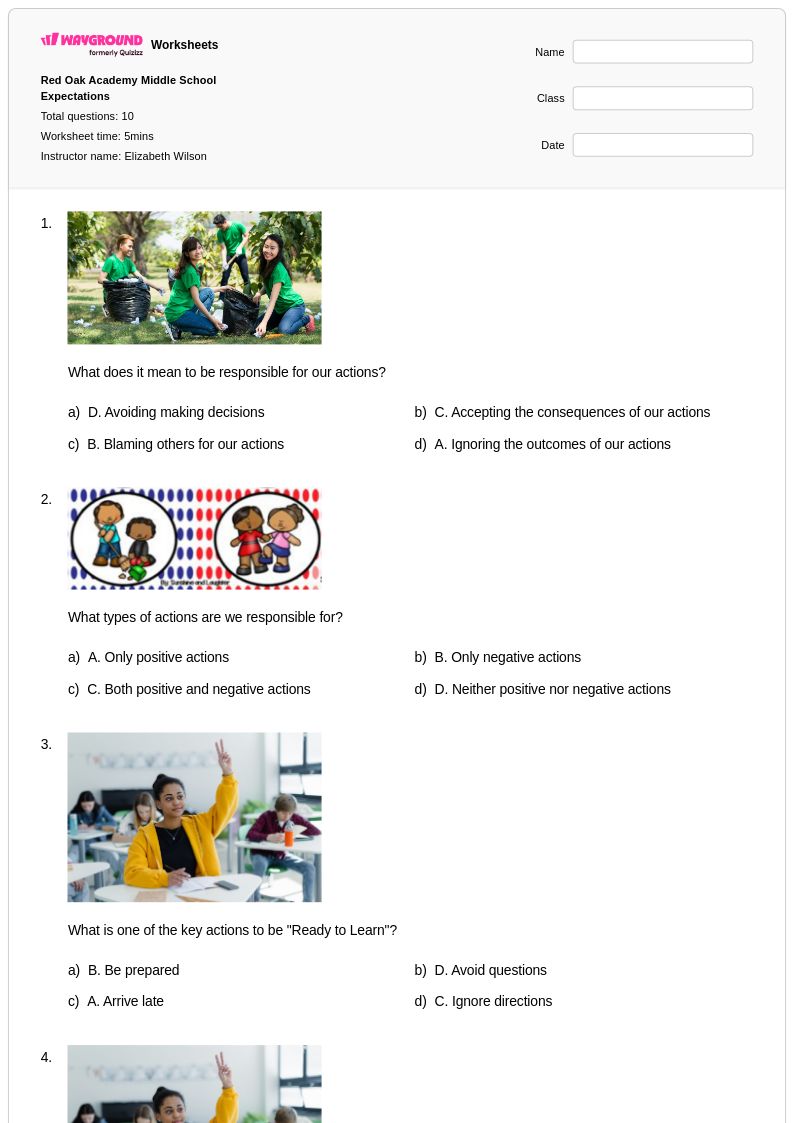
10 Q
6th - Uni
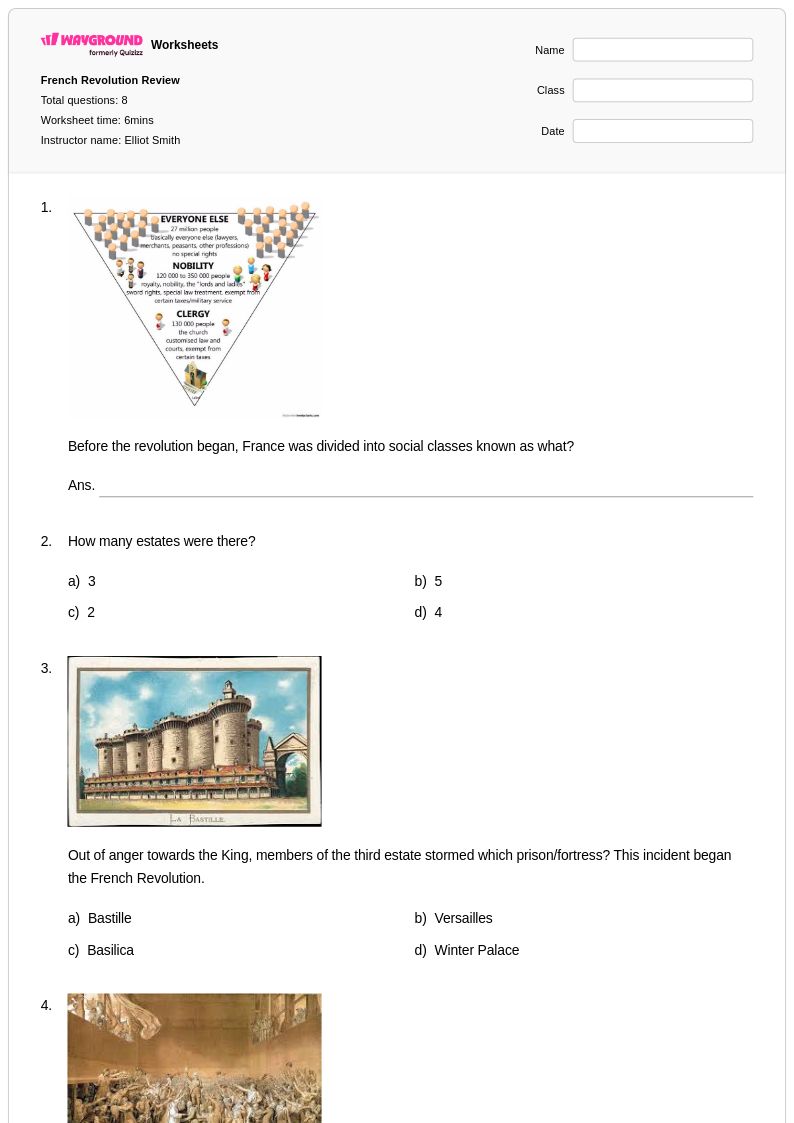
8 Q
9th - 10th
Explore Online Safety Worksheets by Grades
Explore Other Subject Worksheets for grade 9
Explore printable Online Safety worksheets for Grade 9
Online safety worksheets for Grade 9 students available through Wayground (formerly Quizizz) provide comprehensive instruction on essential digital citizenship skills and internet security practices. These carefully designed educational materials help students develop critical thinking abilities for navigating online environments safely, including recognizing cyberbullying, understanding privacy settings, identifying secure websites, and protecting personal information. The worksheets incorporate real-world scenarios and practice problems that challenge students to analyze potential online threats, evaluate digital communication strategies, and apply appropriate safety protocols across various digital platforms. Each worksheet collection includes detailed answer keys and is available as free printables in convenient pdf format, making them accessible resources for both classroom instruction and independent study.
Wayground's extensive collection of online safety worksheets draws from millions of teacher-created resources specifically designed to meet Grade 9 social studies curriculum requirements and digital literacy standards. The platform's advanced search and filtering capabilities enable educators to quickly locate age-appropriate materials that align with specific learning objectives, whether focusing on social media awareness, password security, or online predator recognition. Teachers benefit from robust differentiation tools that allow customization of worksheet difficulty levels and content focus areas, supporting both remediation for struggling learners and enrichment opportunities for advanced students. The dual availability of printable pdf worksheets and interactive digital formats provides flexibility for diverse classroom environments and learning preferences, while comprehensive planning tools help educators seamlessly integrate online safety instruction into broader social skills curricula and character education programs.
FAQs
How do I teach online safety to students in a meaningful way?
What topics should an online safety worksheet cover?
What exercises help students practice online safety skills?
What mistakes do students commonly make when learning about online safety?
How can I differentiate online safety instruction for students at different skill levels?
How do I use Wayground's online safety worksheets in my classroom?