
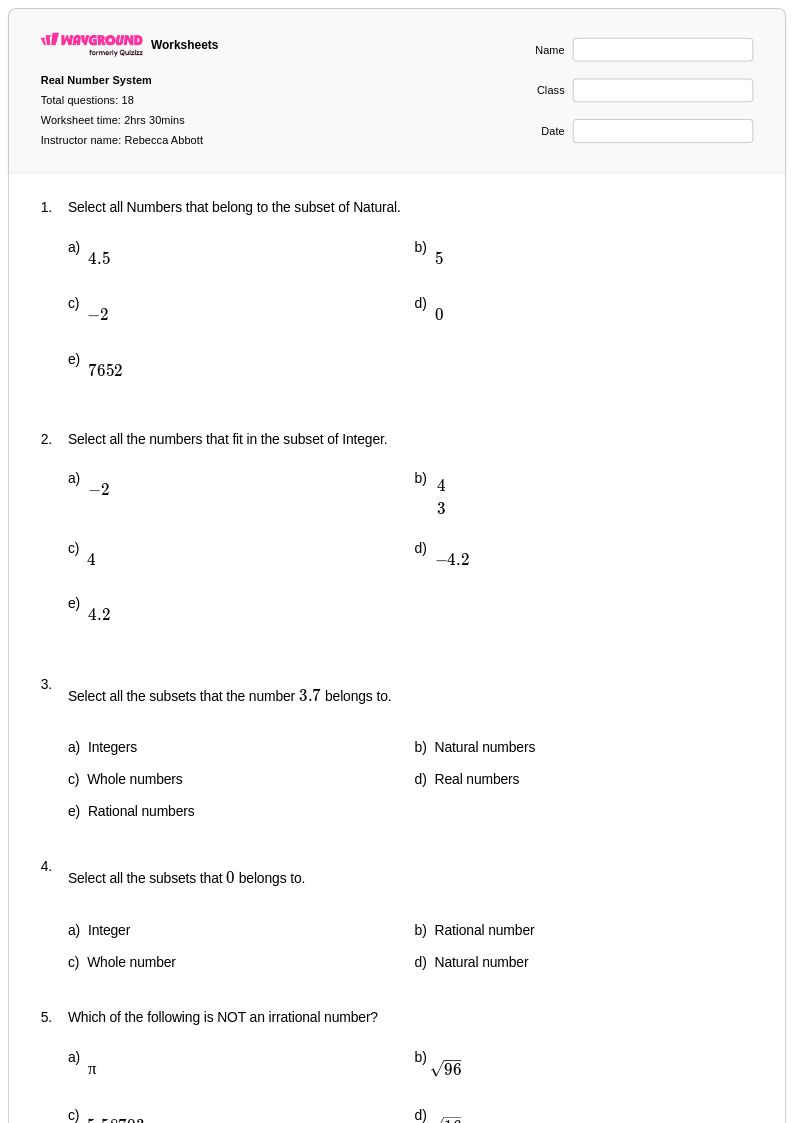
18 Q
6th - 8th
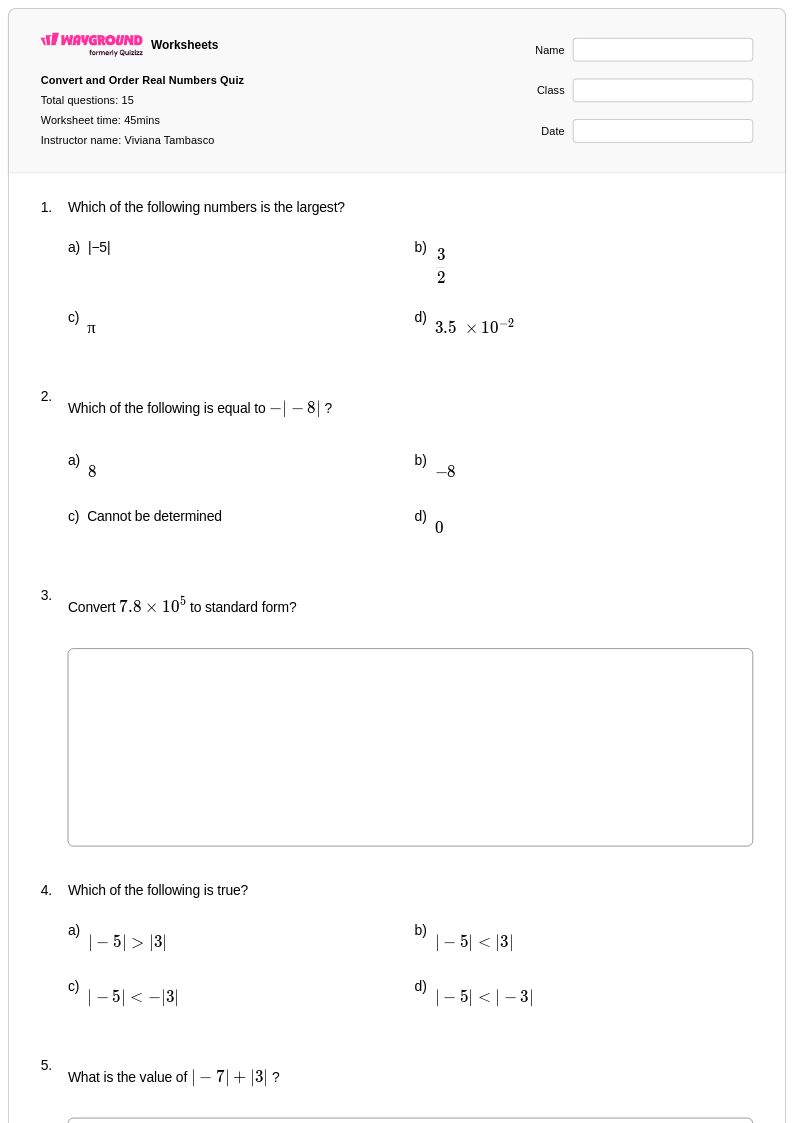
15 Q
6th - 8th
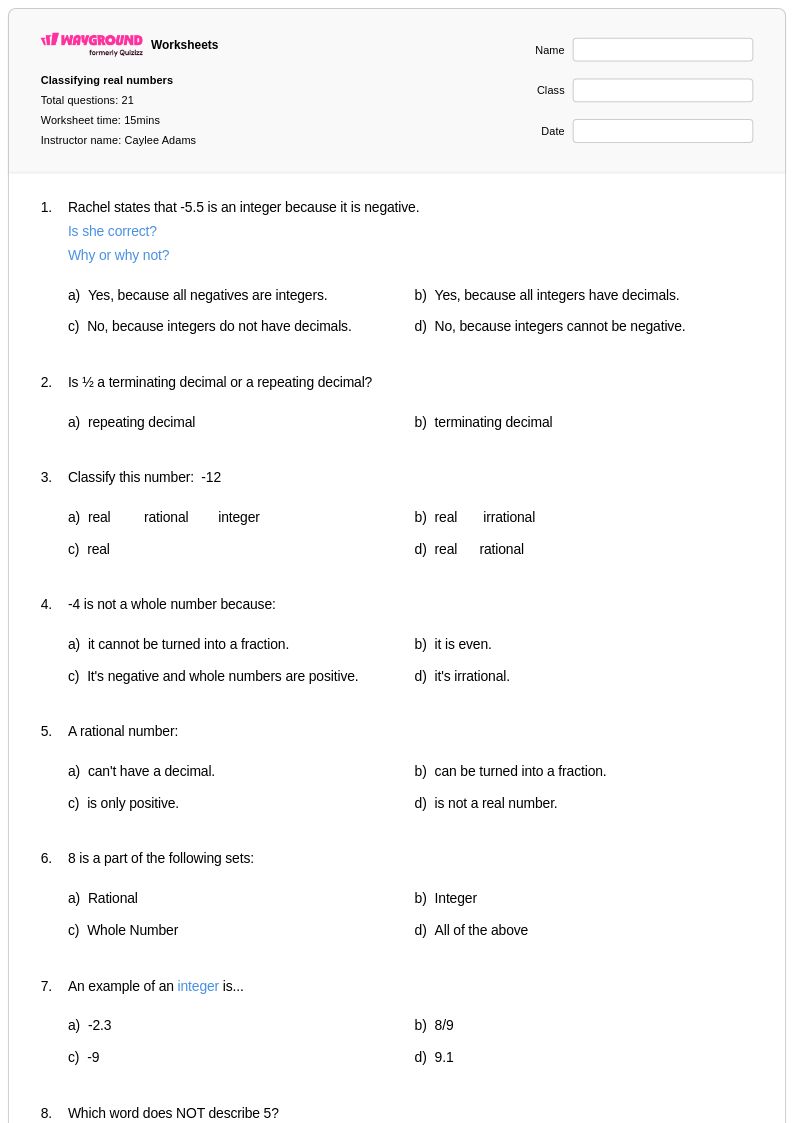
21 Q
6th
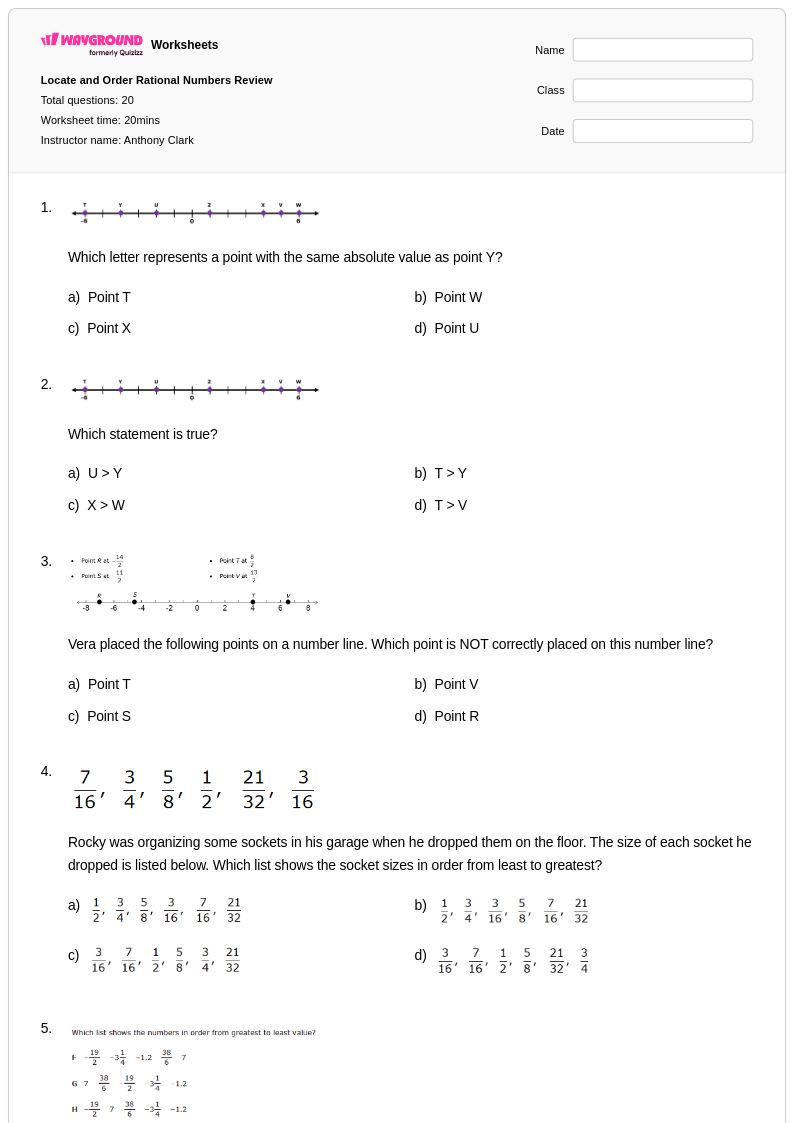
20 Q
6th - Uni
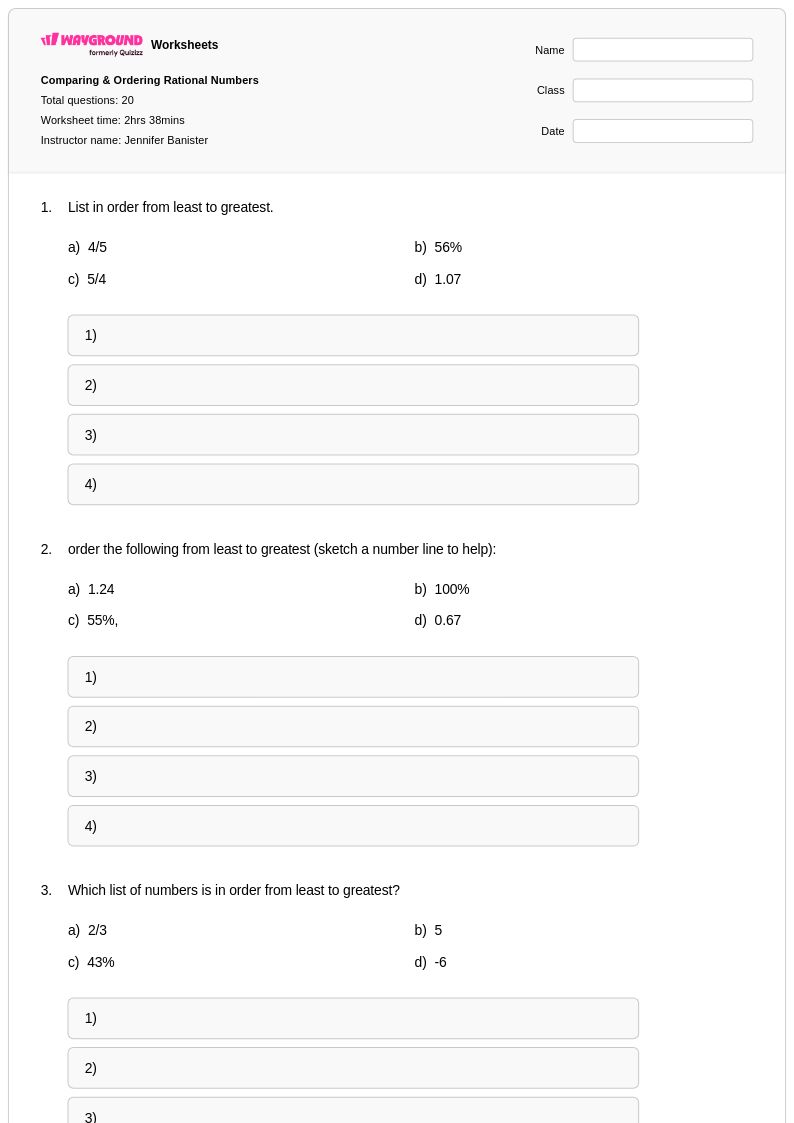
20 Q
6th - 8th
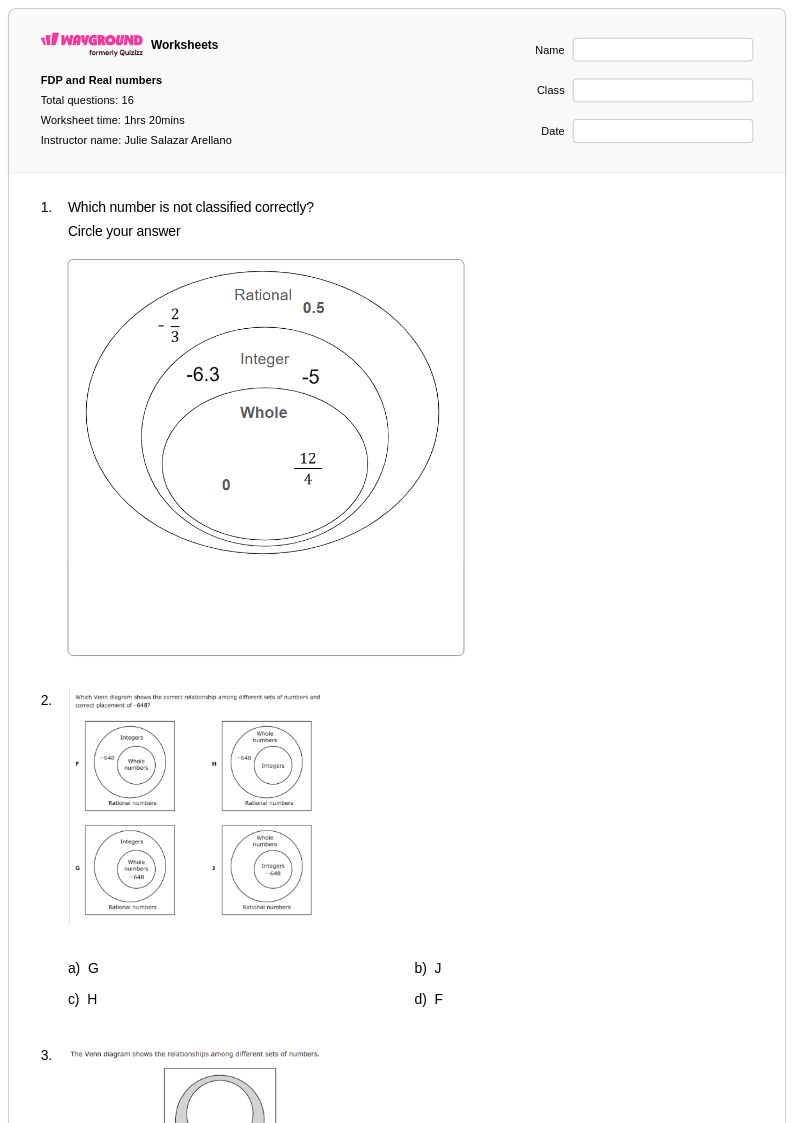
16 Q
6th
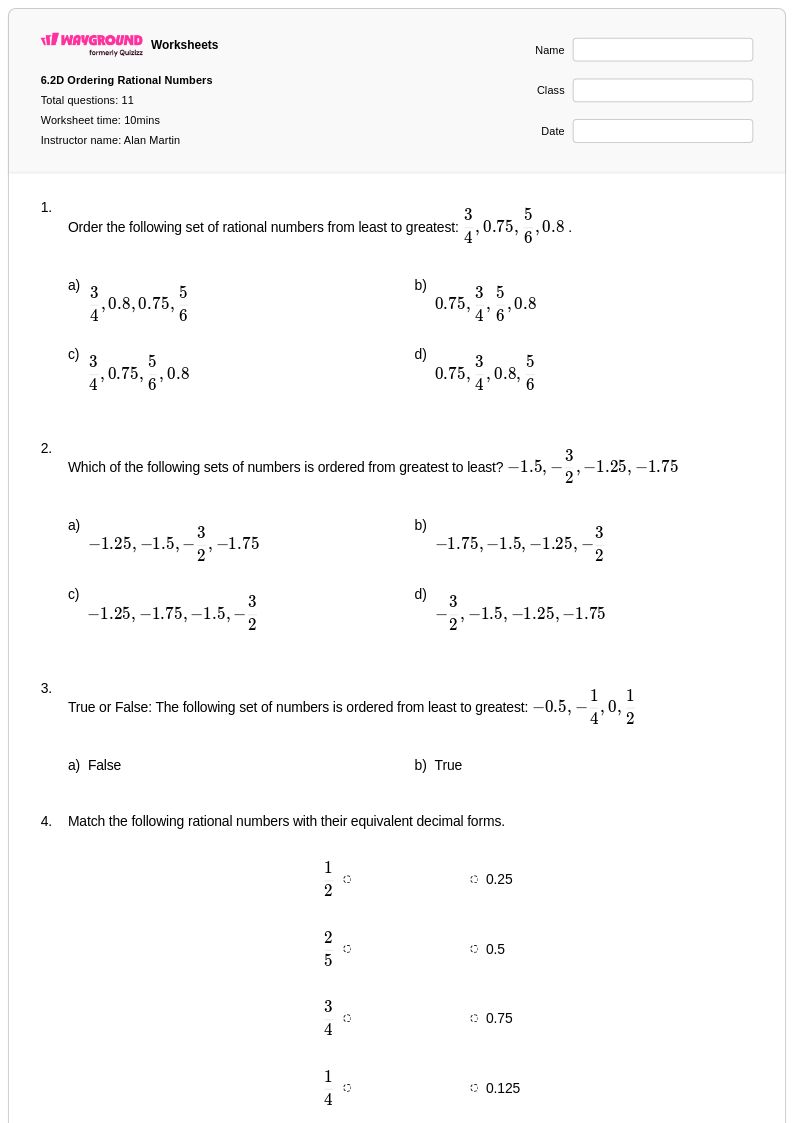
11 Q
6th
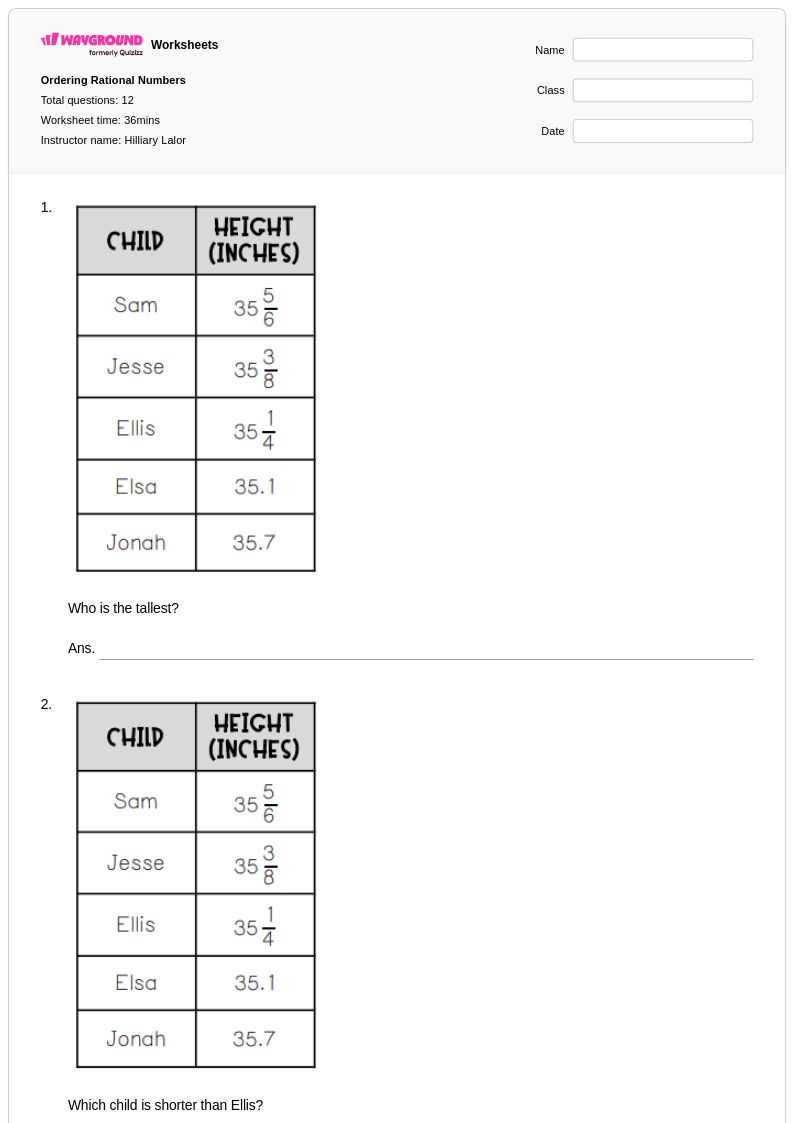
12 Q
6th
7 Q
6th
10 Q
6th
20 Q
6th
20 Q
6th
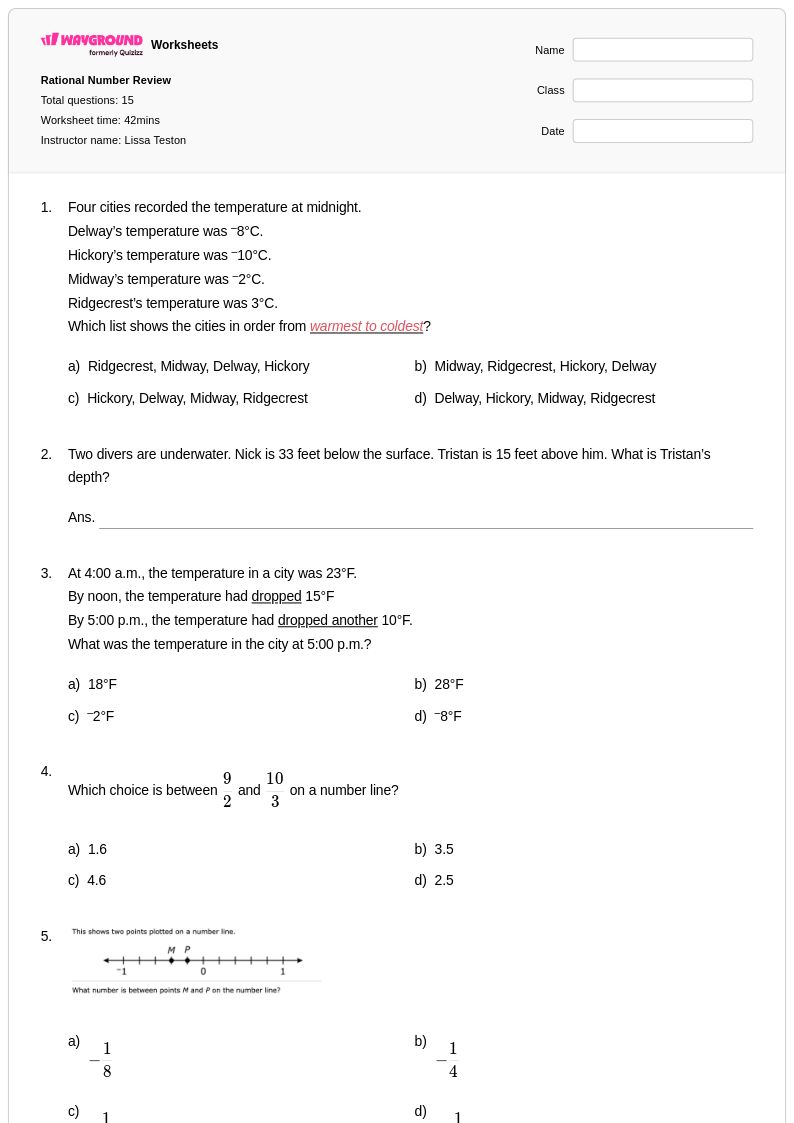
15 Q
6th
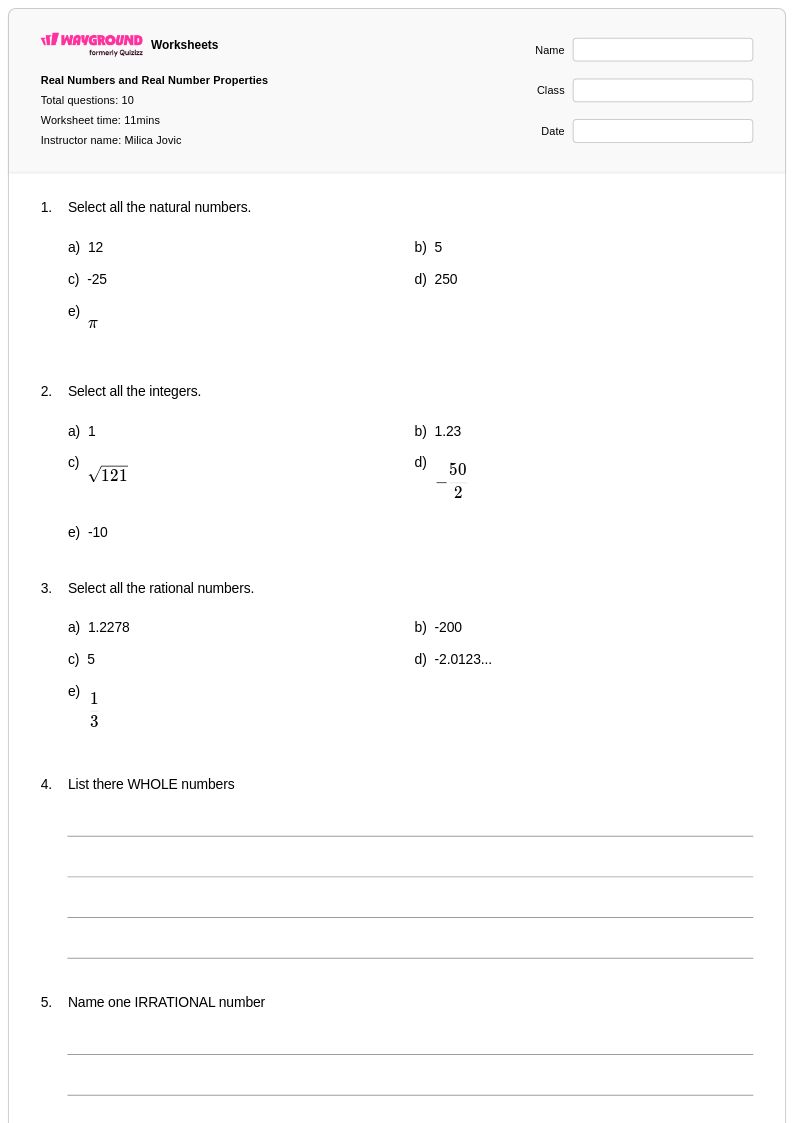
10 Q
6th - 9th
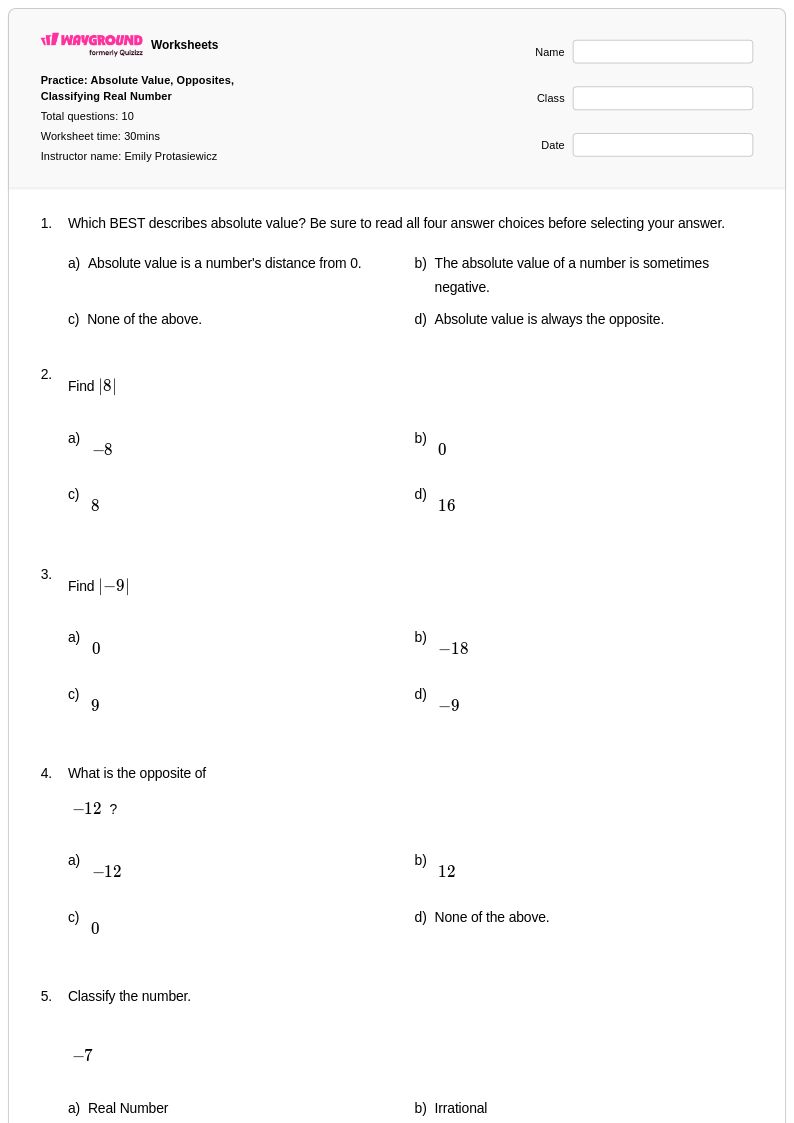
10 Q
6th - 8th
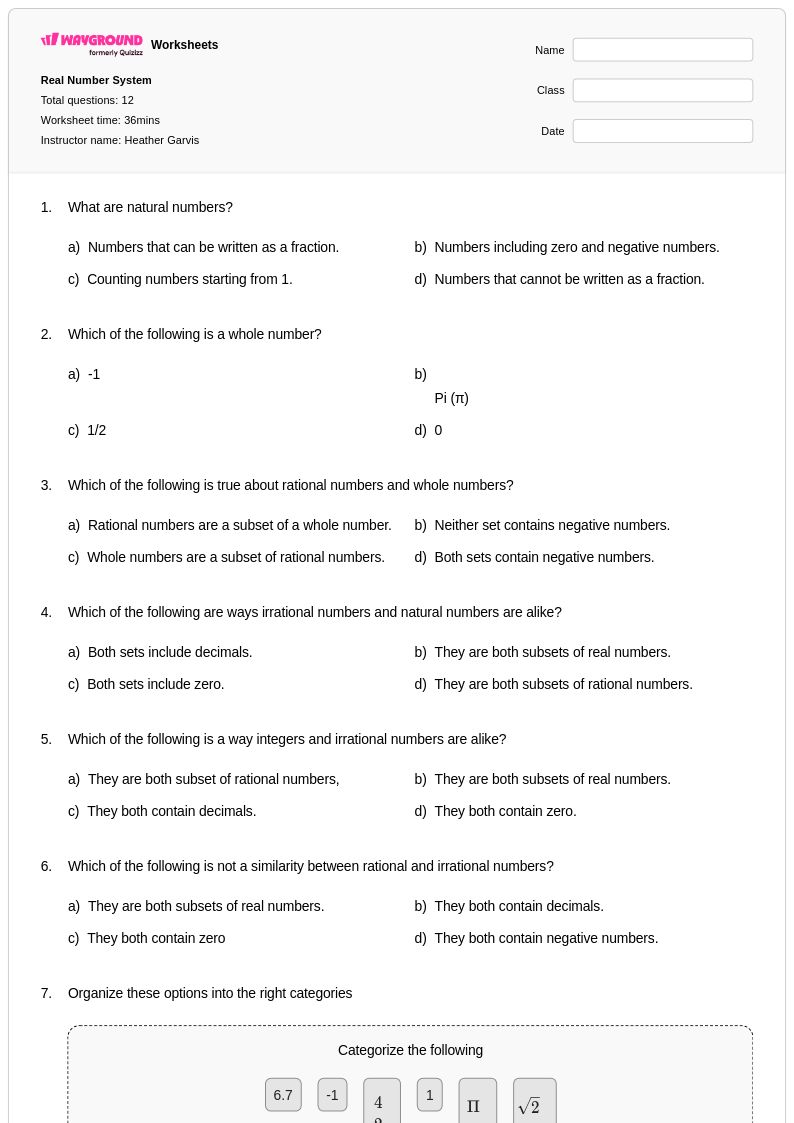
12 Q
6th - 8th
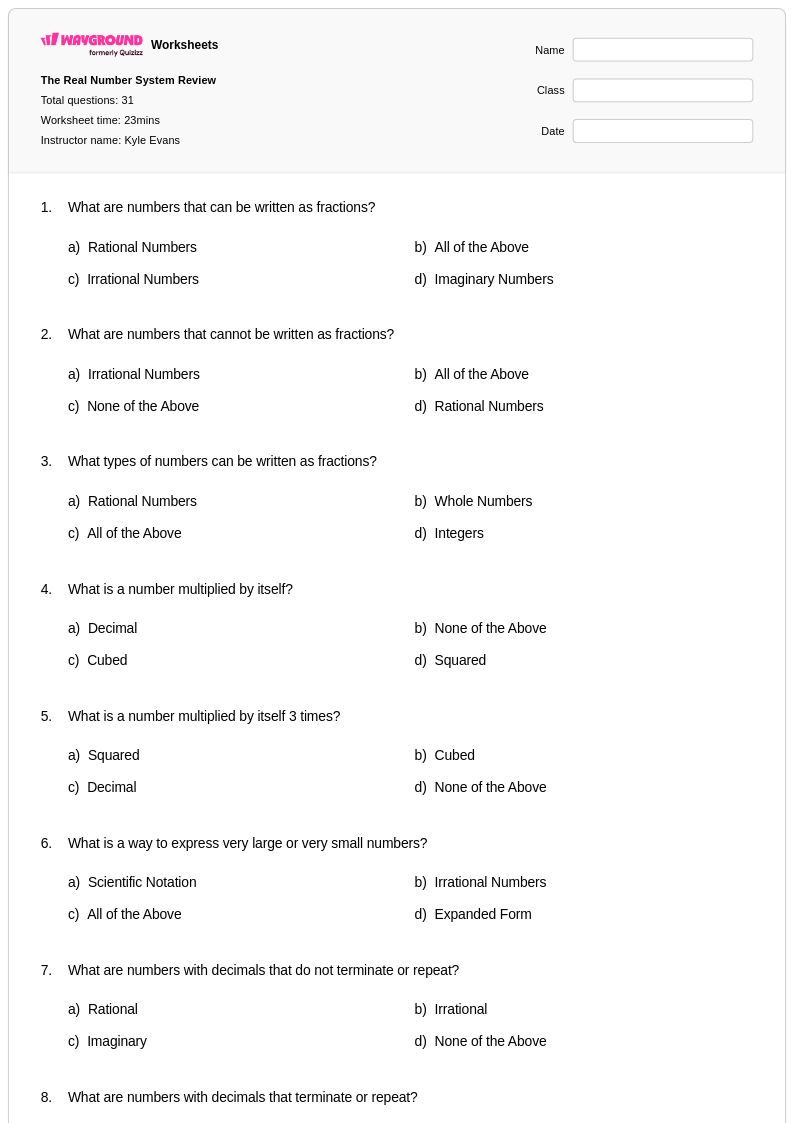
31 Q
5th - 12th
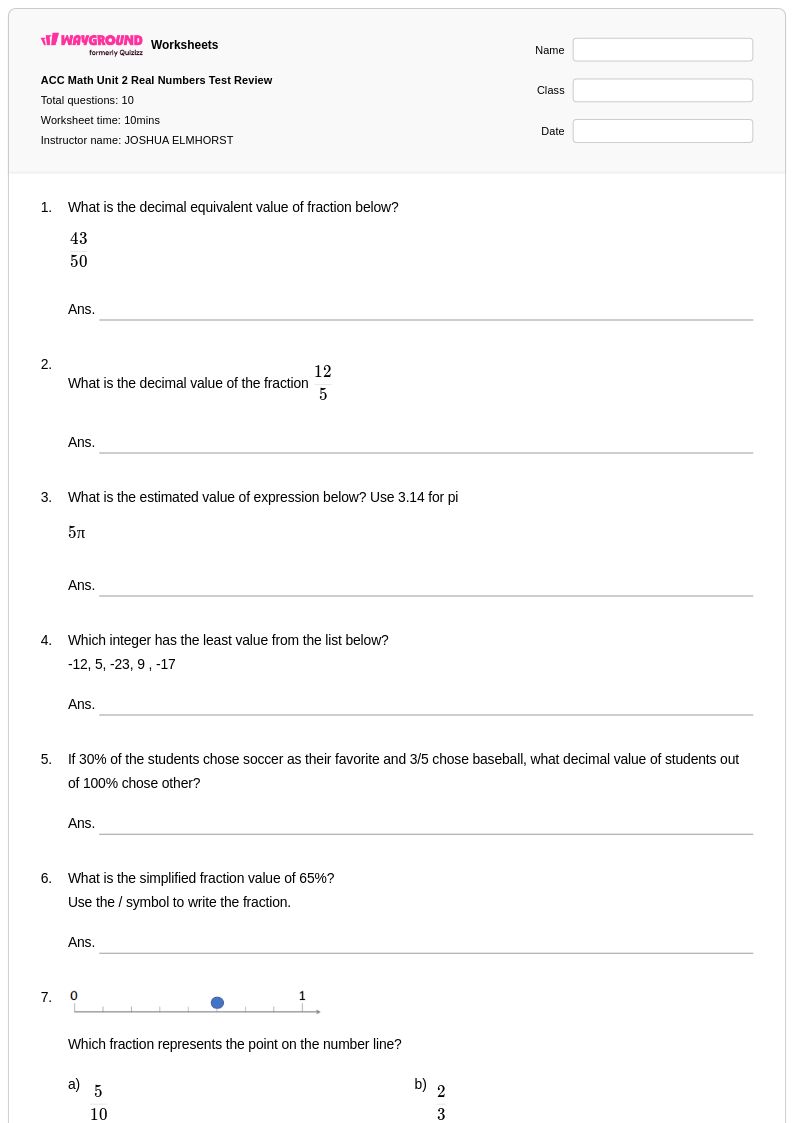
10 Q
6th - 8th
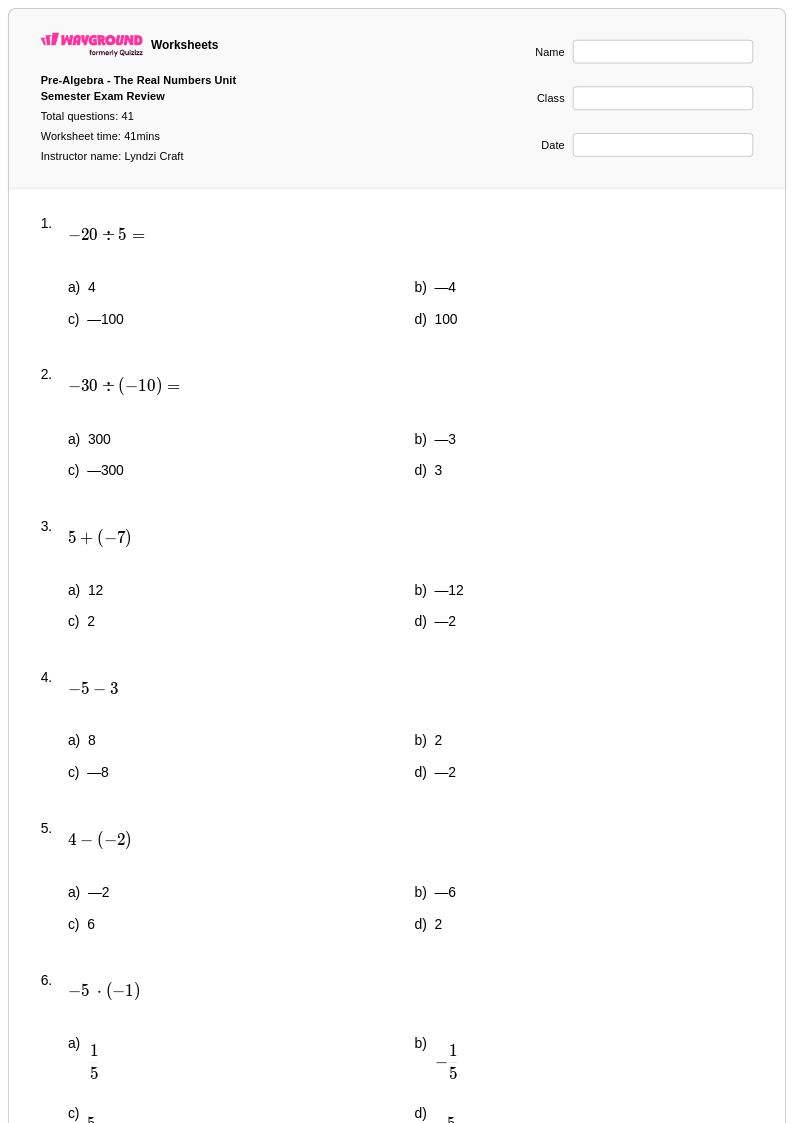
41 Q
6th - 8th
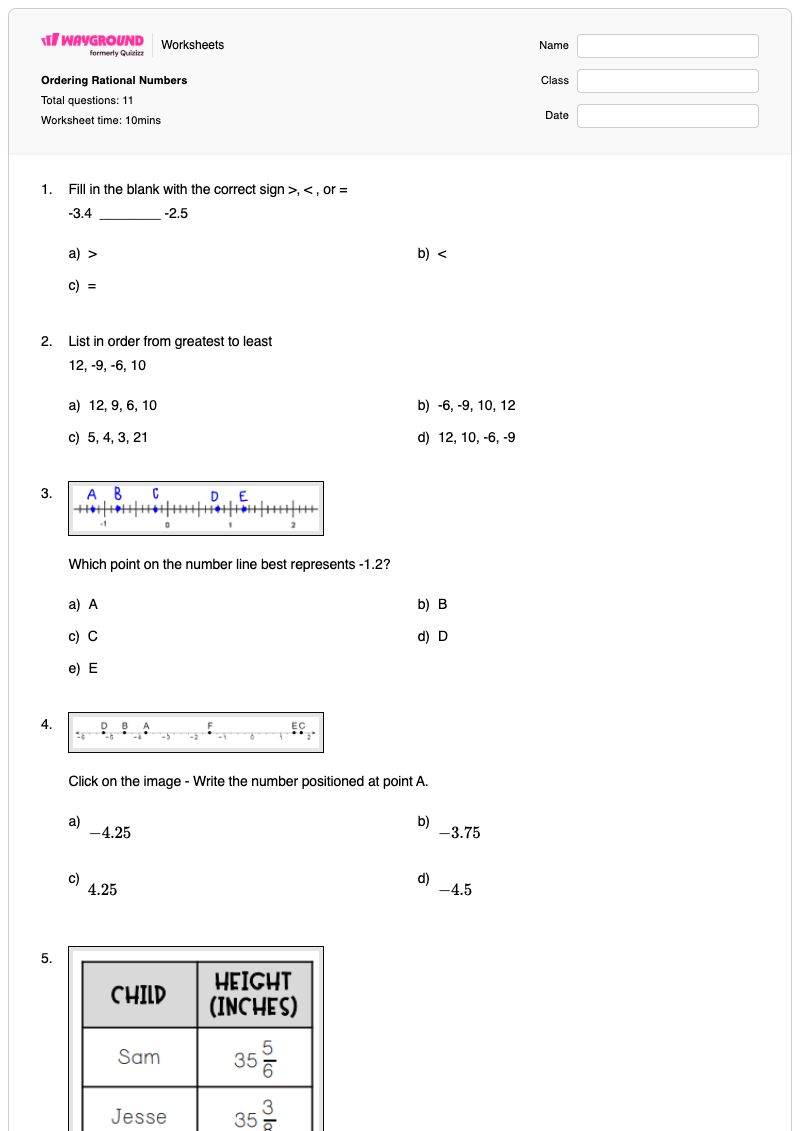
11 Q
6th
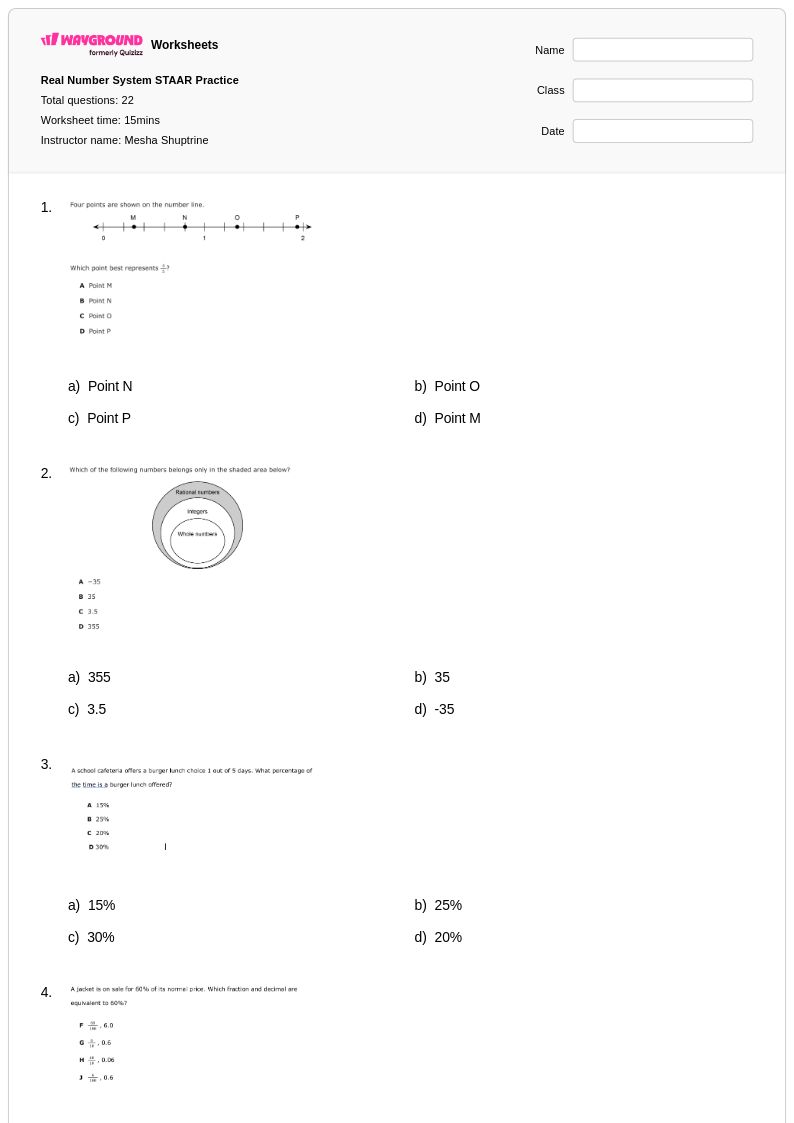
22 Q
6th
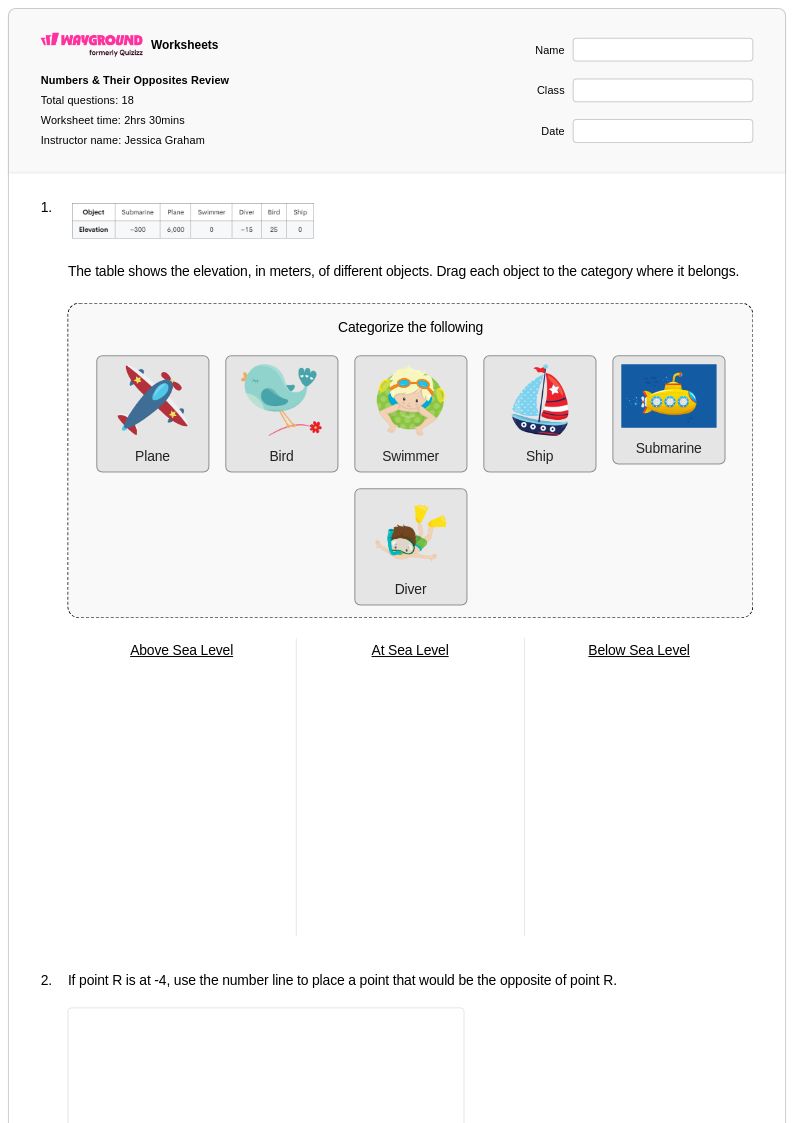
18 Q
6th
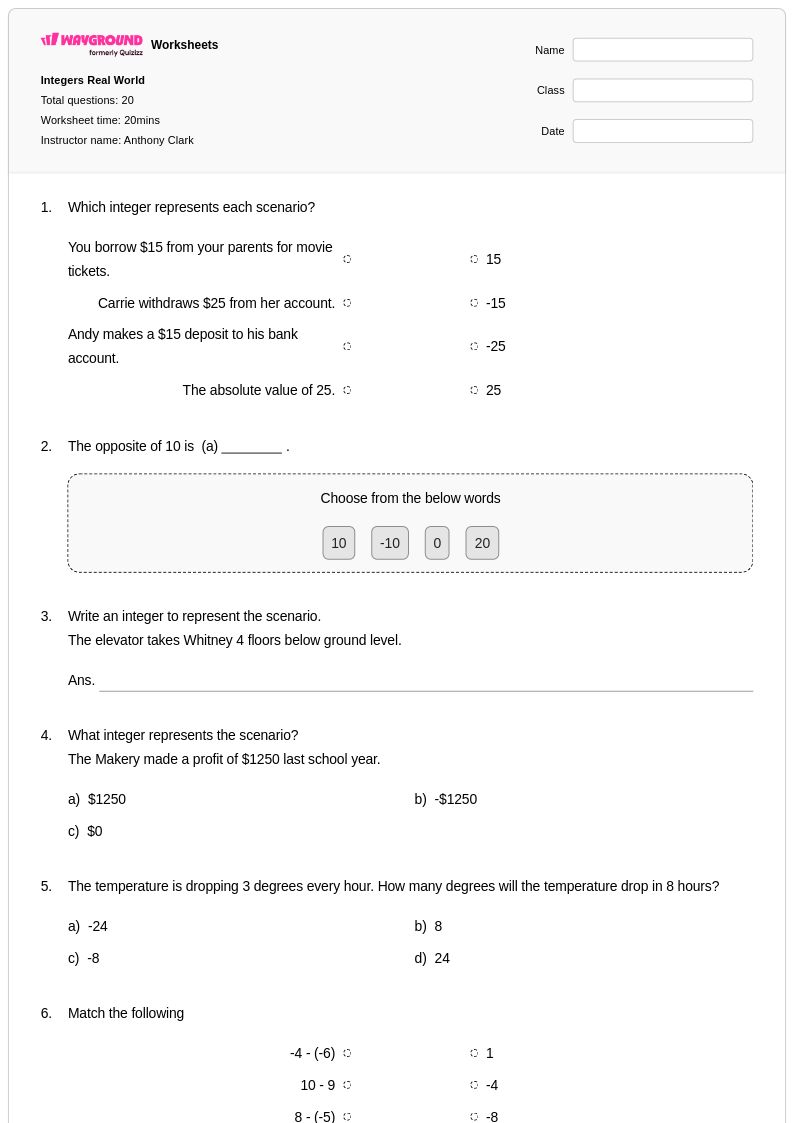
20 Q
6th - Uni
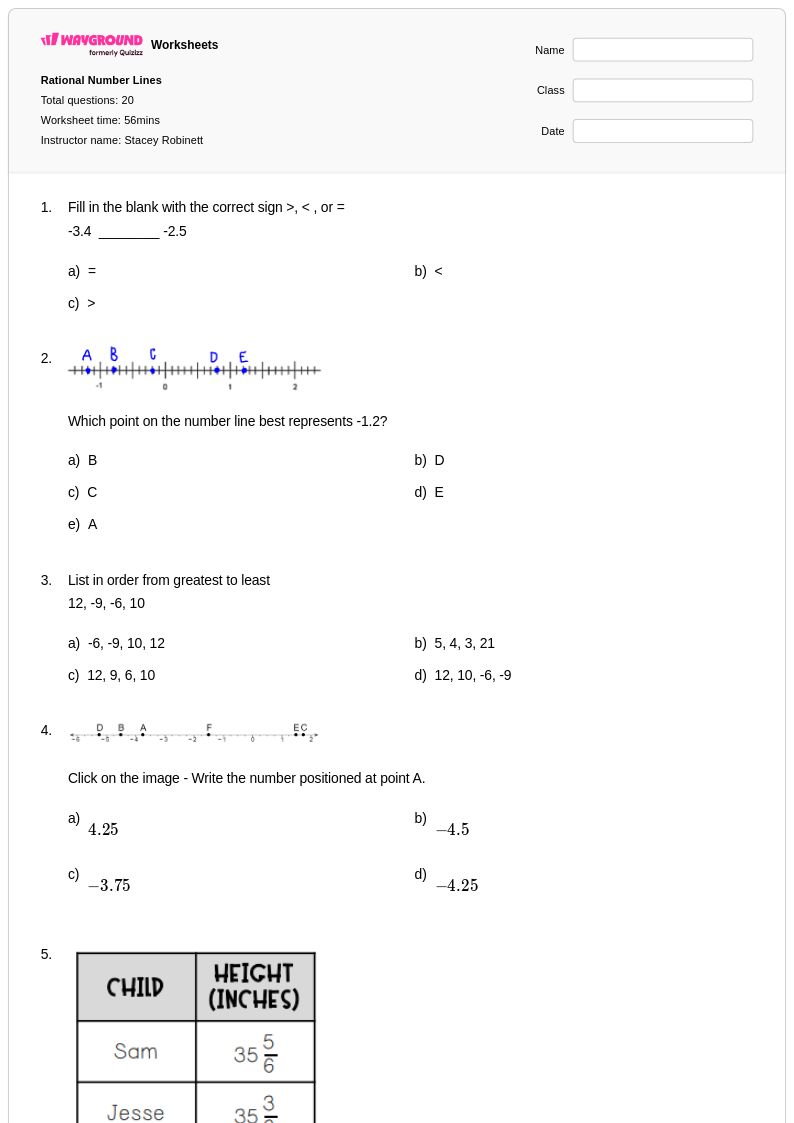
20 Q
6th - 7th
Explore Organizing Real Numbers Worksheets by Grades
Explore Other Subject Worksheets for grade 6
Explore printable Organizing Real Numbers worksheets for Grade 6
Organizing Real Numbers worksheets for Grade 6 students provide essential practice in understanding how different types of numbers relate to one another within the number system. These comprehensive worksheets help students develop critical thinking skills as they learn to classify, compare, and arrange integers, fractions, decimals, and other real numbers using various organizational methods such as number lines, Venn diagrams, and ordering exercises. Through systematic practice problems, students strengthen their ability to identify rational and irrational numbers, understand absolute value concepts, and recognize patterns within number sets. Each worksheet collection includes detailed answer keys and is available as free printable pdf resources, making it easy for educators to incorporate meaningful number sense activities into their mathematics curriculum.
Wayground, formerly Quizizz, empowers teachers with millions of educator-created resources specifically designed for organizing real numbers instruction at the Grade 6 level. The platform's robust search and filtering capabilities allow teachers to quickly locate worksheets that align with specific learning standards and match their students' individual needs. Advanced differentiation tools enable educators to customize difficulty levels and problem types, ensuring that both struggling learners and advanced students receive appropriate challenges. These versatile resources are available in both printable and digital formats, including downloadable pdf versions, giving teachers the flexibility to seamlessly integrate them into lesson planning, targeted remediation sessions, enrichment activities, and ongoing skill practice assessments that support comprehensive mathematical understanding.
FAQs
What aspects of organizing numbers are taught in 6th grade?
What's an effective way to introduce the rational number system in 6th grade?
What mistakes do 6th graders often make when ordering rational numbers?
What types of practice problems do these Grade 6 worksheets include?
How can I use these Grade 6 worksheets?
How does this topic align with 6th-grade standards?